Tag: Mindfulness

Yet more about Mindfulness

I am returning to this subject.

Simply because it is so important to us humans. For the world we live in has changed, and changed drastically. Now we are ‘wired up’ and that means less time to do nothing.

In 2010 I presented a book review Mindfulness by Ellen Janger.

Now I want to share an article presented by The Conversation.

ooOOoo

Mindfulness won’t burn calories, but it might help you stick with your health goals
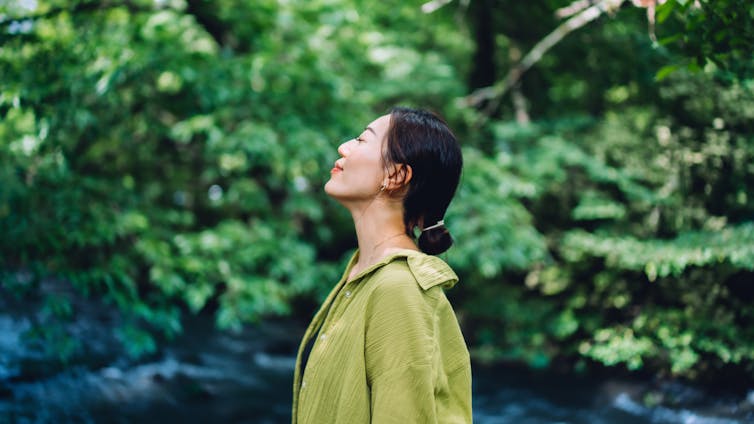
Meditation exists on a spectrum, from mindful moments and bursts of mindfulness to building up to a formal meditative practice. d3sign/Moment via Getty Images

Masha Remskar, Arizona State University

Most people know roughly what kind of lifestyle they should be living to stay healthy.

Think regular exercise, a balanced diet and sufficient sleep. Yet, despite all the hacks, trackers and motivational quotes, many of us still struggle to stick with our health goals.

Meanwhile, people worldwide are experiencing more lifestyle-associated chronic disease than ever before.

But what if the missing piece in your health journey wasn’t more discipline – but more stillness?

Research shows that mindfulness meditation can help facilitate this pursuit of health goals through stillness, and that getting started is easier than you might think – no Buddhist monk robes or silent retreats required.

Given how ubiquitous and accessible mindfulness resources are these days, I have been surprised to see mindfulness discussed and studied only as a mental health tool, stopping short of exploring its usefulness for a whole range of lifestyle choices.

I am a psychologist and behavioral scientist researching ways to help people live healthier lives, especially by moving more and regulating stress more efficiently.

My team’s work and that of other researchers suggests that mindfulness could play a pivotal role in paving the way for a healthier society, one mindful breath at a time.

Mindfulness unpacked

Mindfulness has become a buzzword of late, with initiatives now present in schools, boardrooms and even among first responders. But what is it, really?

Mindfulness refers to the practice or instance of paying careful attention to one’s present-moment experience – such as their thoughts, breath, bodily sensations and the environment – and doing so nonjudgmentally. Its origins are in Buddhist traditions, where it plays a crucial role in connecting communities and promoting selflessness.

Over the past 50 years, however, mindfulness-based practice has been Westernized into structured therapeutic programs and stress-management tools, which have been widely studied for their benefits to mental and physical health.

Research has shown that mindfulness offers wide-ranging benefits to the mind, the body and productivity.

Mindfulness-based programs, both in person and digitally delivered, can effectively treat depression and anxiety, protect from burnout, improve sleep and reduce pain.

The impacts extend beyond subjective experience too. Studies find that experienced meditators – that is, people who have been meditating for at least one year – have lower markers of inflammation, which means that their bodies are better able to fight off infections and regulate stress. They also showed improved cognitive abilities and even altered brain structure.

But I find the potential for mindfulness to support a healthy lifestyle most exciting of all.

A senior couple sitting on the beach, pressing their feet together as the woman pulls the man's arms forward in a stretch.
Mindfulness meditation may enhance the psychological skills needed to follow through on exercise and other health habits. Maria Korneeva/Moment via Getty Images

How can mindfulness help you build healthy habits?

My team’s research suggests that mindfulness equips people with the psychological skills required to successfully change behavior. Knowing what to do to achieve healthy habits is rarely what stands in people’s way. But knowing how to stay motivated and keep showing up in the face of everyday obstacles such as lack of time, illness or competing priorities is the most common reason people fall off the wagon – and therefore need the most support. This is where mindfulness comes in.

Multiple studies have found that people who meditate regularly for at least two months become more inherently motivated to look after their health, which is a hallmark of those who adhere to a balanced diet and exercise regularly.

A 2024 study with over 1,200 participants that I led found more positive attitudes toward healthy habits and stronger intentions to put them into practice in meditators who practiced mindfulness for 10 minutes daily alongside a mobile app, compared with nonmeditators. This may happen because mindfulness encourages self-reflection and helps people feel more in tune with their bodies, making it easier to remember why being healthier is important to us.

Another key way mindfulness helps keep momentum with healthy habits is by restructuring one’s response to pain, discomfort and failure. This is not to say that meditators feel no pain, nor that pain during exercise is encouraged – it is not!

Mild discomfort, however, is a very common experience of novice exercisers. For example, you may feel out of breath or muscle fatigue when initially taking up a new activity, which is when people are most likely to give up. Mindfulness teaches you to notice these sensations but see them as transient and with minimal judgment, making them less disruptive to habit-building.

Putting mindfulness into practice

A classic mindfulness exercise includes observing the breath and counting inhales up to 10 at a time. This is surprisingly difficult to do without getting distracted, and a core part of the exercise is noticing the distraction and returning to the counting. In other words, mindfulness involves the practice of failure in small, inconsequential ways, making real-world perceived failure – such as a missed exercise session or a one-off indulgent meal – feel more manageable. This strengthens your ability to stay consistent in pursuit of health goals.

Finally, paying mindful attention to our bodies and the environment makes us more observant, resulting in a more varied and enjoyable exercising or eating experience. Participants in another study we conducted reported noticing the seasons changing, a greater connection to their surroundings and being better able to detect their own progress when exercising mindfully. This made them more likely to keep going in their habits.

Luckily, there are plenty of tools available to get started with mindfulness practice these days, many of them free. Mobile applications, such as Headspace or Calm, are popular and effective starting points, providing audio-guided sessions to follow along. Some are as short as five minutes. Research suggests that doing a mindfulness session first thing in the morning is the easiest to maintain, and after a month or so you may start to see the skills from your meditative practice reverberating beyond the sessions themselves.

Based on our research on mindfulness and exercise, I collaborated with the nonprofit Medito Foundation to create the first mindfulness program dedicated to moving more. When we tested the program in a research study, participants who meditated alongside these sessions for one month reported doing much more exercise than before the study and having stronger intentions to keep moving compared with participants who did not meditate. Increasingly, the mobile applications mentioned above are offering mindful movement meditations too.

If the idea of a seated practice does not sound appealing, you can instead choose an activity to dedicate your full attention to. This can be your next walk outdoors, where you notice as much about your experience and surroundings as possible. Feeling your feet on the ground and the sensations on your skin are a great place to start.

For people with even less time available, short bursts of mindfulness can be incorporated into even the busiest of routines. Try taking a few mindful, nondistracted breaths while your coffee is brewing, during a restroom break or while riding the elevator. It may just be the grounding moment you need to feel and perform better for the rest of the day.

Masha Remskar, Psychologist and Postdoctoral Researcher in Behavioral Science, Arizona State University

This article is republished from The Conversation under a Creative Commons license. Read the original article.

ooOOoo

Moments of rest are essential, grounding moments as written in the article. The article is great and has great motivation to abide by the recommendations.

Please read carefully the article and change your ways.
Managing eco-anxiety.

Republishing a recent article published by The Conversation.

Before I go to this article I want to talk briefly about the book the Myth of Normal or as the subtitle explains TRAUMA, ILLNESS & HEALING IN A TOXIC CULTURE.

Let me pick this closing paragraph of Chapter 20, on page 296:

Disconnection in all its guises – alienation, loneliness, loss of meaning and dislocation – is becoming our culture’s most plentiful product. No wonder we are more addicted, chronically ill, and mentally disordered than ever before, enfeebled as we are by such malnourishment of mind, body, and soul.

the Myth of Normal, Dr Gabor Maté with Daniel Maté

It is a very powerful book albeit not the easiest read in the world but still highly recommended.

Plus there is a YouTube video of Dr. Maté being interviewed in July, 2023 by Tara Westover (also a long video!).

Now to the main purpose of today’s post.

ooOOoo

Keeping your cool in a warming world: 8 steps to help manage eco-anxiety

Karen Magruder, University of Texas at Arlington

In a world facing environmental challenges unprecedented in human history, it’s no surprise that eco-anxiety – a pervasive worry about the current and future state of our planet – has become an increasingly prevalent mental health issue.

As people witness the devastating impacts of climate change, deforestation and loss of biodiversity, it’s only natural to feel overwhelmed and disheartened. I happen to live in Phoenix, Arizona, a “heat apocalypse” city with dwindling water supplies, so I have some skin in the game.

But amid doom-and-gloom predictions, there is hope. As a therapist and clinical social work professor, I have seen firsthand how paralyzing eco-anxiety can be, and I’m dedicated to finding solutions. Here are a few evidence-based tips to tackle your climate woes.

What is eco-anxiety?

Eco-anxiety is a broad term that encompasses dread about environmental issues like pollution and disposal of toxic waste, as well as climate-specific fears, such as increasing rates of extreme weather events and sea-level rise.

Common symptoms of eco-anxiety include worry about future generations, trouble sleeping or concentrating, feelings of frustration and a sense of helplessness. These feelings can range from mild and fleeting concerns to deep despair, panic attacks and obsessive-compulsive behaviors.

Sound like you or someone you know? There are a number of tools that can help people cope with these feelings, summed up with the acronym UPSTREAM.

Understanding and self-compassion

Be kind to yourself and know that you are not alone in these feelings.

Caring about the world you live in does not make you a “crazy” alarmist. In fact, growing numbers of people across the globe feel the same way, with two-thirds of Americans reporting being at least somewhat worried about climate change in recent polls.

It makes sense that people would feel nervous when basic needs like safety and shelter are threatened. Give yourself grace, because beating yourself up for these very valid feelings will only make you feel worse.

Participate in the solution

It can be hard to feel empowered when environmental harms are taking a toll on your mental health, but the escalating global crisis still demands urgent attention. Instead of burying your head in the sand, use that mental discomfort as a catalyst for action.

Individual efforts to reduce your carbon footprint matter. Joining larger movements has the potential for even move significant impacts, as well as the potential to buffer anxiety, research shows. Volunteer your own unique passions, talents and skills to advocate for systemic changes that will benefit the planet and humanity.

When you feel anxious, use that energy as fuel for the fight. Harnessing eco-anxiety in this way can reduce your sense of powerlessness.

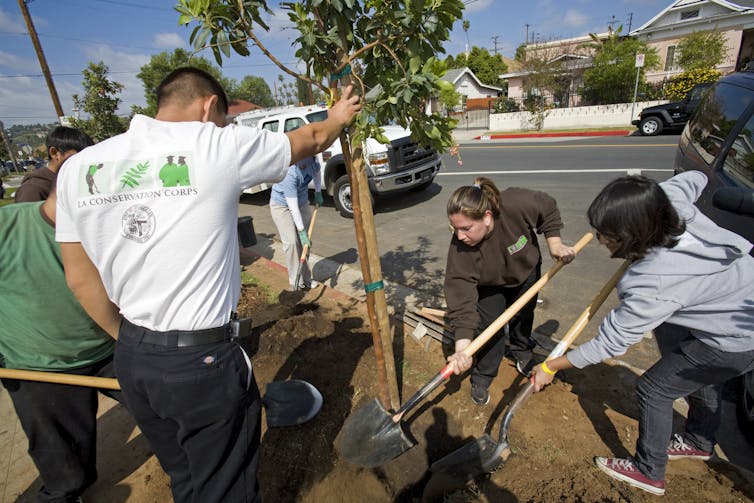
A group of young people plant trees along a street in Los Angeles. One is wearing an LA Conservation Corps T-shirt.
Local groups can take action in many ways, including helping to plant trees, educating residents or pressuring lawmakers to take action. Citizen of the Planet/Education Images/Universal Images Group via Getty Images

Self-talk

The weight of the climate crisis is heavy enough as it is – don’t let your brain make you feel even worse.

When it comes to thinking about climate change, a realistic mindset puts us in a “just right” psychological Goldilocks zone. Don’t numb your psychic wounds, but also don’t over-catastrophize.

As a therapist, I often help clients identify and reframe unhelpful thinking patterns. For example, while it is true that there are many environmental problems to grapple with, there is also positive news, so don’t discount it. Recognize and celebrate victories big and small.

Trauma: Process it so you can heal

The climate crisis has been conceptualized as a collective trauma, and many individuals are struggling with eco-grief from climate impacts that have already happened. Processing past trauma from events like weather disasters is a crucial step in enhancing your ability to cope with new experiences.

Even people who have not yet experienced significant climate impacts directly may have signs of pre-traumatic stress, a clinical term for the distress experienced in anticipation of a high-stress situation. A licensed mental health professional can help you process these emotions.

Reduce isolation

It’s no secret that having a strong social support network is a key ingredient for happiness. Surrounding yourself with compassionate, like-minded friends is also key to sustained efforts in doing your part to make a difference.

Consider joining or starting a Climate Cafe or similar group to talk about climate concerns. Visit a 10-step climate grief meeting. Join a local environmental organization. Or simply call up a friend when you need a listening ear.

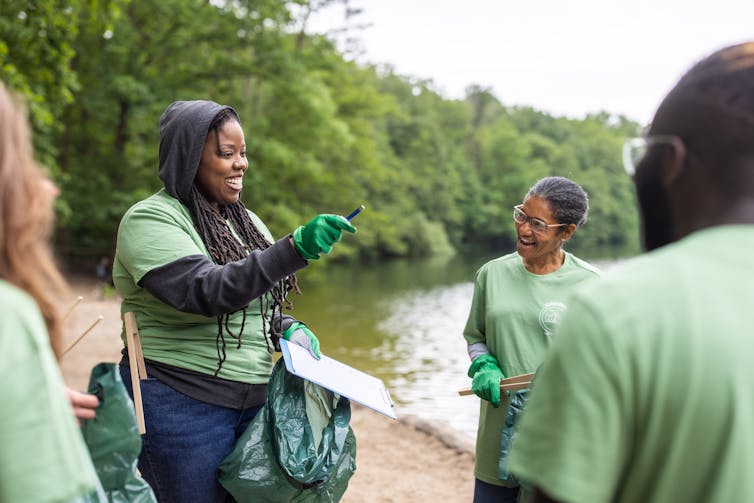
A woman holds a trash bag and directs others in a lakeshore clean up effort.
Community cleanup days can help reduce isolation and help you feel involved in making the world a better place. Luis Alvarez/DigitalVision via Getty Images

Ecotherapy

Get outdoors and enjoy nature.

Go for a quiet walk in the woods and observe nature all around you – it’s a Japanese practice for relaxation known as forest bathing. Spend time gardening. Exercise outdoors or otherwise spend time outdoors in a place that is relaxing and restorative for you.

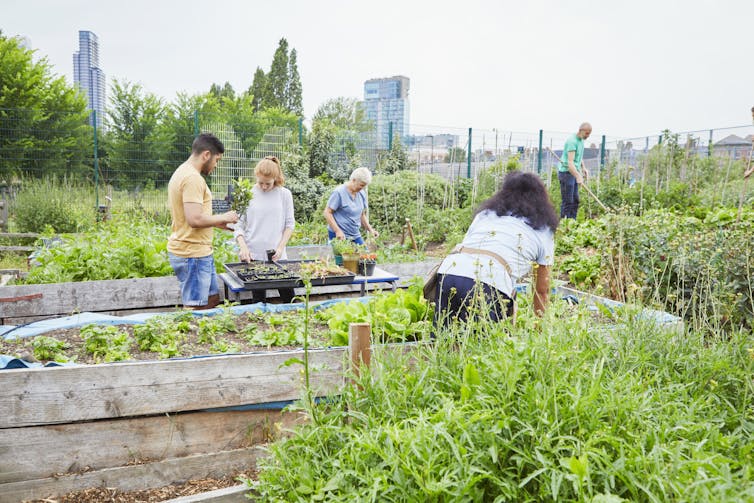
Gardening can relax the mind and put you in touch with nature. If you don’t have a yard, find a community garden. Compassionate Eye Foundation/Natasha Alipour Faridani via Getty Images

Acts of self-care

Self-care is paramount when it comes to managing the emotional toll of eco-anxiety.

Engaging in self-care practices, such as getting adequate sleep, eating healthy and having fun, helps us maintain a sense of balance in the face of overwhelming environmental concerns.

Remember what they teach you on airplanes – you should always put on your own oxygen mask before helping other passengers. Likewise, when we come from a place of wellness, we are better equipped to handle the stresses of eco-anxiety and make a difference in this area.

Mindfulness

Because eco-grief is focused on the past and eco-anxiety is future-oriented, reconnecting to the present moment is a powerful way to combat both.

By cultivating mindfulness – a nonjudgmental awareness of the present moment – people can become more attuned to their thoughts, feelings and bodily sensations in response to eco-anxiety triggers. This heightened self-awareness helps people to acknowledge worries without becoming consumed by them.

Mindfulness practices, such as meditation and deep breathing, provide a calming and grounding effect, helping to reduce stress and alleviate feelings of helplessness. Moreover, mindfulness fosters a deeper connection to nature and an appreciation for the present moment, which can counteract the sense of despair associated with future environmental uncertainties.

In the face of eco-anxiety, these strategies can build resilience, reminding everyone that they have the power to shape a more sustainable and hopeful future.

Karen Magruder, Assistant Professor of Practice in Social Work, University of Texas at Arlington

This article is republished from The Conversation under a Creative Commons license. Read the original article.

ooOOoo

There’s a powerful reminder that we have the power to stay in the present, or to put it another way by cultivating mindfulness. There are quite a few websites on Mindfulness including this description of what Mindfulness is on the Mayo Clinic website.

Mindfulness is a type of meditation in which you focus on being intensely aware of what you’re sensing and feeling in the moment, without interpretation or judgment. Practicing mindfulness involves breathing methods, guided imagery, and other practices to relax the body and mind and help reduce stress.

Mayo Clinic

Now that is something I should really focus on as I am terrible at being in the moment and nowhere else.

Putting aside the pills!

A fascinating article presents an alternative.

There was a recent item on The Conversation that is being shared with you all today. It is about the role of meditation and mindfulness is keeping one healthy, and I sense this will be a popular article!

ooOOoo

Meditation and mindfulness offer an abundance of health benefits and may be as effective as medication for treating certain conditions

By Hilary A. Marusak

Assistant Professor of Psychiatry and Behavioral Neurosciences, Wayne State University

Published January 12th, 2023

Many people look to diet trends or new exercise regimens – often with questionable benefit – to get a healthier start on the new year. But there is one strategy that’s been shown time and again to boost both mood and health: meditation.

In late 2022, a high-profile study made a splash when it claimed that meditation may work as well as a common drug named Lexapro for the treatment of anxiety. Over the past couple of decades, similar evidence has emerged about mindfulness and meditation’s broad array of health benefits, for purposes ranging from stress and pain reduction to depression treatments to boosting brain health and helping to manage excessive inflammation and long COVID-19

Despite the mounting body of evidence showing the health benefits of meditation, it can be hard to weigh the science and to know how robust it is.

I am a neuroscientist studying the effects of stress and trauma on brain development in children and adolescents. I also study how mindfulness, meditation and exercise can positively affect brain development and mental health in youth.

I am very excited about how meditation can be used as a tool to provide powerful new insights into the ways the mind and brain work, and to fundamentally change a person’s outlook on life. And as a mental health researcher, I see the promise of meditation as a low- or no-cost, evidence-based tool to improve health that can be relatively easily integrated into daily life. 

Meditation requires some training, discipline and practice – which are not always easy to come by. But with some specific tools and strategies, it can be accessible to everyone.

What are mindfulness and meditation?

There are many different types of meditation, and mindfulness is one of the most common. Fundamentally, mindfulness is a mental state that, according to Jon Kabat-Zinn a renowned expert in mindfulness-based practices, involves “awareness that arises through paying attention, on purpose, in the present moment, non-judgmentally.” 

This means not ruminating about something that happened in the past or worrying about that to-do list. Being focused on the present, or living in the moment, has been shown to have a broad array of benefits, including elevating mood, reducing anxietylessening pain and potentially improving cognitive performance

Mindfulness is a skill that can be practiced and cultivated over time. The goal is that, with repetition, the benefits of practicing mindfulness carry over into everyday life – when you aren’t actively meditating. For example, if you learn that you aren’t defined by an emotion that arises transiently, like anger, then it may be harder to stay angry for long. 

The health benefits of meditation and other strategies aimed at stress reduction are thought to stem from increasing levels of overall mindfulness through practice. Elements of mindfulness are also present in practices like yoga, martial arts and dance that require focusing attention and discipline.

The vast body of evidence supporting the health benefits of meditation is too expansive to cover exhaustively. But the studies I reference below represent some of the top tier, or the highest-quality and most rigorous summaries of scientific data on the topic to date. Many of these include systematic reviews and meta-analyses, which synthesize many studies on a given topic. 

Stress and mental health

Mindfulness-based programs have been shown to significantly reduce stress in a variety of populations, ranging from caregivers of people living with dementia to children during the COVID-19 pandemic

Meta-analyses published during the pandemic show that mindfulness programs are effective for reducing symptoms of post-traumatic stress disorderobsessive-compulsive disorderattention-deficit/hyperactivity disorder and depression – including the particularly vulnerable time during pregnancy and the postnatal period.

Mindfulness-based programs also show promise as a treatment option for anxiety disorders, which are the most common mental disorders, affecting an estimated 301 million people globally. While effective treatments for anxiety exist, many patients do not have access to them because they lack insurance coverage or transportation to providers, for instance, or they may experience only limited relief.

It’s important to note, however, that for those affected by mental or substance use disorders, mindfulness-based approaches should not replace first-line treatments like medicine and psychotherapy such as cognitive behavioral therapy. Mindfulness strategies should be seen as a supplement to these evidence-based treatments and a complement to healthy lifestyle interventions like physical activity and healthy eating. 

How does meditation work? A look into the brain

Studies show that regular meditators experience better attention control and improved control of heart rate, breathing and autonomic nervous system functioning, which regulates involuntary responses in the body, such as blood pressure. Research also shows that people who meditate have lower levels of cortisol – a hormone involved in the stress response – than those who don’t. 

A recent systematic review of neuroimaging studies showed that focused attention meditation is associated with functional changes in several brain regions involved in cognitive control and emotion-related processing. The review also found that more experienced meditators had stronger activation of the brain regions involved in those cognitive and emotional processes, suggesting that the brain benefits improve with more practice. 

A regular meditation practice may also stave off age-related thinning of the cerebral cortex, which may help to protect against age-related disease and cognitive impairment. 

Limitations of meditation research

This research does have limits. These include a lack of a consistent definition for the types of programs used, and a lack of rigorously controlled studies. In gold-standard randomized controlled trials with medications, study participants don’t know whether they are getting the active drug or a placebo. 

In contrast, in trials of mindfulness-based interventions, participants know what condition they are assigned to and are not “blinded,” so they may expect that some of the health benefits may happen to them. This creates a sense of expectancy, which can be a confounding variable in studies. Many meditation studies also don’t frequently include a control group, which is needed to assess how it compares with other treatments.

Benefits and wider applications

Compared with medications, mindfulness-based programs may be more easily accessible and have fewer negative side effects. However, medication and psychotherapy – particularly cognitive behavioral therapy – work well for many, and a combination approach may be best. Mindfulness-based interventions are also cost-effective and have better health outcomes than usual care, particularly among high-risk patient populations – so there are economic benefits as well.

Researchers are studying ways to deliver mindfulness tools on a computer or smartphone app, or with virtual reality, which may be more effective than conventional in-person meditation training. 

Importantly, mindfulness is not just for those with physical or mental health diagnoses. Anyone can use these strategies to reduce the risk of disease and to take advantage of the health benefits in everyday life, such as improved sleep and cognitive performance, elevated mood and lowered stress and anxiety. 

Where to get started?

Many recreation centers, fitness studios and even universities offer in-person meditation classes. For those looking to see if meditation can help with the treatment of a physical or mental condition, there are over 600 clinical trialscurrently recruiting participants for various conditions, such as pain, cancer and depression. 

If you want to try meditation from the comfort of your home, there are many free online videos on how to practice, including meditations for sleep, stress reduction, mindful eating and more. Several apps, such as Headspace, appear promising, with randomized controlled trials showing benefits for users

The hardest part is, of course, getting started. However, if you set an alarm to practice every day, it will become a habit and may even translate into everyday life – which is the ultimate goal. For some, this may take some time and practice, and for others, this may start to happen pretty quickly. Even a single five-minute session can have positive health effects.

ooOOoo

This is a comprehensive article on a most important topic.

For whatever is happening in our world it is getting busier especially for those that are a great deal younger than me.

New Years’ Resolutions

Finding one that really works.

Whatever age we are and in many different cultures the New Year holds out so much hope. It seems an opportunity to start anew, to put the habits of last year behind us, to embrace a new start. Yet all the evidence is that a New Year’s Resolution will not make it through to February.

That is why I picked up on a recent article in The Conversation, that they kindly allow to be republished.

ooOOoo

Why you should give the gift of mindfulness this New Year

By Jeremy David Engels

Professor of Communication Arts and Sciences, Penn State. Published: January 3, 2023.

The late Zen master Thich Nhat Hanh leading a meditation walk. Steve Cray/South China Morning Post via Getty Images

The start of another year can feel magical to many of us. Even though the days remain short and dark, the flip of the calendar can make it seem new beginnings with new resolutions are possible. 

Mindfulness scholars and teachers like me call resolutions “habit breakers,” as they can overcome patterns that no longer serve individuals. However, research suggests that many resolutions fail by the end of January. 

But a key to ensuring that resolutions stick is to choose one that will make a meaningful difference in your life. Seeing a real, tangible benefit can provide inspiration to keep going when all of life is telling us to let things go back to how they were before. 

Living more mindfully is a common New Year’s resolution. This year, try gifting it to others.

The meaning of mindfulness

Mindfulness has been shown to have a number of meaningful health benefits – it can help reduce anxiety and promote healing in those suffering from long-term chronic illness. 

The practice is based on an insight first described by ancient Buddhist texts that human beings have the capacity to observe experience without being caught up in it. This means, simply and wonderfully, that it is possible to observe ourselves having a craving, or a happy thought, or even a scary emotion, without reacting in the moment in a way that amplifies the feeling or sends the mind spiraling off into thinking about old memories or anticipating events.

This practice can help calm the mind and the body as we learn not to react to experience with likes and dislikes or judgments of good and bad. It does not make us cold or apathetic but more fully present

Mindfulness in a distracted world

One of the challenges of practicing mindfulness in our contemporary world is that there has been a profound transformation in human attention. The artist Jenny Odell argues that in our “attention economy” human attention has been transformed into a commodity that big corporations buy and sell. This economy rests on a technological revolution of mobile phones and social media that makes it possible for corporations to reach us with content that can capture and monetize our focus, at every moment, every day, and no matter where we may be.

The constant need to be checking our phones keeps us from being fully present. Abdulhamid Hosbas/Anadolu Agency via Getty Images

The needy little devices most people carry in their pockets and wear on their wrists, incessantly beeping and buzzing and chirping, are a perpetual diversion from the present moment. The result is that it can feel as though our ability to focus, and be fully present, has been stolen

But mindfulness can help us resist the attention economy and savor the things that make life special, like being together with those we love. 

The gift of mindfulness

While most mindfulness research focuses on the individual benefits of the practice, scholars like me argue that we not only practice mindfulness for ourselves but that we can also practice it for others. It can help us build stronger, healthier relationships. 

The sad truth is that living in the attention economy, most of us have become bad listeners. However, just as it is possible to watch ourselves having an experience without reacting, it’s possible to watch another person have an experience without getting tied up in reactivity and judgment. It’s possible simply to be present. 

The gift of mindfulness is a practice of listening with compassion to another person describe their experiences. To give this gift means putting away your phone, turning off social media, and setting aside other common distractions. It means practicing being fully present in another person’s presence and listening to them with complete attention, without reacting with judgment, while resisting the urge to make the interaction about you. 

If we judge the value of gifts based on how much they cost, this gift may seem worthless. But in a distracted world, I argue, it is a precious one

It is not a gift that you will wrap, or put inside a card; it’s not one you will have to name as a gift or draw attention to. It’s something you can do right now.

ooOOoo

Professor David Engels is spot on. The number of people who are wedded to their cell phone, especially the younger ones of us, is frightening. Many years ago I was fortunate to have a counsellor who was into mindfulness and some of the good practices have stayed with me.

So, please, if you are thinking that your use of a cell phone is intrusive, even slightly, then let this New Year present a new you!

P.S.

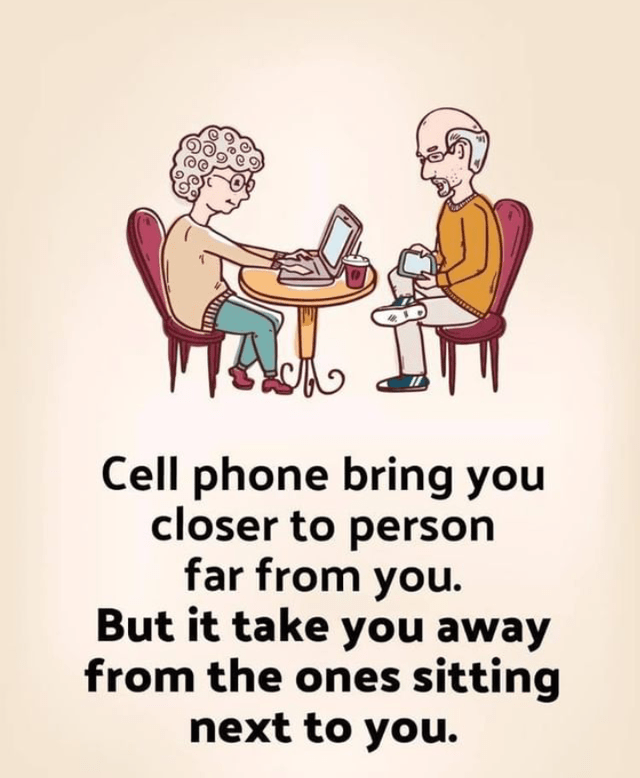
Belinda sent in the following attached to one of her comments. It’s perfect! Thank you, Belinda!

And while we are on the subject of New Year’s Resolutions try this one. It is not a long video but it is extremely important; it concerns our diet and our health!

Start your day with music – a guest post!

More on mindfulness!

I opened my email box a couple of days ago and there was an email from Sarah.

It said:

Hi there!
I would be honored to be a guest writer for your blog and of course would reciprocate.  I hope you don’t mind that I shared your link in my last post.  I am not totally sure if blogging etiquette.  😀
Sarah Kinneavy
MyAmazing2ndChapter.com

Of course I said yes!

Sarah’s background is sociology and she has a degree in the subject. Just as important she owns a dog walking business. I will let her finish her background:

I believe in living life to the fullest.

My daughter is a Cancer survivor- and as a result of that journey- It put my life into perspective. I learned to never take anything for granted- you never know what’s around the next corner. I am continuing to work on becoming the best version of me, while making the most of each and everyday.

Frankly, I do not really know what it is like to have a daughter, or a son come to it, go down with cancer. The nearest I have come to the disease was when I had just turned 12 and my father died of lung cancer.

So here’s her guest post.

ooOOoo

Start your day with music- not the News! Surviving the Coronavirus with mindfulness Day 2

By Sarah Kinneavy, March 28th, 2020

As I continue to try to stay calm with mass panic happening across the globe 🌎 with this pandemic. As I mentioned in yesterday’s post:

https://myamazing2ndchapter.com/2020/03/27/surviving-the-coronavirus-with-mindfulness/

I am using mindfulness to train my brain in how it reacts to stress. The more we do these exercises the better we get at them.

Start your day with music rather than the news! Borrowed from https://musicoomph.com

Yesterday one of my friends posted on Facebook to start the day off with music – rather than the news! What a great idea!!! So, yesterday, as I got ready for a job interview and I waited until it was late enough in Hawaii to do my daily well check on my daughter there (she is in isolation in a dorm room – I am not sure if she has the dreaded virus or not). I used music as the focal point of this mindfulness exercise. This 15 minutes of focusing on the music- listening to the rhythm helped keep me present. I wasn’t worrying about getting the job or how my daughter was doing. I was just in that moment of getting ready with the accompaniment of music. It was honestly 15 minutes of pure happiness. What a great way to start my day! One thing I have to add – I try to not let myself think about what the words of the songs mean to me, or when I first heard the song. I just listen and enjoy. Okay- I may have danced around my apartment a bit too!

I can tell you – I did not feel anxious going to my interview like I normally would. I didn’t panic about my daughter’s health – I was able to wait until after my interview to check in on her. Mindfulness does not keep me from ever worrying about my kiddo or the world around me. No – I still worry – but It isn’t swallowing me up whole. And this is key!

Heading to my job interview.

I can’t wait to talk to you again tomorrow . How are you coping with all the stress and anxiety?

ooOOoo

That’s a lovely guest post!
And the message is clear and powerful: “No – I still worry – but It isn’t swallowing me up whole. And this is key!

Feeding the correct wolf!

A very heart-touching guest post

Yesterday I used as a sub-heading “I will never, ever tire of the wonderful connections made by this blog!

I wrote that before Sydney sent in a guest post which reached out to me, to Jeannie and, undoubtedly, will reach out to many others. Sydney further validated the power of the wonderful connections that blogging brings.

Here’s how it came about.

Not that long ago, there was a new follower to this place. As is so frequently the case that new follower was also a blogger. Their blog is called very beautifully: Recovery For All Of My Heart. As I always try to do, I went across to leave a ‘thank you’ note. I also read the About page that I want to republish here by way of my introduction to Sydney.

Hello, I am in recovery from an eating disorder, depression and anxiety. The way I got to the best place in my mind is by changing my perspective.

In this blog, I use my new open-mindedness to show the world the beauty I see in hopes that others will then see the beauty in themselves. For me, all it took was to see the beauty in myself, but I needed someone to help me see it first. My hope is to be that person for others.

There is a way to see the good in every piece of you. You can get your mindset to see what others love about you. The proof of everyone’s beauty lies in changing your perspective and this blog hopes to put into light the beauty in everyone that ever existed.

So now to Sydney’s post. (And if you want to understand why I chose the title to this post, then please read right down to the end.)

ooOOoo

Mindfulness and a dog named Bailey

By Sydney R. February 23rd., 2017

Bailey
Bailey

When I was 21 years old, I got a hound boxer puppy named Bailey. Previously, I had a dog my mom and I raised when I was seven; she was named Rachel.

I only speak of Bailey in this post because of a certain situation I want to talk about, but I also wanted to mention how amazing Rachel was too.

Anyway, I raised Bailey to be the sweet almost two-year-old he is today. He is not a normal dog to me. This is because I believe him to be extraordinary (so original for dog owners, I know), and also because I have struggled with my mental health.

I have struggled with depression and he has changed my life for the better. One day last year I was having a very hard time with my depression. I wanted to just lay in bed and quit my job and begin isolating again. I wanted to just sleep and not fight the thoughts and just let them rattle on inside of my mind while I lay there.

I grabbed my dog as he was lying next to me and held onto him ready to remain in my negative thoughts for all eternity. Then something changed: I felt his fur. I felt my cheek against his fur. I heard his sweet little breathing that used to put me to sleep when he laid on my chest when he was a puppy. I was being mindful without even realizing it.

I was aware of everything I was feeling when holding this thing that is so dear to my heart.

Suddenly, all the pain went away. I was reminded of this feeling I can have while holding my dog. I can fight this depression and I can have a wonderful life. If you ever are feeling extremely sad or have any type of negative urges, and this can be about anything, grab your furry little one and just stay in the moment until they pass.

And why is this?

Research has shown that if you look into your dogs eyes, the hormonal response is activated just like the one that is activated when you look at infants. Scientists took blood samples of dogs and their owners before and during time spent petting. The results were that the levels of oxytocin went up in humans during a petting session of a dog and it was at very similar levels of new mothers and their infants.

Even more amazing, dogs had the same levels in their blood as well, showing how happy they are around their owners. During my depression that night, holding onto my dog was not just helping me overcome my sadness, he was having a nice time as well.

Now what I am guessing is that if you are sitting down, petting your dog, but not really paying much attention, your dog will be happy, but your oxytocin levels will not be as high as they could be. When you are mindful and staying in the moment whilst petting your dog, you could be seriously happy, to the point where your oxytocin levels from your dog stops you from ruminating on your negative thoughts.

Don’t just pet your dog when you are upset…make sure you are completely in the moment.

Notice your body and notice what your hands and arms are feeling as you wrap your arms around your dog. Let your hands and all of your arms feel the fur. Use all of your senses. Make sure you hear your dog and do not let your thoughts block out being in the moment. Regular petting of the dog is enjoyable. Mindful petting of a dog could change your life, like it did mine.

Now I will always know that I have something to go to when I feel depressed. This is extremely important because one huge part of depression is hopelessness. This is the feeling that you will always feel depressed.

With a dog, you have hope to get out of those feelings. I know that I have my dog to go to and I will never fear being sad forever again. I always have the mindful petting of Bailey or Rachel that will make the negative thoughts drain away.

ooOOoo

Good people, I am genuinely humbled by both Sydney’s desire to share this with you, and by the magic of having a dog in our life.

So let me close like this.

BBC Television in the UK currently have on their iPlayer site a drama series called Death in Paradise: The programme website is here.

Detective drama series set on a Caribbean island.

In a recent episode there was this profoundly wise observation made by the detective, Jack Mooney, played by Ardal O’Hanlon.

Detective Jack Mooney

There are always two wolves deep inside us.

One is a hateful, angry, selfish wolf that doesn’t hesitate to try and do you harm.

The other wolf is a soft, gentle creature that responds to love and always wants to love you back.

So which wolf is in charge?

The wolf we feed!

Footnote:

This came to my ‘inbox’ a short time ago (as of 09:30 Sunday morning):

unnamed2

How normal is it to be normal!

But first off this is not going to be a normal couple of weeks!

My daughter, Maija, son-in-law, Marius, and grandson, Morten, aged two, are staying with us over the next couple of weeks, arriving tomorrow.

So being able to offer a daily fresh post on Learning from Dogs will be a challenge.  As indeed, it should be: Family should always be the top priority.

However, rather than leaving you with blank pages, I shall be regurgitating some earlier posts, starting tomorrow.  In wandering through rather a large number of posts (1,775 as of today!), I was reminded that at the start one of my fellow authors was Jon Lavin.  He wrote a number of posts before deciding that his ‘day job’ was too demanding of him and something had to go.  It wasn’t just writing for Learning from Dogs that Jon had to let go, even his own website, The People Workshop, is a tad out-of-date!

But even so, there’s an article on Jon’s website that I wanted to share with you and, with Jon’s permission, here it is.

oooOOOooo

Normal!

10 AUGUST 2011 BY 

Constant.
Constant.

Normal – it’s not a particularly challenging word; or is it?

The fact is that for most people their ‘normal’ business day is far from being effective.

What I do, indeed my passion, is to work with people and allow them to see the huge benefits that come from bringing ‘mindfulness’ into their everyday working environments. What do we mean by mindfulness?

Generally, anything that brings us into a state of mind where we are making decisions, interacting with people, communicating in the here and now, not away somewhere where we are controlled by what happened in the past and our fears of what might happen in the future.

Bringing change into business requires many qualities and if ever there was a time for displaying the qualities of integrity and compassion, it is now.

I believe we are on the cusp of an enormous change that will affect us all – it already is, we’re just hoping that it will go away and we’ll be able to carry on as before after this unpleasant recession is over. It’s more likely we are living through a core change in society.

I’ve realised that I can no longer rely on ‘out there’ for support, instead, it has to come from within.

By knowing myself and having a different relationship with myself, I encourage a balance in my life and recognise what ‘resources’ I need. Being out in the fresh air, in the woods and fields ‘resources’ me.

So when I work with my troubled clients who may be reeling from the latest batch of redundancies, I am able to be in a state of calm rather than the anxiety which is such a familiar friend.

Have you ever noticed how people are attracted to calm people when insecurity and uncertainty are around? From calmness and balance, options in the here and now present themselves to us. We are aware that we are connected together and working together in an atmosphere of integrity and trust to do the best for all.

My clients use me when they are dealing with circumstances that demand the very best from their employees, and when those employees demand the very best from my client company.

I would be interested to hear your comments!

oooOOOooo

Do please offer your thoughts to Jon’s essay; I will pass them back to him without delay.

What Jon underlines is the power of relaxation, of taking time off at regular intervals during the day, the dangers of overload; as I recently highlighted in this recent post.

Thus proving, once again, that old adage – less is more!

Let’s do …. nothing!

The restorative effect of doing …. nothing.

A week ago I published a post called On quietness.  It was predominantly comprised of a republication of a much earlier item written by Jon Lavin.

However, in the way that things happen, shortly after that post (last Friday’s one) was published I came across this TED video of Andy Puddicome.

I’ll say no more – enjoy the video.  (Beautifully delivered in ten minutes, by the way!)

When is the last time you did absolutely nothing for 10 whole minutes? Not texting, talking or even thinking? Mindfulness expert Andy Puddicombe describes the transformative power of doing just that: Refreshing your mind for 10 minutes a day, simply by being mindful and experiencing the present moment. (No need for incense or sitting in strange positions.)

oooOOOooo

 “Most people assume that meditation is all about stopping thoughts, getting rid of emotions, somehow controlling the mind. But actually it’s … about stepping back, seeing the thought clearly, witnessing it coming and going.” (Andy Puddicombe)

The TED profile of Andy P. offers this:

Andy Puddicombe
Andy Puddicombe

Why you should listen to him:

Andy Puddicombe wants you to take a break — not just from work, but from your own mind, which is so full of anxieties about the world and anxieties about its own anxieties. To help you do that, Puddicombe, a former Buddhist monk, co-founded Headspace, a project to make meditation more accessible to more people in their everyday lives. Puddicombe also writes prolifically for the Huffington Post and the Guardian, on the benefits of mindful thinking for healthy living.

oooOOOooo

So as someone who seems to have real trouble relaxing, I mean real relaxation in the letting go sense, I’m flirting with the idea of committing 10 minutes of meditation each day.  Andy offers a charmingly easy way of doing this, as you will discover if you go to his website Headspace.  Here’s a quote from the ‘What is Headspace‘ page.

Here at Headspace we’re on a mission to get as many people in the world as possible to take 10 minutes out of their day, to practice a simple and easy-to-learn meditation technique.  And if you like the way it makes you feel, then we’d love to show you how to make that a life-long skill.

This is meditation for modern life – simple, scientifically-proven techniques, that you can use every day to experience a healthier and happier mind.

Those articles published by the Guardian as referred to above may be found here: The Guardian, if you want to browse around some more.

Stay tuned as to the outcome of me and meditation; I’ll share with it you via Learning from Dogs.  Let’s face it, dogs are very good at chilling out for ten minutes!  Oh dear, something else to learn from our doggies!

P1120193

Managing in a mad world.

Even in the midst of great pain, we must think through our choices

The last week has been really mad.  I have been working in different companies and organisations and having to be part of redundancies, power struggles and people rebuilding their lives.

For example, I was in a company that had just let its second lot of people go in as many months. It’s gone past losing ‘dead wood’ and now people with valuable skills needed for recovery are going. I’ve noticed previously that good, employable people with key skills start to get concerned and will often take voluntary redundancy rather than hanging around to see how things pan out.

End of job!

It’s the shocking way that it’s done as well that’s unbelievable. No warning, just a phone call to attend a meeting, no hint as to what the meeting is about, then an envelope slid across the table and then a rapid escort off site. All done and dusted in 5 minutes.

Having been through this myself some years ago, it’s not something you forget in a hurry. Lots of feelings of rejection and feeling unvalued and unwanted are what I remember. Perhaps its part of being bought up in a job-for-life culture and then having that illusion shattered.

Working with people in this situation is literally quite shocking and traumatic because it clearly affects them and their lives and the lives of their families, and it affects me because the work we started comes to an abrupt end usually with little or no warning, and so does a source of income to be brutally honest. I don’t even have chance to say good-bye in many cases.

Every Thursday I become a trainee psychotherapist and work with people who mostly struggle to hold down any sort of job. The reasons for this are generally because of upbringings that are awful beyond description. The shock and trauma that is in the air when working with these people is amazing, and so scary for them that the idea of being present in the room with me and is virtually impossible.

So that brings us to managing in a world where lots of mad and non-integrous things happen. I believe that mindfulness can provide a key to these situations; being present for another does more than any instruction manual!

Being present means we make ourselves available at many levels to someone who is suffering. By avoiding the subtle invitation to join someone in their shock and trauma but by being there for them, to the best of our ability and listening to them at depth, we can provide an environment where real reflection can take place. Then options may be chosen which are not born of panic and reaction but come from reflection and response.

I believe that this approach gets us out of the ‘noise machine in our heads‘ (that is forever churning and worrying, in my case) that we have no control over, and creates space for more subtle things to come through the quiet and calm.

Most people I’ve met in my engineering work like to assume that they think their way out of tight situations but I’m not convinced that this process is actually effective. I have heard and practised many times the activity of ‘sleeping on something’ and then being able to decide on a course of action the following morning with relative ease. My psychotherapy clients can’t think their way out the awfulness because thinking about things has got them into a spiral

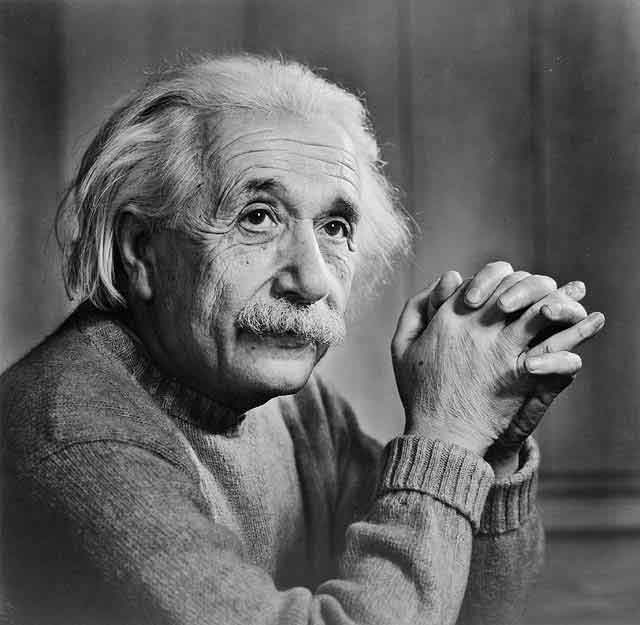
Albert Einstein

process which is highly addictive, predictable and virtually impossible to break without the intervention of a higher level of awareness. I think it was Einstein who said something like, “you can’t use the same intelligence that created a problem to solve it“!  In other words, a different approach or level must be used.

I believe that this different approach or level can be used to solve most problems we have. By bringing a different level of awareness to a challenge, whether it is redundancy or some other sort of deeper problem always gives different results and provides more options. It’s just that initially it needs to be facilitated, until we can do it under our own steam. I am heartened that even in the depths of a recession that there are still companies out there that support this approach and the work I do.

By Jon Lavin [This article from the BBC is worth reading in conjunction with Jon’s excellent Post. Jon may be contacted via learningfromdogs (at) gmail (dot) com]