Category: People and their pets

Rattlesnake Aversion Training

Following on from yesterday’s post.

In yesterday’s post that was about Dan’s dog, Lexi, Dan offered:

She had Rattlesnake aversion training last year in Palm Springs and did very well. She ran a gauntlet of four snakes to learn sound, site and smell.

The company that Dan used was Natural Solutions in Palm Springs.

I haven’t had the time yet to contact them to see if they can provide material of general interest to you.

But I did find the following video on YouTube that seemed to be interesting. (But note that I have no knowledge good or bad about the company and there are many other companies offering aversion training.)

http://www.youtube.com/watch?v=g_ubbktD3ow

All about Lexi!

Lexi is a wonderful young dog.

Those poor souls who keep on calling in to this place will most likely be aware of my very long-term friend Dan Gomez.

For all of the nearly forty years that I have know Dan he has always had a dog in his life.

Just a few days ago, Dan sent me an email with some pictures of Lexi, a young dog that he has had since she was a puppy.

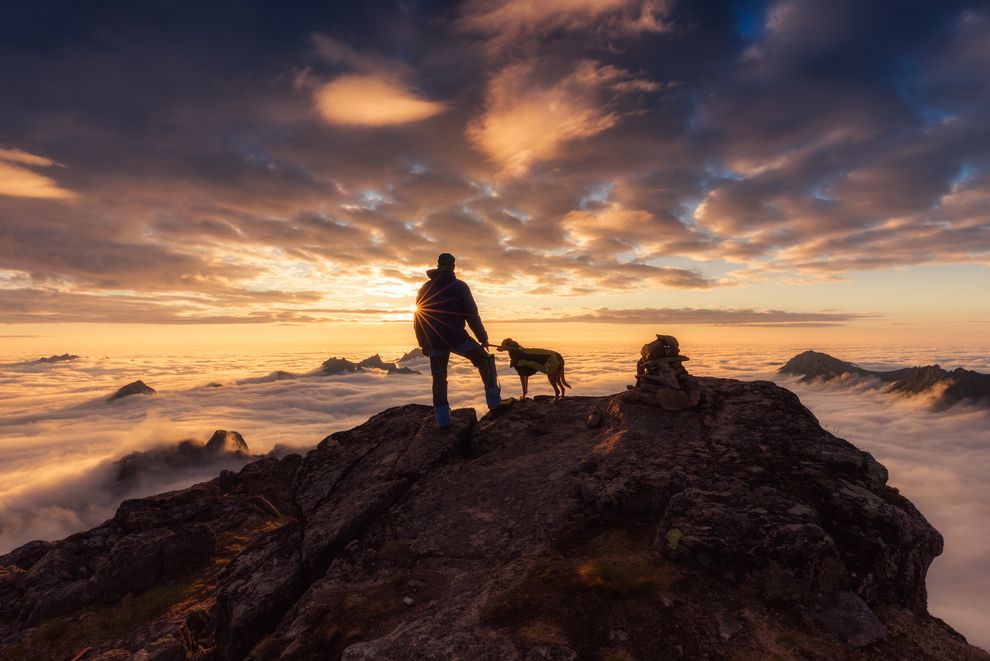
Lexi! (Photograph taken at the Sante Fe ski basin.)

Or in Dan’s words:

Lexi has been a magnificent example of an adventurous Flat-Coated Retriever.

She’s a wonderful hiker, swimmer, hunter and a great greeter on the trail. She’s happiest when she has her leash clenched in her teeth, parading around from person to person before continuing on her way.

What a great breed these dogs are!

Lexi came from the Brazilian breeder Keli: “Keli is the breeder, a fantastic Brazilian living in a wonderful estate in the hills of San Jose.“; to use Dan’s words.

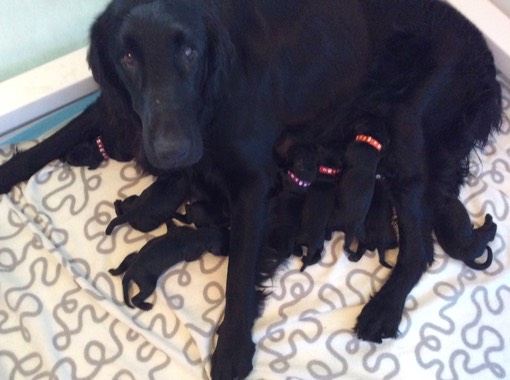
Apparently, Keli plans for pups that year were taken out of her hands. For the reason that Lexi’s parents, Schmee and Party, decided to creep off into the bushes one day, and:

Schmee and Party are the popular names for the sire and dam and they were free from the kennel one day when Keli was off on a trip and they mated. So, the pups were “accidents”.  But, most assuredly, great accidents!

As Keli’s website explains:

Schmee x Party

Born October 11, 2015

7 girls, 3 boys

Pedigree

J Litter Gallery

While this repeat of our G litter was not planned … We welcomed these ten pups with open arms after seeing the success of the 3 intact G puppies and the stories from owners of other G pups who just adore their dogs.  Not surprising at all, based on Schmee and Party being complete mushballs who just want to hold on to you, be with you and be loved by you.  This litter has surprised and delighted us already with three pointed puppies … Juice, Callie & Popper in their first year of showing.  I cannot wait to see what 2017 holds for them.

Introducing …

Saudades’ Juicy Fruit aka The Juice

Saudades’ Just Do It aka Lexi

Saudades’ Jaboticaba aka Callie

Saudades’ Jelly Belly aka Imogene

Saudades’ Jumbalaya aka Olivia

Saudades’ Jundiai aka Stella

Saudades’ Jasmine Jubilee aka Jasmine

Saudades’ Jewel for Tomme aka Banks

CH Saudades’ Jalapeno RN CGC aka Popper

Saudades’ Jalisco aka Buck

Dan’s email closes:

She will be three in October and her health and performance has been great. She had Rattlesnake aversion training last year in Palm Springs and did very well. She ran a gauntlet of four snakes to learn sound, site and smell.

She’s had two rattler encounters. On one hike, she encountered a rattler, approached it but stopped on a dime when it rattled loudly. I was someway behind, heard the rattle and whistled to her and she backed away, came immediately to me.

Nature vs. training worked perfectly.

We are still hiking two times daily between 3 and 7 miles total all over the West. Addicted.

Schmee and Party were a great “accident”!

Garden of Gods, Colorado

oooo

Sheridan, Wyoming.

Again and again, our lives are so incredibly enriched by having a dog (or six) in our lives!

Learning about our smaller dogs!

Learning about the way they pee!

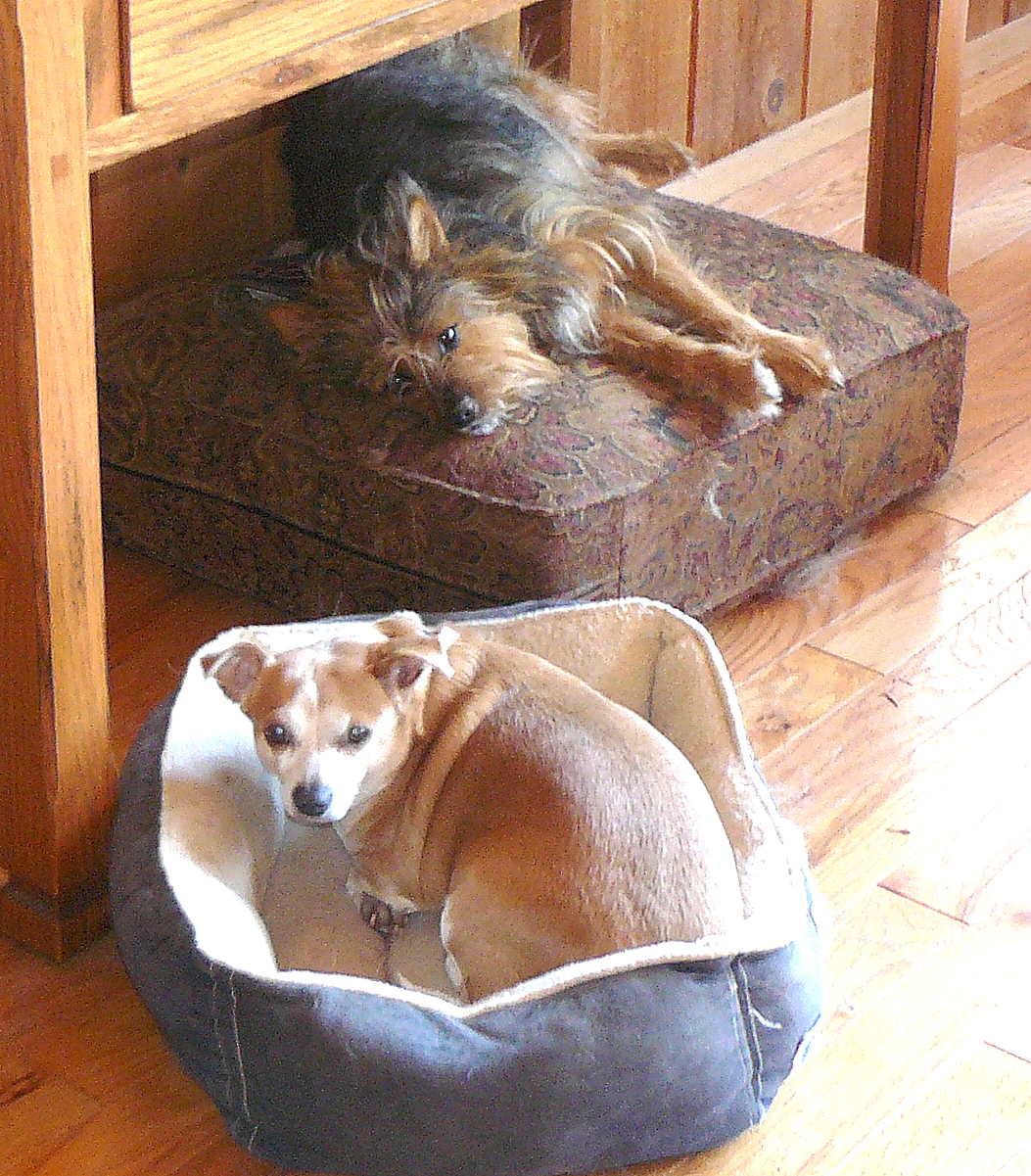
We have two smaller dogs in our family, Sweeny and Pedy.

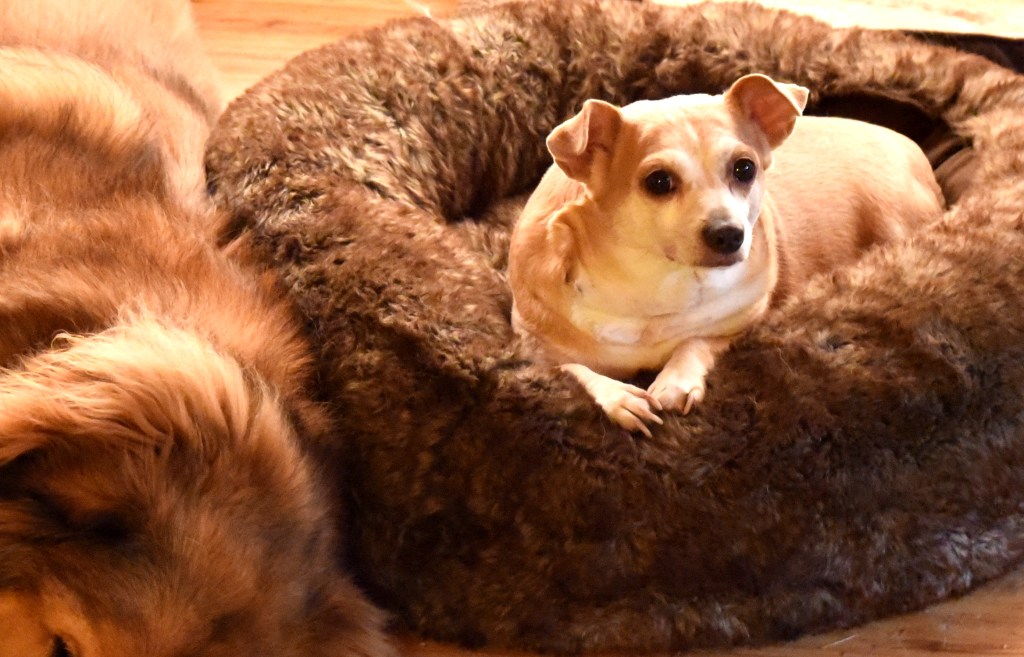
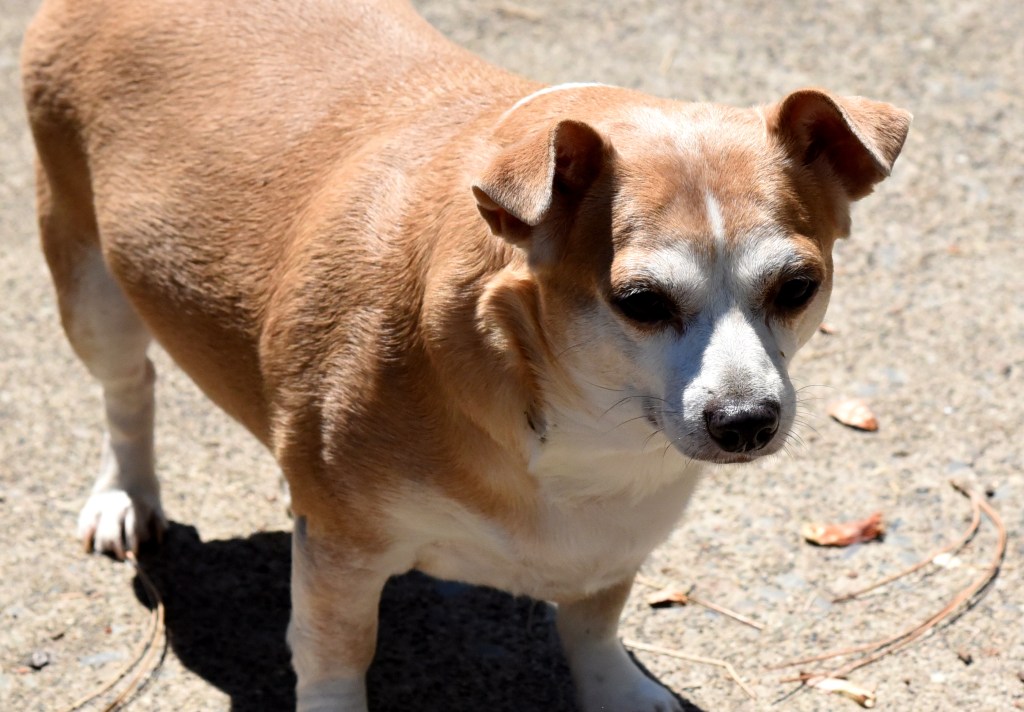
Gorgeous Sweeny!
And equally gorgeous Pedy alongside his mate, Brandy, just visible bottom left.

I am sure many of you have dogs that are smaller then the average dog; whatever that means!

So the article that was published, once again on Mother Nature Network, will strike a chord!

ooOOoo

Removed because of copyright infringement.

ooOOoo

“So they aim high to look big.”

I’m sure there must be a joke somewhere there but can’t find it!!

So closing with another two pics of our little ones.

Pedy

oooo

Pedy in front of Sweeny. Picture taken October, 2016.

Picture Parade Two Hundred and Fifty-Two

The penultimate set of those wonderful Kennel Club photographs.

(As with the previous weeks, words and pictures republished from here.)

 Winning Kennel Club images celebrate dogs from all walks of life

  JACQUELINE GULLEDGE   July 17, 2018.

The fourth selection of these wonderful photographs and the story behind each one.

ooOOoo

Second Place, Portrait

‘Waiting Beauty’ featuring Thalia, a Nova Scotia Duck Tolling Retriever. (Photo: Katarzyna Siminiak)

“This photo was taken during session around Old Market Square in Poznań. I’m still amazed how Thalia was calm and focus despite the city noise,” said Katarzyna Siminiak.

Second Place, Puppies

‘Sticking Together’ featuring Beagle mix puppies. (Photo: Charlie Nunn)

“Since early last year, my partner Raymond Janis and I have had the honour of supporting the Vanderpump Dogs Foundation in Los Angeles by photographing their adoptable dogs. In July 2017, we met these adorable beagle mix puppies,” said Charlie Nunn. “As Raymond tried to wrangle them, something magical happened and I was able to capture a perfect moment of a puppy family sticking together.”

Second Place, Rescue Dogs and Dog Charities

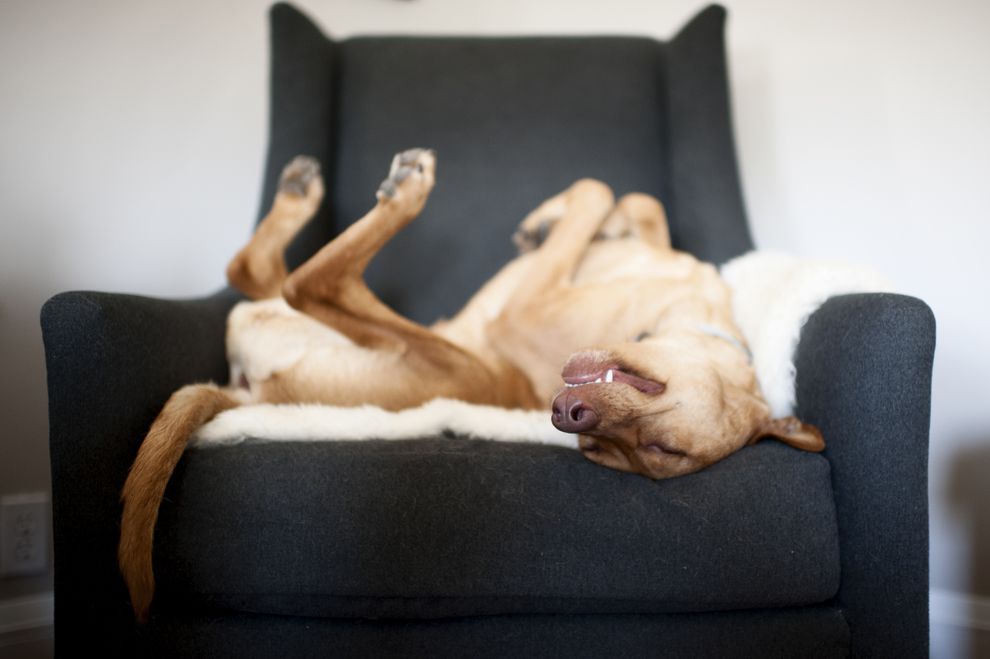
‘Happy Girl Rescued’ featuring Magda, a rescue dog cross breed (Hungarian Vizsla and Labrador Retriever). (Photo: Leslie Plesser)

“This particular image is of my own rescue dog, Magda. She was a bit hesitant and shy when my husband and I came home with our baby, but when the baby went off to nursery school, she would curl up on his rocking chair and roll her fur all over, settling in for a nice nap,” said Leslie Plesser.

Second Place, Young Pup Photographer

‘Dinner?’ featuring Dallas, a Whippet. (Photo: Sienna Millward)

“My name is Sienna Wemyss, I’m 10 years old and I’m from England, UK. When I grow up, I want to be a fashion photographer and designer. I have loved dogs since I first encountered one! There are so many different kinds of dogs and they are all so unique,” said Wemyss. “My dream came true in January this year when I became the proud owner of Dallas, a pedigree Whippet puppy. I was overjoyed!”

“I was relaxing on the sofa one day when Dallas crawled beside me. I put my arms out, expecting him to come and cuddle me. Instead, he gazed at the kitchen dreamily! If he could speak then, I bet he would have said, ‘Dinner?’ He looked very curious, so I grabbed my mum’s phone and captured the moment.”

Third Place, Assistance Dogs and Dog Charities

‘A Veterans Best Friend’ featuring Delta, a White Swiss Shepherd. (Photo: Craig Turner-Bullock)

“I am an ambassador for the Kotuku Foundation for Assistance Animals Aotearoa, who source, train and place dogs with people who have any diagnosed condition that dogs are known to be capable of assisting with. This includes diabetes, head injuries, depression and PTSI and many more,” said Craig Turner-Bullock. “Dion is a veteran who fought, and was injured, at the battle of Baghak in 2012. He experienced PTSI and says that ever since Delta came into his life she has made a huge difference. Dogs assisting veterans are now common around the world, but Delta is the first of her kind here in New Zealand.”

Third Place, Dogs at Play

‘Snowy Shenanigans’ featuring Daffy, Taz, and Wile E., Nova Scotia Duck Tolling Retrievers. (Photo: Sarah Beeson)

“We had just moved from one of the snowiest cities (Erie, PA) to the middle of nowhere USA (yes, I love you dear Indiana). I didn’t expect much snow, but come on! It was nearly mid-February and not a flake! My boys were used to lots of snow having lived in Erie but Daffy hadn’t a clue,” said Sarah Beeson. “And then, it happened: Old man winter arrived. Shame on him, while I was at work, no less! By the time 5 pm rolled around, I was in our backyard – Frisbee soaring and camera in hand. Meet Daffy, Taz, and Wile E. We LOVE frisbee!”

Third Place, Dogs at Work

‘I’ve got your back’ featuring Nyx, a German Shepherd Dog. (Photo: Ian Squire)

“For me, the title sums up the image perfectly from both sides. This is a young trainee Police Dog undergoing some initial training. Taken on a miserable, damp day, it shows elements of the bond, trust and relationship that is vital for the partnership between Police Dog and handler,” said Ian Squire.

ooOOoo

Just one more Sunday’s worth to come. Don’t know about you but I shall miss these. They are going to be a hard act to follow!

Raw Dog and Cat Food recall

This was received yesterday afternoon regarding G and C Raw Dog and Cat Food Recall

ooOOoo

G and C Raw Dog and Cat Food Recall

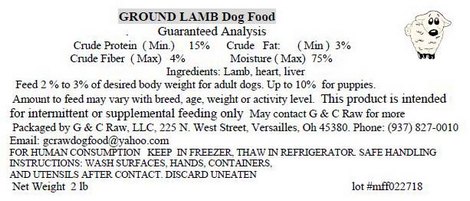
August 3, 2018 — G & C Raw of Versailles, OH is recalling 30 1–pound containers of Pat’s Cat Turkey Cat Food and 40 2-pound containers of Ground Lamb Dog Food because they have the potential to be contaminated with Listeria monocytogenes.

About Listeria Infections

Listeria monocytogenes can cause serious and sometimes fatal infections in animals eating the products.

Furthermore, there is risk to humans from handling contaminated pet products, especially if they have not thoroughly washed their hands after having contact with the products or any surfaces exposed to these products.

Healthy people infected with Listeria monocytogenes should monitor themselves for some or all of the following symptoms: nausea, vomiting, aches, fever, and diarrhea.

Listeria monocytogenes infections can also spread through the bloodstream to the nervous system (including the brain), resulting in meningitis and other potentially fatal problems.

Pregnant women are especially susceptible to Listeria infection, which can result in abortion.

The young, the elderly, and people with weakened immune systems also are more vulnerable.

Consumers exhibiting these signs after having contact with this product should contact their healthcare providers.

Pets with Listeria monocytogenes infections are rare, and pets may display symptoms such as mild to severe diarrhea, anorexia, fever, nervous, muscular and respiratory signs, abortion, depression, shock, and death.

In addition to the possibility of becoming sick, such infected animals can shed Listeria monocytogenes through their feces onto their coats and into the home environment and thus serve as sources of infection to humans and other animals in the household.

If your pet has consumed the recalled product and has these symptoms, please contact your veterinarian.

Where Was the Product Sold?

Pat’s Cat Turkey and Ground Lamb Dog Food products were distributed in OH, MI, IN, PAN, KY, NC, and GA.

They were also distributed by direct delivery by G & C Raw, LLC.

What’s Being Recalled?

The Pat’s Cat Turkey is sold in 1-pound clear plastic containers with the Lot number WWPKTF051618.

The Ground Lamb product is sold in a 2-pound plastic container with the Lot number MFF022718.

The Lot number codes are listed on the bottom right corner of the label.

No illnesses have been reported to date.

About the Recall

The recall was as the result of a routine sampling program by the Ohio Department of Agriculture which revealed that the finished products contained the bacteria

The company has ceased the production and distribution of the product as the company continues its investigation as to what caused the problem.

What to Do?

Consumers who have purchased Pat’s Cat Turkey Cat Food with the lot number, WWPKTF051618, OR Ground Lamb Dog Food with the lot number MFF022718 are urged to return it to G & C Raw, 225 N. West Street, Versailles, OH, for a full refund.

Consumers with questions may contact: G & C Raw, LLC at 937-827-0010 ET, or by email at gcrawdogfood@yahoo.com.

U.S. citizens can report complaints about FDA-regulated pet food products by calling the consumer complaint coordinator in your area.

Or go to http://www.fda.gov/petfoodcomplaints.

Canadians can report any health or safety incidents related to the use of this product by filling out the Consumer Product Incident Report Form.

Get Dog Food Recall Alerts by Email

Get free dog food recall alerts sent to you by email. Subscribe to The Dog Food Advisor’s emergency recall notification system.

ooOOoo

Sincerely hope that no-one out there has a dog or cat that has eaten this potentially suspect food.


How our dogs come to us in times of angst.

Science confirms what every dog lover truly knows.

This was seen on The Conversation website and is republished within the terms of that site.

You will love it!

ooOOoo

Lending a helping paw: Dogs will aid their crying human

File 20180723 189335 ay9ify.jpg?ixlib=rb 1.1
I’ll try to be there for you 100 percent. Chris Gladis, CC BY-ND

Authors: Julia Meyers-Manor, Ripon College and Emily Sanford, Johns Hopkins University

From Lassie to Balto, pop culture loves stories of a dog coming to a person’s rescue. Anecdotally, people experience their dogs coming to their aid every day, like when one of us found herself “trapped” by her children under a pile of pillows only to be “rescued” by her noble collie, Athos.

But is there any scientific evidence behind these sorts of tales?

Researchers know that dogs respond to human crying and will approach people – whether their owner or a total stranger – who show signs of distress. We decided to investigate whether dogs would go a step further than just approaching people: Would they take action to help a person in need?

Dog/human partners come into the lab

We recruited 34 pet dogs and therapy dogs – that is, those who visit people in hospitals and nursing homes – to take part in our study. Dogs included a variety of breeds and ages, from an elderly golden retriever therapy dog to an adolescent spaniel mix.

When they got to the lab, each owner filled out a survey about the dog’s training and behaviors while we attached a heart rate monitor to the dog’s chest to measure its stress responses.

In the experimental setup, dogs could see and hear their owners.

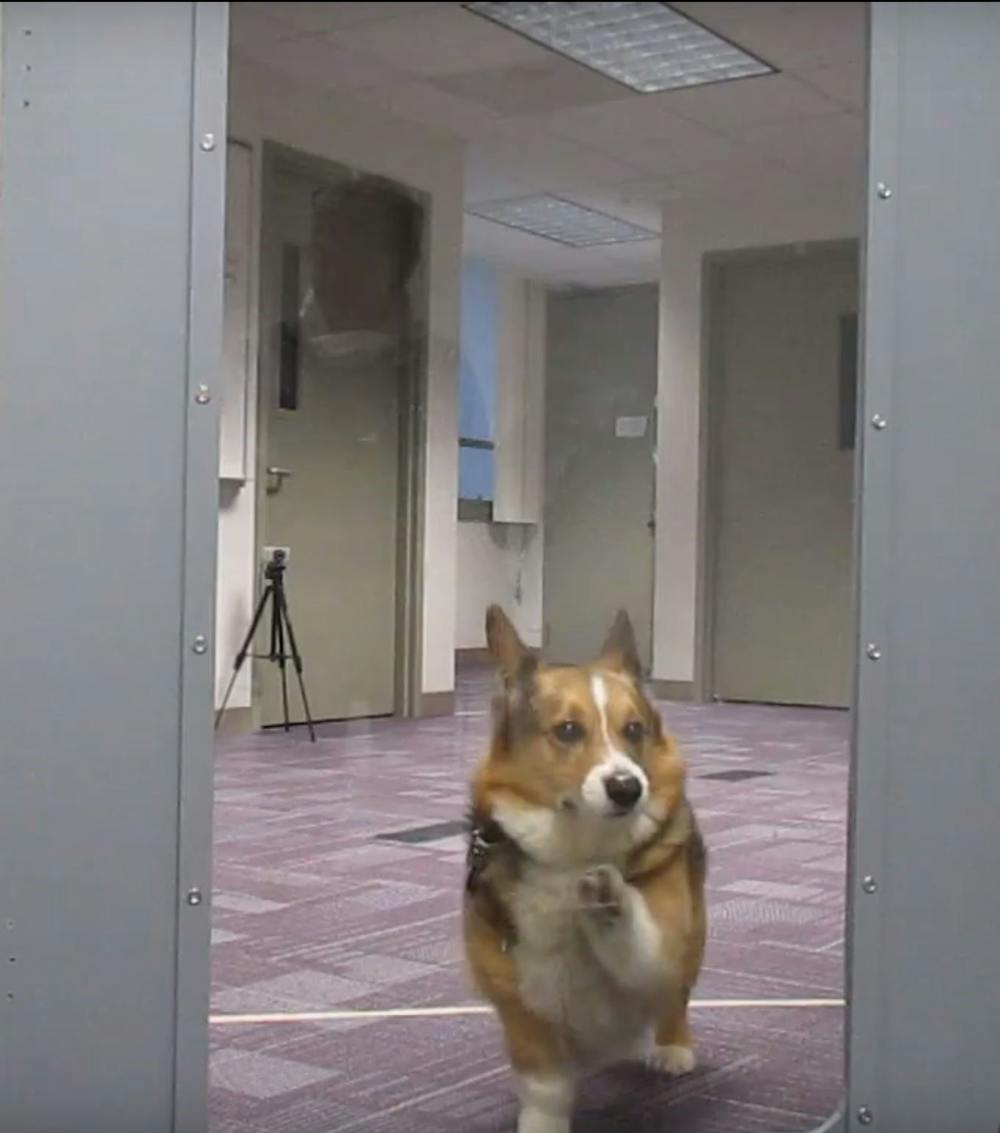
Next, we instructed the owner on how to behave during the experiment. Each owner sat in a chair behind a clear door that was magnetized shut – there as a barrier separating the dog from its owner – that the dog could easily push open. We assigned half the people to cry loudly and say “Help” in a distressed voice every 15 seconds. The other half of our volunteers we assigned to hum “Twinkle, Twinkle, Little Star” and say “Help” in a calm voice every 15 seconds. We ran the test until the dog opened the door or, if it didn’t, until five minutes elapsed.

Past research seemed to indicate that dogs would not help their human companions in distress, but it’s possible that the tasks to demonstrate “help” were too difficult for a dog to understand. So we adapted this straightforward task from previous research in rats. It seemed like dogs would be capable of nudging open a door to access their owners.

Lassie, Timmy’s crying in the other room

We expected to find that dogs would open the door more often if their owner was crying than if they were humming. Surprisingly, that isn’t what we found: About half the dogs opened the door, regardless of which condition they were in, which tells us that dogs in both conditions wanted to be near their owners.

I’m on my way! Emily Sanford and Julia Meyers-Manor, CC BY-ND

When we looked at how quickly the dogs who opened the door did so, we found a stark difference: In the crying condition, dogs took an average of 23 seconds to open the door, while in the control condition, they took more than a minute and a half. The humans’ crying seemed to affect the dogs’ behaviors, taking just a quarter as long to push open the door and get to their human if they seemed distressed. We did not find any differences between therapy dogs and other pet dogs.

Other interesting results came when we looked into how the dogs were behaving in each condition. In the crying condition, we found the dogs that opened the door showed fewer signs of stress – and were reported by their owners to be less anxious – than dogs that did not open it. We also found that dogs that opened the door more quickly were less stressed than dogs that took longer to open it.

In contrast, dogs in the humming condition showed a slight tendency to open more quickly if they were reported to be more anxious. This may mean that dogs who opened in the humming condition were seeking their owners for their own comfort.

Helping requires more than just empathy

Because both humans and animals tend to be more empathetic toward individuals with whom they are more familiar or close, we thought that the strength of a dog’s bond with its owner might explain some of the differences we saw in dogs’ empathetic responses.

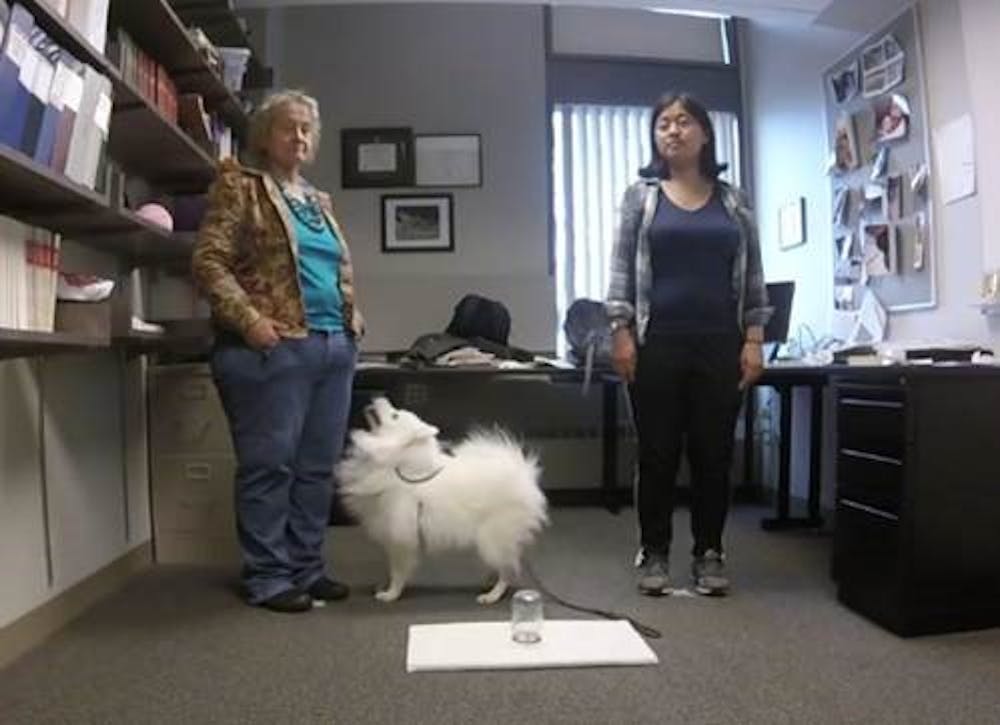
As soon as the test was over, we let the dog and owner reunite and cuddle for a few minutes to make sure everyone was calm before the next part of the experiment. Next, we turned to a test called the Impossible Task to learn a bit more about each dog’s emotional bond with its person.

Hey, a little help down here for your furry friend? Julia Meyers-Manor and Emily Sanford, CC BY-ND

In this task, the dog learns to tip over a jar to get to a treat; then we lock the jar onto a board with a treat inside and record whether the dog gazes at its owner or a stranger. There have been some mixed results with this test, but the idea is that a dog who spends more time looking at their owner during this task may have a stronger bond with their owner than a dog that doesn’t spend much time looking at their owner.

We found that dogs who opened the door in the crying condition did gaze at their owner more during the Impossible Task than non-openers. On the other hand, it was the dogs who didn’t open the door in the humming condition that gazed at their owners more than those who opened it. This suggests that openers in the crying condition and non-openers in the humming condition had the strongest relationships with their owners.

Taken together, we interpreted these results as evidence that dogs were behaving empathetically in response to their crying owners. To behave empathetically toward another individual, you must not only be aware of the distress of another person, but also suppress your own stress enough to help out. If you are overwhelmingly stressed, you might either be incapacitated or try to leave the situation entirely. This pattern has been seen in children, where the most empathetic kids are the ones who are skilled at regulating their own emotional states enough to give help.

It appears to be the case with these dogs as well. Dogs with weaker emotional bonds to their owners, and those that perceived their owners’ distress but were unable to suppress their own stress response, may have been too overwhelmed by the situation to provide any help.

While everyone hopes their dog would help them if they ever were in trouble, we found that many of the dogs did not. People involved in our experiment, particularly those with dogs that didn’t open the door, told us many stories of their dogs coming to their aid in the past. Our study suggests that in some cases if your dog doesn’t help you, it’s not a sign he doesn’t love you; Fido might just love you too much.

Julia Meyers-Manor, Assistant Professor of Psychology, Ripon College and Emily Sanford, PhD Student in Psychology and Brain Sciences, Johns Hopkins University

(This article was originally published on The Conversation. Read the original article.)

ooOOoo

Well done, Julia Meyers-Manor and Emily Sanford. Great work!


Getting to know oneself

The journey inwards is the most challenging and yet the most rewarding of all!

This post is essentially a reposting of an item that I published nearly three years ago. It came to me as a result of some delightful exchanges following my post last Thursday: How well our dogs read us!

Tomorrow I will go into more details of that fateful event in my past:  December 20th, 1956.

ooOOoo

Further musings on dogs, women and men.

Published on Learning from Dogs, August 6th, 2015

A few weeks ago, I read a book entitled The Republican Brain written by Chris Mooney and to quote WikiPedia:

The Republican Brain: The Science of Why They Deny Science — and Reality is a book by the journalist Chris Mooney that is about the psychological basis for many Republicans’ rejection of mainstream scientific theories, as well as theories of economics and history.

On page 83, Chris Mooney writes (my emphasis):

Here also arises a chief liberal weakness, in Lakoff’s view (*), and one that is probably amplified by academic training. Call it the Condorcet handicap, or the Enlightenment syndrome. Either way, it will sound very familiar: Constantly trying to use factual and reasoned arguments to make the world better and being amazed to find even though these arguments are sound, well-researched, and supported, they are disregarded, or even actively attacked by conservatives.

When glimpsed from a bird’s eye view, all the morality research that we’re surveying is broadly consistent. It once again reinforces the idea that there are deep differences between liberals and conservatives – differences that are operating, in many cases, beneath the level of conscious awareness, and that ultimately must be rooted in the brain.

(*) George Lakoff, Berkeley Cognitive Linguist and author of the book Moral Politics.

What Chris Mooney is proposing is that the difference between liberals and conservatives could be genetically rooted, at least in part.

That underlines in my mind how each of us, before even considering our gender differences, is truly a complex mix of ‘nature and nurture’ with countless numbers of permutations resulting.

That there are deep differences, apart from the obvious ones, between man and woman goes without saying. In earlier times, these differences were essential in us humans achieving so much and leading to, in the words of Yuval Noah Harari from yesterday’s post., ” … few would disagree that humans dominate planet Earth; we’ve spread to every continent, and our actions determine the fate of other animals (and possibly Earth itself).”

Speaking of earlier times, let me turn to dogs, for it is pertinent to my post, and I would like to quote an extract from what Doctor of Veterinarian Medicine, Jim Goodbrod, writes in the foreword of my forthcoming book:

But what exactly is this human-dog bond and why do we feel such an affinity for this species above all others? My feeling is that it may be associated with our deep but subconscious longing for that age of simple innocence and innate human goodness that we supposedly possessed before we became truly “human”: that child-like innocence or what Rousseau referred to as the “noble savage”, before being corrupted by civilization, before we were booted out of the Garden of Eden. We humans, for better or worse, somewhere along that evolutionary road acquired consciousness or so-called human nature and with it we lost that innocence. What we gained were those marvelous qualities that make us uniquely human: a sense of self-awareness, an innate moral and ethical code, the ability to contemplate our own existence and mortality, and our place in the universe. We gained the ability to think abstract thoughts and the intellectual power to unravel many of the mysteries of the universe. Because of that acquired consciousness and humans’ creative and imaginative mind we have produced the likes of Shakespeare, Mozart, and Einstein. We have peered deep into outer space, deciphered the genetic code, eradicated deadly diseases, probed the bizarre inner world of the atom, and accomplished thousands of other intellectual feats that hitherto would not have been possible without the evolution of our incredible brain and the consciousness with which it is equipped.

No other living species on this planet before or since has developed this massive intellectual power. But this consciousness was attained at what cost? Despite all the amazing accomplishments of the human race, we are the only species that repeatedly commits genocide and wages war against ourselves over political ideology, geographic boundaries, or religious superstition. We are capable of justifying the suffering and death of fellow human beings over rights to a shiny gold metal or a black oily liquid that powers our cars. We are the only species that has the capability to destroy our own planet, our only home in this vast universe, by either nuclear warfare, or more insidiously by environmental contamination on a global scale. Was it worth it? No matter what your or my opinion may be, Pandora’s Box has been opened and we cannot put the lid back on.

What can we do now to reverse this trend and help improve the quality of life for humanity and ensure the well-being of our planet? I think, if we recognize the problem and look very critically at ourselves as a unique species with awesome powers to do both good and bad, and put our collective minds to the task, it may be possible to retrieve some of the qualities of that innocence lost, without losing all that we have gained.

Dogs represent to me that innocence lost. Their emotions are pure. They live in the present. They do not suffer existential angst over who or what they are. They do not covet material wealth. They offer us unconditional love and devotion. Although they certainly have not reached the great heights of intellectual achievement of us humans (I know for a fact that this is true after having lived with a Labrador retriever for several years), at the same time they have not sunk to the depths of depravity to which we are susceptible. It could be argued that I am being overly anthropomorphic, or that dogs are simply mentally incapable of these thoughts. But nevertheless, metaphorically or otherwise, I believe that dogs demonstrate a simple and uncorrupted approach to life from which we all could benefit. I think the crux of Paul’s thesis is that, within the confines and limitations of our human consciousness, we can (and should) metaphorically view the integrity of the dog as a template for human behavior.

“Dogs demonstrate a simple and uncorrupted approach to life …”

I closed yesterday’s post with these words, “It is my contention that humankind’s evolution, our ability to “cooperate flexibly in large numbers”, is rooted in the gender differences between man and woman.”

The premise behind that proposition is that until, say one hundred years ago, give or take, that co-operation between large numbers of humans was critically important in so many areas: health; science; medicine; physics; exploration; outer space and more. (And whether one likes it or not: wars.)  My proposition is that it is predominantly men who have been the ‘shakers and movers’ in these areas. Of course not exclusively, far from it, just saying that so many advances in society are more likely to have been led by men.

But (and you sensed a ‘but’ coming up, perhaps) these present times call for a different type of man. A man who is less the rational thinker, wanting to set the pace, and more a man capable of expressing his fears, exploring his feelings, defining his fear of failure, and more. I don’t know about you but when I read Raúl Ilargi Meijer words from yesterday, “And if and when we resort to only rational terms to define ourselves, as well as our world and the societies we create in that world, we can only fail.”, it was the male of our species that was in my mind. As in, “And if and when we [males] resort to only rational terms to define ourselves …”.

Staying with Raúl Meijer’s words from yesterday (my emphasis), “And those should never be defined by economists or lawyers or politicians, but by the people themselves. A social contract needs to be set up by everyone involved, and with everyone’s consent.”

Dogs demonstrate a simple and uncorrupted approach to life but that doesn’t extend to them making social contracts. Women do understand social contracts, they are predominantly caring, social humans. Less so for men. But for that social contract to be successfully set up by everyone it must, of course, include men. And that requires men, speaking generally you realise, to find safe ways to get in touch with their feelings, to tap into their emotional intelligence, using positive psychology to listen to their feelings and know the truth of what they and their loved ones need to guarantee a better future. What they need in terms of emotional and behavioural change. And, if I may say, sensing when they might need the support of subject experts to embed and sustain those behavioural changes.

It was the fickle finger of fate that led me to the arms, metaphorically speaking, of a core process psychotherapist back in Devon in the first half of 2007. That counselling relationship that revealed a deeply hidden aspect of my consciousness: a fear of rejection that I had had since December, 1956. That finger of fate that took me to Mexico for Christmas 2007 and me meeting Jean and all her dogs. That finger of fate that pointed me to the happiest years of my life and a love between Jeannie and me that I could hitherto never ever have imagined.

However, as much as I love and trust Jean, wholeheartedly, it comes back to dogs.

For when I curl up and wrap myself around a dog and sense that pure unconditional love coming back to me, I have access to my inner feelings, my inner joys and fears, in a way unmatched by anything else.

Where learning from dogs is a gateway to learning from me.

Pharaoh – more than just a dog!

ooOOoo

I will never be able to look at those eyes of Pharaoh, looking into my eyes, without feeling terrible pangs of loss. For he was the most amazing, the most wise, the most deep-thinking dog that I have ever known. Correction: that Jean and I have ever known!

My Heart Dog

A guest post from Terri DeVore

You will just love this story about Terri and Zero.

Enough said!

ooOOoo


My Heart Dog

So what is a “heart dog”? I have heard this saying in the past and was never sure of exactly what it meant. I found a great description and definition from the site Jenna and Snickers. Here is what she writes…

“In my opinion, your heart dog is that once in a lifetime – maybe twice if you’re truly blessed – soul mate dog. He or she is the one you click with similarly to, but different from, how people in love click. There’s an understanding, a bond stronger than most, and a special level of communication. Your heart dog “gets” you and you get him or her right back.”

This is so me and Zero! I have had a couple of dogs in the past when I was growing up, but none have been my dog … my heart dog … like Zero has.

So how did I end up with this amazing dog in my life?

When my son ,Dylan, was younger he started going through that phase of wanting a little brother or a sister. Well, since I wasn’t even dating at the time, I knew that wasn’t going to happen so I figured it was time for a dog!
Side Note: I often joke that if I had the dog first, I might not have had the kid. I mean, if I tell Zero to sit, she just sits…right then…no questions, no complaining, no whining, she just does it. So much easier! LOL

We found Zero at our local Humane Society. She was just under a year and a half old and had been picked up as a stray so they didn’t know anything about her. When we got her out of her kennel and into the big yard so we could see her more, she hardly even came over to us. There was just something about her, though, and we knew she was the one.
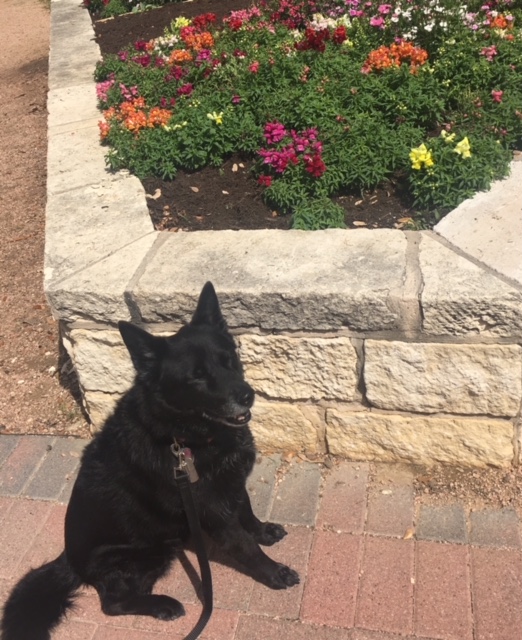
We brought her home and the next day when we took her to the vet, learned that she had heart worms…bad. My mom reminded me that the humane society said they would take her back if it was within 72 hours but I just couldn’t do that. First, I was afraid nobody else would adopt her knowing she had heart worms, and second, she was my dog. Like we already totally bonded and I just knew she was my dog.
Long story short, we put her though the pretty intensive heart worm treatment, killed all those little buggers off and she was healthy!

We also learned that she was a pretty fearful dog…scared of so much. She would not walk up the stairs to our apartment so I had to carry her up and down for about a month until we finally coaxed her to walk up and down the entire flight by herself. She had no idea what the TV was and would hide behind my chair whenever it was on. She had no idea how to play with toys. When I would try to teach her fetch and I would throw the ball she would just look at me like, “well, that was stupid…why did you do that?. She had no idea of anything.

To help socialize her more and build her confidence, we put her in agility with Dylan as the handler. They did great! He was about nine at the time and they even competed and won a couple of times! After that she continued to blossom. She learned how to play with toys, learned a ton of commands (she’s so super smart!) and she even got her CGC (Canine Good Citizen) certificate.

It was so great seeing her come out of her shell and watch her confidence grow. Also during this time she was becoming closer and closer to Dylan and I. We were her pack and she was not happy unless we were all together. In fact, when Dylan would run her in agility trials, I would have to go hide because if she saw me she would stop in the middle of her run and charge over to me. Same would happen if I ran her…she would have to search for Dylan. She likes it when all three of us are together.

Now she is thirteen years old and still going strong. The vet even told me at Zero’s last check up that she can’t believe Zero is thirteen and would never guess she was that old by looking at her. She “checks out” to appear much younger. That is 100% okay with me. I have already told Zero she cannot get any older and she must live forever.

She truly is my heart dog. We just know what the other one is thinking. We have our routine, our habits, and our quirks. She loves me unconditionally and I love her back just the same.

Zero Facts:

What type of breed is she? I don’t know for sure. Someone asked me once if she was a kelpie. I had not even heard of that breed before so I looked it up and found pictures online that I could swear were Zero! So, by looks alone yes, I would think she is kelpie. What do you think?

ooOOoo

Of course, I was interested in Terri’s background and this what she wrote me:

As far as my background…had many jobs in the past but the longest was most recent when I worked as a personal trainer. I was in the fitness industry for about 10 years. Got a little burned out and was trying to figure out what’s next. Knew I wanted to roam and when my son moved out I figured now is the time, so I started planning.  Zero and I will be taking off in mid-August to roam and explore the US in my Honda Civic and a tent.  Can’t wait!!

Plus Terri explained how Zero took on that name:

One of our favorite movies at the times was ‘The Nightmare Before Christmas’ (I still jam out to that soundtrack #soGood). The main character (Jack Skellington) has a dog named…yep…you guessed it…Zero.

With Terri going on to add the commands and tricks that Zero has learnt.

Sit
Stay
Bang aka Play Dead
Be a bear (stands up on back feet)
Be sneaky (crawls with her belly on the floor)
Shake Hands
High Five
Roll Over
Here (Runs to me and sits at my feet)

Then a list of Zero’s favorite games:

Hide and Seek (with me and/or Dylan)
Find It : basically hide and seek except I hide her toy and make her find it
Keep Away with her frisbee (Dylan and I throw her frisbee back and forth and she’s in the middle jumping up and trying to get it..she freaking loves that game!)
Fetch with her tennis ball

Finally, Terri offers some random facts [Ed: “she” being Zero not Terri!!]:

She likes apples but wont eat a piece unless it’s peeled #soPicky
She looks up at the sky more than any dog I’ve ever seen. She loves gazing at the sky day or night.
She does not like any delivery truck. Fed Ex, UPS, Mailman, etc…Other trucks are fine
She hates storms and shakes like a leaf when there’s thunder
She’s awesome at soccer and it’s almost impossible to get the ball past her
Her favorite toy is her tennis ball
Her middle name is “Marie”. Not sure why, it just slipped out of my mouth one day when she was in trouble..lol….Zero Marie…
She would always help me get Dylan up in the mornings by burrowing under him and raising him up out of bed

So there you have it; a little bit about my heart dog and my best friend. I really can’t imagine life without her. She’s my protector, my companion, my best friend, my partner in crime … pretty much my everything. She makes my life so much better and I have learned as much from her as she has me.

(All the photographs are by Terri.)

ooOOoo

There are millions out there that have the most beautiful and loving relationships with their dogs.

There are far, far fewer who can articulate just what that love means to the level that Terri has done!

On European Dogs

In the sense of the effect that they had on canines already living in the Americas.

I am taking the liberty, hopefully without getting my wrist slapped, of republishing a recent article that appeared on The Smithsonian Magazine website.

Simply because it offers some very interesting insights into the history of canines in The Americas.

Enjoy!

ooOOoo

European Dogs Devastated Indigenous American Pup Populations

Disease, cultural change wiped out pre-contact populations, leaving no trace of ancient dogs’ DNA in modern counterparts

A dog buried in Western Illinois 10,000 years ago is one of the oldest dogs known in the Americas, and the oldest dog burial in the world. These native American dogs were almost entirely wiped out when European colonists arrived. (Del Baston, courtesy of the Center for American Archeology)

By Meilan Solly, SMITHSONIAN.COM

The first humans to populate the Americas arrived from Siberia via the Bering land bridge around 16,000 years ago. Man’s best friend, the domesticated dog, didn’t arrive for another 6,000 years or so, crossing over just in time to avoid the land bridge’s collapse, but archaeological evidence suggests that the two species lived in harmony for thousands of years—at least until 1492, the year Columbus sailed the ocean blue.

According to a study published in Science on Thursday, “pre-contact” American dogs possessed a unique genetic signature derived not from the North American wolf, as previously thought, but from domesticated Siberian ancestors. Today, that singular genome has all but disappeared, eradicated by the 15th-century arrival of European settlers and their canine companions.

National Geographic’s Maya Wei-Haas explains that European dogs, like their human owners, probably carried diseases that pre-contact dogs were unequipped to fend off. The colonists preferred European breeds and discouraged their pets from mating with the native dogs, which study co-author Angela Perri, a zooarchaeologist at Durham University, says were viewed as “wild” and “vicious.”

“This study demonstrates that the history of humans is mirrored in our domestic animals,” Greger Larson, director of the Palaeo-BARN at Oxford and senior author of the study, said in a statement. “People in Europe and the Americas were genetically distinct, and so were their dogs. And just as indigenous people in the Americas were displaced by European colonists, the same is true of their dogs.”

To trace the story of these pre-contact dogs, researchers studied DNA found in the mitochondria of 71 North American and Siberian dog bones. The remains, which date from roughly 10,000 to 1,000 years ago, included those of the Koster dogs, a group of four domesticated canines discovered at a burial site in western Illinois during the 1970s. (A second study, newly published in pre-print server Biorxiv, further discusses these early dogs.) As Science’s David Grimm notes, the Koster pups lived about 10,000 years ago, making them the oldest known dogs in the Americas. Perri, referencing the animals’ small, slender stature, tells Grimm that “it wouldn’t be surprising if they were all used as hunting dogs.”

DNA analysis allowed the scientists to identify pre-contact dogs’ closest relatives: a group of dogs native to Zhokhov Island, a frigid Arctic site situated about 300 miles north of the Russian mainland. The Atlantic’s Ed Yong writes that these dogs were the first to be bred for a specific purpose, namely pulling their humans’ sleds.

In addition to shedding light on the first American dogs’ origins, the study offers insights on pre-contact dogs’ connections—or rather, lack of connections—with modern dogs. Researchers compared the 71 ancient genomes with DNA from more than 5,000 modern dogs, including breeds like chihuahuas and Carolina dogs, which are commonly thought to be descended from indigenous populations. The highest level of pre-contact DNA conclusively found in any of the modern dogs was four percent, a negligible result, the New York Times’ James Gorman reports.

The team’s findings suggest that modern American dogs are descended solely from Eurasian breeds introduced by European settlers. Perri tells Wei-Haas that the scientists expected to find evidence of interbreeding between the pre-contact pups and the new arrivals. Instead, they realized that the native dogs had virtually vanished.

“It is fascinating that a population of dogs that inhabited many parts of the Americas for thousands of years, and that was an integral part of so many Native American cultures, could have disappeared so rapidly,” Laurent Frantz, study co-author and evolutionary geneticist at Queen Mary University of London, said in a statement.

Oddly enough, scientists found that the closest surviving trace of pre-contact dogs’ DNA is found in a sexually transmitted canine cancer. The Los Angeles Times’ Deborah Netburn writes that the disease, known as canine transmissible venereal tumor, stems from the genetic mutation of a single North American dog that lived up to 8,225 years ago. The tumor cells spread through mating and carry a copy of that original DNA, allowing researchers to paint a clear picture of the “founding dog,” or patient zero.

Elaine Ostrander, chief of the cancer genetics and comparative genomics branch at the National Human Genome Research Institute, tells Wei-Haas, “It’s the world’s oldest continuously propagated cell line, which is really, really remarkable.”

………

Read more: https://www.smithsonianmag.com/smart-news/how-european-dogs-devastated-indigenous-american-pup-populations-180969561/#8bYPIFJtvBrqzb3I.99
Give the gift of Smithsonian magazine for only $12! http://bit.ly/1cGUiGv
Follow us: @SmithsonianMag on Twitter

ooOOoo

“This study demonstrates that the history of humans is mirrored in our domestic animals,”

Best not to go too far into that observation from Dr. Greger Larson!

The strength of a community.

Any other ideas to assist Lisa?

So many times this old blog of mine seems like one great family! Which is why I am sharing an exchange between Lisa and me.

For last Friday in came the following email from Lisa (republished with Lisa’s permission.):

Hi Paul,

I still receive your blog every day and love it! I contributed a couple of blogs to you about our Sabrina which you published on Learning from Dogs.

I have a question for you and perhaps your community.

A picture of Sabrina from an earlier guest post written by Lisa.

Sabrina is experiencing some anxiety at breakfast time. She begins whimpering and crawling on the floor. It happens a few times a week. She usually doesn’t eat her breakfast right away after these episodes. Her behavior is normal the rest of the day.

I’ve told our vet about it and she thinks it’s some kind of anxiety and is willing to prescribe medication. I’d rather not medicate her all the time as this episode happens infrequently.

We may have some blood test taken as our next approach.

Have you ever experienced this kind of thing with one of your dogs or heard of it happening with someone else’s dog?

Also, another question I’ve been meaning to ask you writer-to-writer. I recall you telling me you are from a small town near Cornwall or Devon? I’d love to find some type of writer’s residency in that area and wondering if you know any association or grant available? It’s difficult for me to learn of residency opportunities in the UK being in the USA. No big deal, just thought I’d ask you.

Hope all is well with you and glad to hear you and Jean are going vegan! I’m a former vegan/vegetarian. We are eating more vegetarian these days and I especially love to COOK vegan. I am going to look into the Halo Garden of Vegan dog food too. Great tip.

Thank you!!

Best,

Lisa.

I discussed this with Jean and then sent the following reply to Lisa:

Lisa,

Jean is recommending changing Sabrina’s routine. Such as feeding her in a different place. Plus, trying a proprietary stress relief medicine. We used Bach Rescue Remedy, a homeopathic formula, for our dogs when we moved from Arizona to Oregon back in 2012.

Keep us in the loop with this!

Best wishes,

Paul

Back came Lisa:

Hi Paul!

Thank you to you and Jean for your two emails. Dennis and I were just talking about Sabrina’s behavior and it occurred to me it could be separation anxiety. Dennis gets up at 4:30, feeds her, gets ready for work and is out of the house by 5:30. Sabrina favors him and I’m thinking as much as she loves to eat, it means he’s about to leave and be gone from her all day.

I will pick definitely pick up the Bach’s Rescue Remedy and have Dennis feed her in a different area of the house.

Oh, yes, and please, if interested make the subject of Sabrina’s behavior a post and yes, yes, yes on soliciting for a writer’s retreat in the UK for me 🙂

Thanks a million!

Best,
Lisa.

To which I then responded, thus:

I think you may have solved Sabrina’s behaviour issue. An easy thing to try out is to ask Dennis not to feed Sabrina at that time and you to feed her instead. Would take a few days for her to get accustomed to the change but within a week you would know if this was the fix!

And, thanks for the permission. It will be coming out next week.

So, good people, any other ideas to add to assist Lisa in settling down Sabrina in the morning? And what about that writer’s retreat in the UK?

Any thoughts?

Finally, I am going to be pretty distracted these next 48 hours so apologies if I am not very attentive to your responses. Plus there will be no post tomorrow.