Category: Horses

Making your vet clinic profitable

The second guest post from Penny Martin.

ooOOoo
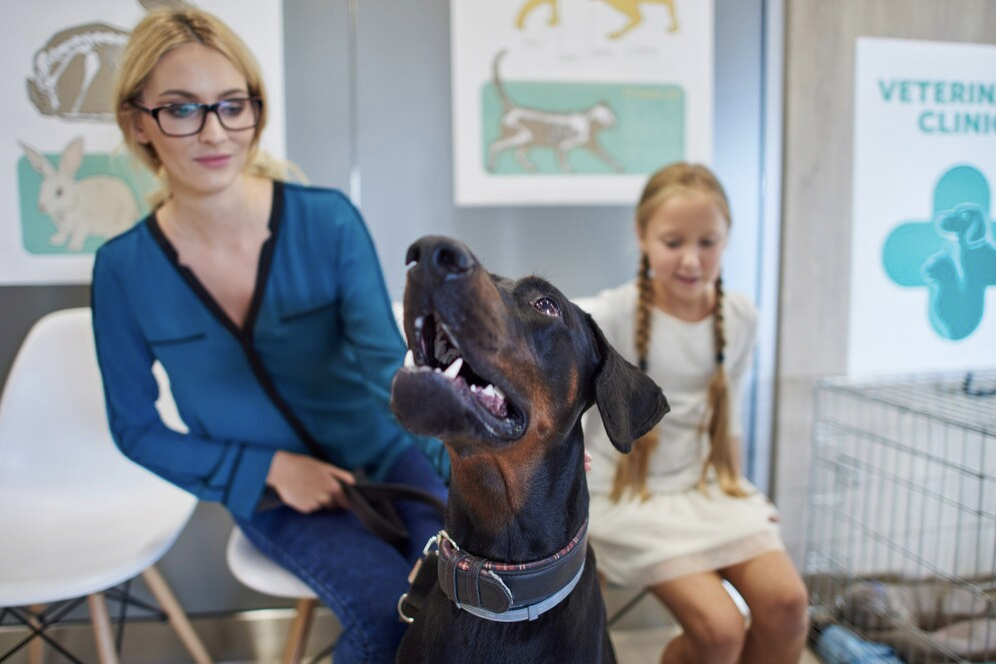
Image: Freepik

Vision to Reality: Building a Profitable Vet Clinic

Launching a veterinary clinic is a significant endeavor that requires meticulous planning and strategic decision-making. This venture combines a passion for animal care with the intricacies of managing a successful business. Aspiring clinic owners must navigate several critical steps to lay a strong foundation and ensure operational excellence. Starting your own clinic promises not only to fulfill a dream of helping animals but also to establish a thriving enterprise in the community.

Build a Strong Foundation with an Effective Marketing Strategy

A robust marketing strategy is essential to attract potential clients in the digital era. Establishing a professional online presence through a user-friendly website that details your services, team, and location builds trust among pet owners. Engage actively on social media with regular updates and client testimonials to showcase your expertise and commitment to animal care. Forge partnerships with local pet-related businesses to increase visibility and drive traffic to your clinic, enhancing both your and your partners’ customer bases.

Craft a Clear and Detailed Business Plan

A well-constructed business plan acts as your clinic’s roadmap, detailing your mission, services offered, and the specific target market. Identify your niche early—whether it’s specializing in certain animals or treatments—to attract the appropriate clientele. Include comprehensive financial projections and a marketing budget in your plan to ensure financial preparedness and support your clinic’s promotional activities.

Enhance Your Business Knowledge by Pursuing an MBA

Running a veterinary clinic demands a blend of clinical and business expertise. Pursuing a master’s of business administration online can boost your proficiency in key business areas such as strategy, management, and finance. An MBA not only deepens your understanding of business operations but also enhances leadership skills and self-assessment capabilities. These competencies are essential for balancing the medical and business demands of your clinic, ensuring its long-term success.

Safeguard Your Business with Proper Insurance

Operating a veterinary clinic comes with inherent risks, making comprehensive insurance coverage essential. Essential policies include malpractice insurance to handle legal issues and general liability insurance for accidents on your premises. Property insurance is crucial to protect your clinic’s infrastructure and equipment against unexpected events. Consulting with an insurance expert can ensure that you have thorough coverage to protect against potential financial setbacks.

Invest in High-Quality Veterinary Equipment

Providing top-tier care necessitates investing in high-quality veterinary equipment. Essential tools like X-ray machines, surgical instruments, and lab equipment should be of the highest standard to ensure accurate diagnoses and treatments. Modern technologies, such as digital imaging systems, not only enhance patient care but also improve operational efficiency. While the initial cost may be higher, investing in quality equipment pays off in the long run by boosting efficiency and minimizing errors.

Secure the Necessary Funding for Your Clinic

Securing sufficient funding is critical when starting a veterinary clinic. Estimate your startup costs accurately to understand your financial needs, including equipment, premises, staffing, and marketing. Explore diverse financing options, such as bank loans, private investors, and specialty medical practice loans that might offer favorable terms. Adequate initial funding prevents cash flow problems and supports your clinic’s growth trajectory.

Choose the Right Location for Your Clinic

The location of your clinic is pivotal to its success, necessitating a spot with a high demand for veterinary services. Conduct thorough market research to choose a community rich in pet owners who need your services. Select a location that is accessible, visible, and has ample parking to ensure convenience for your clients. Proximity to complementary services like pet groomers or dog trainers can further enhance client traffic and provide expansion opportunities.

Opening a veterinary clinic is both challenging and rewarding, demanding a careful blend of dedication and strategic foresight. Success in this field not only enhances the well-being of pets but also contributes positively to the local community. It requires ongoing commitment to adapt and grow in a dynamic environment. Ultimately, the fulfillment of running a successful veterinary clinic comes from both the impact on animal health and the achievement of entrepreneurial goals.

Discover the timeless wisdom that dogs offer at Learning from Dogs, where integrity and living in the present are celebrated. Dive into our content and embrace the lessons from our four-legged friends.

ooOOoo

This is all very sound advice. Thank you, Penny.
Starting a Veterinary Clinic

A guest post.

This post, and the next one, are submitted by Penny Martin.

ooOOoo

Image: Freepik

Vision to Reality: Building a Profitable Vet Clinic

Launching a veterinary clinic is a significant endeavor that requires meticulous planning and strategic decision-making. This venture combines a passion for animal care with the intricacies of managing a successful business. Aspiring clinic owners must navigate several critical steps to lay a strong foundation and ensure operational excellence. Starting your own clinic promises not only to fulfill a dream of helping animals but also to establish a thriving enterprise in the community.

Build a Strong Foundation with an Effective Marketing Strategy

A robust marketing strategy is essential to attract potential clients in the digital era. Establishing a professional online presence through a user-friendly website that details your services, team, and location builds trust among pet owners. Engage actively on social media with regular updates and client testimonials to showcase your expertise and commitment to animal care. Forge partnerships with local pet-related businesses to increase visibility and drive traffic to your clinic, enhancing both your and your partners’ customer bases.

Craft a Clear and Detailed Business Plan

A well-constructed business plan acts as your clinic’s roadmap, detailing your mission, services offered, and the specific target market. Identify your niche early—whether it’s specializing in certain animals or treatments—to attract the appropriate clientele. Include comprehensive financial projections and a marketing budget in your plan to ensure financial preparedness and support your clinic’s promotional activities.

Enhance Your Business Knowledge by Pursuing an MBA

Running a veterinary clinic demands a blend of clinical and business expertise. Pursuing a master’s of business administration online can boost your proficiency in key business areas such as strategy, management, and finance. An MBA not only deepens your understanding of business operations but also enhances leadership skills and self-assessment capabilities. These competencies are essential for balancing the medical and business demands of your clinic, ensuring its long-term success.

Safeguard Your Business with Proper Insurance

Operating a veterinary clinic comes with inherent risks, making comprehensive insurance coverage essential. Essential policies include malpractice insurance to handle legal issues and general liability insurance for accidents on your premises. Property insurance is crucial to protect your clinic’s infrastructure and equipment against unexpected events. Consulting with an insurance expert can ensure that you have thorough coverage to protect against potential financial setbacks.

Invest in High-Quality Veterinary Equipment

Providing top-tier care necessitates investing in high-quality veterinary equipment. Essential tools like X-ray machines, surgical instruments, and lab equipment should be of the highest standard to ensure accurate diagnoses and treatments. Modern technologies, such as digital imaging systems, not only enhance patient care but also improve operational efficiency. While the initial cost may be higher, investing in quality equipment pays off in the long run by boosting efficiency and minimizing errors.

Secure the Necessary Funding for Your Clinic

Securing sufficient funding is critical when starting a veterinary clinic. Estimate your startup costs accurately to understand your financial needs, including equipment, premises, staffing, and marketing. Explore diverse financing options, such as bank loans, private investors, and specialty medical practice loans that might offer favorable terms. Adequate initial funding prevents cash flow problems and supports your clinic’s growth trajectory.

Choose the Right Location for Your Clinic

The location of your clinic is pivotal to its success, necessitating a spot with a high demand for veterinary services. Conduct thorough market research to choose a community rich in pet owners who need your services. Select a location that is accessible, visible, and has ample parking to ensure convenience for your clients. Proximity to complementary services like pet groomers or dog trainers can further enhance client traffic and provide expansion opportunities.

Opening a veterinary clinic is both challenging and rewarding, demanding a careful blend of dedication and strategic foresight. Success in this field not only enhances the well-being of pets but also contributes positively to the local community. It requires ongoing commitment to adapt and grow in a dynamic environment. Ultimately, the fulfillment of running a successful veterinary clinic comes from both the impact on animal health and the achievement of entrepreneurial goals.

Discover the timeless wisdom that dogs offer at Learning from Dogs, where integrity and living in the present are celebrated. Dive into our content and embrace the lessons from our four-legged friends.

ooOOoo

Opening a vet clinic is well beyond me even though many years ago I was an entrepreneur.

However, one hopes that somewhere a person or two find this very useful.

Essentially, life is about play

We take our decision from watching the animal kingdom.

A recent post in The Conversation provides the article for today’s blog post.

ooOOoo

At its core, life is all about play − just look at the animal kingdom

David Toomey, UMass Amherst

At Cambridge University Library, along with all the books, maps and manuscripts, there’s a child’s drawing that curators have titled “The Battle of the Fruit and Vegetable Soldiers.”

The drawing depicts a turbaned cavalry soldier facing off against an English dragoon. It’s a bit trippy: The British soldier sits astride a carrot, and the turbaned soldier rides a grape. Both carrot and grape are fitted with horses’ heads and stick appendages.

A child's drawing of two soldiers ridind a grape and a carrot
‘The Battle of the Fruit and Vegetable Soldiers,’ a drawing on the back of a manuscript page from Charles Darwin’s ‘On the Origin of Species,’ attributed to Darwin’s young son Francis. Cambridge University Library, CC BY-ND

It’s thought to be the work of Francis Darwin, the seventh child of British naturalist Charles Darwin and his wife, Emma, and appears to have been made in 1857, when Frank would have been 10 or 11. And it’s drawn on the back of a page of a draft of “On the Origin of Species,” Darwin’s masterwork and the foundational text of evolutionary biology. The few sheets of the draft that survive are pages Darwin gave to his children to use for drawing paper.

Darwin’s biographers have long recognized that play was important in his personal and familial life. The Georgian manor in which he and Emma raised their 10 children was furnished with a rope swing hung over the first-floor landing and a portable wooden slide that could be laid over the main stairway. The gardens and surrounding countryside served as an open-air laboratory and playground.

Play also has a role in Darwin’s theory of natural selection. As I explain in my new book, “Kingdom of Play: What Ball-bouncing Octopuses, Belly-flopping Monkeys, and Mud-sliding Elephants Reveal about Life Itself,” there are many similarities – so many that if you could distill the processes of natural selection into a single behavior, that behavior would be play.

No goal, no direction

Natural selection is the process by which organisms that are best adapted to their environments are more likely to survive, and so able to pass on the characteristics that helped them thrive to their offspring. It is undirected: In Darwin’s words, it “includes no necessary and universal law of advancement or development.”

Through natural selection, the rock pocket mouse has evolved a coat color that hides it from predators in the desert Southwest.

In contrast to foraging and hunting – behaviors with clearly defined goals – play is likewise undirected. When a pony frolics in a field, a dog wrestles with a stick or chimpanzees chase each other, they act with no goal in mind.

Natural selection is utterly provisional: The evolution of any organism responds to whatever conditions are present at a given place and time. Likewise, animals at play are acting provisionally. They constantly adjust their movements in response to changes in circumstances. Playing squirrels, faced with obstacles such as falling branches or other squirrels, nimbly alter their tactics and routes.

Natural selection is open-ended. The forms of life are not fixed, but continually evolving. Play, too, is open-ended. Animals begin a play session with no plan of when to end it. Two dogs play-fighting, for instance, cease playing only when one is injured, exhausted or simply loses interest.

Natural selection also is wasteful, as Darwin acknowledged. “Many more individuals of each species are born than can possibly survive,” he wrote. But in the long term, he allowed, such profligacy could produce adaptations that enable an evolutionary line to become “more fit.”

Keepers noticed that Shanthi, a 36-year-old elephant at the Smithsonian national zoo, liked to make noise with objects, so they gave her horns, harmonicas and other noisemakers.

Play is likewise profligate. It requires an animal to expend time and energy that perhaps would be better devoted to behaviors such as foraging and hunting that could aid survival.

And that profligacy is also advantageous. Animals forage and hunt in specific ways that don’t typically change. But an animal at play is far more likely to innovate – and some of its innovations may in time be adapted into new ways to forage and hunt.

Competing and cooperating

As Darwin first framed it, the “struggle for existence” was by and large a competition. But in the 1860s, Russian naturalist Pyotr Kropotkin’s observations of birds and fallow deer led him to conclude that many species were “the most numerous and the most prosperous” because natural selection also selects for cooperation.

Scientists confirmed Kroptokin’s hypothesis in the 20th century, discovering all manner of cooperation, not only between members of the same species but between members of different species. For example, clown fish are immune to anemone stings; they nestle in anemone tentacles for protection and, in return, keep the anemones free of parasites, provide nutrients and drive away predators.

Play likewise utilizes both competition and cooperation. Two dogs play-fighting are certainly competing, yet to sustain their play, they must cooperate. They often reverse roles: A dog with the advantage of position might suddenly surrender that advantage and roll over on its back. If one bites harder than intended, it is likely to retreat and perform a play bow – saying, in effect, “My bad. I hope we can keep playing.”

River otters at the Oregon Zoo repeatedly separate and reunite while playing in a tub of ice.

Natural selection and play also may both employ deception. From butterflies colored to resemble toxic species to wild cats that squeal like distressed baby monkeys, many organisms use mimicry to deceive their prey, predators and rivals. Play – specifically, play-fighting – similarly offers animals opportunities to learn about and practice deception.

To live is to play

Darwin wrote that natural selection creates “endless forms most beautiful and most wonderful.” Play also creates beauty in countless ways, from the aerial acrobatics of birds of prey to the arcing, twisting leaps of dolphins.

In 1973, Ukrainian-American geneticist Theodosius Dobzhansky published an essay with the take-no-prisoners title “Nothing in Biology Makes Sense Except in the Light of Evolution.” Many biologists would agree. Perhaps the most satisfying definition of life attends not to what it is but to what it does – which is to say, life is what evolves by natural selection.

And since natural selection shares so many features with play, we may with some justification maintain that life, in a most fundamental sense, is playful.

David Toomey, Professor of English, UMass Amherst

This article is republished from The Conversation under a Creative Commons license. Read the original article.

ooOOoo

Prof. Toomey’s analysis is spot-on.

All of life involves some form of play.

The incredible story of Diablo

Just watch this after the introduction.

Countless numbers of people have dreamt that they can communicate with animals and I would imagine an enormous percentage of those would have dreamt that they can communicate with dogs.

Certainly of the three dogs we have alive still here at home (we had in the past some fifteen dogs) Oliver below appears to understand much of what is said to him by me and Jean

If one goes to the YouTube website then one is introduced to Anna Breytenbach who has made it her life’s passion to better communicate with animals. Here’s a small piece from the extensive WikiPedia entry:

In her twenties she decided to pursue her passion for wildlife (big cats in particular) by becoming a cheetah handler at a conservation education project. On moving to America, she explored wolf and other predator conservation. She has also served on committees for wolf, snow leopard, cheetah and mountain lion conservation.

Anna Breytenbach and friend

So now we come to this video of Anna and Diablo, more properly called Spirit, (and the video will make that clear).

Arjan Postma explains the background to the film:

I just want to share this message as much as possible without any commercial intent, personal benefit or whatsoever. All used materials and therefore copyrights do not belong to me. I hope you enjoy discovering and watching this story and skill as much as I did: What if you could talk to animals and have them talk back to you? Anna Breytenbach has dedicated her life to what she calls interspecies communication. She sends detailed messages to animals through pictures and thoughts. She then receives messages of remarkable clarity back from the animals. In this section, Anna transforms a deadly snarling leopard into a relaxed content cat. The amazing story of how leopard Diabolo became Spirit… I found the source of this amazing documentary here: http://www.cultureunplugged.com/docum… This is the first full length documentary film on the art of animal communication. Nominated for Best Long Documentary, Best Director of “Jade Kunlun” Awards of 2012 World Mountain Documentary Festival of Qinghai China. Director: Craig Foster | Producer: Vyv Simson | Narrator: Swati Thiyagarajan Genre: Documentary | Produced In: 2012.

P.S. Happy Thanksgiving to everyone!

Musings from a 77 year old!

Where did it all go? That is: Life! Or more accurately my life.

I was born in Acton, London before the end of WWII. I am in my 77th year. Life these days seems to be more or less a paradox.

There are so many challenges at the moment. Not just in the USA nor in the UK but globally. We love where we live here in rural Merlin but we are already in the third year of below normal rainfall.

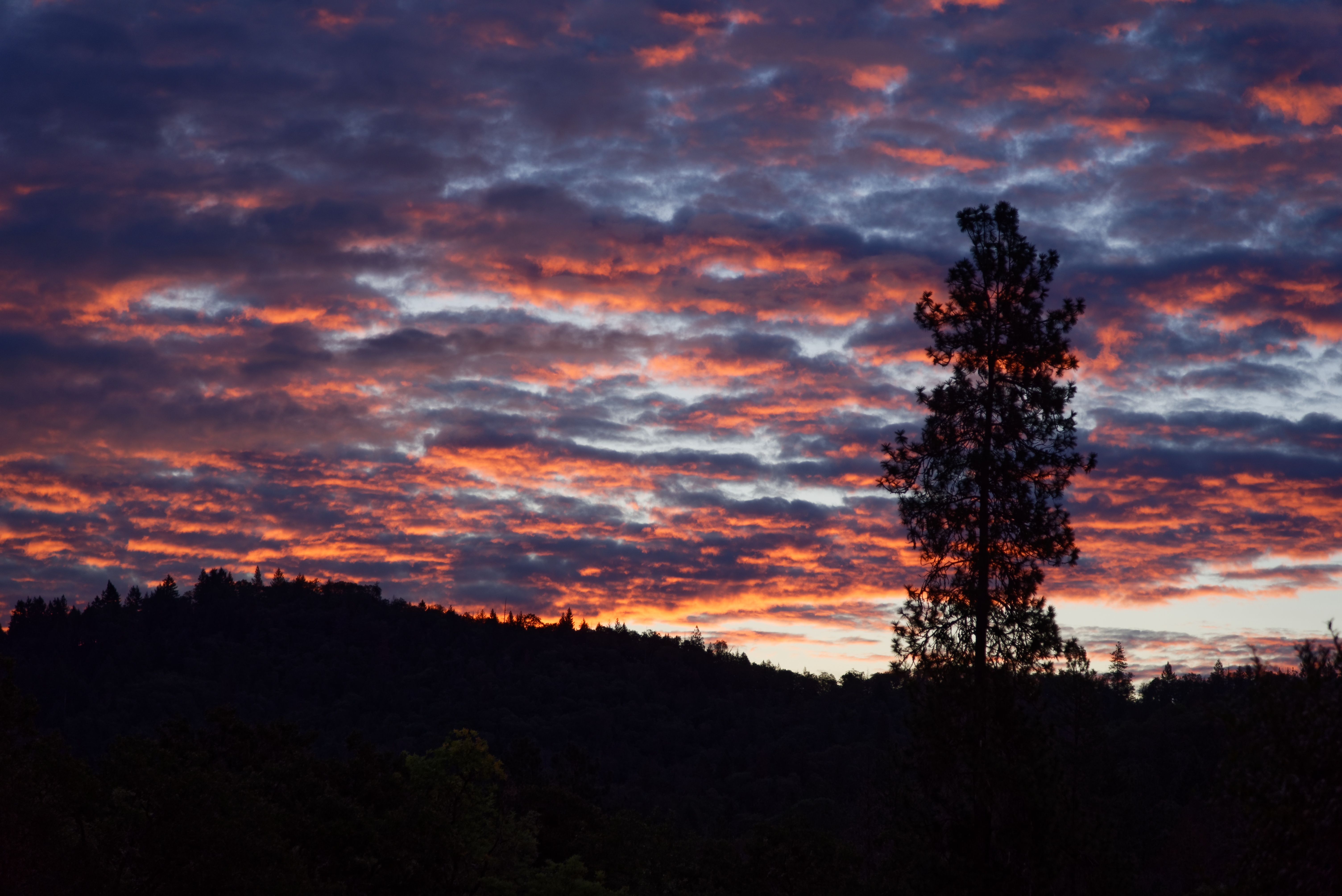
A view of the sunrise from taken from our property.

The contradictions in terms of our life locally and the global scene are huge. This is all leading to me quoting extracts from a recent George Monbiot article. The article starts by saying: “On both sides of the Atlantic, powerful interests seem determined to trigger the collapse of life on Earth. Why?

Sexton Mountain last winter. Again photo taken from our property.

A little later on in Geo. Monbiot’s article, he writes: “When I began work as an environmental journalist in 1985, I knew I would struggle against people with a financial interest in destructive practices. But I never imagined that we would one day confront what appears to be an ideological commitment to destroying life on Earth. The UK government and the US supreme court look as if they are willing the destruction of our life support systems.

Because it does seem as though the political leaders are not taking the future of the planet seriously. As Patrice Ayme concluded recently in a remark to that post: “Biden ought to declare a climate emergency.” But it won’t happen!

(Well I may stand corrected. Yesterday it was widely reported, and I chose Renewable Energy: “The clean energy industry celebrated a moment on August 7 that would have seemed impossible just a few weeks earlier: The Senate passed a budget measure that includes the largest investments in clean energy and climate change in U.S. history.“)

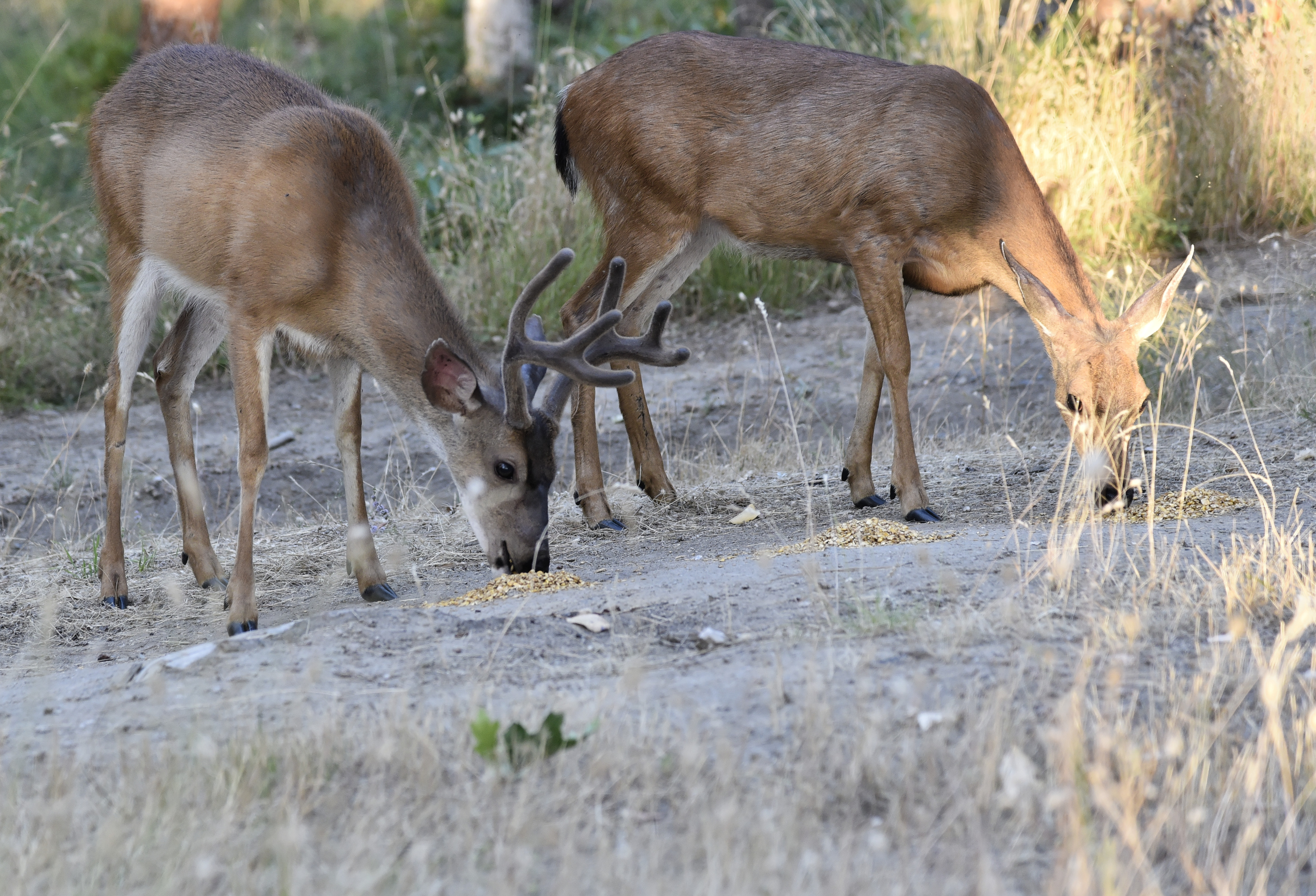
Every morning when I go down to feed our two ex-rescue horses I also feed the wild deer. I have been doing it for many years. Long enough that a young buck has turned into an adult and comes within a few feet of me.

It never ceases to delight.

The contradiction between me going every morning down to the stable area and feeding the horses and the wild deer, and the outcome for the planet is beyond words. In a very real way it is incomprehensible.

Again, Geo. Monbiot writes: “All this might seem incomprehensible. Why would anyone want to trash the living world? Surely even billionaires want a habitable and beautiful planet? Don’t they like snorkelling on coral reefs, salmon fishing in pristine rivers, skiing on snowy mountains? We suffer from a deep incomprehension of why such people act as they do. We fail to distinguish preferences from interests, and interests from power. It is hard for those of us who have no desire for power over others to understand people who do. So we are baffled by the decisions they make, and attribute them to other, improbable causes. Because we do not understand them, we are the more easily manipulated.”

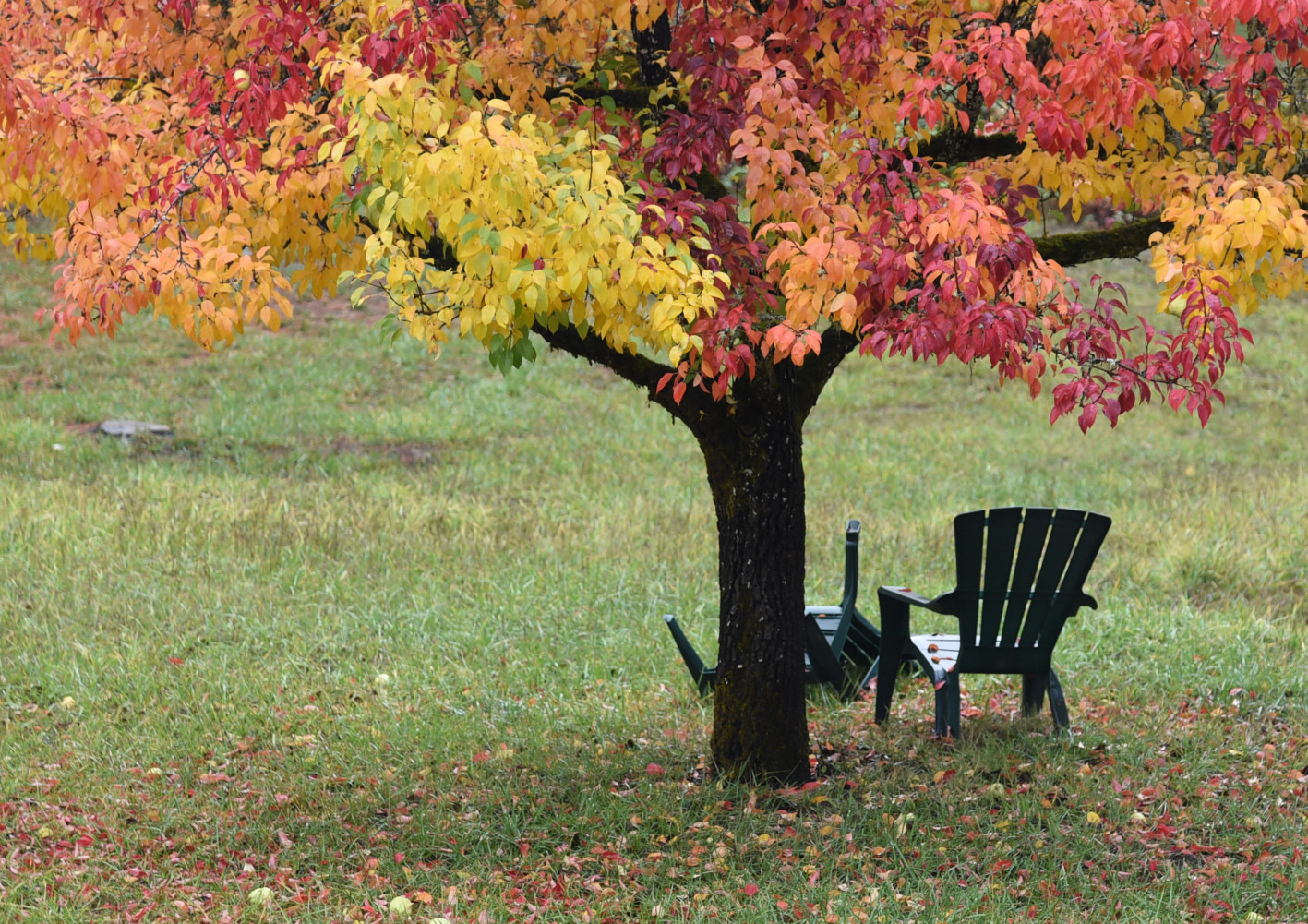
Under our apple tree!

It really is a paradox! And who knows the outcome. All I can say is that, despite me being the age I am, I would not want to be any younger and aware that soon one would be facing the global changes full on.

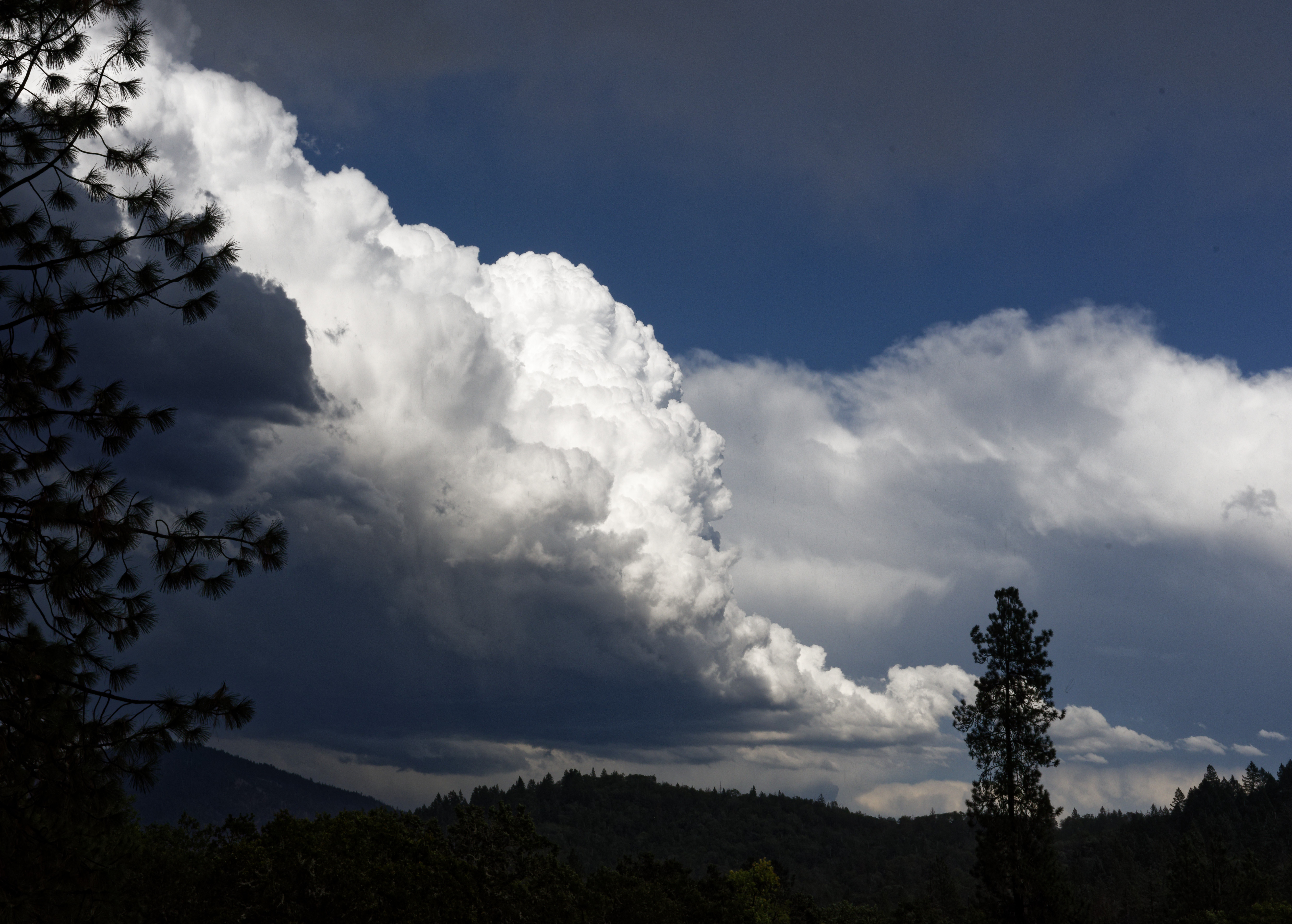
Stacked cumulus clouds to the North-East.

More words from Geo. Monbiot: “Since 1985, I’ve been told we don’t have time to change the system: we should concentrate only on single issues. But we’ve never had time not to change the system. In fact, because of the way in which social attitudes can suddenly tip, system change can happen much faster than incrementalism. Until we change our political systems, making it impossible for the rich to buy the decisions they want, we will lose not only individual cases. We will lose everything.”

I have no idea of the global changes that are afoot and how they will affect us in Merlin. Indeed, I have no idea how long I have to live.

Jean and I met in December, 2007. We met in Mexico but Jean was also born in London, just a few years after me. How’s that for chance!

Jean’s American husband had died in 2005. She was rescuing dogs off the streets, sorting them out, and finding homes for them, mainly in Arizona.

Jean and me in San Carlos, Mexico.

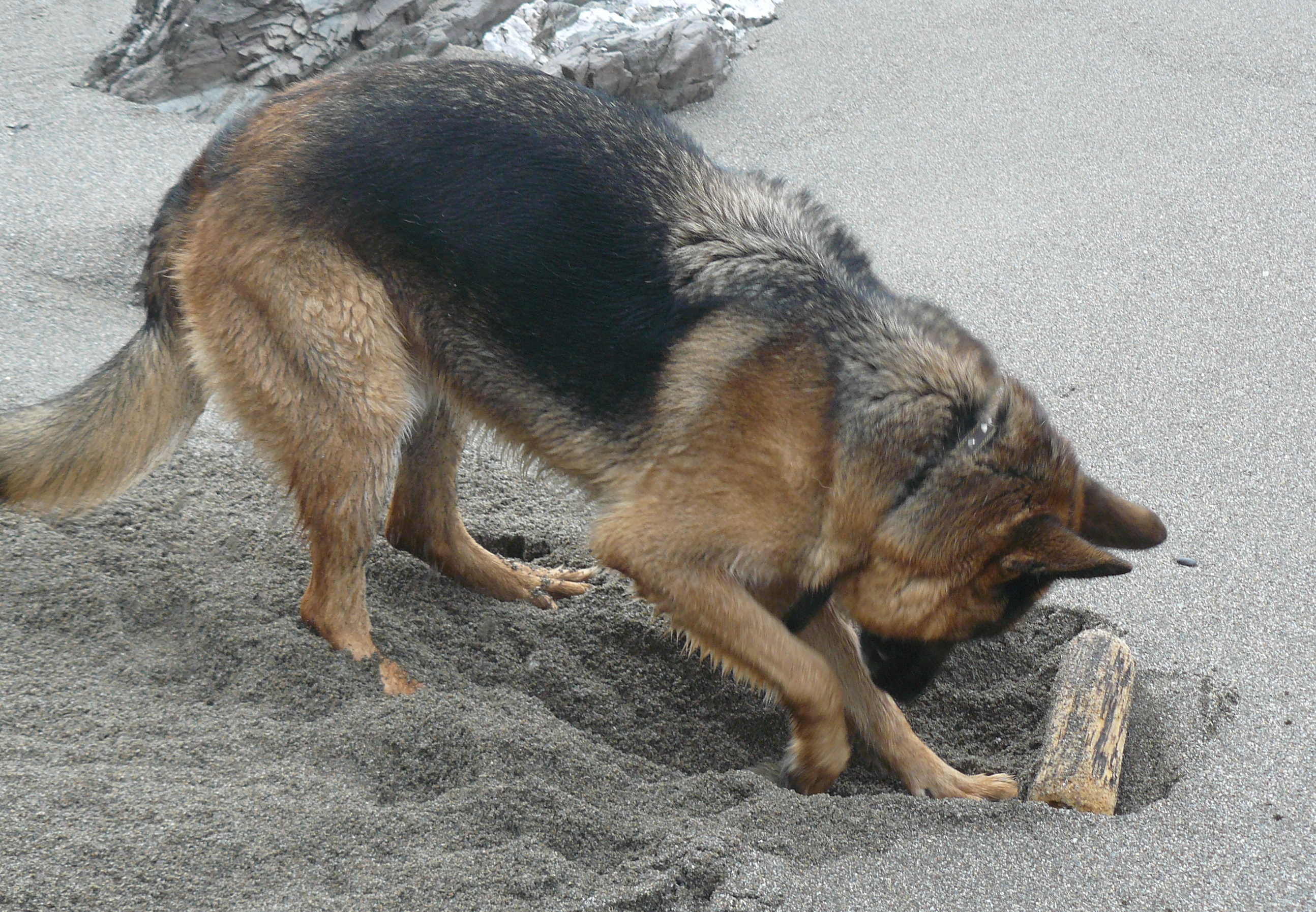
I went out to Mexico with Pharaoh in 2008. With a one-way ticket!

Pharaoh digging in the sand in Mexico.

However of one thing I am sure. Since that meeting in December, 2007 life has been as good as it comes. I have never been happier.

What a contradiction!

The Old and the New

This caught my eye!

Humans are great inventors! Indeed, a better way to describe H. sapiens ever since we separated from the chimpanzees, some 5 or 6 million years ago, is to describe us as explorers both outwards and inwards constantly in search for new worlds and new insights into meaning.

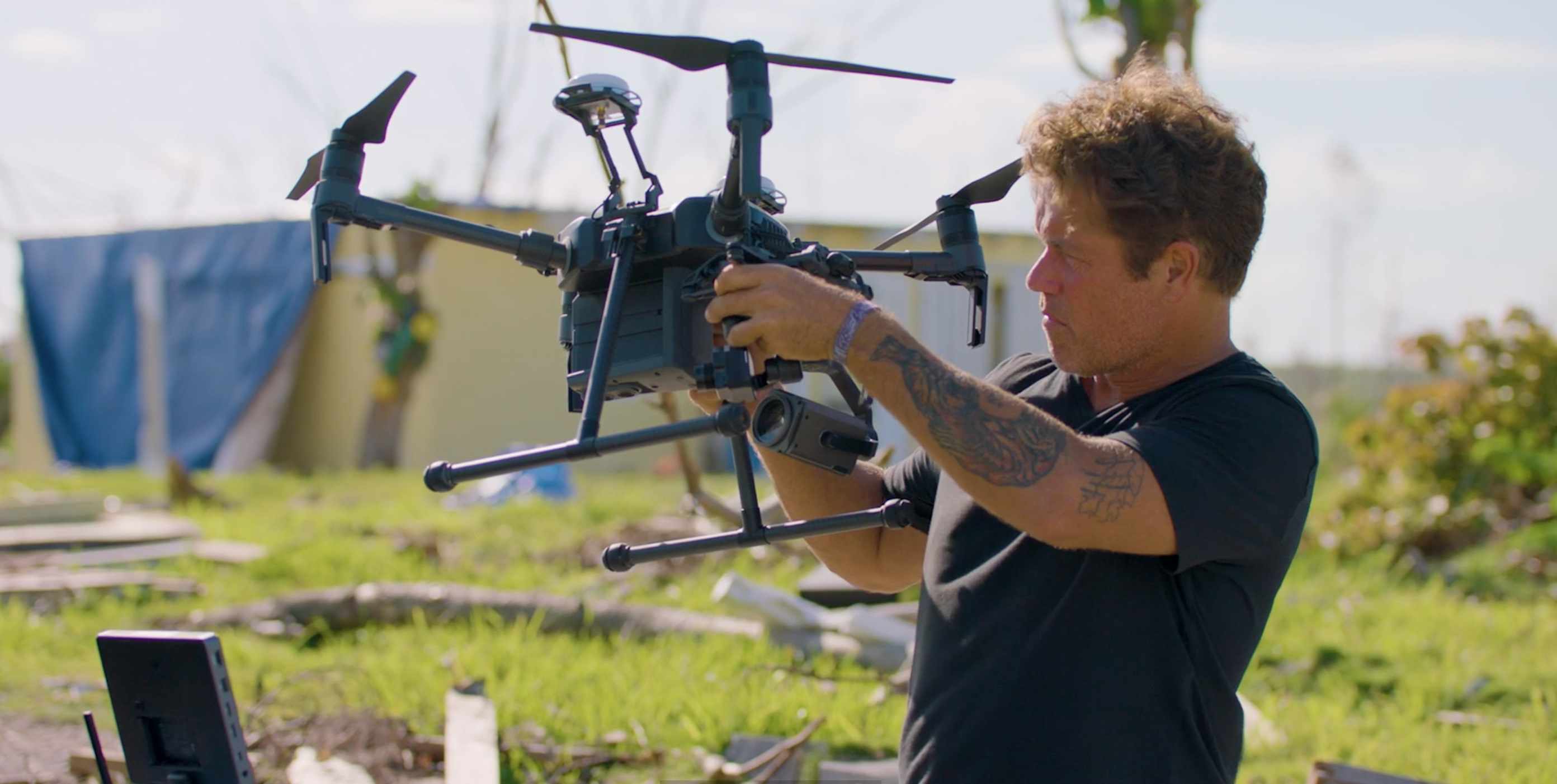
Thus this naturally caught me eye as Doug Thron uses a modern device, a drone, to search for animals in distress, a very ancient behaviour!

ooOOoo

Drone Pilot Rescues Animals After Natural Disasters

Doug Thron goes to devastated areas to save pets and wildlife.

By Mary Jo DiLonardo

Mary Jo DiLonardo

Published June 9, 2021.

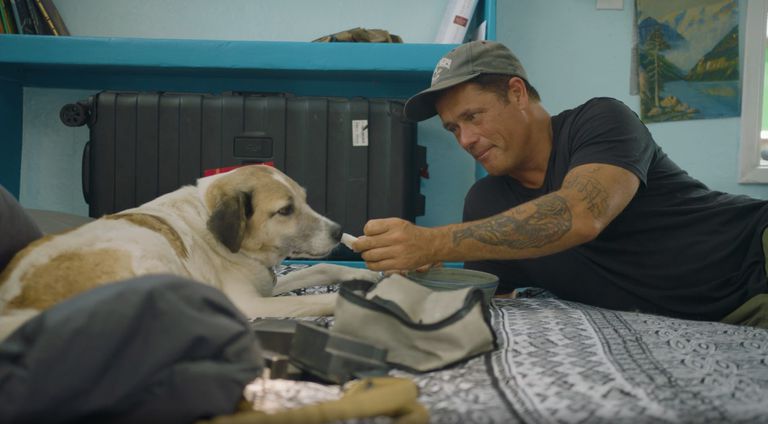
Doug Thron with Duke, a dog he rescued after California wildfires.”Doug to the Rescue”

For nearly three decades, seaplane and drone pilot Doug Thron has been a professional photographer and cinematographer, primarily for nature shows and magazines. A few years ago he was using his drone to film the devastation left behind after wildfires in California when he teamed up with rescuers to help find lost pets and reunite them with their owners.

A long-time animal lover and environmentalist, Thron realized he could combine those passions, using his aerial skills. He now travels wherever there is need, using his drone to help communities dealing with the destruction after natural disasters.

Thron is featured in a six-part documentary series “Doug to the Rescue”streaming on CuriosityStream beginning June 10.

He talked to Treehugger about his first animal rescues, his drones, and some of the challenges he’s faced.

Treehugger: Which came first: the animal rescue work or the drone?

Dough Thron: I was using drones for filming for TV shows, commercials, and real estate clients before doing the animal rescue work. 

Were you involved in animal rescue and realized that your drone work could come in handy? 

Definitely. I was doing animal rescue work after the wildfires in Paradise, California. I was working with an expert cat rescuer named Shannon Jay, and I saw him using an infrared scope at night to help find the cats. We talked about how incredible it would be to put one on a drone and when the opportunity came up about 10 months later in the Bahamas after the category 5 Hurricane Dorian, that’s what I did and it worked incredibly.

I had raised orphaned baby animals as a kid and worked with animals such as possums, raccoons, squirrels, beavers, and even mountain lions. I’ve been using drones since 2013 for cinematography, so I’ve used them for quite a while before I got involved in the actual rescuing of animals with drones.

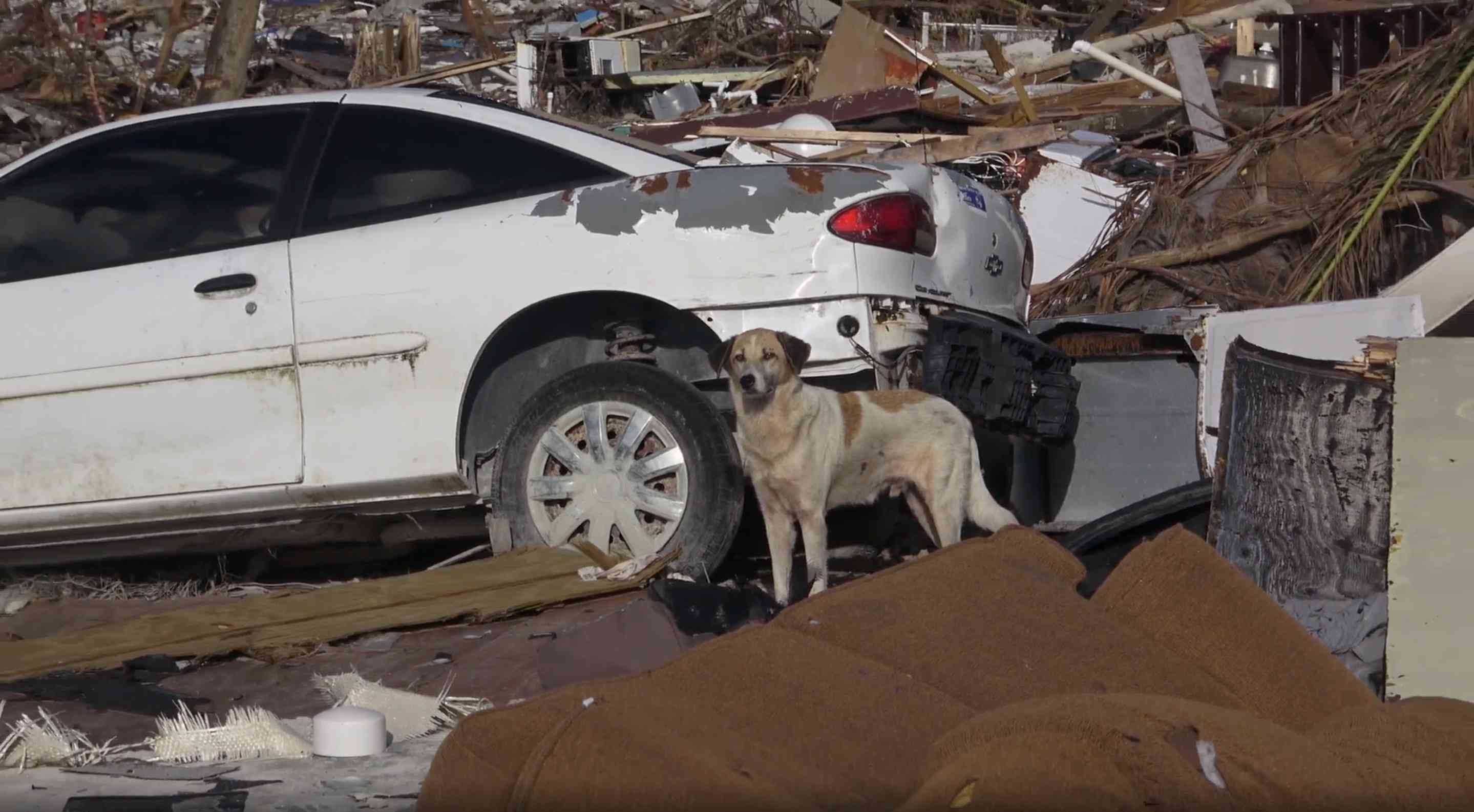
Duke in the Bahamas.Doug Thron / “Doug to the Rescue”

What was your first big rescue using a drone?

My first big rescue using a drone was in the Bahamas after Hurricane Dorian. I was there helping to deliver aid and film the destruction when I spotted a dog roaming around the mountains of debris. He obviously hadn’t had any water or much food for days. He was really apprehensive at first, but warmed up over the course of the day, as I just sat with him. Dog food and water helped! The next day, some animal rescuers came with me to get him. He’s such an incredible dog, and meant so much to me, so I adopted him and named him Duke after a sign I’d seen where I found him.

Where are some of the places you’ve gone to help stranded animals? 

The Bahamas, Australia, Oregon, California, and Louisiana.

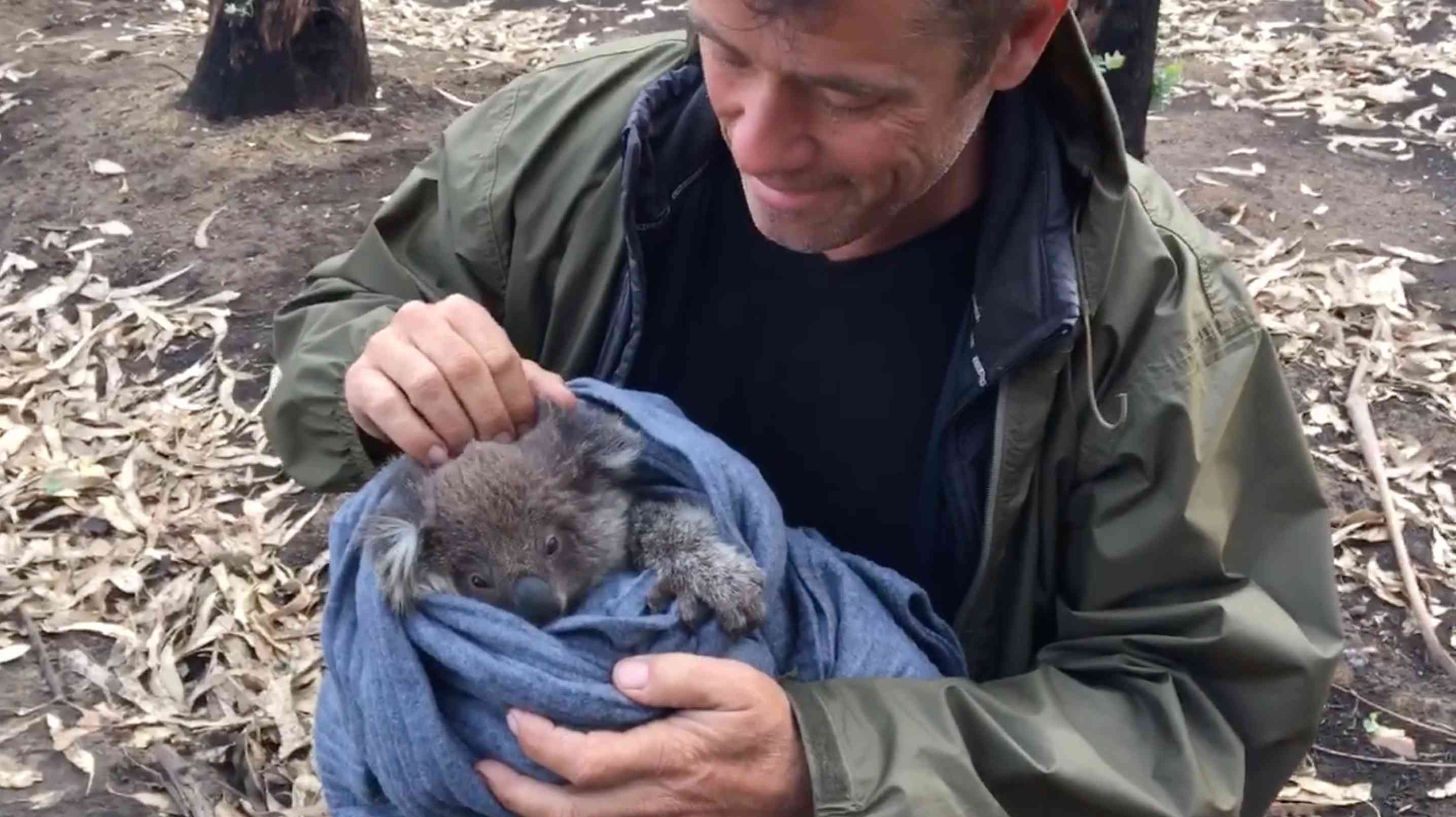
Thron with a rescued koala.”Doug to the Rescue”

What were some of the most challenging circumstances?

In Australia, it was challenging because the hurt koalas were deep in burnt out forests, often with a dense canopy. It was so hot out you had to fly strictly at night with spotlights and infrared and fly the drone pretty far and often drop it down through the trees to see the animals, which takes a lot of skill. Koalas are also very aggressive and strong, and not always thrilled when you go to grab them out of a tree to rescue them. On almost all these rescues, Australia and everywhere else, it’s countless long hours of work—generally about 20 hours a day—which can certainly wear you down day after day.

What is it like when you spot an animal in an area of devastation where there is no other sign of life? 

It’s great to be able to rescue these animals so much more efficiently and faster and, in many cases, find animals that never would have been found.  It’s different everywhere I go—finding animals when there aren’t any others alive nearby is always really hard. But in places like Louisiana, where I was searching in so many neighborhoods, it gives you a feeling of hope when you find a cat or dog, knowing it was someone’s pet. 

In other places, like Australia, I’d be covering dozens of miles a night, sometimes and only finding an occasional animal. It’s really sad because you realize how many thousands of animals didn’t make it. It’s also really hard to see how fires and other natural disasters as a result of climate change are taking out the last patches of unentered habitat and endangered animals.

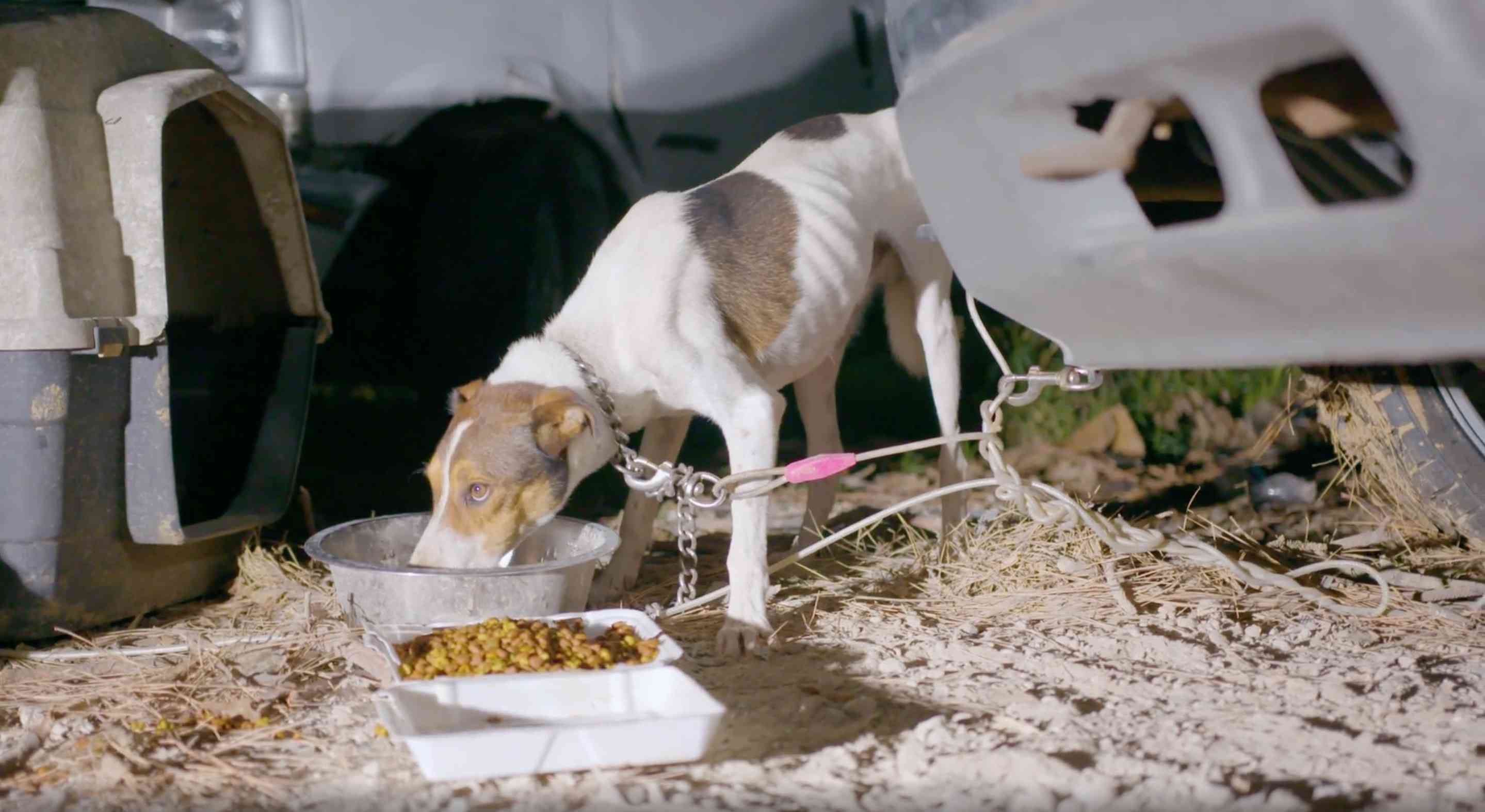
A dog rescued in Louisiana.”Doug to the Rescue”

How heart-wrenching can it be?

It can be really heart-wrenching to find animals that are severely wounded, but it’s wonderful to be able to save them. 

How euphoric is it when you make a great save?

It’s awesome to be able to save people’s cats and dogs because frequently, that might be the only thing they have left after a fire or hurricane. Obviously, for the animal’s sake, it’s so incredible because without the infrared drone, in many cases, the animal would have never been found and would have died, sometimes a slow and painful death.

Thron with his drone.”Doug to the Rescue”

What is your drone like?

The Matrice 210 V2 are the drones I use with an infrared camera, spotlight, and 180x zoom lens. The combination of using those three attachments for animal rescue has never been done before.

How much time do you spend doing animal rescue work? What else do you do?

The rescue work is pretty continuous for 9 to 10 months during the fire and hurricane seasons. After that, there are occasional lost pets to be found.

What else do you want to accomplish?

I hope to make using infrared drones for animal rescue as popular as helicopters are for rescuing people after a natural disaster. So many more animals can be saved when you can find them so much faster and find ones that never would have been found on foot because there is just too much area to cover.

ooOOoo

This account makes me want to choke up. Doug is clearly used to being a professional photographer and, also, works with others in the field of animal rescue. But this story is about Doug and he is engaged with animal rescue with his heart as well as his head!

Doug has been reported widely I am delighted to say and there’s a YouTube video that you can watch.

It doesn’t get any better than that!

Well, we’re back!

And a dog food alert to be starting off with!

We got home at 11:30 yesterday morning and it’s going to be a while before I get back into the swing of things. Not taking into account the nearly 200 high-definition photographs each of one has to be looked at carefully and post-processed where necessary.

However, this was released on September 26th and I didn’t want to delay it any longer.

ooOOo

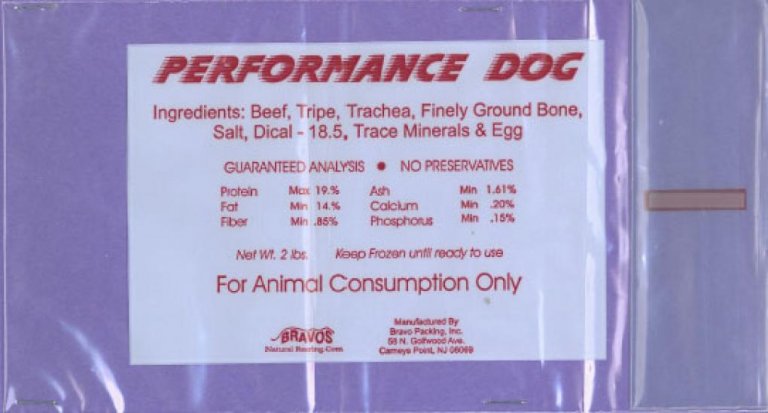
FDA: Do Not Feed Performance Dog Raw Pet Food

September 26, 2019 — The U.S. Food and Drug Administration is cautioning pet owners not to feed their pets any Performance Dog frozen raw pet food after a sample tested positive for Salmonella and Listeria monocytogenes (L. mono).

What Caused the Recall?

Two samples of different finished products collected during an inspection of Bravo Packing, Inc., the manufacturer of Performance Dog raw pet food, tested positive for Salmonella and/or Listeria monocytogenes.

One of the products sampled had not yet been distributed.

The product that entered the marketplace is Performance Dog raw pet food, lot code 072219, sold to customers frozen in two-pound pouches.

Lot codes are printed on the outside of the boxes used to distribute the product, but the lot codes are not printed on the individual sealed plastic pouches, also known as chubs.

Therefore, there are no unique identification numbers on the individual chubs that would allow customers to verify whether their product belongs to the affected lot.

The FDA is cautioning about all Performance Dog frozen raw pet food produced on or after July 22, 2019 because the products do not have lot codes printed on retail packaging.

If you have any Performance Dog product that you purchased after July 22, 2019, throw it away.

Why Is FDA Concerned?

FDA is issuing this alert because Performance Dog raw pet food represents a serious threat to human and animal health.

Because these products are sold and stored frozen, FDA is concerned that people may still have them in their possession.

This is the second time Bravo Packing, Inc. product has tested positive for pathogen contamination. In September 2018, Bravo Packing, Inc. recalled all Performance Dog frozen raw pet food due to Salmonella.

Also, during a 2016 inspection, the FDA collected samples of Bravo Packing, Inc. horse meat chunk animal food that tested positive for the drugs pentobarbital and phenytoin.

Pet foods and treats contaminated with Salmonella and Listeria mono are of particular public health importance because they can affect both human and animal health.

Pets can get sick from these pathogens and may also be carriers of the bacteria and pass it on to their human companions without appearing to be ill.

People can get sick from handling contaminated pet foods and treats or touching surfaces that have had contact with the contaminated pet foods and treats.

Additionally, if a person gets Salmonella or L. mono on their hands, they can spread the bacteria to other people, objects, and surfaces.

Additionally, if a person gets Salmonella or L. mono on their hands, they can spread the bacteria to other people, objects, and surfaces.

The Federal Food, Drug, and Cosmetic Act requires that all animal food, like human food, be safe to eat, produced under sanitary conditions, contain no harmful substances, and be truthfully labeled.

Without an effective control for pathogens, such as cooking, animal food is more likely to contain pathogens such as Salmonella and L. mono.

Refrigeration or freezing does not kill the bacteria.

About Salmonella

Salmonella is a bacterium that can cause illness and death in humans and animals, especially those who are very young, very old, or have weak immune systems.

According to CDC, people infected with Salmonella can develop diarrhea, fever and abdominal cramps.

Most people recover without treatment, but in some people, the diarrhea may be so severe that they need to be hospitalized.

In some patients, the Salmonella infection may spread from the intestines to the blood stream and then to other body sites unless the person is treated promptly with antibiotics.

Consult your health care provider if you have symptoms of Salmonella infection.

Salmonella in Pets

Pets do not always display symptoms when infected with Salmonella, but signs can include vomiting, diarrhea (which may be bloody), fever, loss of appetite and/or decreased activity level.

If your pet has these symptoms, consult a veterinarian promptly.

You should also be aware that infected pets can shed the bacteria in their feces and saliva without showing signs of being sick, further contaminating the household environment.

About Listeria Monocytogenes

Listeria monocytogenes is a bacterium that can cause illness and death in humans and animals, especially those who are pregnant, very young, very old, or have weak immune systems.

According to CDC, listeriosis in humans can cause a variety of symptoms, depending on the person and the part of the body affected.

Symptoms can include headache, stiff neck, confusion, loss of balance, and convulsions in addition to fever and muscle aches.

Pregnant women typically experience only fever and other flu-like symptoms, such as fatigue and muscle aches.

However, infections during pregnancy can lead to miscarriage, stillbirth, premature delivery, or life-threatening infection of the newborn.

Pregnant women and their newborns, adults age 65 and older, and people with weakened immune systems are more likely to get sick with listeriosis.

Anyone with symptoms of listeriosis should contact a health care provider.

Listeria in Pets

L. mono infections are uncommon in pets, but they are possible.

Symptoms may include mild to severe diarrhea; anorexia; fever; nervous, muscular and respiratory signs; abortion; depression; shock; and death.

Pets do not need to display symptoms to be able to pass L. mono on to their human companions.

As with Salmonella, infected pets can shed L. mono in their feces and saliva without showing signs of being sick, further contaminating the household environment.

What to Do?

If you have any of the affected product, stop feeding it to your pets and throw it away in a secure container where other animals, including wildlife, cannot access it.

Consumers who have had this product in their homes should clean refrigerators/freezers where the product was stored and clean and disinfect all bowls, utensils, food prep surfaces, pet bedding, toys, floors, and any other surfaces that the food or pet may have had contact with.

Because animals can shed the bacteria in the feces when they have bowel movements, it’s particularly important to clean up the animal’s feces in yards or parks where people or other animals may become exposed, in addition to cleaning items in the home.

Consumers should thoroughly wash their hands after handling the affected product or cleaning up potentially contaminated items and surfaces.

U.S. citizens can report complaints about FDA-regulated pet food products by calling the consumer complaint coordinator in your area.

Or go to https://www.fda.gov/petfoodcomplaints.

Canadians can report any health or safety incidents related to the use of this product by filling out the Consumer Product Incident Report Form.

ooOOoo

Hopefully no follower of this place has had any problems with Listeria but, please, share this as widely as you can.

Too close to home!

A post that involves dogs but not what I had in mind!

Last Saturday I published a post The burning of our forests! that included a photograph of the nearby Klondike fire.

Courtesy Jeffersen Public Radio

Then last Sunday I was speaking to Maija, my daughter back in England, and she was asking how the fires were and I distinctly recall saying: “Sweetheart, I think we are over the worst!

That same Sunday evening, around 9:45pm, in other words two evenings ago, one of our neighbours, Margo, who lives on 60 acres adjacent to the west of us, called with real alarm in her voice:

Paul, have you seen the fire that is burning just to the North-East of us?

I replied that I had not but immediately went to our deck that runs the whole Eastern length of our house. Mount Sexton is just a few miles to the North-East of us.

This is what I saw!

Taken on the 2nd September, 2018 at 21:44 PDT

Apparently, a short while previously the wind had blown down a tree that had fallen across some high-voltage power lines causing sparking that had, in turn, ignited the extremely dry grassland.

The fire was between Oxyoke Road and Three Pines Road and roughly 2 miles from us line of sight.

That explained why some thirty minutes before, in the last of the light of the setting sun, there had been a number of helicopter flights come across us en route to dropping fire retardant close by. It hadn’t occurred to me that it was an incident so close to us.

Many of us living nearby then called each other to spread the word.

Jeannie and I, in turn, drew up an evacuation checklist and started getting things ready. More importantly, getting ourselves psychologically prepared to have to vacate the property at very short notice: Jeannie and me: six dogs; two horses; two parakeets; three cats; two chickens!

Thankfully an order to evacuate did not come during the night.

So yesterday morning I grabbed my bike and rode to Oxyoke Road. On the way I stopped to photograph the smoke in the air.

Three Pines Road looking to the East.

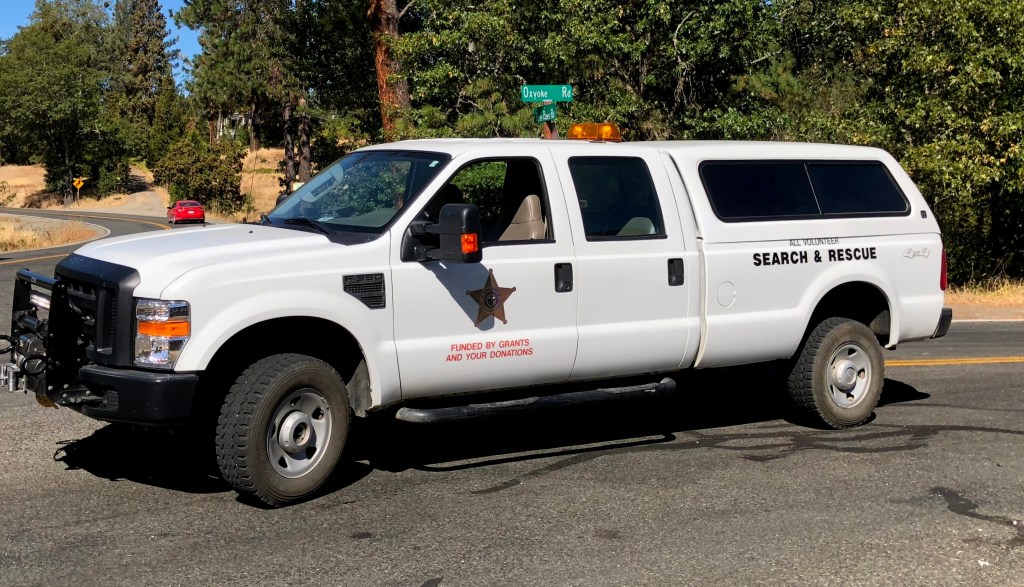
Once at Oxyoke Road I chatted to a search and rescue volunteer on duty controlling the traffic.

His report, as of 11:30 on September 3rd, was that the fire was just 15% contained, was “pretty active”, and that they were keeping an eye on the winds that were expected to be rather gusty later on that afternoon. I am writing this at 13:40 on the 3rd and the present winds are 6 mph, gusting 12 mph, from the North-West.

I rode back home to brief Jeannie and found her working her way through an idea for evacuating the dogs!

H’mmm! I am not sure Pedy is getting the message!

But a few words from Sweeny seemed to sort things out.

So there you are my good people, a post about dogs! Sort of!

Fingers crossed we will speak again tomorrow!

Assuming we don’t have a repeat of last night’s spectacular sights!!

Photo taken by Holmes Ariel of the Hugo Road Neighbourhood Watch group.

At least this rural living keeps one fit!

Goodbye, dear ponies!

Dancer and Allegra are off to a new home!

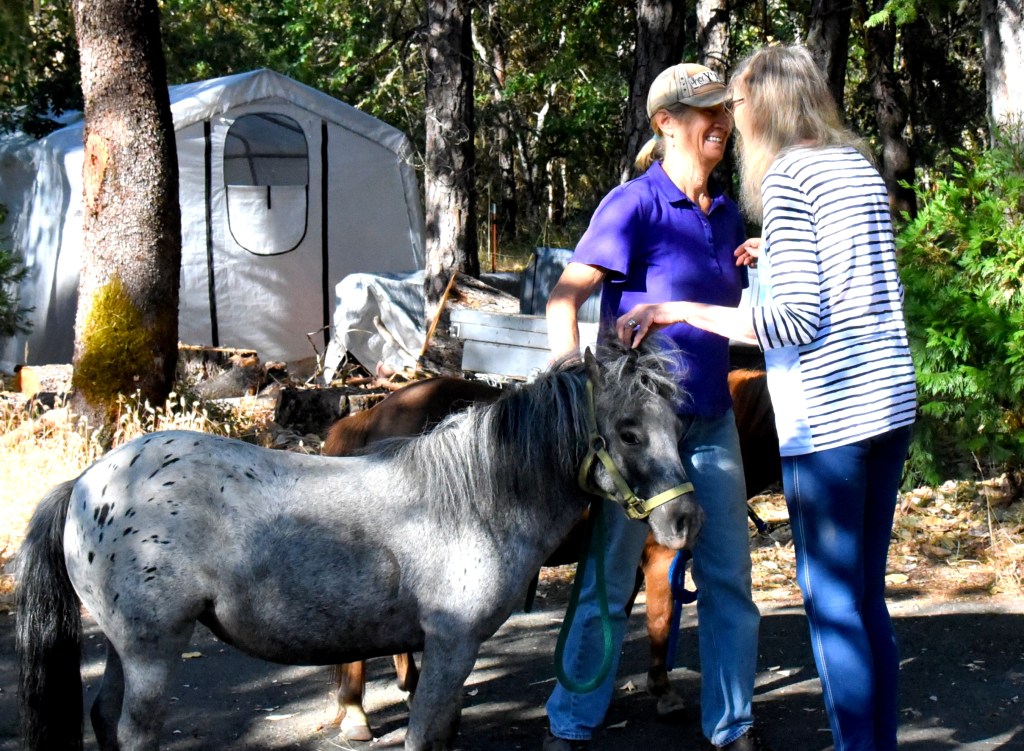
When we were first here we gladly took on a couple of miniature horses from Margo, a neighbour to the west of us. Margo and Clarence’s property adjoins ours.

For some time we had been thinking of finding a better home for Dancer and Allegra especially as ‘sizing down’ was important to us being able to live here for many more years.

Margo will keep Allegra but has found a great new place for Dancer. Margo has been a breeder of miniature horse for many years.

So when I wrote yesterday in a reply to your responses: “The morning calls for other things to be done, more details later ,…” this is what was going on.

Some pictures to remember.

Ranger chatting with Dancer just before the ‘off’.

oooo

Jean leading as Margo and the ponies walk up the track that leads from our stable area.

oooo

Saying goodbye.

oooo

The open gate to a better tomorrow!

oooo

Goodbye, dear Dancer and Allegra!

Picture Parade Two Hundred and Thirty-Seven

Part Two of a pictorial account of our recent trip to Klamath Falls and Crater Lake.

Covering Sunday, 18th March, when we travelled from Klamath Falls up to Crater Lake and then Monday, 19th March, when we returned back from Klamath Falls to Merlin, OR.

Part One of this pictorial account is here.

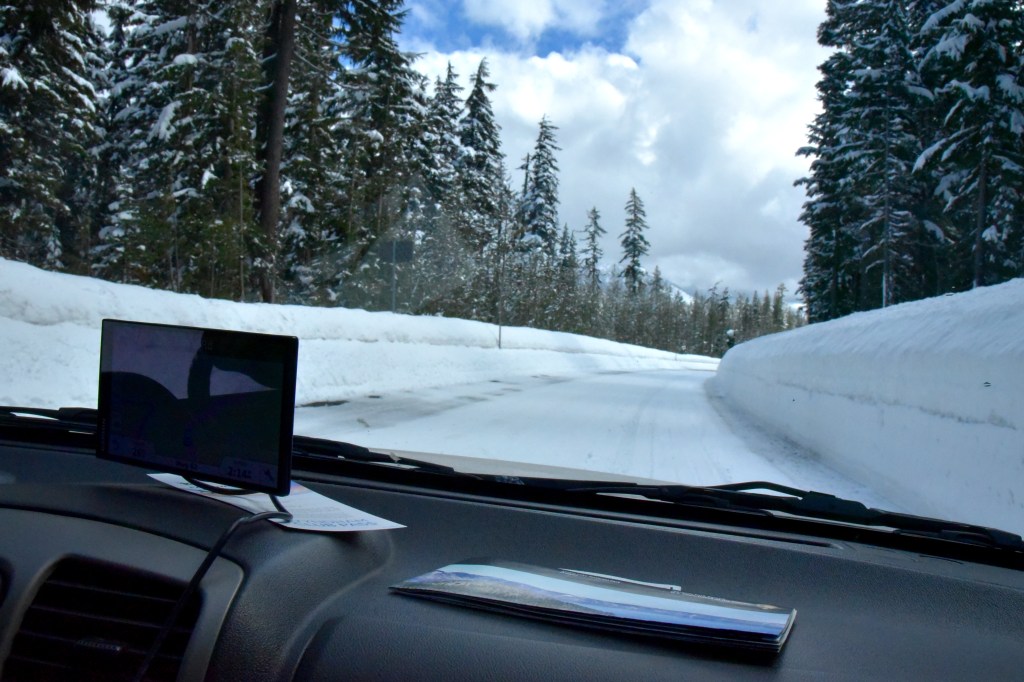
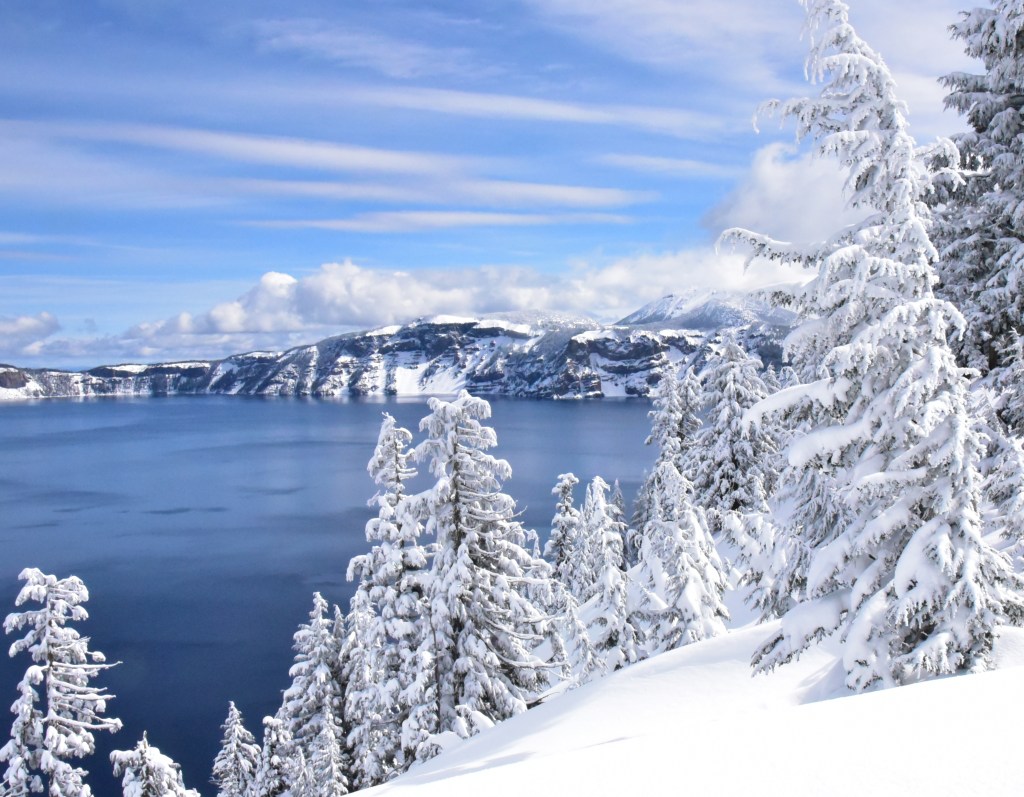
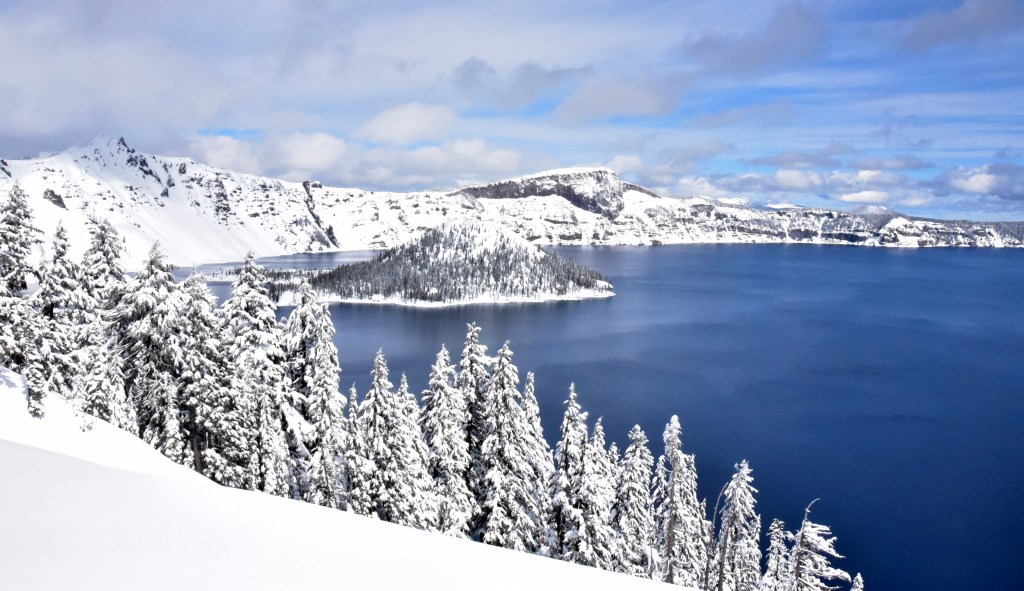
To Crater Lake – What would the day bring??

oooo

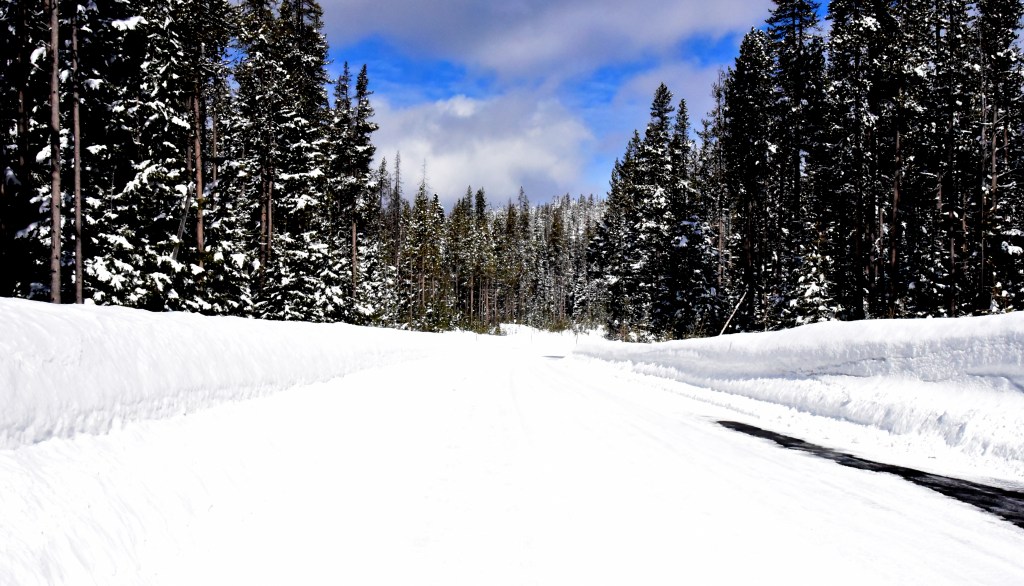
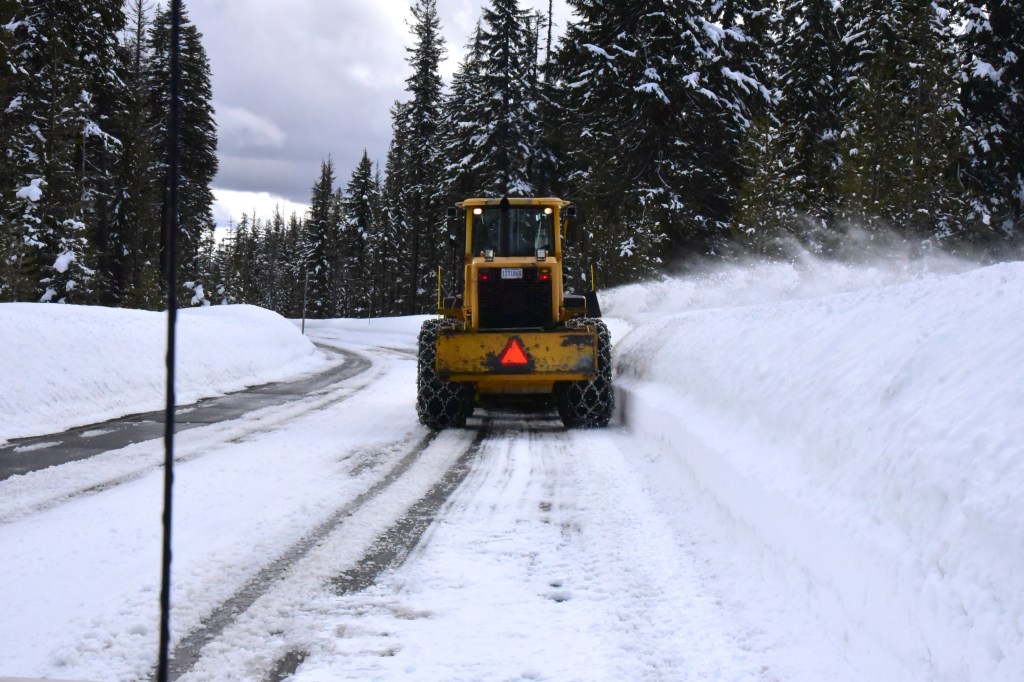
Certainly much snow. In fairness, much of this was from the snow blowers! But still ….

oooo

Roads on the approaches to Crater Lake were ‘interesting’!

oooo

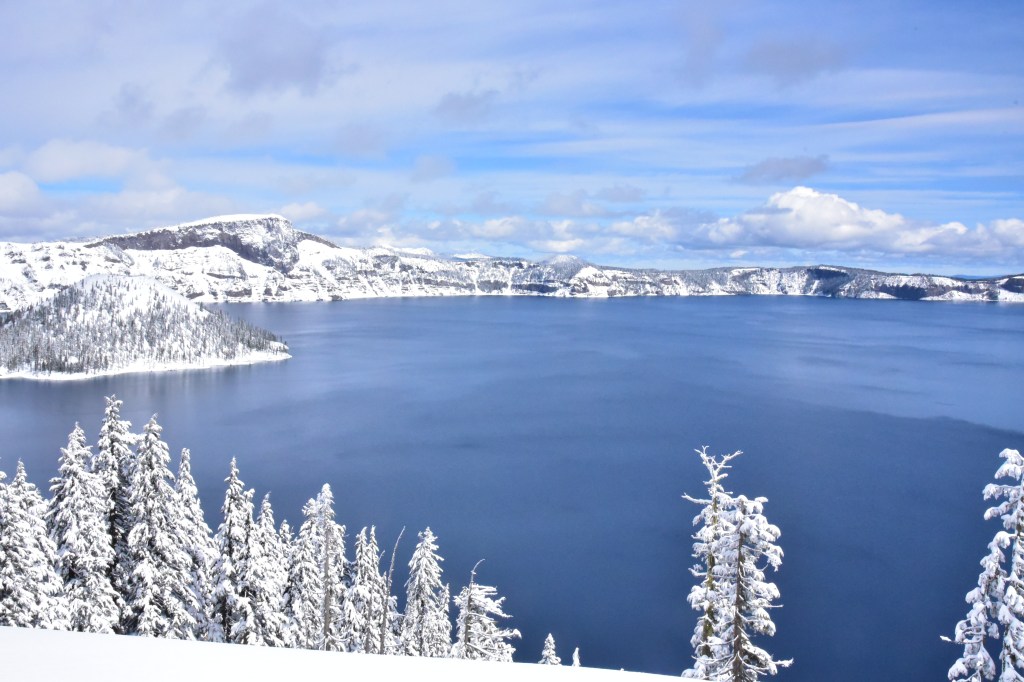
And there is was! Crater Lake in all it’s glory!

oooo

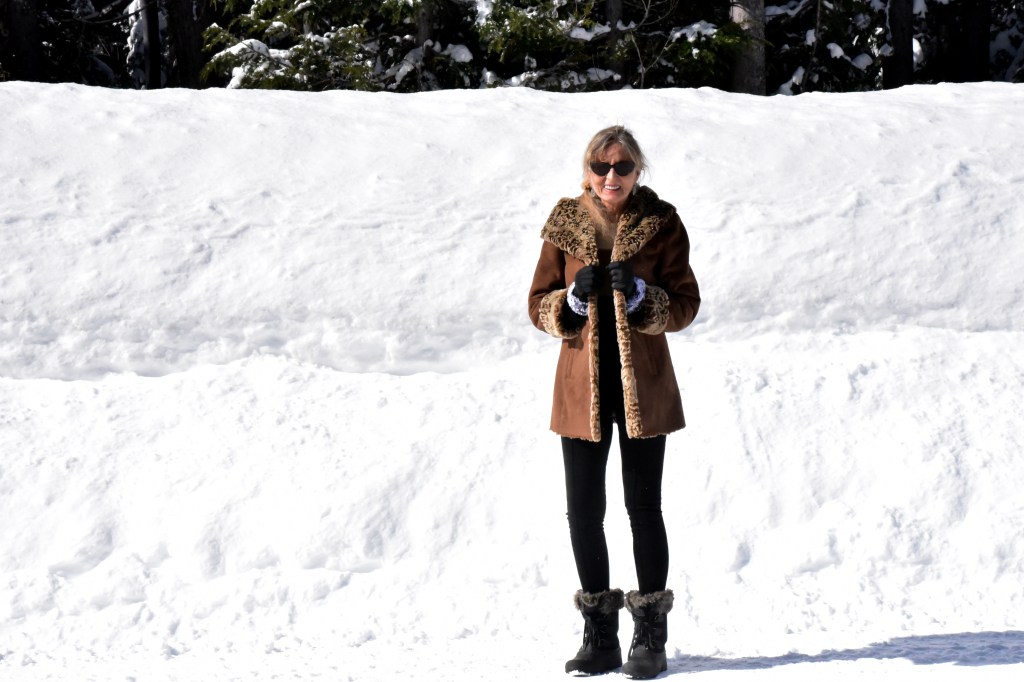
Anyone for a White Christmas – in March!!

oooo

Probably best not to go too close to the edge!

oooo

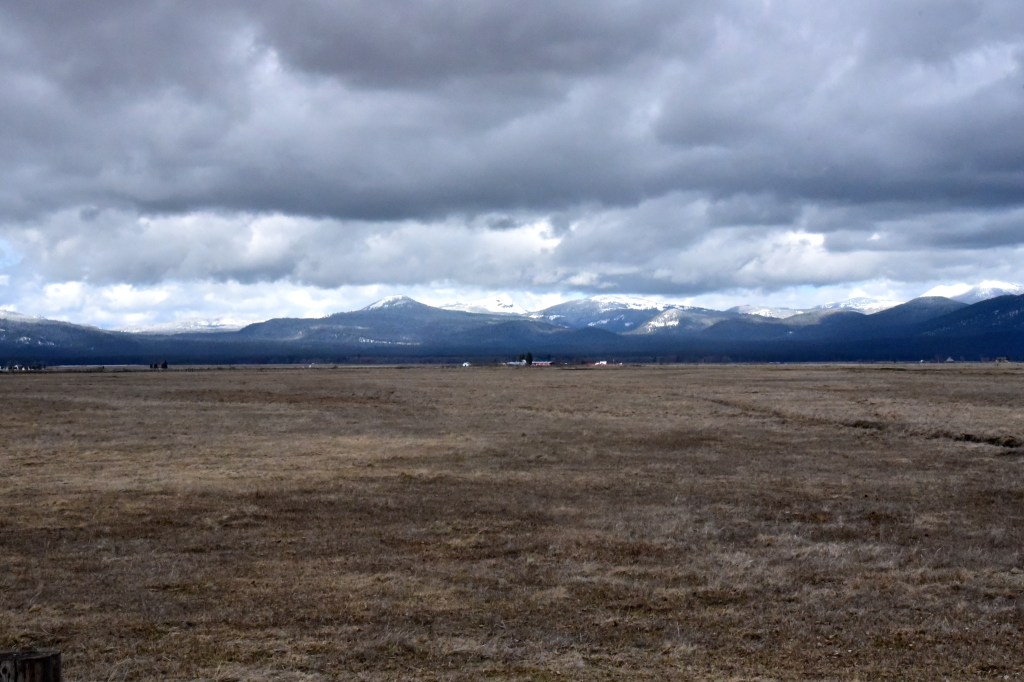
Then in the blink of an eye it was Monday and the day when we returned home!

Time to go home. Goodbye High Country!

oooo

Who was it that mentioned snow blowers!!

oooo

Back to the familiar and very beautiful sights of home!

oooo

Back to rural tranquility!

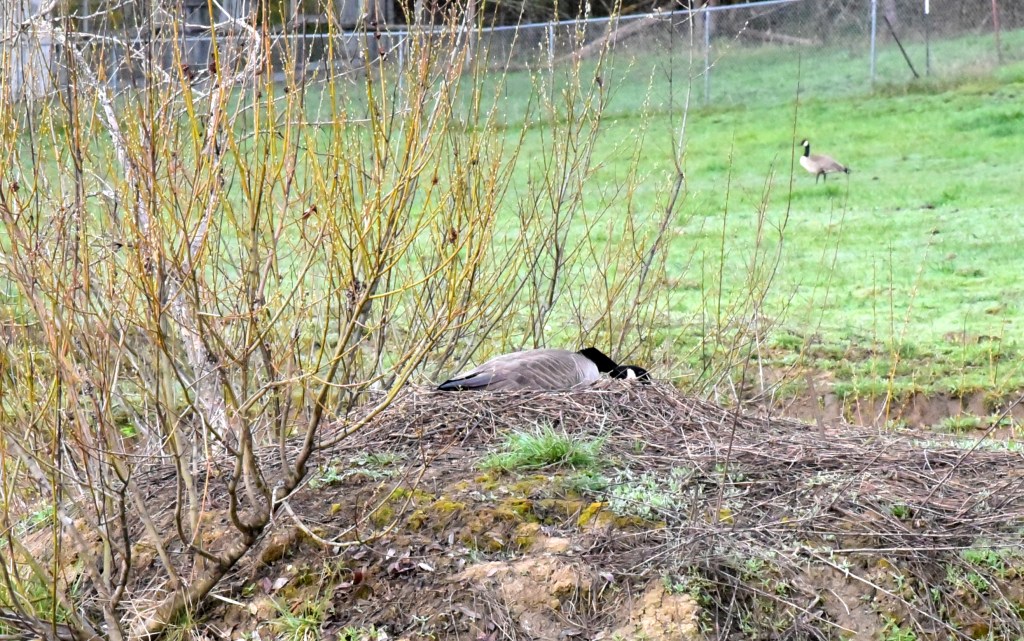
The photograph above shows a returning Canadian goose nursing her unborn chicks in their eggs with ‘Dad’ keeping an eye on things close by.

Our beautiful home. A wild flower close to our stable block.

oooo

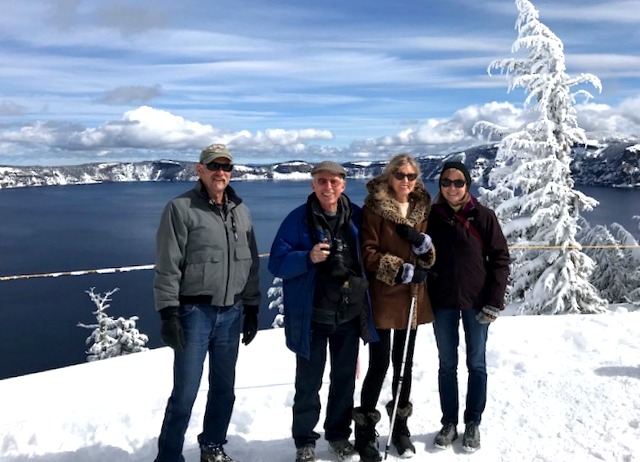
Andy, me, Jeannie and Trish.

Thanks Trish and Andy for inviting us! Big hugs from Jeannie and me!