Tag: Penny Martin

Your dog-proof home

A post from Penny Martin.

Penny sent me this post and I thought that I would be able to post it before now. However, it seems like the perfect item for today.

ooOOoo

How to Design a Stylish Home That Stands Up to Your Dog

Dog owners who care about décor know the daily tug-of-war between stylish pet-friendly interiors and real-life messes. A sofa that looks perfect can turn into a scratch magnet, clean walls collect nose smudges, and “nice” floors don’t always survive muddy paws, spilled water, or surprise zoomies. The heart of dog-friendly home design is balancing aesthetics and functionality without treating every room like a sacrifice zone. With the right mindset, pet damage challenges can become design boundaries that still leave a home feeling pulled together.

Make 7 Upgrades That Survive Paws, Spills, and Zoomies

If you’ve ever tried to keep a home looking pulled-together while living with a dog who treats the hallway like a racetrack, you already know the goal: durable choices that still feel like you. These upgrades focus on the high-impact trouble spots, floors, walls, entryways, feeding zones, and the yard, so your style holds up to real life.

  1. Choose scratch-resistant flooring in the “runway” zones: If you can’t replace every floor, prioritize the routes your dog actually uses, entry → living room → back door. Look for scratch-resistant flooring with a tough wear layer, and use large, low-pile rugs (with a grippy pad) in corners where dogs pivot and launch. Keep nail trims on a 2–4 week rhythm to reduce micro-scratches, especially on stairs and landings.
  2. Create a paw-and-mud landing strip at the entry: Give dirt and water a place to “stop” before it hits your sofa. Add a washable runner, a closed hamper for dog towels, and a hook or basket for wipes right by the door. A shallow boot tray works great as a water bowl “parking spot,” too, especially for sloppy drinkers.
  3. Install a built-in dog feeding station (even a mini version): A built-in feeding station keeps bowls from wandering, helps contain splashes, and makes the feeding area feel intentional instead of cluttered. For a simple DIY approach, dedicate the bottom of a pantry cabinet or a mudroom nook and add a wipeable surface underneath. If your dog is a messy eater, choose deeper bowls and keep a small handheld vacuum nearby for daily 30-second resets.
  4. Protect walls and corners with “invisible armor”: Paint scuffs and body-oil streaks happen right at nose height and shoulder height. Use a durable, wipeable finish on walls, and add corner guards or wood trim where dogs rub and turn. If you’re renting or not ready to build, a narrow console table along a high-traffic wall can act like a stylish bumper.
  5. Set up a safe zoomie zone with flexible barriers: Instead of correcting your dog all day, manage the space. Use baby gates to block off carpeted rooms, kids’ toy areas, or the staircase when you can’t supervise. This is especially helpful during muddy season, post-bath chaos, or when guests are coming and you need a calm, contained zone fast.
  6. Upgrade fabrics to “cleanable by default” seating: Treat your sofa like performance gear: tight weaves, washable covers, and darker or heathered colors hide fur and drool better than flat, light solids. Keep a throw blanket on your dog’s favorite spot and wash it weekly, your couch stays nicer without starting a daily battle.
  7. Design pet-friendly landscaping for safe outdoor dog areas: Skip yard materials that can hurt paws or tempt chewing, and build a clear path where your dog naturally runs. Penn State Extension suggests flagstones or smooth gravel for pathways, which can reduce paw irritation and keep traffic from killing the grass. Aim for one easy-to-clean potty zone, one shaded “hangout” spot, and fencing you can trust, because outdoor durability counts just as much as indoor style.

Plan New-Home Peace of Mind: Ask About Structural Warranties

Those durability upgrades feel even better when your long-term protection matches the care you’re putting into the build. If you’re building a new dog-friendly home, ask your builder about adding a structural warranty or similar long-term protection, specifically, what’s included, how long it lasts, and how claims work. Solid warranty coverage for new builds can help safeguard the home’s underlying integrity if bigger issues show up later, which matters when everyday dog life adds extra wear and tear. It also helps protect the money you’re investing in pet-friendly choices like durable flooring and built-in features, so you’re not left feeling like you upgraded everything except your peace of mind.

Dog-Proof Design Options at a Glance

This quick comparison helps you choose finishes and features that look intentional, not improvised around your dog. Use it to balance durability, safety, and day-to-day convenience across high-traffic floors, outdoor boundaries, and feeding setups.

OptionBenefitBest ForConsideration
Luxury vinyl plank flooringScratch and spill resistance with many modern stylesBusy kitchens, mudrooms, play zonesCan dent under heavy furniture or sharp impacts
Porcelain tile with matte finishVery tough surface; easy cleanupSlobbery drinkers, rainy-paw householdsHard underfoot; use runners for traction
Real hardwood plus washable runnersClassic look with replaceable protectionLiving rooms where warmth mattersMore visible wear; requires routine refinishing over time
Vinyl-coated chain-link fenceDurable, lower cost, secure containmentLarge yards and strong pullersMore utilitarian look; needs thoughtful landscaping
Built-in feeding station in cabinetryKeeps bowls tidy for a seamless polished lookSmall kitchens and design-forward spacesLess flexible if you change bowl sizes or layout

If traction and easy cleanup are your top priorities, start with flooring and add rugs where your dog sprints or turns fast. If curb appeal matters most, fence style and a discreet feeding zone can make pet features feel fully “designed in.” Knowing which option fits best makes your next move clear.

Dog-Friendly Design FAQs Homeowners Actually Ask

Q: Can a dog-friendly home still protect resale value?
A: Yes, when you choose features that read as timeless upgrades, not pet-only add-ons. Think durable floors in classic tones, washable textiles, and clean-lined storage that hides leashes and toys. Keep any pet-specific elements easy to remove or swap so the home still shows well to non-pet buyers.

Q: How do I keep my floors from looking wrecked in a year?
A: Start with prevention: trim nails regularly and place a textured runner where your dog launches into turns. Use felt pads under furniture and wipe up grit fast, since sand acts like sandpaper. A small “paw station” by the door can cut down on tracked-in dirt.

Q: What’s the simplest way to manage shedding and odors without losing the cozy vibe?
A: Choose low-pile rugs, slipcovers, and throws you can wash weekly, then stick to a quick two-minute daily sweep in high-shed zones. A lidded hamper for dog blankets keeps smells contained. Ventilate after baths and rainy walks so fabrics stay fresh.

Q: Should I build in a feeding area, or keep it flexible?
A: Built-ins look polished, but flexibility often wins for real life. Try a wipeable mat and a tray that can move for cleaning, guests, or a new bowl size. If you love the built-in idea, plan for extra width and a removable insert.

Q: Can my dog’s routine really affect how well my home holds up?
A: Absolutely, because calmer dogs tend to do less damage when they are bored or overstimulated. A simple step is choosing the best foods for your dog with your vet, since nutrition can influence energy and behavior. Pair that with predictable exercise and a designated chew zone to protect your furniture.

Make Stylish, Dog-Ready Design Choices That Last

Living with a dog can feel like a constant tug-of-war between a home that looks good and one that can handle real life. The calmer path is a mindset of integrating pets into home life, planning for paws, fur, and play while still aiming for stylish and functional living. When that approach guides confident dog owner design choices, harmonious dog-friendly homes become easier to maintain, not harder to enjoy. Design for the dog you live with, and style will follow. Choose one long-term pet-friendly design change to start this week, and let it set the tone for the rest of your space. A home that supports both of you builds daily ease, deeper connection, and resilience for the years ahead.

ooOOoo

That is an excellent set of recommendations, many of which would not have occurred to me. Neither to Jeannie, who has loads more experience of looking after dogs than I have.

So, thank you, Penny and I look forward to your next ‘guest’ post.

Starting your own business

And even better if it involves dogs.

Another wonderful article from Penny Martin.

Years ago I started my own business back in England. It was wonderful. It was very different to what I expected. It was exciting, and tiring. In the main, I worked seven days a week!

ooOOoo

How to Start a Successful Pet Treat Bakery Inspired by Your Dog

For beginner dog owners who feel calmer, more connected, and more themselves around their pups, the idea of launching a pet bakery can feel both exciting and out of reach. The tension is real: canine-inspired business ideas spark hope, but uncertainty about what’s “safe,” what’s realistic, and what dogs truly need can stop dog owner entrepreneurship before it starts. A pet treat bakery business can be more than a hobby when it’s built with care, clarity, and respect for the animals it serves. With the right mindset, launching a pet bakery becomes a grounded next step.

Quick Summary: Starting a Pet Treat Bakery

  • Start by researching the pet treat market to confirm demand and spot clear customer needs.
  • Start by building a simple business plan that maps products, pricing, and day to day operations.
  • Start by focusing on essential launch strategies that keep your bakery realistic and manageable.
  • Start by choosing funding options that fit your budget and help you grow steadily.

Build the Business Backbone: Budgeting, Leadership, and Management

Going back to school for a business degree can help you sharpen the fundamentals behind budgeting, leading, and managing day-to-day decisions, so your big-hearted dog treat dream has a sturdy backbone. A business degree can also teach practical skills in accounting, business, communications, or management that translate directly into running any small operation. And because online degree programs are designed for flexibility, it’s often easier to keep working full-time while staying on top of your studies. When you’re ready to explore options, learn more about accredited online business bachelor’s programs.

With that groundwork in place, you’ll be ready to walk through the step-by-step process of opening your pet treat bakery.

From Recipe Idea to First Pet Treat Sale

With that groundwork in place, here’s your path to action.

This process helps you turn your dog-inspired treat idea into a real, legal, sellable product. It matters because dogs model integrity so well: they are consistent, they listen for feedback, and they earn trust one small choice at a time, which is exactly how a good bakery is built.

  1. Step 1: Develop one “signature” recipe and test it
    Start with a simple base recipe using dog-safe ingredients, then make small, trackable changes one variable at a time (texture, size, bake time). Share samples with a few trusted dog-owner friends and ask for honest notes about smell, crumbiness, and how dogs react. Keep a mini “treat journal” so your results are repeatable, like your dog’s steady routines.
  2. Step 2: Choose your selling setup and confirm licensing
    Decide where you will produce treats (home kitchen, shared commercial kitchen, or a rented space) because that choice affects permits, inspections, and packaging rules. Write down your product list and how you plan to sell (online, markets, local shops), then call your city or county office to ask what you must file before you accept money. Build integrity early by doing this before you print labels or buy bulk supplies.
  3. Step 3: Source suppliers and price your treats clearly
    List your must-have ingredients and packaging, then get quotes from at least two vendors for each so you can compare quality, minimums, and delivery times. Set a price that covers ingredients, packaging, test batches, and your time, not just the flour and peanut butter. 
  4. Step 4: Build a brand that reflects your values
    Pick a bakery name, a short promise (for example, “simple ingredients, honest sourcing”), and 2 to 3 product names that are easy to remember. Create labels that match what you actually do, not what sounds impressive, and write a short origin story about what your dog taught you about consistency and care. Trust grows when your branding and your behavior line up.
  5. Step 5: Market, take pre-orders, and make your first sale
    Start small with a weekly batch schedule, a simple order form, and a clear pickup or shipping plan. Post behind-the-scenes photos of testing days, ingredient prep, and your dog “quality control,” and invite early customers to review honestly. 

Small, consistent steps earn loyal customers, just like your dog earns trust every day.

Pet Treat Bakery Questions Dog Owners Ask Most

Q: What rules do I need to follow before selling dog treats?
A: Start by calling your local business licensing office and your state agriculture or feed control agency to ask how pet treats are classified where you live. Requirements often include a business license, approved production space, labeling rules, and possible registration. Keep a simple compliance checklist and treat it like your dog’s “house rules”: clear, consistent, and non-negotiable.

Q: How do I keep my treats food-safe if I’m baking in small batches?
A: Write down a basic safety plan: clean and sanitize surfaces, separate allergens, date every batch, and store ingredients in sealed containers. Use a batch log so you can trace what went into each run if a customer has a concern. When in doubt, simplify ingredients and processes until you can do them the same way every time.

Q: Can I say my treats help with anxiety, allergies, or joint health?
A: Be careful with health claims because they can trigger stricter oversight and customer distrust. Stick to truthful, verifiable statements like ingredients, sourcing, and texture benefits, and encourage pet parents to consult their veterinarian for medical needs. Integrity in marketing protects both dogs and your business.

Q: How do I find my first customers without feeling salesy?
A: Lead with service: offer a small sampler box to a few dog-owning communities and ask for specific feedback and referrals. Share your story, your standards, and your consistency, because trust sells better than hype

Q: What’s the biggest risk that makes new pet treat bakeries stall out?
A: One common trap is making a “great” product that nobody buys. Reduce that risk by taking pre-orders, validating pricing early, and tracking repeat purchases instead of likes. Let your dog’s honesty guide you: listen to real behavior, not wishful thinking.

Keep it simple, stay truthful, and let trust grow one good batch at a time.

Turning Dog-Led Treat Ideas Into a Trustworthy Bakery Brand

Starting a pet treat bakery can feel like a tug-of-war between big dreams and the real-world rules that keep pets safe and customers confident. The path that holds up is entrepreneurial motivation guided by integrity in business, making careful choices, staying consistent, and letting care lead every decision. When that mindset becomes the foundation, long-term business success looks less like luck and more like steady trust, repeat orders, and word-of-mouth that grows through community engagement.

Build trust first, and the bakery grows from there. You can take one next step today by starting a simple conversation, ask a local pet group what they look for in treats and listen closely. That kind of care creates resilience, connection, and a healthier, steadier business life for inspiring pet bakery founders.

ooOOoo

Thank you, Penny, for another great article. As an ex-salesman of office software, running my own business, I can vouch for trust in yourself, your company, and, especially, keeping the customer happy, being the most important qualities.

As the say goes: “The customer is always right.”

Penny writes about home remodelling

With our dogs very much in mind.

Penny Martin’s latest post is about keeping dogs happy, and safe.

ooOOoo

Stylish Home Remodels That Keep Dogs Safe Happy and Your Space Beautiful

For dog owners planning dog-friendly home remodeling, the hardest part is admitting one simple truth: the home has to work for real dogs every day.

Pet-safe interior design can feel like a compromise when muddy paws, zoomies, shedding, and anxious moments meet the finishes and furniture people hope to love for years.

The core tension is balancing aesthetics and durability so home upgrades for dogs protect everyone’s comfort without making the space feel like a kennel. With the right mindset, a remodel can support calmer behavior, easier routines, and a home that still looks like home.

Choose 7 Upgrades That Take Paw-Print Life in Stride

If you’re aiming for that sweet spot, beautiful, calm, and built for real dog life, start with upgrades that quietly prevent damage and stress. Think “easy to wipe,” “hard to scratch,” and “nothing for a bored dog to pick at.”

  1. Start with scratch-resistant flooring where your dog actually lives: In high-traffic zones (entry, hallway, kitchen, living room), choose tough surfaces like luxury vinyl plank, tile, or sealed concrete, and add washable runners for comfort. Ask for samples and do a quick “nail test” with your dog’s normal walk and a dragged chair. This protects your style investment while making muddy paws and shedding a two-minute cleanup.
  2. Add a “landing zone” at the door to stop mess before it spreads: Create a small drop spot with a wipeable mat, a towel hook, and a closed bin for paw wipes and poop bags. A slim built-in bench or wall hooks keep leashes off the floor so nobody trips during excited greetings. Bonus: it teaches your dog a predictable routine, which can reduce zoomy chaos.
  3. Build a feeding station that looks like it belongs: Tuck bowls into a pull-out drawer, a base cabinet, or the side of a kitchen island so water stays off the floor and your dog’s setup doesn’t feel like clutter. One homeowner described how a station can create a seamless polished look when it’s integrated into cabinetry. Place it away from main walkways so nobody steps in the splash zone.
  4. Choose durable pet-friendly materials for the “mouth and paw” zone: Prioritize washable, tightly woven fabrics, easy-clean paint finishes, and scratch-tolerant trim in spots your dog rubs, leans, or patrols. If your dog guards windows, consider tougher screen options and hardware, secure window screens help prevent an excited launch after a squirrel. These changes are subtle, but they keep your home feeling polished.
  5. Install a secure fenced outdoor area with a simple, safe layout: A good fence isn’t just about height, it’s about no gaps, sturdy latches, and corners that don’t become “dig pits.” Walk the perimeter weekly for loose boards and soil shifts, especially after heavy rain. If you’re planning for resale, clean boundaries also make the yard feel intentionally designed, not “dog-proofed.”
  6. Use dog-friendly landscaping that survives play and stays non-toxic: Pick hardy ground covers or tough grass mixes for the run path your dog naturally creates, and use mulch or gravel in muddy choke points. Create shade and a water spot so your dog self-regulates on hot days, then keep delicate plants behind low edging. A defined dog path can actually protect the rest of your yard from becoming a patchy free-for-all.
  7. Protect home value by preventing the “pet home” signals buyers notice: Plan for odor control (washable slipcovers, a vented litter/gear closet, and easy-clean floors) and repair wear as you go, not all at once later. Some sellers worry about stigma, and one estimate notes the value of a home drops when buyers learn it was shared with pets. The goal isn’t to hide your dog, it’s to keep your home feeling cared for.

Map a Realistic Budget for Bigger, Longer-Lasting Remodel Choices

Once you’ve picked the upgrades that can handle real paw-print life, the next step is figuring out how to pay for the durable versions that won’t need replacing.

A home equity loan is one way to fund a dog-friendly remodel because it lets you borrow a lump sum of cash using your home’s equity as collateral, helpful when you’re tackling bigger, longer-lasting improvements all at once.

Lenders typically look for enough equity in your home, good credit, steady income, and a debt-to-income ratio they consider manageable.

If you’re comparing routes, reviewing the best home equity lines can give you a starting point for what to ask about.

Once your budget is set, simple upkeep routines will help those upgrades stay comfortable, safe, and good-looking over time.

Daily and Seasonal Habits for a Dog-Safe, Stylish Home

Dog-friendly remodels stay beautiful when you pair them with small, repeatable habits that support your dog’s comfort and your home’s finish. Think of these as the relationship-building basics that reduce stress, prevent wear, and keep your space feeling calm.

Five-Minute Floor Sweep

  • What it is: Sweep high-traffic lanes to remove grit, fur, and tiny pebbles.
  • How often: Daily
  • Why it helps: Less grit means fewer scratches and fewer slip-prone tumble moments.

Bowl Zone Reset

  • What it is: Wipe the feeding station and refresh the mat under bowls.
  • How often: Daily
  • Why it helps: It limits odors, stains, and sneaky mold around baseboards.

Nail and Paw Check

  • What it is: Inspect nails and paw pads after walks and play.
  • How often: Weekly
  • Why it helps: It reduces floor scuffs and catches small injuries early.

Toy Rotation and Tidy Basket

  • What it is: Rotate chew toys and store extras in one easy-to-reach bin.
  • How often: Weekly
  • Why it helps: It protects trim and furniture by giving chewing a clear “yes.”

Seasonal Safety Walkthrough

  • What it is: Use review routines to check gates, rugs, and outdoor surfaces.
  • How often: Start of each season
  • Why it helps: Small fixes prevent big repair bills and keep paths predictable.

Dog-Friendly Remodel FAQs Homeowners Ask

Q: What flooring actually holds up to nails and muddy paws?
A: Look for scratch-resistant, easy-clean surfaces like luxury vinyl plank, porcelain tile, or sealed concrete. Choose a low-sheen finish to hide scuffs and add washable runners in high-traffic paths. If you love wood, consider an engineered product with a tough topcoat and commit to quick wipe-ups.

Q: How can I keep my home stylish without adding dog hazards?
A: Pick closed storage, rounded furniture edges, and sturdy textiles that are still beautiful. Use non-slip rugs, cordless window coverings, and cabinet latches for anything toxic or tempting. The best designs feel calm because everything has a place, including leashes and treats.

Q: What materials should I avoid if my dog chews or licks surfaces?
A: Skip finishes with strong lingering odors and prioritize low-VOC paints and sealants. Avoid crumbly foam, exposed particleboard edges, and delicate trim in chew zones. Give chewing a safer “yes” with durable chew stations and wall guards near corners.

Q: When does it make sense to finance pet-friendly upgrades?
A: Financing can help if it lets you do the safety-critical work up front, like floors that prevent slipping or secure fencing. Keep the payment comfortable, and separate “must-haves” from “nice-to-haves” before you sign anything.

Remember the home remodeling market valued at $1,142.6 billion reflects how many homeowners are investing, so planning carefully is part of protecting value.

Q: Can dog-friendly upgrades still support resale value?
A: Yes, when you choose broadly appealing, durable finishes and keep the layout flexible. Focus on upgrades that help any buyer, like easy-maintenance floors and cleanable paint in entry areas. Some projects can be especially value-forward, and garage door replacement cost recouped 267.7% shows how a practical exterior update can pay off.

Small Remodel Choices That Keep Dogs Safe and Homes Beautiful

It’s hard to balance a space that looks pulled-together with a life that includes muddy paws, nervous chewers, and everyday wear.

The good news is that dog-friendly remodeling isn’t about perfection, it’s a steady mindset of making thoughtful, durable choices that support harmonious living with dogs while keeping style intact.

When homes are designed for real canine behavior, creating pet-friendly spaces gets easier, messes feel more manageable, and the benefits of dog-friendly remodeling show up in calmer routines and fewer “oops” moments.

A dog-friendly home is simply a human home that finally fits your dog, too.

Pick one improvement to do this month, one change that makes your dog safer, happier, or more relaxed.

Those small wins stack into a steadier home and an enhancing human-animal connection that lasts.

ooOOoo

This is a very useful article from Penny Martin. I find it fabulous. Well done, Penny!

Guiding your pup through New Homes and New Faces.

… and New Routines.

Busy dog owners juggling moves, new jobs, breakups, new babies, or a new roommate often notice something unsettling: a dog who once seemed “fine” starts acting differently. These life changes affecting pets can quietly reshape household dynamics, disrupting routines that help dogs feel safe and understood. When a familiar schedule shifts, pet emotional well-being can wobble, and routine disruption may show up as clinginess, restlessness, accidents, barking, withdrawal, or other behavioral changes in pets. Knowing that these reactions are often signals, not “bad behavior”, gives dog owners a clearer, kinder way to respond.

Why Routine Keeps Dogs Feeling Secure

Dogs build comfort from repeated patterns like meal times, walks, and who comes and goes. When those patterns change, many dogs feel unsure, and their bodies switch into “alert mode.” That stress can look like pacing, panting, whining, hiding, barking, extra licking, stomach upset, or sudden accidents.

This matters because a disrupted routine can shake a dog’s emotional stability, even if nothing “bad” is happening. When you read these shifts as stress signals, you can respond with support instead of frustration. That protects trust and often prevents small issues from becoming long-term habits.

Think of a dog’s day like a familiar map. If the map suddenly changes, your dog may try different behaviors to find safety again, including sticking close or acting jumpy. With this lens, simple strategies can restore calm during moves, new family members, or schedule changes.

Use These 8 Transition Tactics to Keep Your Dog Calm

Big changes can make even a confident dog feel wobbly, because the predictable patterns they rely on suddenly shift. These tactics keep the message consistent: “You’re safe, and I’ve got you,” even when everything else looks different.

  1. Protect the “nonnegotiables” schedule: Pick 2–3 anchors that stay steady no matter what, usually breakfast, one walk, and bedtime. Cornell’s Riney Canine Health Center recommends you schedule your dog’s meals and other daily needs so your dog can predict what’s coming. If your life is chaotic during a move or a new baby, keep those anchors consistent and let the “flex” stuff (like extra play) vary.
  2. Pack and unpack in “scent-safe” zones: During moving week, choose one room as your dog’s calm base camp. Set up a bed, water, and a worn T‐shirt that smells like you, and keep that room off-limits to loud packing whenever possible. On arrival, unpack your dog’s things first so the new space immediately includes familiar smells and routines.
  3. Teach a comfort cue before you need it: Pick one simple cue such as “mat” or “settle,” then practice for 1–2 minutes a few times a day when things are calm. Reward your dog for lying on a blanket or bed while you sit nearby, then gradually add tiny distractions (standing up, opening a drawer). When life changes, you’ll have a practiced “go relax here” skill instead of trying to invent calm in the moment.
  4. Introduce new people with sideways bodies and short wins: For visitors, roommates, or a new partner, ask the person to ignore your dog at first, no reaching, no hovering, no face-to-face staring. Have them toss treats past your dog so your dog can approach and retreat without pressure. Keep the first few meetings to 5–10 minutes, then take a break before your dog gets overwhelmed.
  5. Run “baby practice” or “new family member” rehearsals: If a baby or new pet is coming, rehearse the sounds and movements now. Play baby noises softly during meals, walk around holding a doll or bundled blanket, and reward calm behavior. This kind of prep matters because how much they must learn during major transitions is easy for humans to underestimate.
  6. Buffer work-schedule changes with a mini routine: If you’re leaving earlier or coming home later, shift by 10–15 minutes every couple of days rather than all at once when you can. Add a predictable “departure ritual” (quick potty, 2 minutes of gentle play, food puzzle) and a predictable “reunion ritual” (calm greeting, then outside). This prevents your comings and goings from feeling random, one of the biggest routine disruptors.
  7. Use environmental enrichment to drain stress, not hype it up: Stress often looks like restlessness, pacing, or clinginess, so give your dog a job that uses their brain and nose. Try scatter-feeding in a snuffle spot, a simple cardboard “find it” game, or a frozen food toy during the loudest parts of the day. Choose calming enrichment over high-arousal games when your dog is already on edge.
  8. Aim for “slightly easier than your dog can handle today”: When your dog is anxious, progress is tiny and steady: one step closer to the new stroller, one extra minute in the new yard, one calmer greeting. If your dog freezes, hides, or won’t take treats, the challenge is too big, back up and make it simpler. That gentle pacing helps your dog rebuild trust in their environment, which makes it much easier to keep a steady week of routines going.
  9. Habits That Build Security During Big Life Shifts
  10. When change is unavoidable, consistency becomes communication. These practices help you read your dog’s behavior with more empathy, reinforce trust through predictable patterns, and build emotional resilience a little at a time.
  11. Three-Pillar Daily Check
  12. ● What it is: Do a 60-second scan of physical wellness, cognitive wellness, and nervous system wellness.
  13. ●  How often: Daily
  14. ●  Why it helps: You catch stress early and meet needs before behavior escalates.Predictable Decompression Walk
  15. ●  What it is: Take a low-key sniff walk with no training goals and lots of choice.
  16. ●  How often: Daily
  17. ●  Why it helps: Sniffing releases tension and helps your dog feel oriented.Two-Minute Connection Rep
  18. ●  What it is: Do two minutes of gentle play, grooming, or hand-feeding with full attention.
  19. ●  How often: Daily
  20. ●  Why it helps: Micro-bonding reduces clinginess and builds confidence in you.One New Thing, Then Easy
  21. ●  What it is: Add one small novelty, then follow with a familiar, simple activity.
  22. ●  How often: 3 times weekly
  23. ●  Why it helps: Your dog learns change predicts safety, not overwhelm.Adjustment Notes Log
  24. ●  What it is: Track sleep, appetite, and triggers during the adjustment period.
  25. ●  How often: Weekly
  26. ●  Why it helps: Patterns guide smarter tweaks to your routine and environment.Common Questions About Dogs and Big Life ChangesQ: How can moving to a new home affect my dog’s emotional well-being and daily routine?
    A: 
    A move can unsettle your dog’s sense of safety, so you may see whining, pacing, or accidents while they learn the new map of home. Many dogs may adjust within a few weeks, especially with familiar feeding, potty, and walk times. Next steps: track what seems to trigger stress and tighten the routine around those moments.Q: What are effective strategies to help my dog adjust when our household dynamics change, such as welcoming a new baby?
    A: 
    Your dog may become clingy or reactive because attention, sounds, and scents suddenly change. Keep key rituals steady, add a calm “safe zone,” and reward relaxed behavior near baby related items at a distance your dog can handle. Track triggers like crying or visitors, then adjust the daily plan in tiny, repeatable steps.Q: In what ways do changes in my work schedule impact my dog’s stress levels and behavior?
  27. A: Shifts in your hours can raise uncertainty, which often shows up as barking, restlessness, or door watching. Set predictable alone time practice, use a consistent pre departure cue, and increase enrichment that does not rely on you being home. If problems cluster at certain times, log them and reorganize exercise, potty breaks, and quiet time around that pattern.
  28. Q: What signs indicate that my dog is struggling with transitions, and how can I support them?
  29. A: Look for appetite changes, sleep disruption, increased startle, hiding, sudden accidents, or new shadowing behavior. Support starts with ruling out pain or illness, then simplifying the environment and rewarding calm choices. Your best two moves are to track triggers for a week and revise the routine plan based on what your notes reveal.
  30. Q: If I feel overwhelmed balancing pet care with pursuing a new healthcare career path, what resources can help me manage both effectively?
  31. A: Feeling stretched is common, especially when you are building a new identity and schedule. Create a short, written care checklist for mornings and evenings, then ask a trusted friend, family member, or qualified pet professional to cover specific tasks during peak stress weeks. For your own transition, consider flexible, structured learning options like this resource and time blocking so your dog’s essentials stay steady while you grow.
  32. Make One Gentle Routine Shift to Help Your Dog Adjust
  33. Big life changes can leave dogs confused, clingy, or out of sorts, even when everything looks “fine” on the surface. The steadier path is empathetic pet care: notice what your dog is communicating, keep support predictable, and focus on proactive pet well-being rather than waiting for stress to spiral. Over time, supporting pets through change this way often means fewer meltdowns, faster settling, and a calmer home for everyone. When life shifts, your dog needs clarity and kindness more than perfection. Choose one strategy to start this week, and stick with it long enough to see your dog’s body and behavior soften. That steady care strengthens the human-animal bond and builds resilience for whatever comes next.

ooOOoo

This is a guest post from Penny Martin. It is very comprehensive, especially for dog owners who are very busy people

Your start in a vet business

Penny Martin regularly sends me content that I can publish as a post for you kind people.

And so it is with this one.

ooOOoo

Going Green with Fur and Grit: How to Launch an Eco-Friendly Pet Care Business That Actually Work

You’ve been sitting on the idea for a while now. Maybe it started with that pile of single-use plastic baggies after your dog’s walk, or the ingredient list on your cat’s kibble that read more like a chemistry project than actual food. Maybe you just got tired of feeling like you had to choose between loving your pet and loving the planet. Whatever the reason, you’re here now, staring down the reality of launching a business that’s not only built for animals—but built for good. You want to make something that matters. And you can. But you need to know exactly what you’re walking into.

Anchor Yourself in a Real Way
 
You can’t build this kind of business on good vibes and a cool logo. Before anything else—before the business plan, the branding, or the Instagram account—you’ve got to know exactly why you’re doing this. If your reason isn’t rooted in something deeply personal, something that makes your chest tighten when you think about it, you’ll burn out fast. Maybe it’s watching your senior dog react to over-processed treats, or maybe it’s the garbage island growing in the ocean—whatever it is, let that be your compass.

Streamline the Chaos with the Right Tools

When you’re building a mission-driven business from scratch, the backend can get messy fast. That’s where using an all-in-one business platform becomes a game-changer—it keeps your focus on your values instead of your paperwork. Whether you’re forming an LLC, managing compliance, creating a website, or handling finances, this type of platform can provide comprehensive services and expert support to ensure business success. Platforms like ZenBusiness are built for entrepreneurs like you, giving you the structure to stay organized while you pour your energy into the work that really matters.

Get Ruthlessly Local with Sourcing
 
If you’re serious about sustainability, you’ve got to look hard at where your products come from. Local sourcing doesn’t just reduce your carbon footprint—it tells your community that you care about it. Reach out to nearby farms, independent makers, and ethical manufacturers who align with your mission. Not only will this lower your shipping emissions, it’ll also create real relationships with partners who have skin in the game—and people can feel that authenticity the moment they walk through your door.

Know That Packaging Will Be a Battle
 
You’re going to lose sleep over packaging. You’ll try compostable options that fall apart in humid weather. You’ll learn that “recyclable” doesn’t mean the same thing in every city. And somewhere along the way, you’ll realize that the most sustainable solution might be the least convenient one. This is the part where you have to experiment, ask questions, and stay transparent with your customers. No one expects perfection—but they’ll appreciate your effort to figure it out.

Make the Community Your Co-Founders
 
You’re not building this business for yourself. You’re building it for every person who loves their animal and wants to do better by the planet. So bring them in early. Host small events, set up “ask me anything” nights, partner with local shelters, and turn your customer base into a real community. These people won’t just buy your products—they’ll give you feedback, advocate for your brand, and make you feel less alone when the grind gets real.

Ditch the Guilt, Offer Solutions
 
You’re not here to shame anyone. The pet parent buying big-box kibble isn’t your enemy—they’re someone who probably hasn’t been offered a better option yet. So don’t lecture. Instead, educate through action. Make eco-friendly choices feel fun, feel doable, and feel worth it. When you center your messaging on empowerment instead of guilt, people are way more likely to stick around—and tell their friends.

Teach Through Curiosity, Not Preaching
 
People want to learn, but they don’t want to be condescended to. Your job is to become the kind of brand that shares knowledge without turning it into a TED Talk. Drop bite-sized facts on your packaging, start conversations in-store, and use your social platforms to casually open people’s eyes. Think of it like planting seeds—not every customer will bloom overnight, but the ones who do will remember how you made them feel when they were just getting started.

Hire with Heart, Not Just Skill
 
You can train someone to trim nails or restock shelves, but you can’t teach them to care. The team you build needs to believe in the mission as much as you do. They’re the ones explaining the difference between corn-based and petroleum-based bags to a frazzled pet parent who’s late for pickup. If your staff is just collecting paychecks, your message won’t land. But if they’re aligned with your values? That’s when your business becomes a movement.

Don’t Let Perfect Be the Point
 
You will mess up. You’ll stock a “sustainable” product that turns out to be greenwashed. You’ll order packaging that gets held up in customs. You’ll have days where you wonder if any of this actually matters. That’s normal. Progress in this space is messy, nonlinear, and full of trade-offs. The key is to keep going, stay honest, and let your customers come along for the ride. They don’t need you to be flawless—they just need to believe you’re trying.

Starting an eco-conscious pet care business means doing things the hard way on purpose. It means waking up early to answer emails from suppliers and staying up late comparing compostable labels. It means showing up for your customers, your team, your animals—and the planet. But if your heart’s in the right place and your feet stay on the ground, you’ll build something that matters. And really, that’s the kind of work worth doing.

Discover the wisdom of our loyal companions and explore the journey of life with Learning from Dogs, where every post is a step towards understanding and fulfillment.

ooOOoo

As a very ex-entrepreneur, I can tell you that there is much in Penny’s article that applies to starting any business.

And as an ex-salesman, everything starts with the customer. The persons who are attracted to what you are selling. It is hard work but pleasing work. Before I started Dataview I worked for IBM UK in their office products division, as a salesman. I loved the job!

Making your vet clinic profitable

The second guest post from Penny Martin.

ooOOoo

Image: Freepik

Vision to Reality: Building a Profitable Vet Clinic

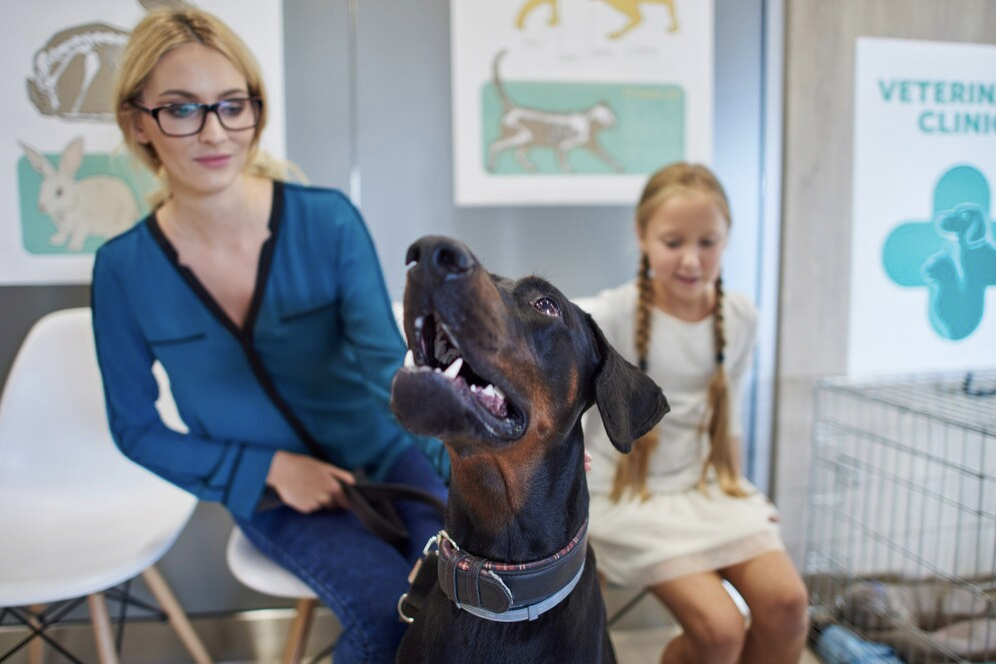
Launching a veterinary clinic is a significant endeavor that requires meticulous planning and strategic decision-making. This venture combines a passion for animal care with the intricacies of managing a successful business. Aspiring clinic owners must navigate several critical steps to lay a strong foundation and ensure operational excellence. Starting your own clinic promises not only to fulfill a dream of helping animals but also to establish a thriving enterprise in the community.

Build a Strong Foundation with an Effective Marketing Strategy

A robust marketing strategy is essential to attract potential clients in the digital era. Establishing a professional online presence through a user-friendly website that details your services, team, and location builds trust among pet owners. Engage actively on social media with regular updates and client testimonials to showcase your expertise and commitment to animal care. Forge partnerships with local pet-related businesses to increase visibility and drive traffic to your clinic, enhancing both your and your partners’ customer bases.

Craft a Clear and Detailed Business Plan

A well-constructed business plan acts as your clinic’s roadmap, detailing your mission, services offered, and the specific target market. Identify your niche early—whether it’s specializing in certain animals or treatments—to attract the appropriate clientele. Include comprehensive financial projections and a marketing budget in your plan to ensure financial preparedness and support your clinic’s promotional activities.

Enhance Your Business Knowledge by Pursuing an MBA

Running a veterinary clinic demands a blend of clinical and business expertise. Pursuing a master’s of business administration online can boost your proficiency in key business areas such as strategy, management, and finance. An MBA not only deepens your understanding of business operations but also enhances leadership skills and self-assessment capabilities. These competencies are essential for balancing the medical and business demands of your clinic, ensuring its long-term success.

Safeguard Your Business with Proper Insurance

Operating a veterinary clinic comes with inherent risks, making comprehensive insurance coverage essential. Essential policies include malpractice insurance to handle legal issues and general liability insurance for accidents on your premises. Property insurance is crucial to protect your clinic’s infrastructure and equipment against unexpected events. Consulting with an insurance expert can ensure that you have thorough coverage to protect against potential financial setbacks.

Invest in High-Quality Veterinary Equipment

Providing top-tier care necessitates investing in high-quality veterinary equipment. Essential tools like X-ray machines, surgical instruments, and lab equipment should be of the highest standard to ensure accurate diagnoses and treatments. Modern technologies, such as digital imaging systems, not only enhance patient care but also improve operational efficiency. While the initial cost may be higher, investing in quality equipment pays off in the long run by boosting efficiency and minimizing errors.

Secure the Necessary Funding for Your Clinic

Securing sufficient funding is critical when starting a veterinary clinic. Estimate your startup costs accurately to understand your financial needs, including equipment, premises, staffing, and marketing. Explore diverse financing options, such as bank loans, private investors, and specialty medical practice loans that might offer favorable terms. Adequate initial funding prevents cash flow problems and supports your clinic’s growth trajectory.

Choose the Right Location for Your Clinic

The location of your clinic is pivotal to its success, necessitating a spot with a high demand for veterinary services. Conduct thorough market research to choose a community rich in pet owners who need your services. Select a location that is accessible, visible, and has ample parking to ensure convenience for your clients. Proximity to complementary services like pet groomers or dog trainers can further enhance client traffic and provide expansion opportunities.

Opening a veterinary clinic is both challenging and rewarding, demanding a careful blend of dedication and strategic foresight. Success in this field not only enhances the well-being of pets but also contributes positively to the local community. It requires ongoing commitment to adapt and grow in a dynamic environment. Ultimately, the fulfillment of running a successful veterinary clinic comes from both the impact on animal health and the achievement of entrepreneurial goals.

Discover the timeless wisdom that dogs offer at Learning from Dogs, where integrity and living in the present are celebrated. Dive into our content and embrace the lessons from our four-legged friends.

ooOOoo

This is all very sound advice. Thank you, Penny.

Starting a Veterinary Clinic

A guest post.

This post, and the next one, are submitted by Penny Martin.

ooOOoo

Image: Freepik

Vision to Reality: Building a Profitable Vet Clinic

Launching a veterinary clinic is a significant endeavor that requires meticulous planning and strategic decision-making. This venture combines a passion for animal care with the intricacies of managing a successful business. Aspiring clinic owners must navigate several critical steps to lay a strong foundation and ensure operational excellence. Starting your own clinic promises not only to fulfill a dream of helping animals but also to establish a thriving enterprise in the community.

Build a Strong Foundation with an Effective Marketing Strategy

A robust marketing strategy is essential to attract potential clients in the digital era. Establishing a professional online presence through a user-friendly website that details your services, team, and location builds trust among pet owners. Engage actively on social media with regular updates and client testimonials to showcase your expertise and commitment to animal care. Forge partnerships with local pet-related businesses to increase visibility and drive traffic to your clinic, enhancing both your and your partners’ customer bases.

Craft a Clear and Detailed Business Plan

A well-constructed business plan acts as your clinic’s roadmap, detailing your mission, services offered, and the specific target market. Identify your niche early—whether it’s specializing in certain animals or treatments—to attract the appropriate clientele. Include comprehensive financial projections and a marketing budget in your plan to ensure financial preparedness and support your clinic’s promotional activities.

Enhance Your Business Knowledge by Pursuing an MBA

Running a veterinary clinic demands a blend of clinical and business expertise. Pursuing a master’s of business administration online can boost your proficiency in key business areas such as strategy, management, and finance. An MBA not only deepens your understanding of business operations but also enhances leadership skills and self-assessment capabilities. These competencies are essential for balancing the medical and business demands of your clinic, ensuring its long-term success.

Safeguard Your Business with Proper Insurance

Operating a veterinary clinic comes with inherent risks, making comprehensive insurance coverage essential. Essential policies include malpractice insurance to handle legal issues and general liability insurance for accidents on your premises. Property insurance is crucial to protect your clinic’s infrastructure and equipment against unexpected events. Consulting with an insurance expert can ensure that you have thorough coverage to protect against potential financial setbacks.

Invest in High-Quality Veterinary Equipment

Providing top-tier care necessitates investing in high-quality veterinary equipment. Essential tools like X-ray machines, surgical instruments, and lab equipment should be of the highest standard to ensure accurate diagnoses and treatments. Modern technologies, such as digital imaging systems, not only enhance patient care but also improve operational efficiency. While the initial cost may be higher, investing in quality equipment pays off in the long run by boosting efficiency and minimizing errors.

Secure the Necessary Funding for Your Clinic

Securing sufficient funding is critical when starting a veterinary clinic. Estimate your startup costs accurately to understand your financial needs, including equipment, premises, staffing, and marketing. Explore diverse financing options, such as bank loans, private investors, and specialty medical practice loans that might offer favorable terms. Adequate initial funding prevents cash flow problems and supports your clinic’s growth trajectory.

Choose the Right Location for Your Clinic

The location of your clinic is pivotal to its success, necessitating a spot with a high demand for veterinary services. Conduct thorough market research to choose a community rich in pet owners who need your services. Select a location that is accessible, visible, and has ample parking to ensure convenience for your clients. Proximity to complementary services like pet groomers or dog trainers can further enhance client traffic and provide expansion opportunities.

Opening a veterinary clinic is both challenging and rewarding, demanding a careful blend of dedication and strategic foresight. Success in this field not only enhances the well-being of pets but also contributes positively to the local community. It requires ongoing commitment to adapt and grow in a dynamic environment. Ultimately, the fulfillment of running a successful veterinary clinic comes from both the impact on animal health and the achievement of entrepreneurial goals.

Discover the timeless wisdom that dogs offer at Learning from Dogs, where integrity and living in the present are celebrated. Dive into our content and embrace the lessons from our four-legged friends.

ooOOoo

Opening a vet clinic is well beyond me even though many years ago I was an entrepreneur.

However, one hopes that somewhere a person or two find this very useful.

Starting a veterinary clinic

Like any new start-up of a business venture, this requires knowledge, skills and quite a bit of luck!

I am delighted to offer this guest post by Penny.

ooOOoo

Image: Freepik

Vision to Reality: Building a Profitable Vet Clinic

Launching a veterinary clinic is a significant endeavor that requires meticulous planning and strategic decision-making. This venture combines a passion for animal care with the intricacies of managing a successful business. Aspiring clinic owners must navigate several critical steps to lay a strong foundation and ensure operational excellence. Starting your own clinic promises not only to fulfill a dream of helping animals but also to establish a thriving enterprise in the community.

Build a Strong Foundation with an Effective Marketing Strategy

A robust marketing strategy is essential to attract potential clients in the digital era. Establishing a professional online presence through a user-friendly website that details your services, team, and location builds trust among pet owners. Engage actively on social media with regular updates and client testimonials to showcase your expertise and commitment to animal care. Forge partnerships with local pet-related businesses to increase visibility and drive traffic to your clinic, enhancing both your and your partners’ customer bases.

Craft a Clear and Detailed Business Plan

A well-constructed business plan acts as your clinic’s roadmap, detailing your mission, services offered, and the specific target market. Identify your niche early—whether it’s specializing in certain animals or treatments—to attract the appropriate clientele. Include comprehensive financial projections and a marketing budget in your plan to ensure financial preparedness and support your clinic’s promotional activities.

Enhance Your Business Knowledge by Pursuing an MBA

Running a veterinary clinic demands a blend of clinical and business expertise. Pursuing a master’s of business administration online can boost your proficiency in key business areas such as strategy, management, and finance. An MBA not only deepens your understanding of business operations but also enhances leadership skills and self-assessment capabilities. These competencies are essential for balancing the medical and business demands of your clinic, ensuring its long-term success.

Safeguard Your Business with Proper Insurance

Operating a veterinary clinic comes with inherent risks, making comprehensive insurance coverage essential. Essential policies include malpractice insurance to handle legal issues and general liability insurance for accidents on your premises. Property insurance is crucial to protect your clinic’s infrastructure and equipment against unexpected events. Consulting with an insurance expert can ensure that you have thorough coverage to protect against potential financial setbacks.

Invest in High-Quality Veterinary Equipment

Providing top-tier care necessitates investing in high-quality veterinary equipment. Essential tools like X-ray machines, surgical instruments, and lab equipment should be of the highest standard to ensure accurate diagnoses and treatments. Modern technologies, such as digital imaging systems, not only enhance patient care but also improve operational efficiency. While the initial cost may be higher, investing in quality equipment pays off in the long run by boosting efficiency and minimizing errors.

Secure the Necessary Funding for Your Clinic

Securing sufficient funding is critical when starting a veterinary clinic. Estimate your startup costs accurately to understand your financial needs, including equipment, premises, staffing, and marketing. Explore diverse financing options, such as bank loans, private investors, and specialty medical practice loans that might offer favorable terms. Adequate initial funding prevents cash flow problems and supports your clinic’s growth trajectory.

Choose the Right Location for Your Clinic

The location of your clinic is pivotal to its success, necessitating a spot with a high demand for veterinary services. Conduct thorough market research to choose a community rich in pet owners who need your services. Select a location that is accessible, visible, and has ample parking to ensure convenience for your clients. Proximity to complementary services like pet groomers or dog trainers can further enhance client traffic and provide expansion opportunities.

Opening a veterinary clinic is both challenging and rewarding, demanding a careful blend of dedication and strategic foresight. Success in this field not only enhances the well-being of pets but also contributes positively to the local community. It requires ongoing commitment to adapt and grow in a dynamic environment. Ultimately, the fulfillment of running a successful veterinary clinic comes from both the impact on animal health and the achievement of entrepreneurial goals.

Discover the timeless wisdom that dogs offer at Learning from Dogs, where integrity and living in the present are celebrated. Dive into our content and embrace the lessons from our four-legged friends.

ooOOoo

This is a skilled summary of the needs of opening a vet’s clinic. And thank you, Penny, for your last paragraph. It has been a pleasure!

Picture Parade Four Hundred and Twenty-Three

Continuing on the theme

With ongoing many thanks to Penny.

Nothing to add to this wisdom from the mouths of dogs!

Pleasing one’s dog!

Penny Martin delivers another great post!

At first sight, the above title goes without saying. But then one quickly realises that not everyone, by far, has the circumstances that are ideal for dogs.

Thus, it is an important guest post from Penny.

ooOOoo

Explore the world of Learning from Dogs, where the integrity and lessons from our canine friends are celebrated. 

Photograph courtesy of Freepik

Canine Contentment: Effortless Ways to Please Your Pooch

Enhancing your dog’s quality of life goes beyond just fulfilling their basic needs. It’s about creating a fulfilling environment that nurtures both their physical and mental well-being, ensuring they lead a happy and healthy life. By adopting a few straightforward strategies, you can make a significant impact on your furry companion’s daily life. In today’s post on the Learning From Dogs blog, we delve into practices that promise to elevate your dog’s overall happiness and strengthen the bond you share.

Diversify Playtime

Traditional fetch is a classic game, but expanding your play sessions to include interactive toys, agility courses, and the teaching of new tricks can significantly stimulate your dog’s mind and body. These activities are not just fun; they challenge your dog, keeping them mentally sharp and physically fit. An engaged dog is a happy dog, and by incorporating variety into your playtime, you ensure their days are filled with anticipation and excitement.

Upgrade Their Living Space

A nurturing environment for your dog goes beyond daily walks and playtime; it extends into the realm of maintaining a safe and secure home. Leveraging a home maintenance and repair app can be a game-changer for pet owners, offering an efficient way of covering repair and maintenance. These digital tools simplify the process of arranging service appointments. Furthermore, they connect homeowners with skilled professionals, ready to provide estimates for any necessary work, keeping the living space both comfortable and safe for your furry friend.

Plan for Daily Exercise

Tailoring daily exercise to match your dog’s breed and energy level is crucial for their overall well-being. Incorporating at least 30 minutes of brisk walking or running into their routine plays a pivotal role in maintaining physical fitness and mental alertness. This practice acts as a fundamental pillar of health, warding off boredom and potential behavioral problems, thereby securing a state of contentment and optimal health for your pet. Moreover, this commitment to regular physical activity reinforces your bond with your dog, highlighting the shared experiences that enrich your relationship.

Socialize Regularly

Socialization introduces your dog to new experiences and fellow canines, crucial for their emotional development. Visits to dog parks, pet-friendly stores, or arranging doggy playdates offer your dog a chance to develop social skills and enjoy a variety of experiences. Such outings enrich your dog’s life, offering new sights, sounds, and smells to explore, keeping their days interesting and fulfilling.

Consistent Training Sessions

Consistent training sessions are crucial for both teaching your dog new skills and enhancing the bond between you and your pet. By employing positive reinforcement methods, you not only make learning enjoyable for your dog but also significantly strengthen your relationship. Keeping the training sessions regular and brief ensures your dog’s mental stimulation is high and reaffirms their status as a cherished family member. The technique of positive reinforcement turns each training encounter into an anticipated and joyous occasion, underscoring the pleasure found in the learning process.

Mealtime Enrichment

Transforming mealtime into a game satisfies your dog’s natural foraging instincts. Puzzle feeders, snuffle mats, or hiding treats around the house can turn a routine meal into an exciting adventure. This not only enriches their daily routine but also provides mental stimulation, keeping their minds sharp and engaged.

Provide a Cozy Retreat

Ensuring your dog has a comfortable resting area is essential for their sense of security and well-being. Spending time each day on calm interactions, such as petting or grooming, reinforces their feeling of love and security. A dedicated space for rest and the assurance of your love helps them feel safe and cherished, fostering a deep sense of well-being.

Adopting these strategies not only improves your dog’s physical and mental health but also enhances the bond you share, making each moment together richer and more meaningful. Each practice, from diversifying playtime to ensuring a comfortable living space, plays a vital role in your dog’s overall happiness. By investing time and love into your dog’s well-being, you ensure they lead a fulfilling life, full of joy and love. Embrace these strategies and witness the transformation in your dog’s life, knowing you’re providing the best care and affection possible.

ooOOoo

I am very grateful to Penny for sending these posts to me.

Long may it continue!