Tag: Oregon

The temptation to turn ever inwards.

A run of essays that, collectively, deeply disturb me.

My seventieth birthday is fewer than six months away. Indeed, it will be just a little over two weeks after we celebrate the second anniversary of our arrival to this beautiful homestead back on October 25th, 2012.  Two years: Seventy years! Time seems to run through one’s fingers like the proverbial sand.  It’s difficult to avoid the irony that comes with recognising the two journeys.  The one journey bringing me to living here on our rural Oregonian acres, with stunning scenery, wonderful animals and so much love in the air.  The other journey bringing me to the realisation that this is the Autumn of my life and the sense, the keen sense, of my own mortality.

What, may you ask, has brought this feeling, these words, to the surface?

Well, I’ll tell you.

It’s been the coincidence of essays from three authors across the ‘blogosphere’ that I have recently read.  Taken together, they paint a picture that disturbs me. Very much so. They sing out to me that mankind is spiralling ever downwards to oblivion and that the dark forces of greed, power and control will never be stopped; well not by man that is!

Here are the links to those essays.

The first was from Tom Englehardt.  It was an essay entitled: A Record of Unparalleled Failure published on June 10th. That opened:

The United States has been at war — major boots-on-the-ground conflicts and minor interventions, firefights, air strikes, drone assassination campaigns, occupations, special ops raids, proxy conflicts, and covert actions — nearly nonstop since the Vietnam War began. That’s more than half a century of experience with war, American-style, and yet few in our world bother to draw the obvious conclusions.

Given the historical record, those conclusions should be staring us in the face. They are, however, the words that can’t be said in a country committed to a military-first approach to the world, a continual build-up of its forces, an emphasis on pioneering work in the development and deployment of the latest destructive technology, and a repetitious cycling through styles of war from full-scale invasions and occupations to counterinsurgency, proxy wars, and back again.

The second was from another American, Jim Wright, who is the author of the blog Stonekettle Station. Jim describes himself as:

I’m a retired US Navy Chief Warrant Officer. Nowadays I live in Alaska where I spend most of my time working in my woodshop or fishing. I occasionally consult for the Military. I have delusions of becoming a full time writer – or conquering the universe, whichever is easier…

Thanks to Yves Smith’s Naked Capitalism, I followed a link to a recent essay from Jim under the title of Absolutely Nothingpublished on the 14th June.

I’m not going to quote from it, not because I don’t approve of his essay, far from it, but because there are many tough, profane words and I do not wish inadvertently to upset my readers.  But it is very strongly recommended.

The third essay is from fellow Englishman, George Monbiot, whose work has been regularly republished on Learning from Dogs.

While his essay is not specifically about war, unlike the other two, it does, nonetheless, contribute to my feelings of not wanting to engage with anything that is outside being a better husband, landowner and animal lover.  It is called The Values Ratchet and is republished here with the generous permission of George Monbiot.

ooOOoo

The Values Ratchet

June 10th, 2014

How to ensure that nations slide ever further into selfishness, and ever further to the right.

By George Monbiot, published in the Guardian 11th June 2014

Any political movement that fails to understand two basic psychological traits will, before long, fizzle out. The first is Shifting Baseline Syndrome. Coined by the biologist Daniel Pauly, it originally described our relationship to ecosystems(1), but it’s just as relevant to politics. We perceive the circumstances of our youth as normal and unexceptional – however sparse or cruel they may be. By this means, over the generations, we adjust to almost any degree of deprivation or oppression, imagining it to be natural and immutable.

The second is the Values Ratchet (also known as policy feedback). If, for example, your country has a public health system which ensures that everyone who needs treatment receives it without payment, it helps instil the belief that it is normal to care for strangers, and abnormal and wrong to neglect them(2,3). If you live in a country where people are left to die, this embeds the idea that you have no responsibility towards the poor and weak. The existence of these traits is supported by a vast body of experimental and observational research, of which Labour and the US Democrats appear determined to know nothing.

We are not born with our core values: they are strongly shaped by our social environment. These values can be placed on a spectrum between extrinsic and intrinsic. People towards the intrinsic end have high levels of self-acceptance, strong bonds of intimacy and a powerful desire to help other people. People at the other end are drawn to external signifiers, such as fame, financial success, image and attractiveness(4). They seek praise and rewards from others.

Research across 70 countries suggests that intrinsic values are strongly associated with an understanding of others, tolerance, appreciation, cooperation and empathy(5,6,7). Those with strong extrinsic values tend to have lower empathy, a stronger attraction towards power, hierarchy and inequality, greater prejudice towards outsiders and less concern for global justice and the natural world(8,9). These clusters exist in opposition to each other: as one set of values strengthens, the other weakens(10,11).

People at the extrinsic end tend to report higher levels of stress, anxiety, anger, envy, dissatisfaction and depression than those at the intrinsic end of the spectrum(12,13,14). Societies in which extrinsic goals are widely adopted are more unequal and uncooperative than those with deep intrinsic values. In one experiment, people with strong extrinsic values who were given a resource to share soon exhausted it (unlike a group with strong intrinsic values), as they all sought to take more than their due(15).

As extrinsic values are strongly associated with conservative politics, it’s in the interests of conservative parties and conservative media to cultivate these values. There are three basic methods. The first is to generate a sense of threat. Experiments reported in the journal Motivation and Emotion suggest that when people feel threatened or insecure they gravitate towards extrinsic goals(16). Perceived dangers – such as the threat of crime, terrorism, deficits, inflation or immigration – trigger a short-term survival response, in which you protect your own interests and forget other people’s.

The second method is the creation of new frames, structures of thought through which we perceive the world. For example, if tax is repeatedly cast as a burden, and less tax is described as relief, people come to see taxation as a bad thing that must be remedied(17). The third method is to invoke the Values Ratchet: when you change the way society works, our values shift in response. Privatisation, marketisation, austerity for the poor, inequality: they all shift baselines, alter the social cues we receive and generate insecurity and a sense of threat.

Margaret Thatcher’s political genius arose from her instinctive understanding of these traits, long before they were described by psychologists and cognitive linguists: “Economics are the method; the object is to change the heart and soul.”(18) But Labour and the Democrats no longer have objects, only methods. Their political philosophy is simply stated: if at first you don’t succeed, flinch, flinch and flinch again. They seem to believe that if they simply fall into line with prevailing values, people will vote for them by default. But those values and baselines keep shifting, and what seemed intolerable before becomes unremarkable today. Instead of challenging the new values, these parties keep adjusting. This is why they always look like their opponents, with a five-year lag.

There is no better political passion killer than Labour’s Zero-Based Review(19). Its cover is Tory blue. So are the contents. It promises to sustain the coalition’s programme of cuts and even threatens to apply them to the health service(20). But, though it treats the deficit as a threat that must be countered at any cost, it says not a word about plugging the gap with innovative measures such as a Robin Hood tax on financial transactions, a land value tax, a progressively-banded council tax or a windfall tax on extreme wealth. Nor does it mention tax avoidance and evasion. The poor must bear the pain through spending cuts, sustaining a cruel and wildly unequal social settlement.

At the end of last month, Chris Leslie, Labour’s Shadow Chief Secretary to the Treasury, promised, like George Osborne, that the cuts would be sustained for “decades ahead”(21). He asserted that Labour’s purpose in government would be to “finish that task on which [the Chancellor] has failed”: namely “to eradicate the deficit”. The following day the shadow business secretary, Chuka Umunna, sought to explain why Labour had joined the political arms race on immigration. In doing so, he revealed that his party will be “radical in reforming our economy” in support of “a determinedly pro-business agenda”(22). They appear to believe that success depends on becoming indistinguishable from their opponents.

It’s not quite as mad as the old tactic among some Marxist groups of promoting inequality and injustice in the hope that popular fury would lead to revolution, but it’s not far off. Quite aside from the obvious flaw (what’s the sodding point of voting for a party that offers no substantial change in policy?), it evinces a near-perfect psychological illiteracy. When a party reinforces conservative values and conservative ideas, when it fails clearly to expound any countervailing values, when it refuses to reverse the direction of the Values Ratchet, what outcome does it expect, other than a shift towards conservatism?

http://www.monbiot.com

References:

1. Daniel Pauly, 1995. Anecdotes and the Shifting Baseline Syndrome of Fisheries. Trends in Ecology and Evolution 10. 10:430.

2. Stefan Svallfors, 2010 Policy feedback, generational replacement, and attitudes to state intervention: Eastern and Western Germany, 1990-2006, European Political Science Review, 2, 119-135.

3. Tom Crompton, September 2010. Common Cause: The Case for Working with our Cultural Values. WWF-UK. http://assets.wwf.org.uk/downloads/common_cause_report.pdf

4. Tim Kasser, November 2011. Values and Human Wellbeing. The Bellagio Initiative. http://www.bellagioinitiative.org/wp-content/uploads/2011/10/Bellagio-Kasser.pdf

5. Shalom H. Schwartz, 2006. Basic Human Values: Theory, Measurement, and Applications. Revue Française de Sociologie, 47/4. http://bit.ly/1hL1JFJ

6. Frederick Grouzet et al, 2005. The structure of goal contents across fifteen cultures. Journal of Personality and Social Psychology, 89, 800-816. http://psycnet.apa.org/journals/psp/89/5/800/

7. Tom Crompton, September 2010. Common Cause: The Case for Working with our Cultural Values. WWF-UK. http://assets.wwf.org.uk/downloads/common_cause_report.pdf

8. Tim Kasser, November 2011. Values and Human Wellbeing. The Bellagio Initiative. http://www.bellagioinitiative.org/wp-content/uploads/2011/10/Bellagio-Kasser.pdf

9. Kennon M. Sheldon and Charles P. Nichols, 2009. Comparing Democrats and Republicans on
Intrinsic and Extrinsic Values. Journal of Applied Social Psychology, 2009, 39, 3, pp. 589–623.

10. Tim Kasser, November 2011. Values and Human Wellbeing. The Bellagio Initiative. http://www.bellagioinitiative.org/wp-content/uploads/2011/10/Bellagio-Kasser.pdf

11. Tom Crompton, September 2010. Common Cause: The Case for Working with our Cultural Values. WWF-UK. http://assets.wwf.org.uk/downloads/common_cause_report.pdf

12. Tim Kasser, 2014. Changes in materialism, changes in psychological well-being: Evidence from three longitudinal studies and an intervention experiment. Motivation and Emotion, 38:1–22. doi: 10.1007/s11031-013-9371-4

13. Kennon M. Sheldon and Tim Kasser, 2008. Psychological threat and extrinsic goal striving. Motivation and Emotion, 32:37–45. Doi: 10.1007/s11031-008-9081-5 http://www.selfdeterminationtheory.org/SDT/documents/2008_SheldonKasser_MOEM.pdf

14. Tim Kasser, November 2011. Values and Human Wellbeing. The Bellagio Initiative. http://www.bellagioinitiative.org/wp-content/uploads/2011/10/Bellagio-Kasser.pdf

15. Kennon M. Sheldon, and Holly McGregor, 2000. Extrinsic value orientation and the “tragedy of the commons.” Journal of Personality, 68, 383–411. http://onlinelibrary.wiley.com/doi/10.1111/1467-6494.00101/abstract;jsessionid=A7F705A627AE58C7814C6AC62749E128.f03t04

16. Kennon M. Sheldon and Tim Kasser, 2008. Psychological threat and extrinsic goal striving. Motivation and Emotion, 32:37–45. Doi: 10.1007/s11031-008-9081-5 http://www.selfdeterminationtheory.org/SDT/documents/2008_SheldonKasser_MOEM.pdf

17. Tom Crompton, September 2010. Common Cause: The Case for Working with our Cultural Values. WWF-UK. http://assets.wwf.org.uk/downloads/common_cause_report.pdf

18. http://www.margaretthatcher.org/document/104475

19. http://www.yourbritain.org.uk/uploads/editor/files/Zero_Based_Review.pdf

20. “We will be cutting departmental spending in 2015-16 and not raising it, with no more borrowing to cover day-to-day spending”
“The fundamental principle of the Zero-Based Review is that all spending is in scope and all budgets will be challenged. The review will cover all areas of public spending, including those that have been protected in the current Spending Review such as health”.

21. http://press.labour.org.uk/post/87284550049/long-termism-in-public-finance-speech-by-chris-leslie

22. http://www.theguardian.com/commentisfree/2014/may/30/labour-immigration-ukip-farage

ooOOoo

Sometimes, nay too many times, one has to wonder about the human race and where it is heading!

If after all these thousands of years man continues failing to learn from history, perhaps we should try something different?

Learn from dogs!
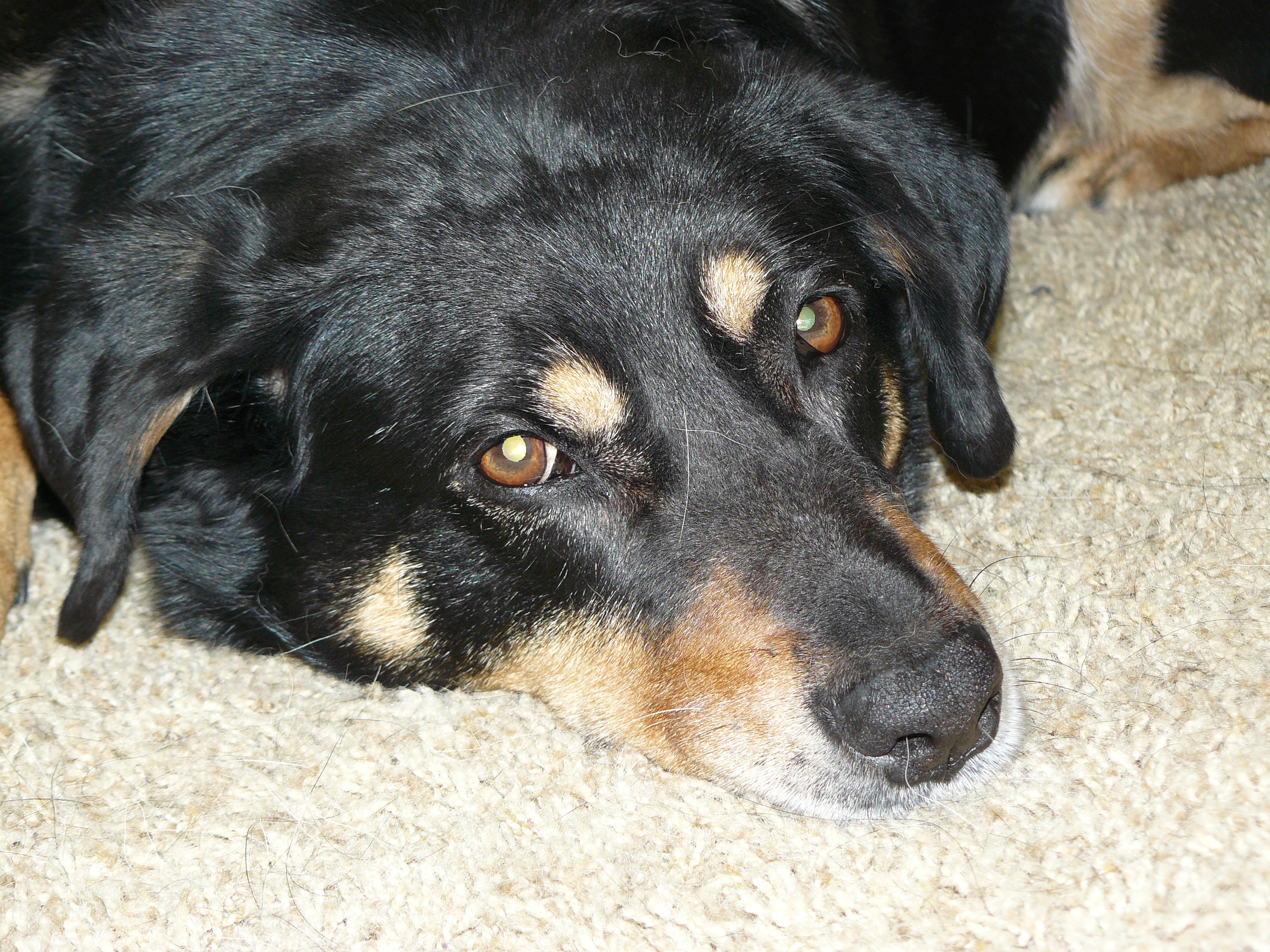
Now, the first lesson is about love - unconditional love.
Now, the first lesson is about love – unconditional love.

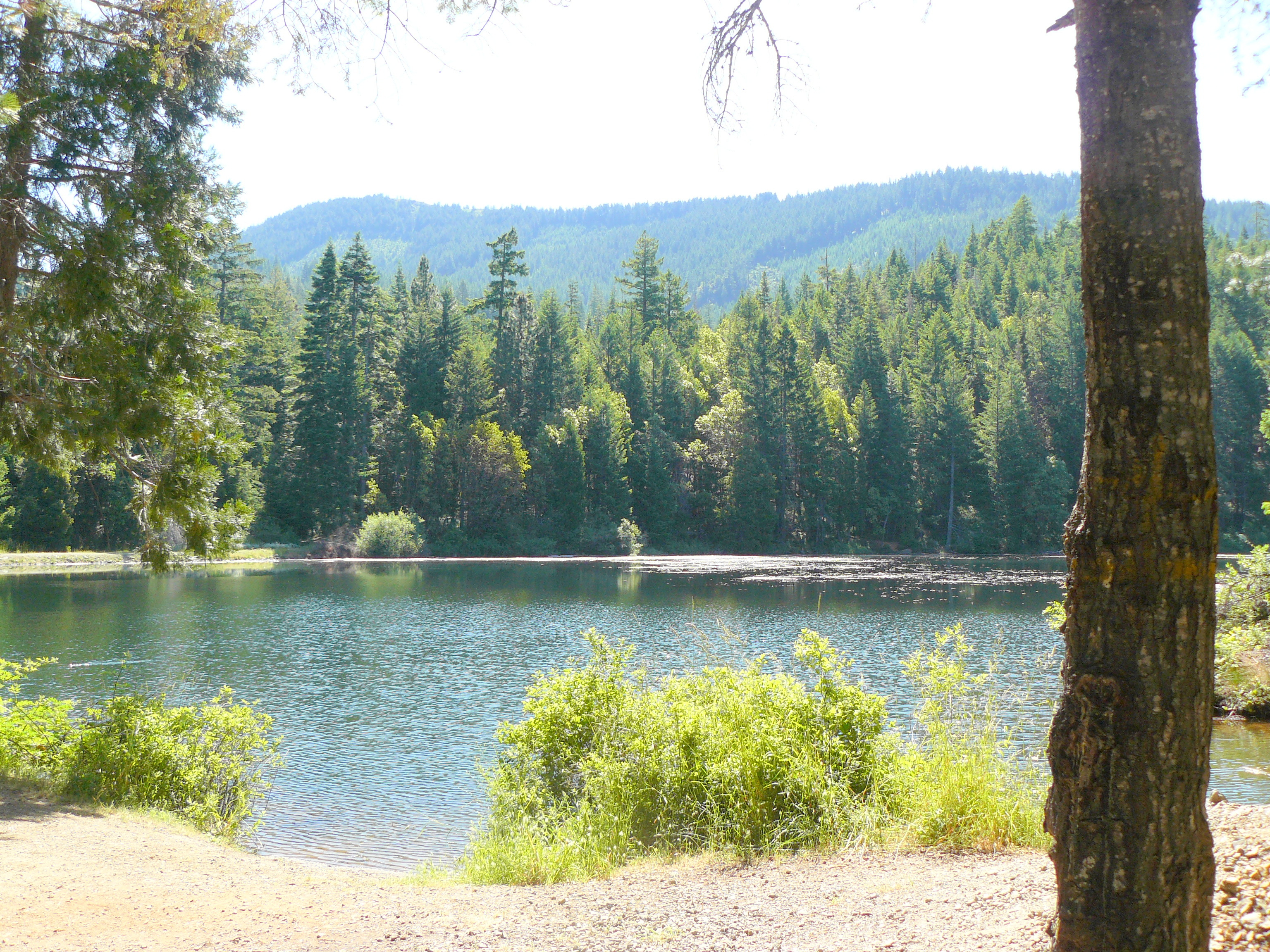
Secesh Reservoir, Oregon.

A gem in the crown of stunning countryside.

Funny how things happen!

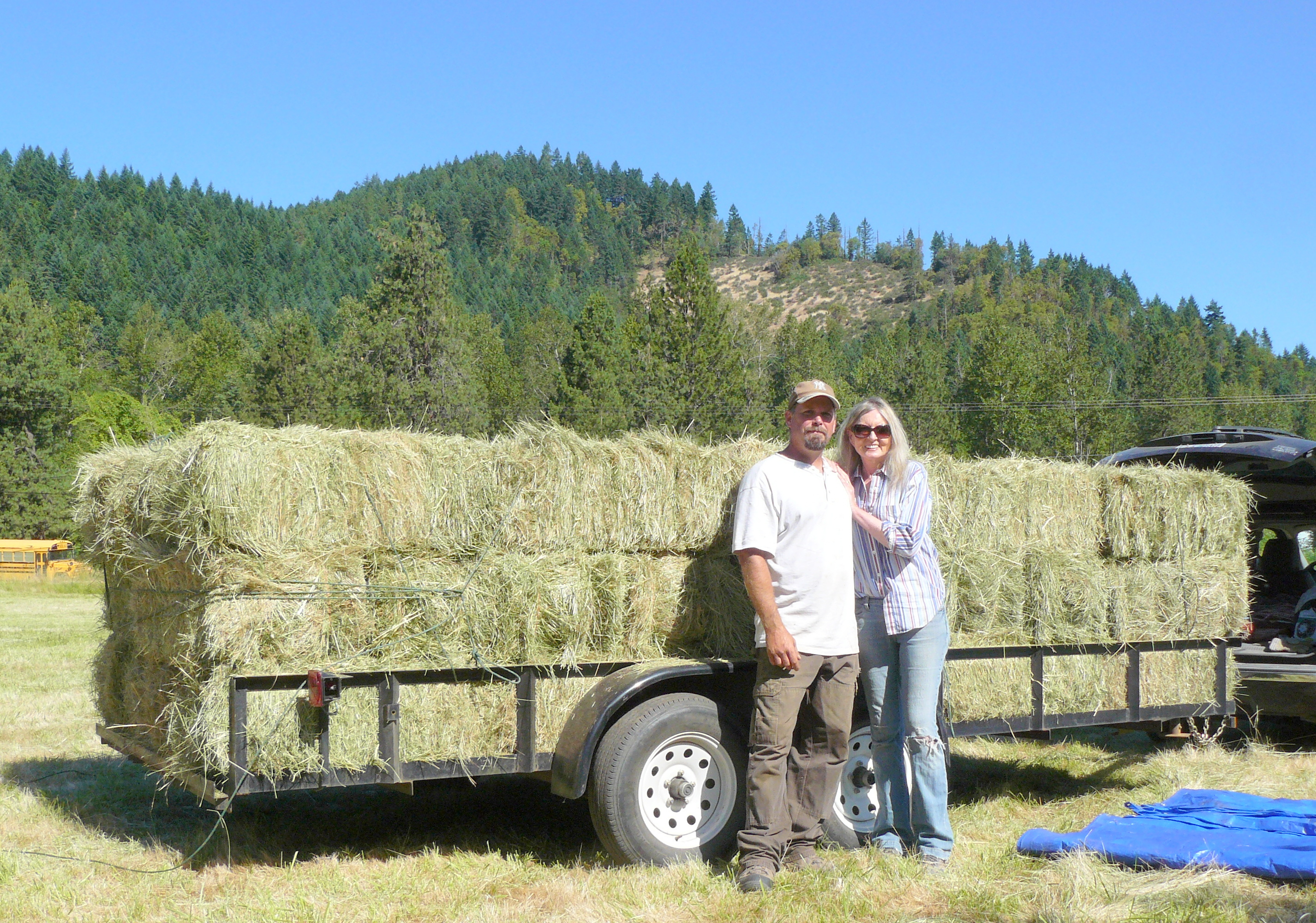
In last Wednesday’s post I included a picture of Jean with Robert who helped us load 60 bales of hay onto our trailer.  This photo:

Jean thanking Robert for his great help in loading 60 bales!
Anyway, Tad, who farms the land, mentioned a wonderful place to fish not far from his farm at Wolf Creek.

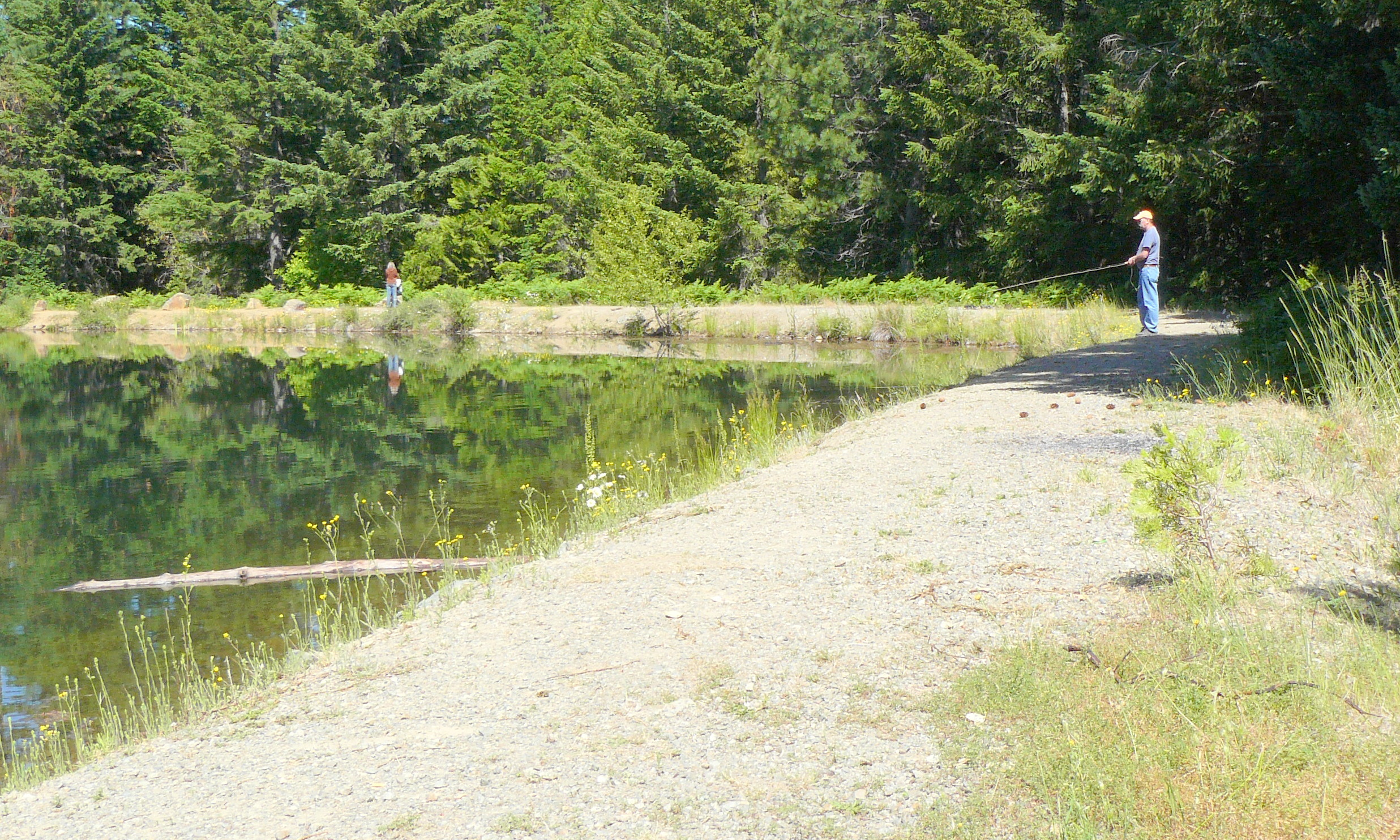
I’m not a fisherman but Andy, who is staying with us with his wife, Trish, is a keen fisherman.

So last Wednesday we all set off into the high forest lands up above Wolf Creek and after some pretty tough driving up some steep dirt roads found the lake.  Here’s a record of our morning at Secesh.

Wow!
Wow! First sighting!

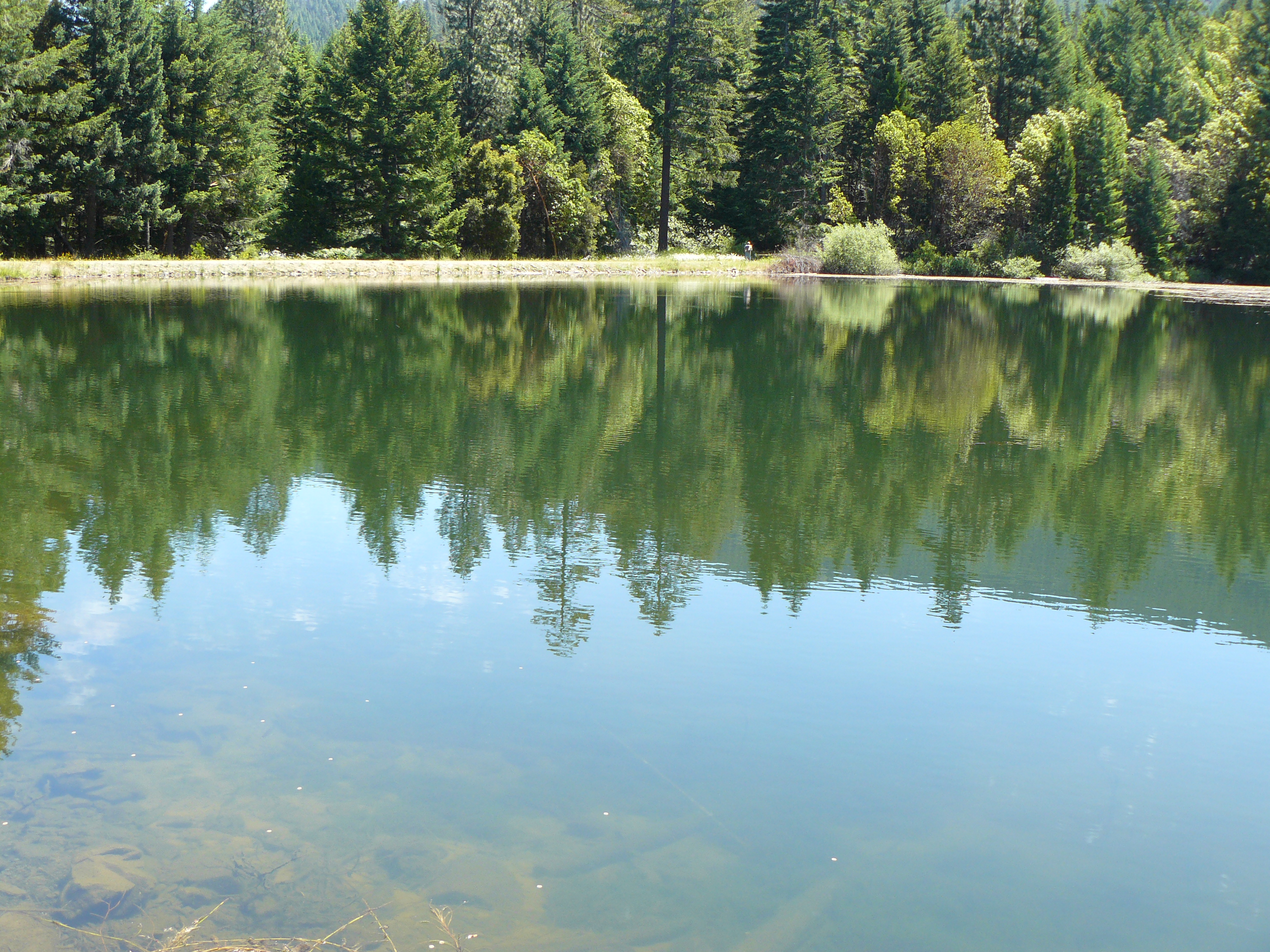
As you can see, it was a breath-taking oasis in a sea of tall trees and towering peaks.

asa
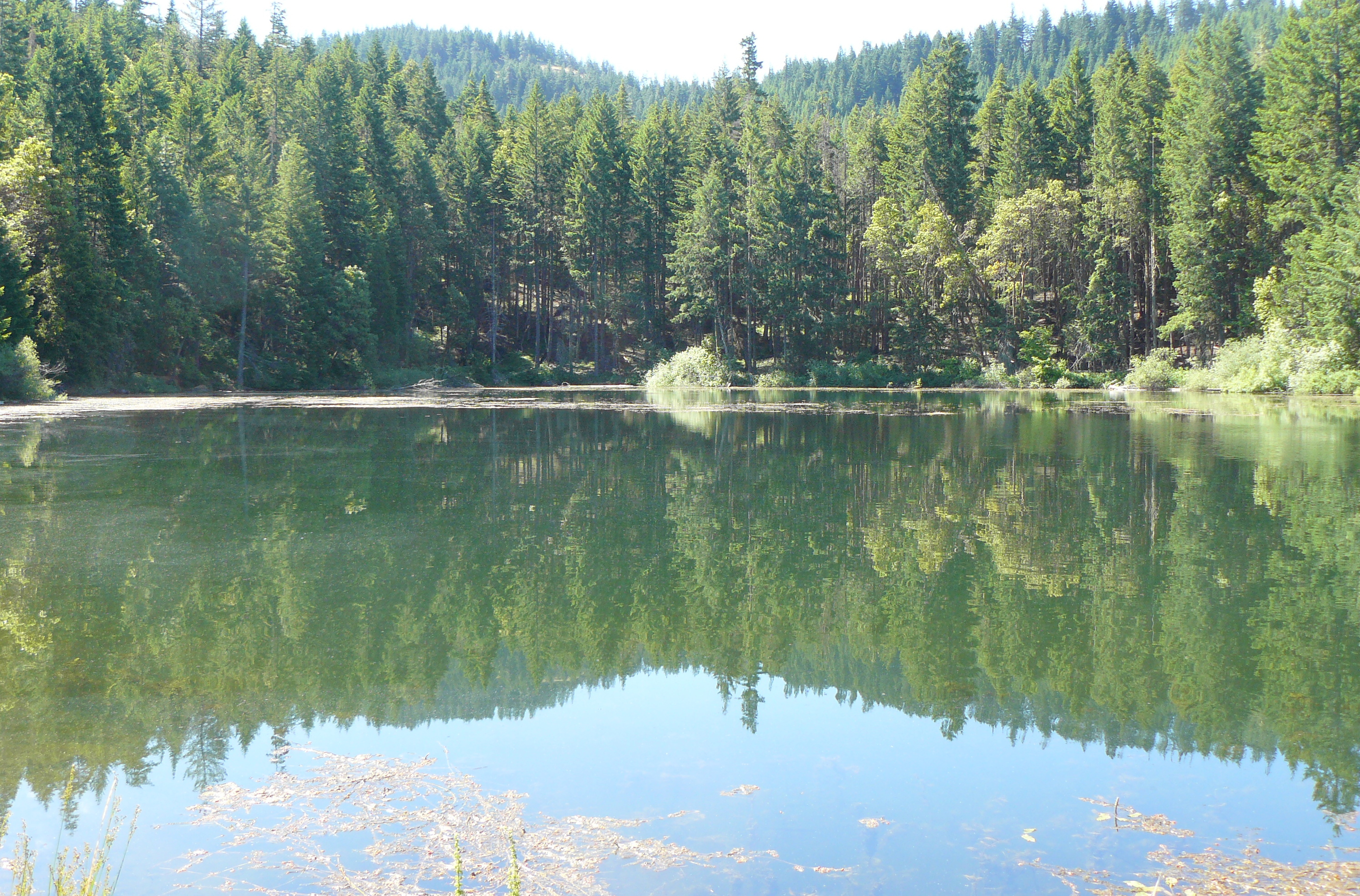
Still waters!

With crystal-clear waters that just seemed to be calling out to those that enjoy fly-fishing!

Doesn't get much better than this!
Doesn’t get much better than this!

Meanwhile, yours truly decided to walk the perimeter of the lake that is, apparently, some 3.7 acres of water area.

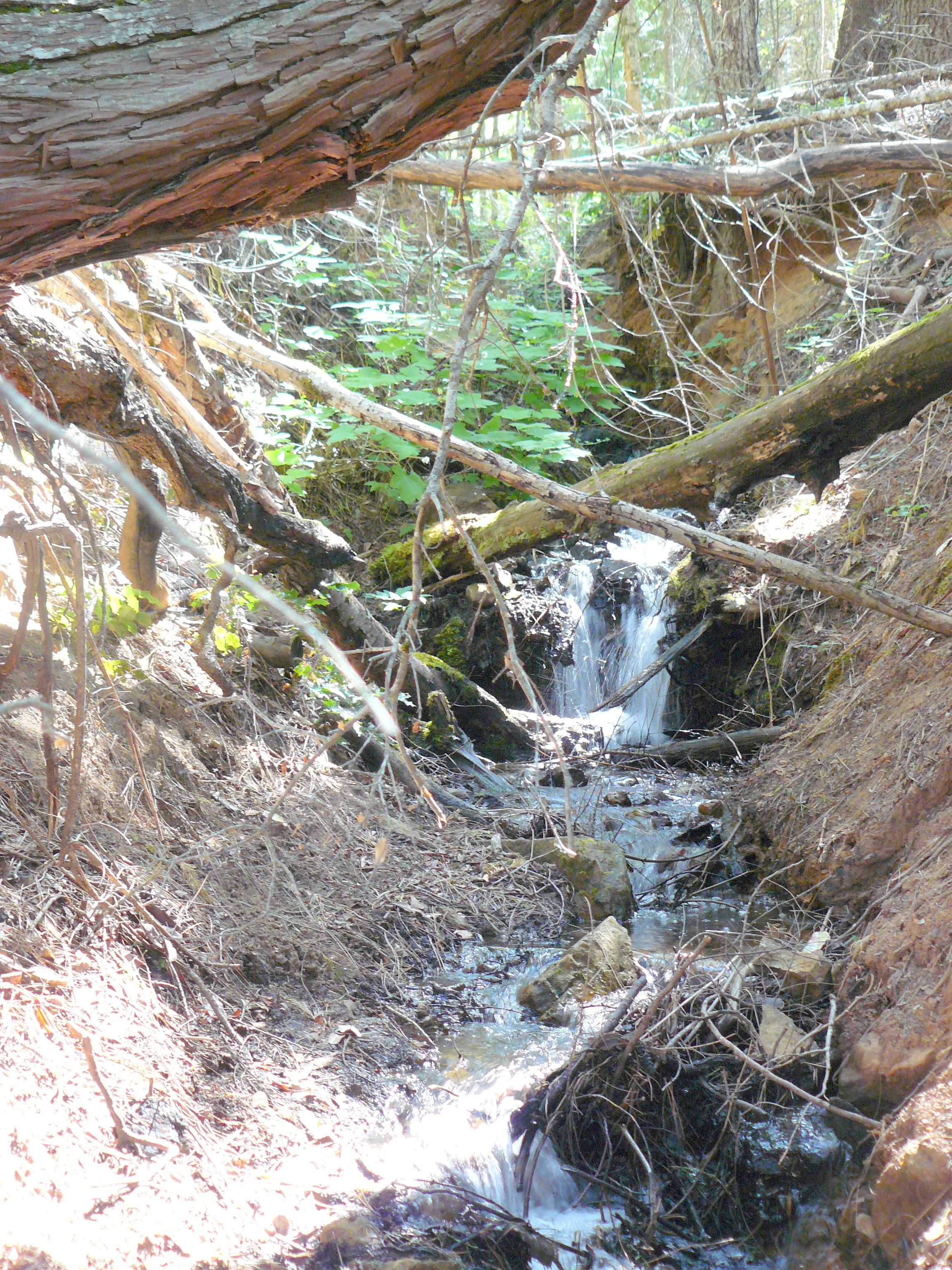
Towards the farthest point of the shoreline, a beautiful stream was flowing into the lake.

Mountain streams.
Mountain streams.

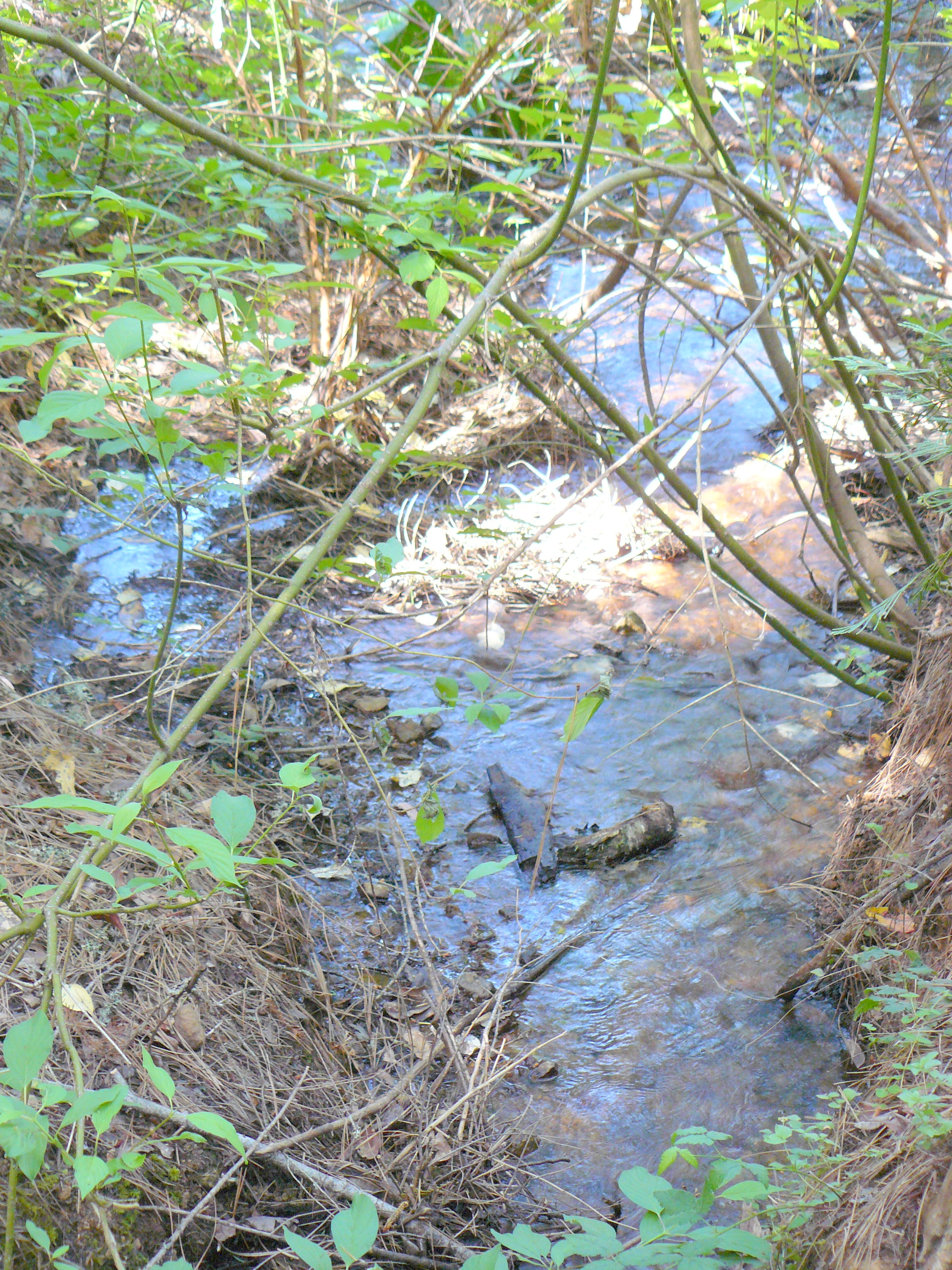
And not too farther along, a likewise beautiful stream outflowed from the lake.

What flows in ... must eventually flow out.
What flows in … must eventually flow out.

From this vantage point, one could look across the full breadth of the lake.

First sighting of the lake!
Tranquility in spades!

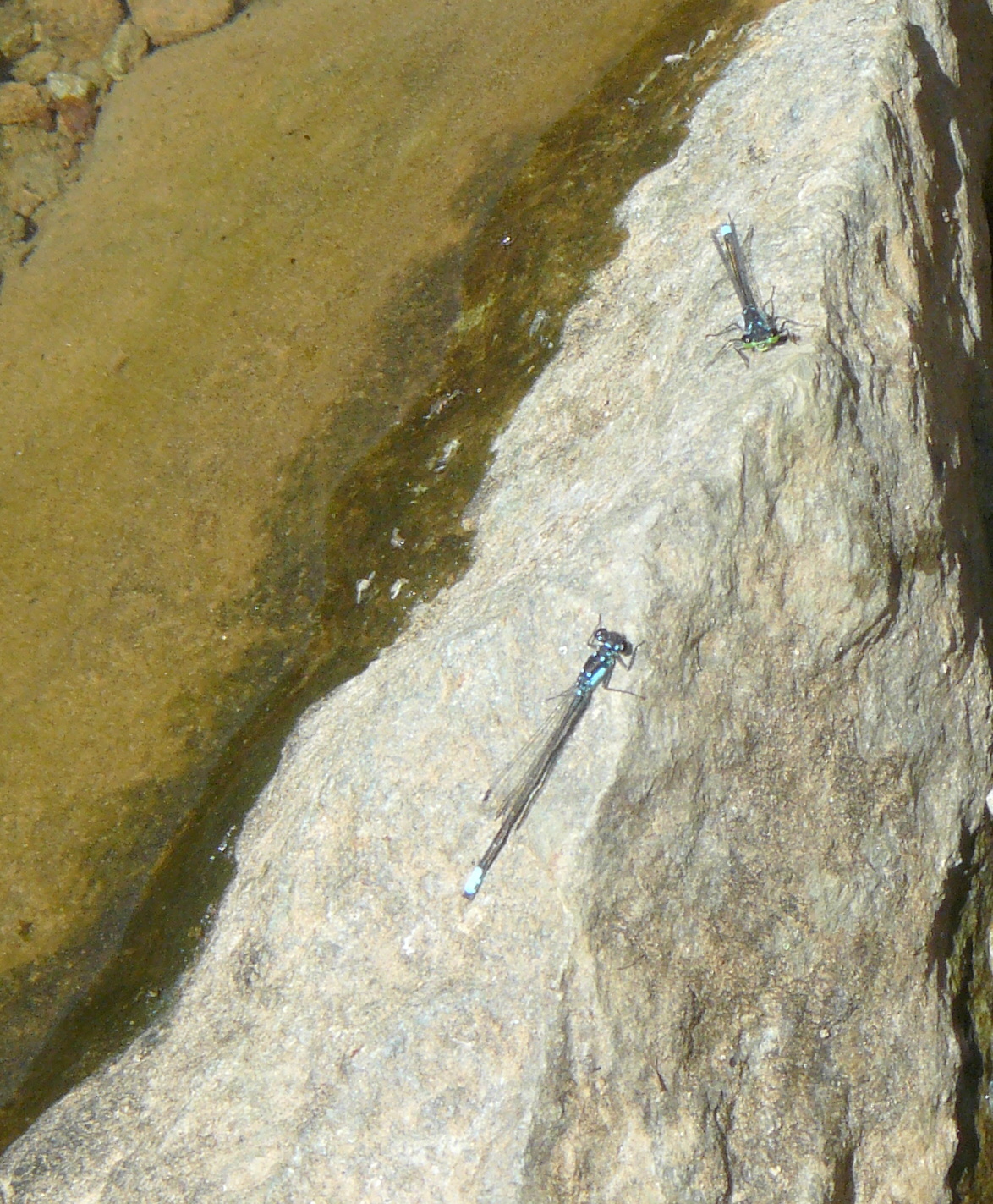
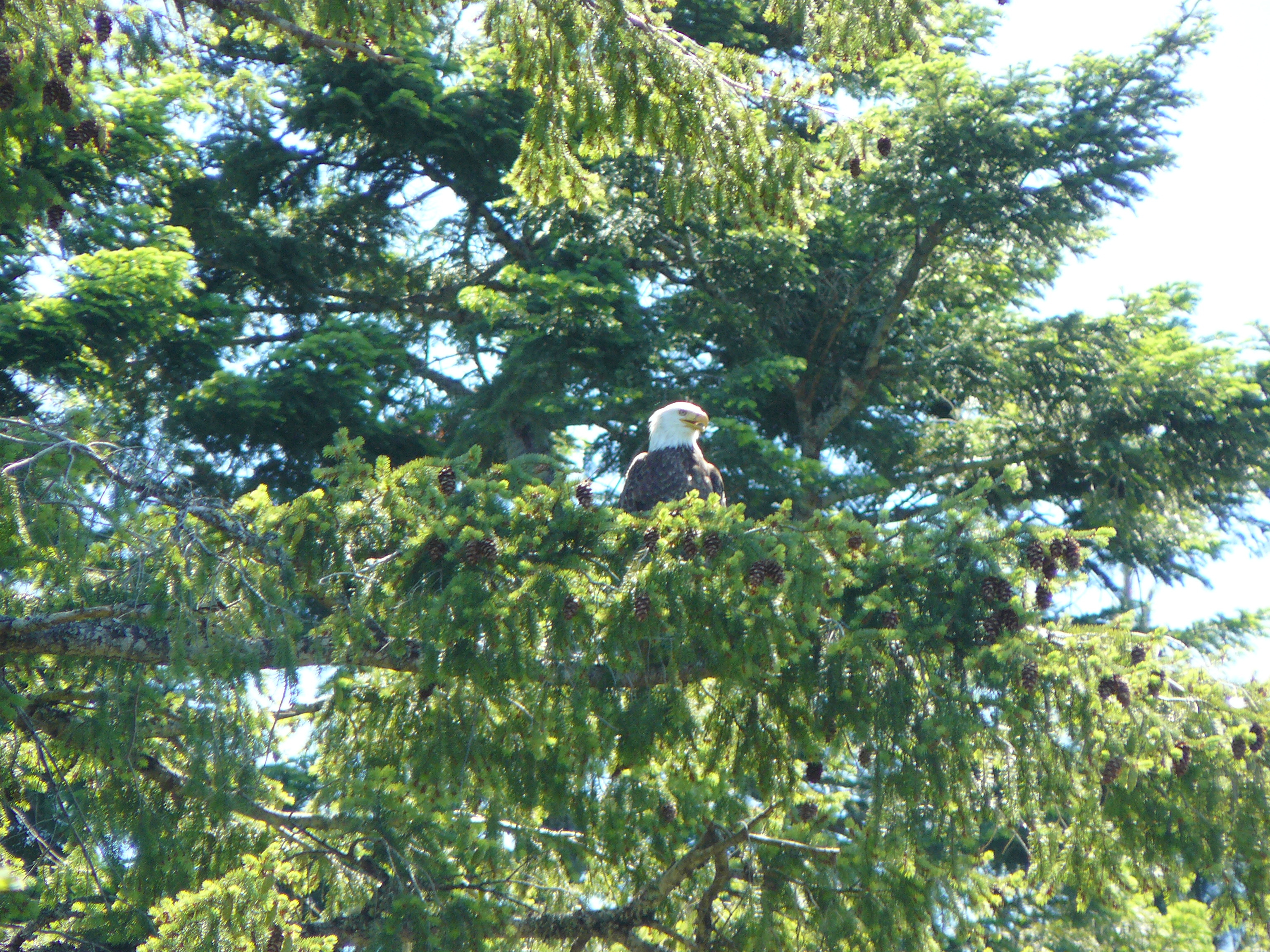
And marvel at the wildlife, from ….

P1140714
Dragon flies.

… the very small, to ….

P1140724
An American bald-eagle.

…. the stunning eagles of the land. A veritable icon of this country!

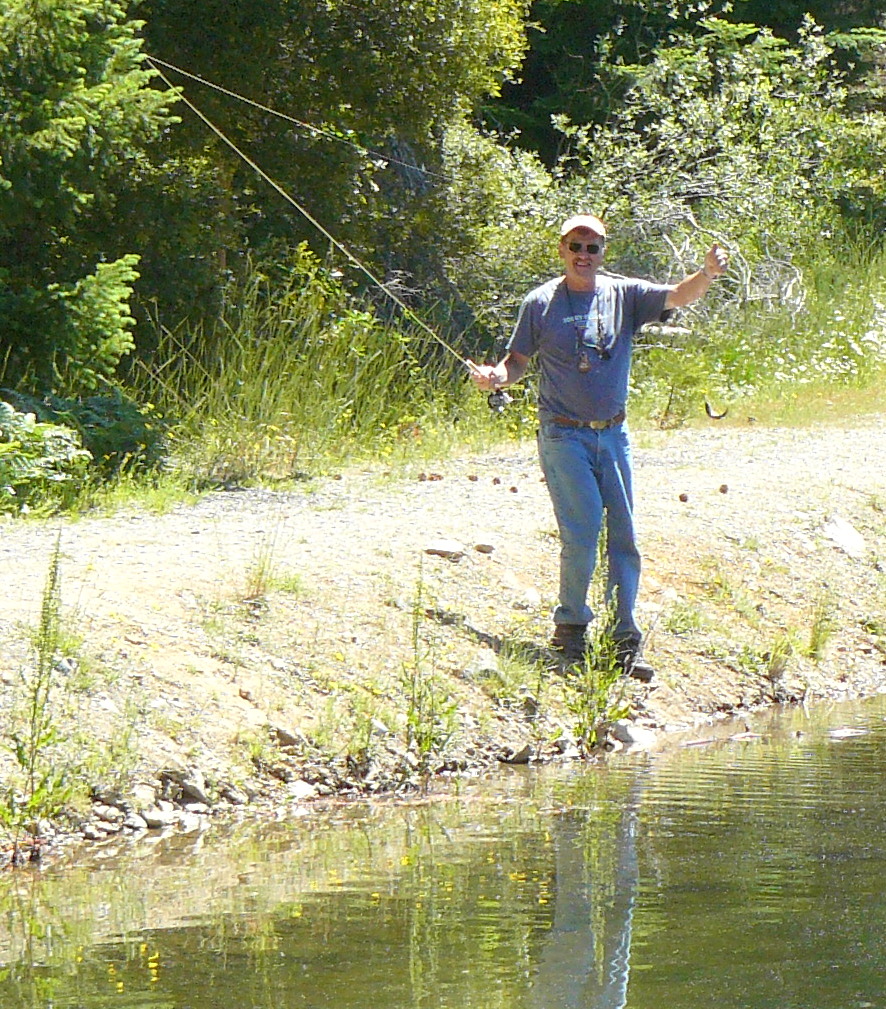
Returning in time to see Andy pulling a (small) fish from the lake.

that was promptly returned ..

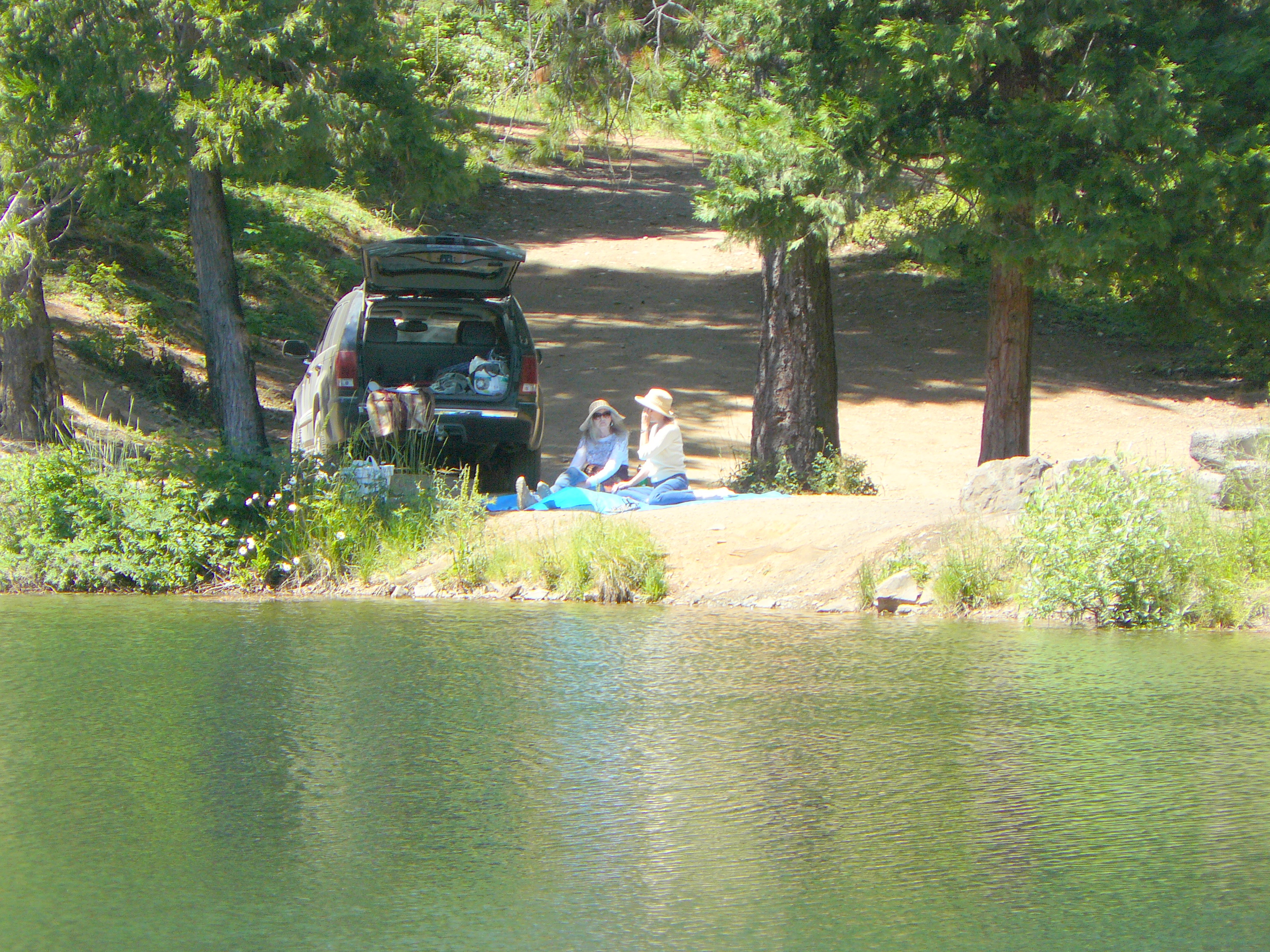
And Jean and Trish catching up on old times.

P1140725
Pure bliss!

What a fabulous discovery!

Less than 25 miles from home.

Thank you, Tad!

We will return – possibly with a dog or two!

Still more quarts!

Still responding to immediate needs.

In yesterday’s post, I wrote:

Then yesterday, around 2pm, we dropped everything to race up to a farmer at Wolf Creek, just a dozen miles North of us, to inspect some hay that was for sale. It was great quality and at $5 a bale the deal of the century. So by the time we had loaded up some bales onto the trailer and returned, unloaded them into the hay loft, organised a bigger trailer from neighbours Dordie and Bill, and I had recuperated under a shower, there was no time at all for today’s post.

Well that larger flatbed trailer was borrowed on Monday evening and early yesterday morning we set off again to Wolf Creek to purchase more bales of hay.

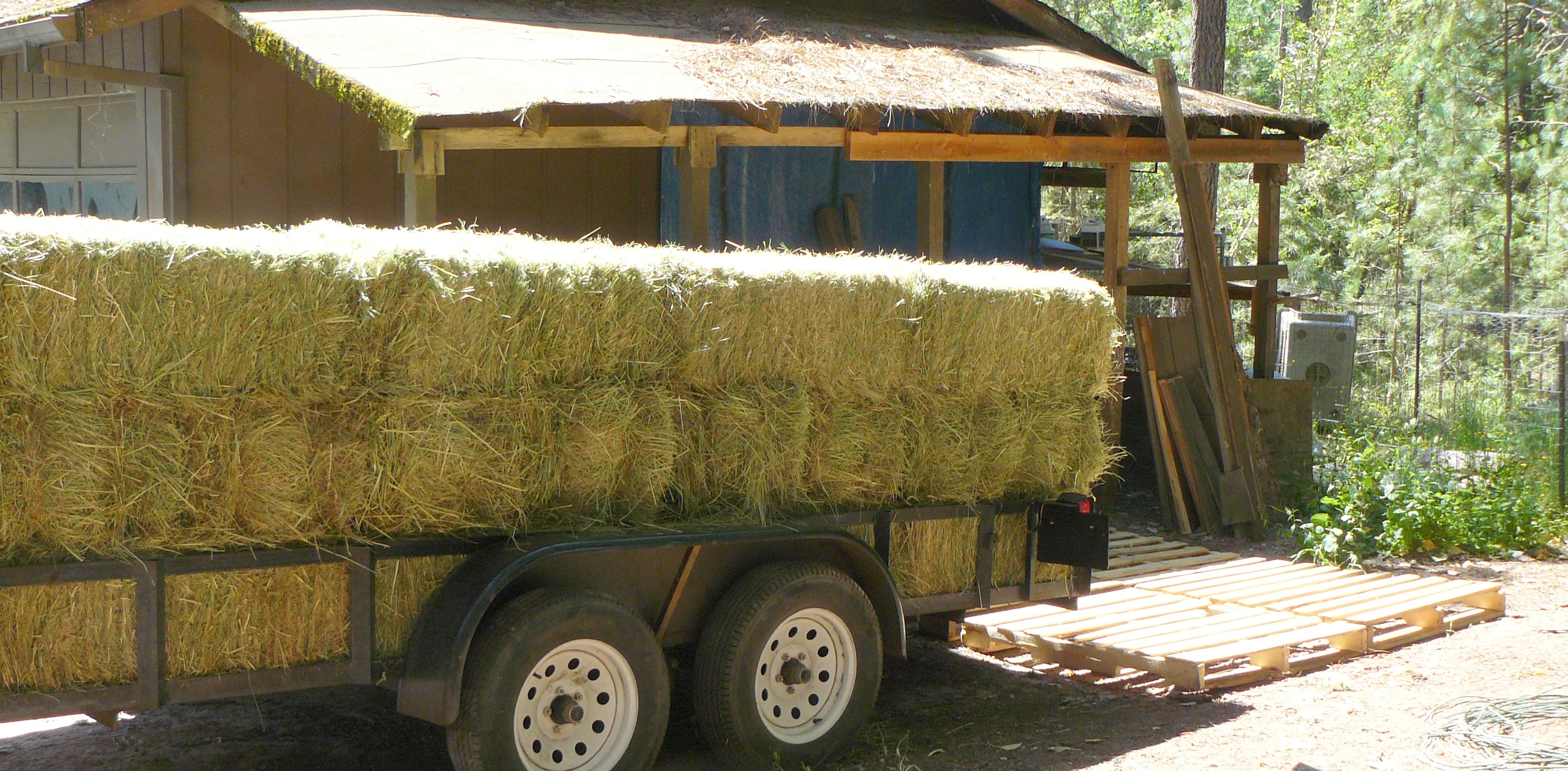
This time we had room for 60 bales, the equivalent of 4,200 lbs in weight.  Each bale had to be lifted onto the trailer and stacked carefully.

But at last it was all done, great thanks to Robert who was up at Wolf Creek, and then it was time to head for home.

Jean thanking Robert for his great help in loading 60 bales!
Jean thanking Robert for his great help in loading our 60 bales!

Impossible not to ignore the beautiful countryside that is so typical of this part of Southern Oregon. (Wolf Creek is less than 15 miles from home.)

The things we do for our horses!

Anyway, once back home somehow Jean and I managed to unload and stack all 60 bales, by which time my creative juices were no longer to be found.

So apologies and see you tomorrow.

D-Day anniversary muse.

Just a personal reflection.

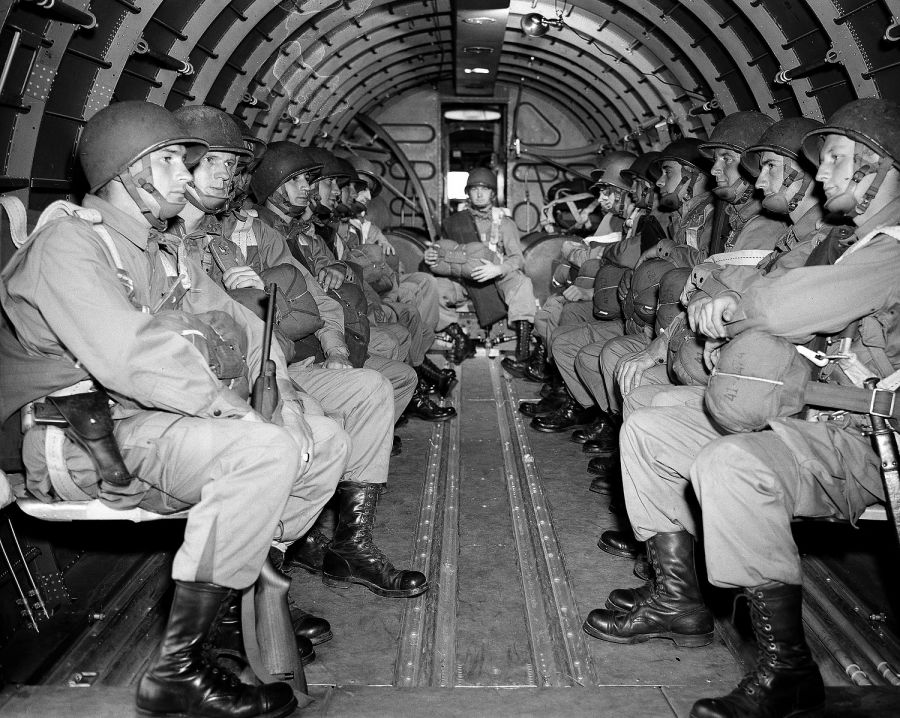
American paratroopers, heavily armed, sit inside a military plane as they soar over the English Channel en route to the Normandy French coast for the Allied D-Day invasion of the German stronghold during World War II, June 6, 1944. (AP Photo)

Seventy years ago, to this day, as the whole world now knows, the start of the end of World War II swung into action.  As this website put it (from where this photograph came),

On D-Day, June 6, 1944, Allied troops departed England on planes and ships, made the trip across the English Channel and attacked the beaches of Normandy in an attempt to break through Hitler’s “Atlantic Wall” and break his grip on Europe. Some 215,000 Allied soldiers, and roughly as many Germans, were killed or wounded during D-Day and the ensuing nearly three months it took to secure the Allied capture of Normandy.

On this day, seventy years ago, my mother was living in London four months pregnant with yours truly. I was born in November, 1944.

The USA frequently gets a hammering in the media, including blog sites, for a whole range of activities.

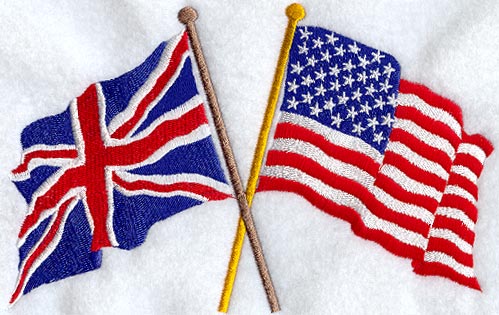
But the 6th June, 1944 reminds me that when the American people turn their hand to helping others across the world, they can be a most powerful force for good.

That I have lived my almost seventy years in an environment that has allowed me freedom and opportunity and that I write this as a relatively new resident of the United States of America, living happily in rural Oregon, is a testament to that force for good.

Thank you Yankees!

flags

Nostalgia isn’t what it used to be!

The sirens of past lives take some silencing.

Going to relate to you a true story.

In 1968 I emigrated to Australia; to the city of Sydney.  It was an easy move in many ways.  For before I left I was working in the sales office of British Visqueen Ltd in Stevenage in Hertfordshire. ‘BVL’ were part of Imperial Chemical Industries (ICI).

On Day Three of my new life in Sydney I noticed that ICIANZ (Australia & New Zealand) had their headquarters building on Macquarie Street near North Circular Quay.  On impulse I went in and two hours later had been offered a job in the sales office of ICI’s Inorganic Chemicals Division.

From the window of my office I had a stupendous view of the Sydney Harbour Bridge. This is a picture taken the other side of the Bridge looking back at the office complex to the right of the Sydney Opera House; the office block partially obscured by the top curve of the bridge.

Sydney_Harbour_Bridge

Anyway, back to the story.

I was dating a Finnish woman who with her sister and parents had emigrated from Finland some years previously.  That woman’s name was Britta and later we were married and then upon returning to England in 1970 we had two children; a son and a daughter. In Australia I didn’t miss England and when back in England I didn’t miss Australia.

I was 26 when we returned to England.

Fast forward forty-four years to now.

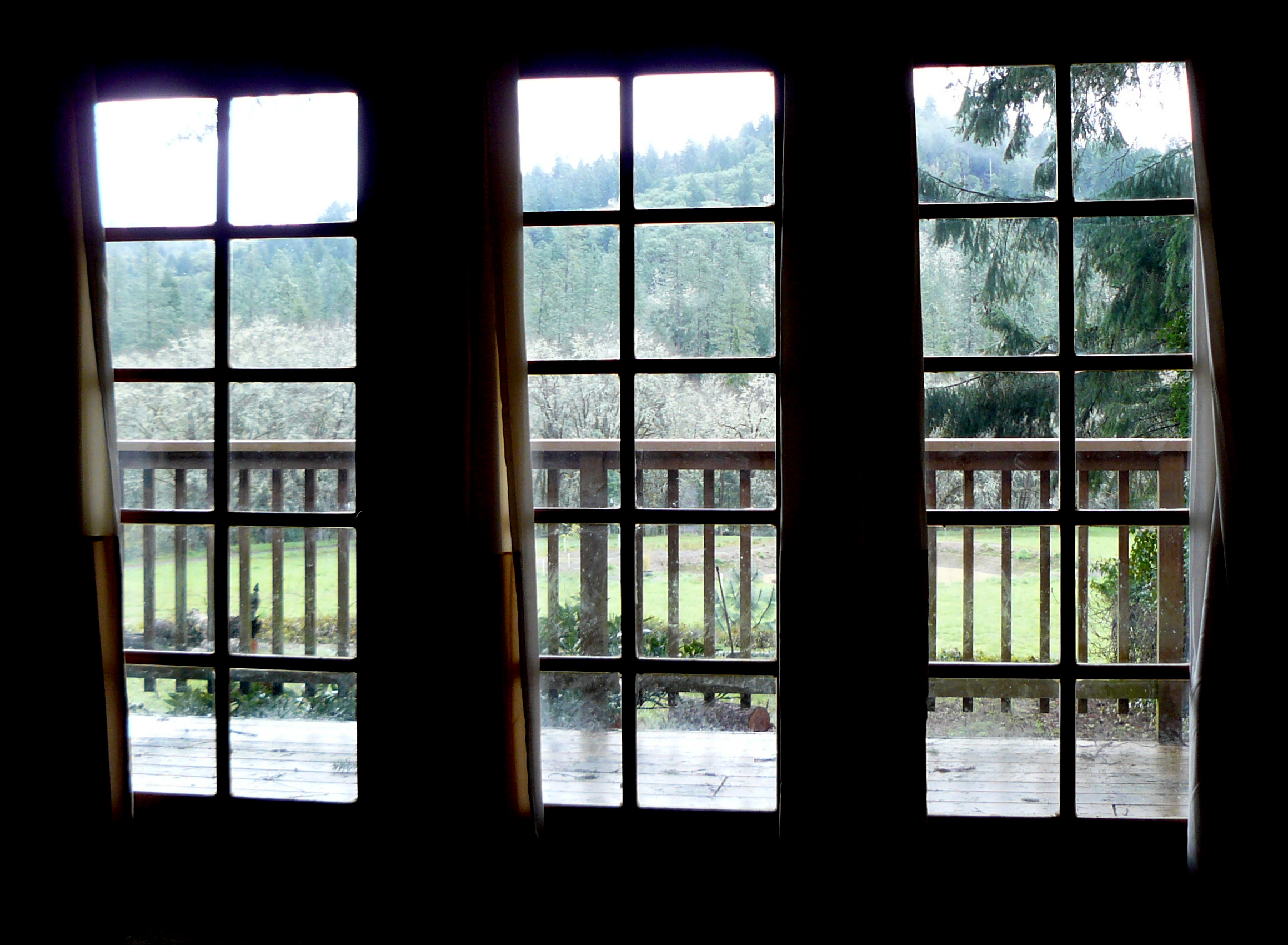
This is the view through our bedroom window in the morning when Jean and I awake.

Morning

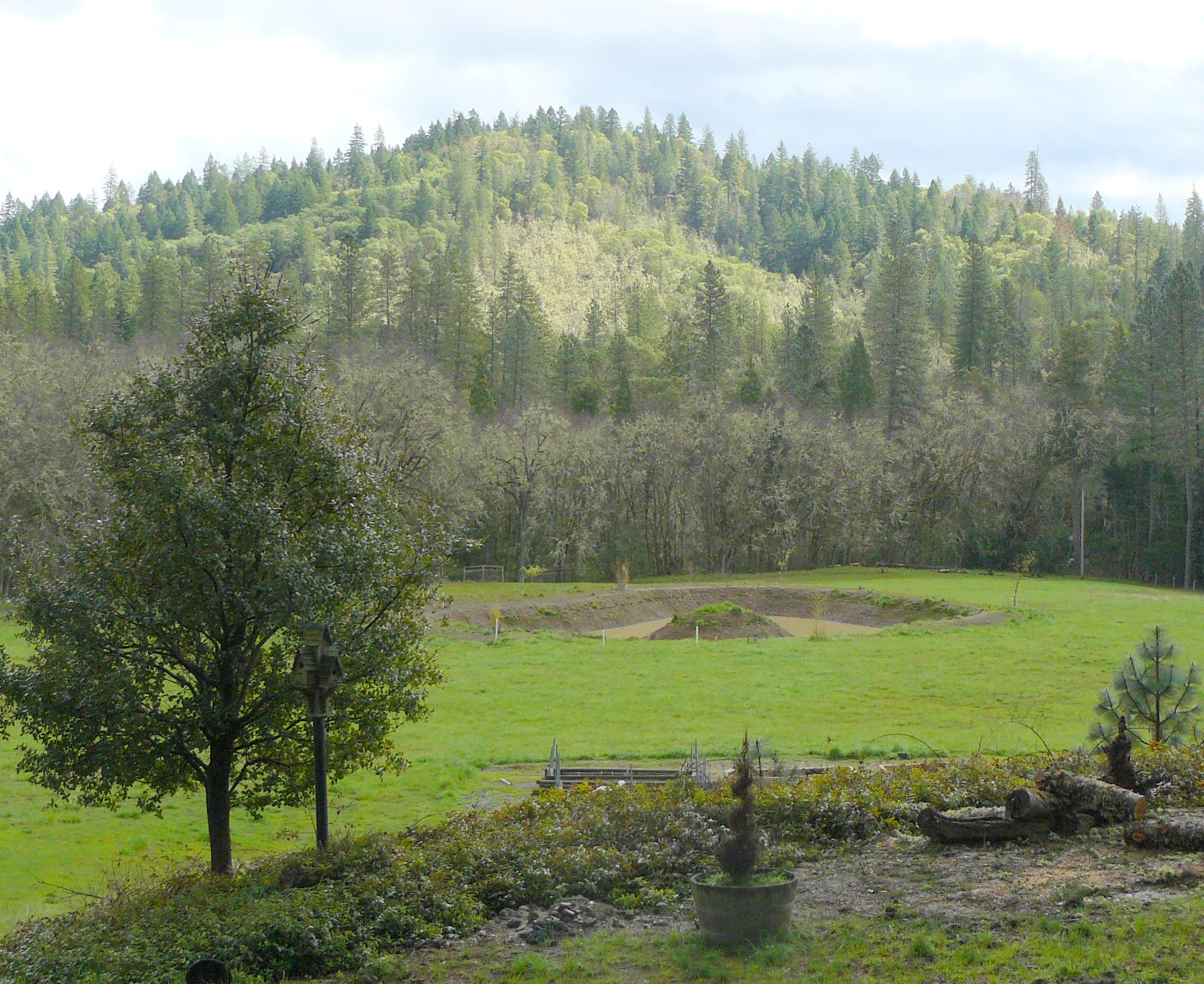
This is another view of the same scene but taken from outside the windows.

Morning2

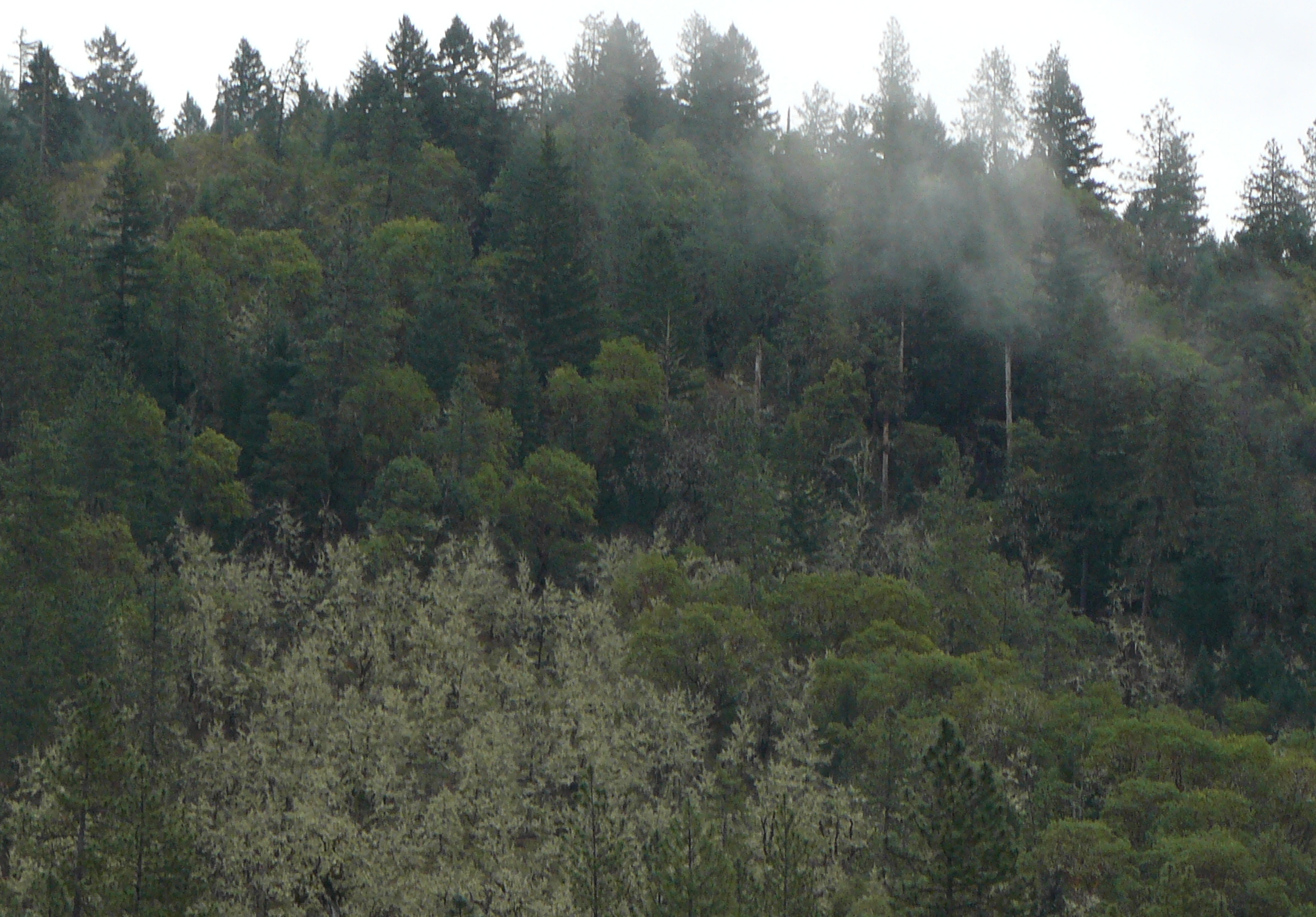
When the air is really moist and there are clouds hanging low over the ridge, it’s common to see mist swirling through the trees.

Morning mist

It is a beautiful place to live, for us and for all our animals …. yet …. we don’t feel perfectly settled.

Back to Britta’s parents.  After they had been living in Australia for quite a few years, in Brisbane in those days, and all settled with jobs and their own house, they still didn’t feel perfectly settled.  So they gave up their jobs, sold the house and transported themselves and their belongings all the way back to Helsinki, Finland.

Only to find that in less than three months that they had made a ghastly mistake and so, yes you know what’s coming, they transported themselves and all their belongings all the way back to Australia; this time settling in Sydney.

OK, to the point of this tale.

In many, many ways this life that Jean and I have here in Oregon is better than anything we have previously experienced.

Yet, there are times when I hear the sirens of Devon calling out to me and for Jean there are times when she hears the sirens of Mexico calling out to her; Jean lived in San Carlos, Mexico for twenty-five years, off and on, with her late American husband, Ben, who died in 2005.

I’m 70 in November this year.

What does it all mean?

When Jean and I were living in Payson, Arizona we were talking one day to a woman who in previous times had been a personal counsellor.  She asked how we were settling in.  We mentioned that we were not yet settled.  The woman went on to say that people over the age of 60 frequently had a much more difficult time adjusting to major moves and changes in their lives than younger persons.

Jean and I wouldn’t rewind our lives for all the tea in China but what, dear reader, do you think?

Anyone out there the ‘wrong’ side of 60 who can relate to this?


Meet the dogs – Pharaoh (pt 2)

The concluding part-two of meeting Pharaoh 

Pharaoh, as of yesterday afternoon!

In yesterday’s first part of my recollection of having Pharaoh in my life for over ten years, I focussed on the early days.  Today, I want to take a more philosophical view of the relationship, right up to the present day.

The biggest, single reward of having Pharaoh as my friend goes back a few years.  Back to my Devon days and the time when Jon Lavin and I used to spend hours talking together.  Pharaoh always contentedly asleep in the same room as the two of us. It was Jon who introduced me to Dr. David Hawkins and his Map of Consciousness. It was Jon one day who looking down at the sleeping Pharaoh pointed out that Dr. Hawkins offered evidence that dogs are integrous creatures with a ‘score’ on that Map of between 205 and 210. (Background story is here.)

So this blog, Learning from Dogs, and my attempt to write a book of the same name flow from that awareness of what dogs mean to human consciousness and what Pharaoh means to me.  No, more than that!  From that mix of Jon, Dr. David Hawkins, experiencing the power of unconditional love from an animal living with me day-in, day-out, came a journey into my self.  Came the self-awareness that allowed me to like who I was, be openly loved by this dog of mine, and be able to love in return.  As is said: “You cannot love another until you love yourself.

Moving on.

Trying to pick out a single example of the bond that he and I have is practically impossible.  I have to rely on photographs to remind me of the thousands of times that a simple look or touch between Pharaoh and me ‘speaks’ to me in ways that words fail. Here’s an extract from my celebration of Pharaoh’s tenth birthday  last June 3rd; written the following day. It comes pretty close to illustrating the friendship bond.

oooo

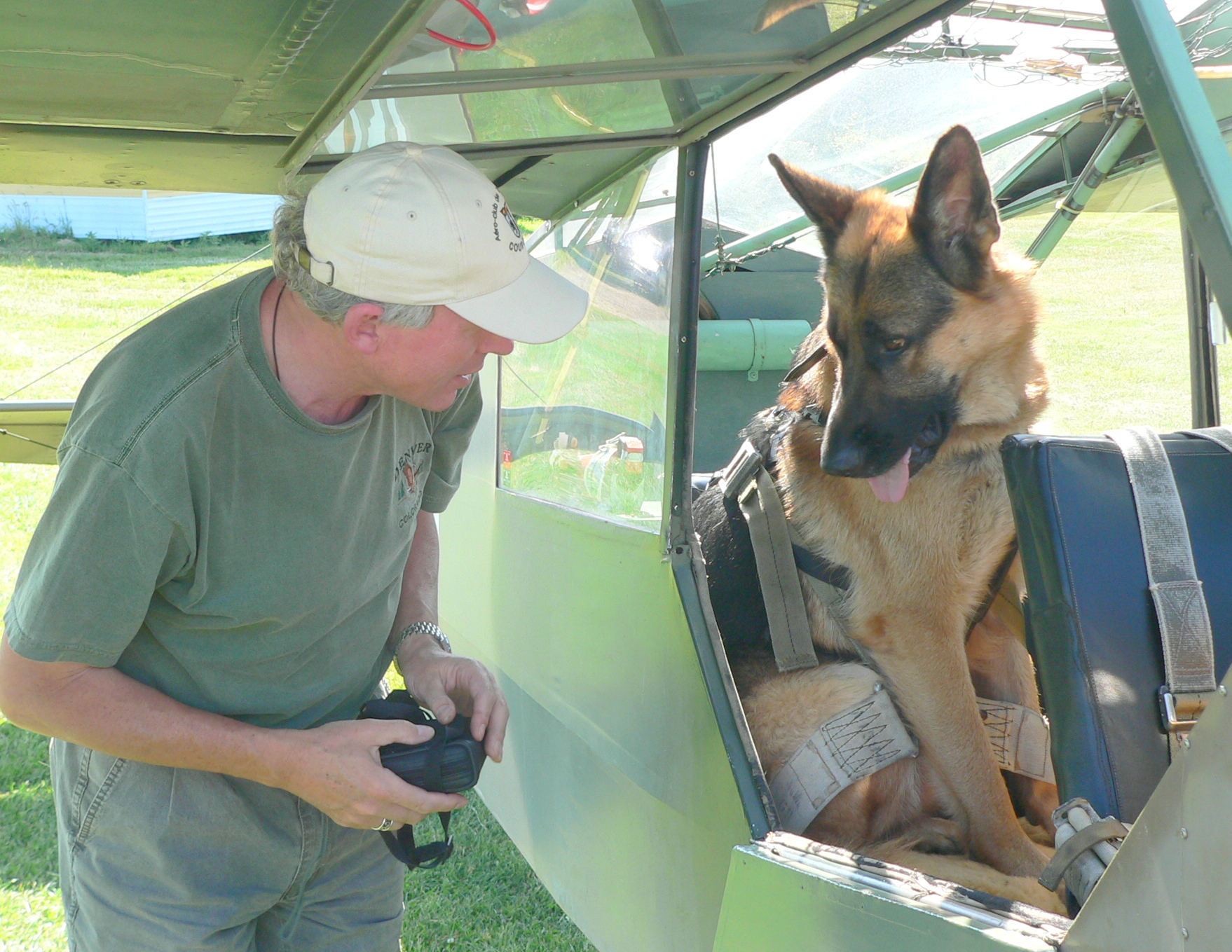
For many years I was a private pilot and in later days had the pleasure, the huge pleasure, of flying a Piper Super Cub, a group-owned aircraft based at Watchford Farm in South Devon.  The aircraft, a Piper PA-18-135 Super Cub, was originally supplied to the Dutch Air Force in 1954 and was permitted by the British CAA to carry her original military markings including her Dutch military registration, R-151, although there was a British registration, G-BIYR, ‘underneath’ the Dutch R-151.  (I wrote more fully about the history of the aircraft on Learning from Dogs back in August 2009.)

Piper Cub R151
Piper Cub R151

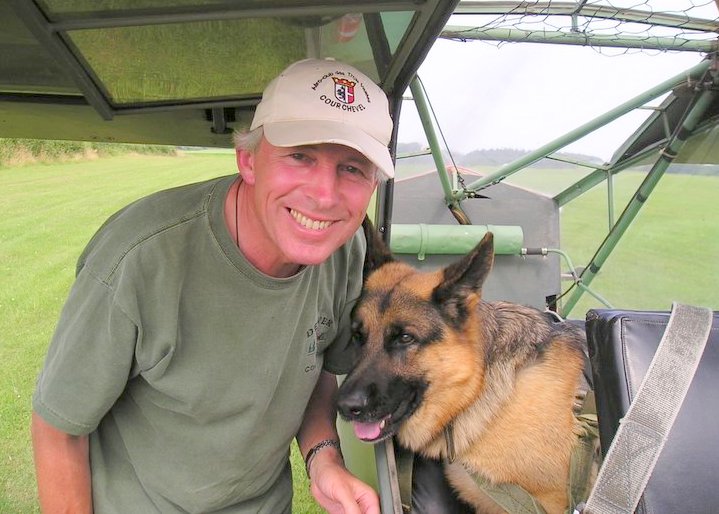
Anyway, every time I went to the airfield with Pharaoh he always tried to climb into the cockpit.  So one day, I decided to see if he would sit in the rear seat and be strapped in.  Absolutely no problem with that!

Come on Dad, let's get this thing off the ground!
Come on Dad, let’s get this thing off the ground!

My idea had been to fly a gentle circuit in the aircraft.  First I did some taxying around the large grass airfield that is Watchford to see how Pharaoh reacted.  He was perfectly behaved.

Then I thought long and hard about taking Pharaoh for a flight.  In the Cub there is no autopilot so if Pharaoh struggled or worse it would have been almost impossible to fly the aircraft and cope with Pharaoh.  So, in the end, I abandoned taking him for a flight.  The chances are that it would have been fine.  But if something had gone wrong, the outcome just didn’t bear thinking about.

So we ended up motoring for 30 minutes all around the airfield which, as the next picture shows, met with doggie approval.  The date was July 2006.

That was fun!
That was fun!

oooo

Moving on again.  This time to another flying experience.  To the day when Pharaoh and I flew out of London bound for Los Angeles and a new life with Jeannie and all her dogs (16 at that time) down in San Carlos, Sonora County, Mexico.  The date: September 15th, 2008.  Just ten months after I had met Jean in Mexico and realised that this was the woman that I was destined to love! (Now you will understand why I described earlier the Jon Lavin, Dr. Hawkins, Pharaoh mix as the biggest, single reward of having Pharaoh as my friend!)

There followed wonderful happy days for me and Pharaoh.  Gorgeous to see how Pharaoh became so much more a dog, if that makes sense, from having his own mini-pack around him.  Those happy days taking us all forwards to Payson, AZ, where Jean and I were married, and then on to Merlin, Oregon arriving here in October, 2012.

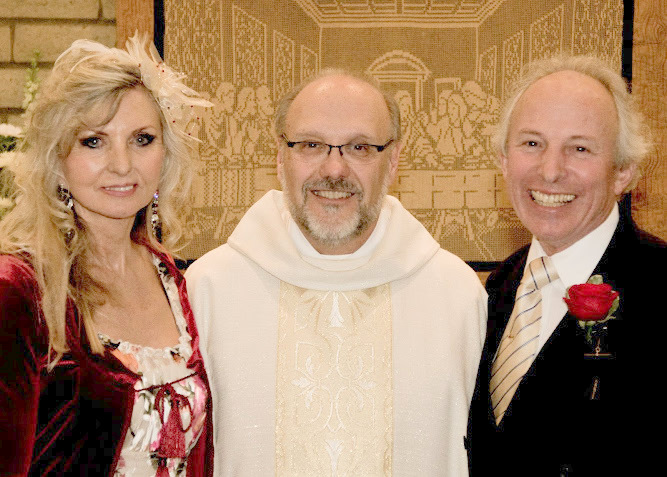
Fr. Dan Tantimonaco with the newly weds!

oooo

Pharaoh 'married' to his dearest friends. December, 2013.
Pharaoh ‘married’ to his dearest friends. December, 2013.

oooo

Perfect closeness. Pharaoh and Cleo with Hazel in the middle.  Taken yesterday.
Smelling the flowers! Pharaoh and Cleo with Hazel in the middle. Taken yesterday.

I could go on!  Hopefully, you get a sense, a very strong sense, of the magical journey that both Pharaoh and I have experienced since I first clasped him in my arms back in September, 2003.

Both Pharaoh and I are in the Autumn of our lives, he is 11 in June; I am 70 in November, and we both creak a little. But so what! Pharaoh has been my greatest inspiration of the power of unconditional love; of the need to smell the flowers in this short life of ours.

One very great animal! (March 25th, 2014)

Thank you, my dear, dear friend!

Meet the dogs – Pharaoh (pt 1)

‘Meeting’ this dog deserves two posts!

Almost two months ago, January 30th to be exact, the first of this ‘Meet the dogs‘ series was published.  It came out of an idea from Jean and that January 30th post introduced Paloma to you, dear reader.  Since then we have told you about Lilly, Dhalia, Ruby, Casey, Hazel, Sweeny, and Cleo.

So today’s post is the last of the Meet the dogs stories; it is about Pharaoh.  I’m going to indulge myself and tell you the story of this most wonderful of dogs over today and tomorrow.

ooOOoo

Pharaoh

OLYMPUS DIGITAL CAMERA
Photograph taken on the 12th August, 2003, the first day I saw Pharaoh.

This is Sandra Tucker, owner of Jutone Kennels in Devon, England, where Pharaoh was born on June 3rd, 2003.  Here’s something written elsewhere that conveys my feelings that first day that I met this puppy.

oooo

In no time at all I was turning into the farm driveway, noticing the painted sign for Jutone & Felsental German Shepherds alongside the open, wooden gate.

I turned off the engine and was about to swing my legs out of the open driver’s door when I saw a woman coming towards me.

“Hi, you must be Paul, I’m Sandra. Did you have any trouble finding us?”

I shook hands with her.

“Not at all. I did as you recommended when we spoke on the phone and went in to the local store and got final directions.”

Sandra smiled, her glasses almost slipping off the end of her nose.

“Dear Beth. She’s been running that local store since God was a boy.”

She continued with a chortle in her voice, “Some say that Beth was at the store before our local pub, The Palk Arms, opened for business. And the pub’s been in the village for well over four-hundred years.” Sandra’s laugh was infectious and I caught myself already taking a liking to her. The sense of a strong, confident person struck me immediately. Indeed, a working woman evidenced by her brown slacks, revealing plenty of dog hairs, topped off with a blue T-shirt under an unbuttoned cotton blouse.

“Anyway, enough of me, Paul, you’ve come to get yourself a German Shepherd puppy.”

She turned towards a collection of grey, galvanised-sheeted barns and continued chatting as I fell into step alongside her.

“After we discussed your circumstances over the phone; where you live down there in Harberton, why you specifically wanted a German Shepherd dog, I thought about the last set of puppies that were born, just a few weeks ago.”

Sandra paused and turned towards me.

“While, of course, you can select whatever puppy you feel drawn to, my advice is to go for a male. Listening to your experiences of befriending a male German Shepherd when you were a young boy, I have no doubt that a male dog would result in you and the dog building a very strong bond. Indeed, I have a young male puppy that I want to bring out to you. Is that OK?”

Sandra turned and walked out of sight around the corner of the first barn leaving me standing there, my response presumably being taken for granted.

Something in her words struck me in a manner that I hadn’t anticipated; not in the slightest. That was her use of the word bond. I was suddenly aware of the tiniest emotional wobble inside me from Sandra’s use of that word. Somewhere deep inside me was the hint that my decision to have a dog in my life was being driven by deeper and more ancient feelings.

My introspection came to an immediate halt as Sandra re-appeared. She came up to me, a beige-black puppy cradled under her left arm, her left hand holding the pup across its mid-riff behind his front legs, her right arm across her waist supporting the rear of the tiny animal.

I stood very still, just aware of feelings that I couldn’t voice, could hardly even sense, as I looked down at this tiny black, furry face, outsized beige ears flopping down either side of his small head.

It was unusually warm this August day and I had previously unbuttoned my cuffs and folded the shirt sleeves of my blue-white, checked cotton shirt back above both elbows leaving my forearms bare.

Sandra offered me the young, fragile creature. As tenderly as I could, I took the pup into my arms and cradled the gorgeous animal against my chest. The pup’s warm body seemed to glow through its soft fur and as my bare arms embraced the flanks of this quiet, little dog I realised the magic, the pure magic, of the moment. Something was registering in me in ways utterly beyond words but, nonetheless, as real as a rainbow might be across the green, Devon hills.

“How old is he, Sandra?”

“This little lad was born on June 3rd. So what are we today? August 12th. So he is ten weeks old as of today.”

June 3rd, 2003. I knew that this date had now entered my life in just the same way as had the birth-dates of my son and daughter; Alex and Maija.

The power of this first meeting was beyond anything I had expected, or even imagined. I thought that it was going to be a fairly pleasant but, nonetheless, unsurprising process of choosing a puppy. How wrong could I have been! What was captivating me was the pure and simple bodily contact between this young dog and me. No more than that. I was sensing in some unspoken manner that this was equally as captivating for this precious puppy-dog. For even at the tender age of ten weeks, the tiny dog appeared to understand that me holding him so longingly was bridging a divide of many, many years.

Sandra motioned with her arm, pointing out a bench-seat a few yards away alongside a green, well-manicured, lawn.

I very carefully sat down on the wooden-slatted bench and rested the beautiful animal in my lap. The puppy was adorable. Those large, over-sized ears flopping across the top of his golden black-brown furry head. His golden-brown fur morphing into black fur across his shoulders and then on down to the predominantly beige-cream colour of his soft, gangling, front legs. That creamy fur continuing along the little creature’s underbelly.

The puppy seemed almost to purr with contentment, its deep brown eyes gazing so very intently into mine. I was entranced. I was spellbound.

Never before had I felt so close to an animal. In a life-time of nearly sixty years including having cats at home when I was a young boy growing up in North-West London, and much later the family owning a pet cat when Alex and Maija were youngsters, I had never, ever sensed the stirrings of such a loving bond as I was sensing now. As this young puppy was clearly sensing as well. This was to be my dog. Of that I was in no doubt.

oooo

OLYMPUS DIGITAL CAMERA
Early days at home in South Devon.


Let me leave you with a couple of other photographs taken from his early days.

Pharaoh, nine months old.
Pharaoh, nine months old, taken in my Devon home in 2004.

oooo

One year old: June 3rd 2004.
First birthday: June 3rd 2004.  Again, picture taken in Devon.


Never in my wildest dreams did I imagine that in the year 2014 I would be writing about Pharaoh from a home-office desk in Southern Oregon sharing a happy life with a wonderful London lady, Jean, and more gorgeous animals than one could throw a stick at.

More on that shared journey with Pharaoh tomorrow!

A village called Rescue.

Never a day where there isn’t something new to learn; and an opportunity to make a difference.

What prompted the heading and sub-heading of today’s post?

Well, I’ll tell you (you knew I was going to, didn’t you!)

I have mentioned Melinda Roth before on Learning from Dogs, most recently on February, 20th in a post called Oregon wolves, and book writing.

I have also previously mentioned Strawberry Mountain Mustangs back on the 18th February, in a post called The lone Ranger. That was where we spoke of visiting Darla and Troy who own Strawberry Mountain Mustangs, near Roseburg in Oregon and coming to the decision, the very happy decision, to adopt Ranger; whom we hope to welcome to our home in Merlin in about 10 days time.

Ranger
Ranger

Anyway, Darla was made aware of Melinda’s blog, Anyone Seen My (BLEEP)ing Horse? and left the following comment to one of Melinda’s posts, that comment from Darla being reproduced in full.  Please read and absorb Darla’s comments because of the power of her words in relation to saving horses.  Plus, later on there’s a plea from me for a competent web-programmer who could help Darla.  But, please read on:

Hello Melinda!

What a wonderful blog… there are no words, but sometimes I guess when a mutual passion is shared, you don’t necessarily need them, do you? Thank you for sharing this.

It’s been a great honor to meet Paul & Jean, and we are working toward getting Ranger delivered to them in the coming weeks. While he is not a “mustang” in the common sense of the word, he is a rescue, once abandoned in the Ochoco National Forest, brought here for rehabilitation and care. He’s a sweet, kind gentle soul whose eyes will sometimes give you the hint of the abuse he suffered some time during his past. Now, more often than not, he lets his guard down and will melt into you for the treats and scratches that used to be so foreign to him.

By adopting Ranger, Paul & Jean open up a space for a more critical rescue to come in. Maybe a wild one, they seem to find their way here – often after being abused or mishandled by their first adopter – as you have seen. Those animals are not the clean slate that comes from the desert and they have often learned what it takes to survive against the humans who don’t understand them. Other times, we will get a wild one who’s heart will always be wild, who was never meant to survive in captivity, and we work hard to find a suitable sanctuary for those animals to live out there days. And… we also get those amazing beings who seem to forgive us all for our actions, and seem to meld into what we expect of them – and except for that glimmer in the eye – they seem to forget the wide open spaces. My boy Buddy was that way. (Read about him on our sadly outdated website… http://www.strawberrymountainmustangs.com;)

If it’s not a wild one, it will surely then be a starving creature at death’s door, sent to us by one of the law enforcement agencies we work with. Regardless of breed, we’ll take them in. Make them well, learn “who” they are, and try to find them their human. Sometimes it takes months, sometimes years. We’re in no rush.

I look forward to some day meeting you. I sent Paul some links to information about the Sheldon wild herds, a group that is very near and dear to me. Maybe he can share them with you? Sadly, Fish & Wildlife plans to have them completely eliminated this year I believe.

Take care,

Darla

Melinda replied:

What an honor to have you comment here. And what beautiful words. I wish I could do what you do… I will visiting your site and hope to speak with you soon.

That reply from Melinda prompting this further comment from Darla (my emphasis, by the way).

I get the feeling you DO, do what I do. It takes a village. You may not be “hands on” – but you know horses. You spread the word. You encourage rescue. All of that IS what rescue IS. Don’t discount a bit of it just because you aren’t hanging out your shingle as a rescue organization. I appreciate the thought, but we’re all in this together.

Hope you found Buddy’s story – The Reason – and enjoyed it. The rest of the website is out of date since our web designer became ill. I’m not tech savvy, and prefer to be in the barn anyway…so there it sits. :)

That short sentence from Darla inspired me to write today’s post – hence the post title.

So with no further ado, here is Buddy’s Story.

ooOOoo

Buddy’s Story

Buddy.
Buddy.

Because not all mustangs are created equal…

THE REASON

On August 28, 2007, we lost a legend.

Born in the Nevada desert with a pedigree written in the sands, he was as pure as the air he breathed.

From the inside out, he was pure gold; soft and gentle, yet tough enough to survive the brutality that would have faced him in the wild. He belonged to Mother Nature & no one else, but he CHOSE me.

His amber eyes shone and melted the toughest of souls. If the eyes didn’t do the trick, a persistant lick would. He won over the heart of even the toughest cowboy.

Towering at 16.2 hands, some would call him a giant. I called him my friend.

He won no races, no ribbons, no trophies. Instead he won hearts. He never competed in a halter class. Instead he spent his time visiting elderly at assisted living centers. That was where he chose to stand at attention, perfectly still, for those in the wheelchairs to judge him.

He wasn’t a reining champion. He did no fancy rollbacks, sliding stops or quick turn arounds. Instead he chose to move carefully, cautiously and slowly so that he didn’t dislodge the rider from his back. Whether they were 2, or 62, Buddy took care of them. I think he earned more high points this way than any national champion ever could have.

Saddles and bridles didn’t fit. Maybe they were never meant to? After all, he had much more important things to do with his short life. Instead we went bareback and with a halter and lead. We didn’t need anything more. We had each other.

Buddy was a wild horse from the Sheldon National Wildlife Refuge in Nevada. His heritage was cavalry, old stock run by ranchers for our military. It was in his blood to serve, to protect. He did just that.

The lives he saved are countless. Mine was just the first. He showed me what true passion is, that there was more to life than a paycheck and that even a small town girl could make a difference.

Buddy went on to save hundreds of equine lives as well, many of them the wild horses on Sheldon. Lawmakers and the media have learned about the inadequacies of a poorly run adoption program there and the danger our wild horses are in. He also brought us the quiet survivors of abuse and neglect cases. The malnourished, the broken, the beaten and the forgotten. He stood back and watched them all come in, for us to care for and mend, and he waited patiently for his turn to shine.

Webster’s dictionary defines legend as: a person or thing that inspires. I struggled with the term I wanted to use when writing this. Was Buddy an icon? An idol? A legend? After reading the definition, it became clear. He was my dream, my hope, my love, my reason and my inspiration. He is, and will forever be, my legend.

Darla Clark September 8th, 2007

Buddy
Buddy: The legacy

 Buddy’s legacy lives on at Strawberry Mountain Mustangs, the rescue founded because of him and so many like him. Wild horses who roam on Fish & Wildlife, Forest Service, National Park or reservation lands have no federal protection under the Wild Horse and Burro act of 1971. Please help us save a part of American History. These are OUR living legends. Now we must honor them, and Buddy, by protecting them.

In Buddy’s memory, we are erecting a much needed hay storage barn. We’ve lost several ton of hay to mold already this year. The hay barn will protect the hay and keep our rescue horses safe from any illness caused by hay affected by inclimate weather. Will you help continue Buddy’s work? Please, give whatever you can to help carry on Buddy’s legacy. Buddy made a difference; you can, too.

ooOOoo

So here’s another great way you can really help.

Did you pick up what Darla wrote in her subsequent reply to Melinda?  Here it is again:

The rest of the website is out of date since our web designer became ill. I’m not tech savvy, and prefer to be in the barn anyway…so there it sits. :)

The Strawberry Mountain website is not a complex one. Darla deserves support in so many ways.  OK, are you a web programmer or do you know one?  If not, could you share this post as widely as you can. Because there must be someone out there who could offer Darla some pro-bono help so that her website is updated.  The many horses under Darla’s care deserve the best ‘voice’ in the universe.

So please help in any way possible. Thank you.

The lone Ranger.

The story of a horse.

You will recall that yesterday I very briefly mentioned our trip to visit Strawberry Mountain Mustangs, our meeting with Darla and the outcome.  Namely, that subject to an adoption agreement being signed and approved we hope to be able to adopt Ranger.

Here is Ranger’s story.

Ranger
Ranger

Ranger is believed to be a quarter-horse (a quarter thoroughbred, as I now have learnt) that earlier on in his life was a roping and barrel-racing horse.  Ranger is a little over 15 hands.

He has been abused in the past.  Evidenced by the scars of previous ill-fitting saddles and from being wary of having his ears touched.

Originally Ranger came to Strawberry Mountain because he was found abandoned and starving in an Oregon forest.  After he became a settled horse at Strawberry, he was adopted out to a family.  But after some months of being ridden he threw his riders by spinning so quickly they came off.

He came back to Darla and eventually was adopted out to a different home.  But after some months with his next owners, the habit of spinning riders off his back resurfaced.

Back he came to Darla but his age, he is about 15 years-old, and not being a secure riding horse were against him.  Darla was unhopeful that he would ever be found a home.

Hallo, my name's Jean.  Will you come and live with us, Ranger?
Hallo, my name’s Jean. Will you come and live with us, Ranger?

But in our case, I don’t know how to ride and Jean is not interested in riding Ranger.  His age is a bonus because it reduces the odds of Ranger outliving Jean and me.  So Ranger seemed like a perfect match.

Jean and Ranger getting to know each other.

So that’s where we are just now.  As we progress in getting our fencing done and our adoption approved (fingers crossed) then there will be more to report.  We have come a long way from wild mustangs but this truly feels like the most sensible way to help given that our experience and facilities are not sufficient for us to handle a rescued Mustang.

P.S. the comments and the ‘Likes’ to yesterday’s post were wonderful.  Both Jean and I are touched beyond measure.

Lost your heart to a horse!

Apologies for the brevity of today’s post.

Yesterday, Sunday, Jean and I went North in Oregon to visit Strawberry Mountain Mustangs to explore the pros and cons of adopting a horse previously rescued by Darla, of Strawberry Mountain.  It was a long day and by the time I sat down in front of the PC it was already past 5pm.

So for today going to offer you two pictures from our inspiring time with Darla and all her magnificent horses, most of whom have backgrounds that would make one weep.

Tomorrow, I will write more fully about what we are discovering when it comes to adopting a horse.

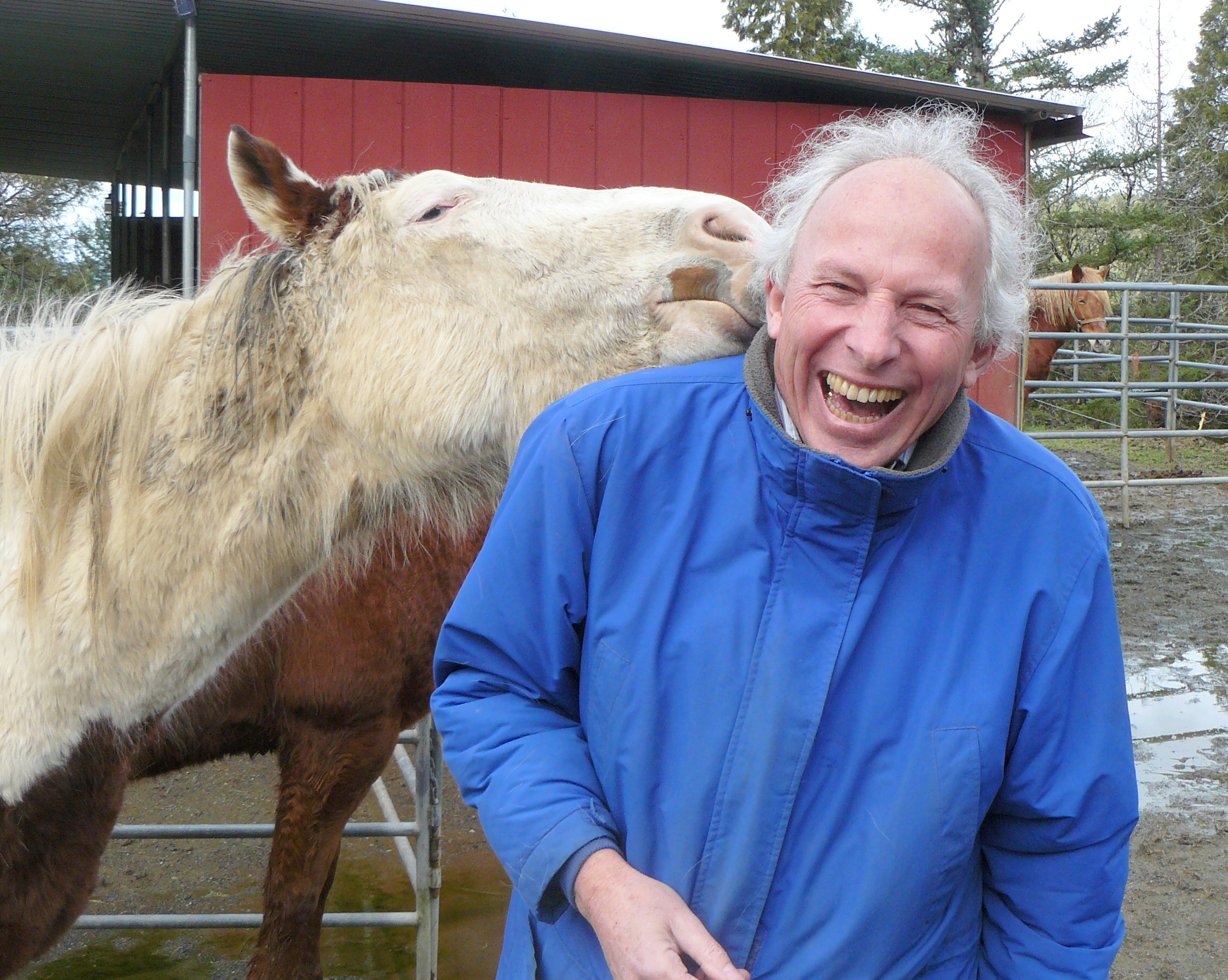
Trust me, a horse with its tongue in your ear is very ticklish!


oooo

Ranger, the 15-year-old horse we hope to adopt.

oooo