We have had gentle winds for Tuesday and Wednesday and there is good progress on the curtailment. So long as we don’t get more winds in the next 24 hours (writing this yesterday morning) then the firefighters will be able to keep up the good work.
The smoke has been bad and the whole area of Merlin and Grants Pass is affected.
But hopefully conditions will improve later on Thursday and more so on Friday.
The fire update, released around 10am yesterday, says:
MERLIN, Ore. – Overnight, the Rum Creek Fire pushed across the line on the east side of the fire near McKnabe Creek, burning several hundred acres. Resources are being shifted to this area to corral the slop-over and establish new control lines. An increase in fire activity is expected through Friday as the weather shifts to a hotter, drier pattern. Inversions are expected to lift earlier in the day, increasing temperatures and winds while reducing relative humidity.
As of early this morning, the fire was already burning actively on the ridges. Firefighters are expecting potential spot fires, and have shifted resources to continue alternate contingency fire lines to the east.
Last night firefighters successfully conducted burnouts on the south edge of the fire near Taylor Creek, eliminating remaining fuels between the control lines and the fire’s edge. Today, they will work to secure the southeast corner of the fire working toward the north. Hose lays and pumps have been set up along many control lines, including those constructed near Stratton Creek.
On the west edge of the fire, burnout operations near Mount Peavine and the 34 road have secured more of the western edge, and crews built line from Taylor Gulch toward Chrome Ridge. Today, fire personnel will tie the line from Chrome Ridge north to Bear Gulch, and are working near Ridge Gulch. North of the Rogue River, the line tying to the Dad Creek Fire scar is expected to be completed today.
Firefighters working with the OSFM are assisting with active fire suppression as needed. They are also extinguishing all remanent heat spots found within 100 feet of buildings, and continuing to assess structures. Also they are making preparations to include clearing brush and installing sprinklers, to further develop structure protection.
It is starting to look as though an evacuation for us at Hugo Road is more and more unlikely.
Although I admit that having this come out at the usual time for a Tuesday rather flies in the face of that sub-heading!
But on Sunday evening Merlin was placed in the first zone of the evacuation instructions. This follows the rapidly expanding Rum Creek Fire that is just West of us. Depending on what defines as the actual location of the fire we are anything from 5 to 9 miles away. Our home is on Hugo Road, Merlin.
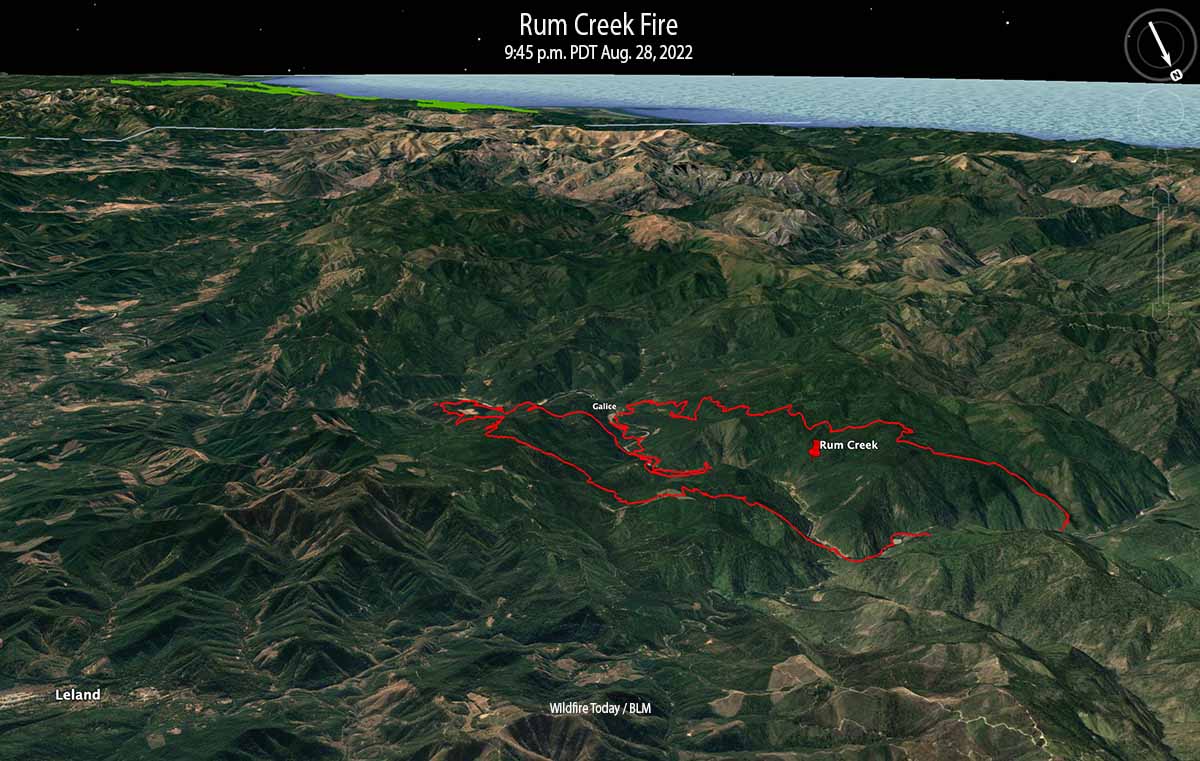
3-D map of the Rum Creek Fire, looking south-southwest at 9:45 p.m. Aug. 28, 2022.
The Rum Creek Fire 14 miles northwest of Grants Pass, Oregon has grown to 10,709 acres since it started from lightning on August 17. The fire is burning in very steep, remote, rugged terrain on both sides of the Rogue River. It has spread upriver to Galice and east to Stratton Creek. Spot fires have occurred two miles down range.
There are not many who achieve so much, but Sir David most definately has!
This is our planet. It is the only one we have (stating the obvious!).
This beautiful photograph taken from the Apollo 11 mission says it all. That Commander Neil Armstrong and lunar module pilot Buzz Aldrin landed the Apollo Lunar Module Eagle on July 20, 1969 changed everything.
But one thing that was not on anyone’s mind then; the state of the planet!
This view of Earth rising over the Moon’s horizon was taken from the Apollo 11 spacecraft. The lunar terrain pictured is in the area of Smyth’s Sea on the nearside. Coordinates of the center of the terrain are 85 degrees east longitude and 3 degrees north latitude. While astronaut Neil A. Armstrong, commander; and Edwin E. Aldrin Jr., lunar module pilot, descended in the Lunar Module (LM) “Eagle” to explore the Sea of Tranquility region of the moon, astronaut Michael Collins remained with the Command and Service Modules (CSM) “Columbia” in lunar orbit. Image Credit: NASA
How that has changed since 1969.
David Attenborough is a giant of a man, and I say this out of humility and respect for what he has done in his long life, he was born in May, 1926, and he is still fighting hard to get us humans to wake up to the crisis that is upon us.
Wikipedia has an entry that lists all the television shows, and more, that David Attenborough has made. As is quoted: “Attenborough’s name has become synonymous with the natural history programmes produced by the BBC Natural History Unit.”
Please take 45 minutes and watch this film. It is so important.
But before you do please read this extract taken from this site about the film:
For decades David Attenborough delighted millions of people with tales of life on Earth, exploring wild places and documenting the living world in all its variety and wonder. Now, for the first time he reflects upon both the defining moments of his lifetime as a naturalist and the devastating changes he has seen.
Honest, revealing and urgent, the film serves as a witness statement for the natural world – a first-hand account of humanity’s impact on nature, from Australia’s Great Barrier Reef to the jungles of central Africa, the North Pole and Antarctica. It also aims to provide a message of hope for future generations.
“I’ve had a most extraordinary life. It’s only now I appreciate how extraordinary,” Sir David says in the film’s trailer, in which he also promises to tell audiences how we can “work with nature rather than against it”.
The film retraces Sir David’s career, his life stages and natural history films, within the context of human population growth and the loss of wilderness areas. “I don’t think that the theoretical basis for the reason why biodiversity is important is a widely understood one,” he told the Guardian in September.
This autumn, a series of publications warned that “humanity is at a crossroads” in its relationship with nature, culminating in a UN report that the world has failed to meet a single target to stop the destruction of nature in the past decade.
Sir David has been vocal about the threat of climate change in recent years, calling on politicians to take their “last chance” to act rather than continue to “neglect long-term problems”.
“We need to learn how to work with nature, rather than against it”, according to Sir David. In the film, he is going to tell us how.
Now watch the film. Please!
As you can see, in the film Sir David states that the only way out of this mess is a massive focus on rewilding.
Coincidentally, Patrice Ayme last Sunday wrote about rewilding: California Grizzly: Rewilding Is A Moral Duty. In the latter half of that essay, he wrote: “One should strive to reintroduce American megafauna, starting with the more innocuous species (and that includes the grizzly). By the way, I have run and hiked in grizzly country (Alaska), with a huge bear pepper spray cannister at the ready. I nearly used the cannister on a charging moose (with her calf which was as big as a horse). The calf slipped off, and I eluded the mom through a thicket of very closely spaced tough trees. But I had my finger on the trigger, safety off. Moose attack more humans than grizzlies and wolves combined (although a bear attack is more dangerous). In any case, in the US, stinging insects kill around 100, deer around 200 (mostly through car collisions), and lightning around three dozen people, per year.
As it is, I run and hike a lot in California wilderness, out of rescue range. I generally try to stay aware of where and when I could come across bears, lions and rattlers. My last close call with a large rattlesnake, up a mountain slope, was partly due to hubris and not realizing I was moving in dangerous terrain. Fortunately I heard the slithering just in time. Dangerous animals make us aware of nature in its full glory, and the real nature of the human condition. They keep us more honest with what is real, what humanity is all about.
And that should be the primordial sense.“
I will close by offering you this photograph. May it inspire you to rewild, in small ways and also, if you can, in bigger ways. All of us must be involved. Otherwise…
Dogs are not always happy as we know with the loss of our Sheena. Because the other dogs felt the loss inexplicably. But in the main they are happy, happy animals. Unlike us humans who have lots of things to contend with. I say this because in the last twenty-four hours we have had the sudden explosion of fire down in Northern California, the McKinney blaze, which has grown very rapidly.
California’s Governor Gavin Newsom has declared a state of emergency over the fire, which began on Friday afternoon before rapidly exploding in size due to a combination of dry fuel after a drought, strong winds and lightning strikes.
Around 650 firefighters are battling to contain the fire, officials say, but with little success. Sheriffs said on Sunday evening that it was “0% contained”.
As a result, more than 2,000 inhabitants of the area around the Klamath National Forest are being forced to evacuate their homes. Rescue teams have been aiding hikers who had been on the national park’s trails.
The China 2 fire, that is part of the group of California fires, is about 55 miles due south of home. Far enough not to panic but not far enough not to get us to check our evacuation preparations.
We hope that we are not evacuated in the next few weeks because of fire!
Here is a delightful dog article courtesy of The Dodo.
ooOOoo
Dog Dances In The Rain After 175 Days Stuck In Shelter
“The absolute joy in his eyes and the feeling of freedom was wonderful to watch.”
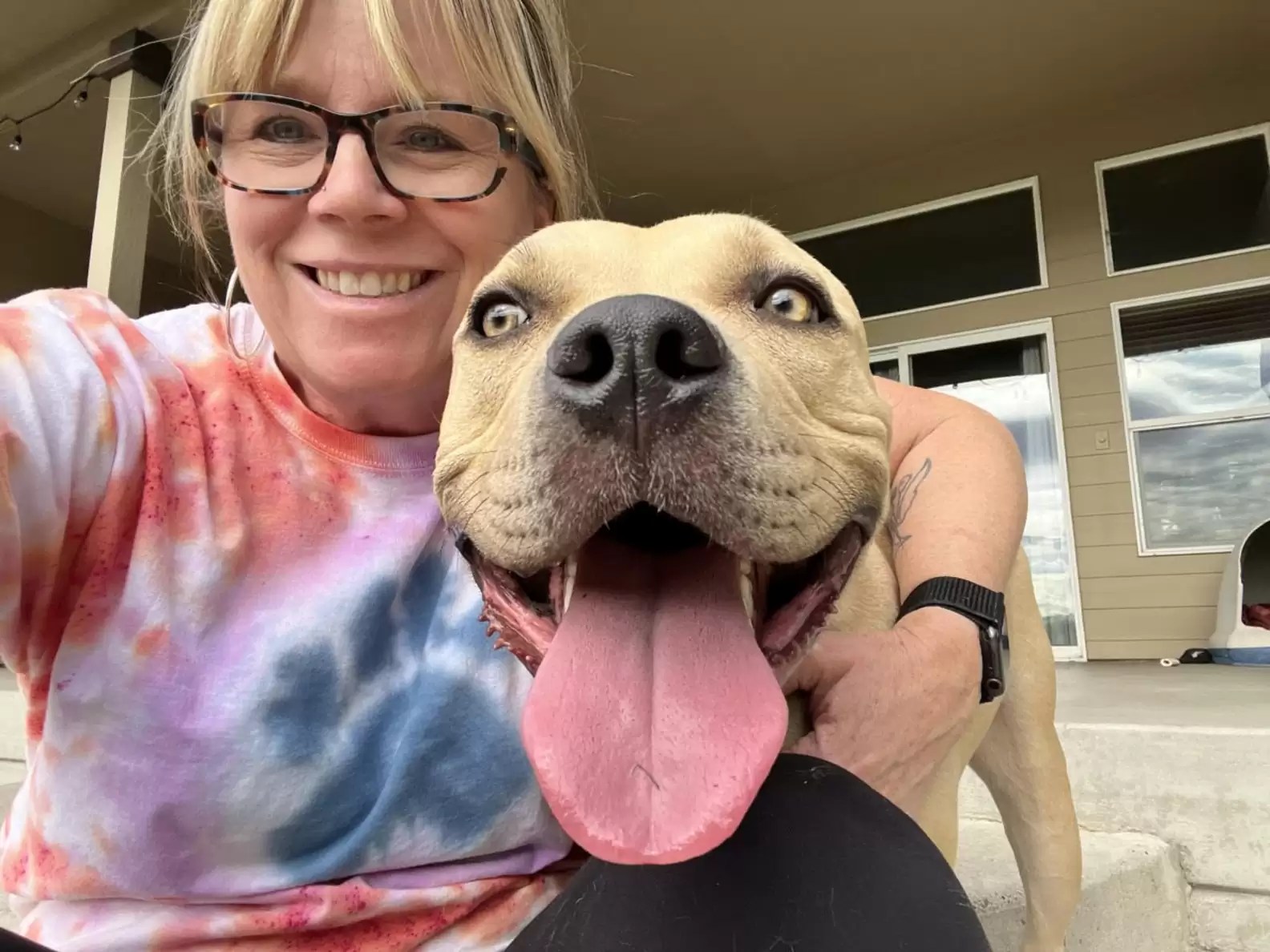
When staff members from Forgotten Dogs Rescue pulled Rambo from a shelter and placed him with a foster family, they had no idea how much the pittie mix would love the feeling of freedom.
It was raining outside, but that wasn’t going to stop him. After 175 days, Rambo was finally out of the shelter, and he was so happy that he started running and dancing in the rain.
“I cried happy tears when his foster mom sent me the video,” Julie Saraceno, a shelter volunteer, told The Dodo. “That was his second day in his foster home, and the absolute joy in his eyes and the feeling of freedom was wonderful to watch.”
When Rambo went from a small concrete kennel to a large grass-covered yard, he couldn’t believe his eyes.
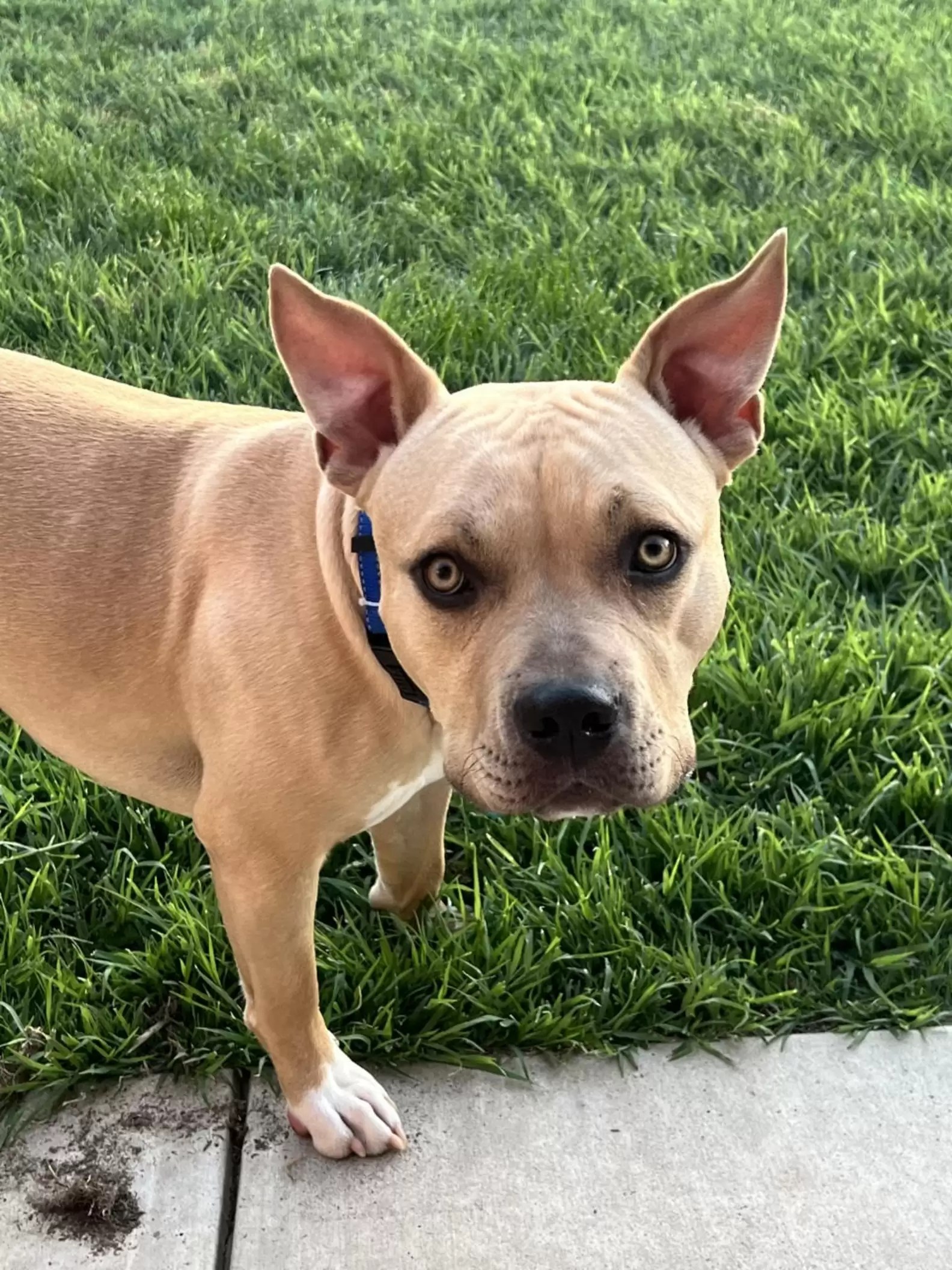
The young dog with beautiful, big eyes has an exuberance that shows. He loves other dogs and cats, and while he’s certainly high energy, he’s also always willing to snuggle on the couch.
“He is the sweetest guy to the people he considers his crew,” Saraceno said.
Rambo, who was originally found roaming the streets of Kennewick, Washington, as a stray, is working every day to become more confident and less fearful. Through his work with a trainer, he has learned obedience, how to meet strangers and lots of other skills that have made him a good boy.
Once Rambo finishes his training, he’ll be ready to meet potential fits for his forever home, ideally one where there’s space for him to exercise all his energy.
Pretty soon, Rambo won’t have to jump at every opportunity to get outside. He’ll have a yard — and a family — all his own.
ooOOoo
(The first photograph was taken by Julie Saraceno and the last two were taken by Billie Wensveen.)
Six months in a shelter! That must have been a real joy for Rambo when he was let out. Correction: It was a real joy because that was how Rambo expressed himself.
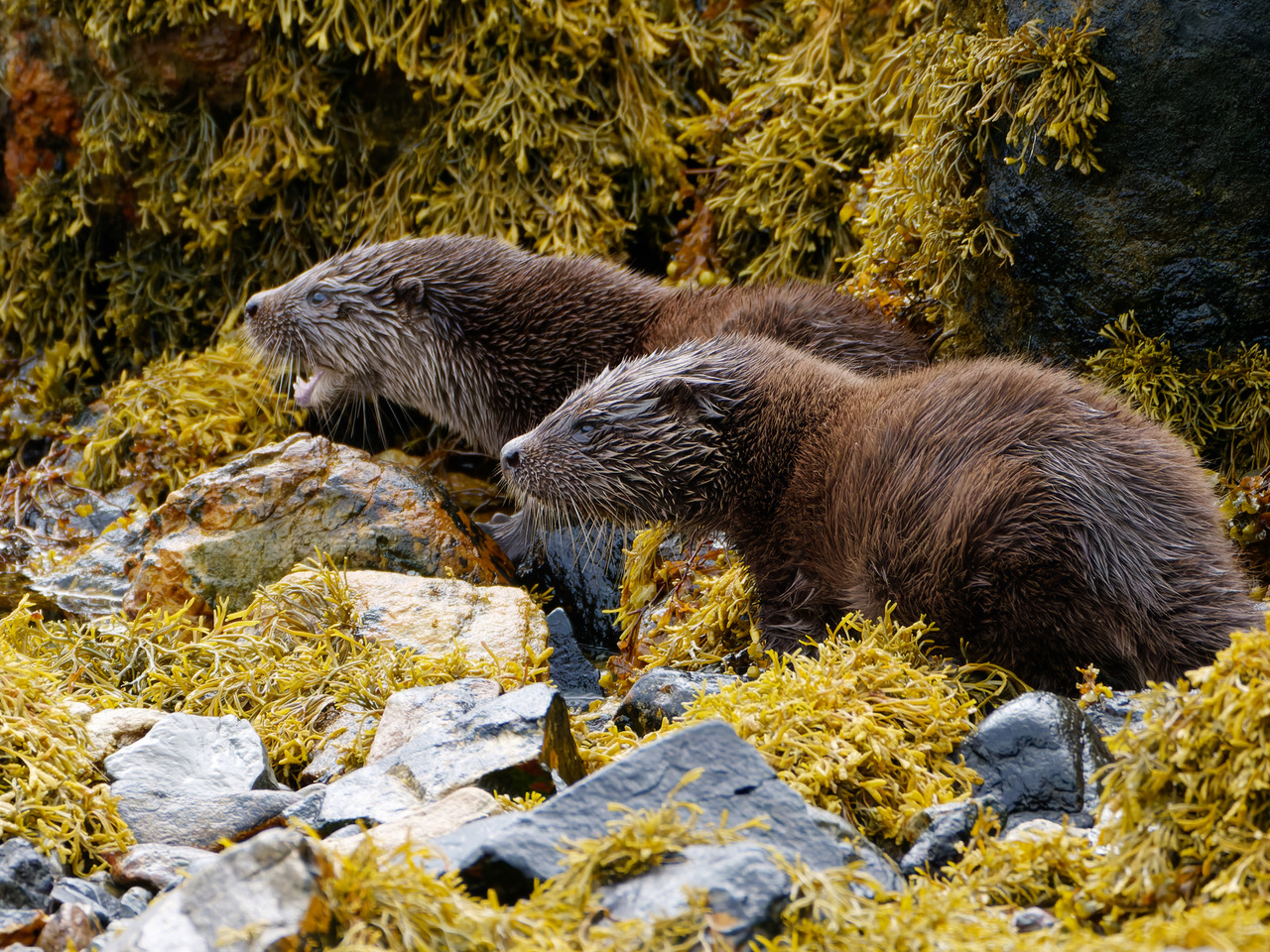
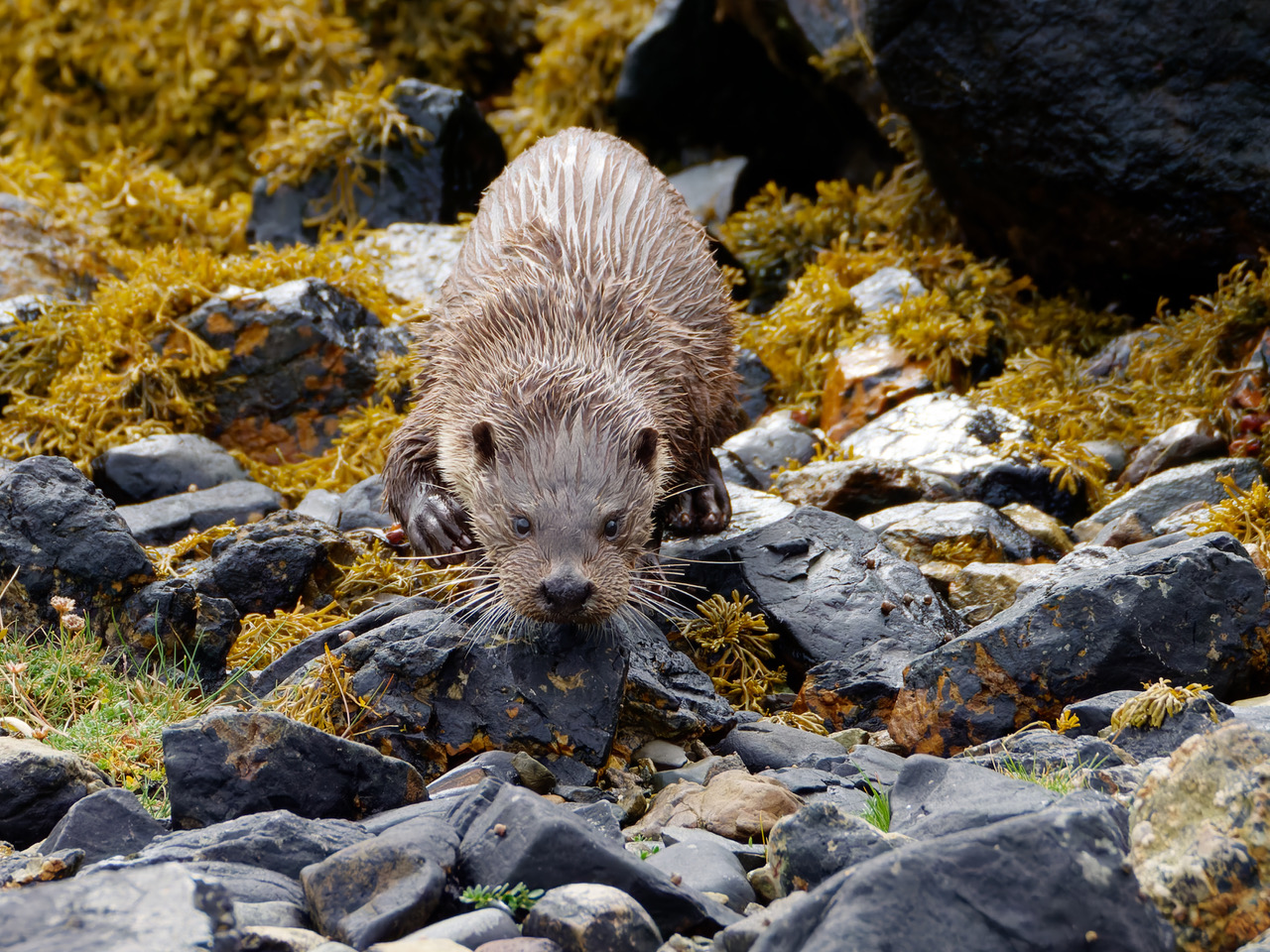
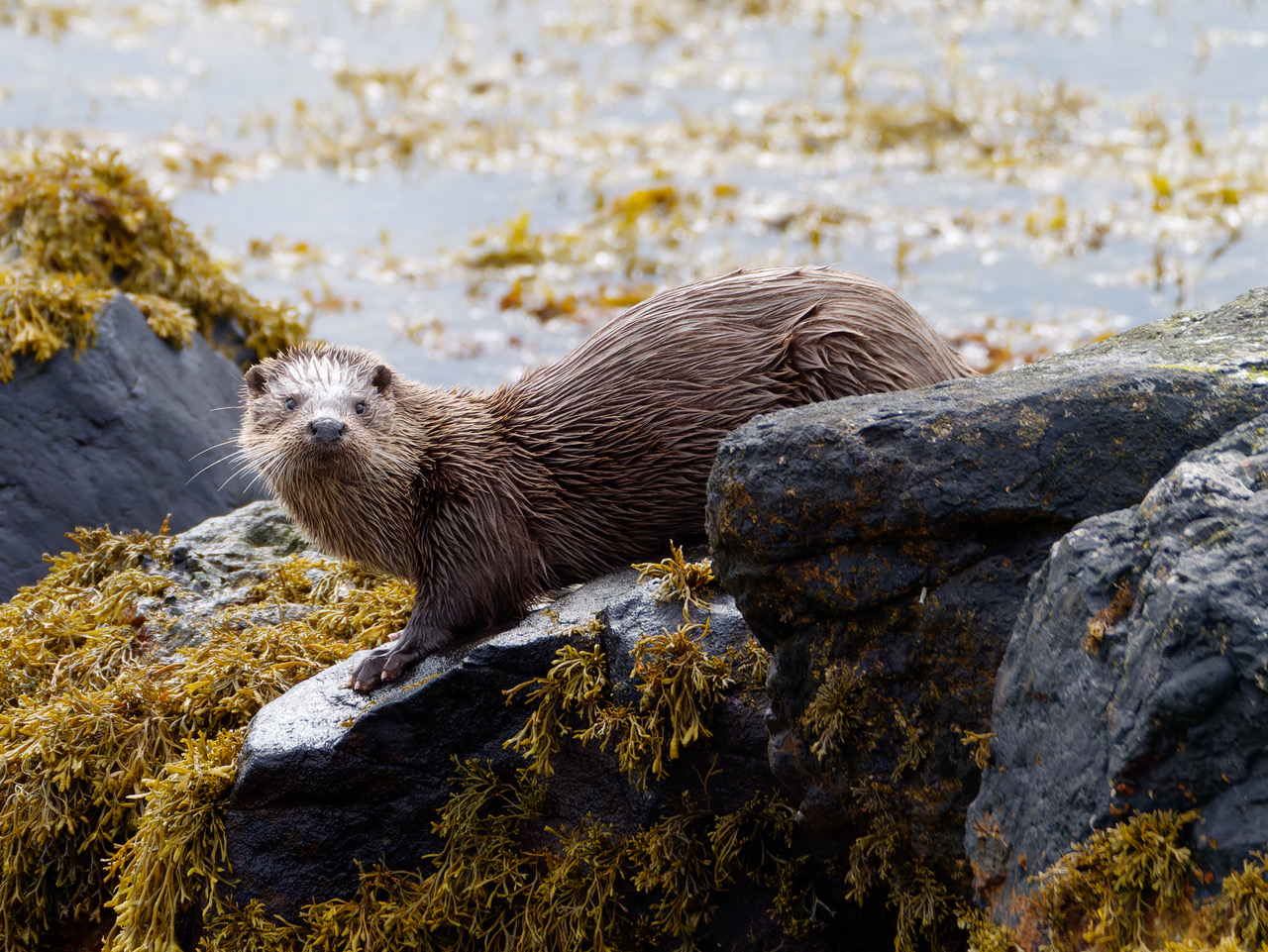
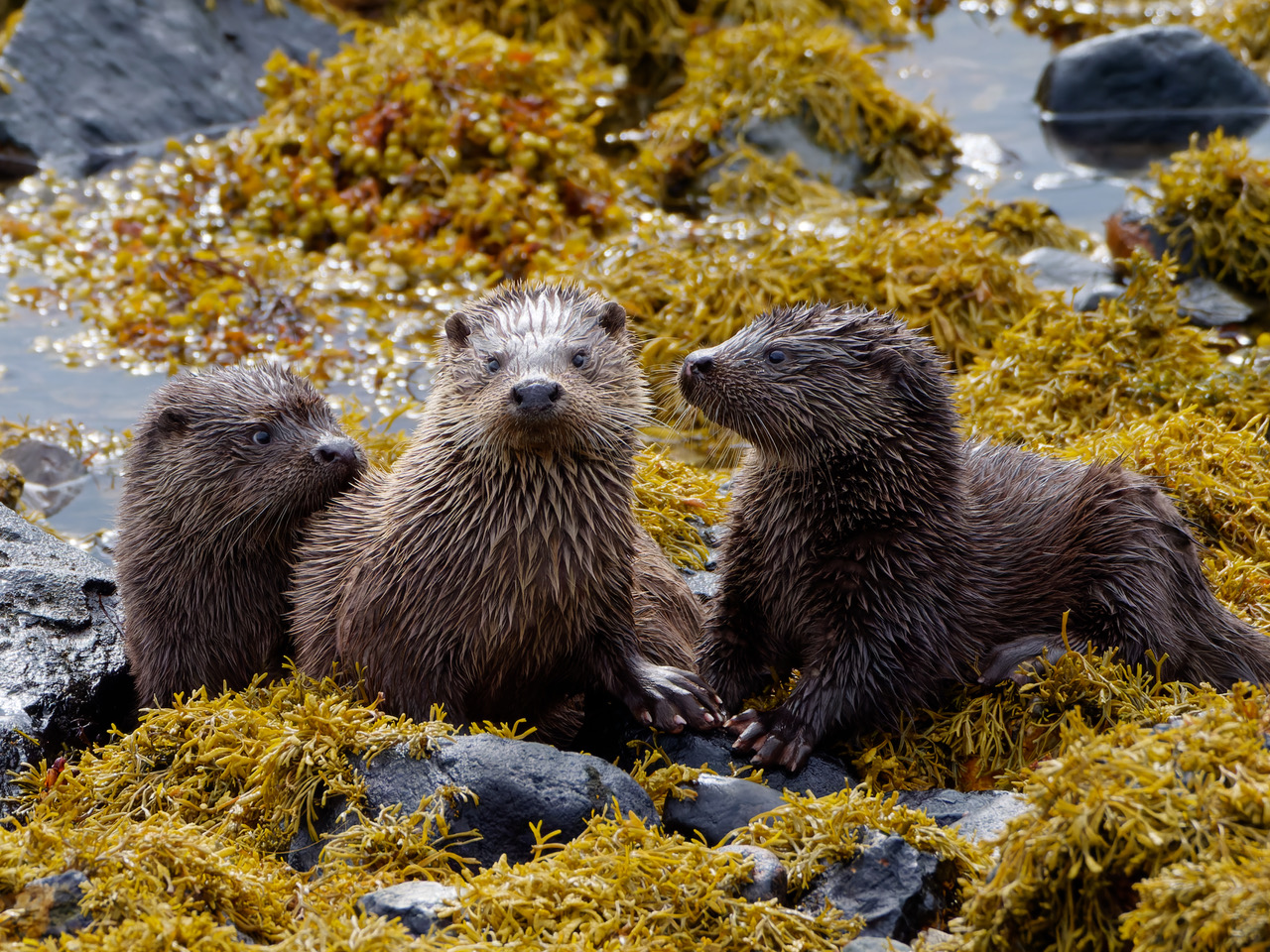
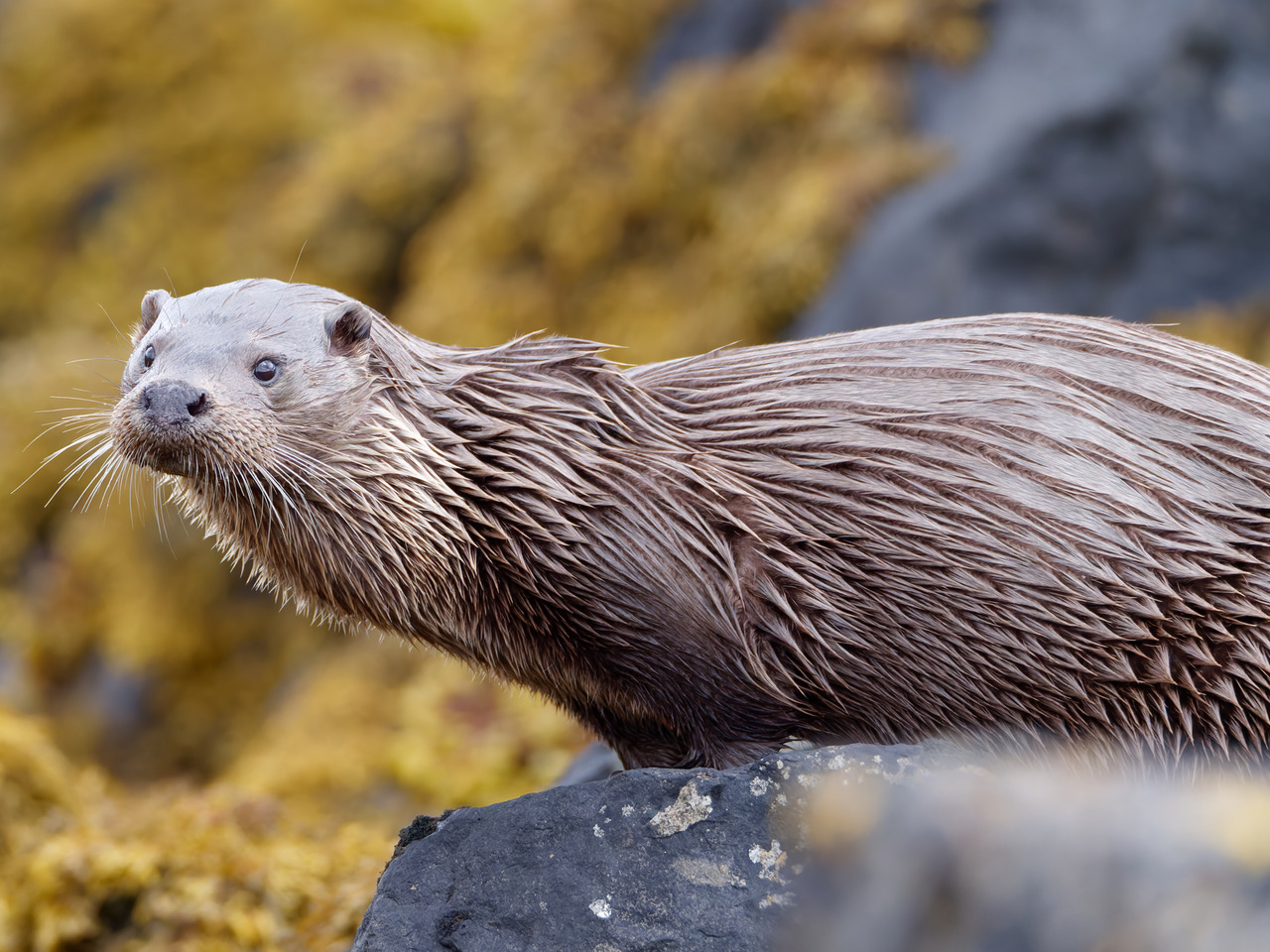
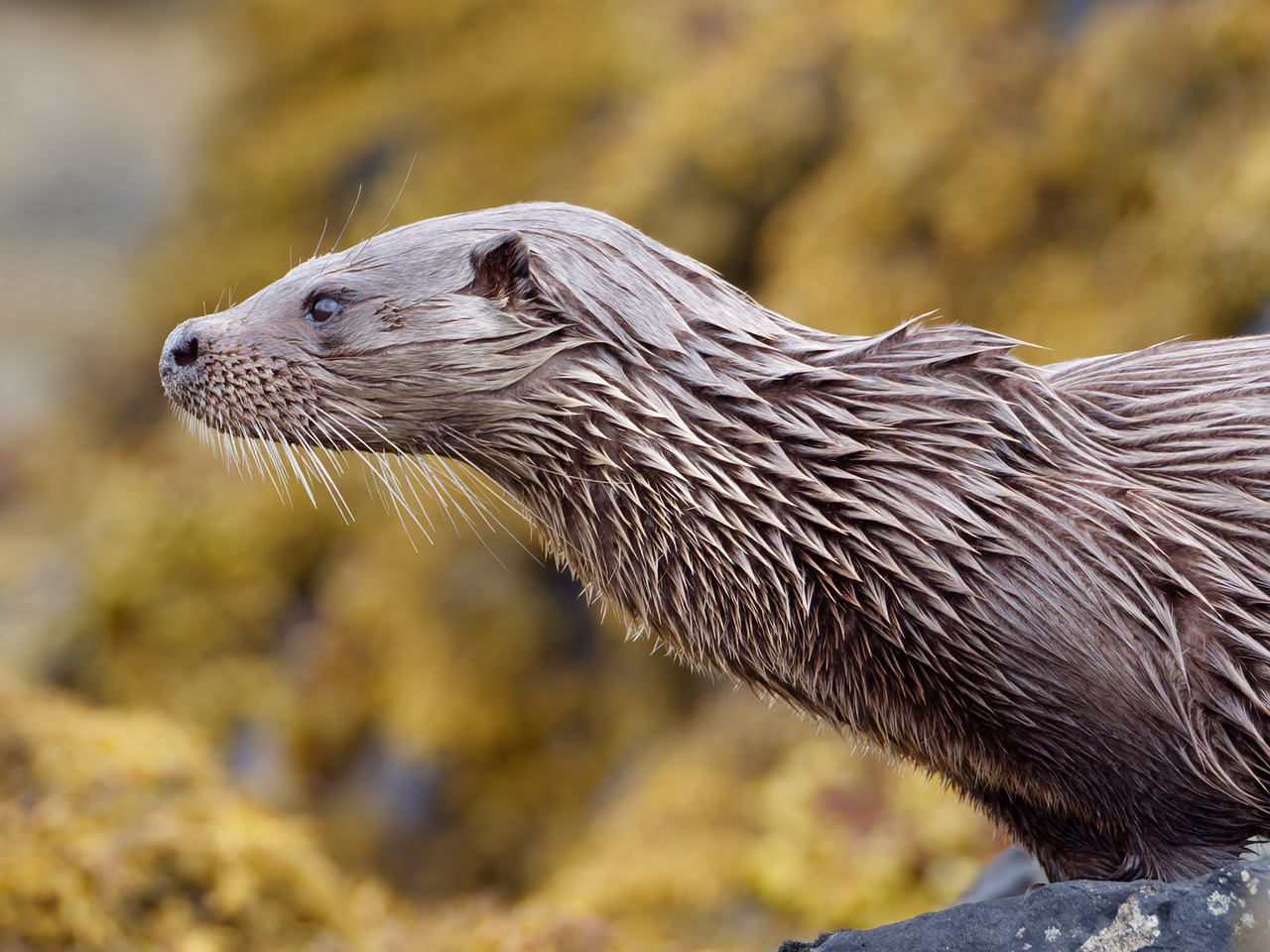
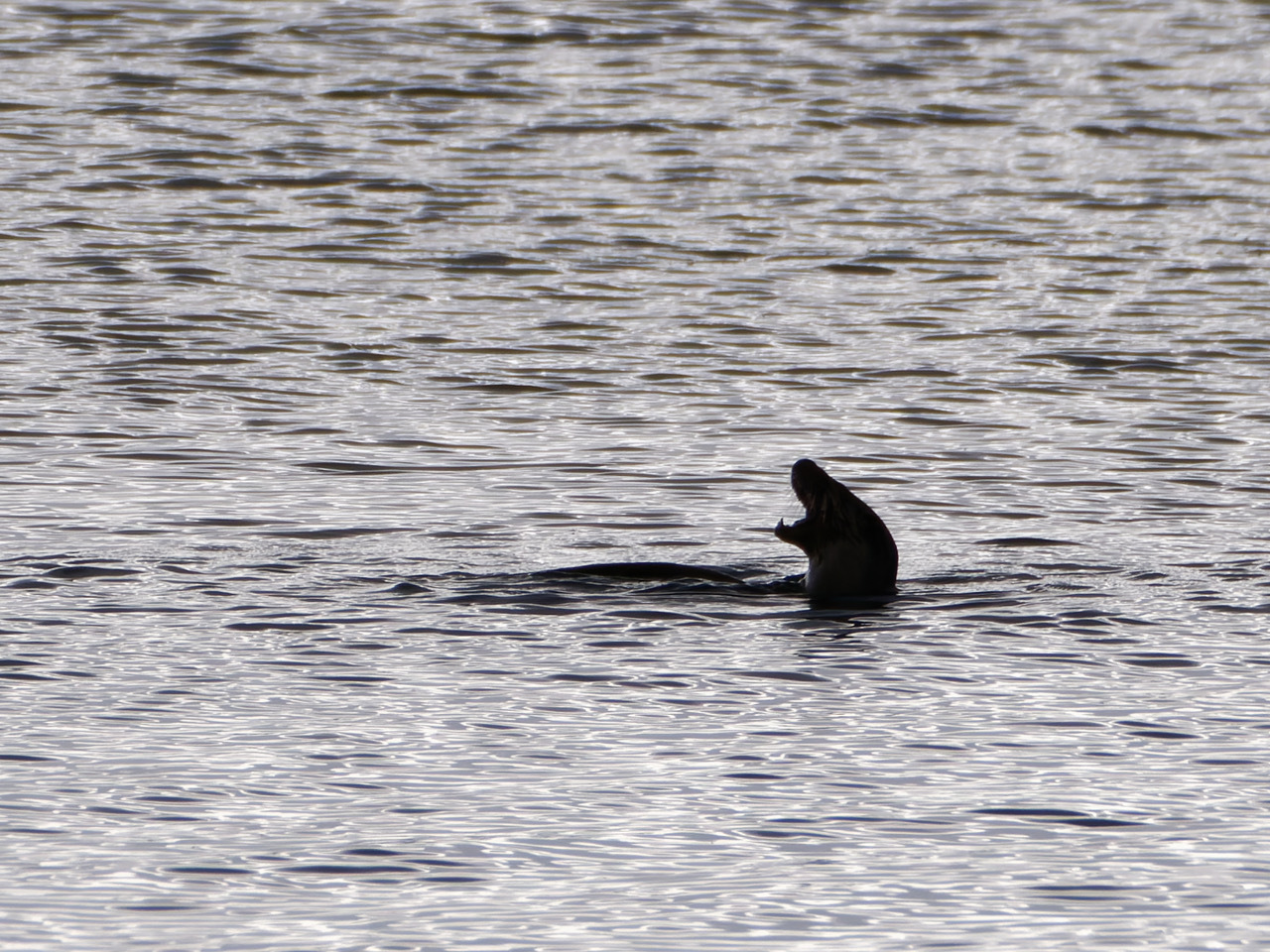
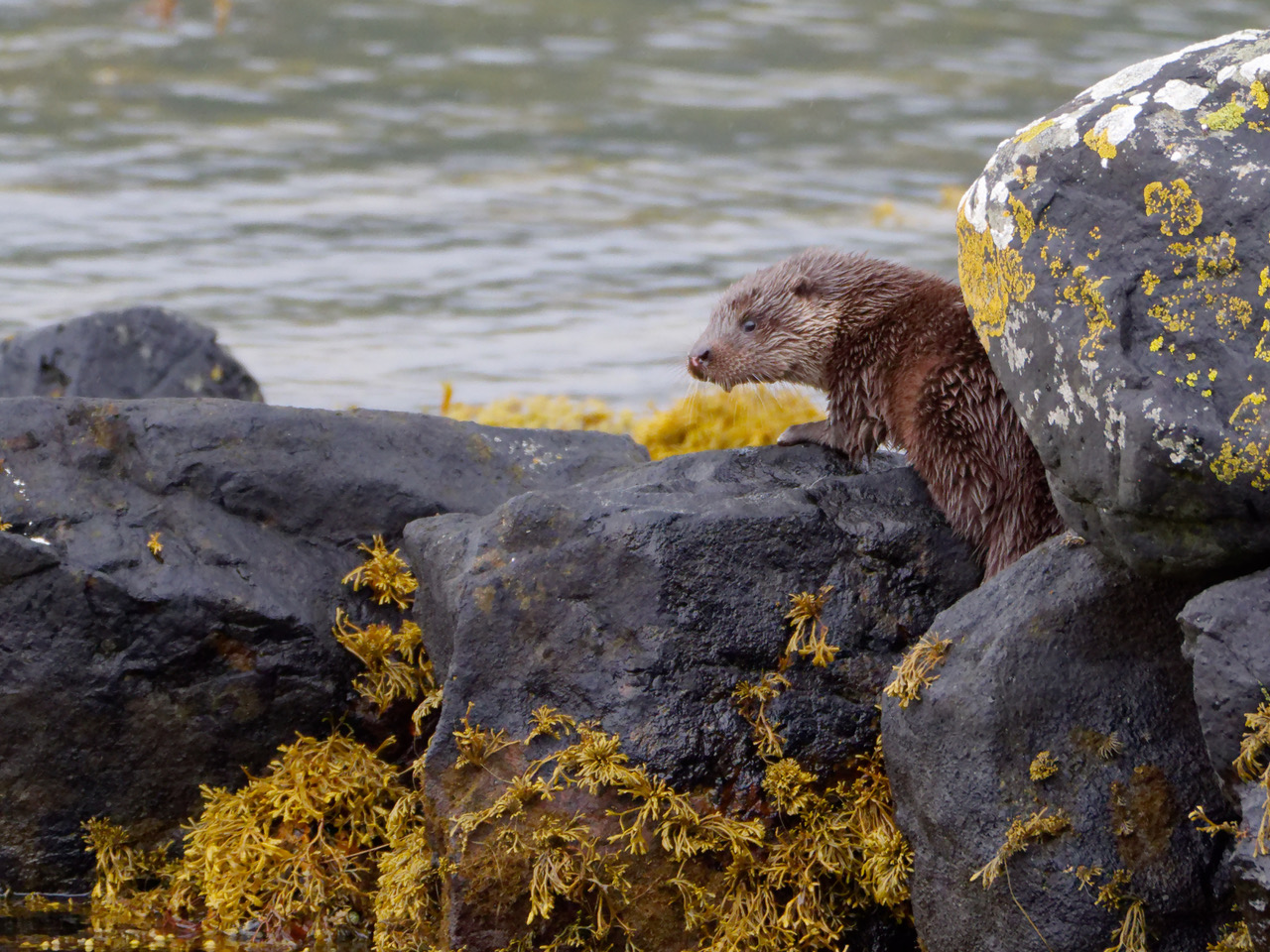
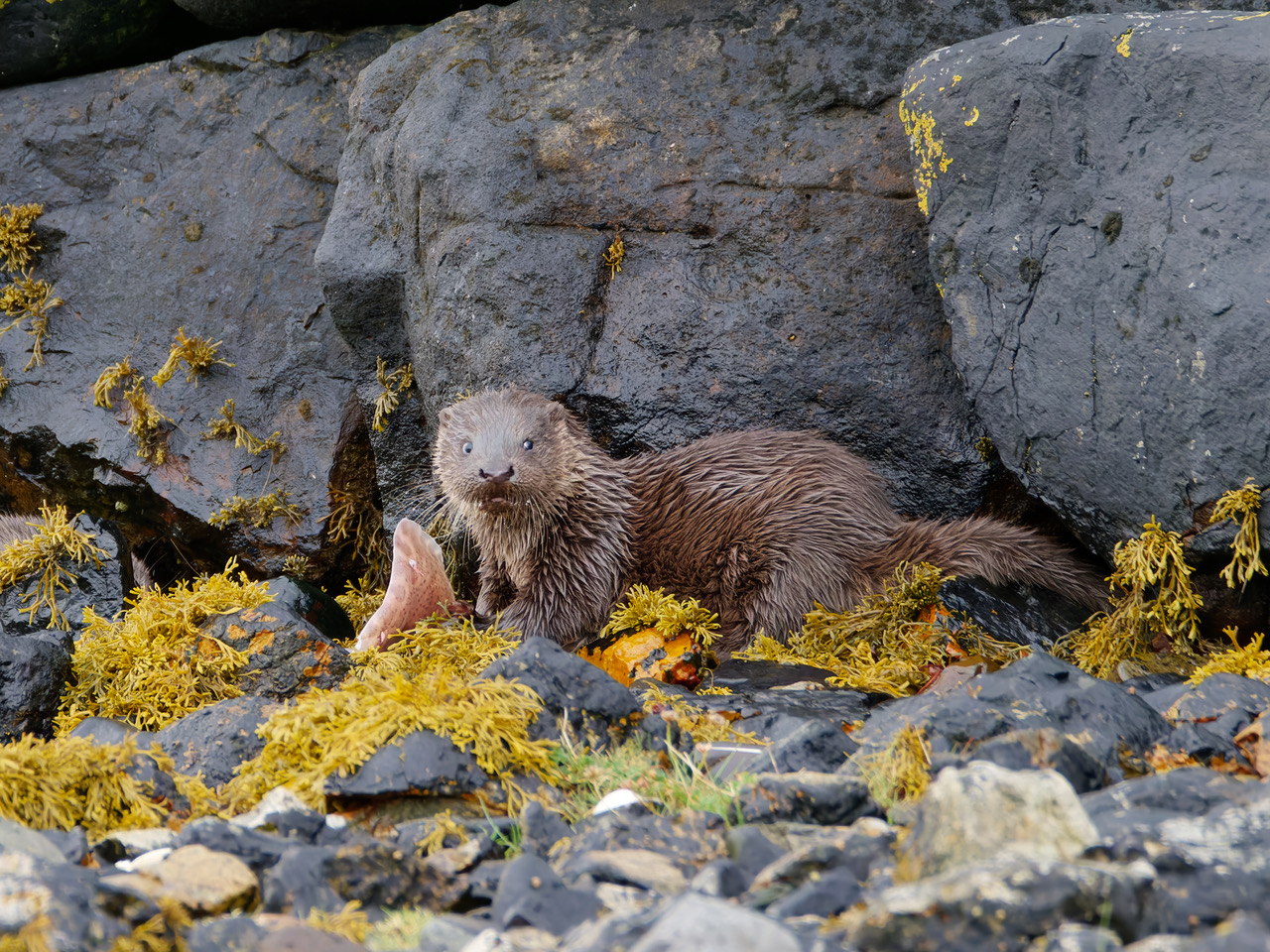
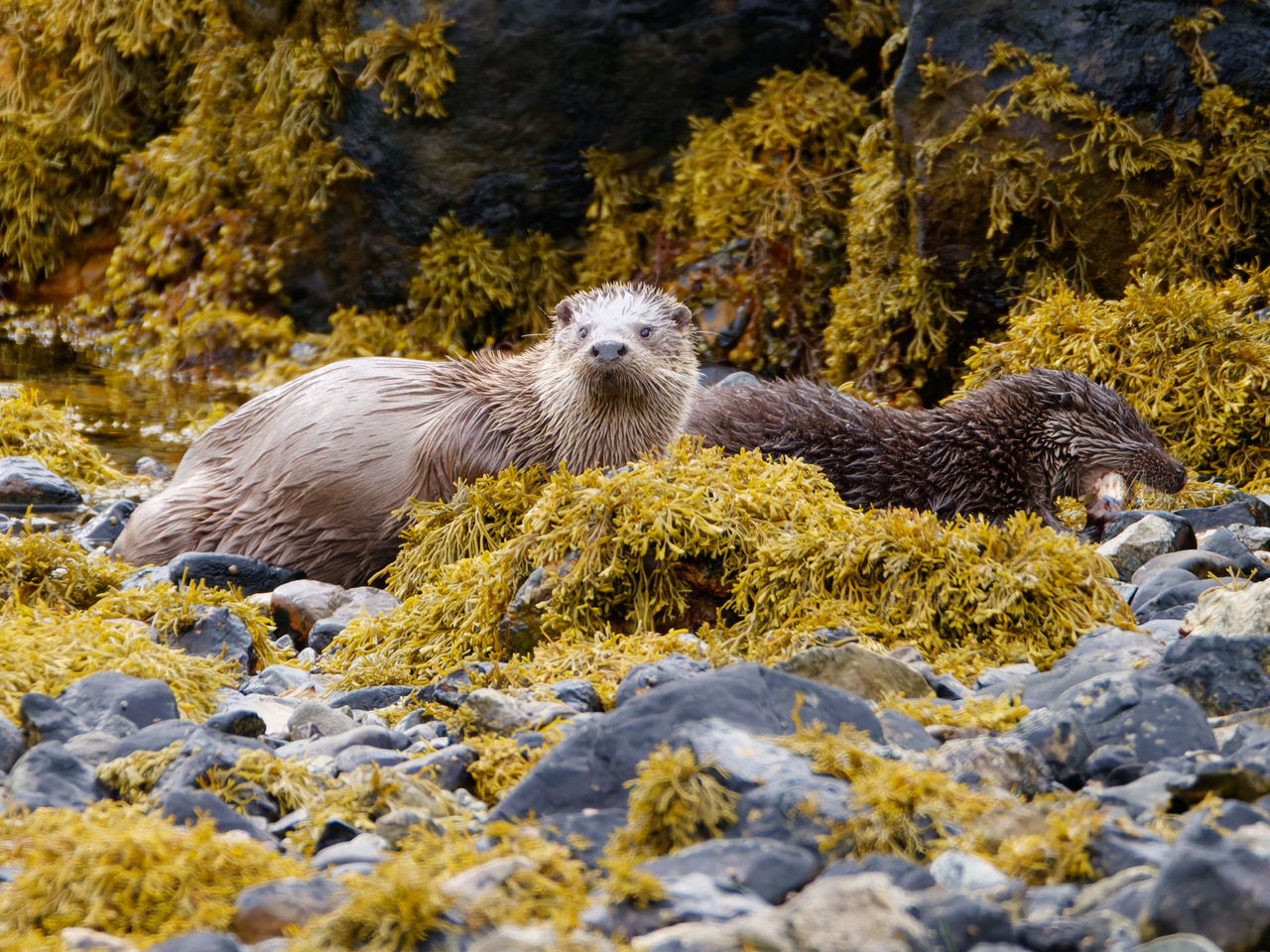
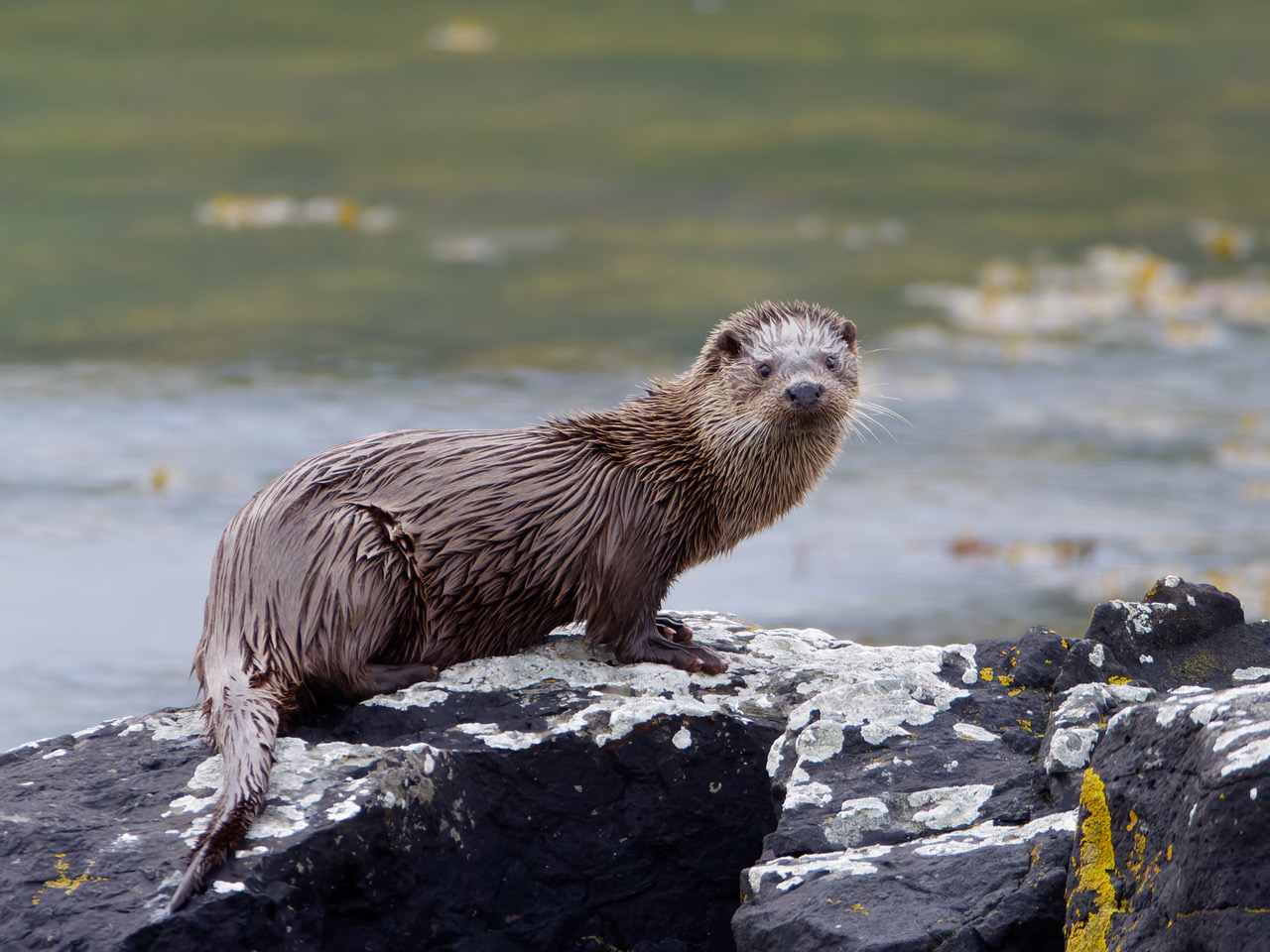
Well I for one just loved all these photographs from today and last Sunday. They were taken on the Isle of Mull.
A very special treat! And for those that either haven’t seen the first set of photographs or want to be reminded of what Alex said, here are his words again.
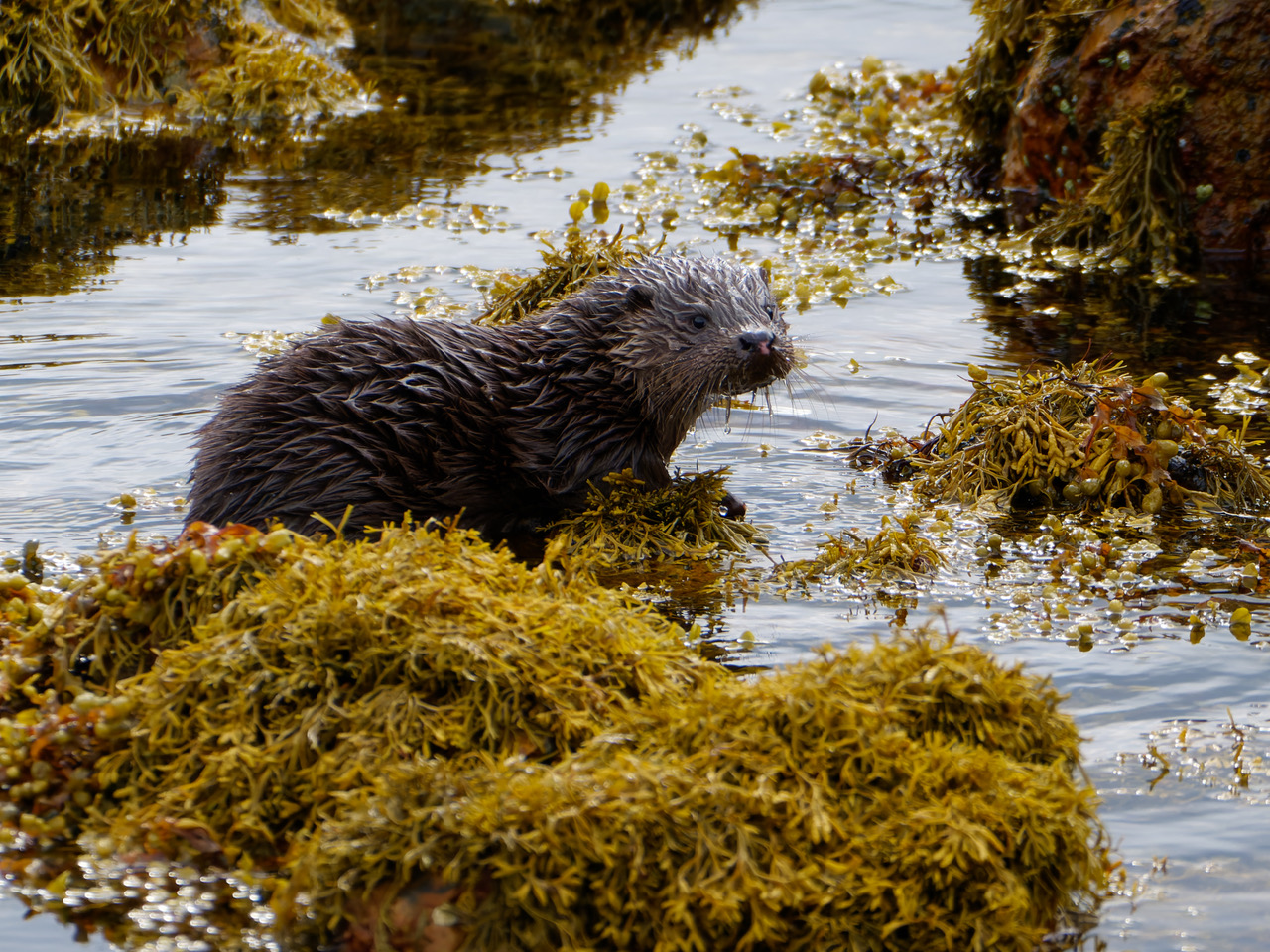
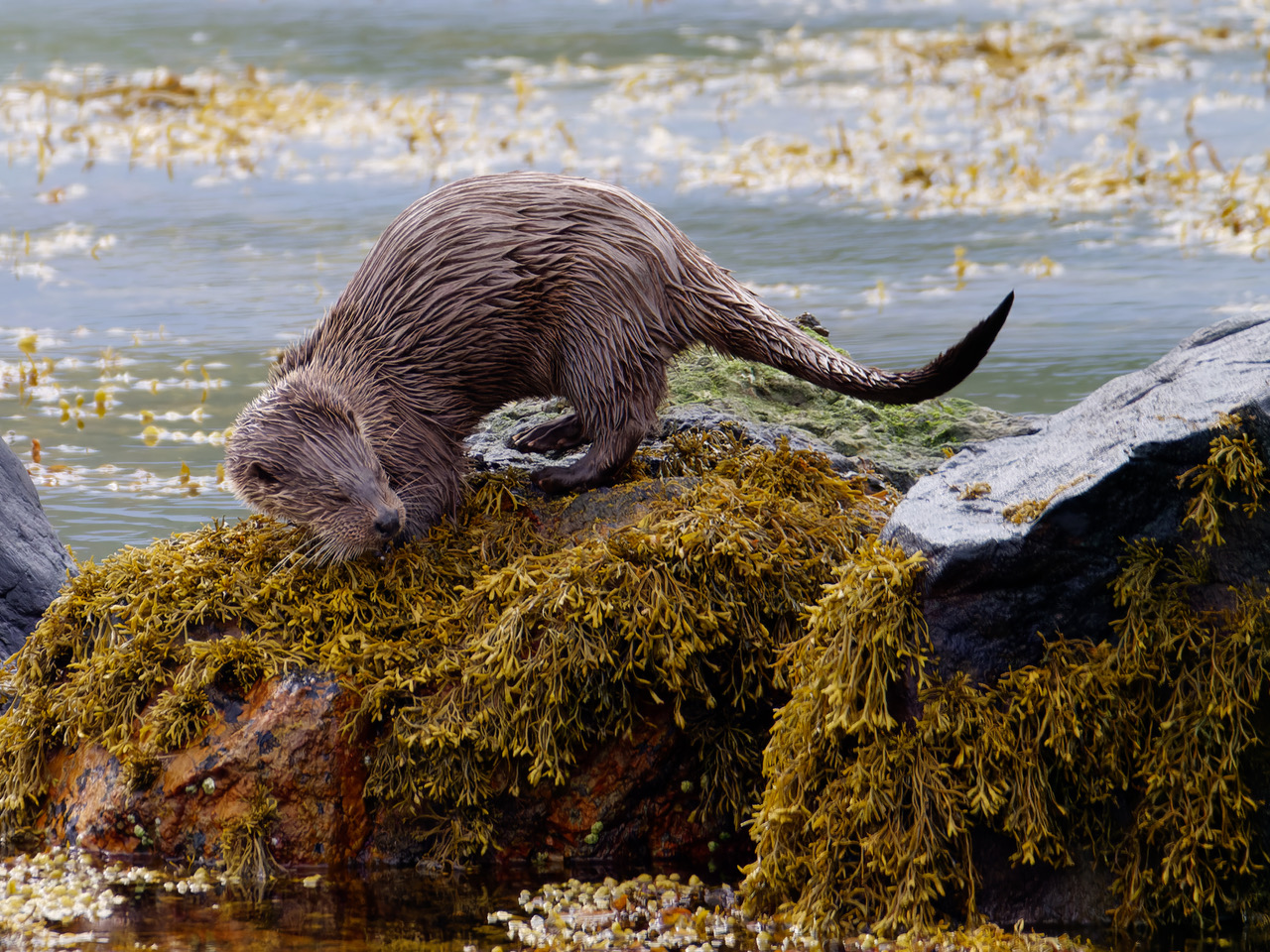
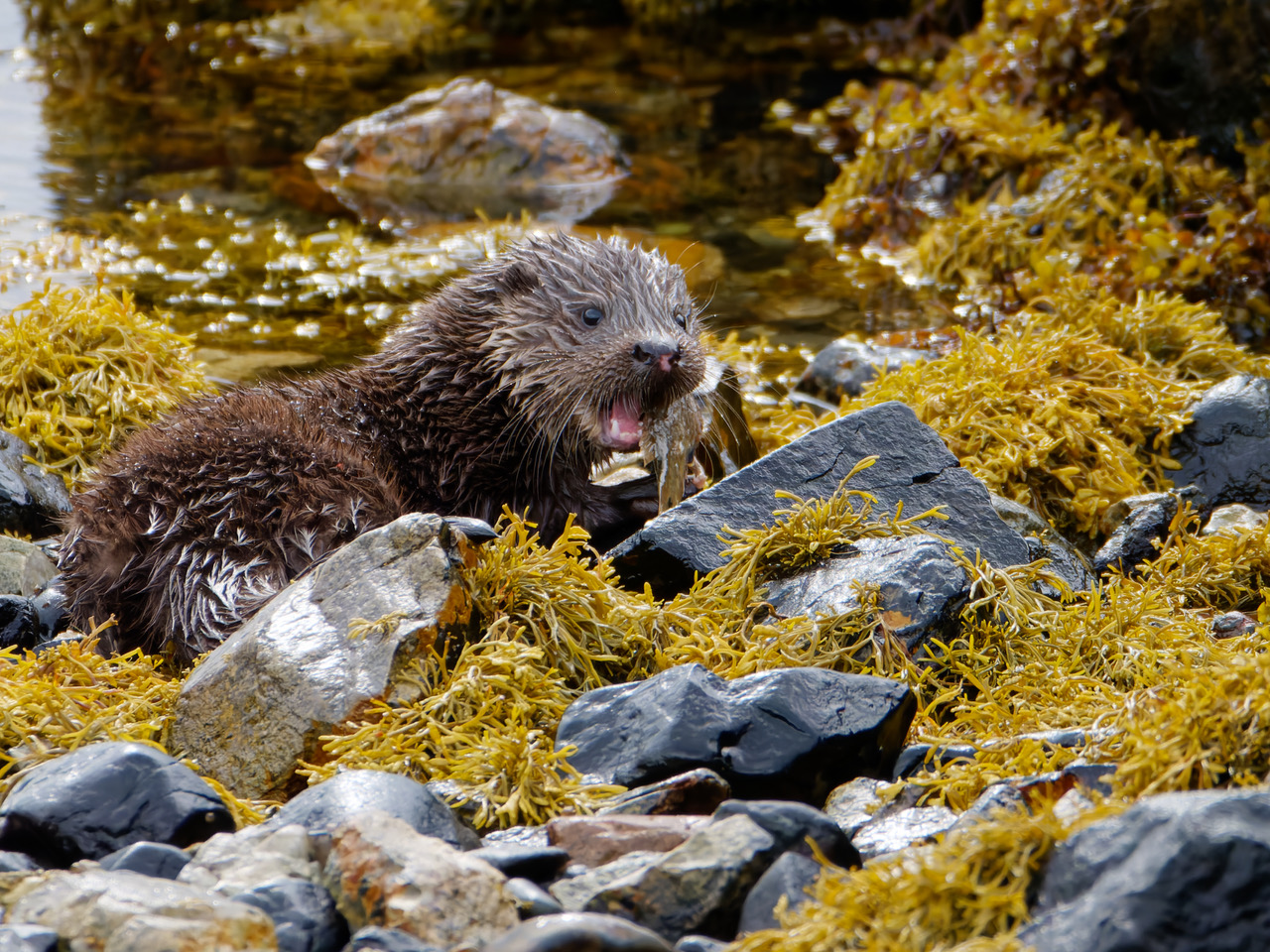
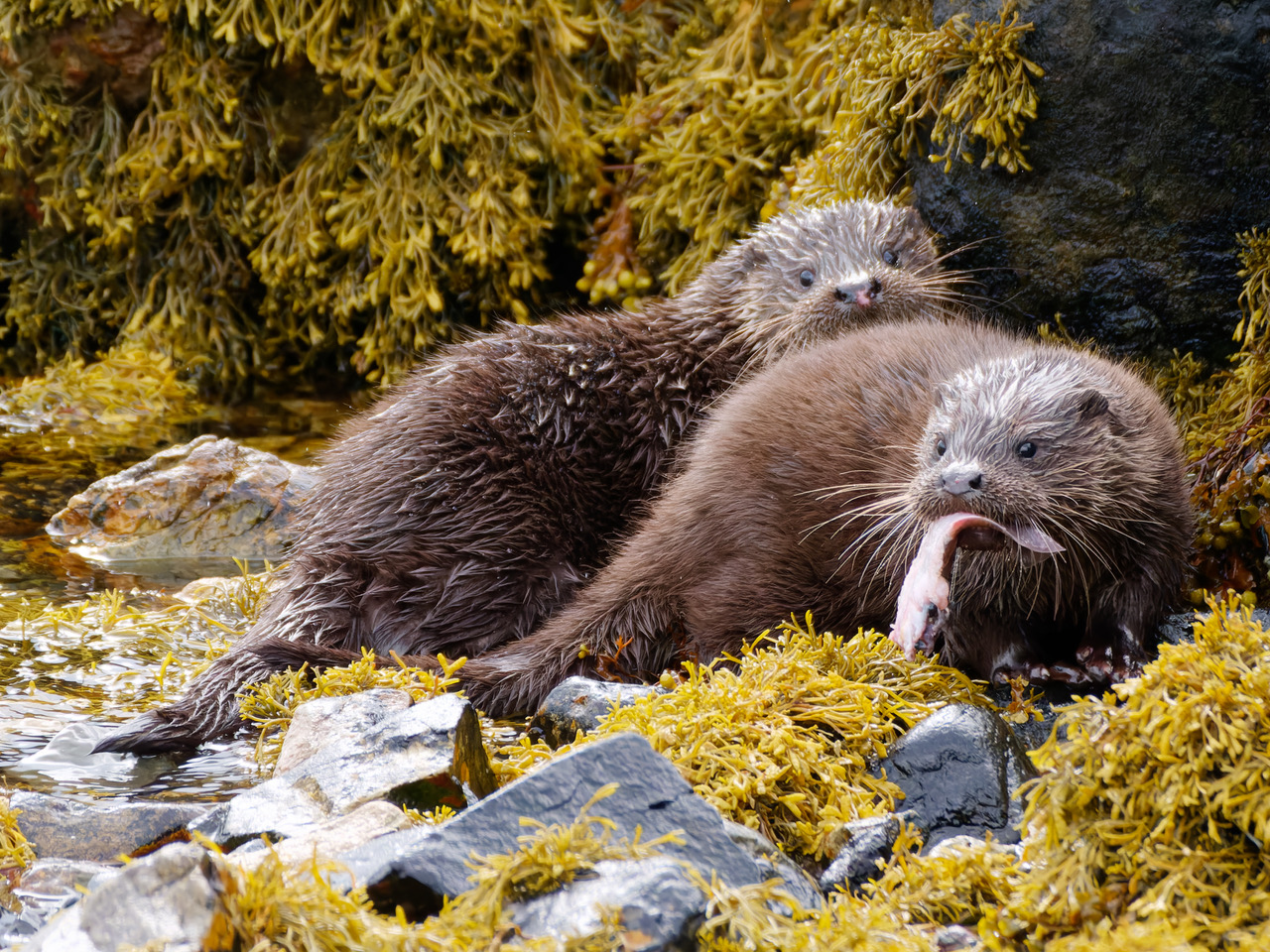
Was very lucky to spot this Otter Family whilst on a guiding trip with Brian Boyes and Lisa Williams on the Isle of Mull, the Mum fed the young pups three fish, we watched from the road and then later using Brian’s advice, quietly settled into the rocks and watched the Mum come right past us, a fantastic encounter and these are only a few of the photos I got.
Another very useful guest post from Penny Martin who is becoming a very regular contributor to this place. This time Penny writes about being on a budget, aren’t we all, but still keeping your dog safe and happy.
Six Ways to Make Your Home and Yard Dog-Friendly on a Budget
By Penny Martin.
Dogs add many wonderful things to their owners’ lives; however, owning a dog can be a drain on your bank account. According to statistics, the average American dog owner spends $1,480 per year on dog expenses. These tips can help you make your home and yard more dog-friendly without breaking the bank.
1. Add a Fence
Dogs need exercise, a place to go to the bathroom and a chance to sniff around and be a dog. However, if you don’t have a yard with a secure fence, it isn’t safe to allow your dog outside without a leash. Even a well-trained dog may run off to chase a squirrel, greet a strange dog or go exploring. This puts your dog at risk of being hit by a car, getting in a fight with another dog or animal or becoming lost. Adding a fence to your yard allows you to enjoy time with your pet off leash without risking your pet’s safety.
2. Add a Backyard Pool
Not every dog loves to swim, but many do. You can give your dog a place to cool off and have some fun without spending a lot of money by purchasing a wading pool or a small stock tank. If you think your dog would enjoy more than splashing around, search for a dog-friendly place in your area where you can inexpensively take your dog to swim. However, don’t just toss your pup into the deep end. Not all dogs are natural swimmers. Many facilities that have pools for dogs offer swimming lessons.
3. Create Shady Spots
Dogs love to run and play and on hot days they can easily overheat. Help your dogs stay cool by making sure they have plenty of shady spots to hang out. One inexpensive way to do this is to purchase a portable awning. You can set the awning up anywhere in your yard and put it away when you no longer need it. Trees are also a good source of shade, but it is important to keep your trees maintained.
4. Remove Dead Trees and Branches
Dead trees create a safety hazard and provide a home for pests. Have a professional local tree service remove any dead trees and branches in your yard before they cause an injury or accident. Do not try to remove the tree yourself. Professionals have the right gear, tools and safety training to remove the tree safely and without damaging your property. Read online reviews before you reach out to contractors. Get at least three estimates and make sure to ask whether stump grinding and disposal are included in the price.
5. Buy Trash Cans With Lids
Trash cans are smelly, full of tasty food and plenty of stuff to shred. It is no wonder that most dogs love to root through them. However, spoiled food, sharp objects or toxic materials can injure or sicken your dog. Avoid this problem by purchasing trash cans with lids that lock.
6. Remove Dangerous Plants
Many plants can be harmful to dogs who ingest them. Research the plants in your yard and remove any that could cause a problem.
Owning dogs is not a cheap endeavor. However, you can make your home safe and comfortable for them without spending all your savings by adding a fence and pool, creating shady spots, removing dead trees, purchasing garbage cans with lockable lids, and getting rid of poisonous plants.
ooOOoo
Here at home, because we live in a rural location, dead trees and branches are an ever-present problem. Luckily our dogs don’t seem to be drawn to them but the issue of pests is a different matter. We have thirteen acres of which half is forest and it is all too much for a contractor. Correction: It is all too expensive for us!
For the wider audience of readers this, I am sure, offers very good advice and is another great post from Penny.
A complete change of photos but I guarantee you will love these!
My son, Alex, and his partner, Lisa, recently returned from a vacation on the Isle of Mull. This is a Scottish island lying off the west coast of the mainland. (Home for Alex and Lisa is just outside Bristol in the south-west of England.) Between them they took many photographs.
For the next two Sundays I want to share the photos that Alex took of the otters, eight today and seven next Sunday.
Here is the introduction that Alex wrote on Facebook.
Was very lucky to spot this Otter Family whilst on a guiding trip with Brian Boyes and Lisa Williams on the Isle of Mull, the Mum fed the young pups three fish, we watched from the road and then later using Brian’s advice, quietly settled into the rocks and watched the Mum come right past us, a fantastic encounter and these are only a few of the photos I got.
oooo
oooo
oooo
oooo
oooo
oooo
oooo
These are absolutely gorgeous and that’s an understatement!
Over at The Dodo is an item that I want to share with you. And my apologies for keeping my own comments really short; it is a hectic couple of hours here.
ooOOoo
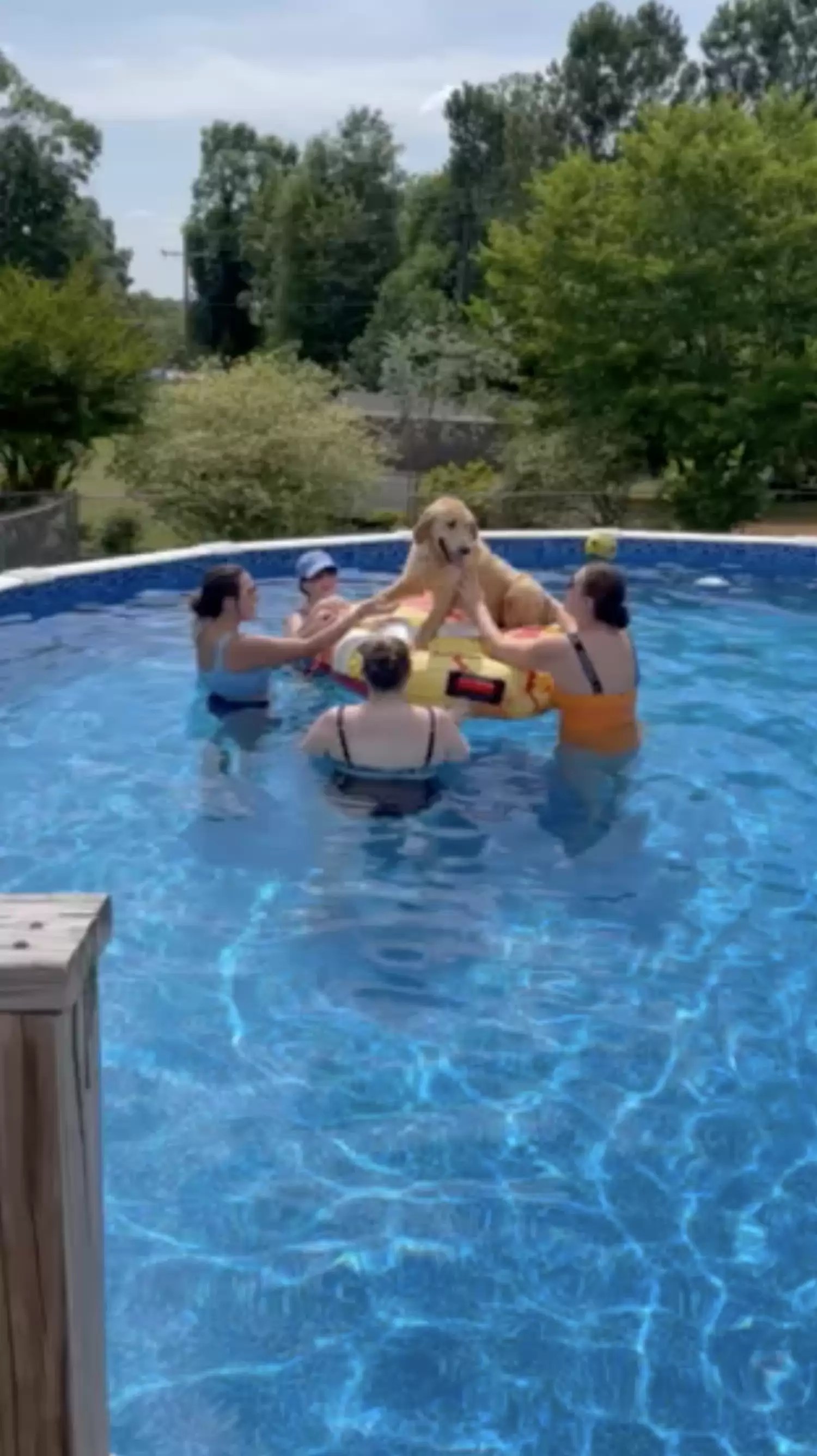
Random Dog Crashes Pool Party And Everyone Is Overjoyed
“He floated around the pool, got pets and kisses, went swimming and had a great time!”
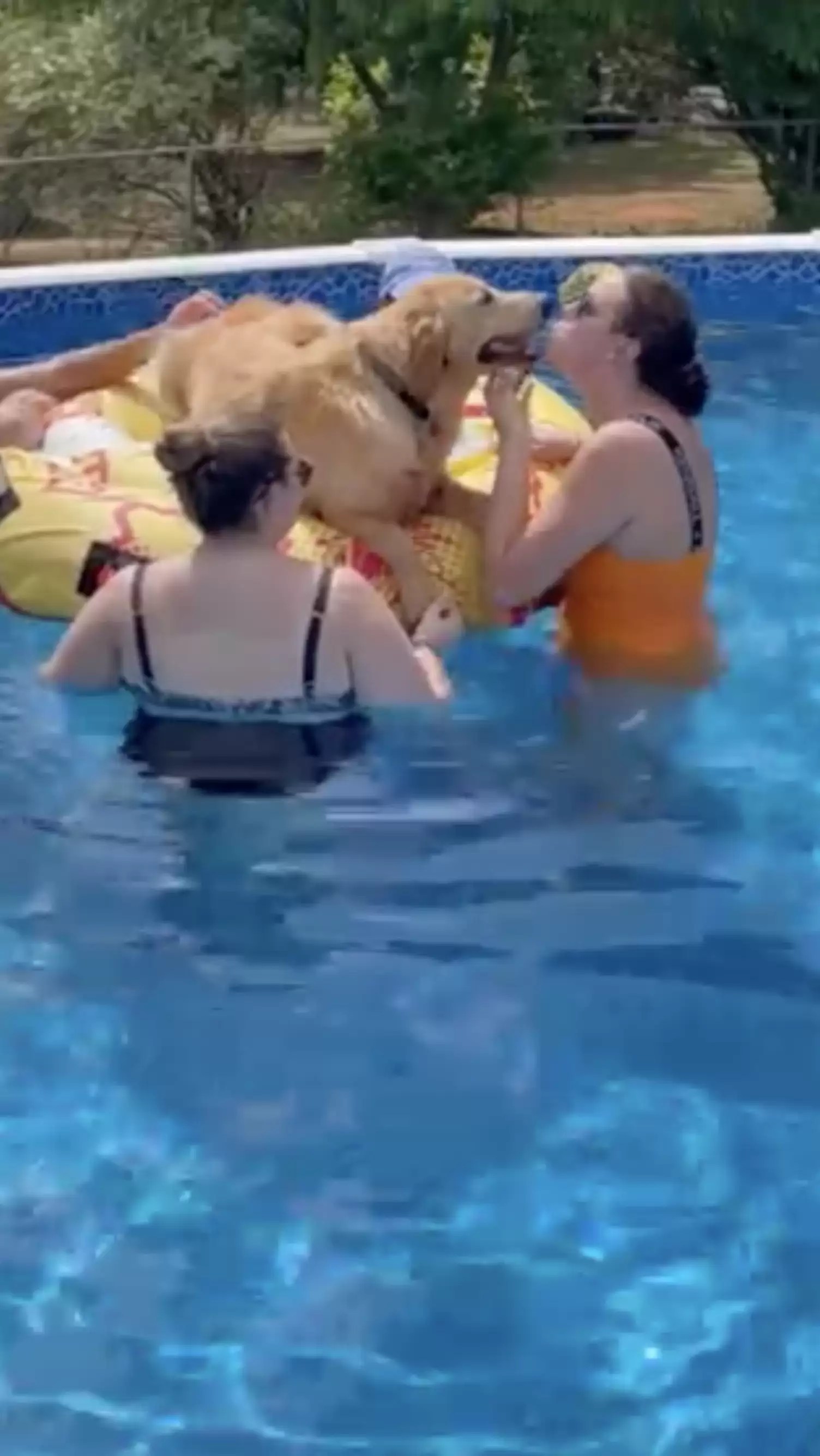
A bunch of friends were having a pool party when they noticed two dogs hanging around outside the fence on the edge of the yard. The dogs seemed like they wanted to come in, so a bunch of partygoers went over to investigate. One of the dogs had a tag, so they decided to let the dogs into the yard to hang out until they could track down their owners.
The dogs ran into the yard, and while one of them was a little shy, the other immediately decided he was joining the party.
“At that point, some of us were on the deck, some in the pool, and some out in the yard,” Jennifer Motes, one of the partygoers, told The Dodo. “The golden was down to party right away and immediately started running around, wagging its tail, going up to everyone and getting pets. The shepherd was much more timid, kinda stayed in the yard for a bit, but then when she saw her friend up on the deck with us, she eventually came up there too.”
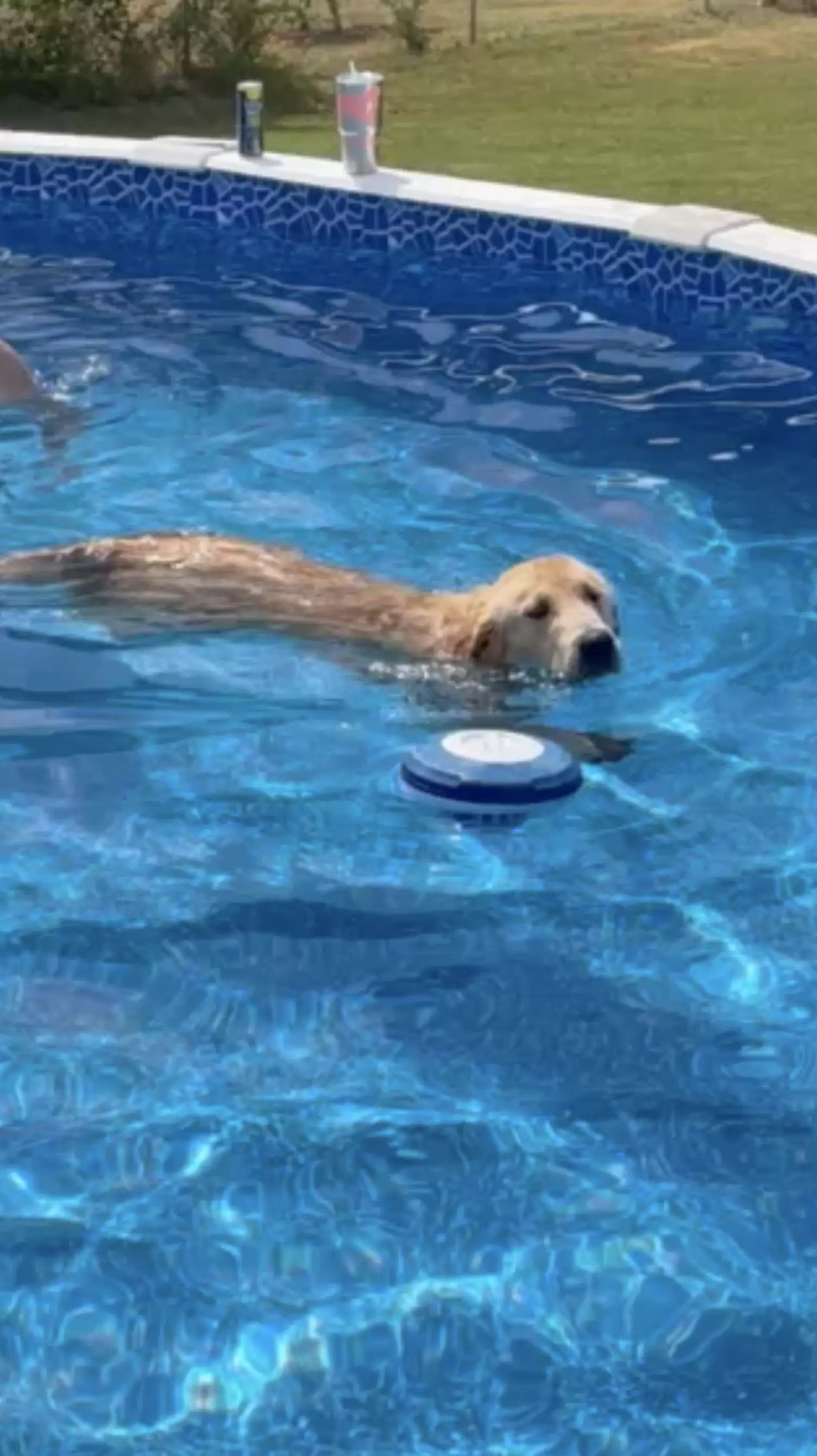
The golden retriever, who they later found out is named Stoker, clearly knew how to have a good time. He didn’t hesitate to join the fun and ran around playing fetch, begging for food, stealing shoes and eventually even hopping into the pool with everyone.
“Some of the people in the pool had slid the innertube raft over to the edge and Stoker climbed right on,” Motes said. “He floated around the pool, got pets and kisses, went swimming and had a great time! The shepherd never was brave enough to go in the pool, she just walked around and watched us, let some of us pet her and she chased after Stoker.”
As the dogs partied, someone was able to get in touch with Stoker’s dad, who said the other dog belonged to his neighbor and that she and Stoker were best friends who played together all the time. Apparently, the pair had run off together in search of a party, and they’d certainly succeeded in that endeavor.
The dogs were there for a few hours before they got picked up — and the party hosts made sure to emphasize that they’re absolutely welcome to come back anytime they want.
The only thing that can make a pool party even better is dogs, and Stoker and his best friend were more than happy to make that dream come true.
I am republishing an item from the American Kennel Club on the subject.
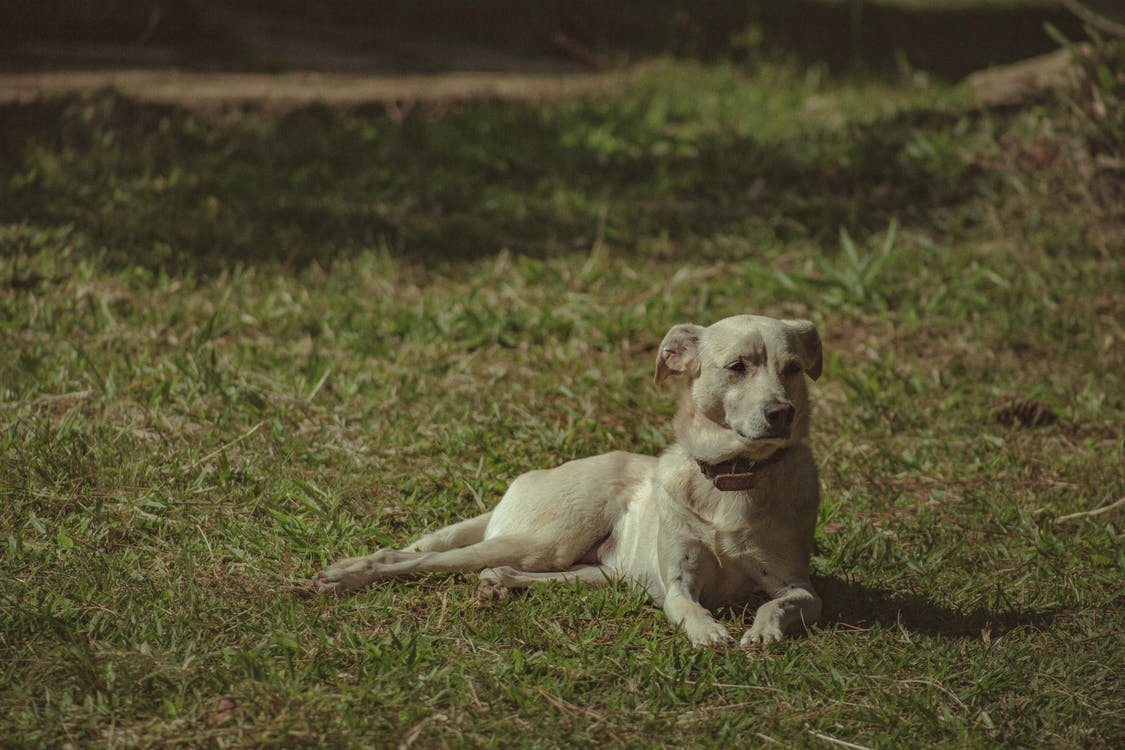
Oliver has a very special relationship with me. Plus Jean loves him just as much. That is not to say that he isn’t very friendly with other humans that he knows but there’s something that I have trouble putting into words when it comes to the bond between me and Oliver.
It is very, very special and truly magical.
I am reminded of this bond between Oliver and me because of a post that I want to republish.
Emotional support dogs (ESAs) are pets and not service dogs.
Mental health professionals prescribe emotional support animals under the law.
Airlines are no longer required to accommodate emotional support animals.
Every dog owner knows there are many benefits to having a dog, from getting themselves out for exercise to receiving loyal companionship. However, for some people with mental or emotional conditions, the presence of a dog is critical to their ability to function normally on a daily basis. The pet provides emotional support and comfort that helps them deal with challenges that might otherwise compromise their quality of life. These pets are known as emotional support animals (ESAs).
What Is an Emotional Support Dog?
Although all dogs offer an emotional connection with their owner, to legally be considered an emotional support dog, also called an emotional support animal (ESA), the pet needs to be prescribed by a licensed mental health professional to a person with a disabling mental illness. A therapist, psychologist, or psychiatrist must determine that the presence of the animal is needed for the mental health of the patient. For example, owning a pet might ease a person’s anxiety or give them a focus in life. The dogs can be of any age and any breed.
Emotional Support Dog vs. Service Dogs
ESAs provide support through companionship and can help ease anxiety, depression, and certain phobias. However, they are not service dogs, and ESA users do not receive the same accommodations as service dog users.
A service dog, such as a guide dog or psychiatric service dog, is generally allowed anywhere the public is allowed; ESAs are not. For example, ESAs generally cannot accompany their owners into restaurants or shopping malls.
The Americans With Disabilities Act (ADA) defines service animals as “dogs that are individually trained to do work or perform tasks for people with disabilities.” The act clearly states that animals that simply provide emotional comfort do not qualify as service animals. Some state and local laws have a broader definition, so be sure to check with local government agencies to learn if ESAs qualify for public access in your area.
The key difference between a service dog and an emotional support dog is whether the animal has been trained to perform a specific task or job directly related to the person’s disability. For example, service dogs are trained to alert a hearing-impaired person to an alarm or guide a visually impaired person around an obstacle or provide pressure on someone with PTSD who is suffering from a panic attack.
Behaviors such as cuddling on cue, although comforting, do not qualify. The tasks need to be specifically trained to mitigate a particular disability, not something instinctive the dog would do anyway.
Emotional Support Dogs Are Not Psychiatric Service Dogs
There are service dogs, known as psychiatric service dogs that require extensive training to work specifically with people whose disability is due to mental illness. These dogs detect the beginning of psychiatric episodes and help ease their effects. Although this sounds similar to the role of an ESA, the difference between a psychiatric service dog and an ESA is again in the tasks performed by the dog and the training received to perform these tasks.
Psychiatric service dogs (recognized by the ADA as service dogs) have been trained to do certain jobs that help the handler cope with a mental illness. For example, the dog might remind a person to take prescribed medications, keep a disoriented person in a dissociative episode from wandering into a hazardous situation such as traffic or perform room searches for a person with post-traumatic stress disorder. If it is simply the dog’s presence that helps the person cope, then the dog does not qualify as a psychiatric service dog.
Housing Accommodations for Individuals Who Use Emotional Support Dogs
Individuals who use ESAs are provided certain accommodations under federal law in the areas of housing and air travel. The Fair Housing Act includes ESAs in its definition of assistance animals. Under the act, people cannot be discriminated against due to a disability when obtaining housing. Rules such as pet bans or restrictions are waived for people who have a prescription for an ESA, and they cannot be charged a pet deposit for having their ESA live with them.
Are Emotional Support Dogs Allowed on Flights?
In December 2020, the United States Department of Transportation (DOT) announced final revisions to its Air Carrier Access Act (ACAA). The final rule, effective in January 2021, defines a service animal as a dog, regardless of breed or type, that is individually trained to do work or perform tasks for the benefit of a qualified individual with a disability, including a physical, sensory, psychiatric, intellectual, or other mental disability. This change in the DOT’s definition of “service animal” aligns closely with the definition that the Department of Justice uses under the federal Americans with Disabilities Act.
The changes also clarify that emotional support animals (ESAs), comfort animals, companionship animals, animals being trained to be service animals, and species other than dogs are not considered to be “service animals” under the new DOT definition. Instead, airlines may recognize and accommodate emotional support animals as pets. For most airlines, the new no-fly policy for ESAs started on January 11. Some airlines now require passengers with service dogs to complete a DOT-authorized form prior to travel that confirms their training, health, and certification.
In the past, the AKC has expressed concern for safety with the previous recognition of ESAs as service animals, including the growing number of people misrepresenting their pets as service animals.
Emotional support dogs can perform an important role in the life of a person with mental or emotional conditions. When people who do not have a disability abuse the system by misrepresenting a pet as an ESA to obtain special accommodation, they undermine important accommodations for individuals with a legitimate need for this assistance.
ooOOoo
This is a valuable article in my opinion and, I am sure, in the opinion of many others. It clarifies the legal position of dogs that are not, however loving the animal is to you, legally-defined as service dogs.
It may seem trivial for those not in the category of requiring a dog that is a service dog but I am certain that for those who definitely do require such an animal this clarification was necessary.
Meantime I will stick with our Oliver, our Brandy, our Sheena, our Cleo, and our Pedi.








 Learning from Dogs