A cap cloud at sunrise over Mount Rainier, spotted from Seattle, Washington, US, by Elaine Thompson (Member 41974).
“Though outwardly a gloomy shroud,
The inner half of every cloud
Is bright and shining:
I therefore turn my clouds about,
And always wear them inside out
To show the lining.”
[From ‘The Wisdom of Folly’ by Ellen Thorneycroft Fowler in Verses, Wise or Otherwise (1895)]
Then to the amazing!
It’s hard to comprehend the sheer size of objects in space, but take 2 minutes and give it a try!
This video is from the European Southern Observatory (ESO) comparing the sizes of Earth, our sun and stars.
Or, more specifically, what Diego meant for Laura Bruzzese. (This will be the second in the series We Shall Not Forget Them.)
ooOOoo
Dog Love In August
August is the start of the dying season. Garden things begin their slow shrink into the earth, the days grow shorter and cooler, lazy ocean- or mint-scented summer days snap into rigid schedules of work and school.
August is also the month that I lost Diego, my first dog. You can get acquainted with Diego here, a post I wrote a few days before he died. But I would like to share a little more now, on the second anniversary of his departure.
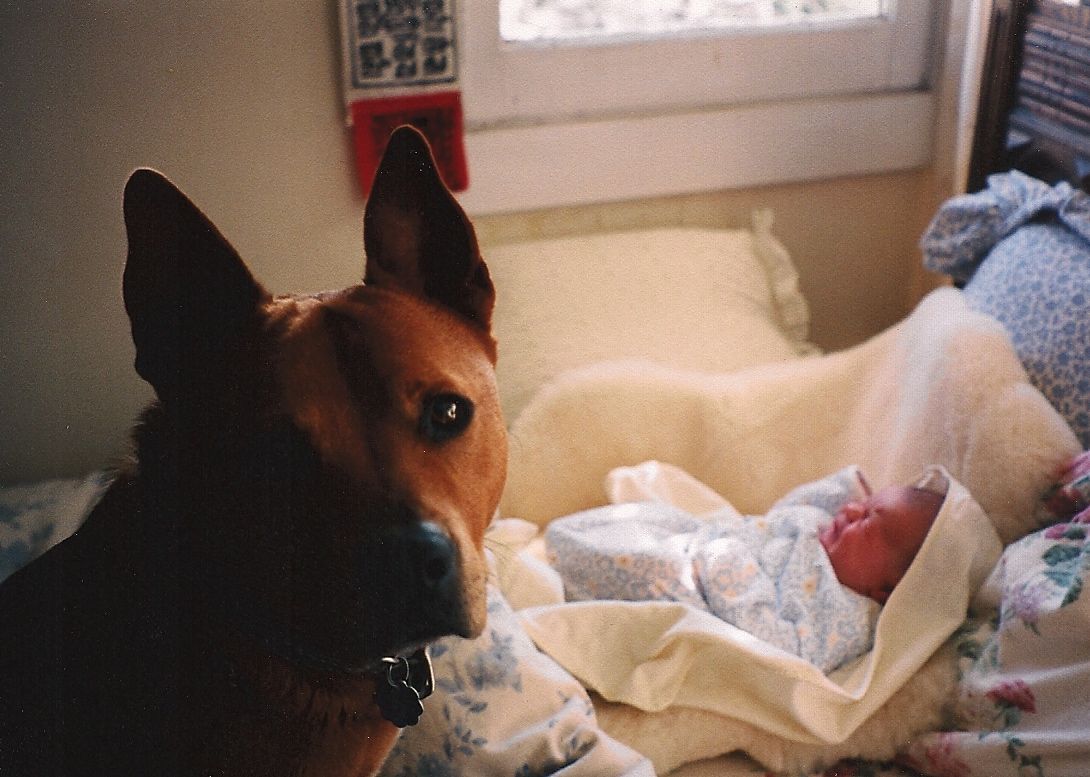
Diego was a poser, in a very literal sense of the word. He loved having his picture taken; in fact, he insisted on it whenever he saw me holding the camera. This picture, for example: it was taken the day I brought my daughter home from the hospital, the day after 21 hours of hard labor produced an eight-and-a-half-pound baby who actually stopped halfway out of my body, looked around, and scowled before resuming her reluctant journey onto the planet. (She was 12, twelve days overdue, FYI all you mothers out there who can surely feel my pain.)
There is something screaming in the bed. Please make it stop before it explodes.
I laid baby Isabella down, stepped back with the camera, looked up, and there he was: Diego, staring. Fifty-eight pounds of solid, unmoving dog. Insisting that I photograph him, too, with this creature that he wasn’t sure if he should guard against or lick. This child who personified the singular emotion of furious for the first nine weeks of her life (if she was not sleeping or eating, she was screaming).
Oh, hi Aunt Rosie. I know you’ve passed on, but I’ll bet you can still hear that screaming baby wherever you are.
When my doula told me that the colic or distemper or petite innards or whatever it was making Isabella so unhappy would resolve itself in about nine weeks, I said oh, that’s nice. But I won’t be alive for nine weeks of this. I’ll be in an asylum acquainting myself with a selection of opiates, or at the bottom of the mighty Rio Grande; so behold, an orphan.
But somehow, I survived. And Diego was part of it.
You see, from the very beginning, it was just us — the two of us, the three of us. I was abandoned by my husband before Isabella was born, a painful time that I don’t often write about.
Within a matter of weeks, the married-and-expecting life I’d known was gone, and I was left to fumble around with the pieces, a wreckage sitting on a pile of broken glass in the dark. The small hours of it were the worst, waking up alone and panicked in the middle of the night wondering how (or if) I would live through the next weeks and years. And Diego was always there, a silent and comforting presence curled at the foot of the bed or coming up to lick my tears if I was crying, which was basically all the time. He was always there.
I have a teenager now and those days seem ancient. While I rebuilt my life, Isabella grew up and Diego grew old. And finally, in his sixteenth year, he began to deteriorate to the point of pain. I knew he wouldn’t be with me much longer and I had already called the vet to ask her how it worked — when do you know it’s time? Do I take him to the office, or do you come to the house? Will he feel anything? I planned to schedule an appointment soon; I hadn’t had to make this decision before and it was a very painful.
On the morning of August 9 before I left for work, I told Diego that we would have to say good-bye soon because his body wasn’t working right anymore. I told him that I loved him and it was okay for him to go. Over and over I told him I loved him.
Less than two hours later, he drowned in the pond.
I think it was his way of avoiding the vet (he hated the clinic), and maybe sparing me that particular pain. I’m not going to say that I wasn’t devastated. But rather than remembering the urgent phone call at work from Isabella, or the vision of him when I got home, or my step-father struggling to carry the terrible weight of him away, I like to imagine Diego simply being received by the fish and toads. Delivered from his pain by warm water, wrapped in a blanket of lilies.
Anyone who has cared for pets perhaps knows that there is one, a special one, who will always occupy the largest piece of real estate in your heart, though others may follow. That was Diego for me.
But now we’re lucky enough to share our lives with another dog, the rascally, neurotic, road trip-loving Velma. I’ll end this post with a short video of her that reminds me of exactly what I love about dogs: their absolute and abundant connection with life, free of judgement, agenda, or desire to be anything other than what they are. That’s what I think of every time I see Velma in her Writhe of Exquisite Happiness. Perfect contentment of being.
ooOOoo
Laura wrote and published this back in August, 2012. But her words, emotions and feelings are those that never age. Indeed, I would add her courageous words.
It’s not just the rescuing of people that matters.
Last Thursday, the 26th January, the BBC News website published a short video under the heading of: Italian avalanche survivors tell how they stayed alive.
A couple among the nine survivors of an Italian avalanche that devastated a mountain hotel say they survived nearly 58 hours buried beneath feet of snow by sucking on glass- and mud-filled ice, comforting each other and those nearby, and praying.
Now there’s no way I am belittling that survival; far from it. But 58 hours is a tad under 3 days.
After an avalanche buried central Italy’s luxury Hotel Rigopiano and its guests Wednesday, Jan. 18, rescue workers spent days digging in the snow in a desperate attempt to locate any survivors.
About 120,000 tons of snow, 16 feet deep, slammed into the hotel at 60 miles per hour. It took a while for emergency operators to believe the avalanche had occurred. The first man who called to report it was told that everything was fine at the hotel.
When they finally realized a disaster had in fact happened, first responders had to ski to the hotel, which took 12 hours. It took another day until the roads could be cleared with snowplows so emergency vehicles could finally get through.
Despite these circumstances, 11 survivors, including three children, were somehow able to keep themselves alive for over 40 hours by using their cellphones as flashlights to find water. The children, trapped in a game room, ate packets of Nutella and drank bottled water.
By Monday, rescuers were only pulling bodies from the snow and rubble. Discouraged and depressed, they were ready to give up hope.
The rescuers were told there were three puppies at the hotel. They had no idea where they were until they heard a noise in a boiler room inside what remained of the building. It was the three fluffy, white Abruzzo sheepdog puppies, only six weeks old, who had miraculously managed to survive both the avalanche and being stranded for five days.
“They just started barking very softly,” said Sonia Marini, one of the rescuers. “In fact, it was hard to find them right away because they were hidden. Then we heard this very tiny bark and we saw them from a little hole the firefighters had opened in the wall. We expanded the hole and we pulled them out.”
The puppies, born Dec. 4, had survived in an air pocket by eating snow, Walter Milan, the spokesman for Italy’s elite Alpine rescue squad, told the Daily Beast. They are the offspring of Nuvola (Cloud) and Lupo (Wolf), who lived at the hotel and were popular with guests.
Like their lucky litter, Nuvola and Lupo also survived the avalanche, according to a Facebook post by Martina Rossi, who was a bartender at the hotel.
Lupo e Nuvola, i pastori abruzzesi nati e cresciuti all’Hotel Rigopiano, non so come, sono riusciti a raggiungere la mia contrada, una frazione di Farindola (Villa Cupoli) sani e salvi. Questo non può di certo colmare il vuoto e la distruzione che attraversa un paese in ginocchio ancora speranzoso, nell’attesa soltanto di notizie positive, me in prima persona. Ma questi due bellissimi cagnoloni, rivedendoli, di certo sono riusciti a farmi tornare a battere il cuore, almeno per qualche secondo, riportando la speranza.
The three puppies raised the hopes and spirits of the rescuers. “If the puppies survived, humans could as well,” Milan told the Daily Beast. Firefighter Fabio Jerman agreed. “It’s an important sign of life, which gives us hope,” he said.
Sadly, no one else has been found alive. A week after the disaster, 24 bodies have been found and five people are still missing.
In addition to unusually heavy snowfall, the avalanche may have been caused by a series of earthquakes that struck the area the day before.
Last year, devastating quakes killed more than 300 people in Italy. Another fortunate four-legged survivor, a border collie pulled from the rubble two days after an earthquake struck in late October, is being trained to pay it forward as a rescue dog.
For both humans and, in consequence, for those dogs close to us.
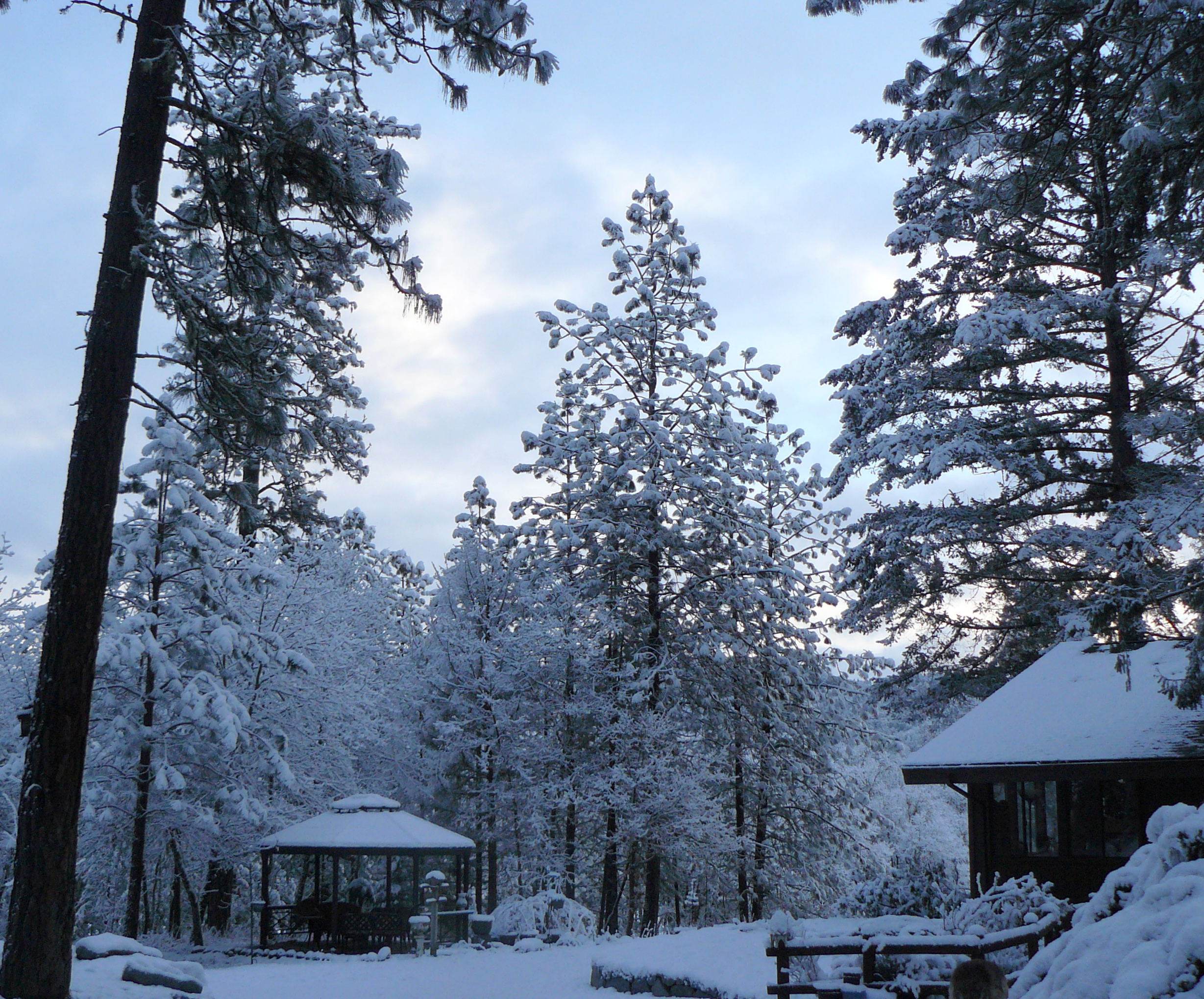
Effectively, the whole of the New Year has been a tad challenging here in Merlin, OR. For even before the snows arrived early on in January, leading to power outages and frozen pipes, the local weather service was warning of unusually severe storms. Indeed, more than once we have heard locals speaking of this looking like a one-hundred-year-storm.
So it was inevitable that there were some anxious periods. Plus the challenging weather may not be not fully behind us. For this is the current (Sunday 18:00 PST) weather warning:
HYDROLOGIC OUTLOOK
NATIONAL WEATHER SERVICE MEDFORD, OR
134 PM PST SUN JAN 15 2017
…Flood Potential Outlook for main stem river flooding, snow melt flooding, and quick rises on rivers and streams in the following counties…in California…Siskiyou…and in Oregon…Coos… Curry…Douglas…Jackson…Josephine…
A strong atmospheric river event is expected to arrive in Southern Oregon and Northern California by Wednesday. While models have trended towards a faster progression of the front, and therefore lesser rainfall amounts, this event may still produce high snow levels, periods of heavy rain, and significant melting of lower level snow-pack Wednesday and into Thursday. With the extensive snow-pack, saturated soils and high river levels, there is a potential for flooding and rapid rises along main stem rivers and small creeks and streams. Urban areas may also experience high water from blocked culverts and runoff.
Continue to monitor forecasts for any updates as this potentially hazardous situation develops.
Anyone who has a dog (or several) in their lives will know how our anxiety is so quickly picked up by our dogs. Ergo, looking after our dogs, as in keeping them relaxed, is really important.
Now read this article that was published over on the Care2 site. I am republishing here for all you good people.
Does your dog suffer from anxiety? A lot of rescued dogs do, and often we don’t know the exact cause for their nervousness. Abuse, neglect or even a single bad experience before you adopted your dog could cause mild to debilitating anxiety. These natural remedies for dog anxiety have worked wonders for my very anxious dog.
We adopted my dog, Jenna, two years ago. Jenna was three years old when we rescued her, and her story still breaks my heart. Lifeline Animal Project rescued Jenna from an animal hoarder when she was six months old. For those first six months, she lived in a crate 24/7. They didn’t even take her out to pee and poop, they just changed the newspaper or laid new paper down. Jenna lived in Lifeline’s no-kill shelter for two and a half years before she was socialized enough to be adoptable.
Even after those years of care, Jenna was still incredibly fearful when we got her home. For the first 36 hours that we had her, she didn’t pee or poop at all. She basically sat on her bed, shaking. By the end of second day we could get her to eat and use the bathroom, but it took weeks for her to finally trust us.
We’ve had Jenna for two years now, and she is a completely different dog. She is still wary of strangers and has her nervous moments, but she loves to run and play. She’s even warmed up to family and friends who visit us often. Jenna is always going to have a high base level of anxiety, but thanks to the natural remedies I’m going to get into below, she also can relax and behave like a normal dog the vast majority of the time.
Look at this mellow, happy gal!
Natural Remedies for Dog Anxiety
Every dog’s situation is different, so what worked for Jenna may not work for your dog. If one of these natural remedies isn’t doing it for your nervous dog, try another one! This is a laundry list of everything that’s worked and one thing that didn’t work for us but does for too many other dog owners to leave out of the list. Pick and choose natural remedies as you find out what helps with your dog’s anxiety.
1. Obedience Training
I can’t recommend a good trainer enough. Training gives your anxious dog confidence, and a good trainer can help you with commands that are especially important. I’ve been taking Jenna to training on and off the entire time that we’ve had her, and it has been a miracle for us. It took a few months for us to start seeing results, so don’t expect a quick fix from this. The long-term benefits for you and your dog are well worth it.
2. Exercise
Getting exercise with your dog is a bonding experience, and it also helps her work off some of that nervous energy. Jenna and I run 9-15 miles a week together, when I can swing it, and she loves to run more than anything else. We had to stop running towards the end of my pregnancy, and on that first run back, she had a huge puppy grin on the whole time we were out.
Running is just one way to get your dog exercise. You can go for walks, play catch, or play training games like “touch.” Whatever you choose to do, talk to your vet first. Some breeds of dog are great runners, but others (like pugs) can overheat easily and need lower-key exercise.
3. Essential Oils
One fear that Jenna is definitely not over is thunderstorms. She shuts down during storms, which can be rough during spring and summer when it storms frequently here in Atlanta. Essential oils combined with Rescue Remedy (more on that below) have helped her out a lot. Choose a calming scent like lavender, and just put a couple of drops onto the dog’s collar. Putting it on the collar is key, because then your dog can smell the soothing oil but can’t eat it.
4. Rescue Remedy
Rescue Remedy is a blend of flower extracts, and they make blends for pets and for humans. We use the liquid for pets and feed it to her in a lump of peanut butter. (**** See my Footnote below) It calms her down considerably. Though, to be honest, I do wonder if getting her favorite treat (peanut butter) has something to do with it. You can find Rescue Remedy at natural food stores or online.
5. Focus Toys
Redirecting your dog’s attention when she’s feeling anxious can be a big help. You can try using commands that you learned in training class, or you can give your dog a focus toy. There are all varieties of these. You can go with a rawhide bone or one of those puzzle toys that dispenses treats when the dog gets it right. Jenna’s favorite toy is a Nylabone. She’s a 50 pound lab mix, so she tears through a rawhide in minutes. She’s had the same Nylabone for months, and it’s still pretty much intact.
6. Watching Your Tone
When your dog is scared, how do you react? Do you say, “It’s OK, sweetie!” in a higher-pitched voice than usual? This is a normal reaction, but it’s actually not the best one when your dog is scared. If your dog sees you as the alpha in the pack, she’s going to take her cues from you, and that kind of attention rewards your dog’s fear, reinforcing it.
Next time your dog is scared, try to react as if everything is normal. You can put a hand on her back, so she knows that you’re there, but try not to make a big deal out of the situation. Don’t say “It’s OK.” Instead, show her that everything is OK with your body language.
7. Crate Training
We were lucky that Jenna was crate trained when we adopted her. For an anxious dog, the crate can be a “safe place” they can retreat to. When there’s a thunderstorm or our neighbors decide to shoot off fireworks, Jenna often curls up in her crate. Dogs like a small, cozy space. If you’re not into crate training, I’d suggest setting up a dog bed in a quiet corner or even under an end table, so your dog has a cozy place that’s hers where she can go when she is scared.
8. The Thunder Shirt
This is the one natural remedy on this list that has not worked for us at all. Jenna is more afraid of the Thunder Shirt than she is of thunder! We are definitely outliers here, though. Every dog owner I know that has an anxious dog recommends the Thunder Shirt to me when I mention Jenna’s fear of storms. This is a great example of how different natural remedies work for some dogs and not others. The Thunder Shirt is definitely worth a shot! If it doesn’t work for you, you can pass it on to a fellow dog owner or donate it to your local shelter.
ooOOoo
Footnote!
Regarding feeding dogs peanut butter, do not, repeat not, do this until you are sure that the brand of peanut butter you are considering is free of the ingredient xylitol.
I wrote of the dangers of xylitol in a post last December 8th. It is being republished in an hour’s time just to make sure the widest number of readers of this place are aware of the danger.
Anyway, this seemed like a very useful article. Plus there’s another benefit of having one’s loved dogs in a relaxed state. It helps the people around those dogs remain relaxed as well!
Brandy and Jean enjoying mutual relaxation!
Chill out everyone! Both the two-legged and the four-legged ones!
During the heavy rains this last week we had an oak tree come down in front of the house. Luckily not doing any collateral damage.
But cutting it up into rounds and then splitting them ready for the wood tent took up most of yesterday (and Michael and Stanley many thanks for your help).
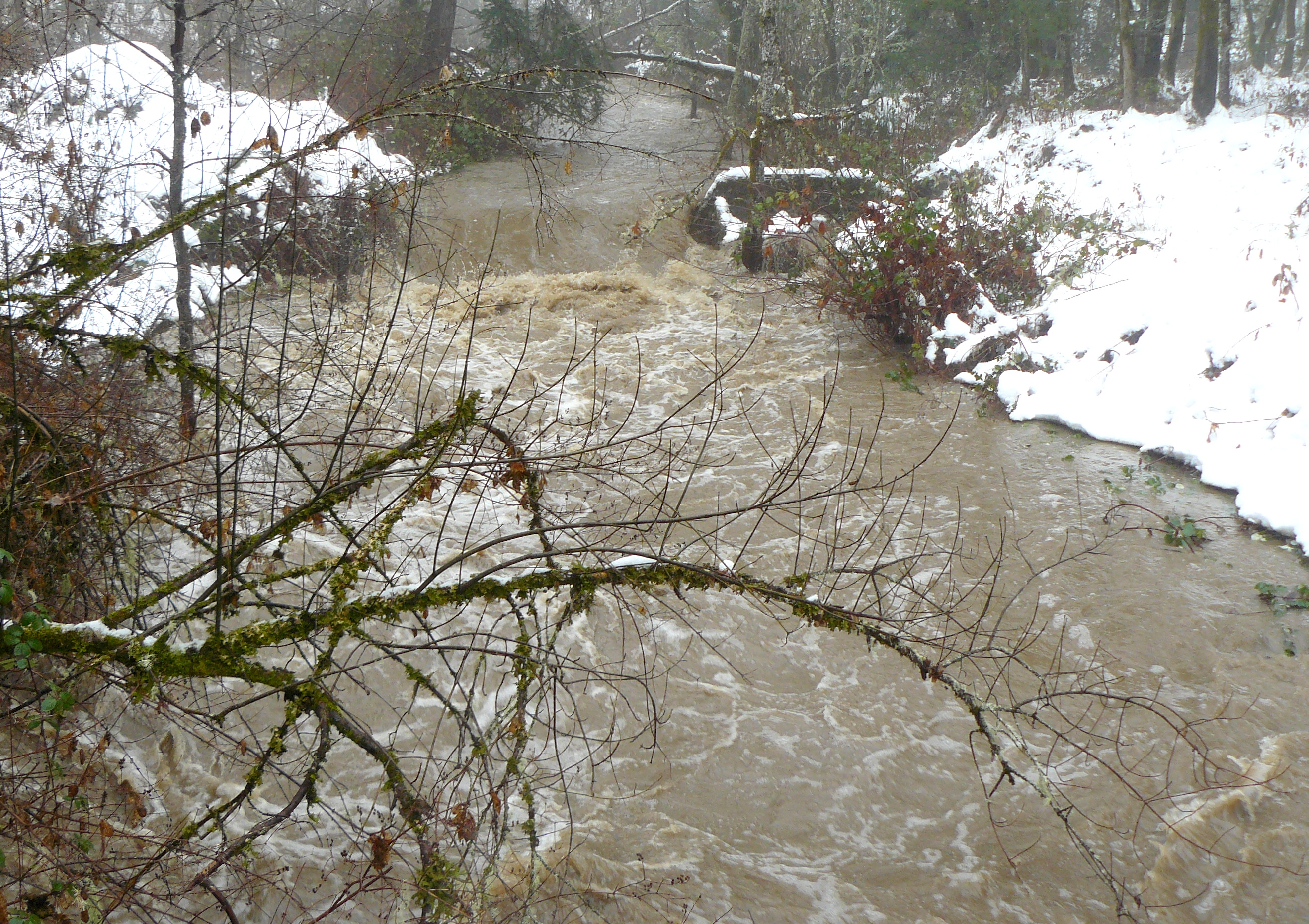
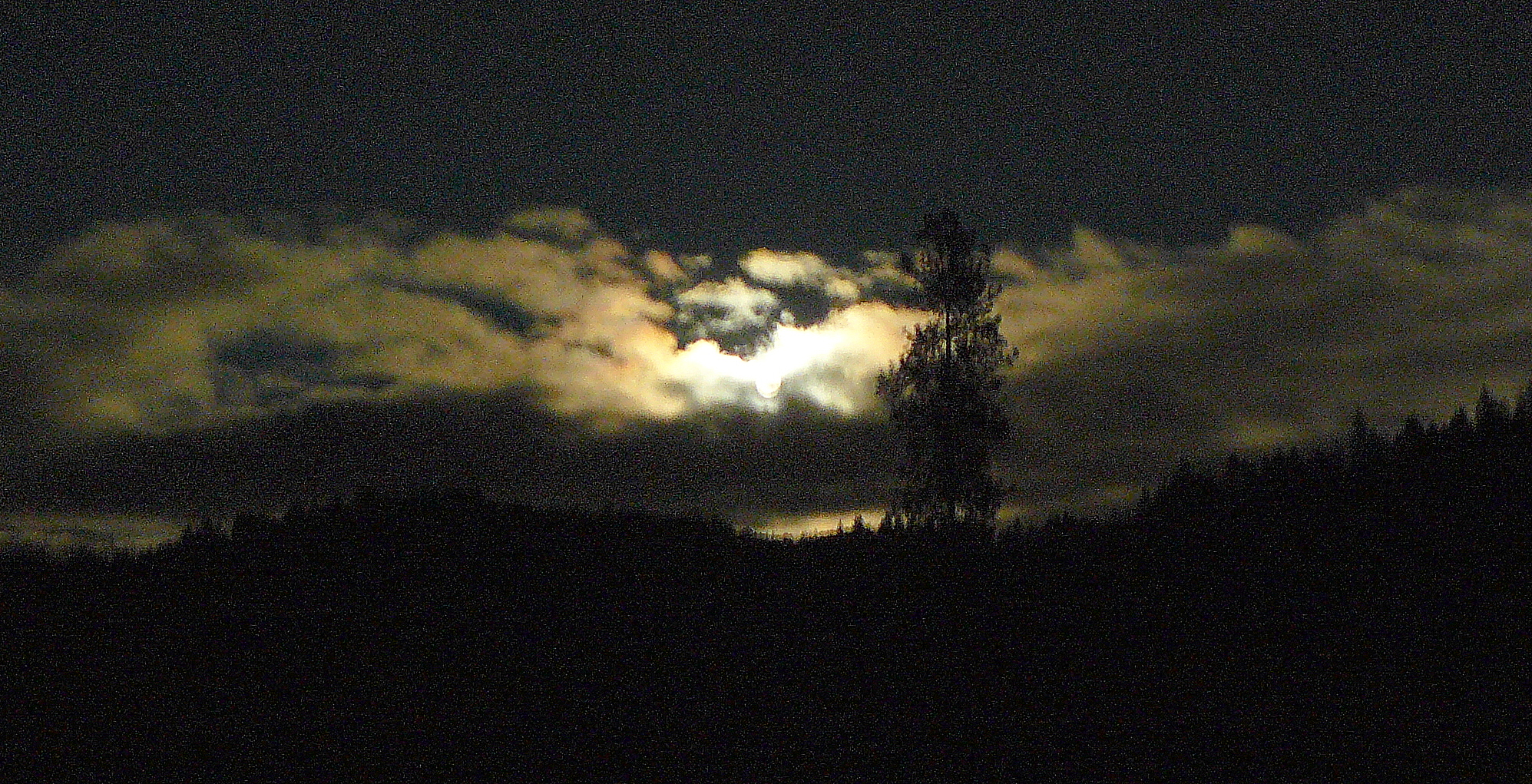
For today’s post I wanted to share two photographs with you. Two very different views of the world as seen from our property.
The first photograph above is of Bummer Creek that runs through our property. The view is upstream and the picture was taken last Sunday from our driveway bridge that crosses the creek. The flood waters were as high as we have ever seen them.
Please accept the slight fuzziness of the second photograph. But it is a shot of the full moon just as it appeared above the line of hills to the North-East. I dashed out to our deck and took the shot. Moments later the moon had been hidden by clouds. This was Thursday evening.
The picture doesn’t even get close to recording the magic of the dark night sky, stars shining so brightly, and the glorious full moon. Apparently a moon in orbit closer to planet Earth than is usual.
Nonetheless, the two photographs represent two very different and contrasting faces of our natural world.
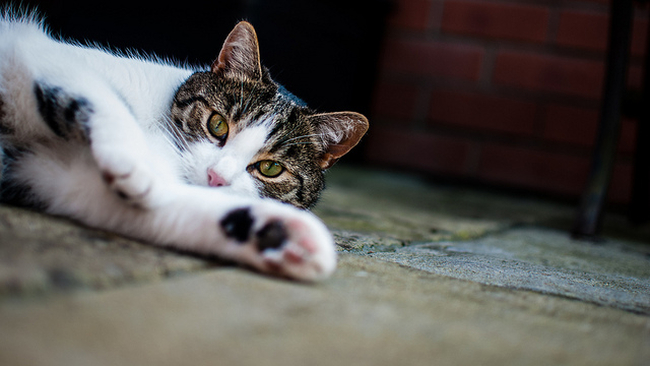
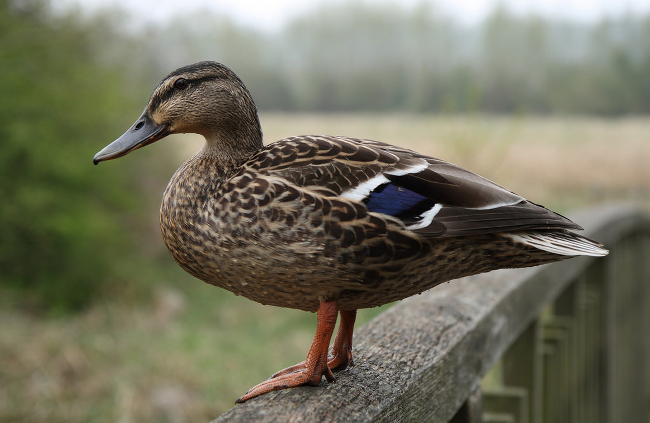
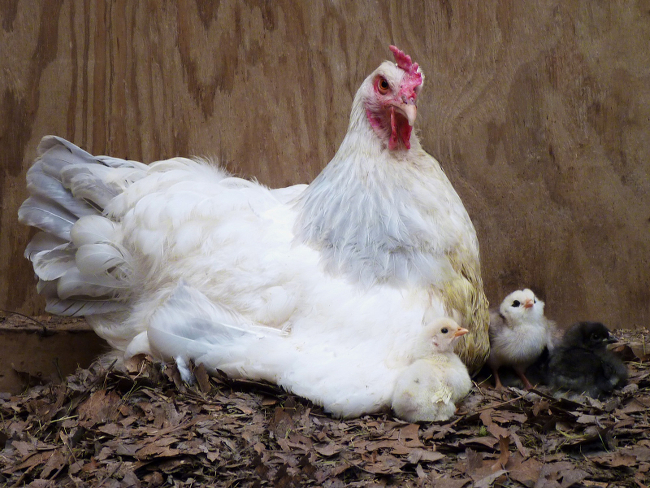
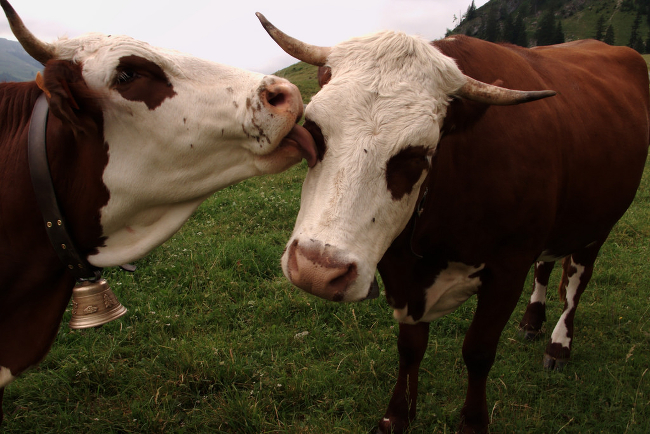
Smaller creatures taking a break!Larger creatures taking a break!
See what the coming week has in store! (Oh, we live in Josephine County!)
FLOOD WATCH
NATIONAL WEATHER SERVICE MEDFORD OR
151 PM PST SAT JAN 7 2017

...HEAVY RAIN WILL COMBINE WITH MELTING SNOW TO CAUSE POSSIBLE
LOCAL FLOODING LATE TONIGHT THROUGH SUNDAY...

.ANOTHER FRONT MOVES INTO THE REGION LATE TONIGHT WITH MODERATE
TO HEAVY RAINFALL RATES. SNOW LEVELS WILL RISE WELL ABOVE THE
VALLEY FLOORS AND WILL COMBINE WITH SNOW MELT TO INCREASE RUN-OFF
THROUGH THE DAY SUNDAY AND INTO SUNDAY NIGHT.
...FLOOD WATCH NOW IN EFFECT FROM LATE TONIGHT THROUGH SUNDAY
EVENING...

THE FLOOD WATCH IS NOW IN EFFECT FOR

* PORTIONS OF THE COOS AND CURRY COUNTY COASTS...EASTERN CURRY
  AND JOSEPHINE COUNTY IN OREGON...AND WESTERN SISKIYOU COUNTY IN
  NORTHERN CALIFORNIA.

* FROM LATE TONIGHT THROUGH SUNDAY EVENING.

* 1 TO 3 INCHES OF RAIN...WITH HIGHEST AMOUNTS NEAR THE COAST AND
  LOWEST NEAR GRANTS PASS...ARE EXPECTED ON SUNDAY. THIS MODERATE
  TO HEAVY RAIN COMBINED WITH SNOW MELT MAY CAUSE URBAN AND SMALL
  STREAM FLOODING. CURRY AND JOSEPHINE COUNTIES ARE THE PRIMARY
  AREAS OF CONCERN...HOWEVER...PORTIONS OF WESTERN SISKIYOU COUNTY
  MAY SEE LOCALIZED FLOODING AS WELL.

* RECENT BROKEN BRANCHES AND OTHER DEBRIS FROM THE HEAVY SNOW
  COMBINED WITH ICE MAY CLOG STORM DRAINS AND CULVERTS IN THE
  WATCH AREA. HEAVY RAIN MAY ALSO CAUSE SLIDES OR DEBRIS FLOWS ON
  THE GAP WILDFIRE BURN SCAR NEAR HORSE CREEK...POSSIBLY REACHING
  HIGHWAY 96 BELOW THE BURN SCAR.

PRECAUTIONARY/PREPAREDNESS ACTIONS...

LANDSLIDES AND DEBRIS FLOWS ARE POSSIBLE DURING THIS FLOOD EVENT.
PEOPLE...STRUCTURES AND ROADS LOCATED BELOW STEEP SLOPES...IN
CANYONS AND NEAR THE MOUTHS OF CANYONS MAY BE A SERIOUS RISK FROM
RAPIDLY MOVING LANDSLIDES. A FLOOD WATCH MEANS THERE IS A
POTENTIAL FOR FLOODING BASED ON CURRENT FORECASTS.
A little over an hour-and-a-half ago, at 1pm PST, the power was restored.
The first task was to see if the water pipes coming from the well had been frozen last night because the outside temperature went down to -8 C./18 deg F. Luckily they had not. However tonight they are forecast to drop to -10 C./14 F. So before coming in to see if the internet was restored the number one task was to run a power cord to the well house and leave a 25 watt old-fashioned lamp down near the water pipes.
Ten minutes ago I turned on my AppleMac and, hey presto, we are connected to that big, virtual world.
Then a quick download of my Gmail to discover that I have 17,262 unread emails awaiting me! (Sorry, I was just showing off. There’s no way that I am that popular!!)
However, the last three digits are correct: there are 262 unread emails.
So I trust you will understand why there will not be a ‘proper’ post at midnight PST, as per normal, but hopefully if everything holds up (including yours truly) then blogging should be back to the regular daily pattern come next Saturday.
Oh, by the way, the forecast for this weekend includes a risk of flooding. Medford National Weather Service have published a hydrological warning.
HYDROLOGIC OUTLOOK
NATIONAL WEATHER SERVICE MEDFORD, OR
333 AM PST THU JAN 5 2017

...Flood Potential Outlook for quick rises and possible flooding
due to heavy rain and snow melt on creeks, streams, and rivers in
the following counties in California...Modoc...Siskiyou and in
Oregon...Coos...Curry...Douglas...Jackson...Josephine...

.A series of frontal systems will move through the area this weekend
through next week. The combination of recent heavy snowfall, rising
snow levels, and periods of heavy rainfall will lead to run-off
concerns beginning Sunday and continuing through early next week.

An initial round of heavy rainfall this weekend will saturate low
elevation snow pack leading to increased run-off. A second round of
heavy rain Tuesday through Thursday will lead to another period of
substantial run-off next week.
We’re about to turn over a new leaf on a new year — something I think we’re all pretty excited about — and it’s a good time to sit back, take stock, and think about what we want to do for ourselves, and the world, in 2017.
New year’s resolutions don’t have to be big and fancy, and sometimes they work best when they’re small and manageable, so I rounded up seven totally free ways you can help animals next year, from something you can do weekly (like writing letters) to bigger projects (like fostering animals).
1) Keep an eagle eye on upcoming animal-related legislation.
Photo credit: Anthony
Chances are that there’s some animal-related regulation coming your way in 2017 on the local, state and even federal level. This includes laws and ordinances as well as rules, regulations and executive orders. You can make a big difference by weighing in on these issues — sometimes, surprisingly few members of the public comment!
You can take advantage of resources for animal welfare groups and sites like Care2 to keep track of big upcoming government actions. You may want to call or write to support legislation, to ask that it be more robust, or to oppose it, depending on the contents. For legislation, you need to contact your elected official to explain how you feel and provide a concrete action to take, like “Please cosponsor this bill” or “please vote against this bill.” Rules and regulations are opened to public comment by the agencies making them, allowing you to speak at public meetings or submit written comments.
The Federal Register is a great place to search for upcoming regulations — it’s a little bit intimidating at first, but don’t let that put you off!
2) Don’t be sheepish — speak up about nonlethal solutions to predators and pests.
Photo credit: Lennart Tange
No matter where you live, there’s probably a battle brewing over feral cats, mountain lions, raccoons, coyotes, skunks, alligators, or someone else from the non-human world who’s getting squeezed by human incursion into its habitat. Historically, many areas have favored a lethal response to animals deemed “pests.” You can change that — and you already are, across the country. When you see animals on the agenda, speak up to request investigation into a nonlethal solution to a problem.
For example, maybe a feral cat colony is causing controversy in the community. You can talk about how responsible colony management should control numbers and limit annoying smells. You could also discuss how research shows that TNR can be more effective at long-term colony management than just trapping and removing cats — in Florida, they found that doing this just allowed other predators to move in, creating an even bigger headache!
Come backed with research and evidence, rather than emotion. You can look to advocacy groups for their data, but also explore scientific papers, and see how other municipalities are dealing with the same problem, because they may have tips to share.
3) Lend a paw at a local animal welfare organizations.
Photo credit: Chris Perriman
Animal welfare groups can always use volunteer help. At the shelter, they don’t just need a hand with cuddling cats, walking dogs, and handling other species. They need all kinds of help, from more boring stuff like cleaning and filing to web design, social media management, legal counseling, accounting, event planning, and much more. Even something as simple as taking your camera (or your photography class) to the shelter once a week to photograph everyone who’s looking for a home can make a huge difference. It turns out that great shelter photos save lives!
Advocacy groups that don’t run shelters or don’t have one in your area also need help. Lots of mundane office stuff is time consuming, and volunteers can make it go more smoothly, whether you’re stuffing envelopes or answering phones. If you have special training or skills, offer those too, especially if you’re willing to get into a long-term relationship with the group. Pro-bono legal services, for example, are incredibly valuable. Your graphic design skills could help them relaunch an impressive, gorgeous website. You get the idea!
4) Don’t duck the issues — teach youth about animal welfare issues.
Photo credit: Danny Chapman
Many kids love animals, and the best time to hit people with humane messages is when they’re young. Some organizations actually offer humane educator training to help people learn about how to communicate with children about animal welfare issues. Humane educators can lead classes and mentor kids in the community, whether they’re taking people on bird walks and teaching them about ecology or working with kids who are learning to ride horses to teach them how to handle their mounts respectfully and kindly.
If you already are an educator, consider working humane topics into your curriculum. If you’re not, look into what might be required to teach classes at a community center, mentor students in programs like 4-H and FFA, lead educational sessions at a local museum (another great volunteer opportunity!), or come into classrooms with presentations. You may need some training and a background check to work with youth, but once you’re squared away, you can establish lasting relationships with teachers and schools to introduce humane coursework to the classroom and beyond.
5) You’ve goat mail — or at least, someone will after you write a letter on behalf of animals!
Photo credit: Holly Occhipinti
Once a week — or every two weeks, or once a month — resolve to sit down and write a letter. It doesn’t have to be an epic, and you can establish a template, but pick a specific person to target, and go to town. Maybe you want to write a letter-to-the-editor once a month about an animal issue in your community that you’re concerned about. Perhaps you want to write a letter to a corporation to ask them to stop, or start, a practice related to animals — like dropping animal testing, or introducing tougher humane standards to the supply chain.
Keep your letter concise, polite and actionable. Explain why you’re writing, the basis for your concern, the solution you’re recommending and why. You can appeal to issues like cost efficiency, making your town more attractive for visitors, compassion for animals (that’s why we’re here, after all!), falling in line with industry-wide practices, setting an example for others, or any number of other things. Present a clear case for what you’re arguing so that the person reading your letter is moved to act, and has something to bring to other people while trying to convince them to get involved.
6) Be a mother hen — foster somebody in need.
Photo credit: normanack
If you can’t adopt more animals or don’t have room for a full-time friend in your life, consider fostering. Fostering saves lives, getting animals who can’t handle shelter stress or who need a little extra care to a safe place where they can unwind and grow into themselves. Some shelters have foster programs, and many animal welfare groups do — some run almost entirely on fosters, in fact!
Generally, participants in a foster program are provided with food, medication and veterinary expenses to keep things low-key for you. If you have a spare room, fostering can be a great fit for your life, although watch out for foster fail! (When that kitten you swore you were just fostering is still lying on the living room rug ten years later, you are definitely a victim of foster fail.)
When fostering, be honest about what you can and cannot take on: For example, if you have a barn, you might be able to handle horses and sheep, but not notoriously mischievous and curious goats. You might not be able to take a kitten who needs constant feeding, or a dog that has aggression issues.
That said, if you can stretch your comfort zone, do. Some animals need a little extra care because they’ve had a hard life. That makes them vulnerable to euthanasia, and a foster can make all the difference. Things like giving animals fluids or medications, managing diapers, or handling other vet stuff might sound scary, but it’s pretty easy to get the hang of it.
7) Don’t have a cow — on your plate or anywhere else.
Photo credit: Nicolas Vigier
We saved the easiest for last, because chances are that you’re already well on your way with this one. When it comes to what you eat, consider cutting animal products — or at least meat — out of your life. You’ll save a ton of suffering, and also, a ton of money, if you’re trying to cut back in 2017.
If you can’t cut animal products out entirely, consider moderating: Meatless Mondays are popular, for example! Something else that really works for me is a soup exchange — a group of us make huge batches of vegan soup and share them out once a month, so there’s always a go-to vegan meal hanging out in my fridge or freezer when I need it!
While you’re at it, think about what you wear and use, too. Leather is an obvious source of animal suffering, but some people also like to avoid fibers like wool and cashmere (cashmere also comes with a big environmental price tag). You’d also be surprised by where animal products sneak in, from bodycare products to that goop you waterproof your shoes with. (No really. Go look.)
And, of course, cutting animal testing out of your life is valuable too. Growing numbers of cosmetics are produced without the use of animal testing, though it’s always a good idea to independently verify to see if a company is skirting labeling conventions. For example, some companies say “made without animal testing” because they don’t test ingredients on animals, but third party contractors do. Ugh!
If you take medication, you’re caught in the animal testing trap — but it’s worth writing the manufacturer, as well as the FDA, which governs drug testing, to push for alternatives to animal testing so that you have cruelty free options for your health care needs.
You can also make your preference for cruelty free medical supplies clear to your health care providers as well, as they may be able to recommend alternatives if they’re aware that this is a concern for you. (For example, some sutures are made from animal products, which is weird and creepy, and pig valves are used in some valve replacement surgeries. Gross, right?)
One of the many things that we adore about living here in Merlin, Southern Oregon is the closeness of nature. Not just the nature of the slopes and mountains but the nature of the trees, creeks, grasses and wild plants.
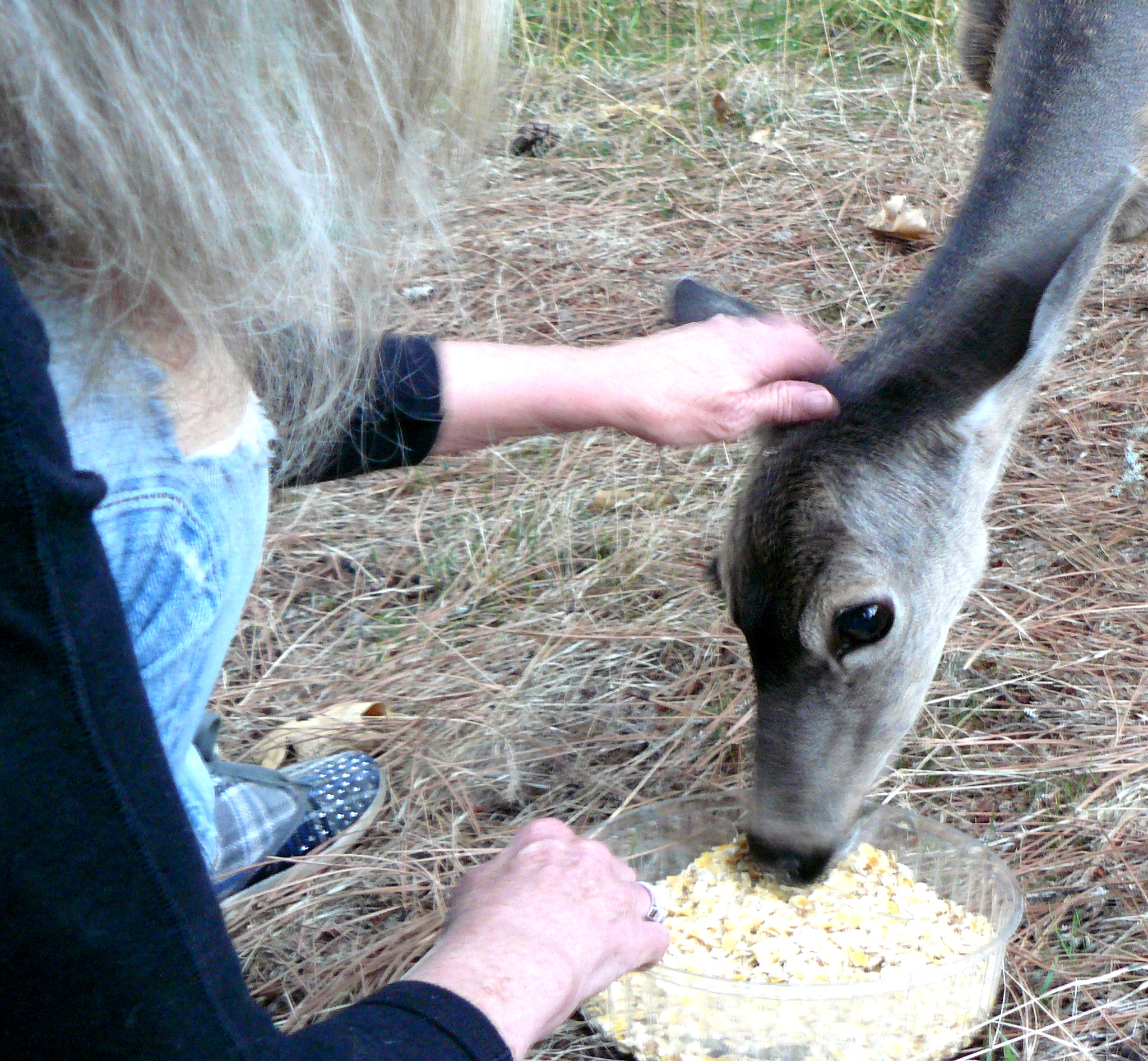
Plus the awareness over the 4+ years that we have been here of how easy it is to gain the trust of wild animals. I will go to my grave holding on to the sweet sensation of a wild deer trusting me and Jean to the point where we could stroke the deer’s neck when we were feeding her.
The trust between the deer and Jean then enabled the deer to feed from Jean’s hand.Then, unbelievably, the wild deer continues feeding as Jean fondles the deer’s ear.
(Both photographs taken in October, 2014 in the area of grassland near to our stables.)
The measure of how we, as in humanity, really feel about the only home we have, as in Planet Earth, is how we regard our planet.
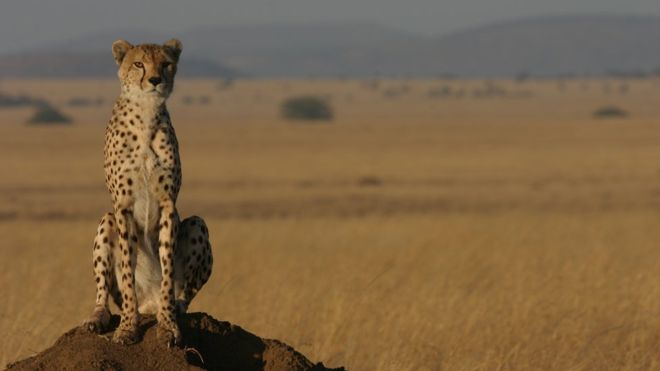
The pain that we feel when we read, as I did yesterday, about another animal species possibly heading towards extinction. In this case, an item on the BBC News website about Cheetahs.
Cheetahs heading towards extinction as population crashes
By Matt McGrath Environment correspondent
Protected parks and reserves for cheetahs are not sufficient as the animal ranges far beyond these areas.
The sleek, speedy cheetah is rapidly heading towards extinction according to a new study into declining numbers.
The report estimates that there are just 7,100 of the world’s fastest mammals now left in the wild.
Cheetahs are in trouble because they range far beyond protected areas and are coming increasingly into conflict with humans.
The authors are calling for an urgent re-categorisation of the species from vulnerable to endangered.
It’s no good tut-tutting; something different has to be done. For otherwise nature will have the last word to say about the future of vast numbers of species especially homo sapiens!
All of which leads me to the main theme of today’s post: holding nature in higher esteem as in higher legal esteem.
Read the following that was published on The Conversation blogsite on October 10th, 2016 and is republished here within their terms. The author is Chip Colwell , Lecturer on Anthropology, University of Colorado, Denver.
ooOOoo
What if nature, like corporations, had the rights and protections of a person?
October 10, 2016 8.16am EDT
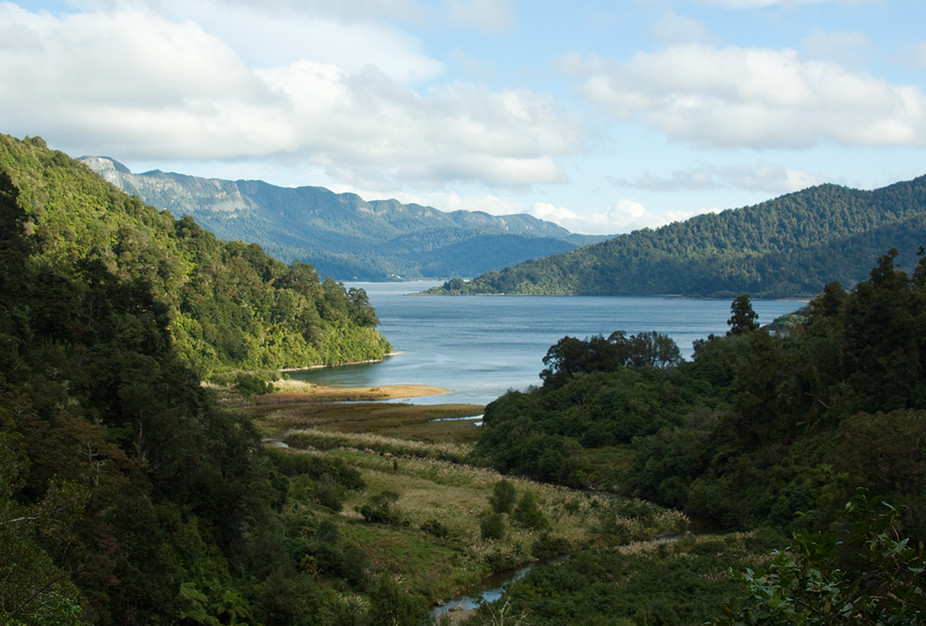
The forest around Lake Waikaremoana in New Zealand has been given legal status of a person because of its cultural significance. Paul Nelhams/flickr, CC BY-SA
In recent years, the U.S. Supreme Court has solidified the concept of corporate personhood. Following rulings in such cases as Hobby Lobby and Citizens United, U.S. law has established that companies are, like people, entitled to certain rights and protections.
But that’s not the only instance of extending legal rights to nonhuman entities. New Zealand took a radically different approach in 2014 with the Te Urewera Act which granted an 821-square-mile forest the legal status of a person. The forest is sacred to the Tūhoe people, an indigenous group of the Maori. For them Te Urewera is an ancient and ancestral homeland that breathes life into their culture. The forest is also a living ancestor. The Te Urewera Act concludes that “Te Urewera has an identity in and of itself,” and thus must be its own entity with “all the rights, powers, duties, and liabilities of a legal person.” Te Urewera holds title to itself.
Although this legal approach is unique to New Zealand, the underlying reason for it is not. Over the last 15 years I have documented similar cultural expressions by Native Americans about their traditional, sacred places. As an anthropologist, this research has often pushed me to search for an answer to the profound question: What does it mean for nature to be a person?
The snow-capped mountain
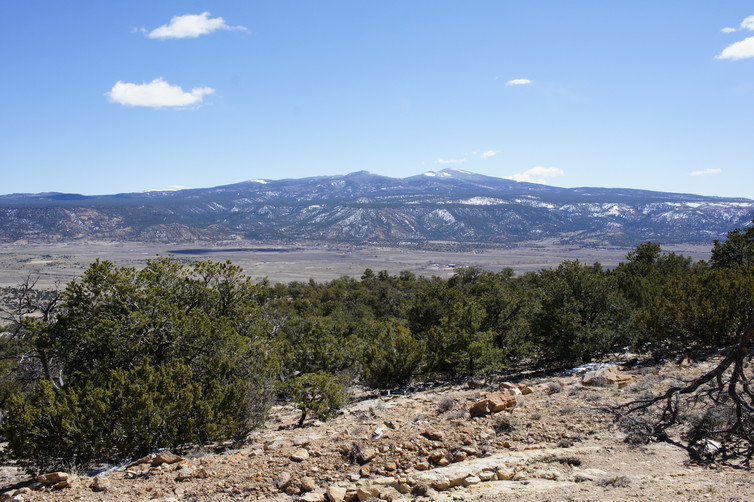
A majestic mountain sits not far northwest of Albuquerque, New Mexico. Like a low triangle, with long gentle slopes, Mount Taylor is clothed in rich forests that appear a velvety charcoal-blue from the distance. Its bald summit, more than 11,000 feet high, is often blanketed in snow – a reminder of the blessing of water, when seen from the blazing desert below.
The Zuni tribe lives about 40 miles west of Mount Taylor. In 2012, I worked with a team to interview 24 tribal members about the values they hold for Dewankwin K’yaba:chu Yalanne (“In the East Snow-capped Mountain”), as Mount Taylor is called in the Zuni language. We were told that their most ancient ancestors began an epic migration in the Grand Canyon.
Mount Taylor in New Mexico, a sacred site to the Zuni who believe it is a living being. Chip Colwell, Author provided.
Over millennia they migrated across the Southwest, with important medicine societies and clans living around Mount Taylor. After settling in their current pueblo homes, Zunis returned to this sacred mountain to hunt animals like deer and bear, harvest wild plants like acorns and cattails, and gather minerals used in sacrosanct rituals that keep the universe in order. Across the generations Dewankwin Kyaba:chu Yalanne has come to shape Zuni history, life, and identity no less than the Vatican has for Catholics.
But unlike holy places in the Western world, Zunis believe Mount Taylor is a living being. Zuni elders told me that the mountain was created within the Earth’s womb. As a mountain formed by volcanic activity, it has always grown and aged. The mountain can give life as people do. The mountain’s snow melts in spring and nourishes plants and wildlife for miles. Water is the mountain’s blood; buried minerals are the mountain’s meat. Because it lives, deep below is its beating heart. Zunis consider Mount Taylor to be their kin.
There is a stereotype that Native American peoples have a singular connection to nature. And yet in my experience, they do see the world in a fundamentally different way from most people I know. Whether it is mountains, rivers, rocks, animals, plants, stars or weather, they see the natural world as living and breathing, deeply relational, even at times all-knowing and transcendent.
In my work with Arizona’s Hopi tribe, I have traveled with cultural leaders to study sacred places. They often stop to listen to the wind, or search the sky for an eagle, or smile when it begins to rain, which they believe is a blessing the ancestors bestow upon them.
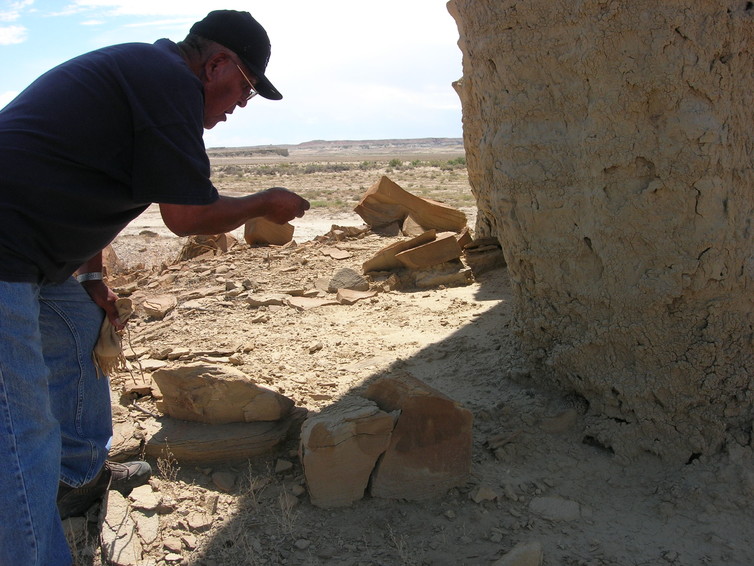
During one project with the Hopi tribe, we came across a rattlesnake coiled near an ancient fallen pueblo. “Long ago, one of them ancestors lived here and turned into a rattlesnake,” the elder Raleigh H. Puhuyaoma Sr. shared with me, pointing to the nearby archaeological site. “It’s now protecting the place.” The elders left an offering of corn meal to the snake. An elder later told me that it soon rained on his cornfield, a result from this spiritual exchange.
Violent disputes
Understanding these cultural worldviews matters greatly in discussions over protecting places in nature. The American West has a long history of battles over the control of land. We’ve seen this recently from the Bundy family’s takeover of the federal wildlife refuge in Oregon to the current fight over turning Bears Ears – 1.9 million acres of wilderness – into a national monument in Utah.
Yet often these battles are less about the struggle between private and public interests, and more about basic questions of nature’s purpose. Do wild places have intrinsic worth? Or is the land a mere tool for human uses?
A Hopi elder making an offering to a snake to protect a sacred space. Chip Colwell, Author provided.
Much of my research has involved documenting sacred places because they are being threatened by development projects on public land. The Zuni’s sacred Mount Taylor, much of it managed by the U.S. National Forest Service, has been extensively mined for uranium, and is the cause of violent disputes over whether it should be developed or protected.
Even though the U.S. does not legally recognize natural places as people, some legal protections exist for sacred places. Under the National Historic Preservation Act, for example, the U.S. government must take into consideration the potential impacts of certain development projects on “traditional cultural properties.”
This and other federal heritage laws, however, provide tribes a small voice in the process, little power, and rarely lead to preservation. More to the point, these laws reduce what tribes see as living places to “properties,” obscuring their inherent spiritual value.
In New Zealand, the Te Urewera Act offers a higher level of protection, empowering a board to be the land’s guardian. The Te Urewera Act, though, does not remove its connection to humans. With a permit, people can hunt, fish, farm and more. The public still has access to the forest. One section of the law even allows Te Urewera to be mined.
Te Urewera teaches us that acknowledging cultural views of places as living does not mean ending the relationship between humans and nature, but reordering it – recognizing nature’s intrinsic worth and respecting indigenous philosophies.
In the U.S. and elsewhere, I believe we can do better to align our legal system with the cultural expressions of the people it serves. For instance, the U.S. Congress could amend the NHPA or the American Indian Religious Freedom Act to acknowledge the deep cultural connection between tribes and natural places, and afford better protections for sacred landscapes like New Mexico’s Mount Taylor.
Until then, it says much about us when companies are considered people before nature is.













 Learning from Dogs