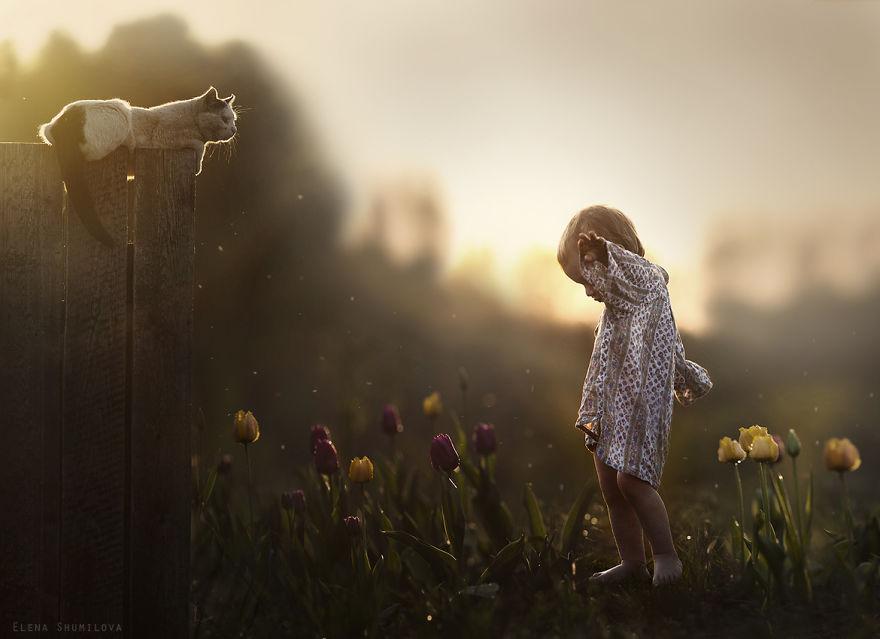
Category: People and their pets

It’s all in the eyes!

What makes a dog a dog and a wolf a wolf?

I can’t recall why it was many months ago that I came across the website of Frontiers in Science. But I did and, in particular, I came across a fundamental difference between the two species.  In an article entitled: A simple reason for a big difference: wolves do not look back at humans, but dogs do. I’m going to take a chance, as in not having formal permission to republish it, in reposting it in full here.  Because it means so much to me and other dog lovers!

ooOOoo

A simple reason for a big difference: wolves do not look back at humans, but dogs do.

Adám Miklósi, Enikö Kubinyi, József Topál, Márta Gácsi, Zsófia Virányi and Vilmos Csányi
Department of Ethology, Eötvös University, Budapest, Pázmány P. 1c, 1117, Hungary. miklosa@ludens.elte.hu

The present investigations were undertaken to compare interspecific communicative abilities of dogs and wolves, which were socialized to humans at comparable levels. The first study demonstrated that socialized wolves were able to locate the place of hidden food indicated by the touching and, to some extent, pointing cues provided by the familiar human experimenter, but their performance remained inferior to that of dogs. In the second study, we have found that, after undergoing training to solve a simple manipulation task, dogs that are faced with an insoluble version of the same problem look/gaze at the human, while socialized wolves do not. Based on these observations, we suggest that the key difference between dog and wolf behavior is the dogs’ ability to look at the human’s face. Since looking behavior has an important function in initializing and maintaining communicative interaction in human communication systems, we suppose that by positive feedback processes (both evolutionary and ontogenetically) the readiness of dogs to look at the human face has lead to complex forms of dog-human communication that cannot be achieved in wolves even after extended socialization.

ooOOoo

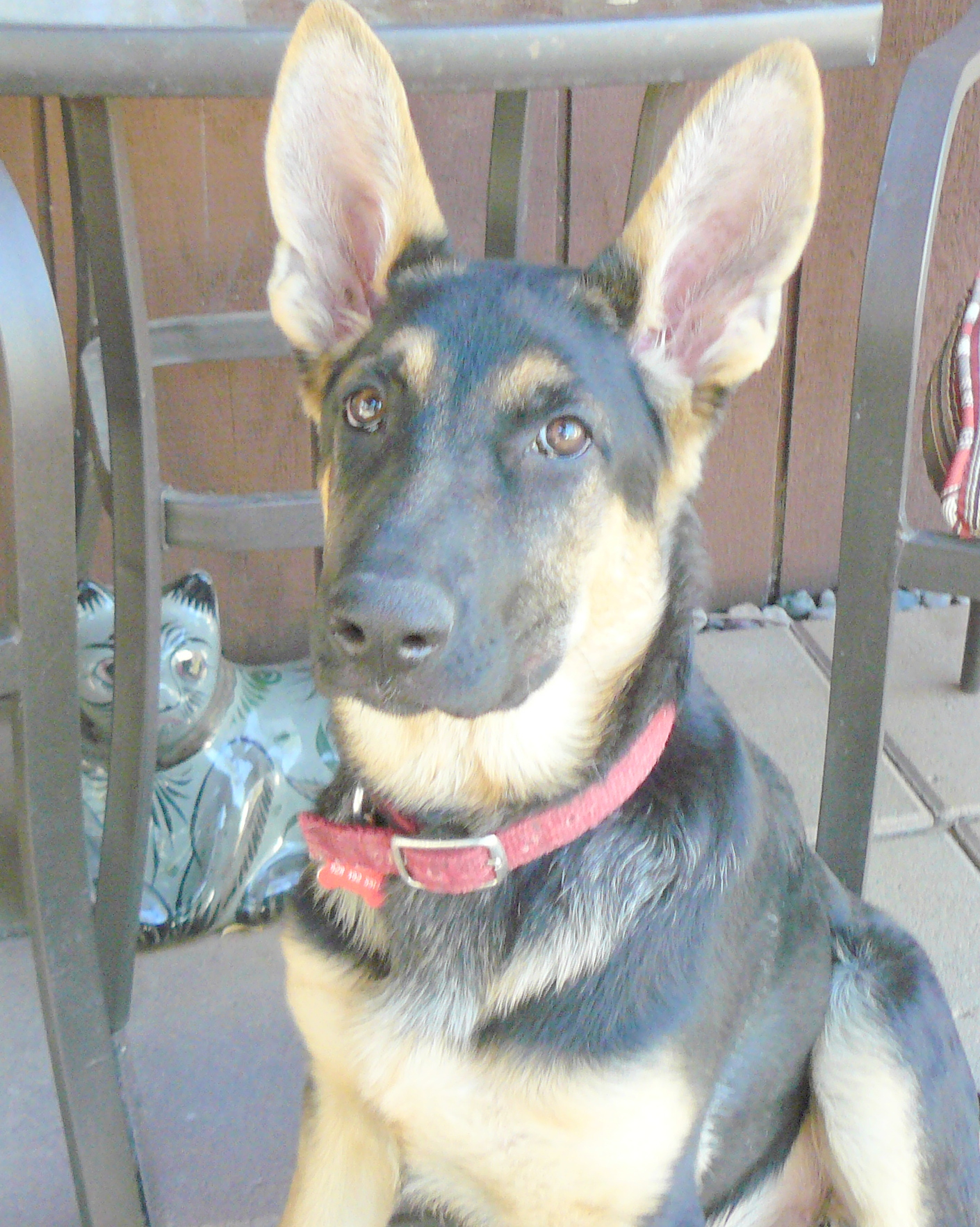
Actually, that article from the Department of Ethology at Eötvös University in Budapest is just an excuse for me to post three photographs confirming the good scientists results!
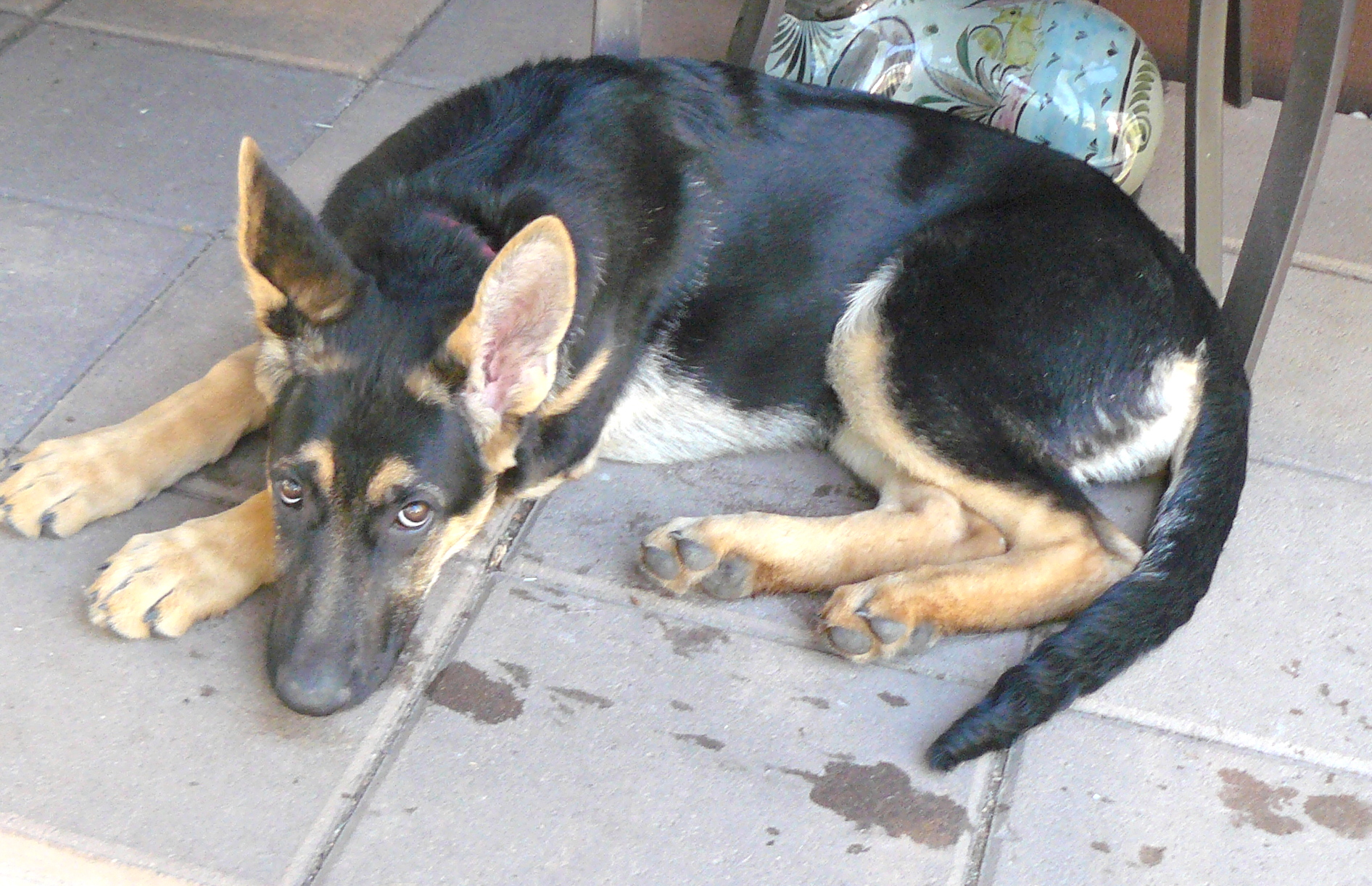
Young Cleo, May 12th, 2012.

oooo

Mr Pharaoh's look from June, 2007.
Mr Pharaoh’s look from June, 2007.

oooo

The second Cleo look from May, 2012.

oooo

There’s no question in my mind that millions of dog lovers across the world know the intimacy that is conveyed in a dog’s eyes!
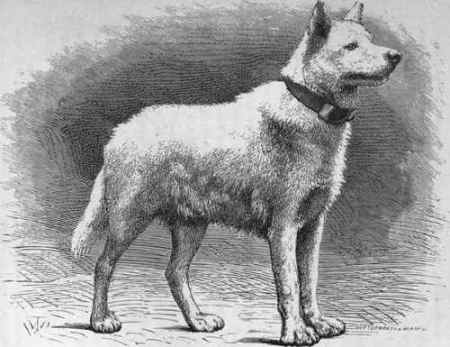
The history of man and dog.

Revising my understanding.

Regular visitors to this blog probably now don’t notice my home page where I state, in part:

Dogs live in the present – they just are! Dogs make the best of each moment uncluttered by the sorts of complex fears and feelings that we humans have. They don’t judge, they simply take the world around them at face value. Yet they have been part of man’s world for an unimaginable time, at least 30,000 years.

Just as likely, I expect, readers do not go across to my sideline Dogs and integrity that includes, in part:

Dogs are part of the Canidae, a family including wolves, coyotes and foxes, thought to have evolved 60 million years ago.  There is no hard evidence about when dogs and man came together but dogs were certainly around when man developed speech and set out from Africa, about 50,000 years ago.  See an interesting article by Dr. George Johnson.

Recently Patrice Ayme published a post under the title of Neanderthal Superiority.  In that post he set out very convincing arguments about the origins of the Neanderthals and I do recommend you read it in full.

However, what I would like to republish is the part of Patrice’s essay that explains the origins of the domesticated dog, as it is very different to what I have been presenting on Learning from Dogs.  Here it is:

Previously unknown Neanderthal technologies are found every year. Neanderthals invented needle and thread, way back (80,000 years ago, at least; probably much older). Necessity was the mother of invention: Europeans (aka Neanderthals) needed clothing more than Africans did, as the latter wore none. Moreover, appropriate fibers are more easily found in the temperate zone (everything rots quickly in the very warm, wet tropics, including DNA).

NEANDERTHALS INVENTED DOGS, COAL BURNING, SHELL FISH DINING:

Some of the arguments against Neanderthals have been outright ridiculous: not only we were told, without any evidence, that they could not talk, but that the superiority of Africans came from eating shell fish, about 70,000 years ago (along the East Coast of Africa).

However, it has since been discovered that Neanderthal cavemen supped on shellfish on the Costa del Sol 150,000 years ago, punching another torpedo hole in the theory that only Africans ate (supposedly) brain-boosting seafood.

Neanderthals also used coal, as long ago as 73,000 years. Once again, making a fire in present day France, then suffering from a pretty bad glaciation, made more sense than trying to stay warm in the Congo.

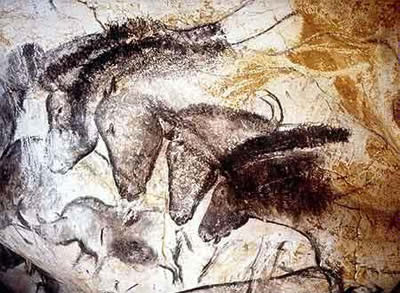
Earlier and earlier prehistoric art has been found. It’s getting ever harder to claim that Neanderthals had nothing to do with it. This is from the enormous Chauvet cave in France, at least 32,000 years old:

If Not Neanderthal, Probably Mostly Neanderthal

(42,000 year old art was also found in Spain.)

Neanderthals also domesticated, and genetically engineered dogs, from European wolves. That’s very clear.

How do I know this? Simple. The Goyet dog, pictured below was dated around 32,000 years. In 2010, an even older dog was found in the Altai mountains. Both dogs were derived from Canis Lupus Familiaris, the European wolf, but were quite distant from it, genetically, they had been evolved probably on a time scale of more than 10,000 years, thus well before any arrival of Sapiens Sapiens from Africa.

Those dogs were completely compatible with people, just as contemporary dogs are. Proof? Ancient, 26,000-year-old footprints made by a child and a dog deep in the Chauvet Cave, France. (OK, by then Neanderthals had been deemed “extinct” by some… However, these are still the same dogs Neanderthals invented.)

It Took Many Thousands Years To Breed Such Large Dogs From European Wolves.

It is perplexing that other human groups did not domesticate the local canids. There are (still!) wolves in Africa and India. And also Lycaons (“African Wild Dogs”). Those are supremely intelligent, and sort of domesticate readily in the wild (I tried this myself as a child).

The argument that Africans would have moved to Europe to domesticate European wolves, when they had a similar fauna, including wolves, to domesticate in Africa, is simply extravagant.

In the next few days I will amend those static pages to incorporate this fascinating update to my knowledge.  I shall also seek permission to republish the articles linked to by Patrice as they are full of detailed knowledge about the oldest man-animal relationship; by far!

Love, trust and faith!

The most important lesson that dogs offer us.

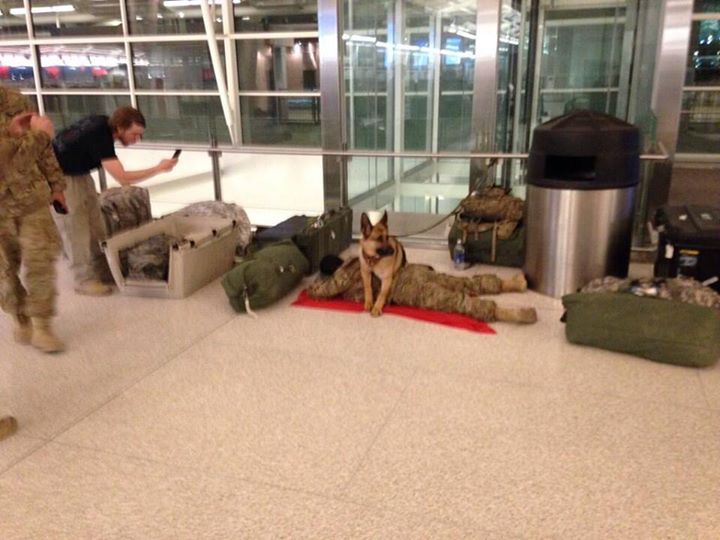
The following photograph was sent to me by Suzann who in turn received it from Joyce.  Thanks to you both.  Included with the photograph is the background to the picture.

Indianapolis International Airport

 “One of our photographers returning to the Indianapolis International Airport took this photo of a soldier getting special guard duty from man’s best friend as she catches a nap in the terminal. About 10 soldiers and two dogs were in a group at the airport tonight. It wasn’t clear if they were coming home or heading out, but we thank them (and the dogs!) for their service!” – WTHR-TV

I’m going to skip the many comments that have been attached to the photograph, however smart and witty they are, and focus on the fundamental lesson that dogs, and many other creatures, offer mankind.  It is this.

Our society only functions in a civilised manner when there is a predominance of trust about us.  When we trust the socio-politico foundations of our society.  When we trust the legal processes.  When we trust that while greed and unfairness are never absent, they are kept well under control.

Having trust in the world around us is an intimate partner to having faith in our world.

At a time when inequality is making frequent headlines and Russia is sabre-rattling over Ukraine let us never lose sight of the primary importance of trust.

For without trust there can be no faith and without trust there can be no love.

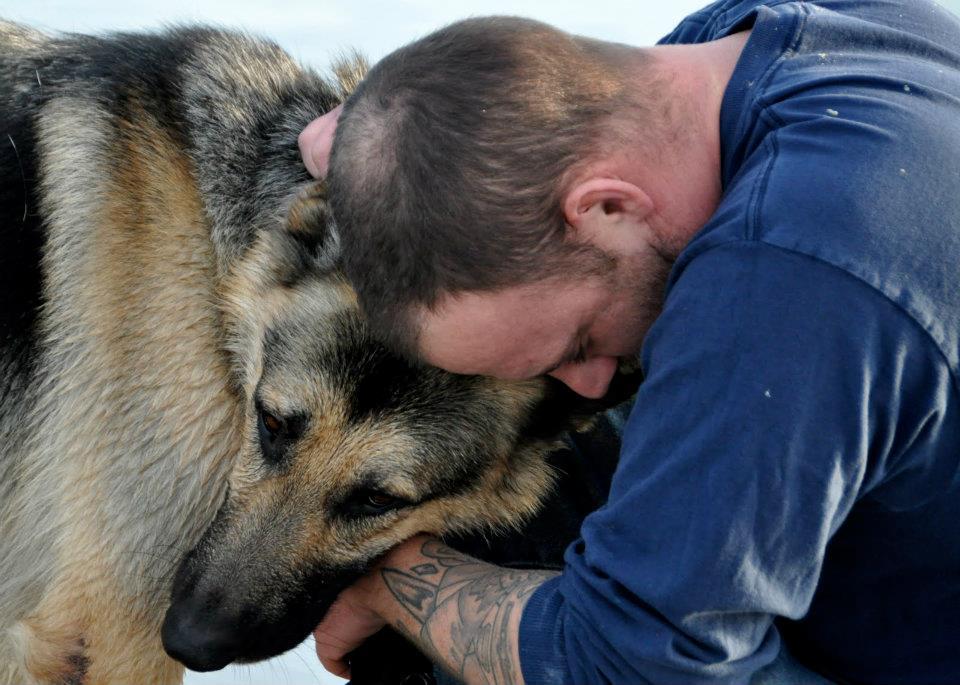
Here’s another photograph of the greatest ‘dog-teacher’ of them all; the German Shepherd dog.

Love, trust and faith.

The wide open spaces.

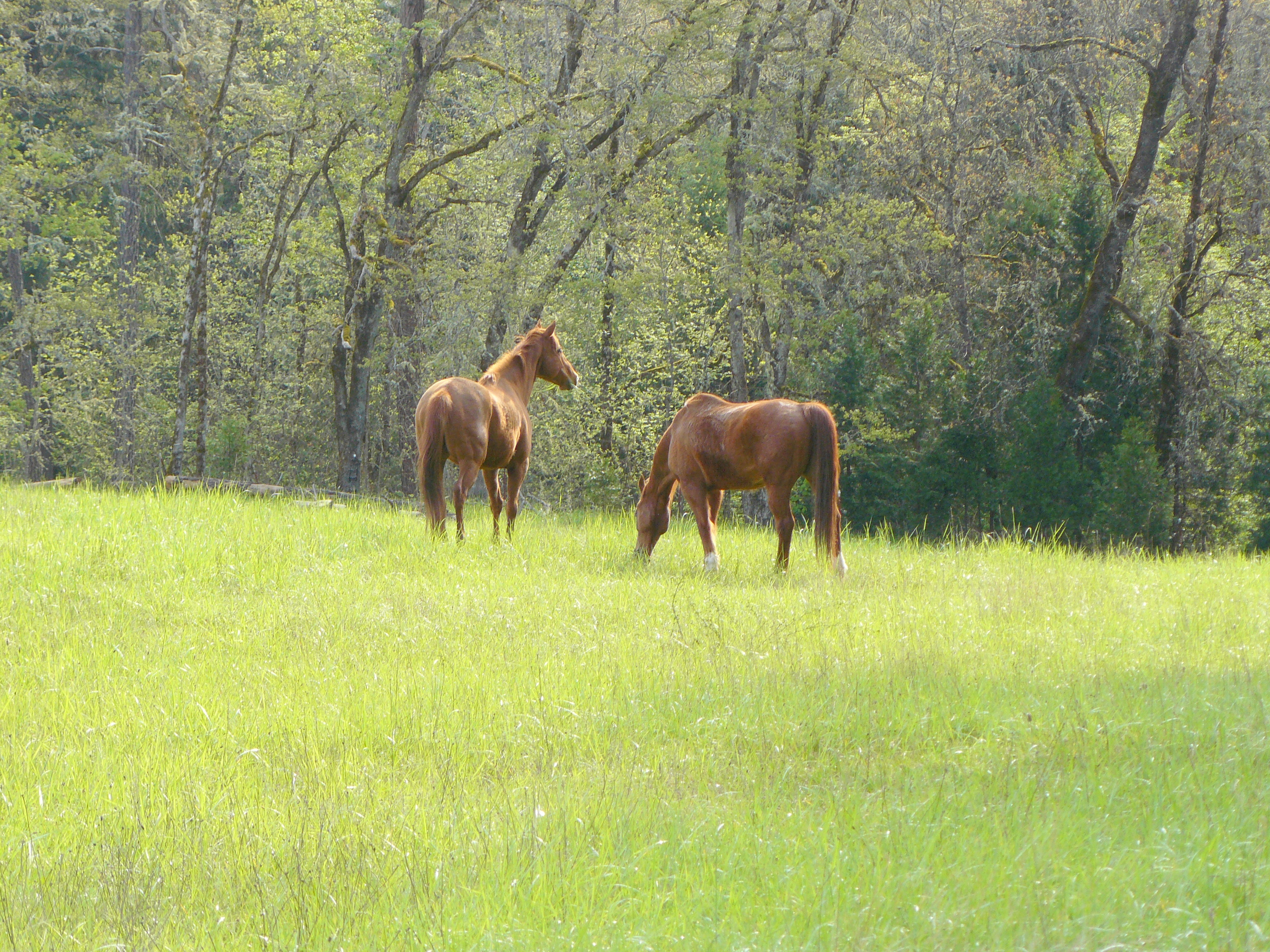
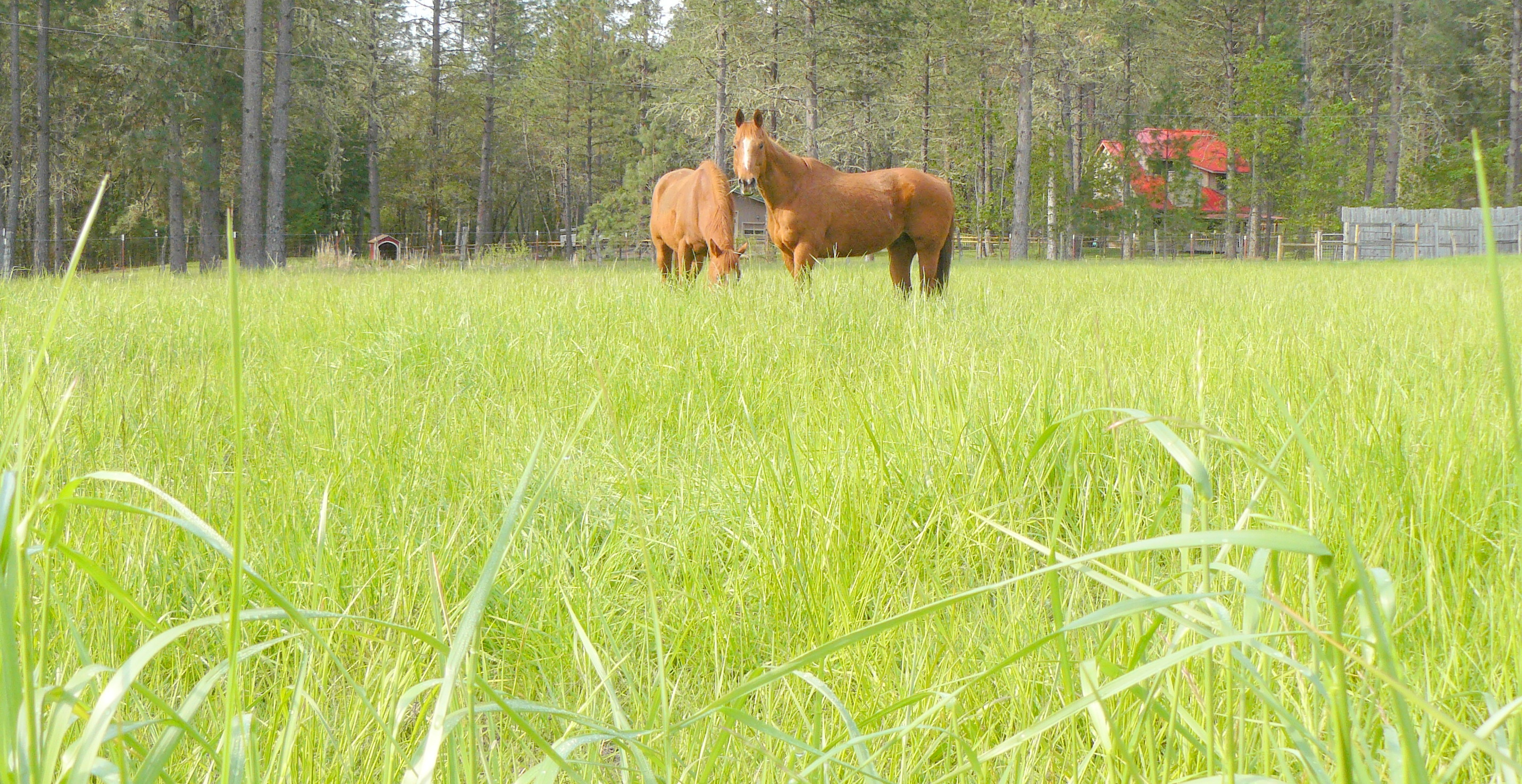
Our horses, Ben and Ranger, now graze in our main pasture.

Nearly six weeks ago, we welcomed our two rescue horses to our home.  Then a week ago I reported that Ben and Ranger had settled in. The final part of embracing these two wonderful horses was to offer them grazing facilities out in the main area of grassland.

Thus as soon as an electric fence had been installed, Ben and Ranger faced a great deal of fresh grass!  Admittedly, for just a couple of hours a day to prevent them from getting fat.

So three photographs of two very happy horses!

Wow! This I can't believe!
Wow! This I can’t believe!

Ben is to the left in the above picture; Ranger head down nibbling grass as if it was going out of fashion!

Grass, grass and, yes, more grass!


This time it is Ranger looking at the camera in the above picture, with Ben filling his chops!

Thank you Mum & Dad! Oh, excuse me for speaking with my mouth full!
Thank you Mum & Dad! Oh, excuse me for speaking with my mouth full! (Ben to the left.)

Unlike Jean, I have had no previous experience of horses.  I have been bowled over by the speed at which these two wonderful creatures, both with a background of suffering cruelty from humans, have embraced me. And Jean; of course.

Six weeks ago I could hardly touch them.  Now they will nuzzle my hands and let me rest my face against their heads.

We have so much to learn from our creatures.

Ben and Ranger have settled in!

Can’t believe how quickly a month has gone by!

This last Tuesday, the 15th April, was a month to the day after our rescue horses, Ben and Ranger, arrived here in Merlin.  There was a post on the 20th March called Welcome Ranger – and Ben!

Here’s a picture from that day:

Jean leading Ranger; Darla leading Ben.

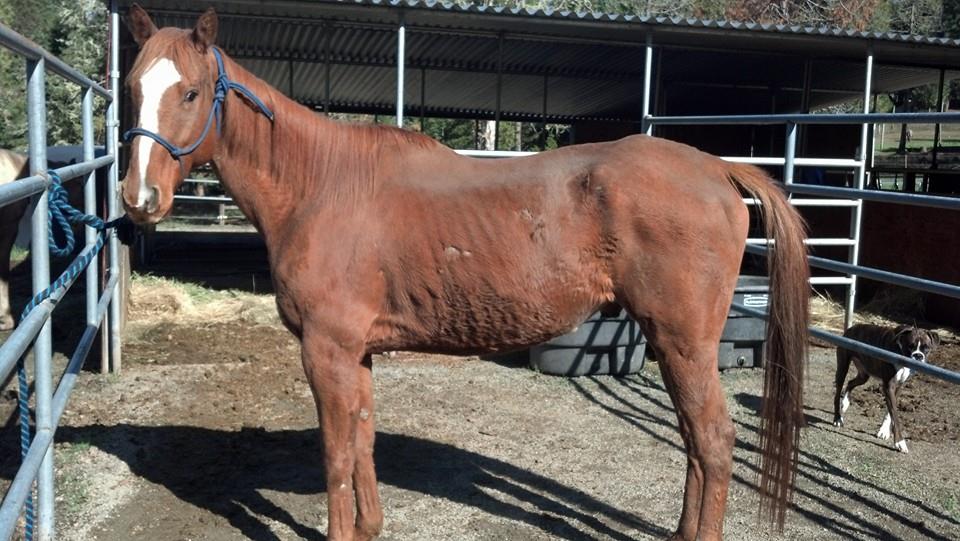
Here’s a picture of Ben from sadder times:

October 2013: The Sheriff’s department have passed Ben to Darla.

So with no further ado, here are four photographs taken last Tuesday, the 15th April.

Waiting to greet Jean and me in the morning!

oooo

Ranger totally at ease with his 'old Dad!'.
Ranger totally at ease with his ‘old Dad!’.

oooo

Ben, behind Ranger; both loving up to Jean.

oooo

Ranger loving up to yours truly!
Ben loving up to yours truly!

Jean is used to horses from previous times in her life but, for me, horses are not animals that I am familiar with.

But after a month of getting to know Ranger and Ben and them getting to know me, I find them adorable!

Picture parade thirty-nine.

The third and final set of photographs by Elena Shumilova.

ooOOoo

A MOTHER FROM RUSSIA TOOK THESE PICTURES AT HER FARM

ALONG WITH HER TWO SMALL BOYS, A CAT AND A DOG.

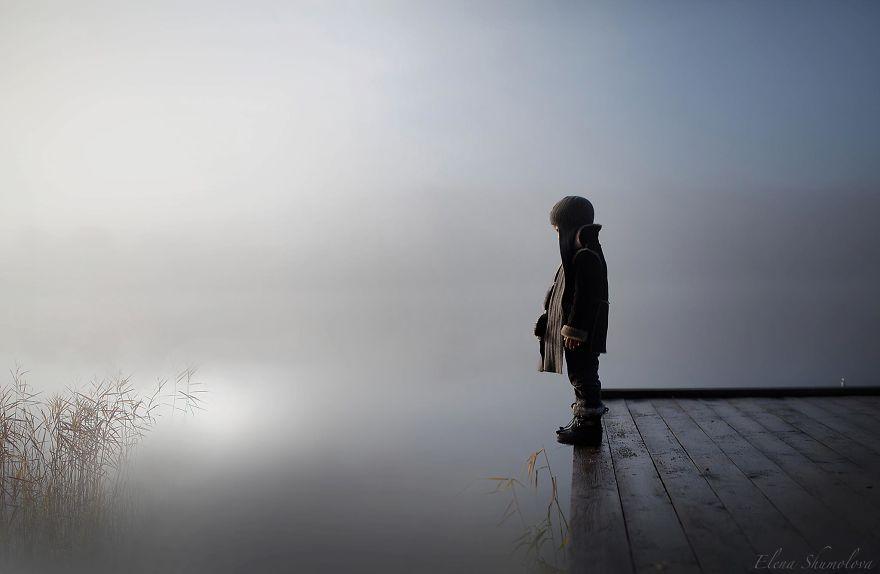
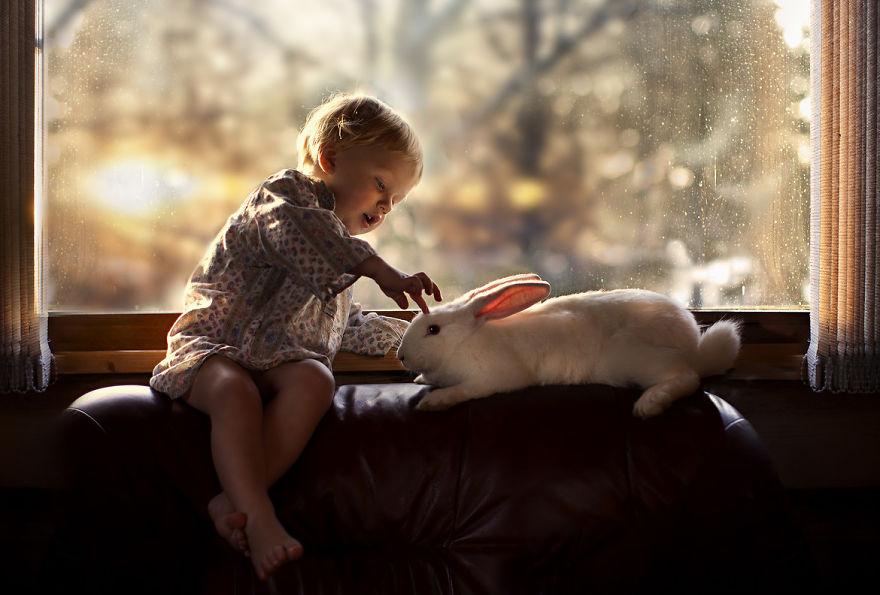
These wonderful photographs by Elena Shumilova plunge the viewer into a beautiful world that revolves around her two boys and their adorable dog, cat, duckling and rabbit friends.

Taking advantage of natural colors, weather conditions and her enchanting surroundings, the gifted Russian artist creates cozy and heartwarming photography that leaves you amazed. Elena said, “Children and animals – it’s my life. I’m a mom with two sons and we spend a lot of time on the farm.”

meta16

oooo

meta17

oooo

meta18

oooo

meta19

oooo

meta20

oooo

meta21

oooo

meta22

oooo

meta23

ooOOoo

Aren’t they stunningly beautiful!

If you missed the other sets of pictures, the first set is here and the second set is here.

Echoes of Dhalia.

Dhalia, as with so many other dogs, offered lasting lessons.

Inevitably, as Jean and I went around our ‘stuff’ yesterday after burying Dhalia in the morning, there were moments of quiet contemplation and gentle discussion.  Interludes over a hot drink where we reflected on the special dog that she was.

Much has already been written in this place but there can’t be too many reminders for us quirky humans of how valuable are the qualities of trust and love given to us by our dogs.

We need reminding how dogs are so intuitive and can reach out to a stranger without a moment of hesitation.  As Jean described when recalling how she first came across Dhalia.

Dhalia - domesticated but still the wild dog shows through.
Dhalia – domesticated but still the wild dog shows through.

It was a Sunday around the middle of the month of September in the year 2005. My friend, Gwen, and I had set off for La Manga, a small fishing village three miles from San Carlos, Mexico.  As the trip would take us through areas of desolate desert and the day was forecast to be a sizzler, we left early. The purpose of the journey was to feed a pack of dogs that were living on the outskirts of La Manga. These wild dogs were gradually getting used to our presence and with the aid of a humane trap we had previously caught two of them, a small puppy and her mother. Those two dogs were at my home and were gradually becoming tame so that good homes could be found for them.

Half-way to our destination, we saw two dogs running by the side of the road.   It wasn’t unusual to see strays searching for road-kill. I stopped the car and prepared food and water for them. One dog took off almost immediately but the other just stood perfectly still looking intently at me. She was rail-thin and full of mange.  Her ears and chest were scabbed with blood, and I could see that previously she had had pups. Tentatively, I pushed the food towards her. She took a bite and sat on her haunches; her eyes never leaving mine. Then she lifted a paw and reached out to me. Immediately, I burst into tears and scooped her into my arms.  I carried her back to the car where she lay quietly in my lap whilst we went on to do our feeding.  She was bloody and very smelly. However, I didn’t care.

Dhalia was always a gentle dog.  One that would mix with any of the other dogs. A dog that loved people, of all types and ages.

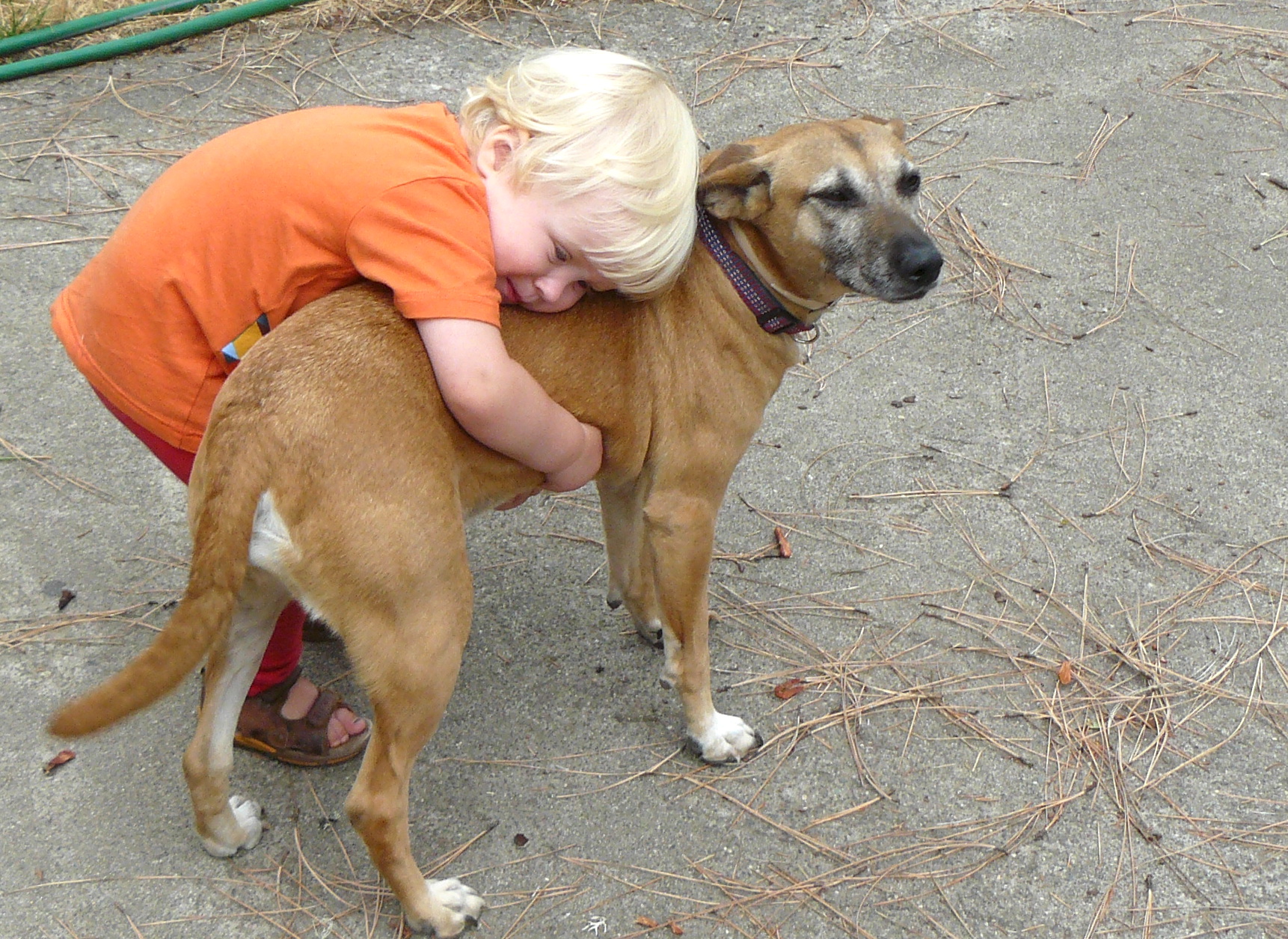
Love and Trust - Grandson Morten hugging Dhalia.
Love and Trust – Grandson Morten hugging Dhalia, September 2013.

It was Dhalia who inspired me to write a short story a couple of years ago: Messages from the Night.

So to the last couple of weeks.  Back just a couple of weeks to when the vet’s assessment of Dhalia was that she had bone cancer that, in turn, inspired me to write the post Life, and mortality.  So little time to say goodbye to Dhalia. (Dr. Codd’s assessment when we went to him with Dhalia yesterday morning was that the cancer must have been well-established for it to have metastasised so quickly; the normal interval between diagnosis of cancer and death would be six to eight weeks.)

That Dhalia reached out to the other dogs in our ‘bedroom’ pack was evident these past six or seven nights.  For it has been in the last week that Dhalia was unable to go through the night without needing to pee.

The first night that this happened, I was awakened by Cleo coming to my side of the bed and running her head past my arm.  It was 3am.  Cleo repeated that for the next few nights and each time I was able to take Dhalia outside so she could relieve herself.  Then as Dhalia’s internal organs started to fail it was Pharaoh who in the middle of the night uttered a couple of tiny barks; just sufficient to wake me and allow me and Jean to look after Dhalia’s needs.

When the bedroom door was opened to allow Dhalia to go through the house and, thence, to the front gardens, all the rest of the dogs remained still in the bedroom.  They sensed the nature of what was going on.

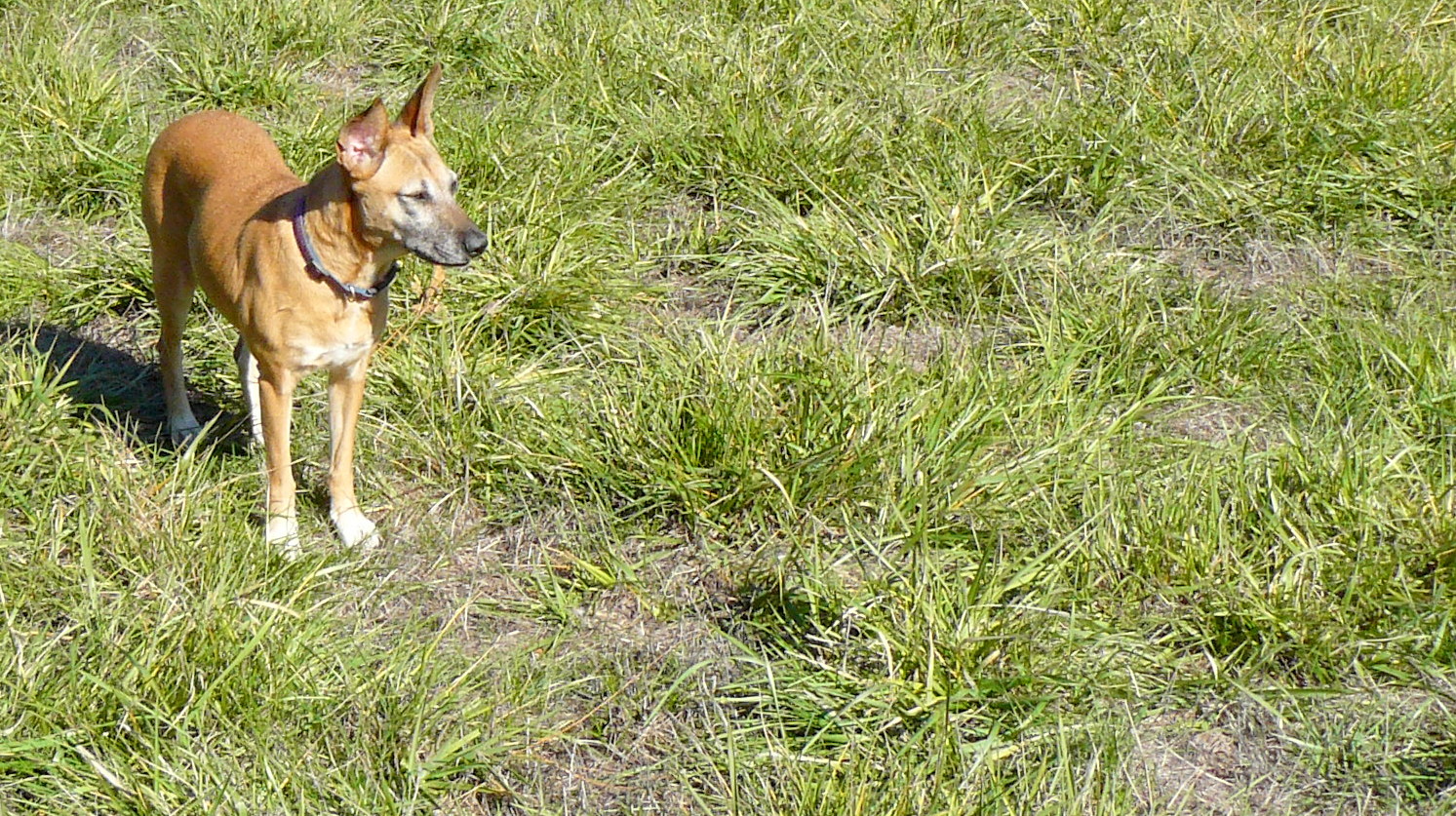
So to the last photograph.  Taken last October here at home in Oregon showing Dhalia in typical independent spirits.

Forever remembered.
Forever remembered.

Dear Dhalia

Now we are eight!

Dhalia was clearly close to death when Jean and I took her to our vet, Dr. Codd, earlier this morning.

Indeed, she was probably dead when Dr. Codd administered the euthanasia injection. It was 8:45 am.

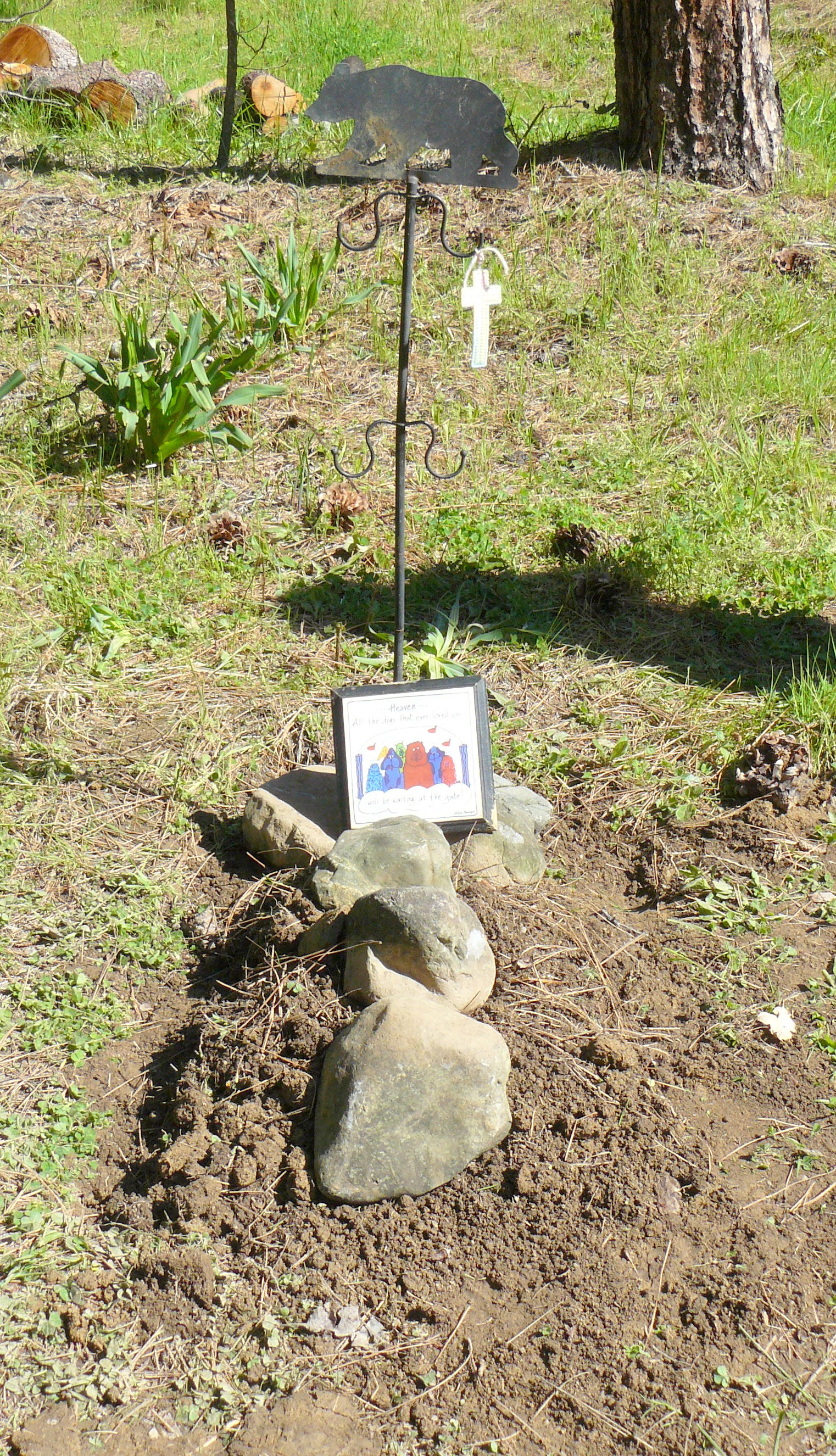
While there is more I want to write about Dhalia, you’ll appreciate it if that is left for tomorrow’s post and I close this with a couple of photographs.

Dhaliagrave1


oooo

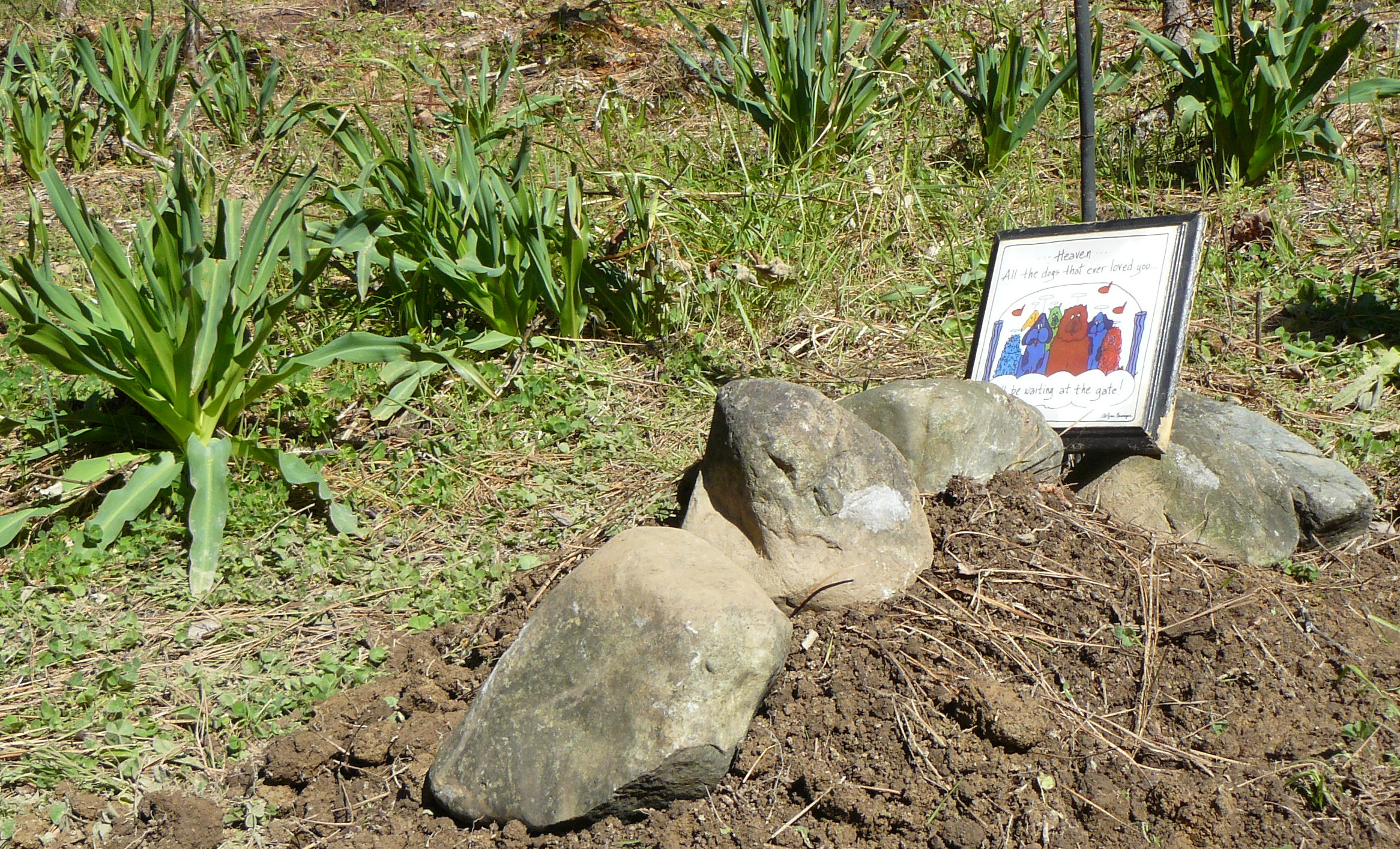
Dhalia grave2

oooo

For those that can’t read the plaque it says, “Heaven. All the dogs that ever loved you will be waiting at the gate.“

Dhalia has taken her last walk!

So little time.

The pain of knowing Dhalia is close to death.

It’s almost incomprehensible to realise that less than two weeks ago, the 27th March to be exact, I wrote a post under the title of Life, and mortality.  These few paragraphs will give you a feel for that post:

Possibly the most important lesson we can learn from dogs!

I was aware when writing the concluding part of Meet the dogs – Pharaoh that the next day I would be faced with writing about a subject that is a whole degree more difficult. Death!

It must have been in my mind when I wrote “of the need to smell the flowers in this short life of ours.“

What has prompted today’s post?

Simply that Dhalia developed a limp in her front, right-hand, leg. That was a few weeks ago. Naturally, we took her to our local vet, Dr. Codd, who diagnosed a strained elbow joint probably as a result of arthritis; Dhalia is believed to be ten-years-old. With the recommended medication, the limp came to an end.

Then about two weeks ago, the elbow weakness appeared in her left-hand, front leg.

On Monday, we returned to Dr. Codd who took further X-rays and sought a second opinion. That second opinion came back with the probability that it was a “osteoproliferative neoplastic lesion” or bone cancer to you and me! It’s not one-hundred-per-cent certain but likely.

The reason it feels so painful is that today (Sunday) it’s very clear to Jean and me that Dhalia’s life forces are ebbing away and that tomorrow morning (i.e. your today, dear reader) we will be taking Dhalia back to Dr. Codd, undoubtedly for him to put her to sleep.

I had in mind writing this week a series of posts on Truth, Trust and Community.  For obvious reasons those posts are on hold for a couple of days.

Please keep Dhalia in your thoughts.

Dhalia, just two weeks ago. She was already barely using her right front-leg.

Picture parade thirty-eight.

The second set of photographs from Elena Shumilova.

A week ago I introduced Elena Shumilova and am delighted to stay with her fabulous pictures.  I’m repeating the introduction from last week.

ooOOoo

A MOTHER FROM RUSSIA TOOK THESE PICTURES AT HER FARM

ALONG WITH HER TWO SMALL BOYS, A CAT AND A DOG.

These wonderful photographs by Elena Shumilova plunge the viewer into a beautiful world that revolves around her two boys and their adorable dog, cat, duckling and rabbit friends.

Taking advantage of natural colors, weather conditions and her enchanting surroundings, the gifted Russian artist creates cozy and heartwarming photography that leaves you amazed. Elena said, “Children and animals – it’s my life. I’m a mom with two sons and we spend a lot of time on the farm.”

meta9

oooo

meta10

oooo

meta11

oooo

meta12

oooo

meta13

oooo

meta14

oooo

meta15

ooOOoo

Final set for you in a week’s time.  You all take care of yourselves.