Category: Musings

Now here’s a sight!

Walking improves vision!

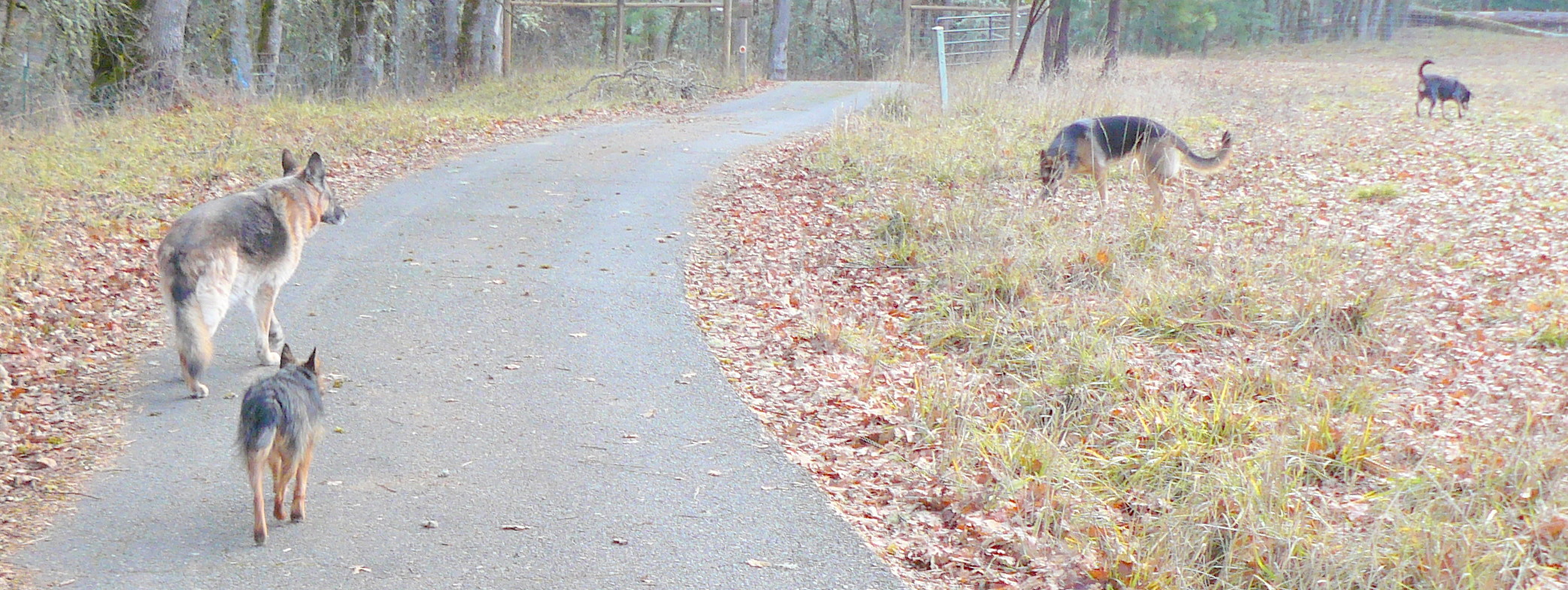
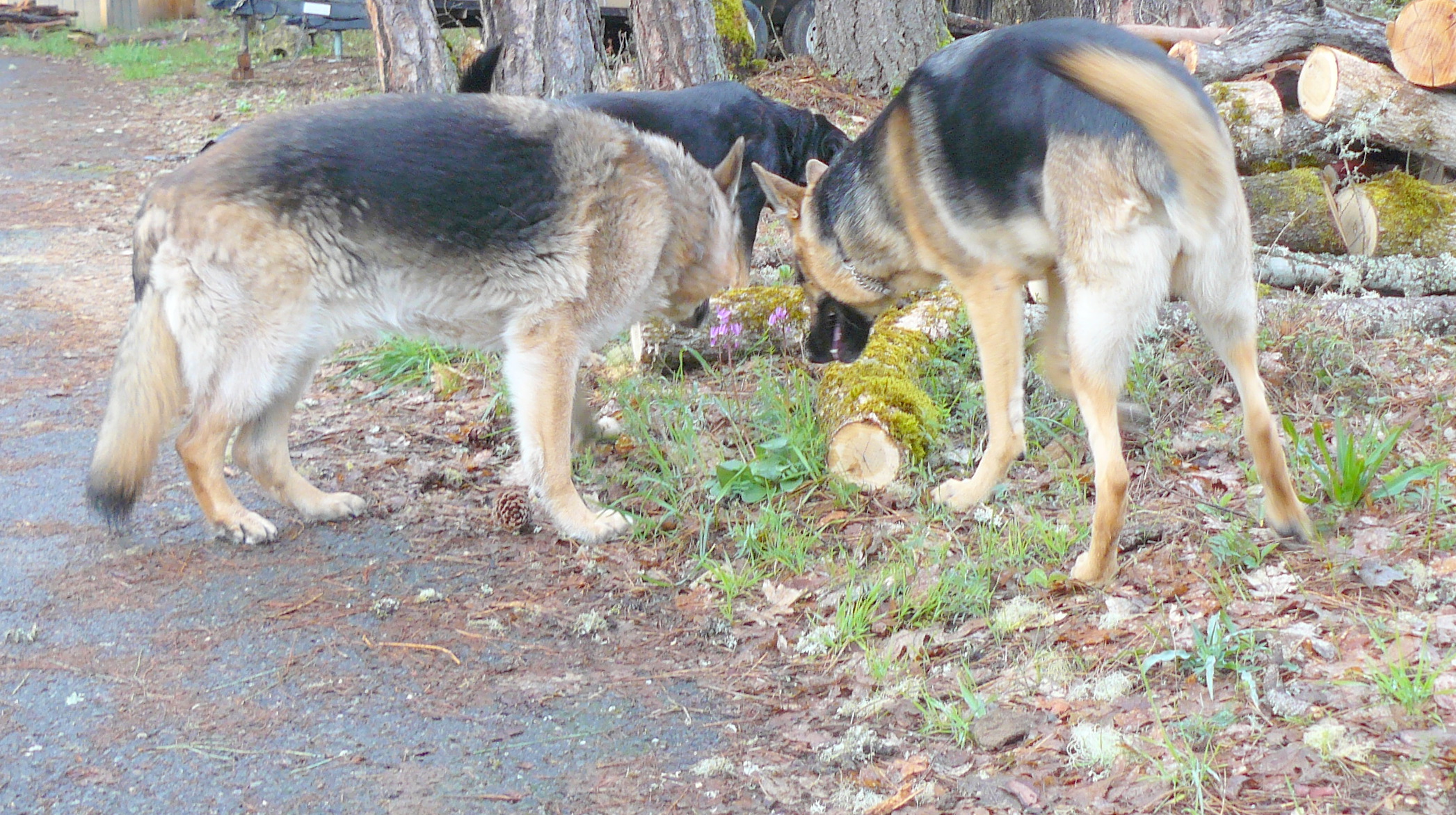
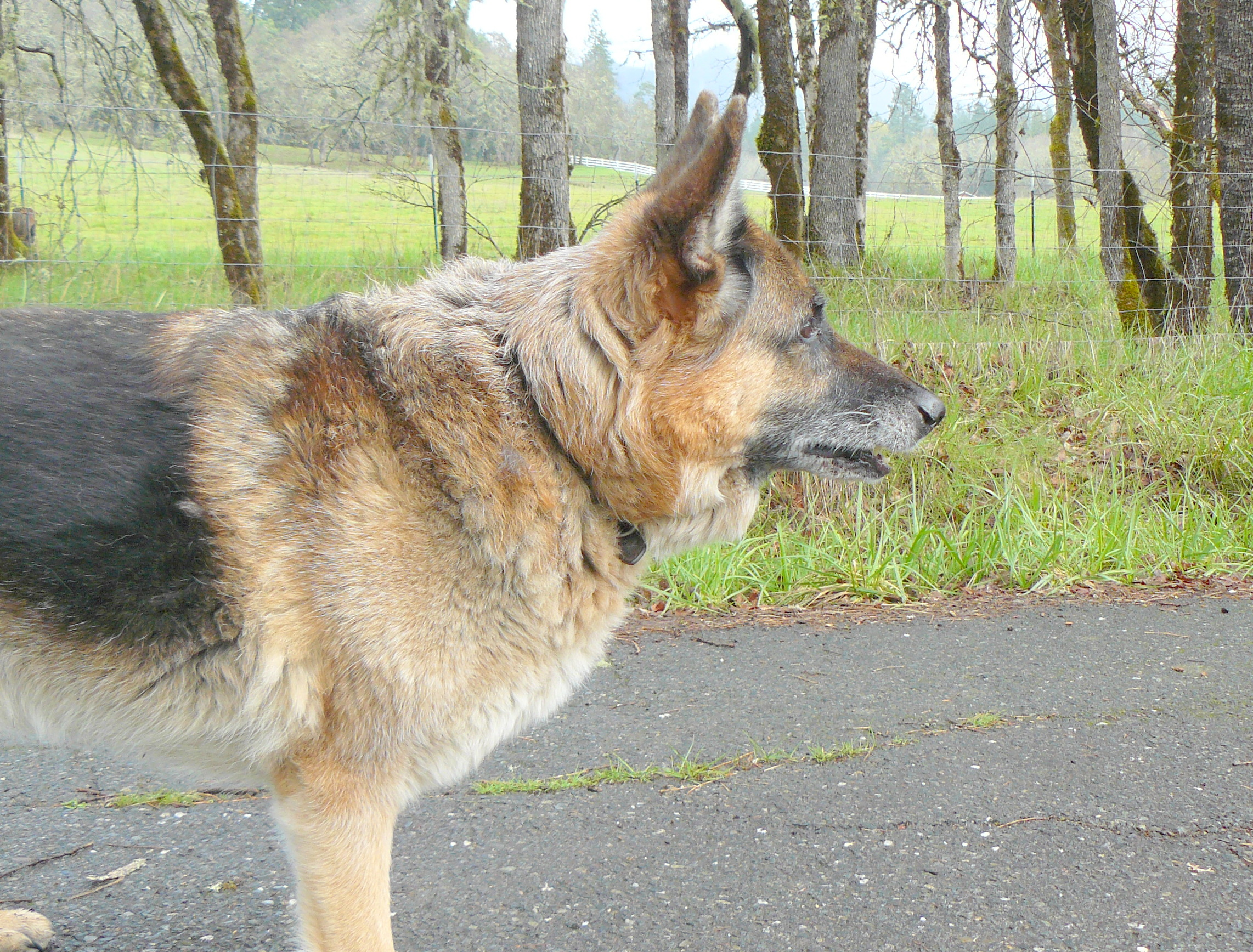
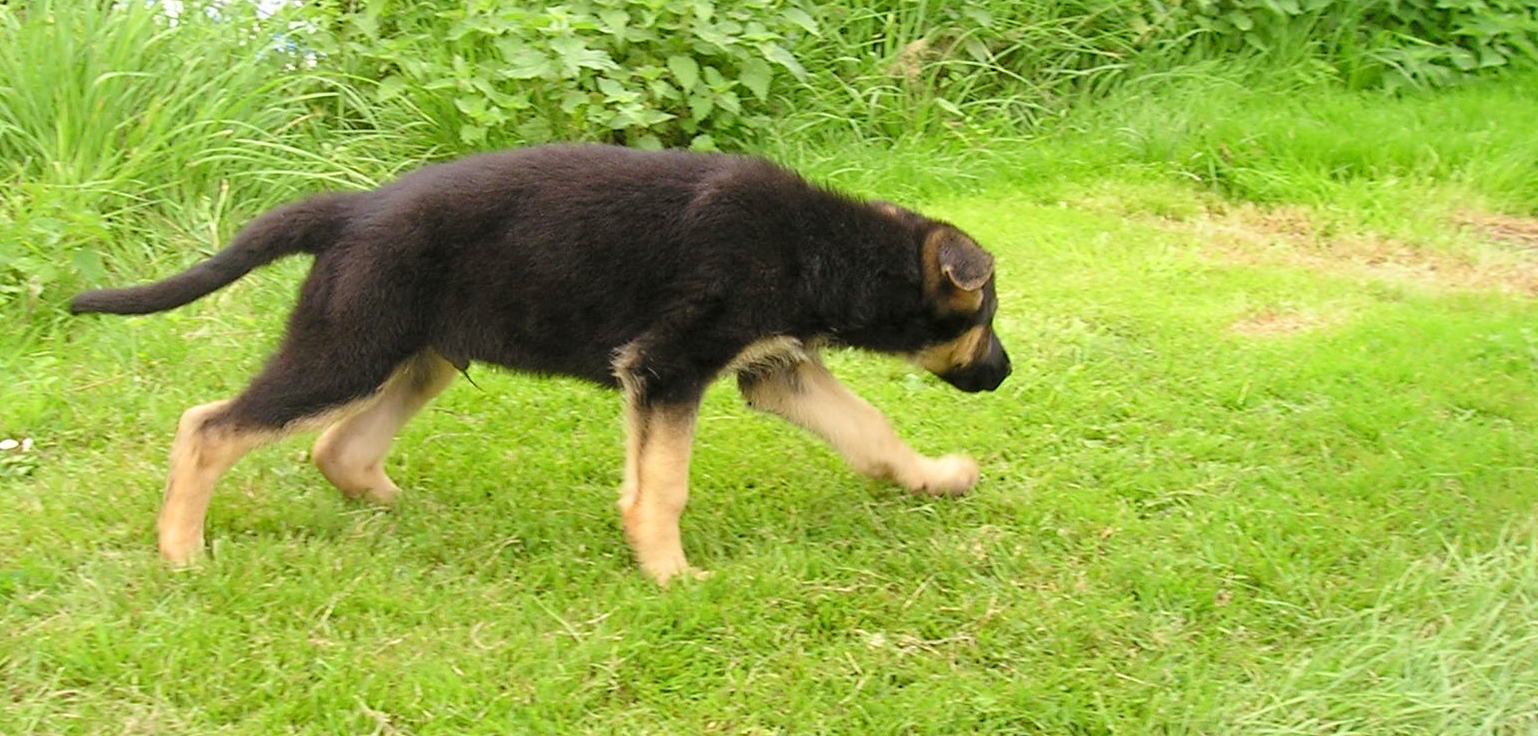
Dogs are the masters of being on four legs. And, presumably, their sight benefits from being so active.

I have been following Tony who writes the blog One Regular Guy Writing about Food, Exercise and Living Past 100 for some time. Here is what he says about himself.

I’m Tony
I have been interested in eating healthy for more than 35 years. Unfortunately,  my actions haven’t always matched my aims. As Mae West said, “I used to be Snow White, but I drifted.”

I drifted too, for a long time, but after writing posts for this blog for nearly 10 years, I have gotten good at it. I used the Lose It! App for a while (iPhone, iPad, Touch) a calorie counter that also breaks down nutrients and gives you a daily weight chart to demonstrate your progress. It’s not the only tool like this around, but it’s a good one. I think you are better off using a tool than not using one, especially if you are just embarking on a weight loss program.

Using that tool and practicing some self discipline I now have complete confidence in my ability to maintain a healthy body weight. I still need to work on the lean muscle mass thing, though. I love riding my bicycle and have no problem logging lots of miles and putting calories into the bank to free up my eating. I average around 100 miles a week.  That covers a multitude of sins at the table. Biking is a wonderful cardio workout. Few people realize, however, it is also very stimulating for the brain. It’s a lot more fun than working with weights, but ya gotta do that, too. I write about the benefits of cardio exercise on the brain often in this blog as it is usually misunderstood and/or completely overlooked in most fitness writing. I had an aunt who died of Alzheimer’s, my mother who suffered from dementia in her final years, and my grandfather on my father’s side also had cognitive problems in his later years, so I am dead serious about protecting myself from mental decline. Check out my Page – Important facts about your brain – and exercise to read more about it.

I retired 19 years ago. I spent 20 years as a Reuters Correspondent and Editor after starting my career in men’s magazines. I taught journalism at Medill for a while and then wrote in the investment department of a major U.S. philanthropy where I spent my last few years managing $900 million in bond investments.

Now that I am retired, I have complete control over what I eat. My heart goes out to you folks who go to work every day. It is much harder to control your caloric intake. There are business lunches and dinners to attend, late days at the office, working through lunch as well as traveling. I think if I were still working I would seriously consider bringing lunch from home a day or two each week to keep a handle on my intake. With a fridge and microwave where you work, you are good to go.

When I started writing for this blog in March of 2010 I weighed 165 pounds, the lowest I had been in 15 years. I thought I had arrived at fitness and health. Now, in 2019, I weigh 155 pounds. That’s right, I have melted off a further 10 pounds from my best weight in years. My resting heart rate is under 50 beats per minute (bpm), a result of my cycling, but significantly under the ‘normal’ of 65 to 90 bpm for a guy in his upper 70’s. I have less than 16 percent body fat and a 31 inch waist (the first time since high school). I have reached this state of fitness and health following the ideas and techniques I write about in this blog. You can, too

When the blog started, I was talking the talk, over nine years later I am walking the walk. You can do the same. I am just a regular guy. If I can do it you can, too. Check out my page  How to Lose Weight and Keep it Off for a start. Lots of excellent, practical principles there that I have learned and now apply to my daily life.

Just over 20 years ago my weight got out of control and I ballooned over 220 pounds. I took off 50 pounds in a year, but that only got me down to the mid-170’s. You can read How I lost 50 pounds in 52 weeks if you want chapter and verse.

When I retired, I started taking courses from The Great Courses. They include “Nutrition Made Clear” by Professor Roberta Anding. She has an MS in Nutrition and is a registered Dietitian and a certified specialist in sports dietetics. Another superb course is “Lifelong Health: Achieving Optimum Well-Being at any Age” by Doctor Anthony Goodman. He also teaches “The Myths of Nutrition and Fitness.” By now, in 2019, I have probably taken more than a dozen courses on mental and physical health and wellness as well as  healthy aging.

I have about 40 games of backgammon going on the web. I was born January 26, 1940. I am an Aquarius and a senior citizen. At 79 years of age, I am healthier by far than I was over 20 years ago when I was in the work force and a relatively young man in my 50’s.

As a senior who presently is winning the war of the waistline,  I am also grappling with the experience of aging. As part of this blog’s focus on good health I look seriously into aging and what can be done about it. I know there is no fountain of youth, but there are techniques for aging gracefully and, more importantly, retaining one’s mental powers. I promise to share with you everything I can find out about it.

The masthead photo is a shot of me taken 40 years ago by a girlfriend when we were bike riding by the lakefront in Chicago. I had a lot more hair then.

Tony

Now Tony recently published a post that I found so interesting.

It’s all about improving one’s vision.

ooOOoo

Walking improves vision – Study.

By Tony, November 25th, 2019

As a big fan of walking I was thrilled to learn of this further benefit to the Cinderella of the exercise world. Walking leads to an increase of peripheral visual input, according to a study from the University of Wurzburg.

How do we perceive our environment? What is the influence of sensory stimuli on the peripheral nervous system and what on the brain? Science has an interest in this question for many reasons. In the long term, insights from this research could contribute to a better understanding of diseases such as ADHD and Parkinson’s disease.
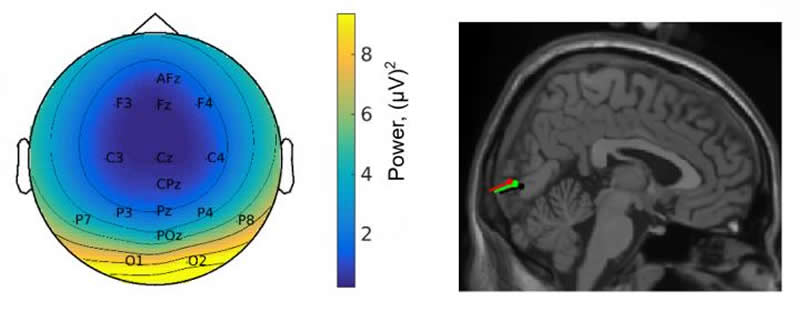
The topography of the EEG response (l) and its localization in the brain (r) show visual sensory processing during the walking conditions slow and normal – green and red, and standing – black. The image is credited to Barbara Händel.

Perception and the underlying neuronal activities are usually measured while subjects are sitting or lying, for example while doing magnetic resonance imaging. As a rule, the head is fixed and people are encouraged not to blink. The measurements therefore take place under well-controlled but rather unnatural conditions.

Shift of visual preference

When processing visual stimuli, however, it makes a difference whether the person is sitting or moving: When walking around, the peripheral part of the visual field shows enhanced processing compared to the central part. This can be proven both by the behaviorally measured perception of the test persons and by their brain response.

This shift in visual preference makes sense. “It is above all the peripheral visual input that provides information about the direction and speed of our movement and thus plays an important role for navigation,” says Dr. Barbara Händel. The neuroscientist from Julius-Maximilians-Universität (JMU) Würzburg in Bavaria, Germany, and her colleague Dr. Liyu Cao have published their findings in PLOS Biology

“It was known from animals that increased body movements lead to an increased firing rate in visual areas of the brain,” says Dr. Händel. So far, there are only a few behavioural experiments available for humans that investigate the influence of movement on sensory brain areas. However, there is evidence that cognitive processes are linked to the behavioural state. “For example, some studies show that people learn better when they move,” says the JMU researcher. However, the underlying neuronal mechanisms have not yet been tested in detail.

Mobile EEG, sensors and video glasses

It is precisely such gaps in knowledge that Barbara Händel wants to close with her work. In order to explore the link between movement and perception, sophisticated technical equipment is necessary. While the test subjects walk around, they wear electrode caps and a small amplifier that records their brain waves. The EEG data are sent wirelessly to a laptop, which the subjects carry in a backpack. Motion sensors, video glasses, and a mobile device for recording eye movements complete the setting.

Quite an effort. “But we have to take this step if we want to understand human perceptual strategies during natural behavior,” says Dr. Händel. Research into perception during movement is still in its infancy. It is now up to science to ask clever questions and find out which of them can be answered with mobile technical equipment.

Many exciting research questions

Next, the JMU scientist wants to further investigate the effect of altered perception during movement. Does it only occur for visual input or possibly also in other sensory areas? Does it, in addition to navigation, perhaps also play a role in other cognitive processes such as memory and creativity?

All this is possible: experiments with rats have shown that these animals learn better, when they are in motion. And the idea that walking increases creativity has existed since ancient times. “For example, the Peripatetics, a philosophical school around Aristotle, usually were discussing while walking, from which their name derives,” says Barbara Händel.

There is also a connection between creativity and eye movements: “It is known that people blink more often the more creatively they solve a task. And we found that people also blink more often when they walk around compared to being at rest.” Obviously, there are many connections between the movements of the body, the eyes and the mental performance. Their research could reveal many more interesting aspects.

To read further on the benefits of walking, check out my Page – Why you should walk more.

Tony

ooOOoo

I find this a very valuable article.

It shows that the benefits of walking are much more than the pure exercise.

I wonder if it applies to bike riding?

Finally, here’s wishing every one of you a Happy and Peaceful Thanksgiving Day!


FindShadow to the rescue!

There’s nothing so bad as losing one’s dog.

I was recently contacted by John Brooks. He writes of himself:

John Brooks loves animals from the core of his heart. Whenever he gets time, he tries to write regarding animal health & condition so that all pet lovers like you don’t fall in any hazardous situation.

He went on to explain that:

One day, Findshadow helped me to find my lost dog. So that I wrote about Findshadow.

So with no further ado, here is John’s post.

ooOOoo

What Is Findshadow How It Can Help You Find Your Missing Dog

Dog owners share a lot of the same grievances, annoyances, and frustrations. From getting up to your pet barking in the wee hours of the night to cleaning up after your dog’s mess during walks around the neighborhood, raising and taking care of a pet comes with a host of responsibilities. And with those responsibilities come work, and with work comes grievance, annoyance, and frustration.

However, one of the worst, most gut-wrenching feelings that dog owners can relate to is the moment you realize your dog is missing. After searching every room, backtracking to the park you were at with your dog in the morning, asking your neighbors if they have seen them and posting flyers on every telephone you can find, the hopelessness begins to set in.

Luckily for you, Findshadow, a free app that helps dog owners locate their missing companions, is harnessing the power of community and technology to reunite you with your lost pets. And it is doing a pretty darn good job.

So, what is Findshadow? It is is a free smartphone app that walks owners who have lost their pets step-by-step through the process of finding their dogs.

The app offers a wide array of services and tips for their users, all for free. First, you post your lost or found dog to the community. Then, the app gives you a completely personalized, step-by-step plan on how to use the app and other resources to locate your dog. While you may think of some of these steps yourself, you’ll be surprised how thorough the process can be.

After going through these first introductory steps, you can use Findshadow to print or download personalized street flyers. Although posting your pup to the community in-app will definitely increase visibility far more than strictly putting up posters, having physical images of your dog around the neighborhood will still help you get in front of a demographic that doesn’t have Findshadow downloaded.

You can share your post on social media to easily reach friends and family. With just the three aforementioned features, Findshadow has already allowed you to reach three different populations: Findshadow users, people in your neighborhood and your connections on social media.

Getting your dog’s photo in front of as many people as possible is the recipe to success for finding your dog as quickly as possible. The more people who see it, regardless if they use Findshadow or not, the more people who will be able to identify your pet if they see it.

Findshadow also has a nifty feature that makes it easier to contact nearby shelters to ask if they have seen your dog. Even if you don’t directly contact shelters yourself, Findshadow volunteers can help snap pictures of dogs in shelters and send them to you in-app to see if they match.

The sense of community behind Findshadow is powerful. Past users of Findshadow who have successfully been reunited with their dog because of the app give back to the community by becoming active volunteers. This creates a culture where owners are helping each other out. Every dog is considered important.

The interface of the app is easy-to-use and allows users to quickly switch between different features and services. You can browse through found dog listings to double-check posts to see if someone on Findshadow has already found your dog.

The amount of positive reviews and testimonials from dog owners who gush over the app is well-justified. The app has reunited countless owners with their dogs, oftentimes within the same day they went missing.

Even if you haven’t lost your dog, it is a great app to have downloaded just in case something does come up.

ooOOoo

This is the essence of blogging and sharing.

I hadn’t heard of Findshadow before now but will surely put the app on my phone.

Here’s the link to the FindShadow website.

How old is your dog?

Dan sends me a more accurate calculation.

Dear Dan and I recently had an email ‘conversation’ about the conversion of dog years to human years. Then, yesterday,  as in Thursday, he sent me the following article from ZME Science.

Enjoy!

ooOOoo

Here’s a better way to calculate dog years – backed by science.

Lets’s face it, 1 for 7 years is not accurate.

November 21, 2019

By Mihai Andrei

The formula is about mid-way through the article, and it includes a simple calculator.

We learn, as kids, to approximate dog age thusly: one dog year for seven human years. That’s a decent approximation in some cases, but the more you think about it, the more it starts to fall apart.

All dog breeds tend to follow a similar pattern: they reach puberty at 10 months old. Right off the bat, it’s clear that the approximation doesn’t work here, as humans don’t really reach puberty at 6 years. Dogs can also reach 20 years or even more, and 140 years has never been recorded for a human. All in all, while it can give a ballpark estimate, the 7-for-1 approach falls short in many regards.

But now, researchers have come up with a much more accurate formula to assess dog age in human years. This one, at least, is backed by science.

It started as a way to detect factors associated with dog aging, and it focused on a relatively new concept: DNA methylation. The idea is that as we age, our DNA undergoes chemical modifications which can be used as a sort of genetic clock. It’s a way of looking at our body’s wear and tear, as the influence of diseases and unhealthy lifestyle can also be observed (to an extent) with this approach.

It’s not just humans that have epigenetic clocks. Other species have them too — including dogs. Geneticist Trey Ideker of the University of California, San Diego, and colleagues, analyzed the DNA methylation patterns in the genomes of 104 dogs (all golden retrievers), ranging from 4 weeks to 16 years of age. Although just golden retrievers were analyzed, the patterns are very similar for all breeds.

There were remarkable similarities between the DNA methylation of dogs and humans. Although the two species diverged a very long time ago, dogs live in similar environments to humans, and they even have access to similar healthcare.

Simply put, the patterns of DNA methylation in young dogs tended to be similar to those in young humans — the same goes for older dogs and older humans.

Finally, the study also demonstrates that these patterns can be used to translate the age-related physiology of one organism (in this case, dogs) to another organism (humans).

The formula is not linear, and is not exactly simple, but here it is:

Human Years = 16 ln(Dog Years) + 31,

where ln is the natural logarithm.

Inputs

Dog_years:

Outputs

Human_years:

-∞

Powered by JSCalc.io


Logarithmic function for epigenetic translation from dog age (x-axis) to human age (y-axis). Tom Hanks for scale. Image credits: Wang et al

The natural logarithm is used because dogs and humans don’t age similarly. Dogs seem to age very quickly in the first part of their life (which is why the age of young pups seem very weird translated into human years), but their ageing process slows down massively compared to that of humans. So the translation dog to human years cannot be linear — it is logarithmic. When your dog is 1 year old, he’s approximately 30 in human years. When he’s 2 years old, he’s 42. He’s around 60 human years by the time he’s 6, but only 70 by the time he’s 12.

It’s a weird thing to wrap your mind around and it is definitely not a perfect translation from dog years to human years, but it works much better than all existing alternatives. It also works to explain why some dogs reach sexual adolescence as early as 6 months old — the onset for that is around 10-14 years for humans. Dogs are adolescent until about 2 years, which in humans lasts until 25 years old. Then, maturity for dogs is around 2-7 years, and for humans around 25-50 years. Similar calculations (but with a slightly different formula) can be carried out for other animals, including cats and mice, researchers conclude.

The study can be read in its entirety for free on biorXiv.

ooOOoo

M’mmm, I think I need a little more time to absorb that!

Part Two of that post about Pharaoh!

A wonderful dog!

I have re-read this post and have choked up. For Pharaoh was the supreme dog for me to have as a companion during this stage in my life. I suspect you will read that clearly in the post that follows.

ooOOoo

The concluding part-two of meeting Pharaoh 

Pharaoh, as of yesterday afternoon!

In yesterday’s first part of my recollection of having Pharaoh in my life for over ten years, I focussed on the early days.  Today, I want to take a more philosophical view of the relationship, right up to the present day.

The biggest, single reward of having Pharaoh as my friend goes back a few years.  Back to my Devon days and the time when Jon Lavin and I used to spend hours talking together.  Pharaoh always contentedly asleep in the same room as the two of us. It was Jon who introduced me to Dr. David Hawkins and his Map of Consciousness. It was Jon one day who looking down at the sleeping Pharaoh pointed out that Dr. Hawkins offered evidence that dogs are integrous creatures with a ‘score’ on that Map of between 205 and 210. (Background story is here.)

So this blog, Learning from Dogs, and my attempt to write a book of the same name flow from that awareness of what dogs mean to human consciousness and what Pharaoh means to me.  No, more than that!  From that mix of Jon, Dr. David Hawkins, experiencing the power of unconditional love from an animal living with me day-in, day-out, came a journey into my self.  Came the self-awareness that allowed me to like who I was, be openly loved by this dog of mine, and be able to love in return.  As is said: “You cannot love another until you love yourself.

Moving on.

Trying to pick out a single example of the bond that he and I have is practically impossible.  I have to rely on photographs to remind me of the thousands of times that a simple look or touch between Pharaoh and me ‘speaks’ to me in ways that words fail. Here’s an extract from my celebration of Pharaoh’s tenth birthday  last June 3rd; written the following day. It comes pretty close to illustrating the friendship bond.

oooo

For many years I was a private pilot and in later days had the pleasure, the huge pleasure, of flying a Piper Super Cub, a group-owned aircraft based at Watchford Farm in South Devon.  The aircraft, a Piper PA-18-135 Super Cub, was originally supplied to the Dutch Air Force in 1954 and was permitted by the British CAA to carry her original military markings including her Dutch military registration, R-151, although there was a British registration, G-BIYR, ‘underneath’ the Dutch R-151.  (I wrote more fully about the history of the aircraft on Learning from Dogs back in August 2009.)

Piper Cub R151
Piper Cub R151

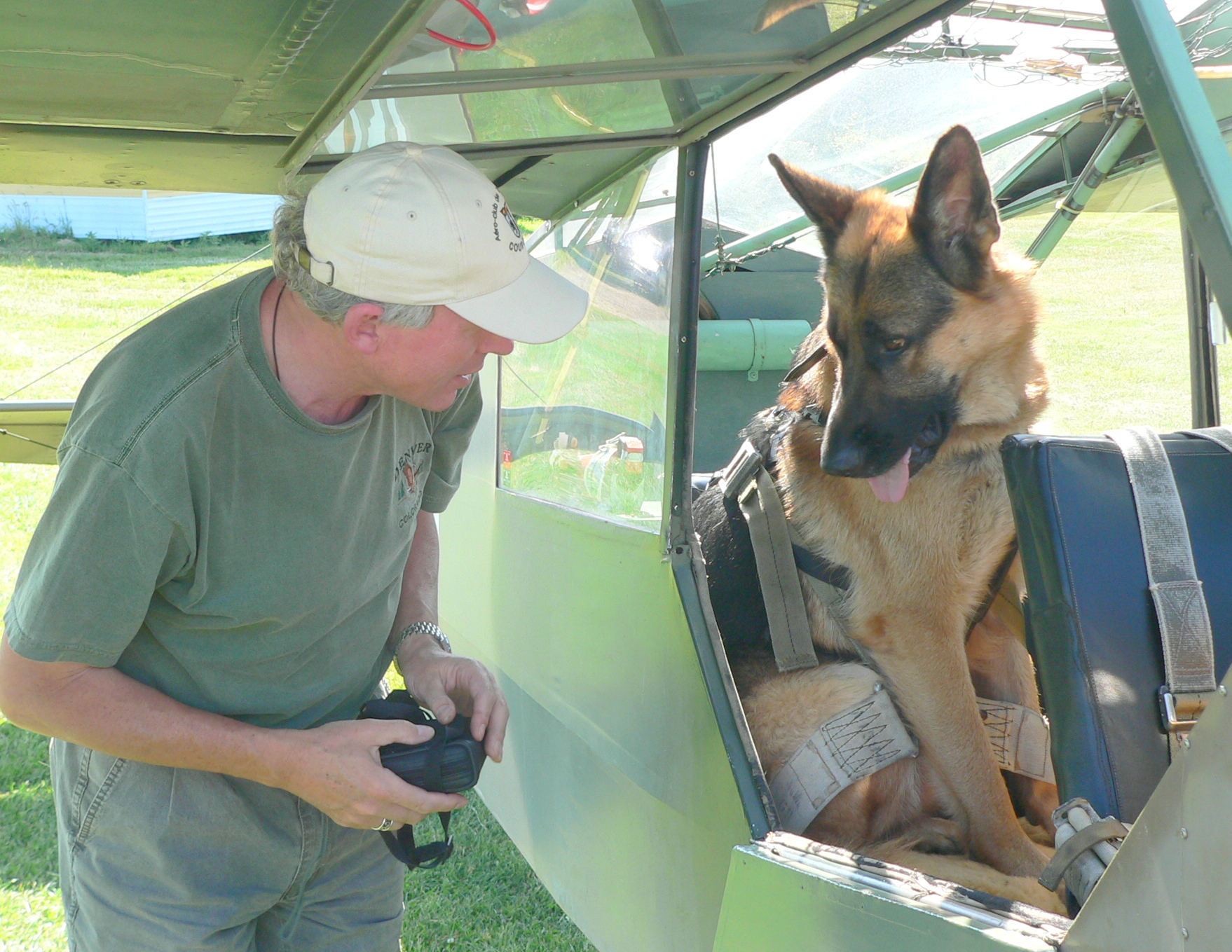
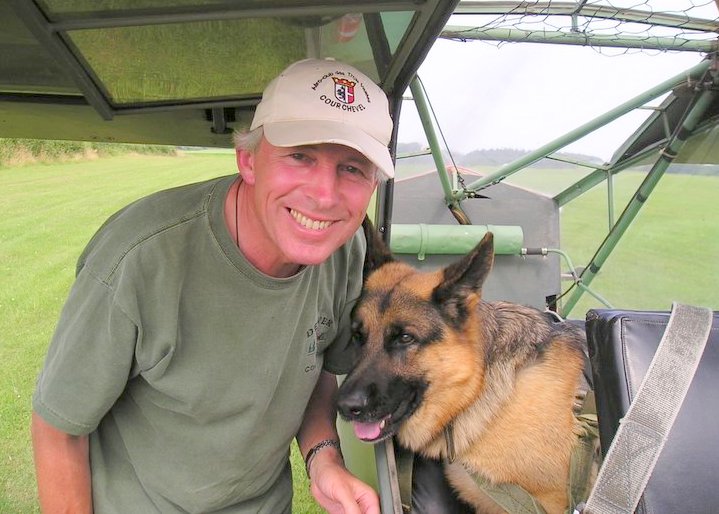
Anyway, every time I went to the airfield with Pharaoh he always tried to climb into the cockpit.  So one day, I decided to see if he would sit in the rear seat and be strapped in.  Absolutely no problem with that!

Come on Dad, let's get this thing off the ground!
Come on Dad, let’s get this thing off the ground!

My idea had been to fly a gentle circuit in the aircraft.  First I did some taxying around the large grass airfield that is Watchford to see how Pharaoh reacted.  He was perfectly behaved.

Then I thought long and hard about taking Pharaoh for a flight.  In the Cub there is no autopilot so if Pharaoh struggled or worse it would have been almost impossible to fly the aircraft and cope with Pharaoh.  So, in the end, I abandoned taking him for a flight.  The chances are that it would have been fine.  But if something had gone wrong, the outcome just didn’t bear thinking about.

So we ended up motoring for 30 minutes all around the airfield which, as the next picture shows, met with doggie approval.  The date was July 2006.

That was fun!
That was fun!

oooo

Moving on again.  This time to another flying experience.  To the day when Pharaoh and I flew out of London bound for Los Angeles and a new life with Jeannie and all her dogs (16 at that time) down in San Carlos, Sonora County, Mexico.  The date: September 15th, 2008.  Just ten months after I had met Jean in Mexico and realised that this was the woman that I was destined to love! (Now you will understand why I described earlier the Jon Lavin, Dr. Hawkins, Pharaoh mix as the biggest, single reward of having Pharaoh as my friend!)

There followed wonderful happy days for me and Pharaoh.  Gorgeous to see how Pharaoh became so much more a dog, if that makes sense, from having his own mini-pack around him.  Those happy days taking us all forwards to Payson, AZ, where Jean and I were married, and then on to Merlin, Oregon arriving here in October, 2012.

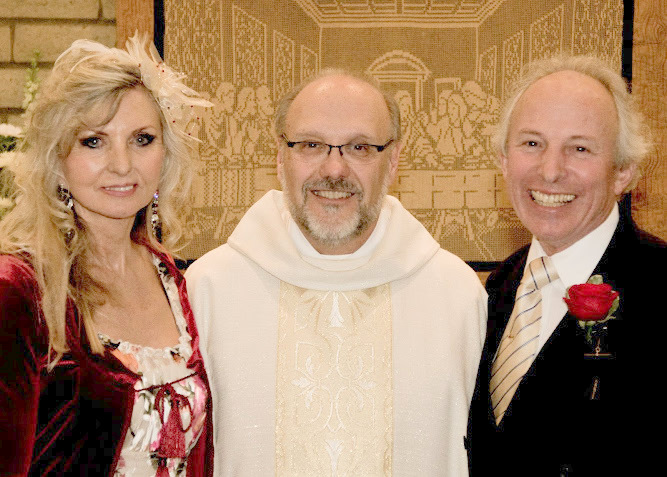
Fr. Dan Tantimonaco with the newly weds!

oooo

Pharaoh 'married' to his dearest friends. December, 2013.
Pharaoh ‘married’ to his dearest friends. December, 2013.

oooo

Perfect closeness. Pharaoh and Cleo with Hazel in the middle. Taken yesterday.
Smelling the flowers! Pharaoh and Cleo with Hazel in the middle. Taken yesterday.

I could go on!  Hopefully, you get a sense, a very strong sense, of the magical journey that both Pharaoh and I have experienced since I first clasped him in my arms back in September, 2003.

Both Pharaoh and I are in the Autumn of our lives, he is 11 in June; I am 70 in November, and we both creak a little. But so what! Pharaoh has been my greatest inspiration of the power of unconditional love; of the need to smell the flowers in this short life of ours.

One very great animal! (March 25th, 2014)

Thank you, my dear, dear friend!

ooOOoo

Yes, thank you, and thanks to all the dogs that love us and to whom we offer love in return.

Today, as in the 20th November, 2019, just happens to be our anniversary, nine years ago we were married. We met just before Christmas, 2007.

A reposting of a Meet the Dogs!

This came up in my research!

I am at the stage in my book where I am having to check certain dates. Luckily I was already writing Learning from Dogs and could use the blog to check dates.

In so doing I came across an earlier post about Pharaoh and thought that was so, so good that it just has to be republished. Part One today and Part Two tomorrow.

ooOOoo

‘Meeting’ this dog deserves two posts!

Almost two months ago, January 30th to be exact, the first of this ‘Meet the dogs‘ series was published.  It came out of an idea from Jean and that January 30th post introduced Paloma to you, dear reader.  Since then we have told you about Lilly, Dhalia, Ruby, Casey, Hazel, Sweeny, and Cleo.

So today’s post is the last of the Meet the dogs stories; it is about Pharaoh.  I’m going to indulge myself and tell you the story of this most wonderful of dogs over today and tomorrow.

ooOOoo

Pharaoh

OLYMPUS DIGITAL CAMERA
Photograph taken on the 12th August, 2003, the first day I saw Pharaoh.

This is Sandra Tucker, owner of Jutone Kennels in Devon, England, where Pharaoh was born on June 3rd, 2003.  Here’s something written elsewhere that conveys my feelings that first day that I met this puppy.

oooo

In no time at all I was turning into the farm driveway, noticing the painted sign for Jutone & Felsental German Shepherds alongside the open, wooden gate.

I turned off the engine and was about to swing my legs out of the open driver’s door when I saw a woman coming towards me.

“Hi, you must be Paul, I’m Sandra. Did you have any trouble finding us?”

I shook hands with her.

“Not at all. I did as you recommended when we spoke on the phone and went in to the local store and got final directions.”

Sandra smiled, her glasses almost slipping off the end of her nose.

“Dear Beth. She’s been running that local store since God was a boy.”

She continued with a chortle in her voice, “Some say that Beth was at the store before our local pub, The Palk Arms, opened for business. And the pub’s been in the village for well over four-hundred years.” Sandra’s laugh was infectious and I caught myself already taking a liking to her. The sense of a strong, confident person struck me immediately. Indeed, a working woman evidenced by her brown slacks, revealing plenty of dog hairs, topped off with a blue T-shirt under an unbuttoned cotton blouse.

“Anyway, enough of me, Paul, you’ve come to get yourself a German Shepherd puppy.”

She turned towards a collection of grey, galvanised-sheeted barns and continued chatting as I fell into step alongside her.

“After we discussed your circumstances over the phone; where you live down there in Harberton, why you specifically wanted a German Shepherd dog, I thought about the last set of puppies that were born, just a few weeks ago.”

Sandra paused and turned towards me.

“While, of course, you can select whatever puppy you feel drawn to, my advice is to go for a male. Listening to your experiences of befriending a male German Shepherd when you were a young boy, I have no doubt that a male dog would result in you and the dog building a very strong bond. Indeed, I have a young male puppy that I want to bring out to you. Is that OK?”

Sandra turned and walked out of sight around the corner of the first barn leaving me standing there, my response presumably being taken for granted.

Something in her words struck me in a manner that I hadn’t anticipated; not in the slightest. That was her use of the word bond. I was suddenly aware of the tiniest emotional wobble inside me from Sandra’s use of that word. Somewhere deep inside me was the hint that my decision to have a dog in my life was being driven by deeper and more ancient feelings.

My introspection came to an immediate halt as Sandra re-appeared. She came up to me, a beige-black puppy cradled under her left arm, her left hand holding the pup across its mid-riff behind his front legs, her right arm across her waist supporting the rear of the tiny animal.

I stood very still, just aware of feelings that I couldn’t voice, could hardly even sense, as I looked down at this tiny black, furry face, outsized beige ears flopping down either side of his small head.

It was unusually warm this August day and I had previously unbuttoned my cuffs and folded the shirt sleeves of my blue-white, checked cotton shirt back above both elbows leaving my forearms bare.

Sandra offered me the young, fragile creature. As tenderly as I could, I took the pup into my arms and cradled the gorgeous animal against my chest. The pup’s warm body seemed to glow through its soft fur and as my bare arms embraced the flanks of this quiet, little dog I realised the magic, the pure magic, of the moment. Something was registering in me in ways utterly beyond words but, nonetheless, as real as a rainbow might be across the green, Devon hills.

“How old is he, Sandra?”

“This little lad was born on June 3rd. So what are we today? August 12th. So he is ten weeks old as of today.”

June 3rd, 2003. I knew that this date had now entered my life in just the same way as had the birth-dates of my son and daughter; Alex and Maija.

The power of this first meeting was beyond anything I had expected, or even imagined. I thought that it was going to be a fairly pleasant but, nonetheless, unsurprising process of choosing a puppy. How wrong could I have been! What was captivating me was the pure and simple bodily contact between this young dog and me. No more than that. I was sensing in some unspoken manner that this was equally as captivating for this precious puppy-dog. For even at the tender age of ten weeks, the tiny dog appeared to understand that me holding him so longingly was bridging a divide of many, many years.

Sandra motioned with her arm, pointing out a bench-seat a few yards away alongside a green, well-manicured, lawn.

I very carefully sat down on the wooden-slatted bench and rested the beautiful animal in my lap. The puppy was adorable. Those large, over-sized ears flopping across the top of his golden black-brown furry head. His golden-brown fur morphing into black fur across his shoulders and then on down to the predominantly beige-cream colour of his soft, gangling, front legs. That creamy fur continuing along the little creature’s underbelly.

The puppy seemed almost to purr with contentment, its deep brown eyes gazing so very intently into mine. I was entranced. I was spellbound.

Never before had I felt so close to an animal. In a life-time of nearly sixty years including having cats at home when I was a young boy growing up in North-West London, and much later the family owning a pet cat when Alex and Maija were youngsters, I had never, ever sensed the stirrings of such a loving bond as I was sensing now. As this young puppy was clearly sensing as well. This was to be my dog. Of that I was in no doubt.

oooo

OLYMPUS DIGITAL CAMERA
Early days at home in South Devon.


Let me leave you with a couple of other photographs taken from his early days.

Pharaoh, nine months old.
Pharaoh, nine months old, taken in my Devon home in 2004.

oooo

One year old: June 3rd 2004.
First birthday: June 3rd 2004.  Again, picture taken in Devon.


Never in my wildest dreams did I imagine that in the year 2014, I would be writing about Pharaoh from a home-office desk in Southern Oregon sharing a happy life with a wonderful London lady, Jean, and more gorgeous animals than one could throw a stick at.

More on that shared journey with Pharaoh tomorrow!

ooOOoo

Back to today.

Isn’t that a perfect memory of an outstanding dog. Indeed, more than that. An outstanding memory of a grand, magnificent, intelligent dog who was with me during the worst and best of my life!

Dogs are meat-eaters!

Humans are not – never have been!

On Monday when Jeannie and I went to our regular session at Club Northwest, Jean to her Rock Steady class, and me to spend 45 minutes with Austin Raymond, one of the fitness coaches, he and I were speaking of health in general and veganism in particular. Austin, Jean and I are vegans.

Austin mentioned had we watched the film The Game Changers on Netflix? I replied that we had not but we were subscribers to Netflix and would watch it in the evening.

Well what an incredible film! I mean really incredible!

P.S. If you are a Netflix subscriber then you may watch it without any fuss.

(So I taken time out from book writing to publish this post; I’m over 9,000 words already written in November!)

Here’s a YouTube trailer to the film:

Have you ever seen an ox eating meat!

But apart from the solid science that we never were meat-eaters were the facts about illness being so much prevalent in those eating meat compared to vegans. That was just one aspect of the film that grabbed our attention! There were many more.

Back to fundamentals!

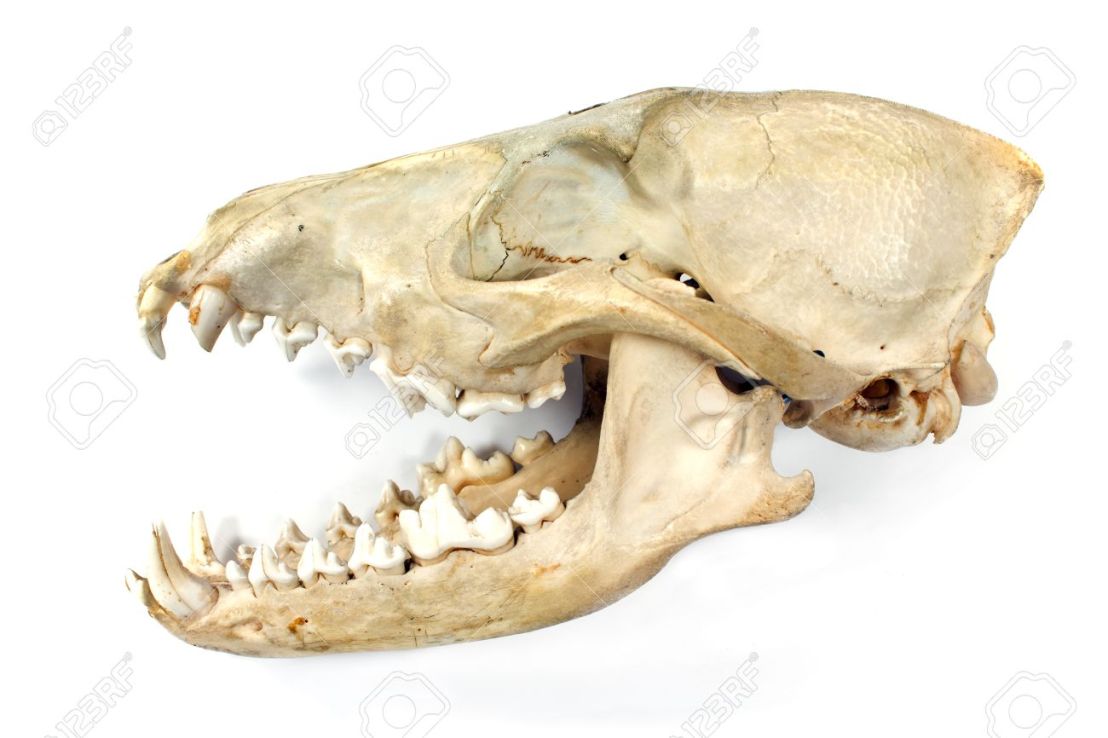
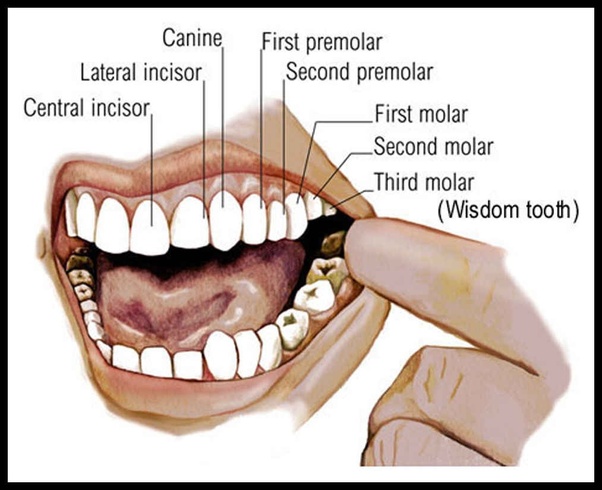
Let’s examine one fact, the jaw shape.

Here’s the jaw of a dog.

Dog skull and jaw isolated on white

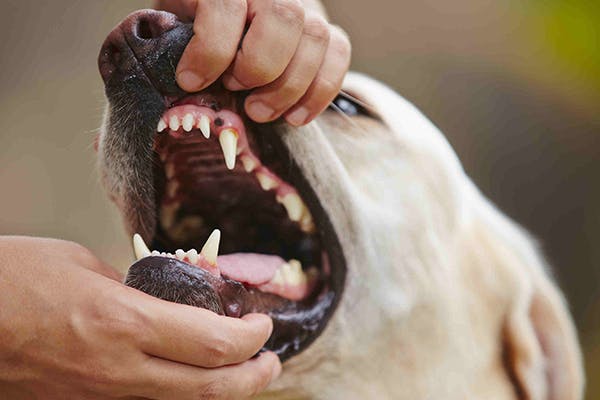
and here’s another:

That is a mouth that has evolved to tear meat from an animal.

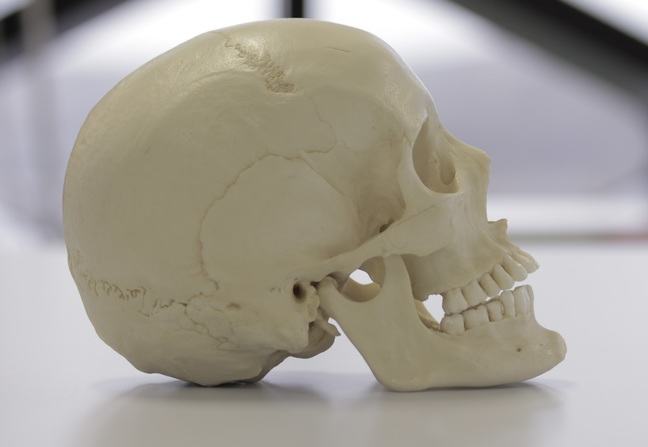
And here’s the jaw of a human:

and the picture of the whole skull.

Notice that the teeth have always been adapted to eat fruit and vegetables.

And that’s before we think how much land has been converted from natural land and forest to grazing land for cattle and sheep!

Now I don’t know how long the full documentary will remain for free on YouTube but here it is:

It is an hour and twenty-five minutes long.

But PLEASE watch it! It’s very important.

And I would be very interested in your thoughts!

In my opinion this is as important as it gets.

Thank you, Austin!

Picture Parade Three Hundred and Twelve

A copy of a Picture Parade from a year ago!

(And I’m getting on with the book!)

oooo

oooo

oooo

oooo

oooo

oooo

oooo

As I said a year ago, this has nothing to do with dogs but I sense there won’t be any complaint!

Continuing Book Two

The memoir continues!

I am somewhat embarrassed to say that I am still working on Book Two. As I announced in November, 2017!

However, I decided to type up the comprehensive notes that I took during 1970 when after touring the outback of Australia I then spent a few weeks travelling through Asia and Japan before boarding the Trans-Siberian Express as a way of coming to Helsinki in order the file my stories.

I also have changed the name. From The Dog and I to A Letter to a Grandson. Simply because my grandson wasn’t yet born when I left the UK to arrive, via Mexico, in the USA. Morten, that being my grandson’s name, when he is of the age where he is curious about his grandfather, will hopefully want the full story.

Thus once again I am using National Novel Writing Month (NaNoWriMo) to guide me along the path.

All of which is an explanation why for the month of November things may be a little quiet on the Learning from Dogs front.

Because I am very focussed on writing a further 50,000 words in November rather than blogging. I’m sure you understand.

Dancers and Dogs

I know it’s highlighting a book launch but still …

Here’s a YouTube video about the book:

Plus here’s an extract from Mother Nature Network:

Photographers Kelly Pratt and Ian Kreidich frequently work with professional dancers, capturing their gorgeous movements and their breathtaking abilities. But in a random moment, Pratt suggested to her husband, Kreidich, that they throw a few dogs into the mix for an unusual collaboration.

“We definitely didn’t fully know what to expect with this project,” Pratt tells MNN. “We started very small — at first we worked with our friends at the St. Louis Ballet — and just slowly tried to figure out what worked and what didn’t, when it came to working with dogs. No one had ever done this before, so it was all trial and error.”

They posted a behind-the-scenes video on social media and it vaulted into the stratosphere. It has been viewed more than 41 million times on YouTube, Facebook and Instagram.

Pratt and Kreidich spent more than two years photographing 100 dancers and 100 dogs in more than 10 cities across the U.S. Now the images of graceful dancers and furry companions are in the book “Dancers & Dogs.”

I also notice that there’s a calendar for sale.

Anyway, thought you would like to know!

It’s not just me!

I thought this was worth sharing!

The problem with coming up to the age of 75, and aware that I am close to the average life expectancy in the US, is that one increasingly worries about stuff. Such as it seems like the world is becoming more unsettled. But then it is put down to age!

But this article does imply that it is a more unsettled world and we should take notice. Republished with permission.

ooOOoo

5 tips for surviving in an increasingly uncertain world

What does the future hold – and how will you handle what comes next?
Svetlana Lukienko/Shutterstock.com

Jelena Kecmanovic, Georgetown University

A recent study showed that North Americans are becoming less tolerant of uncertainty.

The U.S. presidential impeachment inquiry has added another layer of uncertainty to an already unstable situation that includes political polarization and the effects of climate change.

As a clinical psychologist in the Washington, D.C. area, I hear people report being stressed, anxious, worried, depressed and angry. Indeed, an American Psychological Association 2017 survey found that 63% of Americans were stressed by “the future of our nation,” and 57% by the “current political climate.”

Humans dislike uncertainty in most situations, but some deal with it better than others. Numerous studies link high intolerance of uncertainty to anxiety and anxiety disorders, obsessive-compulsive disorder, depression, PTSD and eating disorders.

While no one person can reduce the uncertainty of the current political situation, you can learn to decrease intolerance of uncertainty by implementing these scientifically sound strategies.

1. Commit to gradually facing uncertainty

Even though humans encounter uncertain situations every day, we often avoid feeling the discomfort of facing the uncertainty.

When unsure how to best proceed with a work assignment, you might either immediately seek help, over-research or procrastinate. As you prepare for the day, uncertainty about the weather or traffic is quickly short-circuited by checking a phone. Similarly, inquiries about family or friends’ whereabouts or emotions can be instantly gratified by texting or checking social media.

All this avoidance of uncertainty leads to relief in the short run, but lessens your ability to tolerate anything short of complete certainty in the long run.

Tolerance for uncertainty is like a muscle that weakens if not used. So, work that muscle next time you face uncertainty.

Start gradually: Resist the urge to reflexively check your GPS the next time you are lost and aren’t pressured for time. Or go to a concert without Googling the band beforehand. Next, try to sit with the feelings of uncertainty for a while before you pepper your teenager with texts when he is running late. Over time, the discomfort will diminish.

2. Connect to a bigger purpose

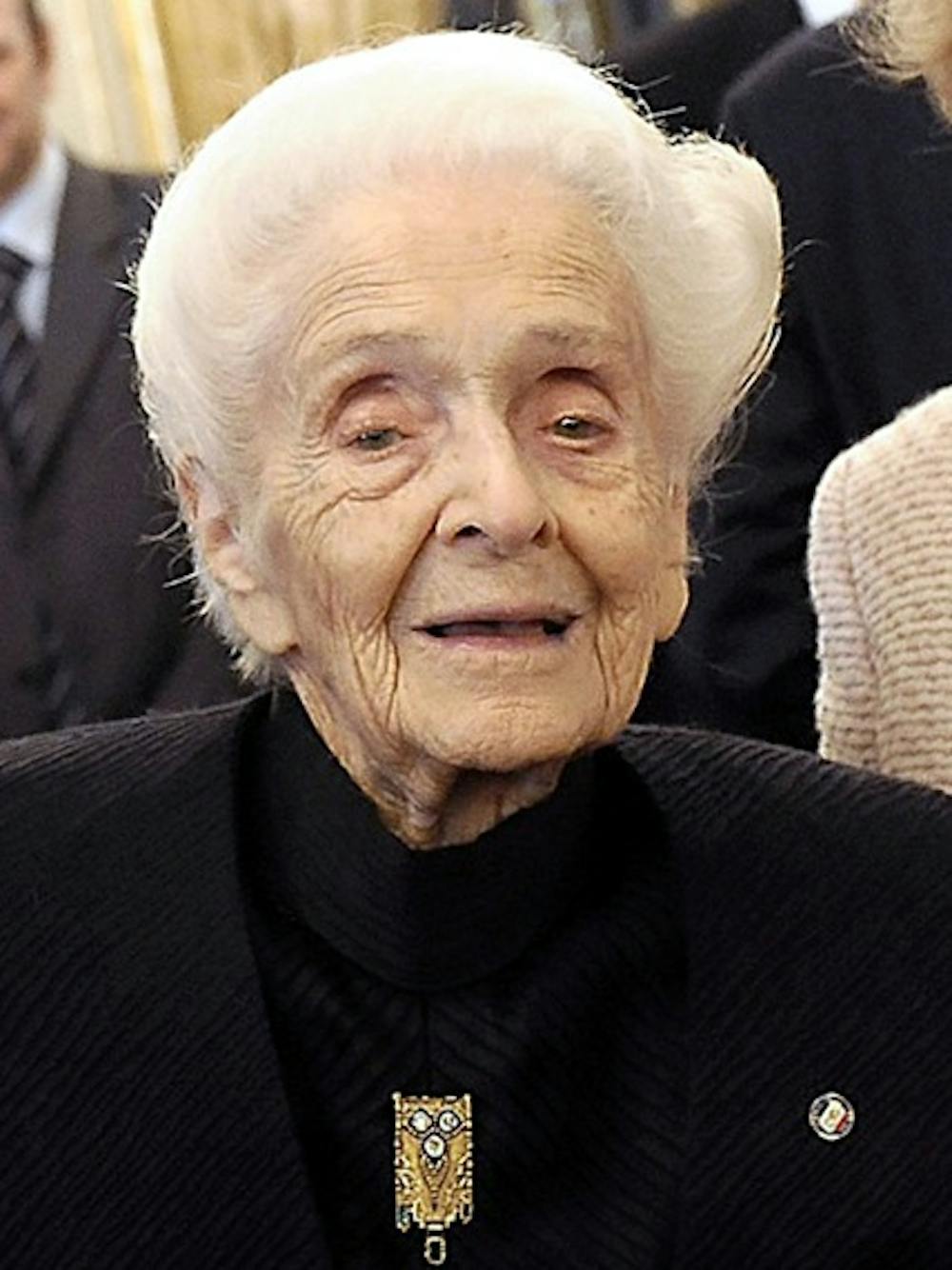
Rita Levi-Montalcini.
Presidency of Italian Republic/Wikimedia, CC BY

Rita Levi-Montalcini was a promising young Jewish scientist when fascists came to power in Italy and she had to go into hiding. As World War II was raging, she set up a secret lab in her parents’ bedroom, studying cell growth. She would later say that the meaning that she derived from her work helped her to deal with the evil outside and with the ultimate uncertainty of whether she would be discovered.

What gives your life meaning? Finding or rediscovering your life purpose can help you deal with uncertainty and the stress and anxiety related to it.

Focusing on what can transcend finite human existence – whether it is religion, spirituality or dedication to a cause – can decrease uncertainty-driven worry and depression.

3. Don’t underestimate your coping ability

You might hate uncertainty because you fear how you would fare if things went badly. And you might distrust your ability to cope with the negative events that life throws your way.

Most people overestimate how bad they will feel when something bad happens. They also tend to underestimate their coping abilities.

It turns out that humans are generally resilient, even in the face of very stressful or traumatic events. If a feared outcome materializes, chances are you will deal with it better than you could now imagine. Remember that the next time uncertainty rears its head.

4. Bolster resilience by increasing self-care

You have probably heard it many times by now: Sleep well, exercise and prioritize social connections if you want to have a long and happy life.

What you might not know is that the quantity and quality of sleep is also related to your ability to deal with uncertainty. Exercise, especially of the cardio variety, can increase your capacity to cope with uncertain situations and lower your stress, anxiety and depression. A new review study suggests that regular exercise may even be able to prevent the onset of anxiety and anxiety disorders.

Possibly the best tool for coping with uncertainty is making sure that you have an active and meaningful social life. Loneliness fundamentally undermines a person’s sense of safety
and makes it very hard to deal with the unpredictable nature of life.

Having even a few close family members or friends imparts a feeling that “we are in this all together,” which can protect you from psychological and physical problems.

5. Appreciate that absolute certainty is impossible

Nothing is certain in life. The sooner you start thinking about that fact, the easier it will be to face it.

Moreover, repeated attempts at predicting and controlling everything in life can backfire, leading to psychological problems like OCD.

In spite of civilization’s great progress, the fantasy of humankind’s absolute control over its environment and fate is still just that – a fantasy. So, I say to embrace the reality of uncertainty and enjoy the ride.

[ You’re smart and curious about the world. So are The Conversation’s authors and editors. You can read us daily by subscribing to our newsletter. ]The Conversation

Jelena Kecmanovic, Adjunct Professor of Psychology, Georgetown University

This article is republished from The Conversation under a Creative Commons license. Read the original article.

ooOOoo

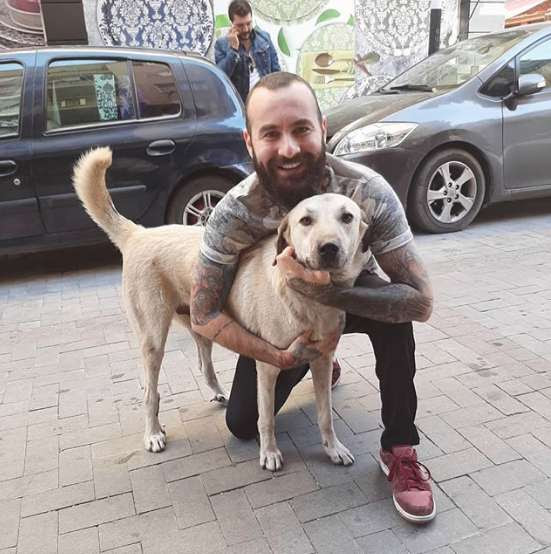
Photo Credit: Twitter/bendemistims

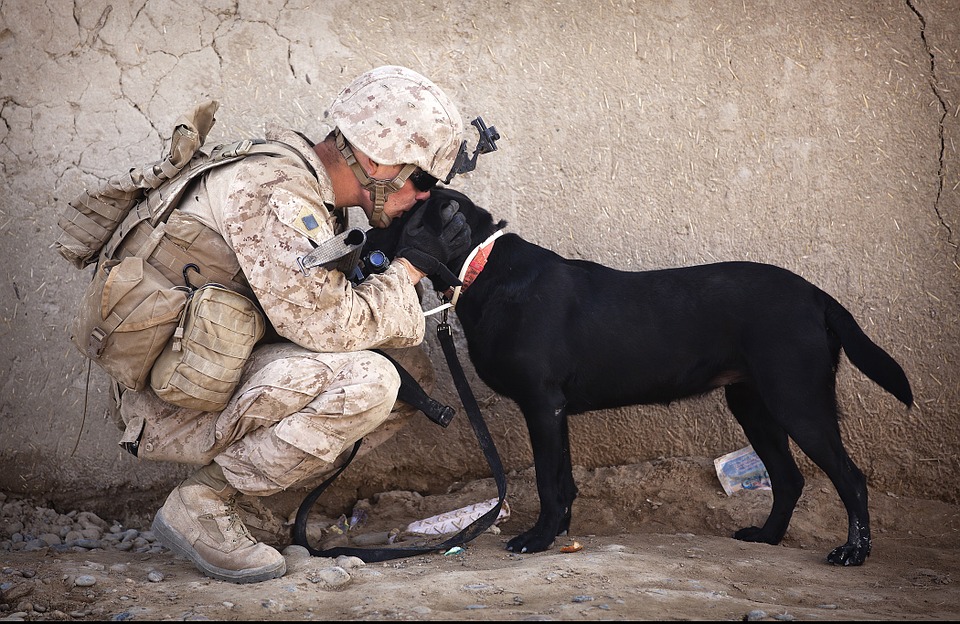
Now whatever uncertainty exists in your life a dog or two will make things a great deal better.

That’s a fact!