Just a few days ago, on May 1st to be precise, I published the post Dogs and Humans.
Colin Reynolds, he of the blog Wibble, left the following comment:
Good to see you back, glad to hear you had an enjoyable trip.
Those goslings are really cute 🙂
At risk of self-promotion: I was thinking of you when I wrote my latest blog post. Granted, wolves aren’t dogs, but they almost are… 🙂
I went across to Colin’s latest blog post and immediately wanted to share it with you all in this place.
It also seemed appropriate to ask Colin for his introduction. But here’s what he offered: “When Paul asked me if I would be willing to turn this post into a guest post for Learning from Dogs, I was more puzzled than anything else. The only words here that aren’t my own are those where I explain that all I did was transcribe George Monbiot’s words from the video.” I’m bound to say that the transcription was a grand job!
Anyway, here is Colin’s post.
ooOOoo
How Wolves Change Rivers
by Colin Reynolds
“When we try to pick out anything by itself, we find it hitched to everything else in the Universe.” — John Muir
When wolves were reintroduced to Yellowstone National Park in the United States after being absent for nearly 70 years, the most remarkable ‘trophic cascade‘ occurred. In this short film, George Monbiot explains what a trophic cascade is, and how wolves do actually change rivers.
I found this so remarkable that I took the time to transcribe George’s words:
One of the most exciting scientific findings of the past half century has been the discovery of widespread ‘trophic cascades’. A trophic cascade is an ecological process which starts at the top of the food chain and tumbles all the way down to the bottom, and the classic example is what happened in the Yellowstone National Park in the United States when wolves were reintroduced in 1995. Now, we all know that wolves kill various species of animals, but perhaps we’re slightly less aware that they give life to many others.
Before the wolves turned up, they’d been absent for seventy years, but the numbers of deer — because there’d been nothing to hunt them — had built up and built up in the Yellowstone Park and despite the efforts by humans to control them, they’d reduced much of the vegetation there to almost nothing; they’d just grazed it away. But as soon as the wolves arrived, even though they were few in number, they started to have the most remarkable effects.
First, of course, they killed some of the deer. But that wasn’t the major thing: much more significantly, they radically changed the behaviour of the deer. The deer started avoiding certain parts of the park: the places where they could be trapped most easily, particularly the valleys and the gorges — and immediately, those places started to regenerate. In some areas, the height of the trees quintupled in just six years; bare valley sides quickly became forests of aspen, and willow, and cottonwood.
And as soon as that happened, the birds started moving in. The number of songbirds and migratory birds started to increase greatly. The number of beavers started to increase because beavers liked to eat the trees; and beavers, like wolves, are ecosystem engineers, they create niches for other species. And the dams they built in the rivers provided habitats for otters and musk-rats and ducks and fish and reptiles and amphibians.
The wolves killed coyotes, and as a result of that, the number of rabbits and mice began to rise, which meant more hawks, more weasels, more foxes, more badgers. Ravens and bald eagles came down to feed on the carrion that the wolves had left. Bears fed on it too, and their population began to rise as well, partly also because there were more berries growing on the regenerating shrubs. And the bears reinforced the impact of the wolves by killing some of the calves of the deer.
But here’s where it gets really interesting: the wolves changed the behaviour of the rivers. They began to meander less, there was less erosion, the channels narrowed, more pools formed, more riffle sections, all of which was great for wildlife habitats. The rivers changed in response to the wolves. And the reason was that the regenerating forests stabilised the banks so that they collapsed less often, so that the rivers became more fixed in their course. Similarly, by driving the deer out of some places and the vegetation recovering on the valley sides there was less soil erosion, because the vegetation stabilised that as well.
So the wolves, small in number, transformed not just the ecosystem of the Yellowstone National Park, this huge area of land, but also its physical geography.
Note from the video’s publisher (Sustainable Human): “There are ‘elk’ pictured in this video when the narrator is referring to ‘deer.’ This is because the narrator is British and the British word for ‘elk’ is ‘red deer’, or ‘deer’ for short. The scientific report this is based on refers to elk so we wanted to be accurate with the truth of the story.”
ooOOoo
As that quote from John Muir infers, we are all connected. No better illustrated by a very sad piece of research news that will be the topic for tomorrow’s post.
When you read this post, assuming you will be reading it on Sunday 8th April, you may be wondering why there is no Picture Parade today.
Indeed, there are not going to be Picture Parades until the first Sunday in May.
Actually, to be completely honest, there are going to be no posts at all from tomorrow all the way through to May; the next post being a guest post on Tuesday, 1st May. Nor will I be popping into this place to acknowledge comments and replies! Sorry!
Why?
Simply because Jean and I are taking a little vacation. Will explain more when we return.
Jana Stewart will be living here at home caring for all the dogs, cats, horses, ponies, chickens and parakeets! Oh, nearly forgot! And putting out feed for the wild deer!
So this post is to share with you the aptly named The Time Machine album by Alan Parsons
Also, I wanted to specifically share with you three of the tracks from that album!
Can’t imagine you haven’t come across Alan Parsons before but in that unlikely event his website is here.
Plus, I will close with a copy of the opening WikiPedia information on Alan Parsons.
Over the weekend Jean and I went up to Klamath Falls to spend two nights in the company of good friends, Trish and Andy, who live in Tucson, Az.
Last Sunday we all jumped into our car, a GMC Canyon with 4WD, and drove the 60-odd miles from Klamath Falls to the Rim Village Visitor Center.
Talk about impressive!
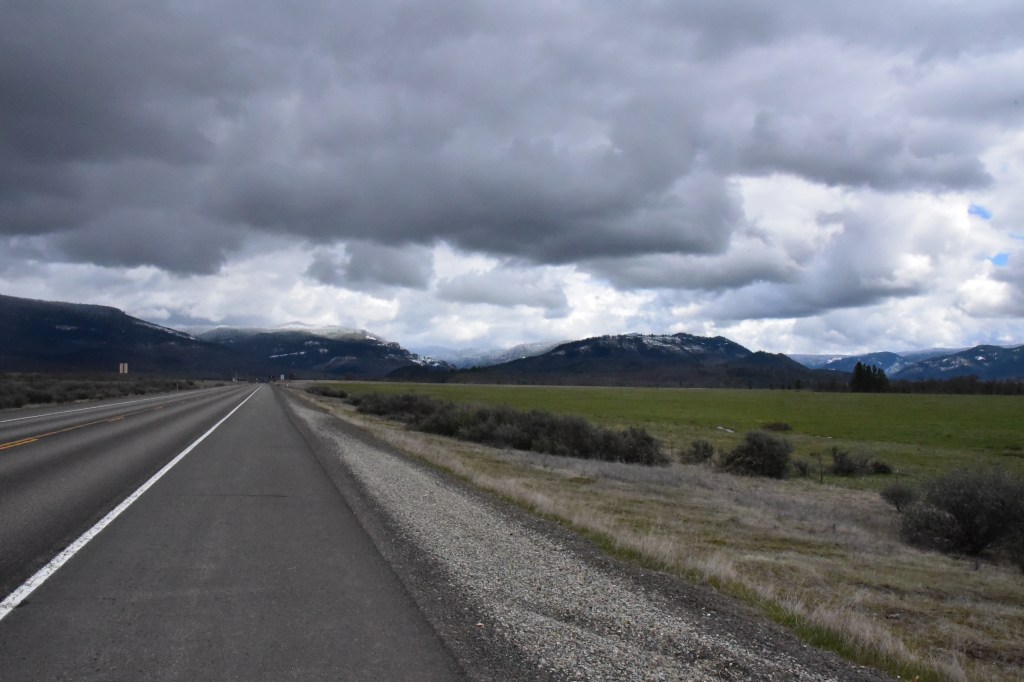
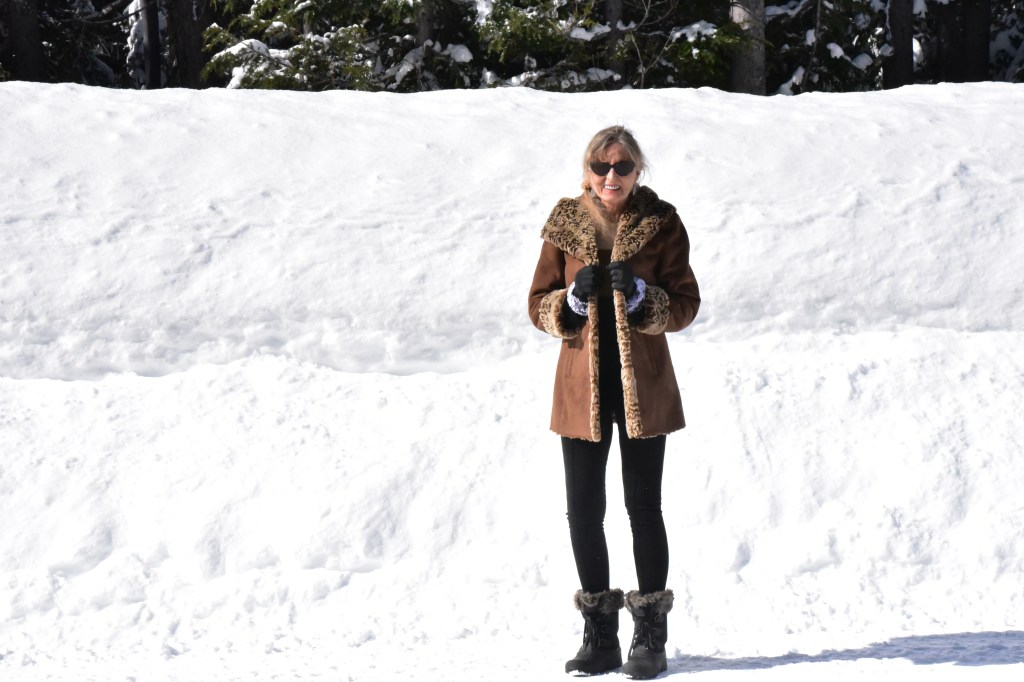
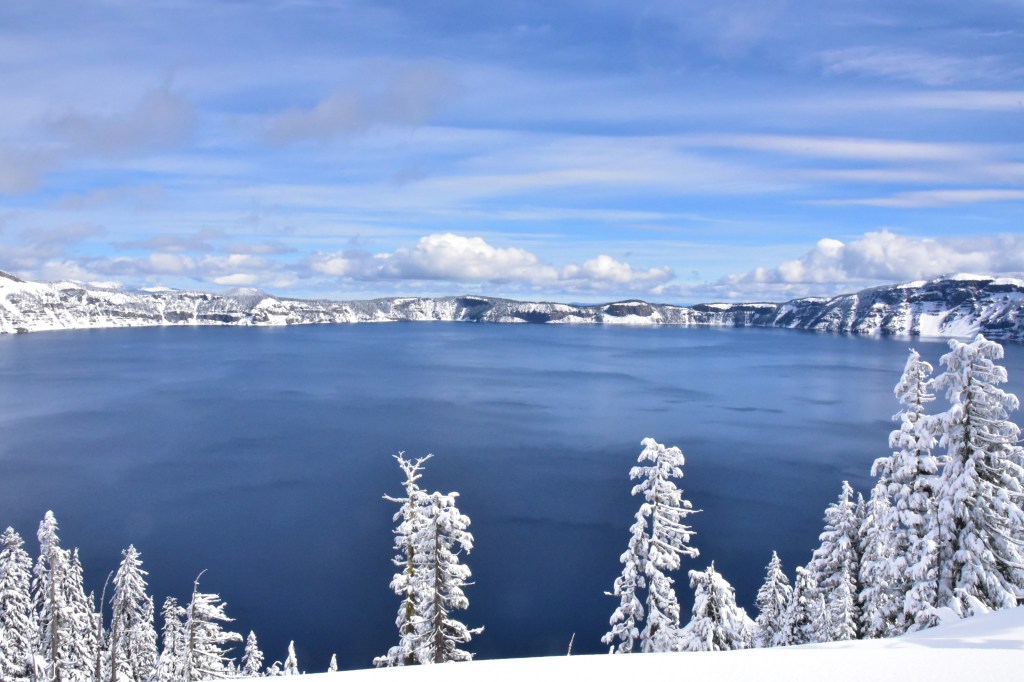
Here are three photographs that I took that are presented untouched, as in no post processing, that I wanted to share with you.
More details coming along, plus more photos for the next Picture Parade.
The first was taken during Saturday afternoon when Jean and I were on our way to Klamath Falls.
On the road to the high country!
The next photograph was taken when we stopped in one of the many ‘turnouts’ along the highway going up to Crater Lake. In fairness, the high snow bank was more a result of the snow blowers than falling snow … but still!
Rumour has it that it had snowed in these parts!
This last photograph, for today anyway, is the sight of Crater Lake!
I am, of course, referring to the recent death of Stephen Hawking.
There’s no way that I can add anything to the widespread reporting of the very sad death of the theoretical physicist, cosmologist and author Professor Stephen Hawking.
Except, possibly, this interesting quirk of fate.
For this great man died yesterday: March 14th.
The very same day that another very famous man, the German-born Albert Einstein, was born. As in March 14th. Albeit, Stephen Hawking’s death being 139 years after the birth of the 1921 winner of the Nobel Prize in Physics.
Did you also know that Professor Hawking was a great dog lover!
I was very pleased that The Conversation blog site released a wonderful tribute to Stephen Hawking. The item opens, thus:
ooOOoo
Acclaimed British theoretical physicist, cosmologist and author Stephen Hawking has died aged 76. Hawking is best known for his work on black holes, which revolutionised our understanding of the universe.
Hawking passed away today peacefully at his home in Cambridge, his family confirmed in a statement:
We are deeply saddened that our beloved father passed away today. He was a great scientist and an extraordinary man whose work and legacy will live on for many years.
His courage and persistence with his brilliance and humour inspired people across the world. He once said, “It would not be much of a universe if it wasn’t home to the people you love.” We will miss him forever.
Hawking was born on January 8, 1942, in Oxford, England. In 1963 he was diagnosed with ALS, a form of Motor Neurone Disease, and later confined to a wheelchair and forced to communicate via a computerised voice. But he continued his theoretical work and was outspoken on many things over much of his life.
Tributes have been pouring in on social media for the scientist, who made complex science accessible to everyone in his 1988 bestselling book A Brief History of Time.
ooOOoo
Do read the rest of that article. I will take the tribute from Alice Gorman that closes The Conversation article to close today’s post.
ooOOoo
Alice Gorman, Senior Lecturer in archaeology and space studies, Flinders University
There are few scientists who reach as far into popular culture as Stephen Hawking did. His research tackled the biggest of big questions – the nature of time, space and the universe we live in.
Sometimes it feels like science is losing ground in the modern world, but people still look to the stars for answers about who we are and how we come to be here.
Hawking’s bestselling A Brief History of Time made cosmology accessible to people and brought black holes out of the shadows and into the public imagination.
Personally I’ll miss his appearances on The Big Bang Theory, where he could out-nerd the nerds, and also provide some often necessary common sense. It was always great to see a world-class scientist just having fun.
By Deanna Conners in EARTH | HUMAN WORLD February 9, 2018
Scientists need your help counting birds for the 21st annual Great Backyard Bird Count. It is free and easy to participate. Find out how here.
Bird watching in the Santa Monica Mountains National Recreation Area. Image via National Park Service.
The annual Great Backyard Bird Count, now in its 21st year, is set to take place February 16 to 19, 2018. During this popular citizen science event, people from all over the world head outdoors to count birds and the data are used by scientists to track the health of bird populations.
Gary Langham, Chief Scientist at the National Audubon Society, commented on the Great Backyard Bird Count on Audubon’s website. He said:
This count is so fun because anyone can take part—we all learn and watch birds together—whether you are an expert, novice, or feeder watcher. I like to invite new birders to join me and share the experience. Get involved, invite your friends, and see how your favorite spot stacks up.
The 2017 count was a huge success. Over 200,000 people participated from around the world, and they submitted a record number of checklists. A total of 6,259 bird species were spotted during the event, which was the highest number ever recorded over the 20-year history of the count. This number represents more than half of all known bird species on Earth!
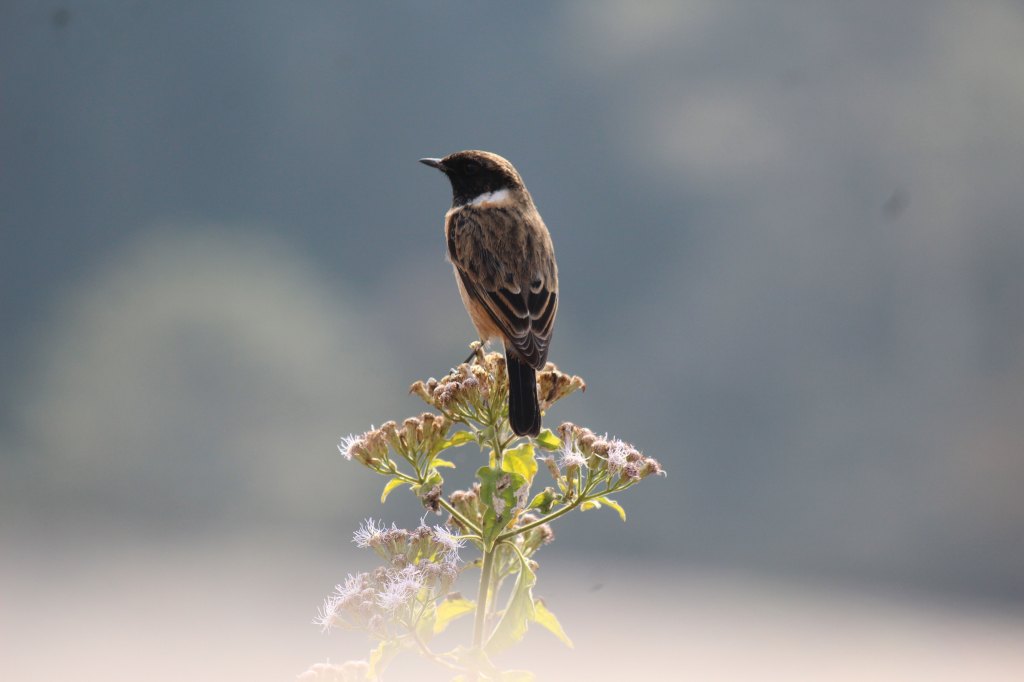
Siberian stonechat photographed in Zhemgang, Bhutan, during the 2017 Great Backyard Bird Count. Image via Sancha Rai.
Participating in the 2018 Great Backyard Bird Count involves three easy steps.
First, register with your name on the event’s website at the link here. Registration is free. This website has a ton of useful information about birds and the upcoming bird count.
Second, spend some time counting birds on the weekend of the event at the location of your choice, such as your backyard or a local park. The minimum amount of time required is 15 minutes, but you can count for longer if you wish. During your count, simply record the start and end time, location, and number and types of birds that you see. You can perform counts in multiple locations too. Just be sure to submit separate checklists for each location.
Not to worry if you can’t identify the birds you see at first. Just take good notes about their prominent features, for example, size, shape, color, and unusual markings, or you can try to snap a close-up picture. Then, you can use a bird guide to look them up later. All About Birds and What Bird are two good online bird identification guides that are free and easy to use. Additionally, the free Merlin Bird ID App can be downloaded to your smartphone and used offline. Merlin will ask you five simple questions about the bird you are trying to identify and suggest matches for you—you can even upload a picture to Merlin and let the app try to identify it.
The third and last step involves uploading your data to the event’s website. This step usually only takes a few minutes to complete. While you’re visiting the website, check out the live map that displays dots in the various locations where people have uploaded a checklist. It’s fun to watch the data pour in from all over the world.
As an added bonus, there is a photo contest for those who want to submit pictures of the birds that they see during the event. You can even submit photos of yourself watching the birds. Hence, don’t forget your binoculars. If you do shoot some good photos, please share them with EarthSky too. We love birding photos!
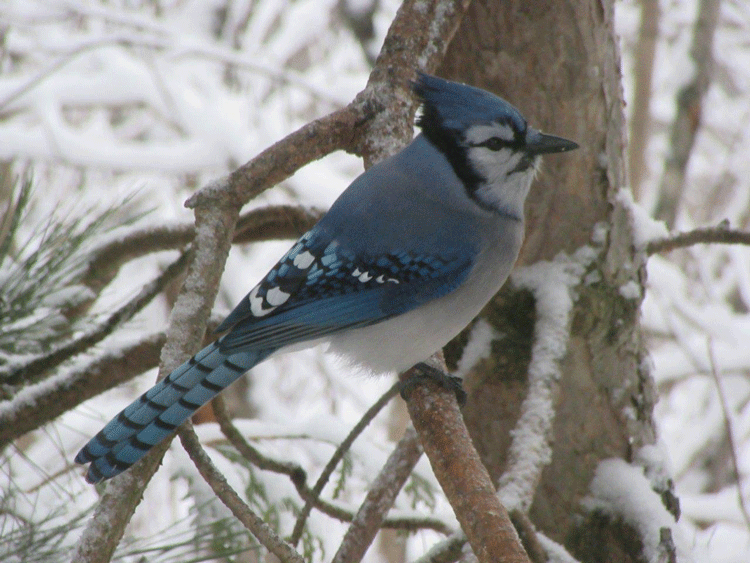
Bluejay photographed in Sioux Lookout, Ontario, Canada, during the 2017 Great Backyard Bird Count. Image via Rose Pogoda.
Use the hashtag #GBBC to follow Great Backyard Bird Count conversations on Twitter and Facebook.
The first annual Great Backyard Bird Count was held in 1998, and the event has continued to grow year after year. Hopefully, 2018 will be another record breaker.
The Great Backyard Bird Count is a collaborative project of the Cornell Lab of Ornithology, National Audubon Society, and Bird Studies Canada.
Bottom line: The annual Great Backyard Bird Count runs from February 16 to 19, 2018. This popular citizen science project helps scientists keep track of the health of bird populations. Participating is free and easy, so why not give it a try?
ooOOoo
So, once again, the Bird Count starts on this coming Friday, the 16th, and runs through to the end of next Monday, the 19th.
Do please join Jean and me and many thousands of others in this very important survey.
While this post doesn’t specifically look at what we feed our dogs, there’s no question in my mind that good nutrition is just as important for our dogs as it is for ourselves.
Moving on!
You will know that quite a few of my recent posts have been on the back of me being made aware of how a strict diet plus taking many vitamins and supplements had had the effect of putting Colin Potter’s Parkinson’s Disease (PD) into remission. All of which was summarised in an post last week called Food Truly Does Matter.
But then a good friend who lives locally, and has a solid medical background, spoke to me and said what you are writing can’t possibly be correct because if diet and supplements really did put PD patients into remission then “everyone would be doing it“. It was difficult to argue that.
So I thought the best people to call would be the American Parkinson Disease Association. I was put through to the director of the North-West Chapter of the APDA, located in Seattle, WA., and she agreed that there was no magic bullet in terms of diet and PD remission.
But the director went on to say that diet and lifestyle were nonetheless incredibly important and that there was no question that the correct decisions in terms of lifestyle were vital for anyone with PD; whatever the stage of the disease .
Dr. Laurie Mischley
The director also went on to say that without a doubt we should make contact with Seattle Integrative Medicine also, as the title suggests, in Seattle.
In particular, make contact with Dr. Laurie Mischley for the director said that Dr. Mischley’s clinical speciality is Parkinson’s Disease.
Plus we were advised to watch a talk that Dr. Mischley gave in British Columbia towards the end of 2016.
The talk is 49 minutes long and should be watched by everyone!
Reason?
Because in the talk there is much evidence, as in factual evidence, that shows the link between our lifestyle choices and what helps or hinders those with PD.
But even more critical to my way of thinking is that the evidence presented in the talk offers solid reasons why all of us as we approach middle-age and beyond should be careful about what we eat.
This is a recorded presentation from Parkinson Society British Columbia’s Victoria Regional Conference featuring Laurie Mischley. Dr. Mischley studied naturopathic medicine (ND) at Bastyr University and epidemiology (MPH) and nutritional sciences (PhD) at the University of Washington. Her work is focused on identifying the nutritional requirements unique to individuals with neurodegenerative diseases. She has published articles on coenzyme Q10, lithium and glutathione deficiency in Parkinson’s disease (PD). Dr. Mischley maintains a small clinical practice at Seattle Integrative Medicine focused on nutrition and neurological health.
So, my dear reader, here is a little plea from Paul.
Whether or not you have PD, watch the talk and have all the people you love and care for watch it as well.
Oh, and give your dog a cuddle from Jean and me!
Please understand that I do not offer advice and nothing on any website, including the blog site Learning from Dogs, email or any other communication is intended to treat, diagnose, prevent or cure any disease. It is not a substitute for consulting your doctor. You should consult a doctor for diagnosis of conditions, before beginning any diet, exercise or supplementation or if you suspect you have any healh issue. You should not stop medication without consulting your doctor.
Getting to the truth of what is or is not good for our dogs.
As many will understand so very often I am acting more as a messenger than an authoritative source in this place. It is very difficult for me, almost impossible indeed, for me to verify the validity of what is posted here.
On January 11th, I published a guest post from Kathreen Miller. Her article was called Is Organic Food Really Good For Your Dog To Eat?
Yesterday, local good friend and neighbour, Jim Goodbrod, sent me an email pointing out a number of weaknesses in Kathreen’s article and giving me permission to republish what he wrote as a post on Learning from Dogs.
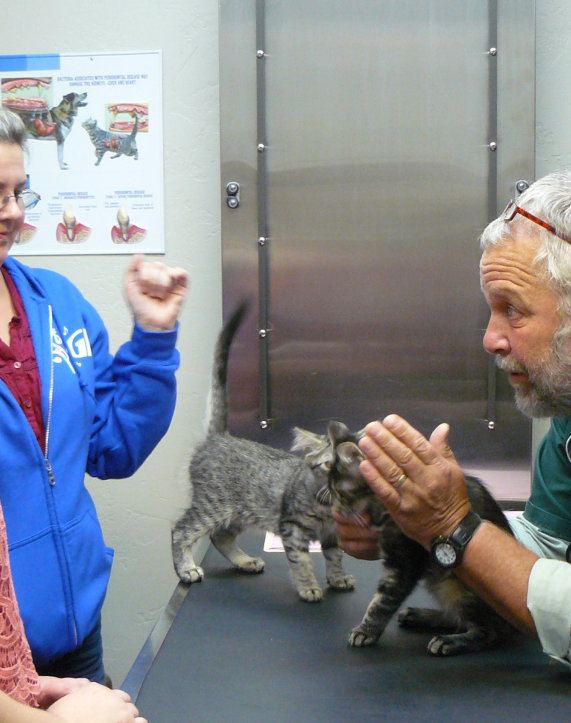
Jim is an experienced Doctor of Veterinary Medicine (DVM) and has frequently advised us, both professionally and informally, about our own dogs and cats. We trust him fully. Jim attends a couple of local vet clinics including Lincoln Road Veterinary Clinic in Grants Pass to where we take our pets when required.
Dr. Jim seeing a patient at Lincoln Road Vet.
Here is Jim’s update published with his kind permission and unchanged by me apart from some minor formatting amendments including italicising some phrases.
ooOOoo
Hey Paul …
Regarding your post of 1-11-18, a guest post by Kathreen Miller concerning canine diet, I feel the need (justified or not) to clarify a few points. She seems to be a big proponent of “organic diets” and lest your readers be misled, I think we need to define what is meant by “organic”.
The legal definition of “organic” is codified by the USDA National Organic Program (NOP) in 7 CFR 205. Pet foods and pet treats must comply with these regulations or they may not legally use the word “organic” on the label. If you read these regulations, you will find that “organic” refers only to the handling and processing of ingredients and products.
These regulations cover: ingredient sourcing, ingredient handling, manufacturing, and labeling & certification of products wanting to use the word “organic” in their labeling.
However, these rules are not considered by NOP as a means to ensure safer, healthier, or more nutritious foods. In fact, there is no regulatory distinction in the tolerable levels of pesticides, drugs, or other residues allowed in organic vs conventional products (even though lower residues may in fact be a result).
Rather, the “organic” label is viewed as a confirmation of the organic production process, and the purchaser is left to his or her own determination as to whether the costs merit the perceived benefits. The bottom line is that “organic” refers to the processing of a product, and makes no guarantees as to the quality or digestibility of ingredients, safety, nutritional value or health benefits of the product.
A savvy pet owner, in order to ensure her dog’s optimal nutritional health, would be better advised to follow guidelines outlined by WSAVA or AAHA (or other reputable source) rather than to reflexively reach for the dog food that says “organic” on the label. The “organic” label does not necessarily mean a diet is good or bad, but it has nothing to do with the nutritional adequacy of the diet and hence your dog’s health.
Another point: Kathreen seems to buy into the popular myth that plant-based ingredients (like corn) are poorly digested fillers that provide little nutritional value and can cause allergies. Corn provides a good source of carbohydrates, essential amino acids, protein, and essential fatty acids in the diets of dogs and cats. It is highly digestible and is not a common cause of allergies. It is actually a very good nutrient as an ingredient in pet food.
My last point is regarding the product “Pet Bounce” that Kathreen endorses as a treatment for arthritic pain in dogs. This product is labelled as homeopathic and as such is nothing more than a placebo.
It has been proven over and over and over again that homeopathic remedies are nothing but water and perform no better than placebos in numerous clinical trials. Reading the list of ingredients, one can see that it contains:
1) Belladonna 6X
2)Caulphyllum 6C
3) Colchicum autumnale 200C
4) Apis mellifica 30C
5) Rhus toxicodendron 200C
6) Ruta graveolens 6X.
Anyone familiar with homeopathic nomenclature knows that, for example, the Apis mellifica 30C designation means that this particular herb is diluted in water 1 to or (that’s 1 followed by 60 zeroes!).
To put it into perspective, that’s equivalent to 1 molecule of this substance in a sphere of water 90 million miles in diameter (approximately the distance of the earth to the sun). That’s a 30C dilution.
At a 200C dilution, the treating substance is diluted more than the total number of atoms in the known universe!
Regardless of any medicinal properties these herbs may have, they are so fantastically diluted that there is not one molecule present in the final solution.
I defy any reasonable person to tell me that this so-called remedy is effective to treat anything and consists of anything more than a water placebo.
My problem with this kind of snake oil is that well-meaning pet owners waste their money (~$50.00 per bottle!) on this useless product, believing all the hype and thinking that they are improving the quality of their dog’s life, meanwhile squandering the opportunity to actually help their dog with an effective and evidence-based treatment.
Kathreen seems to be a nice and well-intentioned woman, but I don’t know what qualifies her as a “pet health expert”, other than her own opinion. According to her profile (from your blog) she lives in Chicago with her daughter and dog “Buddy” and listens to music, watches TV, and travels. That’s it? Nothing more??
Last Wednesday I was signed off in terms of being over my medical challenge and the good doctor said I was clear to return to driving; I drove home that afternoon from Eugene to Merlin.
I wanted to offer you good people a sense of what being home, more or less compus mentus , feels like.
The German shepherd is another intelligent and active breed. Though German shepherds are large, the AKC reports they have a medium energy level. And the organization characterizes the German shepherd as “a loyal family pet and a good guard dog, the ideal choice for many families.” The AKC notes with a German shepherd (and other breeds), “Training is one of the most important responsibilities you have as a dog owner. Basic obedience training will make your dog a better companion and strengthen the bond between the two of you.”
Poorly trained German shepherds can develop behaviors, such as excessive barking, digging, and food stealing. But this dog breed responds well to training. According to the German Shepherd Dog Club of America, your German shepherd needs “you to be the leader of the pack, providing structure and guidance.” Another way to bond with your dog? Regular grooming. The German shepherd’s thick coat requires weekly grooming.
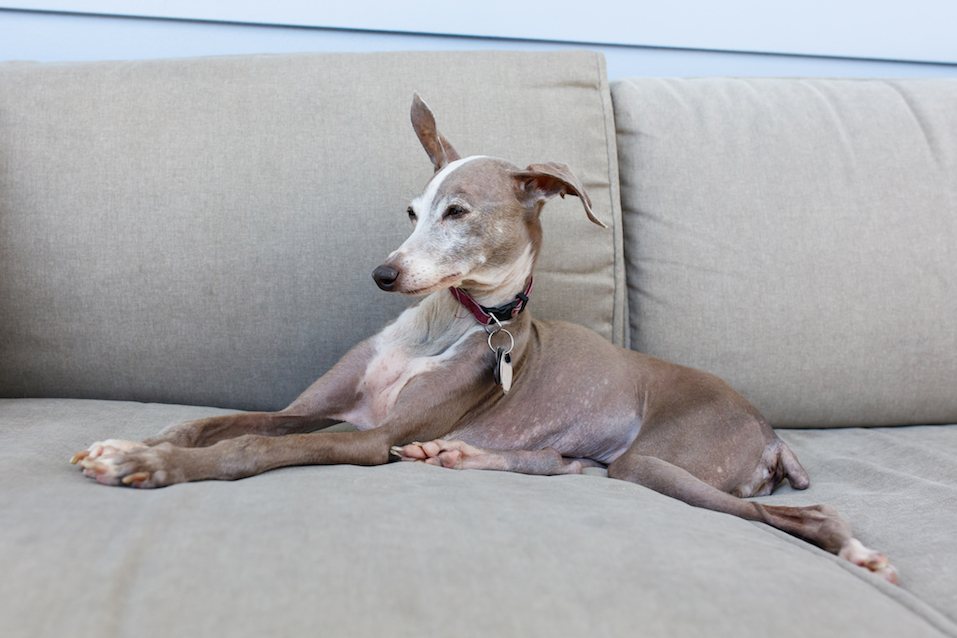
12. Italian greyhound
Italian greyhound | iStock.com/Rauluminate
Don’t be intimidated by the Italian greyhound’s speed or graceful looks. The AKC reports this breed is “generally easy to train and prefers to spend most of his time with his owner. They like attention and affection, and are a peaceful, gentle friend to adults and children.” If you have large dogs or active children, you’ll need to make sure your Italian greyhound doesn’t get injured by rough play. But for the most part, this dog breed will be happy to run and play — before curling up with you to be a couch potato.
Because of their small size, Italian greyhounds can live happily in an apartment just as well as in settings with more space. The breed generally stays quite healthy. And because these dogs have a short coat, they need only weekly grooming with a soft brush. In fact, the AKC characterizes them as one of the easiest dog breeds to groom. They love to cuddle and don’t want to be ignored. And in general, they’d prefer to chill in your lap or on your bed, rather than on the floor.
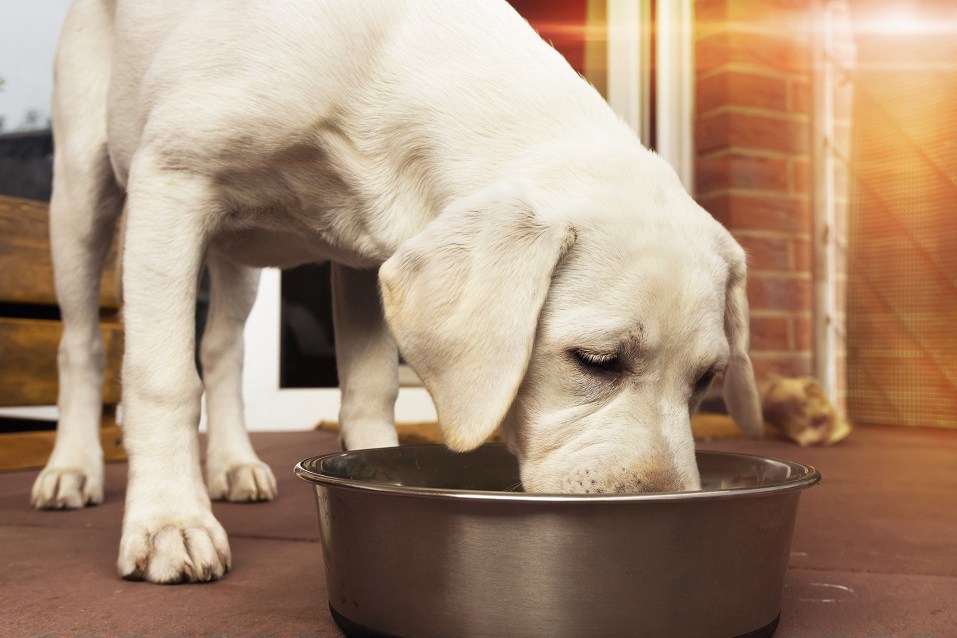
13. Labrador retriever
Labrador | iStock.com/manushot
America loves Labs. So it probably doesn’t surprise you to hear these adorable dogs are easy to own. Labs can learn just about anything that you throw at them. The AKC reports Labs are friendly and outgoing. They make great companions, show dogs, hunting dogs, guide dogs, and service dogs. Labs also make great family dogs because they get along easily with children and with other pets. Plus, they have a short coat that requires only occasional grooming.
So it’s no accident the Labrador retriever is the most popular dog in America. They live long and healthy lives. They have playful personalities, and they want to entertain and help you. Plus, they’re good companions for athletic people and can even train as canine athletes themselves.
However, Labrador retrievers qualify as what the AKC calls a “very active” dog breed. So don’t expect them to lounge on the couch all day. “Don’t confuse his laid-back personality for low energy,” the organization warns. “The Labrador retriever is extremely active — he’s never met a backyard he didn’t like.”
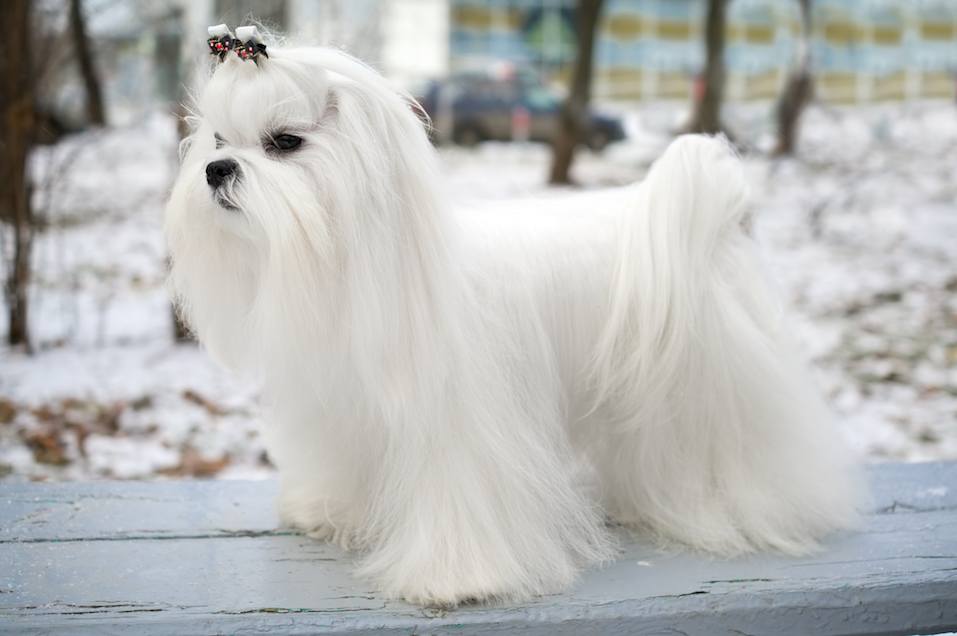
14. Maltese
Maltese | iStock.com/Laures
Another people-pleasing dog who will be easy to own and spend time with is the Maltese. According to the AKC, the Maltese is a “classic lapdog” who’s “somewhat active.” These dogs like brisk walks, playtime, and learning new tricks. However, the organization warns that Maltese are “highly intelligent and know very well how to use their charm to get their way. If given the chance, they become easily spoiled. This isn’t a problem for dog-savvy owners, but many pet owners will give in, often resulting in a pet with poor manners.”
Though they’re energetic and playful — which makes them great family dogs — many breeders don’t sell them to homes with young children. As a tiny puppy, a Maltese can be seriously injured if stepped on or dropped by a child. However, the Maltese is known as one of the few small dogs who aren’t susceptible to any major genetic ailments. So if it’s important to you that you choose a dog likely to stay in good health, the Maltese might be a good match for you.
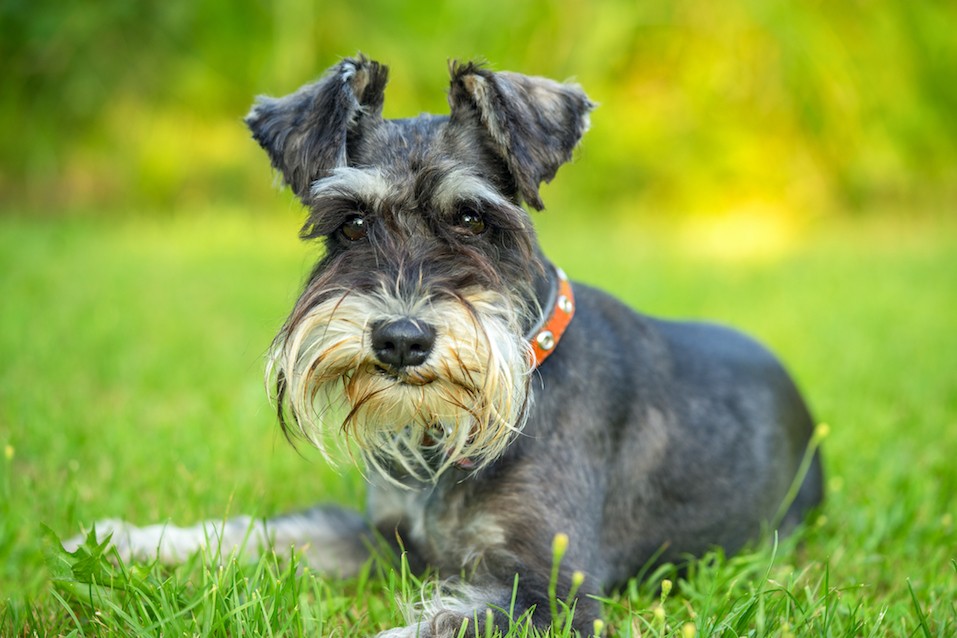
15. Miniature schnauzer
Miniature schnauzer | iStock.com/Elen11
The miniature schnauzer is a fast learner. The AKC characterizes the breed as “friendly,” “obedient,” and “smart” — three characteristics that many pet owners want in a dog. Another desirable trait? According to the AKC, the miniature schnauzer is “highly adaptable.” He can “make himself at home anywhere as long as his people are close by.” This small dog breed has a moderate energy level. And because these dogs crave human companionship, they are “obedient to commands” and can be trained for all kinds of activities.
According to the AKC, this dog breed is “small enough to adapt to apartment life but tireless enough to patrol acres of farmland.” The breed is generally healthy and long-lived. They have outgoing personalities and will stay loyal to their family. Just keep in mind this terrier likes to bark. So proper training will play an essential part in helping him to curb that behavior.
16. Papillon
A young papillon | iStock.com/Bigandt_Photography
Unlike many other small dogs, the papillon has a big appetite for exercise and activity. The AKC reports this dog breed has a medium energy level and generally needs to stay “very active.” In fact, these dogs “love to play outdoors but they can be easily entertained and exercised indoors as well.” This dog breed is very intelligent, but the AKC promises these alert and friendly dogs are “easily trained.”
Plus, Animal Planet characterizes the papillon as “one of the most obedient and responsive of the toy breeds.” Though some can be timid, they are often friendly toward strangers and other animals. And the papillon also makes a good family dog because the breed likes children. They have a medium-length coat without an undercoat, though they still require regular brushing.
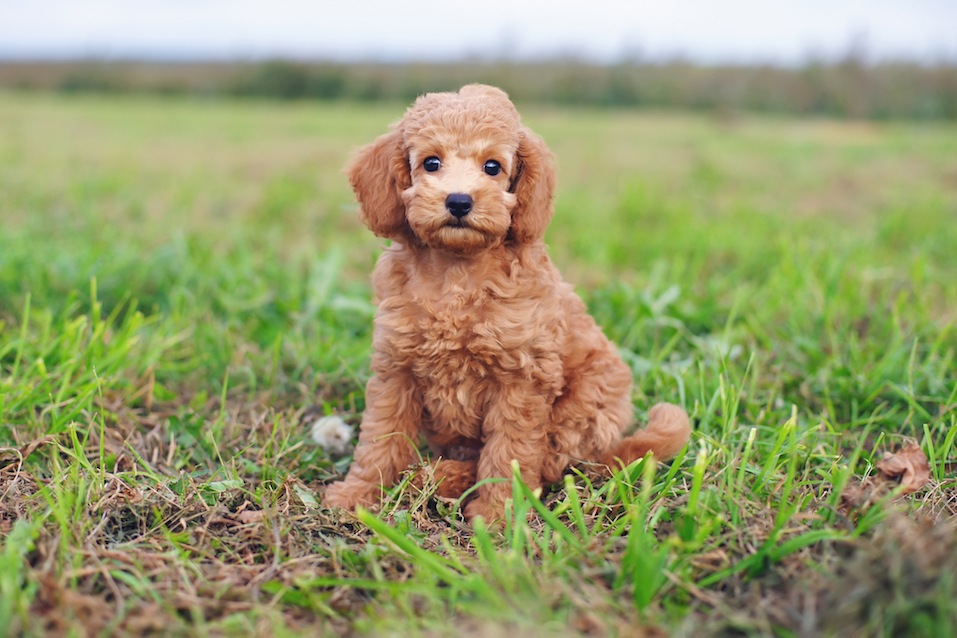
17. Poodle
Many people know the poodle is a highly intelligent dog breed. And even though intelligence doesn’t always ensure a dog responds well to training, the AKC promises that the poodle “excels in obedience training.” Although some poodles can be stubborn, proper training mitigates that trait.
The AKC notes, “There’s the old stereotype of poodles as a foofy velvet-pillow dogs looking down their long noses at us. Not true. Poodles are eager-to-please, highly trainable ‘real dogs.’ They like to work closely with their humans and can master all kinds of tricks and dog sports.”
Modern Dog Magazine reports of the standard, miniature, and toy poodle, “All poodles are lively, fun-loving, affectionate, and intelligent, and many owners say the breed has a sense of humor to rival Seinfeld’s.” The miniature poodle can be shy around strangers. But the standard is outgoing. They have a medium energy level and enjoy walking, running, and swimming. Just be aware this dog breed’s long coat, while somewhat hypoallergenic, does require regular professional grooming.
18. Pug
Like the bulldog, the pug has a grumpy face that might make you think he’s not so friendly. But don’t let looks deceive you. The AKC characterizes the pug as “even-tempered, charming, mischievous and loving.” These dogs aren’t natural athletes, but the AKC advises that “they do have strong legs and endless curiosity — exercise both.” These extroverted dogs love children and adults alike. And according to the AKC, “Pug people say their breed is the perfect house dog. Pugs are happy living in the city or country, with kids or grandparents, and as the family’s only pet or among other animals.”
This dog breed has no problem making friends with complete strangers. PetWave calls this dog breed a “shadow” because pugs “love to glue themselves to their owners’ sides and stay close to the action.”
And though some people think they’re more difficult to train than other dog breeds, that’s largely because they’re easily distracted. The pug sheds but needs minimal grooming. And you will need to monitor your dog’s diet to keep him healthy because, according to the AKC, “pugs live to eat.”
19. Rottweiler
Rottweiler puppy | iStock.com/Carmelka
The AKC also recommends the Rottweiler as one of the smartest dog breeds. This medium-sized dog also has a medium energy level, according to the AKC. But let’s just get this out of the way: A Rottweiler won’t be one of the easiest dog breeds for you if you can’t give him two solid workouts each day. But their need for daily exercise is at least somewhat offset by their minimal grooming needs.
PetWave reports though this breed has gained something of a reputation as an attack dog, “this is not their true nature.” The publication explains that for Rottweilers “to be vicious, they must be trained that way.”
Often, dogs who spend their days isolated from people are the ones who develop unpleasant traits. The AKC explains, “Obedience training and socialization are musts” for this dog breed. “Rottweilers love their people and may behave in a clownish manner toward family and friends, but they are also protective of their territory and do not welcome strangers until properly introduced.”
20. Shetland sheepdog
Sheltie | iStock.com/lgerghi
The Shetland sheepdog also has a reputation for intelligence. But that won’t work against you with a Sheltie, as it can in other dog breeds. According to the AKC, this dog loves “learning new tricks. Shelties are easy to train and are world-class competitors in obedience, agility, and herding trials.” And the AKC advises, “The Sheltie will reach his best potential [as] a companion when given training in basic manners at the very minimum.”
PetWave characterizes the Shetland sheepdog as “an all-around family dog.” They like indoor and outdoor activities. And they get along well with children, as well as with other pets. These small dogs can live in an apartment if they get daily walks and regular opportunities to run. Shelties have a dense double coat and need weekly grooming.
21. Mutt
A lovable mutt | iStock.com/suemack
Not everybody wants to buy a purebred dog from a breeder or search for one at the local shelter. And you don’t have to pick a purebred dog, even if you’re a novice dog owner just hoping for a pup who will be easy to train and care for. The AKC, of course, notes you can better predict a dog’s traits if you know his lineage. But you can often make an educated guess at which breeds are in a mutt’s genetics. And there are some very good reasons to choose a mixed-breed dog instead of a purebred.
For one, the incidence of many genetic disorders is higher in purebred dogs than in mixed-breed dogs. Plus, by staying open to adopting a mixed-breed dog instead of a pedigreed dog, you’ll be able to adopt a shelter dog who needs a home, not just a puppy who was specifically bred to be sold for top dollar. Additionally, purebred and mixed-breed dogs show no significant differences in terms of their trainability. So a mutt is just as likely to learn to be obedient and attentive as a pedigreed dog.
ooOOoo
What better way than to close this short series with a Mutt!
For just two days ago I published a post under the heading of Meat is Heat. It featured an essay by Michael Greger. He of the website NutritionFacts.org. That essay promoted the message:
What we eat may have more of an impact on global warming than what we drive.
Just cutting out animal protein intake one day of the week could have a powerful effect. Meatless Mondays alone could beat out a whole week of working from home and not commuting.
Many of you read that post.
On the same day that I published that post, George Monbiot published an article in The Guardian newspaper that offered the same message, albeit coming at it from a different place but nonetheless just as critically important.
Here it is republished with Mr. Monbiot’s very kind permission.
ooOOoo
We Can’t Keep Eating Like This
This is the question everyone should be attending to – where is the food going to come from?
By George Monbiot, published in the Guardian 11th December 2017
Brexit; the crushing of democracy by billionaires; the next financial crash; a rogue US president: none of them keeps me awake at night. This is not because I don’t care – I care very much. It’s only because I have a bigger question on my mind. Where is the food going to come from?
By mid-century there will be two or three billion more people on Earth. Any one of the issues I am about to list could help precipitate mass starvation. And this is before you consider how they might interact.
The trouble begins where everything begins: with soil. The UN’s famous projection that, at current rates of soil loss, the world has 60 years of harvests left, appears to be supported by a new set of figures. Partly as a result of soil degradation, yields are already declining on 20% of the world’s croplands.
Now consider water loss. In places such as the North China Plain, the central United States, California and north-western India – among the world’s critical growing regions – levels of the groundwater used to irrigate crops are already reaching crisis point. Water in the Upper Ganges aquifer, for example, is being withdrawn at 50 times its recharge rate. But, to keep pace with food demand, farmers in South Asia expect to use between 80 and 200% more water by 2050. Where will it come from?
The next constraint is temperature. One study suggests that, all else being equal, with each degree Celsius of warming the global yield of rice drops by 3%, wheat by 6% and maize by 7%. This could be optimistic. Research published in the journal Agricultural & Environmental Letters finds that 4°C of warming in the US Corn Belt could reduce maize yields by between 84 and 100%.
The reason is that high temperatures at night disrupt the pollination process. But this describes just one component of the likely pollination crisis. Insectageddon, caused by the global deployment of scarcely-tested pesticides, will account for the rest. Already, in some parts of the world, workers are now pollinating plants by hand. But that’s viable only for the most expensive crops.
Then there are the structural factors. Because they tend to use more labour, grow a wider range of crops and work the land more carefully, small farmers, as a rule, grow more food per hectare than large ones. In the poorer regions of the world, people with less than 5 hectares own 30% of the farmland but produce 70% of the food. Since 2000, an area of fertile ground roughly twice the size of the United Kingdom has been seized by land grabbers and consolidated into large farms, generally growing crops for export rather than the food needed by the poor.
While these multiple disasters unfold on land, the seas are being sieved of everything but plastic. Despite a massive increase in effort (bigger boats, bigger engines, more gear), the worldwide fish catch is declining by roughly 1% a year, as populations collapse. The global land grab is mirrored by a global seagrab: small fishers are displaced by big corporations, exporting fish to those who need it less but pay more. Around 3 billion people depend to a large extent on fish and shellfish protein. Where will it come from?
All this would be hard enough. But as people’s incomes increase, their diet tends to shift from plant protein to animal protein. World meat production has quadrupled in 50 years, but global average consumption is still only half that of the UK – where we eat roughly our bodyweight in meat every year – and just over a third of the US level. Because of the way we eat, the UK’s farmland footprint (the land required to meet our demand) is 2.4 times the size of its agricultural area. If everyone aspires to this diet, how do we accommodate it?
The profligacy of livestock farming is astonishing. Already, 36% of the calories grown in the form of grain and pulses – and 53% of the protein – are used to feed farm animals. Two-thirds of this food is lost in conversion from plant to animal. A graph produced last week by Our World in Data suggests that, on average, you need 0.01m2 of land to produce a gram of protein from beans or peas, but 1m2 to produce it from beef cattle or sheep: a difference of 100-fold.
It’s true that much of the grazing land occupied by cattle and sheep cannot be used to grow crops. But it would otherwise have sustained wildlife and ecosystems. Instead, marshes are drained, trees are felled and their seedlings grazed out, predators are exterminated, wild herbivores fenced out and other lifeforms gradually erased as grazing systems intensify. Astonishing places – such as the rainforests of Madagascar and Brazil – are laid waste to make room for yet more cattle.
Because there is not enough land to meet both need and greed, a global transition to eating animals means snatching food from the mouths of the poor. It also means the ecological cleansing of almost every corner of the planet.
The shift in diets would be impossible to sustain even if there were no growth in the human population. But the greater the number of people, the greater the hunger meat eating will cause. From a baseline of 2010, the UN expects meat consumption to rise by 70% by 2030 (this is three times the rate of human population growth). Partly as a result, the global demand for crops could double (from the 2005 baseline) by 2050. The land required to grow them does not exist.
When I say this keeps me up at night, I mean it. I am plagued by visions of starving people seeking to escape from grey wastes, being beaten back by armed police. I see the last rich ecosystems snuffed out, the last of the global megafauna – lions, elephants, whales and tuna – vanishing. And when I wake, I cannot assure myself that it was just a nightmare.
Other people have different dreams: the fantasy of a feeding frenzy that need never end, the fairytale of reconciling continued economic growth with a living world. If humankind spirals into societal collapse, these dreams will be the cause.
There are no easy answers, but the crucial change is a shift from an animal to a plant-based diet. All else being equal, stopping both meat production and the use of farmland to grow biofuels could provide enough calories for another 4 billion people and double the protein available for human consumption. Artificial meat will help: one paper suggests it reduces water use by at least 82% and land use by 99%.
The next Green Revolution will not be like the last one. It will rely not on flogging the land to death, but on reconsidering how we use it and why. Can we do this, or do we – the richer people now consuming the living planet – find mass death easier to contemplate than changing our diet?
As many of you know Jeannie and I changed our diet to a vegan diet some four weeks ago. It was done more for personal health reasons than from an awareness of the difference that it made to the future of the planet. But over the last few weeks we have had our eyes opened to the broader benefits of not eating meat. George Monbiot spells out the urgency of change for all of us, especially the richer people in the richer countries.
Am I hopeful that there will be a mass awareness of the need to change? I truly just don’t know. I will close be repeating Mr. Monbiot’s closing sentence.
Can we do this, or do we – the richer people now consuming the living planet – find mass death easier to contemplate than changing our diet?
 Note from the video’s publisher (Sustainable Human): “There are ‘elk’ pictured in this video when the narrator is referring to ‘deer.’ This is because the narrator is British and the British word for ‘elk’ is ‘red deer’, or ‘deer’ for short. The scientific report this is based on refers to elk so we wanted to be accurate with the truth of the story.”