Category: Environment

Meat is Heat!

A counter-intuitive approach to stopping global warning.

About three weeks ago, the 22nd November to be precise, I published a post under the title of Our Beautiful Planet. It included the reply to an email that I had sent to Prof. Bill Ripple or, to give him his full nomenclature, William J. Ripple, Distinguished Professor of Ecology, Department of Forest Ecosystems and Society, Oregon State University, Corvallis, Oregon.

I reached out to the good Professor because I wanted to share with you what he thought were the top priorities in terms of how each and every one of us should change our lifestyle. You may well recall his reply (my emphasis):

Paul, Consider suggesting that if people want to help, they could have fewer children, reduce energy consumption such as driving autos and flying, avoid meat and eat mostly plant-based foods and avoid wasting food. Below are quotes from our paper. Bill

“It is also time to re-examine and change our individual behaviors, including limiting our own reproduction (ideally to replacement level at most) and drastically diminishing our per capita consumption of fossil fuels, meat, and other resources ….

… reducing food waste through education and better infrastructure; promoting dietary shifts towards mostly plant-based foods

Last Tuesday week, on the 5th December, there was an item published by NutritionFacts.org. It was called Meat is Heat: The Effects of Diet on Global Warming.

I am keeping my fingers crossed that Dr. Michael Greger is happy for me to republish this article in full. For it so underlines what Professor Ripple is promoting. (Indeed, further browsing on the NutritionFacts website showed that articles are published under the Creative Commons License arrangement.)

ooOOoo
Image Credit: Andrew Walton / Unsplash. This image has been modified.

Meat is Heat: The Effects of Diet on Global Warming

One of the most prestigious medical journals in the world editorialized that climate change represents “the biggest global health threat of the 21st century.” Currently, chronic diseases are by far the leading cause of death. Might there be a way to combat both at the same time? For example, riding our bikes instead of driving is a win-win-win for the people, planet, and pocketbook. Are there similar win-win situations when it comes to diet?

As I discuss in my video Diet and Climate Change: Cooking Up a Storm, the foods that createthe most greenhouse gases appear to be the same foods that are contributing to many of our chronic diseases. Researchers found that meat (including fish), eggs, and dairy had the greatest negative environmental impact, whereas grains, beans, fruits, and vegetables had the least impact. And not only did the foods with the heaviest environmental impact tend to have lower nutritional quality, but they also had a higher price per pound. So, avoiding them gives us that triple win scenario.

The European Commission, the governing body of the European Union, commissioned a study on what individuals can do to help the climate. For example, if Europeans started driving electric cars, it could prevent as much as 174 million tonnes of carbon from getting released. We could also turn down the thermostat a bit and put on a sweater. But the most powerful action people could take is shift to a meat-free diet.

What we eat may have more of an impact on global warming than what we drive.

Just cutting out animal protein intake one day of the week could have a powerful effect. Meatless Mondays alone could beat out a whole week of working from home and not commuting.

A strictly plant-based diet may be better still: It’s responsible for only about half the greenhouse gas emissions. Studies have suggested that “moderate diet changes are not enough to reduce impacts from food consumption drastically.” Without significant reduction in meat and dairy, changes to healthier diets may only result in rather minor reductions of environmental impacts. This is because studies have shown that the average fossil energy input for animal protein production systems is 25 calories of fossil energy input for every 1 calorie produced—more than 11 times greater than that for grain protein production, for example, which is around 2 to 1.

Researchers in Italy compared seven different diets to see which one was environmentally friendliest. They compared a conventional omnivorous diet adhering to dietary guidelines; an organic omnivorous diet; a conventional vegetarian diet; an organic vegetarian diet; a conventional vegan diet; an organic vegan diet; and a diet the average person actually eats. For each dietary pattern, the researchers looked at carcinogens, air pollution, climate change, effects on the ozone layer, the ecosystem, acid rain, and land, mineral, and fossil fuel use. You can see in the video how many resources it took to feed people on their current diets, all the negative effects the diet is having on the ecosystem, and the adverse effects on human health. If people were eating a healthier diet by conforming to the dietary recommendations, the environmental impact would be significantly less. An organic omnivorous diet would be better still, similar to a vegetarian diet of conventional foods. Those are topped by an organic vegetarian diet, followed by a conventional vegan diet. The best, however, was an organic vegan diet.

The Commission report described that the barriers to animal product reduction are largely lack of knowledge, ingrained habits, and culinary cultures. Proposed policy measures include meat or animal protein taxes, educational campaigns, and putting the greenhouse gas emissions information right on food labels.

Climate change mitigation is expensive. A global transition to even just a low-meat diet, as recommended for health reasons, could reduce these mitigation costs. A study determined that a healthier, low-meat diet would cut the cost of mitigating climate change from about 1% of GDP by more than half, a no-meat diet could cut two-thirds of the cost, and a diet free of animal products could cut 80% of the cost.

Many people aren’t aware of the “cow in the room.” It seems that very few people are aware that the livestock sector is one of the largest contributors to greenhouse gas emissions. But that’s changing.

The UK’s National Health Service is taking a leading role in reducing carbon emissions. Patients, visitors, and staff can look forward to healthy, low-carbon menus with much less meat, dairy, and eggs. “Evidence shows that as far as the climate is concerned, meat is heat.”

The Swedish government recently amended their dietary recommendations to encourage citizens to eat less meat. “If we seek only to achieve the conservative objective of avoiding further long-term increases in [greenhouse gas] emissions from livestock, we are still led to rather radical recommendations” such as cutting current consumption levels in half in affluent countries—“an unlikely outcome if there were no direct rewards to citizens for doing so. Fortunately, there are such rewards: important health benefits…” By helping the planet, we can help ourselves.

There are tons of articles on diet and sustainability. It’s such an important topic that I may review the new science once every year or two. When the U.S. Department of Agriculture entered these waters, the meat industry appeared to freak out, and the Dietary Guidelines debate continues.

ooOOoo

Just reflect on the key message from this article (my emphasis):

“A study determined that a healthier, low-meat diet would cut the cost of mitigating climate change from about 1% of GDP by more than half, a no-meat diet could cut two-thirds of the cost, and a diet free of animal products could cut 80% of the cost.”

In other words, the most cost-effective way of mitigating climate change is to change to a diet free of animal products. Plus, it’s a damn sight healthier for you and me!


Picture Parade Two Hundred and Twenty-Four

Playing games with the camera.

I am a great supporter of the wonderful photography forum Ugly Hedgehog. I was grumbling the other day that despite me having had my Nikon D750 for some months now I was still struggling to know how to use it properly. One of the wise birds, JD750, on the Forum said (in part):

“Sit down and read the manual, from page 1 to the end, with the camera in your lap.”

That’s what I have been doing and, oh my goodness, has it helped. Here are just a few photographs taken in the last week as a result of me reading the manual.

Firstly, some from outside around the house all with a bit of an autumnal feel to them.

oooo

oooo

oooo

oooo

Then a pic of Ben out in the paddock early on a rather brisk last Friday morning.

oooo

Experimenting with aperture-priority shot when sitting more-or-less in front of the wood stove one afternoon last week.

oooo

Plus some photographs from August of this year. Still using the Nikon but relying much more of the ‘automatic’ settings. Still neat photos in my opinion.

oooo

oooo

oooo

What’s that saying about when all else fails read the manual!

Our life-savers – literally

I am speaking of the dogs that saved a Canadian woman from certain death.

This story has been widely reported.

I first saw it as a prominent news item on the BBC News website:

ooOOoo

Three dogs help injured woman survive Canadian wilderness

24 November 2017

The search for Annette Poitras and her dogs lasted three days. COURTESY COQUITLAM RCMP

A Canadian dog walker could not have survived over two days in the wilderness without the help of her border collie, a boxer and a puggle.

Annette Poitras, 56, was walking the three dogs on Monday in the British Columbia backcountry when she fell, injured herself and lost her phone.

She was rescued on Wednesday afternoon after a long hunt by Coquitlam search and rescue.

Her husband says the three dogs helped Poitras stay alive during the ordeal.

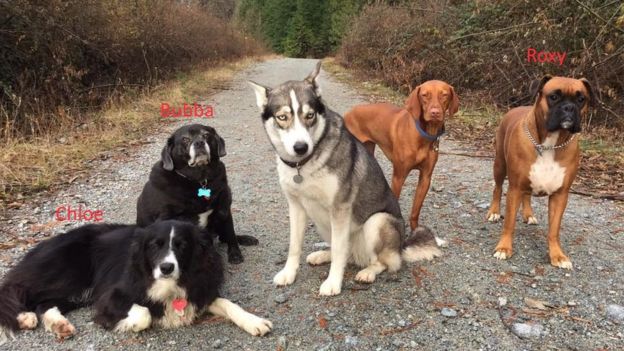
Marcel Poitras told Global News that his wife and the dogs – a collie called Chloe, a boxer named Roxy, and Bubba, a pug-beagle mix – took care of each other over two days and two nights, with no supplies and periods of “torrential” rain.

ooOOoo

Newsweek also carried the story on November 25th.

(Continuing on from where I left the BBC report.)

ooOOoo

Her husband, Marcel Poitras told Global News that her three dogs—a collie called Chloe, a boxer named Roxy, and Bubba, a pug-beagle mix—helped her stay alive during the ordeal, during which Poitras had no supplies and endured torrential rain.

He said that she saw one of the dogs dig a hole underground to stay warm, and did the same.

“One of them was cuddling [her] and one of them was on guard and the other one was looking for food,” he said.

She also helped the dogs, covering the short haired boxer with her coat after she noticed it shivering during heavy rainfall on their second night.

He said the dogs did not leave her side.

Poitras was rescued after a two day search by the RCMP, which used helicopters and 100 volunteers to scour the countryside near Eagle Mountain for traces of her.

Some rescuers finally heard faint cries for help and loud barking and tracked down Poitras and the dogs to an area described by the Mounties as “well outside the normal trail system”, according to The Surrey Now Leader.

The rescue team said she was “alive and in good condition” in an area off trail, in dense bush and swamp.

CBC reported Friday that two of the dogs visited her hospital bedside Friday.

Poitras is expected to be released from hospital later in the week. Marcel said that after his wife is released from hospital they are hoping things will get back to normal.

ooOOoo

Back to the BBC item or more specifically two more photographs included by the BBC in their report of the incident.

Chloe, Bubba and Roxy stayed with Annette Poitras for the two days. Courtesy COQUITLAM SAR HANDOUT

oooo

Chloe, Roxy and Bubba being rescued from the bush. COURTESY NORTH SHORE RESCUE

In the words of Mr. Poitras, the husband of the rescued woman, “He says they are looking forward to “quiet, peace, walking dogs, visiting family” now the ordeal is over.”

Dear wonderful Chloe, Roxy and Bubba – life-savers all three of them!

Lucky Mr. & Mrs. Poitras.

What would we do without our dear dogs!

Don’t try this at home!

All it takes is a moment’s inattention.

The reason I am posting this is simply because it might help someone else out there.

I go bike riding three times a week; weather permitting. Usually with a group from close by: Jim; Richie; Pam; Dordie; Ken.

Two days ago there was a break in the wet weather and Jim rang round seeing who was up for a ride. It turned out that four of us could go riding: Jim, Richie, Dordie and myself.

We decided to ride down Hugo Road, turn left onto the Merlin-Galice Road, follow that right to the end of Galice Road, very close to Junction 61 on Highway I-5, then turn left along Monument Drive, left again down past Grants Pass airport then back on to the Galice Road this time heading west back through Merlin to meet up with the foot of Hugo Road and then home.

All had gone very well for all four of us and it was a great ride and already we had some 14 miles under our belts.

Coming back into Merlin there is a railway track that crosses Galice Road. It has quite a wide shoulder to stop us cyclists having to mix it with the road traffic. But the tracks across that shoulder are not the smoothest of rides for a cyclist.

I did my best to cross the tracks square on but didn’t manage it. My front tyre slipped on the wet, metal rail and in that instant I lost my balance. Tried to recover but just a few yards later went down falling heavily on my left side and knocking myself out.

Luckily I was not riding on my own (Lesson Number One) and Jim and the others were quick to check me out. Jim said later that many drivers stopped including an off-duty medic who quickly summoned the ambulance.

But I was still out!

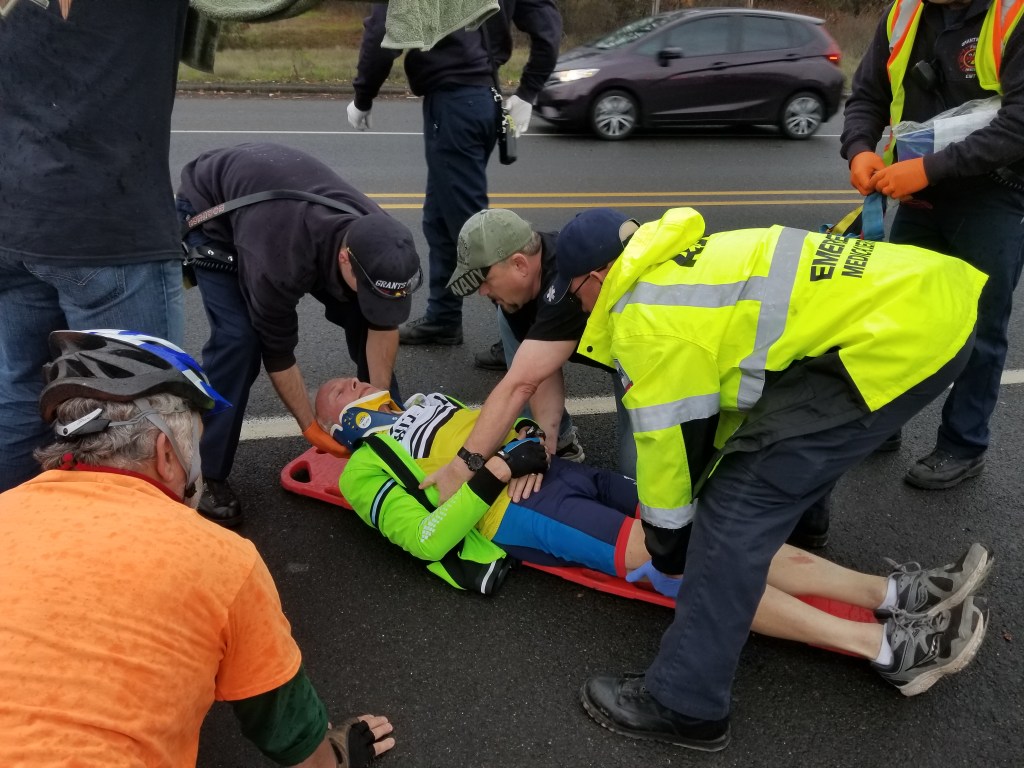
Dordie had the presence of mind to capture what was going on and it is her photographs that are in today’s post.

I continued being unconscious and later Jim said that I was out for eight minutes.

I was placed in a gurney with a neck brace because the medics were concerned that I might have damaged my neck.

Then carried across to the ambulance.

 I only properly regained consciousness when the ambulance was speeding its way to Three Rivers Hospital in nearby Grants Pass.
The attendant caring for me in the ambulance remarked how lucky I was to have been wearing a safety helmet, for had I not been: “We wouldn’t be taking you to the accident ward!”

Plus, I realised that the other stroke of fortune is that I was riding with a group of friends. Had I been riding alone, something I have been doing, I might not have been helped in such a prompt and timely way.

So that’s my lesson for today! If you ride a bicycle don’t go out alone and never, ever ride without a safety helmet!

Oh, nearly forgot! Lesson Number Two: Don’t ride across wet railway tracks – Get off and walk!

UPDATE 14:20 Friday, 24th

In view of the many helpful ideas and suggestions I thought it would be good to present the follow information.

When I was discharged from the Emergency Department at our local Three Rivers Medical Center, I was given 4 pages of guidance and information. Page 3 of those notes included:

WHEN SHOULD I SEEK IMMEDIATE MEDICAL CARE?

You should get help right away if:

  • You have confusion or drowsiness.
  • You feel sick to your stomach (nauseous) or have continued, forceful vomiting.
  • You have dizziness or unsteadiness that is getting worse.
  • You have severe, continued headaches not relieved by medicine. Only take over-the-counter or prescription medicines for pain, fever, or discomfort as directed by your health care provider.
  • You do not have normal function of the arms or legs or are unable to walk.
  • You notice changes in the black spots in the center of the colored part of your enemy (pupil).
  • You have a clear or bloody fluid coming from your nose or ears.
  • You have a loss of vision.

Thought it might be useful including those.

Plus when I saw the pharmacist at our local RiteAid, he took a look at the wounds on my left knee and recommended a transparent dressing; namely a product called Tegaderm. It is a product made by 3M and more details may be read about it here.

Thanks everyone for you caring responses!

Our beautiful planet.

It is the only lovely planet that we all have.

That ‘we’ being all the animals, plants, insects and humans there are.

I’m not saying anything new and not making this plea for the first time in this place.

But just take a few minutes out of your busy day to reflect that for you, for me, for everyone wherever they are in the world, physically and culturally, doing nothing is not an option.

More of that in a minute.

First I want to share with you a few autumnal photographs of our home here in Oregon.

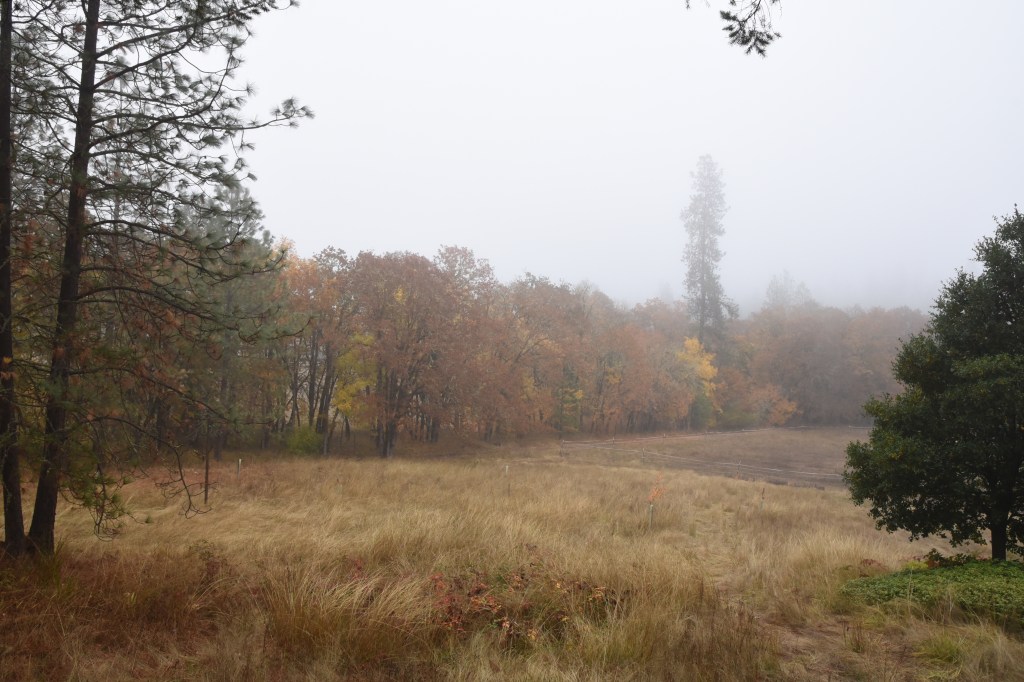
Below was taken at 9am on October 24th showing the  mountain mist right down to the tops of our trees that mark the edge of our driveway from the house to our Hugo Road entrance.

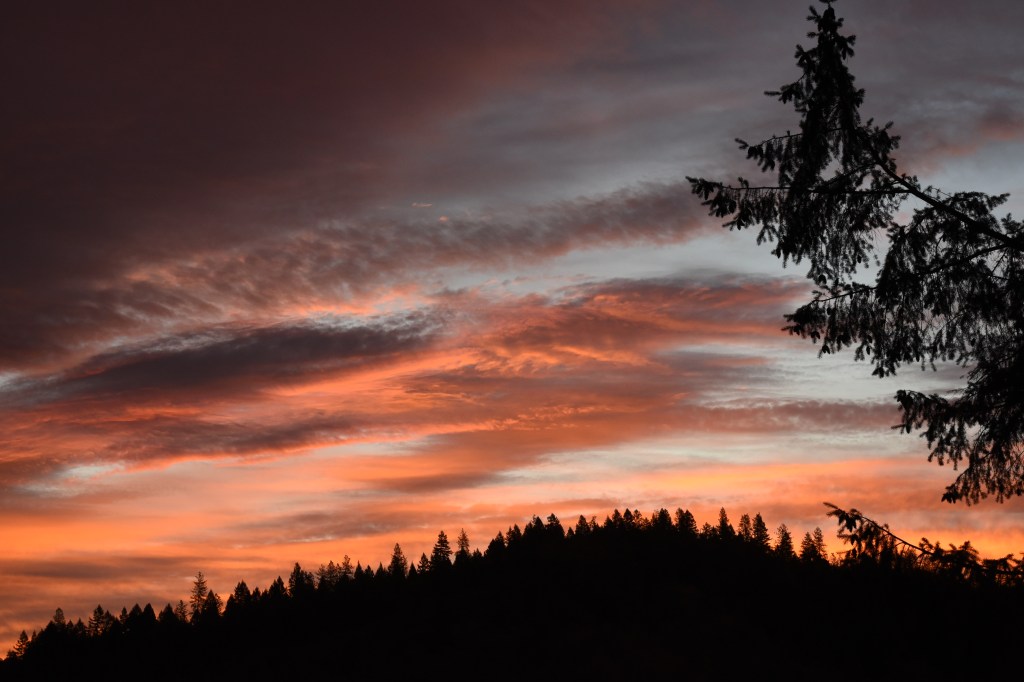
Next, a sunrise photograph with the camera pointing to the East. The tree line follows the ridge of some hills the other side of Hugo Road. The picture taken on the 19th October at 07:20.
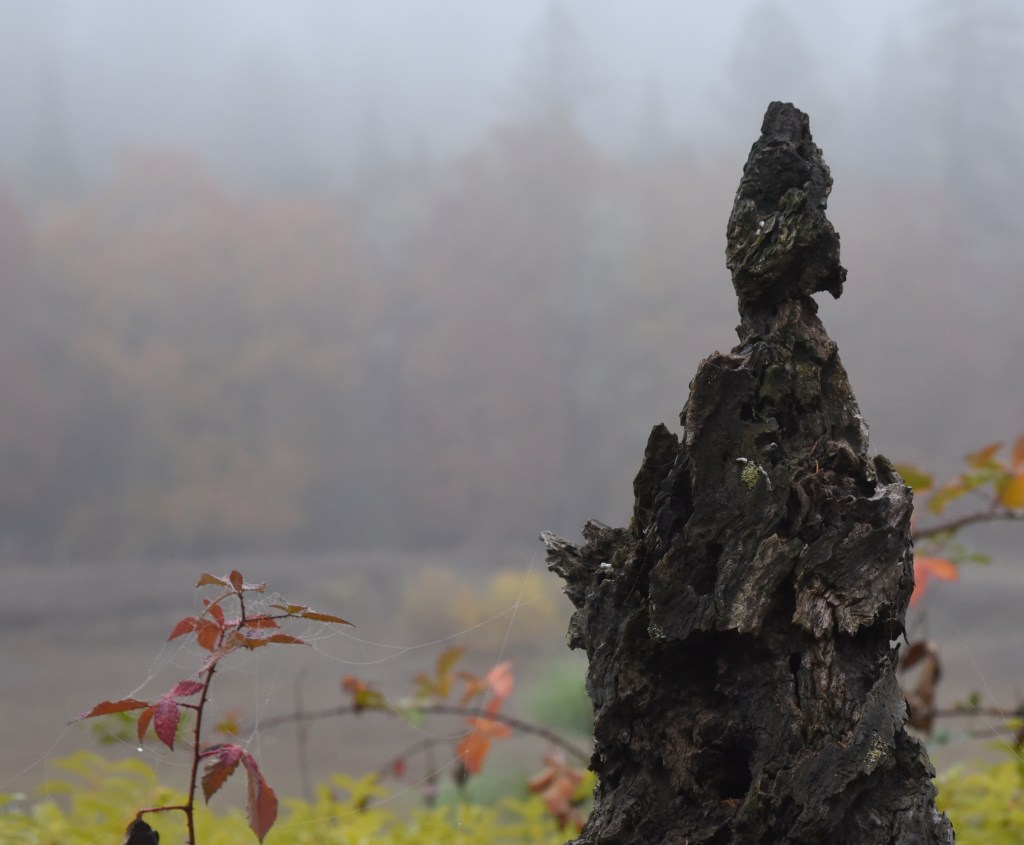
Now a close-up of the remains of a very old tree trunk with the trees that border Bummer Creek, that runs through our land, just showing through the morning mist. Taken on the 24th October at 09:05.
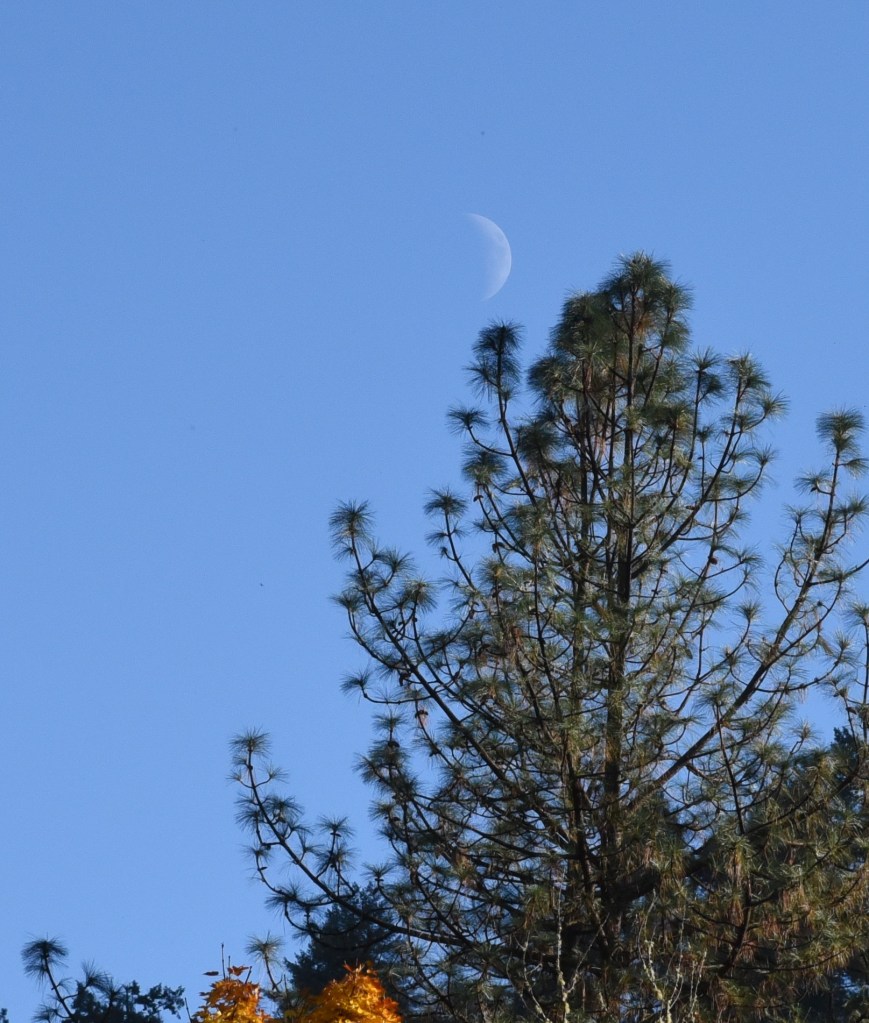
Final photograph I wanted to share with you is this beautiful sight of the moon taken from our property at 16:05 on the 25th. October.

Regular readers will know that Jean and I are not believers in any religion; we are atheists. But to my way of thinking that puts even more pressure on me and Jean to try to make a difference. We do all that we can but there’s no doubt that we can do more.
Yesterday, I referred to Bill Ripple, or to give him his full signature: William J. Ripple, Distinguished Professor of Ecology, Department of Forest Ecosystems and Society, Oregon State University, Corvallis, Oregon.

I sent Bill an email:

Dear Bill (and forgive the over familiarity if that offends),
I am a Brit, just turned 73, living with my beautiful wife, Jean, London-born as I was, down in Merlin, Oregon.

We live on 13 wonderful acres of rural property with 6 dogs (down from 12 when we moved here 5 years ago) and 4 horses, the majority of whom are ex-rescues.

I am the author of the blog Learning from Dogs and want to publish a post highlighting that viewpoint article. Because I believe with every neuron left in my ageing brain that the political changes that this world so urgently needs can only come when 99.9% of the public are screaming out “enough is enough”!

But there’s another saying that comes to mind, the one about being the change you want to see or something like that.

Is there information anywhere online that spells out, almost in words of one syllable, what lifestyle changes each of us can and need to commit to today? Changes that are as appropriate for elderly authors living in the country as young people seeking their first job or those up to their necks in working and raising families?

For that is what I want to publish on my blog!

If it would be easier for me to make an appointment to call you and take notes over the phone then I am just as happy to do that.

Sincerely,

Paul Handover
Hugo Road, Merlin,

Bill promptly replied:

Hi Paul, how long of a list of lifestyle changes do you want to make? Would three or four be enough? Bill

then followed that up with another email:

Paul, Consider suggesting that if people want to help, they could have fewer children, reduce energy consumption such as driving autos and flying, avoid meat and eat mostly plant-based foods and avoid wasting food. Below are quotes from our paper. Bill

“It is also time to re-examine and change our individual behaviors, including limiting our own reproduction (ideally to replacement level at most) and drastically diminishing our per capita consumption of fossil fuels, meat, and other resources ….

… reducing food waste through education and better infrastructure; promoting dietary shifts towards mostly plant-based foods

Now watch this video

I will close this post by listing out all the things that you and I can do now!

  • Set a target for reducing your car mileage next year compared to 2017,
  • If you are a regular aircraft passenger, then set a target for flying fewer hours in 2018 compared to 2017,
  • reduce or stop eating meat,
  • do not waste food,
  • reduce the use of heating and cooling in your home/s for next year,
  • commit to a dietary change away from meats and processed foods to a plant-based diet.

Then for younger couples who want a family around them, limit the number of children to a “replacement level” at most. Adopt??

A plea for this planet!

I feel compelled to ‘bang the drum’!

The recent news that many scientists have signed an open letter warning about how soon it will be too late to “save Earth” has been widely broadcast; not that this stops me from republishing the version of the news story that I read on the EarthSky blog site.

Here it is.

oooooh

Scientists warn: Soon it will be too late to save Earth

By Eleanor Imster in EARTH | HUMAN WORLD | November 16, 2017
More than 15,000 scientists in 184 countries have signed a letter urging the world to address major environmental concerns. “Soon it will be too late to shift course away from our failing trajectory, and time is running out.”

A letter to all of us, signed by more than 15,000 scientists (and counting) in 184 countries, warns that human well-being will be severely jeopardized by continuing trends in environmental harm, including our changing climate, deforestation, loss of access to fresh water, species extinctions and human population growth.

Entitled World Scientists’ Warning to Humanity: A Second Notice, it was published in the international journal Bioscience on November 13, 2017.

In 1992, more than 1,700 scientists signed a World Scientists’ Warning to Humanity published by the Union of Concerned Scientists. But global trends have worsened since 1992, the authors wrote in the new letter. In the last 25 years, trends in nine environmental issues suggest that humanity is continuing to risk its future.

Read the letter here.

The scientists wrote:

Soon it will be too late to shift course away from our failing trajectory, and time is running out. We must recognize, in our day-to-day lives and in our governing institutions, that Earth with all its life is our only home.

The letter also says …

By failing to adequately limit population growth, reassess the role of an economy rooted in growth, reduce greenhouse gases, incentivize renewable energy, protect habitat, restore ecosystems, curb pollution, halt defaunation, and constrain invasive alien species, humanity is not taking the urgent steps needed to safeguard our imperiled biosphere.

The article was written by an international team led by William Ripple of Oregon State University led the international team of scientists who created the letter. Ripple said in a statement:

Some people might be tempted to dismiss this evidence and think we are just being alarmist. Scientists are in the business of analyzing data and looking at the long-term consequences. Those who signed this second warning aren’t just raising a false alarm. They are acknowledging the obvious signs that we are heading down an unsustainable path. We are hoping that our paper will ignite a wide-spread public debate about the global environment and climate.

Progress in some areas — such as a reduction in ozone-depleting chemicals and an increase in energy generated from renewable sources — shows that positive changes can be made, the authors wrote. There has been a rapid decline in fertility rates in some regions, which can be attributed to investments in education for women, they added. The rate of deforestation in some regions has also slowed.

The warning came with steps that can be taken to reverse negative trends, but the authors suggested that it may take a groundswell of public pressure to convince political leaders to take the right corrective actions. Such activities could include establishing more terrestrial and marine reserves, strengthening enforcement of anti-poaching laws and restraints on wildlife trade, expanding family planning and educational programs for women, promoting a dietary shift toward plant-based foods and massively adopting renewable energy and other “green” technologies.

Scientists who did not sign the warning prior to publication can endorse the published warning here.

Bottom line: A letter entitled World Scientists’ Warning to Humanity: A Second Notice, urging the world to address major environmental concerns. was signed by more than 15,000 scientists in 184 countries.

Read more from Oregon State University

ooOOoo

As is the way with this modern inter-connected world it was but a moment to track down said William Ripple, find his email address and ask him what he recommended as the top things that you and I should be doing now.

Not just for you and me but for all the animals as well on this very beautiful planet.

Bill’s reply is part of tomorrow’ post. See you then!

Beware of antifreeze

A very timely reminder!

The other day we went to buy more hay and feed from our local supplier The Red Barn on Upper River Road in Grants Pass.

Tyler, the owner, was distraught having just returned from urgently running his dog in to see Dr. Russ at local Lincoln Road Vet Clinic. The reason being that his dog had eaten some rat poison that he had put out on one of the upper floors of the barn.

Later I was discussing this with our good friend, Jim Goodbrod, also a Doctor of Veterinary Medicine (DVM), and Jim said that so long as the dog is caught quickly and taken to a vet it is unlikely that it would leave the dog with any permanent harm.

However, Jim then went on to say that especially at this time of the year the thing that vets see far too often is dogs who have drunk antifreeze that car owners put into their radiators ahead of the winter season.

Jim stressed that dogs very rarely are unharmed after having contact with antifreeze. Even a teaspoonful was sufficient to kill a cat and cause severe kidney damage in dogs!

So it was essential to spread the word.

No better done than by offering you this video. Watch it! Especially through to the end where Dr. Barker offers clear advice as to what to do if you suspect antifreeze poisoning of your dog or cat.

Published on Nov 23, 2014

If this prevents even a single dog or cat from being poisoned by antifreeze then that’s a win!
So spread the word!

Are we awake!

Returning to Earth with a bang!

My posts of the last few days have been in the ‘cuddly, cosy’ vein of life and, as many would say, a long way from the reality of this 21st century.

The reality is tough and scary and many, including me, favour running away from scary places. I’m sure that the urge to flee and hide is a survival behaviour from long time ago. BUT!! But the only hope for us humans is to face the facts full on.

Take, for example, the Ganges River. We have all heard of this famous river (my emphasis below):

The Ganges  is a trans-boundary river of Asia which flows through the nations of India and Bangladesh. The 2,525 km (1,569 mi) river rises in the eastern Himalayas in the Indian state of Uttarakhand, and flows south and east through the Gangetic Plain of North India into Bangladesh, where it empties into the Bay of Bengal. It is the third largest river in the world by discharge.

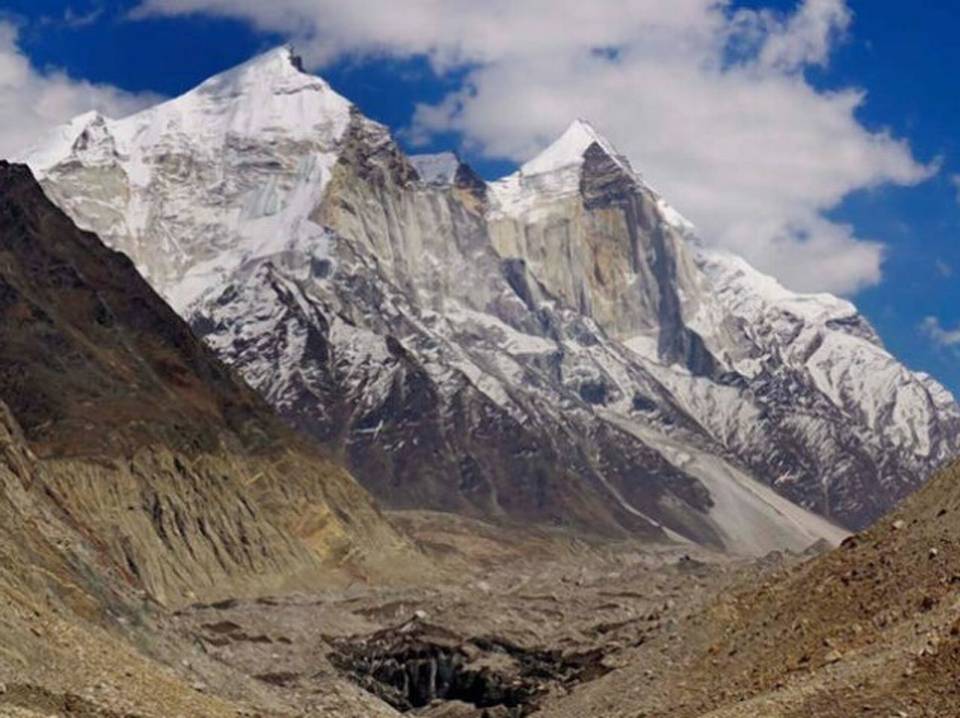
The source of the Ganges is the Gangotri glacier. Here it is:

Gaumukh, snout of the Gangotri glacier,surrounded by the Bhagirathi peaks of Garhwal Himalayas, at an altitude of over 4,000 metres. Photo: Vidya Venkat.

The photograph was taken from this article; from which I offer:

Scientists say dwindling snowfall affects volume of water fed to the Bhagirathi, the main source of the Ganga

After a four-hour-long trek from Bhojwasa, the final camping spot in Gangotri, when a brown, fractured pile of rocks finally came into view it was hard to believe that this was the mouth of the glacier from which the ‘holy’ Ganga emerged.

Gaumukh, the snout of the Gangotri glacier, named after its shape like the mouth of a cow, has retreated by over 3 kilometres since 1817, says glaciologist Milap Chand Sharma of Jawaharlal Nehru University.

It was nearly two centuries ago that the retreat of the glacier was first documented by John Hodgson, a Survey of India geologist.

With 10 Indian States reeling under drought and the country facing a severe water crisis after two weak monsoons, the story of retreating freshwater sources such as the Himalayan glaciers is worrying. And though a three-kilometre retreat over a period of two centuries might seem insignificant at first glance, data shows that the rate of retreat has increased sharply since 1971. The rate of retreat is 22 metres per year.

Twenty-two metres or seventy-two feet a year!

Wringing our hands is no good. All of us who care for our Living Planet have to shout out just what is going on. As George Monbiot continues to do. Take his latest essay, for example, that is republished here in full with GM’s very kind permission.

ooOOoo

Insectageddon

The scale and speed of environmental collapse is beyond imagination.

By George Monbiot, published in the Guardian 20th October 2017

Which of these would you name as the world’s most pressing environmental issue? Climate breakdown, air pollution, water loss, plastic waste or urban expansion? My answer is none of the above. Almost incredibly, I believe that climate breakdown takes third place, behind two issues that receive only a fraction of the attention.

This is not to downgrade the danger presented by global heating – on the contrary, it presents an existential threat. It is simply that I have come to realise that two other issues have such huge and immediate impacts that they push even this great predicament into third place.

One is industrial fishing, which, all over the blue planet, is now causing systemic ecological collapse. The other is the erasure of non-human life from the land by farming.

And perhaps not only non-human life. According to the UN Food and Agriculture Organisation, at current rates of soil loss, driven largely by poor farming practice, we have just 60 years of harvests left. And this is before the Global Land Outlook report, published in September, found that productivity is already declining on 20% of the world’s cropland.

The impact on wildlife of changes in farming practice (and the expansion of the farmed area) is so rapid and severe that it is hard to get your head round the scale of what is happening. A study published this week in the journal Plos One reveals that flying insects surveyed on nature reserves in Germany have declined by 76% in 27 years. The most likely cause of this Insectageddon is that the land surrounding those reserves has become hostile to them: the volume of pesticides and the destruction of habitat have turned farmland into a wildlife desert.

It is remarkable that we need to rely on a study in Germany to see what is likely to have been happening worldwide: long-term surveys of this kind simply do not exist elsewhere. This failure reflects distorted priorities in the funding of science. There is no end of grants for research on how to kill insects, but hardly any money for discovering what the impacts of this killing might be. Instead, the work has been left – as in the German case – to recordings by amateur naturalists.

But anyone of my generation (ie in the second bloom of youth) can see and feel the change. We remember the “moth snowstorm” that filled the headlight beams of our parents’ cars on summer nights (memorialised in Michael McCarthy’s lovely book of that name). Every year I collected dozens of species of caterpillars and watched them grow and pupate and hatch. This year I tried to find some caterpillars for my children to raise. I spent the whole summer looking and, aside from the cabbage whites on our broccoli plants, found nothing in the wild but one garden tiger larva. Yes, one caterpillar in one year. I could scarcely believe what I was seeing – or rather, not seeing.

Insects, of course, are critical to the survival of the rest of the living world. Knowing what we now know, there is nothing surprising about the calamitous decline of insect-eating birds. Those flying insects – not just bees and hoverflies but species of many different families – are the pollinators without which a vast tract of the plant kingdom, both wild and cultivated, cannot survive. The wonders of the living planet are vanishing before our eyes.

Well, I hear you say, we have to feed the world. Yes, but not this way. As a UN report published in March explained, the notion that pesticide use is essential for feeding a growing population is a myth. A recent study in Nature Plants reveals that most farms would increase production if they cut their use of pesticides. A study in the journal Arthropod-Plant Interactions shows that the more neonicotinoid pesticides were used to treat rapeseed crops, the more their yield declines. Why? Because the pesticides harm or kill the pollinators on which the crop depends.

Farmers and governments have been comprehensively conned by the global pesticide industry. It has ensured its products should not be properly regulated or even, in real-world conditions, properly assessed. A massive media onslaught by this industry has bamboozled us all about its utility and its impacts on the health of both human beings and the natural world.

The profits of these companies depend on ecocide. Do we allow them to hold the world to ransom, or do we acknowledge that the survival of the living world is more important than returns to their shareholders? At the moment, shareholder value comes first. And it will count for nothing when we have lost the living systems on which our survival depends.

To save ourselves and the rest of the living world, here’s what we need to do:

  1. We need a global treaty to regulate pesticides, and put the manufacturers back in their box.
  2. We need environmental impact assessments for the farming and fishing industries. It is amazing that, while these sectors present the greatest threats to the living world, they are, uniquely in many nations, not subject to such oversight.
  3. We need firm rules based on the outcomes of these assessments, obliging those who use the land to protect and restore the ecosystems on which we all depend.
  4. We need to reduce the amount of land used by farming, while sustaining the production of food. The most obvious way is greatly to reduce our use of livestock: many of the crops we grow and all of the grazing land we use are deployed to feed them. One study in Britain suggests that, if we stopped using animal products, everyone in Britain could be fed on just 3m of our 18.5m hectares of current farmland (or on 7m hectares if all our farming were organic). This would allow us to create huge wildlife and soil refuges: an investment against a terrifying future.
  5. We should stop using land that should be growing food for people to grow maize for biogas and fuel for cars.

Then, at least, nature and people would have some respite from the global onslaught. And, I hope, a chance of getting through the century.

http://www.monbiot.com

ooOOoo

Please do share this as widely as you can. Please do inform others. Please do make whatever changes, however small, you can within your own lives.

Bhagirathi Peaks from the Gangotri Glacier

And, please, please, listen to our Living Planet that is screaming out to us that this cannot go on!

Four-legged gardening.

Another great guest post from Emily Ridgewell.

Last October 4th, just three weeks ago tomorrow, I introduced Emily Ridgewell to you. She had written a guest post for us Return to the Movies. It was well-received.

For many, the next few weeks are an important time of the year to do a spot of gardening. A time when dog-owners allow their loved ones to ‘help’, especially in the digging department. But are our gardens as safe for dogs as many of us might like to believe? Emily’s second guest post addresses that question.

ooOOoo

How to Create a Dog-Friendly Garden

by Emily Ridgewell, October 18th, 2017

Being a pet owner is not only a great pleasure but also a huge responsibility. While most of the people think that taking care of dog only included feeding and walking it three times a day, the truth is that being a good dog owner means much more than that. There are plenty of unobvious things that might pose potential threats to the health and wellbeing of dogs, and plants from home garden is a telling example of such threats.

Turns out, not all home plants are equal and your favorite flowers might be a poison for your dog if ingested. The consequences might be serious, which is why it’s important for you as a responsible dog owner to ensure your home garden is dog-friendly and learn what to do if your dog ingested a poisonous plant. The goal of this article is to help you on this matter.

Basic Rules to Follow

Before listing all home plants and flowers that might pose threat to your dog, it makes sense to say a bit about general rules of creating a dog-friendly garden. After all, it is not about the right or wrong plants only.

  • If possible, choose robust plants

Young plants or plants with especially delicate stems might not survive if your dog will run through them every now and then. That’s why you are strongly advised to plant large and robust plants like astilbe, hardy geranium, or lavender.

  • Remember to protect your garden

If you don’t want your home garden to be ruined by a happy running dog, make sure your garden has clearly defined boundaries and borders. Low-growing box hedge serves perfectly for this matter.

  • Be careful using chemicals

The importance of this point is paramount. Plenty of gardeners use non-organic slug pellets and other chemicals when taking care of a garden. If you own a dog, the only option for you is to learn how to deal with snails and slugs organically and avoid any chemicals altogether.

  • Choose gentle materials

If you want garden decorations, avoid sharp stones and kinds of materials that might become extremely hot under the sun or too slippery when wet.

Which home plants and flowers are not dog-friendly?

By now you know the most common rules you should follow when creating a dog-friendly garden. Now it is time to learn which particular plants and flowers might be dangerous for dogs and should be avoided at all cost.

All poisonous plants range from slightly toxic (those that might cause vomiting, but nothing more serious) to extremely toxic (those that might cause serious health problems, including death). The list of plants that are dangerous to dogs is long, so it makes sense to divide all plants into subcategories.

In the case with perennial flowers, you should avoid Foxglove, Mums, Lenten Rose, Bleeding Hearts, Hosta, Lily-of-the-valley, Monkshood, Yarrow, and Iris. Speaking of vines, your home garden should not have Morning Glory, English Ivy, Clematis, Bittersweets, Boston Ivy, and Wisteria. As for annuals, you’d better stay away from Lantana and Begonia. The list of poisonous shrubs includes Rose of Sharon, Hydrangea, Yew Bushes, Burning Bush, Azalea Genus, Boxwood, Daphne, and Andromeda. You should also be careful with certain trees, including American Holly, Golden Chain, Oak Trees, Yellow Bird of Paradise, and Oleander.

Armed with this information, you should not have any problems creating a beautiful and dog-friendly home garden. Just make sure to double-check all plants that you decide to plant and refer to common sense when choosing home garden decorations.

ooOOoo

 I thought this was valuable information and a very helpful article from Emily.

Then wanted to close this post by sharing with you an example of how our dogs help with the gardening around here.

But all I could find was this photograph of Cleo ‘thinking’ of doing the front lawn.

Win some: Lose some!

Picture Parade Two Hundred and Seventeen

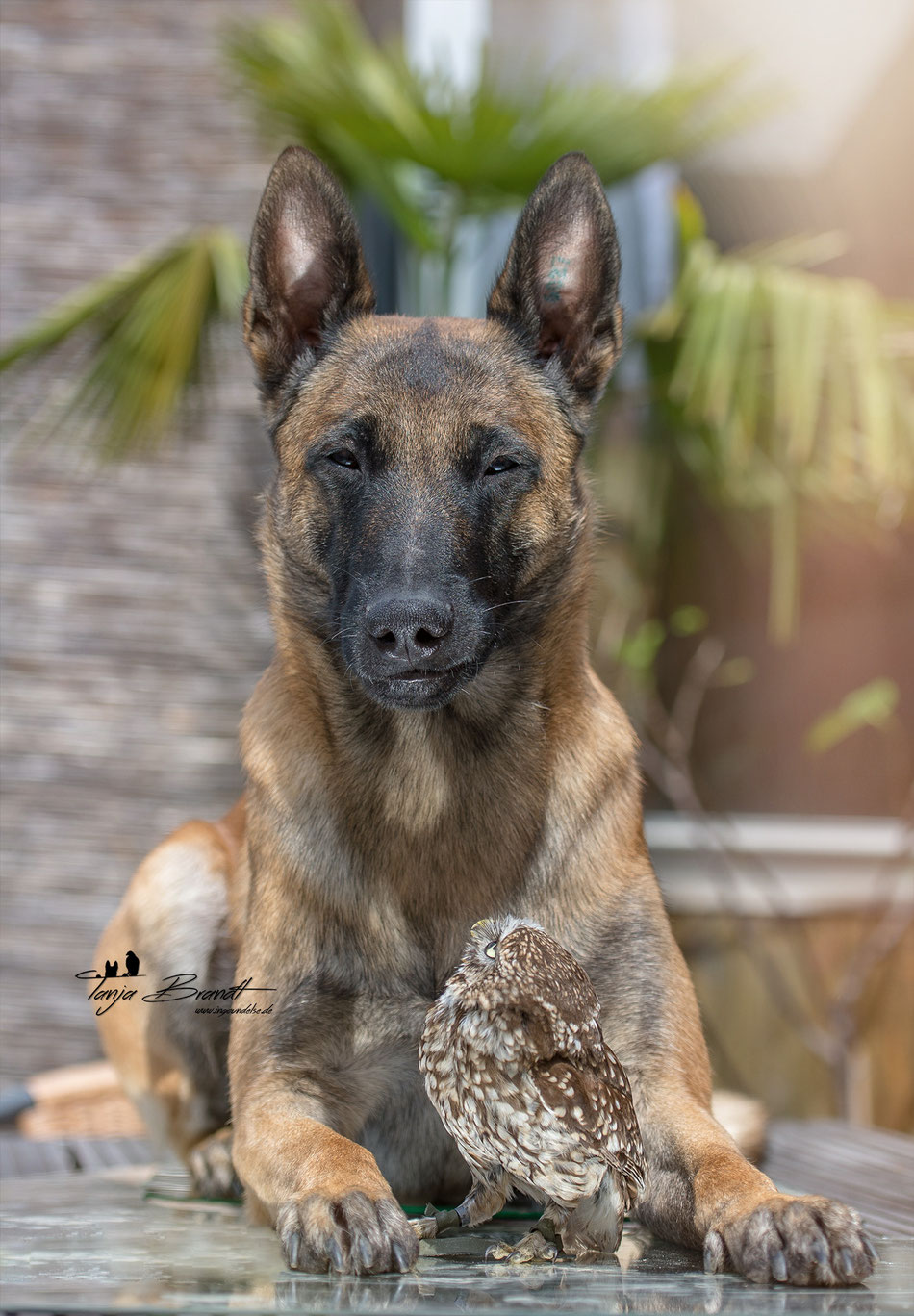
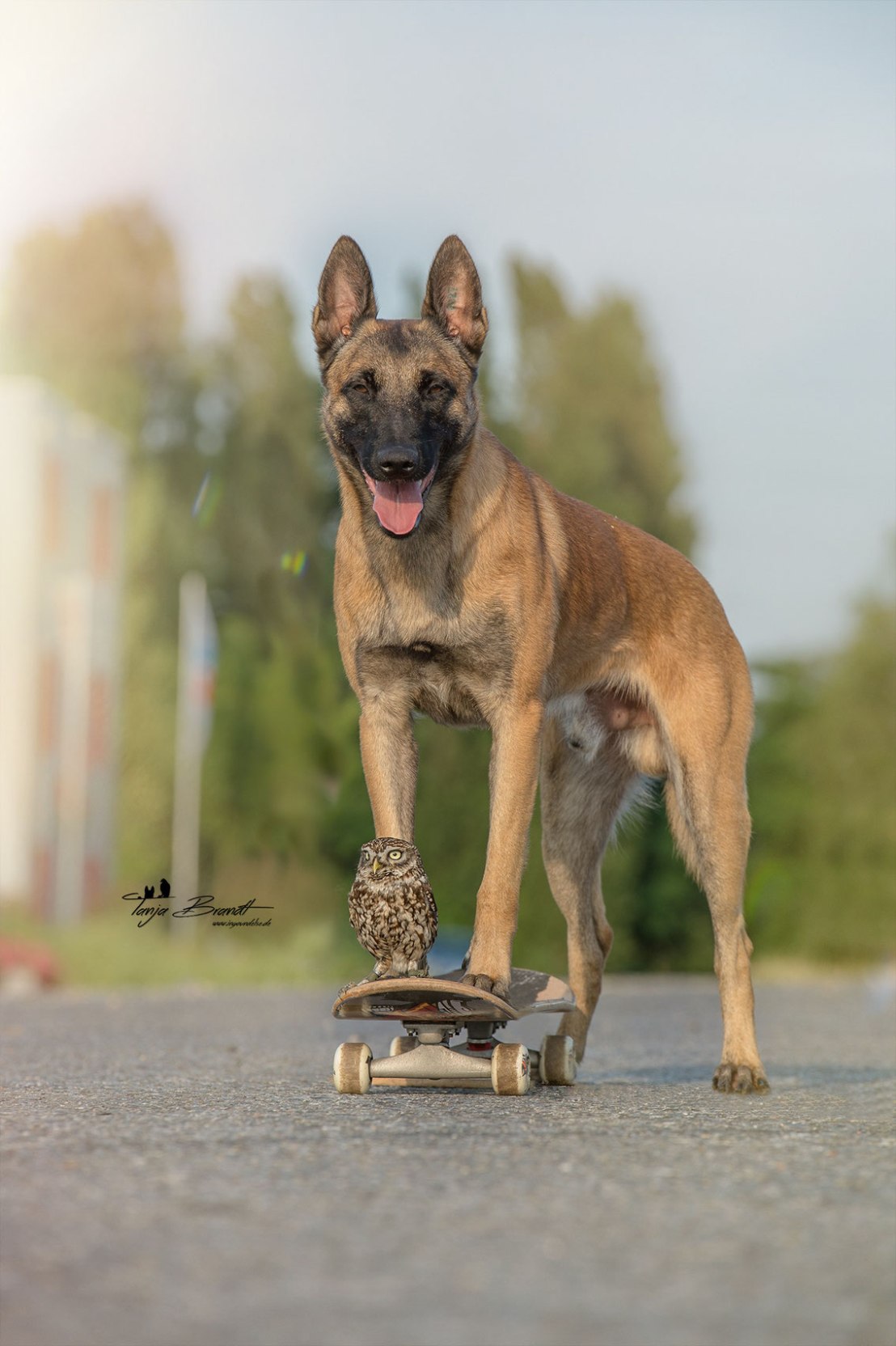
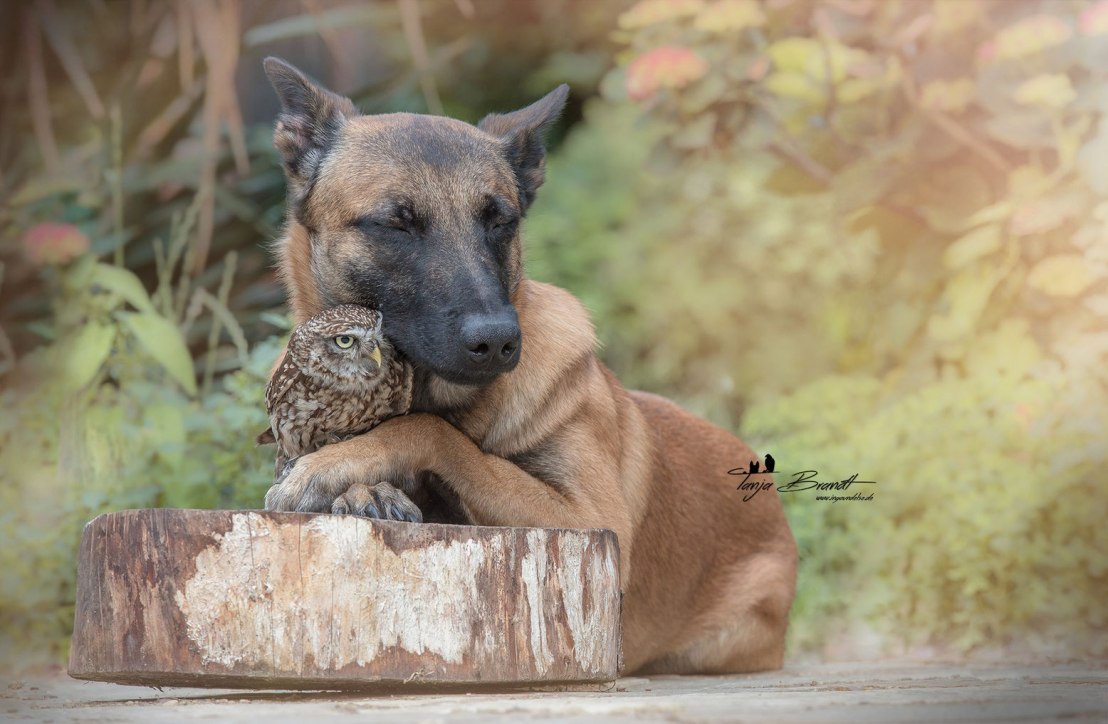
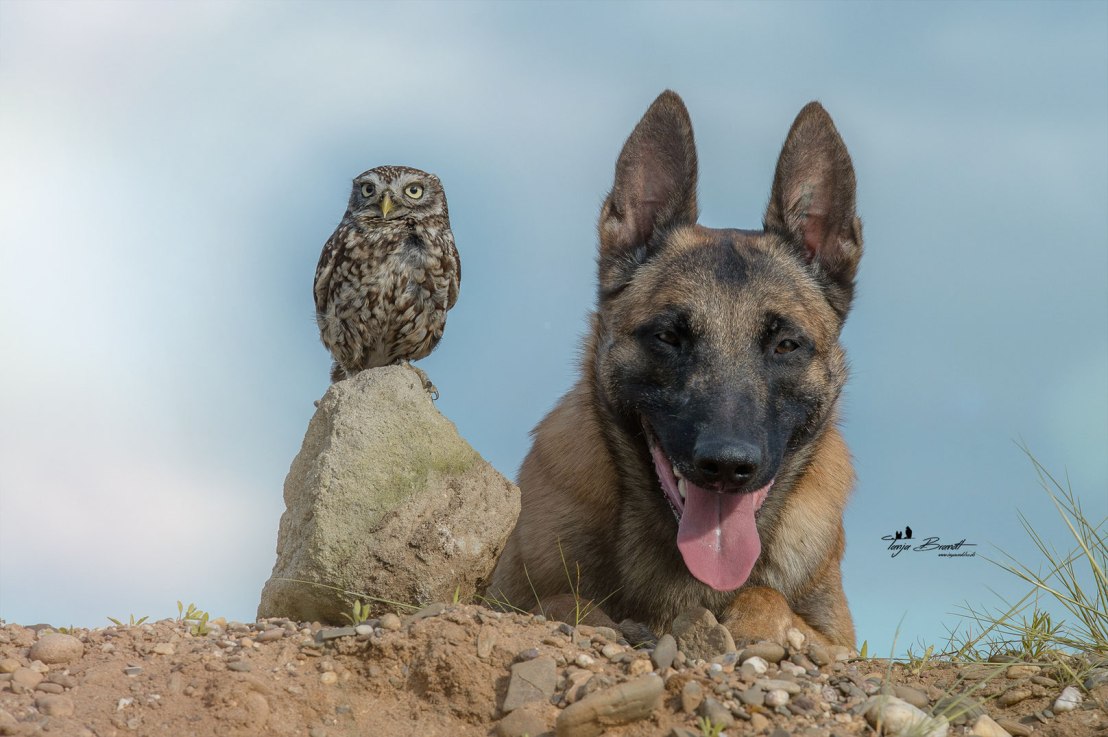
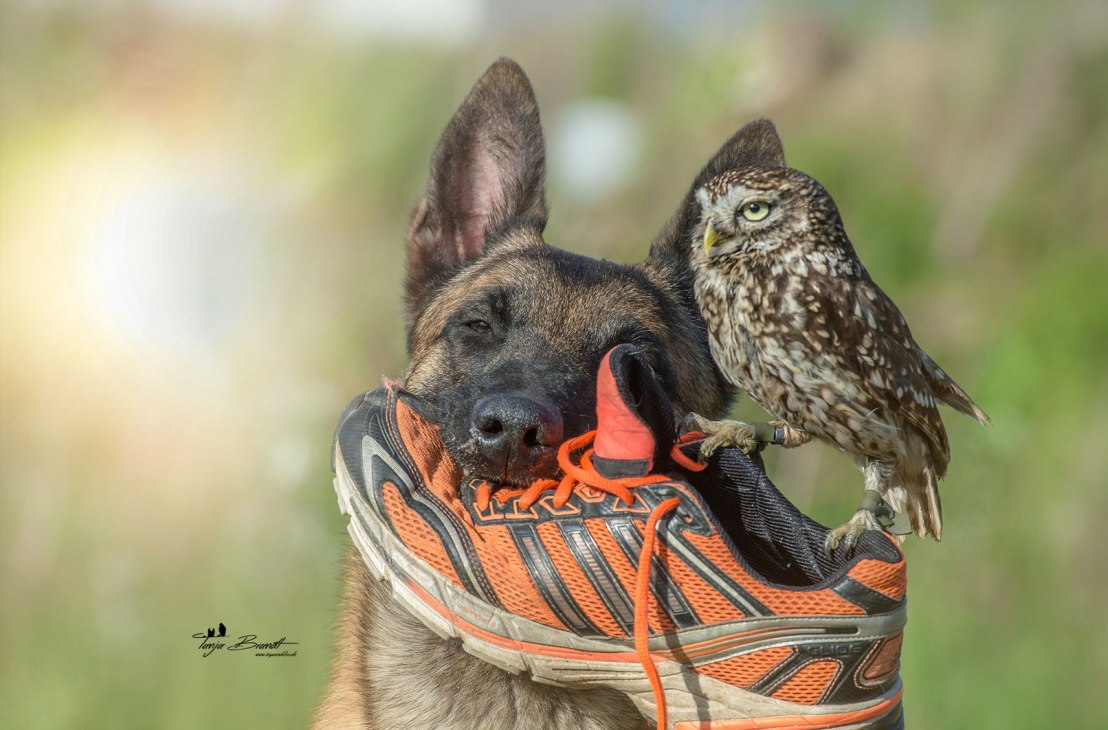
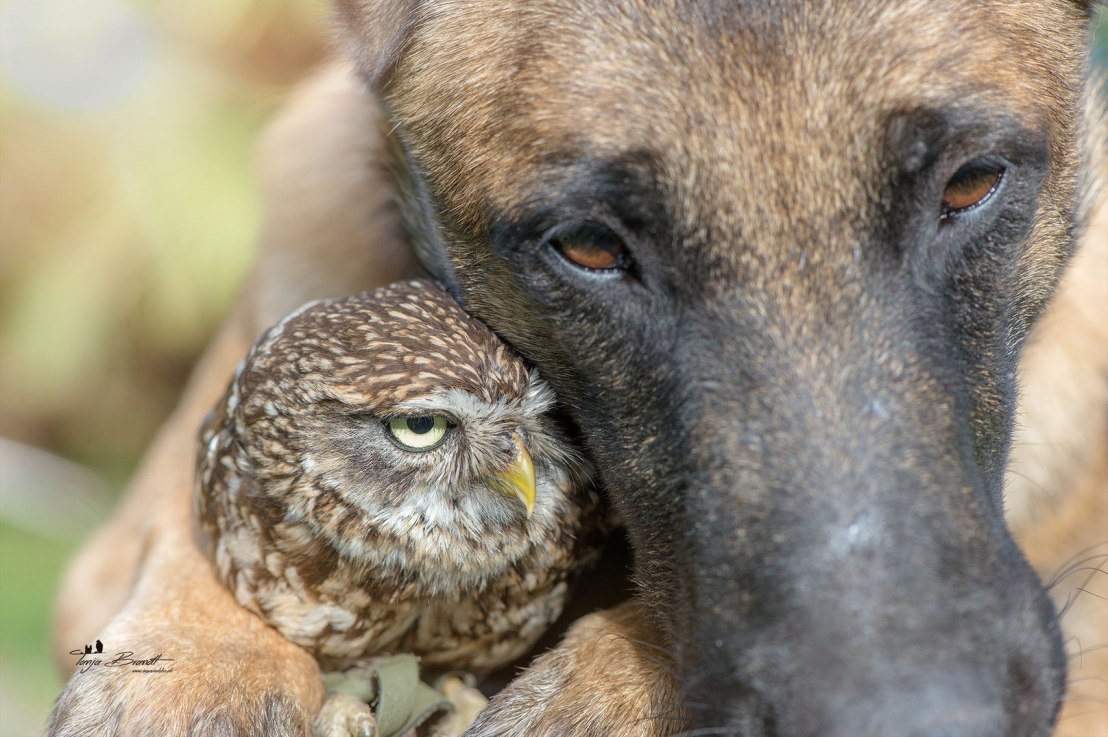
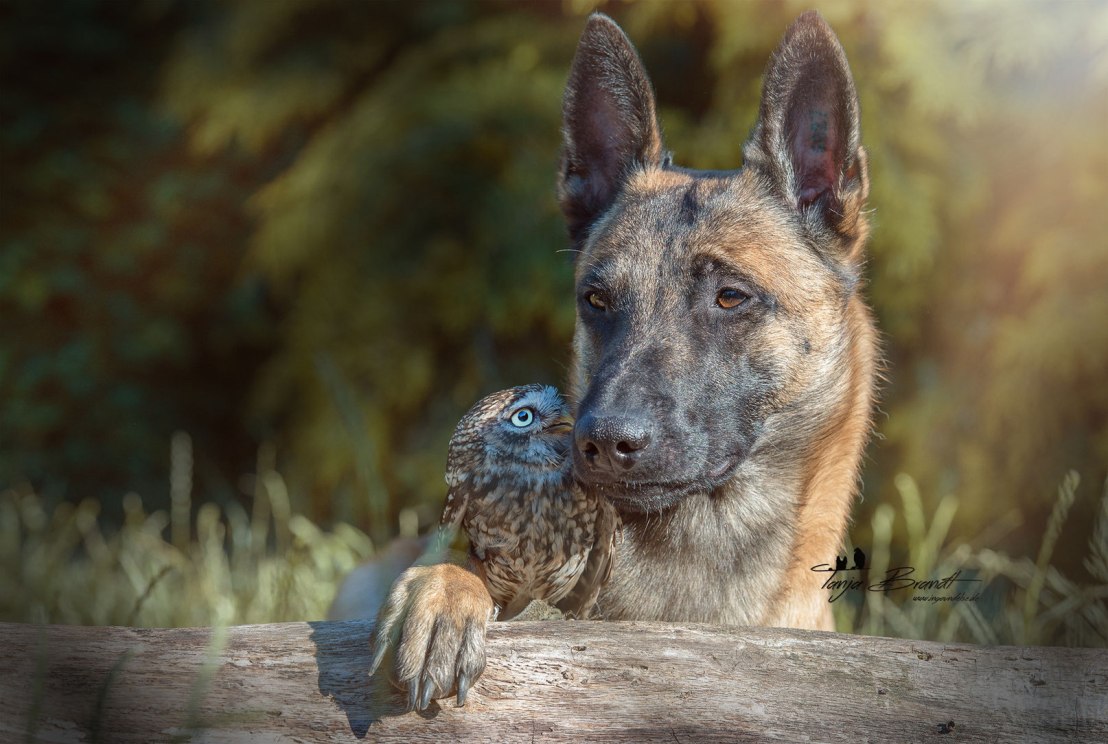
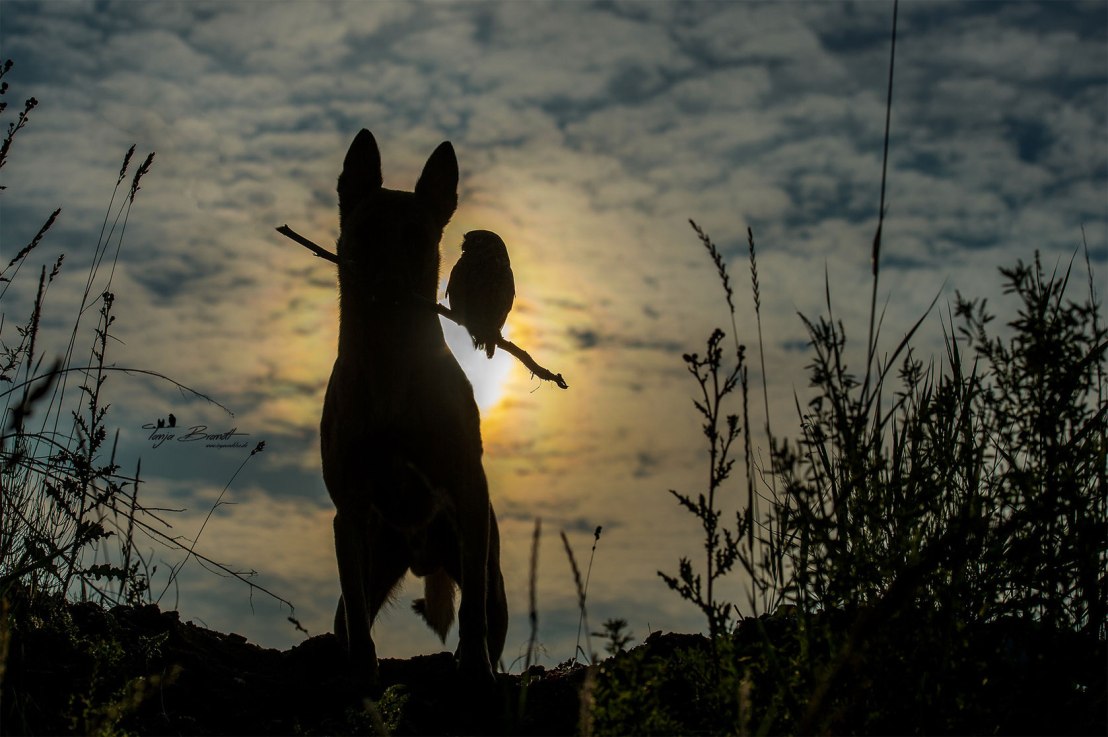
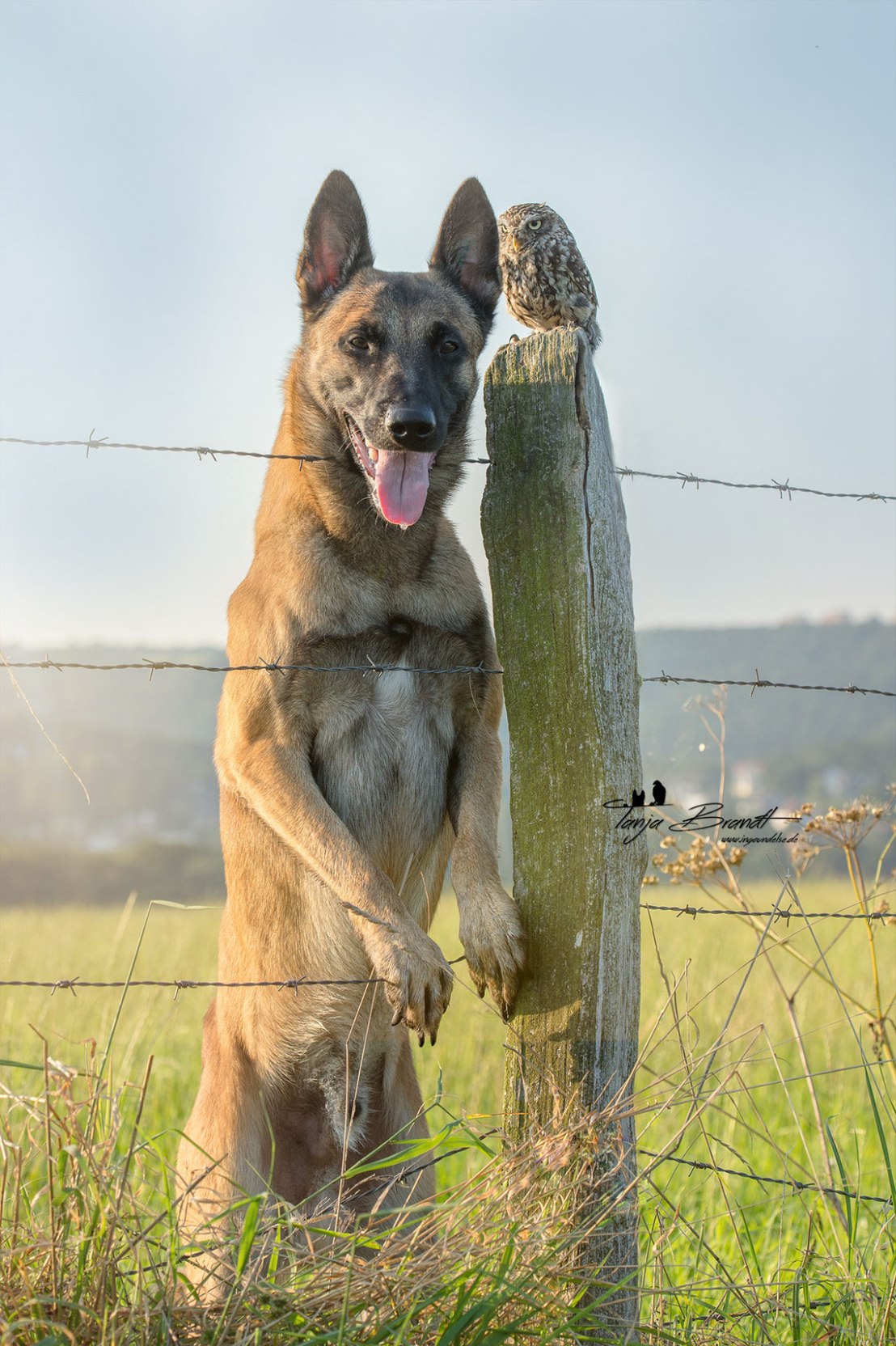
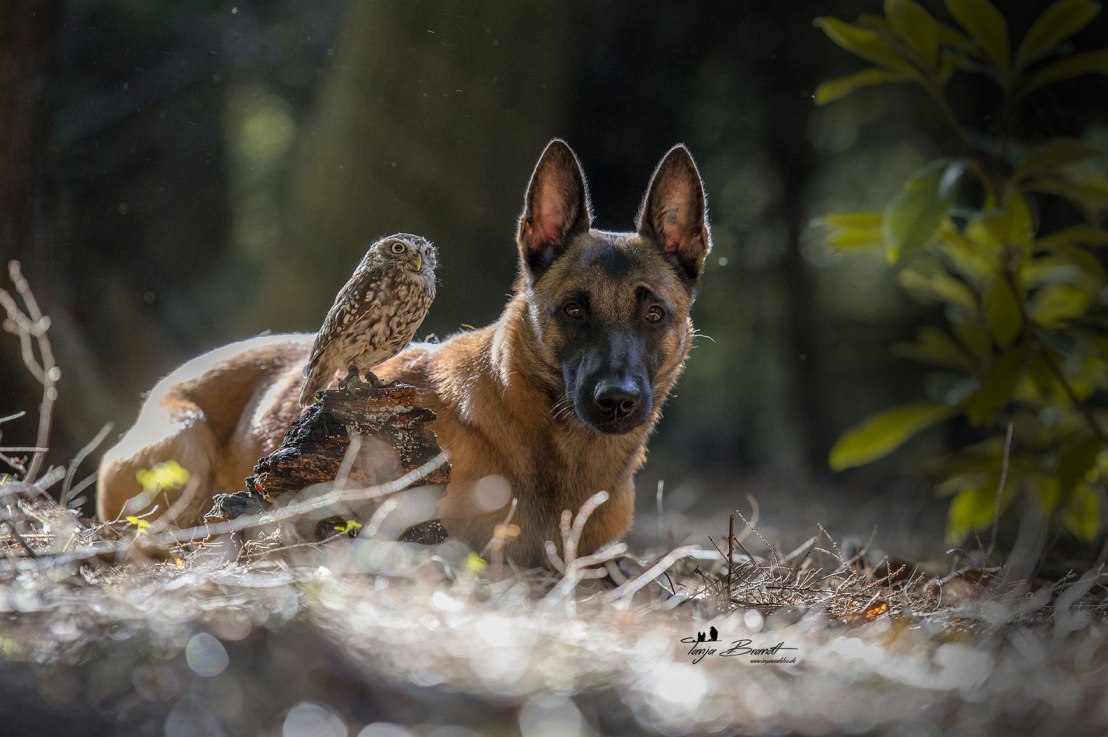
More incredible Ingo and Friends photographs

Again, taken from here and offered to you good people with Tanja Brandt’s very kind permission.

Ingo and Friends

oooo

oooo

oooo

oooo

oooo

oooo

oooo

oooo

oooo

oooo

oooo

oooo

oooo

Oh, I do wish I spoke good German. For I would love to call Tanja and chat with her about how she generates such incredible, wonderful pictures.

Any German speakers out there!!