Category: Environment

Picture Parade Two Hundred and Forty-Six

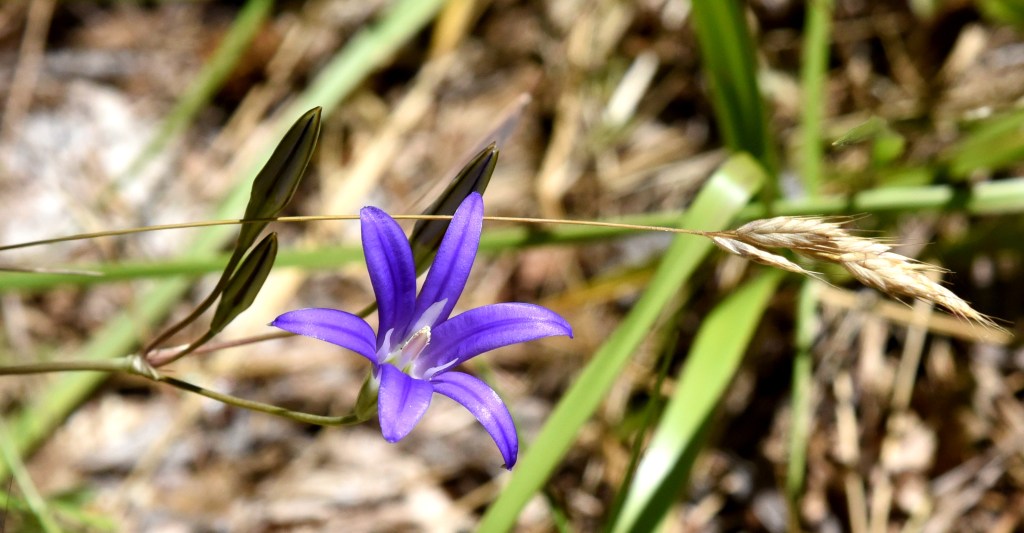
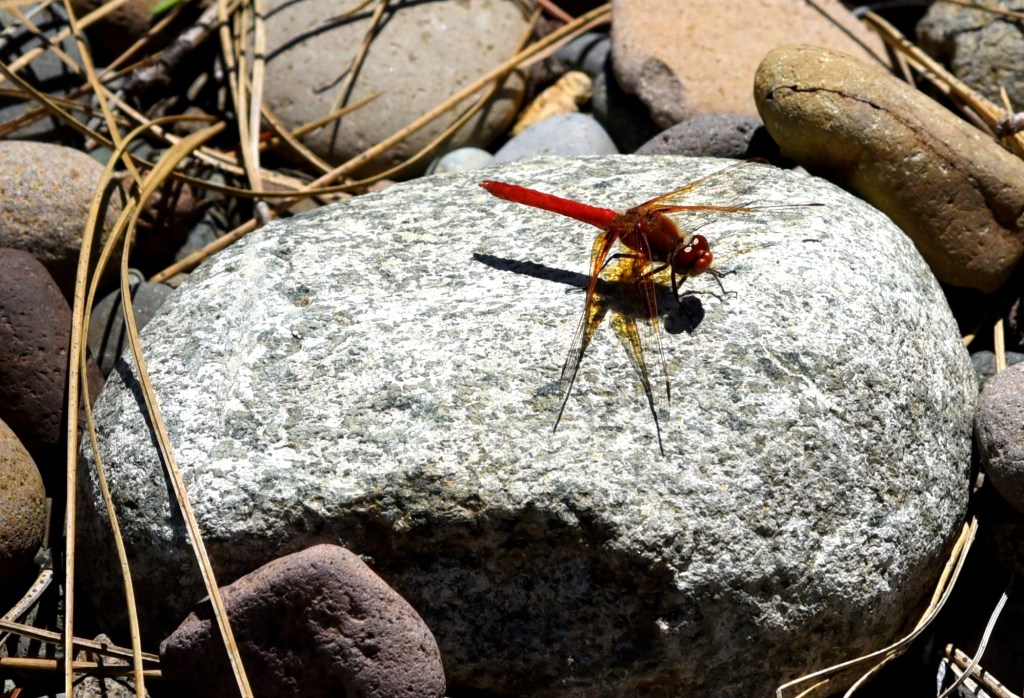
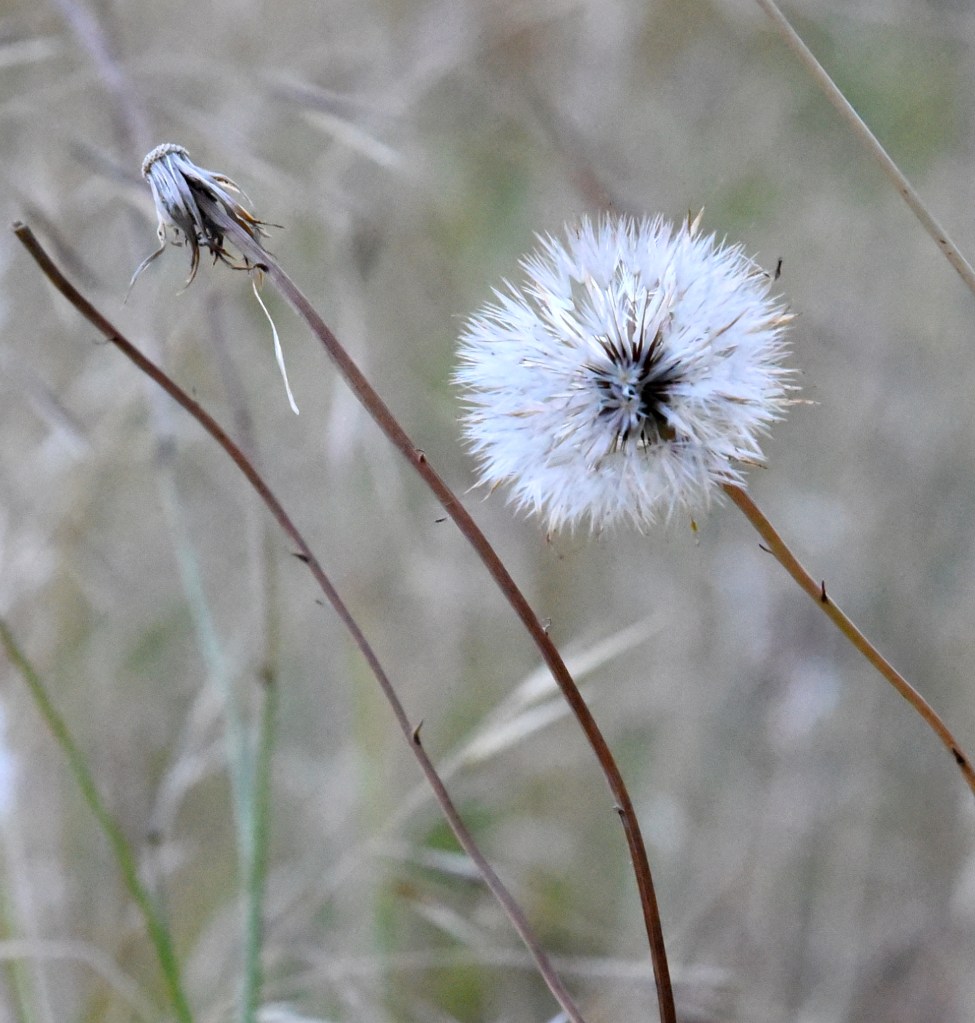
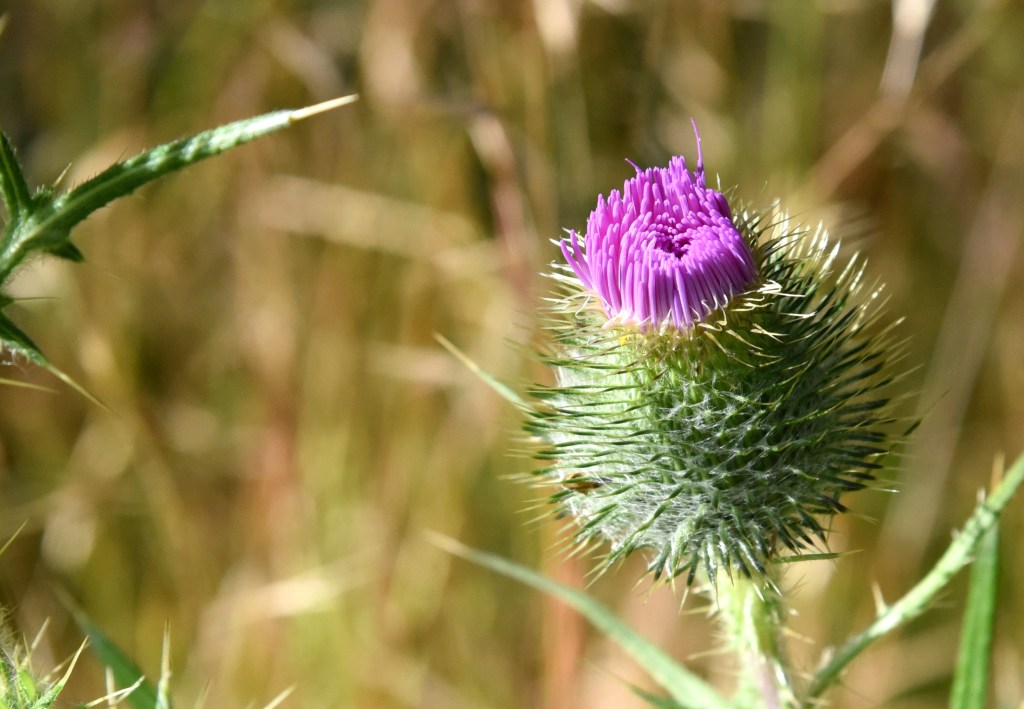
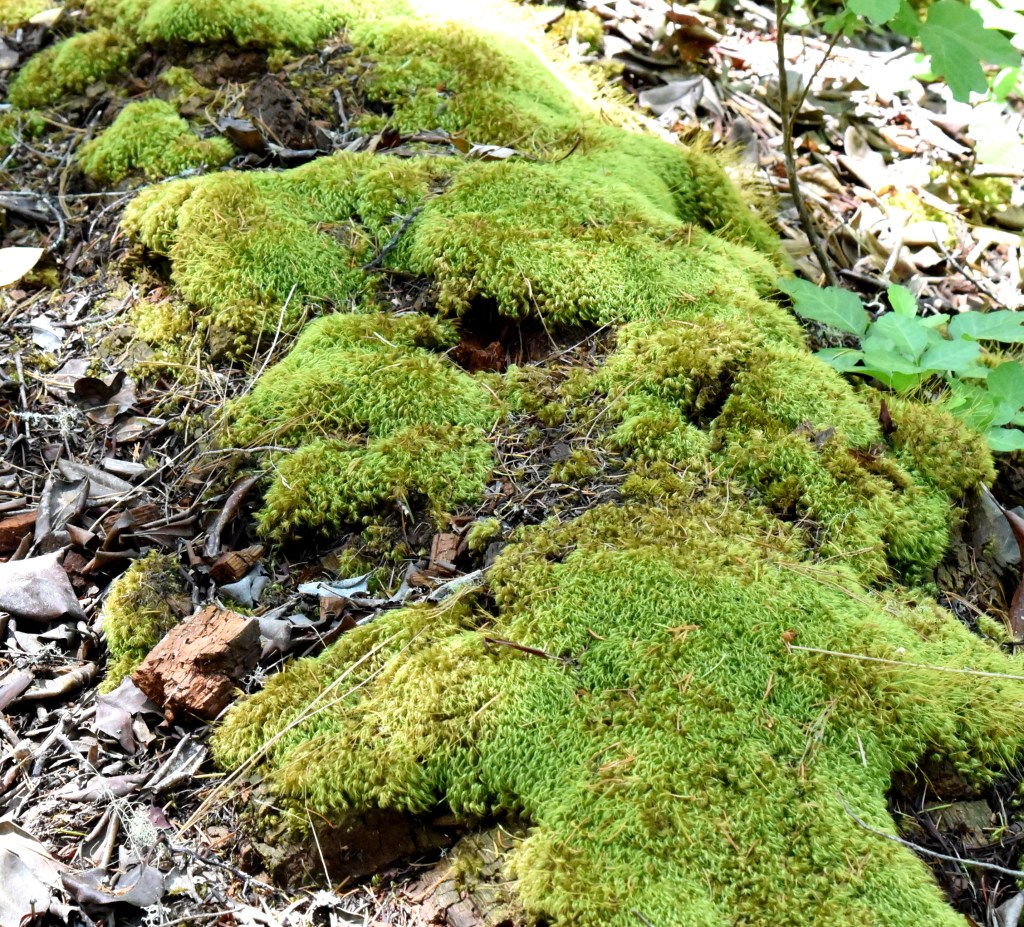
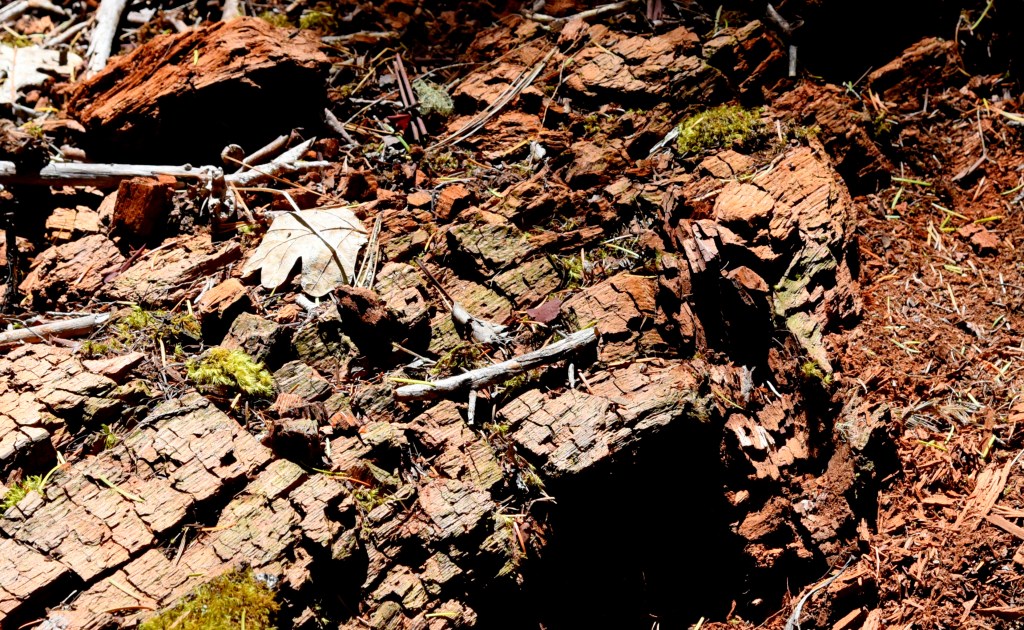
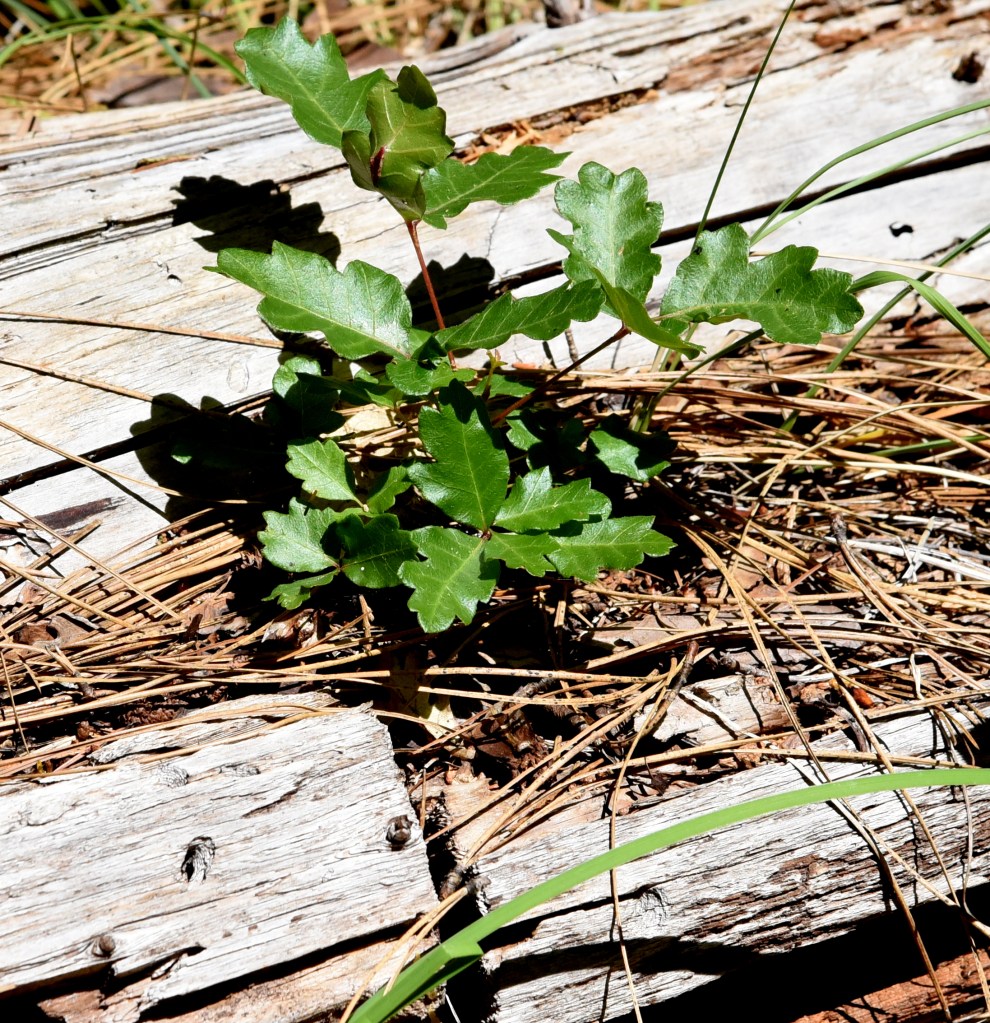
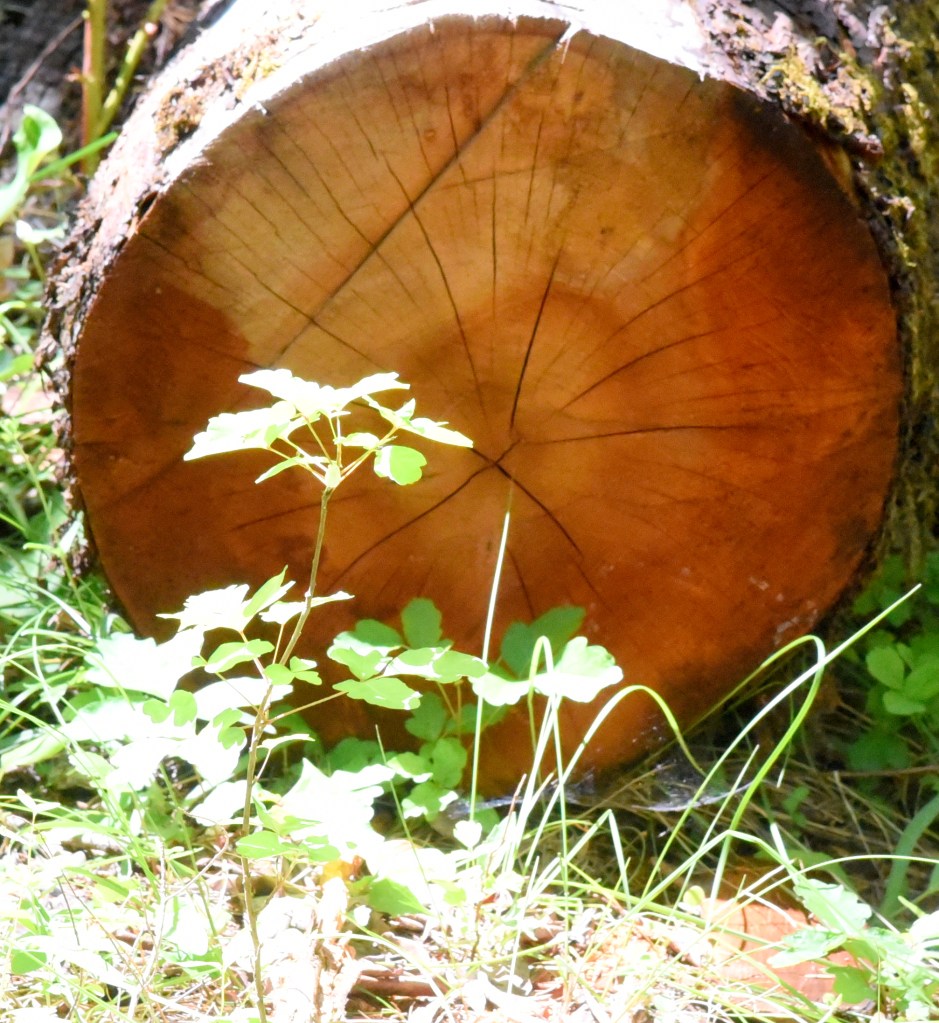
Staying with the theme of our beautiful natural world.

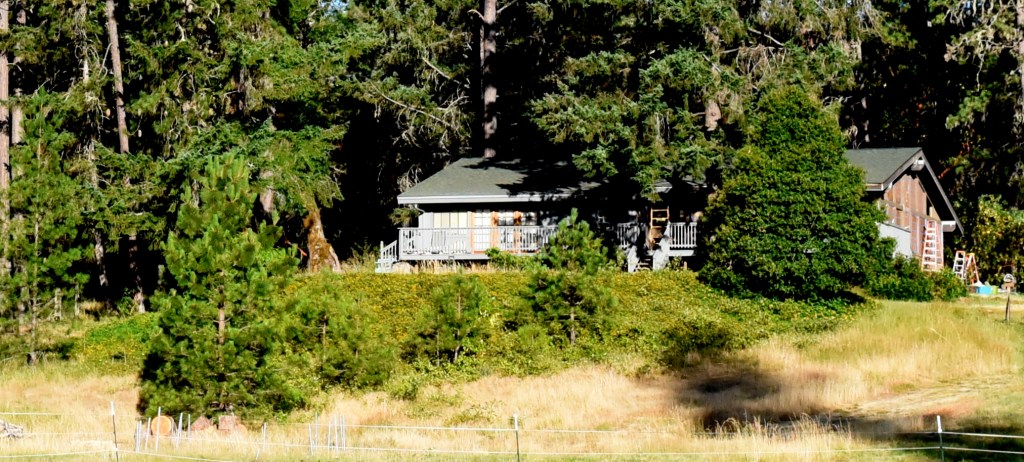
(But with a difference; these photographs are taken by yours truly all within our property.)

Shared with you good people both today and in a week’s time.

But first an apology for there being no posts these last two days. All down to helping Ken, a local friend, with the task of giving our house a bit of a ‘paintover’.

Going from brown to grey!

OK! On with the scenes of nature!

oooo

oooo

oooo

oooo

oooo

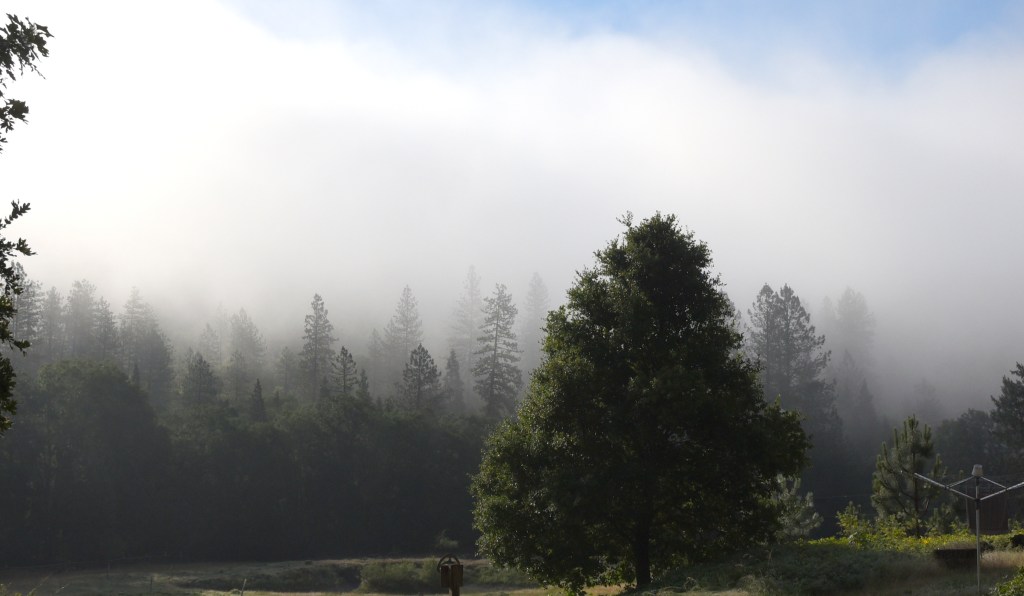
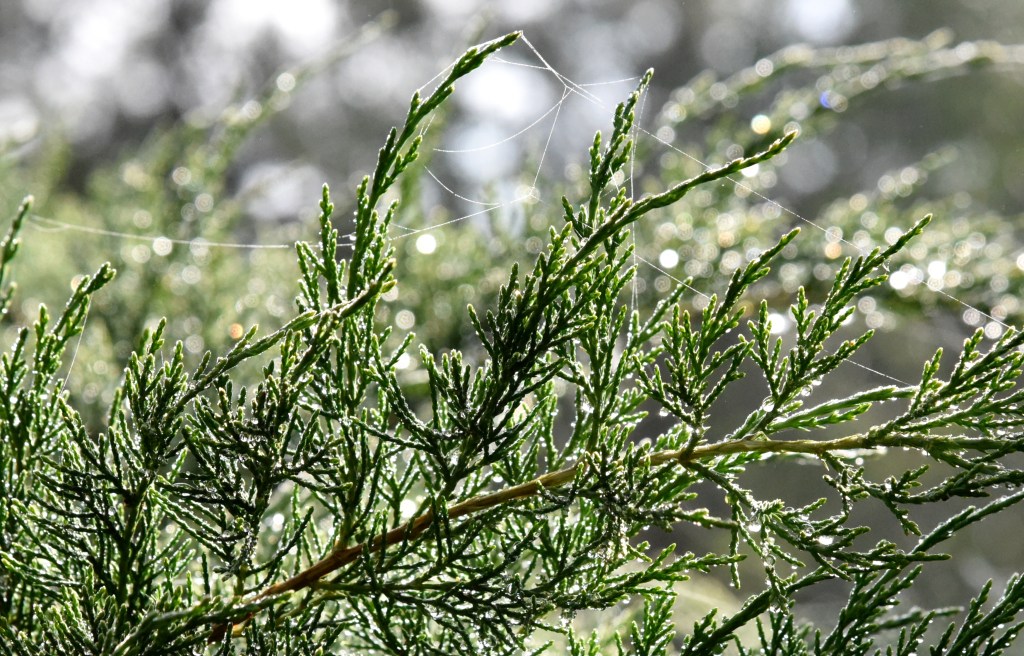
Earlier in June we had a couple of wet days. On the first dry morning after the rain I took a number of photographs. Just two for now and then the rest shared with you in a week’s time.

Morning mists from the overnight rain.

oooo

The moisture in the air picked up by the morning sunlight was breathtakingly beautiful!

All the photographs were taken with a Nikon D750 camera and a Nikkor 24-70 2.8 lens.

Never jump to a quick (and incorrect) conclusion

Delighted to welcome another guest post from Colette Bytes.

Back on June 5th, I published the first of three parts of a guest post from Colette. It was called Spot and Me and was a gorgeous (true) account of how Colette trained little Spot when she was dog-sitting for a week. If you missed it then go no further than dropping across to the first part of Colette’s story.

It was beautifully written as well as offering real, solid advice as to how to train a dog that is being a tad challenging. You all loved it!

Well, speaking of beautifully written stories from Colette, here’s another one!

ooOOoo

Always Think Twice

by Colette Bytes, June 15th, 2018.

We all have the ability to make snap ‘first impressions.’
For instance, we say things like, ‘ I knew right from the moment I met him/her…

But are we correct?

Experience often makes us callous and judgemental. Let’s face it, we all have a tendency to think negatively in certain conditions.

Such is the case with Spain’s numerous beggars. They camp out where they are likely to encounter the most foot-traffic, so one can expect two or three of them outside most supermarket entrances. They are not allowed to harass people but they do often intimidate store visitors with looks, gestures, and often cardboard signs in English (to capture the attention and guilty consciences of tourists).

If I gave to every beggar that I see, (and I have occasionally been accosted physically in car-parking lots), I would feel duped by professionals run by the Mafia. There are such people. But once in a while, I do a double-take and think again.

Such was the case one morning. The beggar was an elderly gentleman, unshaved, unkempt and sitting with a young Italian Greyhound tied with a rope. Dogs are often present with beggars, some misused for the purpose.

As my husband and I drew level, the unkempt man said: “Good morning to you!” in a very eloquent manner, and in perfect English. I smiled and thanked him. My husband whispered as we went through the door, “Don’t encourage them!” But I felt different about the man and wanted to do something.

While my husband went in search of the items he wanted, I went to the pet aisle and chose a ring-pull opening tin of dog food and a packet of dental sticks. It amounted to about five euros. I put them in my husband’s shopping basket so he could pay for them as I had no money on me. “What are those for?” He said, (frowning because he already knew). “I’m going to give them to the man outside.” My hubby was angry, but didn’t argue, he knows that it was useless to try and intimidate me. “You are too soft,” he muttered to the air.

I took the doggy stuff out while my hubby packed up our groceries. I handed them over to the grateful man, who thanked me kindly. He opened up a bag next to him to put my gifts into it. The bag held a bowl (for the dog), a big bottle of water and other foodstuffs for them both as well as a towel. He closed it again saying, “I just fed her, so she can have these later!”

The dog sat quietly. I held out my hand and asked her name. She was still a puppy and bounced up to my hand, licking it and dancing around, tangling herself up in the rope the man was using to restrain her. “I have named her Bella. She’s still young; ’bout six months I think. I found her a few days ago on a building site – stray, like most of them. Very hungry.”

The dog was thin, thinner than even her breed dictated. She had the most gorgeous eyes. “She’s still learning how to behave with people, sorry!” His apology wasn’t necessary.

“How long have you been in Spain? ” I asked. “Forty years,” came his reply.
“Goodness, how did you end up here?” I was a bit shocked!

As he fussed the little dog, the man proceeded to tell me a sorry tale. He had lived here with his wife in a nice (if illegally built) house with a thriving business moving residents belongings between Spain and the UK. His business was doing so well that he took on a partner to manage the financial side, and travel and storage arrangements.

Unbeknownst to him, the partner funnelled all the assets to an offshore account, and then suddenly disappeared after a couple of months. The next thing he knew, debt collectors started pounding on his door, often with nasty threats. He lost everything, including his home. His wife borrowed money from her family to return to the UK. He was left here, relying on the kindness of friends to help him along.

“I volunteer a bit at a local dog shelter in return for food, and a bit of company from the other volunteers,” he said. He went on to say that he befriends stray dogs, keeps them for a little while so as to socialise them and then gives them to the dog shelter so that they can be adopted out to good homes.

“Gives me a bit of company, and well, we (he pats Bella on her head) can commiserate on our similar circumstances.” He winked.

As we talked, a few people offered food donations, with sincere thanks from the man that I now knew as ‘Nick.’

One woman approached and gave Nick a reproachful look. Ignoring him (and me) she held out her hand to Bella, who got up from her seated position. The hand opened and held a small pile of dry cat food. Bella sniffed it and then without further interaction, returned to her corner of safety looking wary. Nick explained. “Thank you, but she isn’t hungry. She had her breakfast only half an hour ago.” The woman scowled and dropped the pile of unappetising bits on the ground. Without a word, she walked off!

I smiled at Nick. ” Takes all sorts.” Nick shook his head. “Get a lot of that…” His voice trailed off.

“I’m sorry I don’t have any money to help, my husband has it all,” I said, a bit helplessly.
” Your donation is more than generous,” he said kindly. I always take the excess donations to the dog shelter…they give me some food in return. And little ladies like this one, get a new chance at life!”
I smiled.

“Your husband is waiting for you, I think.” Nick pointed behind me, where my husband was drumming the steering wheel of our car, rather impatiently.
“I better go, it was lovely chatting with you. I hope things work out!”
Nick smiled back and wished me a lovely day.

As I walked away, Nick was smiling, and saying a pleasant “Good Morning,” to a couple walking through the store entrance. They ignored him.

I waved goodbye as we drove away and Nick waved back, smiling!

I told my husband all about Nick, and his attitude changed a bit. But that judgemental side of him still took over… “He probably did everything illegally and that’s why he’s in a mess now.”

Whether Nick brought his circumstances on himself or not, is not really relevant. He was kind to me, and kind to Bella. And kindness always attracts kindness!

ooOOoo

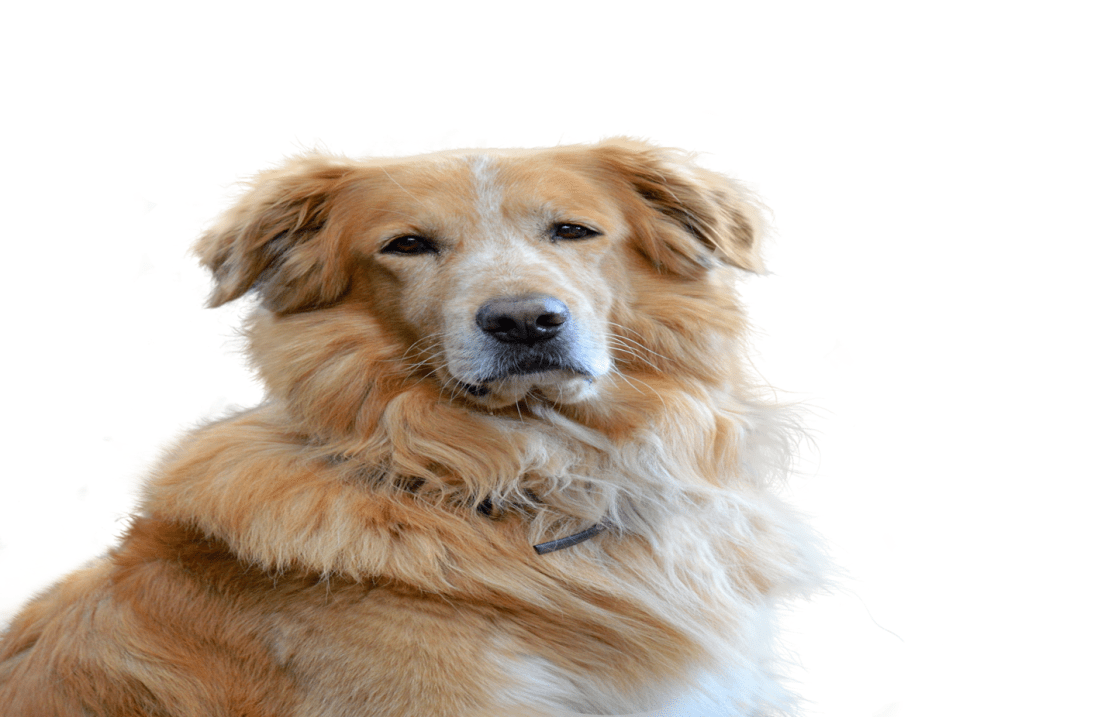
Colette’s story didn’t come with a photograph. So I thought I would do a quick web search and find a picture that fitted Colette’s story well.

In fact, the article that included this photograph may be republished and I will be doing that tomorrow!

On plant-based diets!
Serendipity!

Last Friday I published a post under the title of On Veganism. Earlier that same day I opened up an email promoting the latest essay from George Monbiot. It had been published in The Guardian newspaper two days previously.

I am delighted to republish it here with George Monbiot’s kind permission.

ooOOoo

Butchery of the Planet

Defending the living world and its people requires a shift from meat to a plant-based diet

By George Monbiot, published in the Guardian 8th June 2018

Whether human beings survive this century and the next, whether other lifeforms can live alongside us: above all this depends on the way we eat. We can cut our consumption of everything else close to zero and still drive living systems to collapse, unless we change our diets.

All the evidence now points in one direction: the crucial shift is from an animal to a plant-based diet. A paper published last week in Science reveals that while some kinds of meat and dairy production are more damaging than others, all are more harmful to the living world than growing plant protein. It shows that animal farming takes up 83% of the world’s agricultural land, but delivers only 18% of our calories. A plant-based diet cuts the use of land by 76% and halves the greenhouse gases and other pollution caused by food production.

Part of the reason is the extreme inefficiency of feeding livestock on grain: most of its nutritional value is lost in conversion from plant protein to animal protein. This reinforces my contention that if you want to eat less soya, you should eat soya: most of the world’s production of this crop, and the accompanying destruction of forest, savannah and marshland, is driven by the wasteful practice of feeding animals on food that humans can eat.

More damaging still is free range meat: the environmental impacts of converting grass into flesh, the paper remarks, “are immense under any production method practiced today”. This is because so much land is required to produce every grass-fed steak or lamb chop. Though roughly twice as much land is used for grazing worldwide than for crop production, it provides just 1.2% of the protein we eat. While much of this pastureland cannot be used to grow crops, it can be used for rewilding: allowing the many rich ecosystems destroyed by livestock farming to recover, absorbing carbon from the atmosphere, protecting watersheds and halting the sixth great extinction in its tracks. The land that should be devoted to the preservation of human life and the rest of the living world is used instead to produce a tiny amount of meat.

Whenever I raise the crucial issue of yield per hectare, I receive a barrage of vituperation and abuse. But I’m not having a go at farmers, just pointing out that the figures don’t add up. We can neither feed the world’s growing population nor protect its living systems through animal farming. Meat and dairy are an extravagance we can no longer afford.

There is no way out of this. Those who claim that “regenerative” or “holistic” ranching mimics nature deceive themselves. It relies on fencing, while in nature wild herbivores roam freely, often across vast distances. It excludes or eradicates predators, crucial to the healthy functioning of all living systems. It tends to eliminate tree seedlings, ensuring that the complex mosaics of woody vegetation found in many natural systems – essential to support a wide range of wildlife – are absent.

The animal industry demands ever greater assaults on the living world. Witness the badger slaughter in the UK, now spreading across the country in response to the misguided requests of dairy farmers. People ask how I would justify the return of wolves, knowing that they will kill some sheep. I ask how they justify the eradication of wolves and a vast range of other wildlife to make way for sheep. The most important environmental action we can take is to reduce the amount of land used by farming.

Unless you can cook well – and many people have neither the skills nor the space – a plant-based diet can be either boring or expensive. We need better and cheaper vegan ready meals and quick and easy meat substitutes. The big shift will come with the mass production of cultured meat. There are three main objections. The first is that the idea of artificial meat is disgusting. If you feel this way, I invite you to look at how your sausages, burgers and chicken nuggets are currently raised, slaughtered and processed. Having worked on an intensive pig farm, I’m more aware than most of what disgusting looks like.

The second objection is that cultured meat undermines local food production. Perhaps those who make this claim are unaware of where animal feed comes from. Passing Argentinian soya through a nearby pig before it reaches you does not make it any more local than turning it directly into food for humans. The third objection has greater merit: cultured meat lends itself to corporate concentration. Again, the animal feed industry (and, increasingly, livestock production) has been captured by giant conglomerates. But we should fight to ensure that cultured meat does not go the same way: in this sector as in all others, we need strong anti-trust laws.

This could also be a chance to break our complete dependence on artificial nitrogen. Traditionally, animal and plant farming were integrated through the use of manure. Losses from this system led to a gradual decline in soil fertility. The development of industrial fertilisers saved us from starvation, but at a high environmental cost. Today, the link between livestock and crops has mostly been broken: crops are grown with industrial chemicals while animal slurry stacks up, unused, in stinking lagoons, wipes out rivers and creates dead zones at sea. When it is applied to the land, it threatens to accelerate antibiotic resistance.

In switching to a plant-based diet, we could make use of a neat synergy. Most protein crops – peas and beans – capture nitrogen from the air, fertilising themselves and raising nitrate levels in the soil that subsequent crops, such as cereals and oilseeds, can use. While the transition to plant protein is unlikely to eliminate the global system’s need for artificial fertiliser, the pioneering work of vegan organic growers, using only plant-based composts and importing as little fertility as possible from elsewhere, should be supported by research, that governments have so far conspicuously failed to fund.

Understandably, the livestock industry will resist all this, using the bucolic images and pastoral fantasies that have beguiled us for so long. But they can’t force us to eat meat. The shift is ours to make. It becomes easier every year.

http://www.monbiot.com

ooOOoo

Thus, along with the argument presented last Friday that a vegan diet is critically important for one’s health and long-term fitness, Mr. Monbiot presents another argument: “Whether human beings survive this century and the next, whether other lifeforms can live alongside us: above all this depends on the way we eat.

On veganism!

Just in case this reaches out to others concerned about their diet!

The one thing we know for sure about our fabulous dogs is that they are meat-eaters!

As the The Natural Doggie website offers (my italics):

Dogs have always been a part of our families, so much so that many dog owners even save a seat on their dining tables for their furry friends. While this is all good and well that we shower the canine members of our family with as much love and affection as we do the other members of our family, it’s important for us to remember that their digestive systems and dietary requirements differ from ours.

However, for us humans with our distinctly human dietary requirements, meat is far, far from being an essential food ingredient!

When I met Jeannie back in 2007 it quickly became clear that she was, and had been since the age of 14, a vegetarian. As soon as were living together I joined ‘the club’!

Then a few days ago we both watched a documentary that we saw on Netflix. The film was called What The Health! and, boy oh boy, did it open our eyes. Not just to the very real dangers of eating meat but also fish and chicken. We resolved to become vegans immediately.

There is a website for the film, as in What The Health Film. While the film is only available for Netflix subscribers or may be purchased in other forms, as that website explains, there is a trailer available on YouTube. (The text that follows that trailer is from the Vimeo website.)

What the Health is the groundbreaking follow-up film from the creators of the award winning documentary Cowspiracy. The film follows intrepid filmmaker Kip Andersen as he uncovers the secret to preventing and even reversing chronic diseases – and investigates why the nation’s leading health organizations don’t want us to know about it. With heart disease and cancer the leading causes of death in America, and diabetes at an all-time high, the film reveals possibly the largest health cover-up of our time.

With the help of medical doctors, researchers, and consumer advocates, What the Health exposes the collusion and corruption in government and big business that is costing us trillions of healthcare dollars, and keeping us sick.

Join Kip as he tracks down the leading and most trusted American health nonprofits to find out why these groups are staying silent, despite a growing body of evidence. Audiences will be shocked to learn the insidious roles played by pharmaceutical companies, agribusiness, and processed animal food companies in the nation’s health, especially in the most vulnerable communities, and will cheer at the transformation and recovery of those who took their lives into their own hands.

What The Health is a surprising, and at times hilarious, investigative documentary that will be an eye-opener for everyone concerned about our nation’s health and how big business influences it.

However, in fairness a quick web search comes up with other perspectives. Try this 27-minute interview with Dr. Neal Barnard.

You really should watch it even before you decide to watch What The Health. Please!

Or you may want to read the review that was published by TIME Magazine in August, 2017.

The recent pro-vegan Netflix documentary, What the Health, is under fire from nutrition experts. The film, which is co-directed by Kip Andersen and Keegan Kuhn—the creators of another Netflix documentary, Cowspiracy—and co-produced by actor Joaquin Phoenix, is being criticized by some health professionals for exaggerating weak data and misrepresenting science to promote a diet that avoids all animal foods.

TIME fact-checked the film. Here are four things that What the Health got wrong—and what it got right.

Ultimately, it all comes down to personal choices.

But for those that want to explore the pros and cons try the information on the American Vegan Society website. Or call into Vegsource.com.

Plus, on Monday I shall be republishing a recent article from George Monbiot that addresses the issue.

But I started with a reference to dogs and I shall close by doing the same thing. How many saw the item on the BBC News website about how “A dog that transformed a 104-year-old’s life“?

Image copyright Dona Tracy

Milt Lessner has “always had dogs” throughout his life – and he’s 104 years old, he tells writer Jen Reeder. So are dogs the secret to longevity?

“I’d like to think so,” he says.

“I enjoy the familiarity with them, and the pleasantness, and the bonding – especially the bonding.”

Do read the full news story here.

Have a great weekend all of you!

Picture Parade Two Hundred and Forty-Three

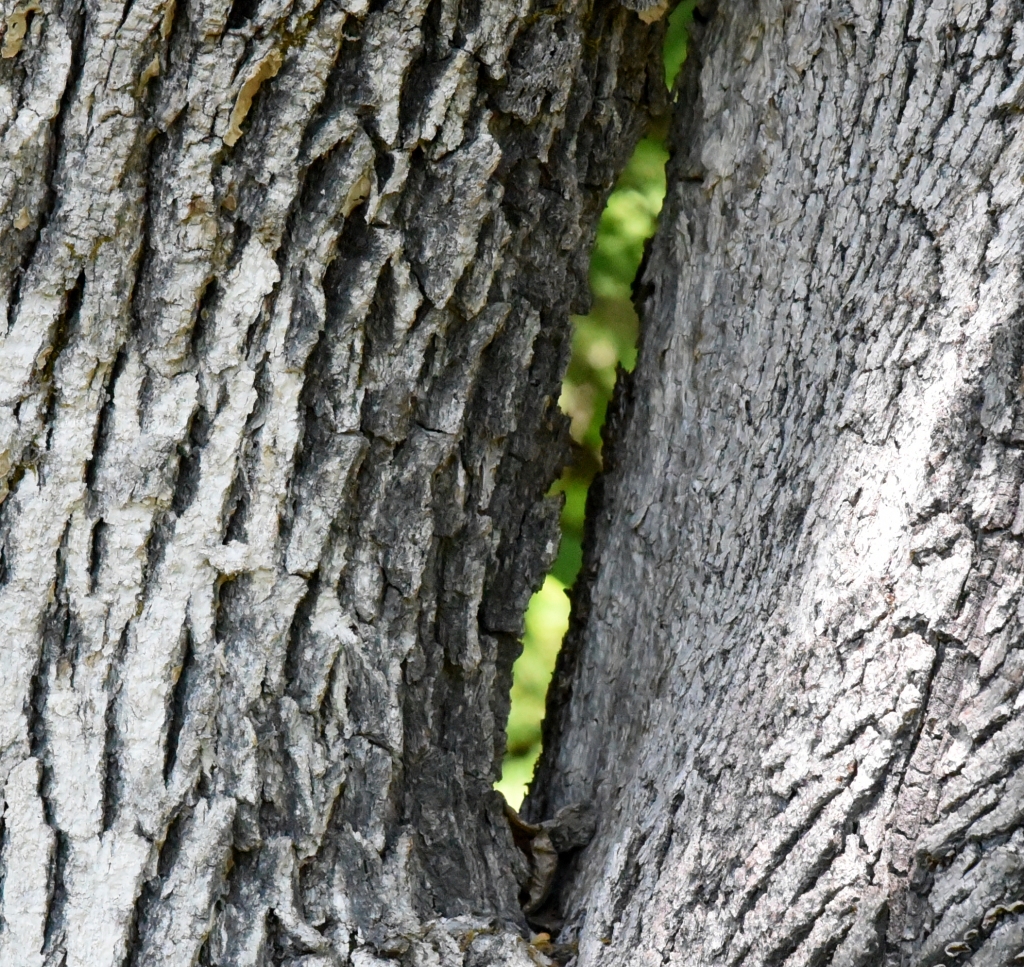
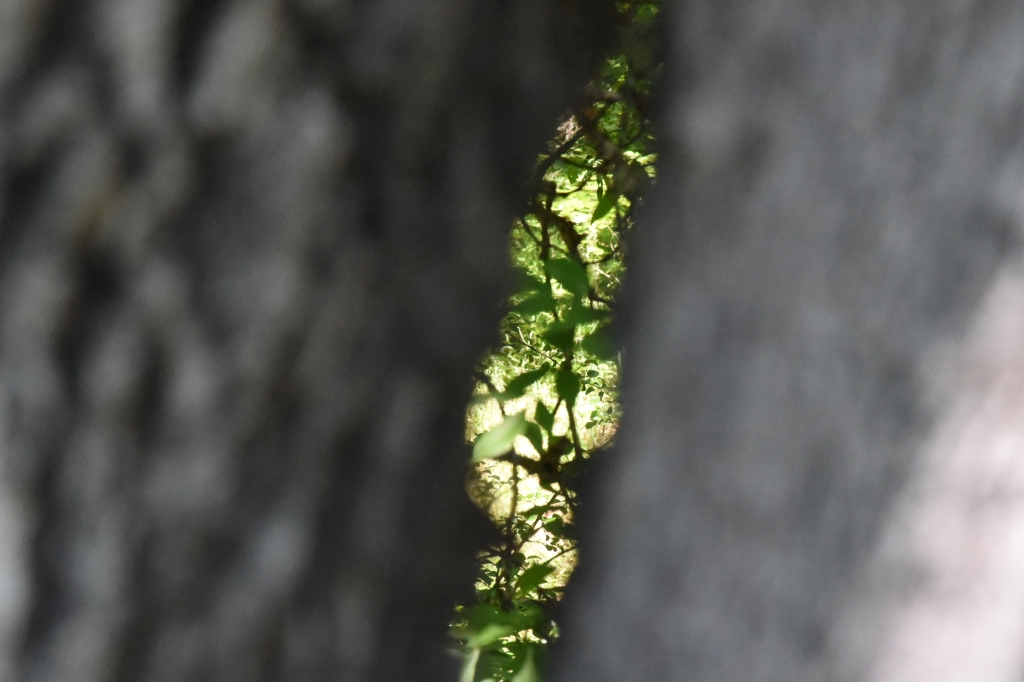
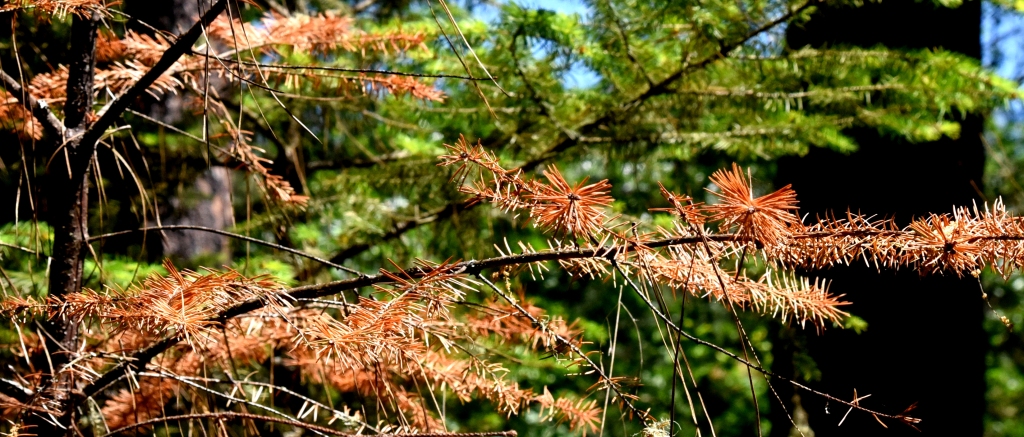
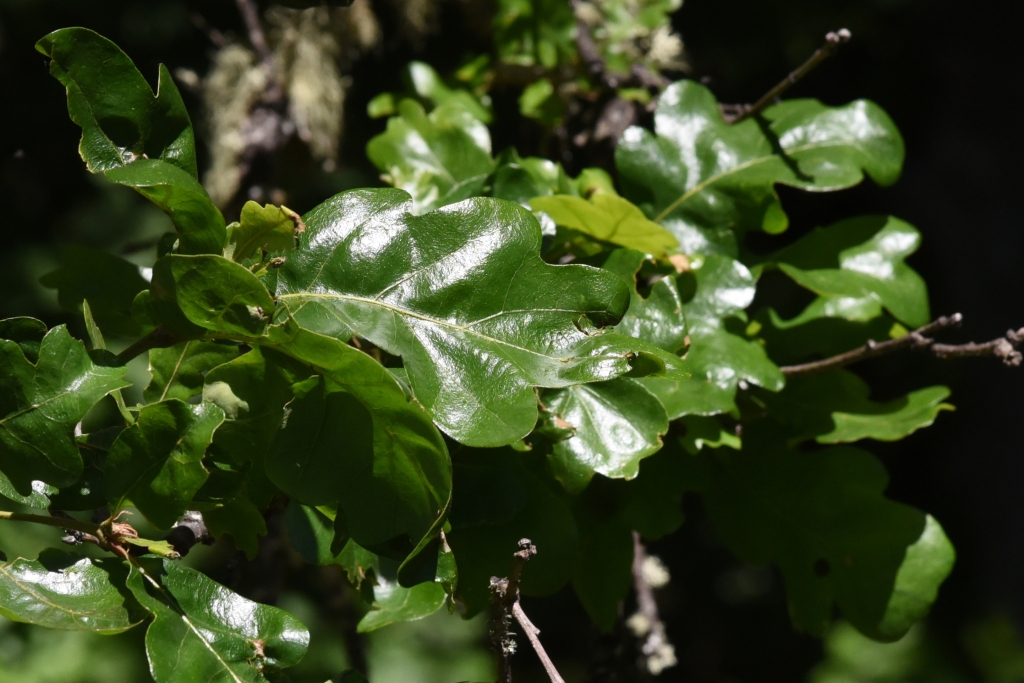
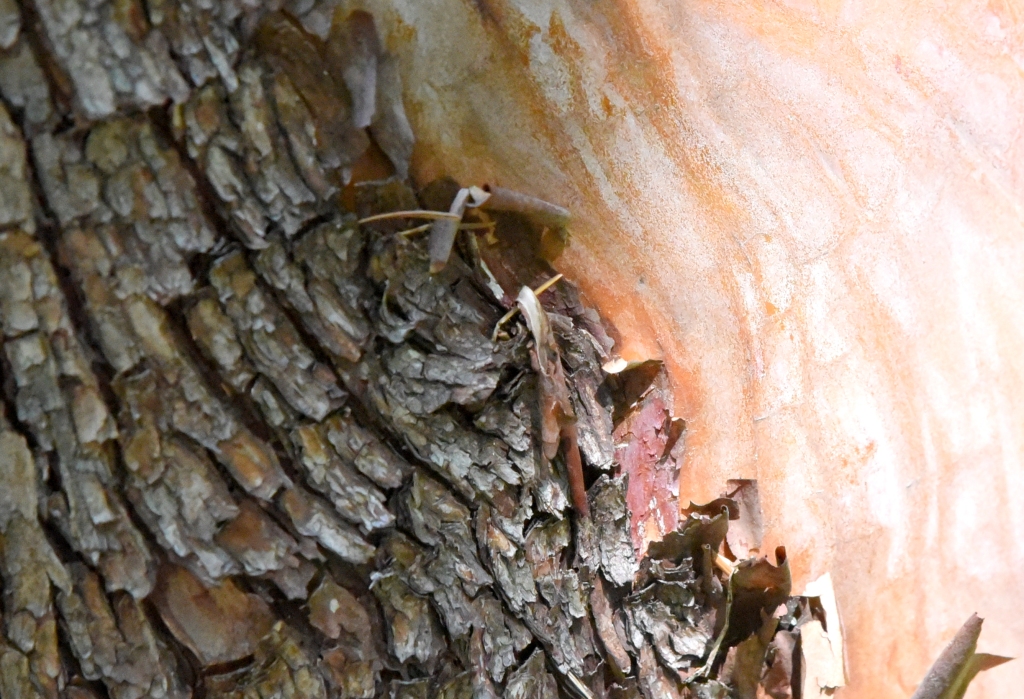
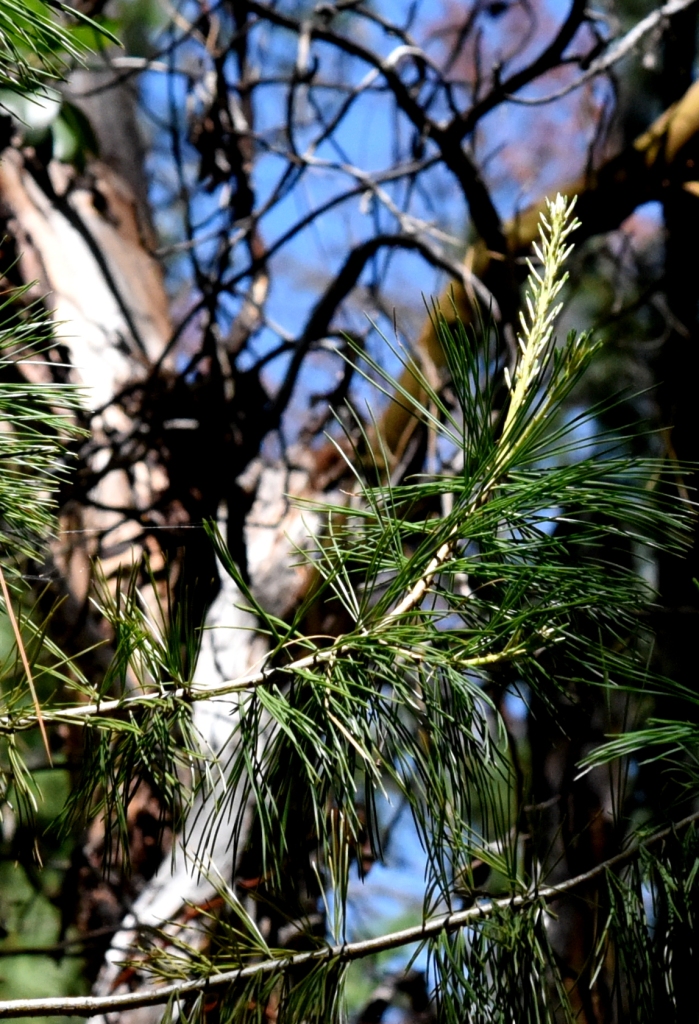
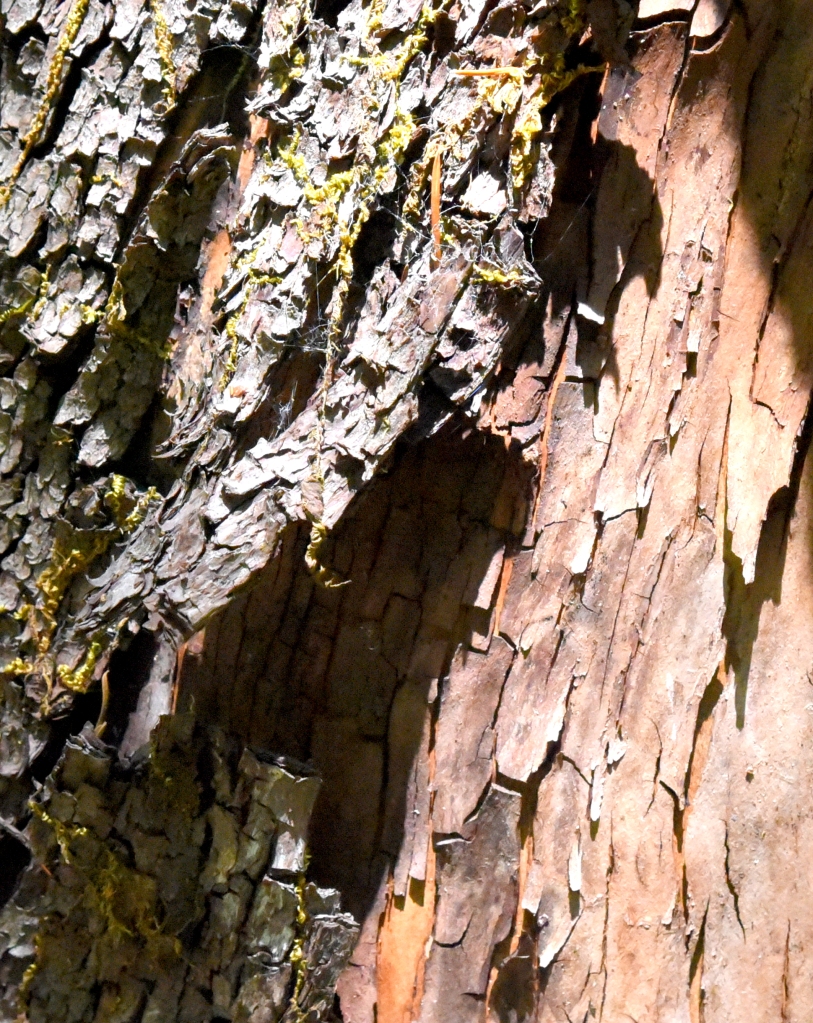
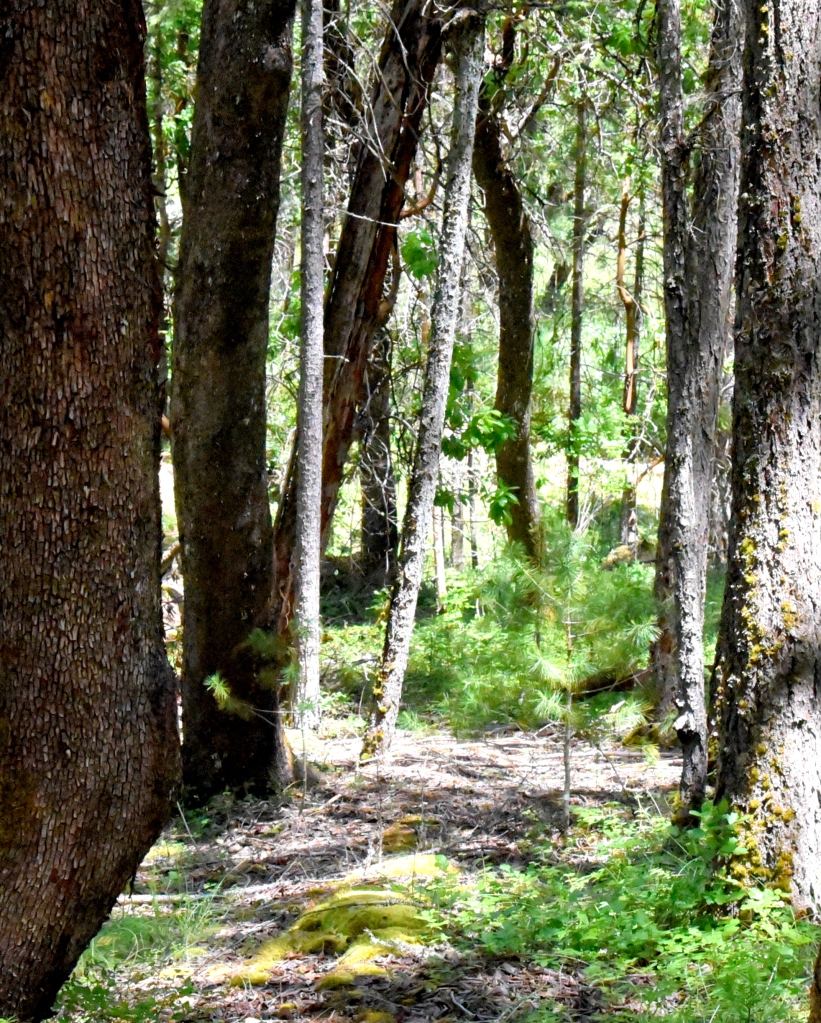
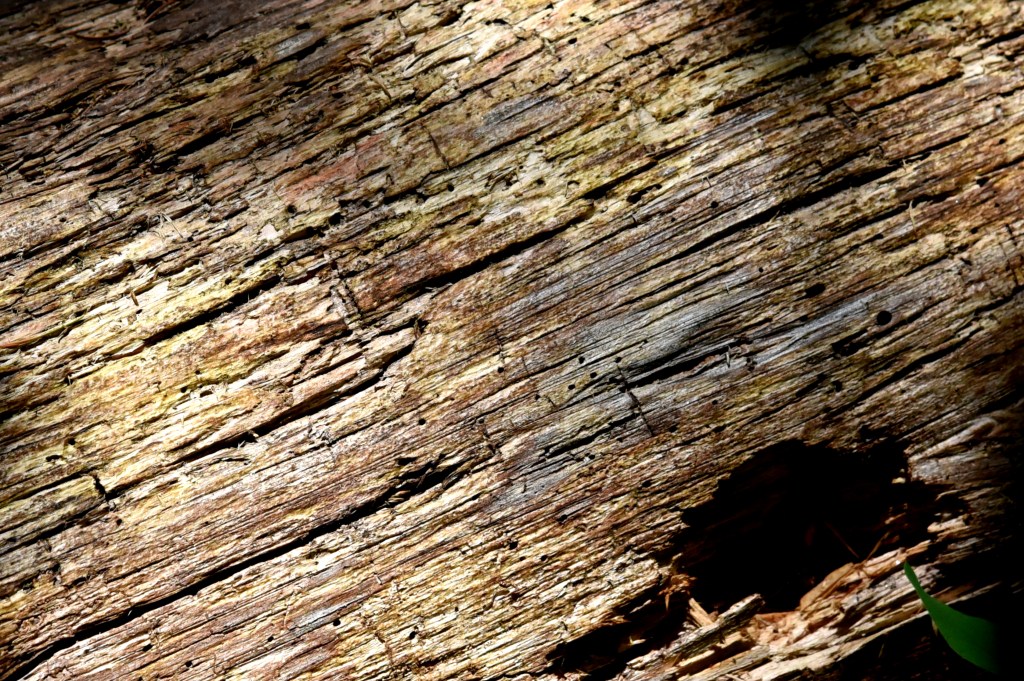
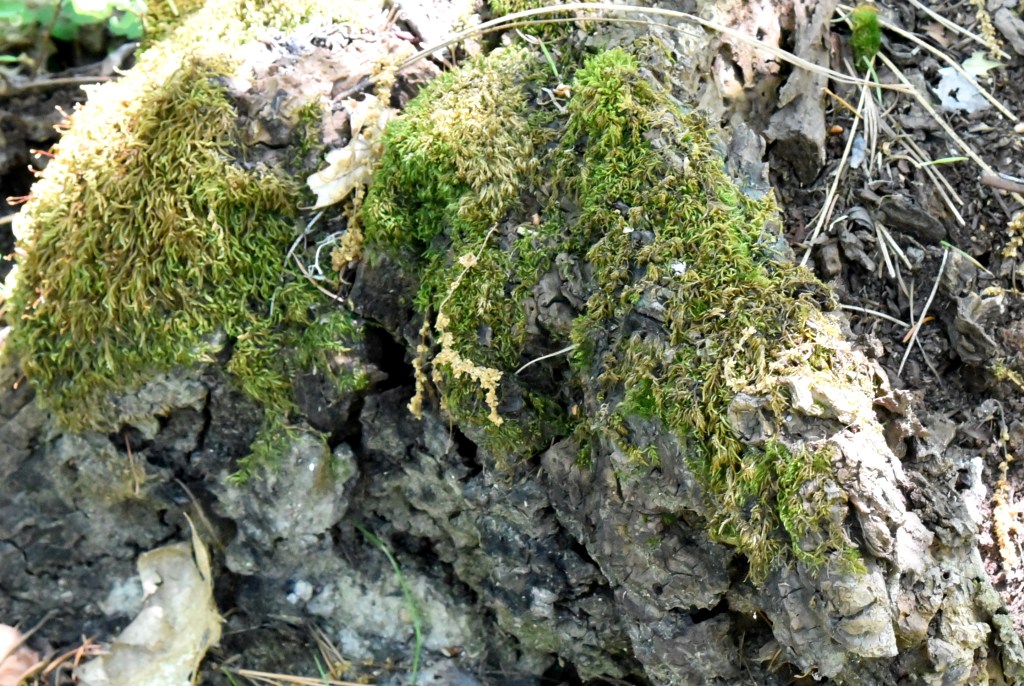
The second set of tree photographs from here at home.

They seem to fit the theme of Life and Death! (The first set were published last Sunday !)

oooo

oooo

oooo

oooo

oooo

oooo

oooo

oooo

oooo

Hope you all enjoyed them! All of the photographs were taken with a Nikon D750 camera through a Nikkor 24-120mm lens.

Picture Parade Two Hundred and Forty-Two

Just trees!

A few days ago I took it upon myself to spend an hour wandering our acres of wild forested land.

Here are some of the photos I took. Hope you enjoy them.

If I had a theme in mind when I was out taking the photographs it was Life and Death!

oooo

oooo

oooo

oooo

oooo

oooo

I will continue with these next Sunday. All of the photographs were taken with a Nikon D750 camera through a Nikkor 24-120mm lens.


Please sign this petition!

S. Korea is the only country in the world with large-scale, commercial dog meat farms.

Frankly, I wasn’t planning to publish a post today. But then in came an email from John Zande, he of the blog The Superstitious Naked Ape, and this is what I read: “Paul, hi… Really good news. The following email links to a petition supporting a bill that will end the dog meat trade in Korea. I know you’ll want to sign it. Share it around, too.”

John then linked to a petition over on the Lady Freethinkers blog.

Jean and I have signed the petition and now I am republishing in full what you can read if you go across to that petition page.

ooOOoo

SIGN: PASS NEW BILL TO BAN HORRIFIC DOG MEAT FARMS IN S. KOREA


Back in business!

Of trees and internet services!

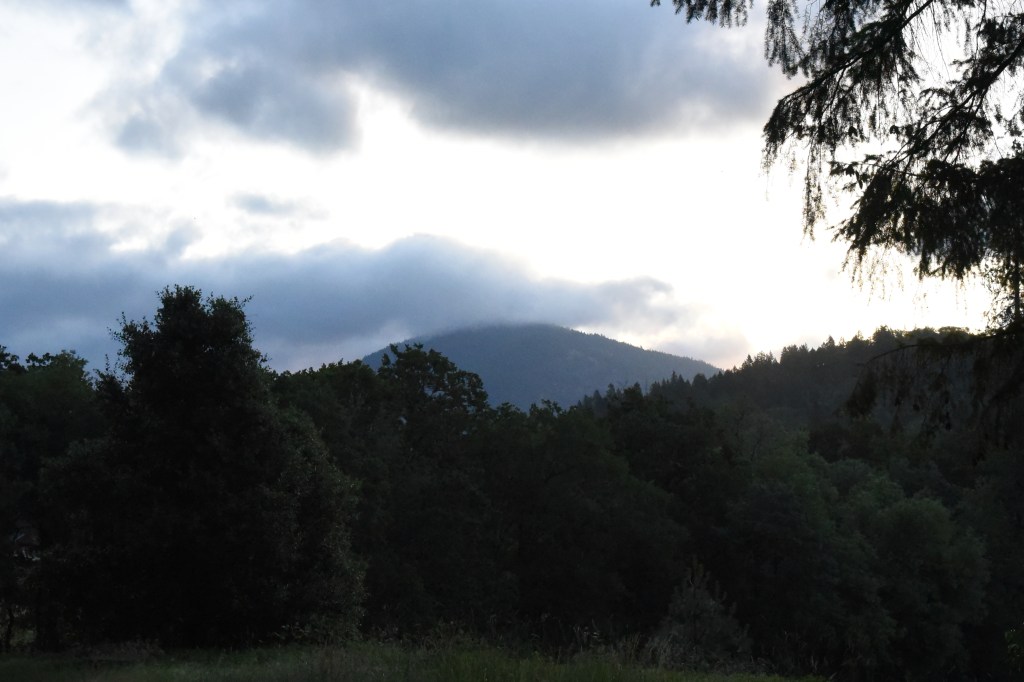
The weather at 6am didn’t bode well with a brisk wind blowing clouds across the summit of Mt. Sexton.

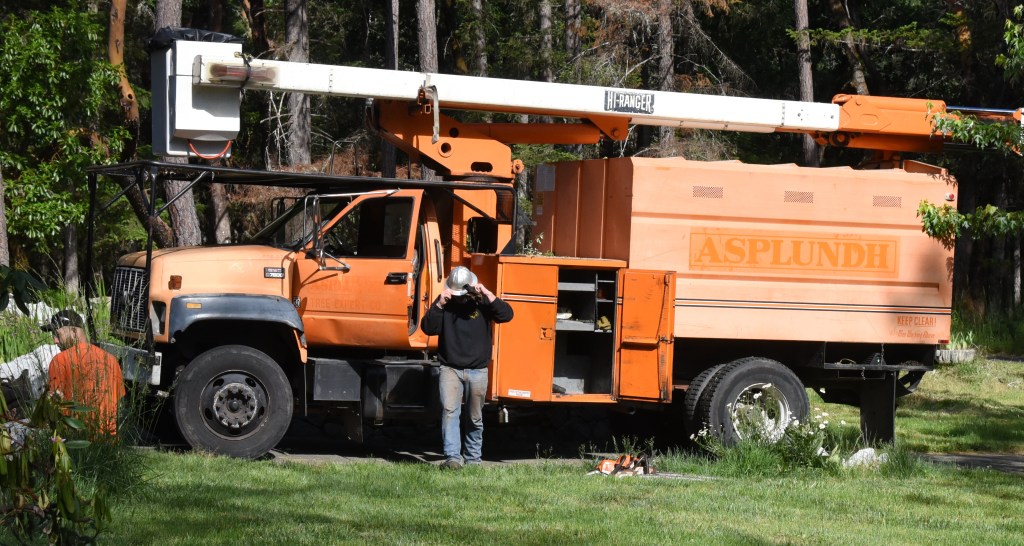
Lyman from Liberty Tree Enterprises arrived bright and early on Wednesday morning to set about felling the dead fir close to the North-East corner of our rear deck.

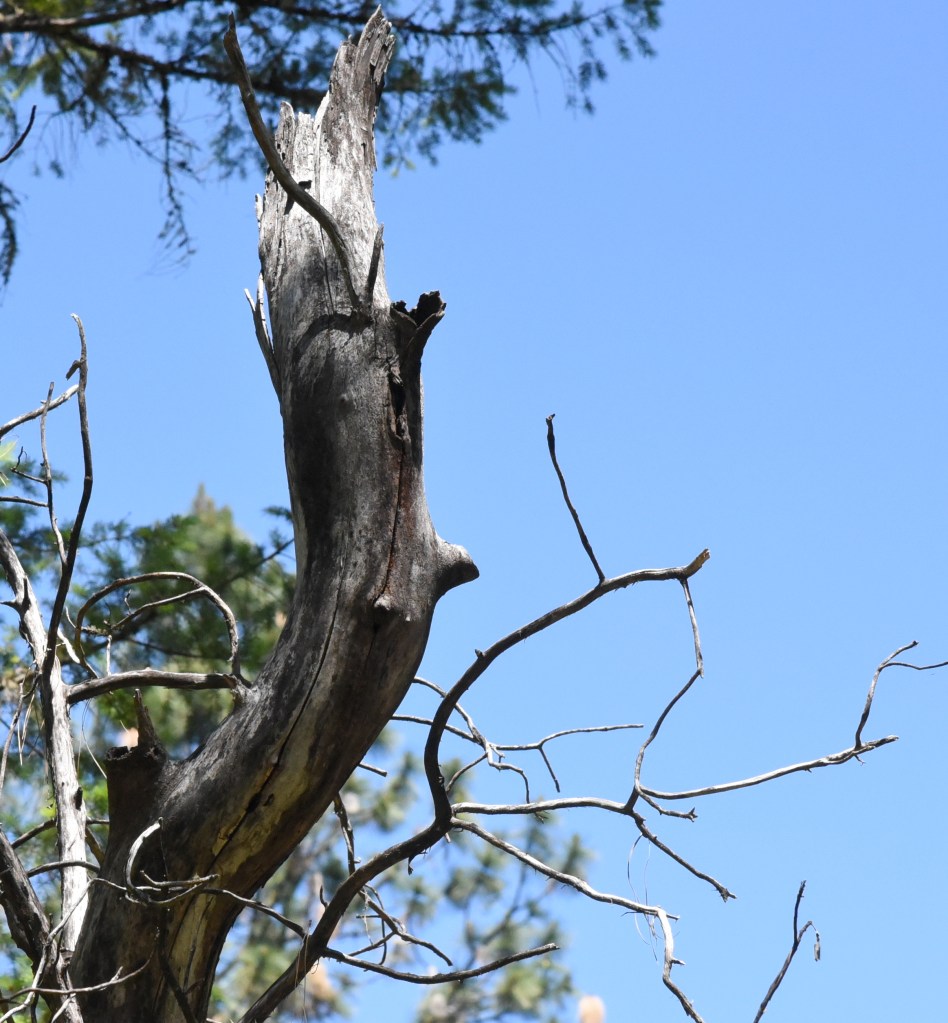
It was this dead fir, pictured to the left, that had had the wireless antenna installed on it soon after we moved in to Merlin, OR, back in 2012.

How the day would go was a bit of a guessing game: Would we need a new antenna because it would be broken when the tree hit the ground?; Would Outreach be out to see us reasonably soon after we called them to say that the tree was down?; Would there be complications that were unforeseen at this early stage of the ‘project’?

Well we wouldn’t have long to find out.

Lyman and his assistant were very careful in ensuring that the face of the cut, that would direct exactly where the tree fell, was aligned perfectly. I was very impressed with the care and attention put into this aspect of the felling process.

Then it was time to make the cut on the other side of the trunk and hammer in the wedges that would cause the tree to fall. At one point there was a gust of wind that had the tall trunk rocking on the base. We all held our breath.

But at 09:33 down it came!

Down it came perfectly. (Later I counted the rings to discover that the tree was 65 years old!)

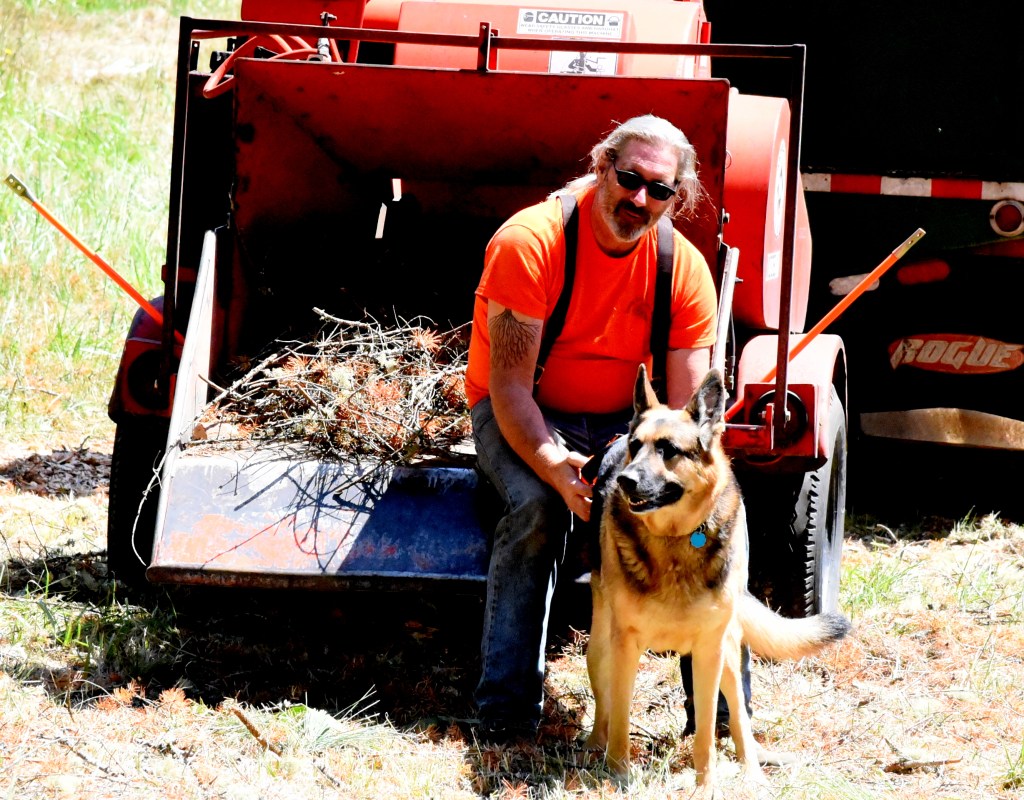
Then it was a case of cutting off all the limbs and shredding them up on site. Inevitably the dogs took an interest!

Here’s Cleo making friends with Lyman.

On to stage two.

Outreach had been called and to our great relief we were told that Doug and Jennifer, the Outreach rigging crew, should be along later in the afternoon.

The two of them arrived and quickly established that the existing antenna had survived the drop!

Therefore, it wasn’t long before Doug was climbing another fir also conveniently close to the deck.

Doug earning his living big time!

And within the hour it was time to power up the router, switch on my iMAC and test for a signal!

The old antenna installed in its new home!

Yes!

All was working and working well.

As you good people will understand it was too late in the day to sort out a post for yesterday.

Plus I needed a few hours to catch up on emails and stuff and then sort out the photographs that I had taken that day.

Then, yesterday afternoon, I sat down and ‘penned’ today’s post for you all.


Well done Liberty Tree and well done Outreach!

The continuing fallout from Chernobyl

Will you, please, consider taking one of these puppies!

I closed last Saturday’s post with this plea: “If only there wasn’t a single dog in need of adoption in the world!

That plea is being used to introduce today’s post. An article that was recently read on the Smart News section from The Smithsonian magazine website.

I have republished it, hopefully without infringing copyrights, because it’s a story that needs to be circulated as far and wide as possible.

ooOOoo

Chernobyl Puppies Going Up for Adoption in the U.S.

Now in quarantine, the pups are expected to come to the U.S. this summer in search of their forever homes.

Please for to adopt us, Comrade. (Chernobyl Exclusion Zone Authority)
By Jason Daley smithsonian.com , May 16, 2018

In 1986, the Chernobyl nuclear power plant melted down, sending nearby residents fleeing the disaster zone. And sadly, most pets got left behind. Over the last 32 years, the surviving pups have multiplied, creating a community of hundreds that live in the Chernobyl Exclusion Zone and another 250 that live on the grounds of the former power plant itself.

Now, a dozen of those homeless puppies will head to the United States for adoption, reports Matt Novak at Gizmodo.

According to the Russian website Meduza, Ukrainian authorities have captured 200 of the stray Chernobyl puppies. They are currently keeping them in a 45-day quarantine in the city of Slavutych, and then a dozen will be shipped to the United States.

“We have rescued the first puppies, they are now in our adoption shelter going through the quarantine and decontamination process,” Lucas Hixson, co-founder of the U.S.-based Clean Futures Fund, a non-profit created to take care of Chernobyl clean-up workers, their families and the dogs tells Novak. “The goal is 200 dogs but will likely be more in the long run. My hope is to get 200 dogs rescued and adopted in the next 18 months and then go from there.”

The pups have a heartbreaking story, as The Guardian’s Julie McDowell detailed earlier this year. During the evacuation, more than 120,000 people were herded onto buses to escape the meltdown of the Unit 4 reactor, leaving most of their valuables and their pets behind. Many dogs tried to follow their owners onto the buses but were kicked off. People left notes on their doors asking authorities not to kill their animals, but Soviet Army squads were dispatched to put down as many contaminated animals as they could find.

Some of the dogs survived the army and the radiation, rebuilding their community as a pack. The Clean Futures Fund reports that the 250 dogs living on the grounds of the former power plant were likely driven out of the surrounding forests by wolves and a lack of food. Another 225 dogs roam Chernobyl City and hundreds of others live and scrounge at security checkpoints and throughout the woods and abandoned communities in the Exclusion Zone. Most of the dogs around the plant are under the age of 4 or 5, and clean-up workers at the site sometimes feed and tend to sick animals.

But last year, after becoming aware of the animals, The Clean Futures Fund decided the pups needed a more permanent solution. That’s why they’ve implemented a three-year program in the Exclusion Zone to spay and neuter 1,000 animals and vaccinate them against rabies. At their first clinic last August, the Fund spayed and neutered 350 dogs and cats in the area. Each animal was tested for radiation, given antibiotics, vaccinated for rabies and microchipped. Each dog’s vital data was also recorded.

For the next clinic scheduled for June, the Fund has also partnered with researchers from the University of South Carolina. The team will study the dogs for signs of radiation poisoning as well as genetic damage and disruptions to the dogs’ microbiomes, reports Mary Katherine Wildeman at The Post and Courier. The team will sedate the dogs and look for tumors and cataracts, which can signal radiation poisoning.

Understanding the impacts of radiation exposure is becoming increasingly important, says Timothy Mousseau, a researcher who has studied radiation in the birds, insects and small animals of Chernobyl and will lead the project. Exposure rates in daily life from medical treatments and other sources are on the rise, with the average yearly dose Americans receive doubling in the last 20 years alone.

There is no word when or where the dozen Chernobyl pups will go up for adoption. But even if you’re not lucky enough to have one of the reminders of Soviet-era nuclear power at the foot of your bed, it’s still possible to see the place for yourself and hand out treats to some of the remaining pups. There’s a booming tourism industry in the area to visit the eerie ghost towns and surprisingly quiet and beautiful green space that has overtaken the Zone.

ooOOoo

I am going to contact The Clean Futures Fund to see how one can register a potential interest in taking one of these puppies.

In the meantime, is there any reader who would be interested in having a puppy? Send me an email if so.

Summer heat and caring for our dogs.

A guest post by Wendy Lipscomb.

Already there are some places in the USA that are experiencing some pretty hot days. For instance, at the time of me writing this introduction, around 2pm last Friday, the temperature in Phoenix, Arizona is 97 deg F. (36 deg C.)  That’s perfectly hot enough for us humans even before we think of dogs. Especially dogs that have thicker coats.

Over to Wendy!

ooOOoo

Regulating the Body Temperature of Your Thick-Haired Dog during the Summer.

by Wendy Lipscomb, May 9th, 2018

Summer brings in many outdoor activities such as hiking, swimming, running and going for a picnic or maybe going out just for a walk. There is nothing wrong with taking your dog out with you if you know how to regulate your pet’s body temperature.

Humans regulate their body temperature by sweating but animals do not have this property. Dogs do sweat very slightly from their nose and paws but that cannot help them regulate their body temperature. Dogs regulate their body temperature by panting; when a dog breathes through his mouth the saliva evaporates cooling down the blood in the veins. Put another way, the air that a dog breathes passes through its nasal passage before reaching its lungs. The air is cooled when it is passed through that nasal passage.

Therefore, it becomes even harder for dogs to regulate their body temperature when the sun is shining down, and also when the humidity in the air increases. This builds up a pressure on the dog’s lungs and heart as he breathes in and out more frequently to regulate his body temperature.

But you can take some measures to help your pet to regulate his body temperature during summer outdoors.

No doubt about it that dogs are super active animals and love to go outdoors. But while taking them out in those summer months it is easy to forget that the paws of our dogs are very sensitive and they can be burned by walking on the pavement and roads in the daytime. So, invest in good protective booties or apply paw wax to protect your dog’s paws.

In addition, your dog can also get sunburned by excessive exposure to the sun. Therefore, either limit the exposure of sun for your four footers or visit your vet clinic so that they can recommend a good sunscreen for your dog.

Another thing that you can consider while going out in the summer is that if you are traveling in a car and stop for rest never ever leave your furry companion in a locked or closed car. Because in summer your car becomes extremely hot by trapping the heat inside. If you leave your pet inside a hot car it can suffocate within minutes. Yes, within minutes!

Always carry a bottle of water to keep your dog hydrated. Create breeze for your dog to make the hot temperature tolerable for them. The breeze helps in cooling sweat and will make your dog feel relaxed. For this purpose buy a shop fan that is portable; a good option to create a breeze to keep yourself and your dog cool.

The above-mentioned tips are general tips that you must keep in your mind to implement in the summer. However, thick-haired dogs require a little more attention to maintain their safe body temperature.

People have the misconception that a dog with thick hair will suffer more during summer but let me tell you that thick-haired dogs are good at regulating their body temperatures. The fur of thick-coated dogs helps them to stay warm in winter and in summer their fur works as insulators and protects their skin from direct exposure to the sun.
Bathing For Thick-Haired Dog:
Well, fleas and ticks are around all of the year. Fleas can survive outside for long periods of time, particularly in a warm and sticky climate. As mentioned previously, summer bring in more heat, humidity and more outdoor time. Thus, it is the peak time for your thick-haired dog to catch fleas or ticks. Therefore, bathing your dog regularly is as important as anything else because it will not only help your dog to regulate his body temperature but bathing will also help you and your puppy be rid of these tiny crawlies as flea bites can cause redness, irritation, allergy and even illness such as Lyme diseases. It is recommended to use a good quality flea shampoo to get rid of fleas. Always examine the ingredients of the shampoo to avoid buying one with harsh chemicals because it may cause a reaction to your dog’s skin.
You should not Shave Your Dog in summer:

People ask me if I am going to shave my thick-haired dog in the summer? The answer to this question is “No”. Thick-haired dogs have two layers of hairs. The long-guard hairs protect the dogs in the winter from snow and the inner layer helps them to stay warm in those same winters. However, these dogs shed their undercoat in the summer and they are left with only long-guard hairs that insulate dogs from heat and protects them from sunburn.
Shaving your double-coated dog is not a good idea because shaving changes the texture of the coat. Your dog sheds off his inner coat in the summer. If you shave his coat his hair will soon start growing back and you will see that the soft and fluffy inner coat will grow first and later on the guard-hairs will combine with them. In addition to this, the texture of the new coat will be sticky and your dog will bring in whatever he passes through and that sticks to his new coat.
Moreover, the combination of the new growing inner and outer coat will also make your dog feel hotter on summer days.
Brush Your Dog Frequently:
Instead of shaving your dog’s coat, try to brush it every alternate day. Brushing your dog’s coat with a fine-toothed comb will untangle the hairs and it will also help in removing the winter undercoat of your thick-haired four-footer. This will increase air circulation and will make your dog feel cool and comfortable.

ooOOoo

I asked Wendy for a little about herself. This is what she sent in:

Wendy is a self-employed beauty therapist, mother of two; life-long pet parent and lover of dogs who somehow manages to squeeze in the time to satisfy another of her loves – writing. Wendy is the founder, main contributor to and editor of TotallyGoldens.com

So no other way than to close this post with the message: Stay Cool Peeps!

(Brandy! Take Note!)

Jean and Brandy at a local yard sale back in June 2016.