Yesterday, (it was actually the 22nd February, 2014!) I published a post and called it Dogs and wolves – fascinating research. Then blow me down in yesterday’s online BBC News, there was an article headlined: Dogs’ brain scans reveal vocal responses This is how it opened.
Dogs’ brain scans reveal vocal responses
By Rebecca Morelle, Science reporter, BBC World Service
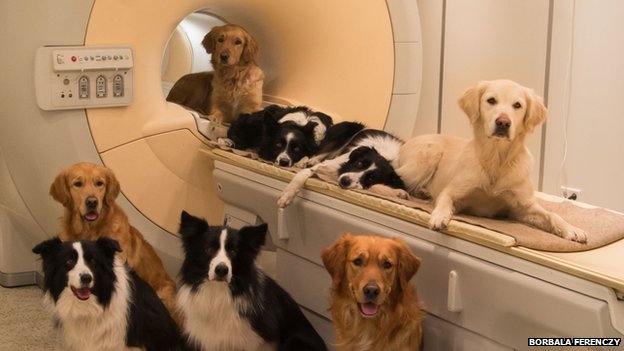
Pet dogs took part in the MRI scanning study.
Devoted dog owners often claim that their pets understand them. A new study suggests they could be right.
By placing dogs in an MRI scanner, researchers from Hungary found that the canine brain reacts to voices in the same way that the human brain does.
Emotionally charged sounds, such as crying or laughter, also prompted similar responses, perhaps explaining why dogs are attuned to human emotions.
Lead author Attila Andics, from the Hungarian Academy of Science’s Eotvos Lorand University in Budapest, said: “We think dogs and humans have a very similar mechanism to process emotional information.”
Eleven pet dogs took part in the study; training them took some time.
During the approximately 18–32 thousand years of domestication [1], dogs and humans have shared a similar social environment [2]. Dog and human vocalizations are thus familiar and relevant to both species [3], although they belong to evolutionarily distant taxa, as their lineages split approximately 90–100 million years ago [4]. In this first comparative neuroimaging study of a nonprimate and a primate species, we made use of this special combination of shared environment and evolutionary distance. We presented dogs and humans with the same set of vocal and nonvocal stimuli to search for functionally analogous voice-sensitive cortical regions. We demonstrate that voice areas exist in dogs and that they show a similar pattern to anterior temporal voice areas in humans. Our findings also reveal that sensitivity to vocal emotional valence cues engages similarly located nonprimary auditory regions in dogs and humans. Although parallel evolution cannot be excluded, our findings suggest that voice areas may have a more ancient evolutionary origin than previously known.
The canine brain reacted to voices in the same way that the human brain does.
“There were 12 sessions of preparatory training, then seven sessions in the scanner room, then these dogs were able to lie motionless for as long as eight minutes. Once they were trained, they were so happy, I wouldn’t have believed it if I didn’t see it.”
For comparison, the team looked at the brains of 22 human volunteers in the same MRI scanners.
The scientists played the people and pooches 200 different sounds, ranging from environmental noises, such as car sounds and whistles, to human sounds (but not words) and dog vocalisations.
The researchers found that a similar region – the temporal pole, which is the most anterior part of the temporal lobe – was activated when both the animals and people heard human voices.
“We do know there are voice areas in humans, areas that respond more strongly to human sounds that any other types of sounds,” Dr Andics explained.
“The location (of the activity) in the dog brain is very similar to where we found it in the human brain. The fact that we found these areas exist at all in the dog brain at all is a surprise – it is the first time we have seen this in a non-primate.”
Emotional sounds, such as crying and laughter also had a similar pattern of activity, with an area near the primary auditory cortex lighting up in dogs and humans.
Likewise, emotionally charged dog vocalisations – such as whimpering or angry barking – also caused a similar reaction in all volunteers,
Dr Andics said: “We know very well that dogs are very good at tuning into the feelings of their owners, and we know a good dog owner can detect emotional changes in his dog – but we now begin to understand why this can be.”
However, while the dogs responded to the human voice, their reactions were far stronger when it came to canine sounds.
They also seemed less able to distinguish between environmental sounds and vocal noises compared with humans.
About half of the whole auditory cortex lit up in dogs when listening to these noises, compared with 3% of the same area in humans.
Commenting on the research, Prof Sophie Scott, from the Institute of Cognitive Neuroscience at University College London, said: “Finding something like this in a primate brain isn’t too surprising – but it is quite something to demonstrate it in dogs.
“Dogs are a very interesting animal to look at – we have selected for a lot of traits in dogs that have made them very amenable to humans. Some studies have show they understand a lot of words and they understand intentionality – pointing.”
But she added: “It would be interesting to see the animal’s response to words rather than just sounds. When we cry and laugh, they are much more like animal calls and this might be causing this response.
For the full report, as it was posted on the BBC website, click here.
Plus, do watch this five-minute video abstract.
Published on Feb 20, 2014
The video presents the first study to compare brain function between humans and any non-primate animal. Scientists at MTA-ELTE Comparative Ethology Research Group in Hungary found that dogs and humans use similar neural mechanisms to process social information in voices. The fact that dogs can be trained to lie motionless during fMRI tests opens up the space for a new branch of comparative neuroscience.
The first study to compare brain function between humans and any non-primate animal shows that dogs have dedicated voice areas in their brains just as people do. Dog brains, like those of people, are also sensitive to acoustic cues of emotion, according to a study in the Cell Press journal Current Biology.
The findings suggest that voice areas evolved at least 100 million years ago, the age of the last common ancestor of humans and dogs, the researchers say. It also offers new insight into humans’ unique connection with our best friends in the animal kingdom, perhaps explaining how our two species have lived and worked together so effectively for tens of thousands of years.
“Our findings suggest that dogs and humans not only share a similar social environment, but they also use similar brain mechanisms to process social information,” said Atilla Andics of MTA-ELTE Comparative Ethology Research Group in Hungary. “This may help the successfulness of vocal communication between the two species.”
Andics and his colleagues trained eleven dogs to lay motionless in an fMRI brain scanner. That made it possible to run the very same neuroimaging experiment on dog and human participants — something that had never been done before. They captured both dogs’ and humans’ brain activities while they listened to dog and human sounds, ranging from whining or crying to playful barking or laughing.
The images show that dog and human brains include voice areas in similar locations. Not surprisingly, the voice area of dogs responds more strongly to other dogs, while that of humans responds more strongly to other humans. The researchers also noted striking similarities in the ways the dog and human brain processes emotionally loaded sounds. In both species, an area near the primary auditory cortex lit up more with happy sounds than unhappy ones. Andics said they were most struck by the common response to emotion across species.
There were some differences too: in dogs, 48 percent of all sound-sensitive brain regions respond more strongly to sounds other than voices. That’s in contrast to humans, in which only three percent of sound-sensitive brain regions show greater response to non-vocal versus vocal sounds.
The study is the first step to understanding how it is that dogs can be so remarkably good at tuning into the feelings of their human owners. “This method offers a totally new way of looking at neural processing in dogs,” Andics said. “At last we begin to understand how our best friend is looking at us and navigating in our social environment.”
Although this is the second time this has been shown it is so remarkable, and there may well be many who have not seen it!
On June 4th this year Grist published an article written by Eve Andrews. It is not about dogs at all. Yet, it seems to me to ask a fundamental question about us humans. The article speaks of America but certainly it applies to my old country, the U.K., and it probably applies to most of the countries in the world.
I recently wrote to Annelise McGough, the Growth and Engagement Editor at Grist asking if I could republish the article. She kindly said yes!
Did any aspect of climate change cause the pandemic to happen this year (versus last year or next year)? Could pandemics happen more often?
— Which Oracle Read Rightly Imminent, Existential Doom?
A. Dear WORRIED,
2020: what a year so far! As anyone who witnessed the crowds of face mask-clad people show up in the middle of a deadly pandemic to protest police violence this weekend can attest, a lot seems to be terrible all at once. You’re asking, in a sense, why now? It almost seems like it must be a rhetorical question. But it’s not — by understanding how we got into this mess, we might presumably be able to find our way out.
This doesn’t just apply to the pandemic.
Let’s start by taking your question at face (mask) value: There are multiple factors that have contributed to the rise of zoonotic illnesses — those of animal origin — over recent years, as my very sharp colleague Shannon Osaka delineated in an article and video earlier in the spring. Scientists believe COVID-19, like several other SARS viruses, likely originated in a bat. It turns out many strains of coronavirus can be traced back to bats! Who knew those little guys were such harbingers of destruction?
It’s not really on the bats, of course. Warmer temperatures (an established feature of climate change) and environmental degradation (often attributed to climate change, industrialization, or other products of human development) have driven a lot of animals to migrate out of their normal habitats and into human ones. Those factors have also contributed to different species coming into close contact with each other, which makes viruses normally contained to one species more likely to “spill over,” or jump to a new type of animal.
So clearly, the lead-up to the novel coronavirus’s outbreak was a gradual one. But perhaps 2019 was just warm enough to kill off enough of the insect population that some COVID-19-carrying bat depended on for food, and that drove it out to wreak some (unintentional) havoc on humanity. The bat’s habitat could have been destroyed by a new coal mine development. It could have woken up one morning and thought: This is my time to fuck shit up! Revenge on those humans that messed up my home! (OK, there was also probably a pangolin involved, but let’s keep things simple.)
According to the Centers for Disease Control and Prevention, COVID-19 is the fourth major pandemic caused by a novel virus to hit the United States since the 1918 “Spanish flu” that killed 50 million people worldwide. And there are so many factors and variables that lead to the sprout of a pandemic that you could very well argue that, “Yes, of course it happened at this exact point in time” or “No, it could have happened at any point in time.” It’s impossible to know for sure. But climate change and habitat destruction are certainly working together to create circumstances more favorable to the spread of disease, and that means pandemics will likely become more common as the world grows warmer.
The thing is, highly contagious, devastating illnesses have always been a part of human life, even though a real pandemic is a few-times-per-century event. It’s a fact of sharing the Earth with other living things; it just happens. But humans are ostensibly equipped with the means to contain the spread of diseases and help heal those who become sick. At this moment, thanks to advances in medicine and information-sharing and communication, that’s more true than ever before!
And yet. The United States, an astonishingly wealthy nation with ostensibly the most advanced — certainly the most expensive! — medical system in the world, has lost around 100,000 people to COVID-19, with many more surely to come. That doesn’t even take into account the far-reaching hardship caused by an economic collapse as drastic, by some metrics, as the Great Depression. The current unemployment rate, for example, exceeds 20 percent.
The reality is that what some have referred to as “the lost spring” (and what could very well be “the lost year”) is not the product of a single infectious disease, but the boiling over of many long-standing crises, including structural forms of injustice. Like everything else in American society, the damage done by the coronavirus is unevenly distributed across race. The death rate of black Americans from COVID is three times that of whites, and 40 percent of black-owned businesses have shuttered due to social distancing measures. As of April, rates of black and Latino unemployment were 16.7 and 18.9 percent, respectively, compared to 14.2 percent for whites. These hardships continue to feed into the cycle of racial inequality in this country.
The devastation to American society that we are witnessing in real time, one could argue, could only have happened at the present moment. That’s due to the nightmarish confluence of horrific leadership, centuries of racial oppression, unprecedented wealth inequality, the erosion of the social safety net, privatization of medicine, a far-too-consolidated supply chain, politicization of science, a highly globalized economy, and one misguided or mischievous bat. Oh, and the climate change and environmental degradation that could have led to said bat’s misbehavior.
COVID-19 could have popped up at any time, as viruses do. The degree to which it’s ravaged American society, however, has little to do with the virus itself. Other countries such as New Zealand and South Korea, faced the same disease and came out the other side with far fewer deaths and less severe economic devastation. This is, to a significant degree, about governance and leadership.
It’s also a preview of what climate change can do. A very contagious respiratory virus is an unfortunate fact; it’s not going away, and it is a challenge to be dealt with. Climate change, just the same, is coming whether or not we pay attention to it. Communities, cities, and states are going to have to put measures into place to ensure that it doesn’t literally kill us all. That’s what adaptation means, and that’s why people talk about things like seawalls and tree cover and managed retreat.
But creating a climate-resilient society requires a lot more than just building or planting stuff! This is where I would normally tell you to vote for leaders who support all that building and planting and, more importantly, cutting carbon emissions in the first place. Yes, do that. And additionally, vote for leaders who will feed our starving public systems to make it so they actually support the people who need them. Vote for those who understand and want to change what non-white people experience, what poor people experience, what immigrants experience. Without all of these things, there cannot be a climate-resilient civilization.
If anything were made clear by the unique, mind-boggling suffering that the United States has seen in the past week, brought about by the collision of a viral pandemic and police brutality, it’s that voting is a necessary condition but it is not enough. You, WORRIED, wrote to me to ask why the pandemic happened right now, possibly because it seems like such a uniquely terrible moment for the country to have to deal with it. We not only have the worst possible leader, but also a general absence of leadership altogether.
Going back just a few months, I believe there was an opportunity for an alternate version of this moment in American history in which one incredibly dangerous virus did not kill as many people nor ruin as many lives. But even in that universe, it’s important to acknowledge that pre-pandemic life wasn’t so great for most people. Undoing this path and “restoring order” is a ridiculous hope, since the order that has existed for so long has created a society that is wholly unsustainable judging from almost any social, environmental, or economic perspective.
So what can we do with this knowledge? One, you should be angry. Be angry that leaders missed opportunities to fortify the nation beyond its military, to break down racist systems and promote equality, and to instate laws and policies designed to help prevent crises that, by all accounts, were utterly predictable.
Then I think you should show your anger, whether that’s through protesting, hurling money or your time or whatever you have at worthy organizations that will put it in the right hands, or just screaming and yelling, if you have to. And while voting might not feel like enough when so much feels so wrong, it’s a necessary condition for change — force people in power to know that they created that mess and that they are accountable for it.
Furiously,
Umbra
ooOOoo
Climate change or global warming is with us NOW. It is time to make fundamental changes to the way we live NOW. While many individuals are doing their bit we need international agreement, especially international support for the United Nations, for all the nations in the world NOW.
Thank you for reading this!
It breaks my heart.
Let me not stop with that. I want to hear from you. Are you worried? Or not quite as concerned as me and Umbra? Do you think it is in the hands of our leaders or is it an international problem?
Well it is to me and Jean and, I suspect, it will be to many other people.
I am an atheist. So is Jean. We have been all our lives. I think that many of you who follow this blog know that. The love that we have for our dogs, and all our animals, plus the beauty that is all around us in nature is enough. (Now I am not naive enough to realise that there are many, literally millions, that don’t have the same fortune in their lives.)
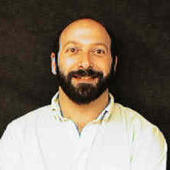
The Conversation recently republished an essay by David Weintraub that was first published in 2014. It is at the core of our existence and I am delighted to have the permission to republish it for you.
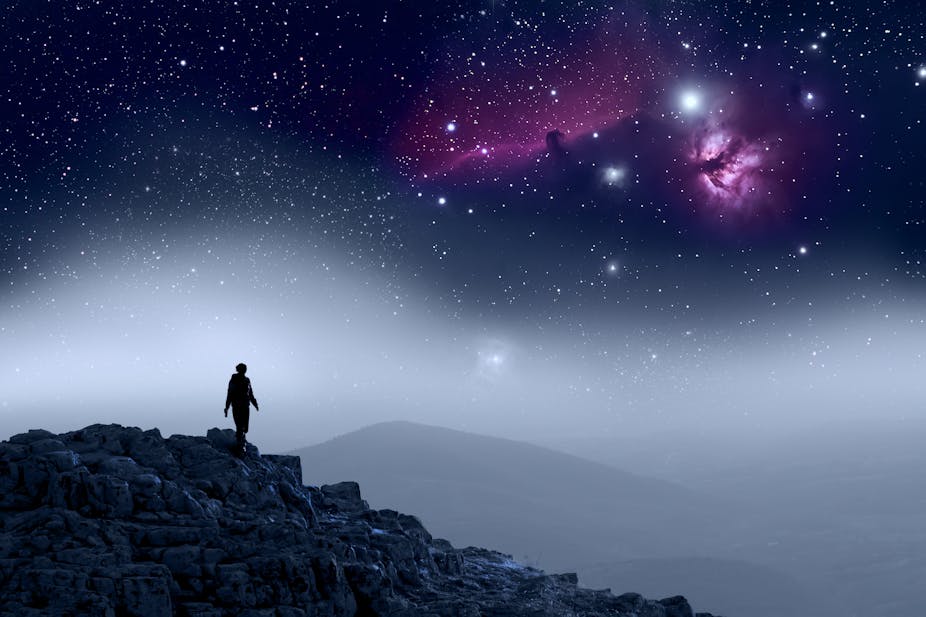
Square away your personal philosophy now; proof of life beyond earth is coming. Stargazing image via http://www.shutterstock.com
How will humankind react after astronomers hand over rock-solid scientific evidence for the existence of life beyond the Earth? No more speculating. No more wondering. The moment scientists announce this discovery, everything will change. Not least of all, our philosophies and religions will need to incorporate the new information.
Having already found the physical planets, astronomers are now searching for our biological neighbors. Over the next fifty years, they will begin the tantalizing, detailed study of millions of planets, looking for evidence of the presence of life on or below the surfaces or in the atmospheres of those planets.
And it’s very likely that astronomers will find it. Despite the fact that more than one-third of Americans surveyed believe that aliens have already visited Earth, the first evidence of life beyond our planet probably won’t be radio signals, little green men or flying saucers. Instead, a 21st century Galileo, using an enormous, 50-meter-diameter telescope, will collect light from the atmospheres of distant planets, looking for the signatures of biologically significant molecules.
Astronomers filter that light from far away through spectrometers – high-tech prisms that tease the light apart into its many distinct wavelengths. They’re looking for the telltale fingerprints of molecules that would not exist in abundance in these atmospheres in the absence of living things. The spectroscopic data will tell whether a planet’s environment has been altered in ways that point to biological processes at work.
With the discovery in a distant planet’s light spectrum of a chemical that could only be produced by living creatures, humankind will have the opportunity to read a new page in the book of knowledge. We will no longer be speculating about whether other beings exist in the universe. We will know that we not alone.
An affirmative answer to the question “Does life exist anywhere else in the universe beyond Earth?” would raise immediate and profoundly important cosmotheological questions about our place in the universe. If extraterrestrial others exist, then my religion and my religious beliefs and practices might not be universal. If my religion is not universally applicable to all extraterrestrial others, perhaps my religion need not be offered to, let alone forced on, all terrestrial others. Ultimately, we might learn some important lessons applicable here at home just from considering the possibility of life beyond our planet.
In my book, I investigated the sacred writings of the world’s most widely practiced religions, asking what each religion has to say about the uniqueness or non-uniqueness of life on Earth, and how, or if, a particular religion would work on other planets in distant parts of the universe.
Extrasolar sinners?
Let’s examine a seemingly simple yet exceedingly complex theological question: could extraterrestrials be Christians? If Jesus died in order to redeem humanity from the state of sin into which humans are born, does the death and resurrection of Jesus, on Earth, also redeem other sentient beings from a similar state of sin? If so, why are the extraterrestrials sinful? Is sin built into the very fabric of the space and time of the universe? Or can life exist in parts of the universe without being in a state of sin and therefore without the need of redemption and thus without the need for Christianity? Many different solutions to these puzzles involving Christian theology have been put forward. None of them yet satisfy all Christians.
Mormon worlds
Mormon scripture clearly teaches that other inhabited worlds exist and that “the inhabitants thereof are begotten sons and daughters unto God” (Doctrines and Covenants 76:24). The Earth, however, is a favored world in Mormonism, because Jesus, as understood by Mormons, lived and was resurrected only on Earth. In addition, Mormon so-called intelligences can only achieve their own spiritual goals during their lives on Earth, not during lifetimes on other worlds. Thus, for Mormons, the Earth might not be the physical center of the universe but it is the most favored place in the universe. Such a view implies that all other worlds are, somehow, lesser worlds than Earth.
Bahá’í without bias
Members of the Bahá’í Faith have a view of the universe that has no bias for or against the Earth as a special place or for against humans as a special sentient species. The principles of the Bahá’í Faith – unifying society, abandoning prejudice, equalizing opportunities for all people, eliminating poverty – are about humans on Earth. The Bahá’í faithful would expect any creatures anywhere in the universe to worship the same God as do humans, but to do so according to their own, world-specific ways.
Light years from Mecca
The pillars of the faith for Muslims require the faithful to pray five times every day while facing Mecca. Because determining the direction of Mecca correctly could be extremely difficult on a quickly spinning planet millions of light years from Earth, practicing the same faith on another world might not make any sense. Yet the words of the Qu’ran tell us that “Whatever beings there are in the heavens and the earth do prostrate themselves to Allah” (13:15). Can terrestrial Muslims accept that the prophetically revealed religion of Muhammad is intended only for humans on earth and that other worlds would have their own prophets?
Astronomers as paradigm-shatterers
Philosophers and scientists have forced worldviews to adapt in the past.
At certain moments throughout history, astronomers’ discoveries have exerted an outsized influence on human culture. Ancient Greek astronomers unflattened the Earth – though many then chose to forget this knowledge. Renaissance scholars Copernicus and Galileo put the Earth in motion around the Sun and moved humans away from the center of the universe. In the 20th century, Edwin Hubble eliminated the very idea that the universe has any center at all. He demonstrated that what the universe has is a beginning in time and that, bizarrely, the universe, the very fabric of three-dimensional space, is expanding.
Clearly, when astronomers offer the world bold new ideas, they don’t mess around. Another such paradigm-shattering new idea may be in the light arriving at our telescopes now.
No matter which (a)theistic background informs your theology, you may have to wrestle with the data astronomers will be bringing to houses of worship in the very near future. You will need to ask: Is my God the God of the entire universe? Is my religion a terrestrial or a universal religion? As people work to reconcile the discovery of extrasolar life with their theological and philosophical worldviews, adapting to the news of life beyond Earth will be discomfiting and perhaps even disruptive.
ooOOoo
Now I don’t really want to open up the subject of religion but I will say that WikiPedia have a great entry about the subject. My own view is that a few hundred years ago, when life was a lot more mysterious and uncertain, believing in life after death made some sense.
But we know a lot better now despite death still being a certainty.
There was a remark left on my post on Tuesday by Pendantry. This is what he said, “Still waiting to hear the story of that dangerous trip you took (once?) that you dropped a teaser about years ago….”
Well not only am I including the excerpt from the book Letter to a Grandson, as yet unpublished, but I am extending it to two posts, simply because I think it’s too long for one.
So this is part one.
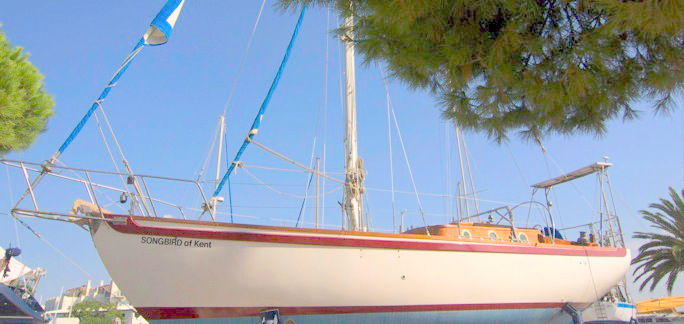
Tradewind 33 – Songbird of Kent. My home for five years.
ooOOoo
Songbird Of Kent
I decided to sell Dataview and worry about the taxation later. Now it is easy to write that all these years later knowing how it turned out; I never paid the tax!
For that same year, 1986, I went to Cyprus on holiday. Or rather I should say I went to the Greek half of Cyprus, to Larnaca, for a well-deserved holiday.
In wandering around the marina one day I saw a boat for sale. It was a Tradewind 33, a heavy-displacement cutter, called Songbird of Kent. The owners, Michael and Betty Hughes, were selling after many years of living on board and they returning to their native Wales. It had been extensively cruised in the Mediterranean with the base being Larnaca Marina.
It was a lovely boat and I could afford it. Plus, it offered an answer to my prayers. If I bought Songbird of Kent and left the UK before April 15th 1987 and stayed away for four tax years there would be no tax to pay. Nothing; Nada!
So that’s exactly what I did!
I bought Songbird, flew back to Devon and made preparations for leaving the United Kingdom for good. It was a busy period. One that had me saying cheerio to my son and daughter, but insisting that, so long as they came out to see me, it would not be four or five years before I saw them again. Plus loads of packing up, disposing of my house and eventually boarding that aircraft with a one-way ticket: London Stansted to Larnaca, Cyprus.
I settled in to living on board Songbird of Kent. I bought myself a small motorbike and in time, believe it or not, discovered there was a gliding club on the Island, at Kingsfield just to the East of Larnaca. The airfield was built for the Army Air Corps, possibly around 1960, but I can’t remember whether or not it was still in military hands. I don’t think it was!
But, I am able to look up my flying log and see that I flew a T21 from Kingsfield on the 28th October, 1990. It became a regular habit; quite quickly, as on the 17th November, 1990, I completed my instructor flight test and was signed off to instruct.
I also took an Advanced Open Water Diver course run by instructor Ian Murray. Ian was a PADI diving instructor. PADI stood for Professional Association of Diving Instructors.
My life was pretty good.
Each summer I would sail solo to Turkey, usually West along the South coast, the Greek side of Cyprus, then turn North and make it to Alanya or Antalya. There I would wait for guests to come from England including, most importantly, for Maija and Alex to visit.
Then we would gently cruise from harbour to harbour westwards, sometimes entering Greece much further West.
One day in Larnaca Marina a boat came quietly in and moored in the vacant berth next to me. I hopped off Songbird and went to help the sailor on board. It looked as though he was sailing solo.
After he had been securely moored, I asked him where he had come from. He was English; his name was Les Powells. He unassumingly said he was on his way home after a solo circumnavigation. Indeed, I later learned that it was his third solo circumnavigation!
The mind absolutely boggles! I mean I have just an idea, from reading books written by Francis Chichester and others, what a single solo circumnavigation would be like. But three!!
Over the coming days, we chatted about a whole range of stuff. When the subject of glider flying came up, Les said that was something he had always wanted to do.
I immediately offered to teach him to fly gliders. For a few weeks thereafter, we drove across to Kingsfield, when the Club was operating, and I taught Les up to the point where he went solo.
In the time we spent together, Les inspired me to undertake more longer sailing trips than just going across at the start of the season from Cyprus to Turkey and, of course, returning at the end of the season. Maybe, even try a transatlantic.
The idea of crossing the Atlantic kept nudging away at me. Especially since Dave Lisson, a Canadian friend from Larnaca Marina, was very much in favour of coming with me. Dave and I chatted about it and we agreed; we would give it a go! It was 1992 and a little late in the year to be starting off but we reckoned on it being alright. We left Larnaca Marina on the 10th September, 1992.
The idea was to head for Malta bypassing Crete. The weather soon became less than idyllic and by late on 13th September I made an entry in the sailing log: Conditions deteriorating. Then a further entry in the log at 11:00 on the 14th: Giant seas 3-4 metres.
Eventually on the 20th September we entered Valletta Harbour. We set off again on the 24th September. Our next port of call was Sidi Bou Said marina in Tunisia, which we entered on the 26th September.
The plan was to sail directly from Sidi Bou Said to Gibraltar but, once again, the weather got in the way. Thus on the 3rd October we entered Algiers harbour to take on fuel and to have a rest from the inclement conditions. We left Algiers on the 7th October heading for Gibraltar.
I must say that sailing in a smallish yacht had an almost unreal quality to it. The routine of sailing soon enveloped us. We slept frequently but lightly. At night, every twenty minutes or so, the one on watch would come on deck to take a look round. There was a simplicity in sailing, using a self-steering gear to helm the boat, and I remember one night coming on deck, there wasn’t a moon, and all around me, literally 360 degrees of vision, the stars came right down to the horizon. I was transfixed. We were far enough from land not to have any light pollution. It was magical. Indeed, it was a memory that has never left me.
However, getting to Gibraltar was not without its challenge for we suffered a knockdown and this scared us both to the core.
Then in a very short time it will be May 8th. Not only my half-birthday but considerably of more note the anniversary of the end of World War II.
I am certain that I am the only one who puts meaning into these dates. I can do no better than to re-post something that I published on May 1st, 2017.
ooOOoo
For all my life this has felt like a very special month.
And, dear friends, at the risk of repeating myself to many of you, this is why the month of May is special for me.
Simply that I was born in London during the closing months of the Second World War. Inevitably, I was unaware of the number of German bombs that were falling on London during those last few months. But there were thousands.
On May 8th. 1945, the day that WWII ended and six months to the day from when I was born, my mother looked down at me and said aloud to me: “You are going to live”. Despite the fact that I don’t recall my mother saying that, it was verified many times later when I was growing up.
Now here we are approaching May 8th. 2017 (now May, 2020) and in a very real sense it seems that we are in another war.
A war of consequence.
A war that we have been engaged in for many, many years.
A war where we are inadvertently fighting on a global battlefield.
A war where 99.99% of us don’t consciously identify the weapons we are using. Weapons that are incredibly effective. So much so that we are in sight of winning the last battle; winning the war.
Yet a war where winning is no win at all. Indeed, where winning this war, this global war, spells the end. The end of life for 99.99% of us humans (and much else besides).
Now what on earth has got me so fired up?
Two things have:
The first is that I am living in my 73rd year of life. (Now 75th.) I have no idea of when my life comes to an end. But that death is a guarantee. Indeed, if one takes note of the average life expectancy of a male today in the USA (75.6 years) , it may not be that far away.
The second thing is that before my death I truly want to know that humankind has laid down its weapons of war against our planet and that there really is an unstoppable mission, a united wave of passion, to live in peace on this planet. Perhaps better put to live in peace with this planet.
Or in the words of an organization that I now want to introduce:
A mission which will require the hard work and dedication of each and every one of us as we do everything in our power as individuals, but also as we galvanize businesses, entrepreneurs, innovators, city planners, communities, people and politicians—all those who share our purpose.
OK! Thank you if you are still reading this! (Someone give Fred in that soft arm-chair over there a nudge; I can hear his snores from here!)
In the last Smithsonian electronic newsletter that I was reading yesterday morning there was a reference to an organization that I hadn’t previously come across. Here is the link to that item on The Smithsonian website. I am republishing it in full in this place. As you read it you will understand why I am republishing it.
ooOOoo
Using a New Roadmap to Democratize Climate Change
A new tool aims to bypass governments and put the power of climate action in the people’s hands
Olafur Grimsson, who was president of Iceland from 1996 to 2016 and saw his country through the worst economic crisis in its history, making headlines all over the world as banks collapsed and the country fell into a depression, is the very picture of an urbane statesman. Collected and poised, with a striking full head of white hair, as comfortable in English as in his native Icelandic, he seems an unlikely revolutionary, not the sort of person you’d look at and immediately find yourself thinking: “Power to the People.”
But Grimsson is one of the primary architects of a quietly radical new idea whose aim is to facilitate action on climate change without any of the usual suspects—governments, countries, international bodies, negotiating parties.
He and several other veterans of the historic 2015 Paris Agreement on climate change were in Washington, D.C., last year, just before COP22, the climate meeting held in Marrakesh in 2016. They were pondering next steps when the conversation took a new and interesting turn, Grimsson says, addressing the question: “Was it possible to have the success of Paris without governments necessarily being in the leading role?”
The group included movers and shakers such as Peter Seligmann, the chairman of Conservation International; Laurene Powell Jobs, president of the philanthropic organization the Emerson Collective; and Andy Karsner, an assistant energy secretary during the administration of George W. Bush. Galvanized by their own query, they decided to try to answer it—to set about creating a new tool to aid in achieving the goals of the Paris accord.
At the Smithsonian’s Earth Optimism Summit, a gathering this past weekend of conservation-minded citizens, scientists and activists, Grimsson explained: “You get governments that are opposed or even hostile to climate action. We decided to bring together in Marrakesh a gathering of thinkers and scientists and innovators and policymakers from different countries in order to discuss a new model of securing the success of the future of the climate movement.”
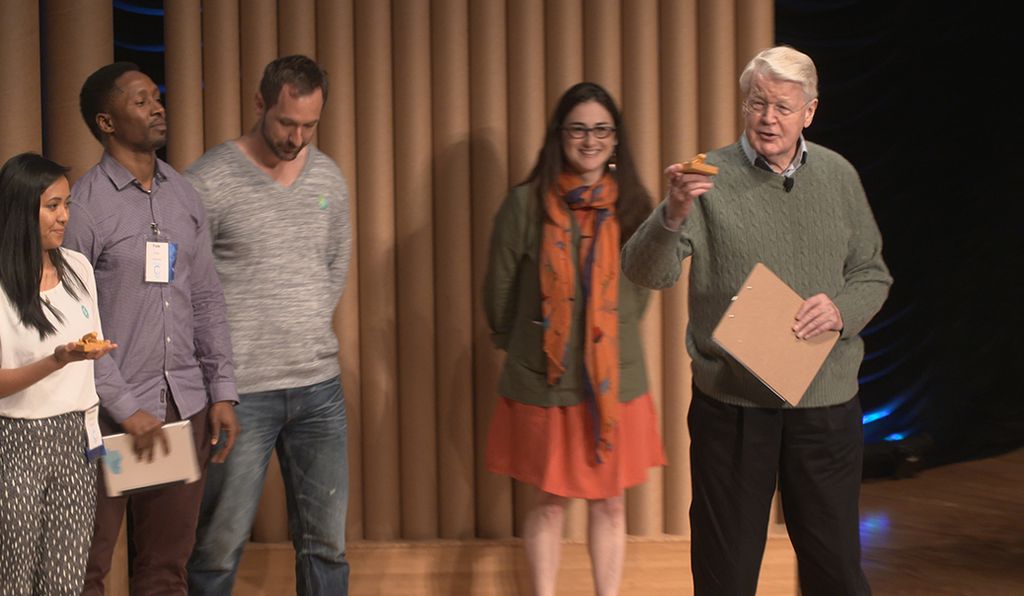
At the Smithsonian’s Earth Optimism Summit, the former president of Iceland Olafur Grimsson encouraged new solutions to climate change, awarding cash prizes to the winners of the “Make for the Planet” challenge. (The Roadmap)
Grimsson’s group felt that due to changes in information technology and social transformations, the large organizations and structures that used to be necessary to effect change were now not needed. And thus was born Roadmap, a new crowdsourcing tool for anyone and everyone interested in climate action. Still in its very early stages, Roadmap’s founders envision it as a platform for those working on climate issues—from scientist and policymaker to farmer and fisherman—to facilitate the sharing of knowledge and ideas, methods and techniques.
“A new political model is possible—where everyone can be a doer, where you no longer need big government or big enterprises to bring about success,” Grimsson says.
This new model for social change that skips the usual cumbersome channels and processes has been seen everywhere from public health, where the Bill & Melinda Gates Foundation has redefined the sector, to the hospitality industry, which is working to combat the human trafficking that plagues its businesses, to perhaps most famously the Arab Spring, where the role of social media in bringing about political change is still being debated today.
And this new model is complemented by technological changes. “The innovation in energy technology is such that we no longer have to wait for the big energy breakthrough,” Grimsson says. “We already have the available technologies. Every individual, home, village, community, town and region can execute change. The good news from the climate point of view is that, in addition to the information technology revolution, there has now also taken place an energy revolution. A house can be a power station: If the people who live in that house have extra energy, they can sell their energy through the smart grid. The notion that every house can be a power station is as revolutionary as saying that every mobile phone can be a media company.”
Grimsson admits that it may seem odd for someone in his position to be advocating that ordinary citizens take action apart from the conventional corridors of governmental power.
“For me to say that these traditional political organizations and positions are somewhat outdated is perhaps a strange statement: I was a professor of political science, I’ve been a member of parliament, I’ve been a minister of finance, I was president for 20 years,” he says.
It was during Iceland’s financial meltdown that he first experienced this new kind of social change: “I saw this very strongly through the financial crisis in my own country, which led to a big social economic uprising. All those activities were engineered by unknown people, people who were not part of a big organization, who used Facebook and the information media to bring thousands of people together in one day.”
Right now, Roadmap consists of a website and a lofty manifesto that speaks of raising the value of “moral currency” and creating a “best practices warehouse.” Visitors to the site can fill out a form if they want to become part of its community of “doers.” The practical part of the manifesto speaks of identifying the best methodologies and models; implementing a “real-time system of measurement” and a way to “gauge and understand what is working, what is not, and exactly what is being achieved.” As the platform develops, it will be interesting to see exactly what form these gauges, measurement systems, and warehouses take.
After the Paris Agreement, Grimsson says of himself and his Roadmap co-founders, “We were all optimistic, but we are all also realists.” It is his belief that if you “give people the tools, they can execute the transformation and the change—without governmental leadership.” Perhaps Roadmap will be one of those tools.
ooOOoo
Here’s a video that spells it out in ways that I find impossible to ignore.
Because in hundreds of years time I want others to look at the following picture of Troutbeck Valley in England and know how precious is this one and only planet we live on.
We are witnessing more storms, more unseasonal weather patterns, and I just hope that we wake up soon to the damage we are doing to our beloved Mother that has held us in her eternal arms for so long..
Photo credit: Getty Images
Enjoy the month of May wherever you are in the world!
Closing by repeating a key pronouncement in that RoadMap video above:
I wanted to let the post on Tuesday run for a couple of days because it really made the point about dogs, in particular, being animals who love to love!
But I then forgot, until I woke up on the 22nd, that yesterday was Earth Day.
So what to publish?
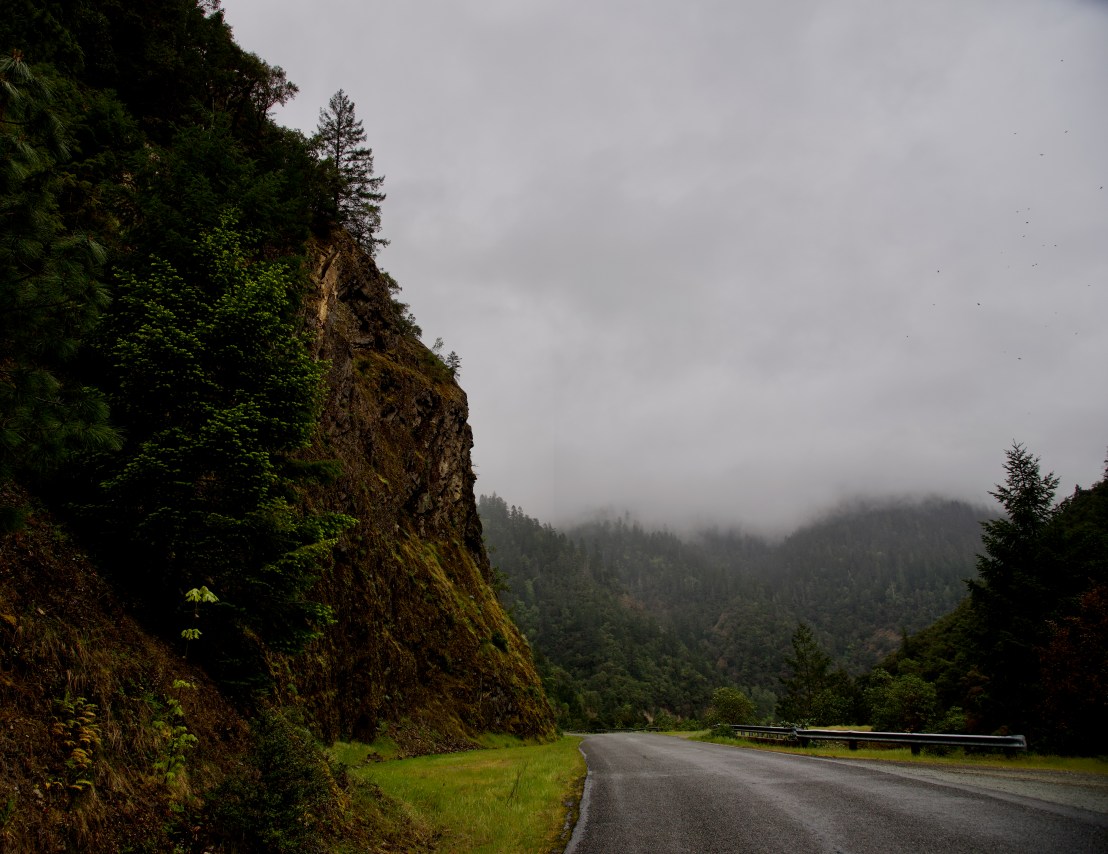
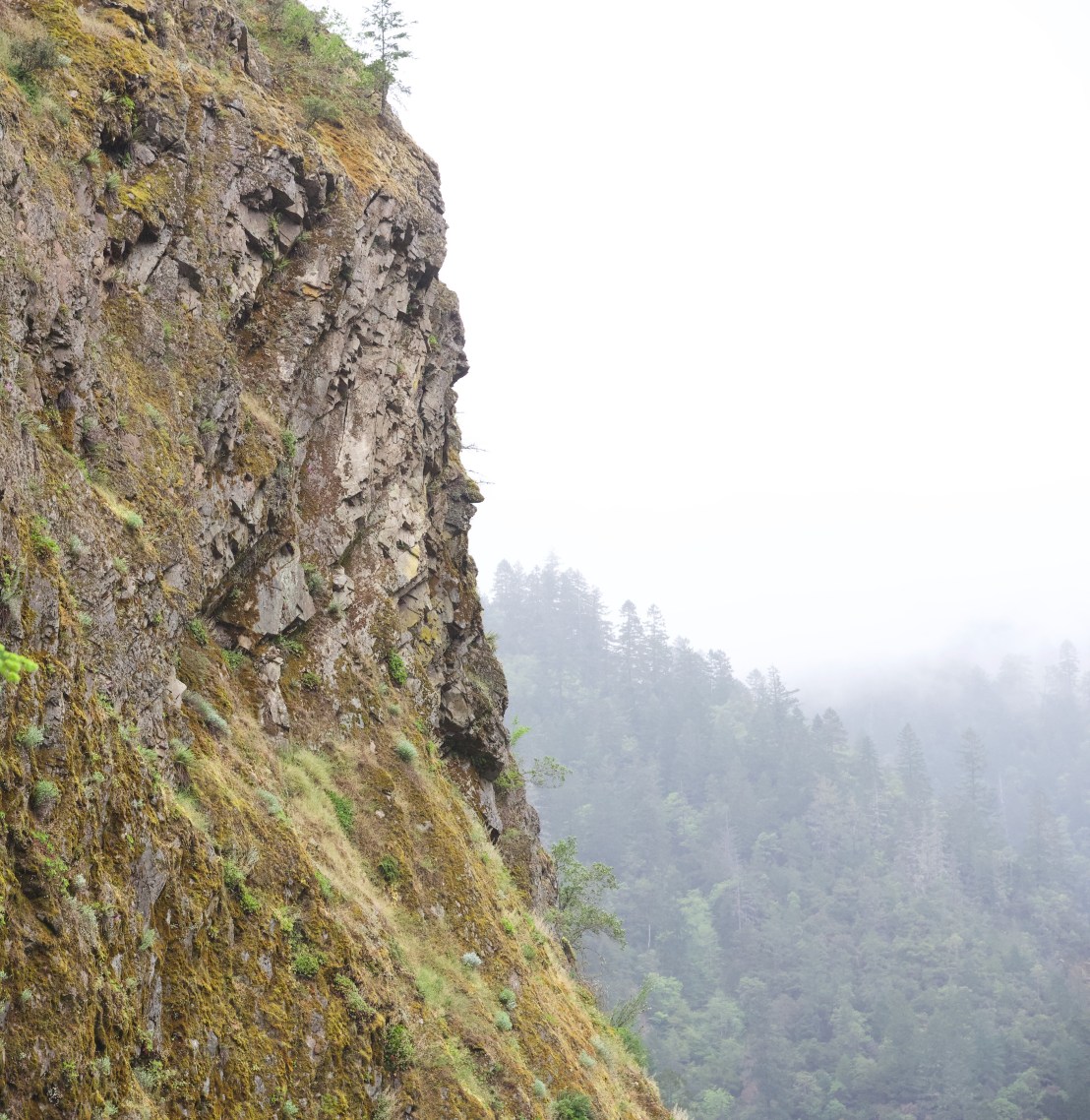
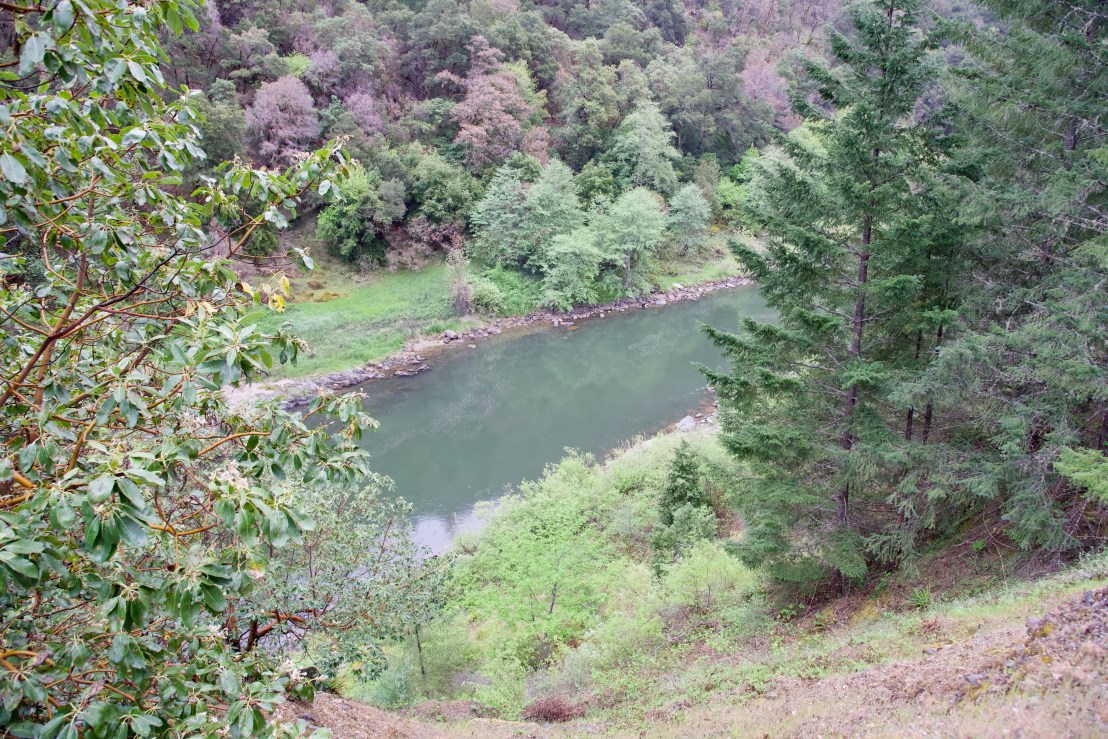
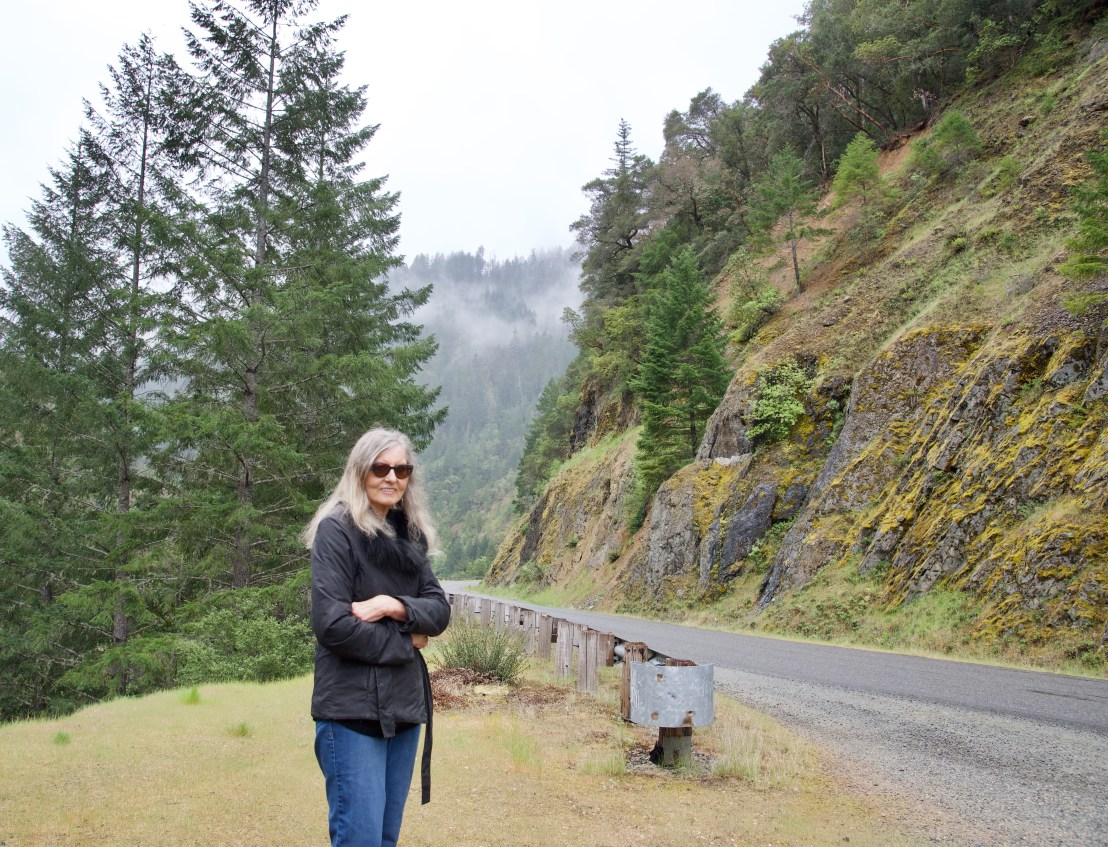
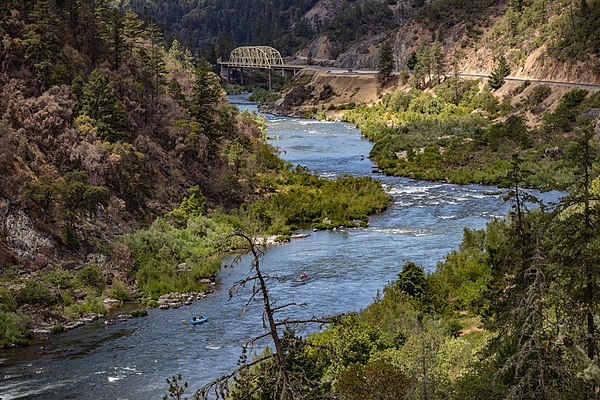
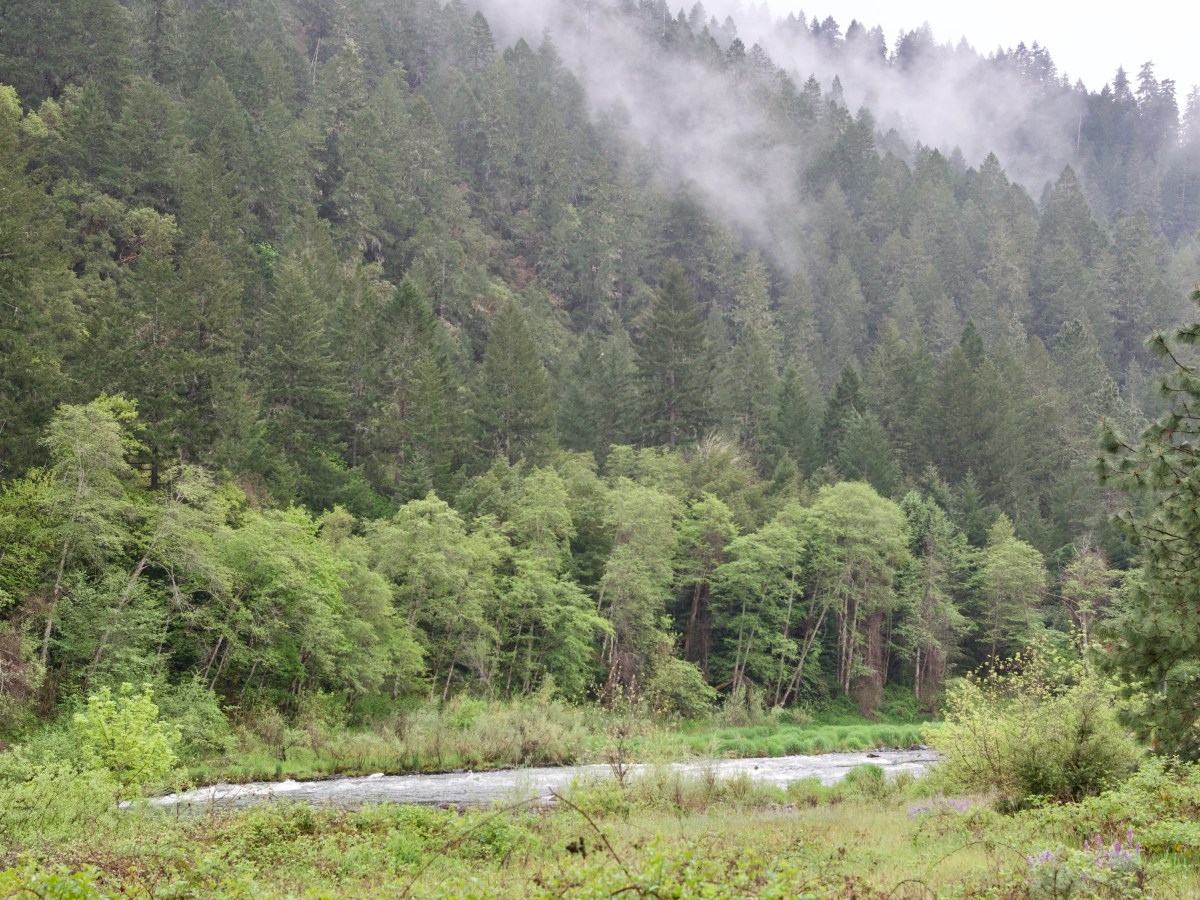
Yesterday in Merlin was a damp day with a steady rain coming down in the morning. About 10am I volunteered the idea that we should drive the shortish distance to Galice; just 10 miles from where we live. Galice is a very small settlement on the Western bank of the Rogue River. Then we drove on for a few more miles. It was incredible scenery. The misty, damp forest and the river running below in the gorge.
I had my camera with me and the following are some of the photographs that were taken.
Just for a change! All within 15 miles of home!
oooo
oooo
oooo
oooo
oooo
oooo
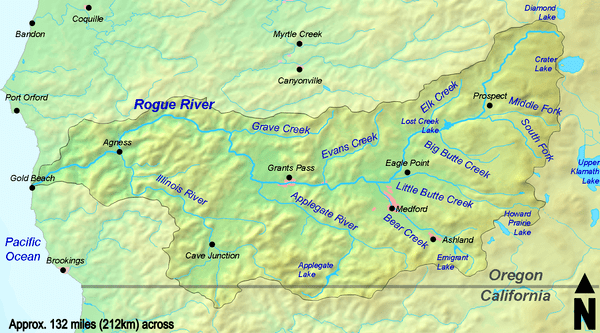
For those interested in learning more, I am publishing the WikiPedia account of the Rogue River.
The Rogue River (Tolowa: yan-shuu-chit’ taa-ghii~-li~’,[7]Takelma: tak-elam[8]) in southwestern Oregon in the United States flows about 215 miles (346 km) in a generally westward direction from the Cascade Range to the Pacific Ocean. Known for its salmon runs, whitewaterrafting, and rugged scenery, it was one of the original eight rivers named in the Wild and Scenic Rivers Act of 1968. Beginning near Crater Lake, which occupies the caldera left by the explosive volcanic eruption of Mount Mazama, the river flows through the geologically young High Cascades and the older Western Cascades, another volcanic province. Further west, the river passes through multiple exotic terranes of the more ancient Klamath Mountains. In the Kalmiopsis Wilderness section of the Rogue basin are some of the world’s best examples of rocks that form the Earth’s mantle. Near the mouth of the river, the only dinosaur fragments ever discovered in Oregon were found in the Otter Point Formation, along the coast of Curry County.
People have lived along the Rogue River and its tributaries for at least 8,500 years. European explorers made first contact with Native Americans (Indians) toward the end of the 18th century and began beaver trapping and other activities in the region. Clashes, sometimes deadly, occurred between the natives and the trappers and later between the natives and European-American miners and settlers. These struggles culminated with the Rogue River Wars of 1855–56 and removal of most of the natives to reservations outside the basin. After the war, settlers expanded into remote areas of the watershed and established small farms along the river between Grave Creek and the mouth of the Illinois River. They were relatively isolated from the outside world until 1895, when the Post Office Department added mail-boat service along the lower Rogue. As of 2010, the Rogue has one of the two remaining rural mail-boat routes in the United States.
Dam building and removal along the Rogue has generated controversy for more than a century; an early fish-blocking dam (Ament) was dynamited by vigilantes, mostly disgruntled salmon fishermen. By 2009, all but one of the main-stem dams downstream of a huge flood-control structure 157 miles (253 km) from the river mouth had been removed. Aside from dams, threats to salmon include high water temperatures. Although sometimes too warm for salmonids, the main stem Rogue is relatively clean, ranking between 85 and 97 (on a scale of 0 to 100) on the Oregon Water Quality Index (OWQI).
Although the Rogue Valley near Medford is partly urban, the average population density of the Rogue watershed is only about 32 people per square mile (12 per km2). Several historic bridges cross the river near the more populated areas. Many public parks, hiking trails, and campgrounds are near the river, which flows largely through forests, including national forests. Biodiversity in many parts of the basin is high; the Klamath-Siskiyou temperate coniferous forests, which extend into the southwestern Rogue basin, are among the four most diverse of this kind in the world.
Rogue River from Hellgate CanyonMap of the Rogue River watershedLocation of the mouth of the Rogue River in Oregon
Just to reflect on the fact that people have lived along the Rogue River and its tributaries for 8,500 years!
Yet another article I want to share from Mother Nature Network.
I really don’t know how Mother Nature Network (MNN) do it! For they have a great deal of stories about dogs and a great many of them deserve sharing with you all.
Take this one. A nine-year-old Pit Bull had about as much chance of being given a loving home as I have of winning the lottery (and I don’t even enter for it!).
But that wasn’t to reckon on Michael Levitt of California. Absolutely wonderful Mr. Levitt. You are a savior!
Christian Cotroneo has the full story.
ooOOoo
Removed because of an alleged copyright infringement.
ooOOoo
I can do no better than to close this post with a repeat of Michael Levitt’s words: “We’re helping Toretto, but Toretto is helping us. Having this beautiful, sentient being in our home — and having to think about somebody besides ourselves — has really helped us get through the scariness of what we’re all dealing with.”
We were truly alone when we went to Utah. (September, 2019.)
But then again, one of the privileges of being on 13 acres, 13 very rural acres, here in Southern Oregon is that being alone is not that far away!
I don’t want to underplay the importance of this posting, republished from The Conversation website (with permission), because we live in so busy times.
Written by three professors, it’s a very wise and profound article.
ooOOoo
Spending time alone in nature is good for your mental and emotional health
June 4th, 2018
By Brad Daniel, Professor of Outdoor Education, Montreat College Andrew Bobilya, Associate Professor and Program Director of Parks and Recreation Management, Western Carolina University
Ken Kalisch, Associate Professor of Outdoor Education, Montreat College Today Americans live in a world that thrives on being busy, productive and overscheduled. Further, they have developed the technological means to be constantly connected to others and to vast options for information and entertainment through social media. For many, smartphones demand their attention day and night with constant notifications.
As a result, naturally occurring periods of solitude and silence that were once commonplace have been squeezed out of their lives. Music, reality TV shows, YouTube, video games, tweeting and texting are displacing quiet and solitary spaces. Silence and solitude are increasingly viewed as “dead” or “unproductive” time, and being alone makes many Americans uncomfortable and anxious.
We study and teach outdoor education and related fields at several colleges and organizations in North Carolina, through and with other scholars at 2nd Nature TREC, LLC, a training, research, education and consulting firm. We became interested in the broader implications of alone time after studying intentionally designed solitude experiences during wilderness programs, such as those run by Outward Bound. Our findings reveal that time alone in nature is beneficial for many participants in a variety of ways, and is something they wish they had more of in their daily life.
On an average day in 2015, individuals aged 15 and over spent more than half of their leisure time watching TV. Bureau of Labor Statistics, Americans Time Use Survey
Reflection and challenge
We have conducted research for almost two decades on Outward Bound and undergraduate wilderness programs at Montreat College in North Carolina and Wheaton College in Illinois. For each program, we studied participants’ experiences using multiple methods, including written surveys, focus group interviews, one-on-one interviews and field notes. In some cases, we asked subjects years later to look back and reflect on how the programs had affected them. Among other questions, our research looked at participant perceptions of the value of solo time outdoors.
Our studies showed that people who took part in these programs benefited both from the outdoor settings and from the experience of being alone. These findings build on previous research that has clearly demonstrated the value of spending time in nature.
Scholars in fields including wilderness therapy and environmental psychology have shown that time outdoors benefits our lives in many ways. It has a therapeutic effect, relieves stress and restores attention. Alone time in nature can have a calming effect on the mind because it occurs in beautiful, natural and inspirational settings.
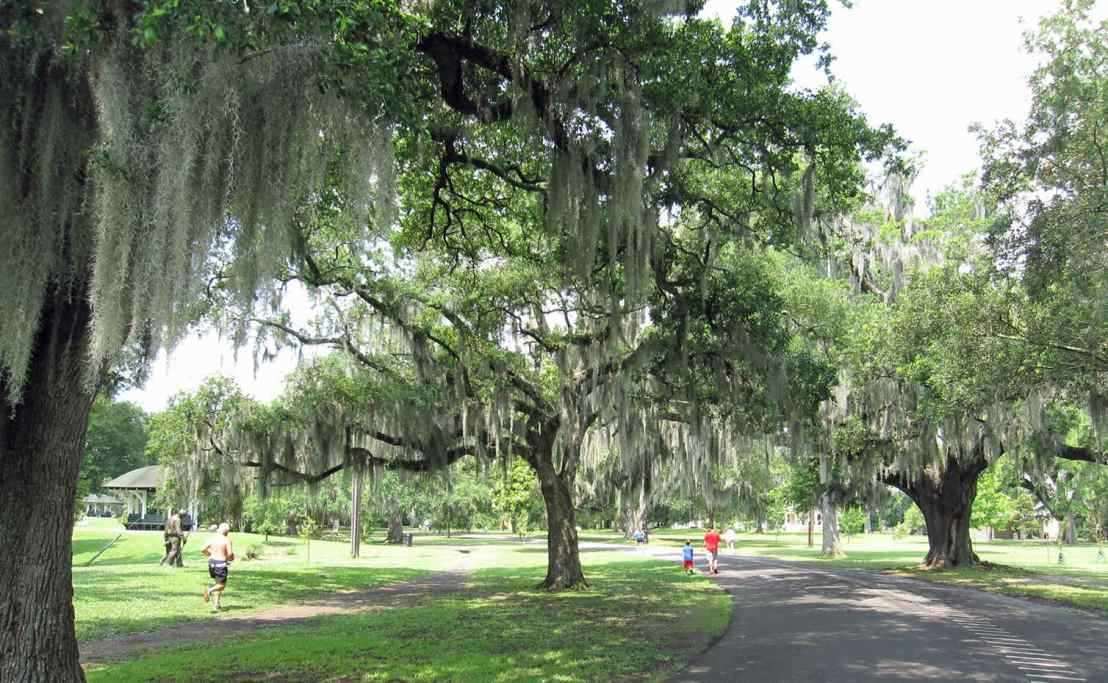
Spending time in city parks like Audubon Park in New Orleans provides some of the same benefits as time in wilderness areas, including reduced stress levels and increased energy levels. InSapphoWeTrust, CC BY-SA
Nature also provides challenges that spur individuals to creative problem-solving and increased self-confidence. For example, some find that being alone in the outdoors, particularly at night, is a challenging situation. Mental, physical and emotional challenges in moderation encourage personal growth that is manifested in an increased comfort with one’s self in the absence of others.
Being alone also can have great value. It can allow issues to surface that people spend energy holding at bay, and offer an opportunity to clarify thoughts, hopes, dreams and desires. It provides time and space for people to step back, evaluate their lives and learn from their experiences. Spending time this way prepares them to re-engage with their community relationships and full work schedules.
Putting it together: The outdoor solo
Participants in programmed wilderness expeditions often experience a component known as “Solo,” a time of intentional solitude lasting approximately 24-72 hours. Extensive research has been conducted on solitude in the outdoors because many wilderness education programs have embraced the educational value of solitude and silence.
Solo often emerges as one of the most significant parts of wilderness programs, for a variety of reasons. Alone time creates a contrasting experience to normal living that enriches people mentally, physically and emotionally. As they examine themselves in relation to nature, others, and in some cases, God, people become more attuned to the important matters in their lives and in the world of which they are part.
Solo, an integral part of Outward Bound wilderness trips, can last from a few hours to 72 hours. The experience is designed to give participants an opportunity to reflect on their own thoughts and critically analyze their actions and decisions.
Solitary reflection enhances recognition and appreciation of key personal relationships, encourages reorganization of life priorities, and increases appreciation for alone time, silence, and reflection. People learn lessons they want to transfer to their daily living, because they have had the opportunity to clarify, evaluate and redirect themselves by setting goals for the future.
For some participants, time alone outdoors provides opportunity to consider the spiritual and/or religious dimension of life. Reflective time, especially in nature, often enhances spiritual awareness and makes people feel closer to God. Further, it encourages their increased faith and trust in God. This often occurs through providing ample opportunities for prayer, meditation, fasting, Scripture-reading, journaling and reflection time.
Retreating to lead
As Thomas Carlyle has written, “In (solitary) silence, great things fashion themselves together.” Whether these escapes are called alone time, solitude or Solo, it seems clear that humans experience many benefits when they retreat from the “rat race” to a place apart and gather their thoughts in quietness.
In order to live and lead effectively, it is important to be intentional about taking the time for solitary reflection. Otherwise, gaps in schedules will always fill up, and even people with the best intentions may never fully realize the life-giving value of being alone.
ooOOoo
I would modify that advice from Thomas Carlyle and that is to include a dog.
For in my experience when one is in the mood for a bit of solitary reflection your dog seems to sense it as well.







 David Weintraub,