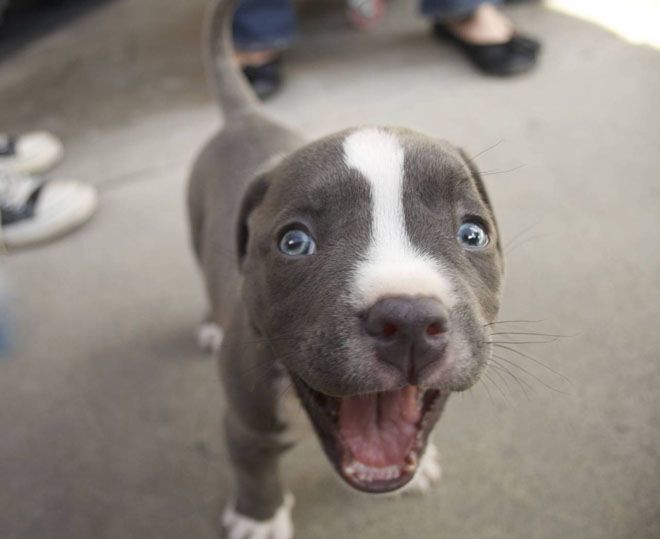
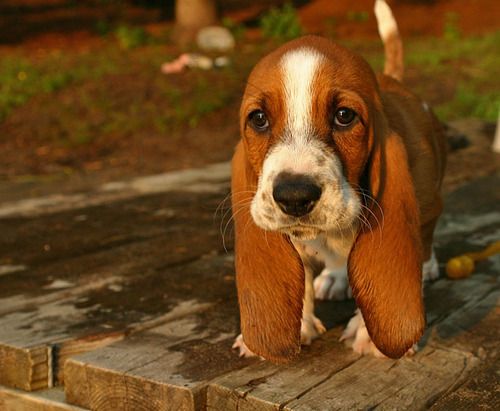
More of those wonderful photographs sent to me by Su.
(Now moving beyond the world of dogs! But you will still love them!)
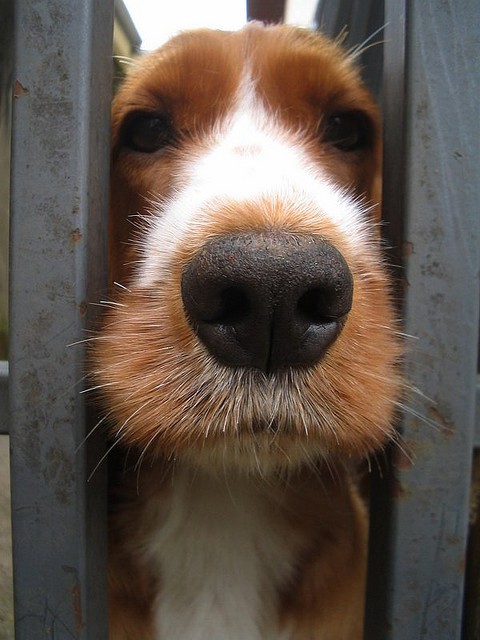
oooo

oooo

oooo

oooo
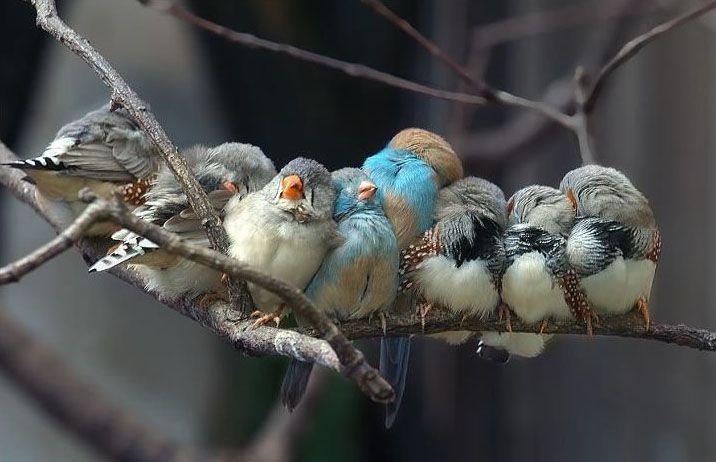
oooo
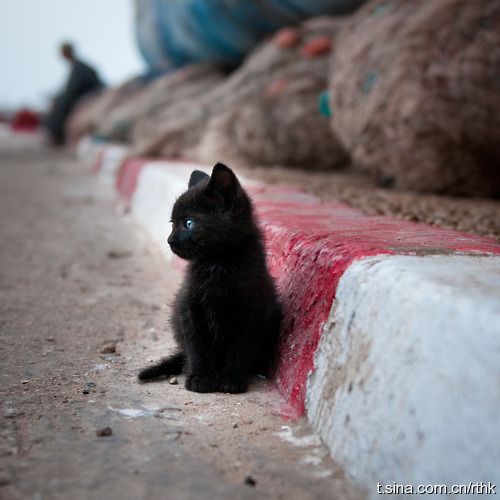
oooo

oooo
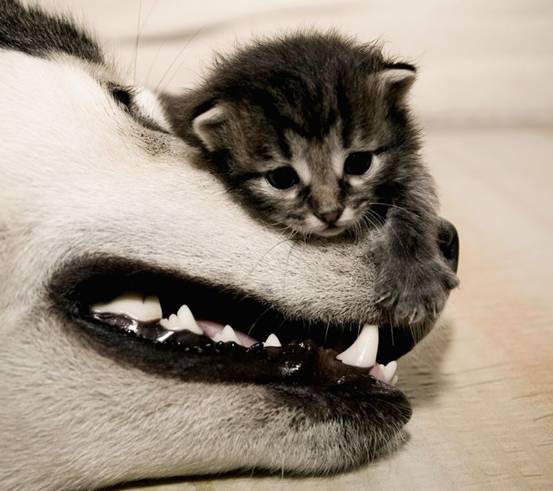
Come back in a week’s time for another set of these wonderful photos.
Thank you, Su!!
Dogs are animals of integrity. We have much to learn from them.
Category: Dogs
More of those wonderful photographs sent to me by Su.
(Now moving beyond the world of dogs! But you will still love them!)
oooo
oooo
oooo
oooo
oooo
oooo
oooo
Come back in a week’s time for another set of these wonderful photos.
Thank you, Su!!
The scientific findings of how the height of trees affects their ability to cope with drought.
I subscribe to the online Physics World website and a recent article tickled my fancy. Because it was supported by what we see here at home.
That is that shorter and taller trees do not handle drought conditions as well as medium-height trees.
First the article and then some supporting evidence from home.
ooOOoo
04 Sep 2018

Forests with canopy heights of around 18 metres are more resistant to the effects of severe drought than those with shorter and taller trees, according to researchers in China and the US.
In the past, studies have disagreed on whether forests with lower or higher canopies will be more likely to make it through prolonged spells of hot, dry weather. The discrepancy has made it difficult for forest managers, who need to know which tree heights to encourage to ensure the highest growth and survival rates during extreme drought.
Study leader Peipei Xu at Beijing Normal University in China and her colleagues believe the issue is increasingly pressing. “Climate data indicate that warm areas of land are increasing, and the warmed areas are also drying,” says Chuixiang Yi at the City University of New York, US. “Hot-dry-induced forest mortality poses a significant global concern for the future as carbon dioxide continues to rise and the climate continues to warm.”
Xu, Yi and the rest of the team aimed to quantify the relationships between canopy height, growth and survival rates during drought accurately for the first time. They analysed data gathered during a severe drought in the southwestern US in 2002 that showed the effect on the ring widths of tree trunks, a useful indicator of their yearly growth. In addition, satellite data revealed how the density of vegetation changed over the course of the drought; the team used this to calculate both leaf growth and tree mortality rates.
The results revealed that trunk and leaf growth under drought conditions increased with canopy height for trees shorter than 18 metres but decreased with height for trees taller than 18 metres. “Our results indicate that both high and small trees have relatively low drought resistance,” says Yi.
After establishing these relationships, the researchers could determine the biological mechanisms governing tree growth and survival during drought.
“All organic matter in a tree is formed on the leaves at the top of the tree by photosynthesis,” Yi explains. “Tall trees have a longer water transport path from roots to leaves and [it’s] more difficult to overcome tissue resistance and … gravity, particularly under dry conditions. The roots of small trees are short, and their abilities to access water and nutrient supplies unavailable to the surface soil layer are extremely limited.”
The researchers believe that using their results to inform the active management of canopy structure could safeguard vulnerable forests. As climate models predict hotter, drier droughts becoming more commonplace, this could be essential to combat forest dieback – a phenomenon that will also drive climate change.
“Our findings provide insights into how to manage forests or plant what trees to increase forest drought resistance in facing hot-dry climate conditions to mitigate climate change,” says Yi.
The team reported the findings in Environmental Research Letters (ERL).
ooOOoo
So turning to home.
Here are a couple of photographs of tall trees to the Northern side of the house that are clearly showing some stress.
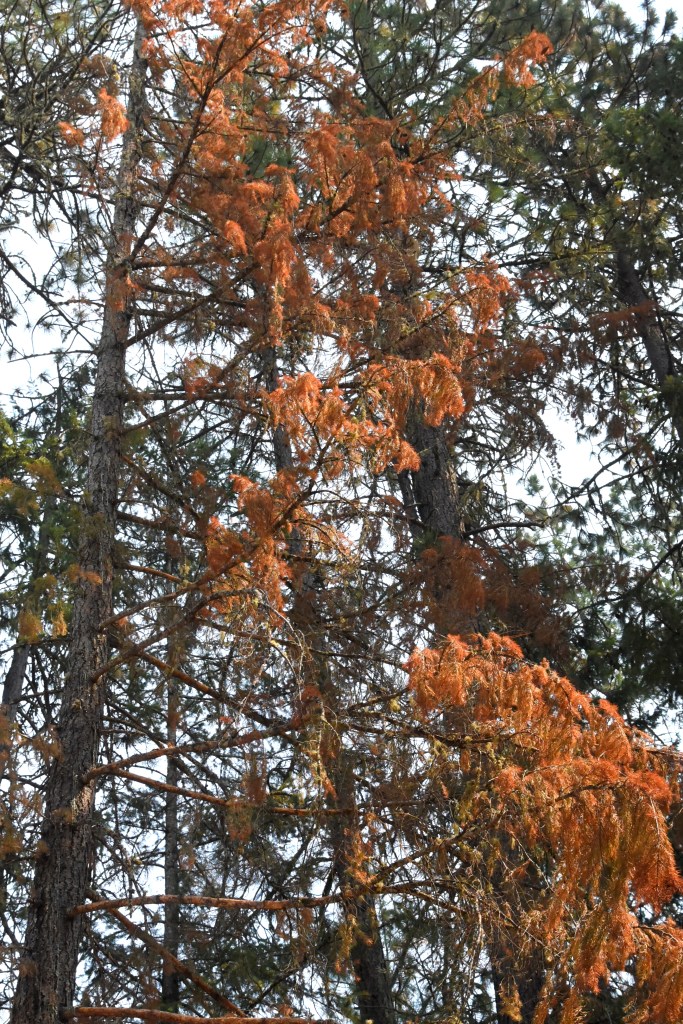
oooo
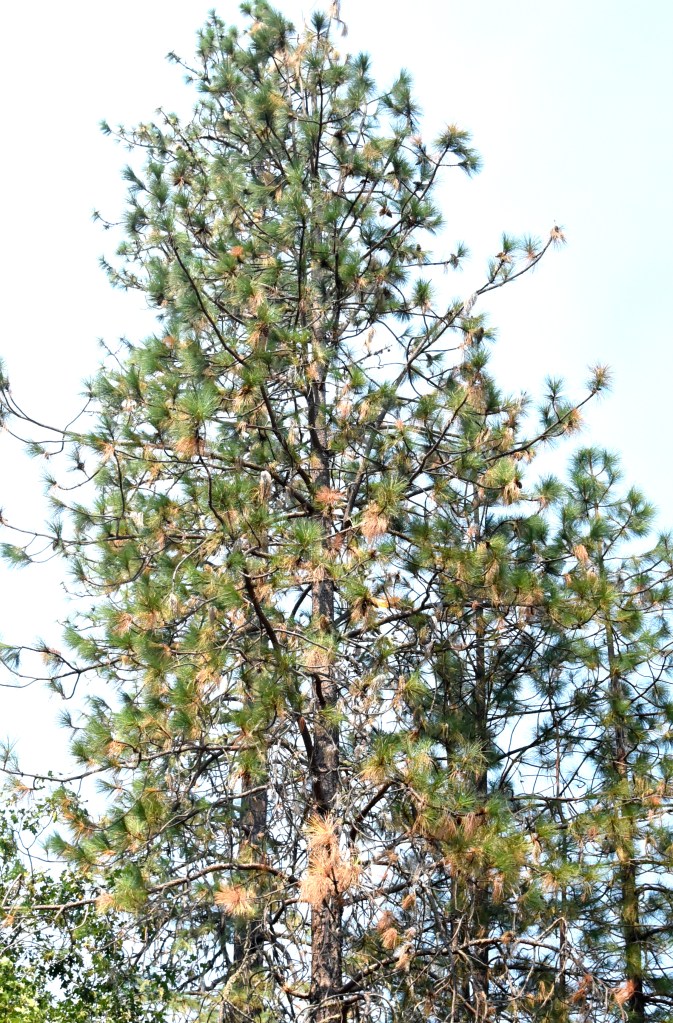
oooo
Now in stark contrast look at the trees in the photo below. (Oh, that’s the smoky summit of Mount Sexton, elevation 3,829 ft., in the distance.)
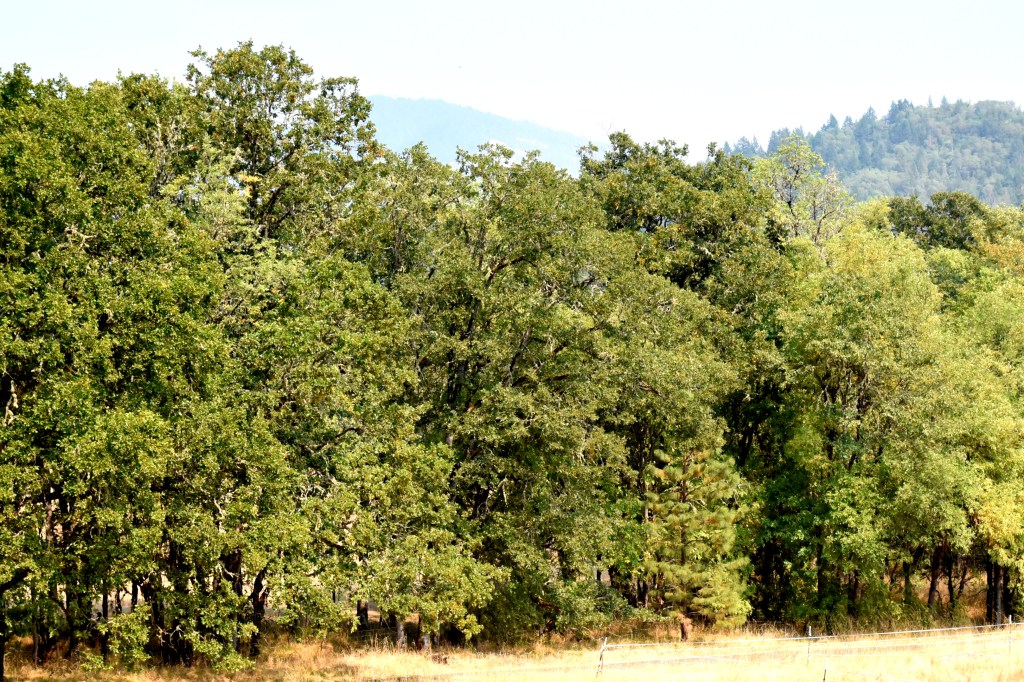
As our taller trees are felled each year we are planting new young trees, two for every tree felled, in one of our grass fields.
Because it is not just Jeannie and me, and all the wild birds, who love our trees!
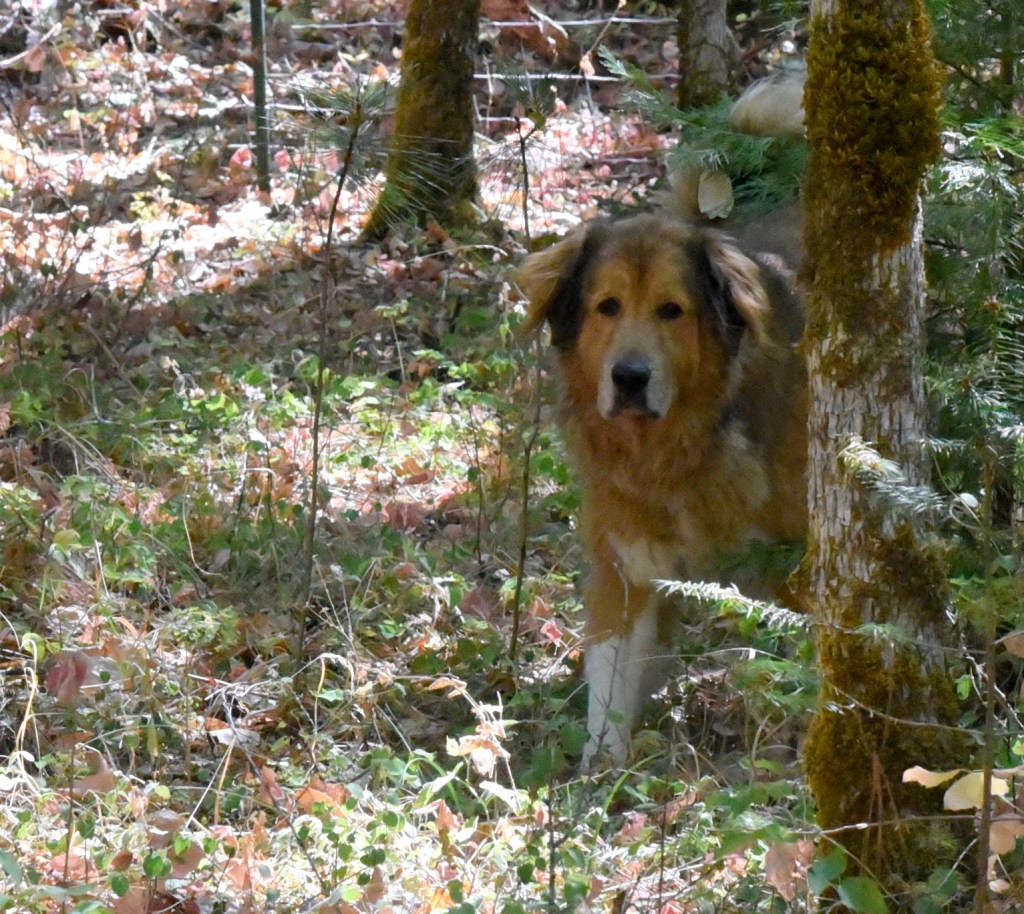
oooo
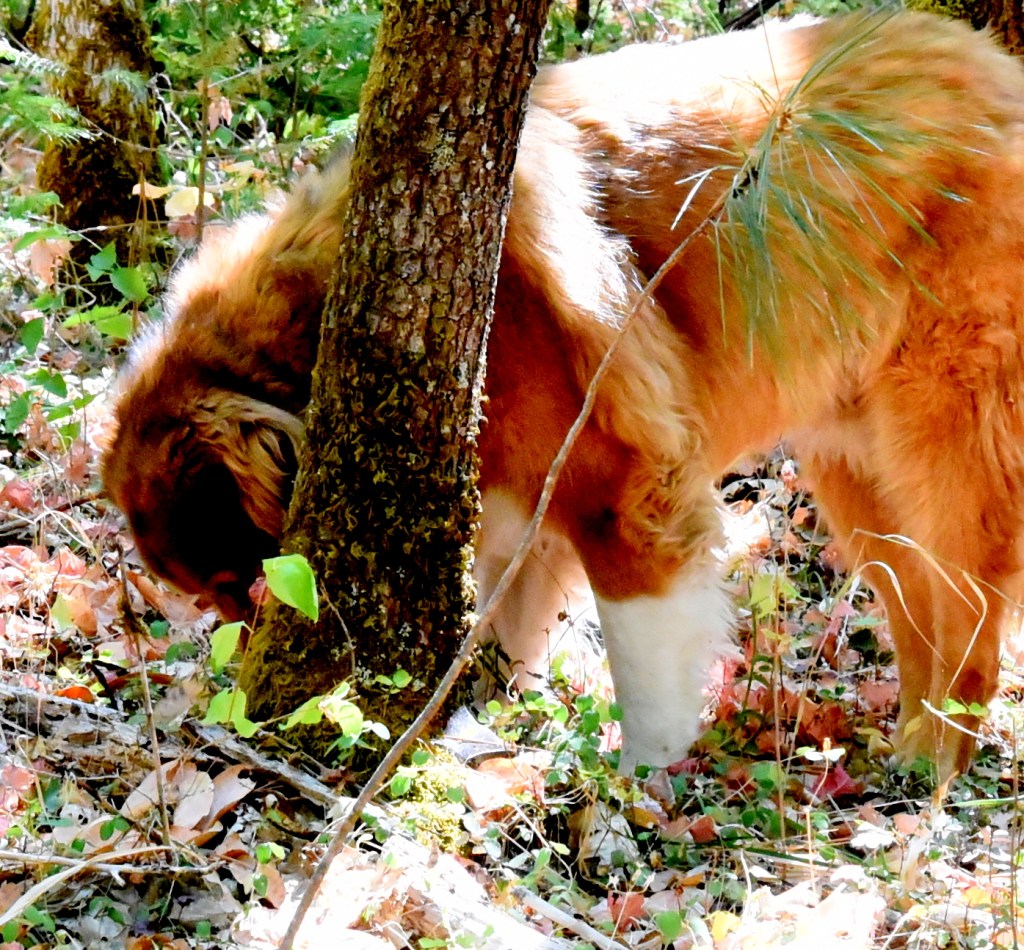
oooo
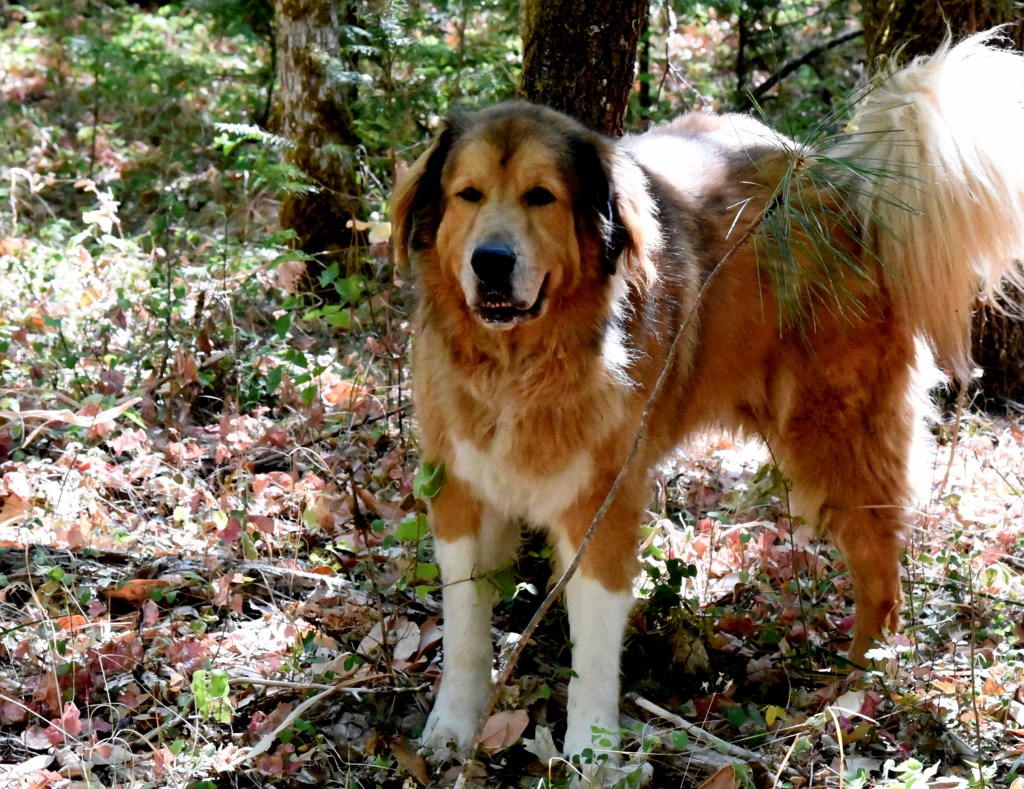
Will close with another photo with a tree in it taken a few nights ago.

We must never, ever lose our trees!
Steve’s Real Food Recalls Dog and Cat Foods
This came in yesterday and is shared with you as per normal.
September 7, 2018 — Steve’s Real Food of Salt Lake City, Utah is voluntarily recalling limited quantities of its raw frozen dog and cat foods due to possible contamination with Salmonella and Listeria bacteria.



The affected products were nationally distributed and are identified with the following UPC codes and “Best by” dates located on the front of the bag.
Salmonella and L. mono can affect animals eating the products and there is risk to humans from handling contaminated pet products.
Symptoms of infection in people include nausea, vomiting, diarrhea or bloody diarrhea, abdominal cramping and fever.
Consumers exhibiting these signs after having contact with this product should contact their healthcare providers.
Pets with Salmonella and/or L. mono infections may be lethargic and have diarrhea or bloody diarrhea, fever, and vomiting.
Some pets will have only decreased appetite, fever and abdominal pain.
Infected, but otherwise healthy pets can be carriers and infect other animals or humans.
If your pet has consumed the recalled product and has these symptoms, please contact your veterinarian.
This recall is being initiated after the firm was notified by the Washington Department of Agriculture when sample was collected and tested positive for Salmonella and/or Listeria.
The firm did conduct its own test which produced a negative result for both Salmonella and Listeria monocytogenes.
However, because of the company’s commitment to overall safety and quality, Steve’s Real Food is conducting a voluntary recall of these products.
Consumers should also follow the safe handling tips published on the Steve’s Real Food packaging, when disposing of the affected product.
No pet or human illnesses from this product have been reported to date.
This recall is being made with the knowledge of the U.S. Food and Drug Administration.
Consumers are encouraged to check the lot code and best buy date of the affected pet foods.
Any product with the noted lot code and best buy dates should be returned to the specialty retailer where product was purchased for a full refund.
Consumers with questions may contact Steve’s Real Food at 888-526-1900, Monday through Friday, 9 am to 4 pm MT.
U.S. citizens can report complaints about FDA-regulated pet food products by calling the consumer complaint coordinator in your area.
Or go to http://www.fda.gov/petfoodcomplaints.
Canadians can report any health or safety incidents related to the use of this product by filling out the Consumer Product Incident Report Form.
Get free dog food recall alerts sent to you by email. Subscribe to The Dog Food Advisor’s emergency recall notification system.
Again, as I usually say, do share this with all the dog and cat lovers you know/
Thanks.
Sent along by Suzann.

oooo
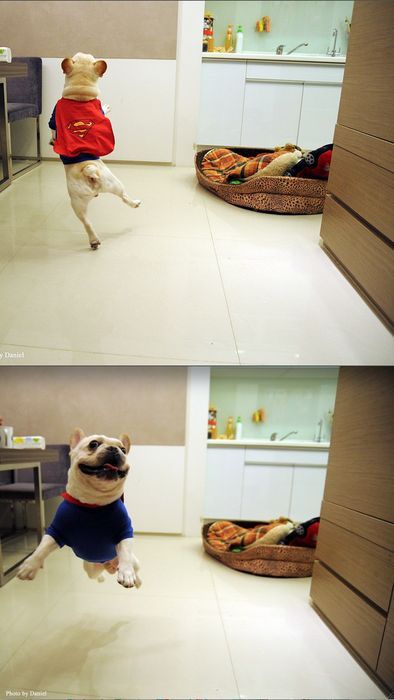
oooo
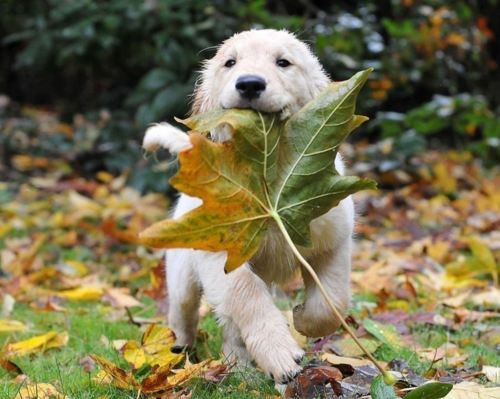
oooo

oooo

oooo

oooo
oooo
oooo

oooo

Just perfect!
Thank you, Su!
A sigh of relief!
Jeannie and me reacting to the last report on the Oregon Department of Forestry (ODF) Southwest website:
Hugo Road Fire FINAL Update 09/06/18
Quick Facts:
Incident Start Date: 09/02/2018
Incident Start Time: Approx. 7:15 p.m.
Incident Type: Wildfire
Cause: Under Investigation
Incident Location: Hugo, which is roughly ten miles north-northwest of Grants Pass in Josephine County, Oregon
Land Threat: Private
Command Agency: ODF
Fire Size: 199 acres
Containment: 86%Current Situation:This will be the final update for the Hugo Road Fire unless conditions significantly change.
Firefighters continue to boost containment on the Hugo Road Fire, now reaching 86 percent. The fire remains at 199 acres.Overnight, crews were able to mop up 300 feet from the fire’s edge, adjacent to roadways, and surrounding the perimeter of homes. Within the mop up area, very few hot spots were found. All residences are at a Level 1 “Be Ready” evacuation notice, and will remain at such until Fire Season 2018 comes to a close, per the Josephine County Sheriff’s Office.
Local fire personnel will continue gridding the landscape for interior hot spots and conducting suppression repair throughout the next few days. It is normal to see light smoke during this process, but it is now well within the interior of the fire’s footprint which does not pose a threat to our community. There will still be fire apparatus present until the final mop up stages are complete. We encourage everyone to continue to use caution while traveling through the area.
Thank you again to every single partner agency and community member for the assistance and support throughout this firefight. It is an honor to serve and live in this community.
Evacuations:
Due to progress made by firefighters on the Hugo Road Fire all current evacuation levels are being downgraded to a Level 1 “BE READY” notice. Level 1’s will remain in effect until the end of the fire season.
For information regarding information, please contact the Josephine County Sheriff’s Office, or follow the Josephine County Emergency Management Facebook page as evacuation levels are anticipated to change shortly.
Assigned Resources:
Engines: 10
Water Tenders: 4
Helicopters: As needed
Hand Crews: 8
Dozers: 4
Total Personnel: 211
Air Tankers: As neededCooperating Agencies:
ODF Southwest Oregon District, Rural Metro Fire – Josephine County, Grants Pass Department of Public Safety, Josephine County Emergency Management, Josephine County Sheriff’s Office.
The fire was listed late Monday as 30 percent contained, but not before it destroyed two houses, 13 outbuildings two recreational vehicles and 11 vehicles, according to the Oregon Department of Forestry. Fire also damaged three other residences, two out-buildings and a vehicle, according to ODF.
This should be available to you wherever you are in the world!
I am indebted to Neil back in Devon who gave me the ‘heads up’ to the latest episode from the BBC Natural Histories Unit.
The link to the programme, that was broadcast by the Radio 4 station at 11:00 UK time yesterday, is here: https://www.bbc.co.uk/programmes/b0bgq6f4
When you go to that link you will see this:
Dog
Dogs have changed us and we’ve changed them. Brett Westwood visits Battersea to meet the animals whose history is most inextricably linked with our own. And in the process very nearly loses a furry microphone cover to an enthusiastic lurcher named Trevor (pictured above)… As the first domestic animals, dogs made it possible for humans to spread into the areas of the world that they did, to eat more protein and to take up activities from hunting to sledding. But it was only in the Victorian period that the dogs we know today were “invented”, by breeding. And throughout all of this dogs have also been changing human lives as companions.
Producer Beth O’Dea
Taking part:
Professor Greger Larson, Director Palaeogenomics & Bio-Archaeology Research Network, School of Archaeology, University of Oxford
Dr John Bradshaw, anthrozoologist and author of In Defence of Dogs and The Animals Among Us
Susan McHugh, Professor of English at the University of New England
Naomi Sykes, Lawrence Professor of Archaeology at the University of Exeter
Julie-Marie Strange, Professor of British History at the University of Manchester
Dr Krithika Srinivasan, Lecturer in Human Geography, University of Edinburgh.
The item is 28 minutes long and for all dog lovers is precious listening!
So click on the ‘Listen Now’ button!
Trust me, you will be surprised at some of the findings covered in this most interesting programme.
Many thanks, Neil!
UPDATE 3pm (PDT) on the 5th.
I am going to leave this post up for the rest of this week. Firstly, because I would like as many of you as possible to listen to it and, lastly, until our local Hugo Road fire is 100% contained I can’t really focus on blogging stuff.
A post that involves dogs but not what I had in mind!
Last Saturday I published a post The burning of our forests! that included a photograph of the nearby Klondike fire.
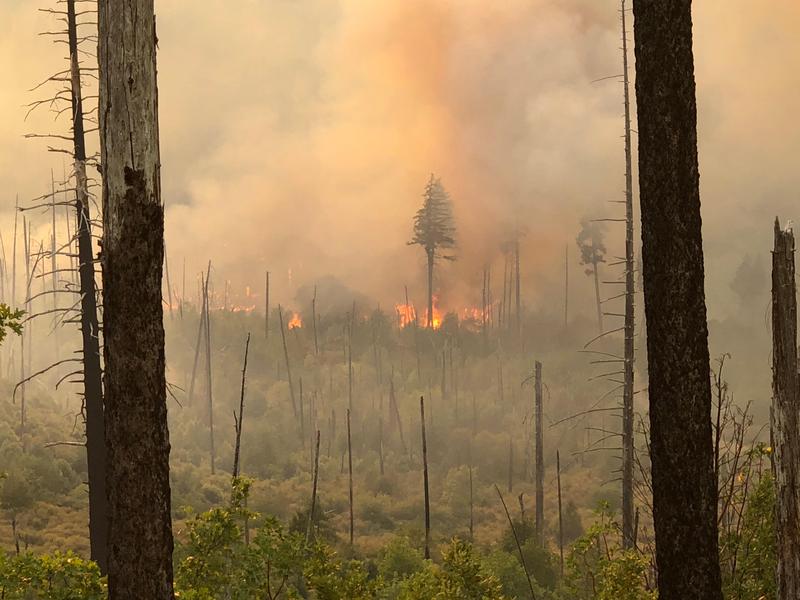
Then last Sunday I was speaking to Maija, my daughter back in England, and she was asking how the fires were and I distinctly recall saying: “Sweetheart, I think we are over the worst!”
That same Sunday evening, around 9:45pm, in other words two evenings ago, one of our neighbours, Margo, who lives on 60 acres adjacent to the west of us, called with real alarm in her voice:
Paul, have you seen the fire that is burning just to the North-East of us?
I replied that I had not but immediately went to our deck that runs the whole Eastern length of our house. Mount Sexton is just a few miles to the North-East of us.
This is what I saw!

Apparently, a short while previously the wind had blown down a tree that had fallen across some high-voltage power lines causing sparking that had, in turn, ignited the extremely dry grassland.
The fire was between Oxyoke Road and Three Pines Road and roughly 2 miles from us line of sight.
That explained why some thirty minutes before, in the last of the light of the setting sun, there had been a number of helicopter flights come across us en route to dropping fire retardant close by. It hadn’t occurred to me that it was an incident so close to us.
Many of us living nearby then called each other to spread the word.
Jeannie and I, in turn, drew up an evacuation checklist and started getting things ready. More importantly, getting ourselves psychologically prepared to have to vacate the property at very short notice: Jeannie and me: six dogs; two horses; two parakeets; three cats; two chickens!
Thankfully an order to evacuate did not come during the night.
So yesterday morning I grabbed my bike and rode to Oxyoke Road. On the way I stopped to photograph the smoke in the air.
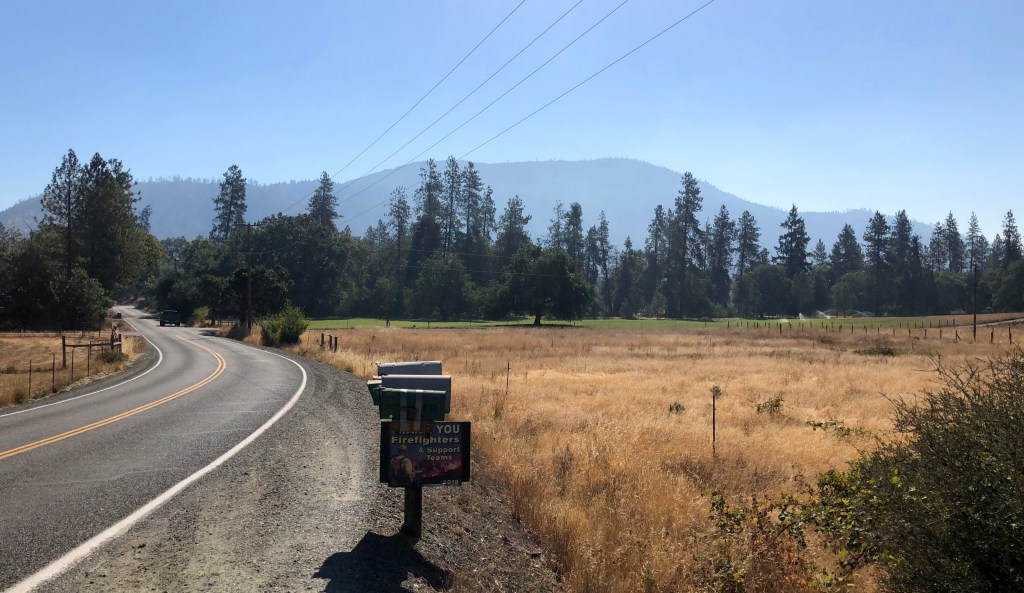
Once at Oxyoke Road I chatted to a search and rescue volunteer on duty controlling the traffic.

His report, as of 11:30 on September 3rd, was that the fire was just 15% contained, was “pretty active”, and that they were keeping an eye on the winds that were expected to be rather gusty later on that afternoon. I am writing this at 13:40 on the 3rd and the present winds are 6 mph, gusting 12 mph, from the North-West.
I rode back home to brief Jeannie and found her working her way through an idea for evacuating the dogs!

H’mmm! I am not sure Pedy is getting the message!

But a few words from Sweeny seemed to sort things out.
So there you are my good people, a post about dogs! Sort of!
Fingers crossed we will speak again tomorrow!
Assuming we don’t have a repeat of last night’s spectacular sights!!

At least this rural living keeps one fit!
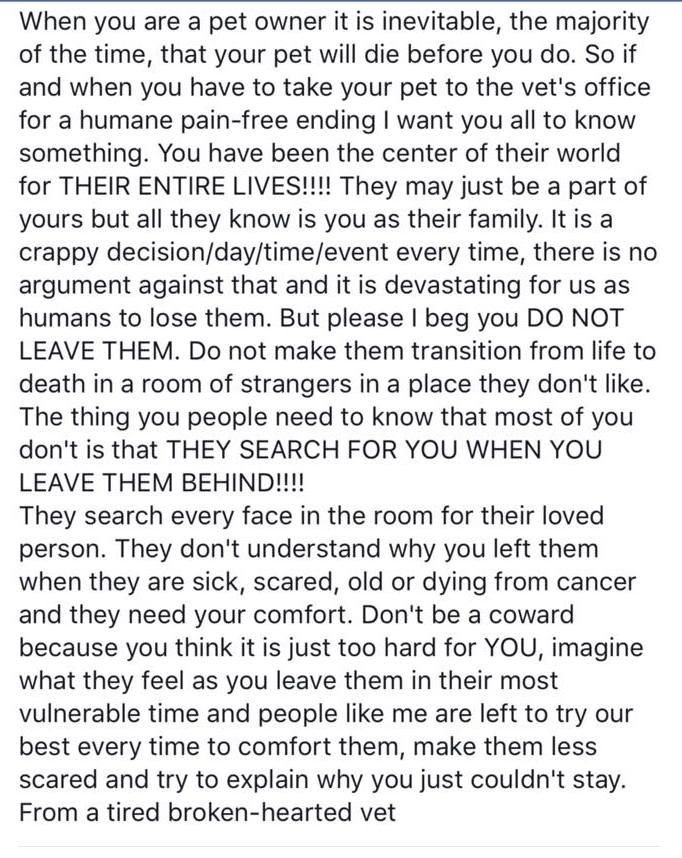
For our beloved pets.
This was recently posted on Facebook by the wife of a local vet.
I will say no more for no more words from me are required.
ooOOoo
ooOOoo
Please spread the word.
…. and what they mean for our beloved dogs!
As frequently happens, recently I was sent an email from someone I hadn’t previously been in contact with. It was Sienna Penfold and this is what she wrote:
Hello Paul,
My name is Sienna, and I’m a full-time mom and a regular contributor to highstylife.com. Proud owner of two beautiful dogs (Coco & Hulk) and beautiful cat adopted from a shelter.
Since I’m equally passionate about my pets and my job I’ve decided to share my knowledge and experiences. I love the combination of sharing information and learning from others. Stories I like to write are mostly connected to pets and lifestyle.
You all know me well enough to know what my response was!!
So here is Sienna’s guest post.
ooOOoo
by Sienna Penfold, August 21st., 2018

Every year during spring, summer, and most of fall, every pet parent becomes painfully aware of all the crawlies that enjoy the nice weather as much as our furry buddies do. From annoying fleas, which can also carry various diseases, all the way to worms, and ticks, the sunny days of the warm season come with a slew of responsibilities for every family – because, unfortunately, all these insects also pose a risk for us and our kids as well, not just for our pets.
Even if you do your best to prevent any type of an infection, you should also stay alert for any early signs of a flea infestation, and any presence of ticks and other parasites that can wreak havoc on your pooch’s as well as your own health. Let’s go through some of the key symptoms, preventative measures, and possible treatments to make your summers all the more comfortable and worry-free!
Keep an eye on your furball
Fleas and ticks are the most common external parasites that your pooch may have, and while it’s always best to focus on prevention, some dogs are more prone to having these pests and thus need more attention from you. Keep in mind that there are almost 2,000 species of fleas out there, and you may find some to be more resilient than others. The following are some of the simplest symptoms your dog will exhibit in case they have fleas:

On the other hand, ticks are the next most common parasite found in nature, and its many species carry a wide range of diseases that can endanger your dog’s health or even life. These are the symptoms to keep an eye on:
A potential internal parasite infection, coming from a wide range of worms, heartworm included, may cause all of the above symptoms as well as the following issues:
The most effective preventative measures
Depending on your furry friend’s health and specific conditions (if any are present), you can mix and match several useful solutions to prevent any parasite issues. For example, regular grooming, including twice-a-day combing, regular baths with suitable shampoos, and even natural remedies as a part of their diet, such as a smidgen of garlic, and spraying apple cider vinegar mixed with water, can help.
Topical solutions come in various forms, from repellant collars to topicals, and are applied once a month, mostly on a dog’s back. However, you should keep in mind that not every form of protection is all-encompassing, meaning that they sometimes don’t include heartworm protection, which are transferred through mosquito bites.
A great option is a monthly spot-on topical such as Advocate dog flea treatment which also keeps your pooch safe against heartworms, and worms. Remember to weigh your pooch beforehand, because all of these treatments are used in different doses depending on how heavy your dog is.

Protecting your environment
Even though you cannot possibly keep your dog away from all risky spots, especially if you take them to natural spots such as rivers, mountains, and meadows, you can still decrease their risk with the right hygiene rules.
If your pooch lives indoors, make sure you vacuum and clean your home every day, or at least every other day, to remove any potential flea eggs. Removing carpets is one of the best ways to prevent an infestation, although your furniture still leaves plenty of room for them to bask in.
Using flea and tick-repellent substances such as apple cider vinegar in your homemade cleaning supplies, can also help you protect your rooms. Make sure to wash your own linens as well as your dog’s bedding on a regular basis, with items such as the Seventh Generation detergent with predominantly plant ingredients, which are perfectly pet and kids-safe. If you dress your dog, you can use the same detergent to wash their sweaters, and make sure they don’t harbor any unwanted pests!
Since all of these parasites transmit many diseases that can also come with all of the listed as well as with more severe symptoms, it’s best to check your dogs from head to toe, especially in those hidden nooks such as between their toes, behind and inside their ears and around their tails. However, it’s always a good idea to have your vet check with you on a regular basis, and make sure that whatever may be causing those symptoms is not a parasite, but a harmless issue, such as an upset stomach.
ooOOoo
Don’t know about you but we found that a very informative guest post!
Want some more?? Please let me know!
As always, I have no commercial interest in or knowledge of any the products and companies mentioned by Sienna.
Serendipity hard at work!
Why that sub-heading?
Simply because yesterday Anita from Anitashope blog left the following comment:
This article popped up after I responded to todays post but I also have to respond to this one as I need to tell you about Mimi. Mimi is my coon hound black lab mix and she will NOT make eye contact with you when a treat is involved. She will come sit by you and look off in the distance like “I am not looking at you”, then she will cut her eyes sideways just to make sure the treat is still there. Its hilarious.
The post where her comment was left was one that I published back on March 13th, 2017. It included the most beautiful photograph of Oliver’s eyes. I had forgotten that picture.
So for that reason alone, it is being republished today.
ooOOoo
The love and admiration for this beautiful animal goes on and on!
It seems as though it is almost on a weekly basis that new and incredible facts about our dear, dear dogs come to the surface.
So what prompted this from me today!
Only a wonderful article that was originally published in New Scientist but then was carried by The Smithsonian. I am hoping that by fully linking this post to both the New Scientist article and the essay in The Smithsonian I am at liberty to republish it for all you good people.
ooOOoo

By Brigit Katz smithsonian.com
March 10, 2017
There is plenty of evidence to suggest that dogs, in addition to looking adorable in sweaters, possess fairly sophisticated cognitive abilities. They recognize emotion, for example, and respond negatively to antisocial behavior between humans. Man’s best friend can also get pretty tricksy when it comes to scoring snacks. As Brian Owens reports for New Scientist, a recent study found that dogs are capable of using deceptive tactics to get their favorite treats.
The study, published in the journal Animal Cognition, was led by Marianne Heberlein of the Department of Evolutionary Biology and Experimental Studies at the University of Zürich. Heberlein told Owens that the idea for the study was born when she observed her pet pooches engaging in deceptive behavior; one sometimes pretends to see something interesting outside, prompting the other to give up his sleeping spot.
To find out if dogs engage in similar shenanigans with humans, Heberlein and a team of researchers paired 27 dogs with two different partners, Stanley Coren explains in Psychology Today. One of these partners would repeatedly go to the bowl of a given dog, fish out a treat, and give it to the pup. The other would show the treat to the dog, and then put it in her pocket. Perhaps unsurprisingly, the dogs began to show a preference for the more generous partners, and would approach them spontaneously.
Once one partner had been established as co-operative, the other as competitive, the dogs were taught to lead their partners to one of two boxes, both containing food, with the command “Show me the food.” And the same pattern was repeated: when the dogs led the co-operative partner to a treat, they got to eat it. The competitive partner withheld the treat.
Researchers then showed the dogs three covered boxes. One contained a sausage, the second contained a less-yummy dry biscuit, and the third was empty. Once again, the process of treat giving and withholding was repeated, but this time with a twist: when the dog was reunited with its owner, the owner asked it to choose one of the boxes. If there was a treat inside the box, the dog was allowed to eat it. But “if the dog chose the box which had been opened before,” Coren explains, “the owner just showed the empty box to the dog.”
Over the course of a two-day testing period, the dogs were repeatedly presented with this conundrum. They had been trained to lead both partners to boxes containing food, but they knew that the competitive partner would not let them eat the snacks. They also knew that if any snacks remained inside the boxes once they were reunited with their owners, they would get a chance to eat them. So the dogs got a little devious.
Researchers observed the pooches leading the co-operative partner to the box containing the sausage more often than expected by chance. They led the competitive partner to the sausage less often than expected by chance. And here’s where things get really interesting: the dogs took the competitive partner to the empty box more frequently than the co-operative partner, suggesting that they were working through their options and engaging in deliberate deception to maximize their chances of getting both treats.
“It is as though the dog is thinking, ‘Why should I tell that selfish person where the best treat [is] if it means that I will never get it?’,” writes Coren.
“These results show that dogs distinguished between the co-operative and the competitive partner,” the authors of the study write, “and indicate the flexibility of dogs to adjust their behaviour and that they are able to use tactical deception.”
Rest assured, dog lovers: your pooches may be sneaky, but they still love you more than cats.
Read more: http://www.smithsonianmag.com/smart-news/dogs-use-deception-get-treats-study-shows-180962492/#5r1vc6gkyLQoIQaL.99
Give the gift of Smithsonian magazine for only $12! http://bit.ly/1cGUiGv
Follow us: @SmithsonianMag on Twitter
ooOOoo
The article from Brigit opened up with a picture of a pair of eyes; a pair of dog’s eyes.
I don’t know about you but some dogs have eyes that reach out and seem to illuminate one’s soul.
Our Oliver has just that set of eyes. I will close today’s post with a photograph of Oliver’s eyes that was taken yesterday afternoon.
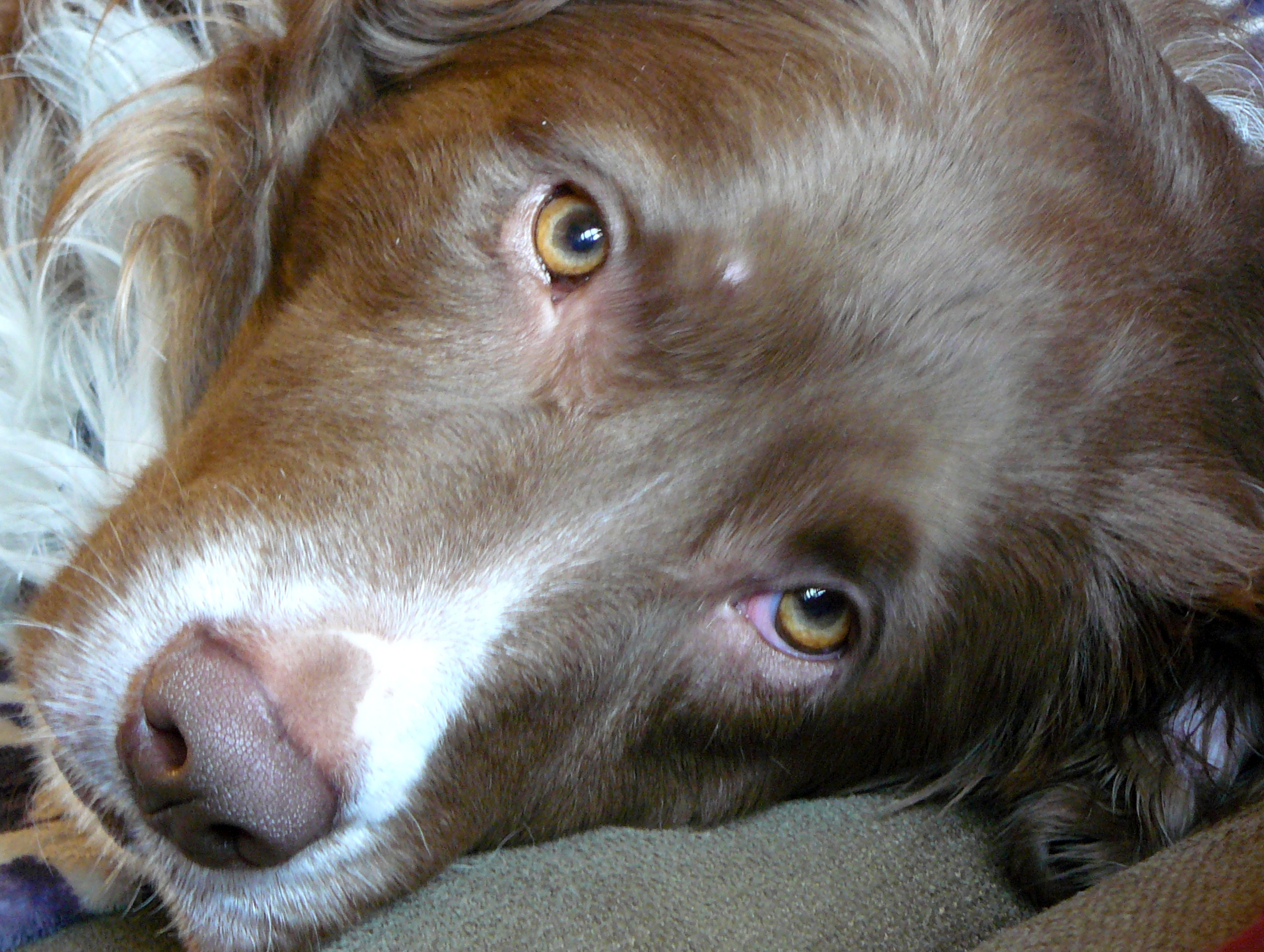 Talk about the power of non-verbal communication!
ooOOoo
I will never, ever get tired of looking at the face of such a gorgeous, loving dog as our dearest Oliver. Never; Ever!


