Previously, I have mentioned the authors’ group AIM, that meets monthly in Grants Pass.
One of the authors is Frank Morin and he and I have a monthly chit-chat lunch together. Not so long ago, Frank posted a link on his Facebook page to the following video that shows the truth about Pit Bull dogs.
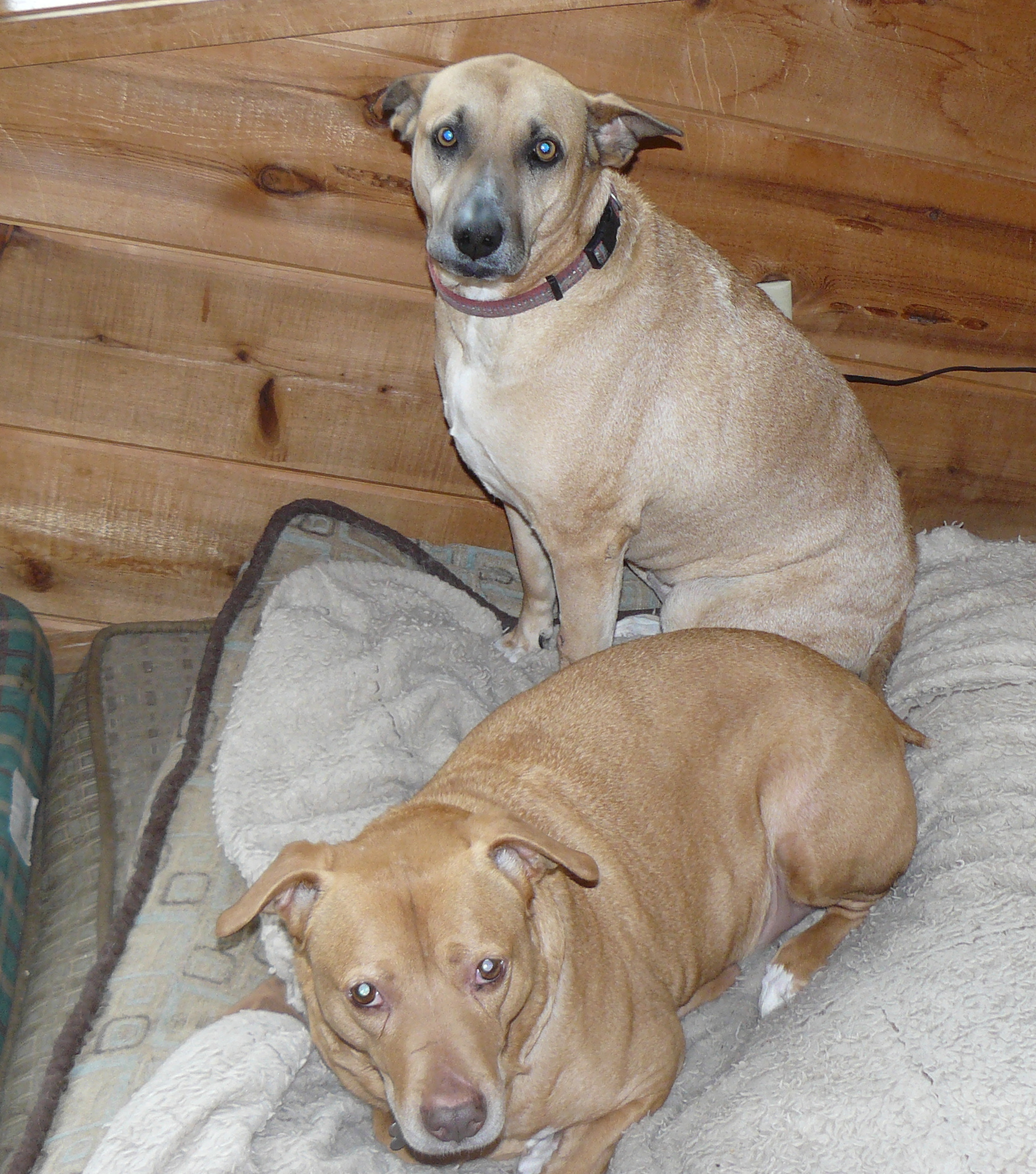
We have a Pit Bull here at home. His name is Casey and he is the perfect gentleman. You would never know that he was in a care centre for over a year because no one would give him a home, for there is not an emotional scar on him!
Casey, in the foreground, sharing Ruby’s bed as they are great friends.
Please ensure you and your dogs have a great weekend.
Continuing the message of that special bond between us humans and our dogs.
Yesterday’s post regarding the dog saved from the Texas floods came to mind when earlier today (Tuesday) I was reading the Fall issue of The Bark magazine.
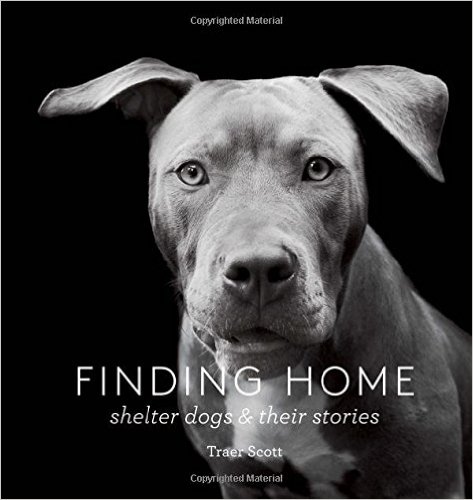
Cover of the Fall 2015 issue.
Reading the magazine took me across to The Bark website and from there I ended up reading about dogs being mentioned in people’s obituaries. Here’s a snippet of that article:
Dogs in Obituaries
Included as cherished family members
Karen B. London, PhD | September 18, 2015
It’s been a long time since the majority of people with dogs considered them property, but the inclusion of them in the celebrations and events of life associated with family continues to grow. Birthday parties and gifts for dogs have become increasingly common in recent years, and the number of dogs included in family photos or in signatures on greeting cards is bigger than ever. It’s really old news to say that many people consider dogs to be family members, but interesting studies of the ways in which that’s true continue to be published.
Earlier this year, a study called Companion Animals in Obituaries: An Exploratory Study was published in the journal Anthrozoös. The study illuminated the importance of companion animals, including dogs, based on the frequency and manner in which they were mentioned in obituaries.
Another article in that same issue of The Bark was by photographer Traer Scott. Scott is the author of the book Shelter Dogs and has just launched a new book called Finding Home: shelter dogs & their stories. (Her blogsite is here.) As is detailed on her website:
Traer Scott is an award winning fine art and commercial photographer and author of six books including “Nocturne: Creatures of the Night” (Princeton Architectural Press, 2014) and her newest release “Finding Home; Shelter Dogs and Their Stories” (Princeton Architectural Press, Fall 2015). Her work has been exhibited in several countries and featured in National Geographic, Life, Vogue, People, O, on the NY Times Lens Blog, “Behold” and dozens of other national and international print and online publications. Her first solo museum show Natural History opens at the University of Maine Museum of Art in October 2015. Traer was the recipient of the Rhode Island State Council for the Arts 2010 Photography Fellowship Grant and the 2008 Helen Woodward Humane Award for animal welfare activism. She lives in Providence, Rhode Island with her husband, daughter and adopted dogs: a pit bull and a baby basset hound.
A quick mouse-click took me to Amazon and to Scott’s latest book. Where one reads:
Bold, retiring, serious, sparkling, quirky, or lovable—the dogs in Traer Scott’s remarkable photographs regard us with humor, dignity, and an abundance of feeling. Scott began photographing these dogs in 2005 as a volunteer at animal shelters. Her first book, Shelter Dogs, was a runaway success, and in this follow-up, Scott introduces a new collection of canine subjects, each with indomitable character and spirit: Morrissey, a pit bull, who suffered from anxiety related behaviors brought on by shelter life until adopted by a family with four children; Chloe, a young chocolate Lab mix, surrendered to a shelter by a family with allergies; Gabriel and Cody, retired racing greyhounds; and Bingley, a dog who lost his hearing during a drug bust but was brought home by a loving family that has risen to the challenge of living with a deaf dog. Through extended features we become better acquainted with the personalities and life stories of selected dogs and watch as they experience the sometimes rocky and always emotional transition to new homes. The portraits in Finding Home form an eloquent plea for the urgent need for more adoptive families, as well as a tribute to dogs everywhere.
Further down that Amazon page there was a review by The Bark magazine and what they wrote is the perfect way of heading to the close of today’s post. [My emphasis]
“Photographer Traer Scott follows up her groundbreaking book Shelter Dogs with a new work of equal grace and sensitivity. The portraits in Finding Home not only showcase a collection of canines with indomitable character and spirit, they are also an eloquent plea for more adoptive families, and a tribute to all dogs everywhere.” – The Bark
Please, howsoever you can, share the benefits of adopting a dog from your nearest animal care centre.
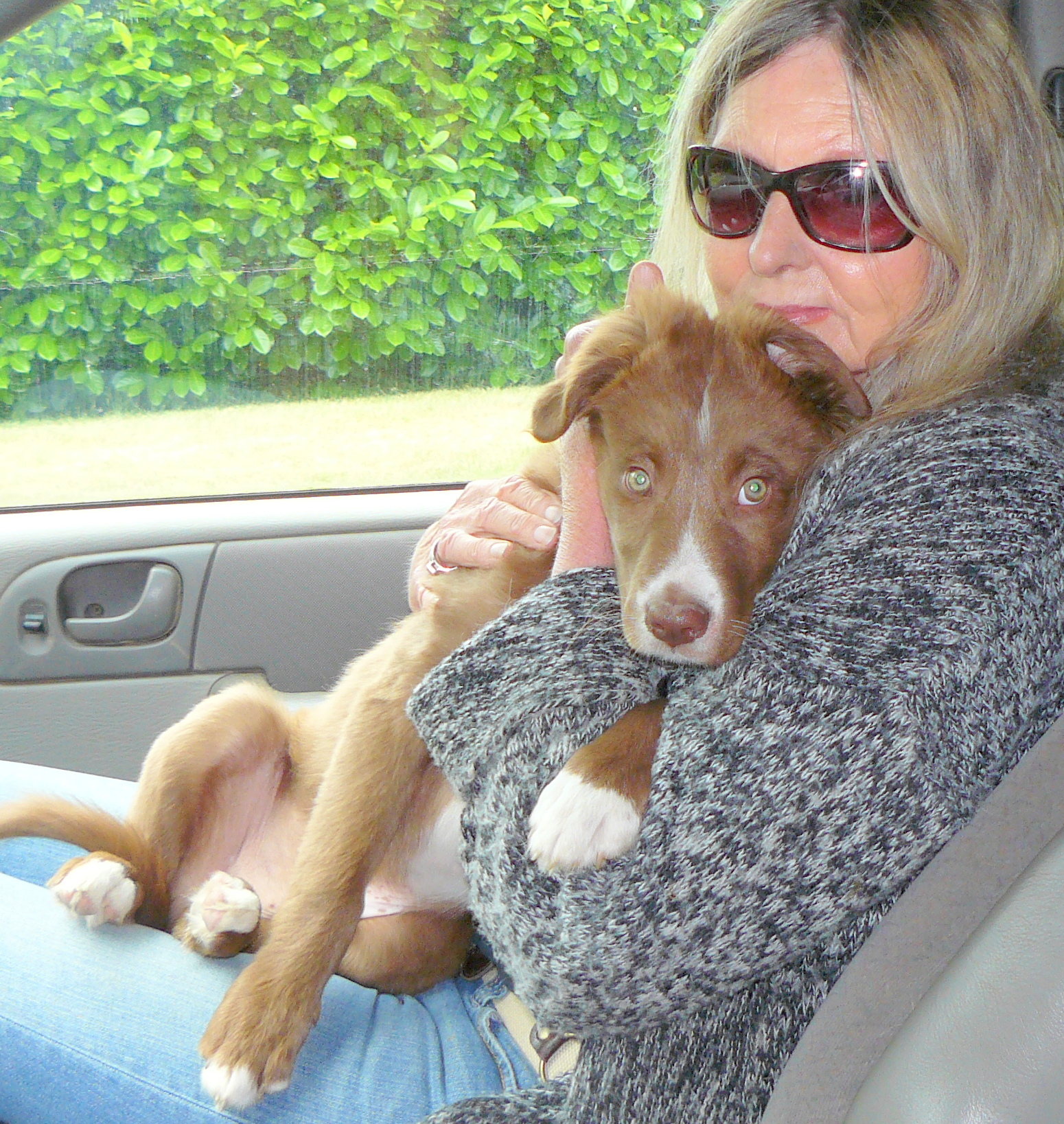
Proof positive of the love that flows between Jean and our Oliver.
We can never be reminded too often of this most special bond.
Again, the pressures of the book and the fact that Jean and I were away from the house until early afternoon, made it difficult for me to spend time writing a post from scratch.
Then in my blog folder, I saw this lovely story reported by the British Daily Mail newspaper; to be honest, probably quite some time ago.
But so what!
The bond between humans and dogs is timeless.
ooOOoo
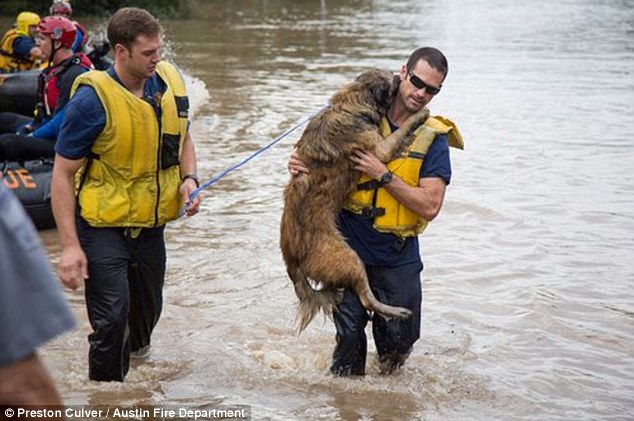
Touching moment as firefighters save this dog from flood waters.
Two firefighters with the Austin Fire Department were pictured saving a dog from flood waters in central Texas yesterday.
The department posted the picture of firefighters Matt Harvey and Michael Cooper with the animal to their Facebook page, saying: ‘We don’t just rescue two-legged victims…we love our four-legged friends as well.”
The animal looks like it’s been through a lot, and clings to one of the firefighters as if they’re hugging.
There was a bonus in waiting a while before publishing this. For the story of the dog being reunited with its owner made television news.
You may recall that back on the 15th of this month, I posted a Note to Readers that spoke about my need to be focused on the editing of my manuscript. Here’s part of that note:
Dear readers, we are talking hours of revisions that I need, and want, to make.
All of which is my way of saying that if my posts over the next couple of weeks more strongly lean on the republishing of other material then you will understand why. In all cases I will endeavour to republish articles that are likely to interest you, of course!
Late yesterday, I completed the many revisions to the manuscript recommended by Joni Wilson but still have more days of formatting changes ahead.
Thus another republication of an item, this time an article that appeared on the Smithsonian website.
ooOOoo
Domestication Seems to Have Made Dogs a Bit Dim
Thanks to their relationship with us, dogs are less adept at solving tricky puzzles than their wolf relatives
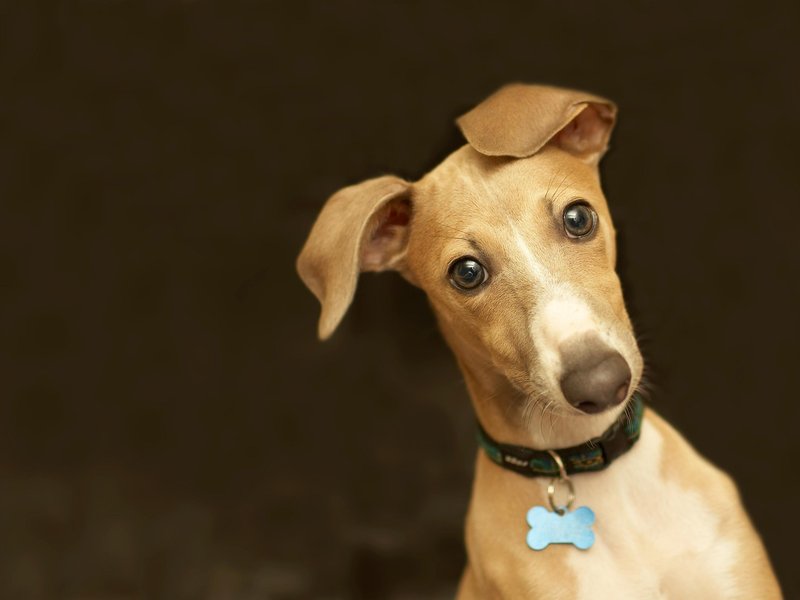
It’s OK, buddy. We’re here to help. (stelo/iStock)
By Rachel Nuwer, smithsonian.com, September 15, 2015
Dogs are considered some of the most intelligent animals on the planet. Thanks to a relationship with humans that dates back tens of thousands of years, dogs can respond to emotions, recognize numerous words and be trained to follow commands.
Notably, these seemingly smart accomplishments all hinge on the partnership between our two species. Now, however, tests of canine problem-solving skills indicate that dogs rely on humans so much that we actually seem to be dumbing them down.
Most studies that investigate dog intelligence assume that certain interactions with humans are indicative of higher cognitive function. In one experiment, for example, dogs and human-socialized wolves were presented with a canine version of the Kobayashi Maru — an unopenable box that contained food.
When confronted with a difficult task, dogs often turn to us—their human masters—for guidance, indicating their puzzlement with a cock of the head and eyes that seem to implore for help. Indeed, the dogs in the study quickly gave up and simply stared at the nearest human. The wolves, on the other hand, sought out no such help and persisted at trying to solve the impossible puzzle on their own.
Researchers usually interpret such findings as a sign of dogs’ intelligence; the wolves kept trying to win the no-win scenario, while the dogs knew that humans could help out with tasks they themselves could not solve.
But depending on humans for help is not necessarily a cognitive asset, points out Monique Udell, an assistant professor of animal and rangeland sciences at Oregon State University.
If dogs only turn to humans when presented with an impossible task—not a solvable one—then their “look back” behavior would indeed be advantageous. On the other hand, if they simply throw their paws up at the slightest hint of cognitive challenge, then that could indicate “a conditioned inhibition of problem-solving behavior,” as Udell puts it. Like a child whose parents always give away the answers to homework, dogs may be overly reliant on us, she surmised.
To test this hypothesis, Udell presented ten pet dogs and ten human-socialized wolves with a solvable puzzle. Sausage was placed inside a sealed plastic tub with a lid that included a bit of rope. With some paw and mouth finagling, the lid could be opened.
She also included ten shelter dogs in the study, because past research shows that shelter dogs are initially less responsive to humans compared to established pets. These animals acted as a sort of intermediary between hyper-socialized dogs and wolves.
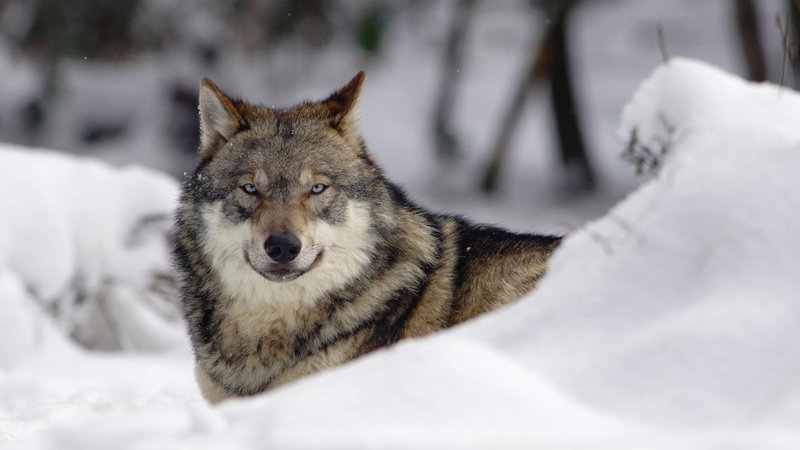
Crazy smart, like a wolf. (Kaphoto/iStock)
Udell presented the canines with the puzzle box both in the presence of humans—an owner, caretaker or familiar person—and without any person nearby. Each time, the animals had two minutes to figure out how to get at the sausage. Subjects that failed in both trials were given a third and final try in which they also received verbal encouragement from their human friend.
Udell’s findings, reported today in the journalBiology Letters, were telling. In the presence of humans, just one pet dog and none of the shelter dogs managed to open the box. Eight out of ten of the wolves, however, succeeded in enjoying the sausage treat inside.
Wolves also spent more time chipping away at the problem and more time staring at the box, as if working out how to open it. Both pet and shelter dogs, on the other hand, did the opposite—they gave up more quickly and stared at humans instead of the box, seemingly asking for help.
When humans were not around, the findings were similar—nearly all of the wolves figured out how to open the box, while just one shelter dog and no pet dogs succeeded. In the third and final trial, dogs that had failed in both of the prior tests performed a bit better when humans encouraged them.
With some human cheerleading, four of nine shelter animals and one of eight pet dogs opened the box, and all spent more time trying to open the box and looking at the box than they did when they were either alone or when their human friends remained silent.
Udell’s results indicate that dogs do seem to be overly dependent on us compared to their wild relatives, although the cause of this—whether biological, environmental or both—still needs to be worked out.
Lucky for pet pooches, however, we humans will no doubt always be there to help them navigate all of life’s tricky plastic containers.
Picking up on that last sentence, luckily for us humans our dogs will always be there to help us in innumerable ways, especially giving us unconditional love.
I came across the following video as a result of my brother-in-law, Warwick Hamilton, posting it on his Facebook page. In turn, it had been published by Jason Fechner on his FB page, describing it:
Your Tuesday Moment of Zen — Diesel, the English Bulldog who has found a new toy… and won’t let go! 🙂
In contrast to yesterday’s post highlighting the disgusting way humans kill wildlife, today is all about humans saving life. Specifically, the life of a seven-year-old French bulldog.
I came across a news item reported by Citynews in Canada on the BBC News website. This is how the news story opened:
Air Canada flight diverted to save dog from freezing
16 September 2015
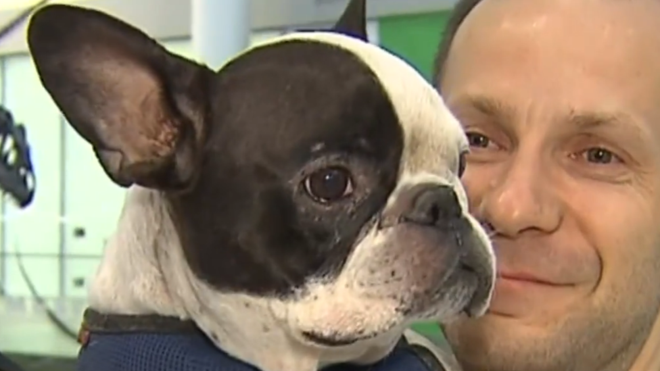
Picture copyright CityNews, Toronto.
An Air Canada flight was diverted after the pilot realised that a cargo hold heating unit failed, threatening the life of a pet dog.
Simba, a seven-year-old French bulldog, was riding in the cargo hold where – without heating – temperatures can become very cold at high altitude.
The Sunday flight from Tel Aviv, Israel, to Toronto, Canada, and was diverted to Frankfurt, Germany.
It was then a simple process to go to that CityNews website in Canada and read the original story. It contained these delightful messages:
With the dog’s well-being in peril the pilot decided to land the plane in Frankfurt, Germany.
Simba was placed on another flight and the plane continued on to Toronto.
The dog’s owner was more than grateful.
“It’s my dog, it’s like my child. It’s everything to me,” he said after they were reunited at Pearson Airport.
Aviation expert Phyl Durby said the pilot made the right call, despite tacking on about $10,000 in fuel costs and delaying the flight by 75 minutes.
“If you look at the outside temperature, if it’s minus 50 or 60, there is some insulation but it will probably still get down to below freezing (in the cargo area),” Durby said.
“The captain is responsible for all lives on board, whether it’s human or K-9.”
The owner of the dog, German Kontorovich, was thankful for the pilot’s rapid actions, “It’s my dog, it’s like my child. It’s everything to me,” Mr Kontorovich told the Canadian news website CityNews.
To close today’s good news story, watch the following:
A smart partnership introduces hard-to-home dogs to high-energy humans.
Note to Readers
Last week I completed the final edit of my book of the same name as this blog, Learning from Dogs. I am learning the truth of what one experienced author said to this new author and that was that writing the book is the easy part! For the next stage is the professional editing of the manuscript. I was previously referred to Joni Wilson and I am so pleased that she is undertaking the task. Well, I think I am pleased! 😉 That last sentence comes from me utterly misjudging just how much work is being created for me as I start to go through hundreds, literally, of ‘recommendations’ from Joni. Dear readers, we are talking hours of revisions that I need, and want, to make.
All of which is my way of saying that if my posts over the next couple of weeks more strongly lean on the republishing of other material then you will understand why. In all cases I will endeavour to republish articles that are likely to interest you, of course!
So with those words in mind, here is another article from Mother Nature Network that stays with yesterday’s theme of adopting those dogs that are not necessarily the easiest to so do.
ooOOoo
Outdoorsy dogs find their perfect matches
A smart partnership introduces hard-to-home dogs to high-energy humans.
By: Jaymi Heimbuch, September 11, 2015
Anniston is on her way to her new home, thanks to a brilliant campaign to match high-energy dogs with high-energy humans. (Photo: Ruffwear)
A couple weeks ago, Outdoor Retailer held an adoption event for shelter dogs. But it wasn’t just any event — this was specifically for high-energy, adventure-loving dogs seeking high-energy, adventure-loving humans. This matchup can be tough to find at a rescue or shelter, but what if the adoption event takes place where outdoorsy folks shop? Wouldn’t the potential for love at first wag be higher? It turns out that’s exactly what happens.
Ruffwear and Best Friends Animal Society created the Ruff Adventure Dog Adoption Program to place usually hard-to-home dogs — dogs that need a lot of exercise and outdoor activity and require a home with someone who wants a companion for trail runs, hiking, camping and other fun activities. They put the program to the test at Outdoor Retailer.
Among those who found a home are:
Jennifer finds Krone
Jennifer and Krone bond after meeting at an Outdoor Retailer event. (Photo: Ruffwear)
Huck finds Gerald
It’s a match made in outdoor-loving heaven for Huck the dog and Gerald, his new owner. (Photo: Ruffwear)
Niko finds his future parents
A future of happy tail-wagging adventure awaits for Niko, the black and white dog pictured at left. (Photo: Ruffwear)
“Over the course of two days, Best Friends’ Salt Lake City partner, Rescue Rovers, brought in eight fresh air-seeking, adventure-ready dogs to the Salt Palace. [I]t wasn’t long before people stopped by the Ruffwear booth to hand in their adoption requests. Of the eight dogs who attended, six were adopted,” says the press release from Ruffwear.
“People expect us to have dogs at the booth, and they’re always a draw. But we had no idea how receptive show attendees would be to actually adopting these dogs. Rescue Rovers did a great job bringing dogs that would pair well with our active, outdoorsy crowd. I think the first application came in just hours after the dogs arrived and by the end of the first day, nearly all dogs present had applications pending; it was amazing,” said Greg Freyberg, Ruffwear’s Brand Manager.
The happy tale doesn’t end with this event. Ruffwear and Best Friends continue to match these trail-loving dogs with their perfect humans. Since the program launched in May, 13 dogs have been matched, with Ruffwear covering the cost of adoption fees as well as airfare to get the dogs to their new homes.
Check out this super feel-good video explaining the adoption partnership and the wonderful service it provides to high-energy dogs:
ooOOoo
Once again, remember: Don’t Shop: Adopt!
Now where was I an hour ago???
“they” is plural, but in the previous sentence you have “dog” which is singular, so I changed this to be singular.
—
The word “over” usually has to do with physical properties—the cow jumped over the Moon, or standing over something.
—
Fast forward without a hyphen is a noun, while the hyphen makes it a verb
Ernest Hemingway apparently stated, “There is nothing to writing. All you do is sit down at a typewriter and bleed.” Well, Mr. Hemingway is correct in that while the apparatus of typing has changed out of all recognition since his days, the bleeding has not!
We have always adopted dogs on the basis of their need, never letting age come into it. In the years before I knew Jean she was rescuing dogs off the streets of Mexico, again without regard to breed, age, condition or temperament.
So this recent article on Mother Nature Network struck me as important. Please share it.
ooOOoo
Don’t be afraid to adopt an older dog, says photographer
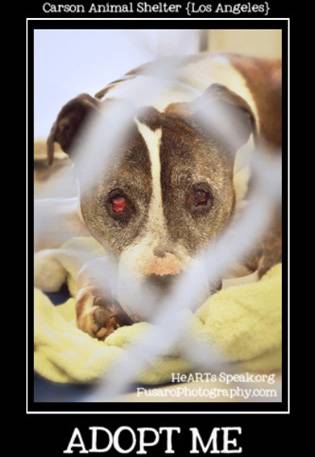
An abandoned dog named Sunny made Lori Fusaro realize that ‘no dog should die alone’ and inspired her to start a photography project to benefit senior pets.
By: Laura Moss, July 22, 2013
Photo: Lori Fusaro
The hardest part of loving a pet is having to say goodbye. That’s why the idea of adopting an older animal made dog lover Lori Fusaro so uneasy.
“I thought it would just be too sad and painful,” Fusaro told Today.com, “I didn’t think my heart could take it, so I wasn’t willing to open myself up.”
But that all changed in June 2012 when Fusaro met Shady while she was photographing dogs at the South Los Angeles Animal Shelter. Shady was 16 years old with infected eyes and a large cancerous tumor on her leg.
“She was so sad and depressed. She wouldn’t even lift her head for a treat. I didn’t think I could adopt her and I left the shelter without her. But her face never left my mind. She kept popping into my thoughts.”
As she contemplated adoption, Fusaro sought out more information on the dog.
“I thought Shady was a stray that found her way into the shelter,” she wrote on her blog. “Turns out I was wrong. Living her entire life with a family and then dumped because she was too old. With this new information, her face haunts me even more.”
Fusaro couldn’t stand the idea of the gentle dog dying alone, so she took her home and changed her name to Sunny.
“I always come back to the idea that no dog should have to die alone. Even if she got just two months of joyous, happy life, it’s worth it for my heartbreak,” she said.
Watching Sunny transform from an anxious shelter dog into the happy family member she is today inspired Fusaro to start Silver Hearts, a photography project that showcases senior pets and the joy they bring to people’s lives.
“When I realized that there were probably hundreds of Sunnys languishing in shelters, I knew I had to do something about it. Silver Hearts became a way that I could use my photography to show these dogs as loving, happy souls that have a zest for living and deserve to spend their golden years in a loving home.”
Fusaro visited families across the United States to photograph their dogs and share their compelling stories. Many of the dogs were taken to shelters because they got sick or old or because the families could no longer afford to care for them.
Although older dogs are often calmer — and already house-trained — they’re typically the highest-risk animals in a shelter. Fusaro hopes her photographs can help change that.
She launched a Kickstarter campaign to try to raise money to self-publish the book, but failed to make the fundraising goal. Fusaro is now considering other methods of publication.
“When I look back at my unwillingness to adopt an older dog, it was more about my own selfishness — about not wanting to feel that pain, not wanting to make hard decisions,” Fusaro said. “But every dog is important. Every dog deserves a home. I finally just boiled it down to love. That’s the most important thing.”
Lori explains why she photographs senior dogs in the video below.
ooOOoo
Abandoned and homeless dogs so desperately need the love of caring owners.
As many know, yesterday was the fourteenth anniversary of when those two planes struck the towers of the World Trade Centre. Thus it seemed beautifully appropriate to recognise the life of the last living 9/11 rescue dog by republishing the article just published on Mother Nature News.
ooOOoo
Last living 9/11 rescue dog rewarded with epic day
Bretagne traveled to NYC to be honored for her weeks of service at Ground Zero.
By: Laura Moss, September 11, 2015.
At 16, Bretagne is a senior dog, but that hasn’t slowed her down. She now volunteers at schools. (Photo: BarkPost)
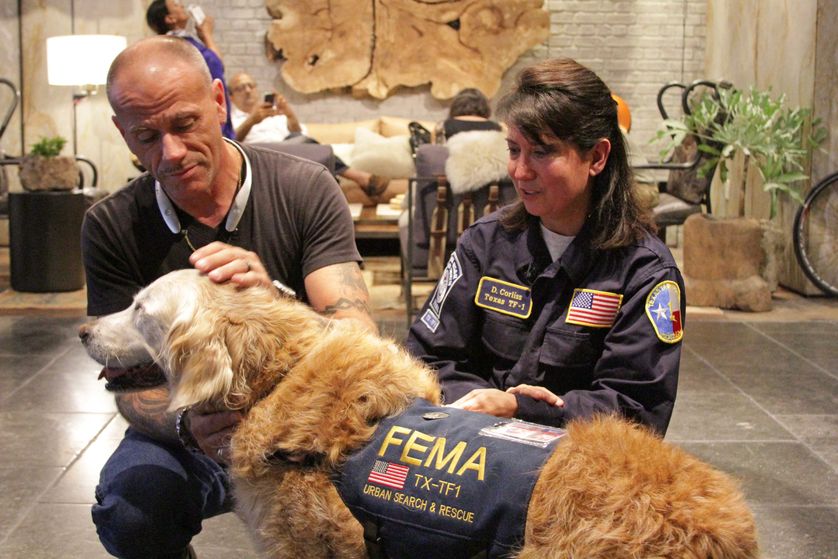
About 100 search-and-rescue dogs scoured the twisted steel beams and crumbled concrete of the World Trade Center in the aftermath of the 9/11 attacks, and today, Bretagne (pronounced “Brittany”) is the last known living 9/11 search-and-rescue dog. And she just had the best day ever.
To honor Bretagne for her service and celebrate her 16th birthday, BarkPost teamed up with the dog-friendly 1 Hotel Central Park to give the golden retriever a “Dog’s Best Day” that included a full day of treats and activities in New York City.
When Bretagne arrived in New York with her owner and handler Denise Corliss, she was greeted by a personalized billboard in Times Square.
Photo: BarkPost
Then she was off to play in the water at Hudson River Park, where she was presented with the doggie version of the Key to the City.
Former search-and-rescue teammates attended Bretagne’s sweet-16 party later that day, where she received a variety of toys and treats — and her very own birthday cake.
Photo: BarkPost
Corliss was also presented with a $1,000 donation for Texas Task Force 1, Bretagne’s search-and-rescue team, which is the most active one in the country.
In addition to her recovery work at Ground Zero, Bretagne and Corliss also worked in New Orleans following Hurricane Katrina, and today, the senior dog serves her community by volunteering at school programs that teach children to read.
Corliss adopted Bretagne as an 8-week-old puppy in 1999, and after undergoing rigorous training, the two joined Texas Task Force 1. Their first deployment was to Ground Zero, where a search for survivors quickly turned into a search for human remains.
Bretagne with a firefighter and her owner and handler, Denise Corliss during her “Dog’s Best Day.” (Photo: BarkPost)
For two weeks, the golden retriever tirelessly worked 12-hour shifts at the former site of the World Trade Center, and one day, Bretagne walked away from Corliss, ignoring commands to come back. The 2-year-old dog made her way to a firefighter sitting on the ground, laid next to him and put her head in his lap.
“When we deploy to some of the disasters, what I didn’t anticipate is the role that they take on as a therapy dog,” Corliss told BarkPost. “It provides an opportunity for people to have support from the dog and comfort from the dog in a real difficult environment.”
Watch Bretagne enjoy her best day in the video below.
ooOOoo
Don’t these wonderful, fabulous animals just make your heart ache!
Jean and I salute Bretagne and all the other Search & Rescue dogs both here in America and all around the world.
The wonderful way that animals have evolved to survive life on the go.
It is very easy to look at our wonderful domesticated dogs and forget that genetically they are still very much hunting dogs. Of all the dogs that we have had Dhalia seemed the most closely connected with those instincts, and she is still missed more than a year after she died. So much so that I’m going to republish part of the post that commemorated her life just after she died. Here it is:
Dhalia, as with so many other dogs, offered lasting lessons. April 8th, 2014
Inevitably, as Jean and I went around our ‘stuff’ yesterday after burying Dhalia in the morning, there were moments of quiet contemplation and gentle discussion. Interludes over a hot drink where we reflected on the special dog that she was.
Much has already been written in this place but there can’t be too many reminders for us quirky humans of how valuable are the qualities of trust and love given to us by our dogs.
We need reminding how dogs are so intuitive and can reach out to a stranger without a moment of hesitation. As Jean described when recalling how she first came across Dhalia.
Dhalia – domesticated but still the wild dog shows through.
It was a Sunday around the middle of the month of September in the year 2005. My friend, Gwen, and I had set off for La Manga, a small fishing village three miles from San Carlos, Mexico. As the trip would take us through areas of desolate desert and the day was forecast to be a sizzler, we left early. The purpose of the journey was to feed a pack of dogs that were living on the outskirts of La Manga. These wild dogs were gradually getting used to our presence and with the aid of a humane trap we had previously caught two of them, a small puppy and her mother. Those two dogs were at my home and were gradually becoming tame so that good homes could be found for them.
Half-way to our destination, we saw two dogs running by the side of the road. It wasn’t unusual to see strays searching for road-kill. I stopped the car and prepared food and water for them. One dog took off almost immediately but the other just stood perfectly still looking intently at me. She was rail-thin and full of mange. Her ears and chest were scabbed with blood, and I could see that previously she had had pups. Tentatively, I pushed the food towards her. She took a bite and sat on her haunches; her eyes never leaving mine. Then she lifted a paw and reached out to me. Immediately, I burst into tears and scooped her into my arms. I carried her back to the car where she lay quietly in my lap whilst we went on to do our feeding. She was bloody and very smelly. However, I didn’t care.
Dhalia was always a gentle dog. One that would mix with any of the other dogs. A dog that loved people, of all types and ages.
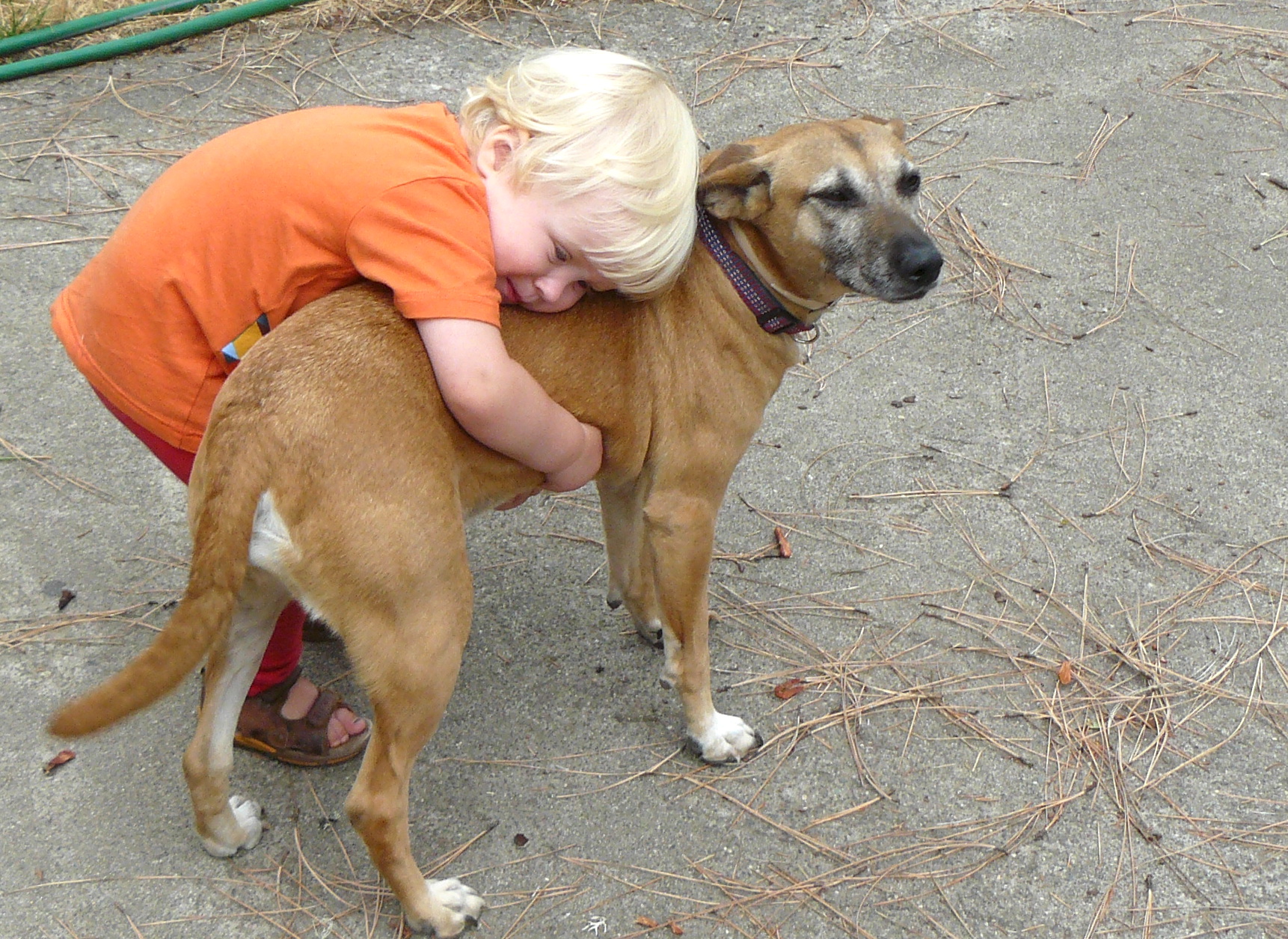
Love and Trust – Grandson Morten hugging Dhalia, September 2013.
The reason that my post from last year came to mind was as a result of a recent article on The Conversation blogsite. It was called Motion dazzle: spotting the patterns that help animals outsmart predators on the run and seemed ideal to share with all you good people who support this place.
ooOOoo
Motion dazzle: spotting the patterns that help animals outsmart predators on the run
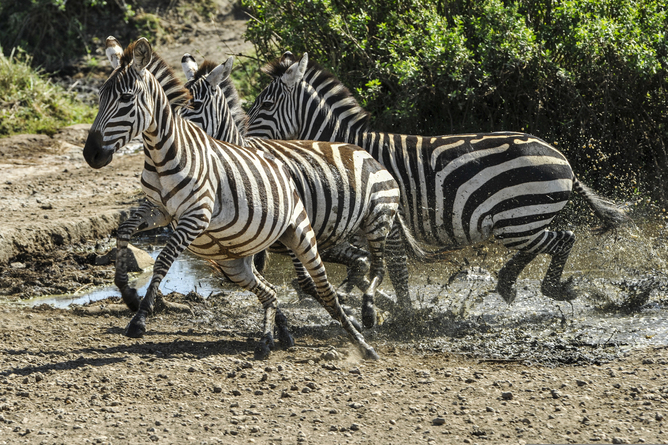
Zebra are seen running at the Serengeti National Park in Tanzania Nov. 14, 2013. (U.S. Navy photo by Mass Communication Specialist 1st Class Eric Dietrich/Released)
Many animals use the colours and patterns on their bodies to help them blend into the background and avoid the attention of predators. But this strategy, crypsis, is far from perfect. As soon as the animal moves, the camouflage is broken, and it is much easier for a predator to see and catch it. So how do animals protect themselves when they’re on the move?
Researchers are exploring whether high-contrast patterns during motion, such as stripes and zigzags, may be distorting the predator’s perception of where the animal is going. But, as little is known about such “motion dazzle”, we have built an online game to help shed light on it.
Lessons from war
The idea is that it may be more effective for animals to focus on preventing capture, rather then preventing detection or recognition, is actually more than 100 years old. It was naturalist Abbott Thayer who suggested that high-contrast patterns may distort the perceived speed or direction of a moving object, making it harder to track and capture.
Such motion dazzle patterns were actually used in World War I and II, where some ships were painted with black and white geometric patterns in an attempt to reduce the number of successful torpedo attacks from submarines. However, due to many other factors affecting wartime naval losses, it is unclear whether motion dazzle patterns actually had the desired effect.
HMS Argus displaying a coat of dazzle camouflage in 1918. wikimedia
What about the natural world? Zebras have bold stripes, and scientists have debated the function of their patterns since Darwin’s time. A recent modelling study suggested that when zebras move, their stripes create contradictory signals about their direction of movement that is likely to confuse predators. There are potentially two visual illusions responsible for this, which could form the basis of motion dazzle effects: the wagon wheel effect and the barber pole illusion.
The wagon wheel effect is named after Western movies, where the wheels on wagons often appear to be moving backwards. This is because the visual system takes “snapshots” over time and links them to create a continuous scene, in the same manner as recording film. If a wheel spoke moves forward rapidly between sampling events, it will appear to have moved backwards as it will be misidentified as the following spoke.
The barber pole illusion (also known as the aperture effect) occurs because the moving stripes provide ambiguous information about the true direction of movement. These illusory effects produced by stripes could therefore lead to difficulties in judging the speed and movement of a moving target. However, the zebra study was entirely theoretical and didn’t test whether striped patterns actually affected the judgements of real observers.
Dazzle Bug
Surprisingly, the first experimental tests of the effectiveness of motion dazzle patterns weren’t carried out until recently. Some studies have shown that strikingly patterned targets can be more difficult to catch than targets with other patterns in studies using humans as “predators” playing touch screen computer games. However, other studies have found no clear advantage for motion dazzle patterns So although patterns can affect our perception of movement, it’s still not clear which are most effective at doing so.
Can you see the spider? Crypsis can be pretty effective – as long as you don’t move. J Kelley, Author provided
We are addressing the question of which patterns are best for avoiding predators during movement using Dazzle Bug – an online game that asks players to imagine themselves as a predator, trying to catch a moving bug as fast as possible. Each bug has a different body pattern as well as a random pattern of movement. Bugs with easy to catch patterns will disappear, whereas those that are particularly tricky to catch will survive ––just like in nature. Over time, the patterns on the bugs’ body will evolve so that they become harder to catch with each successive generation.
This citizen science project will allow us to see what patterns are most effective at evading capture. We can then use these results to look at what visual effects these patterns have, and to see whether these patterns match up with those found on real animals in the wild.
Our findings will offer insight into the role of stripes, which are common in many species. While these patterns may have evolved to confuse the visual perception of a predator, they may also be a result of other selection pressures, such as attracting a mate or regulating body temperature. If striped patterns survive and evolve in the game, this would provide strong evidence that these patterns do act to confuse human predators, perhaps by producing the illusions described above. As motion perception seems to be highly conserved across a wide range of populations, these illusions may occur for many other predators too.
If we find that patterns other than stripes – such as speckles, splotches or zigzags – are most effective in preventing capture, this then leads to new and interesting questions about how these patterns may act to confuse or mislead. Whatever the outcome, Dazzle Bug will provide insight into how bodily patterns may have evolved to help animals to survive life on the go.









 Learning from Dogs