John, he of the blog site The Superstitious Naked Ape, recently sent me this appeal. I am very pleased to republish it here.
ooOOoo
Hello,
When I started Mercy For Animals nearly 20 years ago, I was a kid from the Midwest with a big dream and an unwavering determination to help animals. Building MFA was not easy. Our first meeting had three attendees. We had no money. But as we grew, I surrounded myself with incredible supporters like you, passionate volunteers, and committed colleagues.
MFA is the most meaningful endeavor of my life so far. My journey has been moving and inspiring. Working alongside such brilliant colleagues and implementing our shared vision of a kinder world for farmed animals has been an honor. Together, we have built MFA into the powerful organization it is today—one that achieves groundbreaking successes as the result of teamwork.
As MFA has grown in the past few years, I’ve found the personal and creative space to think about how I can best continue to shape our movement—and help more animals. This space led me to launch Circle V, the first vegan animal rights music festival, and to conceptualize and co-found The Good Food Institute, an organization that supports innovation in food and science to produce alternatives that are superior to animal products.
I’ve determined that I can be most effective right now by helping launch exciting new companies and initiatives. This means remaining in this creative, big-picture space and handing over much of the day-to-day operations at MFA to other skilled and respected leaders within the organization.
I’m proud to announce that our executive vice president, Matt Rice, has been promoted to president of MFA. I will continue to serve MFA as chair of the board of directors and will remain intimately involved in strategic decisions as the organization’s founder.
For more than 15 years, Matt Rice has been a central leader in the animal protection movement. He shares my vision for MFA and has implemented it with determination, tireless dedication, and compassion for animals and people.
Matt began in MFA’s New York office carrying out grassroots outreach before being promoted to director of operations. He later moved to Los Angeles to take over as director of investigations, working closely with our brave undercover investigators. Matt has overseen many of MFA’s biggest cases, most successful campaigns, and other victories. As executive vice president, he has overseen all departments.
Click below to watch a video about Matt and MFA’s priorities for 2018.
Matt is steadfast in his commitment to MFA. He is an ideal team player with sound judgment—a true powerhouse for animals. I trust him completely.
Matt is already working with other senior MFA leaders to implement new systems and structures, and we will launch compelling new campaigns this year. Matt is supported by a team of some of the best activists I’ve ever met.
I know that MFA will continue to break barriers and exceed expectations worldwide. Much remains to be done for animals, but we’ve proved time and again that for a movement built on love and persistence, no company is too powerful, no factory farm too big, and no government too mighty.
I’ve never been more optimistic about the future of MFA and our movement. Our greatest victories are still ahead.
Nathan Runkle
Founder
ooOOoo
Let me add that there is much information about the charity on WikiPedia, from which I quote a little:
Mercy For Animals (MFA) is an international non-profit organization dedicated to preventing cruelty to farmed animals and promoting compassionate food choices and policies, founded in October 1999. Nathan Runkle is the group’s executive director and founder.[1] Focusing primarily on advocacy on behalf of farmed animals, MFA runs a number of campaigns that aim to educate the public on animal protection issues and to encourage them to adopt a vegan diet.[2] It has engaged in several undercover investigations, primarily of egg farms, and has produced television commercials showing the treatment of animals in slaughterhouses and factory farms.[3] MFA is headquartered in Los Angeles.
Sometime over the next few days I will write a post about an amazing connection that Jean made, via Richard in England, with Colin Potter. He is the founder of the site Fight Parkinson’s.
It is mentioned as an introduction to today’s post because Colin stresses the critical importance of the right diet for us humans.
But now I want to go straight to a guest post sent to me by Kathreen Miller on the topic of diet for our dogs.
ooOOoo
Is Organic Food Really Good For Your Dog To Eat?
by Kathreen Miller
If you are searching for information related to organic food for dogs, then you’re probably a firm believer in animal rights and how food affects their health. . Maybe you are also considering how your dog will follow a vegan diet. Or how an organic diet can help improve your pet’s health?
You must understand that dogs require protein-rich foods. Therefore, you should look for balanced and high-quality food so that your pet’s health is not deteriorated. A low intake of protein in your pet could result in anemia which again causes joint pain in dogs.
Pet Bounce is one of the best dog pain medications to allefviate the joint pain in pet dogs.
Therefore, read this article to get information about organic food for a dog and how to make it a part of their regular diet. You might have some questions in your mind. You might think how can you make your dog eat organic food? Is it good for dogs? Before you start such kind of diet for your pet you need to do some research.
Consult a veterinary doctor and speak to him/her about the deficiency and advantage of an organic diet. You need to understand that the stomach of dogs is fragile. An instant change in the diet of a dog makes them suffer from diarrhea or bad breath. The change of diet in your dog should be slow.
If you are starting with organic food for your pet, then initially you need to give them organic food once a week. This will make your dog habitual and accustomed to organic food.
During this time period, you need to ensure that your dog gets a mix of normal as well as organic diet. Then after a considerable period of time, slowly increase the organic food proportion, and finally making it one hundred percent.
Besides, if you are considering about giving your dog the homemade diet then you must know which vegetables and fruits aren’t consumed by your dog. This is of utmost importance as a few vegetables can be toxic to your dog’s digestion. Visit a professional canine nutritionist to receive expert guidance. Also take your dog for health checkups.
This is to make sure that your dog will eat their new food and does not suffer from any diseases.
Why is Organic Food Important for Your Dog?
It is correct, that organic food for dogs is created with natural methods and does not contain any type of additives, preservatives, and artificial colorants. Also, the organic food should be grown in a completely natural manner. But remember, that all organic food brands won’t be entirely free from the preservatives.
Is Organic food Good for Dog’s Health?
As long as you obey the advice of your veterinary doctor, organic food is very good for the health of your dog. If you satisfy the requirements of your dogs, and their health is good, then we can have the idea that organic diet is good for the dogs. There are many types of organic foods. But what makes them bad or good is the range to which they satisfy the animal requirements for the nutrients.
Also, ensure that dogs must get a regular and high intake of protein and they never eat the excess quantity of corn. Since for dogs, corns are not easy to digest.
ooOOoo
I am delighted to add a little about Kathreen’s background.
Kathreen Miller is a pet health expert. She lives in Chicago with her daughter and a dog named “Buddy”. She regularly contributes her write ups to pet health related websites and blogs. In her Free time, she loves listening to music, watching TV and traveling.
On her Pet Bounce site there is an informative article about joint pain in dogs.
Thanks Kathreen for composing this guest post.
I have taken the liberty of grabbing a copy of one of the photos from the Pet Bounce site.
We must do all we can to keep our dogs fit and healthy for as many years as possible!
December 21, 2017 — Primal Pet Foods of Fairfield, California, is voluntarily recalling specific lots of 5 of its freeze-dried poultry products because their grind size exceeds the ideal size of ground bone to be fed to dogs and cats.
What’s Recalled?
Affected products include Primal Canine and Feline Freeze-Dried Poultry Formulas.
This is a Primal production specification issue – it poses absolutely no risk to human health.
We have very precise requirements as to how our foods are to be produced so they preform optimally.
We require our meat and bones be ground down to a coarseness of 1/8″
Over a single production run, the wrong grind plate was used and the product was ground at 1/4″ coarseness, which is a 1/8″ variance to our specifications.
We became aware that food produced over a single production run did not meet our precise specifications and may not preform optimally, particularly for small dogs and cats.
We are not comfortable having product in the market that doesn’t meet our precise specifications and deliver optimal experience to the consumer and pet.
This decision is entirely voluntary and the FDA is not involved at all.
What to Do?
The company asks that affected products be returned to the Primal retailer from where they were originally purchased for full credit.
Those unable to return the product directly to the retailer are invited to contact Primal Customer Service at 866-566-4652 extension 2 or by email at support@primalpetfoods.com
U.S. citizens can report complaints about FDA-regulated pet food products by calling the consumer complaint coordinator in your area.
Last Wednesday I was signed off in terms of being over my medical challenge and the good doctor said I was clear to return to driving; I drove home that afternoon from Eugene to Merlin.
I wanted to offer you good people a sense of what being home, more or less compus mentus , feels like.
As many of you read, last Friday I was discharged from the PeaceHealth Sacred Medical Center in Eugene, Oregon and returned home around 4pm.
It was quite a week as these photos demonstrate. (The background to the event is here and here.)
How I looked still in ICU on Boxing Day. Photo taken by neighbour Dordie who came up with Jeannie to visit me!General view of a very happy chap!Photo taken on last Wednesday after I had been transferred to the Department of Neurology.
So!!
It is important that I take it very gently and that means, inevitably, that my blogging is going to be very ad-hoc. Possibly for a few weeks!
The next important step is returning to the hospital this coming Wednesday to have the staples removed and a further cognitive check.
But I shall be OK and thank you all for your interest and concern in my escapade!
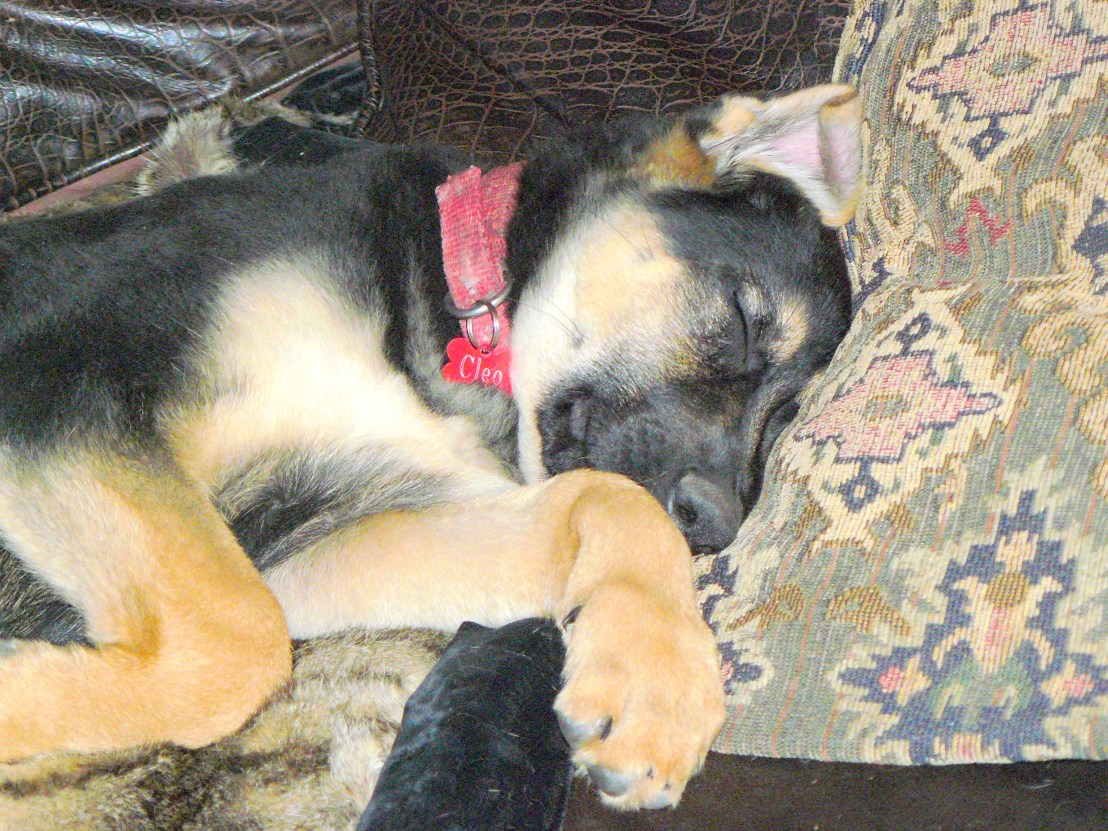
All of the dogs, especially Brandy and Cleo, are watching over me! (Over and beyond being loved beyond measure by Jeannie!)
Brandy – as pure as it gets!Cleo living, and sleeping, in the present moment.
A few weeks ago I reported my bike accident. I published the post here: https://learningfromdogs.com/2017/11/24/dont-try-home/
In that post I spoke that on November 22nd I had a bike accident that knocked me out for nearly 8 minutes. I was taken to our local hospital, they did a CAT scan, and declared that there was no serious harm apart from some severe bruising.
Then about 2 weeks ago I noticed I was a little strange. Like I couldn’t write words and other strange behaviors. Jean and I thought it was just part of the healing process. But Alex, my son, became very worried because I was acting so strange. Then friend of 40 years, Dan Gomez, insisted on me going back to the local hospital. I did return last Sunday the 24th. Thank goodness for he saved my life.
That hospital in Grants Pass found more bleeding in my brain, albeit very slow bleeding, and transferred urgently me to the regional trauma center at Eugene. I then had two sub-durnal (sp?) operations overnight before being put onto the ICU ward. The lead surgeon explained that I was within 24 hours of dying! As in if I had not gone back to hospital.
I am now on the Neurology ward at the Sacred Heart Medical Center in Eugene, rapidly regaining my strength and hoping to go home over the weekend. Fingers crossed the neurological damage will not be too bad.
So yet another example of always listening to one’s inner mind.
I must add that the care and attention, even love, shown to me by everyone at the hospital has been wonderful beyond imagination! Thank you all! Continue reading “A very lucky day!”→
I live in the San Francisco Bay Area and we’re in the midst of rainy season. It never let up today. It’s only the second time in the life of my dogs that I didn’t get them out for a walk. I tried, but they didn’t want to go. Particularly on days like today, it’s important that I find other indoor activities to keep them stimulated and tire them out. Here are a few of my rainy day tricks:
1. Train
Behaviorist, Dr. Ian Dunbar, says that mental activity tires a dog out more than physical exercise. Gina is a high-drive dog. I often joke that the more I exercise her, the better shape she’s in and the more she exercise she needs. Add some agility training to the mix, and she tires out much faster. Did you ever notice how tired you are when you’ve taxed your brain at work all day? It’s the same for dogs. Instead of doing one long training session, best to add in a few minutes of training frequently throughout the day.
2. Teach Impulse Control
There is no better place to start teaching impulse control than indoors, where there are less distractions than outdoors. Tonight, I placed strips of sweet potato on Sanchez and Gina’s paws and had them wait for my cue to eat them. Gina is much better at “Look at me,” so that was added to the “leave it” cue. They waited, and waited, and waited… and were rewarded with a yummy sweet potato treat after I released them with “OK.”
3. Nose work
K9 Nose Work defines this sport as “the fun search and scenting activity for virtually all dogs and people. This easy to learn activity and sport builds confidence and focus in many dogs, and provides a safe way to keep dogs fit and healthy through mental and physical exercise.”
I enrolled Sanchez in classes a couple of years ago, and now we play “find” games at home. I hide pieces of liver in boxes spread throughout the living room. He searches for the piece of liver and is rewarded with more liver in the box when he finds it. He LOVES this search game.
4. Work for food and treats
Instead of just placing down a food bowl, have your dog work for her food or treats. She’ll slow down her intake of dinner and treats while using her mental abilities when you use a food puzzle. Other choices are stuffing soft food, such as a banana and almond butter, in a kong and then freezing it.
5. Tug
Tugging is not a game of war. It is a game of play and is a way to bond with your dog. It’s commonly used to increase drive and focus before agility runs. Tugging is also a great training tool during high distraction environments, an opportunity to reinforce “that’s enough” (meaning “game over, release the toy”), and it’s helped Gina tremendously with dog distraction. Tugging has been a way of teaching her that the best things in life happen in reinforcement zone with me, not with the stranger dog running by. Rain or shine, this is part of our daily routine. But, when we can’t get outside for walks, we do more tugging indoors, as it really tires her out.
6. Retrieve
Even though I have two Labrador Retrievers, Sanchez no longer retrieves. He’s 13 1/2 and he’d prefer to lay on his dog bed and have me bring him his toy. However, I want to engage him when I play a fun game of retrieve with Gina. So, I toss her ball down the stairs. She retrieves it and while she’s running up the stairs to bring me back the ball for the next round, I toss treats to Sanchez down the stairs. He uses his nose to find them. Fun for all! We generally do this nightly, no matter the weather.
ooOOoo
Lisa’s description of her Sanchez: “… he’d prefer to lay on his dog bed and have me bring him his toy.” sounds like my kind dog to me! 😉
The German shepherd is another intelligent and active breed. Though German shepherds are large, the AKC reports they have a medium energy level. And the organization characterizes the German shepherd as “a loyal family pet and a good guard dog, the ideal choice for many families.” The AKC notes with a German shepherd (and other breeds), “Training is one of the most important responsibilities you have as a dog owner. Basic obedience training will make your dog a better companion and strengthen the bond between the two of you.”
Poorly trained German shepherds can develop behaviors, such as excessive barking, digging, and food stealing. But this dog breed responds well to training. According to the German Shepherd Dog Club of America, your German shepherd needs “you to be the leader of the pack, providing structure and guidance.” Another way to bond with your dog? Regular grooming. The German shepherd’s thick coat requires weekly grooming.
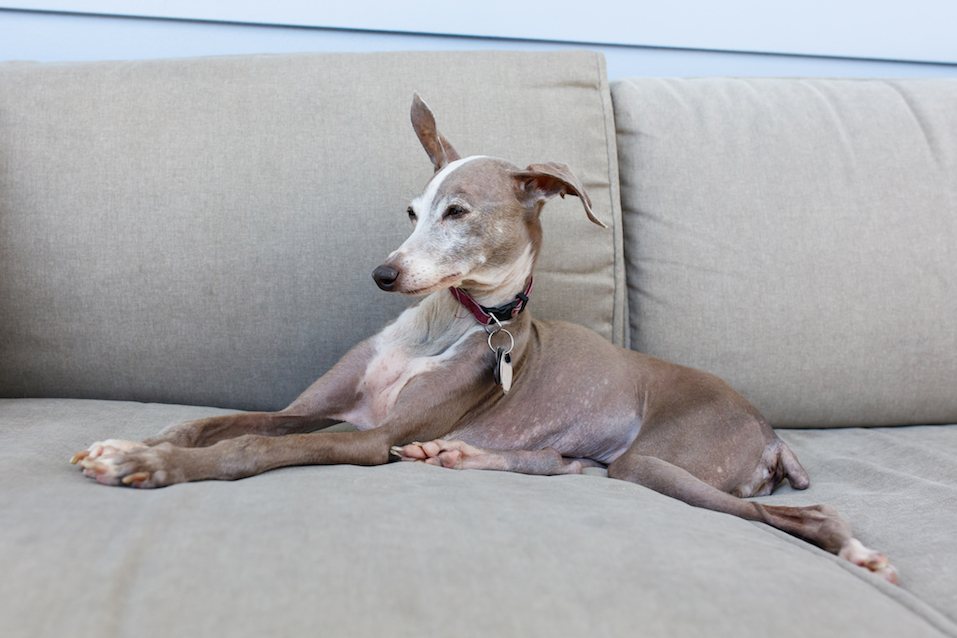
12. Italian greyhound
Italian greyhound | iStock.com/Rauluminate
Don’t be intimidated by the Italian greyhound’s speed or graceful looks. The AKC reports this breed is “generally easy to train and prefers to spend most of his time with his owner. They like attention and affection, and are a peaceful, gentle friend to adults and children.” If you have large dogs or active children, you’ll need to make sure your Italian greyhound doesn’t get injured by rough play. But for the most part, this dog breed will be happy to run and play — before curling up with you to be a couch potato.
Because of their small size, Italian greyhounds can live happily in an apartment just as well as in settings with more space. The breed generally stays quite healthy. And because these dogs have a short coat, they need only weekly grooming with a soft brush. In fact, the AKC characterizes them as one of the easiest dog breeds to groom. They love to cuddle and don’t want to be ignored. And in general, they’d prefer to chill in your lap or on your bed, rather than on the floor.
13. Labrador retriever
Labrador | iStock.com/manushot
America loves Labs. So it probably doesn’t surprise you to hear these adorable dogs are easy to own. Labs can learn just about anything that you throw at them. The AKC reports Labs are friendly and outgoing. They make great companions, show dogs, hunting dogs, guide dogs, and service dogs. Labs also make great family dogs because they get along easily with children and with other pets. Plus, they have a short coat that requires only occasional grooming.
So it’s no accident the Labrador retriever is the most popular dog in America. They live long and healthy lives. They have playful personalities, and they want to entertain and help you. Plus, they’re good companions for athletic people and can even train as canine athletes themselves.
However, Labrador retrievers qualify as what the AKC calls a “very active” dog breed. So don’t expect them to lounge on the couch all day. “Don’t confuse his laid-back personality for low energy,” the organization warns. “The Labrador retriever is extremely active — he’s never met a backyard he didn’t like.”
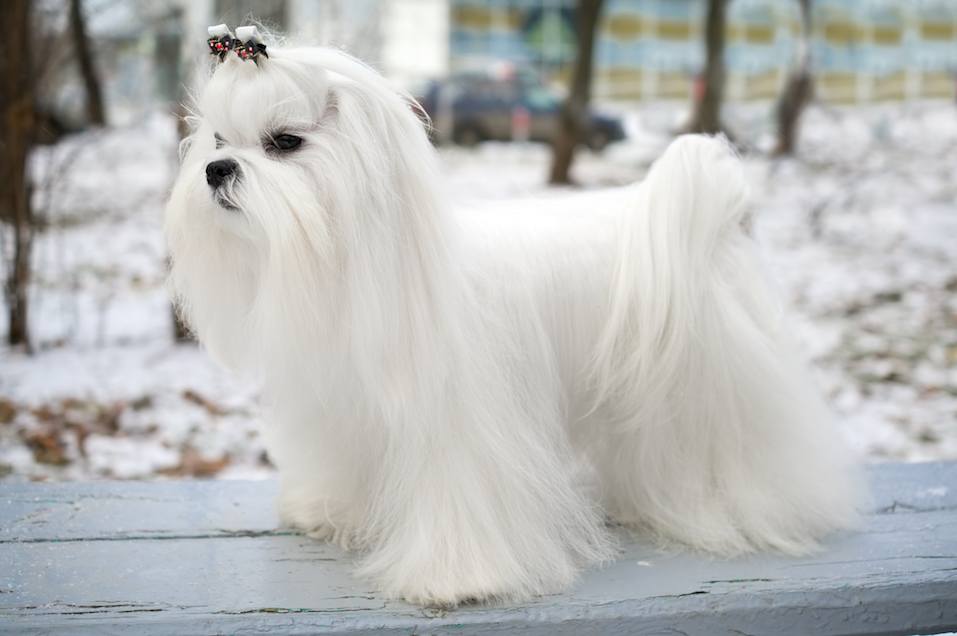
14. Maltese
Maltese | iStock.com/Laures
Another people-pleasing dog who will be easy to own and spend time with is the Maltese. According to the AKC, the Maltese is a “classic lapdog” who’s “somewhat active.” These dogs like brisk walks, playtime, and learning new tricks. However, the organization warns that Maltese are “highly intelligent and know very well how to use their charm to get their way. If given the chance, they become easily spoiled. This isn’t a problem for dog-savvy owners, but many pet owners will give in, often resulting in a pet with poor manners.”
Though they’re energetic and playful — which makes them great family dogs — many breeders don’t sell them to homes with young children. As a tiny puppy, a Maltese can be seriously injured if stepped on or dropped by a child. However, the Maltese is known as one of the few small dogs who aren’t susceptible to any major genetic ailments. So if it’s important to you that you choose a dog likely to stay in good health, the Maltese might be a good match for you.
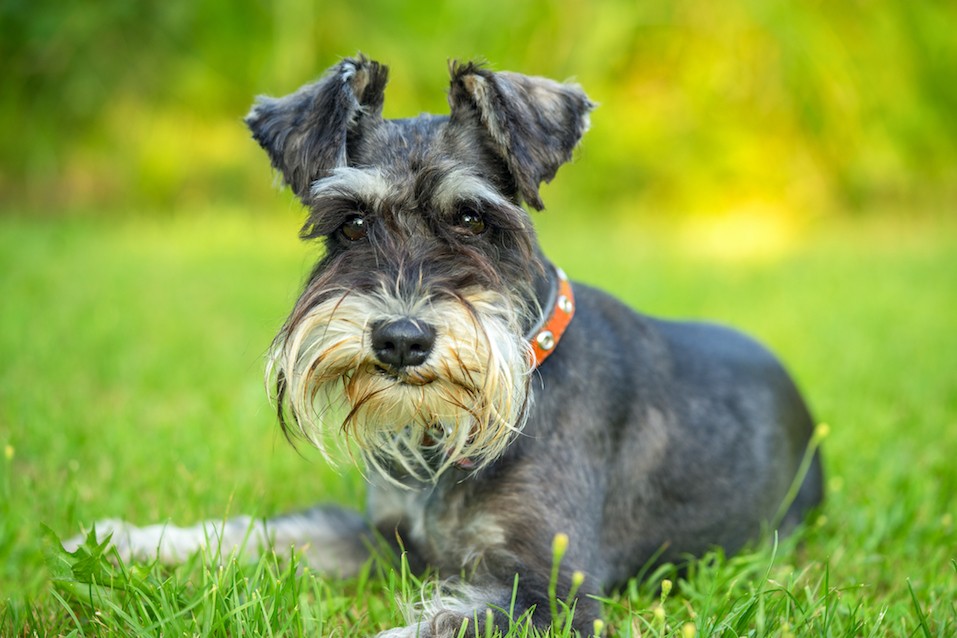
15. Miniature schnauzer
Miniature schnauzer | iStock.com/Elen11
The miniature schnauzer is a fast learner. The AKC characterizes the breed as “friendly,” “obedient,” and “smart” — three characteristics that many pet owners want in a dog. Another desirable trait? According to the AKC, the miniature schnauzer is “highly adaptable.” He can “make himself at home anywhere as long as his people are close by.” This small dog breed has a moderate energy level. And because these dogs crave human companionship, they are “obedient to commands” and can be trained for all kinds of activities.
According to the AKC, this dog breed is “small enough to adapt to apartment life but tireless enough to patrol acres of farmland.” The breed is generally healthy and long-lived. They have outgoing personalities and will stay loyal to their family. Just keep in mind this terrier likes to bark. So proper training will play an essential part in helping him to curb that behavior.
16. Papillon
A young papillon | iStock.com/Bigandt_Photography
Unlike many other small dogs, the papillon has a big appetite for exercise and activity. The AKC reports this dog breed has a medium energy level and generally needs to stay “very active.” In fact, these dogs “love to play outdoors but they can be easily entertained and exercised indoors as well.” This dog breed is very intelligent, but the AKC promises these alert and friendly dogs are “easily trained.”
Plus, Animal Planet characterizes the papillon as “one of the most obedient and responsive of the toy breeds.” Though some can be timid, they are often friendly toward strangers and other animals. And the papillon also makes a good family dog because the breed likes children. They have a medium-length coat without an undercoat, though they still require regular brushing.
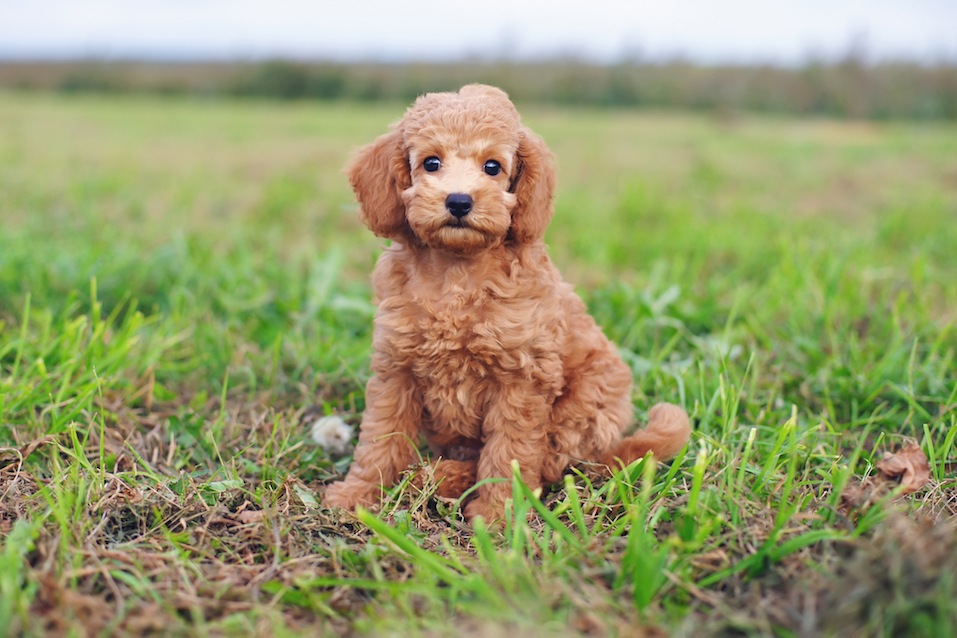
17. Poodle
Many people know the poodle is a highly intelligent dog breed. And even though intelligence doesn’t always ensure a dog responds well to training, the AKC promises that the poodle “excels in obedience training.” Although some poodles can be stubborn, proper training mitigates that trait.
The AKC notes, “There’s the old stereotype of poodles as a foofy velvet-pillow dogs looking down their long noses at us. Not true. Poodles are eager-to-please, highly trainable ‘real dogs.’ They like to work closely with their humans and can master all kinds of tricks and dog sports.”
Modern Dog Magazine reports of the standard, miniature, and toy poodle, “All poodles are lively, fun-loving, affectionate, and intelligent, and many owners say the breed has a sense of humor to rival Seinfeld’s.” The miniature poodle can be shy around strangers. But the standard is outgoing. They have a medium energy level and enjoy walking, running, and swimming. Just be aware this dog breed’s long coat, while somewhat hypoallergenic, does require regular professional grooming.
18. Pug
Like the bulldog, the pug has a grumpy face that might make you think he’s not so friendly. But don’t let looks deceive you. The AKC characterizes the pug as “even-tempered, charming, mischievous and loving.” These dogs aren’t natural athletes, but the AKC advises that “they do have strong legs and endless curiosity — exercise both.” These extroverted dogs love children and adults alike. And according to the AKC, “Pug people say their breed is the perfect house dog. Pugs are happy living in the city or country, with kids or grandparents, and as the family’s only pet or among other animals.”
This dog breed has no problem making friends with complete strangers. PetWave calls this dog breed a “shadow” because pugs “love to glue themselves to their owners’ sides and stay close to the action.”
And though some people think they’re more difficult to train than other dog breeds, that’s largely because they’re easily distracted. The pug sheds but needs minimal grooming. And you will need to monitor your dog’s diet to keep him healthy because, according to the AKC, “pugs live to eat.”
19. Rottweiler
Rottweiler puppy | iStock.com/Carmelka
The AKC also recommends the Rottweiler as one of the smartest dog breeds. This medium-sized dog also has a medium energy level, according to the AKC. But let’s just get this out of the way: A Rottweiler won’t be one of the easiest dog breeds for you if you can’t give him two solid workouts each day. But their need for daily exercise is at least somewhat offset by their minimal grooming needs.
PetWave reports though this breed has gained something of a reputation as an attack dog, “this is not their true nature.” The publication explains that for Rottweilers “to be vicious, they must be trained that way.”
Often, dogs who spend their days isolated from people are the ones who develop unpleasant traits. The AKC explains, “Obedience training and socialization are musts” for this dog breed. “Rottweilers love their people and may behave in a clownish manner toward family and friends, but they are also protective of their territory and do not welcome strangers until properly introduced.”
20. Shetland sheepdog
Sheltie | iStock.com/lgerghi
The Shetland sheepdog also has a reputation for intelligence. But that won’t work against you with a Sheltie, as it can in other dog breeds. According to the AKC, this dog loves “learning new tricks. Shelties are easy to train and are world-class competitors in obedience, agility, and herding trials.” And the AKC advises, “The Sheltie will reach his best potential [as] a companion when given training in basic manners at the very minimum.”
PetWave characterizes the Shetland sheepdog as “an all-around family dog.” They like indoor and outdoor activities. And they get along well with children, as well as with other pets. These small dogs can live in an apartment if they get daily walks and regular opportunities to run. Shelties have a dense double coat and need weekly grooming.
21. Mutt
A lovable mutt | iStock.com/suemack
Not everybody wants to buy a purebred dog from a breeder or search for one at the local shelter. And you don’t have to pick a purebred dog, even if you’re a novice dog owner just hoping for a pup who will be easy to train and care for. The AKC, of course, notes you can better predict a dog’s traits if you know his lineage. But you can often make an educated guess at which breeds are in a mutt’s genetics. And there are some very good reasons to choose a mixed-breed dog instead of a purebred.
For one, the incidence of many genetic disorders is higher in purebred dogs than in mixed-breed dogs. Plus, by staying open to adopting a mixed-breed dog instead of a pedigreed dog, you’ll be able to adopt a shelter dog who needs a home, not just a puppy who was specifically bred to be sold for top dollar. Additionally, purebred and mixed-breed dogs show no significant differences in terms of their trainability. So a mutt is just as likely to learn to be obedient and attentive as a pedigreed dog.
ooOOoo
What better way than to close this short series with a Mutt!
Hoping to bring a dog into your home? Some people are happy to adopt any dog who’s at the shelter. And some opt to follow the pack and choose one of the most popular breeds in America. But others want to do their research and make sure they choose the right dog. Some dog breeds are easier to own than others, especially for novice dog parents. To find the easiest dog breeds to own, we took a look at a variety of important characteristics. And you might be surprised by the traits that matter most.
You might think you want a smart dog. But highly intelligent dogs aren’t always the easiest to train because trainability is more about a dog’s willingness to follow instructions than his ability to understand them. And you might assume an active dog will be the simplest to keep healthy. But a dog with a lower energy level and no genetic predisposition to disease will actually be easier to handle. Plus, choosing a dog with an easygoing temperament — and minimal grooming needs — will go a long way toward keeping you sane.
Ready to find the perfect dog? Check out 21 of the easiest dog breeds to own.
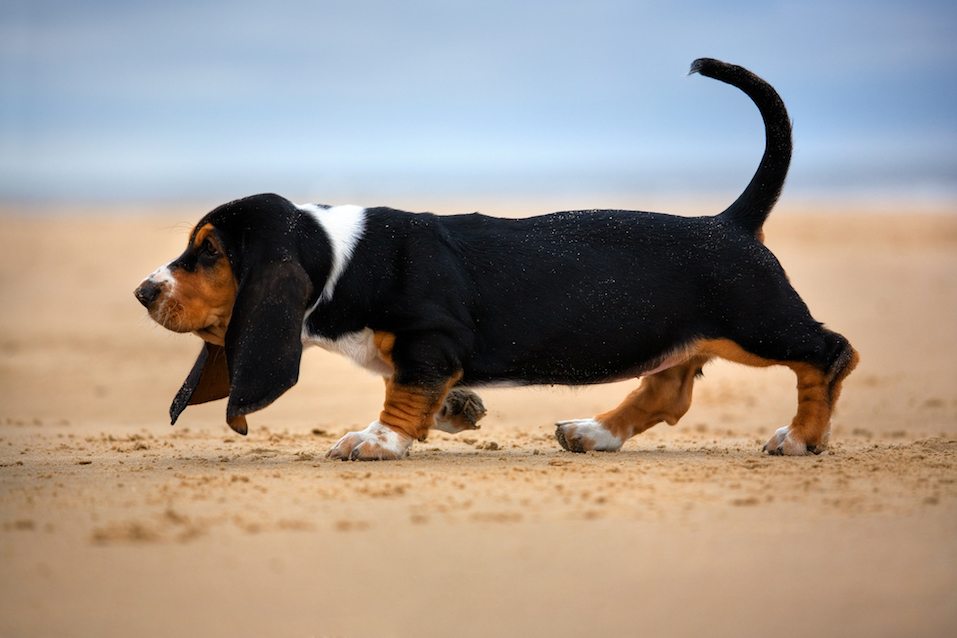
1. Basset hound
Basset puppy | iStock.com/imants
Want a low-key dog? You might just love the basset hound, a dog breed the American Kennel Club characterizes as “easygoing, laid-back, and even a bit lazy.” These medium-sized dogs aren’t very active. (They do still need regular walks to stay healthy though.) Most dog owners won’t put the basset hound’s hunting prowess to the test. But they will appreciate the breed’s extreme patience with children. Plus, the AKC reports these dogs are “easy to train, and despite their plodding pace, they do well at various dog sports.”
Because the basset hound is prone to obesity, you’ll want to make a point of taking your dog on daily walks. A basset hound is an extreme people-pleaser, and he’ll love to bond with you in obedience classes. These dogs have a short coat, which does shed. But they need minimal grooming. And generally, basset hounds are a healthy breed.
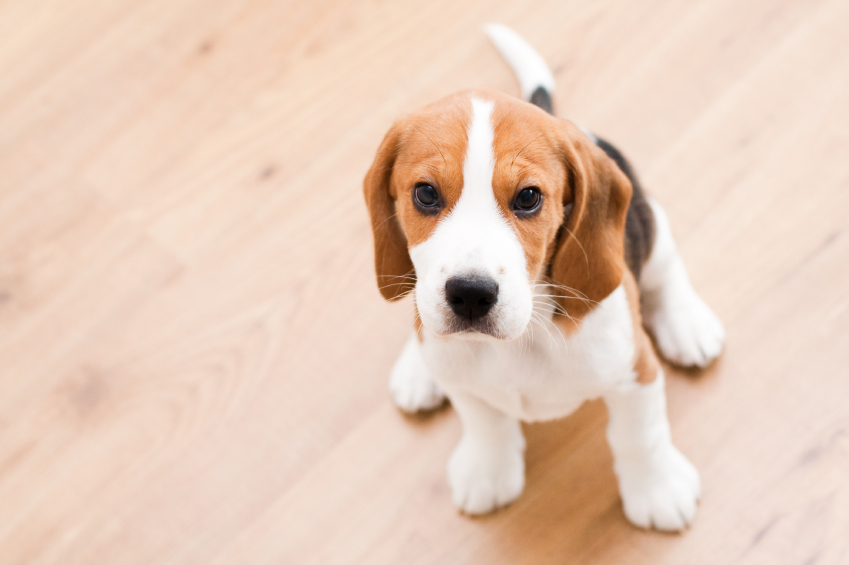
2. Beagle
Small dog sitting on the wooden floor. Beagle puppy
Some of the easiest dog breeds to own are the ones that are friendly and outgoing, rather than hyper-intelligent. The beagle is a great example. The breed’s AKC profile characterizes these dogs as “merry,” “friendly,” and “curious.” The organization promises, “Beagles are loving and lovable, happy, easygoing, and companionable.” They are very active little dogs who need plenty of exercise. But they love to play, and a beagle will likely have you laughing constantly with his antics.
VetStreet reports the beagle is one of the most outgoing, approachable, and people-pleasing breeds. “The beagle is among the top 10 most popular breeds for good reason: He has a bigger-than-life personality and a merry nature that make him a warm and cheerful companion.”
Plus, the beagle is generally a very healthy dog breed. And somewhat controversially, the beagle’s easygoing personality — and the breed’s freedom from genetic diseases — explains why researchers choose beagles for animal testing.
3. Bichon frisé
Another dog breed to consider if you want a friendly and easygoing pup? The bichon frisé. This small dog is a great companion both for adults and older children. He’s happy and curious. And he’s both “playful” and “peppy,” according to the AKC. The organization reports that bichons are “bundles of energy, so they’ll need daily play sessions and walks.” They make great family pets. And they are easy to train because they love not only to perform, but also to please their people.
PetWave describes bichon frisés as “little puffs of personality.” This dog breed loves people. And a bichon wouldn’t mind going everywhere with you, whether you’re walking, running, or driving around town.
The AKC adds that “owners might even delight in watching their dog suddenly experience a burst of energy, known as the ‘Bichon Blitz,’ during which they’ll comically sprint around their space. That period is usually followed by some serious cuddle time to satisfy their lovable side.”
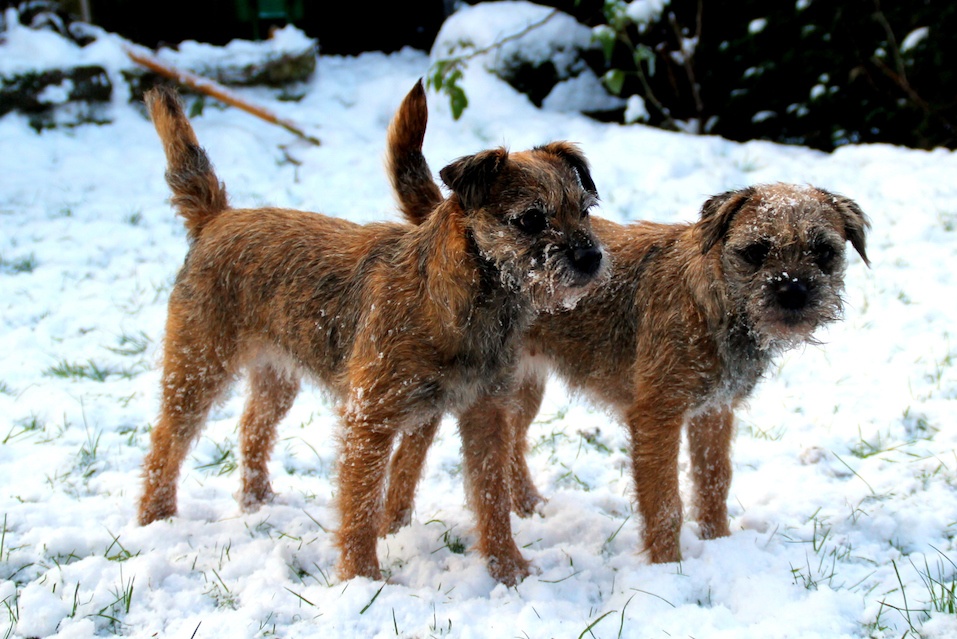
4. Border terrier
Border terriers | iStock.com/shellhawker
Not everybody knows about the border terrier. But you might want to get familiar with this dog breed, which the AKC characterizes as “plucky,” “happy,” and “affectionate.” The border terrier has a moderate energy level but a more laid-back personality than many other terriers. And the AKC explains that even though this dog breed loves exploring outdoors and was bred to be a country dog, “border terriers adapt well to city life — as long as they get plenty of exercise.”
Border terriers get along well with other dogs. But the AKC warns that “their hunting instincts can be aroused when cats or squirrels cross their path.” Nonetheless, the organization notes the border terrier “is good tempered, affectionate, obedient, and easily trained.”
PetWave explains though personalities vary, every border terrier is “curious by nature and will want to be included in all family activities.” The publication recommends a mix of “consistency, confident leadership, and lots of positive reinforcement” when training a border terrier.
5. Bulldog
English bulldog puppies | iStock.com/onetouchspark
If you want a patient and mellow dog, you can’t go wrong with the bulldog. The AKC explains this dog breed is “calm, courageous, and friendly,” plus “dignified but amusing.” What a winning combination. This medium-sized dog has a moderate energy level. And the AKC notes, “Bulldogs won’t beg to be exercised, but they require regular walks and the occasional romp.” Because the bulldog is very intelligent, he does his own thinking. (Hence the breed’s reputation for stubbornness.)
Nonetheless, you can successfully train your bulldog. The AKC advises, “Training is most successful when begun at an early age with elaborate praise and rewards given for good behavior. It also helps if the owner/trainer has a sense of humor and appreciation of the bulldog’s ability to ‘do it my way’ in very innovative ways!”
Rover characterizes the bulldog’s personality as “sleepy.” All jokes aside, bulldogs have an easygoing temperament and won’t bark nearly as much as other breeds (though they make up for it with adorable snorting, grunting, and snoring).
6. Cavalier King Charles spaniel
Cavalier King Charles spaniel | iStock.com/Banepx
Want a dog who really, really loves people? Then, consider the Cavalier King Charles spaniel. According to the AKC, these friendly little dogs “do equally well with active types and homebodies — they can be loyal hiking partners or shameless couch potatoes, depending on the owner’s personality — as long as they get a satisfying walk each day.” They have a moderate energy level so need some exercise. But they are friendly and easy to train. You can trust them with children, and they make a great addition to a family.
According to VetStreet, “The little spaniels are attracted to people the way strawberry jam is to peanut butter. If a Cavalier sees an empty lap, he is likely to jump into it, whether he knows the person or not. And a Cavalier who sees a stranger on the street may just veer in that person’s direction, anxious to make a new friend.”
And though PetWave reports this dog breed loves running around outside as much as curling up inside, this spaniel is a true companion dog. That means you shouldn’t leave him alone for too long.
7. Chihuahua
When you think Chihuahua, you might envision a yappy little dog. But it’s poorly trained dogs who have earned the breed that reputation. According to the AKC, “Inside each little Chihuahua is a miniature king or queen ready to rule their realms, so they need to be taught what is acceptable in human kingdoms.” Nonetheless, this dog breed is intelligent, enthusiastic, trainable, and generally low-maintenance despite their regal attitude.
Chihuahuas can do well in families, particularly if the children in the household are gentle and patient with their dog. Because they’re so small, they require little exercise. That means they adapt well to life in cities, but the breed is hardy enough to enjoy life in rural setting, as well. (Just watch out for cold temperatures to which the Chihuahua can be sensitive.) Plus, many Chihuahuas get along with other pets, especially companions of their own breed.
8. Collie
Collie | iStock.com/Eudyptula
Want a dog who’s both smart and eager to please his owners? You won’t be disappointed by the collie. The AKC explains that collies have “legendary” herding and protecting abilities. But this dog breed isn’t too intelligent — or too proud — to crave your attention and approval. The AKC notes, “Collies can do well in the country or the city but need companionship.” The organization adds that the collie is “great at understanding human’s moods” and gets along well with children. They learn quickly and easily.
According to the Collie Club of America, this dog breed “falls in the mid-range of responsibility when it comes to the practical concerns that influence the choice of a breed as a family dog.” Collies show a gentle, laid-back personality. They are also clean and quiet around the house, and they housebreak easily. They do need to be brushed every week or two. But they are generally odor-free — a plus for any would-be pet owner worried about a smelly dog.
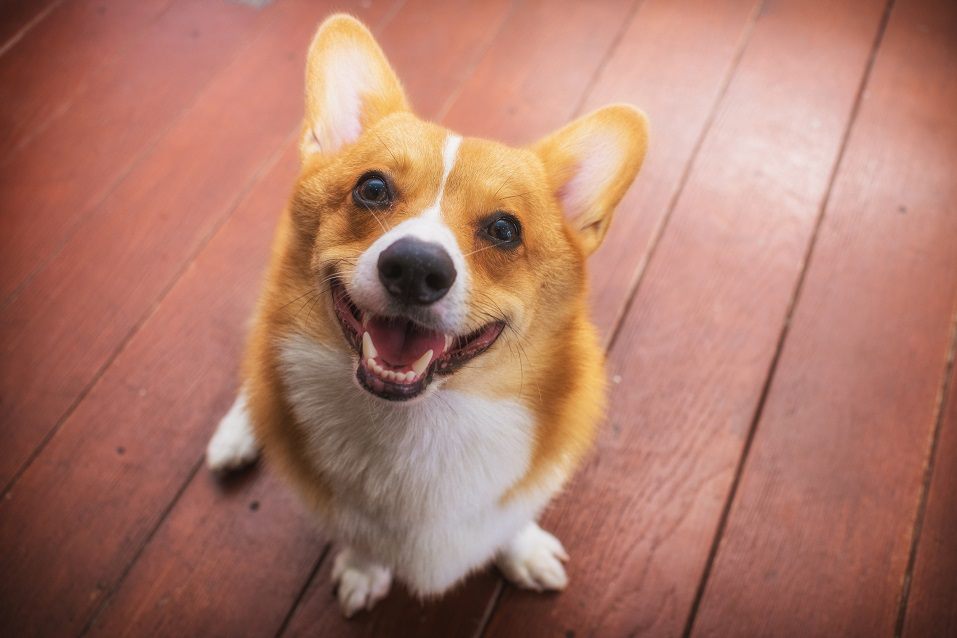
9. Corgi
The corgi will definitely steal your heart if you want an easygoing dog with a lot of personality. The AKC describes this dog breed as “smart and alert, affectionate but not pushy, bold but kindly.” These little dogs are active, but they can adapt to just about any living situation as long as they get regular exercise. The corgi responds well to training.
As the AKC reports, “The time you spend in training, especially during the first year of your pet’s life, will be repaid many times over by giving you a well-behaved companion, one that is bonded to you and your family for the rest of his life.” The organization also notes that a corgi “without a job will often assign himself work, like herding children or his fellow dogs.” This dog breed craves activity and togetherness and will prove incredibly loyal to a family who can provide both. Corgis have a medium-length coat that requires regular weekly grooming, plus an occasional bath.
10. French bulldog
The French bulldog might just be the perfect dog breed for someone who wants an outgoing and people-pleasing companion. These lively little dogs always want attention, and they show a knack for entertaining the people around them. According to the AKC, this friendly dog breed is playful, but smart. They aren’t very active nor particularly athletic. That means brisk walks will be enough to keep them trim and healthy.
Plus, the Frenchie has a well-documented sense of humor. According to the AKC, “You won’t have to worry about a yappy dog bothering your neighbors because Frenchies rarely bark. That said, you can count on them to alert their owners to danger (Look! The UPS guy is coming!).”
French bulldogs, and other dogs with short faces, breathe less efficiently than longer-nosed dog breeds. So you’ll need to keep your dog cool in warm weather and avoid overly strenuous exercise. But they are intelligent dogs, and training is easy as long as you make it a game.

















 When you think Chihuahua, you might envision a yappy little dog. But it’s poorly trained dogs who have earned the breed that reputation. According to the AKC, “Inside each little Chihuahua is a miniature king or queen ready to rule their realms, so
 The corgi will definitely steal your heart if you want an easygoing dog with a lot of personality. The AKC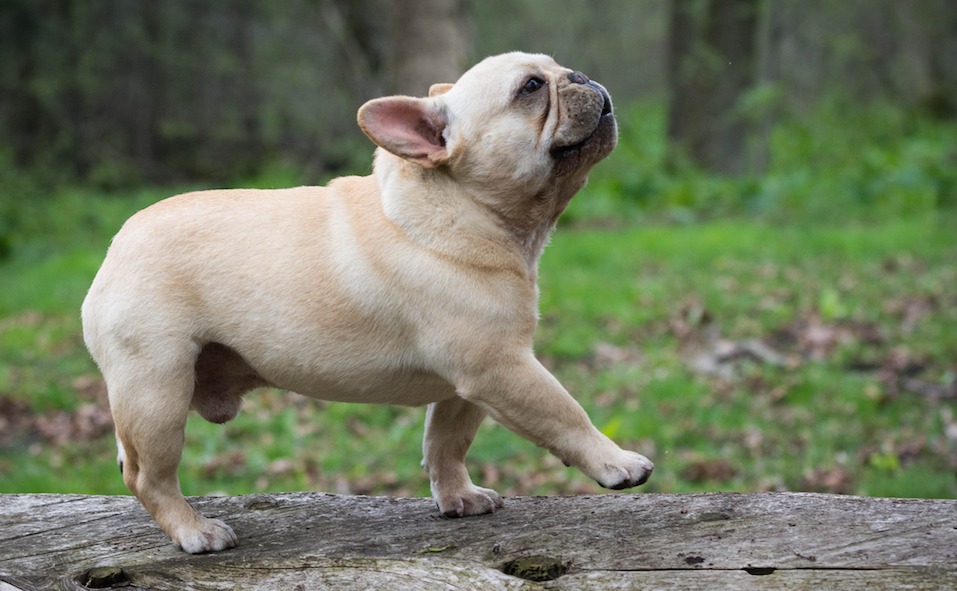
 Learning from Dogs