Category: Cats

Xylitol damages dogs’ livers.

One Common Thing That is More Toxic Than Chocolate for Dogs!

Note: This is a repeat of the Xylitol warning that appeared in a LfD post on the 4th. January. It is being repeated to ensure the maximum awareness of all my readers and followers.
Deborah Taylor-French is an author and also has the blog Dog Leader Mysteries. It was on her blog that I saw a reference to the acute dangers on Xylitol for dogs, and for cats. So please read and share the following.

ooOOoo

One Common Thing That is More Toxic Than Chocolate for Dogs!

The power of caring!

Sandra and Francisco send their blessings.

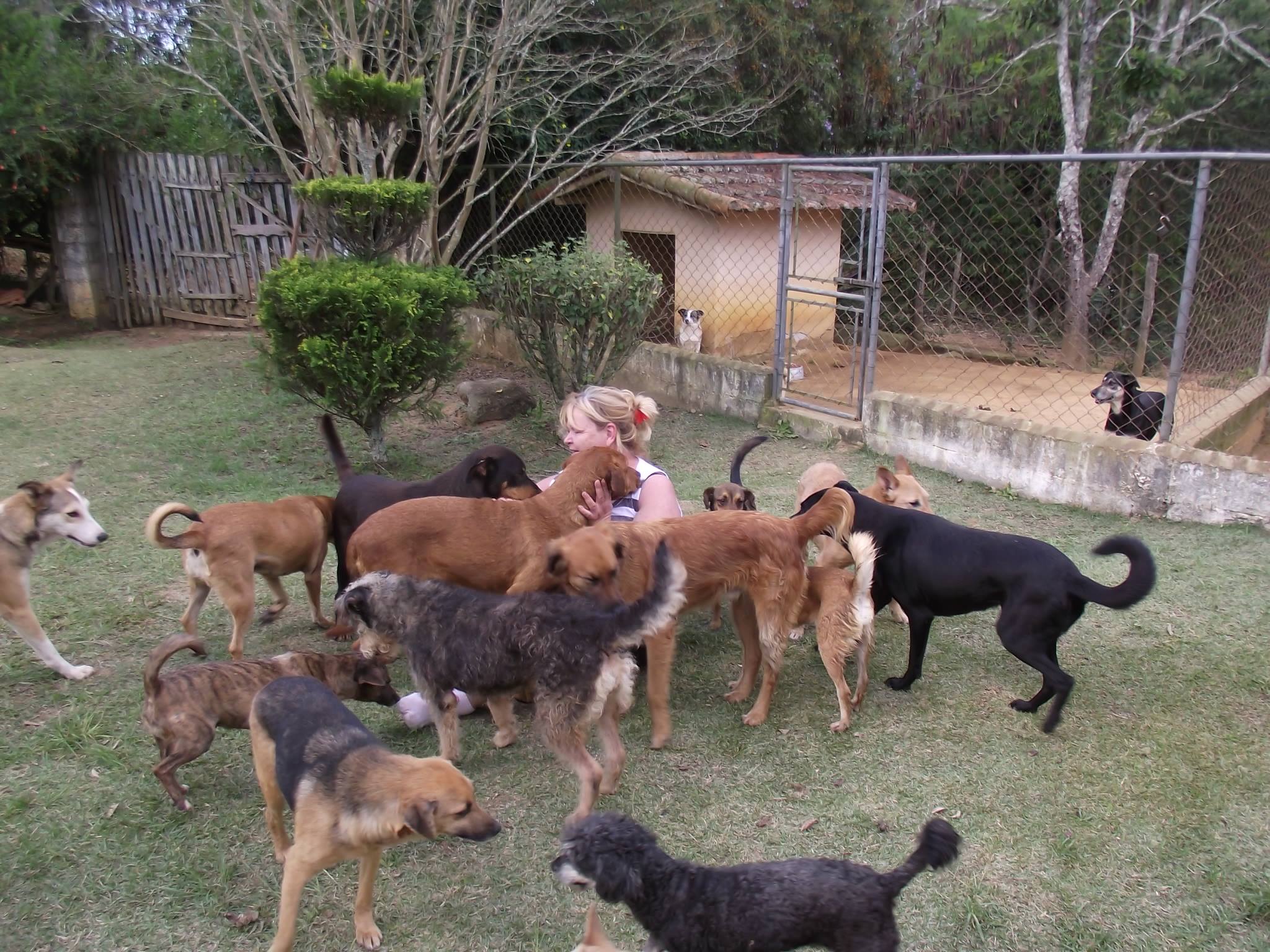
For the last two days there has been a post running explaining the desparate need for donations to be sent to MaxMello, the Brazilian charity run by Sandra Guilarducci and her husband, Francisco, in Ibiuna, Brazil.

Earlier yesterday, John Zande in Brazil sent me an email:

Morning Paul. Sandra wrote to G this morning. Portuguese and English translation below.

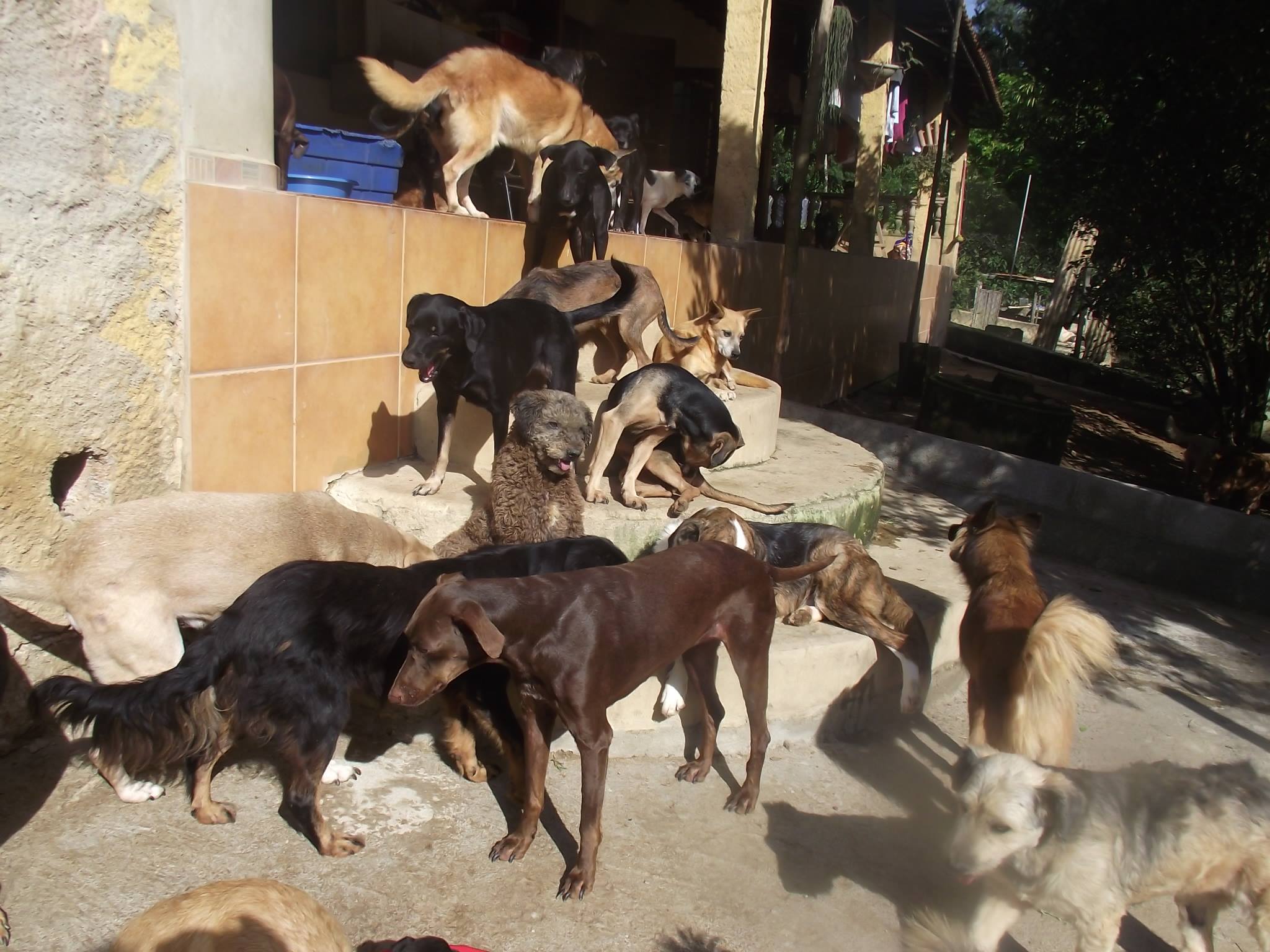
ah querida Dionete…ando tão cansada, tão cansada… na segunda de carnaval lá estava eu num laboratório em Cotia com a minha cachorra Nicole, fazendo eletrocardiograma e hemograma. Não paramos nunca aqui. Tem tantos cães soltos no sítio em Piedade por falta de canis e isso gera um estresse que vc nem imagina, além de brigas. Dentro da minha casa, aqui em Ibiúna, vivem 62 cães, que não podem ficar lá fora porque senão os outros matam, aqui em IBiúna o espaço é super pequeno. Enfim…, sempre correndo com eles, sempre tem um ou outro com problemas de saúde, ainda tenho vários pra castrar e…não tem fim. Mas a sua ajuda tem sido importantíssima pra gente. Que Deus te abençõe sempre e sempre. Ficamos emocionados demais com essas publicações no exterior (graças a vc, claro !) e esperamos cheios de esperanças mesmo, que isso gere frutos em pról de toda essa galerinha que abrigamos. Que vc e seus amigos envolvidos nessa nossa luta sejam cobertos de prosperidade, saúde e bênçãos. Quando puder, vamos marcar de vir aqui, será um prazer imenso poder te abraçar e agradecer pessoalmente. Forte abraço, cheio de gratidão.


Ah dear Dionete …I am soooo tired… on Monday I had to take my dog ​​Nicole to a clinic in Cotia for an ECG and blood test. We never stop around here. There are too many dogs in the property in Piedade – we don’t have kennels for all of them – and the amount of stress it generates is almost too much to bear. And the fights! Here in Ibiúna I have to keep 62 dogs inside my house; they can’t go outside otherwise they will be killed by the others. And they don’t have much room. Anyway… always running up and down for them, there’s always one or another who gets sick or needs treatment, many to still be neutered… it’s an endless task. But your help has been very important for us. May God bless you always and forever. We are thrilled to see these publications abroad (thanks to you, of course!) and do hope it generates the help these little creatures desperately need. May you and your friends involved in our struggle be covered with prosperity, health and blessings. Let’s try to set up a visit. It will be an immense pleasure to hug you and thank you personally. Big hugs full of gratitude

So all of you who have cared for Sandra and Francisco know that it counts.

Do drop across to their Facebook page here, from where the following photographs have been taken.

12661938_745930475542510_5091027821470656796_noooo

12651257_744030742399150_8059991037127794727_noooo

12657804_743519195783638_4907819882854948071_ooooo

12698495_743517825783775_8117881471369857165_ooooo

12657309_743517135783844_4620837696465933042_ooooo

12647160_743514762450748_8548235142741434775_noooo

So, once again, if you can see your way to help, by sharing this information or by making even the tiniest donation, then please do. The MaxMello PayPal account is: associacaomaxmello@gmail.com

Big hugs to every one of you out there!

Update: This is a translation of a recent comment left by Sandra on MaxMello’s Facebook page.

Friends, thanks to the generosity of you guys have raised almost 9 thousand Real. Our survival challenge continues, but we know that we are not alone in this fight. Our total debt is 36,450 Real and we need help to stamp her out. Any amount makes a big difference. As we have received many requests for the bank details, follow the possibilities:
Bradesco
Agência:1937-2
Current account: 16505-0
Social Security Number: 766.545.758-49
Sandra Maria Guilarducci
Caixa econômica federal
Agency: 0800
Arr. Operational: 003
Current account: 692-4
A Social Security Number: 16.729.925/0001-08
To those who are outside of Brazil, the transfer can be made via Paypal to the email associacaomaxmello@gmail.com
Very, very thank you all for the affection and solidarity.

MaxMello – We Can All Help

This is a very simple message – please help MaxMello.

(Please note: To ensure the widest readership of this post I am running it for two days. I.e. the next post will be on Thursday, 11th.)

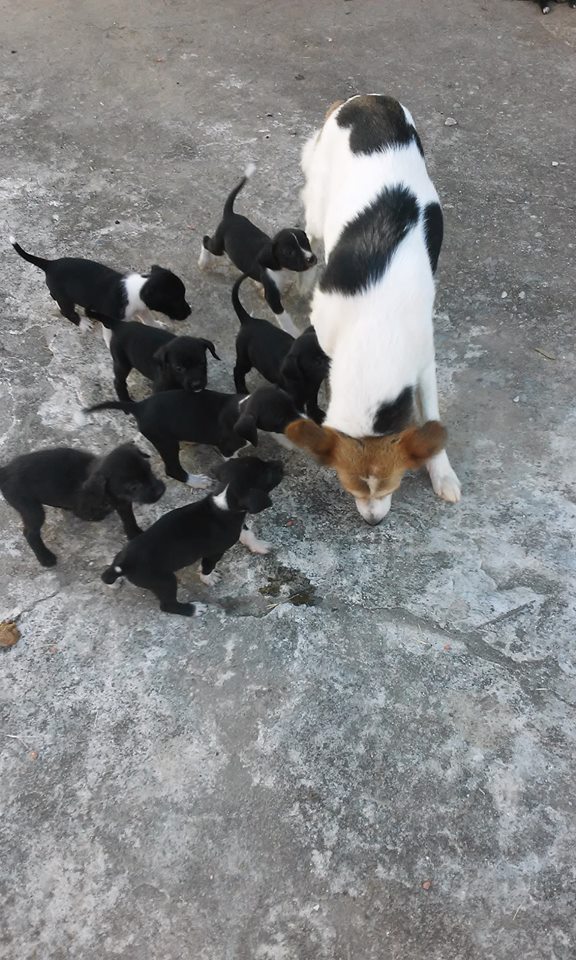
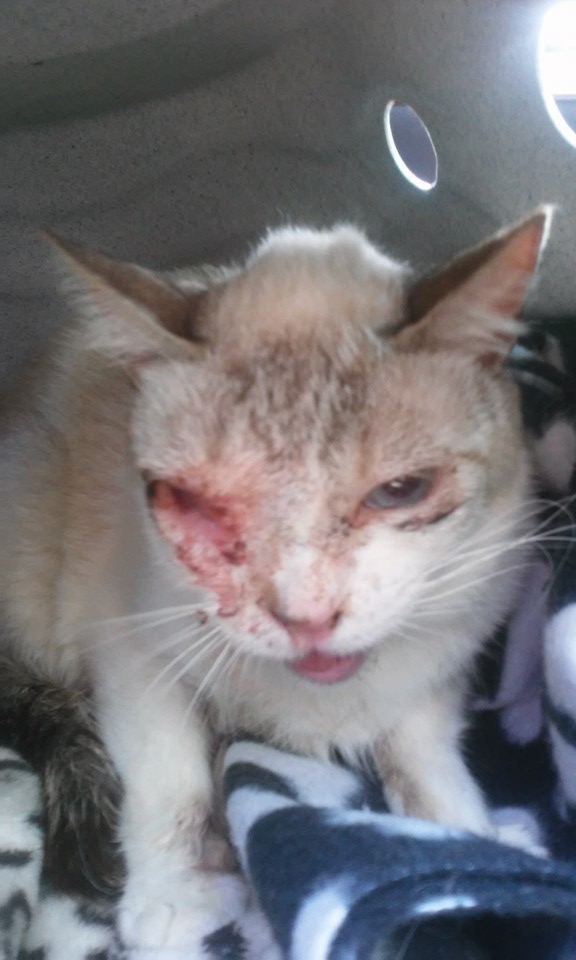
Yesterday I republished a post from John Zande. It explained how Sandra Guilarducci and her husband, Francisco, in Ibiuna, Brazil were caring for over 350 dogs and 32 cats. If you haven’t read that post then go no further in today’s post until you have read about the desparate need for funds.

Here’s a section from yesterday’s post (but please do read it in full):

food-e1454493203915Today, MaxMello burns through 5 tonnes of food every month, and a small army of vets help with reduced fees. But it all adds up. It has added up, and over this past weekend, Sandra was forced to admit that she and Francisco (weighed down with over 30,000 reis debt, about $10,000 US, to vets and pet food suppliers) had reached the point beyond which they simply could no longer afford to keep the shelter open. Sandra put out an urgent call to other NGO’s, saying she will keep the sick, the crippled, and the old (the one’s that stand little to no chance of adoption) but new shelter-homes would have to be found for the hundreds of other rescues under their care. With every NGO we know of here in Sao Paulo being already full, this is, in all honesty, an impossible situation. These are good people, and they (and their keep) are in genuine need of a hand.

Please, help keep MaxMello open and donate to the MaxMello PayPal account: associacaomaxmello@gmail.com.

But just as important as making whatever donation you can is letting Sandra and Francisco know you care.

Yesterday, Jean and I sent a letter to John for John’s wife to translate from English into Portugese as Sandra and Francisco do not speak English. We wanted them to read our letter in this post.

So this is the letter in Portugese:

Sandra e Francisco,

Aqui no sul do Oregon, hoje temos 9 cachorros e 4 gatos; há três anos, quando viemos para cá, eram 14 cães e 7 gatos. Eu simplesmente não consigo imaginar o que deve ser cuidar de 350 cachorros e 32 gatos, ainda mais divididos entre duas propriedades diferentes, separadas por 200 km!

Entretanto, Jean sabe bem o tamanho do amor e da dedicação que movem sua paixão por esses animais maravilhosos – porque ela vivia em San Carlos, no México (na Península Baja) e dedicava a vida a recolher os cachorros de rua de lá, tratando de sua saúde, dando-lhes amor e conseguindo adotantes para eles nos EUA. Ao longo de vários anos, Jean acredita ter resgatado mais de 200 cães. A alimentação e tratamento de todos esses animais foram custeados por ela e o marido, Ben, que morreu em 2005.

Foi meio por acaso que a conheci, em San Carlos, no Natal de 2007, e me via com os olhos cheios de lágrimas ao ver a afeição que os cachorros dela demonstravam ao me ver, toda vez que ia visitá-la em sua casa. E essa afeição deve ter causado um efeito profundo em mim, pois, quando voltei para a Inglaterra, em janeiro de 2008, Jean e eu percebemos que queríamos ficar juntos para o resto da vida. Mais tarde, nesse mesmo ano, ao lado do meu pastor alemão, Pharaoh, voltei para San Carlos. Não demorou muito, com 14 cachorros e 7 gatos, fomos para o Arizona, onde nos casamos, e por fim, no segundo semestre de 2012, viemos para o Oregon, onde estamos até hoje.

Pouco antes de sairmos de San Carlos, em 2010, uma cachorra foi deixada na porta de nossa casa. Era uma mestiça de rottweiler e devia ter acabado de dar cria porque ainda estava cheia de leite. Nós a batizamos de Hazel e quase de cara ela mostrou sua natureza amorosa para Jean, para mim e os outros animais. Hazel é uma inspiração para a humanidade graças ao perdão e ao amor incondicional que oferece ao mundo.

Por isso, aceite essas poucas palavras minhas e de Jean, endereçadas aos dois, como uma pequena amostra de amor e gratidão que sentimos por vocês e que certamente também serão sentidos pelos leitores e seguidores do Learning from Dogs

And here is the letter in English:

Sandra and Francisco,

Here in Southern Oregon we have 9 dogs and 4 cats, down from the 14 dogs and 7 cats when we moved here some 3 years ago. I cannot simply imagine what it must entail to care for 350 dogs and 32 cats let alone care for them in two locations seperated by 200 kms!


However Jean can imagine the level of love and commitment that fuels your passion for looking after these wonderful animals. For Jean, when she lived in San Carlos, Mexico (on the Baja Peninsula) devoted her life to rescuing Mexican street dogs, loving them back to health and then finding homes for them in the USA. Over the many years Jean believes she found homes for well over 200 dogs. The feeding and caring of these animals was funded personally by Jean and her late husband, Ben, who died in 2005.


Quite by chance, I met Jean in San Carlos the Christmas of 2007 and was moved to tears on numerous occasions by the loving affection shown by her dogs to this visitor to Jean’s home. That affection must have rubbed off on me for by the time I returned to England in January, 2008 Jean and I wanted to be together for the rest of our lives. Later in 2008, together with my German Shepherd, Pharaoh, I travelled out to San Carlos. Subsequently, with 14 dogs and 7 cats, we moved to Arizona to be married and then, in the Autumn of 2012, came up here to our home in Oregon.


Shortly before we left San Carlos in 2010 to go to Arizona, a female dog was dumped outside the house. She was a Rottweiler crossbreed and must have just given birth to puppies for she was still in milk. We named her Hazel and she very quickly showed her most beautiful and loving nature to Jean and me and to the other animals. Hazel is an inspiration to humankind of what flows from offering forgiveness and unconditional love to the world.


So please take these few words from Jean and me, sent to you both, as a small measure of the love and gratitude that we feel for you, and I know will be felt by many of the readers and followers of Learning from Dogs.

I also want to republish a comment from yesterday’s post, left by Mr. Merveilleux, because it speaks such perfect common-sense:

As Zande’s explained, the current exchange rate means donations go a very long way. Keep in mind the minimum wage in Brazil is only around £130 p/month. By skipping one little luxury this month, like going out for a meal today, and sending what one would have spent on that to the shelter, we can all make make a substantial difference to the lives of these animals.
My suggestion is for people not to just reach for the change they’ve got in the car ashtray, but consider a little, insignificant sacrifice that will do one no harm, but will have a disproportionately positive effect.
Skip one bottle of champagne, or a bottle of wine, or don’t buy flowers this week… skip any little thing that one doesn’t really *need*, and put that money to good use.

Let me move on a tad.

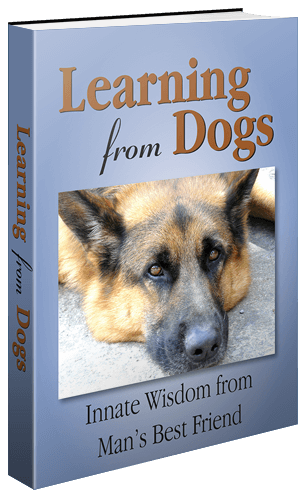
As is obvious to any visitors to this place in the last 6 weeks, I have just published my first book. It learningfromdogs_3dbook_500xis called Learning from Dogs, the same name as this blog. I am also donating 50% of the net proceeds from all sales of my book to our local Rogue Valley Humane Society.

However, for the whole of the month of February I shall be donating the other 50% of net proceeds to MaxMello.

So, please, buy the book and help two fabulous charities. The book is available as a paperback, priced $15.95, or either of two eBook formats, MOBI and EPUB, priced at $5:39. Full details here: Buy the Book.

Of course, you may also buy the book from Amazon or you can order it from most booksellers.

If you prefer to purchase it direct from me but do not wish to pay online, then mail me (as in Paul Handover) a cheque for $18.67 ($15.95 + P&P of $2.72) and I will send it to any part of the USA. (For overseas paperback purchasers who do not wish to pay online then email me your address details and I will respond within 48 hours.) My email address is learningfromdogs (at) gmail (dot) com

All of this is part of never forgetting how important it is to care for our dogs – they are man’s oldest companion and have devoted themselves to caring for us for possibly 40,000 years. Is it asking too much to help these dogs in Brazil in return!

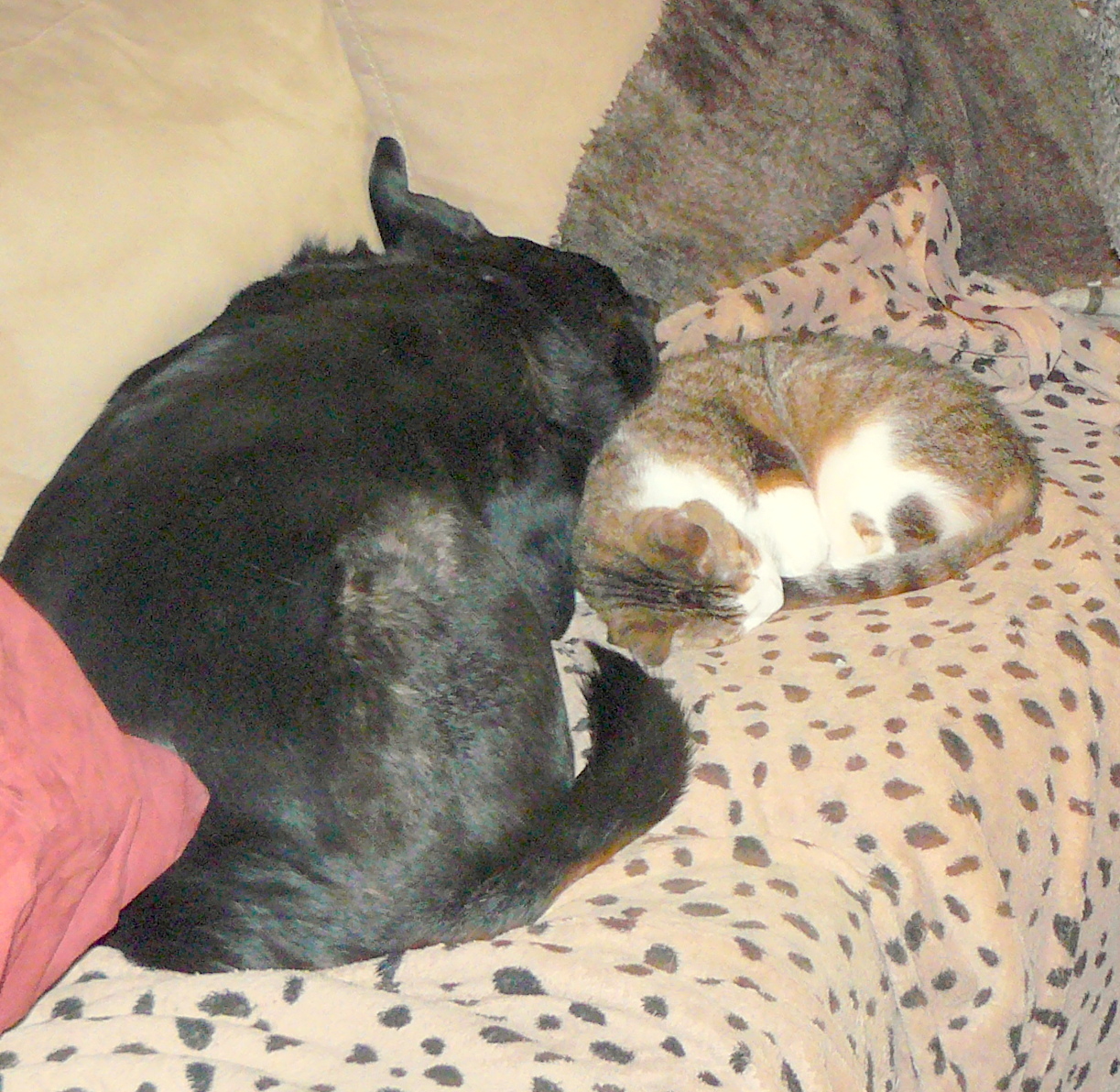
P1150895
Hazel showing her love and caring for our cat, George. Both animals are ex rescues from Mexico. Picture taken last Sunday evening.


A bottomless font of love.

A wonderful story of the love for dogs and cats shown by two people in Brazil.

As is the way in this world of blogging, a few months ago I connected with John Zande. He is an Australian living in Brazil and blogs under the name of The Superstitious Naked Ape. John is also the author of the book The Owner of All Infernal Names, which I reviewed last October (and greatly enjoyed!).

John Zande cover_zpsz7wuq9ccAll the proceeds from the sale of John’s book go towards animal rescue and shelter in Brazil and that offers a strong clue to the purpose of today’s post.

So with that in mind, please read the following post published by John on February 3rd and republished here with John’s permission. (And please make a note to return tomorrow and read the sequel that will explain how you and I can make a positive difference.)

ooOOoo

The MaxMello Association for the Support of Animal Life needs an urgent hand

Picture parade one hundred and thirty-four.

You are going to adore these!

(Big thanks to neighbour Dordie who sent these to me.)

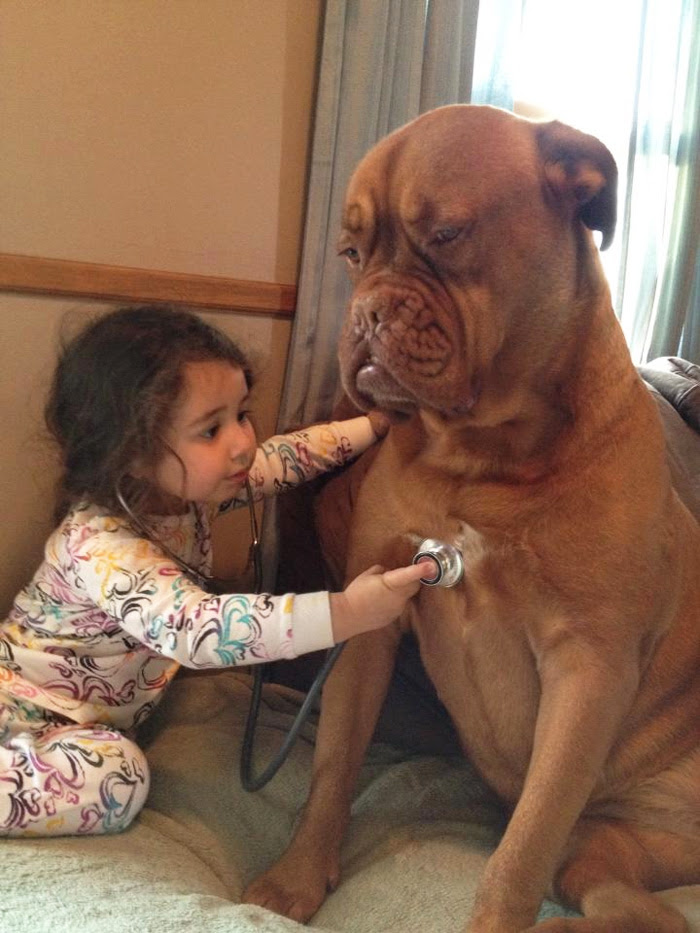
Few friendships can compare to the bond between a child and their pet. Pets provide companionship, they help kids learn, they encourage nurturing, they keep them healthy and help build beautiful family bonds. Let’s take a look at some of the cutest kid-and-pet pictures around.


dl1oooo

dl2oooo

dl3oooo

dl4oooo

dl5oooo

dl6oooo

The second set will not be next Sunday owing to that day being Valentine’s Day and I have plans for that day! 😉 So part two of this wonderful three-part series of photographs will be Sunday, 21st February.

Back to dogs and kittens.

As seen on the Care2 website.

Jack the dog somehow tolerates Julia the kitten’s limitless desire to play with him…even when that includes some kitty paws to the face! Impressed?

(Must admit the background music to this video seemed rather out of character!)

Dogs are dirty – Thank Goodness!

A fascinating new study offering insight into the health of our gut!

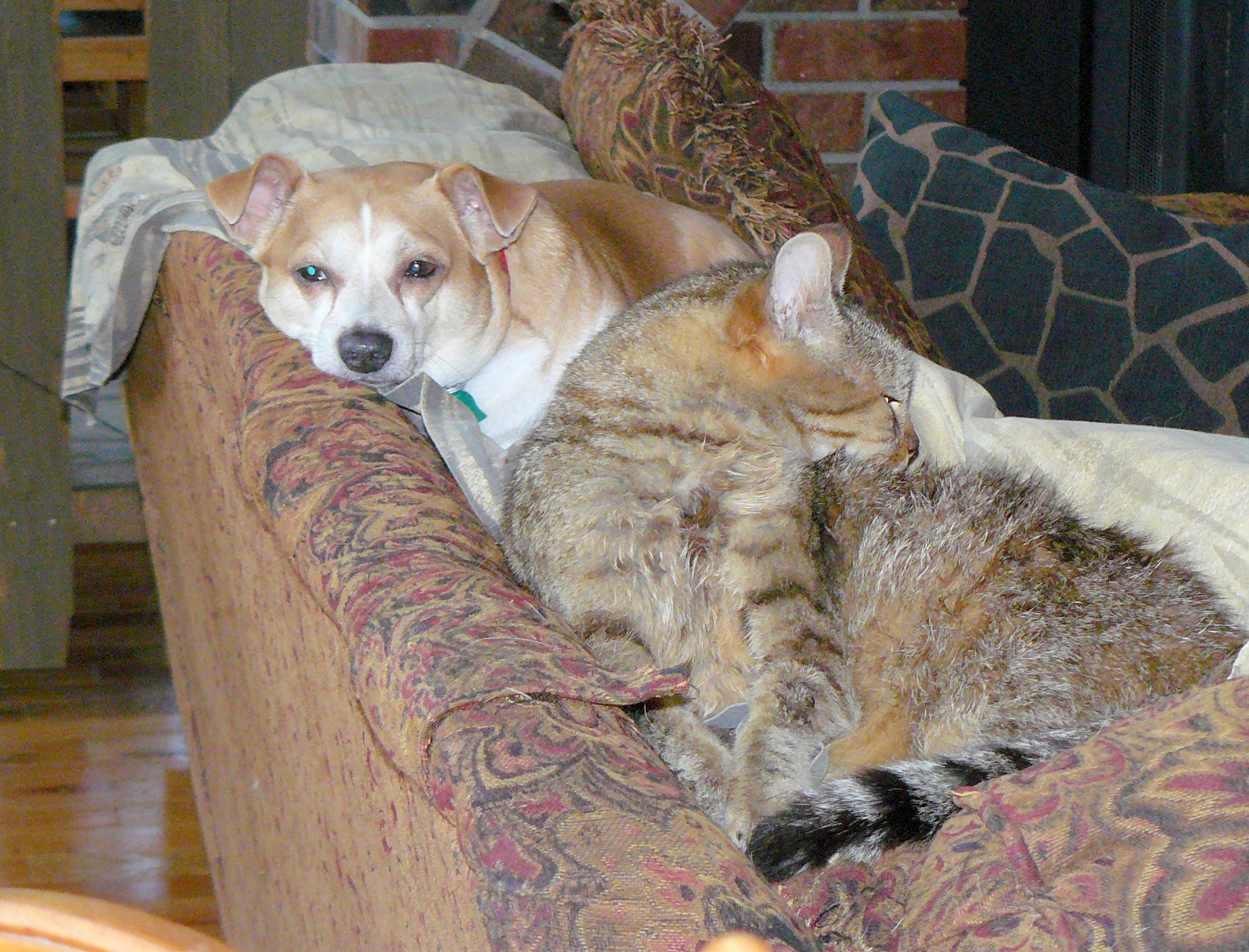
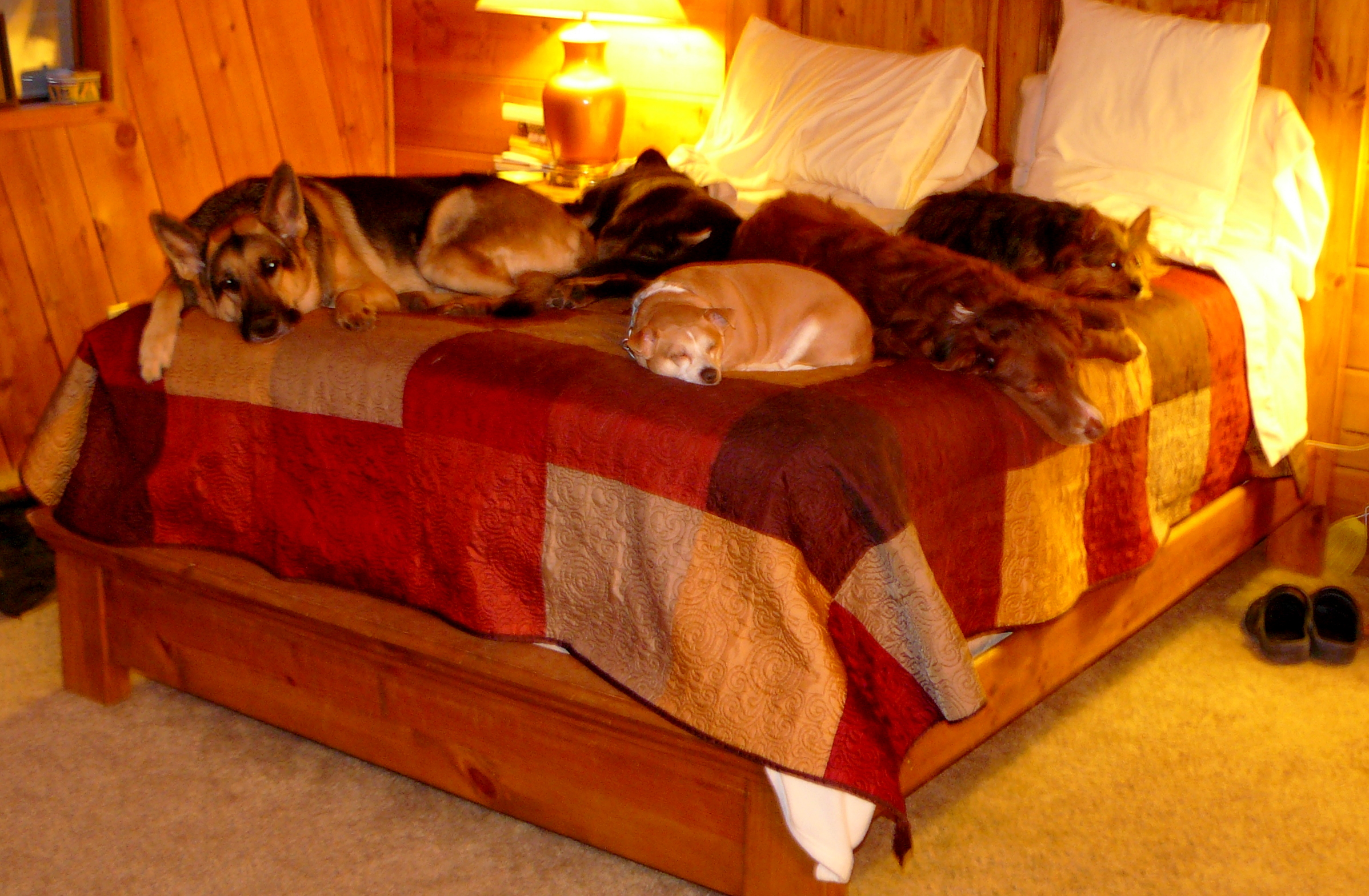
P1150755It doesn’t take too much imagination to appreciate that living in a house and sharing it with nine dogs and four cats doesn’t lend itself to perfect hygiene! Indeed, just yesterday morning we found evidence of mice in one of our bedroom cabinets. Plus both the bedroom and the main living room are never completely free of fleas, as my skin attests to. Then let’s not even speak of the hair and dust around the house!

Plus we live in a very rural location and the dog traffic in and out of the house is a consequence of our lifestyle choices that we do accept (99% of the time! 😉 ).

But possibly living a healthier life as a consequence of our ‘dirty’ animals was not something that would have ever crossed my mind until now, thanks to a recent essay published over on The Conversation site.

Read it and come to your own conclusion. It is republished within the generous terms of The Conversation; viz:

We believe in the free flow of information. We use a Creative Commons Attribution NoDerivatives licence, so you can republish our articles for free, online or in print.

ooOOoo

If being too clean makes us sick, why isn’t getting dirty the solution?

January 13, 2016 5.59am EST

Author: Associate Professor of Surgery, Duke University
image-20151216-30102-sybi4b
Wash up. Riccardo Meneghini/Flickr, CC BY-NC-ND.

Today rates of allergic, autoimmune and other inflammatory diseases are rising dramatically in Western societies. If that weren’t bad enough, we are beginning to understand that many psychiatric disorders, including depression, migraine headaches and anxiety disorders, are associated with inflammation. Perhaps the most startling observation is that our children are afflicted with the same inflammatory problems, contributing to the fact that over 40 percent of US children are on medications for some chronic condition.

And the cause, according to the “hygiene hypothesis,” is that being too clean causes a malformation of the immune system, leading to a wide range of inflammatory diseases. The original idea was that decreased infections in childhood due to hygiene led to a weak immune system, prone to become allergic and inflamed.

If the problem is that we are too clean, then, hypothetically, the issue can be easily resolved. We just need to get dirty, right? Wrong.

Getting dirty doesn’t help our immune system and generally makes inflammation worse. Much worse. That means there is something very wrong with the hygiene hypothesis.

Biodiversity is the real issue

What we actually have is a biodiversity problem. Our clean, indoor-centered lives and a Western diet rich in processed foods have depleted our biomes – the bacteria and worms that naturally live in our bodies, our guts in particular. These organisms play a role in the development and regulation of our immune systems, and scientists have identified the loss of biodiversity as being central to the high rates of inflammatory disease in the developed world.

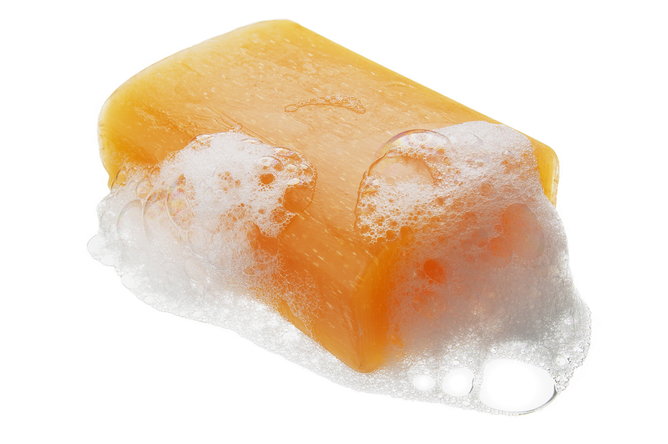
 Giving up soap won’t help your biome. Bar of soap via www.shutterstock.com.
Giving up soap won’t help your biome. Bar of soap via http://www.shutterstock.com.

The hygiene hypothesis was right…in its day

An increase in inflammatory disorders, like allergies, was first observed about 150 years ago among the aristocracy in Europe, then reached the entire population of the industrialized world by the 1960s, and seems only to have climbed steadily since then.

When trying to understand why inflammatory diseases increased in the late 1800s and throughout the 20th century, scientists put their finger on things such as toilets and water treatment facilities. In those days, having a toilet was “hygiene.”

But times change. After generations of living with toilets and water treatment facilities, some of the wildlife in our bodies has been driven to the point of extinction. Our loss of contact with the soil due to indoor working environments has further depleted the wildlife of our bodies. And the typical Western diet doesn’t help either.

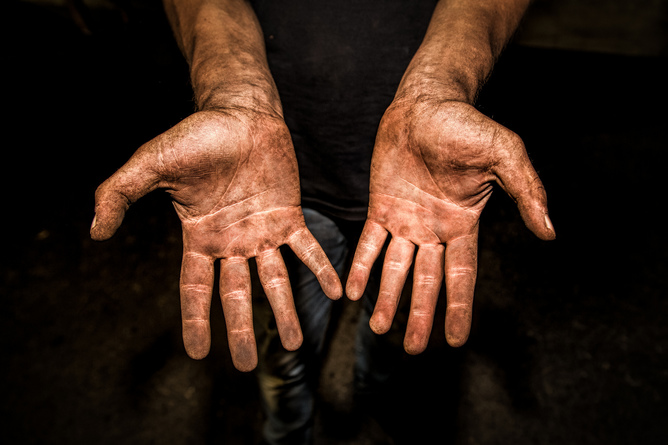
Even if you were to never use soap again for the rest of your life, you would not recover the wildlife your body is missing. Many of the lost organisms of our body don’t exist in North America in the wild, and others you simply won’t come across in your daily life.

On top of tremendous social difficulties imposed by a lack of soap, you’d likely increase your exposure to a lot of aggravating and even dangerous germs. The bacteria and viruses deposited on your shopping cart handle or the light switch at a hotel are generally not good. Those are often the germs of modern society that cause infection and inflammation. Your immune system would remain inflamed, and perhaps be even more agitated than before.

So what exactly are we missing? For practical purposes, it’s important to divide the wildlife of our bodies into two groups: microbes and more complex organisms such as worms. Microbes and worms affect our immune systems in different ways and both are important to be healthy. Biodiversity is the key.

A healthy crop of microbes and a few good worms

What would the gut biomes in our hunter-gatherer ancestors have looked like? A study by Jeffrey Gordon at Washington University in St. Louis showed that people living in modern preindustrial societies had more diverse micriobiome compositions than people living in the United States today. Seventy bacterial species Gordon found in preindustrial people’s biomes were present in very different amounts from those found in the modern U.S. participants.

While each group may have been exposed to different kinds of bacteria in their day-to-day life, the primary reason for the difference in diversity was attributed to diet. The preindustrial folks ate a diet rich in corn and cassava, compared to a U.S. diet rich in animal fat and protein.

And you might think that antibiotics are an issue, but they are usually less of a long-term problem for biodiversity. They can deplete bacteria in the gut microbiome, but the dangerous and disease-inducing tailspin is generally temporary. The microbiome usually recovers quite nicely, for the most part, although some lingering effects can remain.

The second group of organisms that we need are intestinal worms called helminths. These worms are called mutualists, because they benefit from us and we benefit from having them hanging around in our intestines. They used to naturally live in our gut. In fact, only 150 years ago most people in the West had intestinal worms that helped regulate immune function and prevent inflammatory disease. The culprit here isn’t diet, but cleanliness and sanitation.

Eat some fiber. Ali Karimian/Flickr, CC BY-SA.

If getting dirty won’t help your biome, what can you do?

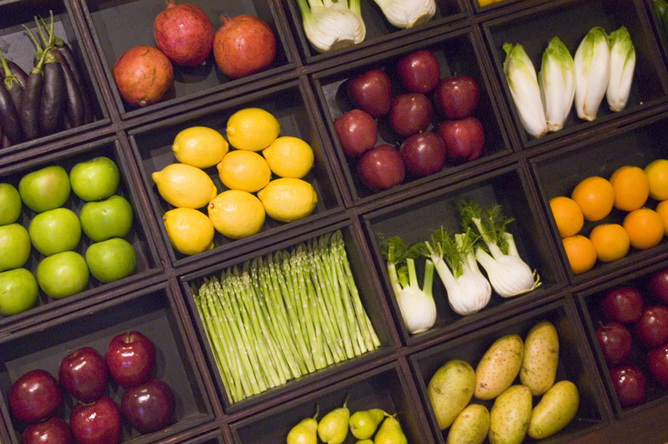
When it comes to bacteria, a healthy diet is the critical ingredient. We can actually achieve a good mixture of gut bacteria very similar to that of our hunter-gatherer ancestors by adopting a good diet high in fiber and low in processed foods. The right diet helps the good bacteria in your gut flourish, and might make it easier for new varieties of good bacteria to take root.

In addition, there are some products that might, in theory, support a more hunter-gatherer-like bacterial flora, by exposing us to the kind of bacteria we don’t encounter anymore, but they haven’t been tested in clinical trials.

Probiotics, generally formulations of bacteria such as bifidobacteria and lactobacilli that grow readily in milk, are safe to use unless patients are severely ill. They could help support biodiversity in our guts if we need to take antibiotics.

Worms are a bit more challenging. There are two schools of thought on how to help helminth-less guts: one is to figure out what makes good worms good for us, and develop a drug that can do the same thing. The other is just to have these good worms living in your intestines.

Personally, I don’t think we can replicate complex biological relationships using a drug. My view is that modern medicine will eventually embrace the actual worm or maybe complex single-celled organisms called protozoans that work the same way, but research in this field is still in the early stages of development.

In the meantime, some intrepid people are going straight for the worm. As in actually acquiring worms in their gut. The challenge for these adventurers is to find a worm that has more benefits than disadvantages.

For instance, the same species of worm can have different effects in different people. The human hookworm, for instance, is commercially available and easily cultured at home. It has been found to treat multiple sclerosis and severe airway hypersensitivity but can also cause severe gastrointestinal distress in many patients.

For now, most individuals interested in immune health will focus on those factors that are risk-free, like avoiding chronic psychological stress, eating well and exercising, and watching out for vitamin D deficiency. These factors, all within our control, are important for avoiding a wide range of inflammation-related diseases, including allergy, autoimmunity, depression and cancer.

ooOOoo

It seems to me that another solution is having more and more dogs and fully embracing them into our lives.

P1150854My case rests!

Picture parade one hundred and thirty-one.

The second set of those beautiful dog and cat photographs.

The first set was a week ago.

Image[147]oooo

Image[148]oooo

Image[150]oooo

Image[151]oooo

Image[152]oooo

Image[153]oooo

Image[154]oooo

Image[155]oooo

Image[149]oooo

Wish I had weeks and weeks of these for you but sadly that’s all for now! But many thanks, John H., for sending them on.

Happy days everyone!

Picture parade one hundred and thirty.

Speaking of dogs and cats …

(With huge thanks to John H. for sending these on to me.)

Image[139]oooo

Image[140]oooo

Image[141]oooo

Image[142]oooo

Image[143]oooo

Image[144]oooo

Image[145]oooo

Image[146]Another set of these gorgeous photographs next week.

Stay happy and stay warm all of you!

A tiny bite of this could kill your dog!

Please read, digest and share as widely as you can!

Fellow author, Deborah Taylor-French, recently posted a stark warning for all dog owners. Deborah wrote on her blog, Dog Leader Mysteries, the following:

1 thing more toxic than chocolate for dogs

More toxic than chocolate?

Yes, and it’s everywhere.

Please visit my guest blog post on 4Knines blog “One common thing that is more toxic than chocolate for dogs”  Then please comment! Of course, after you comment, I’d love it if you would share far and wide for the love and lives of dogs. After working on this post for about a month I shared it as a guest post so that it may reach a larger audience of dog lovers, beyond my WordPress blog.

(I also can’t resist including the following photograph of Deborah and Syd that was in that post!)

Syd the kid!
Syd the kid!

So the balance of my post today is a full republication of Deborah’s guest post as it appeared over on 4knines blog.

ooOOoo

One Common Thing That is More Toxic Than Chocolate for Dogs!