Tag: Covid-19

There is so much more to our dogs than we realise!

A fascinating post on Treehugger.

It is Wednesday morning in Southern Oregon and already I am having to think about the post for tomorrow. Not that this is a problem it is just one more thing that I want to do. Plus we are in the middle of a local heat wave with temperatures expected to be well above 100 degrees F and possibly 109 deg F (42.8 deg C.).

So I am turning to Treehugger for a dog post and hoping that I shall be able to share it with you all.

ooOOoo

Dogs Could Revolutionize the Sustainability of Future Pandemic Testing

Scent dogs are quicker, more effective, and create less healthcare waste than conventional COVID tests.

By Melissa Breyer

Senior Editorial Director

  • Hunter College
  • F.I.T., State University of New York
  • Cornell University

Published July 17, 2023 
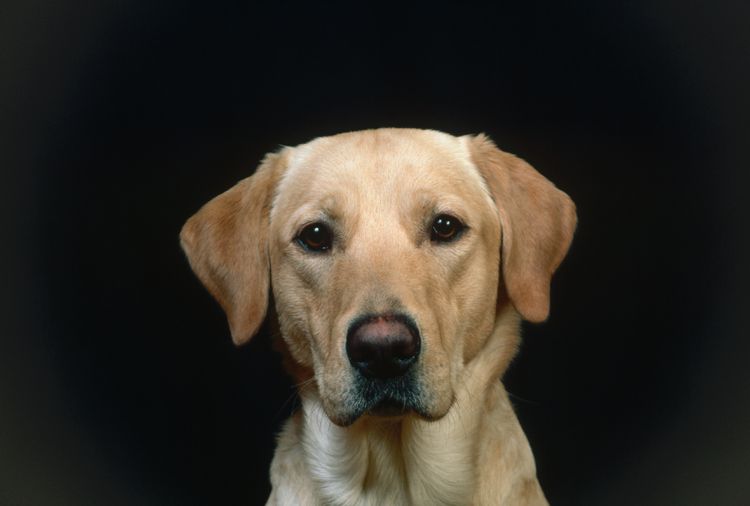
Joe McDonald / Getty Images

One of the more frustrating roadblocks in navigating the COVID-19 pandemic was the difficulty in getting quick, accurate test results. Sometimes, results for PCR tests took up to two weeks, rendering their diagnosis useless for planning isolation scenarios. Meanwhile, rapid tests still oftentimes provide a false negative if taken too soon after infection. When I had COVID, I was four days into symptoms before I got a positive at-home test—I’ve heard many people recount similar stories.

The testing we have is certainly better than nothing, but it leaves a lot to be desired. If only there were a better way, say, using something with remarkable innate sensitivity. Like, dogs. Far-fetched? Not at all.

review of recent research concluded that scent dogs may represent a cheaper, faster, and more effective way to detect COVID-19 and could be a key tool in future pandemics. This could be a game-changer for sustainability as well, eliminating the enormous amount of waste that comes with billions of testing kits.

The review, published in De Gruyter’s Journal of Osteopathic Medicine, found that scent dogs are as effective, or even more effective, than conventional COVID-19 tests such as PCR tests.

Most of us know that dogs have a remarkable sense of smell; they sniff out drugs and explosives and have even successfully identified patients with certain cancers, Parkinson’s, and diabetes. They have up to 300 million olfactory cells, compared to 5 or 6 million in humans. And they use one-third of their brains to process scent information—humans just use 5%.

Professor Tommy Dickey of the University of California, Santa Barbara, and Heather Junqueira of BioScent Detection Dogs analyzed 29 different studies in which dogs detected COVID-19. “The studies were performed using over 31,000 samples by over 400 scientists from more than 30 countries using 19 different dog breeds. In some studies, the scent dogs sniffed people directly, sometimes in public places as a health screening. In others, the dogs sniffed patient samples such as sweat, saliva, or urine samples,” explains a press statement from De Gruyter.

Dogs’ Incredible Accuracy 

The dogs ranged from Labrador retrievers and Belgian malinois to beagles and English springer spaniels. In most of the studies, the dogs demonstrated similar or better sensitivity and specificity than the current gold-standard PCR tests or antigen tests.

“In one study, four of the dogs could detect the equivalent of less than 2.6 x 10⁻¹² copies of viral RNA per milliliter. This is equivalent to detecting one drop of any odorous substance dissolved in ten and a half Olympic-sized swimming pools and is three orders of magnitude better than modern scientific instruments,” notes De Gruyter.

Remarkably, they not only detected COVID-19 in symptomatic, pre-symptomatic, and asymptomatic patients, but they could also sniff out COVID variants and even long COVID.

Considering the Safety of the Dogs 

One thing we certainly don’t want is for dogs to become collateral damage in the pursuit of better testing. The study authors acknowledge this, writing that the “safety of scent dogs, their handlers, and those who are inspected by the dogs is critical for the acceptance and implementation of the scent dog screening and testing approach.”

“This is consistent with the One Health paradigm,” they add, “which defines health as more than the absence of disease and recognizes the interrelationships among humans, animals, and environmental welfare.”

The authors evaluated whether medical detection dogs could contract and become ill with the COVID-19 virus and if dogs pass on the COVID-19 virus to humans. From a number of studies, they concluded that dogs are in the low-risk category. “To our knowledge, there have been no deaths of dogs that can be unequivocally attributed to COVID-19,” the authors explain. “Importantly, the studies described above suggest that it is safe for healthy individual handlers to utilize scent dogs to directly screen and test individuals who may be infected with the COVID-19 virus.”

Speedy Test Results 

A major benefit of using the dogs is their speed. In one study, researchers were able to do a lineup with 40 samples, including sample collection, lineup loading, and unloading, within just 3  minutes.

“The time between RT-PCR sampling and the return of results can be up to days, whereas the RAG test results are obtained within about 15 min.,” write the study authors. “Again, if scent dogs directly sniff individuals, results are learned in seconds, or a few minutes if samples are taken and sniffed soon after by the dogs.”

“The criticality of the speed of the return of test results cannot be overemphasized,” the authors add.

Elimination of Plastic Waste 

That dogs could provide a result in seconds to minutes is crucial. But additionally, and importantly, scent tests by dogs don’t require expensive lab equipment or create mountains of plastic waste, unlike conventional diagnostic approaches.

As of December 22, 2022, the United States alone had performed around 1.15 billion tests for COVID-19. Thinking of all the material for the testing kits and all the resources used for testing labs and sending samples around, etc., the reduction in ecological footprint is potentially tremendous.

Not to mention the cost. Some of the research in the review was, in fact, motivated by the need for inexpensive testing in developing nations, the authors note.

“Although many people have heard about the exceptional abilities of dogs to help humans, their value to the medical field has been considered fascinating, but not ready for real-world medical use,” says Dickey. “Having conducted this review, we believe that scent dogs deserve their place as a serious diagnostic methodology that could be particularly useful during pandemics, potentially as part of rapid health screenings in public spaces. We are confident that scent dogs will be useful in detecting a wide variety of diseases in the future.”

ooOOoo

In the interests of expanding the argument, here is a copy of a comment left to that original post:

Here we go again, using animals for testing. I believe that dogs can’t smell covid and detected it 100%, but we humans NEVER treat animals with the respect and equality they deserve, so I am very concern for the safety and health of testing “smell Covid” dogs… I know a person that have esophageal cancer and for almost 5 years before it was diagnosed, his dog (an adorable mutt) insisted on crawling over her owner chest every single time that he laid down, in an attempt to “cure” the inflammation in that spot. After the cancer was eliminated with chemo and surgery the dog stopped doing it… 
I which we humans were more connected and attentive with animal wisdom, to learn from them, respecting and became better people.

I think that second sentence should read can smell covid but have left it how it was printed.

Anyway, I will leave readers to cover the main article which speaks very highly of man’s best friend.


Now here’s an idea!

Using the dog’s nose to sniff out positive Covid cases!

I follow Tony and I have been across to his blog before One Regular Guy Writing about Food, Exercise and Living Past 100.

But on the 15th February Tony came up with a brilliant idea; read it for yourself:

ooOOoo

Dogs’ highly evolved noses can rapidly detect the SARS-CoV-2 virus

For some 15,000 years, dogs have been our hunting partners, workmates, helpers and companions. Could they also be our next allies in the fight against COVID-19? As a dog owner with a small poodle who could sniff out a chicken bone in the middle of a football field I was not surprised to learn this.

According to UC Santa Barbara professor emeritus Tommy Dickey and his collaborator, BioScent researcher Heather Junqueira, they can. And with a review paper published in the Journal of Osteopathic Medicine they have added to a small but growing consensus that trained medical scent dogs can effectively be used for screening individuals who may be infected with the COVID-19 virus.

I would volunteer my 15-year-old poodle, Gabi, for this study.

This follows a comprehensive survey of research devoted to the use of trained scent dogs for detecting COVID. “The most striking result is that studies have already demonstrated that dogs can identify people who are COVID-19 positive,” Dickey said of their findings. “Not only that,” he added, “they can do it non-intrusively, more rapidly and with comparable or possibly better accuracy than our conventional detection tests.

Not surprisingly, the magic lies in canine sense of smell, which gives dogs the ability to detect molecules in tiny concentrations — “one part in a quadrillion compared with one part in one billion for humans,” according to the paper. Add to that other optimizations for smell, such as a large nasal area and the structure of their noses, which allows inflow through the nostrils and outflow through nasal folds. Further, with 125-300 million olfactory cells and a third of their brains devoted to interpreting odors, dogs are well equipped with the ability to sniff out the volatile organic compounds that indicate the presence of COVID.

ooOOoo

I must gently disagree with Tony’s opening statement. Dogs evolved from the grey wolf something like 23,000 years ago.

But what a great article and will we see the authorities take him up on the idea? I certainly hope so.

Ageing gracefully applies to our dogs as well.

Another guest post from John Brooks.

This is an argument from John to consider dogs that are well past their prime.

It’s a good article. You will enjoy reading it and may learn something; I certainly did!

ooOOoo

Here’s Why Senior Pets Have Lots To Offer

As you may or may not know, we’ve recently celebrated Adopt a Less-Adoptable Pet Week. During this week, animal rescues around the globe join together to raise awareness about the benefits of adopting pets that society deems as ‘less adoptable’ – and sadly, senior pets make the list.

We think that senior pets are just as loving, sweet and great companions as their ‘adoptable’ counterparts. But despite the many benefits of owning a senior pet, most families choose younger pets when adopting. With that in mind, here’s why we believe seniors deserve a second look and a fur-ever home.

Why you should consider a senior pet
Since the onset of the pandemic, the number of families adopting and fostering pets since the enforcement of COVID-19 restrictions has risen dramatically across the globe. Near the commencement of stay at home orders, RSPCA received 1,600 adoption applications in a single week of April—a 45% increase in dog adoptions and a 20% increase in cat adoptions compared to 2019.

Senior pets (and other less-adoptable animals) typically spend four times as long in a shelter as a healthy, younger pet. In the U.S. alone, about 400,000 senior pets die in a shelter. Though most people do seek a puppy or kitten when adopting, families would benefit in many ways from choosing an older pet. Here’s why.

Better manners
Older pets are well past the playful, chew-everything, get-into-anything stage. Older dogs and cats sleep for 20 hours a day or more, rousing just long enough for a conversation, to greet visitors, or have a meal. They are also probably house-trained, dog-door trained, and have formal or informal obedience training.

They are much more likely to come when called, which means they are at less risk of danger younger pets encounter when escaping their yard and wandering the streets.

Easier to train
For the older dog with less than perfect manners, training is typically more straightforward. They are more focused and eager to please than puppies with short attention spans. Senior animals are smarter and more experienced, and this can mean they acclimate more quickly to the house and how the household operates.

Done growing
One of the best parts about adopting a senior is they have finished growing, and the new family knows exactly how large the pet is. When adopting a puppy, owners are often surprised at how large the dog becomes or how little it grows. With an older dog, there will be no surprises.

Seniors make better companions for seniors
Senior pets usually move at a slower pace, which makes them a better choice for older people, especially those with limited mobility or disabilities. The new owner is less likely to be toppled by a dog jumping up. It’s also safer for those that allow their pets to sleep with them. An older dog is less likely to be rambunctious and cause injury to a sleeping adult.

Laid-back company
Senior pets are content to stay close to home or in the house for the majority of the day. They are more likely to be found soaking up a sunbeam on a cosy patch of carpet than barking wildly at everything and everyone crossing past the front window.

Senior dogs are also far less distracted when out for a walk. Though they may perk up at the sight of another dog, they are less likely to drag the owner down the sidewalk in pursuit. They also walk slower, and at a pace their owner matches.

Gratitude and devotion
Senior dogs spend up to four times as long in a shelter, so when they finally find a furever home, their gratitude runs deep, and it shows. They give unconditional love and devotion and look after their families. Often they will attach to a family member and stay close at all times, moving with them from room to room. They take full responsibility for their welfare and provide comfort with a warm, wet kiss.

Years of happiness
At seven years old, most dogs and cats are considered senior. Cats often live to be 15 or even 20 years so that the owner can expect a long life with their new friend. Depending on the breed and size, dogs too can live 15 or more years. So while adopting a senior dog will mean you may spend slightly less birthdays together, you’ll still be blessed with some wonderful years and memories.

Despite the many benefits of owning a senior pet, families also worry about the costs associated with maintaining their pet’s health. Dental cleanings, blood work, and annual shots can quickly add up, but younger animals have just as many health risks and are more likely to be involved in accidents.

Final thoughts
Fostering helps many people feel fulfilled because they are making a significant contribution to a pet’s life. For them, seeing their foster move on to their forever family is reward enough. Don’t be surprised though if fostering leads to adoption. That’s always a great outcome for all involved.

ooOOoo

In the U.S. alone, about 400,000 senior pets die in a shelter.

Among the many interesting aspects of this post, for me the statement above that I have put into italics jumped off the page at me. What an appalling waste!

But coming back to the complete article it offers many aspects of something that I had hitherto not thought about. I suspect that I am not the only one!

We, too, have a senior foster dog. She is Sheena and is 12 years of age. We love her and there is no question of Sheena going back to the kennels.

Once again, let me offer a bit of background on John.

John Brooks is the Professional Content Marketer. He writes a lot of articles on his carrier. Last one year he is working with Orbeen.com as a digital marketing expert. The company provides various types of Digital Marketing services i.e, Search Engine Optimisation (SEO), Search Engine Marketing (SEM), Social Media Optimization (SMO), Web design & development, Link Building, Content Marketing & blogger outreach.

Fabulous!


This pandemic and your dogs

These are tough times.

Recently I was contacted by a person and I thought it was a scammer. My mistake entirely but it was an unusual name; well it was to me!

As it happens this person not only writes well but does it for a job! It shows.

Because millions of people have cats and dogs and a very large percentage of those will be concerned as to what to do.

ooOOoo

I will amend the post later on this morning and remove your offering.
To be frank, I think that is a real shame. It was a good post and I was up for publishing more from you. But you insisted on advertising your products via a link and, as it were, threw the baby out with the bath water.
But there you go. First time in all my blogging that it has happened and a copy of this email will be put into the blog while at the same time your writing removed.
If you ever change your mind then I shall be pleased to hear from you.
Sincerely,
Paul

ooOOoo

I would take issue with the author over one tiny point. I think, but I have no medical experience on this, that worrying that your dogs and cats may be somehow a carrier for Covid-19 is worrying too far.

Nevertheless, this is a good guest post.

(Subsequent conversations revealed that the author wanted the post cancelled because I wouldn’t add a link to the commercial website.)

This COVID-19 pandemic.

How have you and your dogs been affected?

The idea for today’s post came to me from Amanda down in Australia.

We go back years and years and have stayed in contact with each other over that time.

In her latest email she wrote (my italics):

I started some classes at the beginning of the year, a family history research one and a writing one, which had to stop a couple of weeks short courtesy of the virus.  The family history class was essentially finished, but the writing class (How to Read/Write a Biography) is an ongoing thing, with the tutor being a published author.  I signed up for term two of the writing class as the tutor decided to trial conducting it on-line via Zoom.  Many people in the class are either writing a biography or just writing about their lives for their children or grandchildren, so the tutor encouraged us all to write a short piece about this COVID-19 outbreak; observations, feelings, how it’s affected us, or whatever we wanted.  There are only six of us in the class, but it was fascinating to hear the resulting six pieces, so utterly different in tone and content, but all really interesting.

I wonder if you could invite something similar from your readers?  Imagine the different perspectives and experiences of your readers in their different parts of the world!  Just a thought anyway .

So how have you and your dogs been affected. Your feelings, your observations, how it has affected you, and any other thoughts.

And I will close with a photograph that Amanda sent me years ago.


Golden Brown

A musical classic!

We were listening to the radio early on Tuesday morning and the BBC News played a tribute to the recent death of Dave Greenfield. Here’s a little bit of that BBC News piece:

The Stranglers keyboard player Dave Greenfield has died at the age of 71 after testing positive for Covid-19.

Greenfield died on Sunday having contracted the virus after a prolonged stay in hospital for heart problems.

He penned the band’s biggest hit, Golden Brown, a song about heroin, which went to number two on the UK singles chart in 1982.

The Stranglers bass player Jean-Jacques “JJ” Burnel paid tribute to Greenfield as a “musical genius”.

He said: “On the evening of Sunday May 3rd, my great friend and longstanding colleague of 45 years, the musical genius that was Dave Greenfield, passed away as one of the victims of the Great Pandemic of 2020.

“All of us in the worldwide Stranglers’ family grieve and send our sincerest condolences to [Greenfield’s wife] Pam.”

Drummer Jet Black added: “We have just lost a dear friend and music genius, and so has the whole world.

“Dave was a complete natural in music. Together, we toured the globe endlessly and it was clear he was adored by millions. A huge talent, a great loss, he is dearly missed.”

There’s more to read but I wanted to republish one of the photographs taken:

(Left to right) Dave Greenfield, Jean-Jacques Burnel, Jet Black and Hugh Cornwell of The Stranglers in 1980

Then to close my tribute to Dave here’s a beautiful rendition of that most famous song – Golden Brown.

https://youtu.be/AWAsI3U2EaE

A classic, a real classic.

The loss of Dave Greenfield. A loss to us all!

Questions; questions; questions!

About the position of our pet dogs and cats in this current pandemic.

So many of us are spending time at home. Lots of time!

And so many are asking questions about CORVID-19 and out pets.

Therefore I think it’s worthwhile to republish this article that appeared on Mother Nature Network yesterday.

ooOOoo

Removed because of an alleged copyright infringement.

ooOOoo

Now it is quite a long article but then again you probably have much more time to read this post! And, frankly, there is a lot of good information contained within it!

So, be safe and look after your pets!

How are these present times affecting pet owners?

A timely post on pets and COVID-19

I have chosen up to now to leave the topic of the COVID-19 pandemic to others to write about.

However, the following article published by Mother Nature Network on April 1st seemed relevant to the many hundreds who read this blog and have pets.

ooOOoo

Removed because of an alleged copyright infringement.

ooOOoo

Mother Nature Network are pretty good in terms of the accuracy of their work so, on balance, you can regard this information as legitimate .

These are very strange times for millions of us spread all over the place.

It will eventually be behind us and I, for one, can’t see it come too soon!