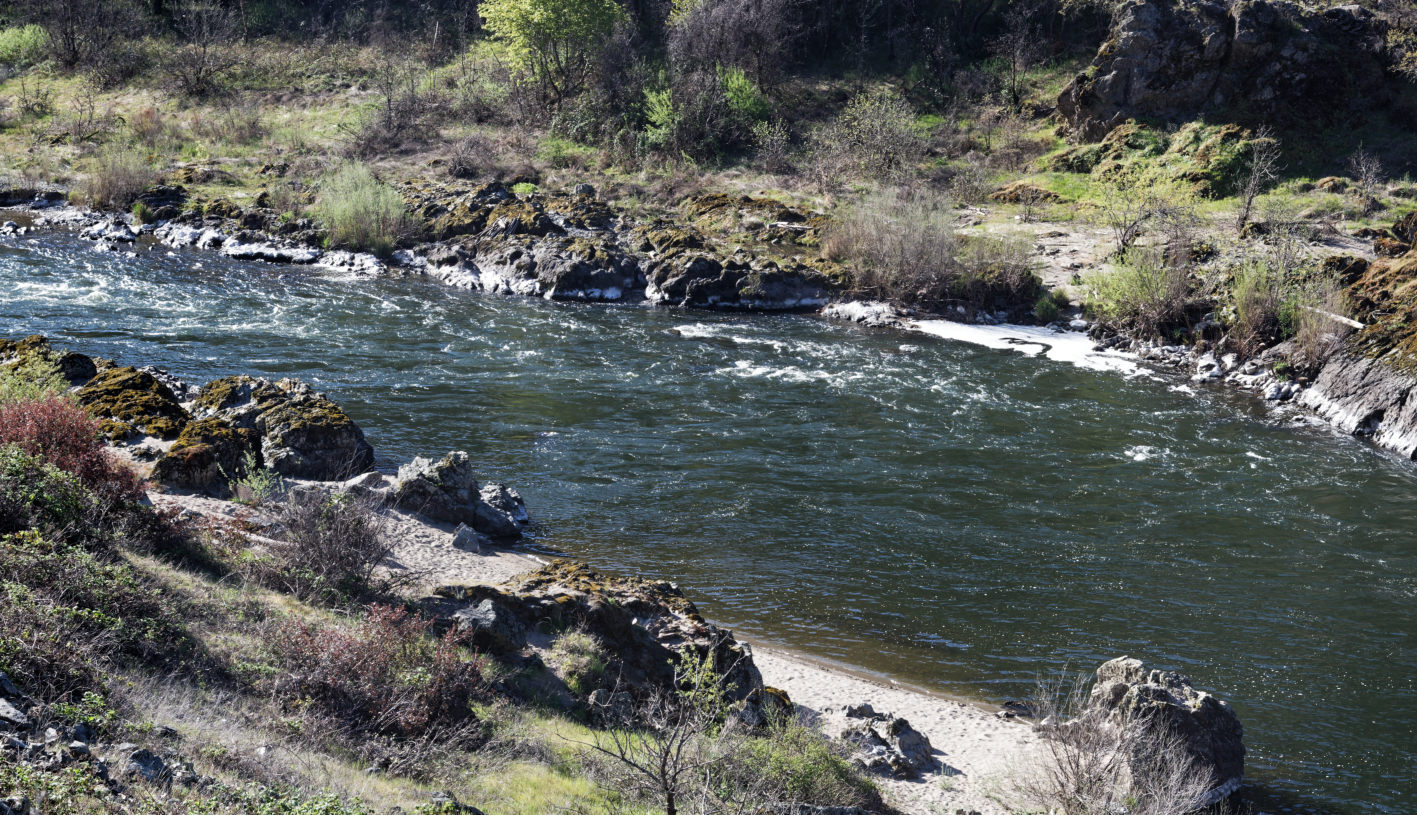
This is very sweet!

There is something about a baby!

I must admit to leaving preparing a post until late in the day. I was going to leave it blank but then decided that this was such a sweet story that it had to be shared with you all!

ooOOoo

Dog Loves Listening To Her Baby Brother In Mom’s Belly

She won’t stop wagging her tail ❤️️

By Caitlin Jill Anders

Published on the 16th April, 2021

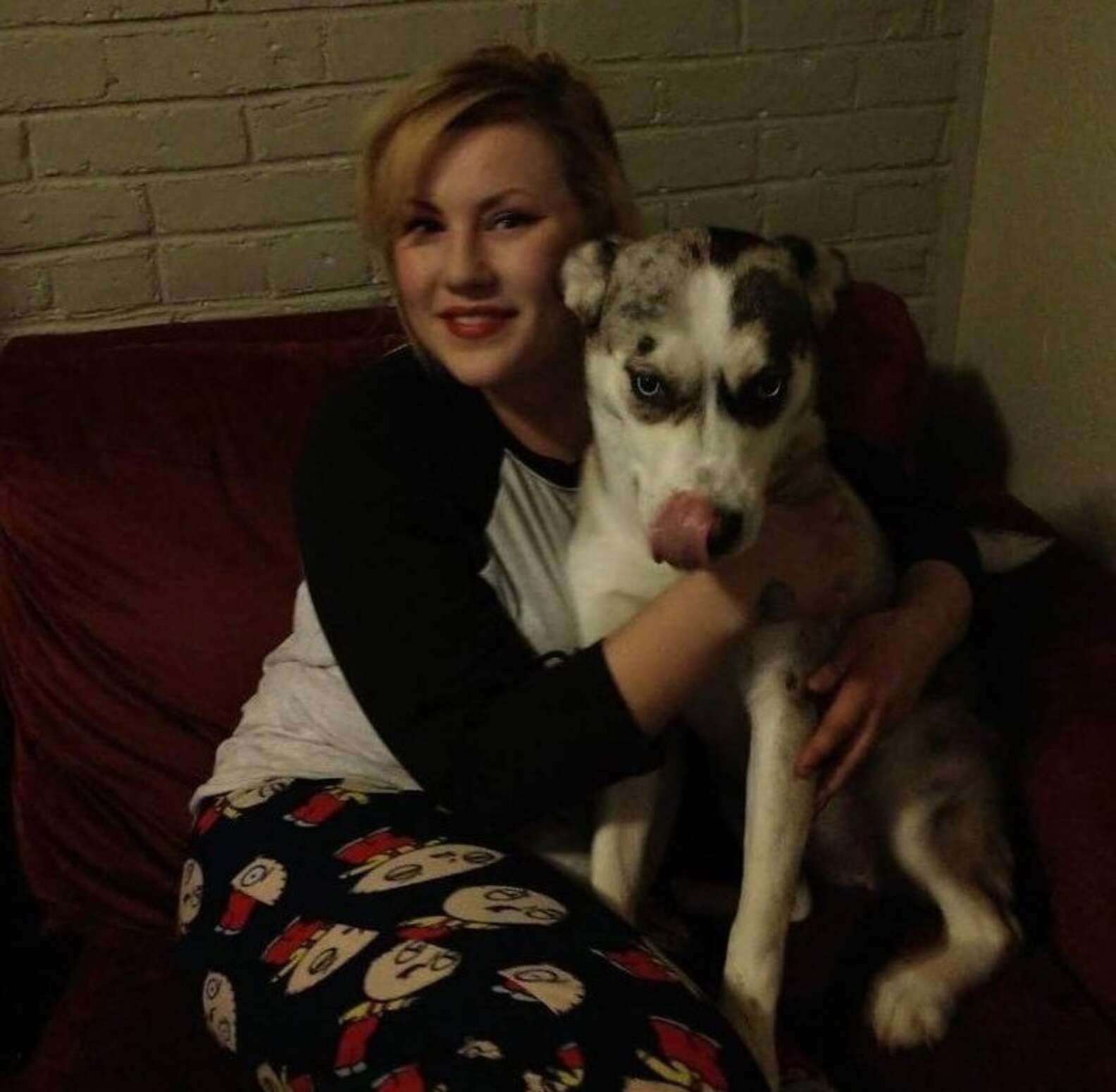
Avon has always been a very hyper dog, but recently she’s gotten a little calmer — and that’s because she suddenly realized that her mom is pregnant. 

“I think she first noticed I was pregnant when I was around 14 [to] 15 weeks because she would normally jump around so much, but she started being more gentle,” Shea Haugen, Avon’s mom, told The Dodo. 

SHEA HAUGEN

Now, Avon loves to rest her head on her Mom’s belly — because she loves listening to her baby brother moving around inside. 

“She definitely lays her head down to listen to him and she gets really excited when he kicks,” Haugen said. “Typically that’s when her tail starts wagging uncontrollably.”

The dog who used to be so hyper and moving around all the time could now lay with her head on mom’s belly and listen to her baby brother forever, and that’s what true love looks like. Avon can’t wait to meet the newest member of her family, and her mom has a feeling he can’t wait to meet her, too. 

“Funny enough, my baby boy seems to like [giving] her a good kick whenever she lays her head on my tummy,” Haugen said. 

Very soon, Avon is going to be a big sister. In the meantime, she’ll keep following Mom around and laying her head on her belly, proving to everyone what an incredible big sister she’s going to be.

ooOOoo

There’s no question at all that the bond between dogs and humans is so, so special.

I’m sorry but I have to dash now!

Picture Parade Three Hundred and Eighty-Six

More dog pictures.

But with a difference as these are from my very good and long-standing friend, Dan and his dog Lexi.

oooo

oooo

oooo

oooo

oooo

oooo

oooo

Perfect!

Dogs are the perfect companions!

A Dog’s Tail

Wonderful video sent across by my son, Alex!

We were out much of the day yesterday so I didn’t have huge time for the blog.

But nevertheless I could let the day go by without sharing this video with you.

Yes, it is an advertising video but so what. It is the most delightful combination of mountain biking and dogs. Alex is a great mountain biking enthusiast.

Here it is!

It’s not just us who are social

How about plants!

Yes, a deeply interesting post from The Conversation website shows how plants thrive by communicating and much more.

Now this post doesn’t have a dog within sniffing distance but I still wanted to share it with you.

ooOOoo

Plants thrive in a complex world by communicating, sharing resources and transforming their environments

April 14, 2021. 

By Beronda L. Montgomery

Professor of Biochemistry and Molecular Biology & Microbiology and Molecular Genetics; Interim Assistant Vice President of Research & Innovation, Michigan State University.

As a species, humans are wired to collaborate. That’s why lockdowns and remote work have felt difficult for many of us during the COVID-19 pandemic. 

For other living organisms, social distancing comes more naturally. I am a plant scientist and have spent years studying how light cues affect plants, from the very beginning of a plant’s life cycle – the germination of seeds – all the way through to leaf drop or death. In my new book, “Lessons from Plants,” I explore what we can learn from the environmental tuning of plant behaviors. 

One key takeaway is that plants have the ability to develop interdependence, but also to avoid it when being connected could be damaging. Generally, plants are constantly communicating and engaged with other organisms in their ecosystems. But when these ongoing connections threaten to cause more harm than good, plants can exhibit a form of social distancing.

The power of connection and interdependence

When conditions are good, most plants are networkers. The vast majority of plants have fungi that live on or within their roots. Together, the fungi and roots form structures known as mycorrhizae, which resemble a netlike web.

Mycorrhizae increase their host plants’ ability to absorb water and nutrients, such as nitrogen and phosphate, through their roots. In return, the plants share sugars that they produce through photosynthesis with their fungal partners. Thus, the fungi and host plants are powerfully interconnected, and depend on one another to survive and thrive. 

Mycorrhizal connections can link multiple plants in a functioning network. When plants produce more sugars than they need, they can share them via this interconnected root-fungal network. By doing so, they ensure that all plants in the community have access to the energy they need to support their growth.

Put another way, these connections extend beyond a single host plant and its fungal partner. They create communitywide relationships and interdependent networks of plants and fungi. Factors in the external environment, such as the amount of light available for photosynthesis and the composition of soil around the plants, fine-tune the connections in these networks.

Mycorrhizhae also serve as communication channels. Scientists have documented that plants pass defensive chemicals, such as substances that promote resistance against insect pests, to other plants via fungal networks. These connections also allow a plant that has been attacked by aphids or other such pests to signal to neighboring plants to preemptively activate their own defense responses.

Mycorrhizhae are living communities of plant roots and fungi that benefit mutually from their relationship.

When it’s safer to keep your distance

Sharing resources or information that helps other plants ward off danger is a valuable example of the power of connectedness and interdependence in plant ecosystems. Sometimes, however, surviving requires plants to disconnect. 

When environmental cues such as light or nutrients become scarce enough that a host plant can produce enough sugars through photosynthesis to support only its own growth, staying actively interconnected in a larger community network could be dangerous. Under such conditions, the host plant would lose more from sharing limited sugar supplies than it would gain from the network in water and nutrients. 

At times like these, plants can limit mycorrhizal connections and development by restricting how many materials they exchange with their fungal partners and avoiding making new connections. This is a form of physical distancing that protects the plants’ ability to support themselves when they have limited energy supplies so they can survive for the long term. 

When conditions improve, plants can resume sharing with their fungal partners and establish additional connections and interdependence. Once again, they can benefit from sharing resources and information about the ecosystem with their extended plant and fungal communities.

Recognizing kin and collaboration

Social distancing isn’t the only trick plants use to make their way in the world. They also recognize related plants and tune their abilities to share or compete accordingly. When the plants that are interconnected by a fungal network are close genetic relatives, they share more sugars with the fungi in that network than they do when the other plants are more distantly related.

Prioritizing kin may feel highly familiar to us. Humans, like other biological organisms, often actively contribute to help our kin survive. People sometimes speak of this as working to ensure that the “family name” will live on. For plants, supporting relatives is a way to ensure they carry on their genes. 

Plants can also transform aspects of their environment to better support their growth. Sometimes essential nutrients that are present in soil are “locked up” in a form that plants can’t absorb: For example, iron can become bound up with other chemicals in forms very similar to rust. When this happens, plants can excrete compounds from their roots that essentially dissolve these nutrients into a form that the plants can readily use

Plants can transform their environments in this way either individually or collectively. Plant roots can grow in the same direction, in a collaborative process known as swarming that is similar to bee swarms or bird flocks. Such swarming of roots enables the plants to release a lot of chemicals in a particular soil region, which frees up more nutrients for the plants’ use.

Trees use fungal networks to send one another messages – and some species hijack the system to sabotage their rivals.

Better together

Behaviors like mycorrhizal symbiosis, kin recognition and collaborative environmental transformation suggest that overall, plants are better together. By staying in tune with their external environment, plants can determine when working together and fostering interdependence is better than going it alone. 

When I reflect on these tunable connections and interdependence between plants and fungi, I draw constant inspiration – especially during this pandemic year. As we make our way in a constantly changing world, plants offer all kinds of lessons for humans about independence, interdependence and supporting each other.

ooOOoo

I agree with Professor Montgomery. Who would have though it! Plants do indeed offer strong social lessons for us humans. Maybe that explains why trees, especially trees, have such a profound, beautiful appeal to yours truly as well as many other people.

Going to close with a photograph taken of our trees and pond here at home.

They are communicating!

Beyond the Call of Duty

A little coyote pup is rescued by a policeman.

I am republishing a post from The Dodo. It is dated May, 2019 but the actions, feelings and results are timeless.

Have a read of it yourself.

ooOOoo

Kind Cop Goes Above And Beyond For A Lonely Little Coyote Pup

He found a friend when he needed it most ❤

By Stephen Messenger

Published on 5/9/2019

Stop in the name of the awww.

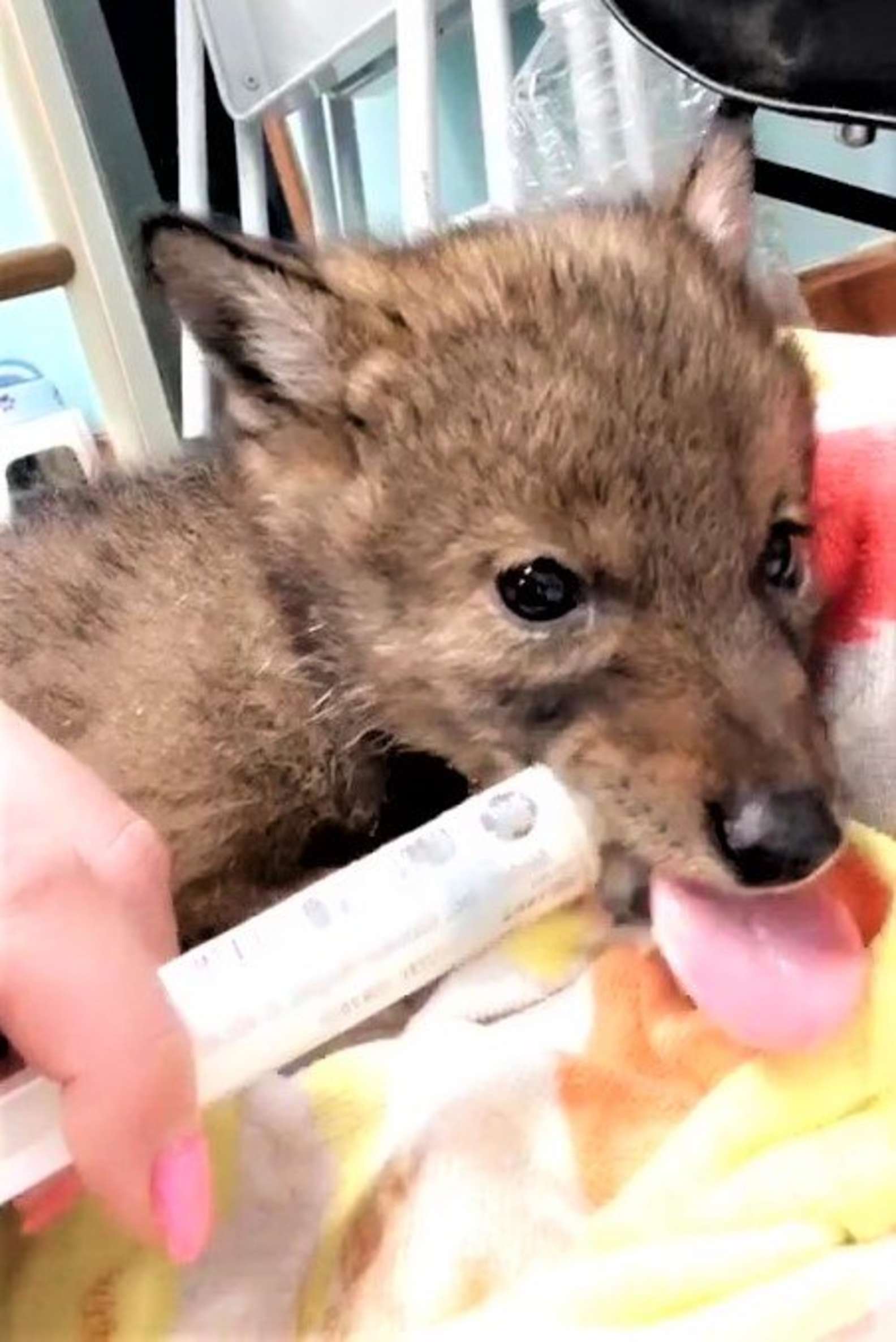
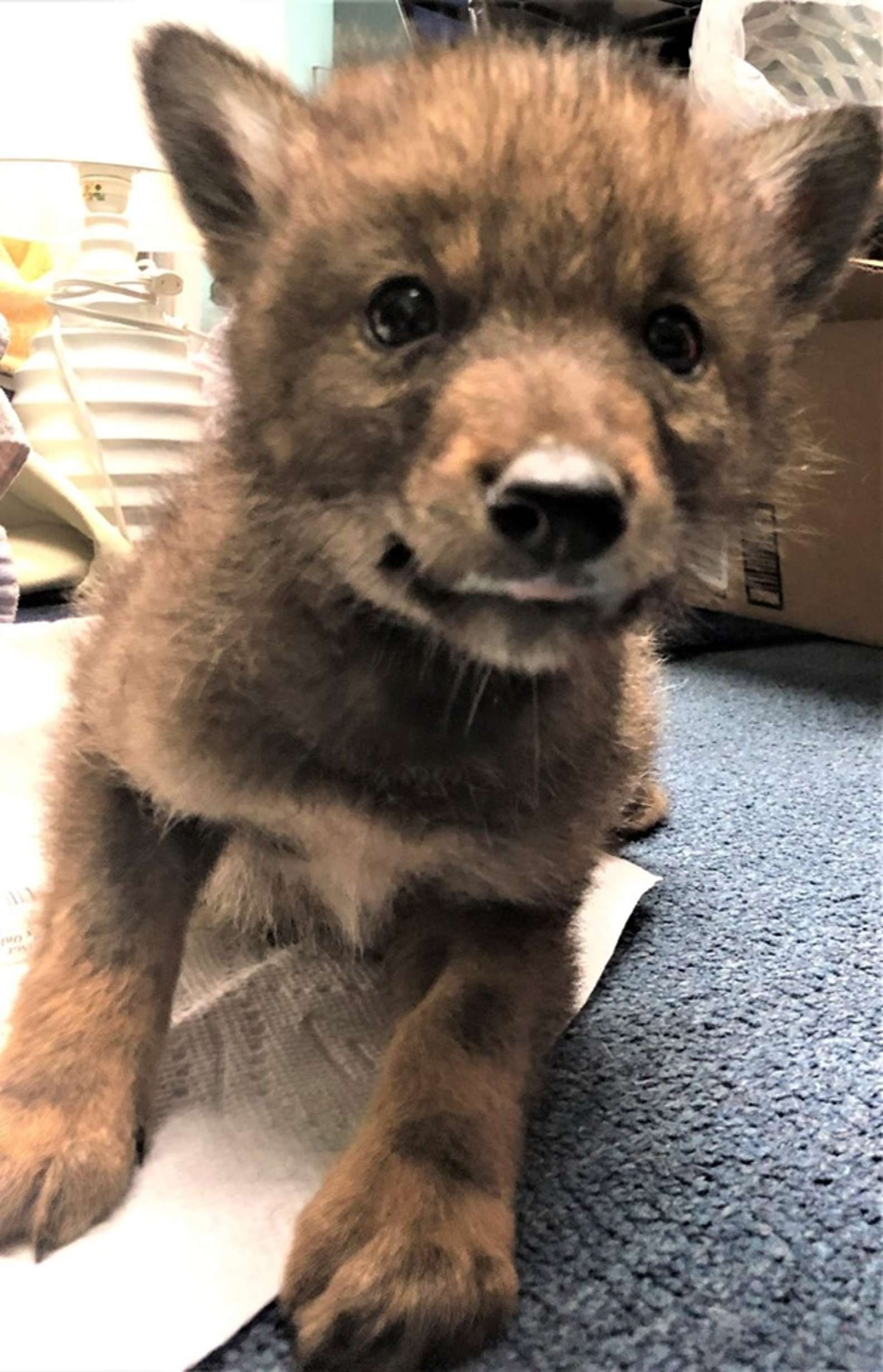
This week, a Massachusetts State Police trooper did just that — coming to the aid of a helpless young coyote pup who’d been found stranded all alone along a busy roadway.

MASSACHUSETTS STATE POLICE

Seeing that the pup’s mother was nowhere in sight, trooper Carlo Mastromattei contacted Lisa Cutting, owner of Ocean View Kennels, for help in safely removing the animal from that perilous spot.

The pup was now out of immediate danger, but Mastromattei’s kindhearted actions didn’t end there.

MASSACHUSETTS STATE POLICE

At that late hour, all nearby wildlife rehab facilities were apparently closed. So, the trooper then decided to go above and beyond his call of duty in order to keep the little coyote safe until morning.

Mastromattei brought the pup home, where he and his girlfriend kept him cozy and fed through the night.

MASSACHUSETTS STATE POLICE

The next day, Mastromattei brought the coyote to the Tufts Wildlife Clinic for a checkup. Fortunately, he was found to be in good health — thanks in no small part to the trooper having rescued him in time.

MASSACHUSETTS STATE POLICE

According to the Massachusetts State Police, the young coyote has since been placed under the care of a wildlife rehabilitator. With any luck, he’ll continue gaining his strength until he’s old enough to be released back into the wild to live life as nature intended.

For their efforts, those involved in the pup’s rescue are getting some much-deserved praise from police officials, who wrote in a post:

“The Department offers its sincere thanks to Trooper Mastromattei, his girlfriend, Ocean View Kennels, and Tufts for their compassionate care for this beautiful little creature.”

ooOOoo

I would like to bet that Carlo Mastromattei has a dog at home. For this compassion shown by Carlo Mastromattei is surely brought about by having a dog or two in his life.

I guess we will never know but my bet stands.

Picture Parade Three Hundred and Eighty-Five

ooOOoo

ooOOoo

ooOOoo

ooOOoo

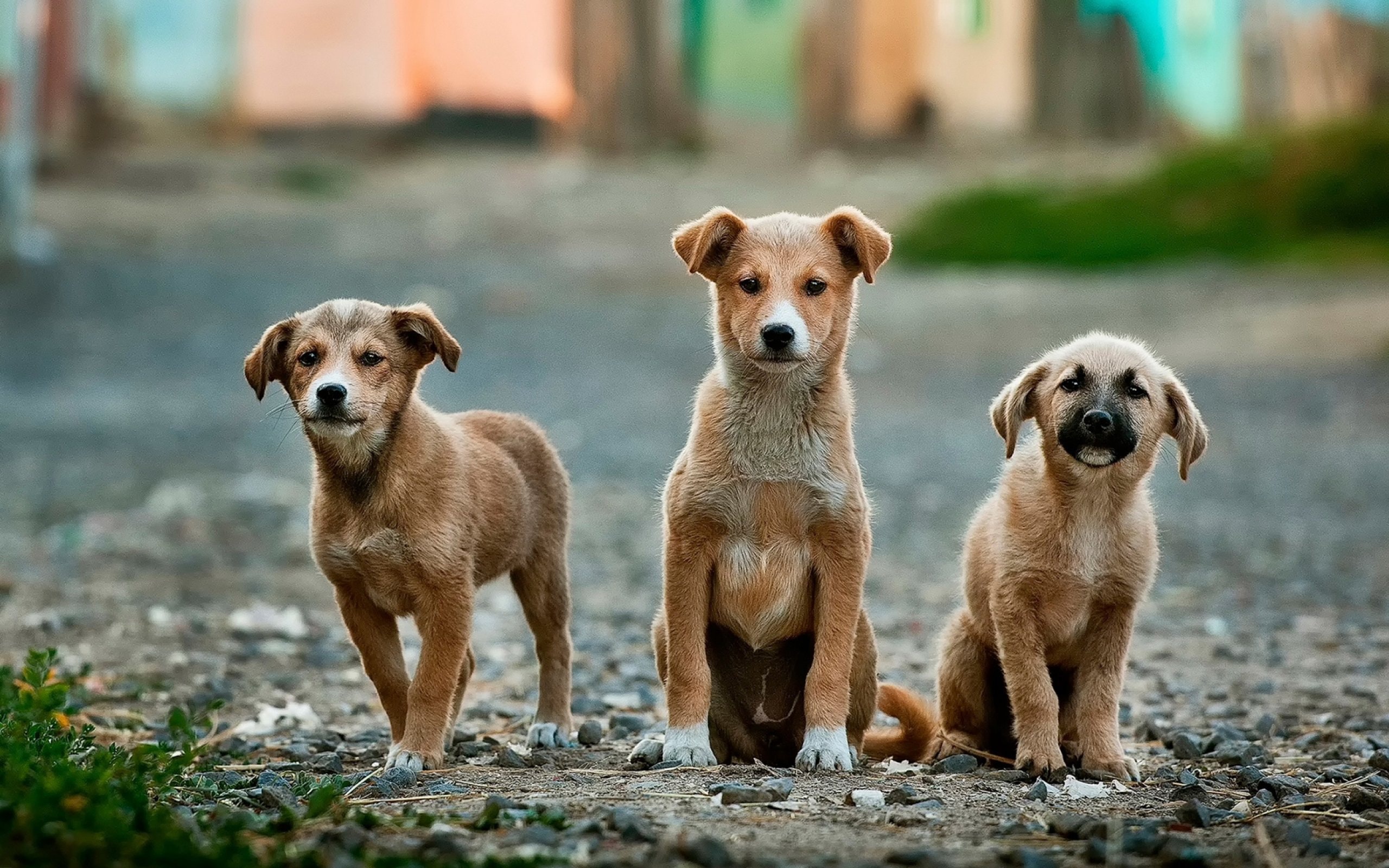
These pictures are all from the ‘Unsplash’ site, free of copyright, and I am indebted to the individual photographers.

Jeannie is painting again!

And it is thanks to all of you!

There was such a wonderful response to when I recently posted some of Jeannie’s paintings from previous days that she picked up her paint brushes again.

To say that I was delighted is an understatement.

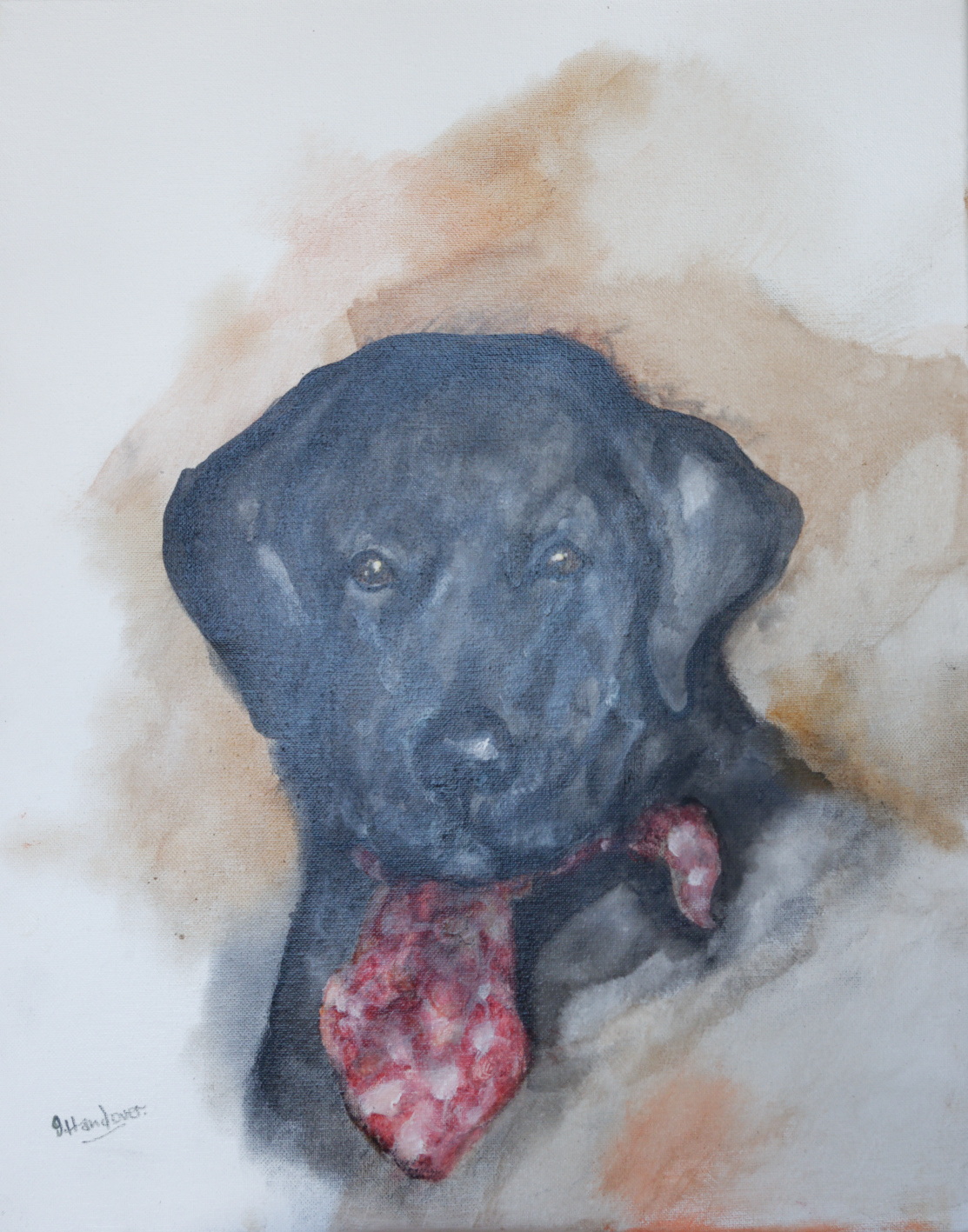
So I present a painting of Louis, a dog belonging to Jim and Janet Goodbrod, when he was a puppy, that’s Louis not Jim!

Jim and Janet used to live just around the corner from us but moved some time ago up to Roseburg. We are going to visit them today and Jean is taking the painting with her as a gift to the Goodbrods.

But to close with another thank you. Because it really made such a difference.

The pain of letting go.

Dogs ought to live far longer!

I have spoken before of the bond that we humans make with our dogs, and vice versa, and the love that flows from such a bond.

But they don’t live long enough! And the end of their lives is a very difficult period for us.

Doug Goodman writes a blog. He is also an accomplished author.

Recently Doug wrote about the most difficult decision he had to make. Doug kindly gave me permission to republish his article.

ooOOoo

The Difficult Decision to Euthanize Ryder.

By Doug Goodman, April 20th, 2021

Unfortunately, all dogs die. There’s no easy way to do this, but it’s a fact of life as a pet owner. For me, the key decision was when is the right time to do it? I don’t want to wait too long so that Ryder suffers, but I’d feel guilty putting Ryder down too early.

We’ve talked about this many times, in fact. Often on walks or long rides in the car, my wife and I go through the bullets, like a checklist of emotional redemption. There are many “easy” decisions when owning a dog: which food? That bag of Purina over there. When do you pick up after the dog? At least twice a week in the spring and summer, sometimes every other day. Should you pet the dog? Well, it’s a German Shepherd, so if it wants to be petted, you better do it now because it may not want to be petted the rest of the day.

Deciding to euthanize is nothing so simple.

Years ago when we went through end-of-life with Mojo, a veterinarian recommended as a litmus test to pick the three things the dog enjoys most in life. When the dog can no longer do one or especially two of those things, it’s time to euthanize.

But that litmus test doesn’t apply to all dogs, and certainly not to Ryder. She’s always been a peculiar dog. She likes her backyard and playing with Koda, and she likes to eat*. She still does those things. For me, it is a pain factor based on arthritis and lack of mobility. People will talk about the dignity of life for a dog, and I think there is some truth to that. I remember laying in bed one day and Mojo walking in and telling me he was ready. A few months later, he again looked at me, and his eyes were full of truth. He wasn’t happy, he didn’t like this anymore. He was ready. Sometimes Ryder gives me that look, but I’m not sure. She’s always had a pained, scared-of-the-world emotion in her eyes.

But there is “pained” and there is “pain.” Ryder can’t put in words her suffering, so it’s up to me to observe her closely. Over the past few months, and certainly over the past year, my family and I have noticed changes to her behavior, physicality, and mental state:

-She had urination problems. She was diagnosed as a UTI and corrected. Alone, this is not a sign that she is close to dying, but I believe it may be a sign of the severity of her back arthritis. She’s not cleaning herself. This is especially troubling considering…

-She has problems holding in poop. Sometimes she’s sitting there, laying in it, and she doesn’t realize she’s pooped herself. Often, she can’t make it through the night without releasing her bowels in the house. If she isn’t able to clean herself, and she isn’t aware that she is going to the bathroom, this can lead to discomfort and additional UTIs.

-She stopped climbing the stairs. This was a subtle one because our dogs aren’t allowed upstairs. But last week we had a major thunderstorm, and as anyone who owns German Shepherds can attest, GSDs only want to be right next to you when the thunder booms and the lightning crashes. Koda busted down the dog gate and ran upstairs for solace. Ryder, who is usually the first one to bump against the bedroom door until we wake up, stayed downstairs and didn’t attempt coming to us. At least, I didn’t see her attempt it. She may have tried, failed, and gone back downstairs. That’s a first in her lifetime, and she wouldn’t have stayed down there if she didn’t absolutely have to remain on the first floor.

-She is stumbling. She often stumbles in the house, especially walking inside and out. She has fallen doing little playful jumps at my daughter. I’ve seen her fall to the floor and not be able to stand for thirty seconds or more.

-This will sound weird, but she sits a lot, and not on purpose. One of the things she does is get in the way of her people (helloooo, herding dog). She backs out when she realizes I want to get through. Now, she backs out, and her butt falls down, and she stares at me like “That wasn’t supposed to happen. What do I do now? Sorry!” until she can get back up.

-She is whining and yelping. This is the big one. My dogs don’t whine or yelp for no reason. They aren’t talkative dogs. For the past year, though Ryder will yelp when roughhousing with Koda. She wants to jump on him, but she’s incapable. Lately, she’s really reduced her roughhousing. Additionally, Koda is being a son of a bitch about this. A few days ago I noticed they were playing their favorite game of “I’ve got a thing and you don’t.” I posted about this when during one of these games, Ryder knocked the poop out of Koda. That old chestnut. But this last time when Koda wanted the random stick, he bumped her rear with his chest so that she went down. I scolded him, he didn’t understand, and eventually Ryder dropped the stick and guarded it with strong play-snaps. Koda wasn’t going to take any further action to take the prized random stick, but the fact that he knows to exploit this indicates to me that one day we could find out he’s hurt her, perhaps broken her back from bumping her, and now you have to put down Ryder immediately in your backyard. Nobody wants that. 

So we have elected to euthanize Ryder. 

Damn, there’s a lot of finality in that statement. She is a family member, and we lover her very much. I picked her up from the tiny town of Buda, Texas and drove her three or four hours back to Houston. She never liked car rides after that. We have a lot of memories with that dog, some I’m sure I will share in the coming weeks, but for now, I want to focus on the decision.

We are reaching out to companies that can euthanize at home. With all of Ryder’s fears, it seems like the best option. Of course, home euthanasias are the popular choice in the pandemic. Earlier in 2020, some of the vets we looked to wouldn’t allow owners to be present for euthanasias. So we will see if we can make the home euthanasia happen.

In the meantime, I give her half an aspirin to help with the pain, and my daughter purchased some CBD-infused peanut butter, too. We’ve had her on joint vitamins, but that only goes so far. We do as much as we can to keep Ryder comfortable, but it’s clear that she’s in near-constant pain and that her hips/back have greatly reduced function. She is an eleven and a half year old GSD, old for one. So as difficult as it is to decide to euthanize, I know that it is a necessary part of ownership. If I’m willing to own a dog, I must be willing to take care of it throughout it’s life, not just the happy puppy parts, but all of it, including her last days. 

*Ryder only eats infrequently over the past few weeks. It is one of her three joys: play, eating, and protection/perimeter walking, and I would argue that food is her highest joy, so not eating is a big clue that her time is soon.

ooOOoo

I met Jean in 2007 in Mexico. Jean was rescuing street dogs, looking after them for a while, and then finding homes for them in the USA; primarily Arizona. I was then living in Devon, England together with my German Shepherd, Pharaoh. Jean loves all dogs irrespective of size. I moved out to Mexico, with Pharaoh, permanently in 2008. Living with so many dogs around the home quickly brought an awareness of the integrity of dogs, of their ability to love unconditionally, and I started this blog in 2009.

Now Jean and I live in Southern Oregon. Indeed we have been here since 2012. We are down to six dogs: Cleo; Brandy; Sheena; Oliver; Pedi and Sweeny. That means we have had many dogs die in the past. I still miss Pharaoh who died in 2017. Or rather it should be said that the decision to euthanise him was in June, 2017.

In the end we have to make that final decision for our beloved dogs. It is, frankly, so much better than leaving dogs to die because the last few weeks or days can be very brutal.

So we know only too well what Doug is going through. Our thoughts are with Doug and Ryder.
The love for a dog and its rewards

What a hero!

Time after time we read about the special bond between humans and dogs. And unlike us humans dogs seem to completely forget times in their past when they were treated cruelly.

Take this story of a dog that was an absolute hero.

ooOOoo

Dog Spots A Boy Being Swept Out To Sea And Rushes To Help Him

By Lily Feinn Published on 22nd March, 2021

Max was never trained to be a hero, but when the moment called for it, the Staffordshire terrier/bulldog mix answered the call.

Before Jamie and Rob Osborn adopted Max, he was a neglected pup. He lived mostly outside and was never taken out for walks. But the love of his new parents quickly changed the wary dog.

FACEBOOK/ROBERT OSBORN

“When we got him, he was a bit antisocial,” Jamie Osborn told The Dodo. “If we were patting him too much, he’d get up and walk away. These days, Max is a completely different dog. He’s always happy! He’s really loving and gives us lots of love and affection.”

Max now lives inside as part of the family in Port Noarlunga, Australia. He loves sleeping in bed with his 11-year-old brother, Nev, and — most of all — splashing around in the water.

In the summer, Max spends most of his time at the beach with his family. “We have kayaks and he likes to swim along with us as we paddle, so we got him a life jacket so he wouldn’t get too worn out,” Osborn said. “Rob likes to surf and snorkel, so Max can often be seen at the beach hanging with the surfers waiting for a wave.”In January, Max was enjoying a quiet day at the beach with his dad and brother when something went wrong. A young boy got caught in the current and started to panic. Instead of swimming parallel to the shore to escape the current, he tried to swim against the current and quickly got stuck. Rob spotted the boy and called out to Max for help.

FACEBOOK/JAMIE OSBORN

“Max was just swimming around, wearing his life jacket, having a great time when the young boy got into trouble,” Osborn said. “Rob had the boy call Max over. Max was just doing what he loves best — swimming.”
Max obediently swam over to the struggling boy and let him grab ahold of his life jacket. The pup fought the current and towed him back to the safety of the beach.

Later, Max acted as lifeguard yet again. “One of Nev’s friends also found it a bit tough, so he went back and got her, too,” Osborn wrote on Facebook.

Max was declared a hero — but he doesn’t know it. All he knows is that he’s getting a lot more pets and treats, and is happier than ever.

ooOOoo

Isn’t this a terrific story! Max is a real star and hero. But then so are many, many other dogs. All they need is love from us humans and then they bond with us for life.

Picture Parade Three Hundred and Eight-Four

A continuation of yesterday’s post

But first we want to remember Prince Phillip. Dear Prince Phillip. Jeannie and I watched the whole of the funeral and it was very moving.

So in terms of the photographs already shown yesterday, we had done the Hog Creek landing and the next view point and we are now up to the bridge itself.

Except that I forgot to show you another photograph of the Canyon.

The sheer walls of Hellgate Canyon

The very dramatic scene with its incredibly steep flanks was just amazing!

Now to the viewpoint just before the bridge.

We had the very good fortune to take a shot of a fisherman just upstream of us.

A rock formation on the opposite bank.

All around us were spectacular sights.

Take this shot of a bird approaching a tree standing stark on the top of a small ridge. That was just to the right of the road facing the bridge.

And the bridge itself!

It really is a very scenic place.

That is the end of my set of photographs. My eyes were truly opened.