Their main job is to guard livestock, but wildlife benefits too.
The puppies will grow up alongside the livestock they will one day protect. WCS Argentina
A new litter of livestock dogs was just delivered by Wildlife Conservation Society (WCS) Argentina. Currently cuddly and very cute, the puppies will be specially trained to protect goats and sheep from predators. Not only will this help save the livestock, but these dogs will help limit conflicts between herders and the pumas and other native carnivores living around them in the Patagonian Desert.
The puppies are a mix of Great Pyrenees and Anatolian shepherd — large, working breeds trained to guard livestock. In the early weeks of the project, the puppies bond with the livestock to form protective relationships. WCS representatives work closely with herders to provide care and training for the puppies and the livestock during what’s known as this key “imprinting” period.
“During the first eight weeks of life, puppies will create a very strong bond, first with their mother and then with their social group. During the first 40 days, puppies remain with their mother, but livestock is kept in the same pen or corral with the dogs so they can smell them, see them, and progressively make physical contact with livestock,” Martín Funes, project manager of WCS Argentina, tells Treehugger.
“Progressively, during three months the bond between puppies and livestock will get stronger, and dogs will start to show a protective behavior. After this period they will recognize a certain species (we work with sheep and goats) as their social group, and that will remain for the rest of its life.”
For many years, WCS Argentina has been working with area herders to come up with new ways to stop conflicts with area predators. In the past, herders have resorted to shooting, poisoning, or trapping wildlife that have threatened their flocks.
WCS Argentina places the puppies with herders based on their location, the amount of conflict they’re having with carnivores, and their willingness to participate in the program, which includes proper care of the dogs through adulthood.
The dogs become a very powerful tool, says Funes.
“Livestock guarding dogs (LGD) stay with livestock 24/7, which is impossible for the other methods [of predator control]. They behave as part of the flock, and they will protect it against any threat,” he says.
“They tend to be very protective but they don’t have the hunting instinct of wolves or some other dog breeds (i.e., greyhounds or lebrels). However we should always consider a basic principle for reducing livestock losses by carnivores: The more methods you use, the safer your livestock will be. Combining different strategies is always an efficient approach to reduce attacks by carnivores.”
The dogs are raised alongside the sheep and goats. WCS Argentina
In the Patagonian Desert, also known as the Patagonia Steppe, livestock face threats from several wild cats including pumas, Geoffroy’s cat, pampas cat, and the threatened Andean cats. Other predators include Patagonian foxes and Andean condors.
“Even though we have been hunting, trapping, and killing carnivores, it has never been effective in reducing our losses,” said Flavio Castillo, a herder participating in the program, in a statement. “It is our hope that [the dogs] will be a very useful tool to stop predation. With the dogs, we can co-exist with carnivores and protect our production. Wildlife belongs here and we have to protect and co-exist with it.”
In addition to saving the lives of the flocks and their predators, the presence of the guardian dogs also can have a positive impact on habitat restoration.
“As attacks from carnivores diminish, producers tend to stop trapping, hunting and poisoning of wild animals, which is an outstanding benefit for the entire ecosystem,” says Funes.
“A secondary benefit, as producers perceive a reduction in annual livestock losses, is that herders might adjust livestock stocking rates density and improve soil and vegetation conditions and its performance, reducing overgrazing and desertification, a major and widespread environmental problem in arid Patagonia for the last two centuries.”
ooOOoo
This is a powerful story of the many ways that dogs may be used to help humans.
Dogs are by far the longest domesticated animal that has bonded to humans and I’m trying to receive permission to republish a wonderful article that John Zande sent me to read. It is about the Neanderthals and homo sapiens and the relationship with dogs.
It will be of no surprise that dogs have been regular pets of Presidents over the years. Apart from the fact that they provide companionship and love the dogs are also never left alone unlike many adults in normal life who often have difficult decisions to make.
So here’s an article in The Conversation that I am republishing.
ooOOoo
How Biden’s dogs could make the Oval Office a workplace with less stress and better decision-making
Presidential pup Major Biden stretches his legs on the White House lawn. The Official White House photo/Adam Schultz via Twitter, CC BY
On Jan. 24 the White House welcomed two new residents: Champ and Major, the newly minted first dogs of the United States. The first dogs are poised to offer special benefits to workers in the White House.
The first ‘Indoguration’ hosted by the Delaware Humane Association. Delaware Humane Association
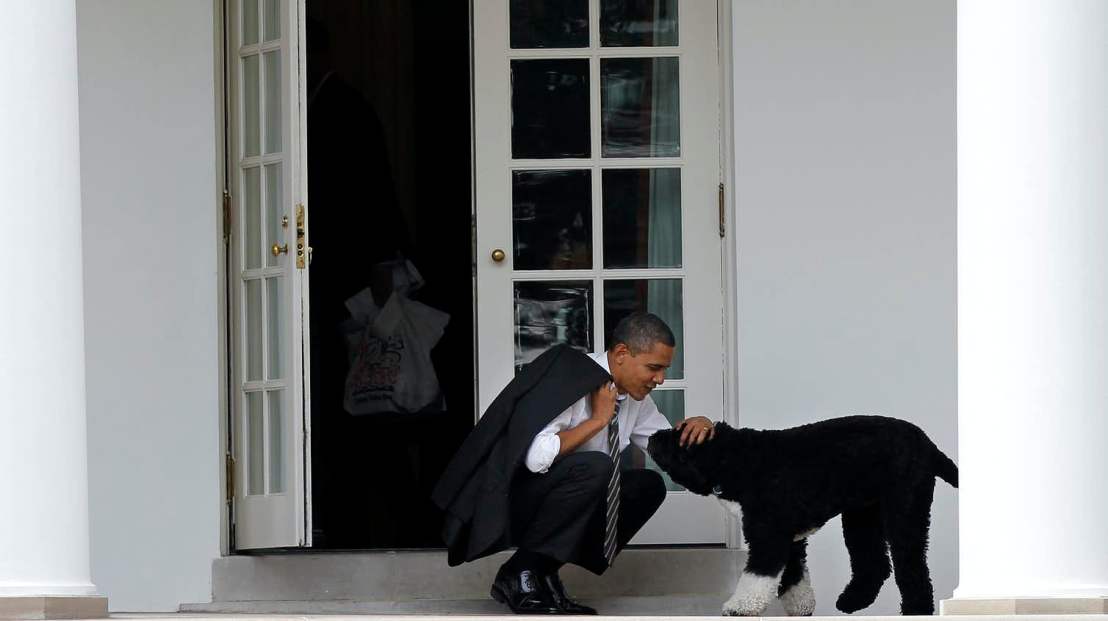
President Barack Obama takes a break outside the Oval Office with Bo in 2012. AP Photo/Pablo Martinez Monsivais
The Oval Office, the site of momentous decisions, enormous stress and complex social dynamics, may benefit from dogs even more than typical workplaces. After all, stress can compromise decision-making and problem-solving abilities. Pets can alleviate stress, however, dampening these effects and leading to improved performance on difficult tasks.
Given dogs’ skill at providing these supports and boosting mood, it may not surprise you to learn they work their magic not only one on one, but also in group settings. In the presence of a dog, people in groups have better social interactions, engage in more conversations and are more likely to form long-term friendships with one another.
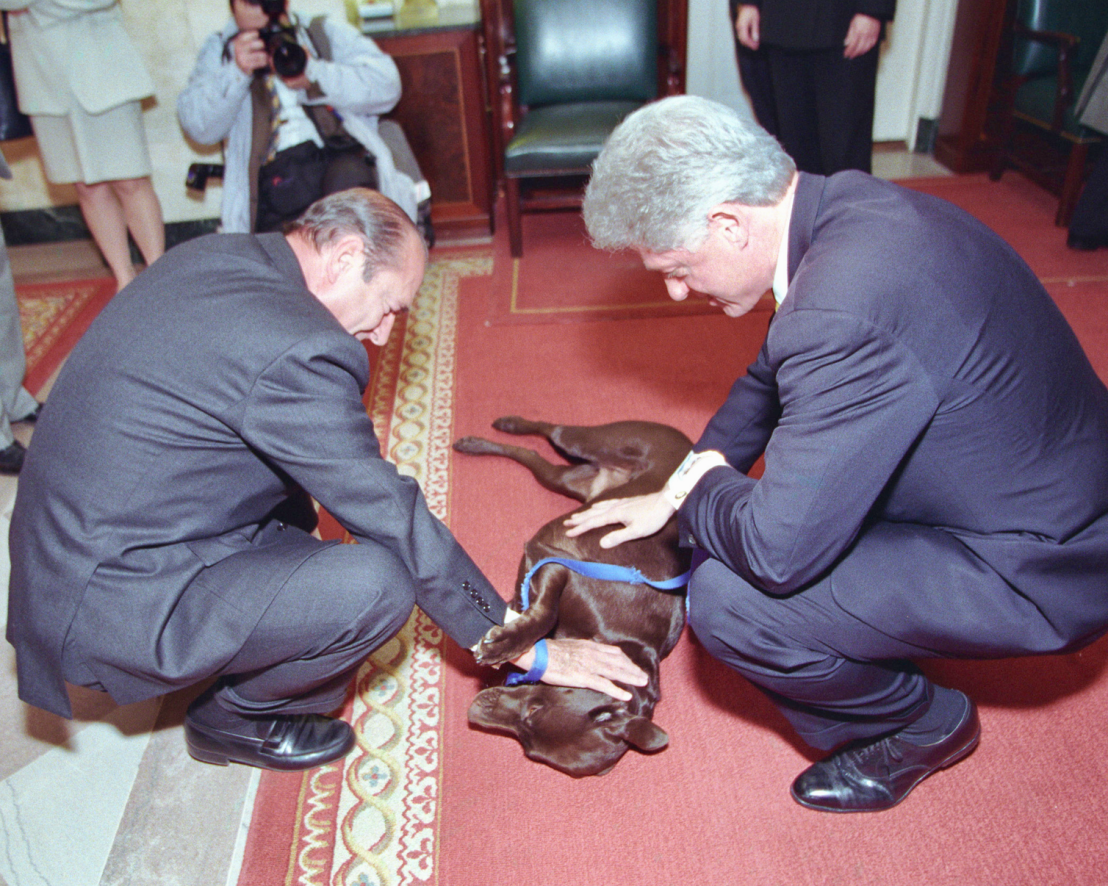
President Clinton and President Chirac of France showing Buddy some love in 1999. National Archives and Records Administration
The effects of dogs as social lubricants can go further: Dogs even foster development of social support networks among their humans, leading to a sense of community, and more social interactions between people in their vicinity. These engagements offer opportunities for even more social support in high-stress environments. And perhaps most importantly, people are more likely to offer help when a dog is present.
Having Champ and Major in the White House may help President Biden and his staff navigate the stresses and tensions of the current political landscape. Beyond “indogurations,” tweets and cute photo ops, Champ and Major will offer physical, psychological and social benefits in the Oval Office.
In short, pets (yes, cats too!) improve the quality of life in almost every context – including presidential ones. Perhaps they can, even in a small way, play a role in uniting a divided country. After all, personal politics aside, isn’t it comforting to know there will be paws pattering around the White House again?
ooOOoo
As was said in the article: “In the presence of a dog, people in groups have better social interactions, engage in more conversations and are more likely to form long-term friendships with one another.”
Dogs are miracle creatures and if you think of the benefits that dogs provide in crucial groupings and discussions that go on the White House then, frankly, they should be a non-negotiable addition to any White House incumbent!
When Shelly Blount saw a post online last week about a dog who was about to be put down in North Carolina, she called the shelter immediately. To her relief, they told her the dog had just been adopted, but it got her thinking about the other dogs who might be in danger. She asked if there were other dogs scheduled to be put down and they told her a dog named Caleb was next on the list — so Blount got in her car.
Accompanied by a friend, Blount drove four hours from Virginia to the shelter, determined to rescue Caleb. When she arrived, she realized two other dogs were about to be put down as well. Despite having three other rescue dogs already at home, Blount suddenly knew what she had to do.
Shelley Blount
“I asked the limit on how many you could adopt,” Blount told The Dodo. “They said there wasn’t one. So I decided to get all three.”
Blount had arrived at the shelter that day expecting to leave with just Caleb — and instead she left with Caleb, Charisma and Bella.
Shelley Blount
As they began the long drive home, all three dogs were so excited and couldn’t contain their happiness, and Blount knew she had absolutely done the right thing.
Shelley Blount
“Caleb was sooo excited — kept giving kisses from the back seat, and his tail was wagging so fast,” Blount said. “Bella was so content being held so she sat in my friend’s lap and literally didn’t move. Charisma, my sweet little angel, was literally hugging me and slept the entire ride.”
Shelley Blount
When Blount decided to adopt all three dogs, she hadn’t really had a plan. She knew she couldn’t leave them at the shelter to be put down, but she also didn’t have room for three more dogs at home — but luckily, within days, she’d already found the best new homes for both Caleb and Bella.
Shelley Blount
“Caleb is super happy in his new home with a friend of mine,” Blount said. “She has another Lab who he loves. Bella went to my boyfriend and let’s just say they are inseparable.”
Shelley Blount
Blount is likely going to keep Charisma, as the pair have bonded quite a bit in the days since the rescue. Either way, Charisma would need to stay with Blount for a while — because after a vet visit, she realized the sweet little dog was pregnant.
Shelley Blount
No one at the shelter had told Blount that Charisma was pregnant with five to six puppies, and later said they hadn’t known. Not only did Blount save Charisma that day, but she also saved the lives of her puppies, and for that Charisma is continuously grateful.
“My Charisma girl is very attached to me and we take lots of cat naps because she’s so sleepy,” Blount said.
Shelley Blount
Charisma is due to give birth within the next week, and her new family is so excited for her. In the meantime, she’s enjoying spending lots of time cuddling with her new mom and best friend, thanking her every day for saving her life.
ooOOoo
Shelley is a real star and, indeed, so are all the other people that rescue dogs.
At the risk of blowing our own trumpet, and I don’t intend to, here’s a photograph from home to finish today’s post.
Brandy, to the left, and Pedi. Two ex-rescue dogs that are now so happy.
I make no apologies for republishing this further article about the health of one’s gut. Apart from the relevance at this time in terms of defeating Covid-19 the health of one’s digestive system is key and, essentially, the digestive system is the gut.
Read it and if you need to adjust your diet, DO IT!
ooOOoo
A healthy microbiome builds a strong immune system that could help defeat COVID-19
By Ana Maldonado-Contreras
Assistant Professor of Microbiology and Physiological Systems, University of Massachusetts Medical School
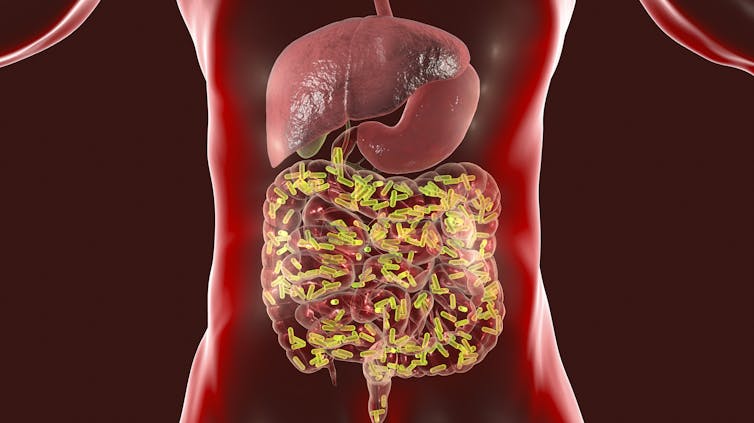
The microbes living in the gut are key to good health. Dr_Microbe/iStock/Getty Images Plus Ana Maldonado-Contreras, University of Massachusetts Medical School
Takeaways
Your gut is home to trillions of bacteria that are vital for keeping you healthy.
Some of these microbes help to regulate the immune system.
New research, which has not yet been peer-reviewed, shows the presence of certain bacteria in the gut may reveal which people are more vulnerable to a more severe case of COVID-19.
You may not know it, but you have an army of microbes living inside of you that are essential for fighting off threats, including the virus that causes COVID-19.
In the past two decades scientists have learned our bodies are home to more bacterial cells than human ones. This community of bacteria that lives in and on us – called the microbiome – resembles a company, with each microbe species performing specialized jobs but all working to keep us healthy. In the gut, the bacteria balance the immune response against pathogens. These bacteria ensure the immune response is effective but not so violent that it causes collateral damage to the host.
Bacteria in our guts can elicit an effective immune response against viruses that not only infect the gut, such as norovirusand rotavirus, but also those infecting the lungs, such as the flu virus. The beneficial gut microbes do this by ordering specialized immune cells to produce potent antiviral proteins that ultimately eliminate viral infections. And the body of a person lacking these beneficial gut bacteria won’t have as strong an immune response to invading viruses. As a result, infections might go unchecked, taking a toll on health.
I am a microbiologist fascinated by the ways bacteria shape human health. An important focus of my research is figuring out how the beneficial bacteria populating our guts combat disease and infection. My most recent work focuses on the link between a particular microbe and the severity of COVID-19 in patients. My ultimate goal is to figure out out how to enhance the gut microbiome with diet to evoke a strong immune response – for not just SARS-CoV-2 but all pathogens.
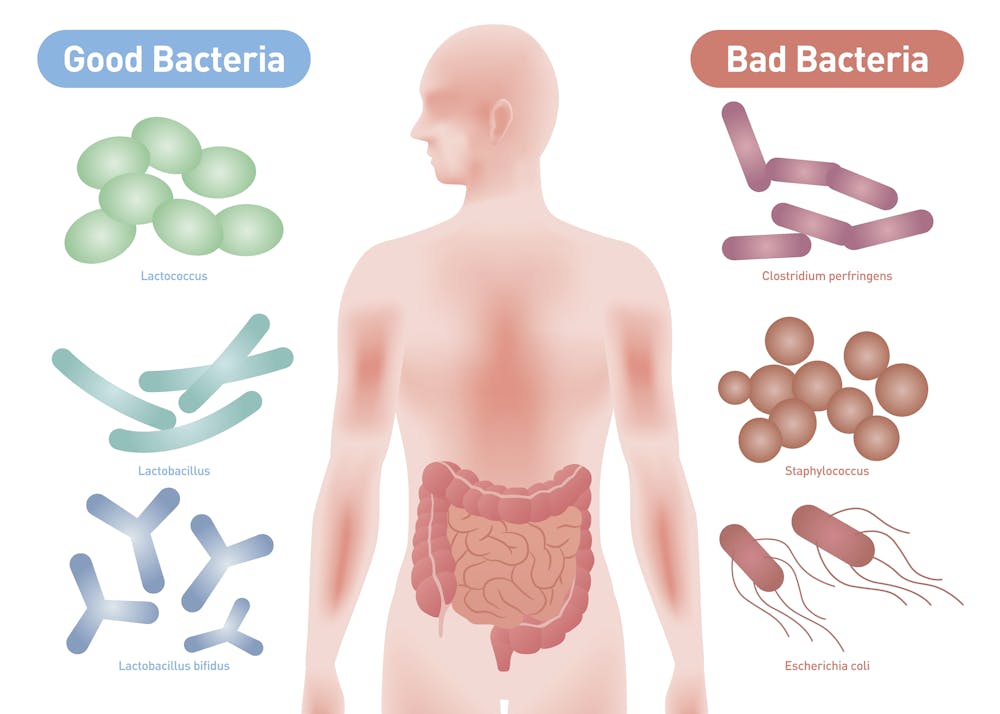
Good bacteria help the immune system ward off harmful microbes. chombosan/iStock/Getty Images Plus
How do resident bacteria keep you healthy?
Our immune defense is part of a complex biological response against harmful pathogens, such as viruses or bacteria. However, because our bodies are inhabited by trillions of mostly beneficial bacteria, virus and fungi, activation of our immune response is tightly regulated to distinguish between harmful and helpful microbes.
Our bacteria are spectacular companions diligently helping prime our immune system defenses to combat infections. A seminal study found that mice treated with antibiotics that eliminate bacteria in the gut exhibited an impaired immune response. These animals had low counts of virus-fighting white blood cells, weak antibody responses and poor production of a protein that is vital for combating viral infection and modulating the immune response.
In another study, mice were fed Lactobacillus bacteria, commonly used as probiotic in fermented food. These microbes reduced the severity of influenza infection. The Lactobacillus-treated mice did not lose weight and had only mild lung damage compared with untreated mice. Similarly, others have found that treatment of mice with Lactobacillus protects against different subtypes ofinfluenzavirus and human respiratory syncytial virus – the major cause of viral bronchiolitis and pneumonia in children.
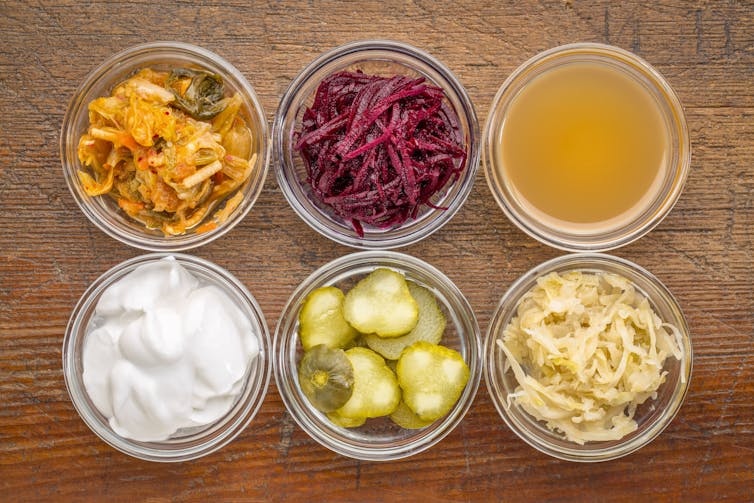
Fermented foods like kimchi, red beets, apple cider vinegar, coconut milk yogurt, cucumber pickles and sauerkraut can help provide beneficial bacteria. marekuliasz/iStock/Getty Images PlusChronic disease and microbes
Patients with chronic illnesses including Type 2 diabetes, obesity and cardiovascular disease exhibit a hyperactive immune system that fails to recognize a harmless stimulus and is linked to an altered gut microbiome.
In these chronic diseases, the gut microbiome lacks bacteria that activate immune cells that block the response against harmless bacteria in our guts. Such alteration of the gut microbiome is also observed in babies delivered by cesarean section, individuals consuming a poor diet and the elderly.
Research in my laboratory focuses on identifying gut bacteria that are critical for creating a balanced immune system, which fights life-threatening bacterial and viral infections, while tolerating the beneficial bacteria in and on us.
Given that diet affects the diversity of bacteria in the gut, my lab studies show how diet can be used as a therapy for chronic diseases. Using different foods, people can shift their gut microbiome to one that boosts a healthy immune response.
A fraction of patients infected with SARS-CoV-2, the virus that causes COVID-19 disease, develop severe complications that require hospitalization in intensive care units. What do many of those patients have in common? Old age and chronic diet-related diseases like obesity, Type 2 diabetes and cardiovascular disease.
Minority communities continue to bear the brunt of the pandemic. Blake Nissen for The Boston Globe via Getty Images
Discovering microbes that predict COVID-19 severity
The COVID-19 pandemic has inspired me to shift my research and explore the role of the gut microbiome in the overly aggressive immune response against SARS-CoV-2 infection.
My colleagues and I have hypothesized that critically ill SARS-CoV-2 patients with conditions like obesity, Type 2 diabetes and cardiovascular disease exhibit an altered gut microbiome that aggravates acute respiratory distress syndrome.
Several studies described in one recent review have identified an altered gut microbiome in patients with COVID-19. However, identification of specific bacteria within the microbiome that could predict COVID-19 severity is lacking.
To address this question, my colleagues and I recruited COVID-19 hospitalized patients with severe and moderate symptoms. We collected stool and saliva samples to determine whether bacteria within the gut and oral microbiome could predict COVID-19 severity. The identification of microbiome markers that can predict the clinical outcomes of COVID-19 disease is key to help prioritize patients needing urgent treatment.
We demonstrated, in a paper which has not yet been peer reviewed, that the composition of the gut microbiome is the strongest predictor of COVID-19 severity compared to patient’s clinical characteristics commonly used to do so. Specifically, we identified that the presence of a bacterium in the stool – called Enterococcus faecalis– was a robust predictor of COVID-19 severity. Not surprisingly, Enterococcus faecalis has been associated with chronicinflammation.
Enterococcus faecalis collected from feces can be grown outside of the body in clinical laboratories. Thus, an E. faecalis test might be a cost-effective, rapid and relatively easy way to identify patients who are likely to require more supportive care and therapeutic interventions to improve their chances of survival.
Bacteria from the gut microbiome are responsible for the proper activationof those T-regulatorycells. Thus, researchers like me need to take repeated patient stool, saliva and blood samples over a longer time frame to learn how the altered microbiome observed in COVID-19 patients can modulate COVID-19 disease severity, perhaps by altering the development of the T-regulatory cells.
As a Latina scientist investigating interactions between diet, microbiome and immunity, I must stress the importance of better policies to improve access to healthy foods, which lead to a healthier microbiome. It is also important to design culturally sensitive dietary interventions for Black and Latinx communities. While a good-quality diet might not prevent SARS-CoV-2 infection, it can treat the underlying conditions related to its severity.
Please note that obesity is regarded as a chronic illness.
Let me reprint a paragraph from the article:
In the U.S., 117 million individuals – about half the adult population – suffer from Type 2 diabetes, obesity, cardiovascular disease or a combination of them. That suggests that half of American adults carry a faulty microbiome army.
This is not funny. Good eating, typically the Mediterranean diet, is not difficult.
Dan sent me a link back last November and I have only got around to looking at it! It concerns the American Kennel Club and the sub-heading above is the greeting one gets when one goes to the home page of the AKC.
In the spirit of the holiday season, let’s stop for a moment to acknowledge the joy that the sport of conformation gives us every week of the year, and the people who contribute to that joy. Let’s be thankful for:
Judgeswho are students of their dog breeds, know their standards, smile, and don’t look up the lead to make their decisions.
Ring stewards who can multi-task, and those who are organized, kind, patient, and not easily flustered.
Show photographers who are quick but not careless, possess good people skills, are timely with their delivery, and tell you to fix a topline or rear leg before it’s too late.
Professional handlers who are honest with clients, level with them as to how far a dog can or should go and what it will cost, and who present their dogs competitively without throwing the breed standard out the window.
Best in Show, Best Bred By Exhibitor in Show, Hound Group First, BBE Hound Group First, Best of Breed, Best Bred By in Breed: GCHP CH Pinnacle Tennessee Whiskey (Whiskey) (Whippet); 2018 AKC National Championship presented by Royal Canin in Orlando, FL.
Veterinarians who appreciate and respect good breeders, don’t trash purebreds because “designer dogs” might be the revenue-generating flavor of the month, and never make puppy buyers choose whose advice to follow when it comes to breeders versus vets.
Mentors with a gift for teaching, who are secure enough to know when to let go, can appreciate a few different styles within a breed, and have no agenda beyond helping newcomers learn the breed that they love.
Stud dog owners who are fair, recognize their male isn’t right for every bitch, and care about where the puppies will be sold.
Co-owners who back dogs offering quality and type, and not just showmanship, since these are the animals that could influence the look of a breed for years to come.
Club members who welcome newcomers, find them jobs to do, and treat them with respect, knowing they are the future of our sport.
Breeders who are experienced without being jaded, generous with their knowledge, and willing to pay it forward to others in the world of dogs.
Allan Reznik has been an Afghan Hound fancier since the early 1970s and also owns and exhibits Tibetan Spaniels. He is an award-winning journalist and broadcaster, who has served as editor-in-chief of several national dog publications. He appears regularly on radio and TV discussing all aspects of responsible animal ownership. Reznik is an AKC-approved judge of Afghan Hounds, Cavalier King Charles Spaniels, and Tibetan Spaniels; on permit to judge a number of other Hound breeds.
ooOOoo
This is a brilliant report albeit a little old but still very good read.
It reminds me to take more notice of what the AKC publish; this is after all a blog primarily about dogs!
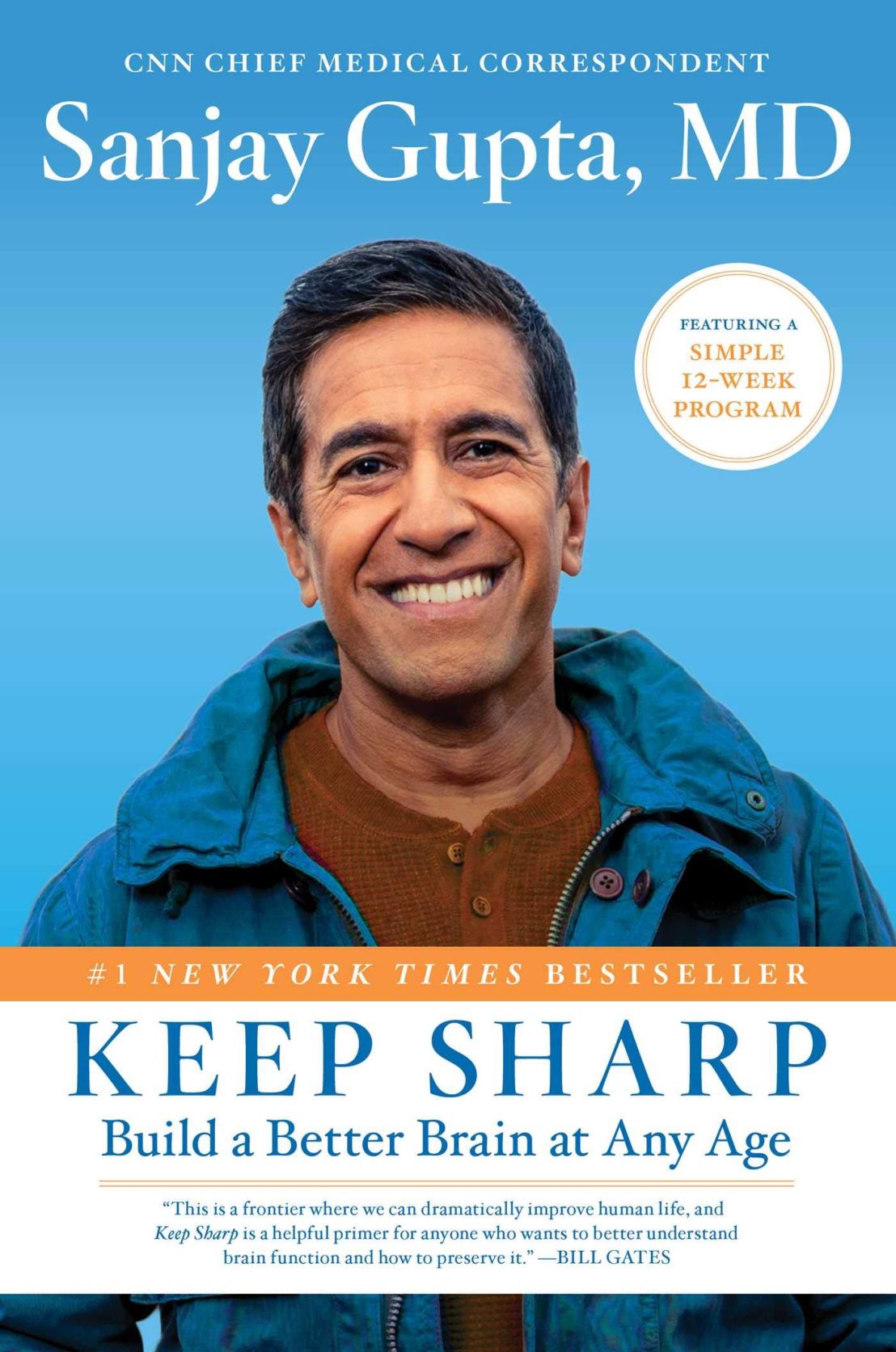
There is so much to speak about in this book, and anyone the ‘wrong’ side of 50 should consider purchasing the book. Really! I include the link to the book on Amazon. (And nothing in it for me I have to say.)
I want to concentrate on two items of note.
The first is that given the right diet, primarily a Mediterranean plant-based diet, and plenty of exercise, it is possible for the brain to rejuvenate new brain cells. Yes, that’s correct! New brain cells!
The second item of note is over on page 194. Let me quote:
Dr. Waldinger’s findings are attractive because they debunk commonly held myths about health and happiness. The findings are based on a comprehensive review of the participants’ lives and biology.
and two sentences later:
The lesson learned is that health and happiness are not about wealth, fame, or working harder. They are about good relationships.
Dr. Robert Waldinger is a psychiatrist at Massachusetts General Hospital and a professor of psychiatry at Harvard Medical School. His TED talk, “What Makes a Good Life?” has been viewed more than 36 million times. The link to the TED Talk is here.
What keeps us happy and healthy as we go through life? If you think it’s fame and money, you’re not alone – but, according to psychiatrist Robert Waldinger, you’re mistaken. As the director of a 75-year-old study on adult development, Waldinger has unprecedented access to data on true happiness and satisfaction. In this talk, he shares three important lessons learned from the study as well as some practical, old-as-the-hills wisdom on how to build a fulfilling, long life.
On page 198 among the list of tips about staying engaged is to consider adopting a pet! Yes siree!
Now I am 76 and have had 14 years of pure happiness. Because in 2007 I met Jean, and all her dogs. We fell in love!
We came up to Payson, Arizona in 2010 and were married. In 2012 we came up to our rural acres in Southern Oregon.
Jeannie, Sweeny and Cleo. Taken in April, 2012.
It is 2021 and there is no doubt that we are both ageing but we are still very much in love.
We are very happy and that is because as luck would have it we are also each other’s best friend!
It was a simple enough task, yet this well-meaning dad named Rudy Salazar still managed to miss the mark.
The other day, Rudy’s wife CoCo asked him to pick up their adorable white pup, BooBear, from the groomers where she’d dropped him off earlier. And that’s what he did.
Well, sorta.
When her husband arrived home with the little dog in his arms, CoCo noticed something rather strange. The haircut BooBear had been given seemed to have transformed his appearance into that of an entirely different pup.
But it turns out, there was actually a really good reason for that.
Dad had grabbed the wrong dog.
As it so happens, when Rudy arrived at the groomers, he said he was there for CoCo — like, on her behalf. But there was some confusion. Instead of handing him BooBear, they gave him a different little white dog, also named CoCo.
And somehow Rudy failed to notice the mix-up, leaving both CoCos understandably confused.
Fortunately, having realized the error, Rudy was able to set things right. BooBear was soon back where he belongs, and the unwitting imposter pup, too.
ooOOoo
I guess it takes all types and in some ways this is understandable.
For the life of me I can’t recall how the connection between Rick and me was made; sign of the times! But Rick asked for a link to his website to go onto my blogroll and then offered this guest post.
So without any further ado here it is!
ooOOoo
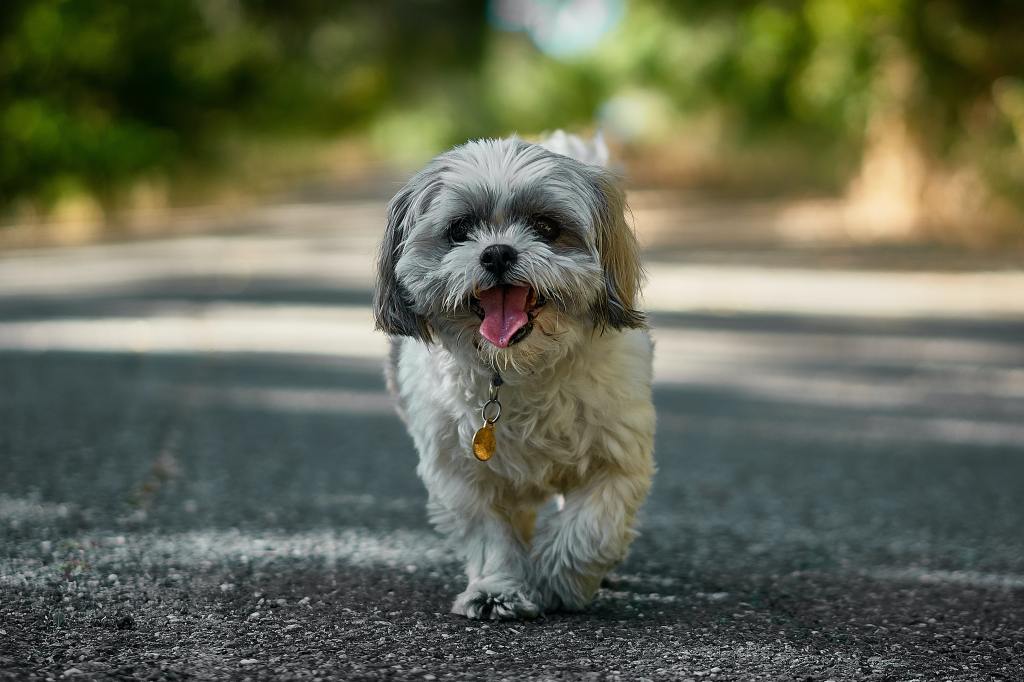
Origin of Shih Tzu Breed
The shih tzu has enjoyed a long history, starting in its country of origin, Tibet. Although the exact date of the breed being recognized is not known, what is known is that a short, rather squat dog which fits the general description of the shih tzu was first recorded around 1000 BC. This means that it is possible to record the history of the shih tzu from that point forward, although it is believed that the dog was around for centuries before that time.
Tibet & China
While the exact origin point is not known, the shih tzu does appear to be from Tibet. You can see evidence of their presence with the famous statues of Tibetan “Lion Dogs” which are part of Buddhism. It appears that the shih tzu was bred to resemble lions, albeit in small form. In fact, the very name “shih tzu” means “lion”. Of the holy dogs that were part of Tibetan culture, the shih tzu quickly became the most famous.
It was not long before the breed spread from its origin point from the mountains of Tibet and into China itself. The fierce looking dog with the gentle nature quickly became a favorite at the royal courts of Chinese rulers. However, they would not gain their current appearance until a millennium later when trade was opened to another part of the world far away from China.
Change from Europe
Contact between China and Europe dates to the Roman Empire. And from such countries as Malta, Persia, Greece, and Turkey small dogs were provided as gifts to the Chinese rulers which in turn were bred to the “lion dogs”. The Pug and Pekingese were intermixed with other breeds and the shih tzu as we know it came about.
Although a favorite in the courts of China, their original purpose was as guard dogs that would warn the Emperor of people or animals that approached their presence. When they became smaller in size, the shih tzu was adapted to becoming a companion dog. When this occurred, it became rare for a shih tzu to leave China as they were so revered.
Explosion of Popularity
The shih tzu that we see today can be credited to Dowager Empress Cixi who had a kennel that included Pugs and Pekingese as well. However, when she died in 1908, the breed was seemingly lost as the kennels were dispersed.
But in 1930, a pair of shih tzus arrived in England. Over the next three decades, more shih tzus arrived which helped expand the breeding population. As this was happening, soldiers returning from the China theater during World War II brought the dog to America where it was quickly bred. Soon, the dog became extinct in China as they were expanding around the world.
While the breed was recognized in England in 1949, it would take another two decades before being officially recognized in the US. Today, the shih tzu is one of the most famous breeds in the world. A stark contrast to its near-extinction 80 years earlier.
ooOOoo
Rick clearly knows the history of the Shih Tzus as this fascinating account reveals. Fancy the history going back to 1000 BC! But of course the history of dogs being associated with humans goes back much beyond 3,000 years ago; to at least 20,000 years ago and there are reliable accounts of dogs going back, perhaps, another 20,000 years for a total of 40,000 years ago. What beautiful creatures!
Anyway, this was a lovely guest post as I am sure you will all agree.
For as long as I live I will never stop marvelling at dogs.
Dogs are many things. In a sense they have as many likes and dislikes as us humans. But the one thing that is unique to these beautiful animals is their unconditionality. That, especially, shows through in the way that they care and love the humans and dogs around them.
This story on The Dodo emphasised that special way they care for their fellow dogs. Read it and you will see what I mean.
ooOOoo
Camera Catches Dog Bringing His Bed To His Sick Brother So He’s Comfy
“As he’s dragging it he’s looking at Roman almost to say, ‘This is for you’”
From the moment they became brothers, Spanky has always adored and looked up to his big brother Roman. He follows Roman everywhere he goes, and is always happiest whenever they’re together.
“Roman is definitely Spanky’s security blanket,” Jackie Rogers, Roman and Spanky’s aunt, told The Dodo. “Spanky will do nothing without Roman and always makes sure he is close to him and if he’s not he gets up and goes near him.”
JACKIE ROGERS
About two weeks ago, Roman’s ear started looking a little puffy and infected, so his mom took him to the vet and discovered he has a hematoma on his ear. They scheduled a surgery to take care of it, but unfortunately, while he waited for the surgery, his ear kept getting worse and poor Roman got more and more uncomfortable.
JACKIE ROGERS
At first, Spanky didn’t notice anything was different, but as Roman’s ear got worse, everyone noticed that Spanky was much more gentle and concerned about his best friend.
“We had to take him back to the vet to confirm he could wait five more days for surgery and I brought Spanky along for the ride, but due to COVID we couldn’t go inside with Roman and for 20 minutes Spanky sat in the car crying/whining/barking until Roman got back,” Rogers said.
JACKIE ROGERS
With the surgery set, all the family could do for Roman was to let him rest. During the day while everyone is at work, the family has a Ring camera set up so they can check in on the dogs, which is especially important now so they can make sure Roman is OK. Rogers was checking the camera recently when she noticed Spanky watching his brother lying on the floor, looking very concerned — and then he did the cutest thing.
“I see Spanky pacing for a minute while looking at Roman and then the bed and then I see him dragging the bed to Roman and as he’s dragging it he’s looking at Roman almost to say, ‘This is for you,’ and then the next clip is them snuggling,” Rogers said. “I had to re-watch it multiple times, I was in disbelief that he did that!”
Spanky was worried about his brother and wanted him to be as comfortable as possible, so he brought his bed to him so he wouldn’t have to move — because that’s how much he loves his big brother.
JACKIE ROGERS
Spanky brought the bed over to Roman around 10 a.m., and when Rogers got home that evening, they were still snuggled up there together. Spanky knows his brother isn’t feeling well, and he’s determined to stay by his side until he’s feeling better — and will do anything he can to make sure he’s safe and comfortable in the meantime.
ooOOoo
There’s no real way that words can explain that. It’s beautiful, loving and caring and just goes to show how the loving bond works in practice.
I wasn’t going to post anything today but then in response to Val Boyco’s comment: “Good stuff Paul. Thank you! Please do more research and share here 💛 My gut will thank you!” I did do some more research and quickly came upon another article that was published recently and is worth of a read!
ooOOoo
How to prepare and protect your gut health over Christmas and the silly season
Disclosure statement
Claus T. Christophersen receives funding from NHMRC and WA Department of Health. He is a co-author of The Gut Feeling Cookbook linked in this article – all proceeds from sales of this cookbook go directly back into supporting our research, no personal financial interest.It’s that time of year again, with Christmas parties, end-of-year get-togethers and holiday catch-ups on the horizon for many of us — all COVID-safe, of course. All that party food and takeaway, however, can have consequences for your gut health.
Gut health matters. Your gut is a crucial part your immune system. In fact, 70% of your entire immune system sits around your gut, and an important part of that is what’s known as the gut-associated lymphoid tissue (GALT), which houses a host of immune cells in your gut.
Good gut health means looking after your gut microbiome — the bacteria, fungi, viruses and tiny organisms that live inside you and help break down your food — but also the cells and function of your gastrointestinal system.
We know gut health can affect mood, thanks to what’s known as the gut-brain axis. But there’s also a gut-lung axis and a gut-liver axis, meaning what happens in your gut can affect your respiratory system or liver, too.
Here’s what you can do to bolster your gut microbiome in the coming weeks and months.
How do silly season indulgences affect our gut health?
You can change your gut microbiome within a couple of days by changing your diet. And over a longer period of time, such as the Christmas-New Year season, your diet pattern can change significantly, often without you really noticing.
That means we may be changing the organisms that make up our microbiome during this time. Whatever you put in will favour certain bacteria in your microbiome over others.
We know fatty, sugary foods promote bacteria that are not as beneficial for gut health. And if you indulge over days or weeks, you are pushing your microbiome towards an imbalance.
For many of us, Christmas is a time of indulgence. Shutterstock
Is there anything I can do to prepare my gut health for the coming onslaught?
Yes! If your gut is healthy to begin with, it will take more to knock it out of whack. Prepare yourself now by making choices that feed the beneficial organisms in your gut microbiome and enhance gut health.
That means:
eating prebiotic foods such as jerusalem artichokes, garlic, onions and a variety of grains and inulin-enhanced yoghurts (inulin is a prebiotic carbohydrate shown to have broad benefits to gut health)
eating resistant starches, which are starches that pass undigested through the small intestine and feed the bacteria in the large intestine. That includes grainy wholemeal bread, legumes such as beans and lentils, firm bananas, starchy vegetables like potatoes and some pasta and rice. The trick to increasing resistant starches in potato, pasta and rice is to cook them but eat them cold. So consider serving a cold potato or pasta salad over Christmas
choosing fresh, unprocessed fruits and vegetables
steering clear of added sugar where possible. Excessive amounts of added sugar (or fruit sugar from high consumption of fruit) flows quickly to the large intestine, where it gets gobbled up by bacteria. That can cause higher gas production, diarrhoea and potentially upset the balance of the microbiome
remembering that if you increase the amount of fibre in your diet (or via a supplement), you’ll need to drink more water — or you can get constipated.
For inspiration on how to increase resistant starch in your diet for improved gut health, you might consider checking out a cookbook I coauthored (all proceeds fund research and I have no personal interest).
Good gut health is hard won and easily lost. Shutterstock
What can I do to limit the damage?
If Christmas and New Year means a higher intake of red meat or processed meat for you, remember some studies have shown that diets higher in red meat can introduce DNA damage in the colon, which makes you more susceptible to colorectal cancer.
The good news is other research suggests if you include a certain amount of resistant starch in a higher red meat diet, you can reduce or even eliminate that damage. So consider a helping of cold potato salad along with a steak or sausage from the barbie.
Don’t forget to exercise over your Christmas break. Even going for a brisk walk can get things moving and keep your bowel movements regular, which helps improve your gut health.
Have a look at the Australian Guide to Healthy Eating and remember what foods are in the “sometimes” category. Try to keep track of whether you really are only having these foods “sometimes” or if you have slipped into a habit of having them much more frequently.
The best and easiest way to check your gut health is to use the Bristol stool chart. If you’re hitting around a 4, you should be good.
If you’re hitting around a 4, you should be good. Shutterstock
Remember, there are no quick fixes. Your gut health is like a garden or an ecosystem. If you want the good plants to grow, you need to tend to them — otherwise, the weeds can take over.
I know you’re probably sick of hearing the basics — eat fruits and vegetables, exercise and don’t make the treats too frequent — but the fact is good gut health is hard won and easily lost. It’s worth putting in the effort.
A preventative mindset helps. If you do the right thing most of the time and indulge just now and then, your gut health will be OK in the end.
ooOOoo
That book that Claus refers to, the one on the gut Gut feeling: Mindful menus for the microbiomeis here. It looks a very good book.
Well Val (and many others), did you find this interesting? It was a rhetorical question because I know that you did.
I will continue to republish these posts and, especially, the one on exercise. Because as I have often said: Diet and exercise are key!


 Ellen Furlong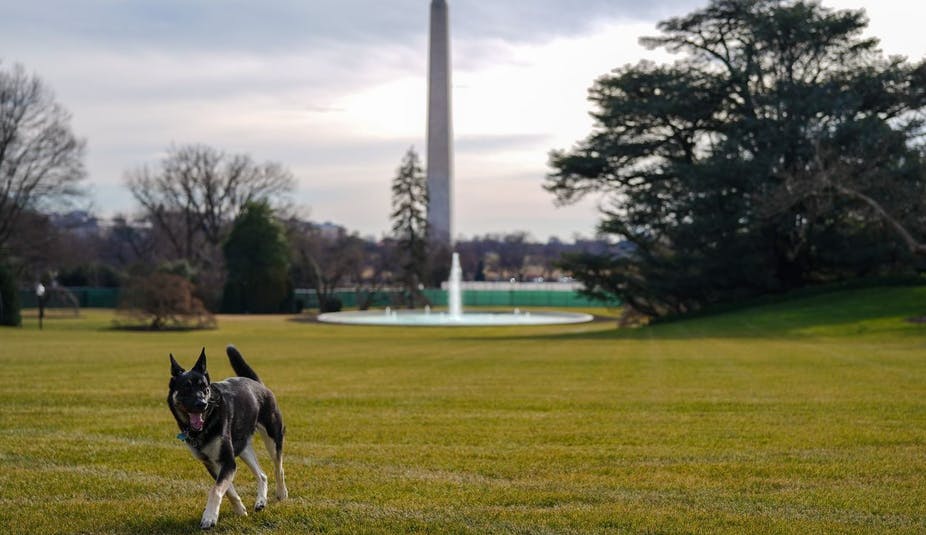




 Ana Maldonado-Contreras