Category: Writing

Plastics in the ocean

A fascinating insight into recovered plastic.

Like so many others we do our little bit regarding plastic but do not properly think about the issue. I have to admit that I am not even sure if all plastics are harmful or just some.

But I comprehend art!

That is why I am republishing, with permission, this article from The Conversation.

ooOOoo

My art uses plastic recovered from beaches around the world to understand how our consumer society is transforming the ocean
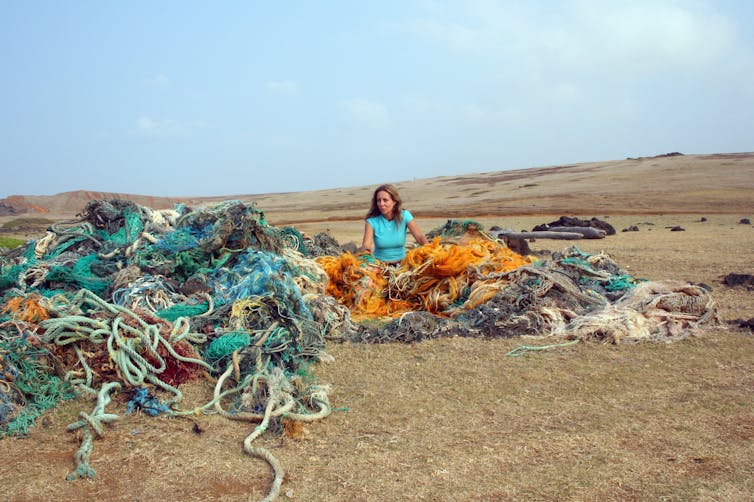
Pam Longobardi amid a giant heap of fishing gear that she and volunteers from the Hawaii Wildlife Fund collected in 2008. David Rothstein, CC BY-ND

Pam Longobardi, Georgia State University

I am obsessed with plastic objects. I harvest them from the ocean for the stories they hold and to mitigate their ability to harm. Each object has the potential to be a message from the sea – a poem, a cipher, a metaphor, a warning.

My work collecting and photographing ocean plastic and turning it into art began with an epiphany in 2005, on a far-flung beach at the southern tip of the Big Island of Hawaii. At the edge of a black lava beach pounded by surf, I encountered multitudes upon multitudes of plastic objects that the angry ocean was vomiting onto the rocky shore.

I could see that somehow, impossibly, humans had permeated the ocean with plastic waste. Its alien presence was so enormous that it had reached this most isolated point of land in the immense Pacific Ocean. I felt I was witness to an unspeakable crime against nature, and needed to document it and bring back evidence.

I began cleaning the beach, hauling away weathered and misshapen plastic debris – known and unknown objects, hidden parts of a world of things I had never seen before, and enormous whalelike colored entanglements of nets and ropes.
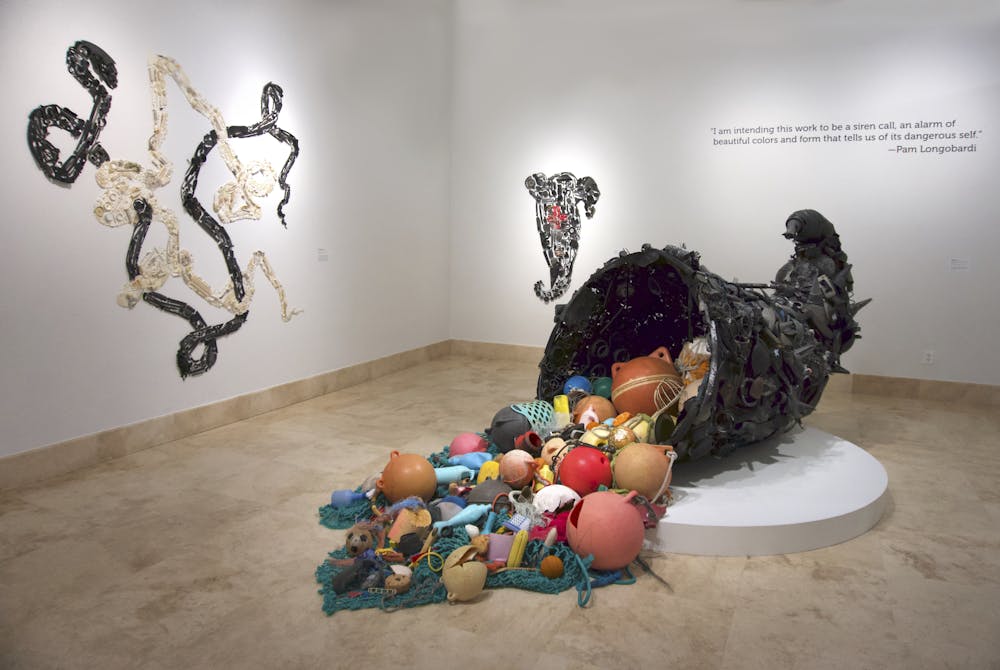
Three large plastic art installations, the central one a cornucopia spilling plastic objects onto the floor.
‘Bounty Pilfered’ (center), ‘Newer Laocoön’ (left) and ‘Threnody’ (right). All made of ocean plastic from the Atlantic, Pacific and Gulf of Mexico, installed at the Baker Museum in Naples, Fla., 2022. Pam Longobardi, CC BY-ND

I returned to that site again and again, gathering material evidence to study its volume and how it had been deposited, trying to understand the immensity it represented. In 2006, I formed the Drifters Project, a collaborative global entity to highlight these vagrant, translocational plastics and recruit others to investigate and mitigate ocean plastics’ impact.

My new book, “Ocean Gleaning,” tracks 17 years of my art and research around the world through the Drifters Project. It reveals specimens of striking artifacts harvested from the sea – objects that once were utilitarian, but have been changed by their oceanic voyages and come back as messages from the ocean.
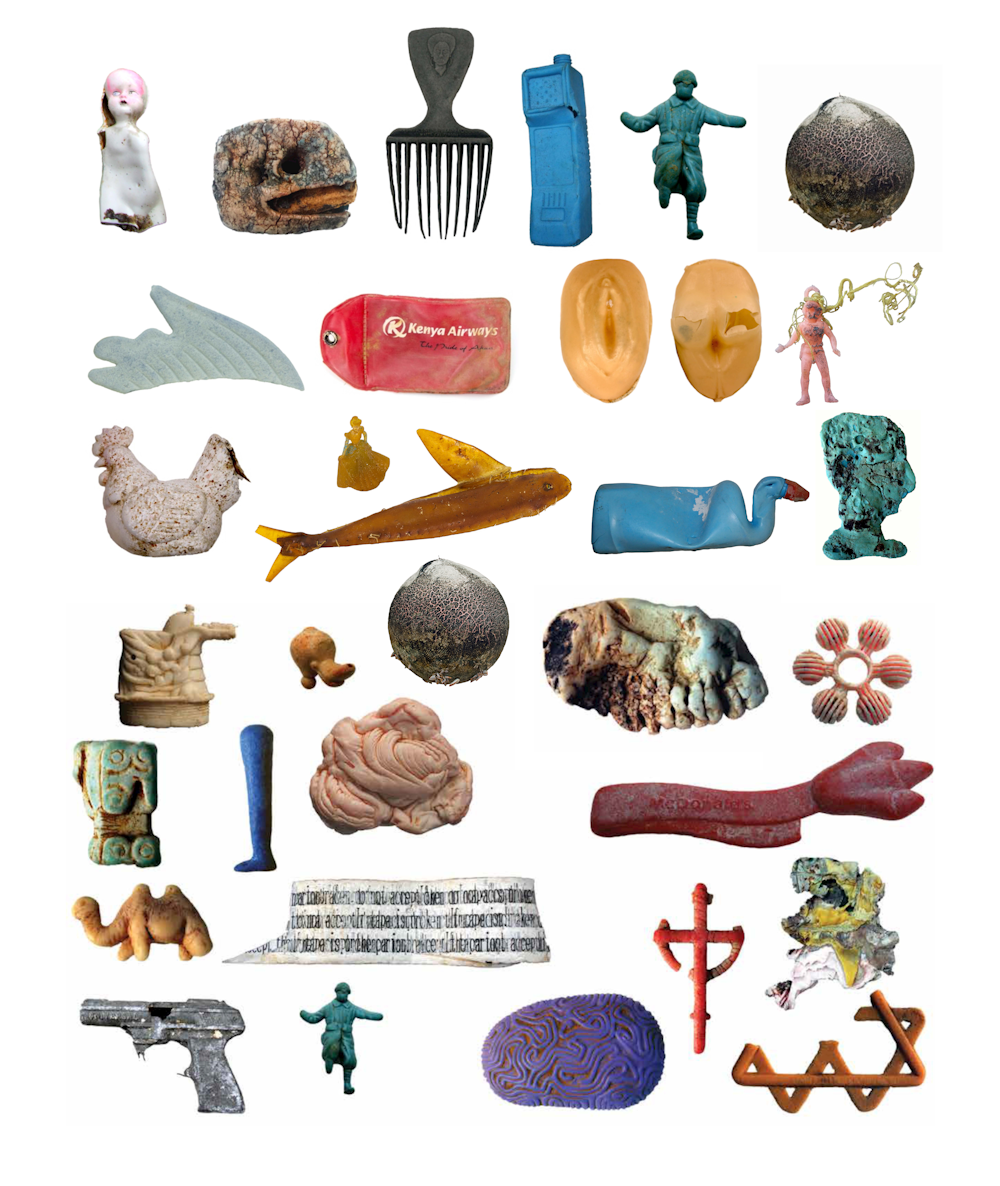
Array of plastic objects, including toys, action figures and fragments of larger objects.
‘Drifters Objects,’ a tiny sample of the plastic artifacts Pam Longobardi has collected from beaches worldwide. Pam Longobardi, CC BY-ND

Living in a plastic age

I grew up in what some now deem the age of plastic. Though it’s not the only modern material invention, plastic has had the most unforeseen consequences.

My father was a biochemist at the chemical company Union Carbide when I was a child in New Jersey. He played golf with an actor who portrayed “The Man from Glad,” a Get Smart-styled agent who rescued flustered housewives in TV commercials from inferior brands of plastic wrap that snarled and tangled. My father brought home souvenir pins of Union Carbide’s hexagonal logo, based on the carbon molecule, and figurine pencil holders of “TERGIE,” the company’s blobby turquoise mascot.

On the 2013 Gyre Expedition, Pam Longobardi traveled with a team of scientists, artists and policymakers to investigate and remove tons of oceanic plastic washing out of great gyres, or currents, in the Pacific Ocean, and make art from it.

Today I see plastic as a zombie material that haunts the ocean. It is made from petroleum, the decayed and transformed life forms of the past. Drifting at sea, it “lives” again as it gathers a biological slime of algae and protozoans, which become attachment sites for larger organisms.

When seabirds, fish and sea turtles mistake this living encrustation for food and eat it, plastic and all, the chemical load lives on in their digestive tracts. Their body tissues absorb chemicals from the plastic, which remain undigested in their stomachs, often ultimately killing them.

Two piles of tiny particles of virtually identical sizes.
Plastic ‘nurdles,’ (left), tiny pellets that serve as raw materials for manufacturing plastic products, and herring roe, or eggs (right). These visually analogous forms exemplify how fish can mistake plastic for food. Pam Longobardi, CC BY-ND

The forensics of plastic

I see plastic objects as the cultural archaeology of our time – relics of global late-capitalist consumer society that mirror our desires, wishes, hubris and ingenuity. They become transformed as they leave the quotidian world and collide with nature. By regurgitating them ashore or jamming them into sea caves, the ocean is communicating with us through materials of our own making. Some seem eerily familiar; others are totally alien.
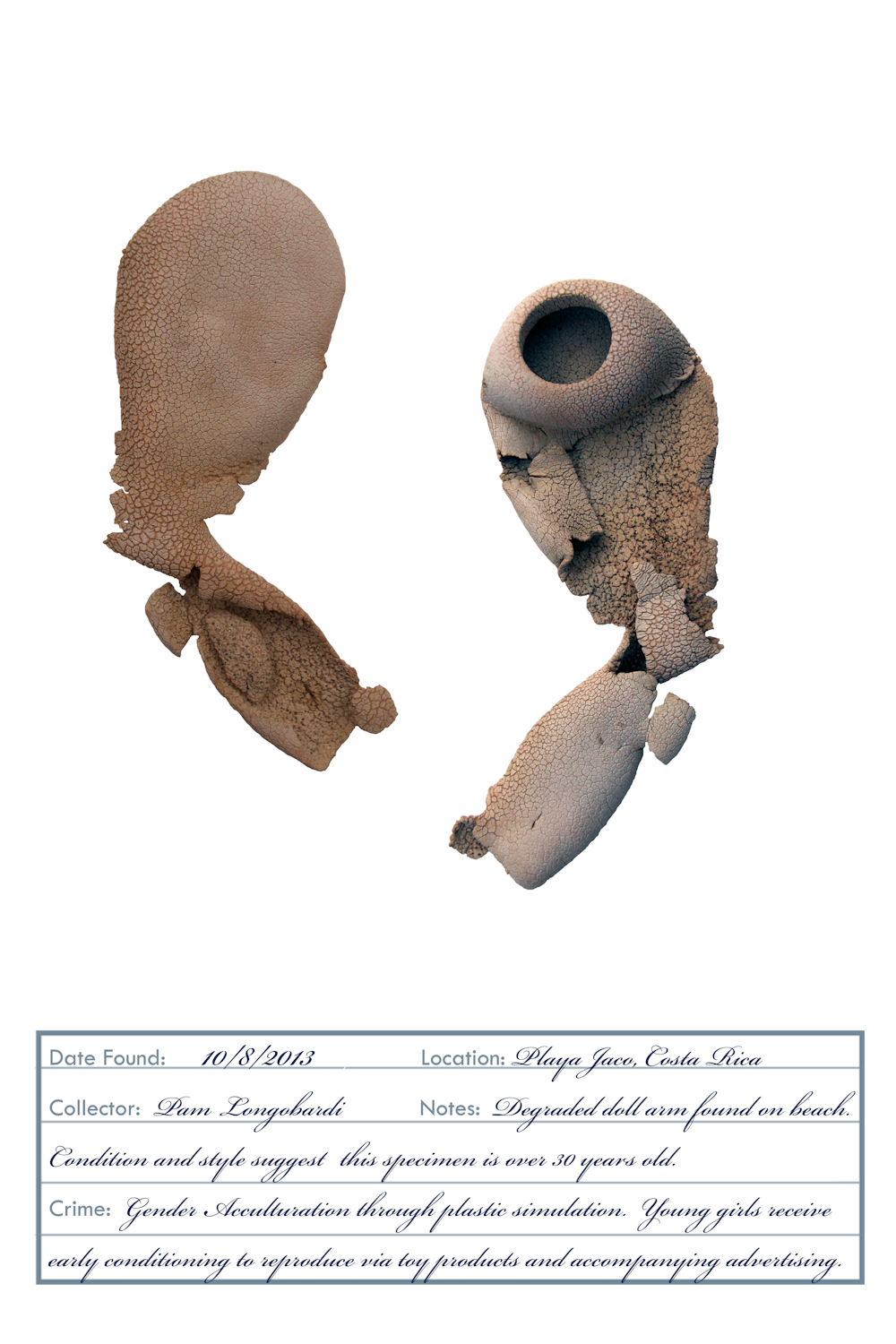
Two views of a degraded arm from a plastic doll, found on Playa Jaco in Costa Rica.
A degraded plastic doll arm, from the series ‘Evidence of Crimes.’ Pam Longobardi, CC BY-ND

A person engaging in ocean gleaning acts as a detective and a beacon, hunting for the forensics of this crime against the natural world and shining the light of interrogation on it. By searching for ocean plastic in a state of open receptiveness, a gleaner like me can find symbols of pop culture, religion, war, humor, irony and sorrow.
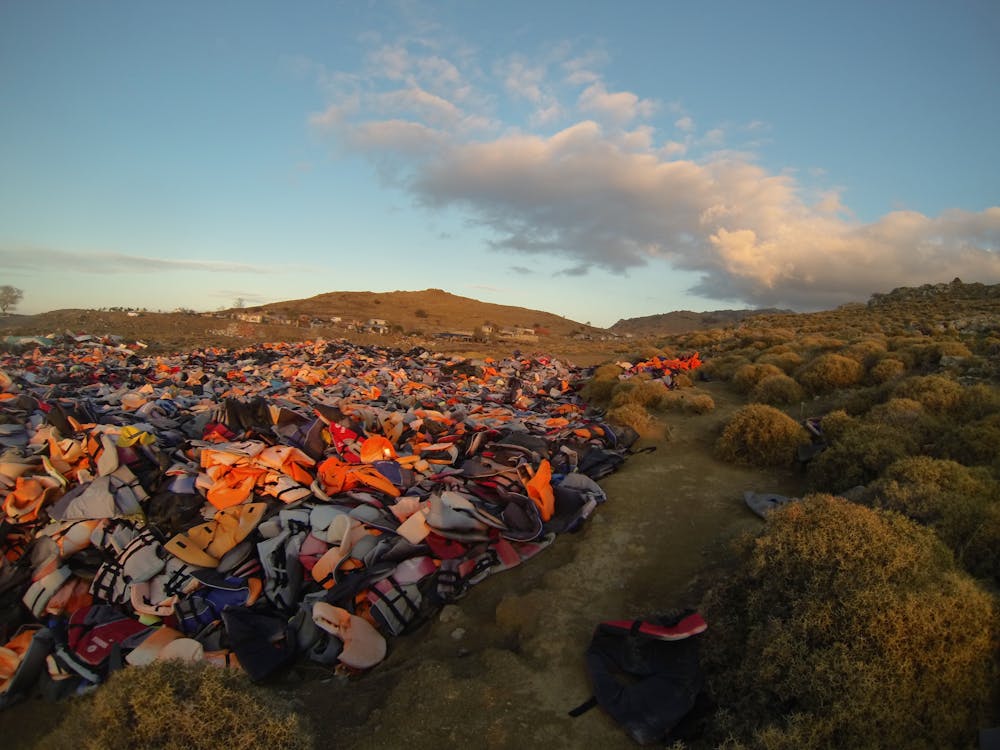
A rolling landscape covered with thousands of life vests.
‘Division Line,’ 2016. This photograph shows the ‘life-jacket cemetary’ in Lesvos, Greece. Traumatized asylum-seekers and migrants arriving by boat from Türkiye leave the life vests on shore as they stagger inland. Most of the waste is plastic. © Pam Longobardi, CC BY-ND

In keeping with the drifting journeys of these material artifacts, I prefer using them in a transitive form as installations. All of these works can be dismantled and reconfigured, although plastic materials are nearly impossible to recycle. I display some objects as specimens on steel pins, and wire others together to form large-scale sculptures.

A plastic bottle cap inscribed 'Endless' and a photograph of a beach littered with plastic objects.
From the series ‘Prophetic Objects,’ a plastic cap from a Greek manufacturer of cleaning products, found on the Greek island of Kefalonia. Pam Longobardi, CC BY-ND

I am interested in ocean plastic in particular because of what it reveals about us as humans in a global culture, and about the ocean as a cultural space and a giant dynamic engine of life and change. Because ocean plastic visibly shows nature’s attempts to reabsorb and regurgitate it, it has profound stories to tell.
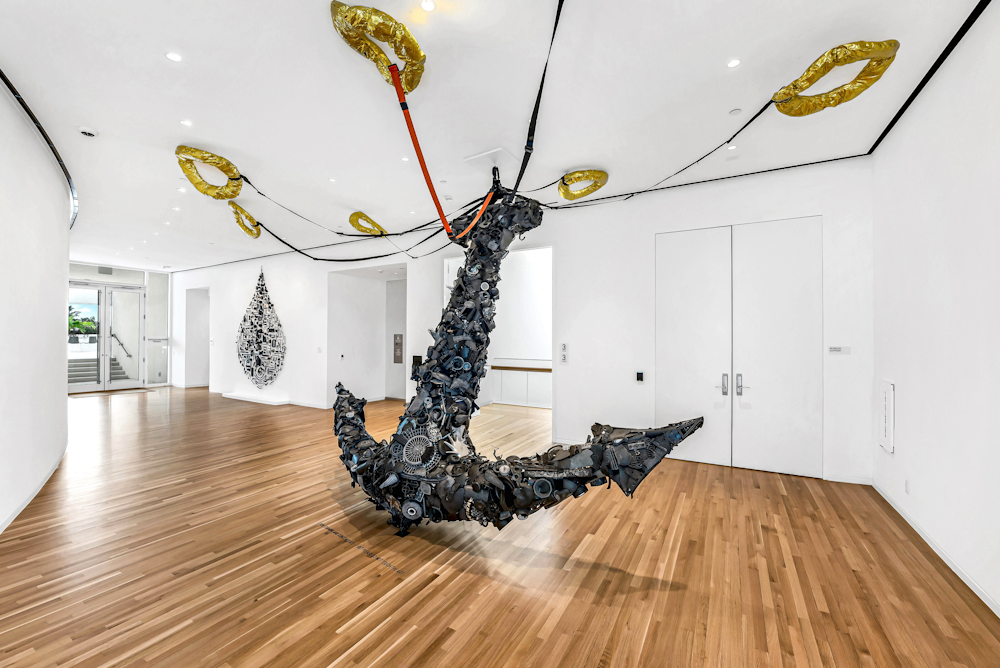
A large sculpted anchor in the center of an art gallery, with ties to life preservers mounted on the ceiling.
‘Albatross’ and ‘Hope Floats,’ 2017. Recovered ocean plastic, survival rescue blankets, life vest straps and steel. Pam Longobardi, CC BY-ND

I believe humankind is at a crossroads with regards to the future. The ocean is asking us to pay attention. Paying attention is an act of giving, and in the case of plastic pollution, it is also an act of taking: Taking plastic out of your daily life. Taking plastic out of the environment. And taking, and spreading, the message that the ocean is laying out before our eyes.

Pam Longobardi, Regents’ Professor of Art and Design, Georgia State University

This article is republished from The Conversation under a Creative Commons license. Read the original article.

ooOOoo

Pam at one point describes the ocean plastic”… because of what it reveals about us as humans in a global culture, and about the ocean as a cultural space and a giant dynamic engine of life and change …”. It raises questions that I can only ponder the answer. Ultimately, are there too many inhabitants on this planet? What does the next generation think? Is there an answer?

The work done by dog charities

This particular post is from ‘Who Will Let the Dogs Out‘.

The range of expertise in looking after our dear dogs is incredible. I have long followed Who Will Let the Dogs Out but today wanted to republish a very recent article, hopefully with permission.

ooOOoo

Tiny Municipal Shelter Outside Nashville Has Only One Employee

By Cara Sue Achterberg. 14th February, 2023

In Robertson County, Tennessee, just outside Nashville, there are actually three municipal shelters. In addition to the Robertson shelter written about in the previous post, we also stopped at a tiny shelter ten minutes away— Greenbrier Animal Control.

This small shelter has ten kennels and was currently housing 12 dogs. Shelbie is the only ACO and employee for the small shelter. She works seven days a week 365 days a year. The only days she’s had off since she began work there three years ago were this past winter when she had Covid.

Shelbie does everything at the tiny, age-worn shelter – the cleaning and the caring, and running the animal control calls, and pretty much anything that needs done. Several of the outdoor kennels do not have covered roofs. The roofs are at the shelter, but Shelbie is only one person (and a tiny one at that), so she can’t get them put on by herself. She could use a hand with the roofs, and with lots of things, but the only ones she and the dogs have are her own.

The city animal control budget covers food, supplies, and a few other things, like Shelbie’s uniforms, but it doesn’t cover vaccines, deworming, or spay/neuter. Shelbie knows that anything she adopts out locally is likely to send puppies back her way. She depends on CASA Transport to help get animals out, so the shelter doesn’t become overcrowded.

Shelbie took the job because she loves animals and because she’s always been an advocate for not killing shelter animals. One of the dogs, Denali, has been at the shelter almost as long as she has. “He’s special and he needs a special kind of home,” she told me.

She loves her job, but would really love for the city to hire someone to help on the weekends so that she could have more time for herself (and her FIVE children ages 4-10).

We set up a few peanut butter boards and left Shelbie with lots of food, treats, bones, and collars, but joked with her that we wished we had a person in the truck we could leave with her. Every time we make these trips we meet remarkable people like Shelbie. I’m sure she isn’t getting rich on this job and I’d guess she sees some pretty awful situations. It is not just back breaking work, it’s heartbreaking.

There are so many people, just like Shelbie, who are quietly saving lives through their own dedication and sacrifice. They inspire me to keep pushing for change, for any way to make the situation better.

I don’t understand why Robertson County, which serves 72,000 residents, has not only the county shelter, but two city shelters (we were not able to visit Springfield animal control). Greenbriar is in the county and it took us about ten minutes to get from one to the other. To me, clearly an outsider (but one who has visited over 100 shelters in 12 states), it makes more sense to combine the three shelters in the new building that Robertson County is building.

Surely, by combining budgets and staff, they could have one excellent facility with plenty of help, and likely save money in the bargain. Plus, then Shelbie wouldn’t be working seven days a week and handling animals all by herself (not that she isn’t more than capable of doing so as she’s done it for three years now). That’s just my observation, unlikely to be embraced.

Until we start looking for common sense solutions like regional public shelters, the lives of too many animals will depend on the decency and the willingness of people like Shelbie to sacrifice so much to do the work very few will.

If you’d like to help Shelbyville Animal shelter, consider shopping their Amazon wishlist.

Until each one has a home,

Cara

If you want to learn more, be sure to subscribe to this blog. And help us spread the word by sharing this post with others. Visit our website to learn more.

You can also help raise awareness by following/commenting/sharing us on FacebookInstagramYouTube, and Tik Tok!

Learn more about what is happening in our southern shelters and rescues in the book, One Hundred Dogs & Counting: One Woman, Ten Thousand Miles, and a Journey Into the Heart of Shelters and Rescues (Pegasus Books, 2020). It’s the story of a challenging foster dog who inspired me to travel south to find out where all the dogs were coming from. It tells the story of how Who Will Let the Dogs Out began. Find it anywhere books are sold. A portion of the proceeds of every book sold go to help unwanted animals in the south.

Watch our Emmy-nominated, award-winning short documentary about rescue in western Tennessee here.

For more information on any of our projects, to talk about rescue in your neck of the woods, please email whowillletthedogsout@gmail.com or carasueachterberg@gmail.com.

ooOOoo

There are many more photographs on the website that I chose not to republish because I couldn’t do it as neatly as Cara did it.

Fossils

A fascinating article about the fossilisation of teeth.

Change is a constant! That’s not my saying but it is still a very good one. There are many, many articles online about the pace of change and I am not going to pick a particular one; you can do that yourself if you are interested.

But I am going to republish an article about the fossilisation of teeth. It was published on January 25th, 2023 and it was an article in The Conversation.

ooOOoo

Fossil teeth reveal how brains developed in utero over millions of years of human evolution – new research

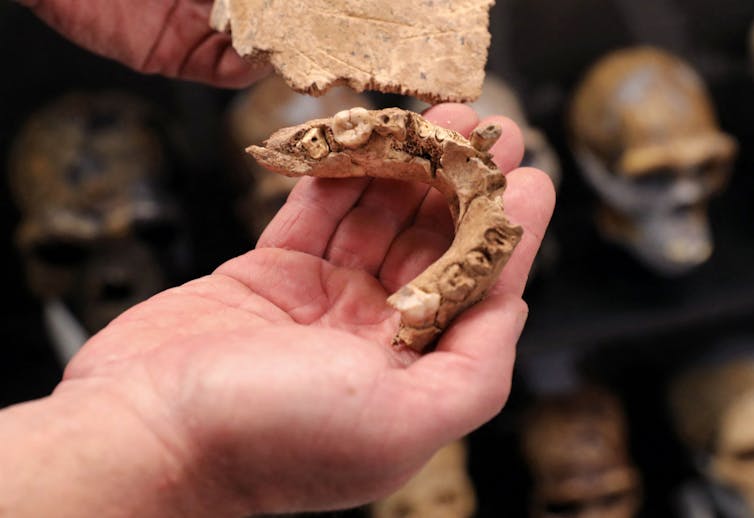
Any hominid fossil find with molar teeth can be plugged into a new equation that reveals its species’ prenatal growth rate. Gil Cohen-Magen/AFP via Getty Images

Tesla Monson, Western Washington University

Fossilized bones help tell the story of what human beings and our predecessors were doing hundreds of thousands of years ago. But how can you learn about important parts of our ancestors’ life cycle – like pregnancy or gestation – that leave no obvious trace in the fossil record?

The large brains, relative to overall body size, that are a defining characteristic of our species make pregnancy and gestation particularly interesting to paleoanthropologists like me. Homo sapiens’ big skulls contribute to our difficult labor and delivery. But the big brains inside are what let our species really take off.

My colleagues and I especially wanted to know how fast our ancestors’ brains grew before birth. Was it comparable to fetal brain growth today? Investigating when prenatal growth and pregnancy became humanlike can help reveal when and how our ancestors’ brains became more like ours than like our ape relatives’.

To investigate the evolution of prenatal growth rates, we focused on the in-utero development of teeth – which do fossilize. By building a mathematical model using the relative lengths of molar teeth, we were able to track evolutionary changes in prenatal growth rates in the fossil record. Based on our model, it looks as if pregnancy and prenatal growth became more humanlike than chimplike almost 1 million years ago.

pregnant woman's silhouette against sunset on landscape
Pregnancy and delivery come with a lot of risks for parent and baby. Jimy Lindner/EyeEm via Getty Images

Gestation and the human brain

Pregnancy and gestation are important periods – they guide future growth and development and set the biological course for life.

But human pregnancy, and particularly labor and delivery, cost a lot of energy and are often dangerous. The large fetal brain requires a lot of nutrients during development. The rate of embryonic growth during gestation, also known as the prenatal growth rate, exacts a metabolic and physiological toll on the gestating parent. And the tight fit of the infant’s head and shoulders through the pelvic canal during delivery can lead to death, for both the mother and child.

As a trade-off to those potential downsides, there must be a really good reason to have such large heads. The justification is all the abilities that come along with having a big human brain. The evolution of our large brain contributed to our species’ dominance and is associated with increased use of technology and tools, creation of art and the ability to survive in diverse landscapes, among other advances.

The timing and sequence of events that led to the evolution of our large brains is entangled with the ability to find and process more resources, through the use of tools and cooperative group work, for example.

By investigating changes in prenatal growth, we are also investigating changes in how parents gathered food resources and distributed them to their offspring. These increasing resources would have also helped drive the evolution of an even bigger brain. Understanding more about when prenatal growth and pregnancy became humanlike at the same time reveals information about when and how our brains did too.

Humans have the highest prenatal growth rate of all primates living today, at 0.41 ounces/day (11.58 grams/day). Gorillas, for example, have a much larger adult body size than humans, but their prenatal growth rate is only 0.29 ounces/day (8.16 grams/day). Because more than a quarter of all human brain growth is completed during gestation, the rate of prenatal growth directly relates to how big an adult brain grows. How and when Homo sapiens‘ high prenatal growth rate evolved has been a mystery, until now.

What teeth can tell about prenatal growth

Researchers have spent centuries investigating variation in fossilized skeletal remains. Unfortunately brains – let alone gestation and prenatal growth rate – don’t fossilize.

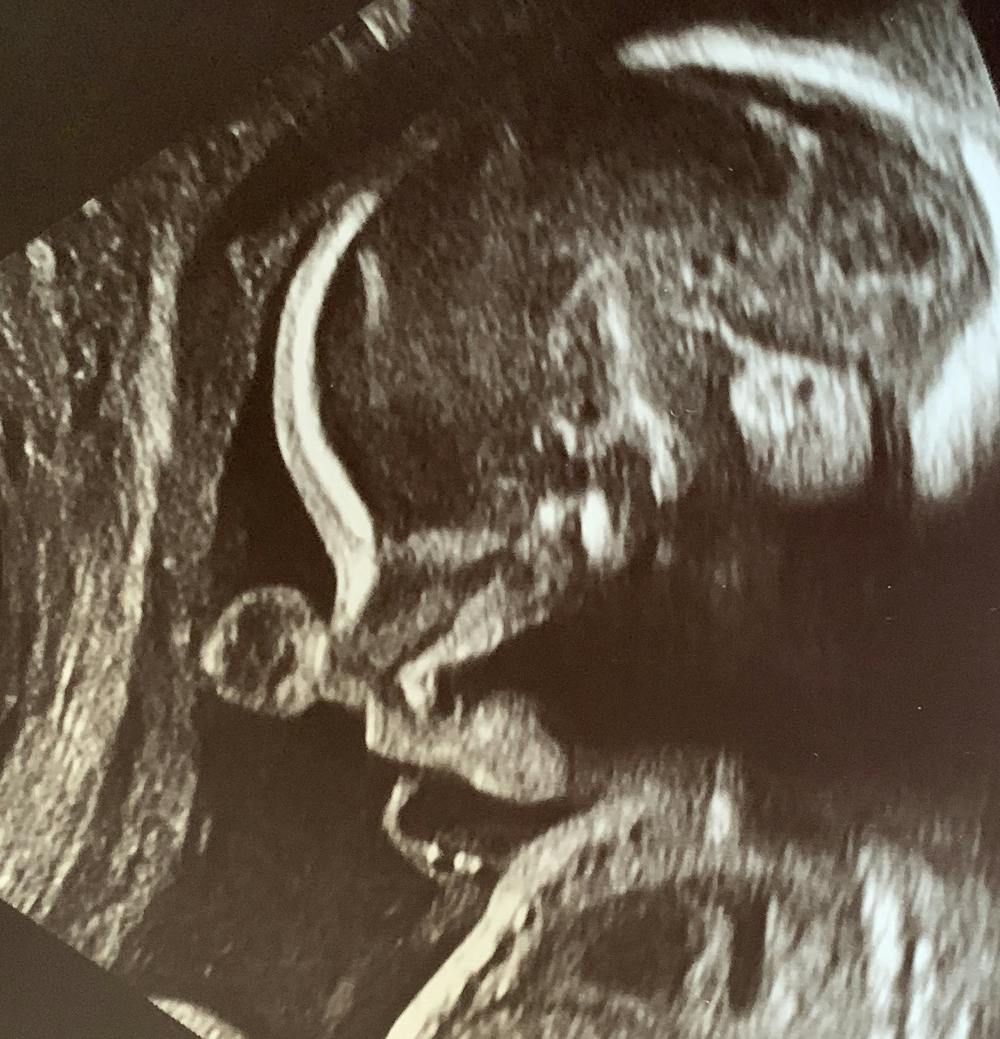
ultrasound of a baby in utero
The developing brain of a human being gestating at 26 weeks. Tesla Monson

But my colleagues and I started thinking about how teeth develop very, very early in utero. Your permanent adult teeth started developing long before you were born, when you were just a 20-week-old fetus. Tooth enamel is more than 95% inorganic, and the vast majority of everything we see in the vertebrate fossil record is teeth, or has teeth.

Building off this realization, we decided to investigate the relationship between prenatal growth rate, brain size and the lengths of teeth.

We measured the teeth of 608 recently living primates from skeletal collections all around the world. We compared those measurements to rates of prenatal growth that we calculated from average gestation length and mass at birth for each species. We also looked at endocranial volume – essentially how much space is inside the skull – as a proxy for brain size.

We found that the rate of prenatal growth is significantly correlated with both adult brain size and relative tooth lengths, across apes and monkeys.

Because prenatal growth is so tightly correlated with relative molar lengths, we were able to use this statistical relationship to generate a mathematical equation that predicts prenatal growth rate from teeth alone. With this equation, we can take a few molar teeth from an extinct fossil species and reconstruct exactly how fast their offspring grew during gestation.

alt
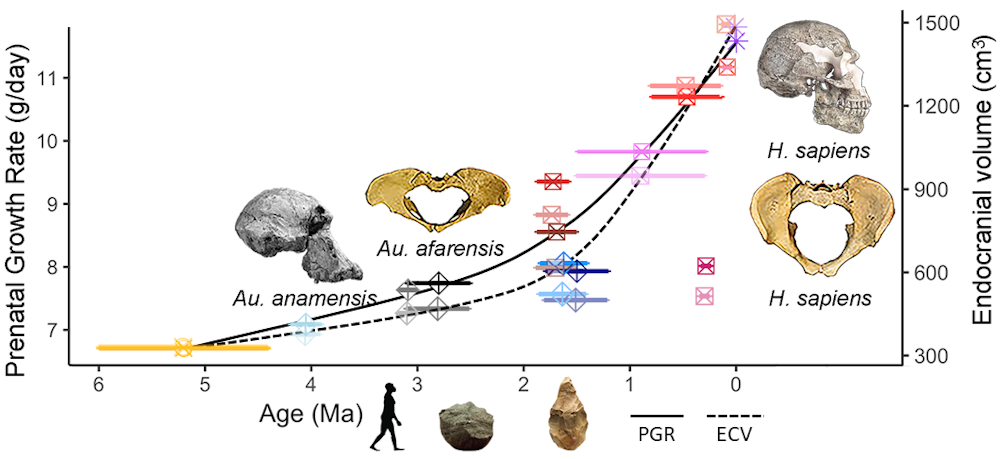
Using the new equation, researchers found that prenatal growth rates increased over millions of years of human and hominid evolution. Tesla Monson, CC BY-ND

Using our new method, we then reconstructed prenatal growth rates for 13 fossil species, building a timeline of changes over the past 6 million years of human and hominid evolution. “Hominid” describes all the species on the human side of the family tree after the split about 6 million to 8 million years ago from the common ancestor we shared with chimpanzees. From our new research, we now know that prenatal growth rates increased throughout hominid evolution, reaching a humanlike rate that exceeds what we see in all other apes less than 1 million years ago.

A fully human prenatal growth rate appeared with the evolution of our species Homo sapiens only around 200,000 years ago. But other hominid species living in the past 200,000 years, such as Neanderthals, also had “human” prenatal growth rates. Which genes were involved in these changes in growth rate remains to be investigated.

Equation means teeth now reveal even more

Even with only a few teeth and some of the jaw, a trained expert can tell countless things about an extinct individual – what species it was, what kind of diet it ate, whether it competed for mates through fighting, how old it was when it died, whether or not it had any serious health issues and more.

Now, for the first time, we can add to that list knowing what pregnancy and gestation were like for that individual and other members of its species. Teeth can even indirectly hint at the emergence of human consciousness, via evolving brain size.

Interestingly, our model suggests that prenatal growth rates started increasing well before the emergence of our Homo sapiens species. We can hypothesize that having a fast prenatal growth rate was necessary for growing that big brain and evolving human consciousness and cognitive abilities.

These are the sorts of big-picture questions this research lets us start to formulate now – all from just a few teeth.

Tesla Monson, Assistant Professor of Anthropology, Western Washington University

This article is republished from The Conversation under a Creative Commons license. Read the original article.

ooOOoo

Tesla Monson is the Assistant Professor of Anthropology at Western Washington University.

This may not make the daily headlines but, personally, I think that is a shame. The discovery has all sorts of implications for life, including ancient life, on this planet. And speaking of life let us bear a thought for the carnage that is happening in Turkey at this present time. A BBC headline:

A rescue operation is under way across much of southern Turkey and northern Syria following a huge earthquake that has killed more than 2,300 people

How do the eyes of dogs see?

It is the last day of January and we have a post about dogs today.

I found all the non-doggie articles a bit depressing and this item seemed a delightful alternative. It is from the Curious Kids section of The Conversation but, to my mind, of interest to adults as well.

ooOOoo

Do dogs really see in just black and white? – Oscar V., age 9, Somerville, Massachusetts

Dogs definitely see the world differently than people do, but it’s a myth that their view is just black, white and grim shades of gray

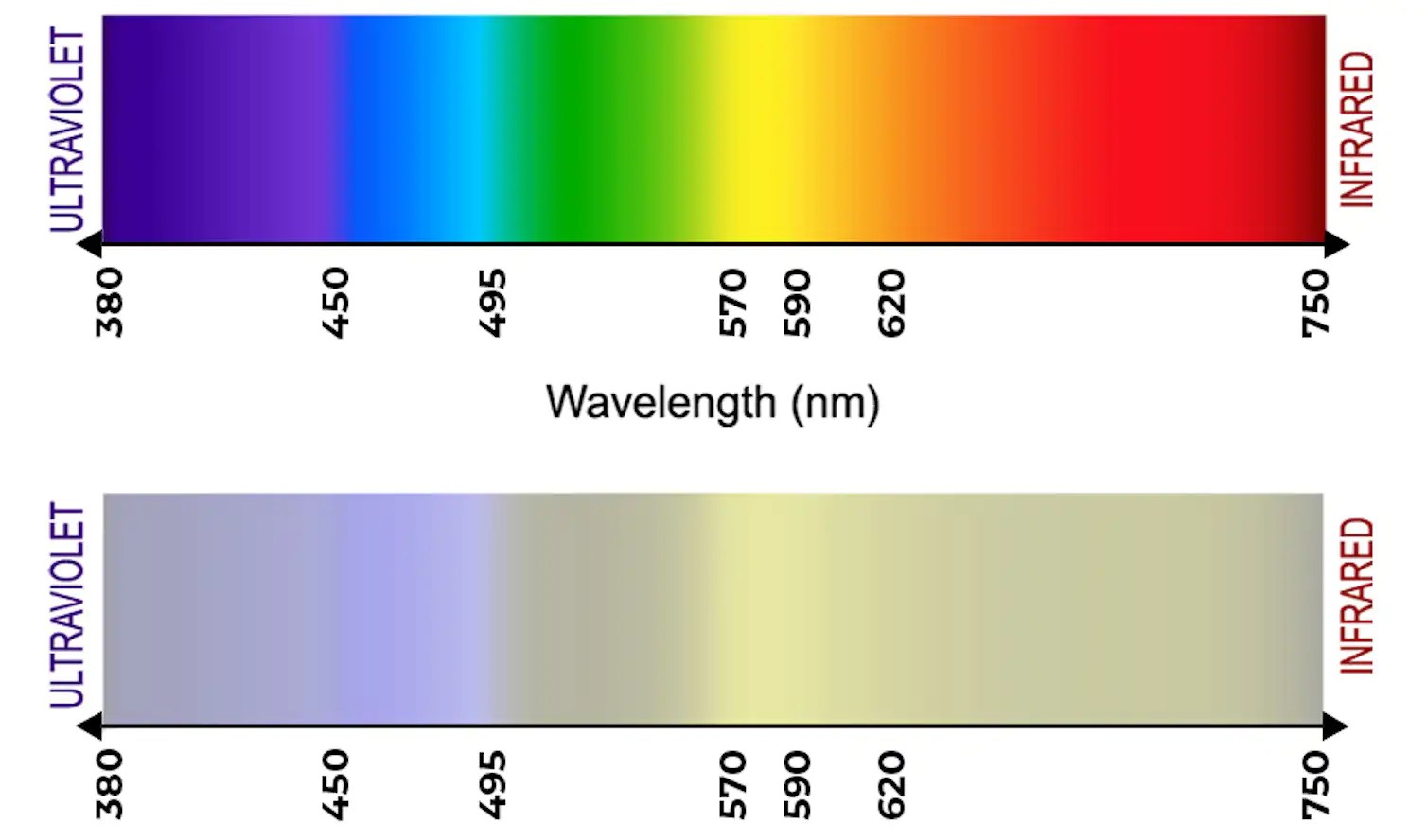
While most people see a full spectrum of colors from red to violet, dogs lack some of the light receptors in their eyes that allow human beings to see certain colors, particularly in the red and green range. But canines can still see yellow and blue.

Different wavelengths of light register as different colors in an animal’s visual system. Top is the human view; bottom is a dog’s eye view. Top: iStock/Getty Images Plus via Getty Images. Bottom: As processed by András Péter’s Dog Vision Image Processing Tool

What you see as red or orange, to a dog may just be another shade of tan. To my dog, Sparky, a bright orange ball lying in the green grass may look like a tan ball in another shade of tan grass. But his bright blue ball will look similar to both of us. An online image processing tool lets you see for yourself what a particular picture looks like to your pet.

Animals can’t use spoken language to describe what they see, but researchers easily trained dogs to touch a lit-up color disc with their nose to get a treat. Then they trained the dogs to touch a disc that was a different color than some others. When the well-trained dogs couldn’t figure out which disc to press, the scientists knew that they couldn’t see the differences in color. These experiments showed that dogs could see only yellow and blue.

In the back of our eyeballs, human beings’ retinas contain three types of special cone-shaped cells that are responsible for all the colors we can see. When scientists used a technique called electroretinography to measure the way dogs’ eyes react to light, they found that canines have fewer kinds of these cone cells. Compared to people’s three kinds, dogs only have two types of cone receptors.

Light travels to the back of the eyeball, where it registers with rod and cone cells that send visual signals on to the brain. iStock/Getty Images Plus via Getty Images

Not only can dogs see fewer colors than we do, they probably don’t see as clearly as we do either. Tests show that both the structure and function of the dog eye leads them to see things at a distance as more blurry. While we think of perfect vision in humans as being 20/20, typical vision in dogs is probably closer to 20/75. This means that what a person with normal vision could see from 75 feet away, a dog would need to be just 20 feet away to see as clearly. Since dogs don’t read the newspaper, their visual acuity probably doesn’t interfere with their way of life.

There’s likely a lot of difference in visual ability between breeds. Over the years, breeders have selected sight-hunting dogs like greyhounds to have better vision than dogs like bulldogs.

But that’s not the end of the story. While people have a tough time seeing clearly in dim light, scientists believe dogs can probably see as well at dusk or dawn as they can in the bright middle of the day. This is because compared to humans’, dog retinas have a higher percentage and type of another kind of visual receptor. Called rod cells because of their shape, they function better in low light than cone cells do.

Dogs also have a reflective tissue layer at the back of their eyes that helps them see in less light. This mirror-like tapetum lucidum collects and concentrates the available light to help them see when it’s dark. The tapetum lucidum is what gives dogs and other mammals that glowing eye reflection when caught in your headlights at night or when you try to take a flash photo.

Dogs share their type of vision with many other animals, including cats and foxes. Scientists think it’s important for these hunters to be able to detect the motion of their nocturnal prey, and that’s why their vision evolved in this way. As many mammals developed the ability to forage and hunt in twilight or dark conditions, they gave up the ability to see the variety of colors that most birds, reptiles and primates have. People didn’t evolve to be active all night, so we kept the color vision and better visual acuity. 

Before you feel sorry that dogs aren’t able to see all the colors of the rainbow, keep in mind that some of their other senses are much more developed than yours. They can hear higher-pitched sounds from farther away, and their noses are much more powerful.

Even though Sparky might not be able to easily see that orange toy in the grass, he can certainly smell it and find it easily when he wants to. 

ooOOoo

I don’t know about you but I found this most interesting and the last thing I would be described as is a kid!

In terms of our own dogs their ability to forage in the dark is quite amazing and, presumably, our dogs are quite typical of dogs in general.

Adding a dog to your life.

A guest post from Penny offers some advice.

Penny Martin has previously written some guest posts for Learning from Dogs and here she is again with today’s post. The subject is not directly about dogs but trying to turn around one’s life; and that is something that most of us have faced up to at some point in their past.

(I think the references to Learning from Dogs are not needed but I’m not Penny!)

ooOOoo

Six Simple Self-Improvement Strategies for Your Health and Career

By Penny Martin,

Published 24th January, 2023.

Are you trying to turn your life around? Focusing on improving your self-care habits, your relationships, and your career prospects can yield change your life for the better. Furthermore, Learning From Dogs can introduce you to all of the benefits of becoming a dog owner! Here’s how to invest in your education, upgrade your resume, explore business ownership, and adopt healthy routines.

Advance Your Education

If you’re looking to move up in your career, you may want to head back to school to earn another degree. It’s okay if you’re not able to commit to attending courses at a physical campus – instead, consider studying through an online degree program. This will allow you to simultaneously work and care for your family. Double-check that any online programs you’re considering are accredited and that you can easily afford the tuition. You can choose a major like marketing, education, information technology, business, healthcare administration, and more.

Update Your Resume

Perhaps you’re hunting for a new job. Make sure to revise and update your resume prior to sending out applications! To make the process easier, just pick out a free resume template from an online library – this free resume may help. Then, you’ll input your work history. Finally, you can spruce up this document with a photo or a color scheme.

Consider Entrepreneurship

What if you’re frustrated with your boss, and you feel like working at a traditional 9-to-5 job is holding you back? If you’ve got a business idea, you can always register for LLC status for limited liability and tax breaks. Remember, if you form an LLC, you’ll have to choose a registered agent who can handle communications regarding your formation documents with law firms, tax agencies, and the government. You can hire a registered agent or service for help in this area.

Health and Fitness

Even as you prioritize your career, it’s still important to take care of your physical and emotional well-being. As you plan out meals each week, The Every Girl recommends cooking with lots of leafy greens and incorporating plant-based protein into your diet. Furthermore, try to block off a few workout sessions per week in your schedule. You might want to sign up for a gym membership.

Pick Up a Good Book

Reading is a great use of your downtime, especially if you’re on a self-improvement journey! Healthline states that reading can reduce your stress levels, prevent cognitive decline, and even alleviate symptoms of depression. Plus, you’ll be able to learn more about topics that you’re interested in! You might want to choose books that cover subjects related to self-help, like nutrition, fitness, meditation, or time management.

If you feel like you don’t have time to read, consider how you could cut down on screen time. Alternatively, you could listen to audiobooks while you commute to work or do chores around the house.

Get a Dog

If you could use another companion, consider getting a dog! Owning a dog can significantly improve your mental health. Canadian Living states that having a dog around actually decreases your blood pressure, boosts your levels of mood-enhancing hormones, and even helps you make friends in your neighborhood – taking your dog for walks helps you connect with other local dog owners!

Self-improvement is a lifelong process. When you take small steps in the right direction, you’ll be able to look back in a year and feel proud of how far you’ve come. With these tips, you can earn another degree, put together an impressive resume, become a pet owner, open your own business, and more!

Are you thinking about getting a dog? Read all about the benefits on Learning from Dogs! Visit the blog today to find out why getting a dog might be right for you.

Photo via Pexels

ooOOoo

Thank you, Penny.

Let me publish again the opening remarks that are on the home page of this blog:

Dogs live in the present – they just are!  Dogs make the best of each moment uncluttered by the sorts of complex fears and feelings that we humans have. They don’t judge, they simply take the world around them at face value.  Yet they have been part of man’s world for an unimaginable time, at least 30,000 years.  That makes the domesticated dog the longest animal companion to man, by far!

Learning from Dogs

I cannot put it better than that!

Putting aside the pills!

A fascinating article presents an alternative.

There was a recent item on The Conversation that is being shared with you all today. It is about the role of meditation and mindfulness is keeping one healthy, and I sense this will be a popular article!

ooOOoo

Meditation and mindfulness offer an abundance of health benefits and may be as effective as medication for treating certain conditions

By Hilary A. Marusak

Assistant Professor of Psychiatry and Behavioral Neurosciences, Wayne State University

Published January 12th, 2023

Many people look to diet trends or new exercise regimens – often with questionable benefit – to get a healthier start on the new year. But there is one strategy that’s been shown time and again to boost both mood and health: meditation.

In late 2022, a high-profile study made a splash when it claimed that meditation may work as well as a common drug named Lexapro for the treatment of anxiety. Over the past couple of decades, similar evidence has emerged about mindfulness and meditation’s broad array of health benefits, for purposes ranging from stress and pain reduction to depression treatments to boosting brain health and helping to manage excessive inflammation and long COVID-19

Despite the mounting body of evidence showing the health benefits of meditation, it can be hard to weigh the science and to know how robust it is.

I am a neuroscientist studying the effects of stress and trauma on brain development in children and adolescents. I also study how mindfulness, meditation and exercise can positively affect brain development and mental health in youth.

I am very excited about how meditation can be used as a tool to provide powerful new insights into the ways the mind and brain work, and to fundamentally change a person’s outlook on life. And as a mental health researcher, I see the promise of meditation as a low- or no-cost, evidence-based tool to improve health that can be relatively easily integrated into daily life. 

Meditation requires some training, discipline and practice – which are not always easy to come by. But with some specific tools and strategies, it can be accessible to everyone.

What are mindfulness and meditation?

There are many different types of meditation, and mindfulness is one of the most common. Fundamentally, mindfulness is a mental state that, according to Jon Kabat-Zinn a renowned expert in mindfulness-based practices, involves “awareness that arises through paying attention, on purpose, in the present moment, non-judgmentally.” 

This means not ruminating about something that happened in the past or worrying about that to-do list. Being focused on the present, or living in the moment, has been shown to have a broad array of benefits, including elevating mood, reducing anxietylessening pain and potentially improving cognitive performance

Mindfulness is a skill that can be practiced and cultivated over time. The goal is that, with repetition, the benefits of practicing mindfulness carry over into everyday life – when you aren’t actively meditating. For example, if you learn that you aren’t defined by an emotion that arises transiently, like anger, then it may be harder to stay angry for long. 

The health benefits of meditation and other strategies aimed at stress reduction are thought to stem from increasing levels of overall mindfulness through practice. Elements of mindfulness are also present in practices like yoga, martial arts and dance that require focusing attention and discipline.

The vast body of evidence supporting the health benefits of meditation is too expansive to cover exhaustively. But the studies I reference below represent some of the top tier, or the highest-quality and most rigorous summaries of scientific data on the topic to date. Many of these include systematic reviews and meta-analyses, which synthesize many studies on a given topic. 

Stress and mental health

Mindfulness-based programs have been shown to significantly reduce stress in a variety of populations, ranging from caregivers of people living with dementia to children during the COVID-19 pandemic

Meta-analyses published during the pandemic show that mindfulness programs are effective for reducing symptoms of post-traumatic stress disorderobsessive-compulsive disorderattention-deficit/hyperactivity disorder and depression – including the particularly vulnerable time during pregnancy and the postnatal period.

Mindfulness-based programs also show promise as a treatment option for anxiety disorders, which are the most common mental disorders, affecting an estimated 301 million people globally. While effective treatments for anxiety exist, many patients do not have access to them because they lack insurance coverage or transportation to providers, for instance, or they may experience only limited relief.

It’s important to note, however, that for those affected by mental or substance use disorders, mindfulness-based approaches should not replace first-line treatments like medicine and psychotherapy such as cognitive behavioral therapy. Mindfulness strategies should be seen as a supplement to these evidence-based treatments and a complement to healthy lifestyle interventions like physical activity and healthy eating. 

How does meditation work? A look into the brain

Studies show that regular meditators experience better attention control and improved control of heart rate, breathing and autonomic nervous system functioning, which regulates involuntary responses in the body, such as blood pressure. Research also shows that people who meditate have lower levels of cortisol – a hormone involved in the stress response – than those who don’t. 

A recent systematic review of neuroimaging studies showed that focused attention meditation is associated with functional changes in several brain regions involved in cognitive control and emotion-related processing. The review also found that more experienced meditators had stronger activation of the brain regions involved in those cognitive and emotional processes, suggesting that the brain benefits improve with more practice. 

A regular meditation practice may also stave off age-related thinning of the cerebral cortex, which may help to protect against age-related disease and cognitive impairment. 

Limitations of meditation research

This research does have limits. These include a lack of a consistent definition for the types of programs used, and a lack of rigorously controlled studies. In gold-standard randomized controlled trials with medications, study participants don’t know whether they are getting the active drug or a placebo. 

In contrast, in trials of mindfulness-based interventions, participants know what condition they are assigned to and are not “blinded,” so they may expect that some of the health benefits may happen to them. This creates a sense of expectancy, which can be a confounding variable in studies. Many meditation studies also don’t frequently include a control group, which is needed to assess how it compares with other treatments.

Benefits and wider applications

Compared with medications, mindfulness-based programs may be more easily accessible and have fewer negative side effects. However, medication and psychotherapy – particularly cognitive behavioral therapy – work well for many, and a combination approach may be best. Mindfulness-based interventions are also cost-effective and have better health outcomes than usual care, particularly among high-risk patient populations – so there are economic benefits as well.

Researchers are studying ways to deliver mindfulness tools on a computer or smartphone app, or with virtual reality, which may be more effective than conventional in-person meditation training. 

Importantly, mindfulness is not just for those with physical or mental health diagnoses. Anyone can use these strategies to reduce the risk of disease and to take advantage of the health benefits in everyday life, such as improved sleep and cognitive performance, elevated mood and lowered stress and anxiety. 

Where to get started?

Many recreation centers, fitness studios and even universities offer in-person meditation classes. For those looking to see if meditation can help with the treatment of a physical or mental condition, there are over 600 clinical trialscurrently recruiting participants for various conditions, such as pain, cancer and depression. 

If you want to try meditation from the comfort of your home, there are many free online videos on how to practice, including meditations for sleep, stress reduction, mindful eating and more. Several apps, such as Headspace, appear promising, with randomized controlled trials showing benefits for users

The hardest part is, of course, getting started. However, if you set an alarm to practice every day, it will become a habit and may even translate into everyday life – which is the ultimate goal. For some, this may take some time and practice, and for others, this may start to happen pretty quickly. Even a single five-minute session can have positive health effects.

ooOOoo

This is a comprehensive article on a most important topic.

For whatever is happening in our world it is getting busier especially for those that are a great deal younger than me.

A lost, and found, dog in Utah

A story that was widely reported.

I was short on time yesterday so no pre-amble.

ooOOoo

Search and rescue team save dog near frozen waterfall in Utah 

The dog separated from its owner on Christmas Eve.

By Teddy Grant, December 27, 2022.

A dog that was stranded near a frozen waterfall in Utah on Christmas Eve was saved by search and rescue officials and reunited with her owner.

According to the Weber County Sheriff’s Office Search and Rescue, a local man was hiking near Waterfall Canyon on Saturday when he became separated from his dog Nala.

The unidentified hiker couldn’t find Nala by nightfall and resumed his search the morning of Christmas Day, the sheriff’s office wrote on its Facebook page.

The hiker’s family members contacted authorities around 1:00 p.m., local time, saying he wasn’t responding to their calls or text messages, officials said.

Nala’s owner answered one of the phone calls once he regained cellphone service and was able to let people know that Nala was around the waterfall, but couldn’t reach her because of the steepness and the icy condition of the terrain, according to Weber County Sheriff’s Office Search and Rescue.

A grab from video posted by Weber County Sheriff’s Office Search and Rescue shows the dog Nala at Waterfall Canyon in Ogden, Utah, Dec. 25, 2022.

Weber County Sheriff’s Office Search and Rescue

The search and rescue team responded to the call and were able to save a skittish Nala after a little coaxing, officials said.

“Nala was cold with a few minor injuries, but was able to hike down with the rescuers,” officials wrote. “She is one tough puppy! Once reaching the trailhead parking lot, both human and canine couldn’t have been happier to be reunited.”

According to Waterfall Canyon it is a “moderately challenging,” 2.4-mile trail near Ogden, Utah, according to AllTrails. Ogden is around 38 miles north of Salt Lake City.

ooOOoo

I’m sure you read that the human and the dog were very grateful to be reunited.

Naming the States of America

A fascinating article read recently!

Being born in London and therefore British by birth I have no idea where the American States get their names from. That is why I read with great interest a recent article on the Word Genius blog that explained it all. I wanted to share it with you.

ooOOoo

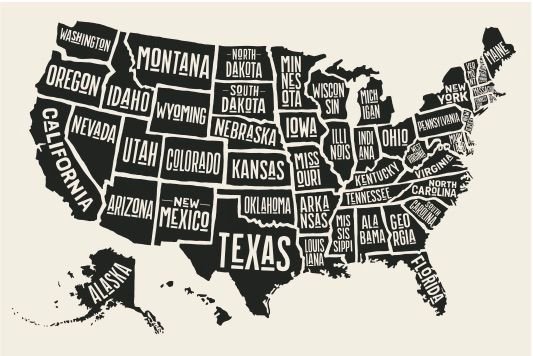
Every state in America has its own unique culture, flavor, and quirks – including their names. State pride is alive and well from Alabama to Wyoming, but do you know the story of how your state got its name?

While the name etymology for some states is a bit muddled, in general, a good number are derived from Native American tribes and languages, such as Algonquin, Sioux, and Iroquois. Others are nods to the origins of the European settlers who claimed patches of America for their own.

Here’s a guide to where all 50 state names came from – and what they mean!

Origins of State Names

Alabama comes from the Choctaw word albah amo meaning thicket-clearers or plant cutters.

Alaska has ties to the Aleuts and the Russians, with the words alaxsxaq and Аляска, respectively, essentially meaning mainland.

Arizona has ancient roots as the Uto-Aztecan word ali sona-g, which was adopted by the Spaniards as Arizonac, meaning good oaks.

Arkansas is the French pronunciation of an Algonquin name for the Quapaw people, akansa.

California is truly a magical place. So magical in fact, it’s named after a fictional world invented by the author Garci Ordóñez de Montalvo, which Spanish explorers adopted when setting foot on the gold coast.

Colorado is another Spanish-influenced name that essentially means ruddy or ruddish. The name was first applied to the Colorado River for its distinctive color.

Connecticut, much like Colorado, was named for the river running through it. The word possibly stems from the Native American term quinnitukqut, meaning beside or at the long tidal river.

Delaware is also named for a body of water, but that body of water was named for Baron De la Warr, the first English governor of Virginia. The baron’s name is old French for of the war.

Florida taps into its Spanish roots by referencing Pascua florida, meaning flowering Easter, as Spanish explorers found the lush area during the holiday season. There’s also a tie to the Latin word floridus, meaning strikingly beautiful.

Georgia may be known for its southern hospitality, but it’s actually named for King George II from Great Britain.

Hawaii comes from the Polynesian word hawaiki, meaning place of the Gods. It was, however, originally named the Sandwich Islands by James Cook in the late 1700s.

Idaho has notorious roots in the Athabaskan word idaahe, meaning enemy. It was originally applied to part of Colorado before being given to the Gem State.

Illinois has a silent “s” at the end, because it’s of French origin. “Illinois” means “Land of Illini,” giving a nod to the Native American population. “Illini” is the Algonquin word for “man” or “warrior.”

Indiana, as you might expect, stems from the English word Indian. The Latin suffix tacked on the end roughly means “land of the.”

Iowa comes from the Dakota word yuxba, meaning sleepy ones.

Kansas references the Kansa tribe, meaning people of the south wind. Makes sense for tornado alley.

Kentucky is yet another state named for the river running through it, inspired by the Shawnee word for on the meadow.

Louisiana, like Georgia, was named for a regent of the times, specifically, Louis XIV of France.

Maine has uncertain origins. Though it’s worth noting that Maine was also the name of a traditional province in France.

Maryland is a tip of the hat from King Charles I to his wife Henrietta Maria. Some husbands give jewelry; King Charles gave naming rights to an entire state.

Massachusetts comes directly from the Algonquian word Massachusett that references the people living in the area, and means at the large hill.

Michigan is based on the Algonquin word meshi-gami, meaning big lake.

Minnesota, like many other Midwest states, comes from a Native American language. In this case, the Dakota word mnisota means cloudy, milky water.

Mississippi literally means big river in Algonquin Ojibwa, although it’s based on the French variation of the word.

Missouri relates to the Algonquin word wimihsoorita, which translates to people of the big canoes.

Montana has some Spanish flair that links back to the Latin mons, for mountains.

Nebraska stems from the Sioux name for the Platte River, omaha ni braska, meaning flat water.

Nevada comes from the Spanish name for the surrounding Sierra Nevada mountain range, which essentially means snowy mountains, or snowcapped.

New Hampshire is the first of many states and cities named as new outposts of other parts of the world. In this case, Hampshire was a county in Southern England.

New Jersey was coined by Sir George Carteret of the Channel Island of Jersey.

New Mexico is self-explanatory and based on the Spanish Nuevo Mexico. Although, did you know the Aztecs coined the word Mexihco for their ancient capital?

New York was named for the Duke of York and the future King James II.

North and South Carolina are named after a monarch, King Charles II, as Carolus is the proper Latin version of Charles. 

North and South Dakota: The word Dakota, of course, describes the Dakota people, but it also means friendly or allies.

Ohio once again comes from a body of water, this time, the Ohio River. The Seneca Native Americans billed it as a good river.

Oklahoma comes from the Choctaw word meaning red people.

Oregon’s origin is less clear, although some scholars point to Algonquin as the source.

Pennsylvania was named after Admiral William Penn, under Charles II. It literally means Penn’s Woods.

Rhode Island has multiple name theories, including the idea that Dutch explorer Adrian Block applied the name Roodt Eylandt, meaning red island, to reflect the red cliffs of the region. Alternatively, it may come from the Greek island of Rhodes.

Tennessee comes from the Cherokee village name ta’nasi, but the meaning is unclear.

Texas is another old Spanish name from the word tejas, meaning friends or allies.

Utah has a short, spunky sound from the Spanish yuta, the name given to indigenous Uto-Aztecan people of the mountains.

Vermont has an elegant French sound and meaning – mont vert means green mountain in French.

Virginia and West Virginia are a Latin nod to sovereign Elizabeth I, the Virgin Queen.

Washington is named for President George Washington. His surname means estate of a man named Wassa in Old English.

Wisconsin may come from the Miami word meskonsing, which was spelled by the French as mescousingand then shifted to ouisconsin.

Wyoming has origins from the Algonquian chwewamink, meaning at the big river flat. There is another theory, however, that states Wyoming comes from a word for mountains and valleys alternating.

ooOOoo

Fascinating!

I wonder how many Americans, i.e. those that were born in this country, know the origins of the names of the States?

New Years’ Resolutions

Finding one that really works.

Whatever age we are and in many different cultures the New Year holds out so much hope. It seems an opportunity to start anew, to put the habits of last year behind us, to embrace a new start. Yet all the evidence is that a New Year’s Resolution will not make it through to February.

That is why I picked up on a recent article in The Conversation, that they kindly allow to be republished.

ooOOoo

Why you should give the gift of mindfulness this New Year

By Jeremy David Engels

Professor of Communication Arts and Sciences, Penn State. Published: January 3, 2023.

The late Zen master Thich Nhat Hanh leading a meditation walk. Steve Cray/South China Morning Post via Getty Images

The start of another year can feel magical to many of us. Even though the days remain short and dark, the flip of the calendar can make it seem new beginnings with new resolutions are possible. 

Mindfulness scholars and teachers like me call resolutions “habit breakers,” as they can overcome patterns that no longer serve individuals. However, research suggests that many resolutions fail by the end of January. 

But a key to ensuring that resolutions stick is to choose one that will make a meaningful difference in your life. Seeing a real, tangible benefit can provide inspiration to keep going when all of life is telling us to let things go back to how they were before. 

Living more mindfully is a common New Year’s resolution. This year, try gifting it to others.

The meaning of mindfulness

Mindfulness has been shown to have a number of meaningful health benefits – it can help reduce anxiety and promote healing in those suffering from long-term chronic illness. 

The practice is based on an insight first described by ancient Buddhist texts that human beings have the capacity to observe experience without being caught up in it. This means, simply and wonderfully, that it is possible to observe ourselves having a craving, or a happy thought, or even a scary emotion, without reacting in the moment in a way that amplifies the feeling or sends the mind spiraling off into thinking about old memories or anticipating events.

This practice can help calm the mind and the body as we learn not to react to experience with likes and dislikes or judgments of good and bad. It does not make us cold or apathetic but more fully present

Mindfulness in a distracted world

One of the challenges of practicing mindfulness in our contemporary world is that there has been a profound transformation in human attention. The artist Jenny Odell argues that in our “attention economy” human attention has been transformed into a commodity that big corporations buy and sell. This economy rests on a technological revolution of mobile phones and social media that makes it possible for corporations to reach us with content that can capture and monetize our focus, at every moment, every day, and no matter where we may be.

The constant need to be checking our phones keeps us from being fully present. Abdulhamid Hosbas/Anadolu Agency via Getty Images

The needy little devices most people carry in their pockets and wear on their wrists, incessantly beeping and buzzing and chirping, are a perpetual diversion from the present moment. The result is that it can feel as though our ability to focus, and be fully present, has been stolen

But mindfulness can help us resist the attention economy and savor the things that make life special, like being together with those we love. 

The gift of mindfulness

While most mindfulness research focuses on the individual benefits of the practice, scholars like me argue that we not only practice mindfulness for ourselves but that we can also practice it for others. It can help us build stronger, healthier relationships. 

The sad truth is that living in the attention economy, most of us have become bad listeners. However, just as it is possible to watch ourselves having an experience without reacting, it’s possible to watch another person have an experience without getting tied up in reactivity and judgment. It’s possible simply to be present. 

The gift of mindfulness is a practice of listening with compassion to another person describe their experiences. To give this gift means putting away your phone, turning off social media, and setting aside other common distractions. It means practicing being fully present in another person’s presence and listening to them with complete attention, without reacting with judgment, while resisting the urge to make the interaction about you. 

If we judge the value of gifts based on how much they cost, this gift may seem worthless. But in a distracted world, I argue, it is a precious one

It is not a gift that you will wrap, or put inside a card; it’s not one you will have to name as a gift or draw attention to. It’s something you can do right now.

ooOOoo

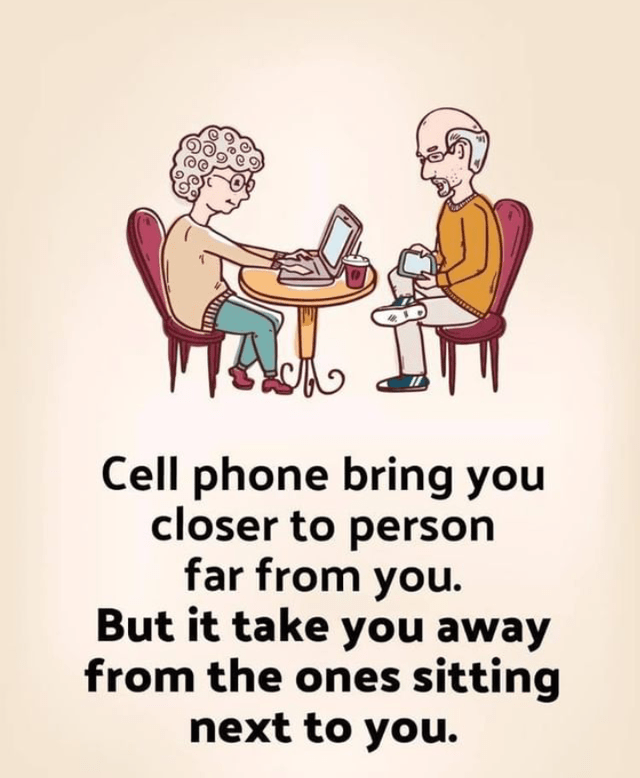
Professor David Engels is spot on. The number of people who are wedded to their cell phone, especially the younger ones of us, is frightening. Many years ago I was fortunate to have a counsellor who was into mindfulness and some of the good practices have stayed with me.

So, please, if you are thinking that your use of a cell phone is intrusive, even slightly, then let this New Year present a new you!

P.S.

Belinda sent in the following attached to one of her comments. It’s perfect! Thank you, Belinda!

And while we are on the subject of New Year’s Resolutions try this one. It is not a long video but it is extremely important; it concerns our diet and our health!

Another dog rescue for the New Year.

It was published late last year but so what!

This story from the Dodo caught my eye. Don’t know why because the articles about dogs being rescued are not rare! But anyway, whatever the reason it seemed a good article to share with you all today.

ooOOoo

Dog Trembling In A Pile Of Rubble Is So Grateful Someone Finally Noticed Her

“Her legs were shaking so hard” 💔

By Ashley Ortiz, Published on the 23rd December, 2022

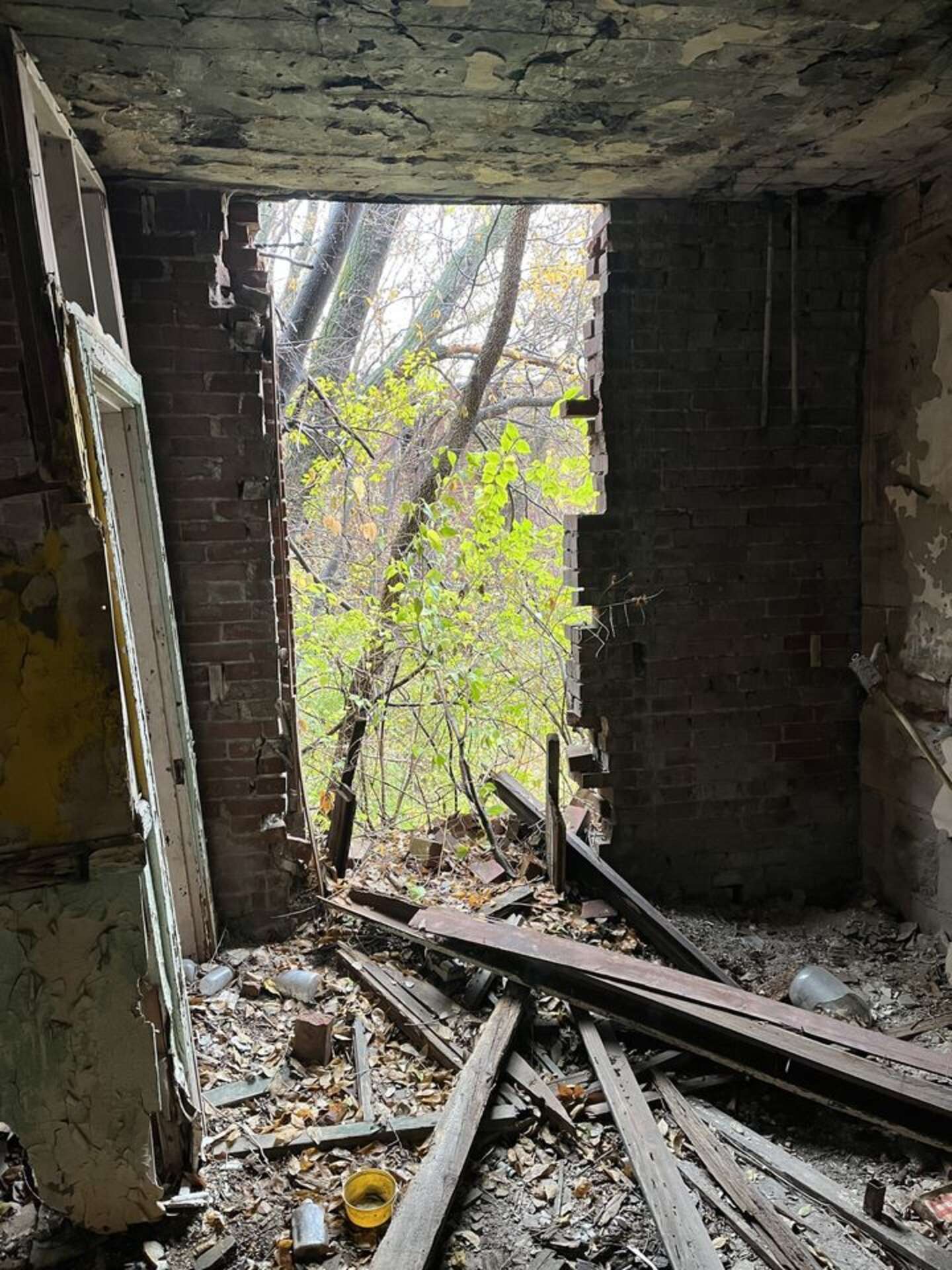
The first time Donna Lochmann searched a crumbling, abandoned apartment building in St. Louis, Missouri, she couldn’t find who she was looking for. A Good Samaritan called Stray Rescue of St. Louis (SRSL) to report a dog sighting, but Lochmann, the shelter’s chief life saving officer, came out empty-handed.

“We searched every floor and never saw anything,” Lochmann told The Dodo. “There was not one dog, nothing.”

With temperatures dropping and more calls coming in about a dog barking from inside the building, Lochmann decided to go back again and keep searching. This time, she found someone.

“When I got to the backside of the building, I saw a dog lying in the grass,” Lochmann said. “I saw her run towards the back of the building and she went in, so I followed her.”

Unfortunately, by the time Lochmann made it inside the building, the dog had already disappeared into one of the many empty apartments. She couldn’t find the pup on her own, so Lochmann went back to the shelter and recruited the help of other staff members.

Lochmann and her team went back to the building the next day, and as they went from room to room searching for the scared pup, they suddenly heard barking coming from inside.

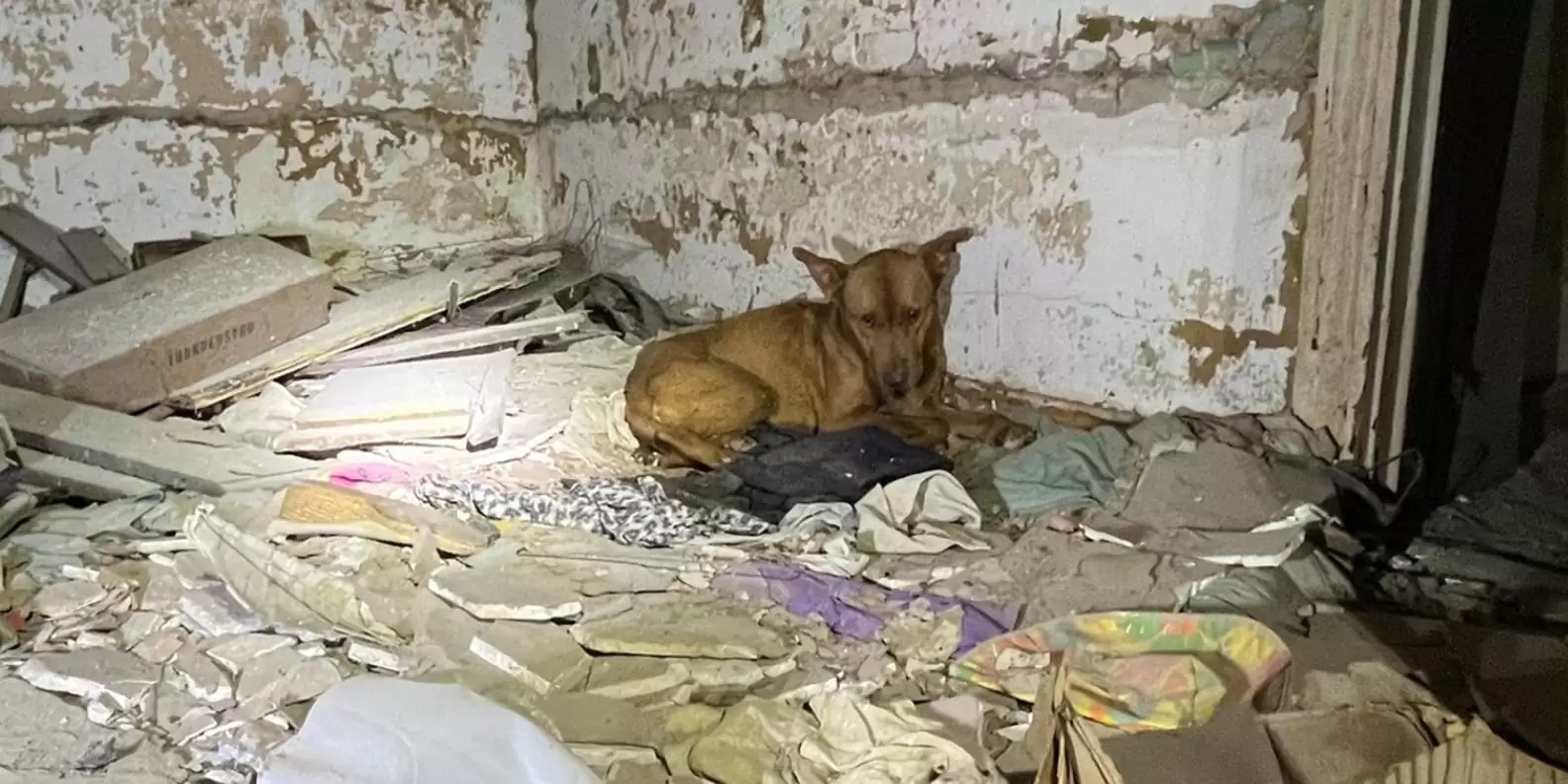
“I got over there and there was a poor dog just lying in the rubble of this building,” Lochmann said. “She was absolutely trembling, her legs were shaking so hard.”

The weather was cold that day, but Lochmann knew that the dog’s shaking was caused by fear more so than lack of warmth.

“I felt so bad for her,” Lochmann said. “It’s been a while since I’ve seen one shaking that hard, and it’s just gut-wrenching to see them so scared of you.”

To get the dog out of the building, Lochmann decided to use a plastic crate instead of attempting to walk her out on a leash. Not only would it be physically difficult to lead the pup out of the crumbling building on a leash, but Lochmann feared it would stress her out even more.

So Lochmann used the leash she had to guide the dog into the plastic crate, then quickly closed the door behind her.

“Once she was in the crate, she was calm,” Lochmann said.

Lochmann and her team carried the crate out of the building, then gently loaded it into her Jeep. They brought her back to the shelter, where she underwent a medical evaluation. Luckily for the pup, she passed with flying colors.

The dog, whom Lochmann named Habenero, was OK physically, but she was still a little nervous when she first got to the shelter.

“She was still pretty scared at first,” Lochmann said. “But she came around fairly quickly. Within a few days, she wasn’t growling anymore and she stopped shaking when we would talk to her.”

Habanero has since been spending time with Lochmann and her crew at the shelter, slowly getting used to her surroundings. Together, they go on walks around the neighborhoods surrounding the shelter and enjoy plenty of snuggles throughout the day.

Now that Habanero is feeling more comfortable, Lochmann believes that she’s finally ready to go into a foster home. It’ll be yet another change for the 7-year-old pup, but Lochmann is confident that she’ll thrive.

“Once she gets into a home, she’s gonna have a bit of adjustment to do,” Lochmann said. “But she’ll do great. I’m just glad she’s not trembling anymore.”

All images by STRAY RESCUE OF ST. LOUIS with whom copyright rests.

ooOOoo

The thing about dogs is the way that we, as in humans, bond so well with the majority of dogs, and that the majority of dogs bond so well with us.

I was just saying this to Jeannie yesterday morning when Oliver jumped up on to the three-seat settee, admittedly onto his special cushion, next to me and proceeded to snooze with his head on my thigh. Dogs are the perfect companions and they are incredibly conscious of the states of mind of their loving humans.