A sombre reflection on the killing abilities of man.
I was in two minds as to whether to post this today for it is certainly a grim reminder of the less desirable aspects of our species.
In the end, I decided to so do because it needs to be shared and if it changes the mindset of just one person it will have been worthwhile. I was originally seen by me on the EarthSky blogsite.
ooOOoo
Want to see Earth’s super predator? Look in the mirror.
Our efficient killing technologies have given rise to the human super predator. Our impacts are as extreme as our behavior, says study.
Rope trawl for midwater trawling. Photo credit: NOAA
Extreme human predatory behavior is responsible for widespread wildlife extinctions, shrinking fish sizes and disruptions to global food chains, according to research published in the August 21 edition of the journal Science these are extreme outcomes that non-human predators seldom impose, according to the article.
Lead researcher Chris Darimont is a professor of geography at the University of Victoria. Darimont said:
Our wickedly efficient killing technology, global economic systems and resource management that prioritize short-term benefits to humanity have given rise to the human super predator. Our impacts are as extreme as our behavior and the planet bears the burden of our predatory dominance.
A coastal wolf is hunting salmon in British Columbia, Canada. Photo credit: Guillaume Mazille
The team’s global analysis indicates that humans typically exploit adult fish populations at 14 times the rate than do marine predators. Humans also hunt and kill large land carnivores such as bears, wolves and lions at nine times the rate that these predatory animals kill each other in the wild.
Researchers noted that in some cases, dwindling species of predatory land carnivores are more aggressively hunted for trophies, due to the premium placed on rare prey.
The result of human activity on wildlife populations is far greater than natural predation. Research suggests that socio-political factors can explain why humans repeatedly overexploit. Technology explains how: Humans use advanced killing tools, cheap fossil fuel, and professional harvesters – like high-volume commercial fishing fleets – to overcome the defensive adaptations of prey.
Humanity also departs fundamentally from predation in nature by targeting adult quarry.Co-author Tom Reimchen is a biology professor at University of Victoria. He said:
Whereas predators primarily target the juveniles or ‘reproductive interest’ of populations, humans draw down the ‘reproductive capital’ by exploiting adult prey.
During four decades of fieldwork on Haida Gwaii, an archipelago on the northern coast of British Columbia, Reimchen looked at how human predators differ from other predators in nature. Reimchen’s predator-prey research revealed that predatory fish and diving birds overwhelmingly killed juvenile forms of freshwater fish. Collectively, 22 predator species took no more than five per cent of the adult fish each year. Nearby, Reimchen observed a stark contrast: fisheries exclusively targeted adult salmon, taking 50 per cent or more of the runs.
The authors conclude with an urgent call to reconsider the concept of “sustainable exploitation” in wildlife and fisheries management. A truly sustainable model, they argue, would mean cultivating cultural, economic and institutional change that places limits on human activities to more closely follow the behavior of natural predators. Darimont said:
We should be protecting our wildlife and marine assets as an investor would in a stock portfolio.
Bottom line: According to research published in the August 21, 2015 edition of Science, extreme human predatory behavior is responsible for widespread wildlife extinctions, shrinking fish sizes and disruptions to global food chains.
Chris Darimont really put his finger on the spot in my opinion when he was quoted,”We should be protecting our wildlife and marine assets as an investor would in a stock portfolio.”
Going to close today’s post by repeating what is presented on the Welcome page of Learning from Dogs, namely:
As man’s companion, protector and helper, history suggests that dogs were critically important in man achieving success as a hunter-gatherer. Dogs ‘teaching’ man to be so successful a hunter enabled evolution, some 20,000 years later, to farming, thence the long journey to modern man. But in the last, say 100 years, that farming spirit has become corrupted to the point where we see the planet’s plant and mineral resources as infinite. Mankind is close to the edge of extinction, literally and spiritually.
Dogs know better, much better! Time again for man to learn from dogs!
Rain after 11pm. Areas of smoke before 11pm. Low around 60. West wind around 6 mph. Chance of precipitation is 90%. New precipitation amounts between a tenth and quarter of an inch possible. Saturday
Rain likely before 11am, then a slight chance of showers after 11am. Partly sunny, with a high near 76. West wind 11 to 14 mph, with gusts as high as 21 mph. Chance of precipitation is 60%. New precipitation amounts of less than a tenth of an inch possible.
If that rain arrives it will break a spell of fifty days since we last had rain. So fingers, and toes, very tightly crossed.
The second reason to be joyful is demonstrated in the following video sent to me by Chris Snuggs.
Enjoy, and wherever you are have a wonderful wet weekend!
This needs no further introduction from me other than to say that this gorgeous story is from Mother Nature Network.
ooOOoo
‘Lost’ goose follows pickup truck 6 miles to water
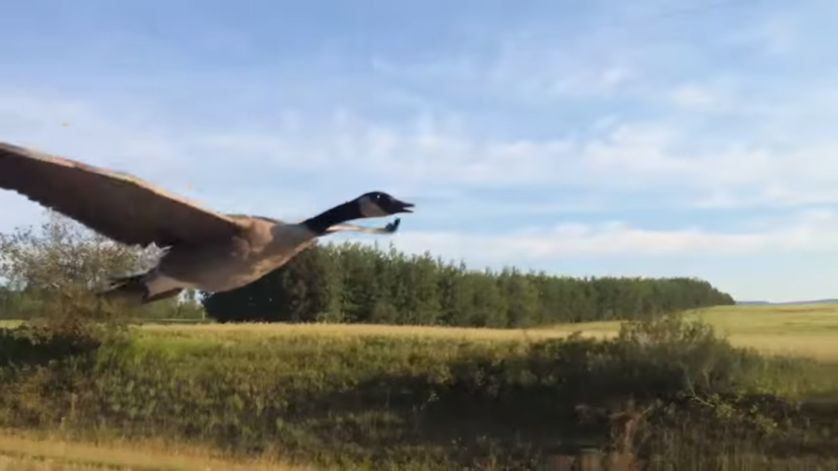
After a Canada goose started following his truck, forester Andre Bachman decided to lead it to a nearby lake — and to film a video out his window as the bird flew dutifully alongside.
By: Russell McLendon
August 20, 2015
If there’s a wild Canada goose following you, it often means you’re being chased angrily from a pond or harassed for bread crumbs. But as a new viral video illustrates, the famously surly birds can be surprisingly civil — even compliant.
Andre Bachman first realized a goose was tailing him as he drove along a gravel road in rural southwest Alberta. “The goose was flying above when it saw his truck and started flying beside him,” writes Reddit user Watchboy0, who posted a video of the encounter titled “A Canada Goose was following my dad in his truck.”
Curious why a goose would spontaneously follow a pickup truck, Bachman pulled over — as did the goose. He began filming with his smartphone as he stepped out to greet the goose, which was waddling nonchalantly toward him.
“Hi,” Bachman said. “What are you doing? Are you lost?”
The goose didn’t answer, aside from quiet honking. But its behavior spoke volumes, revealing a level of comfort with humans that suggests it may have been a pet at some point. Shooing it with “off you go, off you go” didn’t work, so Bachman decided to embrace the goose’s idea. Thinking it might need help finding water, he set out for Shining Bank Lake, which the CBC reports is about 10 kilometers (6 miles) away.
“Let’s go for a flight, OK?” he offered. As Bachman filmed through his truck window, he began driving and coaching the goose to follow. It started with a brisk trot — a pretty amusing sight on its own — and then flapped into flight, letting Bachman capture an endearing view of it flying alongside to the Beatles’ “Let It Be.”
A Canada goose flies alongside a pickup truck on its way to Alberta’s Shining Bank Lake. (Photo: Andre Bachman/YouTube)
Bachman stopped at least once to check on the goose, saying “I almost hit you, didn’t I?” and noting its tameness when the bird let him pet it. As goose expert Sid Andrews of Inglewood Bird Sanctuary tells Canada’s Global News, even wild Canada geese accustomed to handouts rarely tolerate that.
“I would guess that because it allowed the fellow driving the truck to get very close, that at some point in time, it must have been imprinted on human beings,” Andrews says, adding that it also may have simply mistaken its reflection in the truck’s bumper for another goose. “It somehow got lost or estranged from the group and found, just by happenstance, another goose in the reflection in the bumper.”
Either way, the goose had little trouble keeping up. “My dad would just about stop for the corners after the first one to let it turn,” Watchboy0 writes on Reddit. “Also, at one point he wanted to see how fast it could go. At around 80 km/h [50 mph], the goose started flying above his truck on the air coming off his windshield.”
Once at the lake, the goose “seems happy and stays,” Bachman writes on YouTube, where the video has been watched more than 1.5 million times in about a week. The bird was probably never in serious distress, Andrews says, but Bachman may still have done it a favor by leading it to water. “I certainly would applaud [the driver’s] instincts to head to water because it’ll have a much better chance of finding food.”
ooOOoo
Well done that man: forester Andre Bachman. Well done, indeed!
“Thousands have lived without love, not one without water.”
That sub-heading is a quotation from W. H. Auden and while directed at man it applies to all animal life including our beloved dogs.
The drought that California is experiencing is world-wide news but, possibly, the fact that this drought extends to much of the Pacific West Coast on the United States is not as widely known.
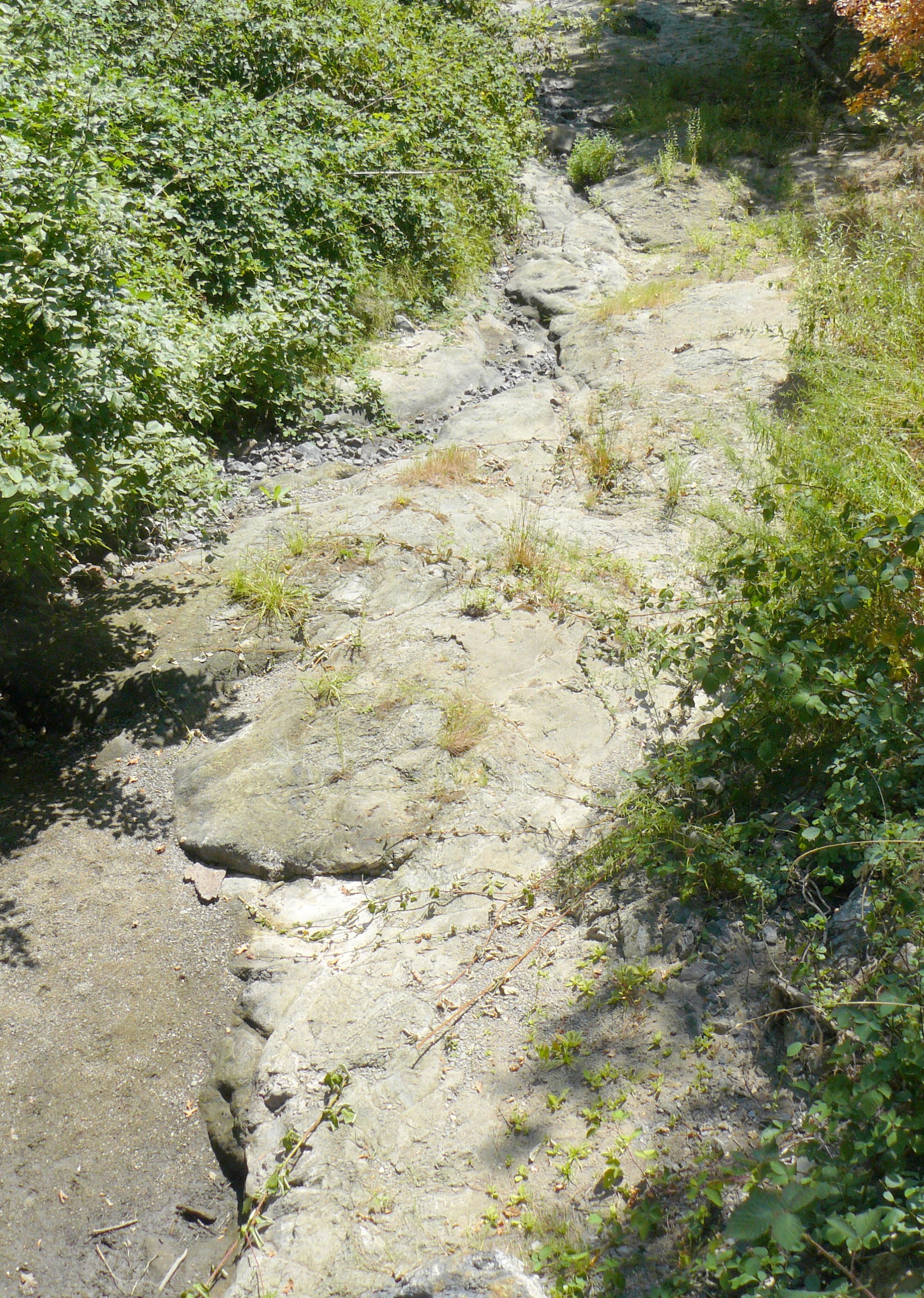
Here in Merlin, Southern Oregon, our own ‘all-year’ creek, Bummer Creek, that flows through our property has been dry for about two weeks. Our grass fields are parched brown and many of the trees are signalling a shortage of water. And let’s not even think about the underground aquifer that supplies our drinking water.
All of which makes a sombre introduction to a recent essay over on TomDispatch, republished here with the very kind permission of Tom Engelhardt. (But see my note at the end of the essay.)
ooOOoo
Tomgram: William deBuys, Entering the Mega-Drought Era in America
Posted by William deBuys at 4:17pm, August 16, 2015.
The other day here in New England it was chilly, rainy, and stormy and I complained. Where was the sun? The warmth? The summer? I happened to be with someone I know from California and he shook his head and said, “It’s fine with me. I like it rainy. I haven’t seen much rain in a while.” It was a little reminder of how insular we can be. California, after all, is in the fourth year of a fearsome drought that has turned much of the North American West, from Alaska and Canada to the Mexican border, into a tinderbox. Reservoirs are low, rivers quite literally drying up, and the West is burning. In rural northern California, where the fires seem to be least under control, the Rocky Fire has already burned 109 square miles and destroyed 43 homes, while the Jerusalem Fire, which recently broke out nearby, quickly ate up almost 19 square miles while doubling in size and sent local residents fleeing, some for the second time in recent weeks.
Fires have doubled in these drought years in California. The fire season, once mainly an autumnal affair, now seems to be just about any day of the year. (This isn’t, by the way, just a California phenomenon. The latest study indicates that fire season is extending globally, with a growth spurt of 18.7% in the last few decades.) In fact, fire stats for the U.S. generally and the West in particular are worsening in the twenty-first century, and this year looks to be quite a blazing affair, with six million acres already burned across the region and part of the summer still to go. And here’s the thing: though “I’m not a scientist,” it’s pretty hard at this point not to notice — though most Republican candidates for president seem unfazed — that this planet is heating up, that today’s droughts, bad as they are, will be put in the shade by the predicted mega-droughts of tomorrow, and that the problem of water in the American West is only going to deepen — or do I mean grow shallower? TomDispatch regular William deBuys, an expert on water in that region and author of A Great Aridness: Climate Change and the Future of the American Southwest, has already written dramatically of a future “exodus from Phoenix.” For clues to what we will all experience sooner or later, he now turns to California, that bellwether state in which, as he writes, the future always seems to play itself out first. Tom
California First
As Both Climate Victim and Responder, the National Style-Setter Leads the Way
By William deBuys
Long ago, I lived in a cheap flat in San Francisco and worked as the lone straight man in a gay construction company. Strangely enough, the drought now strangling California brings back memories of those days. It was the 1970s. Our company specialized in restoring the Victorian “gingerbread” to the facades of the city’s townhouses, and I got pretty good at installing cornices, gable brackets, and window hoods, working high above the street.
What I remember most, though, is the way my co-workers delighted in scandalizing me on Monday mornings with accounts of their weekend exploits.
We were all so innocent back then. We had no idea of the suffering that lay ahead or of the grievous epidemic already latent in the bodies of legions of gay men like my friends, an epidemic that would afflict so many outside the gay community but was especially terrible within it.
It’s unlikely that many of those guys are alive today. HIV was already in the population, although AIDS had yet to be detected or named, and no one had heard of “safe sex,” let alone practiced it. When the epidemic broke out, it was nowhere worse than in trendsetting San Francisco.
By then I had returned to New Mexico, having traded my hammer for a typewriter. When I announced my intention to leave California, the guys all said the same thing. “Don’t go back there,” they protested. “You’ll just have to go through all of this again!”
All of this required no translation. It meant the particular newness of life in that state, which was always sure to spread eastward, as Californian styles, attitudes, problems, tastes, and fads had been spreading to the rest of the country almost since the days of the Gold Rush.
Hippies, flower power, bikers, and cults. The movies we see and the music we listen to. The slang we pick up (I mean like, what a bummer, dude). Wine bars and fern bars, hot tubs and tanning booths, liposuction and boob jobs. The theft of rivers (Forget it, Jake. It’s Chinatown) and the theft of baseball teams (Brooklyn still mourns). Gay rights, car culture, and the Reagan Revolution. Scientology, mega-churches, Buddhist chic, and exercise videos. If they didn’t actually start in California, they got big and came to national attention there. Without the innovations of Silicon Valley, would you recognize your mobile phone or computer? Would you recognize yourself?
It’s the same with climate change. California in the Great Drought is once again Exhibit A, a living diorama of how the future is going to look for a lot of us.
And the present moment — right now in 2015 — reminds me of San Francisco as the AIDS epidemic broke out. Back then we had no idea how bad things were going to get, and that is likely to be true now, as well. As usual, California is giving us a preview of our world to come.
The Arrival of the Bone-Dry New Normal
On the U.S. Drought Monitor’s current map, a large purple bruise spreads across the core of California, covering almost half the state. Purple indicates “exceptional drought,” the direst category, the one that tops both “severe” and “extreme.” If you combine all three, 95% of the state is covered. In other words, California is hurting.
Admittedly, conditions are better than at this time last year when 100% of the state was at least “severe.” Recent summer rains have somewhat dulled the edge of the drought, now in its fourth year. Full recovery, however, would require about a foot of rain statewide between now and January, a veritable deluge for places like Fresno, which in good times only get that much rain in a full year.
To be clear, the current drought may not have been caused by climate change. After all, California has a long history of periodic fierce droughts that arise from entirely natural causes, some of them lasting a decade or more. Even so, at a minimum climate change remains a potent factor in the present disaster. The fundamental difference between California’s current desiccation and its historical antecedents is that present conditions are hotter thanks to climate change, and hotter means drier since evaporation increases with temperature. Moreover, the relationship between the two is non-linear: as temperature creeps up, evaporation gallops. Bottom line: the droughts of the future will be much more brutal — and destructive — than those of the past.
California is already on average about 1.7° Fahrenheit hotter than a century ago, and its rate of warming is expected to triple in the century ahead. The evaporative response to this increase will powerfully amplify future droughts in unprecedented ways, no matter their causes.
Throughout the state, draconian cutbacks in water use remain in force. Some agricultural districts are receiving 0% of the federally controlled irrigation water they received in past years, while state water deliveries are running at about 15% of normal.
Meanwhile, a staggering 5,200 wildfires have burned in the state’s forests and chaparral country this year, although timely rains everywhere but in the northern parts of California and the rapid responses of a beefed-up army of firefighters limited the burning to less acreage than last year — at least until recently. The blow-up of the Rocky Fire, north of San Francisco, in the early days of August — it burned through 20,000 acres in just a few hours — may change that mildly promising statistic. And the fire season still has months to go.
So how is this a trendsetter, a harbinger for lands to the east? California’s drought is deep and long — we don’t yet know how long — and the very long-term forecast for an immense portion of western North America, stretching from California to Texas and north to South Dakota, is for a future of the same, only worse. Here is the unvarnished version of that future (on which an impressive number of climate models appear to agree) as expressed in a paper that appeared in Science Advances last February: “The mean state of drought in the late 21st century over the Central Plains and Southwest will likely exceed even the most severe mega-drought periods of the Medieval era in both high and moderate emissions scenarios, representing an unprecedented fundamental shift with respect to the last millennium.”
Let’s unpack that a little bit: principal author Benjamin Cook of NASA and his colleagues from Columbia and Cornell universities are saying that climate change will bring to the continent a “new normal” more brutally dry than even the multiple-decades-long droughts that caused the Native American societies of Chaco Canyon and Mesa Verde to collapse. This, they add, is now expected to happen even if greenhouse gas emissions are significantly lowered in the decades to come. The impact of such droughts, they conclude, will exceed the bounds of anything known in the history of the continent or in its scientifically reconstructed pre-history.
In other words, the California drought of recent years offers only a foretaste of what is to come. Incidentally, Cook, et al. are by no means outliers in the literature of climate prediction. Other important studies with similar forecasts support a steadily broadening consensus on the subject.
And North American droughts will have to compete for attention with countless other climate change impacts, especially the hundreds of millions of refugees worldwide who will be put into motion by rising sea levels and other forces that will render their present homes unlivable.
A User’s Guide to Climate Change
If California points the way to dry times ahead, it also gives us an early glimpse of how a responsible society will try to live with and adjust to a warmer future. The state has imposed stringent new limits on water use and is actively enforcing them, and in general, individual consumers have responded positively to the new requirements, in some cases even exceeding mandated conservation goals.
In a similar spirit, the state has augmented its wildland fire-fighting capacity to good effect, even as the fire danger has approached levels never before seen.
Perhaps most impressively the state has adopted its own pioneering cap-and-trade program aimed at rolling back total greenhouse gas emissions to 1990 levels. Under cap-and-trade, carbon polluters have to obtain permits to continue their emissions, and only a finite number of such permits are made available. A coal-burning power plant or a refinery has to buy its permit from the state or from another company that already has one. This way, a ceiling is established for total greenhouse gases emitted by the most energy-intensive sectors of the economy.
Although the jury may still be out on how well the program meets its goals, there is no debating its positive impact on the state treasury. In the fiscal year just begun, the auction of permits under California’s cap-and-trade program will net approximately $2.2 billion, a windfall that will be spent on mass transit, affordable housing, and a range of climate-adaptation programs. And by the way, the warnings of nay-sayers and climate deniers that cap-and-trade would prove a drag on the economy have proved groundless.
In a manner similar to the U.N.’s prestigious Intergovernmental Panel on Climate Change, California now publishes an assessment every three years of both its vulnerability to climate change and the steps it plans to take to mitigate or adapt to its effects. The report is a model of its kind and draws on copious California-specific scientific research, some of which is funded by the state.
You might think California’s neighbors would follow suit, and eventually, as with most things Californian, they undoubtedly will. If President Obama’s just-announced “Clean Power Plan” withstands the expected court challenges, it will prove a powerful spur in that direction as it mandates state-by-state reductions in power plant carbon emissions that will, in the end, drive them 32% below 2005 levels. Many states will undoubtedly have to adopt cap-and-trade systems in order to comply. As they set about devising their own programs, where do you think they will look for a workable example? You guessed it: California.
An “Island” Again, or Nearly So
In the seventeenth century, Spanish cartographers thought California was an island separated from the rest of North America by the legendary Straits of Anian. In some ways, nothing has changed. In late July, while California Governor Jerry Brown was at the Vatican joining Pope Francis in calling for urgent global action to combat climate change, his opposite numbers across the putative straits continued to assume the posture of startled ostriches.
Doug Ducey, the Republican governor of Arizona, admits that the climate may indeed be changing but doubts that humans play a causal role in it. Susana Martinez of New Mexico, also a Republican, continues to insist that climate science is inconclusive, while former governor of Texas and current presidential candidate Rick Perry adamantly remains “not a scientist,” although he knew enough to inform us in his 2012 campaign screed Fed Up that climate change science is “a contrived phony mess.”
In general, when it comes to climate change, the leadership of statehouses across the country remains as troglodytic as the House of Representatives. Only in Hawaii, Oregon and Washington on the West Coast, Minnesota in the Midwest, and a handful of Northeastern states will governors even acknowledge the importance of acting to curb climate change as well as adapt to it.
This year, the deniers may get a boost from an unlikely source. Warm surface waters seem to be brewing something special in the Pacific Ocean. Says one researcher, “The El Niño event currently ongoing in the eastern and central Pacific is strengthening. The only question is whether it will be just a significant event, or a huge one.”
El Niño draws the winter Pacific storm track southward, bringing precipitation to southern California, Arizona, and points eastward. If the southern tier of states has a wet winter, the Republican rain-dancers will feel confirmed in their official doubt and denialism, much as a broken clock is right at least twice a day.
Occasional El Niños, however, will not avert the long-term new normal for California and much of the West. As that state is showing, adaptation will soften some of the blows, and possibly, if we act soon enough and strongly enough, we may manage to cap the overall changes at some still livable level. The jury will be out on that for quite some time.
Meanwhile, as in pre-AIDS San Francisco, we are all still in a state of at least semi-innocence. Maybe we can imagine in an intellectual way what it might be like to lose the forests across half of the continent, but can any of us conjure the feeling of how that would be?
After many missteps and halting starts, the medical and public health establishments finally came to the assistance of the victims of AIDS. As difficult as that was, it was easy compared to the remedies climate change will demand. And for much of the damage there will be no remedy. Get ready.
William deBuys, a TomDispatch regular, is the author of eight books, the most recent of which is The Last Unicorn: A Search for One of Earth’s Rarest Creatures. He has written extensively on water, drought, and climate in the West, including A Great Aridness: Climate Change and the Future of the American Southwest.
Follow TomDispatch on Twitter and join us on Facebook. Check out the newest Dispatch Book, Nick Turse’s Tomorrow’s Battlefield: U.S. Proxy Wars and Secret Ops in Africa, and Tom Engelhardt’s latest book, Shadow Government: Surveillance, Secret Wars, and a Global Security State in a Single-Superpower World.
Copyright 2015 William deBuys
ooOOoo
Again, there are far too many links for me to bring across to this republication but I do recommend that if you have an extra special interest in William deBuys essay that you check through all the links in the original version to be read here.
Stranded orca saved by volunteers who kept it cool for hours until high tide
A pump and sheets were used to keep whale alive near Hartley Bay on B.C.’s North Coast
By Maryse Zeidler, CBC News Posted: Jul 23, 2015 7:20 AM PT – Last Updated: Jul 24, 2015 5:35 AM PT
An orca that was stranded on some rocks was kept alive for eight hours by a dedicated team of whale researchers and volunteers on the North Coast of B.C.
“She cried often, which tore at our hearts, but as the tide came up there were many cheers as this whale was finally free,” said in a Facebook post from the group The Cetacean Lab.
Early Wednesday morning, the group received a call from a colleague about the beached orca, which was stuck on some rocks at low tide.
“We decided the best thing to do would be to keep her cool, that meant to put water on her body and we used blankets and sheets,” said Hermann Meuter, a co-founder of Cetacean Lab.
“It was the only thing we could do.”
Meuter said they could see the orca’s behaviour change as they began to help her.
“At first she was stressed, you could see that her breathing was getting a little faster,” said Meuter.
But after about 15 to 20 minutes, she began to calm down.
“I think she knew that we were there to help her,” said Meuter.
Around 4 p.m. PT, the tide began to rise and the orca was able to start freeing herself.
“It took her about 45 minutes to negotiate how best to get off the rocks,” said Meuter. “We all just kept our distance at that point.”
When she swam away, the orca was quickly reunited with her pod, which was nearby.
Metuer said members of the World Wildlife Fund and the Git G’at Guardians from Hartley Bay were also on the scene helping to free the animal.
“We all cared about this whale and we were just very lucky to give that whale another chance,” said Meuter.
ooOOoo
There are photographs to view on that CBS News item plus this video (wish it could have been longer) was also included in Maryse Zeidler’s report.
Well done to everyone who helped save this magnificent animal.
(I’m conscious that many recent posts have been more of me republishing stuff than being creative on my own account. Blame it on ‘the book’: my first edit is now complete and the next stage is sending the manuscript out to those who have volunteered to proof-read the book.)
I saw this article on Mother Nature Network and it struck me immediately as being full of common-sense and well worth sharing with you.
ooOOoo
How to build the perfect backyard for dogs
Learn which plants are hardy, which are poisonous, and how to create a beautiful but functional layout.
Designing your garden with your dog in mind will prevent an infinite number of headaches down the road. (Photo: upixa/Shutterstock)
A dog and a healthy, beautiful backyard don’t often go hand in hand. The amount of wear and tear a dog throws at a garden can leave it in tatters. But it doesn’t have to be this way! With a bit of planning and a careful selection of plants able to hold up to whatever dogs spray at them, your backyard can be both a haven for humans and a paradise for your pups.
Here are helpful strategies for planning out a yard and a list of plants to use or to avoid.
7 tips for dog-friendly garden design
Build raised beds for the more sensitive plants or for any fruits and vegetables you may want to grow. Add in some fencing or netting around the boxes to protect them if your dog is still tempted to hop up and snoop around in them.
Build a dog-friendly path around the yard. This will guide your dog through the garden and minimize the detours into the flowerbeds. You may want to start by watching where your dog goes on his own, and creating the path along that route. That way you aren’t trying to train your dog to go somewhere he doesn’t normally want to go, and you aren’t frustrated when your dog goes where he wants to anyway.
Providing pathways for your dogs will show them where they’re allowed to run and will help keep them out of more sensitive areas of the garden. (Photo: Julius Elias/Shutterstock)
Discourage digging through design. If your dog sometimes digs holes, you can help keep your garden beds safe by making them raised beds. However, if your dog is a relentless digger and no part of the yard is safe, then consider building an area where your dog can do anything he’d like within that space, including dig. This could be a fenced area that has a sand box, where the outlet of digging is welcomed.
Create a designated area for bathroom breaks. This will of course require training your dog to use it, but the time and effort spent in training will counter any time and money spent in replacing dead plants.
Provide places to sun. Many dogs love to sunbathe and might pick the sunniest spot in the middle of your favorite bed of flowers. Avoid a dog selecting his own area by providing one for him instead. A small deck, or a few paving stones in a pretty design, or even an area with bark chips will be a welcoming place for your dog to lie down, out of the way of the plants.
Create shaded areas to keep your pet comfortable. Yards are the perfect place to hang out in the sun, but on hot days it can feel pretty miserable without relief with a little shade. Plant trees or tall shrubs where your dog can enjoy a cool break from playing in the sun.
If you have a water feature, make sure the water is drinkable and free of chemicals.
Safe and hardy plants for dogs
After figuring out a few design elements to make your yard a place where both dogs and humans can feel comfortable, it’s time to review your plant selection. There are a fair number of plants that are resistant to dog urine. By placing these plants in the areas your dog frequents, you can reduce how much replanting you need to do as well as keep your yard looking fresh and healthy.
Many herbs are not only safe but also healthy for dogs. But you’ll still want to protect them from your dog by growing them in a raised bed or pots. (Photo: Jamie Hooper/Shutterstock)
Luckily, the herbs you likely want to have in your kitchen garden are also healthy for dogs. If you like cooking with these savory staples, you’ll be happy to know they’re more than welcome in your dog-friendly garden! The five best options include:
Basil — antioxidant, antiviral and antimicrobial properties
Oregano — helps digestive problems including diarrhea and gas
Parsley — a source of flavonoids, antioxidants and vitamins
Peppermint — soothes upset stomachs, reduces gas and nausea, and helps with travel sickness
Rosemary — high in iron, calcium and Vitamin B6
Groundcovers are a great alternative to a grassy lawn. Many varieties can withstand abuse from dogs better than any grasses. Great options include:
Carpet bugle
Elfin thyme
Kinnikinick
Miniature stonecrop
Silver carpet
Snow in summer
Winter creeper
Another staple for a dog-friendly yard are urine-resistant plants. Here are a few suggestions:
Bears breech
Burkwood osmanthus
Doublefile viburnum
Feather reed grass
Holly fern
Japanese spindle tree
Mexican sage
New Zealand flax
Redtwig dogwood
Snowball viburnum
Spider plants
Sword fern
Plants poisonous to dogs
Even if they look pretty, there are quite a few plants you should avoid having in your yard because ingesting them can mean illness or death for your pet. It doesn’t mean you can’t have these plants around; it just means you’ll want to plant them in areas your dog can’t access, such as fenced-off portions of the yard or in hanging baskets out of reach. University of California, Davis put together a list of the 12 plants that cause the most visits to their vet hospital. They include:
Aloe vera
All species of amaryllis
Anemone
Asparagus fern
Chrysanthemums
Cycads (including Sago palm and cardboard palm)
Cyclamen
Daffodil
Jade plants
Lilies
Lily of the valley
Philodendrons
The ASPCA provides a full list of plants toxic to dogs. Reviewing this list before planting will help prevent trips to the vet in the future.
Be sure to double check if the plants you’re adding to your garden are toxic to dogs. While some dogs stay out of the plants, others may munch on anything they feel like, which could lead to a trip to the vet’s office. (Photo: Dora Zett/Shutterstock)
Other things your dog could, but shouldn’t eat
Which mulch you select could be important to your dog’s health. Cocoa mulch, made of cocoa bean shells, is a by-product of chocolate production and can be toxic. Most dogs aren’t going to eat mulch and if they do, they probably wouldn’t eat enough to cause a problem. However, if you have a dog that seems to dine on anything and everything, you may want to consider using something like shredded pine instead.
Much like eating mulch, ingesting large amounts of fertilizer can be unhealthy or even life-threatening for your pet. Be sure to use all-natural fertilizers, follow the directions and make sure that your pet isn’t allowed into the fertilized area within the suggested waiting period after application.
Compost piles are a great addition to any garden but depending on what you’re tossing in them, they can also pose problems for pets. Coffee grinds, moldy food and certain types of fruit and vegetables are toxic to dogs. In addition, fungal toxins can grow within the compost piles that can cause problems for your pet’s health and overall immunity if consumed. It’s a good idea to keep your compost in a bin that is off limits to your dog.
It is also a smart idea to ditch the chemical herbicides and pesticides. Not only are they terrible for the environment but they can also have disastrous effects on pets, including causing cancer.
ooOOoo
This is so brimful of good advice that it deserves to be shared as widely as possible.
I ran out of writing time yesterday so looked for a quick and easy post to offer you.
Not that that undervalues what is presented; far from it!
George Monbiot’s essays are frequently on topics that concern him and rightly so. However, last Thursday George published an essay that offers real hope to those that want to see an end to the ceaseless news of lost species. It is called Otter Joy and is published with George Monbiot’s kind permission.
ooOOoo
Otter Joy
The return of Britain’s otters offers a glimpse of rewilding’s great rewards
By George Monbiot, published on the Guardian’s website, 7th May 2015
I spent last week travelling with my family across the Scottish Highlands, meeting land managers to discuss possibilities of rewilding. The speed of change there is astonishing, and opportunities for a mass restoration of living systems are emerging faster than I could have imagined even a year ago. I’ll be writing about this in a few weeks, when Rewilding Britain is launched.
But for now I want to talk not about the practicalities of rewilding but about its essence: the reason why this idea excites and inspires me so much that I’ve chosen to devote much of the rest of my life to it.
During our tour across the Highlands we stopped for a few days in the village of Shieldaig, at the head of a sea loch on the west coast. We took a cottage overlooking Shieldaig Island, partly because, for the past few years, white-tailed eagles have been nesting there. After becoming extinct in Britain in 1916, this magnificent bird, bigger than a golden eagle, was reintroduced to the island of Rum in 1975. It has been spreading slowly along the west coast. (It could have moved further across Scotland were it not for shooting and poisoning by grouse estates and others). This is one of the species I would love to see returning to much of the rest of Britain.
Unfortunately, the eagles have chosen another place to nest this year. But there were other returning species to see. I woke one morning when it was still dark, and lay in bed until I heard the song thrush in the sycamore behind the cottage start to sing. I slipped out as the light began to rise over the hills.
There’s a path that leads out of the village, winding north over the headlands and around the small bays of Loch Shieldaig. The willow warblers in the trees along the path had started to sing, and from behind the crest of a hill I heard the cry of an unfamiliar raptor – listening later to recordings, I felt it might have been a white-tailed eagle. There was not a tremor of wind and the air was clear. I could see the promontories and islands stepping away for many miles across a polished sea.
As I came over a low ridge, I noticed a disturbance in the water below me, a few metres from the shore. I dropped into the heather and watched. A moment later, two small heads broke from the sea, then the creatures arced over and disappeared again.
After another moment, the larger one – the dog otter – scrambled out of the water with something thrashing in its mouth. He dropped it onto the rocks, gripped it again, then chewed it up. Then the bitch emerged from the sea beside him, also carrying something, that she dispatched just as quickly. They plunged in again, and I watched the trails of bubbles they made as they rummaged round the roots of the kelp that filled the shallow bay.
When they emerged once more, each with a fish in its mouth, I was able to identify the quarry. They were catching rocklings: small, very slippery fish of the same olive-brown as the kelp. Over the next half hour, each of them caught about fifteen. I marvelled at their ability to grab such difficult prey. I loved the slick, swift movements with which they dived and dolphined and twisted underwater. It looked to me like an expression of pure joy.
Hiding among the rocks and heath, I could keep ahead of the otters without being seen, as they foraged round the coast. As the cliffs became lower, I found myself coming ever closer to them. Then, though I don’t know why, the otters emerged from the water without fish, shook themselves out, and climbed up the rocks, long low bodies undulating, towards me. The dog grunted and huffed while his mate made a high whickering noise. They kept raising their heads and staring in my direction. But as I was buried in the heather and they have weak eyesight, I doubt they could have seen me. Soon they were standing about 20 or 30 feet away, raising their bristly little faces to smell the air. I could hear them panting.
Then they turned and rippled back down the rocks, slipped into the water with scarcely a splash and started hunting round the coast once more. Soon they disappeared around a cliff I couldn’t negotiate.
I walked back elated, recharged with wonder and enchantment. A week later, the feeling still buoys me up.
While many species in this country are in rapid decline, the otter is among the few whose prospects are improving. This is partly because it’s no longer hunted, and partly because of a reduction in the organochlorine insecticides that accumulated up the food chain. But, especially in England, it still inhabits just a fraction of its former range.
Otters are an adaptable species that, given the chance, can quickly recolonise the habitats from which they have been excised. Their hesitant return sharpens the hopes of those of us who want a wilder Britain, who strive for the re-establishment of magnificent, enthralling wildlife that you don’t have to travel halfway around the world to see.
Already otters are beginning to appear in a few towns and cities. As they become accustomed to their protected status, they’re likely to become less shy and easier to watch, bringing nature’s wonders closer to the lives of people who have become disconnected from the living planet. If our advocacy of the widespread return to Britain of animals such as beavers, boar and lynx succeeds (and one day, perhaps, of wolves, bison, pelicans, bluefin tuna and whales of several species), the opportunities for re-enchantment will begin to blossom in places that are currently little more than wildlife deserts.
Everyone should be able to experience such marvels, and to step outside the ordered, regulated, predictable world of our own making, that sometimes seems to crush the breath out of us.
2011 has proved another record breaking year for breeding pairs of Scotland’s largest bird of prey. White-tailed eagles soared to new heights despite heavy storms throughout the 2011 breeding season.
Conservationists, and many sea eagle enthusiasts, had been concerned that the high winds felt across Scotland in May could have had a detrimental impact on breeding white-tailed eagles at the vulnerable part of the season when most nests contain small chicks. Indeed, some nests failed including that of BBC Springwatch star, nicknamed “Itchy”, who experts fear lost his chicks in the storm.
However, the bad weather failed to blow the species off course. Recent survey figures for the 2011 breeding season reveal that there were 57 territorial pairs in Scotland, an increase of 10 per cent on the previous year. A total of 43 young fledged successfully from these nests.
George’s essay also mentioned the Scottish sea otter.
On Monday I published a post Hope Has A Place. It was based upon the hauntingly beautiful track of the same name from Enya. Then yesterday, serendipitously, came The watering hole. Both of those posts, although miles apart in terms of content, nonetheless seemed to subscribe to a common theme. That being that the more that everyday people, good common folk from all around the world, share their feelings, the more likely that those self-same people will make a difference. A positive difference!
Now don’t get me wrong! By presenting these recent posts I am not setting myself up to be anything other than just another everyday person and dog lover who just happens to enjoy sharing stuff via this blog.
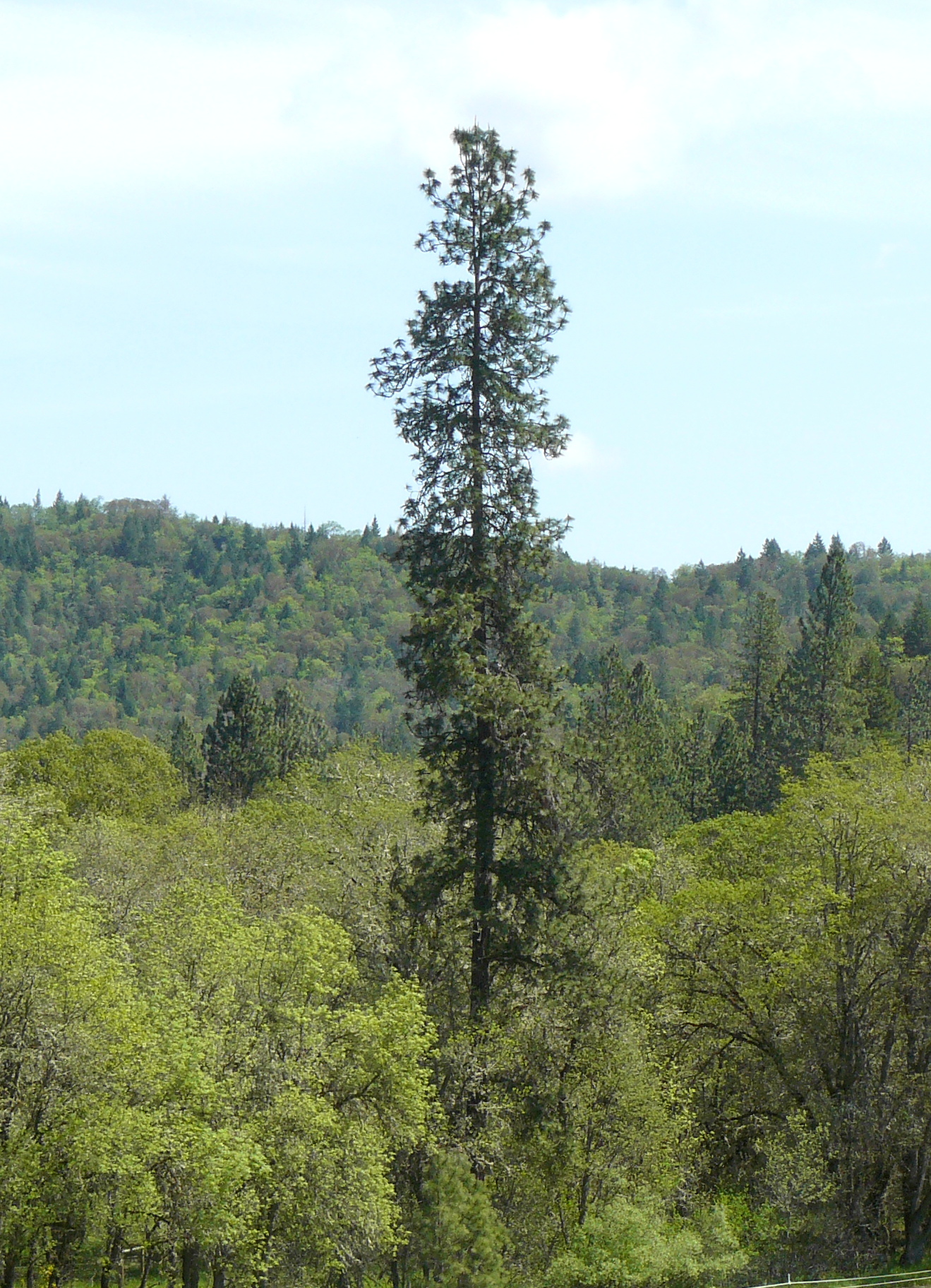
Regular readers of this place will recall that a week ago I celebrated Earth Day with a post called Our beautiful, life-giving trees. It included this picture:
We must sing for our trees.
Then on the following day in a post called Now life-giving geese (by the way, the five baby goslings are doing really well!) I included this photograph:
And sing for them at all ages!
Yesterday morning I received the latest post from Sue Dreamwalker. It was an impassioned plea to do something and to stop the madness. Sue, in turn, had republished the post that had appeared on Endless Light and Love.
The theme that seems to be developing this week, unplanned I should hasten to add, is that it is all too easy to be overwhelmed by the scale of change that has to take place, must take place, if this generation (I’m a 1944 baby) can die knowing that it will be alright in the end. Because it is my generation that has been responsible, has created the circumstances, for the end of life as we have all known it if nothing is done, and done in the next decade or two.
So to trees.
Our trees are both a symbol for and an indicator of the overall health of our planet.
To close off this part of my two-day post, please watch this short video.
Uploaded on Apr 1, 2015
Trees give us beauty, shade, food, clean water, oxegen, medicine, housing, fresh air, habitat and happiness. For the cost of a craft beer, or a couple of cups of coffee you can protect a specific threatened forest. Each Stand for Trees certificate offsets 1 ton of carbon from the atmosphere while providing income to local forest communities. Income that supports education, healthcare, clean water and sustainable livelihoods. Trees stand for us, isn’t it time we stand for trees?
Tomorrow, I will return to hope. Perhaps better written, return with hope.
This game of blogging would have no meaning at all if it were not for the networking and sharing of so many ideas, thoughts and feelings unlimited by geographical distances. The ‘Likes’ and responses to my Hope Has A Place story yesterday meant so much.
I was trawling through my folder looking for something that felt good to publish after yesterday and came across the following that was sent in by dear friend, Dan Gomez, about a month ago.
ooOOoo
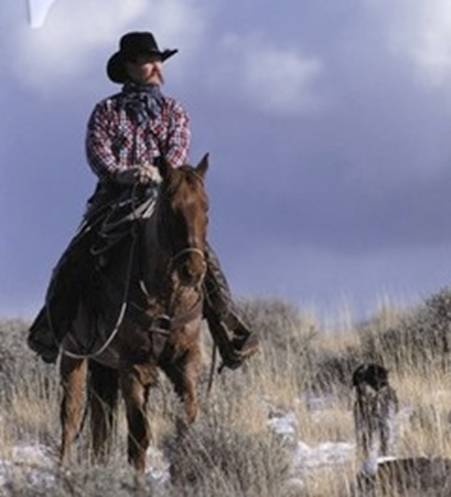
An old cowboy was riding his trusty horse followed by his faithful dog along an unfamiliar road. The man was enjoying the new scenery, when he suddenly remembered dying, and realized that the dog beside him had been dead for years, as had his horse. Confused, he wondered what was happening, and where the trail was leading them.
After a while, they came to a high, white stone wall that looked like fine marble. At the top of a long hill, it was broken by a tall arch topped by a golden letter “H” that glowed in the sunlight.
Standing before it, he saw a magnificent gate in the arch that looked like mother-of-pearl, and the street that led to the gate looked like gold.
He rode toward the gate and as he got closer he saw a man at a desk to one side. Parched and tired out by his journey, he called out, “Excuse me, where are we?“
“This is Heaven, sir,” the man answered.
“Wow! Would you happen to have some water?” the old cowboy asked.
“Of course, sir. Come right in, and I’ll have some ice water brought right up.”
As the gate began to open, the cowboy asked, “Can I bring my partners, too?”
“I’m sorry; sir, but we don’t accept pets.”
The cowboy thought for a moment, then turned back to the road and continued riding, his dog trotting by his side.
After another long ride, at the top of another hill, he came to a dirt road leading through a ranch gate that looked as if it had never been closed. As he approached the gate, he saw a man inside, leaning against a tree and reading a book.
“Excuse me,‘ he called to the man. “Do you have any water?”
“Sure, there’s a pump right over there. Help yourself.”
“How about my friends here?” the cowboy gestured to his dog and his horse.
“Of course! They look thirsty, too,” said the man.
The three of them went through the gate, and sure enough, there was an old-fashioned hand pump with buckets beside it. The cowboy filled a cup and the buckets with wonderfully cool water and took a long drink, as did his horse and dog.
When they were full, he walked back to the man who was still standing by the tree. “What do you call this place?” he asked.
“This is Heaven,” the man answered.
“That’s confusing, the man down the road said that was Heaven, too.”
“Oh, you mean the place with the glitzy, gold street and fake pearly gates? That’s hell.”
The cowboy retorted, “Doesn’t it make you angry when they use your name like that?”
“Not at all. Actually, we’re happy they screen out the folks who would leave their friends behind.”
ooOOoo
Dan’s email went on to include this:
Sometimes, we wonder why friends forward things to us without writing a word. Maybe this explains it? When you’re busy, but still want to keep in touch, you can forward emails. When you have nothing to say, but still want to keep in contact, you can forward jokes. When you have something to say, but don’t know exactly how to say it, you can forward stuff.
A ‘forward’ lets you know that you’re still remembered, still important, still cared about.
So the next time you get a ‘forward’, don’t think of it as just another joke. Realize that you’ve been thought of today and that your friend on the other end just wanted to send you a smile.
PS: You’re welcome at my watering hole anytime.
Let me underline Dan’s PS by saying that all of life’s humans and creatures are welcome here!








 Learning from Dogs