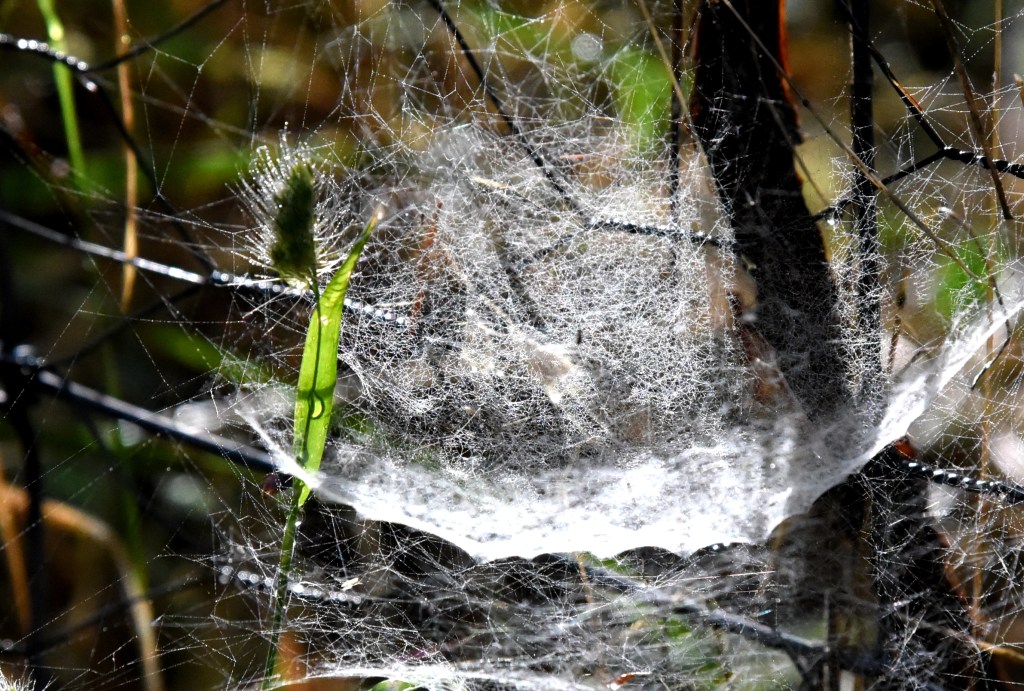
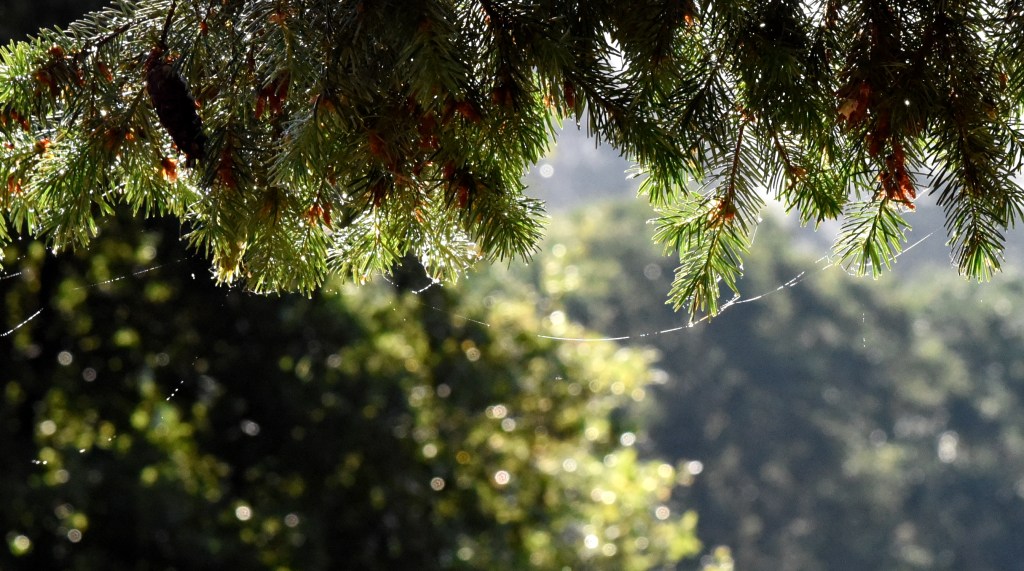
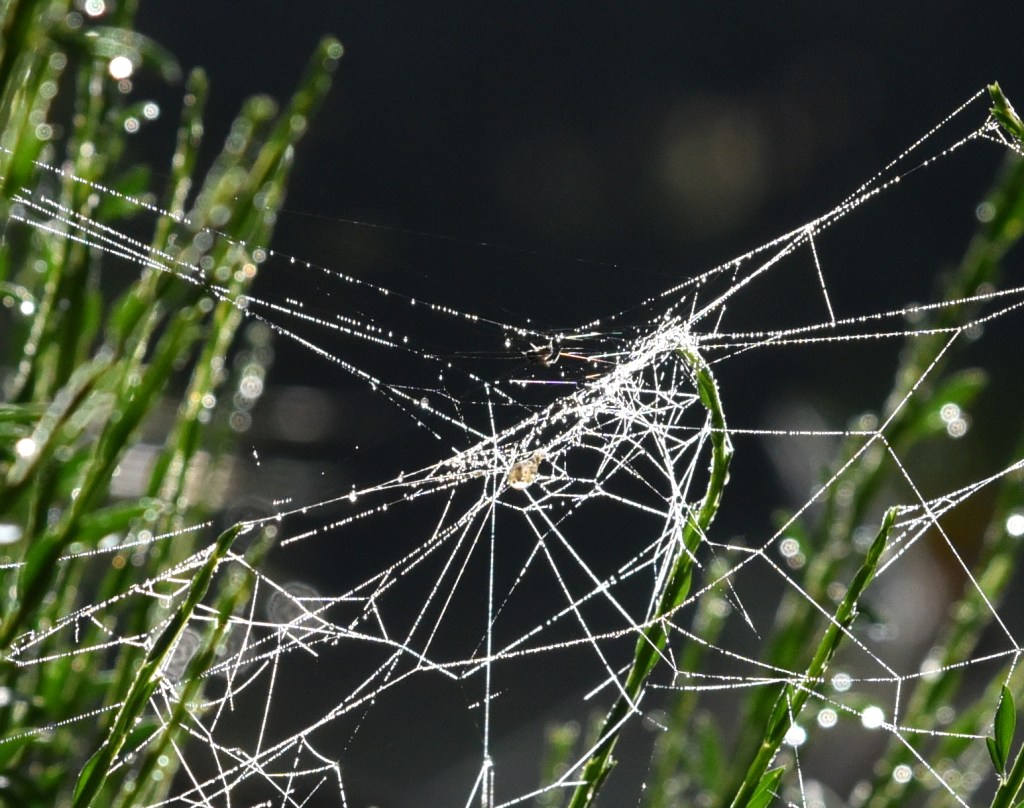
More of the beauty of a moist morning here at home.
oooo
oooo
oooo
oooo
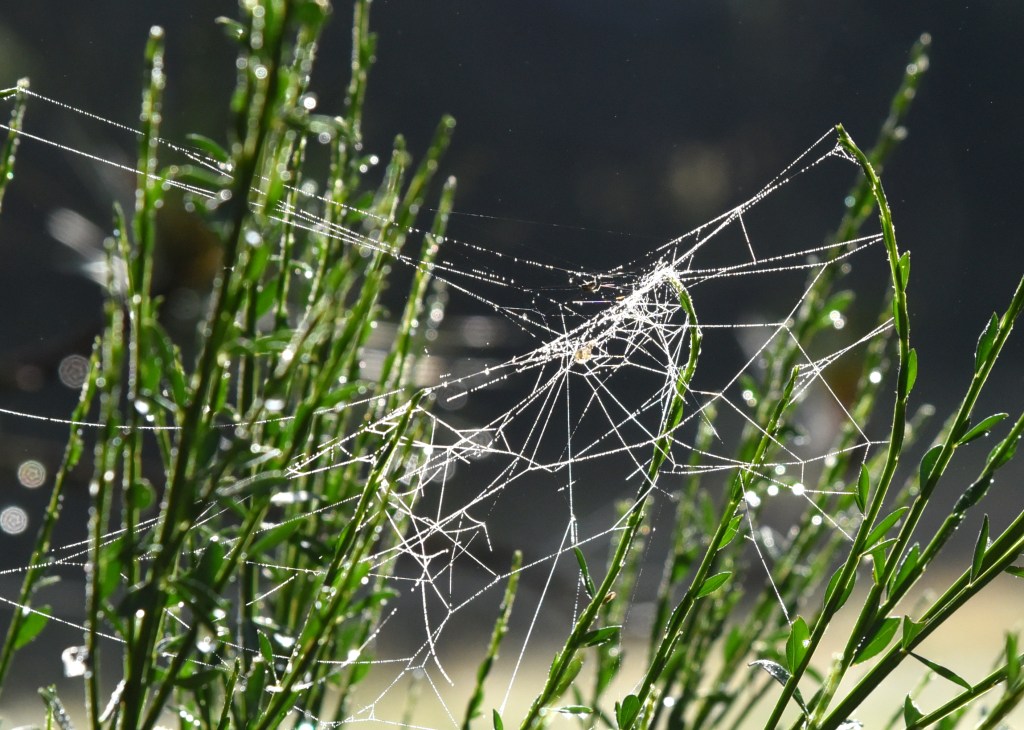
Once again, for anyone interested, all the photographs were taken with a Nikon D750 camera and a Nikkor 24-70 2.8 lens.
Dogs are animals of integrity. We have much to learn from them.
Category: Water
More of the beauty of a moist morning here at home.
oooo
oooo
oooo
oooo
Once again, for anyone interested, all the photographs were taken with a Nikon D750 camera and a Nikkor 24-70 2.8 lens.
Mr. George Monbiot offers a deeply personal, deeply powerful reason to change!
I have long followed George Monbiot’s writings. Both for his writing skills and the many times he really spells it out. As in spelling out the madness of our present ways! Frequently I find him very inspiring. However, his latest essay In Memoriam is one of the best ones that I have read. It is a plea from George Monbiot to see what we are doing to our wildlife and our ecosystems.
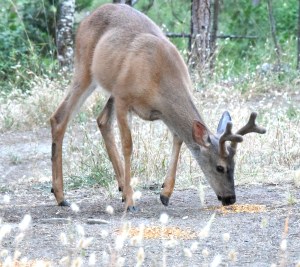
It is republished here with George Monbiot’s very kind permission. I have taken the liberty of including a few recent photographs of the wildlife that graces our acres here in Oregon.
ooOOoo
As our wildlife and ecosystems collapse, remembering is a radical act.
By George Monbiot, published in the Guardian 29th June 2018
It felt as disorientating as forgetting my pin number. I stared at the caterpillar, unable to attach a name to it. I don’t think my mental powers are fading: I still possess an eerie capacity to recall facts and figures and memorise long screeds of text. This is a specific loss. As a child and young adult, I delighted in being able to identify almost any wild plant or animal. And now it has gone. This ability has shrivelled from disuse: I can no longer identify them because I can no longer find them.
Perhaps this forgetfulness is protective. I have been averting my eyes. Because I cannot bear to  see what we have done to nature, I no longer see nature itself. Otherwise, the speed of loss would be unendurable. The collapse can be witnessed from one year to the next. The swift decline of the swift (down 25% in five years) is marked by the loss of the wild screams that, until very recently, filled the skies above my house. My ambition to see the seabird colonies of the Shetlands and St Kilda has been replaced by the intention never to visit those islands during the breeding season: I could not bear to see the empty cliffs, whose populations have crashed by some 90% this century.
 I have lived long enough to witness the vanishing of wild mammals, butterflies, mayflies, songbirds and fish that I once feared my grandchildren would experience: it has all happened faster than even the pessimists predicted. Walking in the countryside or snorkelling in the sea is now as painful to me as an art lover would find her visits to a gallery, if on every occasion another Old Master had been cut from its frame.
The cause of this acceleration is no mystery. The United Nations reports that our use of natural resources has tripled in 40 years. The great expansion of mining, logging, meat production and industrial fishing is cleansing the planet of its wild places and natural wonders. What economists proclaim as progress, ecologists recognise as ruin.
This is what has driven the quadrupling of oceanic dead zones since 1950; the “biological annihilation” represented by the astonishing collapse of vertebrate populations; the rush to carve up the last intact forests; the vanishing of coral reefs, glaciers and sea ice; the shrinkage of lakes, the drainage of wetlands. The living world is dying of consumption.
We have a fatal weakness: a failure to perceive incremental change. As natural systems shift from one state to another, we almost immediately forget what we have lost. I have to make a determined effort to remember what I saw in my youth. Could it really be true that every patch of nettles, at this time of year, was reamed with caterpillar holes? That flycatchers were so common I scarcely gave them a second glance? That the rivers, around the autumn equinox, were almost black with eels?
Others seem oblivious. When I have criticised current practice, farmers have sent me images of verdant monocultures of perennial rye grass, with the message “look at this and try telling me we don’t look after nature”. It’s green, but it’s about as ecologically rich as an airport runway. One of  my readers, Michael Groves, records the shift he has seen in the field beside his house, where the grass, that used to be cut for hay, is now cut for silage. Watching the cutters being driven at great speed across the field, he realised that any remaining wildlife would be shredded. Soon afterwards, he saw a roe deer standing in the mown grass. She stayed throughout the day and the following night. When he went to investigate, he found her fawn, its legs amputated. “I felt sickened, angry and powerless … how long had it taken to die?”. That “grass-fed meat” the magazines and restaurants fetishise? This is the reality.
When our memories are wiped as clean as the land, we fail to demand its restoration. Our forgetting is a gift to industrial lobby groups and the governments that serve them. Over the past few months, I have been told repeatedly that the environment secretary, Michael Gove, gets it. I have said so myself: he genuinely seems to understand what the problems are and what needs to be done. Unfortunately, he doesn’t do it.
He cannot be blamed for all of the fiascos to which he has put his name. The 25-year plan for nature was, it seems, gutted by the Prime Minister’s office. The environmental watchdog he proposed was defanged by the Treasury (it has subsequently been lent some dentures by Parliament). Other failures are all his own work. In response to lobbying from sheep farmers, he has allowed ravens, a highly intelligent and long-lived species just beginning to recover from centuries of persecution, to be killed once more. There are 24 million sheep in this country and 7400 pairs of ravens. Why must all other species give way to the white plague?
Responding to complaints that most of our national parks are wildlife deserts, Gove set up a commission to review them. But governments choose their conclusions in advance, through the appointments they make. A more dismal, backward-looking and uninspiring panel would be hard to find: not one of its members, as far as I can tell, has expressed a desire for significant change in our national parks, and most of them, if their past statements are anything to go by, are determined to keep them in their sheepwrecked and grouse-trashed state.
Now the lobbyists demand a New Zealand settlement for farming after Brexit: deregulated, upscaled, hostile to both wildlife and the human eye. If they get their way, no landscape, however treasured, will be safe from broiler sheds and mega-dairy units, no river protected from run-off and pollution, no songbird saved from local extinction. The merger between Bayer and Monsanto brings together the manufacturer of the world’s most lethal pesticides with the manufacturer of the world’s most lethal herbicides. Already the concentrated power of these behemoths is a hazard to democracy; together they threaten both political and ecological disaster. Labour’s environment team have scarcely a word to say about any of it. Similarly, the big conservation groups, as usual, have gone missing in inaction.
We forget even our own histories. We fail to recall, for example, that the Dower report, published in 1945, envisaged wilder national parks than we now possess, and that the conservation white paper the government issued in 1947 called for the kind of large-scale protection that is considered edgy and innovative today. Remembering is a radical act.
That caterpillar, by the way, was a six spot burnet: the larva of a stunning iridescent black and pink moth that once populated my neighbourhood and my mind. I will not allow myself to forget again: I will work to recover the knowledge I have lost. For I now see that without the power of memory, we cannot hope to defend the world we love.
ooOOoo
“… the world we love.”
No better illustrated each morning as my world reaches out to me with love and trust.

Thank you, George, for speaking out so powerfully!
More evidence that supports the sense, the very great sense, in going vegan!
Some three weeks ago, on June 15th to be exact, I published a post called On Veganism. Jean and I had just watched a film What The Health and what it presented in terms of eating chicken and fish convinced us to immediately go the final step, as in going from being vegetarians to vegans.
Many of you offered kind words and encouragement. Colette Bytes included a link to a blog post that she published in April, 2017. It is called Vegan Future and with her kind permission that post is republished today.
It is chock full of information and videos so do settle down and let all the information provided by Colette ‘speak’ to you! This is really worthy of an evening spent watching all the videos!
ooOOoo
by Colette Bytes, April 21st 2017
Seventeen percent of human caused greenhouse gases, come from meat and dairy production. It is actually a greater figure than all CO2 produced by global transportation!
Posted by The Daily Conversation
But is it enough, just to reduce our animal consumption, or should we look at the compelling evidence that we need a Vegan future!
Animal and Environmental Ethics
On a previous blog, I mention the documentary ‘Earthlings’ narrated by Hollywood actor, and lifelong Vegan, Joachim Phoenix. ‘Earthlings’ is the definitive Vegan film on exposing the meat and dairy industry in the US. And while other countries may not have factory farming on such a broad scale, many of the same procedures occur on a smaller scale. No member of the general public is allowed into the kill sections of slaughter houses for a very good reason. It is horrendous to watch a fear-ridden animal that wants to live, face its painful death.
This filmed reaction of a viewer watching ‘Earthlings’ is an average reaction. It is a moving experience for anyone with compassion. Posted by Raw Vegan, Fruitarian, Michael Lanfield, it is worth watching if you cannot bring yourself to actually watch the devastating, but common images of the meat, dairy and egg industry.
Switching your food intake to a plant-based Vegan diet, (eliminating all meat, dairy, egg and seafood), is the biggest change with the most impact that you can possibly make to reduce climate warming, land and water degradation, extinction rates, deforestation, pollution, human and animal suffering, and war (often over lack of food and water resources). And It is the number one thing you can do to improve your own health. It can also cut the cost of your food bill while you continue to eat a healthy diet.
There is no downside to this change if you keep your diet healthy and balanced. You can even eat processed plant-based, meat-like products if you want, but they may cost a similar amount to having meat in your diet.
The United Nations has already stated that we need to switch to a plant based diet if we are to survive.
http://www.un.org/apps/news/story.asp?NewsID=53984
So what is holding you back?
Australian, James Aspey, a survivor of thyroid cancer, has become a Vegan Speaker (on ending animal cruelty) with his own Youtube channel, but he is also one of an exponentially growing number of people who have improved their own health through a plant based diet switch.
James Aspey interview posted by Plant Based News
Find out more about James Aspey on his YouTube channel, Facebook, and on his website:
http://www.jamesaspey.com.au/
Healthy Eating
AllPlants interview on Plant Based News
Lots of new Ethical, Healthy Vegan Ready Made meals like this brand are appearing now on Super market shelves. So even if you don’t ‘do cooking’ you can still find nutritious Vegan options. And Vegan restaurants, holidays and lifestyles are all available now.
And new research is beginning to show that meat and dairy are actually toxic to our body.
Meat is a neurotoxin, Posted by 8/10/10 in London
And for when you have time, do listen to this amazing and life changing Cardiologist’s 1:20:00 hrs talk…on your likelihood of developing heart disease, diabetes, and other life threatening diseases on a meat based diet…and also look at doctor Greger’s work and videos too (links below)
Robert Ostfeld, Cardiologist and Director of a US Cardiology Centre. Posted by Jeanne Schumacher, ‘Plant Power’ YouTube channel
More on Dr Ostfeld is available on The Forks over Knives (film) website https://www.forksoverknives.com/contributors/robert-ostfeld/
Elite Athletes and Hollywood Icons
You’d be surprised how many top athletes eat a vegan diet just to be at the top of their sport…Names like Serena and Venus Williams, Novak Djokovic, and Andy Murray, are all Vegans. Winner of the world Strongman competition is Vegan. Many top boxers eat vegan. Look at PlantBased News on YouTube for lots of informative videos on who is Vegan. And see their 100 countdown of awesome Vegan celebrities.
Top 2017 Vegans posted by PlantBased News
Making the change to Vegan
Eating junk plant-based foods is not advisable as it will lead to nutrient deficiencies…and ultimately a disease state, so you can’t survive on potato crisps, popcorn, and bread….there is a responsibility to eat a balanced fresh food diet to be healthy.
You do need to eat proteins (nuts, legumes, grains, beans, some veggies). You will need to supplement with Vitamin B12, a soil- based, active nutrient essential for our brain & nervous system which we do not get in our diet as we no longer forage and eat unwashed food like our ape ancestors. And you may need to supplement Vit D3 for bone health as we no longer spend enough time outside in the sunshine. Essential oil, Omega 3 can be obtained from flax and hemp seeds. The rest, you should be able to get from a ‘good’ Vegan diet with lots of vegetables, fruits, legumes, beans, grains and nuts. Just 15 grams of nuts per day will give you enough protein to be healthy. Eating Kale and other dark leafy plants, beans, whole grain rice, legumes and some nuts, sweet potatoes are all sources of Calcium. The key to health is to have a full, varied selection of whole plant-based food!
Meat and Dairy Industry Scare Tactics
The Meat and Dairy industry packers are worried that they will lose their industry and are fighting back with their political power and disinformation campaigns designed to scare us, but the smart companies will begin to think about how they can profit from exponential growth in the Vegan food industry.
Corporate Panick, posted by PlantBased News
Research
There are so many online sources to help you buy, and cook a healthy plant-based diet. Just type ‘Vegan Recipies’ into a search engine and you will find fantastic yummy recipes. You will love the variety and the taste of your new diet. And if you are not into cooking, mainstream supermarkets are now starting to stock a growing variety of vegan ready made meals, and starting to label Vegan choices.
An all round informative website on Vegan trends, news headlines, and increasing popularity of healthy lifestyles including a plant- based diet.
Medical based RESOURCES on how to stay healthy on a Vegan diet
Dr Michael Greger, MD, author of Best Seller, ‘How Not to Die’ and distributer of free videos and research on how plant based diets affect us. I have followed his work for years and he backs it all up with science based studies…his short videos and reports are packed with hundreds of supportive reports for a plant based diet.
Dr McDougal, Author of ‘A Starch Based Diet’ and follower of Nathan Pritikin, one of the forerunners promoting plant based nutrition.
http://www.theveganjunction.com/top-20-plant-based-health-professionals-to-follow/
Vegan Junction list of Plant-Based Diet health professionals
More Videos
Open Your Eyes – Toronto Pig Save posted by Bite-Size-Vegan
How not To Die – plant based diet by Dr Michael Greger
Latest documentaries to look up
Carnage (only on BBC iPlayer)
The Game Changers
Eating our way to Extinction
What the Health!
Plant Pure Nutrition
And there are so many more resources out there ! Join the growing trend to make this a better world for everyone, by making the biggest difference you can when you shop for food. Pick whole, plant-based, foods and kick the ‘animal eating’ habit to be healthy, stop animal cruelty, and save the environment and reduce global greenhouse gases. What could be a more worthy goal?
Why not check out my blog here on ‘Why do We Hurt Animals?’
ooOOoo
This is so much more than just a blog post from Colette. It is a fantastic source of information, from a variety of sources, about why it makes such good sense to become a vegan.
I shall include it as a link from the home page of Learning from Dogs so it may serve as a reference long after it was republished today.
Then what about dogs eating a vegan diet? Sounds a bit strange? Maybe not! I shall be exploring that option with Halo, a company based in Florida, who claim:
Can dogs be vegan? Unlike cats, who are obligate carnivores, dogs can be fed a vegan diet as long as it’s high quality and nutritionally balanced like Halo® Garden of Vegan® dog food.
More on this next week.
In the meantime, I’m taking a day off tomorrow but please do read George Monbiot’s latest post, being republished here on Friday, 6th July.
Staying with the theme of our beautiful natural world.
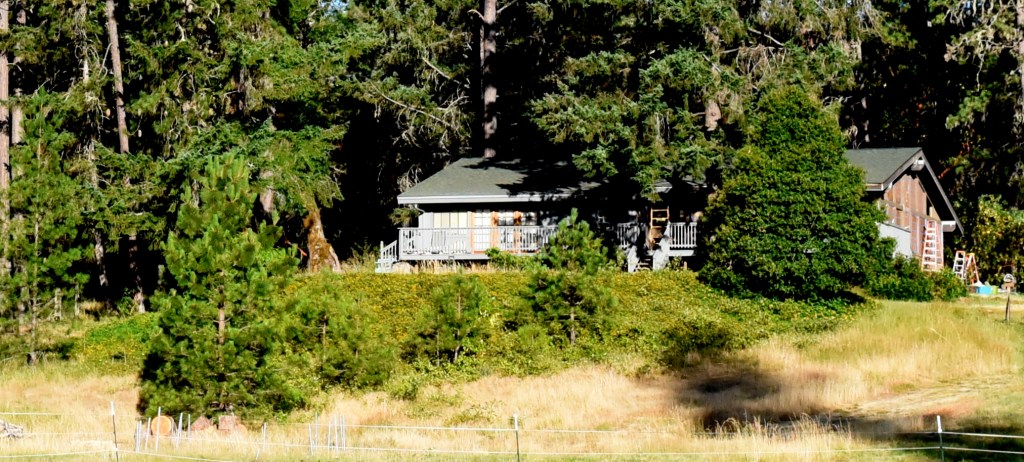
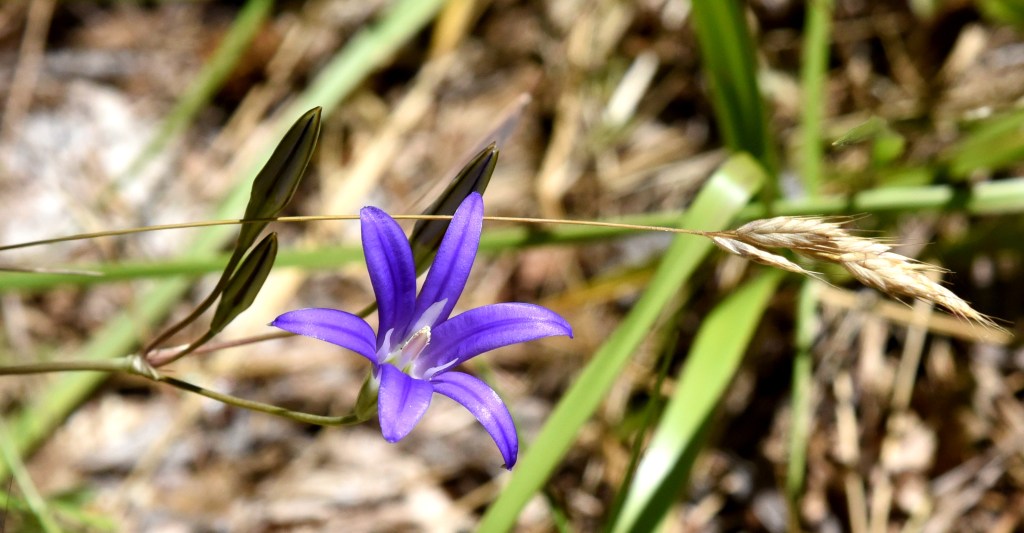
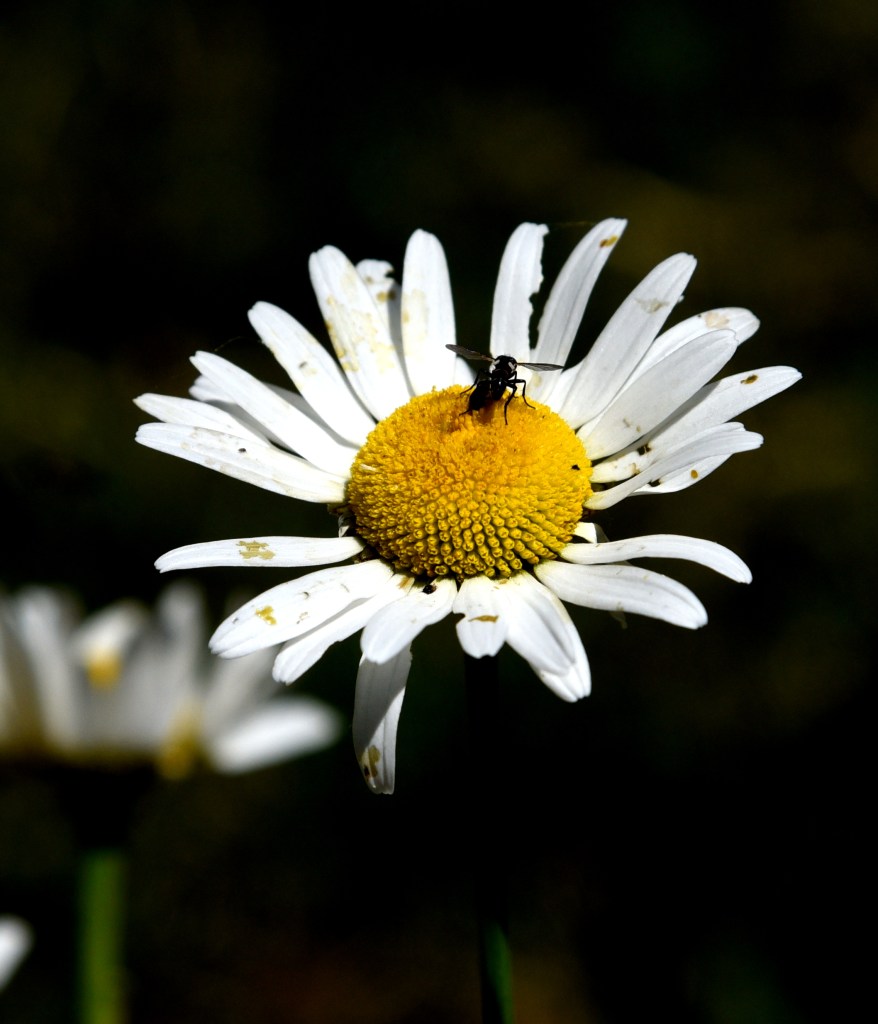
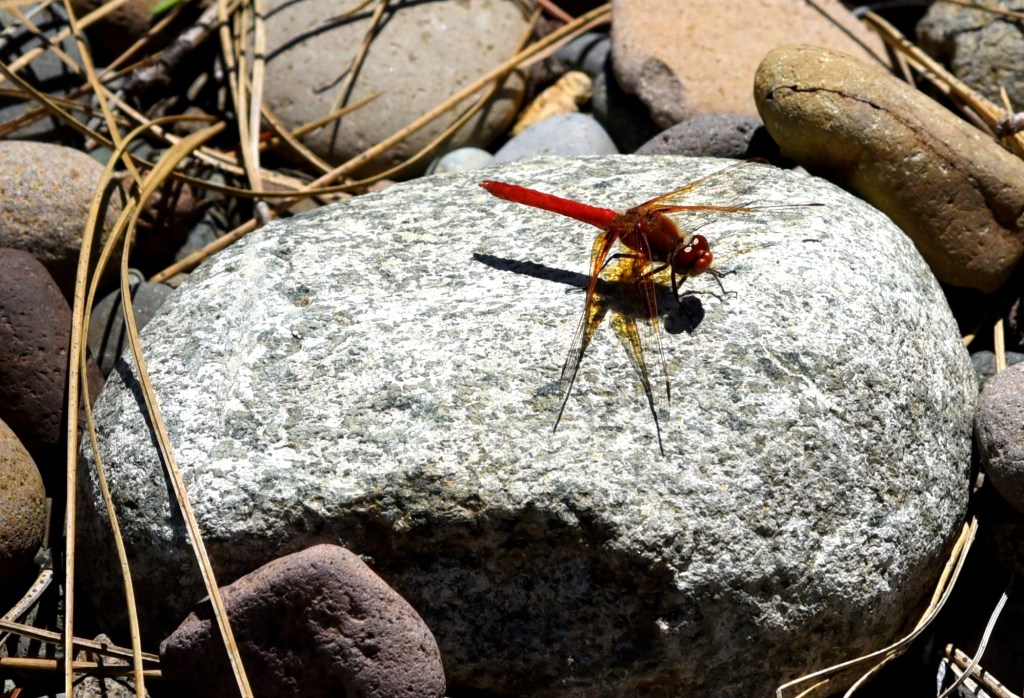
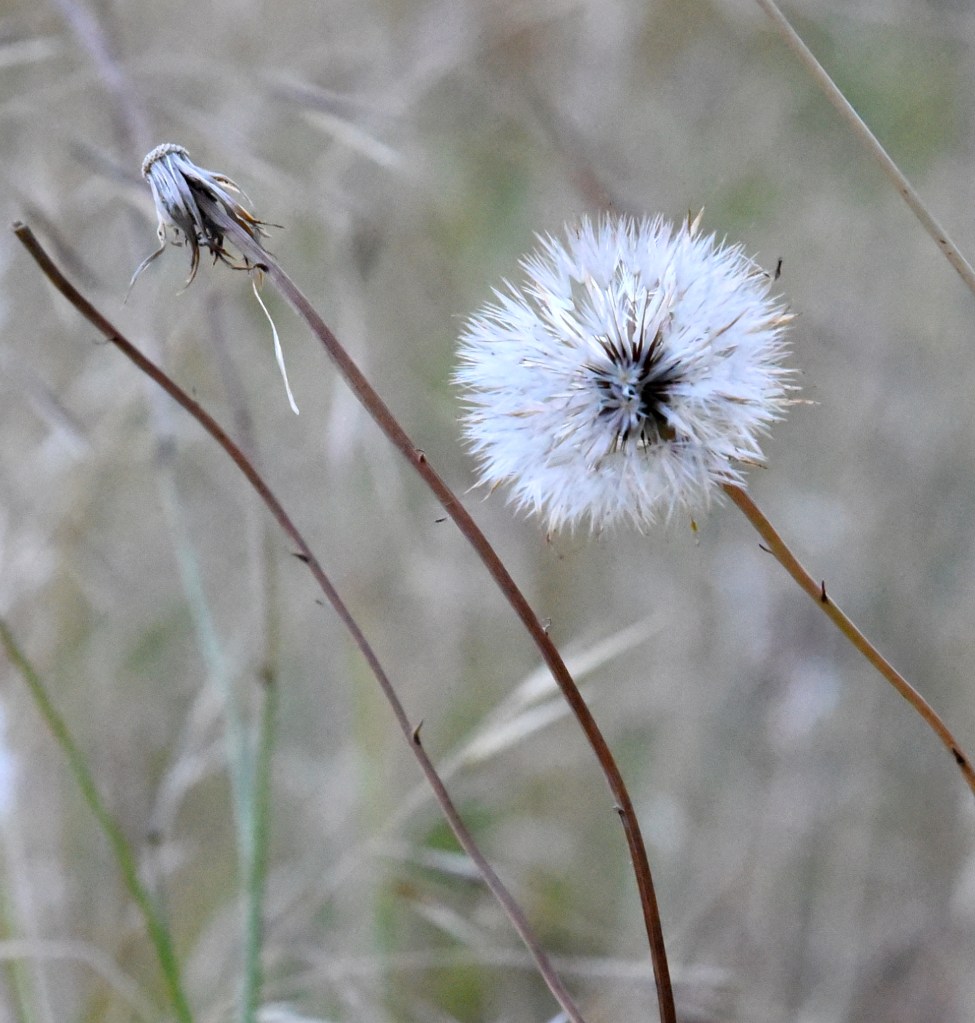
(But with a difference; these photographs are taken by yours truly all within our property.)
Shared with you good people both today and in a week’s time.
But first an apology for there being no posts these last two days. All down to helping Ken, a local friend, with the task of giving our house a bit of a ‘paintover’.
OK! On with the scenes of nature!
oooo
oooo
oooo
oooo
oooo
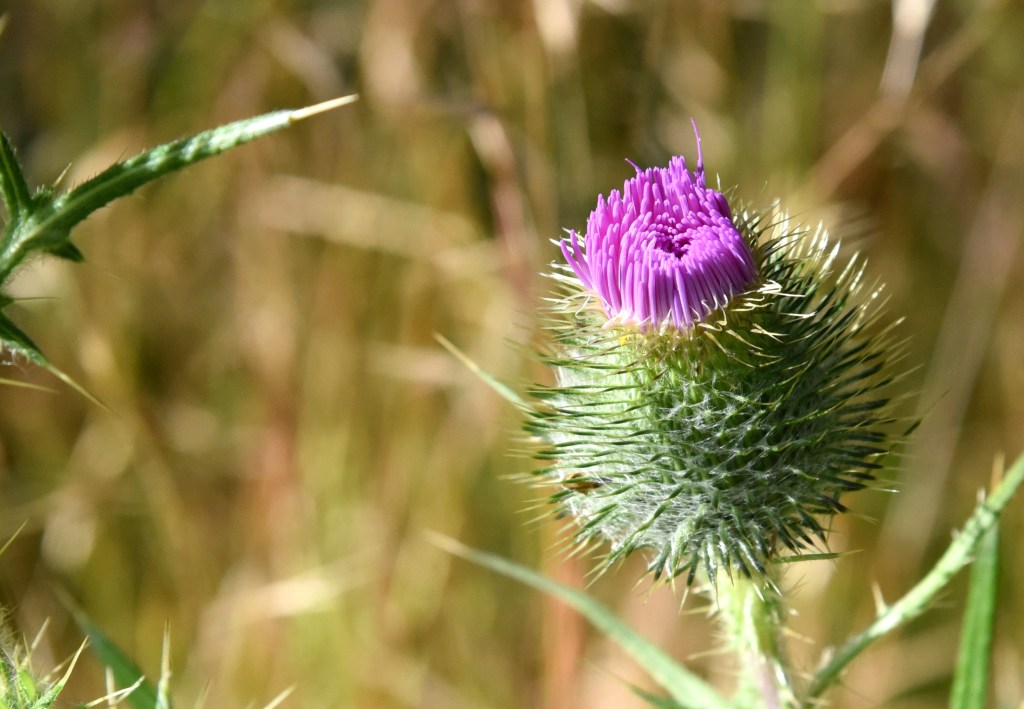
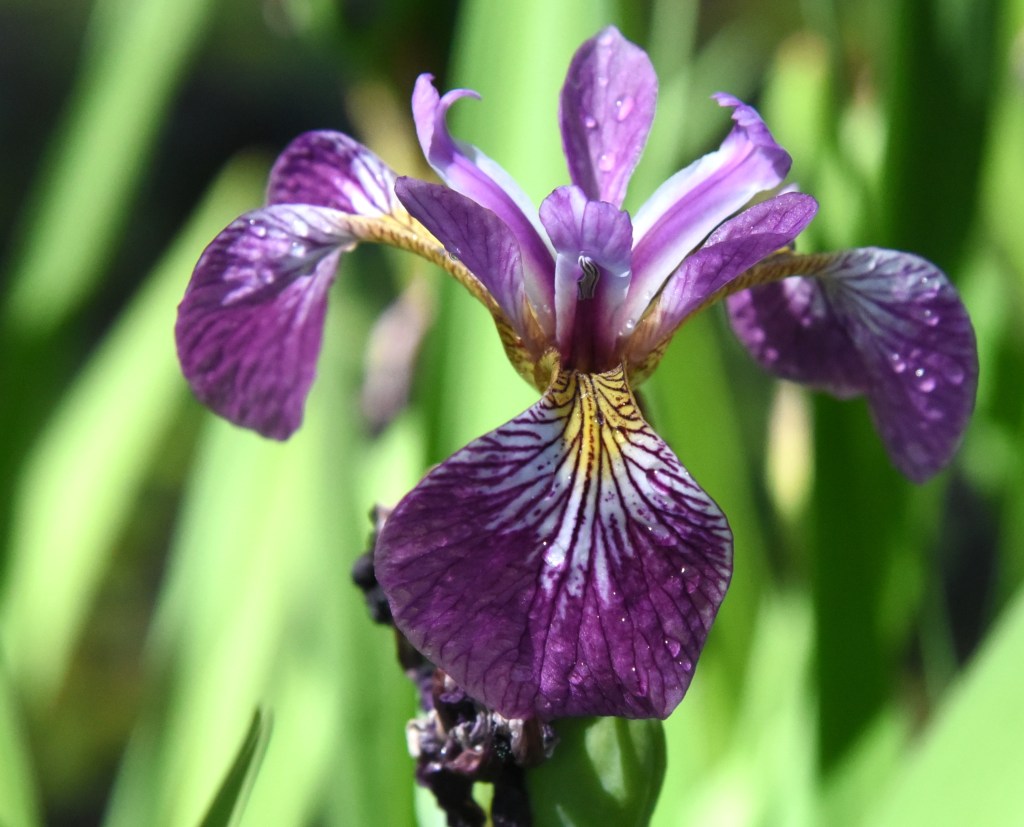
Earlier in June we had a couple of wet days. On the first dry morning after the rain I took a number of photographs. Just two for now and then the rest shared with you in a week’s time.
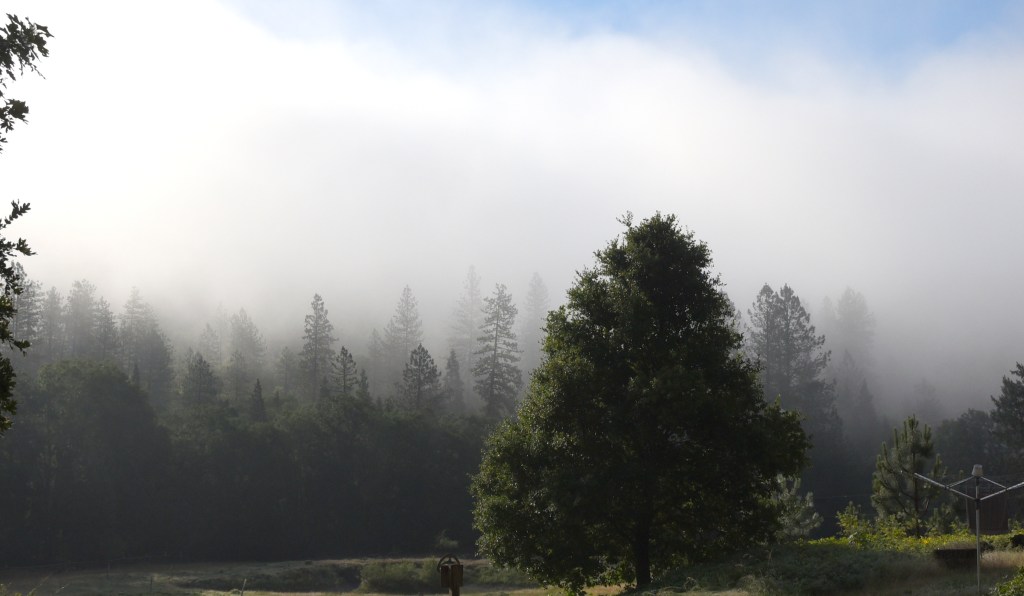
oooo
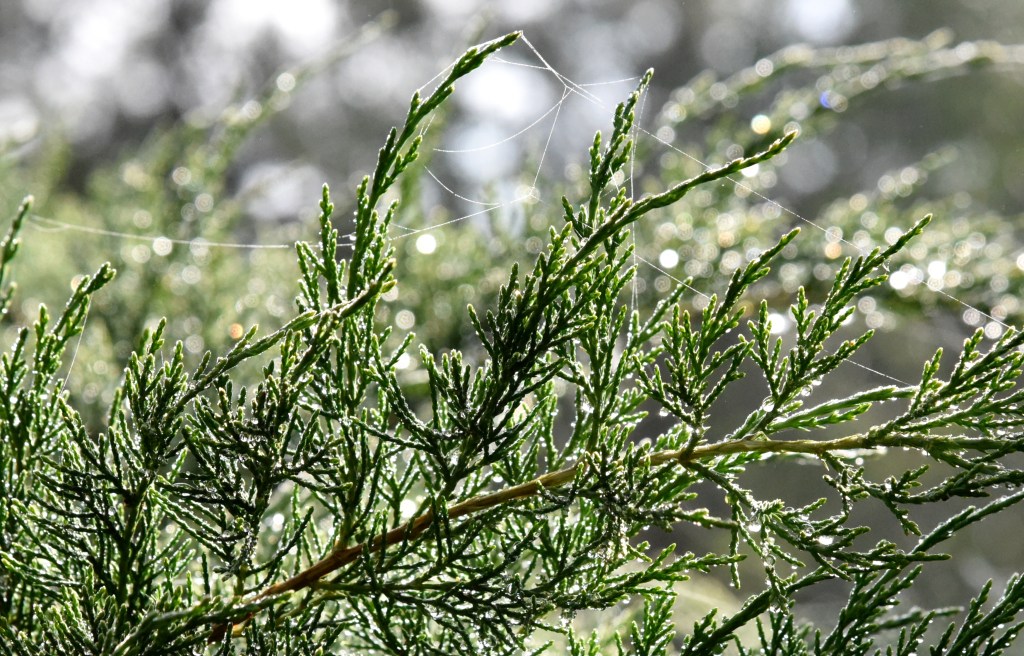
All the photographs were taken with a Nikon D750 camera and a Nikkor 24-70 2.8 lens.
Serendipity!
Last Friday I published a post under the title of On Veganism. Earlier that same day I opened up an email promoting the latest essay from George Monbiot. It had been published in The Guardian newspaper two days previously.
I am delighted to republish it here with George Monbiot’s kind permission.
ooOOoo
Defending the living world and its people requires a shift from meat to a plant-based diet
By George Monbiot, published in the Guardian 8th June 2018
Whether human beings survive this century and the next, whether other lifeforms can live alongside us: above all this depends on the way we eat. We can cut our consumption of everything else close to zero and still drive living systems to collapse, unless we change our diets.
All the evidence now points in one direction: the crucial shift is from an animal to a plant-based diet. A paper published last week in Science reveals that while some kinds of meat and dairy production are more damaging than others, all are more harmful to the living world than growing plant protein. It shows that animal farming takes up 83% of the world’s agricultural land, but delivers only 18% of our calories. A plant-based diet cuts the use of land by 76% and halves the greenhouse gases and other pollution caused by food production.
Part of the reason is the extreme inefficiency of feeding livestock on grain: most of its nutritional value is lost in conversion from plant protein to animal protein. This reinforces my contention that if you want to eat less soya, you should eat soya: most of the world’s production of this crop, and the accompanying destruction of forest, savannah and marshland, is driven by the wasteful practice of feeding animals on food that humans can eat.
More damaging still is free range meat: the environmental impacts of converting grass into flesh, the paper remarks, “are immense under any production method practiced today”. This is because so much land is required to produce every grass-fed steak or lamb chop. Though roughly twice as much land is used for grazing worldwide than for crop production, it provides just 1.2% of the protein we eat. While much of this pastureland cannot be used to grow crops, it can be used for rewilding: allowing the many rich ecosystems destroyed by livestock farming to recover, absorbing carbon from the atmosphere, protecting watersheds and halting the sixth great extinction in its tracks. The land that should be devoted to the preservation of human life and the rest of the living world is used instead to produce a tiny amount of meat.
Whenever I raise the crucial issue of yield per hectare, I receive a barrage of vituperation and abuse. But I’m not having a go at farmers, just pointing out that the figures don’t add up. We can neither feed the world’s growing population nor protect its living systems through animal farming. Meat and dairy are an extravagance we can no longer afford.
There is no way out of this. Those who claim that “regenerative” or “holistic” ranching mimics nature deceive themselves. It relies on fencing, while in nature wild herbivores roam freely, often across vast distances. It excludes or eradicates predators, crucial to the healthy functioning of all living systems. It tends to eliminate tree seedlings, ensuring that the complex mosaics of woody vegetation found in many natural systems – essential to support a wide range of wildlife – are absent.
The animal industry demands ever greater assaults on the living world. Witness the badger slaughter in the UK, now spreading across the country in response to the misguided requests of dairy farmers. People ask how I would justify the return of wolves, knowing that they will kill some sheep. I ask how they justify the eradication of wolves and a vast range of other wildlife to make way for sheep. The most important environmental action we can take is to reduce the amount of land used by farming.
Unless you can cook well – and many people have neither the skills nor the space – a plant-based diet can be either boring or expensive. We need better and cheaper vegan ready meals and quick and easy meat substitutes. The big shift will come with the mass production of cultured meat. There are three main objections. The first is that the idea of artificial meat is disgusting. If you feel this way, I invite you to look at how your sausages, burgers and chicken nuggets are currently raised, slaughtered and processed. Having worked on an intensive pig farm, I’m more aware than most of what disgusting looks like.
The second objection is that cultured meat undermines local food production. Perhaps those who make this claim are unaware of where animal feed comes from. Passing Argentinian soya through a nearby pig before it reaches you does not make it any more local than turning it directly into food for humans. The third objection has greater merit: cultured meat lends itself to corporate concentration. Again, the animal feed industry (and, increasingly, livestock production) has been captured by giant conglomerates. But we should fight to ensure that cultured meat does not go the same way: in this sector as in all others, we need strong anti-trust laws.
This could also be a chance to break our complete dependence on artificial nitrogen. Traditionally, animal and plant farming were integrated through the use of manure. Losses from this system led to a gradual decline in soil fertility. The development of industrial fertilisers saved us from starvation, but at a high environmental cost. Today, the link between livestock and crops has mostly been broken: crops are grown with industrial chemicals while animal slurry stacks up, unused, in stinking lagoons, wipes out rivers and creates dead zones at sea. When it is applied to the land, it threatens to accelerate antibiotic resistance.
In switching to a plant-based diet, we could make use of a neat synergy. Most protein crops – peas and beans – capture nitrogen from the air, fertilising themselves and raising nitrate levels in the soil that subsequent crops, such as cereals and oilseeds, can use. While the transition to plant protein is unlikely to eliminate the global system’s need for artificial fertiliser, the pioneering work of vegan organic growers, using only plant-based composts and importing as little fertility as possible from elsewhere, should be supported by research, that governments have so far conspicuously failed to fund.
Understandably, the livestock industry will resist all this, using the bucolic images and pastoral fantasies that have beguiled us for so long. But they can’t force us to eat meat. The shift is ours to make. It becomes easier every year.
ooOOoo
Thus, along with the argument presented last Friday that a vegan diet is critically important for one’s health and long-term fitness, Mr. Monbiot presents another argument: “Whether human beings survive this century and the next, whether other lifeforms can live alongside us: above all this depends on the way we eat.“
Another fabulous guest post from Zara.
As many of you will recall I published a guest post from Zara on May 29th under the title of Please, always adopt a dog first!
It had an incredible number of viewings and many, many lovely comments. All of which I fed back to Zara.
So what a thrill to have another article from Zara. Trust me, you will love it!
ooOOoo
by Zara Lewis, June 1st, 2018

Taking a day trip is an adventure for both you and your pet. So while you are planning where to go and what to bring on the trip, you have to think about your dog’s needs as well. You can’t just grab your car keys and leash if you want to stay for a whole day. In order for your dog to be happy, safe and healthy, you need a special dog-day trip-bag where you can put everything your pet needs. Take a look at these essentials for a day trip with your dog.
1. Toys
Your dog will love to run in nature, but it can be more entertaining for them if you bring their toys on the trip. When dogs get nervous, familiar smells and chew toys can calm them down. This will help you keep your puppy busy while you’re on the go, so bring your dog’s favourite toy and let it enjoy the day.
2. Water bowl
Whether you’re going to the beach, a restaurant or on an afternoon hike, you should always have a water bowl in your bag. Maybe your dog is used to drinking water from your hometown so you will need a bottle of cold water and the bowl that the dog uses. You should consider putting the bottle in a lunch cooler if it’s too hot outside.
3. Food

Make sure that you bring food that doesn’t upset your dog’s stomach. Thus, give your pet high-quality food that is easy to prepare. With this in mind, you should bring dry puppy food on the trip because it’s easy to store, and a large plastic bin will keep the food fresh and safe from insects and rodents. Moreover, some dry foods are specially formulated and shaped to clean the teeth as the dog chews them. It’s definitely more practical than canned dog food.
4. Collar and leash
A foreign territory brings unique smells that are so hard to resist, so you should definitely bring a comfortable harness for your puppy. It’s easier to grab the dog if it tries to run far away from you and you will be sure that the dog is safe if leashed. Also, don’t forget the poop bags, as you will definitely need them!
5. Safety equipment
Yes, seat belts for pets exist! And they are very useful for two reasons – your dog won’t be running around the car, and you won’t be distracted while driving. Whether your dog rides in a crate, canine booster seat or in its harness, you will know that both you and your dog are safe and secured.
6. Seat Covers and Towels

Don’t let the dirt ruin your trip. You never know if it’s going to rain, or if your dog will jump into the river, so you will need an old towel for cleaning up. Next, you have to think about your car. Protect your seats with covers and blankets so that you can wash them if your dog brings the dirt into the car. The pup will be running all day so you can expect that to happen.
7. Your puppy’s blanket or pillow
To make sure your dog is more comfortable while at unfamiliar locations, you should consider bringing something that belongs to them. This is a way of making them feel at home but it will also protect the furniture. Your aim is to make sure that your dog stays calm and relaxed in new situations.
8. Current identification tags
In case your dog gets lost, you should always have up-to-date information on their ID tag. That way the person who finds them has all the necessary information such as your phone number, address, or information about the hotel where you’re staying.
9. Camera
Imagine how much fun your dog will have in nature! Make sure that you have these memories captured and bring a camera with you so you can share these precious moments with your friends and family.
Now you are prepared for an adventure with your dog. You can relax because you have thought of everything. Your dog will love these trips, so you can take a look at this list every time you travel with them and make sure that you’re prepared for every situation. Even the shortest day trip or weekend getaway can be memorable, so let the adventure begin.
ooOOoo
Perhaps I might add this to Zara’s most informative post. Namely that when you are safely back from your successful dog adventure you might consider writing it up as a guest post for this place.
Travel safely!
Beautiful, peaceful and relaxing days!
We were in Reggie and Chris’s villa in the village of La Croix des Luques inland from the Cote d’Azur, Southern France.
I quickly realised that their villa was not far from the world-famous sailplaning airfield at Fayence. Or LES PLANEURS DE FAYENCE as it is known. Reggie gladly offered to take Jean and me across to the airfield.
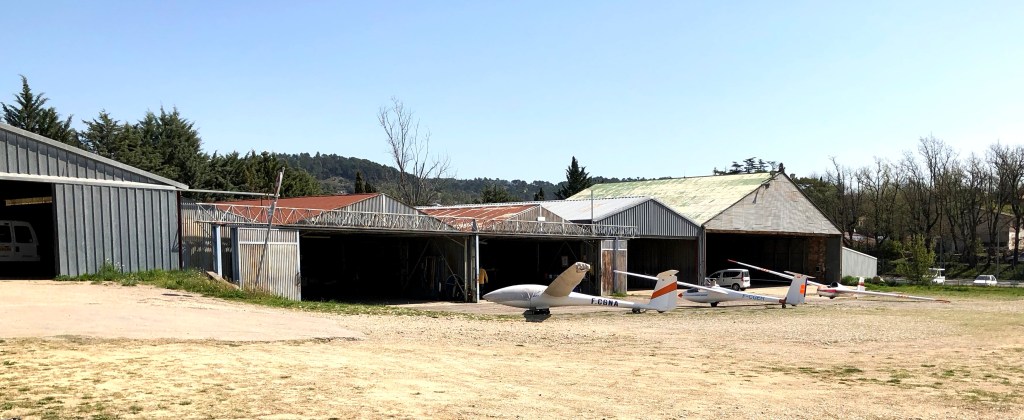
Many years ago, when I was living and working in Colchester, Essex, I became a very keen and active pilot with the Rattlesden Gliding Club in Suffolk eventually qualifying as a gliding 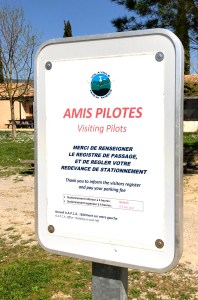 instructor. So when Reggie suggested that I see about getting a dual flight at the Fayence Club I didn’t need asking twice.
Unfortunately, they couldn’t accommodate my wishes before we had to leave France so that opportunity had to be let go.
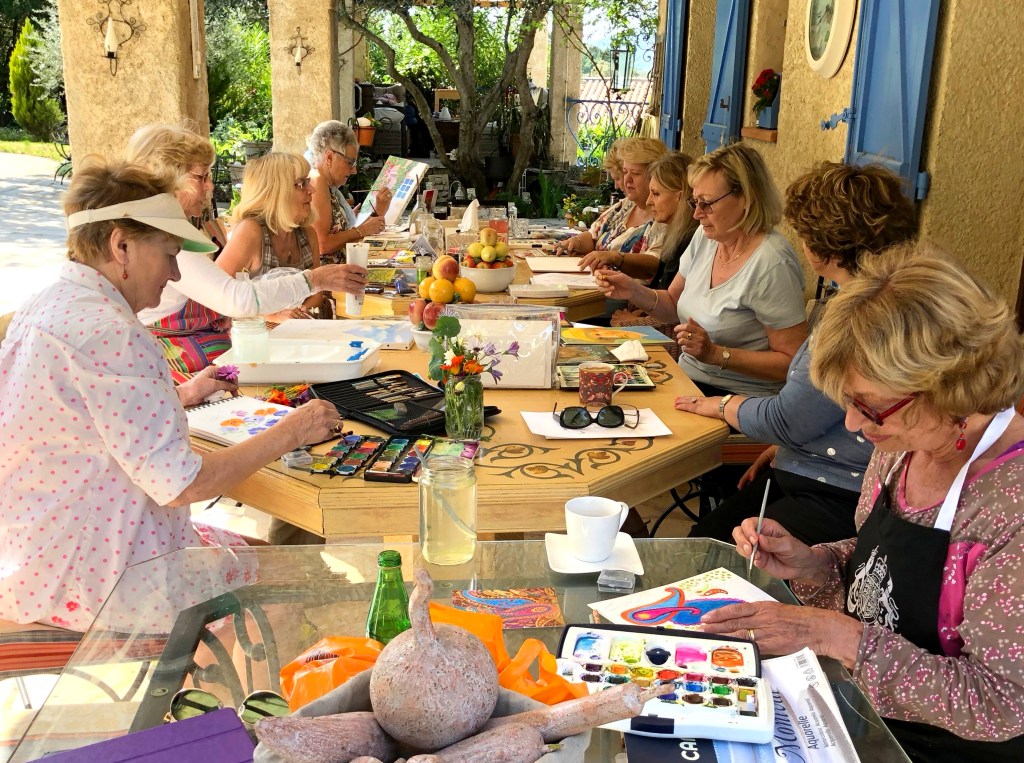
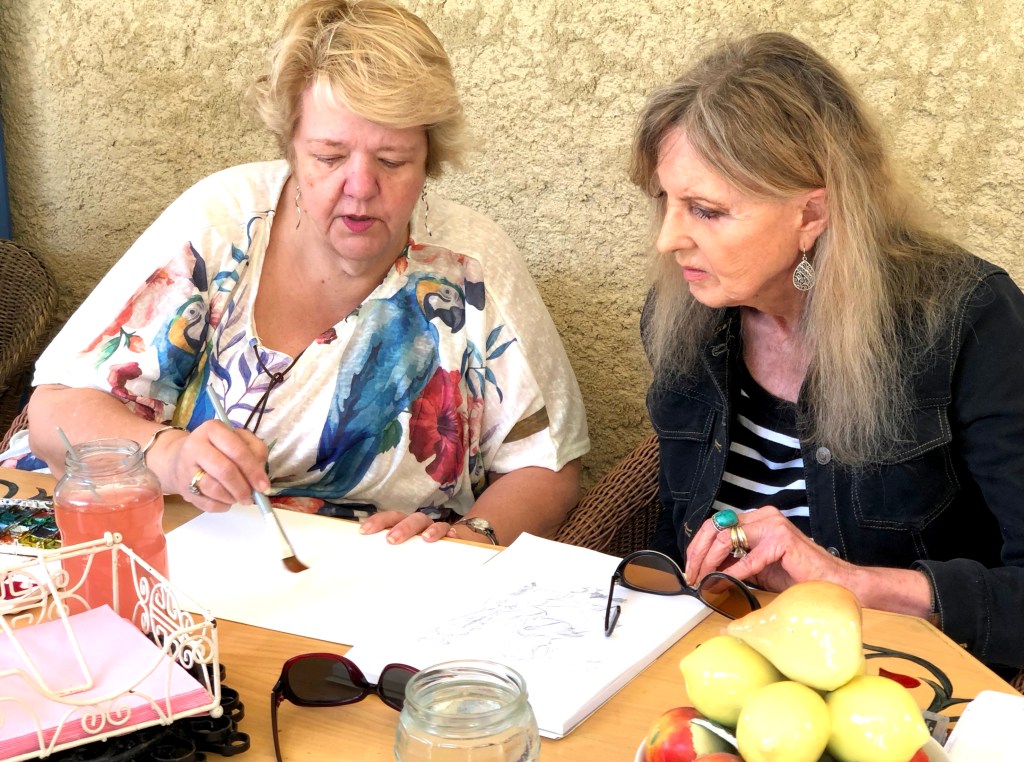
Another opportunity, this time for Jeannie, was taken advantage of. Chris was a member of a local art class and while we were going to be there the class would be meeting at the villa. Would Jean like to take part?
Jean is a good amateur artist, as many of her paintings and sketches around our house attest to. So that did take place and it was a wonderful afternoon for all concerned.
oooo
Then on a subsequent day Reggie and Chris took us for a drive along the beautiful coastline that is the essence of the Cote d’Azur.
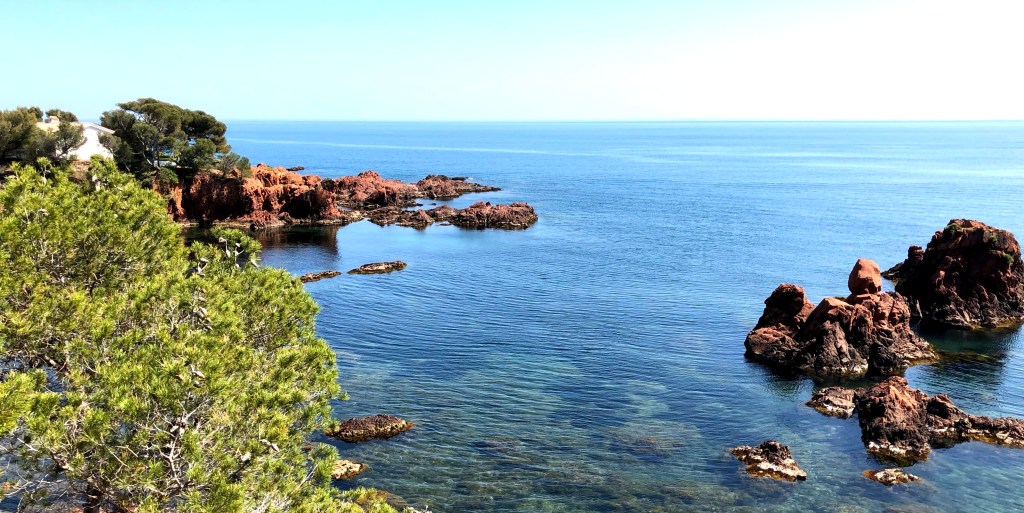
To reach the coast Reggie took a route that went down towards Frejus and Saint-Raphael and then joined the coast road just west of Le Dramont.
I found this was stirring up very old memories. For my father, a Chartered Architect, had a passion for this part of France and every summer back in the 1950s took the four of us (Mum, Dad, me and my sister Elizabeth) for a month’s holiday. Thus many of the coastal town names had echoes from over 60 years ago. (Father died in December, 1956 of cancer.)
As we drove along, I reminisced aloud to Reggie and Chris that when I was 15 my mother decided that it would be a good thing for me to do a student exchange with a French boy. It was arranged and in the early part of the summer of 1959 in to our house in Preston Road, Wembley came Philippe, whose home was in Paris.
Then in about 4 weeks it was my turn to accompany Philippe back to Paris. It was a very ornate apartment with an air of luxury living and I felt very lost in the place. Apparently, Philippe’s father was a director with Air France.
Anyway, the father announced just a couple of days after I had arrived that all the family the following day would be flying from Paris to Nice airport, (with Air France, of course!) to then spend a month at the family’s French villa in the coastal town of Antheor.
On me mentioning Antheor Reggie immediately exclaimed that we were just a few miles from going through Antheor and that we should stop there. I wondered if I would remember anything of the place.
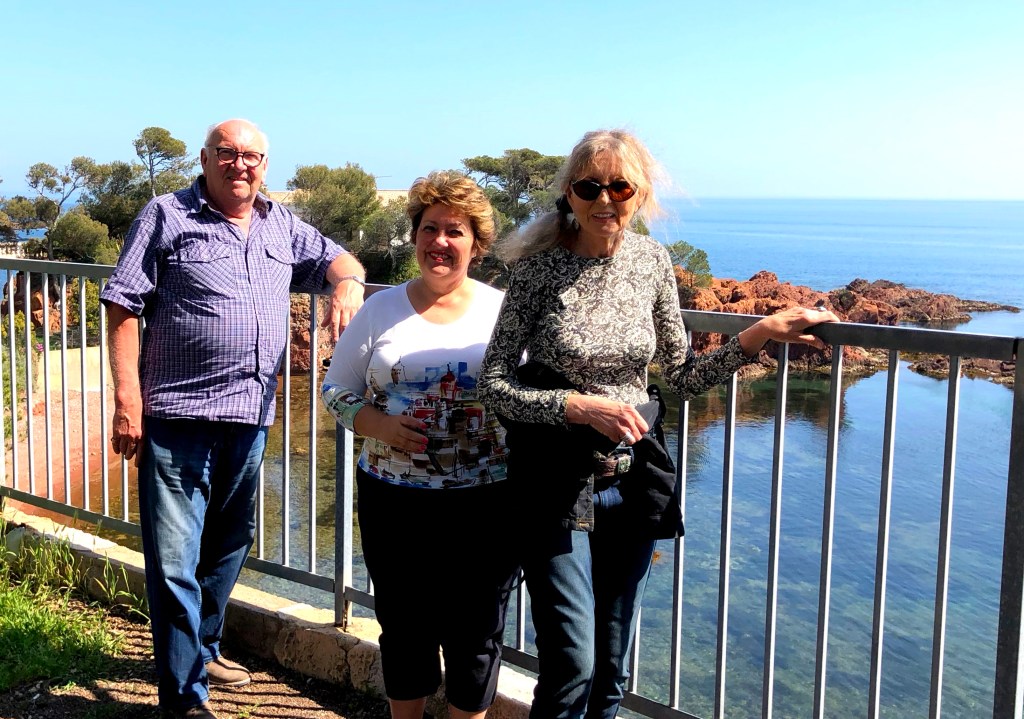
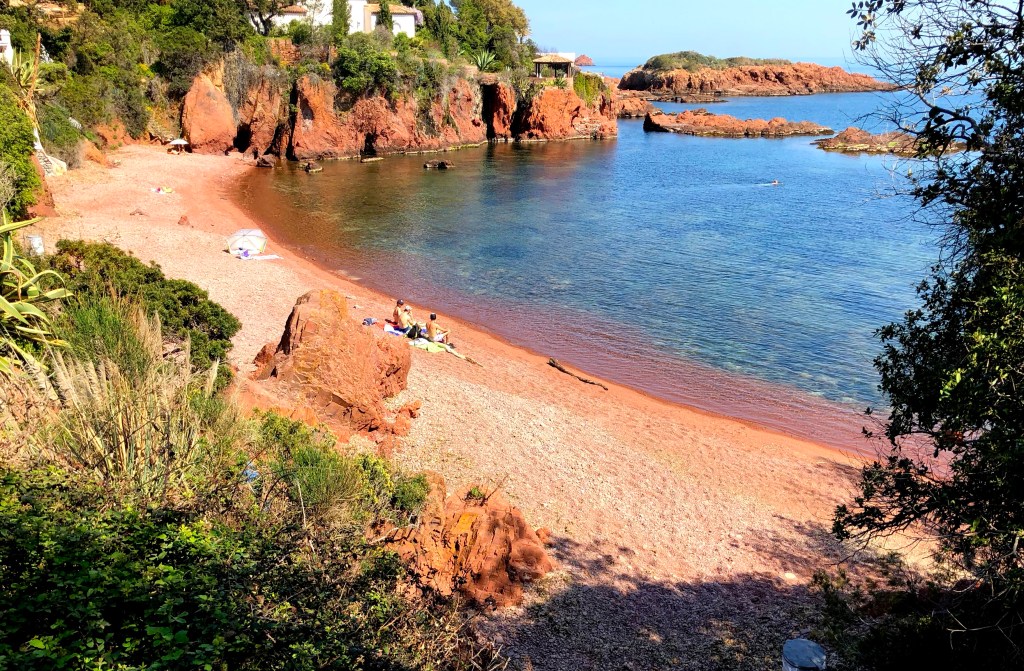
Well I did!! To my amazement when we stopped to look down at the beaches below the level of the road I thought that we were very close to the beach in front of the villa at Antheor where I used to swim, frequently on my own, every day that I stayed there.
I told everyone to stay where they were and ran on to the next beach.
Bingo!!
It was the same beach that I now recalled so clearly.
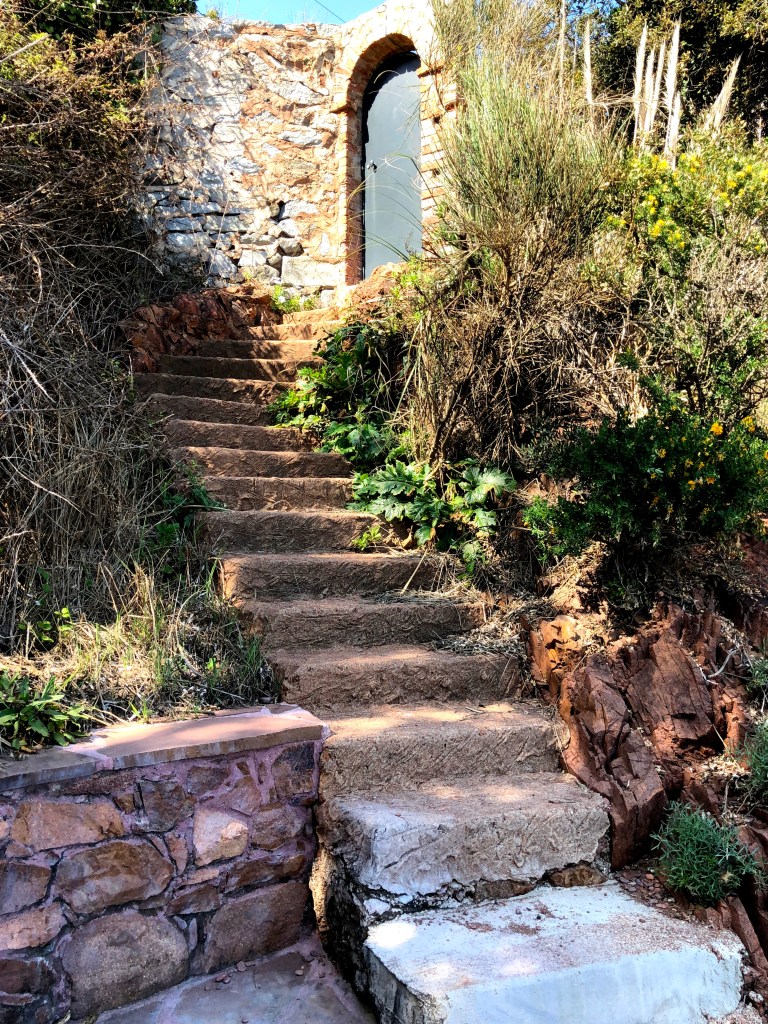
Even more amazing for me was that the iron gate and steep stone steps down to the beach were still there, albeit no longer being used as a more modern set of steps was in place.
 By this time, the others had arrived at the head of the new steps and were looking down at me as I became truly lost in days so very long ago.
I have no recollection why back then the rest of the family so rarely came down to the beach that was so close to where their villa was. Indeed, it was just a case of crossing the coast road, much quieter in those years, and descending the steps to the beach.
But for this London boy it was bliss beyond measure. Maybe at some level it reminded me of family holidays for our, as in sister Elizabeth and me, father’s death was still a painful memory.
I stood still and just looked at the beach and at the sea and was transported so very clearly back to the times when I swam around the rocks, wearing a face mask and snorkel, just lost forever in what one could see underwater.
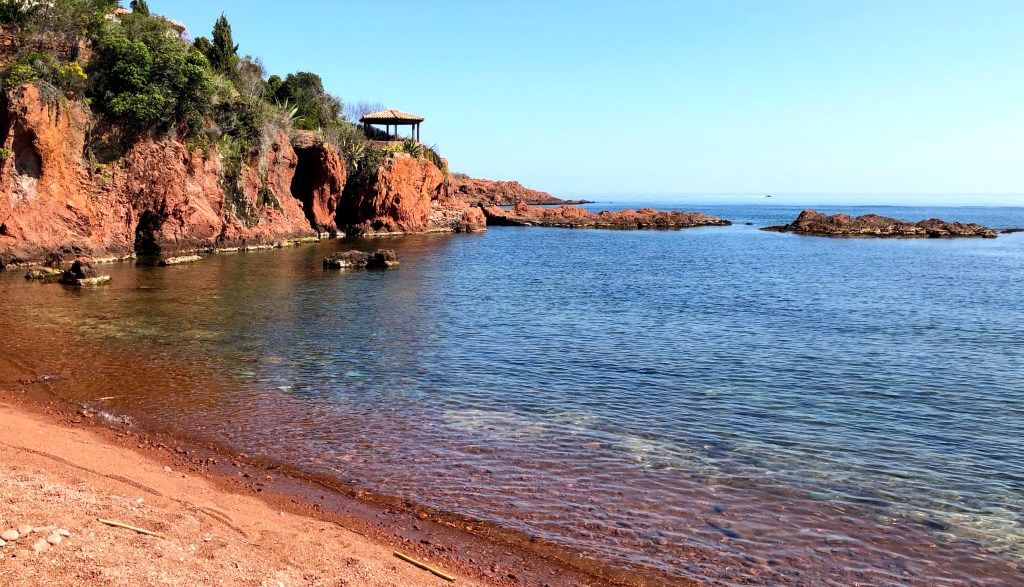
Then it was time to return to the car and resume our delightful drive.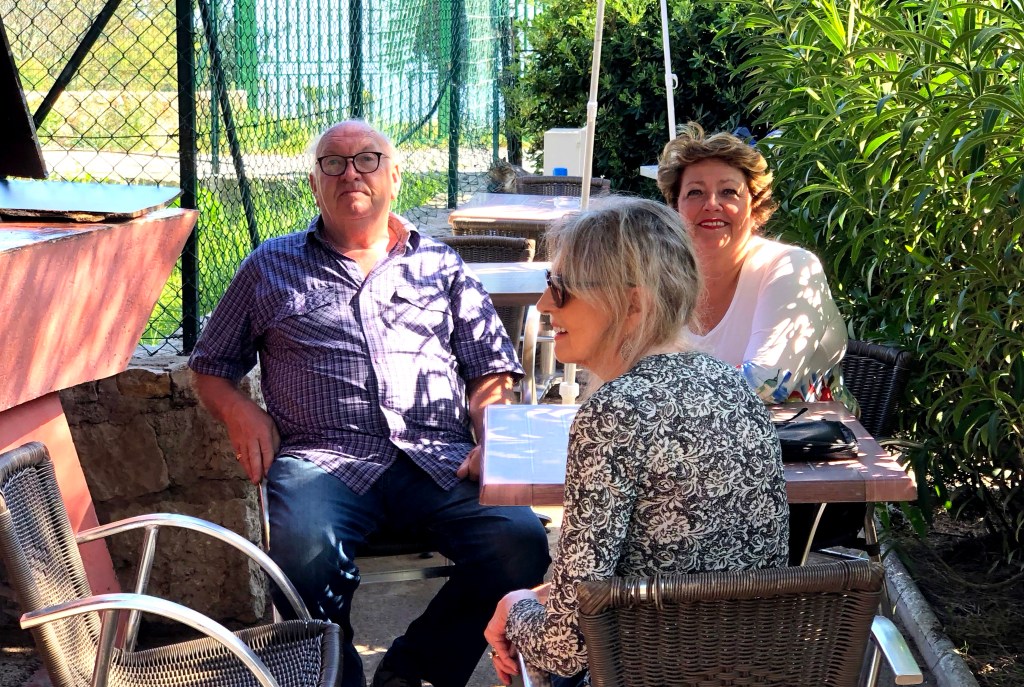
Soon after we stopped at a small beach cafe for an afternoon drink of something cool.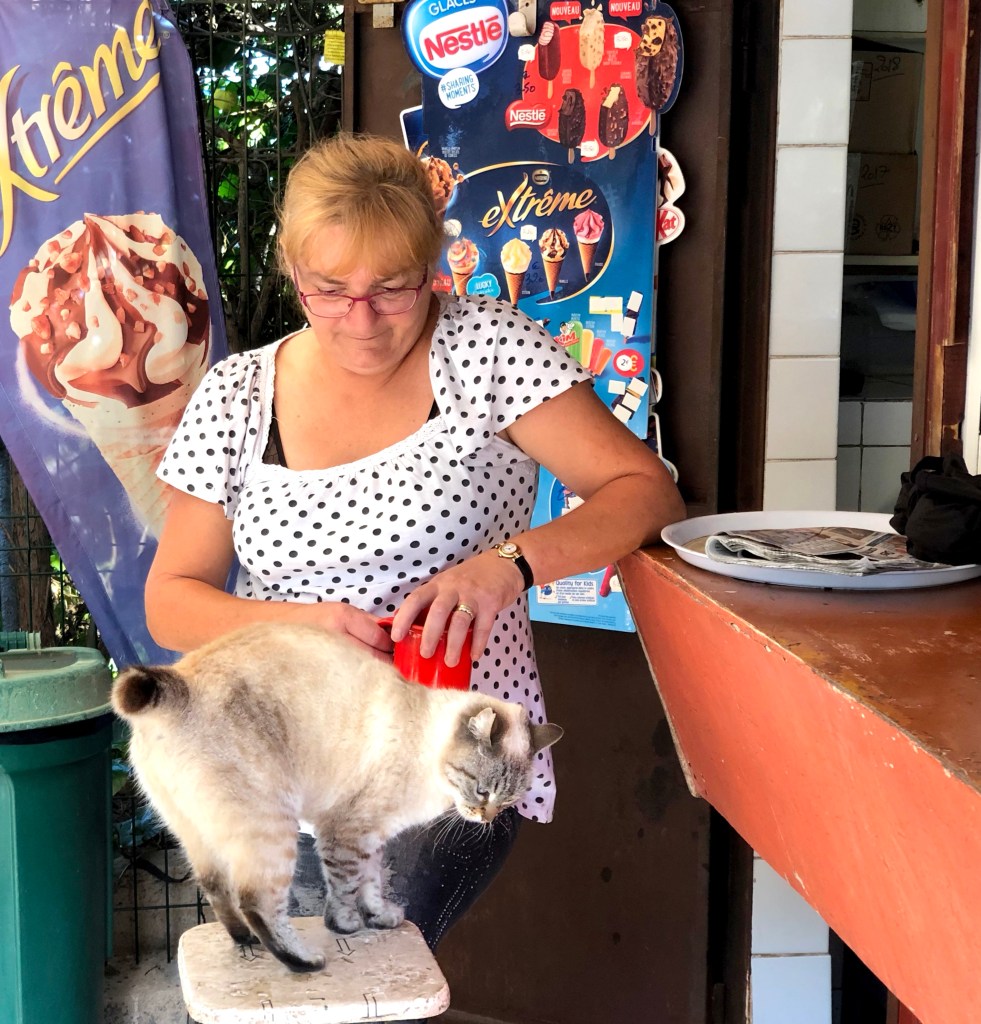
Everything, well for me at least, still seemed a little unreal; a little larger than life! I think that’s what inspired me to take the photograph above of the cafe proprietor and her cat!
Then we moved on again.
In due course, to another delightful evening meal somewhere local. The French expression “en famille” says it all!
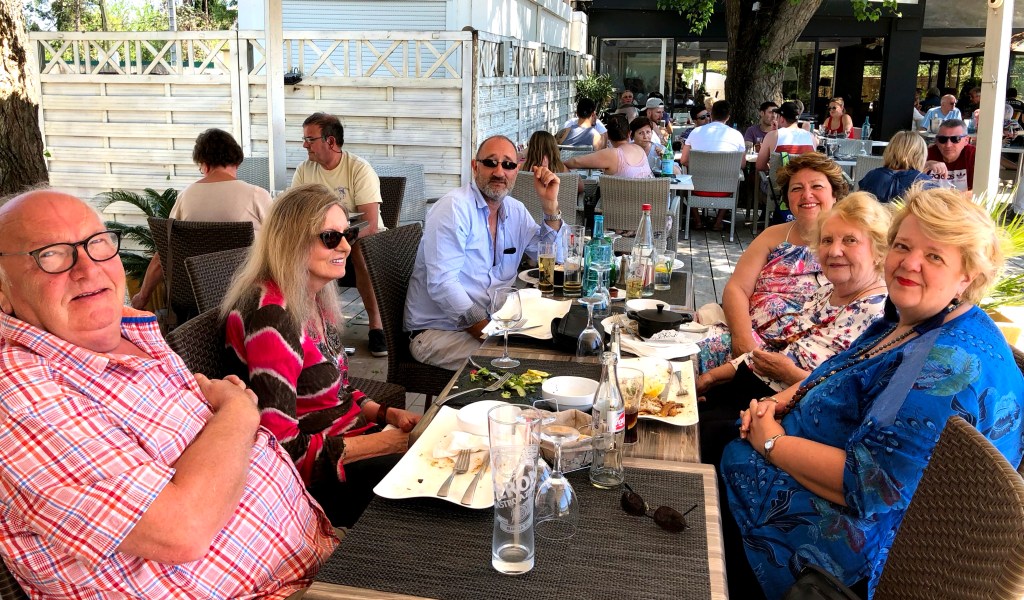
These wonderful days were going by far too quickly!
In a flash it was Tuesday and Jean and I were being driven to Nice airport for another easyJet flight. But instead of returning to Bristol we had booked an easyJet flight into Gatwick. Because the last 36-hours of our vacation were being spent with my daughter’s family.
Maija’s husband, Marius, who is employed by The Royal National Theatre, near Waterloo Bridge on the south bank of the River Thames in London, frequently is working evenings but in order to spend time with me and Jeannie he had taken a day’s holiday on the 25th.
Our last day of our vacation dawned bright and sunny. It was a school day for Morten and after he had left for school Marius and Maija suggested going for a walk along the South Downs. Perfect!
For those unfamiliar with the South Downs let me quote a little of what may be read on Wikipedia.
The South Downs are a range of chalk hills that extends for about 260 square miles (670
km2)[1] across the south-eastern coastal counties of England from the Itchen Valley of Hampshire in the west to Beachy Head, near Eastbourne, East Sussex, in the east. The Downs are bounded on the northern side by a steep escarpment, from whose crest there are extensive views northwards across the Weald. The South Downs National Park forms a much larger area than the chalk range of the South Downs and includes large parts of the Weald.
The South Downs are characterised by rolling chalk downland with close-cropped turf and dry valleys, and are recognised as one of the most important chalk landscapes in England.[2] The range is one of the four main areas of chalk downland in southern England.[3]
It is a beautiful place to walk.
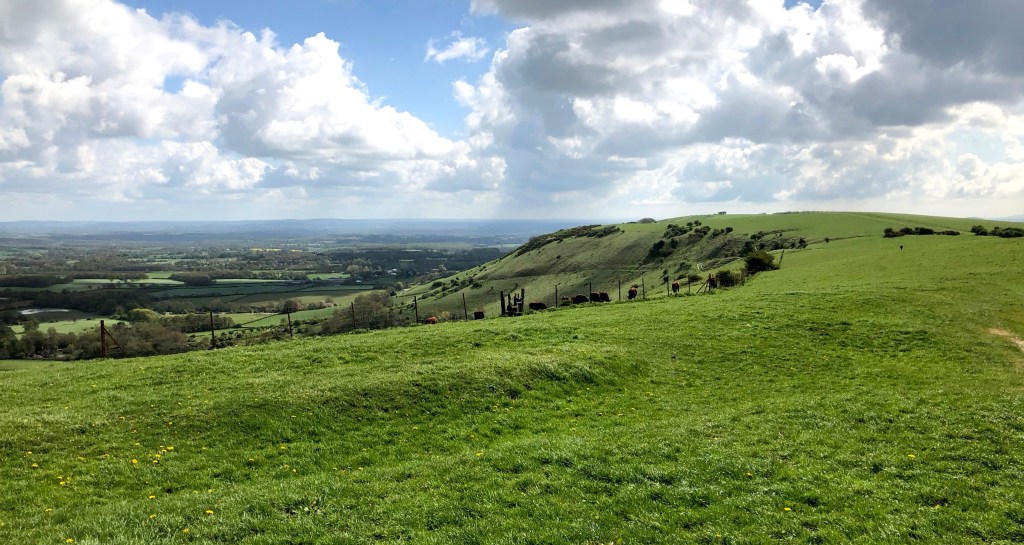
It was a magical way of spending our last day.
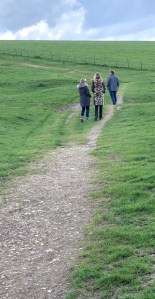
Again, I was aware of stirrings in my old memory box from many years ago, possibly when I might have taken young Alex and Maija for a walk along the Downs, or something along those lines.
But today it meant so much for Jeannie and me to be with Maija and Marius for this gorgeous walk.
A couple of hours later we found a place to have a late lunch and asked the lady serving our table to take a photograph of all four of us!
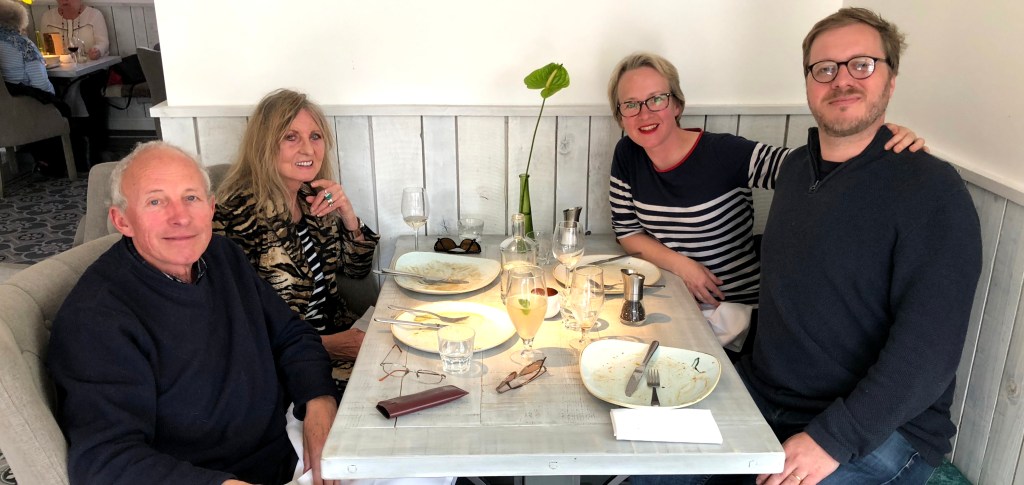
Obviously, we had to be home in time for Morten’s return from school.
Those last hours of that day were focussed on keeping Morten company. What else mattered!
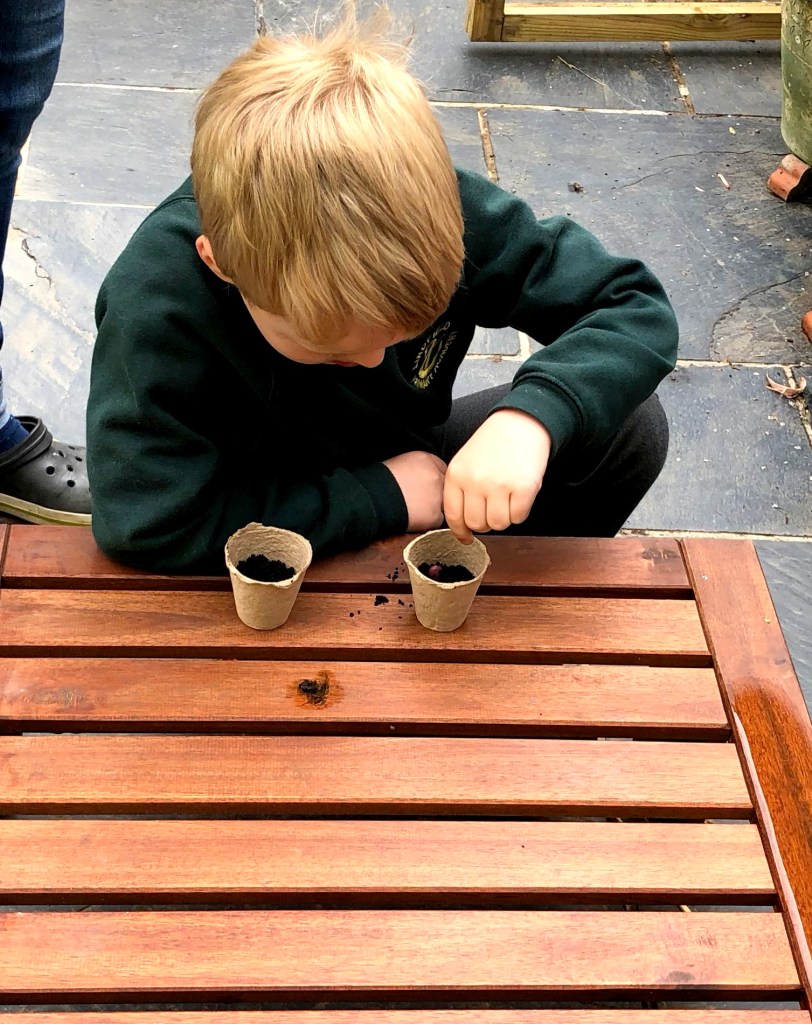
So the last photograph of the whole vacation is the one below. A picture taken of Morten planting some seeds that were bought while we were out that day.
We arrived back in Portland, Oregon around 6pm on the 26th and too late to drive all the way back to Merlin.
So after we had collected the car from the long-term parking we stopped off at the first motel that we saw heading though southern Portland.
Then around 11am on Friday, 27th April we pulled up in front of the house to be greeted by six very loving and contented dogs. Well done, Jana!
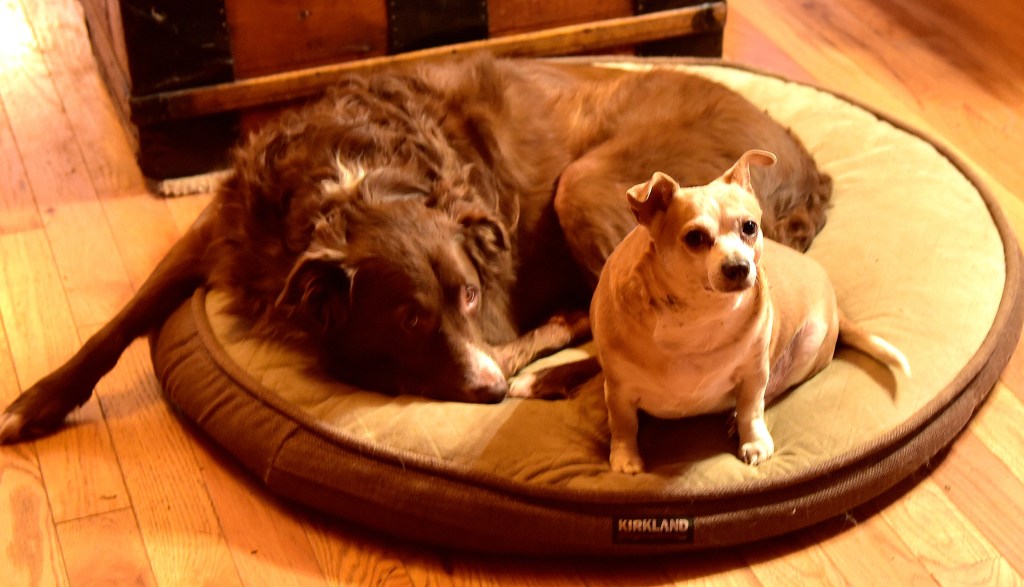
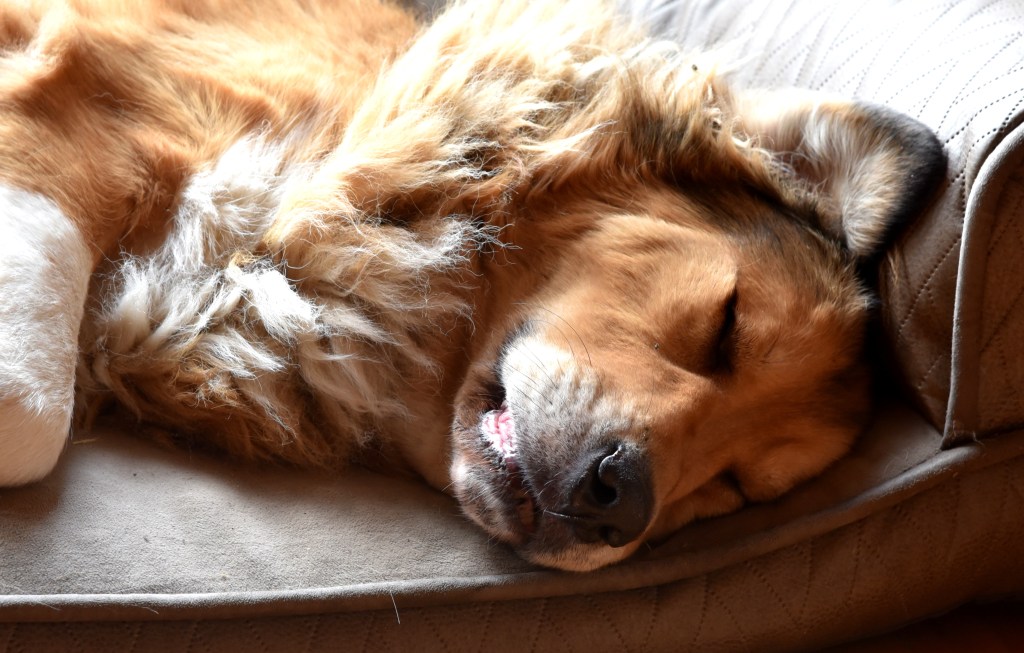
That evening those contented dogs demonstrating their happiness did more than anything to communicate a precious message.
oooo
The End!
On to the South of France!
Alex drove us across to Bristol airport mid-morning on the 18th April for our flight, courtesy of easyJet, from Bristol to Nice.
The days with Alex and Lisa had been so wonderful yet had gone by so very quickly. Thank goodness that Alex and Lisa had already made plans to come and see us again in Merlin sometime during August. It made the parting a little less painful.
Our flight was a good one and departed on time and quickly climbed into a beautiful Spring sky.

Looking down on the beautiful planet underneath us I tried very hard not to think of the 8,000 or so litres of aviation fuel that Alex estimated our Airbus would burn on this 90-minute flight. (Alex is a Commercial pilot flying for an airline out of Bristol.)
But no time to get too introspective about the wake we humans are leaving on the face of Planet Earth because before Jean and I had really got our heads around the fact that we would shortly be seeing Reggie and his wife, Chris, our aircraft was positioning itself over Nice in readiness for landing at Nice airport.

Reggie and Christine’s house was situated at La Croix des Luques, about an hour’s drive from Nice and up in the beautiful countryside that lay inland from the Cote d’Azur; that famous coastal region to the East of Toulon that boasted such places as Cannes, St. Tropez, Monaco and, of course, Nice itself. It was glorious countryside and in some ways familiar with the forested country back in Merlin, Oregon.
By 5pm French time we were at the house and Jean and Reggie were catching up in earnest!
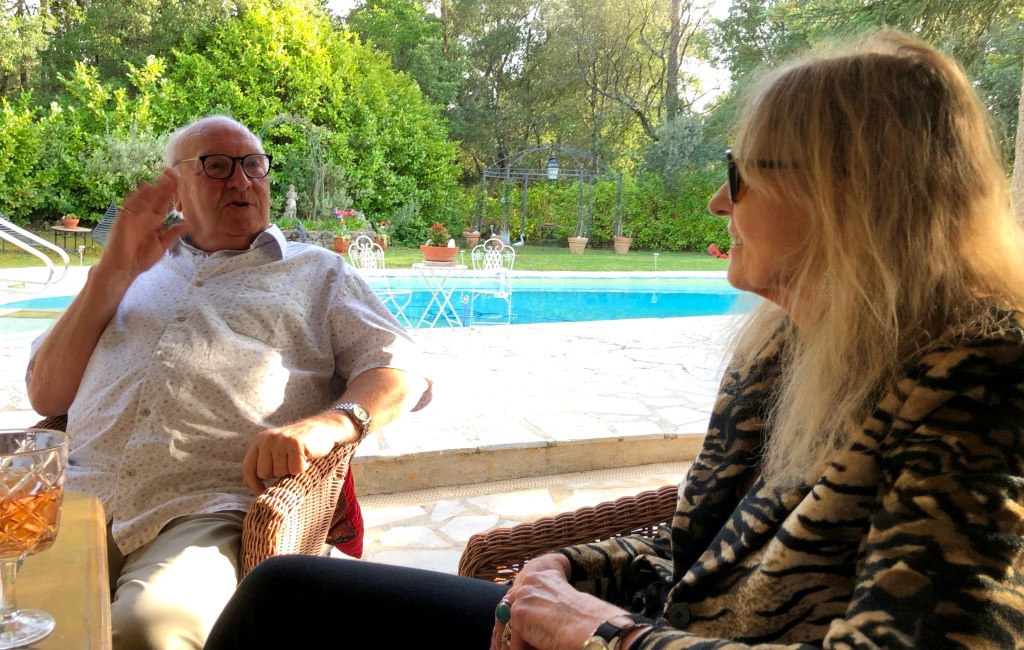
I had a very strong sense that the next six days were going to be very relaxing and very entertaining.
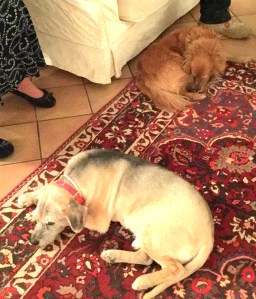
Plus Reggie and Chris had two dogs; two wonderful dogs. But talk about the fickle finger of fate. For their two dogs were named Merlin and Hugo! And, I should hasten to add, named before we moved from Arizona to Oregon in 2012.
Seriously!
To put that into context for any new readers of this place, where Jean and I live in Southern Oregon is on Hugo Road, Merlin!
Tomorrow will be the last day of sharing the details with you all of our vacation.
It will cover the balance of the time that we spent with Reggie and Chris in the South of France, a most amazing ‘blast from the past’ for yours truly, our return to England and another stay, just for 36 hours this time with Maija, Marius and Morten, then on the 26th our return flight to Portland.
See you tomorrow!
Refreshing dear connections from the past!
So on Friday the 13th of April daughter Maija ran Jean and me to the railway station at Haywards Heath to catch a train into London, specifically to Victoria Station.
Then we boarded the London Underground to get ourselves from Victoria Station to Bounds Green tube station on the Picadilly Line. It was a bit of a culture shock for both Jean and me; to say the least. But we managed it somehow and once at Bounds Green there was my sister Eleanor to greet us. Eleanor lives in Johannesburg in South Africa (long story) but needed to come to England and made arrangements that meant she could meet with us for this one afternoon and evening. For Eleanor had pre-booked a bed and breakfast in Coniston Road, London N10.
Eleanor is twelve years my younger sister and it was only later on in life that both of us realised what a precious age gap that was. For as Eleanor was growing up in her early years I was at the age of wanting to be the big brother to her and it became, and still is, a very close bond.
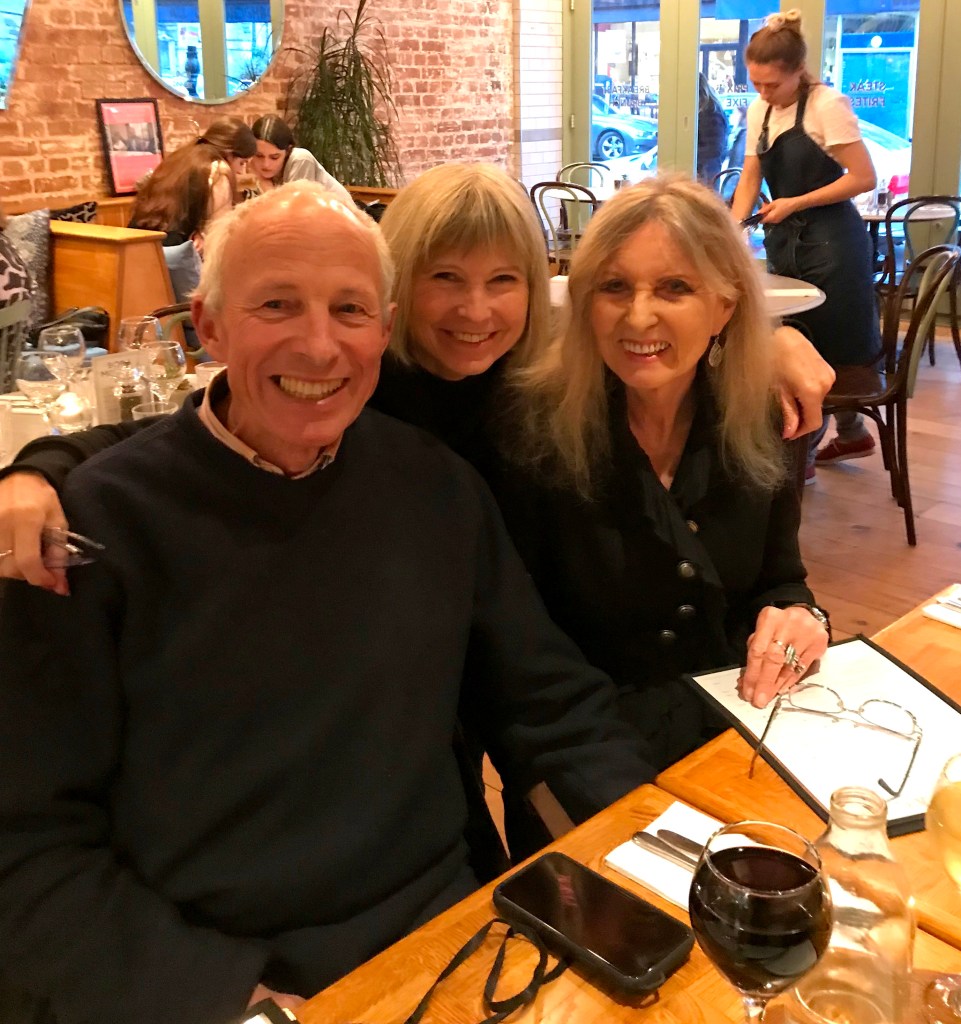
Immediately upon meeting we found a nearby cafe to grab some lunch and do a bit of catching up!
The afternoon and evening went by far too quickly and fairly smartly on the Saturday morning, the 14th, we said our ‘goodbyes’ and Jean and I struggled for the second time in twenty-four hours with the Underground! This time making our way from Bounds Green to Paddington Station, the main line station that serves Bristol and places in between, as in the Great Western Railway, as well as down to the South-West including Exeter and then on to Plymouth and into Cornwall.
Our train journey was from Paddington to Swindon Station to be met by Richard and Julie.
Richard is my longest, closest and dearest male friend.
He and I go back very many years, for we met not long after I had  left IBM in 1978, where I had been an Office Products salesman, and then started my own company. Richard had, in turn, recently left Olivetti where he, too, had been an Office Products salesman.
We hit it off immediately and over the intervening years, as in the thick end of 40 years, there’s not a lot that we haven’t shared in terms of fun and frolics, and especially a great many flying exploits in my group-owned Piper Super Cub!

When Jean and I got together in 2008 as you might imagine she quickly became close friends with Richard and Jules, as Richard calls Julie.
Plus Jean and Richard share a rather ironic, if that’s the right term, event. For both of them were diagnosed in December, 2015 with the early stages of Parkinson’s Disease!
As with seeing Eleanor, the time with Richard and Jules was far too short but, nonetheless, very
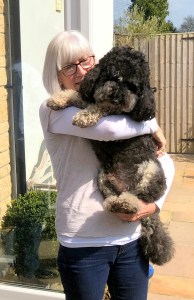
precious. Plus, dear Murphy gave Jean and me a much-needed dog fix!
Thus on the morning of the 15th, Richard and Jules ran us across to Bristol which is where my son, Alex, is living with Lisa, his partner.
The plan was to spend from Sunday, the 15th, through to Wednesday, the 18th, with Alex and Lisa. Alex had booked time off work for those days but Lisa unfortunately was working during the weekdays.
Yet another meeting of dear friends, as in Richard and Jules catching up with Alex.

Alex had arranged for Jean and me to go down to South Devon on Monday, 16th, to meet with John Joiner, my dear brother-in-law.
Let me explain some family background. My father had had two daughters with a previous wife to my mother. Their names were Rhona and Corinne and when they were alive they both lived in South Devon. In the years that followed my father’s death in December, 1956, both Rhona and Corinne, and their respective husbands, Reider and John, made me feel very special and very deeply loved by both of them. (Indeed, it was because of wanting to be close to Rhona and Corinne’s families that I settled in South Devon when I returned from Cyprus in 1991.)
Corinne died in June, 2013. John, who is now well into his 80s, lives in a small apartment in the village of South Brent just a few miles from Totnes in South Devon. I make a point of calling him from Oregon at least once a week but to be able to see John again after so many years was another big highlight of the vacation.
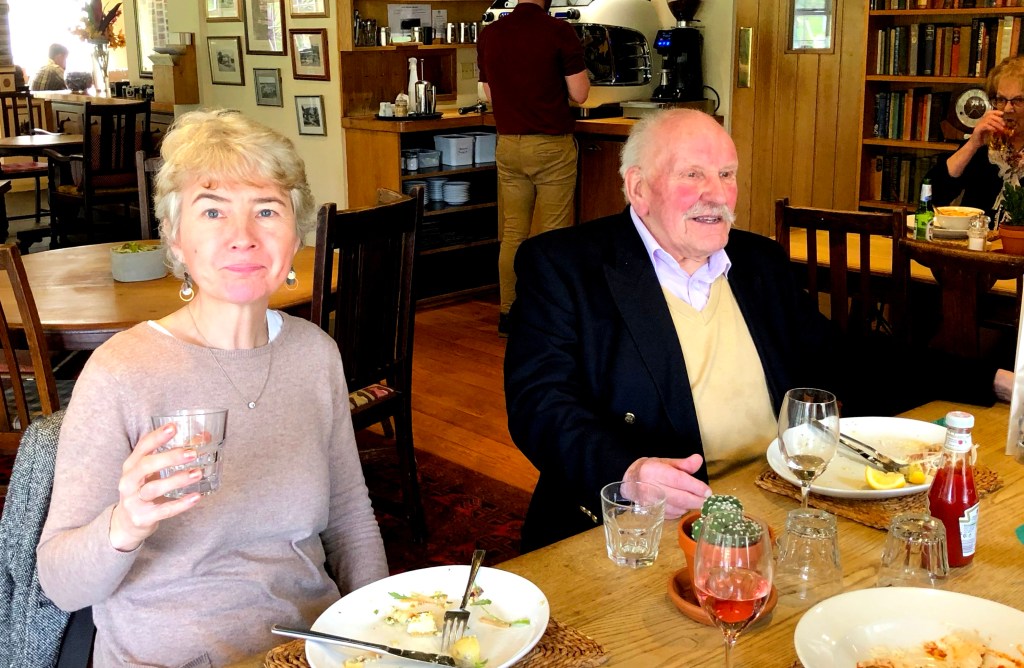
Inevitably, along came another lunch and in the photograph above you can see John on the right-hand side and sitting next to him, as in the left of the photo, is Greta, my cousin as in Rhona’s daughter, who spends a great deal of her spare time looking after John. Dear Greta!
After the pub lunch we returned to John’s apartment for tea and carried on sharing many special memories.
Indeed, one of those special memories was Benji the wonderful dog that Corinne and John had for many years. On one of John’s walls was this wonderful painting of Benji.
The other fact about John is his incredible use of the English language. Both in terms of his vocabulary and his diction. John’s legacy to me is, and will be for the rest of my days, the value of speaking well.
Another wonderful connection with past times.

The truth is that the odds are that I may never see John again. That made this day with John so incredibly special. Huge thanks to Alex and Greta. What a fabulous day!

The next day, Tuesday, the 17th, was Lisa’s birthday and yet another wonderful evening out.
Then came the 18th and the last few hours of being with Alex. At 12:50 that day we were due to fly from Bristol down to Nice in Southern France to spend six nights with Reggie, Jean’s brother.
Those beautiful days will be the topic of tomorrow’s post. See you then!
But before I turn away from today’s description of our days in England, let me address a question that John Zande raised yesterday. Namely: “Have to ask, do you miss the English village life? It’s so beautiful.”
Here’s my answer:
John, yes there was no question that there were stirrings of great familiarity when down with John near Totnes. In my mind’s eye, I could still walk up Totnes High Street and name many of the stores that I used to visit on an almost weekly basis when living in Harberton.
But at the same time I was shocked and disappointed by the huge growth in new housing, someone said an additional 500 homes built in the area in the last 5 years, and all the traffic and crowded lanes that go with that expansion. Many of the lanes were so crowded with parked cars that they were effectively single-lane carriageways.
The relatively sparse housing in the part of Oregon where we now live, the way that the natural world seems untouched by us humans here on Hugo Road, felt very beautiful in comparison. We looked forward to being back in Merlin.
Fun days with my daughter’s family!
We had arrived in England, via Gatwick airport, yesterday, as in Monday the 9th April, and were staying with Maija and family until Friday when Jean and I travelled up to London to meet my sister Eleanor.
So these three days were to be spent doing as many fun things as we could; it being the Easter school holiday week so Morten was at home each day.
Thus today’s post is a fairly quick run through of all the things that we did.
First thing on Tuesday morning was to see how adept young Morten was in riding his bike.
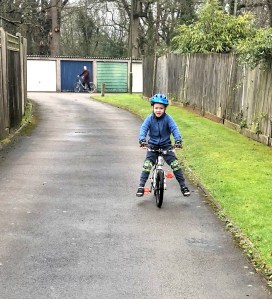
Thankfully it was dry but still overcast. The forecast was for the weather to improve over the coming days. But whatever the weather we were not going to let it get in the way.
Maija mentioned that Wakehurst, part of Kew Royal Botanical Gardens was close by and we readily agreed to go there. As the Kew website explains:
Our wild botanic garden on the High Weald of West Sussex has over 500 acres of beautiful ornamental gardens, woodlands and a nature reserve. Wakehurst is also home to the Millennium Seed Bank, the largest wild seed conservation project in the world.

Morten got it into his head to ‘dress up’!
He is a very lively young man!

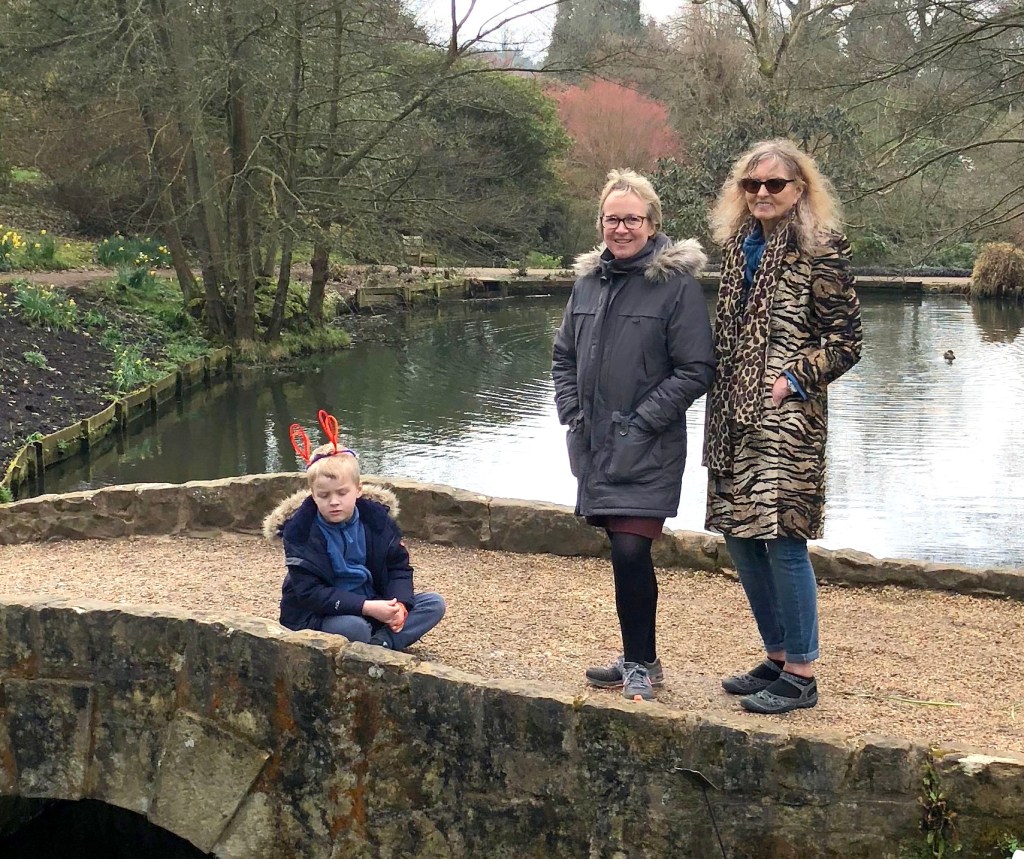
As well as the beautiful grounds it was possible to buy plants.

Slowly the weather improved.

In the blink of an eye it was Wednesday and the plan that day was a visit to the Bluebell Railway. As the website offers:
The volunteer-run Bluebell Line was the UK’s first preserved standard gauge passenger railway, re-opening part of the Lewes to East Grinstead line of the old London Brighton & South Coast Railway in 1960. Since then it has developed into one of the largest tourist attractions in Sussex, yet it still remains true to its objectives of the preservation for posterity of a country branch line, its steam locomotives, coaches and goods stock, signalling systems, stations and operating practices.
One’s never too old to go on a steam railway!

As the above photograph shows it was another day of intermittent rain and low clouds.
But did that stop four people having a fun time???
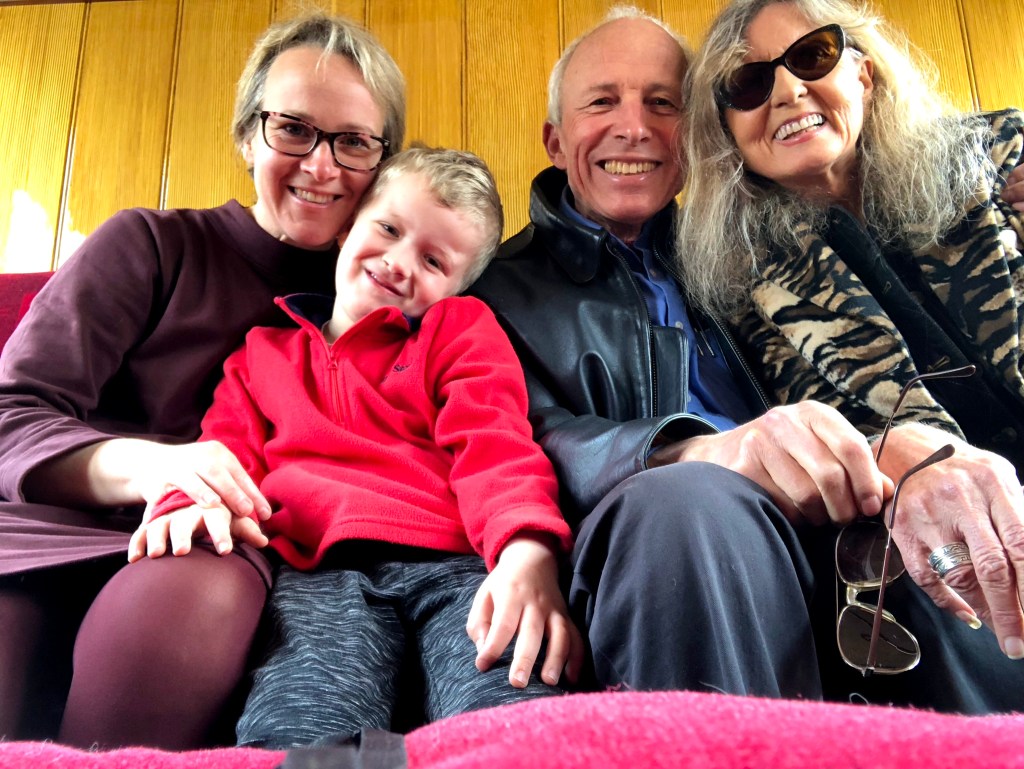
On the Thursday, the 12th, Maija had an engagement in London in connection with her company, SOUND UK, and Jeannie and I were in charge of Morten for the day.
Well I think that was the arrangement although Morten woke up with very clear ideas as to how the day was to be spent. Primarily walking into Lindfield village so he could show Jean and me all the places of note!
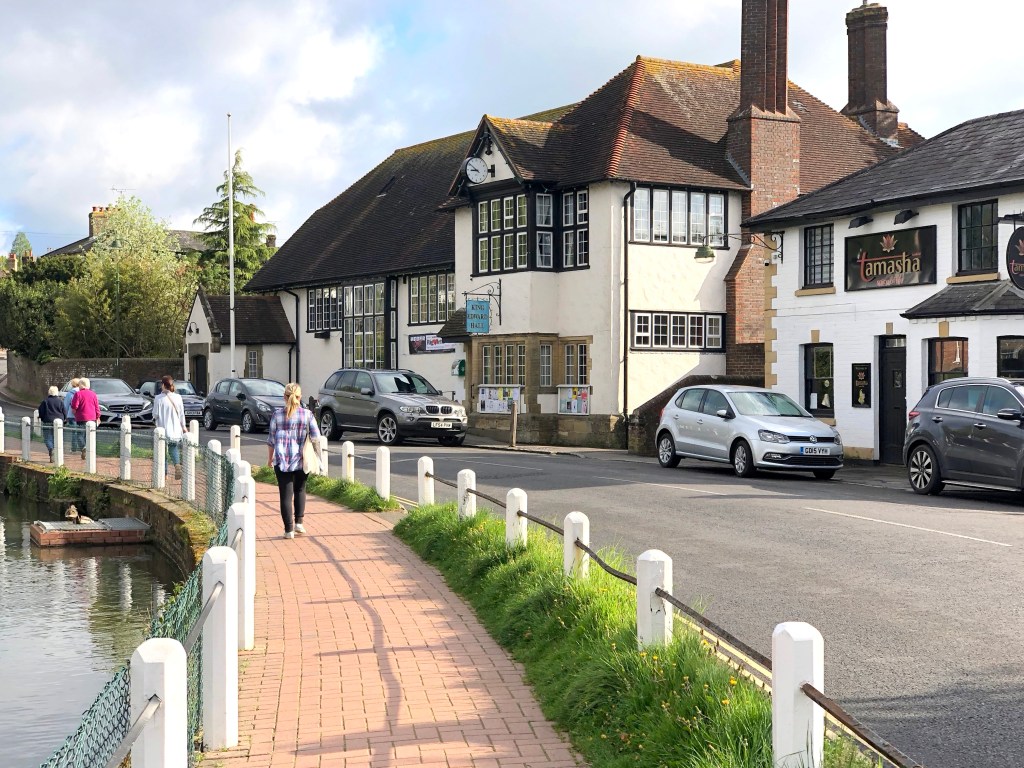
Lindfield is the classic English village complete with cricket field, village pond and a pub or two. As Wikipedia offers:
The village stands on high ground above the upper reaches of the River Ouse. It is situated close to both the natural beauty of the High Weald and to Haywards Heath with its amenities and station on the main London-Brighton railway line.
Lindfield has a rich historic and architectural heritage. The ancient High Street, lined with lime trees, has over forty medieval and post medieval timber-framed houses, with many individual shops. At the bottom of the High Street is a natural spring-fed pond with fish, ducks, and herons. Beyond lies the Common which, over the centuries, has witnessed many events – fairs, festivals, bonfire celebrations and sporting activities; cricket has been played there since 1747. Today, it is still central to village celebrations and leisure activities. In addition to the Common there is Pickers’ Green, providing pitches for cricket, football, stoolball and a children’s play area.
History
The High Street follows an ancient north-south track that has existed for thousands of years, long before the Romans built a major road, the London to Brighton Way, a mile to the west of the village.
Lindfield first appeared as Lindefeldia, ‘open land with lime trees’, in a Saxon charter of 765 AD, in which King Ealdwulf granted lands for the building of a Minster church. When the Domesday Book was compiled the lands were held by the Archbishop of Canterbury.[4]
King Edward III recognised the importance of medieval Lindfield and in 1343 granted the town a royal charter to hold a market every Thursday and two annual eight-day fairs. For centuries the fairs continued each April and August with the summer fair becoming one of the largest sheep sales in Sussex.[5]
Lindfield was once part of the thriving Wealden iron industry. As early as 1539, William Levett of Buxted, a county curate with a thriving sideline in iron and armaments, was recorded as extracting iron ore at Lindfield. Later the Henslowe family of Lindfield were actively engaged in the iron milling business in association with Ralph Hogge, parson Levett’s former servant and later a major ironmaster in his own right.
In 1841 the London-Brighton railway opened, passing to the west of the parish with a ‘Station for Cuckfield and Lindfield Towns’ on open land that was to become the town of Haywards Heath. The construction of the Ouse Valley branch line reached Lindfield in 1866 with a proposed station to the north of All Saints’ Church but the line was abandoned for financial reasons.
Charles Eamer Kempe, a leading church stained glass designer and manufacturer lived at Lindfield until his death in 1907. Kempe renovated and redecorated an Elizabethan manor house near the village which he renamed Old Place,[6] from where he entertained clients and professional partners. Internally the house was appointed to the highest standard of Victorian splendour. After his death in the 1930s, the house was partitioned into six individual residences, with the main reception rooms forming part of the new “East Wing”.[7]
Lindfield also had a children’s play area which is where I snapped this photograph of Morten on that Thursday.

Then before we knew it the morning of Friday, 13th was upon us and it was time to catch the train up to London.
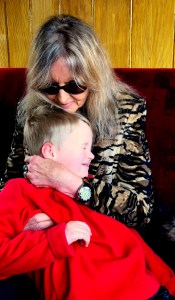
However these days with Morten had put in place a precious bond that was one of the primary reasons for us coming to England.

In tomorrow’s post I offer the experiences of meeting Eleanor, Richard and my son Alex.
 Learning from Dogs