Back to Janet’s wonderful photographs.
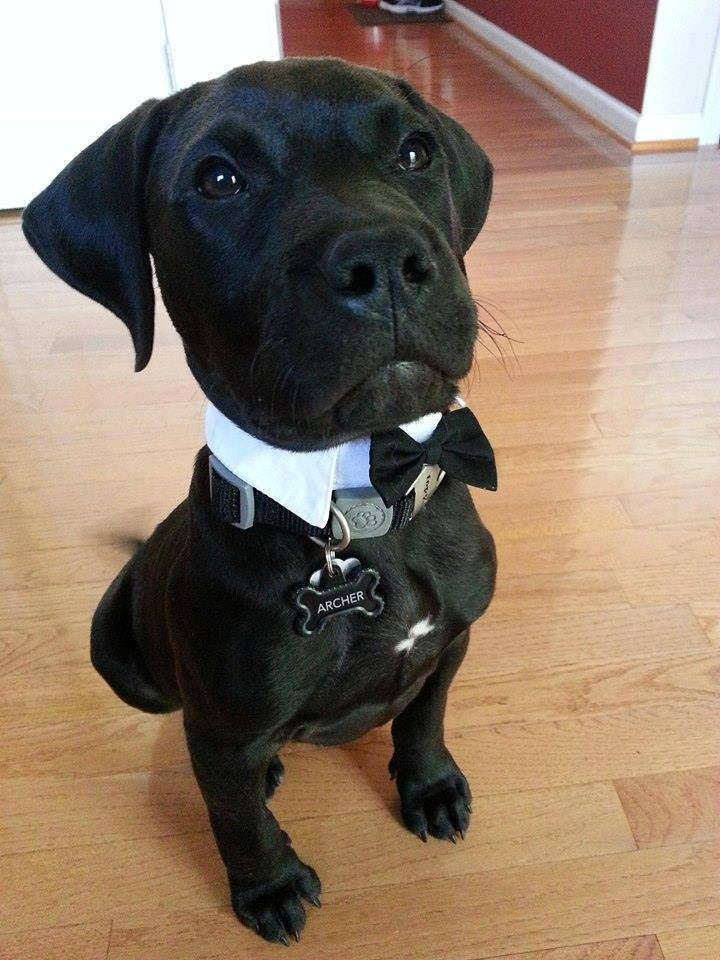
oooo

oooo

oooo

oooo

oooo
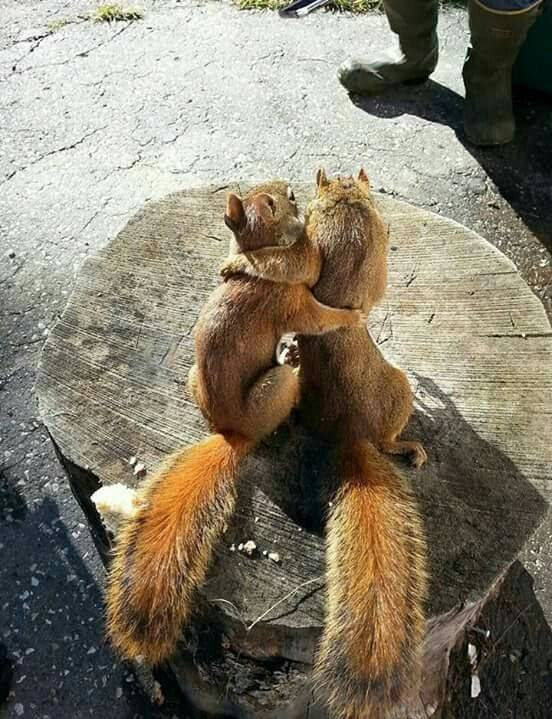
oooo
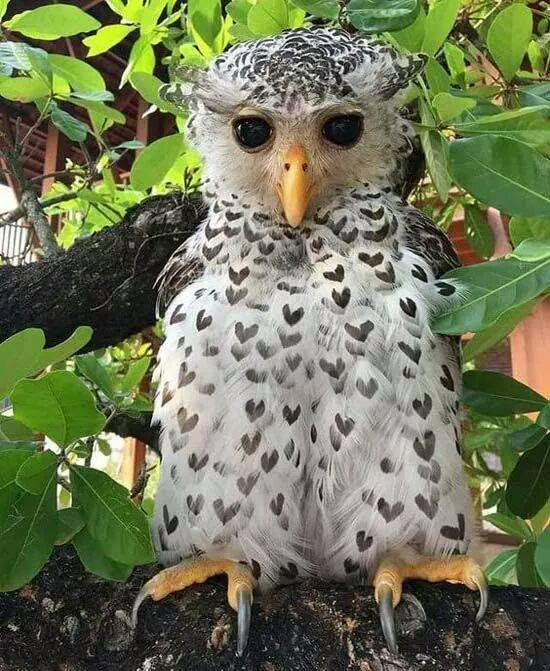
oooo
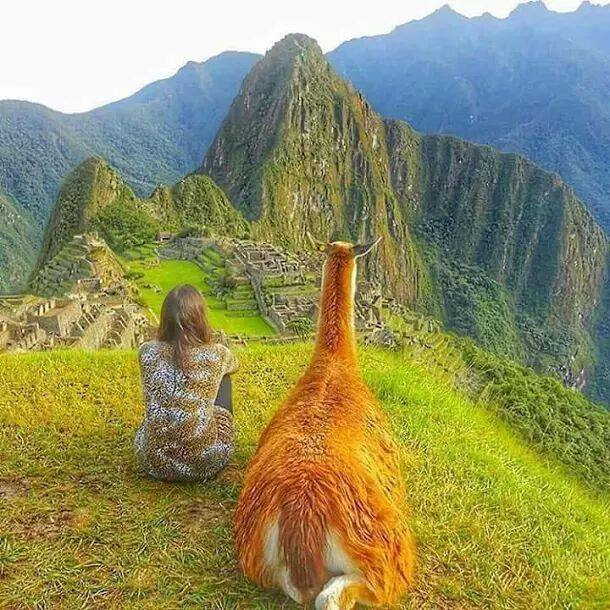
oooo

oooo
oooo

The last set from this series in a week’s time.
Dogs are animals of integrity. We have much to learn from them.
Category: Photography
Back to Janet’s wonderful photographs.
oooo
oooo
oooo
oooo
oooo
oooo
oooo
oooo
oooo
oooo
The last set from this series in a week’s time.
As in how a primate chooses to communicate with humans.
In recent times there have been a couple of posts in this place about the science of communication between dogs and humans.
What about other animals?
What about a gorilla?
If you drop across to the YouTube site and search for Koko the Talking Gorilla you will be astounded by how many videos are to be seen.
Try this one:
A very moving account from Robin Williams.
If we then want more background information on this remarkable animal, Wikipedia is there to oblige (in part):
Hanabiko “Koko” (born July 4, 1971) is a female western lowland gorilla who is known for having learned a large number of hand signs from a modified version of American Sign Language (ASL).
Her instructor and caregiver, animal psychologist Francine “Penny” Patterson, reports that Koko is able to understand more than 1,000 signs of what Patterson calls “Gorilla Sign Language” (GSL).[2] In contrast to other experiments attempting to teach sign language to non-human primates, Patterson simultaneously exposed Koko to spoken English from an early age. Reports state that Koko understands approximately 2,000 words of spoken English, in addition to the signs.[3] Koko’s life and learning process has been described by Patterson and some of her collaborators in a number of books, peer reviewed articles, and on a website.
Then, naturally, Koko has her own website, The Gorilla Foundation, where one can watch more videos, enjoy photographs and even drop in to Koko’s very one blog site!
Time for another video from YouTube.
Published on Oct 13, 2015
Koko got her birthday wish this July 4th — not only did one kitten come to visit, but a whole litter. Koko fell in love with one, and the other fell in love with her. Koko has adopted these two kittens into her family, and it has energized her world.
Not only have Koko’s maternal and play instincts kicked in, but she is signing more to her caregivers and generating new content everyday that can be used by The Gorilla Foundation to create empathy for great apes. This can have significant benefits to both endangered free-living great apes and those in captive environments, by encouraging the development of 2-way communication with their caregivers (which Koko has had since she was a baby).
The Gorilla Foundation is now working on a multimedia sequel to the classic book, “Koko’s Kitten,” which has already reached millions of children worldwide, and has the power to motivate millions more to learn how to make the world a better place for all of its conscious inhabitants.
You can support The Gorilla Foundation mission of Conservation through Communication by visiting http://www.koko.orgThank you!
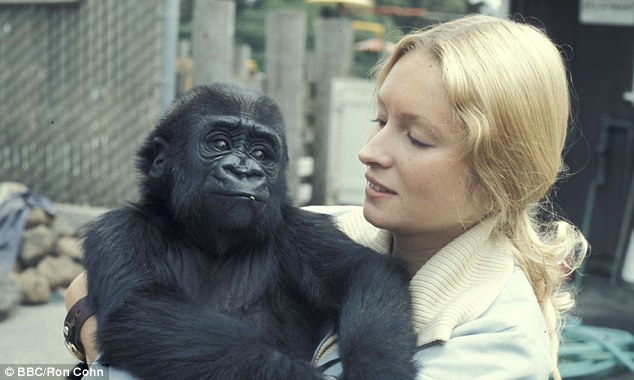
Will close with this photograph seen ‘on the web’.
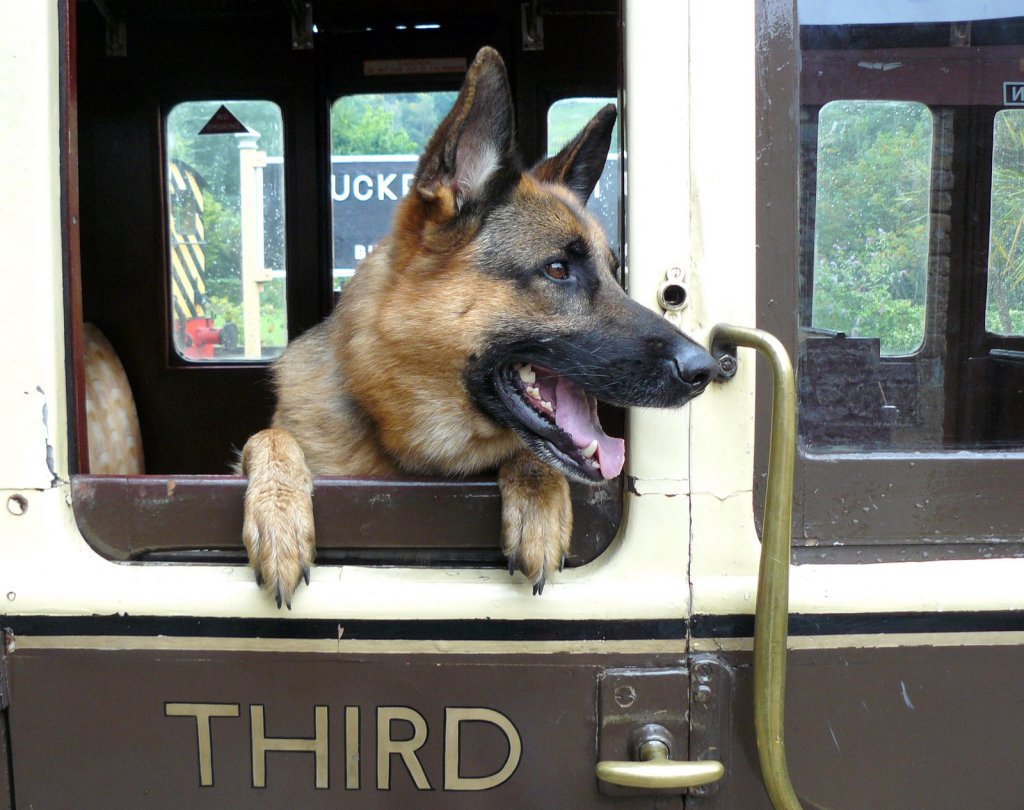
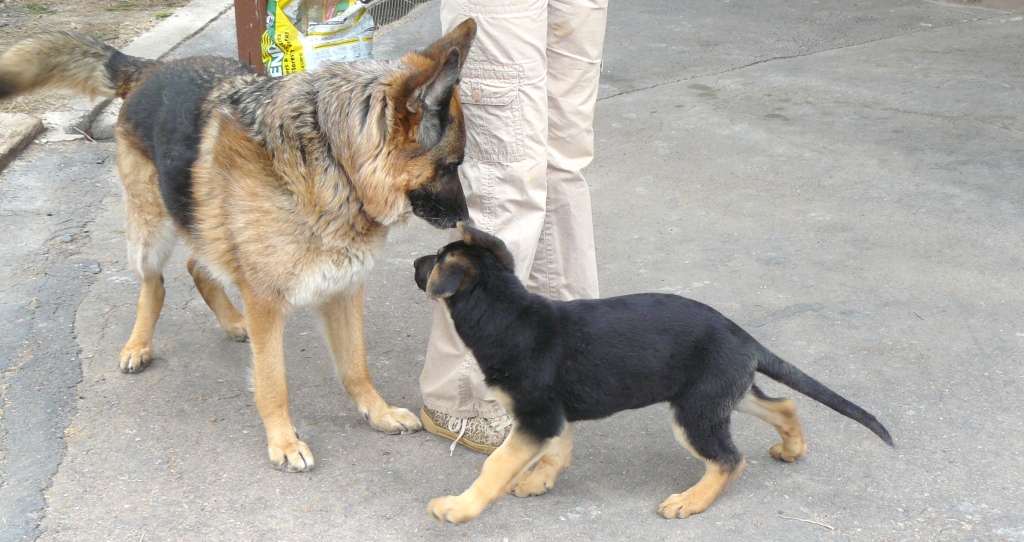
In celebration of Pharaoh’s 14th birthday yesterday.
(Long-term followers of this place will have seen many of these photos before.)

oooo

oooo

oooo

oooo
oooo

oooo
oooo
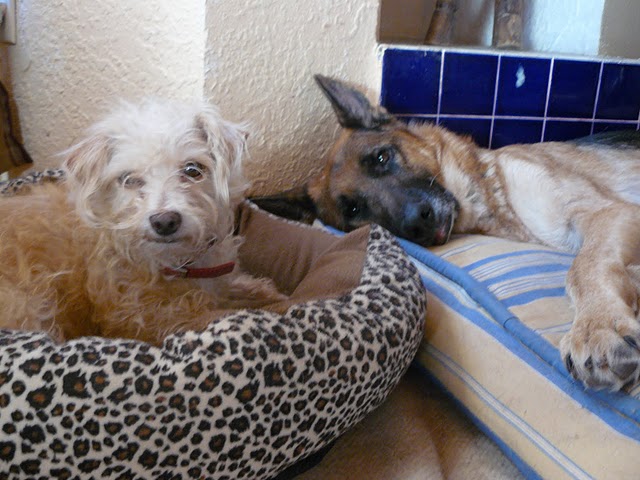
oooo

oooo

oooo
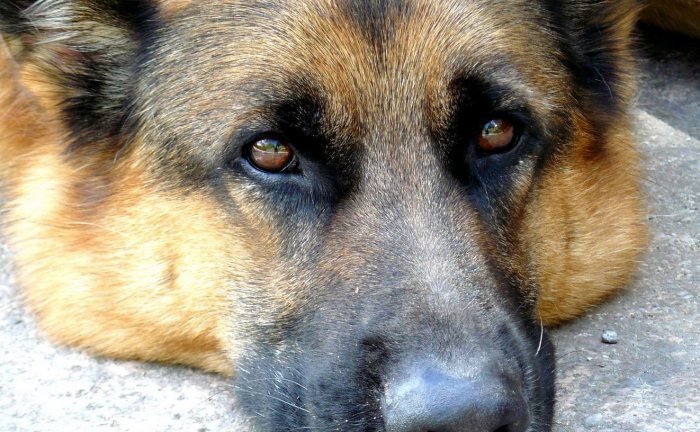
Beloved Pharaoh was born this day in 2003
I’m just going to share a few photos today and then devote tomorrow’s Picture Parade to other photographs of this wonderful, noble, indomitable friend.
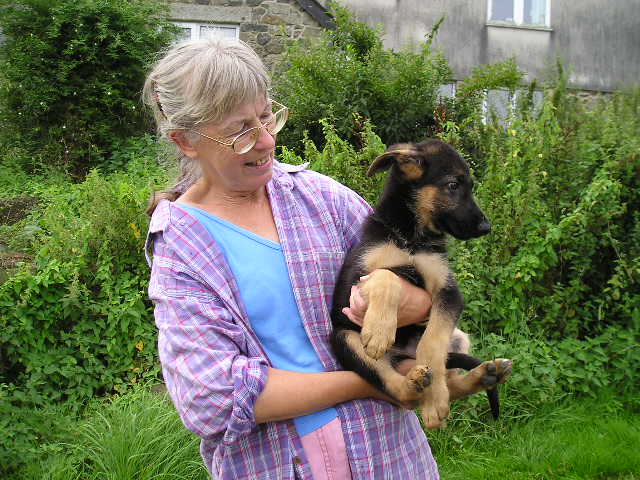
oooo
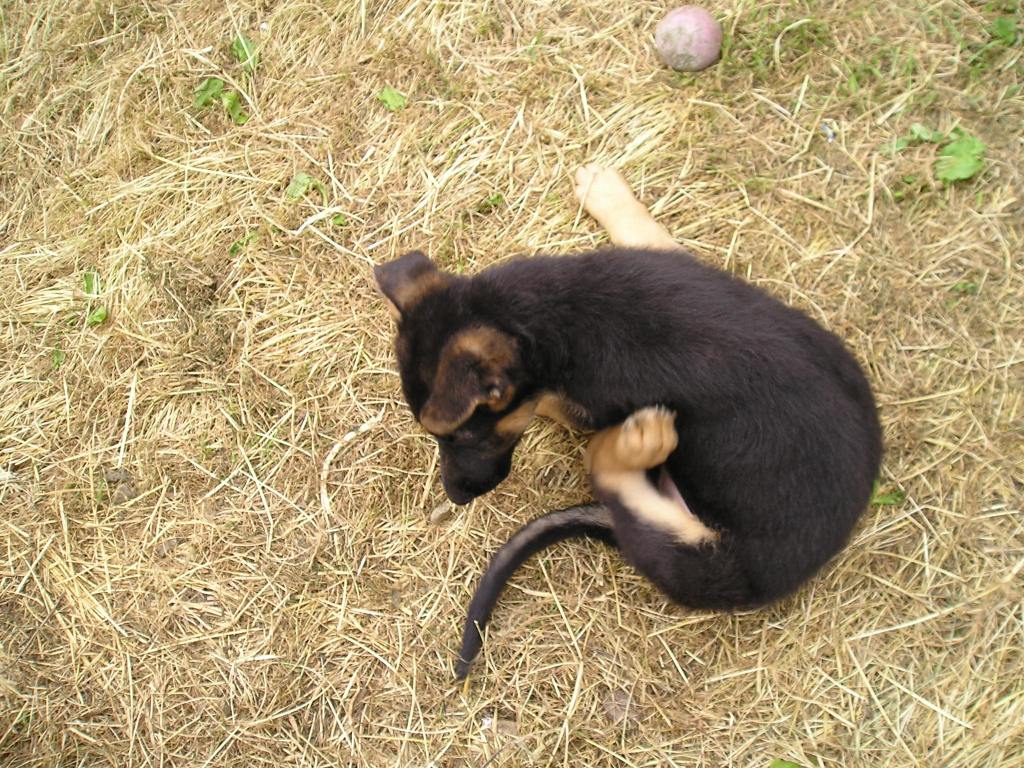
oooo
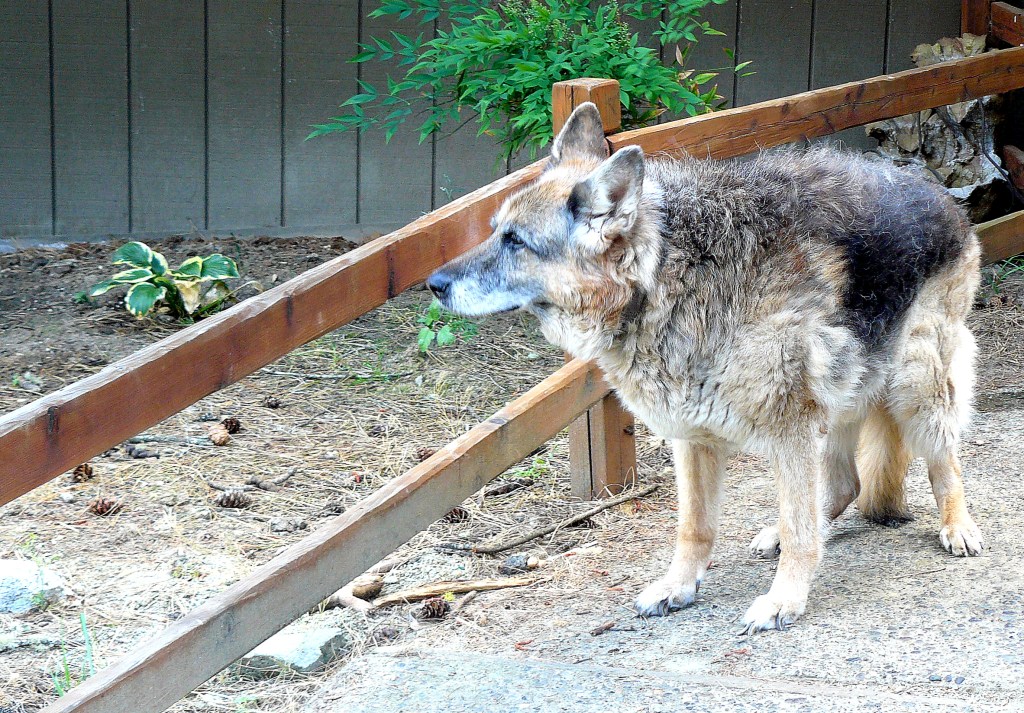
Happy Birthday, Pharaoh, with fondest love from Jeannie and me and so, so many others who have known you directly and via the pages of this blog!
Up, up and away!
Apologies in advance for this being possibly of limited interest to others.
A couple of years after I left IBM UK and formed my own company, Dataview Ltd., based in Colchester, Essex, I formed both a personal and business relationship with a Roger Davis.
That relationship exposed me to gliding, or sail-planing in American speak, for Roger was a volunteer instructor at Rattlesden Gliding Club in Suffolk that flew from an ex-wartime aerodrome of the same name.
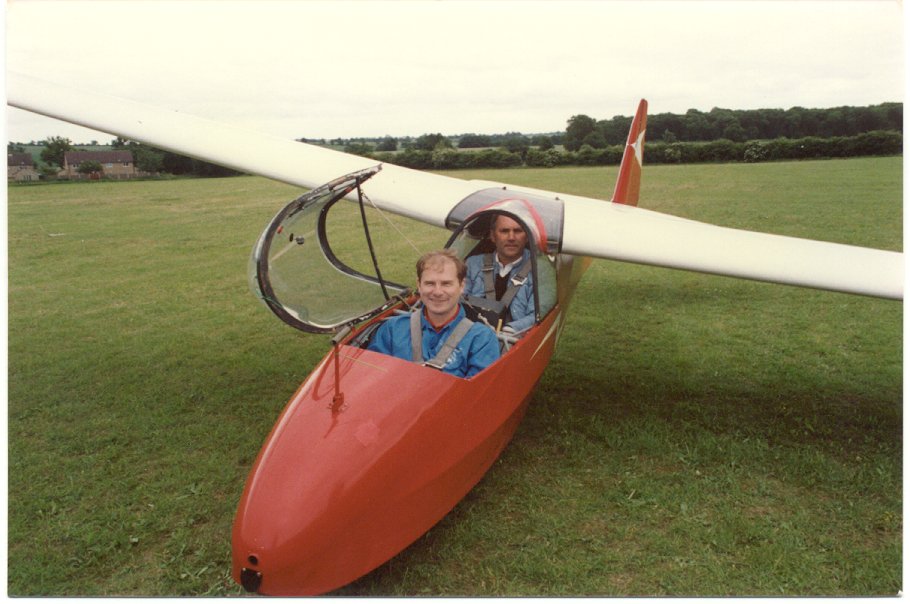
Thus on the 7th June, 1981, I was taken up for two air-experience circuits in a two-seater glider known as a ‘K7’. I was immediately hooked! Those experience flights leading to a 4-minute flight (flight number 46) on the 6th September, 1981 that has the remark in my pilot’s log book: Solo!
Now fast forward to October, 1984 and my log book shows me attending a gliding instructor’s course at Lasham, resulting in me being issued with a British Gliding Association (BGA) Assistant Instructor Rating on the 14th October. (105/84).

A few days ago, Roger sent me a link to the following video.
It’s a compilation of photos, cartoons from the pen of dear Bob White, and videos. A little over eleven minutes long I do hope some of you find it of interest.
Published on May 29, 2017
Slide show produced from photos and images produced by Mark Taylor for Rattlesden Gliding Club’s 25 anniversary in 2001. Shows a collection of members involved from those early days, including some cartoons produced by Bob White whenever there was a notable event, or incident as well!
Let me close with this photograph!

(All those years ago, Roger and Sheila had a beautiful Old English Sheepdog. His name was Morgan and he was a wonderful, loving dog.)
So is there anyone reading this who has experienced gliding?
Continuing with Janet’s wonderful pictures.
(The last set from Janet were published a fortnight ago.)

oooo

oooo

oooo
oooo

oooo

oooo

oooo
Going to round off today’s picture parade with a photograph of our growing Canadian geese goslings. The photograph was taken at 7:30pm two evenings ago. I would imagine that we aren’t that far off them all taking to the wing!

Or observing Lady Luck in great form!
We all know that so many things in life have two sides to them. As in a positive and negative side. Which ‘side’ we look at has more to do with ourselves, again as you all know.
So when I republished an essay from Patrice Ayme a little over a year ago about the loss of the ice in Antarctica I was in harmony with Patrice’s gloomy stance:
I have written for years that a runaway Antarctica was certain, with half the icy continent melting rather spectacularly on an horizon of two centuries at most, and probably much less than that. This rested on the fact that half of Antarctica rests on nothing but bedrock at the bottom of the sea. At the bottom of what should naturally be the sea, in the present circumstances of significant greenhouse gas concentrations.
But Lady Luck comes into view and we have this: (Courtesy of Mother Nature Network.)
ooOOoo
At current rates, it’s not crazy to think that the Antarctic peninsula could eventually become forested again.
Bryan Nelson May 19, 2017

When you think of Antarctica, you probably imagine a frigid, windswept, icy, inhospitable domain; the whitest, most barren canvas on Earth. That’s pretty much the way the Southern continent has been for at least the last 3 million years, since the last time atmospheric carbon dioxide levels approached their current levels. But times, they are a-changing.
The effects of global warming are beginning to radically alter the Antarctic landscape in some surprising ways. Scientists say it’s like looking back in time, to an epoch when this bleached terrain was actually green. Mossy mats are rapidly spreading across the thawed, exposed soils at unprecedented rates, transforming the land from a place of desolation, to a place of viridescence.
At the very least, we’re getting a peek at Antarctica’s future, which like its past was green and filled with plant-life, reports the Washington Post.
“This is another indicator that Antarctica is moving backward in geologic time — which makes sense, considering atmospheric CO2 levels have already risen to levels that the planet hasn’t seen since the Pliocene, 3 million years ago, when the Antarctic ice sheet was smaller, and sea-levels were higher,” said Rob DeConto, a glaciologist at the University of Massachusetts, Amherst.
“If greenhouse gas emissions continue unchecked, Antarctica will head even further back in geologic time… perhaps the peninsula will even become forested again someday, like it was during the greenhouse climates of the Cretaceous and Eocene, when the continent was ice free.”
So far, the greening of Antarctica is mostly limited to the peninsula, where two different species of mosses are fanning out at a startling clip, at four to five times the rate seen just a few decades ago. They gain a footing in the summers, when the frozen ground thaws, then freeze back over in the winter. But these layers-upon-layers are thickening, generating an increasingly detailed record of Antarctica’s warming climate.
It’s perhaps only a matter of time before grasses, bushes, perhaps even trees begin to sprout. As beautiful as a forested Antarctica might be to imagine, it’s important to remember that this isn’t necessarily a good thing. Climate change is an ambiguous beast; Antarctica might be getting greener, but deserts elsewhere in the world are expanding, sea levels are rising, and weather is becoming more severe.
“These changes, combined with increased ice-free land areas from glacier retreat, will drive large-scale alteration to the biological functioning, appearance, and landscape of the [Antarctic peninsula] over the rest of the 21st century and beyond,” wrote the authors of the study, which was published in the journal Current Biology.
Lead author Matthew Amesbury added: “Even these relatively remote ecosystems, that people might think are relatively untouched by human kind, are showing the effects of human induced climate change.”
ooOOoo
Sorry to drag out this old saw of mine, but it is so perfect: “I can predict anything except those things that involve the future”!
Because I am still staying with the Lady Luck theme but this time going from the vastness of the Southern polar regions to something a little closer to home. (Again, seen on Mother Nature Network.)
ooOOoo
Leonard recently became Ohio’s first ever pit bull K-9.
Jenn Savedge May 19, 2017

When Leonard, a stout young pit bull, arrived on the doorstep of the Union County Humane Society in Ohio a few months ago, the staff had little hope for his prospects of being adopted. Leonard was deemed “aggressive,” and that meant he was more likely to be euthanized than sent home with a new family. But Jim Alloway, the center director, saw something different in the dog. And thanks to his observation, Leonard has a future that includes work, play and lots of belly rubs.
As luck would have it, Alloway has an extensive background of working with police dogs. He realized Leonard’s aggression was really a very strong desire to play. Whenever someone was holding something, Leonard wanted it and would try to grab it. As a pet in the average family, this may not be a desirable trait. But this strong “prey drive” made him a great candidate for training as a police dog.
So Alloway called Storm Dog K-9 training. After an initial round of testing, Mike Pennington, the owner of the training facility, agreed to take Leonard on and train him to sniff out narcotics. (Leonard wasn’t a good candidate for tracking and catching suspects because he loves people way too much.)
Before his training with Pennington, Leonard didn’t even know basic commands. But after a few weeks of hard work — which his trainers said he absolutely loved — Leonard was fully certified as a police dog, becoming Ohio’s first pit bull K-9 officer.
Leonard was paired with Terry Mitchell, Clay Township’s Chief of Police. Mitchell told the local ABC affiliate that he was unsure at first about the idea of using a pit bull as a K-9. But the pair bonded immediately.
“I scheduled a time to come down and see him, and after about 10 minutes, I knew this was the dog for us,” Mitchell said.
Leonard officially started work with the force this week. When he has his police vest on, Mitchell says the pup is all business and ready to tackle his narcotics-sniffing job. Off-duty though, Leonard is just a sweet, playful pup, hopping on Mitchell’s lap for evening naps. Oh, and according to Mitchell, he snores horribly.
Leonard — and Mitchell — couldn’t be happier.
ooOOoo
Wonder how long it will be before we have happy ex-rescue dogs frolicking through the forests of Antarctica!!
Of clouds and the Grand Canyon.
Saw this item on the Mother Nature Network site a week ago and thought it beautiful.
Whatever you are doing, rest up for a couple of minutes and revel in the beauty of our natural world.
ooOOoo
Angela Nelson May 16, 2017,
The creators of “SKYGLOW,” a crowd-funded project showing the impact of urban light pollution through time-lapse videos, photos and a book, have another stunning video to share. In “Kaibab Elegy,” filmmakers Gavin Heffernan and Harun Mehmedinović visit Grand Canyon National Park and capture a rare weather event.
In the mesmerizing video, clouds build inside the canyon almost like bubbling water filling a jacuzzi as the sun rises and sets in the background, creating the pinkest sky you’ve ever seen. Those clouds roll like waves in the ocean and crash against the cliffs. This phenomenon is called full cloud inversion, and it happens when cold air is trapped in the canyon and topped by a layer of warm air, which combines with moisture and condensation.
“We were extremely lucky to be there to capture it, and it’s a collection of unique footage not found anywhere else,” Mehmedinović says.
He and Heffernan, who journeyed 150,000 miles around the globe for their new book and video series, work with the International Dark-Sky Association, a nonprofit fighting to preserve the dark skies around the world.
ooOOoo
I bet that’s left you feeling wonderful!
Springtime in Oregon
There are plenty more of those wonderful pictures and cartoons to come to come from Janet Goodbrod.
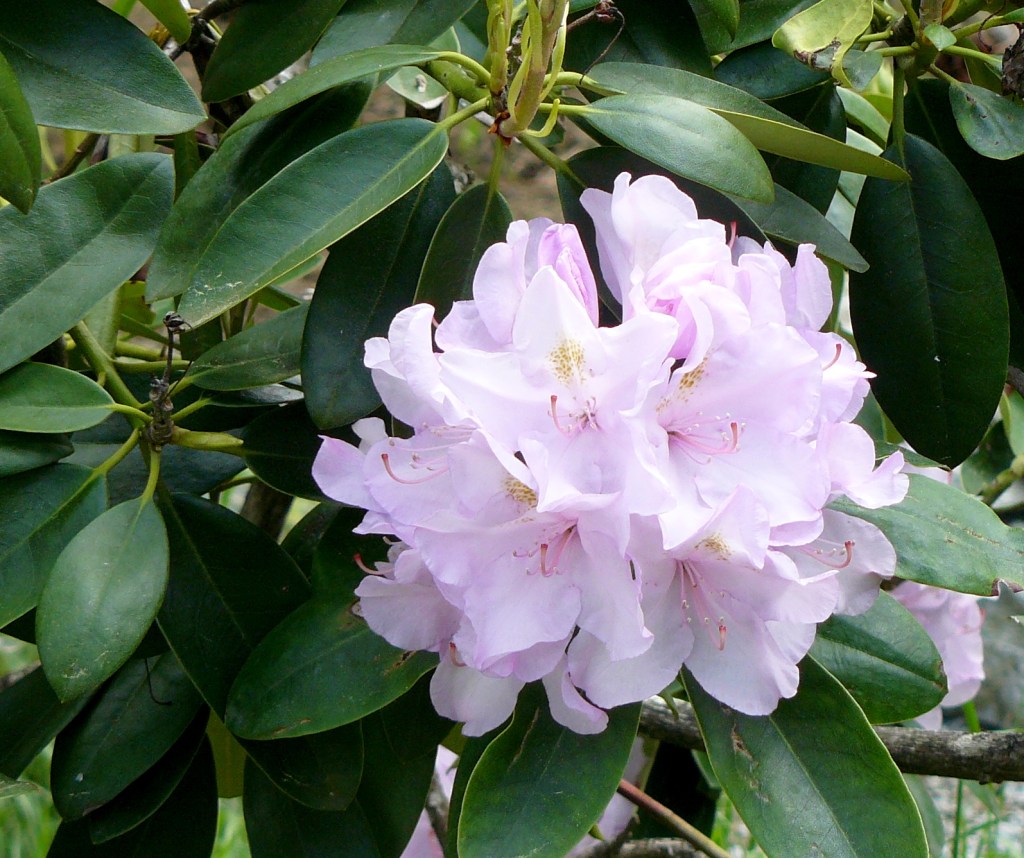
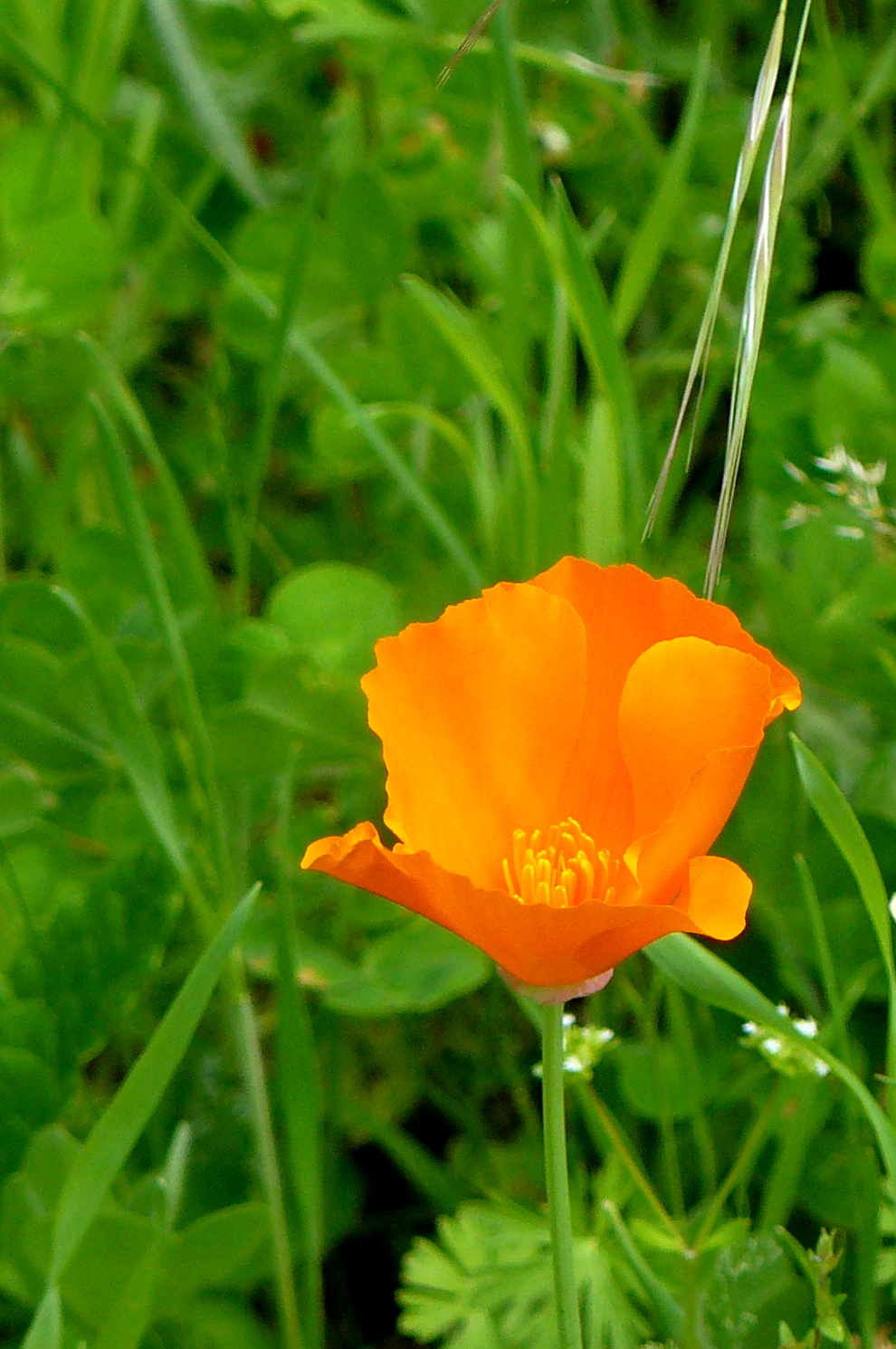
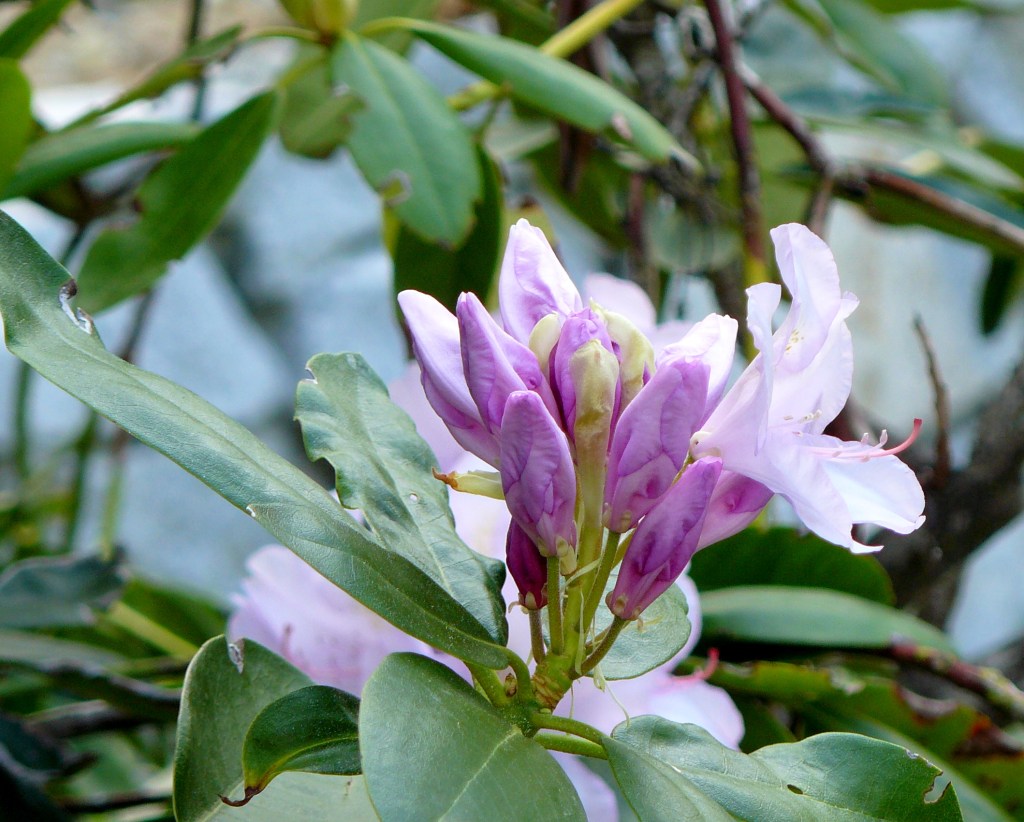
But a few days ago there were so many beautiful flowers blooming in the Spring sunshine that I couldn’t resist taking photographs of them and sharing them with you. All from home! (Apart from the young tree and the cows on our neighbour’s property for while not being flowery , nonetheless, they seemed to speak to me about springtime.)
oooo
oooo

oooo

oooo
oooo

oooo

Don’t ask me what the names of the various flowers are!
A dog’s nose, of course!
We all know how good are the noses of our dogs. Yet, I suspect, many do not know how truly good is that nose. The Science ABC site has a detailed account of Why Do Dogs Have Such A Great Sense of Smell?
Here’s part of that article:
Dog Nose vs. Human Nose
When we try to smell something, we inhale air with our nose and we use the same passage in our nose to exhale that air. Therefore, all the smell that we get when we are inhaling is lost when we exhale that air. However, a dog has two different air passages, one for breathing and another for smelling. This means that dogs are able to store the smell in their nose even while breathing out the air!
When dogs exhale, they send air out through the slits of their nose, but the manner in which this air is exhaled through their nose helps the dogs to draw in new odor molecules. This also helps dogs capture more smells when sniffing.
You must have noticed that dogs’ noses are always wet, but have you ever wondered why? The mucus on the dog’s nose helps it smell by capturing scent particles. A dog also has the ability to smell independently from each nostril, this helps the dog to understand from which direction the smell is coming.
The passage through which dogs smell the air contains highly specialized olfactory receptor cells, which are responsible for receiving smells. A dog contains about 225-300 million smell receptors, as compared to just 5 million of these receptors being present in a human nose.
Dog Brain vs. Human Brain
By now, we clearly know that dogs have a nose that can smell about 1,000-10,000 times better than a human, but how are dogs able to remember all the different smells that they have sensed throughout their life?
The answer lies in the difference between the brains of dogs and humans. A human brain has a larger visual cortex than dogs, whereas a dog’s brain has a much larger olfactory cortex than humans. The visual cortex is responsible for processing visual information, whereas the olfactory cortex is responsible for processing the sense of smell. A dog’s olfactory cortex is about 40 times larger than that of a human.
Read the full science article here.
All of which makes a slightly longer introduction than normal to a fascinating article over on Mother Nature Network published two days ago.
ooOOoo
May 16, 2017 Jaymi Heimbuch

Working dogs are an amazing asset not only for people, but for wildlife, endangered species and even threatened habitats. Expanding on the skills dogs have for tracking down scents and guarding something important, we humans have enlisted their help in many ways for conservation.
Here are five ways dogs are contributing to environmental protection efforts.
It’s amazing the amount of information that can be sussed out of an animal’s poop. We can determine diet, health, genetics — even whether or not an animal is pregnant. Scat is really important to biologists studying elusive, sensitive or endangered species. Putting dogs on the track is an ideal solution.
Take cheetahs, for example. Scientists in Africa are using dogs and their unparalleled sniffing power to find cheetah poop, all in an effort to get an accurate count on the endangered big cats. (Only 7,000 cheetahs are left in the African wild, according to estimates.) And it’s working. Two trained dogs found 27 scats in an area of 2,400 square kilometers in western Zambia, according to a study published in the Journal of Zoology. Humans, looking for cheetah tracks over the same area, found none.
Groups like Conservation Canines (a handler and dog from the program pictured above), Working Dogs for Conservation and Green Dogs Conservation specialize in this area. Conservation Canines rescues highly energetic, “last chance” dogs from shelters and trains them to track down the scat of dozens of species, from wolves to moose to owl. Even things that are nearly impossible for humans to find — the minuscule scat of endangered pocket mice or orca scat floating on the ocean surface — dogs can track down. They are able to make huge contributions to scientific studies, all without ever bothering the wildlife being studied.
Whether it’s sniffing out invasive species like giant snails in the Galapagos or detecting disease in beehives, dogs’ noses can be put to work in searching out what shouldn’t be there so that humans can act.
Dogs are able to sniff out particular plant species, pointing ecologists to tiny patches of invasive mustard so that the plants can be removed before they take over an area.
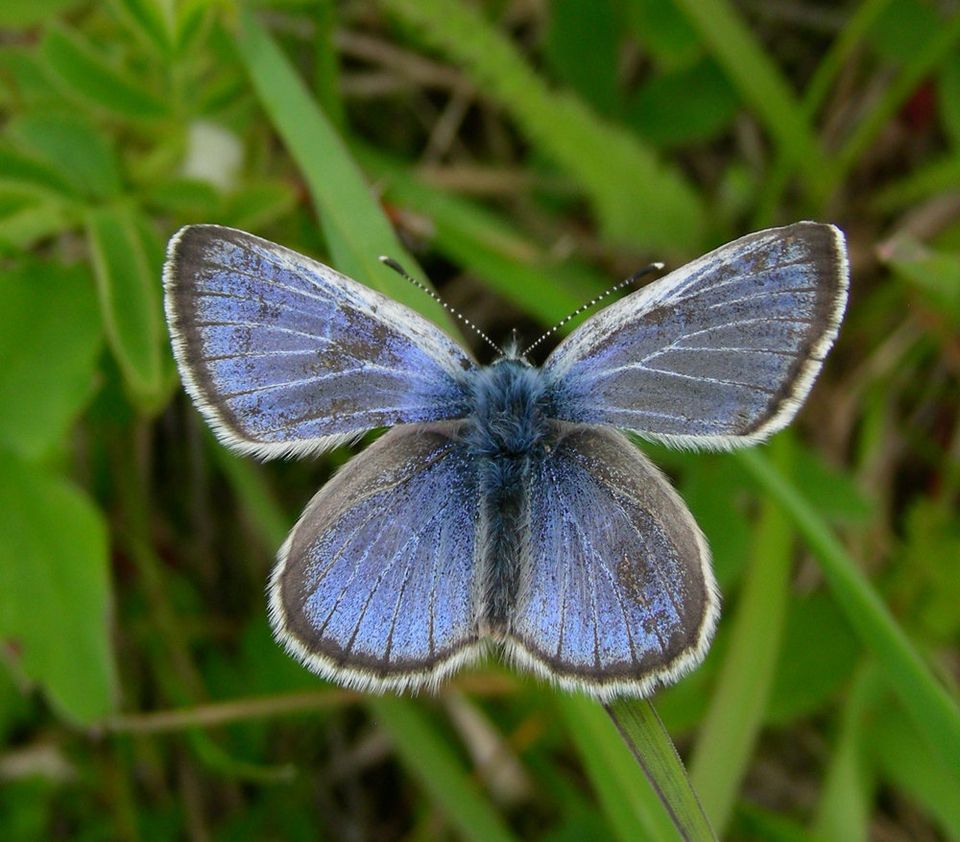
Conversely, dogs can sniff out rare or endangered native plants so that the species can be protected. Rogue is one such dog. The Nature Conservancy writes, “The 4-year-old Belgian sheepdog is part of a Nature Conservancy collaborative project to test the efficacy of using dogs to sniff out the threatened Kincaid’s lupine. The plant is host to the endangered Fender’s blue butterfly, found only in Oregon’s Willamette Valley.”
Surveying for the plant species is difficult work for people. It can only be done when the plant is in bloom so people can visually identify it. However, dogs like Rogue can sniff out the plant even when not in bloom, which can potentially double the length of the field season.
“More refined regional mapping of Kincaid’s lupine could promote the butterfly’s recovery and delisting — and contribute to larger habitat goals and wildlife impacts.”
The trade in rare or endangered wildlife is a lot tougher for traffickers thanks to wildlife detector dogs. Trained to smell anything from tiger parts to ivory to South American rosewood, dogs are used in shipping ports, airports, border crossings and other locations to sniff out smuggled products.
It doesn’t stop there. Trained dogs can lead rangers to armed poachers in the wild, tracking down the culprits over long hours through heat and rain. They can catch poachers in the act, rather than just the products.
“Canine sleuths aren’t limited to the plains of East Africa, either,” reports National Geographic. “In the Democratic Republic of the Congo, bloodhounds are assisting in the fight against poaching in forested Virunga National Park, where the world’s last remaining mountain gorillas live. In South Africa, Weimaraner and Malinois dogs are helping to find wounded animals and track poachers on foot through the reserves around Kruger National Park.”
Dogs are also useful in putting their protective nature to use for endangered species.
Livestock protection dogs are trained to keep predators like cheetahs, lions and leopards safe, which then reduces conflict between ranchers and big cats and minimizes the instances of snaring or retaliatory killing of big cats. Cheetah Conservation Fund has a successful livestock protection dog program, which places Anatolian shepherd and Kangal dogs with ranchers. That not only has significantly reduced the number of livestock killed by predators but is also improving the attitude of local people toward cheetahs.
Sometimes the dogs are put to work guarding the endangered species themselves. One such successful program uses Maremma shepherd dogs to protect colonies of little penguins from foxes.
Karelian bear dogs are trained to keep bears from becoming too comfortable around people. A program by Wind River Bear Institute named Partners-in-Life uses a technique called bear shepherding. This specialized breed of hunting dog is used to scare bears away, and are an important part of the “adverse conditioning” work that keeps bears from becoming habituated. The ultimate goal is to protect bears from becoming habituated, a problem that leads to their being relocated or euthanized.
“Our Wind River Bear Institute mission, with the effective training and use of Karelian Bear Dogs, is to reduce human-caused bear mortality and conflicts worldwide to ensure the continued survival of all species of bears for future generations,” states the program.
This list is only a handful of ways that dogs help us with environmental conservation every day. More and more, we are figuring out new ways to put their skills to work, and more and more the dogs are proving they’re ready for the task!
Editor’s note: This story was originally published in July 2016 and has been updated with more recent information.
ooOOoo
Closing words from that Science ABC piece:
A dog does not care how you look or dress, but if he gets good vibes from your smell, then a dog will love you. The world is truly a better place because of these wonderful creatures that we are lucky enough to welcome into our lives.
Why not make the world smell a bit more beautiful for them?
Belay that!
Closing picture taken from the OregonLive website. A stunning picture of the “Fender’s blue butterfly, found only in Oregon’s Willamette Valley.”


 Learning from Dogs