Yesterday, a visitor to this place left a comment to a post published in September, 2012. Simply, he wrote, “Some food for thought midst all the drivel and crap.” The post was under the heading of The Charles Schulz Philosophy. I had forgotten about it. I thought it would be nice to republish it today (or rather the essence of that post).
ooOOoo
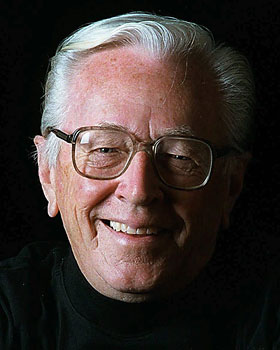
Charles Schulz
The following is the philosophy of Charles Schulz, the creator of the ‘Peanuts’ comic strip.
You don’t have to actually answer the questions. Just ponder on them. It will make very good sense!
Here’s A Little Quiz
You don’t have to actually answer the questions. Just read them straight through, ponder a tad, and you’ll get the point.
Name the five wealthiest people in the world.
Name the last five Heisman trophy winners.
Name the last five winners of the Miss America pageant.
Name ten people who have won the Nobel or Pulitzer Prize.
Name the last half dozen Academy Award winners for best actor and actress.
Name the last decade’s worth of World Series Winners.
How did you do?
The point is, none of us remember the headliners of yesterday. These are no second-rate achievers. They were the best in their fields.
But the applause dies. Awards tarnish over time. Achievements are forgotten and accolades and certificates are buried with their owners.
Here’s another quiz. See how you do on this one:
List a few teachers who aided your journey through school.
Name three friends who have helped you through a difficult time.
Name five people who have taught you something worthwhile.
Think of a few people who have made you feel appreciated and special!
Think of five people you enjoy spending time with.
Did you find that Easier? Of course you did!
So here’s the lesson!
The people who make a difference in your life are not the ones with the most credentials, or the most money…or the most awards…they simply are the ones who care the most.
Recently, she posted a beautiful poem to commemorate the nine years of having Susami in their lives. It is republished here with Bela’s kind permission.
ooOOoo
There is a presence, here
and now; the bellows of breath,
warmth of blood, the feeling,
even if imagined,
that we are connected, one
to the other.
We each have our memories,
after all.
Your passing removes that utterly,
and somehow the same hand
lying on the same fur and flesh
will sense void, not even spirit,
not even that.
One can forgive the athiest,
or even theist their doubts,
props, religions. For this
at least is real:
This. Here. Now.
Tomorrow it will be gone.
And no matter in visions I linger
in the numinous; despite
in the garden I witness the alchemy
of decay transforming
into green and vibrant,
the loss of a loving companion
is egregious, indeed.
ooOOoo
Bela explained how Susami came to them:
This sweet being has been with us only nine years, since she was about 10-12 weeks old. Her previous steward, a multiply-pierced and -tattooed young woman, had to find a home for her. We were on our way to the east coast to deal with some business, and I had taken our good friend Kevin with me to the local feed store to get the horse stocked up on alfalfa pellets (it was during a long drought). I saw the pup with a bandage on her leg before, and asked the gal what was wrong with her. I later learned from the store owner (who thanked me many, many times for giving Susami a good home) that the dog had been severely abused. (She never did tell me specifics, so I was left to wonder.) The young woman tried her best, but there were forces beyond her control in her environment. When I saw Susami again, we had to take her, but how? I asked Kev if he would watch yet one more animal for us while we were gone, and he happily agreed! So she joined our chocolate Lab who we brought with us to Hawaii from northern Maine (a Non-rescue). He was Thrilled to have that little creature’s companionship.
Going to close with the exquisite words from Suzanne Clothier that Dr. Jim Goodbrod used in the foreword to my book:
There is a cycle of love and death that shapes the lives of those who choose to travel in the company of animals. It is a cycle unlike any other. To those who have never lived through its turnings or walked its rocky path, our willingness to give our hearts with full knowledge that they will be broken seems incomprehensible. Only we know how small a price we pay for what we receive. Our grief, no matter how powerful it may be, is an insufficient measure of the joy we have been given.
(Suzanne Clothier: Bones Would Rain from the Sky: Deepening Our Relationships with Dogs.)
Suzanne’s words cannot be bettered when it comes to the death of a beloved dog.
When we let the dogs out last thing on Tuesday evening there was a local pack of coyotes not far from our fence line. Cleo started barking and some of the coyotes responded with their spine-chillingly beautiful howls. The sound really does transport one back thousands of years in a mystical sense.
I started doing some research as to whether we, as in us humans, had studied what the song of the coyote means. I came across The Natural History of the Urban Coyote website and therein was an article called Translating the Song Dog. It’s a fabulously interesting article and I do hope it’s OK to share with you.
ooOOoo
The scientific name for the coyote is Canis latrans, which translates to “barking dog,” a perfect name for this species which has been called the most vocal of North America’s mammals.
Less formally, the coyote is known as the song dog, and one listen to a group howl by a pack of coyotes makes it clear why. Rather than the simple but soul-haunting sound of a wolf’s howl, the coyote’s howl can be made up of high-pitched howls, barks, and yips that make it clear the coyote has a whole lot of lyrics in a single song. But what exactly do those lyrics say?
The coyote has a range of vocalizations depending on social context and message. In 1978, Philip N. Lehner published his research of coyote communication and what the various vocalizations mean, which has been included in Coyotes: Biology, Behavior, and Management.
“The vocal repertoire of the adult coyote contains eleven vocalizations, several of which are also given by pups. These vocalizations grade into one another such that their separation into eleven types is somewhat arbitrary based on their different sounds, behavior context, and physical characteristics.”
In other words, the coyote language is complex and depends on the social situation, the coyote’s body language in addition to the sounds, the intensity of the vocalization, and other factors. This makes sense considering that when one digs a little into hunting forums, some coyote hunters are convinced they know more than eleven calls for coyotes. Indeed, there are likely more vocalizations when one looks at subtleties.
If you have paid close attention the vocalizations of domestic dogs, especially those more talkative breeds, you’ll likely find it easy to decode coyote sounds. There is a lot of overlap in the sounds dogs, coyotes and other canid species make – from a startled huff to a whine of greeting, from an antagonistic growl to a bark of alarm. But coyotes take the language of canids to another level with their extensive list of sounds, especially the yips, howls, and of course their choral group howls.
Though Lehner notes that it’s a bit arbitrary to categorize coyote sounds, we can at least begin to understand them by breaking them down into the types of sounds they make along with their purpose. So he created the following 11 categories, which can also be considered sign-posts on a gradient of meaning and intensity.
Types of Coyote Vocalizations
1. Growl – This vocalization holds no mystery. A growl is used as a threat, specifically for something within close range.
2. Huff – This is the expulsion of air through the nose and mouth, and is also used as a high-intensity threat in close proximity. Huffs are used, for instance, when there’s bickering over carrion.
3. Woof – This vocalization is made as both a low-intensity threat and as an alarm. It’s a sound made when a coyote is startled and unsure of exactly what is happening, but knows it is not comfortable with whatever it is.
4. Bark – The bark is a long-distance threat or alert of low to medium intensity.
5. Bark-Howl – This is when the coyote gets serious about a threat. The bark-howl is used as a long-distance high-intensity threat or alarm. It starts with a bark and blends into a howl.
What is interesting about the bark and the bark-howl is that research suggests that the varying intensity and frequency of barks could contain different information. More recent research by Brian R. Mitchell has shown that coyotes likely identify individuals by their barks and bark-howls.
“By analyzing spectrograms of howls and barks,” writes Mitchell, “I was able to determine that both of these vocalizations do indeed contain individually specific information. Because of the tremendous advantage of being able to determine individual identities, I presume that coyotes use the information in barks to identify individuals they are familiar with.”
“Another interesting aspect of coyote barks and howls,” he continues, “is that howls stably convey information for distances of at least one kilometer. Barks, on the other hand, rapidly attenuated and did not appear suitable for transmitting information. Barks likely serve other purposes, such as attracting information and providing information that listeners could use to estimate distance to the barking animal.”
Barks and bark-howls, then, can serve in saying, “I’m here, and here’s how I’m feeling” and allow listening coyotes to recognize if those individuals are family or strangers. Mitchell underscores that a coyote recognizing an individual by their howl isn’t about the howling coyote shouting his own name again and again; rather it is akin to how we can recognize a family member or friend by the sound of their voice no matter what they’re saying, because of their unique pitch, timbre, cadence and even accent.
6. Whine – This sound is used to express submission and is usually given by a subordinate coyote to a more dominant coyote.
7. Yelp – The yelp takes the whine up a notch and represents high-intensity submission. However, it can also be a response to being startled. As is the case with several other of these vocalizations, this categorization shows that coyote communication is more of a gradient. Lehner writes, “A yi-e-e-e often precedes or follows the yelp portion and resembles a high-frequency bark [and] appears on a sonogram like a short howl chopped into segments.”
8. Woo-oo-wow – This is the “greeting song” of coyotes, and is used during high-intensity greeting displays. The vocalization modulates in frequency and amplitude as a coyote’s motivation shifts, Lehner notes, and so can fluctuate from a whine to a growl.
9. Lone Howl – The lone howl is just what you probably already know it to be: a howl by a single coyote, which is often started with a series of barks that reseracher R. M. Mengel called “herald barks.” As mentioned above, coyotes can distinguish individuals based on their unique howl, and the purpose of the howl is to announce one’s location to others in their social group. Often, the lone howl gets an answer, and the coyotes can find each other to meet up.
10. Group Howl – A group howl is sent up when two or more coyotes come together after being apart, or it could be given as a response to the howls of distant coyotes. It is, according to Lehner, essentially two or more coyotes giving their own lone howls either successively or simultaneously, as a way of giving out location information to any listeners.
11. Group Yip-Howl – This is what coyotes are really known for. The group yip-howl is sent up when coyotes reunite, or just before they separate to go off hunting individually. As more coyotes join in, the more intense the vocalizations become, increasing in frequency and amplitude. Lehner notes that the group yip-howl includes sounds that researcher H. McCarley called screams, gargles and laughs. In other words, the many variations of coyote vocalizations show up in this chorus.
According to Lehner, the group yip-howl probably strengthens social bonds, may help to synchronize mood, and may also reaffirm social status within the pack. He also notes that the group yip-howl “may be most important in announcing territorial occupancy and preventing visual contact between groups of coyotes.”
The chorus tells any nearby coyote packs about whose turf this is, and thus keeps other coyotes away. It also reveals (or hides) how many coyotes are in the area and may help regulate coyote density through reproductive rate. Research has shown that female coyotes will produce larger litters when there is little competition, and smaller litters when there is a high density of coyotes in the habitat. This is one of the secrets to the coyote’s success at spreading across the continent in the last century.
[Note: This is also why indiscriminate killing of coyotes to decrease their density doesn’t work as a management strategy. Coyotes repopulate an area quickly and easily when competition is eliminated, with the population rebounding or even expanding in a very short time. Perhaps a more effective, cost-cutting and non-lethal strategy for reducing the number of coyotes in an area would be playing recorded group yip-howls to make resident coyotes think there is more competition for resources. This is something several researchers have expressed interest in exploring, specifically in order to reduce conflicts with ranchers. If we can discover more about what specific messages are embedded in certain howls or barks, ranchers could play specific recordings to keep coyotes away from livestock as well as minimize the number of coyotes living in an area.]
Mitchell writes, “Group yip-howls are produced by a mated and territorial pair of ‘alpha’ coyotes, with the male howling while the female intersperses her yips, barks, and short howls. ‘Beta’ coyotes (the children of the alpha pair from previous years) and current year pups may join in if they are nearby, or respond with howls of their own. And once one group of coyotes starts howling, chances are that any other alpha pairs nearby will respond in kind, with chorus after chorus of group yip-howls rippling across the miles.”
In Talking to Coyotes with the Song Dog, a pamphlet about using a coyote caller, Major L. Boddicker, Ph.D. brings up a personal experience with such a chain reaction. After sending up what he calls a “Joy of Life Call” which is a group yip-howl, “It sounded like every coyote in the USA responded in the musical see-saw coyote chant which went on and on for 3-5 minutes. I later called a friend in Steamboat Springs, Colorado (150 miles away) to check for the time when the coyotes started to sing there. Given the time it took sound to travel and coyotes to react, I very likely started the chorus.” Whether or not the chorus traveled that far, it is indeed possible to start a chain of coyotes sending up group yip-howls.
Boddicker discusses Lehner’s list of vocalizations in his pamphlet, and brings in two more vocalizations that he or experienced coyote callers have heard. He notes that these my fall into the umbrella categories identified by Lehner, but are distinct enough to point out anyway. They are:
Whoop – This sound is used as part of more complex sounds such as the group howl or group yip-howls.
Yodel – This is when a howl tapers up and ends abruptly, rather than tapering down in a typical howl, which gives the howl a sound like the coyote is asking a question. Boddicker notes that this happens when coyotes howl for an unusual reason such as for a lost family member.
How Many Coyotes Are Howling?
“When people hear coyote howls, they often mistakenly assume that they’re hearing a large pack of animals, all raising their voices at once,” writes Mitchell. “But this is an auditory illusion called the ‘beau geste’ effect.”
Coyotes howl both to reunite and to keep trespassers at bay. It may be in their favor that if they howl, they sound like a bigger pack than they really are. They accomplish complicated and confusing howls by a smart strategy of using wavering howls and changing their pitch rapidly. This, combined with the howls bouncing off objects in the environment such as rocks, trees, or the far side of a valley may make it hard for a listener to know if they are hearing one coyote or several howling simultaneously.
When two or three coyotes howl together, they can sound like a pack of six or ten or more, which perhaps makes them seem much more formidable to any nearby competitors or predators.
Coyotes May Have Local Accents
We know that coyotes vary in size and build depending on their location, as the difference between western and eastern coyotes clearly demonstrates. Does their location also mean they have accents? We know that other species with complex communication such as whales have different accents, so it makes sense that coyotes may also have regional accents. And does that affect how they might interpret or respond to strangers?
Sara Waller, associate professor of philosophy at Montana State University in Bozeman, told the Bozman Gazette, “We know that dogs have ‘accents’ just as people do — we can reliably tell the difference between British dog barks and American dog barks. When we have enough recordings to really compare Eastern and Western coyotes, we may find that like dogs, and people, they have regionally based differences in the way they communicate with each other. This would show that coyote vocalizations are impacted by social and environmental factors just as human speech is.”
What Can Coyotes Teach Us About Language?
There is still so much to learn about what coyotes are saying through their complex and varied vocalizations. The more we learn about the way coyotes communicate as social predators, the more we can learn about not just their species, but our own as well.
Coyotes can sense things we humans can’t, and Waller questions, “How does that impact the way they think? They are social, communicative predators, and so are very like humans in many ways. If we could figure out what some of these vocalizations mean, it would give us insight into how our own language works, and how human minds differ from those of other social predators.”
Examples of Coyote Vocalizations
In the video below, two coyotes give barks and bark-howls as an alarm against the person recording the video:
The person who uploaded this video notes that the coyotes had been hanging around a lot and ventured a guess that is because her dog was in heat. However, the date on the video is in late May, which is about the time when coyote pups are emerging from the den and becoming active around the den site. So it is possible that these are the parents and/or helper coyote keeping a watch on the person taking a video and giving alarm, warning them away from a nearby den.
In the video below, coyotes send up a group yip-howl. Note that the howls do not begin with a bark, like the previous video. As Lehner notes, the group yip-howl starts usually with the dominant individual of the pack. That seems to happen here as the coyote in the video joins in after another coyote begins the howl:
The video below is a coyote group yip-howl, likely started with reunion of group members, and includes yips, whines and other vocalizations on the coyote-sounds spectrum as the members interact. There is so much great behavior and body language captured in this video, showing the group dynamics of submissive members with more dominant members of the pack:
And that beautiful photograph of the howling coyote at the start of today’s post? That came from this website that also included the following that I will use to close this post.
“when the end comes there will be coyotes and coach roaches left in the world and the coyote will eat the coach roach and that will be that!” Some say that “Cher” will still be on tour though.
Whether you’re on board with celebrating a “traditional” Valentine’s Day this year—chocolates, cards, romance—or not, this year should be the year we also show some extra love to the animals in our lives. Whether we focus on our own companion animals or forgotten creatures out there in the world who also need compassion, this Valentine’s Day could be the start of a new tradition. Here are a few ideas to really bring the love to our furry and feathered friends this year:
1. Plan a trip to an animal sanctuary
Animal sanctuaries are wonderful places to visit solo, with your partner or with the kids. Most, if not all, states have at least one farmed animal sanctuary where pigs, cows, goats, chickens, geese, horses and many others have found a permanent home after being rescued on the way to slaughter or from their terrifying lives in the animal industries. There are few ways to connect with an animal and appreciate all they have been through in their lives that shine brighter than spending time petting a goat or cuddling a pig.
There are also other types of sanctuaries open to the public with different types of animals to behold, such as bats, tortoises, exotic birds, wolves and wild cats. The difference between reputable and respectable animal sanctuaries and zoos is, in many cases, the dedication to the animals’ needs. Some zoos may have great conservation programs, yet any profit-driven establishment who puts animals on display in unnatural living environments and social groupings does not have the animals’ true interests at heart. Sanctuaries strive toward giving the animals the best lives they can have—public observation is not at the heart of the matter. By supporting reputable animal sanctuaries, you are showing immense love and compassion to animals.
2. Dine on a meatless meal
To have a truly animal-friendly Valentine’s Day, don’t serve any of them on your plate! By choosing to dine on a plant-based meal full of fresh vegetables, hearty legumes, sweet fruits, wholesome grains and satisfying nuts and seeds, you are showing the animals the utmost respect. Try these Valentine’s recipe ideas, ethical wine suggestions and delicious vegan chocolate truffles for the big day! And, if you are interested in reducing the amount of animal products you consume beyond V-Day, visit the Meatless Monday website to learn how to tip the scales gradually toward regular vegan meals.
3. Reach out to an animal in need
Do you have a friend who could use a dogsitter for an upcoming trip? Does your local animal shelter or adoption agency need an extra hand with walking the dogs, cleaning cages and spending time with furry friends? Have you spoiled your own companion critter lately with a new toy, extra play time or some homemade treats? Valentine’s Day is the perfect time to extend our love to our own companion animals and to those around us who also need a little extra love. The rewards from reaching out to a pet in need are tenfold what we expend putting forth the effort. Use this February as an excuse to spend more time with some critters!
This dog is serious about keeping the title of ‘man’s best friend.’ (Photo: Best Friends Animal Society)
Dogs have lived alongside us for thousands of years, earning the reputation as “man’s best friend” for good reason. But while some people may be quick to dismiss a dog’s devotion as simply a relationship based on need, experts say that’s just not true.
“Dogs have developed the strongest ability of all animals on Earth to form affectionate bonds with humans,” says Dr. Frank McMillan D.V.M., director of well-being studies at Best Friends Animal Society, an organization helping adopters find loving companions. “Dogs don’t just love us — they need us, but not just for food and physical care. They need us emotionally. This is why the attachment bond a dog feels for his human is one of deep devotion and is, as has been often stated, unconditional.”
But how exactly does a dog say, “I love you”? Read on to find out.
Your dog wants to be close to you.
If your dog is always in your lap, leaning against you or following you room to room, it’s clear your pooch is attached to you.
“A dog’s affection is most evident in their desire to be physically close to you. This can sometimes appear to be a clinginess, and it isn’t always easy to distinguish healthy positive clinginess from insecurity, but in both cases your dog is deeply attached to you,” McMillan says.
Your dog gazes into your eyes.
When you and your pup share a long look, your dog is “hugging you with his eyes,” according to Brian Hare, a professor at Duke University who studies canine cognition, and research shows that this “hug” has a profound effect on both man and animal.
When scientists at Japan’s Azabu University took urine samples from dogs and their owners before and after 30 minutes of interacting, they found that the pairs that spent the most time gazing into each others’ eyes showed significantly higher levels of the hormone oxytocin, the same hormonal response that bonds us to human infants. “It’s an incredible finding that suggests that dogs have hijacked the human bonding system,” Hare told Science.
Loving glances like this can say a lot. (Photo: Best Friends Animal Society)
Your dog excitedly greets you.
Does your pup jump up, wag his tail and barely seem able to contain his excitement when you arrive home? If so, that’s a sure sign of affection.
“This becomes even more obvious when your dog learns, like Pavlov’s dogs, that some sound signals your upcoming arrival, like the garage opener or sound of your car, and they show excitement upon hearing that sound,” McMillan says.
Your dog sleeps with you.
Dogs are pack animals that often huddle together at night for warmth and protection, so when your dog snuggles up with you, it means he considers you to be part of the family. And these canine cuddles may even help you get a better night’s sleep.
You are your dog’s safe haven.
“Much affection in animals and humans is based on how much you can be relied on as a source of comfort and support in scary situations,” McMillan says. “If your dog seeks your comfort during thunderstorms, car rides, vet visits or other frightening occurrences, then you are seeing another aspect of her attachment bond to you.”
Your dog ‘reads’ you and reacts accordingly.
A close bond with your dog may enable him to sense your mood and respond with affection. “Many dogs who sense that you are upset or not feeling well will demonstrate their affection by spending even more time by your side. They might give you licks or rest their head or paws on some part of your body,” McMillan says.
A cuddly canine can make the day a little better. (Photo: Brian Goodman/Shutterstock)
Your dog yawns when you yawn.
If you’ve ever yawned after witnessing another person’s yawn, you’re aware how contagious the act can be. This contagious yawning is unique to only a few species, and man’s best friend is one of them.
Researchers have even found that not only are dogs more likely to yawn after watching familiar people yawn, but also that dogs will yawn when hearing only the sound of a loved one’s yawn. So if your canine companion yawns in response to your yawns, odds are good that his affection for you enables him to empathize with you.
Your dog focuses on you.
It’s not unusual for dogs to delight in positive attention from virtually anyone, but just because your pooch loves on everyone, doesn’t mean he doesn’t love you most. Pay attention to how your dog acts when in a room full of people. If he stays focused on you or ignores others while awaiting your return, you know you hold a special place in your dog’s heart.
Your dog forgives you.
“Part of the affectionate feelings your dog has for you shows up in their willingness to forgive you for things you do that make them feel bad, such as raising your voice, or misplacing your frustration on your dog by ignoring them,” McMillan says. “Forgiveness is your dog’s attempt to maintain the loving bond they share with you.”
However, even if your canine best friend doesn’t show affection in these ways, it certainly doesn’t mean your pooch doesn’t love you. Just as some people can care deeply without expressing their feelings, so can your pup.
“Be sure not to go through the list above and think that because your dog shows very few or even none of these things, he or she doesn’t love you. Odds are, love is very much there. After all, we’re talking about a dog here,” McMillan says.
And how can you show your dog some love? Engage in playtime, take a long walk, bake some yummy dog treats, or give your pup a homemade toy. Above all, McMillan says the best thing you can do is simply give your dog more of you because that’s what man’s best friend wants most of all.
ooOOoo
Finally, enjoy this fabulous video. (Thanks Sue Dreamwalker)
Published on Oct 20, 2014
As humans animals can be also friends. If animals live together they became often friends. Friendship between different species can be cold as unlikely animals friendship. In this you can see friendship between dogs and cats, Lion tiger and bear friends, Baby Chick and Chihuahua best friends, cat and own friendship etc.
So many loving relationships! So many lessons for us to learn from our dogs!
The way we can reach out to others in these modern times.
A fellow local author, Constance Frankland, who has been mentioned previously here on Learning from Dogs followed up last Sunday’s Picture Parade with a comment on my Facebook page:
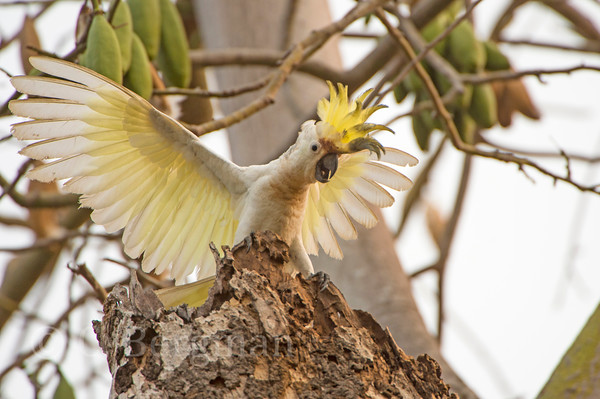
You might enjoy the site of Dr. Charles Bergman. I was privileged to take writing classes from him when his features were just breaking into Audubon and National Geographic. He was researching the thought-to-be-extinct Trumpeter Swan when survivors were found. (“Wild Echoes: Encounters With the Most Endangered Animals”) http://www.charlesbergman.com/
It was then the matter of a moment to hop across to that website address and read this on the home page:
Charles Bergman
A writer, photographer and speaker who lives in the beautiful Pacific Northwest and is a prof at Pacific Lutheran University in Tacoma, Washington.
He’s twice been a Fulbright Scholar in Latin America–Mexico and Ecuador–traveled extensively around the world, especially in Latin America from Mexico to Tierra del Fuego. He writes and publishes extensively on animals, nature, and sustainability–with many cover stories in such magazines as Smithsonian, Audubon, All Animals (Humane Society),, Defenders, and many more. His photographs accompany his articles. He has written three books, and has won the Washington State Book Award, Southwest Book Award, and the Benjamin Franklin Book Award. He was a finalist for the PEN USA Literary Award.
He loves animals and wildlife of all kinds, and has developed a new-found love for Antarctica and Africa.
There seemed to be many interesting articles & essays on his site and despite the fact that Mr. Bergman is currently in Uganda, his reply to my request for permission to republish some of his posts came through promptly:
Greetings from Uganda! I’m here working in the Uganda Wildlife Education Center, back shortly. Yes, you may certainly republish my materials. I’ll be very interested to follow the process.
Warmly,
Charles Bergman
You can count on me picking out some of Professor Bergman’s writings to share with you soon.
This reaching to others, friends and strangers, is a wonderful aspect of present times.
Yesterday, a wonderful number of readers ‘Liked’ my set of photographs on the theme of being a wildlife photographer. Thus it was providential, when deliberating on what to write for today’s post, to see that George Monbiot had published an article covering his recent interview with Sir David.
Before republishing that interview, let’s take a look at the man; Sir David that is!
Wikipedia has a comprehensive and fulsome description of him, that opens, thus:
He is best known for writing and presenting the nine Life series, in conjunction with the BBC Natural History Unit, which collectively form a comprehensive survey of animal and plant life on the planet. He is also a former senior manager at the BBC, having served as controller of BBC Two and director of programming for BBC Television in the 1960s and 1970s. He is the only person to have won BAFTAs for programmes in each of black and white, colour, HD, and 3D.
From across YouTube, Twitter and Facebook, we’ve taken your comments during #AttenboroughWeek and made this video as a thank you to everyone who got involved. Click on the annotations to see each of the clips in full.
Now on to the George Monbiot interview, republished here with Mr. Monbiot’s kind and generous permission.
ooOOoo
Rare Specimen
23rd January 2016
My interview, in his 90th year, with Sir David Attenborough
By George Monbiot, published in the Guardian 23rd January 2016
You cannot meet David Attenborough without reflecting on the lottery of life. He bounces into the room unaccompanied, a little stiff in the lower back perhaps, but otherwise breezy and lithe. He is sound in wind and limb, vision and hearing, his eyes sparkle, his face is scarcely rumpled by time. Yet in three months he will celebrate his 90th birthday.
While other people’s worlds tend to shrink with age, his seems to expand. His curiousity ranges as widely as ever. His ability to understand and assimilate new information seems unabated. “Oh, I forget things,” he claims. When I press him for examples, he tells me, “Well, where I put my glasses, I had them about three minutes ago and they have simply evaporated, they’ve dematerialised. Oh yeah, and I forget engagements.”
But these, surely, are afflictions suffered by anyone immersed in the world of ideas. He has no diffulty remembering the things that fascinate him. When I ask him about his new project, his body bundles up with excitement.
“Luminous earthworms! Did you know about luminous earthworms? Aaah, aaah, yes, very interesting. I’m doing a thing on bioluminescence … and with a little research we discovered that there are earthworms in France that are luminous – in the earth! Why? Yes, why?! Well at the moment I am just thinking about it. As you well know there’s a gene for luminosity and it’s very widespread, and so you would like to suppose that it has some antiquity. So maybe luminosity was a by-product of digestive processes or energy processes or something.
“And if it is, the exciting thing is – what about all those graptolites, what if they were luminous?! In which case, now you suddenly realise that trilobites have bloody good eyes, so maybe they were there too! Wow!” (Graptolites and trilobites are long-extinct marine animals).
I mention his latest film, which will air on Sunday, about the excavation and reconstruction of the skeletons of Titanosaurs, the biggest terrestrial animals known to have walked the Earth. Why, I ask, do dinosaurs exert such a grip, especially on the minds of children?
“Partly because nearly all the adults have got it wrong. It’s one of the easiest subjects for a kid – or it was when I was a kid – for you to expose your parents, because you had just read the new cigarette card and there was a name there, a polysyllabic name, your parents had never heard of.”
And there he still was, I realised, the boy with his cigarette cards, his excitement about creatures that lived many millions of years ago undimmed by the passage of mere decades.
So this is what must have happened. On one of his early expeditions through a remote tract of rainforest, he stumbled across the elixir of life. He has been hoarding it ever since and surreptitiously sipping a little every day. Either that, or he is simply the luckiest man alive: fit, bright, relevant, in love with life, the last man standing.
He has the decency to be aware of his luck. “People sitting in corners doing nothing aren’t there because they want to sit in the corner doing nothing. They would much rather be doing [things]. And I am lucky enough to be able to do them. It would be very ungrateful to have that facility and not use it.” He has, of course, no intention of retiring.
There is only one lifeform he is reluctant to discuss, the scientific curiosity known as Sir David Attenborough. He created a powerful sense, when talking, of intimacy and candour, leaning in, holding my gaze, twinkling and gurning, speaking in his confidential whisper. But when I came to read the transcript of our interview I found that what had felt like frank confession was nothing of the kind. What he said with his body bore no relation to what he said with his words.
I pressed him several times on an issue with which I have long been struggling. How do those of us who love the natural world cope with its loss? He must have seen more than his fair share of devastation.
“Oh yes, of course. You go to Borneo and see oil palms everywhere where there was forest. You see people everywhere where there weren’t people.”
“And how does it affect you, seeing those changes?”
“Well you feel apprehensive for the future, of course you do.”
“So how do you cope?”
“I don’t have a rosy view of life, of the future, I look at my grandchildren and think ‘what are they going to have to deal with?’, of course I do. How could you not?”
But what about the emotional impact? Does he not get depressed? Does he have a mechanism for avoiding depression? He answered by bouncing the issue onto someone else.
“I once asked exactly the same question of Peter Scott [the great British conservationist, who died in 1989]. And he said, ‘Well you can only do what you can do.’ So what I do is what I can, but I wish to goodness I had done a tenth of what Peter did.”
While his self-deprecation is charming, it also seems defensive. I pictured those two quintessentially English men stroking their chins and repeating “you can only do what you can do” to each other, and thought of a scene in Monty Python’s The Meaning of Life. An army captain pays a call on one of his men, who is lying in bed, nonchalently reading a book. “What’s all the trouble, then?”. “Bitten, sir. During the night”. “Hmm. Whole leg gone, eh … Any idea how it happened?”. “None whatsoever. Complete mystery to me. Woke up just now, one sock too many.” Monty Python made their television debut on BBC2, commissioned by the controller at the time, a certain David Attenborough.
When talking in general terms, he uses the word “I”. When asked to talk about his feelings, he says “you”. Some of this is perhaps generational: it was once considered vulgar to discuss such matters. But perhaps his great fame has also obliged him to develop a carapace. I asked whether his public life has blurred the boundaries of his private self.
“There has always been the private and the public thing in you, in everybody”, he replies. “You are different things to different people, to your children, to your television producer.”
Can he go anywhere in public without being mobbed?
“I have to confess the ubiquity of the selfie is, er – On occasion when they say ‘do you mind’, I say ‘well, I am off duty at the moment’, and they say ‘oh are you?’, by which time I’m three yards down the road. But I do have to remember that they are the people who … listen to me, you know, and so you try not to be rude.”
I asked him if he ever gets lonely. His wife, Jane Oriel, died almost 20 years ago.
“Hmm? Oh. My daughter lives in the same house as me now and has done for many years. So once a day I see her, she runs my business affairs and, you know, I’m very lucky.”
He is just as discreet about the politics surrounding his work. On the day I met him, the controller of BBC2 and BBC4, Kim Shillinglaw, lost her post. He was plainly delighted, chuckling and winking and grinning when he asked me whether I had read that morning’s news. But he was careful to say nothing quotable. Television producers I know expressed intense frustration at her instant and unexplained dismissal of programmes they proposed on environmental themes.
But the problem, as I perceive it, is much wider than that: has there not been a systemic failure by television to cover the great crisis of our age: the gradual collapse of the Earth’s living systems?
“I am absolutely certain that the general public at large is more aware of the natural world than it was even before the industrial revolution,” he replies, “and that people are well informed about not only what the world contains but the processes that go on. Television has made a contribution to that. … I greatly regret the fact that there are no or very few regular – ”
He stops himself, and plunges into a more general discussion of scheduling. Surely, I persist, there’s a real problem here? Entire years have passed without a single substantial programme on environmental issues.
“Well,” he says, more crisply than at any other time in the interview, “you’ll have to take that up with the controllers.”
I suggest that his own interest in the state of the world appears to have intensified in recent years.
“That’s not an interest. I wish I didn’t have it. I wish there was no need to have it. It’s not an interest, it’s an obligation.”
But he has surely been more prominent as an environmental voice in the past twenty years than he was before?
“Well yeah, and that is very simple in that I have been in the BBC all my working life, practically, and you knew very well … that if you said something, just because you are on the damn box people thought it was true and you’d better be bloody well sure that it is true.”
(I used to curse this reticence, willing him to get off the fence and denounce the destruction of all he loved.)
He explains that his views on climate change crystallised when he attended a lecture – he could tell me when it was if he had his diary to hand – by the president of the US National Academy of Sciences, Ralph Cicerone. After that, he made two programmes, called Are We Changing Planet Earth? and Can We Save Planet Earth?
Attenborough is not just a master of the art of television, but also one of the medium’s pioneers, producing programmes almost from its launch in this country, and guiding the development of some of its treasured strands, first as controller of BBC2 (from 1965 to 1969), and then as the BBC’s director of programmes (until 1973). Has he helped to create a monster?
“Well it depends how you define a monster. And are all monsters malign?”
Has it not encouraged us to be more sedentary, I ask: to spend less time engaging with the world about us? He laughs and winks: “And we gave up sitting in pubs for three or four hours a day! How awful!”. Would he lay any ills at the door of television? “Oh yes, of course. Adipose tissue.” Anything else? “What you might call visual chewing gum, in that it stops you thinking about anything else. But then I feel that about music. I mean I cannot understand how people want to go round with -” he mimes a pair of headphones and shifts the conversation onto a safer subject.
I was packing my things after saying goodbye when suddenly he sprang back into the room, this time wearing his glasses and holding a small leather filofax. “I’ve found the details of that lecture by Ralph Cicerone. I thought you’d want to know.” He showed me the address and the date: 2004. The old scientific habit – record your facts, check your facts – had not deserted him. As I marvelled at his recollection that he had left something hanging, and his determination to resolve it, this remarkable specimen of life on earth skipped away to his next appointment.
So let me continue on a little more by offering a short clip of Sir David as millions will have seen him from the wonderful animal partnerships BBC series.
Then it’s only natural for this blog to offer this item:
Then I am going to close today’s post by presenting a video that was first shown in this place back in September 2012.
If you need a reminder of how beautiful our planet is (and I’m sure the majority of LfD readers don’t require that reminder) then go back and watch David Attenborough’s video and voice-over to the song What a Wonderful World. This short but very compelling video shows why the planet is so worth protecting. Enjoy!
So make a diary note to celebrate Sir David’s 90th birthday on May 8th.
I was looking up stories on German Shepherds, a breed we just adore, and quite by chance came across a lovely follow-up to my post last Tuesday Dogs and Dolphins.
Published on Mar 9, 2012
This is a video of a German Shepherd jumping in on some dolphins while we were underway in our boat. I guess he wanted to play with the dolphins lol
Thanks for watching
After that video had come to an end, YouTube then automatically went on to this one:
(The soundtrack quality is poor but, nevertheless, it was been viewed over six million times!)
We never planned to come and live in Southern Oregon. It was the result of a bizarre dream about our well running dry when we were living back in Payson, Arizona. Someone who was staying with us at the time, upon hearing about my strange dream, responded: “If you’re worried about water go and live in Oregon.”
So we did!
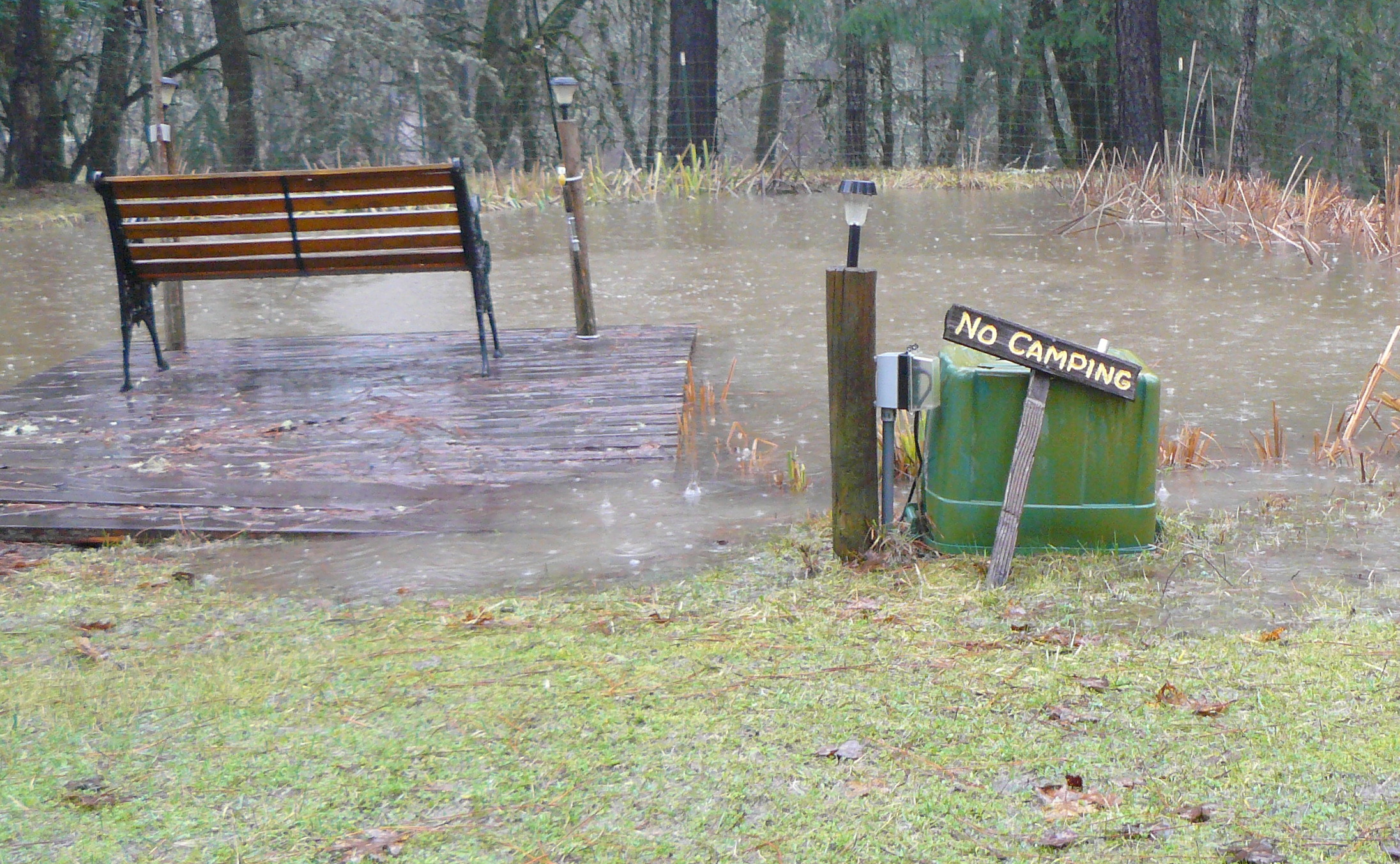
At the time of writing this post (2pm yesterday) our weather station that we have at home had recorded a total of 7.78 inches of rain for January that brought the total for December and January to 25.66 inches. Two days ago we had 2.48 inches in a single day, as these photographs bear out.
Not even 11am and already 1.8 inches has fallen since midnight.
oooo
A very wet landscape.
oooo
Bummer Creek in full flow (the central pier is from a previous bridge.)
Anyway, all this is a preface to a lovely item about living in Oregon that was sent to me by Janet, a neighbour of ours.
ooOOoo
If someone in a Home Depot store offers you assistance and they don’t work there, you live in Oregon.
If you’ve worn shorts, sandals and a parka at the same time, you live in Oregon.
If you’ve had a lengthy telephone conversation with someone who dialed the wrong number, you live in Oregon.
If you measure distance in hours, you live in Oregon.
If you know several people who have hit a deer more than once, you live in Oregon.
If you have switched from ‘heat’ to ‘A/C’ and back again in the same day, you live in Oregon.
If you install security lights on your house and garage but leave both doors unlocked, you live in Oregon.
If you can drive 75 mph through 2 feet of snow during a raging blizzard without flinching, you live in Central, Southern or Eastern Oregon.
If you design your kid’s Halloween costume to fit over 2 layers of clothes or under a raincoat, you live in Oregon.
If driving is better in the winter because the potholes are filled with snow and ice, you live in Oregon.
If you know all 4 seasons: almost winter, winter, still winter, and road construction, you live in Oregon.
If you feel guilty throwing aluminum cans or paper in the trash, you live in Oregon.
If you know more than 10 ways to order coffee, you live in Oregon.
If you know more people who own boats than air conditioners, you live in Oregon.
If you stand on a deserted corner in the rain waiting for the “Walk” signal, you live in Oregon.
If you consider that if it has no snow or has not recently erupted, it is not a real mountain, you live in Oregon.
If you can taste the difference between Starbucks, Seattle’s Best, and Dutch Bros, you live in Oregon.
If you know the difference between Chinook, Coho and Sockeye salmon, you live in Oregon.
If you know how to pronounce Sequim, Puyallup, Clatskanie, Issaquah, Oregon, Umpqua, Yakima and Willamette, you live in Oregon.
If you consider swimming an indoor sport, you live in Oregon.
If you know that Boring is a city and not just a feeling, you live in Oregon.
If you can tell the difference between Japanese, Chinese and Thai food, you live in Oregon.
If you never go camping without waterproof matches and a poncho, you live in Oregon.
If you have actually used your mountain bike on a mountain, you live in Oregon.
If you think people who use umbrellas are either wimps or tourists, you live in Oregon.
If you buy new sunglasses every year, because you cannot find the old ones after such a long time, you live in Oregon.
If you actually understand these jokes and forward them to all your OREGON friends, you live or have lived in Oregon.
ooOOoo
Picking up that point about never go camping without waterproof matches and a poncho, let me close today’s post by returning to Oregon rain. Or more accurately, to a photograph that I took back last Sunday over at our neighbour’s property.
Then the second is a video that was brought to my attention thanks to Neil in South Devon. As Neil so rightly said, “Leaving aside the captions it’s quite moving….”. (And, trust me, believers and non-believers alike, you are going to weep from start to finish, just as Jean and I did!)
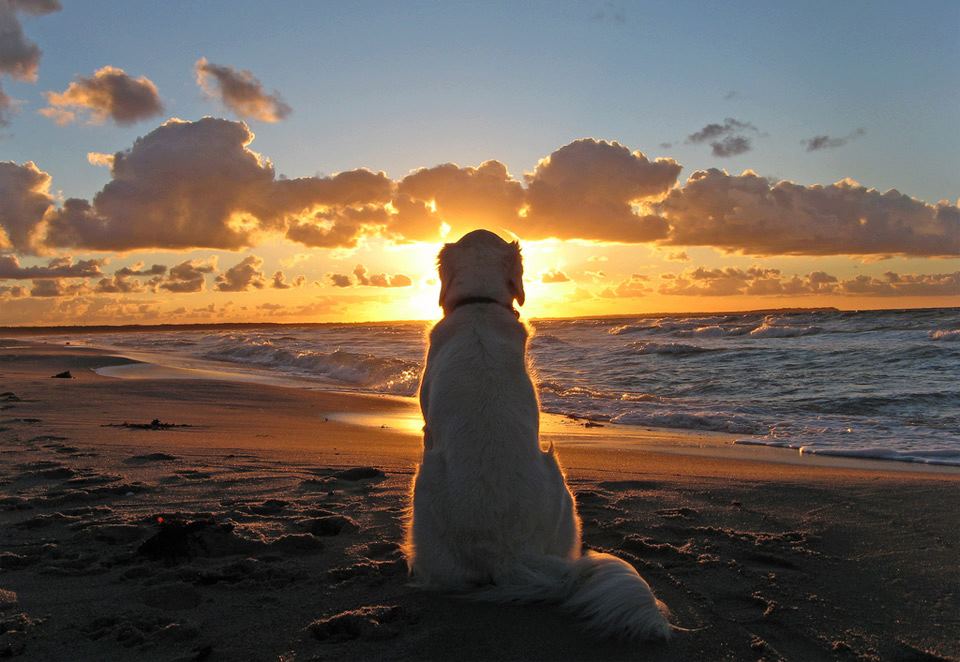
In a world where so much is so utterly screwed up it is the most blissful miracle that we have our dogs!
 Here’s A Little Quiz
 Here’s another quiz. See how you do on this one:
 ooOOoo




 Learning from Dogs