Category: Musings

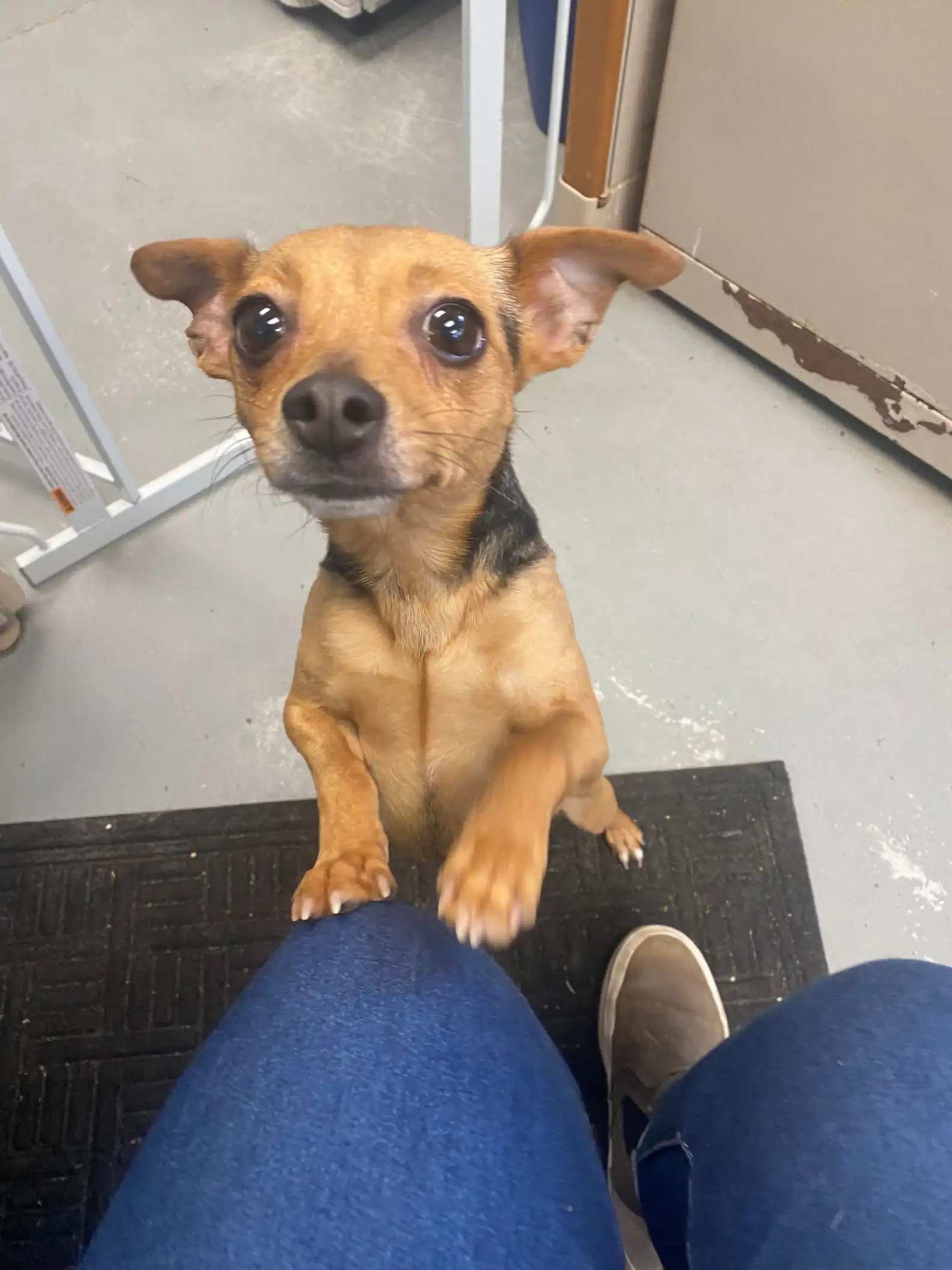
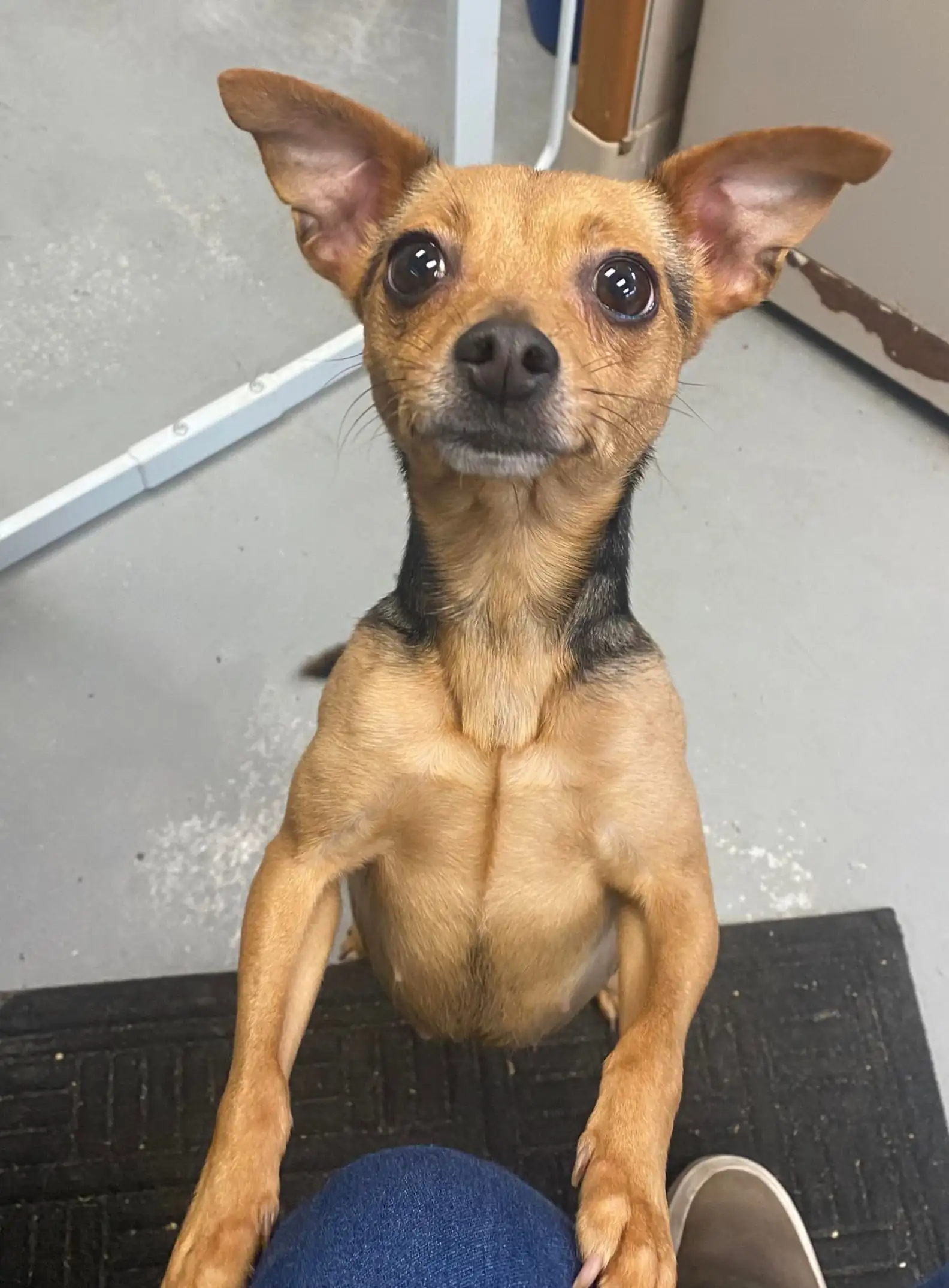
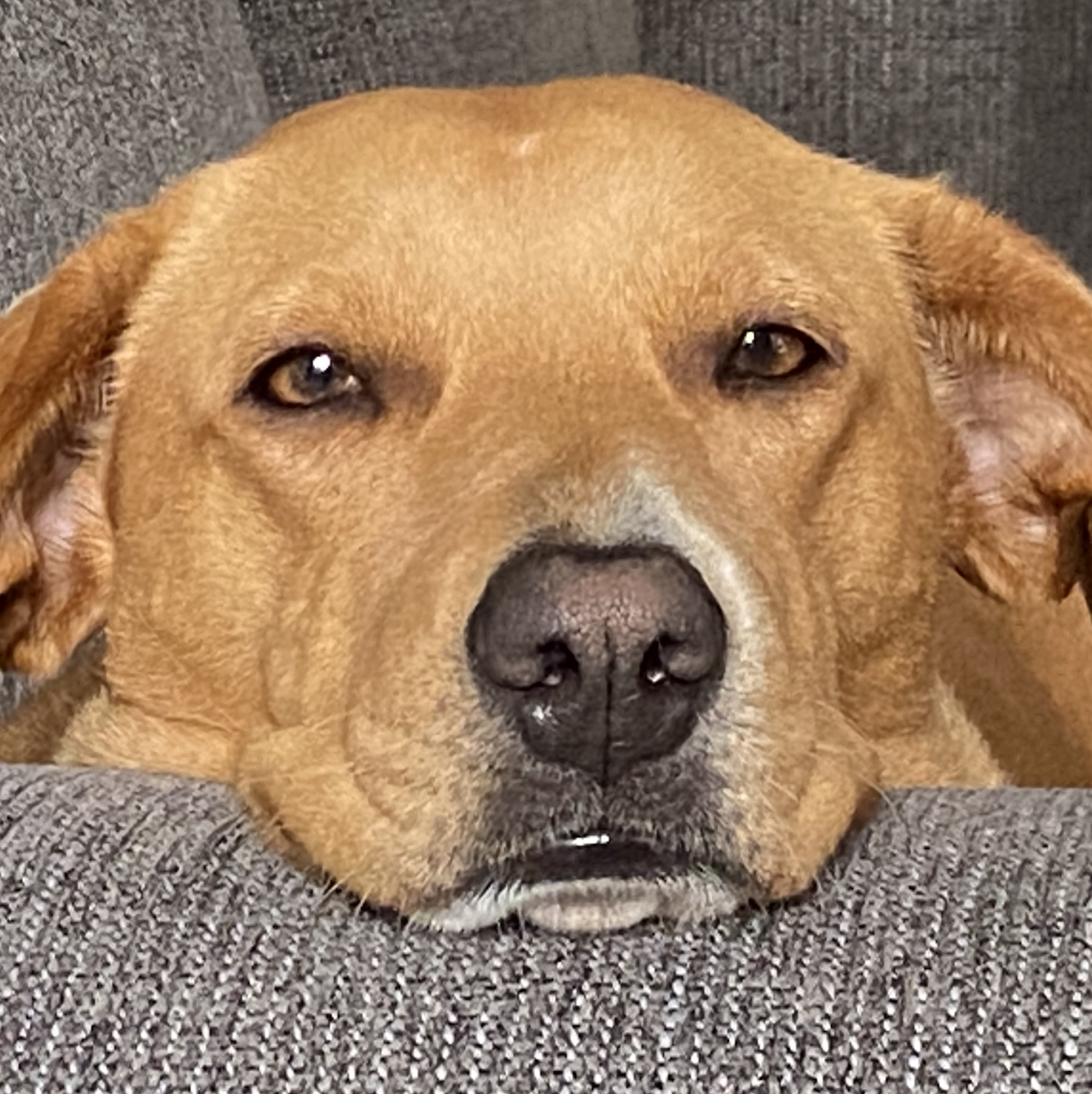
A dog in an Arizona desert

For the last day in February, a wonderful story!

This is a post taken directly from The Dodo. It was published by The Dodo on the 8th February this year so it is very current.

ooOOoo

Sisters Driving Through Desert Spot A Lost Dog With Something Stuck To His Side

“He growled at us at first …”

By Caitlin Jill Anders, Published on February 8th, 2024

Vanessa Keating, Theresa Burge and Aubrey Metropulos, a group of full-time RVers and Vanlifers, were wandering around Bulldog Canyon in Arizona one day, looking for a specific type of cactus. They weren’t far from their campsite when they spotted someone tiny and furry, and quickly realized it was a dog out in the desert all alone.

They immediately knew they couldn’t leave the pup out there by himself and began the process of trying to win him over. Thankfully, it didn’t end up taking very long. The sweet dog was more than ready to be rescued.

“He growled at us at first and took some convincing to come over,” Keating told The Dodo. “It only took a few minutes for him to come up to my sister, Theresa, first, but he was still nervous. We quickly realized he had a cholla cactus stuck to the side of him, and once she pulled it off, he warmed up and got excited. So many kisses, and he even had the zoomies!”

Vanessa Keating

Once the cactus was safely removed from his fur, the lost dog felt so much better and jumped for joy that he’d finally be found. His new friends gave him all the cuddles he’d been missing and started asking around their campsite about him, trying to find his family. Unfortunately, they didn’t have any luck, but they refused to stop trying.

Vanessa Keating

The next day, they took the lost dog to get scanned for a microchip and were overjoyed when they discovered he had one. They got in touch with his dad, who told them the pup’s name was Echo, and quickly made arrangements for a long-awaited reunion.

“The reunion was amazing,” Keating said. “Lots of tears. He thought Echo had been eaten by a coyote and was giving up hope … He was so grateful and relieved.”

Echo had only been lost in the desert for a few days before he was found, thankfully, and he was so excited once he was back in his dad’s arms. He knew once the three women found him that they would be the ones to get him back home safely, and he was right.

ooOOoo

Echo is a lucky dog and being reunited with his Dad must have been magical. But then again, the three women that stopped to gain the attention of this lost dog, and then cuddled him and gave him perfect love are really special

So here’s to Vanessa, Theresa, and Aubrey. Well done all three of you.

Keep it Simple – Live the Dream

A guest post from a friend of many years!

Bob Derham is someone I met many years ago, when I was living on my yacht in Larnaca, Cyprus, and I can do no better than to repeat what I wrote in my autobiography.

ooOOoo

I negotiated what I thought was a good deal and sold the company. Inevitably I resigned from what was now not my company; it was the end of November in the year of 1988.

In Tollesbury, I had my annual tax returns done by Peter Michael, also living in the village. Peter was an accountant who also taught accountancy at the nearby Essex University. I saw Peter and we discussed the recent agreement for the sale of the business.

“Paul, there is not a lot you can do, to be honest. You will be liable in broad terms for the tax in the difference between the opening price and the closing price. In your case the opening price was near enough zero and the closing price…” Peter did not need to finish the sentence. I got the picture and stood up to leave. Just has I was going out of the room, Peter added: “Unless you can leave the country before April 15th next year, and stay away for a minimum of four tax years. In other words, leave before April 15th, 1989.”

I walked home from Peter Michael’s house that November, 1988 with the advice I had been given ringing in my ears. I would worry about the tax implications in a day or two. But once again fate intervened.

I was a subscriber to the boating magazine Practical Boat Owner (PBO). In a late 1988 issue I read in the classifieds:

Songbird of Kent – Tradewind 33

Great opportunity to purchase a long-distance ocean yacht designed by John Rock for sea-kindly short-handed sailing.

Well kitted out, continually updated and maintained Songbird of Kent is the yacht for you if you dream of blue waters and serious long distance cruising.

Lying Larnaca, Cyprus.

I knew about Tradewind yachts, was familiar with John Rock. (As the designer of Tradewind yachts he had been featured several times in Practical Boat Owner magazine), and knew how many of his yachts had made world circumnavigations, and, finally, I deserved a holiday. I arranged to go out to Larnaca as soon as I could.

About a week later I caught a flight to Larnaca International Airport; upon arriving I rented a car and drove the few miles to the Marina.

The yacht was easy to find as it was out of the water. I met the owners, Michael and Betty Hughes, who were still living onboard Songbird of Kent. They explained why they were selling. Simply because, as Michael put it, they had been living on the boat for many years and it was time to return to their native Wales. Songbird had been extensively cruised the length of the Mediterranean Sea using Larnaca Marina as the base.

I quietly inspected the boat. Because it was lifted out viewing the boat in detail was much easier than had it still been floating. It was in good condition; very good condition in fact. Then I climbed up the ladder and entered the boat. Again I found everything that I expected, and more. It was clear to me that Michael and Betty had had the boat as their home and, consequently, everything was in order. Or to use the phrase; shipshape and Bristol fashion!

I excused myself, left the yacht and went and sat on a nearby seawall. I wanted to think. To be honest, it was pretty easy thinking. I loved the boat; it was a purchase I could afford, and if everything went to plan and I left the UK before April 15th, 1989, and stayed away for four tax years, there would be no UK tax to pay on the sale of my company Dataview. Nothing: Nada!

So that is exactly what I did!

I went back to Songbird, where Michael and Betty were still sitting in the cockpit, and told them I would buy it. They drew up a contract there and then and I signed it!

My autobiography

ooOOoo

Here is Bob’s story:

Paul and I first met in 1992, when I was working as a contract pilot on the BAC 1-11 for Cyprus Airways.

My last flying post was down in New Zealand, a wonderful place to be, with it’s natural beauty, and lack of aggression and oppression. The joy of life is set around being outdoors, so road trips, camping, sailing, and skiing all feature, but less on big houses, and possessions.

Although I have travelled widely in my career, I now want a simple life, and that amounts to being free of ties to a property, such that all I really need is a warm, dry place to sleep, a suitable place to prepare food, and a place to relax, it is no longer about the big house, which brings it’s own issues, and expenses.

Following on from my time living on Paul’s boat, I was then drawn to living on a boat. I owned a smaller Westerley Centaur, for a few years, and even though small, I had a very happy time when I lived on that. It was down in Lymington, a small market town on the south coast of England opposite Yarmouth, on the Isle of Wight, that I kept my first boat.

The reason for this was simple 🙂

One of the interesting people I met in Cyprus was a man called Les Powles. Paul and I would regularly go out and have a mezze in a side street of Larnaca. Les would be very easy company, and found fun in the most silly situations. I was invited to call by on his boat any time, and have a “ cuppa”  What I was intrigued with onboard was a picture of the globe, but cut in half, and opened up. There were a series of lines around the world. I asked Les what this was. His reply was “It’s where I have been when sailing round the world.“
So why I asked are their three lines ?
“Because I have done it three times!“

Les was a most unusual character in that he had started building his boat in 1970. It took him 5 years to complete, and apart from a few short sea trials, Les actually had no other sailing experience, but in 1975, with barely enough rice and water onboard, he headed west. Actually he had intended to go to the Caribbean, but he had applied the variation to his navigation the wrong way, and made land fall 1500 miles from his intended destination. Les only died last year, 96, and his home had been his boat for all those years.

It’s that bit that has been the big thing for me.

Having a home has been ongoing hassle, the fun and enjoyment has been removed, because you are in a trap.
It is important to have a home, but I started to question the point of having a physical building. That brings all the ongoing costs and expenses, where the authorities can milk you for a lot of money!

I first saw Antoinette, in Lymington, and from the first moment I saw the boat, I knew I could make the boat my “home.”
She went to Southwold in Suffolk, England for a major refit, and so there is a new engine, gearbox, and propeller, replaced decking, and repairs have been carried out to the hull.

Inside, I can stand up, and although only 37 foot long, being beamy, there is a lot of room.
There are double cabins both fore and after, with “heads” (bathrooms). The main cabin and galley is very comfortable. It has a lot of mahogany wood, so looks homely, and the “dog house” (bit in the middle), is a very open useable space, either enclosed when cold and wet, or if the weather permits, opened up to enjoy the sun.

The key is that this is “my home”. 

I can now travel, and go where I like, but I have my home with me. It has heating, but normally when you arrive somewhere, part of the mooring fees offer a shower unit and facilities. I have space to entertain, but above all, I am free of all the ties that we adopt by following the life society offers us as “the norm“.

It is only now that I see the traps that others face, because I can up anchor and head off, and can see where Les Powles got his freedom, and lived his dream.

In the cabin of Antoinette with Finn the dog belonging to Natalie (on the left).

The collie is “Finn”, Natalie’s dog. I think Paul was one of the first to see her when she was born, so 31 years later, Natalie wants to enjoy the alternative life.

As for Finn, he loves it.  Fresh air, plenty going on, and a lot to see.

“Tiny living”, but the release from the way most people live is amazing.

No speeding tickets for me. 🤪

ooOOoo

Thank you, Bob for the story of you and me. That last thirty years have flown by and those years on Songbird of Kent were really special albeit the end of my cruising days were pretty scary.

Picture Parade Four Hundred and Twenty

An addition at the start of today’s Picture Parade!

That is Sharyn’s German Shepherd whose name is Rayleigh. (It is a shame that it isn’t a bigger picture of Rayleigh.)

Wonderful.

Now for the photographs from Unsplash.

oooo

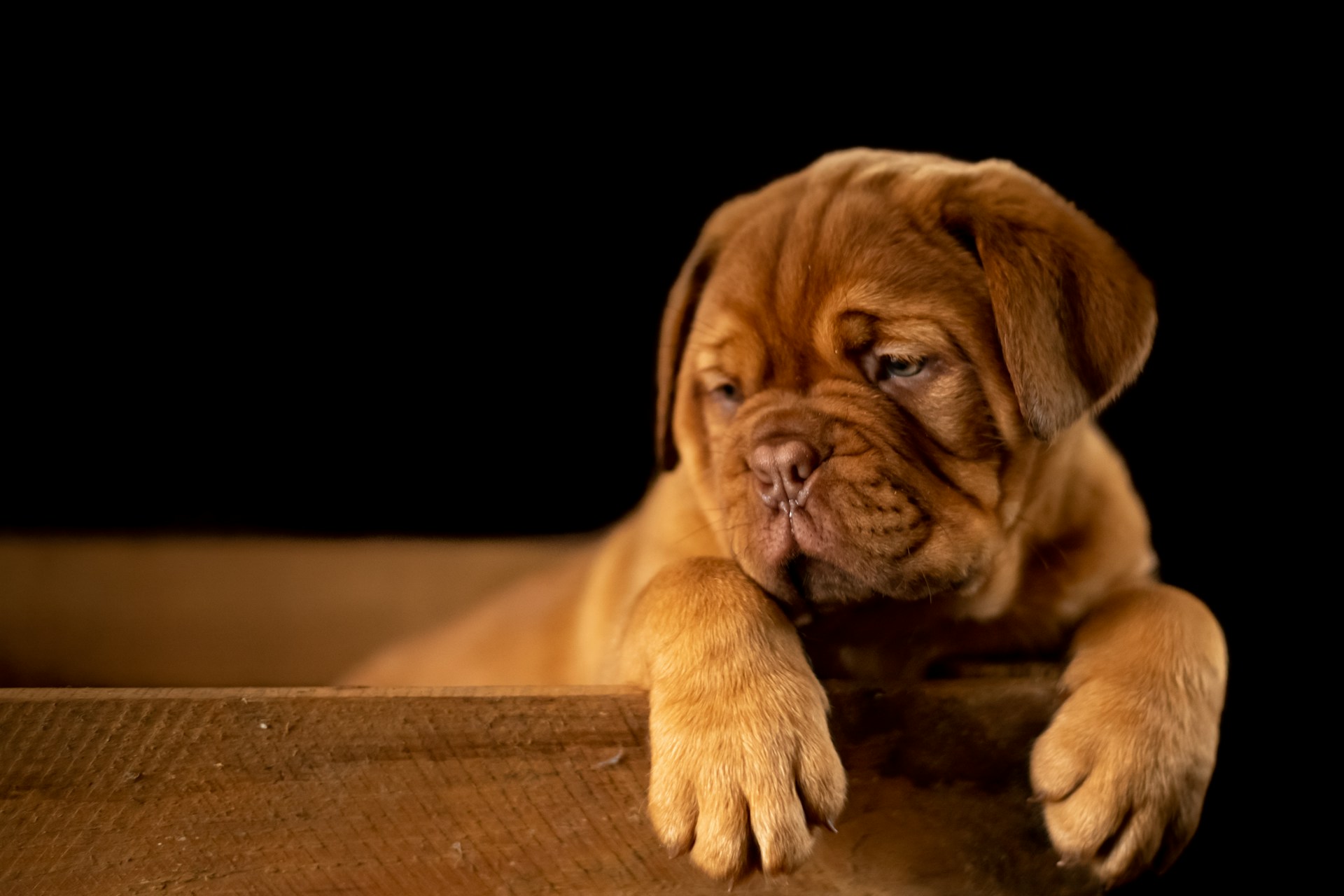
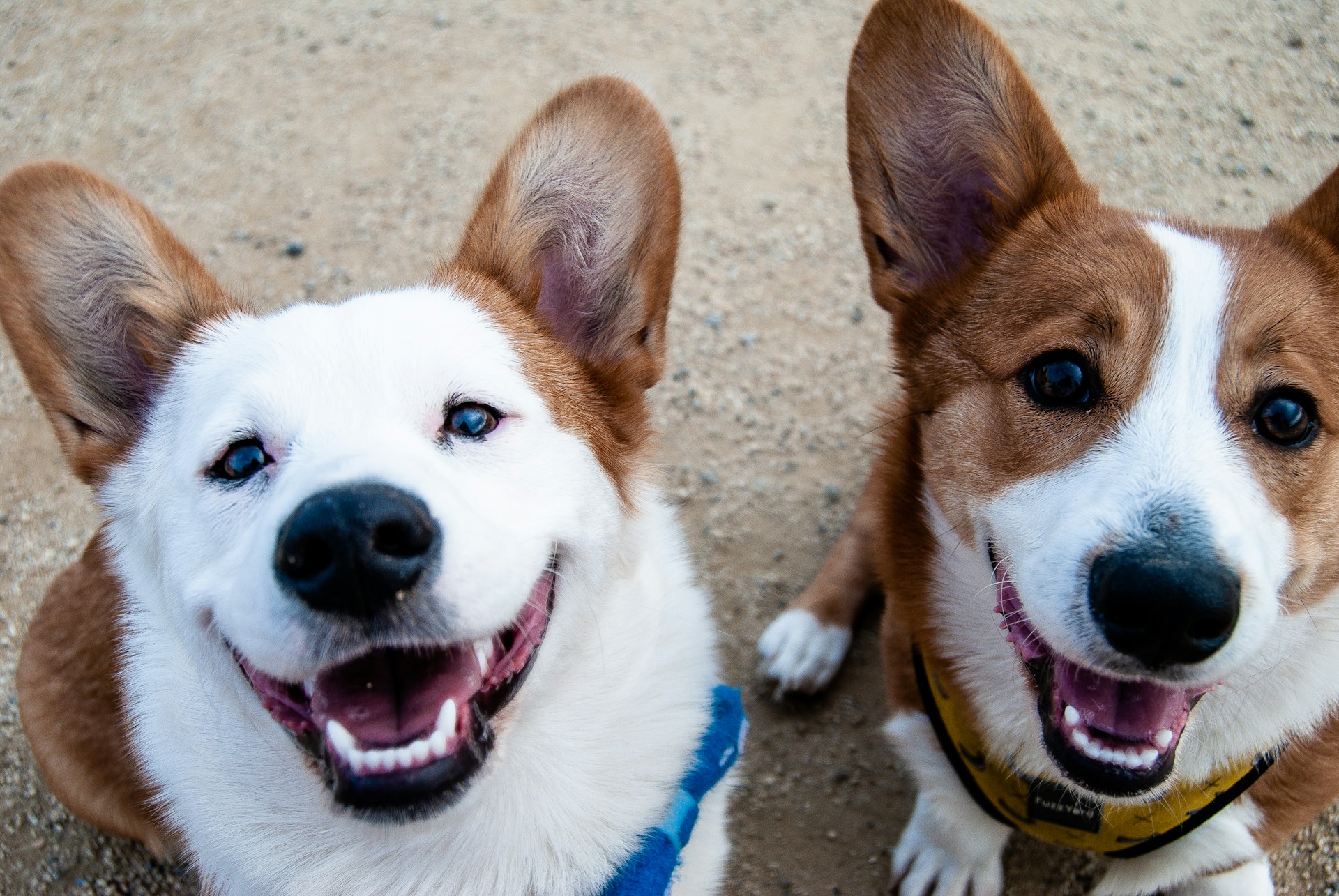
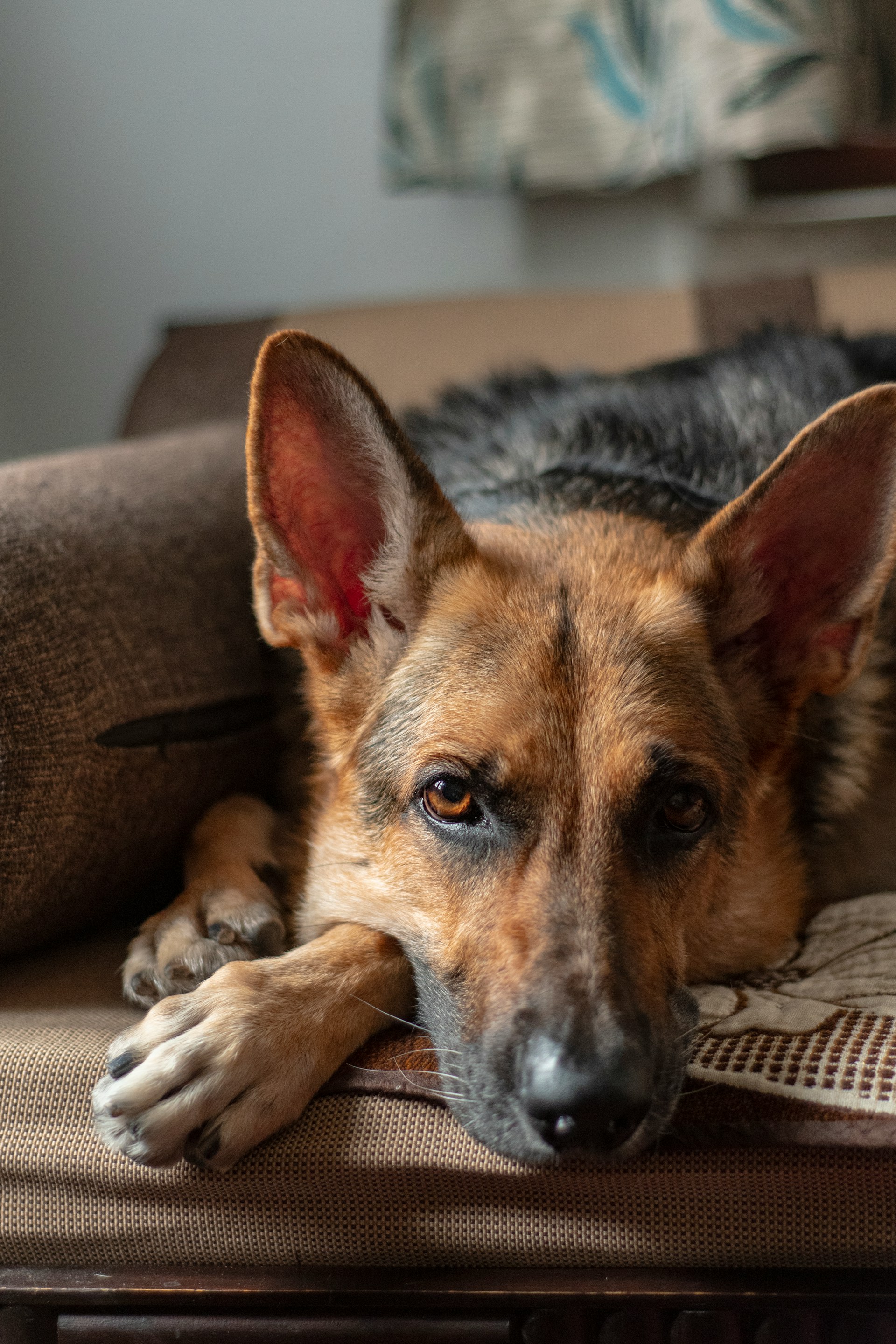
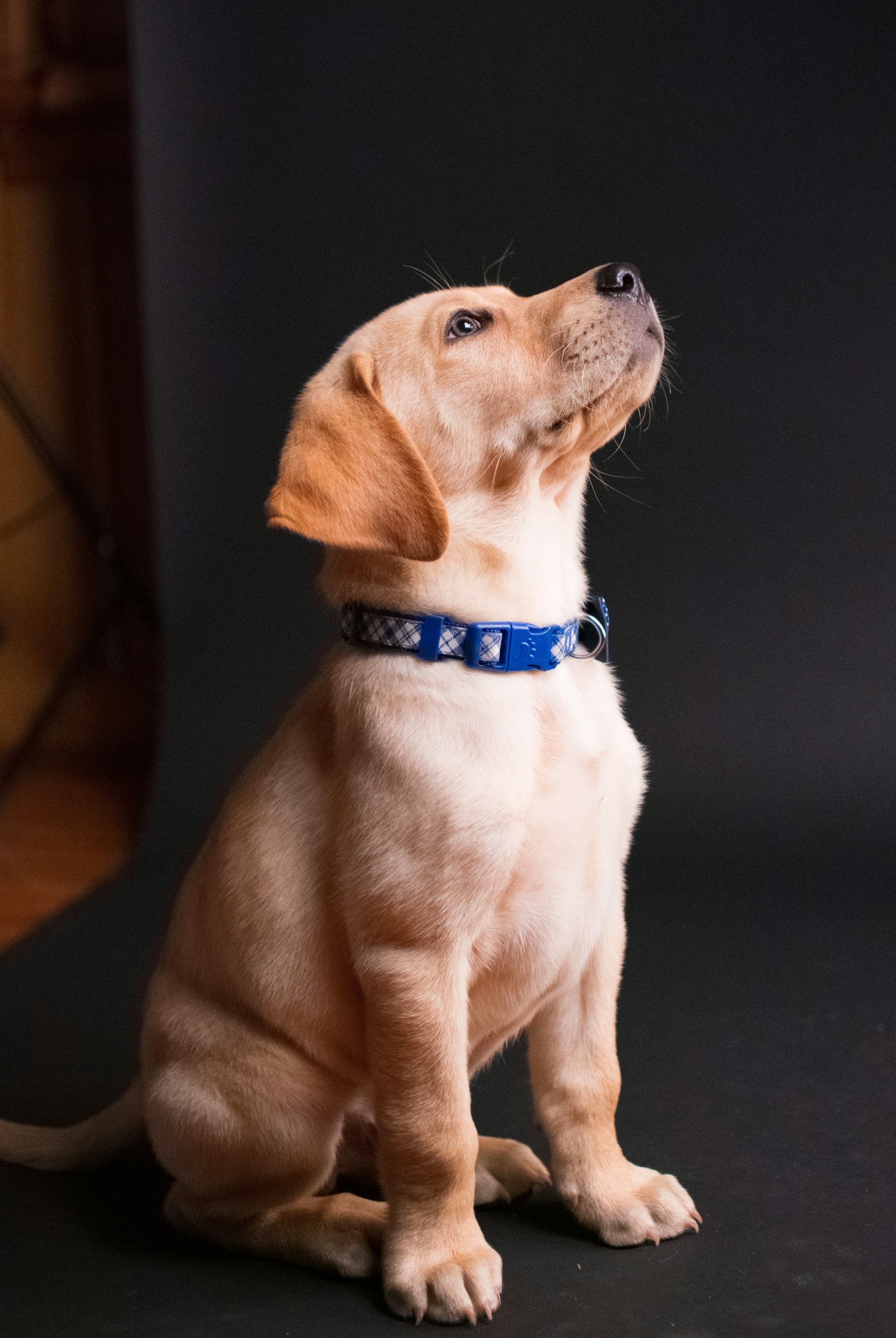
Photo by Poovarasan K on Unsplash

oooo

Photo by Henos Solomon on Unsplash

oooo

Photo by Sofia Guaico on Unsplash

oooo

Photo by Anna Dudkova on Unsplash

oooo

Photo by Tahoe on Unsplash

oooo

Photo by Dustin Bowdige on Unsplash

Pure love!

This article is so beautiful!

As Stephen Messenger, the author of the article, says: “It was a moment of pure awe.” I am not going to waffle on in a prelude to this story, that was taken from The Dodo, so I am going straight into it.

ooOOoo

Animal Shelter Finds A Crate At The Door — And Most Touching Handwritten Note

“It was a moment of pure awe.”

By Stephen Messenger

Published on the 18th January, 2024

Earlier this week, staff at North Carolina’s Fayetteville Animal Protection Society arrived to find that a crate has been placed outside their door, covered in a blanket.

In an instant, their hearts sank.

“Our first thought was, ‘Oh no, not another case of irresponsible pet ownership,’” Jackie Peery, executive director of the shelter, told The Dodo. “We were bracing for an accidental litter dumped at our doorstep due to not spaying/neutering, or someone moving and not willing to bring their pet.”

Inside the crate was indeed a litter of bouncy puppies. But there was more.

“Then we saw the note,” Peery said. “It was a moment of pure awe.”

As the note explained, this wasn’t an act of abandonment.

It was an act of love.

The letter reads as follows:

“Please help! I found these puppies sadly after noticing a local stray dog that I would often feed when I could, dead by the road. She had been hit by a car. I knew from feeding her that she had puppies somewhere and after searching where I would usually see her I found them. I’m sorry for leaving them like this but I myself am homeless and cannot afford to care for them …”

“My heart shatters for them and their mother. I just want them to be given the chance their mother, like myself, was never given. Please do not think poorly of me but it felt wrong leaving them alone in the cold waiting on a mother that would not be coming home. Sincerely, nameless man.”

He’d saved them.

Reading the note, Peery was stunned.

“This nameless man made it his mission to find these puppies to ensure their safety,” she said. “He remains a mystery — our very own nameless hero.”

Meanwhile, the puppies he rescued are now thriving, thanks to him.

“When they first arrived, you could tell they weren’t in the best shape. But now, it’s a whole different story,” Peery said. “It’s like they understand they’ve been given a second chance and are just soaking up all the love and joy.”

In time, Peery has no doubt that each of the puppies will be adopted into loving homes. But she hopes the unnamed hero will make himself known so he can be the recipient of the same sort of kindness he’s shown.

“We’re keeping our fingers crossed that he comes forward,” Peery said. “There’s a whole community here ready to support him just as I have supported these puppies. It would be wonderful to thank him in person and perhaps even help him in return.”

ooOOoo

I am almost lost for words that this event, that was written in 2024, is so beautiful.

Are there any persons who would like to adopt a puppy? Because I want to leave you with the address, email address and contact telephone number for the Fayetteville Animal Protection Society.

Email address: info@fapspet.org

The address is 3927 Bragg Blvd, Fayetteville, NC 28303.

The telephone number is +1 910 864-9040.

Thank you, Stephen!

Picture Parade Four Hundred and Nineteen

More from Unsplash.

Photo by Anthony Duran on Unsplash

oooo

Photo by Michael Dziedzic on Unsplash

oooo

Photo by Silvana Carlos on Unsplash

oooo

Photo by Anna Dudkova on Unsplash

oooo

Photo by Sebastian Coman Travel on Unsplash

oooo

Photo by Adnan Puzić on Unsplash

oooo

Photo by Cynthia Smith on Unsplash

Dogs are so special to millions of people and that last photograph from Cynthia Smith shows what love exists between a dog and their human friend.

Hollywood movie to reality?

Where is the global climate going?

The challenge with writing posts, albeit not so often, about the global environment, especially when I am a non-scientist, is that one relies entirely on the words of others. In the case of a recent article, published by The Conversation, the authors are claimed to be specialists, and I do not doubt their credentials.

The three authors are René van Westen who is a Postdoctoral Researcher in Climate Physics, at Utrecht University, Henk A. Dijkstra who is a Professor of Physics, also at Utrecht University, and Michael Kliphuis, a Climate Model Specialist, again at Utrecht University.

So, here is their article:

ooOOoo

Atlantic Ocean is headed for a tipping point − once melting glaciers shut down the Gulf Stream, we would see extreme climate change within decades, study shows

Too much fresh water from Greenland’s ice sheet can slow the Atlantic Ocean’s circulation. Paul Souders/Stone via Getty Images

René van Westen, Utrecht University; Henk A. Dijkstra, Utrecht University, and Michael Kliphuis, Utrecht University

Superstorms, abrupt climate shifts and New York City frozen in ice. That’s how the blockbuster Hollywood movie “The Day After Tomorrow” depicted an abrupt shutdown of the Atlantic Ocean’s circulation and the catastrophic consequences.

While Hollywood’s vision was over the top, the 2004 movie raised a serious question: If global warming shuts down the Atlantic Meridional Overturning Circulation, which is crucial for carrying heat from the tropics to the northern latitudes, how abrupt and severe would the climate changes be?

Twenty years after the movie’s release, we know a lot more about the Atlantic Ocean’s circulation. Instruments deployed in the ocean starting in 2004 show that the Atlantic Ocean circulation has observably slowed over the past two decades, possibly to its weakest state in almost a millennium. Studies also suggest that the circulation has reached a dangerous tipping point in the past that sent it into a precipitous, unstoppable decline, and that it could hit that tipping point again as the planet warms and glaciers and ice sheets melt.

In a new study using the latest generation of Earth’s climate models, we simulated the flow of fresh water until the ocean circulation reached that tipping point.

The results showed that the circulation could fully shut down within a century of hitting the tipping point, and that it’s headed in that direction. If that happened, average temperatures would drop by several degrees in North America, parts of Asia and Europe, and people would see severe and cascading consequences around the world.

We also discovered a physics-based early warning signal that can alert the world when the Atlantic Ocean circulation is nearing its tipping point.

The ocean’s conveyor belt

Ocean currents are driven by winds, tides and water density differences.

In the Atlantic Ocean circulation, the relatively warm and salty surface water near the equator flows toward Greenland. During its journey it crosses the Caribbean Sea, loops up into the Gulf of Mexico, and then flows along the U.S. East Coast before crossing the Atlantic.

Two illustrations show how the AMOC looks today and its weaker state in the future
How the Atlantic Ocean circulation changes as it slows. IPCC 6th Assessment Report

This current, also known as the Gulf Stream, brings heat to Europe. As it flows northward and cools, the water mass becomes heavier. By the time it reaches Greenland, it starts to sink and flow southward. The sinking of water near Greenland pulls water from elsewhere in the Atlantic Ocean and the cycle repeats, like a conveyor belt.

Too much fresh water from melting glaciers and the Greenland ice sheet can dilute the saltiness of the water, preventing it from sinking, and weaken this ocean conveyor belt. A weaker conveyor belt transports less heat northward and also enables less heavy water to reach Greenland, which further weakens the conveyor belt’s strength. Once it reaches the tipping point, it shuts down quickly.

What happens to the climate at the tipping point?

The existence of a tipping point was first noticed in an overly simplified model of the Atlantic Ocean circulation in the early 1960s. Today’s more detailed climate models indicate a continued slowing of the conveyor belt’s strength under climate change. However, an abrupt shutdown of the Atlantic Ocean circulation appeared to be absent in these climate models. https://www.youtube.com/embed/p4pWafuvdrY?wmode=transparent&start=0 How the ocean conveyor belt works.

This is where our study comes in. We performed an experiment with a detailed climate model to find the tipping point for an abrupt shutdown by slowly increasing the input of fresh water.

We found that once it reaches the tipping point, the conveyor belt shuts down within 100 years. The heat transport toward the north is strongly reduced, leading to abrupt climate shifts.

The result: Dangerous cold in the North

Regions that are influenced by the Gulf Stream receive substantially less heat when the circulation stops. This cools the North American and European continents by a few degrees.

The European climate is much more influenced by the Gulf Stream than other regions. In our experiment, that meant parts of the continent changed at more than 5 degrees Fahrenheit (3 degrees Celsius) per decade – far faster than today’s global warming of about 0.36 F (0.2 C) per decade. We found that parts of Norway would experience temperature drops of more than 36 F (20 C). On the other hand, regions in the Southern Hemisphere would warm by a few degrees.

Two maps show US and Europe both cooling by several degrees if the AMOC stops.
The annual mean temperature changes after the conveyor belt stops reflect an extreme temperature drop in northern Europe in particular. René M. van Westen

These temperature changes develop over about 100 years. That might seem like a long time, but on typical climate time scales, it is abrupt.

The conveyor belt shutting down would also affect sea level and precipitation patterns, which can push other ecosystems closer to their tipping points. For example, the Amazon rainforest is vulnerable to declining precipitation. If its forest ecosystem turned to grassland, the transition would release carbon to the atmosphere and result in the loss of a valuable carbon sink, further accelerating climate change.

The Atlantic circulation has slowed significantly in the distant past. During glacial periods when ice sheets that covered large parts of the planet were melting, the influx of fresh water slowed the Atlantic circulation, triggering huge climate fluctuations.

So, when will we see this tipping point?

The big question – when will the Atlantic circulation reach a tipping point – remains unanswered. Observations don’t go back far enough to provide a clear result. While a recent study suggested that the conveyor belt is rapidly approaching its tipping point, possibly within a few years, these statistical analyses made several assumptions that give rise to uncertainty.

Instead, we were able to develop a physics-based and observable early warning signal involving the salinity transport at the southern boundary of the Atlantic Ocean. Once a threshold is reached, the tipping point is likely to follow in one to four decades.

A line chart of circulation strength shows a quick drop-off after the amount of freshwater in the ocean hits a tipping point.
A climate model experiment shows how quickly the AMOC slows once it reaches a tipping point with a threshold of fresh water entering the ocean. How soon that will happen remains an open question. René M. van Westen

The climate impacts from our study underline the severity of such an abrupt conveyor belt collapse. The temperature, sea level and precipitation changes will severely affect society, and the climate shifts are unstoppable on human time scales.

It might seem counterintuitive to worry about extreme cold as the planet warms, but if the main Atlantic Ocean circulation shuts down from too much meltwater pouring in, that’s the risk ahead.

This article was updated to Feb. 11, 2024, to fix a typo: The experiment found temperatures in parts of Europe changed by more than 5 F per decade.

René van Westen, Postdoctoral Researcher in Climate Physics, Utrecht University; Henk A. Dijkstra, Professor of Physics, Utrecht University, and Michael Kliphuis, Climate Model Specialist, Utrecht University

This article is republished from The Conversation under a Creative Commons license. Read the original article.

ooOOoo

I am 79! I like to think that whatever is coming down the wires, so to speak, will be after my death. But that is a cop out for a) I have a son and a daughter who are in their early fifties, b) I have a grandson, my daughter and son-in-law’s young man, who is a teenager, with his birthday next month, and c) I could possibly live for another twenty years.

The challenge is how to bring this imminent catastrophic global change in temperature to the fore. We need a global solution now enforced by a globally respected group of scientists and leaders, and, frankly, I do not see that happening.

All one can do is to hope. Hope that the global community will eschew the present-day extremes of warring behaviour and see the need for change. That is NOW!

So that the Hollywood movie, The Day After Tomorrow, remains a fictional story. And for those that have forgotten the film or who have never seen it, here is a small slice of a Wikipedia report:

The Day After Tomorrow is a 2004 American science fiction disaster film conceived, co-writtendirected, co-produced by Roland Emmerich, based on the 1999 book The Coming Global Superstorm by Art Bell and Whitley Strieber, and starring Dennis QuaidJake GyllenhaalSela WardEmmy Rossum, and Ian Holm. The film depicts catastrophic climatic effects following the disruption of the North Atlantic Ocean circulation, in which a series of extreme weather events usher in climate change and lead to a new ice age.

Wikipedia

And here is a YouTube video:

There we go, folks!

Picture Parade Four Hundred and Eighteen

Back to more dog pictures from Unsplash.

Photo by Ramin Talebi on Unsplash

oooo

Photo by Ramin Talebi on Unsplash

oooo

Photo by Erin Minuskin on Unsplash

oooo

Photo by Dylan Shaw on Unsplash

oooo

Photo by Anantha Krishnan on Unsplash

oooo

Photo by Hope Frock on Unsplash

oooo

Photo by Karen Mork on Unsplash

That is all for this week. Be safe!

Atmospheric river hitting us in Merlin

The atmospheric river in California is reaching up to Southern Oregon

After we had the thick end of twelve inches of rain in January, February has kept up the downpours; as of yesterday morning we had had 0.52 inches (1.32 cm) for the month and it was still raining. (And 0.8 in at 08:00 this morning.)

Here’s an item from yesterday about the situation in California.

Plus the BBC News had an item on the California flood.

So it seemed opportune to present this article on atmospheric rivers.

ooOOoo

What is an atmospheric river? A hydrologist explains the good and bad of these flood-prone storms and how they’re changing

A satellite image shows a powerful atmospheric river hitting the Pacific Northwest in December 2023. Darker greens are more water vapor. Lauren Dauphin/NASA Earth Observatory

By Qian Cao, University of California, San Diego

A series of atmospheric rivers is bringing the threat of heavy downpours, flooding, mudslides and avalanches to the Pacific Northwest and California this week. While these storms are dreaded for the damage they can cause, they are also essential to the region’s water supply, particularly in California, as Qian Cao, a hydrologist at the University of California, San Diego, explains.

What are atmospheric rivers?

An atmospheric river is a narrow corridor or filament of concentrated water vapor transported in the atmosphere. It’s like a river in the sky that can be 1,000 miles long. On average, atmospheric rivers have about twice the regular flow of the Amazon River.

When atmospheric rivers run up against mountains or run into local atmospheric dynamics and are forced to ascend, the moisture they carry cools and condenses, so they can produce intense rainfall or snowfall. https://www.youtube.com/embed/w3rtYM0HtIM?wmode=transparent&start=0 A satellite view of atmospheric rivers.

Atmospheric rivers occur all over the world, most commonly in the mid-latitudes. They form when large-scale weather patterns align to create narrow channels, or filaments, of intense moisture transport. These start over warm water, typically tropical oceans, and are guided toward the coast by low-level jet streams ahead of cold fronts of extratropical cyclones.

Along the U.S. West Coast, the Pacific Ocean serves as the reservoir of moisture for the storm, and the mountain ranges act as barriers, which is why the western sides of the coastal ranges and Sierra Nevada see so much rain and snow.

Why are back-to-back atmospheric rivers a high flood risk?

Consecutive atmospheric rivers, known as AR families, can cause significant flooding.

The first heavy downpours saturate the ground. As consecutive storms arrive, their precipitation falls on soil that can’t absorb more water. That contributes to more runoff. Rivers and streams fill up. In the meantime, there may be snowmelt due to warm temperatures, further adding to the runoff and flood risk.

California experienced a historic run of nine consecutive atmospheric rivers in the span of three weeks in December 2022 and January 2023. The storms helped bring most reservoirs back to historical averages in 2023 after several drought years, but they also produced damaging floods and debris flows.

An animation shows filaments of water heading toward the coast.
Atmospheric rivers forming over the tropical Pacific Ocean head for the U.S. West Coast. NOAA

The cause of AR families is an active area of research. Compared with single atmospheric river events, AR families tend to be associated with lower atmospheric pressure heights across the North Pacific, higher pressure heights over the subtropics, a stronger and more zonally elongated jet stream and warmer tropical air temperatures.

Large-scale weather patterns and climate phenomena such as the Madden-Julian Oscillation, or MJO, also play an important role in the generation of AR families. An active MJO shift occurred during the early 2023 events, tilting the odds toward increased atmospheric river activity over California.

A truck drives through muddy streets that fill a large section of town. People stand on one small patch of pavement not flooded.
An aerial view shows a flooded neighborhood in the community of Pajaro in central California on March 11, 2023, after a series of atmospheric rivers. Josh Edelson/AFP via Getty Images

A recent study by scientists at Stanford and the University of Florida found that storms within AR families cause three to four times more economic damage when the storms arrive back to back than they would have caused by themselves.

How important are atmospheric rivers to the West Coast’s water supply?

I’m a research hydrologist, so I focus on hydrological impacts of atmospheric rivers. Although they can lead to flood hazards, atmospheric rivers are also essential to the Western water supply. Atmospheric rivers have been responsible for ending more than a third of the region’s major droughts, including the severe California drought of 2012-16.

Atmospheric rivers provide an average of 30% to 50% of the West Coast’s annual precipitation.

They also contribute to the snowpack, which provides a significant portion of California’s year-round water supply.

In an average year, one to two extreme atmospheric rivers with snow will be the dominant contributors to the snowpack in the Sierra Nevada. Together, atmospheric rivers will contribute about 30% to 40% of an average season’s total snow accumulation there.

A dam spillway with a full reservoir behind it.
After several winter storms brought record snowfall to California’s Sierra Nevada in early 2023, Lake Oroville, California’s second-largest reservoir, was at 100% capacity. The previous year, much of the state had faced water restrictions. Justin Sullivan/Getty Images

That’s why my colleagues at the Center for Western Weather and Water Extremes at the Scripps Institution of Oceanography, part of the University of California, San Diego, work on improving atmospheric river forecasts and predictions. Water managers need to be able to regulate reservoirs and figure out how much water they can save for the dry season while still leaving room in the reservoirs to manage flood risk from future storms.

How is global warming affecting atmospheric rivers?

As global temperatures rise in the future, we can expect more intense atmospheric rivers, leading to an increase in heavy and extreme precipitation events.

My research also shows that more atmospheric rivers are likely to occur concurrently during already wet conditions. So, the chance of extreme flooding also increases. Another study, by scientists from the University of Washington, suggests that there will be a seasonal shift to more atmospheric rivers earlier in the rainy season.

There will likely also be more year-to-year variability in the total annual precipitation, particularly in California, as a study by my colleagues at the Center for Western Weather and Water Extremes projects.

Qian Cao, Hydrologist, Center For Western Weather and Water Extremes, University of California, San Diego

This article is republished from The Conversation under a Creative Commons license. Read the original article.

ooOOoo

PBS have also presented an item on what is an atmospheric river. Their article starts:

Forecasters warned of dangerous flooding, heavy mountain snow and a heightened risk of mudslides and avalanches Feb. 4-6, 2024, as a powerful atmospheric river took aim at California. It’s the latest in a series of atmospheric rivers to bring extreme rainfall to the West Coast.

Qian Cao

I sense many things are changing and the challenge is not to let one’s imagination go into overdrive.

Our interconnected world

Penny Martin offers another post, but first comment on the rain.

With this day being the 1st February I can tell you what we received in rainfall for January: it was 11.99 inches (30.45 cms). That is a record for the years that we have been living here.

Now over to Penny.

Penny Martin is now a regular contributor to these pages, and I am grateful for that. Simply because I have been blogging for a long time and having this resource is most welcome. Not that I consider Penny a ‘resource’ she is much more than that: Penny is a brilliant contributor.

Here is her latest offering, talking about the new world so many of us are now living in.

ooOOoo

Image: Freepik

Laptop and Leash: Succeeding as a Pet-Loving Digital Nomad

By Penny Martin.

In today’s interconnected world, the allure of becoming a digital nomad resonates with many. This lifestyle promises the freedom to explore the world while staying professionally active. However, for those who cherish the company of their pets, this dream presents unique challenges. This guide from Learning from Dogs is designed to navigate the complexities of adopting a digital nomad lifestyle with your pet, ensuring a seamless transition that caters to both your needs and those of your animal companion.

Establishing a Financial Foundation

Embarking on a journey with your pet as a digital nomad begins with the fundamental step of securing a reliable income. This financial stability is the cornerstone of your nomadic life, ensuring that both you and your pet’s needs are adequately met. Whether it’s through remote employment, freelance work, or managing an online business, a consistent income stream is essential. It provides peace of mind and the freedom to fully embrace the nomadic lifestyle with your furry friend.

Advancing Digital Skills

In today’s rapidly changing digital environment, the skills you possess are of paramount importance. It’s essential to devote time to bolstering your digital expertise. One way to do this is by pursuing further education, such as enrolling in online courses that offer specialized training. Notably, a cybersecurity degree can be earned online, providing an avenue to deepen your understanding of protecting data and computer networks. Additionally, acquiring skills in fields like digital marketing or web development can be immensely beneficial. These skills are invaluable not just for career growth and stability but also for ensuring you can work effectively from any corner of the globe. 

Finding Pet-Friendly Living Spaces

Transitioning to a nomadic lifestyle with a pet requires thoughtful planning, particularly when it comes to accommodations. It is essential to find living spaces that are not just comfortable for you but also welcoming to your pet. This means prioritizing pet-friendly hotels, apartments, and co-living spaces in your travel planning. Ensuring a comfortable and safe environment for your pet is key to a successful journey, allowing both of you to settle in and adapt to new surroundings with ease.

Navigating Legalities and Regulations

As you traverse different regions and countries, it’s important to stay informed about the varying legal requirements related to pet travel and ownership. This includes understanding entry regulations, quarantine rules, and local leash laws. Being well-versed in these legalities ensures that you avoid any complications or surprises during your travels. It also demonstrates a commitment to responsible pet ownership, reflecting a respect for the regulations of each place you visit.

Emphasizing Pet Health and Safety

The health and safety of your pet should always be a top priority. This includes ensuring that all vaccinations are up-to-date and that your pet has a microchip with current contact information. Additionally, researching veterinary services and emergency clinics in each new location provides peace of mind. Being proactive about your pet’s health needs and prepared for any emergencies are crucial aspects of traveling safely and responsibly with your pet.

Access to Veterinary Services

Before setting off on your nomadic adventure, investigate the availability of veterinary care in your planned destinations. Identifying reputable clinics and hospitals ensures that you have access to necessary health services for your pet. In addition, carrying a basic first-aid kit for pets can help manage minor health issues that may arise during your travels. Being prepared in this regard is a testament to your commitment to your pet’s well-being.

Efficient Management of Pet Documents

Organizing your pet’s documents is as important as managing your own. This includes keeping a digital record of your pet’s medical history, identification, and travel permits. Utilizing mobile applications for document scanning and storage offers a convenient solution to keep these vital records accessible at all times. Efficient document management streamlines the process of crossing borders and accessing services, ensuring a smoother travel experience for both you and your pet.

The journey of a digital nomad with a pet is a path filled with rewarding experiences and unique challenges. By laying a solid financial foundation, enhancing your digital capabilities, and meticulously planning for your pet’s needs, this lifestyle becomes not only feasible but deeply fulfilling. It’s a journey that goes beyond mere travel – it’s about building a life rich with experiences and memories, shared with your loyal companion every step of the way.

ooOOoo

These are key tips from Penny and ones that all people who are regular users of digital devices should employ; and that is a huge number these days.

Jean and I are still coming to terms with Monday’s loss of Brandy. We will never forget the incident for the rest of our lives. Hearing that Brandy’s body had been found would be very helpful but, personally, I think that is very unlikely.