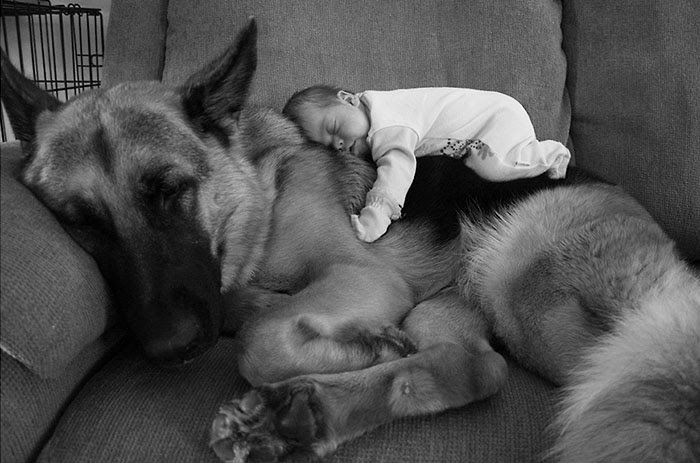
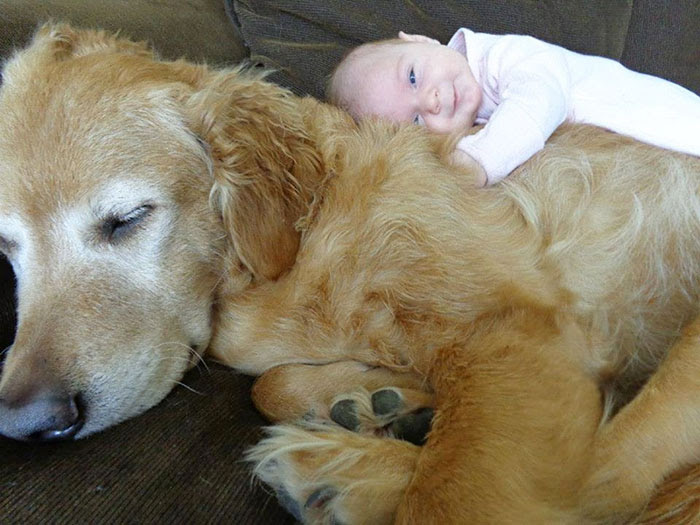
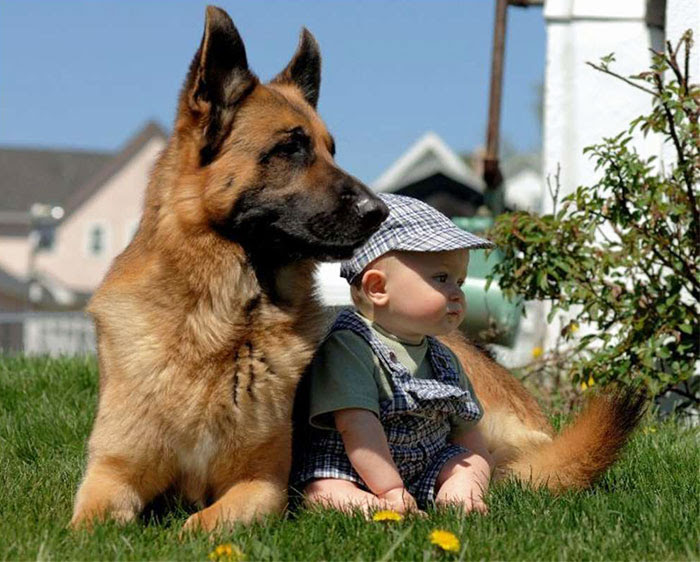
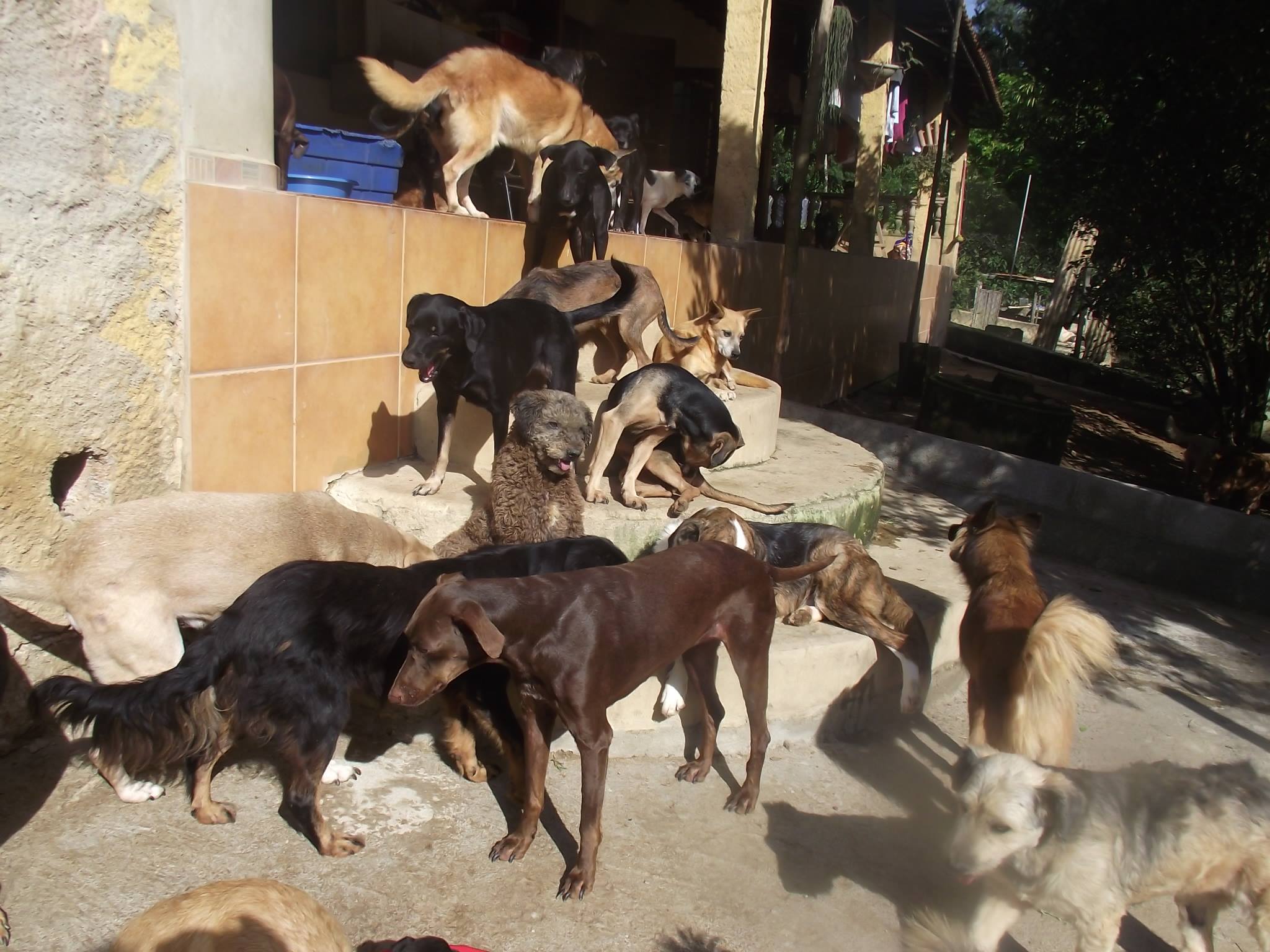
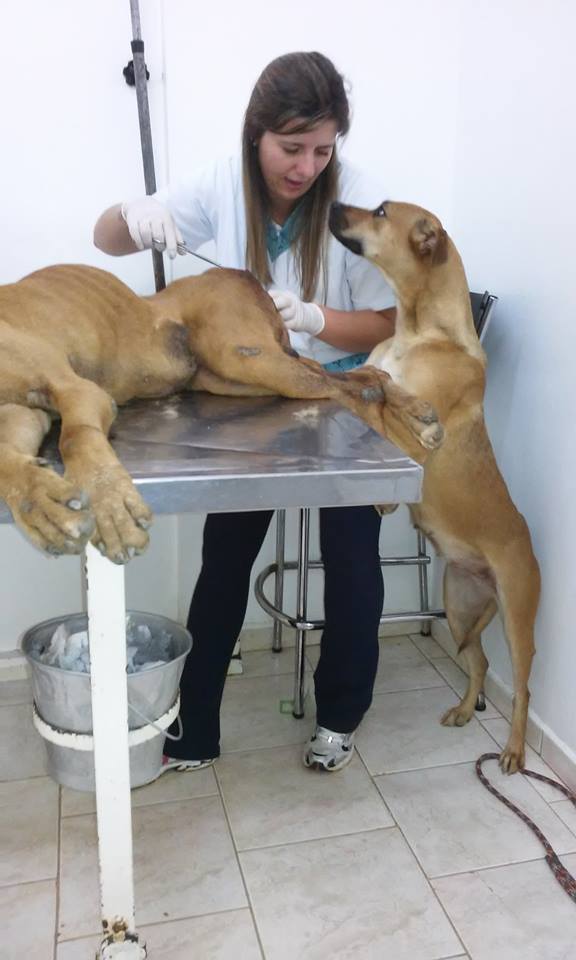
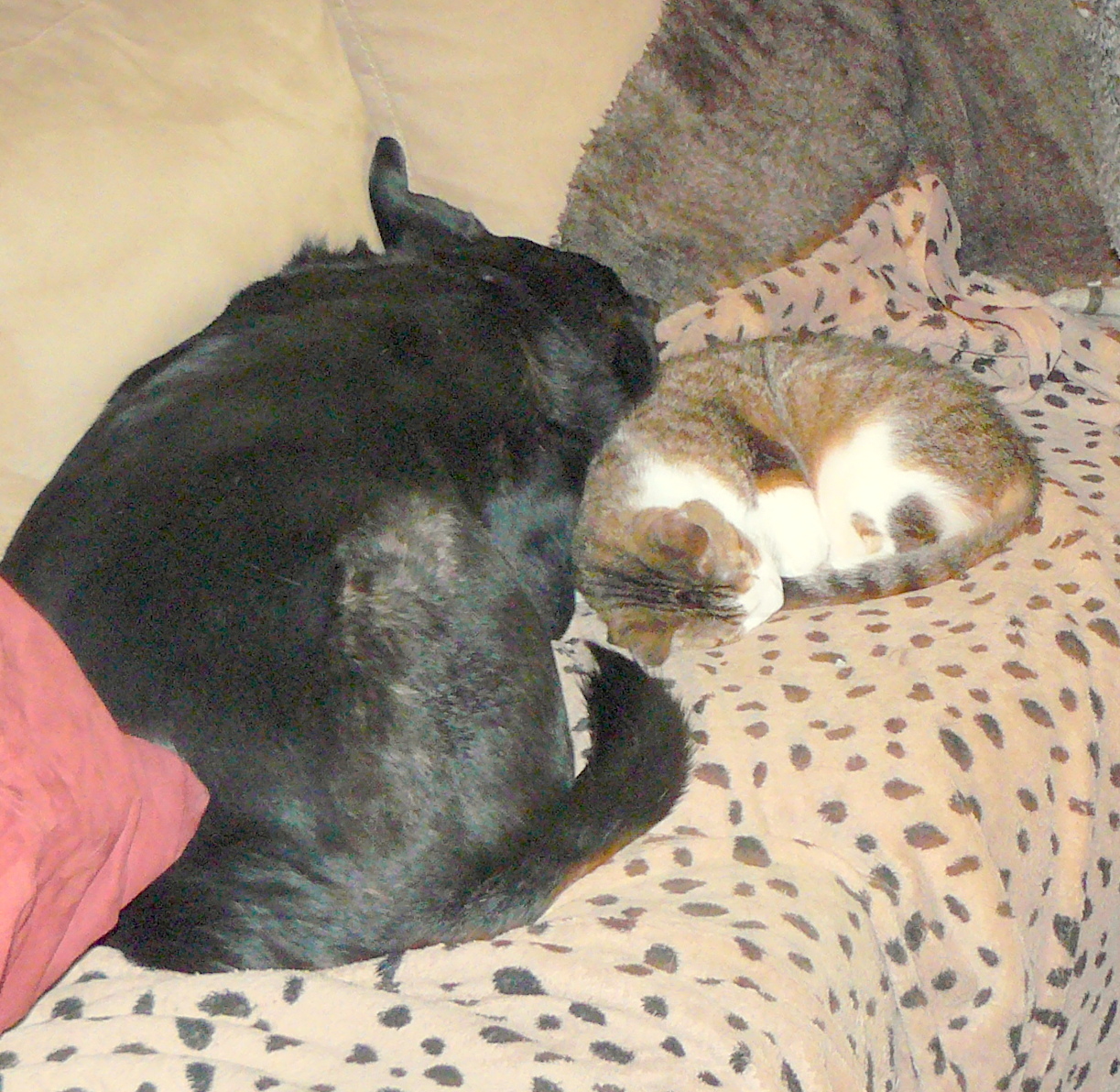
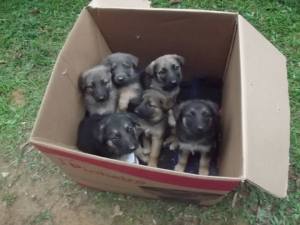
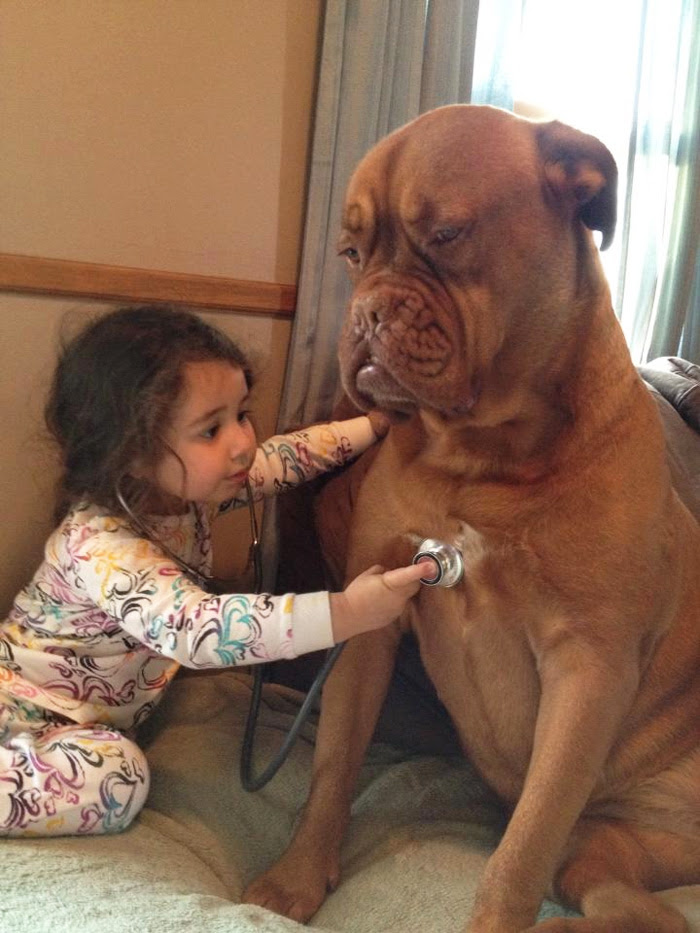
(Big thanks to neighbour Dordie who sent these to me.)
Few friendships can compare to the bond between a child and their pet. Pets provide companionship, they help kids learn, they encourage nurturing, they keep them healthy and help build beautiful family bonds. Let’s take a look at some of the cutest kid-and-pet pictures around.
oooo
oooo
oooo
oooo
oooo
oooo
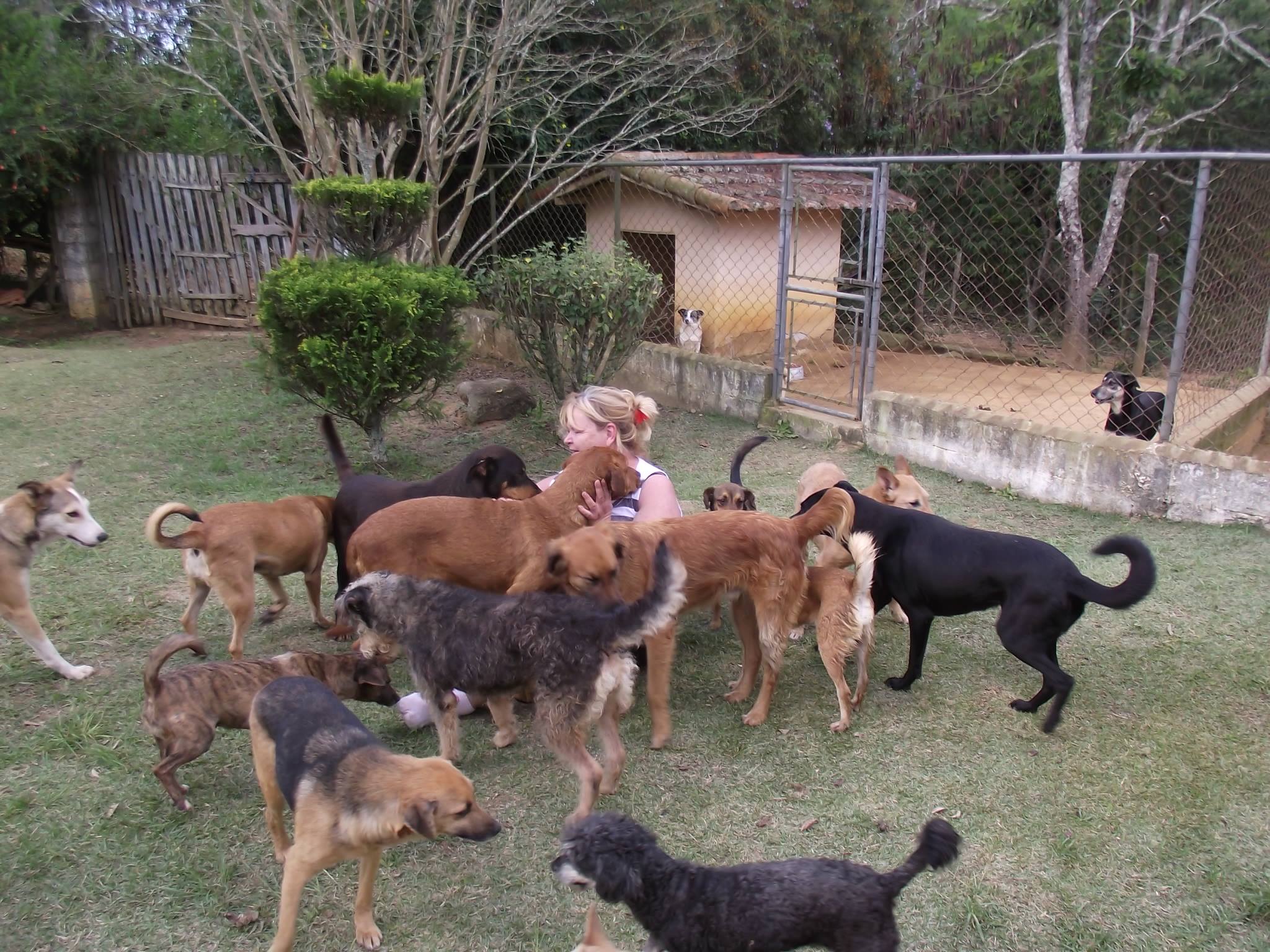
The second set will not be next Sunday owing to that day being Valentine’s Day and I have plans for that day! 😉 So part two of this wonderful three-part series of photographs will be Sunday, 21st February.
Before moving on to the story, can I just say that the link to this report was emailed to me by a follower of Learning from Dogs. It underlines something that I had no idea about when I first started up this blog in July 2009. The wonderful sense of community that develops between a blogger and his or her readers and followers.
So many of you that interact with this place feel like long-established friends, and are treasured.
Dog Escapes Cage To Comfort Rescue Puppies During Their First Night In Kennel
“We’ve never really seen it before, where a dog sneaks out to some puppies and is so excited to see them.”
02/03/2016
Kimberly Yam, Associate Good News Editor, The Huffington Post
This concerned dog just wanted to make sure some young pups would be OK in a new place.
Maggie the dog was staying at the Barker’s Pet Motel and Grooming in Alberta, Canada, when she was caught on a surveillance camera sitting outside a kennel that held two 9-week-old rescue puppies named Hannah and Kari last week.
Barkers Pet Motel and Grooming last Saturday
The canine sneaked out of her own kennel to comfort them on their first night there, and after pet motel owner Sandy Aldred let Maggie into the pups’ cage, the older dog spent the entire night cuddling with the two new guys on the block, according to ABC News.
“We’ve never really seen it before, where a dog sneaks out to some puppies and is so excited to see them.” Aldred’s son, Alex, who also works at the pet motel, told ABC News.
Anna Cain, office manager at the pet motel, told The Huffington Post that Maggie, who is a former shelter dog herself, had been staying there while her owners were on vacation. The puppies were dropped off at the facility after they were rescued by Alberta Animal Rescue Crew Society.
Barkers Pet Motel and Grooming last Saturday
The thoughtful dog, who recently had puppies of her own that were adopted out by a humane society, likely heard Hannah and Kari crying, according to a Facebook post from the motel. So Maggie squeezed her way out of her kennel after pushing aside a water bowl built into her door. She then went right to the pups’ cage.
“She paid them a lot of attention and you could see her little tail wagging. And she’d do the little bow down to them and poke them through the chainlink gate of their room,” Aldred told CBC News. “She just decided that was where she was going to stay until we came to get her.”
When Aldred returned to the kennels and let Maggie into the puppies’ cage, she supervised to see if all the dogs would get along. And of course they did.
“They were just all so happy to be together,” Aldred told CBC. “She was nuzzling them really gently and nudging them, and then she laid down and let them cuddle with her.”
The trio stayed together and were even found snuggling the next morning, ABC News reported. While Maggie’s actions are sweet, it’s not uncommon for dogs who have had puppies, to act compassionately like she did.
“It’s innate in a lot of female dogs, especially if they’ve had a litter in the past. It’s just in their nature,” Deanna Thompson of AARCS told ABC News. “We’ve seen it in a lot of dogs even with male dogs, when they hear other puppies crying they want to console them and make sure they’re feeling safe.”
Maggie and the pups have parted ways unfortunately as her owners have returned from their trip. There are pending adoption applications for both puppies, but for the time being, the pair are in the motel, Cain said.
ooOOoo
Other readers who know and love dogs will endorse my claim that it is not just crying puppies that are consoled by adult dogs; we humans as well experience a fair degree of compassion from our dogs!
I’m seventy-one years old and aware that the ageing process is “alive and well” within me. It primarily is revealed by a degree of brain atrophy that is evidenced by very poor recall. There is no question that it worries Jean and, at times, worries me as well. Adding to the recognition that these are my “senior” years is the awareness that the people that one knows all tend to be a similar sort of age and, inevitably, you don’t have to go far to hear of someone who is very ill, or has recently died.
So the motivation is very strong to stay as fit and healthy; both in body and mind.
Thus a recent article over on the Care2 site about the world’s oldest dog seemed more than a tad relevant to yours truly and will hopefully connect with others who know they are never going to see twenty-one again!
It’s often said that happiness is the key to a long life, but is the same true in the lives of dogs?
Let’s take a look at the world’s oldest living dog. His name was Bluey and he lived to be an astounding 29 1/2 years old. As a puppy in 1910, Bluey joined the household of Les Hall in Victoria, Australia.
Every morning, Bluey went to work among the cattle and sheep. He enjoyed the great outdoors and had constant companionship. He ate a diet that largely consisted of wild kangaroo and emu (not unhealthy animals raised in factory farms). Retiring from his official ‘job’ several years before his death, Bluey remained valued and respected even though he was no longer “useful.”
Ask Yourself These Three Questions
So what about your dog? Are you providing the essential building blocks for a long life? It all boils down to these three questions. Answer honestly, and if you don’t like what you find, today may be the day to turn over a new “leash.”
1. Am I Listening to My Dog?
No, your dog can’t speak in full sentences but how hard is it to understand his needs? Chances are, it’s pretty easy. Is your dog full of anxiety because you’ve worked a 10 hour day leaving him alone in the house, or worse yet, locked in a cage? When your dog greets you with excitement at the door, do you take the time to grab the leash and go for a long walk or do you scold him for bothering you? Is your dog getting up very, very slowly from painful joints?
Try listening, really listening, to the things your dog is telling you over and over again. Try this exercise. Think of two memories of times when your dog was happiest. Chances are that you were being active outdoors together. Could you re-create those experiences, even on a small scale, each week?
2. Do I Break My Promises?
Are you guilty of breaking promises to yourself and to your dog? Do you procrastinate? Make a dedicated practice of fulfilling your promises to your dog, the same way as you would care for your own needs. It’s just like brushing your teeth. Schedule in items like these:
A 20 minute walk in the morning before you leave for work.
A neighbor to come and let your dog outside at lunchtime.
Adhering to a schedule of six month veterinary check-ups, especially for mature dogs.
Washing food and water bowls daily.
A long walk at the end of the day.
And most of all, doing those things you know your dog loves most.
3. Am I Putting My Stress Onto My Dog?
If you’ve had a bad day, do you let it spill over? Can you check your troubles at the front door or do you bring them with you and spread your grief? Although it is difficult, take a few deep breaths and remind yourself that your truest friend in the world is not the one you want to hurt today.
ooOOoo
This business of learning from our dogs just goes on and on!
The following beautiful example of the unconditional love of a dog was seen by my on the Care2 Petitions and Causes site. It just had to be shared with you, dear reader, because it is such a powerful reminder of what love and caring for others delivers. It was originally seen here and is republished within the terms of Care2.
ooOOoo
Baby Elephant, Rejected By His Herd, Finds Hope Again With German Shepherd
When Ellie arrived at the rhino orphanage he was critically ill with an umbilical hernia and had little chance of survival.
The game reserve usually rehabilitates baby rhinos, victims of South Africa’s poaching crisis, but is also home to other African wildlife like elephants, buffalo, leopards, giraffes, zebras, hyenas, and crocodiles.
So why is Ellie here? He was brought to the orphanage after he was rejected by his herd, in spite of numerous attempts to reunite him with his family.
When Ellie the elephant first arrived, his rescuers didn’t think he would make it, but they nursed him day and night.
Photo Credit: Screenshot from Youtube video
As Maren Trendler, a rehabilitation and crisis response expert at the orphanage, explains, “He also had a huge umbilical hernia and abscess. … In about 99 percent of these cases an umbilical abscess of that nature is fatal. … Against all odds, this little elephant is still with us.”
Ellie had an intolerance to milk and nothing seemed to work. So the orphanage decided to make him a special milk formula, and he slowly started to stabilize.
Eventually Ellie’s physical health improved, but his mental health did not, because elephants are social animals and known to be hard to raise away from a herd. He was depressed and lethargic until Duma, the German shepherd hero, swooped in.
With the arrival of Duma, a former service and sniffer dog, things seemed to turn around for Ellie. The young elephant had been lethargic, not interested in anything, until the orphanage introduced the two at a sand pile. Immediately Ellie started being interested in life again. Duma and Ellie became friends, bonding in spite of their many differences.
Photo Credit: Screenshot from Youtube video
For the past few weeks, their relationship has been growing so much that the carers have a “hard time keeping Duma away from the elephant,” Trendler explains.
Ellie’s future is still uncertain, since elephants generally need to be part of a herd to develop and grow. But right now, Ellie and Duma are happy together.
Published on Jan 14, 2016
Everyone loves a canine companion, and this baby elephant is no exception! The tiny pachyderm arrived at the Thula Thula Rhino Orphanage in South Africa after being rejected by his herd. Critically ill, the youngster had very little chance of survival. But thanks to round-the-clock care from sanctuary staff, and a bit of help from a special canine companion, the baby elephant is on the road to a full recovery. http://www.earthorganization.org/proj… https://www.facebook.com/rhinoorphanage
ooOOoo
Time and time again, the world of dogs reminds us humans of what we need to learn, and to learn reasonably quickly, if we are to leave a sustainable, fair and equitable world for our grandchildren.
Jim and Janet are good friends here in Merlin and live just a short distance away. Jim is also a Doctor of Veterinary Medicine (DVM) and he emailed me following my post on Saturday about being more aware of dog flu. This is what Jim said:
Hey Paul …..
I saw on your blog that you had already posted info regarding canine influenza. I don’t know if you needed any more material, but, if you are interested, attached is a client information sheet and a couple maps indicating the spread of the DZ as of 11/15.
That client information sheet explained these important details.
ooOOoo
Canine Influenza H3N2
Authored by: Dr. Mark Rishniw, ACVIM VP Client Information Sheets
What is canine influenza? Influenza in dogs is caused by canine influenza viruses (CIVs). The two main CIVs in circulation internationally are H3N8 and H3N2. Dogs are occasionally infected with human influenza viruses. These viruses are extremely contagious.
When did the current U.S. outbreak of H3N2 start? The outbreak began in the Chicago area in March, 2015.
Where have cases been reported? Geographic locations expanded in the months after the initial outbreak. To see the latest news on where it has been seen, see regularly updated information from Cornell University College of Veterinary Medicine.
What strain of influenza caused this outbreak? The 2004 outbreak, which was caused by the H3N8 strain, has remained circulating in the U.S. dog population, causing sporadic disease since that time. However, the current outbreak has been identified as a H3N2 strain of influenza A virus. This strain is closely related to an Asian strain that is circulating in China and South Korea.
Will the influenza vaccines against the H3N8 (old) strain protect against the H3N2 strain involved in the current outbreak?
Probably not. The current commercially available vaccines are not likely cross-protective against the H3N2 strain involved in the current outbreak.
What about the new H3N2 vaccines?
These should reduce the clinical signs if a dog becomes infected. They will also decrease the time that a dog remains “infective” to other dogs. They will not protect against the old (H3N8) strain.
Should I vaccinate my dog with the new vaccine?
That’s a decision for you and your veterinarian. Any place where dogs unknown to you congregate in large numbers confers an increased risk to your dog, such as boarding kennels, shows, traveling, going to dog parks, training classes, and performance competitions. Dogs that have diseases or treatments that suppress the immune system (e.g. corticosteroids, cancer etc.) are at higher risk. The virus does not survive well in the environment, so there is little risk of infection if a dog is mostly at home.
Prevention
For dog owners living in the affected areas, the best prevention is to minimize contact with other dogs. Consider avoiding places such as dog parks, dog day care, grooming facilities, boarding, training classes, and group gatherings. Walking your dog should be fine, but avoid socializing with other dogs.
If your dog in the affected areas has respiratory signs, such as coughing, hacking, gagging or difficulty breathing, call your veterinarian before your appointment to let them know your dog has respiratory signs so that they can take appropriate precautions to minimize the possibility of contaminating the facility. When you get to the clinic, leave your dog in the car and have the veterinary team meet you at the car so they can figure out how to best handle the dog.
What are signs of infection? Clinical signs range from subclinical infection, or mild fever and malaise to severe, life-threatening pneumonia; however, most clinically affected dogs have signs that are typical of kennel cough. Of approximately 1000 dogs recognized to be infected in the Chicago area, about five have died from the infection. Clinically, influenza infection is not distinguishable from kennel cough caused by other pathogens, such as Bordetella bronchiseptica.
How is canine influenza diagnosed? Tests that broadly detect influenza A virus (e.g., broadly targeted influenza A real time RT-PCR) should effectively detect both H3N8 and H3N2. However, tests targeted directly at H3N8 are unlikely to identify H3N2 infection because of limited cross-reaction between H3N8 and H3N2 antibodies.
Can other animals or people become infected with this strain? Currently, there is no evidence that people can contract this virus. However, studies in Asia have shown limited transmission to cats. Whether this can happen with the strain currently involved in the U.S. outbreak is unknown. In Asia, the H3N2 strain that infected cats (and caused disease) was considered to be of avian origin. Current information about the U.S. H3N2 strain suggests that it might be of porcine origin.
How are the dogs treated? The mild form requires minimal supportive treatment, as is the case with ANY mild upper-respiratory infection (kennel cough). Cough suppresants may be provided. Antibiotic therapy is restricted to high-risk patients. With the severe form, treatment is largely supportive. A rapid onset of disease (4-6 hours) is matched by an equally rapid improvement in clinical signs if treatment is instigated. Fluid support and broad-spectrum antimicrobials that cover both gram-positive and gram-negative bacteria are generally required.
Copyright 2015 – 2016 by the Veterinary Information Network, Inc. All rights reserved.
Most dogs in the U.S. don’t have the immunity to fight off the Asian-based dog flu. (Photo: Lindsay Helms/Shutterstock)
As animal experts around the country amplify their warnings about dog flu outbreaks, pet owners are scrambling to understand the illness and learn how they can protect their pets. Here’s what you need to know about this potentially deadly disease.
What is the dog flu?
Dog flu — or canine influenza — is an infection caused by one of two virus strains: H3N2 and H3N8. Of the two, H3N2 is more commonly seen in pets in the U.S. It is thought that the strain came from Asia, possibly originating as an avian flu that was transferred to a dog.
Dog flu symptoms
Like the flu that affects humans, the symptoms of the dog flu hit the respiratory system causing coughing, a runny nose, watery eyes and a sore throat. It’s also usually accompanied by a high fever and loss of appetite. But unlike with humans, your dog won’t be able to tell you how bad she is feeling, and you may not notice the symptoms right away. Animal experts say to watch your dog for changes in behavior. If your normally hyper dog seems lethargic or if your pup who is usually enthusiastic about eating starts skipping meals, it’s time to take a closer look.
Dogs who spend a lot of time around other dogs are more likely to be exposed to the virus. (Photo: Dalibor Sosna/Shutterstock)
How does the dog flu spread?
The dog flu virus spreads just like the human flu virus does — through bodily fluids that are released into the air via a sneeze or cough or by touching objects or surfaces that have been contaminated. The dog flu virus can live in the environment for two days.
Dogs that spend a lot of time around other dogs — in dog parks, kennels, shelters, groomers or veterinary clinics — are the most likely to contract the illness.
What to do if your dog gets the flu
Older dogs, younger dogs and dogs that are already sick are the most vulnerable when it comes to the dog flu, not because of the virus itself, but because these dogs are the most likely to develop complications, like pneumonia, that could be fatal. If you think your dog may have the flu, it’s important to check in with your vet to make sure he isn’t getting any worse.
At home, you can keep track of your dog’s temperature by placing a thermometer under her armpit, or for a more accurate reading, in her backside. According to the American Kennel Club the normal range for a dog’s temperature should be between 101 and 102.5 degrees Fahrenheit (38.3 to 39.2 degrees Celsius.)
Keep the fluids going as much as possible and try to entice your pooch to keep eating. Check with your vet about foods that may prompt him to eat without giving him a stomachache.
More than anything, give your pet plenty of time for R&R. Give her a week or so off from running, walking and other forms of exercise and just let her rest and sleep as much as she needs. Just make sure that she is still drinking, eating a little, and relieving herself.
How you can keep your dog from getting the flu?
The best way to minimize your dog’s risk of getting the flu is to keep her away from other dogs. If you spend time with other dogs, be sure to wash your hands and even change your clothes before interacting with your own dog. While humans can’t contract canine influenza, we can carry the virus on our hands and clothing for up to 24-hours after handling an infected dog.
You could also talk to your vet about a dog flu vaccine, although there is some question about its effectiveness as the vaccine for H3N8 may not offer protection from H3N2 and vice versa.
ooOOoo
If any readers have anything to add to this article, I would love to hear from you.
My sub-title comes from personal knowledge of what it feels like to set out on an ocean voyage into waters that one has not sailed before. In my case, leaving Gibraltar bound for The Azores on my yacht Songbird of Kent in the Autumn of 1969.
My home for five years – Tradewind 33: Songbird of Kent.
Despite me being very familiar with my boat, and with sailing in general, there was nonetheless a sense of trepidation as I headed out into a vast unfamiliar ocean.
Coming to matters closer to hand, there is a sense of trepidation felt by me and countless others as to what world we are heading into if we don’t take seriously the risks that are ‘tapping on our door’.
So hold that in your mind as you read a recent essay published by Patrice Ayme’; an essay that highlights very uncertain times ahead if we, as a global society, don’t get our act together pretty damn quick. Republished here on Learning from Dogs with Patrice’s kind permission.
ooOOoo
Record Heat 2015, Obama Cool
2014 was the warmest year ever recorded. 2015 was even warmer, and by far, by .16 degrees centigrade. The UK (Great Britain) meteorological office announced that the temperature rise is now a full degree C above the pre-industrial average. At this annual rate of increase, we will get to two degrees within six years (as I have predicted was a strong possibility).
What’s going on? Exponentiation. Just as wealth grows faster, the greater the wealth, mechanisms causing more heat are released, the greater the heat. Yes, it could go all the way to tsunamis caused by methane hydrates explosions. This happened in the North Atlantic during the Neolithic, leaving debris of enormous tsunamis all over Scotland.
2015: Not Only Record Heat, But Record Acceleration Of Heat
The Neolithic settlements over what is now the bottom of the North Sea and the Franco-English Channel (then a kind of garden of Eden), probably perished the hard way, under giant waves.
Explosions of methane hydrates have started on the land, in Siberia. No tsunami, so far. But it can, and will happen, any time. The recent North Easter on the East Coast of the USA was an example of the sort of events we will see ever more of: a huge warm, moist Atlantic born air mass, lifted up by a cold front.
Notice that, at the COP 21 in Paris all parties, 195 nations, agreed to try their best to limit warming to 1.5 degree Centigrade. At the present instantaneous rate, that’s less than 4 years away. Even with maximum switching out of fossil fuels, we are, at the minimum, on a three degrees centigrade target, pretty soon.
By the way, if all nations agree, how come the “climate deniers” are still heard of so loudly? Well, plutocrats control Main Stream Media. It’s not just that they want to burn more fossil fuels (as it brings them profit, they are the most established wealth). It’s also that they want to create debates about nothing significant, thus avoiding debates about significant things, such as how much the world is controlled by Dark Pools of money.
Meanwhile, dear Paul Krugman insists in “Bernie, Hillary, Barack, and Change“, that it would be pure evil to see him as a “corrupt crook“, because he believes everything Obama says about change and all that. Says Krugman: “President Obama, in his interview with Glenn Thrush of Politico, essentially supports the Hillary Clinton theory of change over the Bernie Sanders theory:
[Says Obama]: ‘I think that what Hillary presents is a recognition that translating values into governance and delivering the goods is ultimately the job of politics, making a real-life difference to people in their day-to-day lives.’”
This is all hogwash. We are not just in a civilization crisis. We are in a biosphere crisis, unequalled in 65 million years. “Real-life differences“, under Obama, have been going down in roughly all ways. His much vaunted “Obamacare” is a big nothing. All people in the know appraise that next year, it will turn to a much worse disaster than it already is (in spite of a few improvements, “co-pays” and other enormous “deductibles” make the ironically named, Affordable Care Act, ACA, unaffordable).
The climate crisis show that there is no more day-to-day routine. At Paris, the only administration which caused problem, at the last-minute, was Obama’s. How is that, for “change”? The USA is not just “leading from behind”, but pulling in the wrong direction. Really, sit down, and think about it: under France’s admirable guidance (!), 194 countries had agreed on a legally enforceable document. Saudi Arabia agreed. The Emirates agreed. Venezuela agreed. Nigeria agreed. Russia agreed. Byelorussia agreed. China, having just made a treaty with France about climate change, actually helped France pass the treaty. Brazil agreed. Zimbabwe agreed. Mongolia agreed. And so on. But, lo and behold, on the last day, Obama did not.
I know Obama’s excuses well; they are just that, excuses. Bill Clinton used exactly the exact same excuses, 20 years ago. Obama is all for Clinton, because, thanks to Clinton, he can just repeat like a parrot what Clinton said, twenty years ago. Who need thinkers, when we have parrots, and they screech?
I sent this (and, admirably, Krugman published it!):
“No doubt Obama wants to follow the Clintons in making a great fortune, 12 months from now. What is there, not to like?
Obama’s rather insignificant activities will just be viewed, in the future, as G. W. Bush third and fourth terms. A janitor cleaning the master’s mess. Complete with colored (“bronze”) apartheid health plan.
What Sanders’ supporters are asking is to break that spiral into ever greater plutocracy (as plutocrat Bloomberg just recognized).”
Several readers approved my sobering message, yet some troll made a comment, accusing me of “racist “slander”. Racist? Yes the “bronze” plan phraseology is racist. I did not make it up. And it is also racist to make a healthcare system which is explicitly dependent upon how much one can afford. Krugman is all for it, but he is not on a “bronze” plan. Introducing apartheid in healthcare? Obama’s signature achievement. So why should we consider Obama as the greatest authority on “progressive change”? Because we are gullible? Because we cannot learn, and we cannot see? Is not that similar to accepting that Hitler was a socialist, simply because he claimed to be one, it had got to be true, and that was proven because a few million deluded characters voted for him?
We are in extreme circumstances, unheard of in 65 million years, they require extreme solutions. They do not require, nor could they stand, Bill Clinton’s Third Term (or would that be G. W. Bush’s fifth term? The mind reels through the possibilities).
“Change we can believe in”: the new boss, same as the old boss, the same exponentiation towards inequality, global warming and catastrophe, the same warm rhetoric of feel-good lies.
As it is, there is a vicious circle of disinformation between the Main Stream Media, and no change in the trajectory towards Armageddon. Yes, Obama was no change. Yes, Obama was the mountain of rhetoric, who gave birth to a mouse. Yes, we need real change, and it requires to start somewhere. And that means, not by revisiting the past.
Patrice Ayme’
ooOOoo
Yes, we do need real change, and every day that we think that this change is the responsibility of someone else then that is another day lost forever. Or in the more proasic words of Mahatma Gandi, “You must be the change you wish to see in the world.”
Showing how very easy it is to be drawn into poor advice.
A close friend, who for all the right reasons has to remain nameless, recently sent me the following:
Self-performed C P R
Because we care for you!!!
1. Let’s say it’s 7:25 pm and you’re going home (alone of course) after an unusually hard day on the job.
2. You’re really tired, upset and frustrated.
3. Suddenly you start experiencing severe pain in your chest that starts to drag out into your arm and up in to your jaw. You are only about five km from the hospital nearest your home.
4. Unfortunately, you don’t know if you’ll be able to make it that far.
5. You have been trained in CPR, but the guy that taught the course did not tell you how to perform it on yourself.
6. HOW TO SURVIVE A HEART ATTACK WHEN ALONE?
Since many people are alone when they suffer a heart attack without help, the person whose heart is beating improperly and who begins to feel faint, has only about 10 seconds left before losing consciousness.
7. However, these victims can help themselves by coughing repeatedly and very vigorously. A deep breath should be taken before each cough, and the cough must be deep and prolonged, as when producing sputum from deep inside the chest.
A breath and a cough must be repeated about every two seconds without let-up until help arrives, or until the heart is felt to be beating normally again.
8. Deep breaths get oxygen into the lungs, and coughing movements squeeze the heart and keep the blood circulating. The squeezing pressure on the heart also helps it regain normal rhythm. In this way, heart attack victims can get to a hospital.
9. Tell as many other people as possible about this. It could save their lives!
10. A cardiologist says if everyone who gets this mail, kindly sends it to 10 people, you can bet that we’ll save at least one life.
11. Rather than sending jokes, please..contribute by forwarding this mail which can save a person’s life!
12. If this message comes around to you more than once, please don’t get irritated. You should be happy that you have many friends who care about you and your well-being.
I thought that it would be good to pass this on to all you dear readers; a la Point 11. So I did a quick web search to find a reliable and authentic source for this advice. Very quickly I came to the American Heart Association’s website and read the following:
Cough CPR
Updated:Dec 10,2014
The American Heart Association does not endorse “cough CPR,” a coughing procedure widely publicized on the Internet. As noted in the 2010 American Heart Association Guidelines for Cardiopulmonary Resuscitation and Emergency Cardiovascular Care, “cough CPR” is not useful for unresponsive victims and should not be taught to lay rescuers.During a sudden arrhythmia (abnormal heart rhythm), it may be possible for a conscious, responsive person to cough forcefully and repetitively to maintain enough blood flow to the brain to remain conscious for a few seconds until the arrhythmia is treated. Blood flow is maintained by increased pressure in the chest that occurs during forceful coughs. This has been mislabeled “cough CPR,” although it’s not a form of traditional resuscitation.
Why isn’t “cough CPR” appropriate in CPR training courses? “Cough CPR” should not be taught in lay-rescuer CPR courses because it is generally not useful in the prehospital setting. In virtually all lay-rescuer CPR courses, the finding that signals an emergency is the victim’s unresponsiveness. Unresponsive victims will not be able to perform “cough CPR.”
Are there situations when “cough CPR” is appropriate? “Cough” CPR may be considered in settings such as the cardiac catheterization laboratory where patients are conscious and constantly monitored (for example, with an ECG machine). A nurse or physician is also present who can instruct and coach the patients to cough forcefully every one to three seconds during the initial seconds of a sudden arrhythmia. However, as this is not effective in all patients, it should not delay definitive treatment.
This content was last reviewed on 11/14/2014.
AHA Recommendation
The best strategy is to be aware of the warning signs for cardiac arrest – sudden loss of responsiveness and no normal breathing – and respond to them by calling 9-1-1.
CoughCPR is the subject of a hoax email that began circulating in 1999.[citation needed] It is described as a “resuscitation technique” in which through prolonged coughing and deep breathing every 2 seconds, a person suffering a cardiac dysrhythmia immediately before cardiac arrest can keep conscious until help arrives (or until the person can get to the nearest hospital). Neither the American Heart Association nor the American Red Cross endorses cough CPR during a heart attack.[1].
This confusion appears to revolve primarily over the public’s failure to discriminate between a heart attack, cardiac arrest and cardiac dysrhythmias. A heart attack occurs when an occlusion (e.g. blood clot) of an artery in the heart slowly causes tissue to die. This can result in chest pain and discomfort, and requires immediate medical attention to resolve the occlusion by emergency surgery or cardiac clot-busting drugs. A cardiac dysrhythmia is primarily an electrical problem within the heart, and is sometimes treated with electrolytes, vagal maneuver, or electrical cardioversion. Many dysrhythmias may herald an impending heart attack.[medical citation needed]
So good people, be careful and make a note of the AHA’s recommendation above.
A fascinating new study offering insight into the health of our gut!
It doesn’t take too much imagination to appreciate that living in a house and sharing it with nine dogs and four cats doesn’t lend itself to perfect hygiene! Indeed, just yesterday morning we found evidence of mice in one of our bedroom cabinets. Plus both the bedroom and the main living room are never completely free of fleas, as my skin attests to. Then let’s not even speak of the hair and dust around the house!
Plus we live in a very rural location and the dog traffic in and out of the house is a consequence of our lifestyle choices that we do accept (99% of the time! 😉 ).
But possibly living a healthier life as a consequence of our ‘dirty’ animals was not something that would have ever crossed my mind until now, thanks to a recent essay published over on The Conversation site.
Read it and come to your own conclusion. It is republished within the generous terms of The Conversation; viz:
We believe in the free flow of information. We use a Creative Commons Attribution NoDerivatives licence, so you can republish our articles for free, online or in print.
ooOOoo
If being too clean makes us sick, why isn’t getting dirty the solution?
January 13, 2016 5.59am EST
Author: William Parker, Associate Professor of Surgery, Duke UniversityWash up. Riccardo Meneghini/Flickr, CC BY-NC-ND.
Today rates of allergic, autoimmune and other inflammatory diseases are rising dramatically in Western societies. If that weren’t bad enough, we are beginning to understand that many psychiatric disorders, including depression, migraine headaches and anxiety disorders, are associated with inflammation. Perhaps the most startling observation is that our children are afflicted with the same inflammatory problems, contributing to the fact that over 40 percent of US children are on medications for some chronic condition.
And the cause, according to the “hygiene hypothesis,” is that being too clean causes a malformation of the immune system, leading to a wide range of inflammatory diseases. The original idea was that decreased infections in childhood due to hygiene led to a weak immune system, prone to become allergic and inflamed.
If the problem is that we are too clean, then, hypothetically, the issue can be easily resolved. We just need to get dirty, right? Wrong.
Getting dirty doesn’t help our immune system and generally makes inflammation worse. Much worse. That means there is something very wrong with the hygiene hypothesis.
Biodiversity is the real issue
What we actually have is a biodiversity problem. Our clean, indoor-centered lives and a Western diet rich in processed foods have depleted our biomes – the bacteria and worms that naturally live in our bodies, our guts in particular. These organisms play a role in the development and regulation of our immune systems, and scientists have identified the loss of biodiversity as being central to the high rates of inflammatory disease in the developed world.
An increase in inflammatory disorders, like allergies, was first observed about 150 years ago among the aristocracy in Europe, then reached the entire population of the industrialized world by the 1960s, and seems only to have climbed steadily since then.
But times change. After generations of living with toilets and water treatment facilities, some of the wildlife in our bodies has been driven to the point of extinction. Our loss of contact with the soil due to indoor working environments has further depleted the wildlife of our bodies. And the typical Western diet doesn’t help either.
Even if you were to never use soap again for the rest of your life, you would not recover the wildlife your body is missing. Many of the lost organisms of our body don’t exist in North America in the wild, and others you simply won’t come across in your daily life.
On top of tremendous social difficulties imposed by a lack of soap, you’d likely increase your exposure to a lot of aggravating and even dangerous germs. The bacteria and viruses deposited on your shopping cart handle or the light switch at a hotel are generally not good. Those are often the germs of modern society that cause infection and inflammation. Your immune system would remain inflamed, and perhaps be even more agitated than before.
So what exactly are we missing? For practical purposes, it’s important to divide the wildlife of our bodies into two groups: microbes and more complex organisms such as worms. Microbes and worms affect our immune systems in different ways and both are important to be healthy. Biodiversity is the key.
A healthy crop of microbes and a few good worms
What would the gut biomes in our hunter-gatherer ancestors have looked like? A study by Jeffrey Gordon at Washington University in St. Louis showed that people living in modern preindustrial societies had more diverse micriobiome compositions than people living in the United States today. Seventy bacterial species Gordon found in preindustrial people’s biomes were present in very different amounts from those found in the modern U.S. participants.
While each group may have been exposed to different kinds of bacteria in their day-to-day life, the primary reason for the difference in diversity was attributed to diet. The preindustrial folks ate a diet rich in corn and cassava, compared to a U.S. diet rich in animal fat and protein.
And you might think that antibiotics are an issue, but they are usually less of a long-term problem for biodiversity. They can deplete bacteria in the gut microbiome, but the dangerous and disease-inducing tailspin is generally temporary. The microbiome usually recovers quite nicely, for the most part, although some lingering effects can remain.
The second group of organisms that we need are intestinal worms called helminths. These worms are called mutualists, because they benefit from us and we benefit from having them hanging around in our intestines. They used to naturally live in our gut. In fact, only 150 years ago most people in the West had intestinal worms that helped regulate immune function and prevent inflammatory disease. The culprit here isn’t diet, but cleanliness and sanitation.
Eat some fiber. Ali Karimian/Flickr, CC BY-SA.
If getting dirty won’t help your biome, what can you do?
When it comes to bacteria, a healthy diet is the critical ingredient. We can actually achieve a good mixture of gut bacteria very similar to that of our hunter-gatherer ancestors by adopting a good diet high in fiber and low in processed foods. The right diet helps the good bacteria in your gut flourish, and might make it easier for new varieties of good bacteria to take root.
In addition, there are some products that might, in theory, support a more hunter-gatherer-like bacterial flora, by exposing us to the kind of bacteria we don’t encounter anymore, but they haven’t been tested in clinical trials.
Worms are a bit more challenging. There are two schools of thought on how to help helminth-less guts: one is to figure out what makes good worms good for us, and develop a drug that can do the same thing. The other is just to have these good worms living in your intestines.
Personally, I don’t think we can replicate complex biological relationships using a drug. My view is that modern medicine will eventually embrace the actual worm or maybe complex single-celled organisms called protozoans that work the same way, but research in this field is still in the early stages of development.
In the meantime, some intrepid people are going straight for the worm. As in actually acquiring worms in their gut. The challenge for these adventurers is to find a worm that has more benefits than disadvantages.
For instance, the same species of worm can have different effects in different people. The human hookworm, for instance, is commercially available and easily cultured at home. It has been found to treat multiple sclerosis and severe airway hypersensitivity but can also cause severe gastrointestinal distress in many patients.
For now, most individuals interested in immune health will focus on those factors that are risk-free, like avoiding chronic psychological stress, eating well and exercising, and watching out for vitamin D deficiency. These factors, all within our control, are important for avoiding a wide range of inflammation-related diseases, including allergy, autoimmunity, depression and cancer.
ooOOoo
It seems to me that another solution is having more and more dogs and fully embracing them into our lives.
Carnivore Meat Company of Green Bay, Wisconsin, has announced it is voluntarily recalling a single lot of its Vital Essentials Frozen Chicken Entrees for Dogs due to contamination with Salmonella bacteria.
To learn which products are affected, please visit the following link:
Please be sure to share the news of this alert with other pet owners.
Mike Sagman, Editor
The Dog Food Advisor
That link above explains:
January 15, 2016 — Carnivore Meat Company of Green Bay, Wisconsin, has announced it is voluntarily recalling a single lot of Vital Essentials Frozen Chicken Patties Entrée for Dogs due to possible contamination with Salmonella bacteria.
What’s Being Recalled?
The single lot involved in this voluntary recall is:
Vital Essentials Frozen Chicken Patties Entrée for Dogs
Net weight 6 pounds
UPC 33211 00807
Lot # 11475
Best by date 20161108 (11/08/16)
The “Best By” date code and lot # is located on the back of the package.
Where Was It Distributed?
The affected product was distributed in the following states:
California
Florida
Georgia
Rhode Island
Texas
Washington
Why Was It Recalled?
The Federal Food and Drug Administration (FDA) selected and tested product as part of a national collection initiative, which was issued by the Center of Veterinary Medicine (CVM) on June 3, 2015.
The Agency notified Carnivore Meat Company that one of the samples collected, tested positive for Salmonella, bacteria commonly associated with fresh and frozen poultry, in human and in pet products.
There have been no customer complaints reported.
No other product manufactured by Carnivore is involved in this recall.
About Salmonella
Salmonella can cause serious illness or fatal infection in young children, frail or elderly people, and others with weakened immune systems.
Although healthy individuals may suffer only short term symptoms such as high fever, severe headache, stiffness, nausea, abdominal cramping and diarrhea.
Consumers exhibiting these signs after having contact with this product should contact their healthcare providers.
What to Do?
If you are a consumer and have purchased a bag of the affected product, please call the the company at 920-370-6542 Monday-Friday, 9 AM to 4 PM CST.
The company will assist you in obtaining replacement or a full refund from your local retailer for your original purchase.
If your package has been opened, the company suggests that you dispose of the raw food in a safe manner. This can be accomplished by securing it in a covered trash receptacle.
U.S. citizens can report complaints about FDA-regulated pet food products by calling the consumer complaint coordinator in your area.