Republished for the wider promotion of this alert.
Dear Fellow Dog Lover,
Because you signed up on our website and asked to be notified, I’m sending you this special recall alert.
On September 25, OC Raw Dog of Rancho Santa Margarita, CA, announced it is recalling its OC Raw Chicken, Fish and Produce Raw Frozen Canine Formulation because it has the potential to be contaminated with Salmonella.
To learn which products are affected, please visit the following link:
A very interesting report that recently appeared on Mother Nature Network (MNN).
We live in Josephine County here in Southern Oregon. Our next door neighbours to the East are Jackson County. Josephine and Jackson Counties share one very noble attribute: each is only one of just nine GMO-free counties in the entire United States of America. Plus, as evidenced at our local Grants Pass Farmers’ Market every Saturday, the growing of organic fruit and vegetables is widespread in our county. We feel very happy to have ended up in this part of America.
All of which makes a logical introduction to a report that appeared on MNN on September, 1st. It is republished below.
ooOOoo
For safer, cheaper pest control, just add ants
Ants offer a surprisingly effective alternative to synthetic pesticides on crops ranging from cashews to sugar cane, according to a new review of more than 70 scientific studies.
By: Russell McLendon, September 1, 2015, 9:30 a.m.
Weaver ants can not only protect tree crops from pests, but may also benefit the quality of produce. (Photo: Rushen/Flickr)
Sometimes ants are pests, marching through our kitchens on an industrious quest for crumbs. But when faced with more serious pests — namely those that destroy crops on which people’s livelihoods depend — we can also use ants to our advantage.
Published in the Journal of Applied Ecology, a new research review suggests ants can control agricultural pests as efficiently as synthetic pesticides, with the bonus of being more cost-effective and generally safer. And since many pesticides pose a danger to helpful wildlife like birds, bees and spiders — not to mention humans — ants might be a key ally in feeding the planet’s booming human population.
The review covers more than 70 scientific studies on dozens of pest species that plague nine crop varieties in Africa, Southeast Asia and Australia. Because ants are organized as “superorganisms” — meaning the colony itself is like an organism, with individual ants acting as “cells” that can move around independently — they are uniquely capable of hunting down pests and then overwhelming them.
“Ants are great hunters and they work cooperatively,” says author Joachim Offenberg, a biologist at Aarhus University in Denmark, in a press release about the research. “When an ant finds its prey, it uses pheromones to summon help from other ants in the nest. By working together, they can subdue even large pests.”
Most studies in the review focused on weaver ants, a tropical genus of tree-dwelling ants that weave ball-shaped nests using leaves and larval silk. Since they live in the canopy of their host trees, near the fruit and flowers that need protection, weaver ants have a natural tendency to control pest populations in orchards.
A colony of weaver ants in India works on converting leaves into a nest. (Photo: Raghu Mohan/Flickr)
In one three-year study, Australian cashew growers recorded yields 49 percent higher in trees guarded by weaver ants versus trees treated with synthetic chemicals. But higher yields were only part of the prize: The farmers also got higher-quality cashews from the trees with ants, resulting in a 71 percent higher net income.
Similar results were reported in mango orchards. While mango trees with ants had roughly the same yields as those with synthetic chemicals, the ants were cheaper — and the trees they inhabited grew higher-quality fruit. That led to a 73 percent higher net income compared with pesticide-treated trees. Not all crops had such dramatic results, but studies on more than 50 pests showed that ants can protect crops including cocoa, citrus and palm oil at least as effectively as pesticides.
“Although these are rare cases where the ants were superior to chemicals, many studies show that ants are just as efficient as chemical controls,” Offenberg says. “And of course ant technology is much cheaper than chemical pest control.”
To recruit weaver ants in their orchards, farmers just collect nests from the wild, hang them in plastic bags from tree branches and feed them a sugar solution while they build new nests. Once the ants establish their colony, farmers can help them expand by connecting target trees with aerial walkways made from string or vines.
The ants are mostly self-sufficient from there, needing only some water during the dry season — provided via plastic bottles in the trees — and pruning of non-target trees that host different ant colonies to prevent fights. Farmers can also help their ants by avoiding broad-spectrum insecticide sprays, researchers say.
Ants protect mango trees about as effectively as pesticides, but at less cost, research suggests. (Photo: Shutterstock)
It’s worth noting that ants can also be detrimental to some plants, such as when they herd sap-feeding insects like aphids and leafhoppers. But if they still fend off fruit-ruining flies and beetles, their net impact may be positive nonetheless. Not only do weaver ants kill pest insects on their trees, but their presence alone is reportedly enough to scare away marauders as large as snakes and fruit bats. And research suggests their urine even contains important plant nutrients.
The use of ants for pest control isn’t new. As early as 300 B.C., Chinese farmers could buy weaver ants in markets to release in their citrus groves, a practice that has faded over time, especially after the advent of chemical pesticides. But it may be coming back, both because ants are cheaper than pesticides and because certified organic produce can fetch higher prices, due to concerns that broad-spectrum pesticides harm more than just pests. Aarhus University is studying the use of weaver ants as pest control in Benin and Tanzania, for example, where the insects could lead to increased export revenue of $120 million and $65 million, respectively.
“To kill the flies with pesticides, you have to make the mango so poisonous that it can kill the maggot,” Aarhus University biologist Mogens Gissel Nielsen told China’s Xinhua news agency in 2010. “But when it is too poisoned for the maggot to eat, it might not be good for us to eat either.”
While the research in Offenberg’s review focused largely on weaver ants, he points out they “share beneficial traits with almost 13,000 other ant species, and are unlikely to be unique in their properties as control agents.” Lots of ants nest in the ground, and while it may be a challenge to relocate them, they too have shown promise in protecting a variety of commercially important crops.
“Weaver ants need a canopy for their nests, so they are limited to plantations and forestry in the tropics,” Offenberg says. “But ground-living ants can be used in crops such as maize and sugar cane. European wood ants are renowned for controlling pests in forestry, and new projects are trying to use wood ants to control winter moths in apple orchards. Ants could even be used to fight plant pathogens because they produce antibiotics to combat diseases in their dense societies.”
ooOOoo
As with many of the other fine articles that appear on Mother Nature Network, this report by Russell McLendon has many links to other information sources, too many for me to set up. So if this report ‘speaks’ to you and you want to look up the background information then please go here and read it over on MNN.
A sombre reflection on the killing abilities of man.
I was in two minds as to whether to post this today for it is certainly a grim reminder of the less desirable aspects of our species.
In the end, I decided to so do because it needs to be shared and if it changes the mindset of just one person it will have been worthwhile. I was originally seen by me on the EarthSky blogsite.
ooOOoo
Want to see Earth’s super predator? Look in the mirror.
Our efficient killing technologies have given rise to the human super predator. Our impacts are as extreme as our behavior, says study.
Rope trawl for midwater trawling. Photo credit: NOAA
Extreme human predatory behavior is responsible for widespread wildlife extinctions, shrinking fish sizes and disruptions to global food chains, according to research published in the August 21 edition of the journal Science these are extreme outcomes that non-human predators seldom impose, according to the article.
Lead researcher Chris Darimont is a professor of geography at the University of Victoria. Darimont said:
Our wickedly efficient killing technology, global economic systems and resource management that prioritize short-term benefits to humanity have given rise to the human super predator. Our impacts are as extreme as our behavior and the planet bears the burden of our predatory dominance.
A coastal wolf is hunting salmon in British Columbia, Canada. Photo credit: Guillaume Mazille
The team’s global analysis indicates that humans typically exploit adult fish populations at 14 times the rate than do marine predators. Humans also hunt and kill large land carnivores such as bears, wolves and lions at nine times the rate that these predatory animals kill each other in the wild.
Researchers noted that in some cases, dwindling species of predatory land carnivores are more aggressively hunted for trophies, due to the premium placed on rare prey.
The result of human activity on wildlife populations is far greater than natural predation. Research suggests that socio-political factors can explain why humans repeatedly overexploit. Technology explains how: Humans use advanced killing tools, cheap fossil fuel, and professional harvesters – like high-volume commercial fishing fleets – to overcome the defensive adaptations of prey.
Humanity also departs fundamentally from predation in nature by targeting adult quarry.Co-author Tom Reimchen is a biology professor at University of Victoria. He said:
Whereas predators primarily target the juveniles or ‘reproductive interest’ of populations, humans draw down the ‘reproductive capital’ by exploiting adult prey.
During four decades of fieldwork on Haida Gwaii, an archipelago on the northern coast of British Columbia, Reimchen looked at how human predators differ from other predators in nature. Reimchen’s predator-prey research revealed that predatory fish and diving birds overwhelmingly killed juvenile forms of freshwater fish. Collectively, 22 predator species took no more than five per cent of the adult fish each year. Nearby, Reimchen observed a stark contrast: fisheries exclusively targeted adult salmon, taking 50 per cent or more of the runs.
The authors conclude with an urgent call to reconsider the concept of “sustainable exploitation” in wildlife and fisheries management. A truly sustainable model, they argue, would mean cultivating cultural, economic and institutional change that places limits on human activities to more closely follow the behavior of natural predators. Darimont said:
We should be protecting our wildlife and marine assets as an investor would in a stock portfolio.
Bottom line: According to research published in the August 21, 2015 edition of Science, extreme human predatory behavior is responsible for widespread wildlife extinctions, shrinking fish sizes and disruptions to global food chains.
Chris Darimont really put his finger on the spot in my opinion when he was quoted,”We should be protecting our wildlife and marine assets as an investor would in a stock portfolio.”
Going to close today’s post by repeating what is presented on the Welcome page of Learning from Dogs, namely:
As man’s companion, protector and helper, history suggests that dogs were critically important in man achieving success as a hunter-gatherer. Dogs ‘teaching’ man to be so successful a hunter enabled evolution, some 20,000 years later, to farming, thence the long journey to modern man. But in the last, say 100 years, that farming spirit has become corrupted to the point where we see the planet’s plant and mineral resources as infinite. Mankind is close to the edge of extinction, literally and spiritually.
Dogs know better, much better! Time again for man to learn from dogs!
“Thousands have lived without love, not one without water.”
That sub-heading is a quotation from W. H. Auden and while directed at man it applies to all animal life including our beloved dogs.
The drought that California is experiencing is world-wide news but, possibly, the fact that this drought extends to much of the Pacific West Coast on the United States is not as widely known.
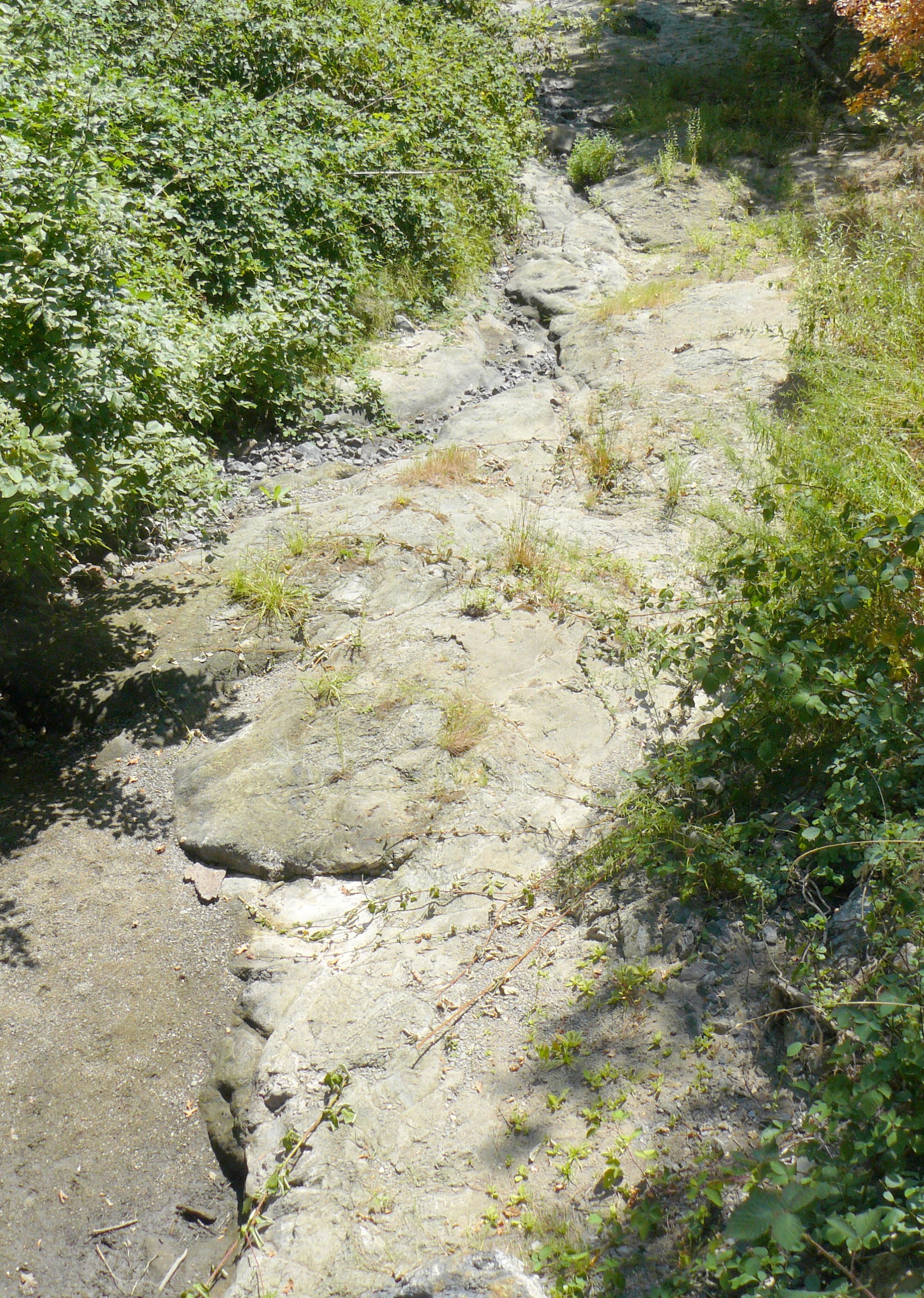
Here in Merlin, Southern Oregon, our own ‘all-year’ creek, Bummer Creek, that flows through our property has been dry for about two weeks. Our grass fields are parched brown and many of the trees are signalling a shortage of water. And let’s not even think about the underground aquifer that supplies our drinking water.
All of which makes a sombre introduction to a recent essay over on TomDispatch, republished here with the very kind permission of Tom Engelhardt. (But see my note at the end of the essay.)
ooOOoo
Tomgram: William deBuys, Entering the Mega-Drought Era in America
Posted by William deBuys at 4:17pm, August 16, 2015.
The other day here in New England it was chilly, rainy, and stormy and I complained. Where was the sun? The warmth? The summer? I happened to be with someone I know from California and he shook his head and said, “It’s fine with me. I like it rainy. I haven’t seen much rain in a while.” It was a little reminder of how insular we can be. California, after all, is in the fourth year of a fearsome drought that has turned much of the North American West, from Alaska and Canada to the Mexican border, into a tinderbox. Reservoirs are low, rivers quite literally drying up, and the West is burning. In rural northern California, where the fires seem to be least under control, the Rocky Fire has already burned 109 square miles and destroyed 43 homes, while the Jerusalem Fire, which recently broke out nearby, quickly ate up almost 19 square miles while doubling in size and sent local residents fleeing, some for the second time in recent weeks.
Fires have doubled in these drought years in California. The fire season, once mainly an autumnal affair, now seems to be just about any day of the year. (This isn’t, by the way, just a California phenomenon. The latest study indicates that fire season is extending globally, with a growth spurt of 18.7% in the last few decades.) In fact, fire stats for the U.S. generally and the West in particular are worsening in the twenty-first century, and this year looks to be quite a blazing affair, with six million acres already burned across the region and part of the summer still to go. And here’s the thing: though “I’m not a scientist,” it’s pretty hard at this point not to notice — though most Republican candidates for president seem unfazed — that this planet is heating up, that today’s droughts, bad as they are, will be put in the shade by the predicted mega-droughts of tomorrow, and that the problem of water in the American West is only going to deepen — or do I mean grow shallower? TomDispatch regular William deBuys, an expert on water in that region and author of A Great Aridness: Climate Change and the Future of the American Southwest, has already written dramatically of a future “exodus from Phoenix.” For clues to what we will all experience sooner or later, he now turns to California, that bellwether state in which, as he writes, the future always seems to play itself out first. Tom
California First
As Both Climate Victim and Responder, the National Style-Setter Leads the Way
By William deBuys
Long ago, I lived in a cheap flat in San Francisco and worked as the lone straight man in a gay construction company. Strangely enough, the drought now strangling California brings back memories of those days. It was the 1970s. Our company specialized in restoring the Victorian “gingerbread” to the facades of the city’s townhouses, and I got pretty good at installing cornices, gable brackets, and window hoods, working high above the street.
What I remember most, though, is the way my co-workers delighted in scandalizing me on Monday mornings with accounts of their weekend exploits.
We were all so innocent back then. We had no idea of the suffering that lay ahead or of the grievous epidemic already latent in the bodies of legions of gay men like my friends, an epidemic that would afflict so many outside the gay community but was especially terrible within it.
It’s unlikely that many of those guys are alive today. HIV was already in the population, although AIDS had yet to be detected or named, and no one had heard of “safe sex,” let alone practiced it. When the epidemic broke out, it was nowhere worse than in trendsetting San Francisco.
By then I had returned to New Mexico, having traded my hammer for a typewriter. When I announced my intention to leave California, the guys all said the same thing. “Don’t go back there,” they protested. “You’ll just have to go through all of this again!”
All of this required no translation. It meant the particular newness of life in that state, which was always sure to spread eastward, as Californian styles, attitudes, problems, tastes, and fads had been spreading to the rest of the country almost since the days of the Gold Rush.
Hippies, flower power, bikers, and cults. The movies we see and the music we listen to. The slang we pick up (I mean like, what a bummer, dude). Wine bars and fern bars, hot tubs and tanning booths, liposuction and boob jobs. The theft of rivers (Forget it, Jake. It’s Chinatown) and the theft of baseball teams (Brooklyn still mourns). Gay rights, car culture, and the Reagan Revolution. Scientology, mega-churches, Buddhist chic, and exercise videos. If they didn’t actually start in California, they got big and came to national attention there. Without the innovations of Silicon Valley, would you recognize your mobile phone or computer? Would you recognize yourself?
It’s the same with climate change. California in the Great Drought is once again Exhibit A, a living diorama of how the future is going to look for a lot of us.
And the present moment — right now in 2015 — reminds me of San Francisco as the AIDS epidemic broke out. Back then we had no idea how bad things were going to get, and that is likely to be true now, as well. As usual, California is giving us a preview of our world to come.
The Arrival of the Bone-Dry New Normal
On the U.S. Drought Monitor’s current map, a large purple bruise spreads across the core of California, covering almost half the state. Purple indicates “exceptional drought,” the direst category, the one that tops both “severe” and “extreme.” If you combine all three, 95% of the state is covered. In other words, California is hurting.
Admittedly, conditions are better than at this time last year when 100% of the state was at least “severe.” Recent summer rains have somewhat dulled the edge of the drought, now in its fourth year. Full recovery, however, would require about a foot of rain statewide between now and January, a veritable deluge for places like Fresno, which in good times only get that much rain in a full year.
To be clear, the current drought may not have been caused by climate change. After all, California has a long history of periodic fierce droughts that arise from entirely natural causes, some of them lasting a decade or more. Even so, at a minimum climate change remains a potent factor in the present disaster. The fundamental difference between California’s current desiccation and its historical antecedents is that present conditions are hotter thanks to climate change, and hotter means drier since evaporation increases with temperature. Moreover, the relationship between the two is non-linear: as temperature creeps up, evaporation gallops. Bottom line: the droughts of the future will be much more brutal — and destructive — than those of the past.
California is already on average about 1.7° Fahrenheit hotter than a century ago, and its rate of warming is expected to triple in the century ahead. The evaporative response to this increase will powerfully amplify future droughts in unprecedented ways, no matter their causes.
Throughout the state, draconian cutbacks in water use remain in force. Some agricultural districts are receiving 0% of the federally controlled irrigation water they received in past years, while state water deliveries are running at about 15% of normal.
Meanwhile, a staggering 5,200 wildfires have burned in the state’s forests and chaparral country this year, although timely rains everywhere but in the northern parts of California and the rapid responses of a beefed-up army of firefighters limited the burning to less acreage than last year — at least until recently. The blow-up of the Rocky Fire, north of San Francisco, in the early days of August — it burned through 20,000 acres in just a few hours — may change that mildly promising statistic. And the fire season still has months to go.
So how is this a trendsetter, a harbinger for lands to the east? California’s drought is deep and long — we don’t yet know how long — and the very long-term forecast for an immense portion of western North America, stretching from California to Texas and north to South Dakota, is for a future of the same, only worse. Here is the unvarnished version of that future (on which an impressive number of climate models appear to agree) as expressed in a paper that appeared in Science Advances last February: “The mean state of drought in the late 21st century over the Central Plains and Southwest will likely exceed even the most severe mega-drought periods of the Medieval era in both high and moderate emissions scenarios, representing an unprecedented fundamental shift with respect to the last millennium.”
Let’s unpack that a little bit: principal author Benjamin Cook of NASA and his colleagues from Columbia and Cornell universities are saying that climate change will bring to the continent a “new normal” more brutally dry than even the multiple-decades-long droughts that caused the Native American societies of Chaco Canyon and Mesa Verde to collapse. This, they add, is now expected to happen even if greenhouse gas emissions are significantly lowered in the decades to come. The impact of such droughts, they conclude, will exceed the bounds of anything known in the history of the continent or in its scientifically reconstructed pre-history.
In other words, the California drought of recent years offers only a foretaste of what is to come. Incidentally, Cook, et al. are by no means outliers in the literature of climate prediction. Other important studies with similar forecasts support a steadily broadening consensus on the subject.
And North American droughts will have to compete for attention with countless other climate change impacts, especially the hundreds of millions of refugees worldwide who will be put into motion by rising sea levels and other forces that will render their present homes unlivable.
A User’s Guide to Climate Change
If California points the way to dry times ahead, it also gives us an early glimpse of how a responsible society will try to live with and adjust to a warmer future. The state has imposed stringent new limits on water use and is actively enforcing them, and in general, individual consumers have responded positively to the new requirements, in some cases even exceeding mandated conservation goals.
In a similar spirit, the state has augmented its wildland fire-fighting capacity to good effect, even as the fire danger has approached levels never before seen.
Perhaps most impressively the state has adopted its own pioneering cap-and-trade program aimed at rolling back total greenhouse gas emissions to 1990 levels. Under cap-and-trade, carbon polluters have to obtain permits to continue their emissions, and only a finite number of such permits are made available. A coal-burning power plant or a refinery has to buy its permit from the state or from another company that already has one. This way, a ceiling is established for total greenhouse gases emitted by the most energy-intensive sectors of the economy.
Although the jury may still be out on how well the program meets its goals, there is no debating its positive impact on the state treasury. In the fiscal year just begun, the auction of permits under California’s cap-and-trade program will net approximately $2.2 billion, a windfall that will be spent on mass transit, affordable housing, and a range of climate-adaptation programs. And by the way, the warnings of nay-sayers and climate deniers that cap-and-trade would prove a drag on the economy have proved groundless.
In a manner similar to the U.N.’s prestigious Intergovernmental Panel on Climate Change, California now publishes an assessment every three years of both its vulnerability to climate change and the steps it plans to take to mitigate or adapt to its effects. The report is a model of its kind and draws on copious California-specific scientific research, some of which is funded by the state.
You might think California’s neighbors would follow suit, and eventually, as with most things Californian, they undoubtedly will. If President Obama’s just-announced “Clean Power Plan” withstands the expected court challenges, it will prove a powerful spur in that direction as it mandates state-by-state reductions in power plant carbon emissions that will, in the end, drive them 32% below 2005 levels. Many states will undoubtedly have to adopt cap-and-trade systems in order to comply. As they set about devising their own programs, where do you think they will look for a workable example? You guessed it: California.
An “Island” Again, or Nearly So
In the seventeenth century, Spanish cartographers thought California was an island separated from the rest of North America by the legendary Straits of Anian. In some ways, nothing has changed. In late July, while California Governor Jerry Brown was at the Vatican joining Pope Francis in calling for urgent global action to combat climate change, his opposite numbers across the putative straits continued to assume the posture of startled ostriches.
Doug Ducey, the Republican governor of Arizona, admits that the climate may indeed be changing but doubts that humans play a causal role in it. Susana Martinez of New Mexico, also a Republican, continues to insist that climate science is inconclusive, while former governor of Texas and current presidential candidate Rick Perry adamantly remains “not a scientist,” although he knew enough to inform us in his 2012 campaign screed Fed Up that climate change science is “a contrived phony mess.”
In general, when it comes to climate change, the leadership of statehouses across the country remains as troglodytic as the House of Representatives. Only in Hawaii, Oregon and Washington on the West Coast, Minnesota in the Midwest, and a handful of Northeastern states will governors even acknowledge the importance of acting to curb climate change as well as adapt to it.
This year, the deniers may get a boost from an unlikely source. Warm surface waters seem to be brewing something special in the Pacific Ocean. Says one researcher, “The El Niño event currently ongoing in the eastern and central Pacific is strengthening. The only question is whether it will be just a significant event, or a huge one.”
El Niño draws the winter Pacific storm track southward, bringing precipitation to southern California, Arizona, and points eastward. If the southern tier of states has a wet winter, the Republican rain-dancers will feel confirmed in their official doubt and denialism, much as a broken clock is right at least twice a day.
Occasional El Niños, however, will not avert the long-term new normal for California and much of the West. As that state is showing, adaptation will soften some of the blows, and possibly, if we act soon enough and strongly enough, we may manage to cap the overall changes at some still livable level. The jury will be out on that for quite some time.
Meanwhile, as in pre-AIDS San Francisco, we are all still in a state of at least semi-innocence. Maybe we can imagine in an intellectual way what it might be like to lose the forests across half of the continent, but can any of us conjure the feeling of how that would be?
After many missteps and halting starts, the medical and public health establishments finally came to the assistance of the victims of AIDS. As difficult as that was, it was easy compared to the remedies climate change will demand. And for much of the damage there will be no remedy. Get ready.
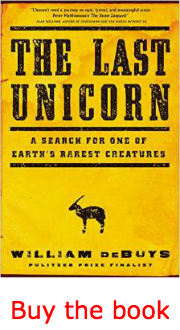
William deBuys, a TomDispatch regular, is the author of eight books, the most recent of which is The Last Unicorn: A Search for One of Earth’s Rarest Creatures. He has written extensively on water, drought, and climate in the West, including A Great Aridness: Climate Change and the Future of the American Southwest.
Follow TomDispatch on Twitter and join us on Facebook. Check out the newest Dispatch Book, Nick Turse’s Tomorrow’s Battlefield: U.S. Proxy Wars and Secret Ops in Africa, and Tom Engelhardt’s latest book, Shadow Government: Surveillance, Secret Wars, and a Global Security State in a Single-Superpower World.
Copyright 2015 William deBuys
ooOOoo
Again, there are far too many links for me to bring across to this republication but I do recommend that if you have an extra special interest in William deBuys essay that you check through all the links in the original version to be read here.
Yes Paul, I too recognise the value in understanding the neural substrates involved, regardless of what may in any case be reliably inferred and readily apparent in behavioural evidence. The social intelligence of the dog seems remarkably advanced of course, and so naturally provides a rich source for such research. Having said that, I am struck by the amount of academic funding that goes into confirming what is already self-evident, and wonder if the apportioning of funds is done quite as effectively as it could be. Much is determined by commercial interests of course.
“Much is determined by commercial interests …”
I have been a resident of the United States since April 2011. There has been much to take in and embrace at so many levels. However, one of the things that has seemed very foreign to my eyes was the extent of the obesity seen almost everywhere that one is out and about. At first it seemed more of an American issue, but over the last few years watching news items from the UK and seeing other general items on the internet from ‘the old country’ I came to realise that countries both ‘sides of the pond’ are grappling with what could be fairly described as an epidemic.
Yesterday, George Monbiot published an essay called Slim Chance. As with so many of Mr. Monbiot’s essays this one highlights issues that I am sure are not widely appreciated. It is republished here with Mr. Monbiot’s kind permission.
ooOOoo
Slim Chance
11th August 2015
New evidence suggests that obesity might be incurable. So why does the government propose to punish sufferers?
By George Monbiot, published in the Guardian 12th August 2015
Is overeating more addictive than crack cocaine? It’s hard to compare addiction rates, or to produce a clear definition that holds true across all substances and behaviours. But consider this crude contrast. Between 10 and 20% of people who use crack cocaine become addicted to it. Across a 9-year study of 176,000 obese people, 98.3% of the men and 97.8% of the women failed to return to a healthy weight. Once extreme overeating begins, it appears to be almost impossible to stop.
A paper published in the journal Neuroscience and Biobehavioral Reviews proposed that “food addiction” is a less accurate description of this condition than “eating addiction”. There is little evidence that people who are driven to overeat become dependent on a single ingredient; instead they tend to seek out a range of highly palatable, energy-dense foods, of the kind with which we are now surrounded.
The activation of reward systems in the brain and the loss of impulse control are similar to those involved in dependency on drugs. But eating addiction appears to be more powerful. As the same paper notes, in laboratory experiments “a majority of rats will prefer a sweet reward over a cocaine reward.”
Once you become obese, an article published in the Lancet this year explains, biological changes lock you in. Fat cells proliferate. The brain becomes habituated to dopamine signalling (the reward pathway), driving you to compensate by increasing your consumption. If you try to lose weight, the body perceives that it is being starved, and powerful adaptations (such as an increase in metabolic efficiency) try to bounce you back to your previous state. People who manage, against great odds, to return to a normal weight must consume 300 fewer calories per day than those who have never been obese, if they are not to put the weight back on. “Once obesity is established, … bodyweight seems to become biologically stamped in”. The more weight you lose, the stronger the biological pressure to get back to your former, excessive size.
The researchers find that “these biological adaptations often persist indefinitely”: in other words, if you have once been obese, staying slim means sticking to a strict diet for life. The best you can hope for is not a dietary cure, but “obesity in remission”. The only effective, long-term treatment for obesity currently available, the same paper says, is bariatric surgery. This can cause a number of grim complications.
I know this statement will be unwelcome. I too hate the idea that people cannot change their circumstances. But the terrible truth is that, except through surgery, for the great majority of sufferers, obesity is an incurable disease. In one respect it resembles cancer: the changes in lifestyle that might have prevented it are unlikely to be of use in curing it.
Fat-shaming is worse than useless. Another paper found that the more weight-conscious people are, the more likely they are to overeat: the stress it induces is a trigger for comfort eating. As Sarah Boseley points out in her book The Shape We’re In, “the diet industry … is one of the biggest frauds of our time”. For the obese, temporary reductions in weight will almost inevitably be reversed.
People who are merely overweight, rather than obese (in other words who have a BMI of between 25 and 30) appear not to suffer from the same biochemical adaptations: their size is not “stamped in”. For them, changes of diet and exercise are likely to be effective. But urging obese people to buck up produces nothing but misery.
The crucial task is to reach children before they succumb to this addiction. As well as help and advice for parents, this surely requires a major change in what scientists call “the obesogenic environment” (high energy foods and drinks and the advertising and packaging that reinforces their attraction). Unless children are steered away from overeating from the beginning, they are likely to be trapped for life.
You might have expected this knowledge to lead to acceptance, empathy and an end to stigmatisation. Fat chance. A fortnight ago, just after the figures I mentioned at the top of this article were published, David Cameron announced a review that could lead to obese people being deprived of social security payments if they fail to accept “treatment” for their condition.
This review, conducted by Dame Carol Black, has already pre-empted its conclusions: eight times it describes obesity as “treatable”. Really? How? It will consider the case “for linking benefit entitlements to take up of appropriate treatment”. Are Cameron and Black proposing that benefit claimants will be forced to undergo surgery? Or will they be pressed into a useless and punitive dietary regime? These proposals look to me like a transfer of blame for the disease away from food manufacturers and advertisers and onto those afflicted.
Why do we have an obesity epidemic? Has the composition of the human species changed? Have we suffered a general collapse in willpower? No. The evidence points to high-fat, high-sugar foods that overwhelm the impulse control of children and young adults, packaged and promoted to create the impression that they are fun, cool and life-enhancing. Many are placed in the shops where children are bound to encounter them: around the tills, at grasping height.
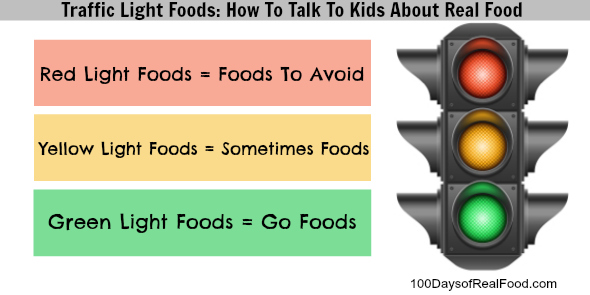
The disease will keep ravaging the population (and slowly overwhelm the health service) until these circumstances change. But the government’s sole contribution has been to tear down mandatory controls, replacing them with a voluntary – and therefore useless – “responsibility deal” with manufacturers and retailers. It allows them to choose whether or not to use the traffic light system, which is the most effective way of informing people about the likely impact of what they eat. And many corporations, unsurprisingly, choose not to. As far as nutritional content is concerned, food manufacturing is effectively unregulated.
Industry and government will resist the obvious solutions until they can be resisted no longer. Eventually, the change will have to happen: similar restrictions on advertising, sponsorship, display and accessibility to those imposed on the tobacco pedlars. One day, though not before many thousands have needlessly died, it will become illegal to advertise any food or drink that merits a red traffic light warning. They will be sold only in plain packaging, with health warnings, on high shelves.
Does this seem draconian to you? If so, remember that obesity afflicts a quarter of the adult population, and is rising rapidly. It causes a range of hideous conditions, just one of which – diabetes – accounts for one sixth of NHS admissions and 10% of its budget. If smoking demands fierce intervention, why not overeating?
This is the choice we face. To recognise that the only humane and effective means of addressing the obesity epidemic is to prevent more people from being hooked, by restricting the pushers. Or to continue a programme of fat-shaming, bullying and compulsory treatment, whose only likely outcome is unhappiness. Now ask yourself again: which of these two options is draconian?
Let me close with an image. The image that George Monbiot believes will be seen very widely and representing the same common-sense in eating that we have been used to with regard to No Smoking signs.
Sent in to me by Cynthia Gomez, and it’s just gorgeous.
Marieles Dinner – Funny dog eats elegant at table
Published on Nov 22, 2013
Mariele, the German Shorthaired Pointer is the top model. She likes to eat in high-class places.
This little show took place in summer 2013. Mariele is sitting at the table and is looking forward to getting served. It took just a few training lessons for Mariele to get used to the situation because there is nothing further to do for her as to sit quite comfortable on a cushion and wait patiently for the food to come. Mariele is 12 years old and in younger years she worked as a rescue dog. She loves to make new experiences and she is very gentle. The temptation to wolf down sausages and meat would have been too strong to her. So we decided to serve carrots and potatoes which she likes too — but not too much…
We got inspired by TWO DOGS DINING — thank you very much.
Republished for the wider promotion of this alert.
Dear Fellow Dog Lover,
Because you signed up on our website and asked to be notified, I’m sending you this special recall alert.
On July 7, 2015, Carnivore Meat Company of Green Bay, Wisconsin, announced it is voluntarily recalling two batches of its Vital Essentials raw frozen dog food due to possible contamination with Listeria bacteria.
Listeria is not only dangerous to dogs, it can be deadly to small children, the elderly and those with autoimmune disorders.
The affected products were distributed in 12 U.S. states.
Yesterday, I wrote about what I saw as a prelude to today’s post. It was a post about the madness of the way we ingest antibiotics, frequently without us being aware that we are so doing.
The reason I regarded it as a very appropriate prelude to today is fully spelt out by George Monbiot’s second essay on the utter insanity about how our food is grown. His first essay was called Fowl Deeds and you may read it here.
So with no further ado, here is George Monbiot’s second essay republished with his kind permission.
ooOOoo
The Abuses of Enchantment
29th May 2015
The cruelties of factory farming shelter behind a fairytale image, promoted by advertisers and children’s authors.
By George Monbiot, published on the Guardian’s website 29th May 2015
The way that meat, eggs and milk are produced is surrounded by one of our great silences, in which most people collaborate. We don’t want to know, because knowing would force anyone with a capacity for empathy to change their diet.
You break this silence at your peril. After I published an article on chicken farming last week, I had to re-read it to check that I hadn’t actually proposed the slaughter of the firstborn by terrorist devil worshippers – so outraged and vicious were some of the responses. And that was just the consumers.
The producers didn’t like it much either, though their trade associations responded in more measured tones. In letters to the Guardian on Saturday, the National Farmers’ Union and the British Poultry Council angrily defended the industry. The NFU wrote:
“In the UK 90% of all chicken is produced to Red Tractor standards and this demonstrates that the chicken has met production standards developed by experts on animal welfare, safety, hygiene and the environment. Farmers take the welfare of their birds extremely seriously, and therefore to accuse the sector of cruelty is absolutely unfounded.”
The BPC maintained that chicken “provides a wholesome, nutritious, sustainable and affordable source of protein, produced by an industry unsubsidised by government.”
Let’s spend a moment examining these claims, before raising the issue of how they get away with it.
In my view, the Red Tractor standard is a classic example of an almost meaningless label, whose purpose is to reassure customers in a vague and fuzzy way while holding producers to standards that scarcely rise above the legal minimum. That’s a long-winded way of saying bullshit.
“The maximum stocking density for chickens kept to produce meat for the table should be 34 kg/m2, which should not be exceeded at any time during the growing period.”
This meets the legal requirement only because the UK uses a cruel derogation from European law, permitting a maximum stocking density of 39kg/m2. [Ed. American units convert that to 74.8 lbs of chicken mass per square yard.] So much for the NFU’s statement about taking the welfare of chickens extremely seriously.
On almost every welfare indicator, and across all the main farm animals, including chickens, Red Tractor scored worse than any other certification scheme evaluated by Compassion in World Farming. Amazingly, the Red Tractor label imposes no restrictions on the growth rates of chickens: it allows the most overbred varieties to be stuffed with high-protein feed, with the result that the birds often suffer from painful and crippling health problems, as their hearts, lungs and legs are overloaded.
As for the British Poultry Council’s claims, if chickens fed on soya – as the great majority in this country are – are sustainable, what does unsustainable look like? Soya production is one of the major agents of the destruction of rainforests, cerrado and other threatened habitats in South America. The environmental impacts of chickenfeed are, well, anything but chickenfeed. The mass production of chickens has major consequences at the other end of the bird too: the mountains of excrement cause both water and air pollution.
Nor is the claim that this industry is unsubsidised correct. Many chicken growers barely break even on the sale of birds, and survive only as a result of the government’s renewable heat incentive. This is a remarkably generous scheme whose ostensible purpose is to reduce carbon emissions, but which really functions as another subsidy for businesses, especially farms. Most new chicken units use biomass boilers subsidised by the RHI, and it is immensely profitable.
So now to the real question: how do they get away with it? How is it that we, who regard ourselves as a nation of animal lovers, accept such terrible standards of meat production? If dogs and cats were treated as pigs and chickens are, there would be a deafening outcry: in fact there are plenty of people in Britain who campaign against the raising of dogs and cats for food in Asia. But what’s the difference? Why is it acceptable to treat some animals – even creatures as intelligent and capable of suffering as pigs – so brutally, but not others?
In part, this reflects the deep disavowal in which we tend to engage when we eat meat. But I also believe that a major part of the problem is the fairytale view of farming implanted in our minds from the very onset of consciousness.
Many of the books produced for very young children are about farms; and most tell broadly the same story. The animals – generally just one or two of each species – live in perfect harmony with the rosy-cheeked farmer, roaming around freely and talking to each other, almost as if they were members of the farmer’s family. Understandably enough, none of the uncomfortable issues – slaughter, butchery, castration, tusking, separation, battery production, farrowing crates – ever feature.
So deeply embedded is this image that I believe many people go through life unable to dismiss it from their minds. It is not easy to unlearn what we are taught when we’re very young, and even the grim realities of industrial farming cannot displace the storybook images from our minds. At a deep, subconscious level, the farm remains a place of harmony and kindness – and this suits us very well if we want to keep eating meat.
Perhaps the starkest example of this myth-making I’ve come across is a children’s book distributed with Saturday’s Guardian called The Tale of City Sue. It tells the story of a herd of cows on an Irish farm.
“This friendly, Friesian family
were free to roam and browse
and eat the freshest, greenest grass
which made them happy cows.
“They belonged to farmer Finn
Who called them by their names
And when it was their birthday
He brought party hats and games.
“He played his violin for them
inside the milking shed,
and sung them soothing lullabies
when it was time for bed.”
Only after I had unthinkingly read it to my three-year-old then turned the back cover, did I discover that it wasn’t a book at all, but an extended advertisement for Kerrygold butter.
It wasn’t billed as such. The Guardian’s website marketed this publication as “A tale from the meadow of imagination: children’s author Jeanne Willis’s latest book captures the idyllic atmosphere of rural Ireland.” Following my questions to the Guardian, this has now been changed to make its provenance clearer.
I find disguised marketing of any kind objectionable, and disguised marketing to children (aimed in this case at reaching their parents) even worse. I feel that this book misleads children about the nature of farming and milk production and sanitises the relationship between farmers and their animals, on behalf of a large corporation (Kerrygold’s parent company, Adams Foods). It exploits children’s credulity and natural sympathy with animals for corporate profits.
When I challenged the Guardian about this, its spokesperson told me:
“All branded content should be clearly labelled for the benefit of our readers in line with our guidelines. On this occasion the insert was not correctly labelled and we apologise for this error.”
I also wrote to the author, Jeanne Willis, who replied as follows: “I was commissioned by Kerrygold so it’s best they answer your questions. Xxxx Xxxx from Brazen PR will be in touch soon.”
Brazen PR. Hmmm.
I wrote back, asking her, “Do children’s authors not have a responsibility towards those they write for? Is there not an issue of conscience here for you? After all, if a children’s author is misleading children on behalf of a corporation, that’s a serious matter, surely? It has been done in your name, and promoted as your “latest book”, so simply shrugging off responsibility like this feels wrong to me. You must have a view about whether or not accepting this commission was the right thing to do, and whether you were justified in discharging it as you did.”
She responded as follows:
“… to the best of my knowledge, Kerrygold seem to be particularly strong on animal welfare so there wasn’t a question that what I created was going to be misleading. The brief was very simple: Kerrygold cows spend a lot of time outside feeding on grassy meadows so let’s tell some fun stories about our cows. I don’t feel it’s exploiting kids because the only take out is that it’s better to feed cows on grass and ensure they spend as much time outside as possible.”
“I’m very careful which brands I work with to avoid this exact situation – I wouldn’t have done this if I thought it was morally wrong. It’s a storybook for families to enjoy. There is no overt message to buy butter. It’s just about the cows. That said, it clearly says Kerrygold on the inside cover and on the back.”
It seems to me that subliminal persuasion of this kind (“the cows are happy”) can be more insidious than overt marketing (“buy our butter”). To my mind, Kerrygold is seeking to persuade people of the inherent goodness of its products at a deeper level than merely flashing up the products.
As for the issue of animal welfare, Kerrygold’s website states “We work with small co-operative farms where small herds are free to graze on lush Irish meadows.” But it does not say “We work only with small co-operative farms …”.
The parent website run by Adams puts it slightly differently: “Kerrygold is … is owned by Irish dairy farmers, many of their farms are small and family run”. Which could also mean that many of them are not. So I asked the company, “What is your milk buying policy? In other words, what specifications – on scale, feed, the treatment of animals, process etc – do you put in place that your suppliers have to adhere to?” I have not had a response.
From what I can glean, Kerrygold’s marketing seems to rely on the public perception that Irish dairy farms are small and mostly grass-fed. But they are changing fast.
According to the former chair of the Irish Farmers’ Association, “scale must go up. … The dairy farm of the future is going to have to be bigger.”
Could the current Kerrygold marketing blitz be an attempt to embed in our minds a bucolic, superannuated image of an industry that is now changing beyond recognition? If so, it might be an effective way of pre-empting criticism about the changing nature of its suppliers.
Dairy cows, like chickens and pigs, get a rough deal, while the effluent from dairy farms creates major environmental problems. Imagine the response if children were exposed to such blatant sanitisation of a harsh and polluting industry in any other sector. But so prevalent is this mythologised view of farming, and so wilfully unaware do we remain of the realities of industrial agriculture, that it passes almost without challenge. My guess is that the Guardian made this error – a serious one in my view – partly because the themes Jeanne Willis and Kerrygold exploited are so familiar that they are almost background noise.
Isn’t it time that children’s authors showed a little more imagination and stopped repeatedly churning out the same basic story, even when they are not doing it on behalf of a large corporation?
Is it not time that adults weaned themselves off the fairytale version of farming and began to judge it by the same standards as we would judge other industries?
And is it not time for all of us to become a little more curious about where meat, milk and eggs come from, and how they are produced?
Now I haven’t been a resident of the United Kingdom since 2008 so I have no personal views to add to those expressed by Mr. Monbiot. However, I do not have the slightest hesitation in saying that not only do I trust George Monbiot’s integrity in this matter but I fear that the situation here in the USA is just as terrible, if not worse.
I thought I would close today’s post by offering some pictures of broiler chicken units. There are many images on the ‘net’.
But they were so ghastly to view that I didn’t have the heart to include a picture.
So I included this one:
The picture was on the website of Mini Mac Farm in Long Valley, NJ.
Some aspects of our food that many of us would rather not know about!
Many readers will be used to me republishing the essays from George Monbiot. Admittedly, not every single one of them but especially those that seem to have a message that deserves a wider promulgation. Having Mr. Monbiot’s permission to so do is generous of him.
Yesterday, there was an essay written by him that was published both on his blog and in the UK’s Guardian Newspaper. At first reading, it seemed to apply predominantly to the United Kingdom. Then, upon a second reading, I was convinced that this was yet another ‘message’ that quite happily fits in here, on Learning from Dogs. Because it is another reminder that integrity is missing from so many aspects of our societies.
You be the judge!
ooOOoo
Fowl Deeds
19th May 2015
The astonishing, multiple crises caused by chicken farming.
By George Monbiot, published in the Guardian 20th May 2015
It’s the insouciance that baffles me. To participate in the killing of an animal: this is a significant decision. It spreads like a fungal mycelium into the heartwood of our lives. Yet many people eat meat sometimes two or three times a day, casually and hurriedly, often without even marking the fact.
I don’t mean to blame. Billions are spent, through advertising and marketing, to distract and mollify, to trivialise the weighty decisions we make, to ensure we don’t connect. Even as we search for meaning and purpose, we want to be told that our actions are inconsequential. We seek reassurance that we are significant, but that what we do is not.
It’s not blind spots we suffer from. We have vision spots, tiny illuminated patches of perception, around which everything else is blanked out. How often have I seen environmentalists gather to bemoan the state of the world, then repair to a restaurant in which they gorge on beef or salmon? The Guardian and Observer urge us to go green, then publish recipes for fish whose capture rips apart the life of the sea.
The television chefs who bravely sought to break this spell might have been talking to the furniture. Giant chicken factories are springing up throughout the west of England, the Welsh Marches and the lowlands of the east. I say factories for this is what they are: you would picture something quite different if I said farm; they are hellish places. You might retch if you entered one, yet you eat what they produce without thinking.
Two huge broiler units are now being planned to sit close to where the River Dore rises, at the head of the Golden Valley in Herefordshire, one of the most gorgeous landscapes in Britain. Each shed at Bage Court Farm – warehouses 90 metres long – is likely to house about 40,000 birds, that will be cleared out, killed and replaced every 40 days or so. It remains to be seen how high the standards of welfare, employment and environment will be.
The UK now has some 2,000 of these factories, to meet a demand for chicken that has doubled in 40 years [1]. Because everything is automated, they employ few people, and those in hideous jobs: picking up and binning the birds that drop dead every day, catching chickens for slaughter in a flurry of shit and feathers, then scraping out the warehouses before the next batch arrives.
The dust such operations raise is an exquisite compound of aerialised faeces, chicken dander, mites, bacteria, fungal spores, mycotoxins, endotoxins, veterinary medicines, pesticides, ammonia and hydrogen sulphide. It is listed as a substance hazardous to health, and helps explain why 15% of poultry workers suffer from chronic bronchitis. Yet, uniquely in Europe, the British government classifies unfiltered roof vents on poultry sheds as the “best available technology”. If this were any other industry, it would be obliged to build a factory chimney to disperse the dust and the stink. But farming, as ever, is protected by deference and vested interest, excused from the regulations, planning conditions and taxes other business must observe. Already, Herefordshire County Council has approved chicken factories close to schools, without surveying the likely extent of the dust plumes either before or after the business opens. Bage Court Farm is just upwind of the village of Dorstone.
Inside chicken factories are scenes of cruelty practised on such a scale that they almost lose their ability to shock. Bred to grow at phenomenal speeds, many birds collapse under their own weight, and lie in the ammoniacal litter, acquiring burns on their feet and legs and lesions on their breasts. After slaughter they are graded. Those classified as grade A can be sold whole. The others must have parts of the body removed, as they are disfigured by bruising, burning and necrosis. The remaining sections are cut up and sold as portions. Hungry yet?
Plagues spread fast through such factories, so broiler businesses often dose their birds with antibiotics. These require prescriptions but – amazingly – the government keeps no record of how many are issued. The profligate use of antibiotics on farms endangers human health, as it makes bacterial resistance more likely.
But Herefordshire, like other county councils in the region, scarcely seems to care. How many broiler units has it approved? Who knows? Searches by local people suggest 42 in the past 12 months. But in December the council claimed it has authorised 21 developments since 2000. [2] This week it told me it has granted permission to 31 since 2010. It admits that it “has not produced any specific strategy for managing broiler unit development” [3]. Nor has it assessed the cumulative impact of these factories. At Bage Court Farm, as elsewhere, it has decided that no environmental impact assessment is needed [4].
So how should chicken be produced? The obvious answer is free range, but this exchanges one set of problems for another. Chicken dung is rich in soluble reactive phosphate. Large outdoor flocks lay down a scorching carpet of droppings, from which phosphate can leach or flash into the nearest stream. Rivers like the Ithon, in Powys, are said to run white with chicken faeces after rainstorms. The River Wye, a special area of conservation, is blighted by algal blooms: manure stimulates the growth of green murks and green slimes that kill fish and insects when they rot. Nor does free range solve the feed problem: the birds are usually fed on soya, for which rainforests and cerrado on the other side of the world are wrecked.
There is no sensible way of producing the amount of chicken we eat. Reducing the impact means eating less meat – much less. I know that most people are not prepared to stop altogether, but is it too much to ask that we should eat meat as our grandparents did, as something rare and special, rather than as something we happen to be stuffing into our faces while reading our emails? To recognise that an animal has been sacrificed to serve our appetites, to observe the fact of its death, is this not the least we owe it?
Knowing what we do and what we induce others to do is a prerequisite for a life that is honest and meaningful. We owe something to ourselves as well: to overcome our disavowal, and connect.
[1] Total purchases for household consumption (uncooked, pre-cooked and take-aways combined) rose from 126 grammes per person per week in 1974 to 259 grammes in 2013 (see the database marked UK – household purchases).
[2] BBC Hereford and Worcester, 15th December 2014
[3] Response to FoI request IAT 7856, 13th August 2014
[4] Herefordshire County Council, 22nd December 2014. Screening Determination of Bage Court Farm development, P143343/F
ooOOoo
Jean and I found a way to watch the BBC Panorama programme that was broadcast recently. It was screened under the title of Antibiotic Apocalypse. This is how the programme was introduced on the BBC website:
Panorama investigates the global advance of antibiotic-resistant superbugs and the threat they pose to modern medicine and millions of patients worldwide. Reporter Fergus Walsh travels to India and finds restricted, life-saving antibiotics on sale without prescription and talks to NHS patients whose recovery depends on them.
There is much in George Monbiot’s essay that resonates with the findings of that Panorama programme. Indeed, the Panorama programme showed the extent of the use of antibiotics in many animals over and beyond chickens.
It hardly needs to be said by me that the reason this is republished in a blog based in Southern Oregon, USA is because this is a problem that is not unique to the United Kingdom; far from it!
On Monday I published a post Hope Has A Place. It was based upon the hauntingly beautiful track of the same name from Enya. Then yesterday, serendipitously, came The watering hole. Both of those posts, although miles apart in terms of content, nonetheless seemed to subscribe to a common theme. That being that the more that everyday people, good common folk from all around the world, share their feelings, the more likely that those self-same people will make a difference. A positive difference!
Now don’t get me wrong! By presenting these recent posts I am not setting myself up to be anything other than just another everyday person and dog lover who just happens to enjoy sharing stuff via this blog.
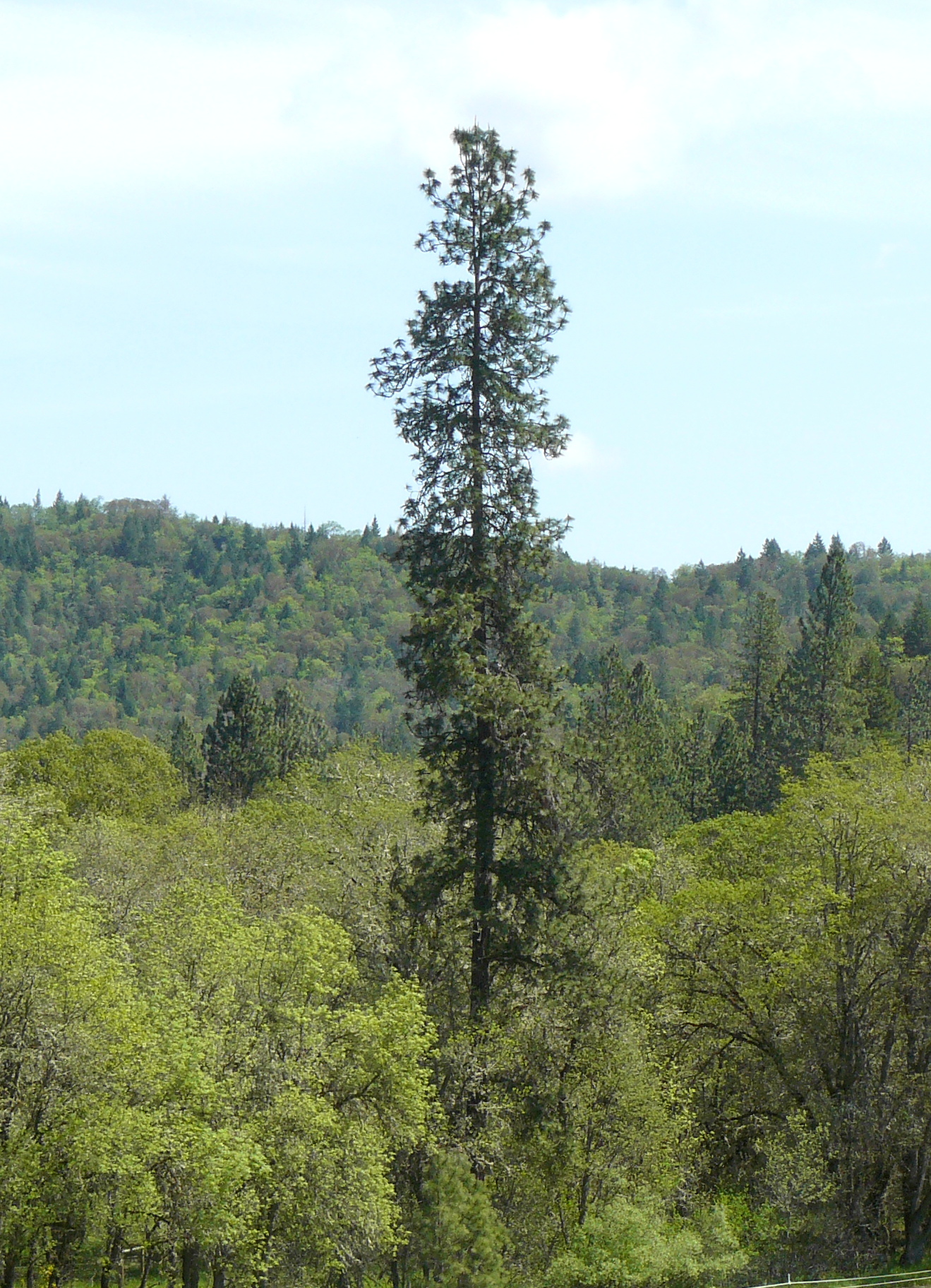
Regular readers of this place will recall that a week ago I celebrated Earth Day with a post called Our beautiful, life-giving trees. It included this picture:
We must sing for our trees.
Then on the following day in a post called Now life-giving geese (by the way, the five baby goslings are doing really well!) I included this photograph:
And sing for them at all ages!
Yesterday morning I received the latest post from Sue Dreamwalker. It was an impassioned plea to do something and to stop the madness. Sue, in turn, had republished the post that had appeared on Endless Light and Love.
The theme that seems to be developing this week, unplanned I should hasten to add, is that it is all too easy to be overwhelmed by the scale of change that has to take place, must take place, if this generation (I’m a 1944 baby) can die knowing that it will be alright in the end. Because it is my generation that has been responsible, has created the circumstances, for the end of life as we have all known it if nothing is done, and done in the next decade or two.
So to trees.
Our trees are both a symbol for and an indicator of the overall health of our planet.
To close off this part of my two-day post, please watch this short video.
Uploaded on Apr 1, 2015
Trees give us beauty, shade, food, clean water, oxegen, medicine, housing, fresh air, habitat and happiness. For the cost of a craft beer, or a couple of cups of coffee you can protect a specific threatened forest. Each Stand for Trees certificate offsets 1 ton of carbon from the atmosphere while providing income to local forest communities. Income that supports education, healthcare, clean water and sustainable livelihoods. Trees stand for us, isn’t it time we stand for trees?
Tomorrow, I will return to hope. Perhaps better written, return with hope.



 Learning from Dogs