Gilliwolfe has changed very slightly the appearance of the post. But it’s just as good!
ooOOoo
Day 19: Riogrande to Alfarnatejo 16k
By Tom and Chica, 16th February, 2020
Written by Tom’s wife
This morning’s doze was interrupted at 6:30 by a digger starting up and then at 7:15 by lights of a 4 X 4 as fella turns up for work. Hey-ho! So up and into town for double rations of bacon bocadillos with coffee and on the road at 11am. Passing out of town, two ground workers and the digger driver wanted to know if it was cold in the tent so I put them right; good sleeping bag and doggie hot water bottle. After a bit more building site banter (to make me feel at home, but without the rain) I stopped at the fuentes on the outskirts of the town, had a quick wash and filled the water bottles.
A hard uphill slog followed and this pack isn’t getting any lighter, I’m going to have to be more ruthless in selecting items next time! But it was a great day’s hiking and I was delighted to find Restaurante Gerado by the Rio Sabar where I scoffed an early supper of ham, egg and chips with two beers for €8. Bargain! Sated we trotted off into the hills for 45 mins and found a lovely camping place in the olive terraces – pictures tomorrow.
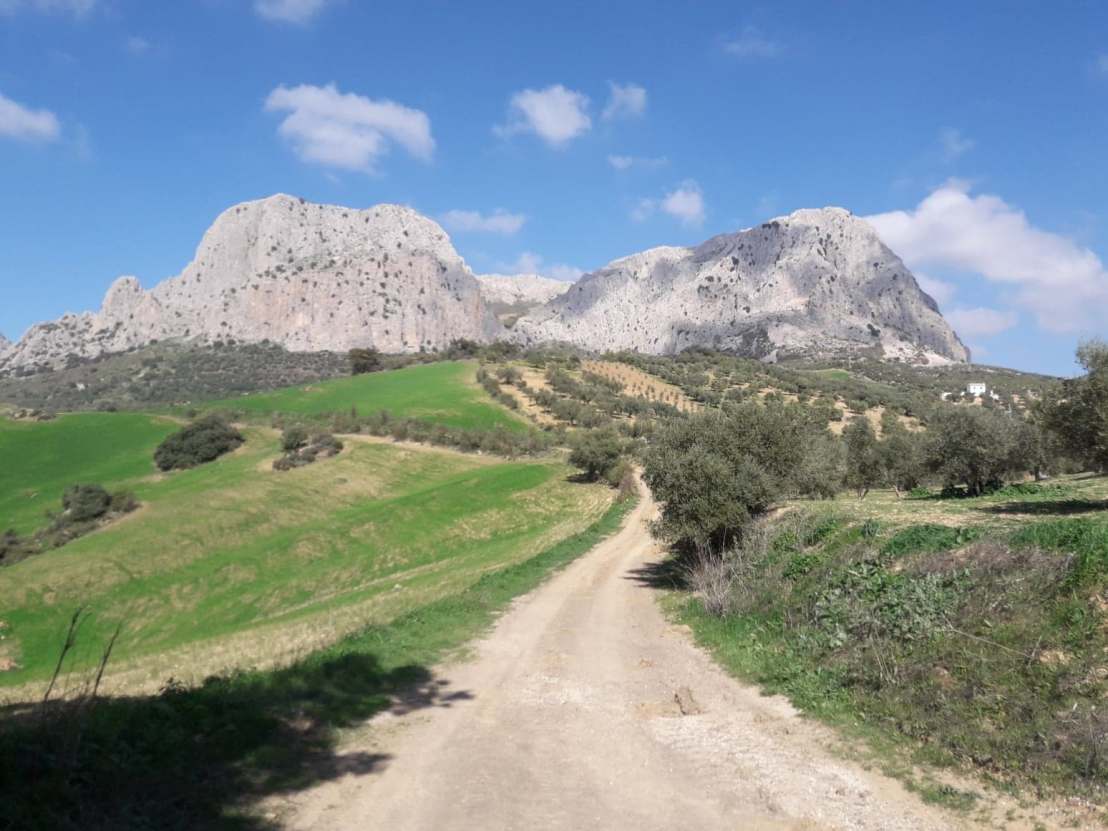
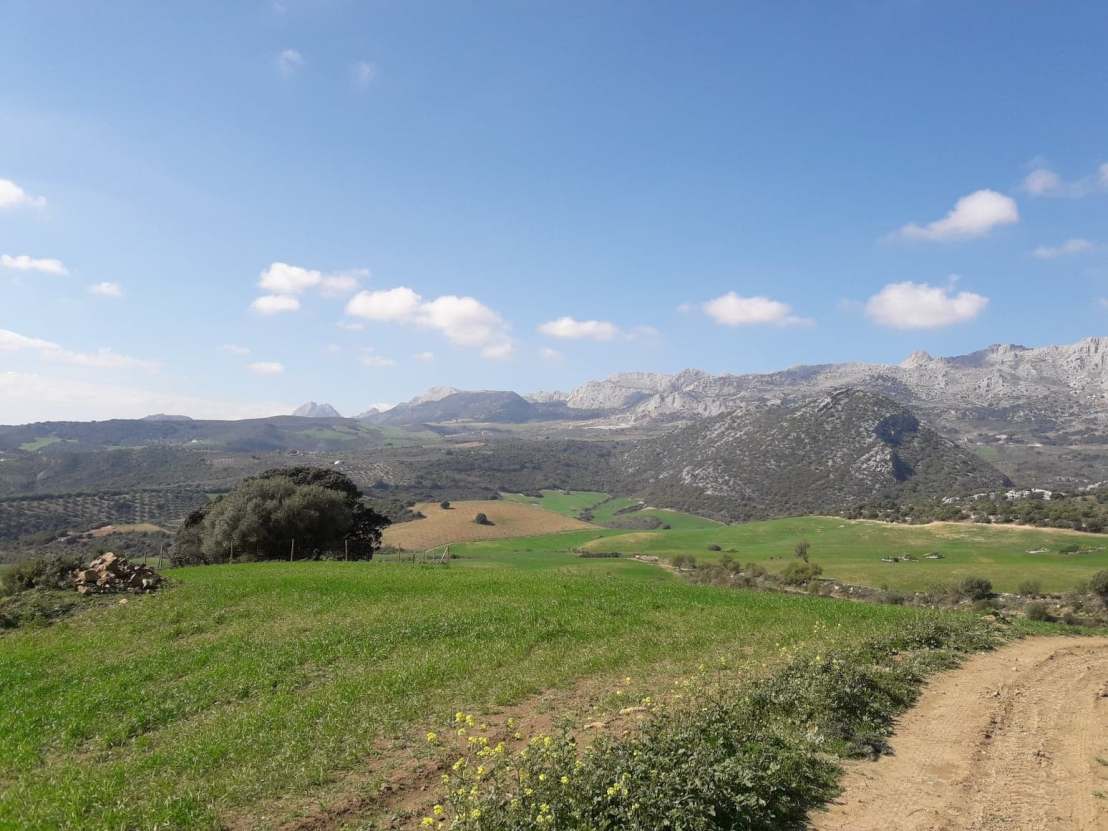
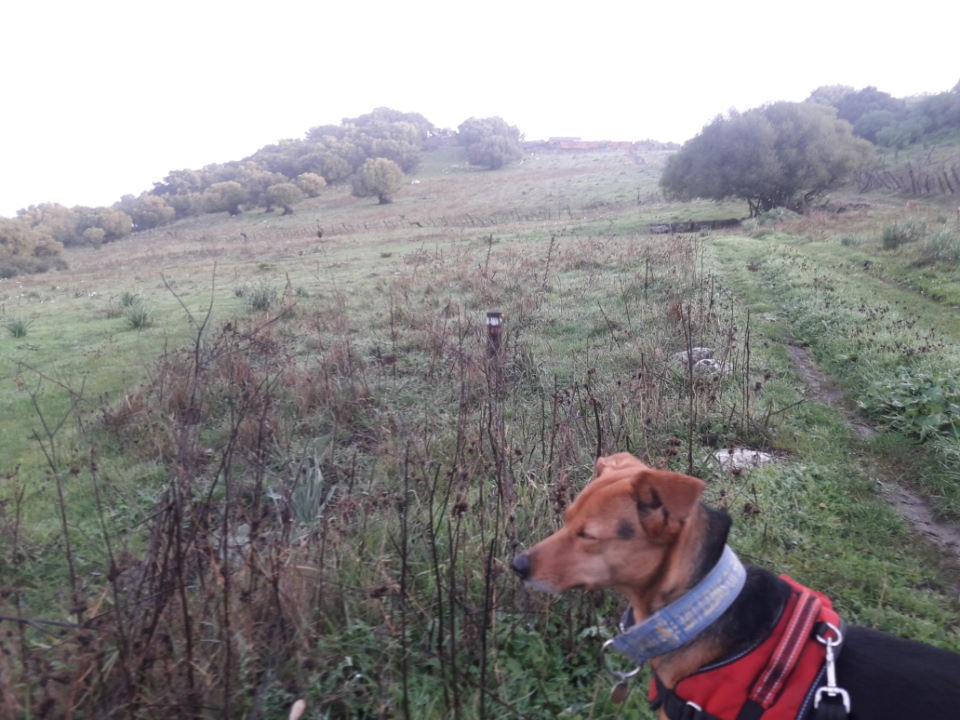
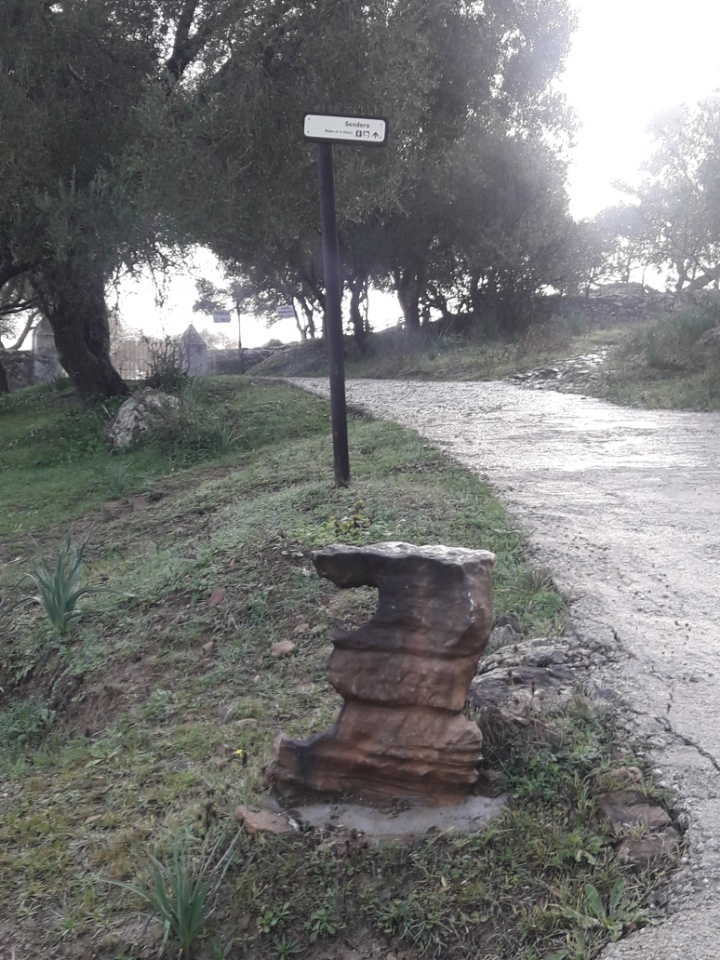
Leaving RiograndeHmmm, nice pad!Cooling off!Essential water purifier.Good walking surface!Easy to miss but welcome confirmation that we’re on the right track!Looking back the pointy peak in the distance marks where we started this stretch. Satisfying!Restaurante Gerado – highly recommended!
ooOOoo
It’s an amazing walk and that doesn’t really give full justice to what Tom and his two dogs are doing.
It’s a very real pleasure to be given the permission to republish these episodes.
Some dogs just like the taste of grass. (Photo: Tanja Esser/Shutterstock)
No walk around the neighborhood is complete without my dog Lulu eating grass. Even on a full stomach, she likes to hunt for the perfect blades and chew away. Left unattended, I’m sure she could mow down a small lawn. Since lawns today have any number of herbicides and pesticides, many pet parents wonder if it’s OK to let their dogs eat grass.
Here’s what the experts say about these grass-eating habits. It’s yummy: It’s normal for dogs to chew on the green stuff because they like the taste of grass, says Dr. Jennifer Monroe of Eagles Landing Veterinary Hospital in Georgia. Some pooches even develop preferences that range from fresh leaves to drier weeds or even a particular species of grass. What they cannot discern is whether grass has been chemically treated. Use caution when walking on a neighbor’s lawn and stick with greener products in your own yard. Monroe recommends nontoxic treatment options.
“You do have to be careful if you have a dog that is a chronic grass eater,” she says. “We do have a lot of clients who bring pets in for vomiting and wonder if it’s from something the yard was treated with.”
Nutritional deficiency: Most commercial dog foods offer a balanced diet, so many experts say its unlikely that your dog isn’t getting the nutrition he needs from his dinner. Instead, dogs with certain intestinal diseases don’t necessarily digest food properly and have trouble absorbing minerals, which can lead to grazing, says Monroe. Anemia and bleeding in the gastrointestinal tract also cause dogs to eat dirt.
Some dogs eat grass because they need to throw up. (Photo: smerikal [CC by-SA 2.0]/Flickr)They are trying to induce vomiting: When dogs are eating something that doesn’t agree with them, they often have an upset stomach and eat grass to induce vomiting. If eating grass causes your dog to vomit twice a week or more, call your veterinarian because there could be another underlying health issue. She also recommends a visit if there is any doubt that your dog may be ill; better safe than sorry.
Some dogs nibble the lawn and are fine, while others are always eating grass and vomiting. It may just be the grass tickling their throat and stomach lining that causes them to vomit, says PetMD, or it could be something more serious. That’s why it’s key for dog owners to make sure their pets aren’t sick. Keep track of how often your dog vomits and let your vet know.
Instinct: One theory is that this unusual dog behavior is just instinct. Dogs in the wild are natural omnivores who eat meat and plants, so domesticated dogs naturally gravitate towards plant material too, says Purdue University College of Veterinary Medicine. Another theory is that wild dogs would eat plant material in the stomach of their prey, so they developed a taste for it.
Behavioral issues: Dogs can develop obsessive-compulsive disorder (OCD) regarding the grass. (I suspect that my Lulu falls into this category. She’s pretty determined during those lawn-gobbling excursions.) In the majority of cases, Monroe says this is no reason for concern. To correct the behavior, she recommends reducing your dog’s grazing time.
Basket muzzles restrict grass guzzling, too. In severe cases, she recommends consulting a certified veterinary behaviorist for advice. Otherwise, let them stop to smell — and chomp — the greenery.
“If not they are not vomiting and not destructive, I say let them enjoy it,” Monroe says.
Editor’s note: This story has been updated with new information since it was first published in October 2013.
ooOOoo
All very straightforward it seems.
But I suspect there may be just a few who found this post revealing.
For my previous post was entitled Day Eight etc. and this one is also called Day Eight.
Ah well, it’s the content that counts!
Which is to say that the next three days are, again, devoted to Tom’s walk along GR7.
ooOOoo
Day 8: Cerra de la Fantasia to Benacoaz 16k
By Tom and Chica, 27th January, 2020.
Written by Tom’s wife.
Authors note: Because we have had such a long weather delay, I have decided to number only the days that Tom and Chica actually walk otherwise it is going to give a very unrealistic idea of how long it takes. That is why today is Day 8 and the last walking day was originally Day 10 (but is now Day 7). I have updated all the blog references to correspond.
We were up with the lark this morning. Earlier in fact, as it was still dark but we were keen after such a long rain delay. We left the village in fog and went in and out of the sun and mist all the way up to the start point miles into the forest. It was still murky there too and we didn’t hang around as there was a gathering of hunters. Their dogs were in trailers, barking with excitement as this is probably the only time they ever get let out of their cages. But what happens to them after the end of the season next week? I can’t bear to think about it. But that’s why we’re doing this – so onwards and upwards my faithful duo!
After coming out of the forest onto the road, the trees gave way to scrub and the track roughly followed the same route as the road. The mist made it hard to get a feel for the surrounding landscape at first but then as the mist became patchy there were glimpses of the majestic valley and surrounding mountains – a truly spectacular view but impossible to capture on a phone camera.
The track crossed the road and descended to the river – Rio de Ubrique – which heads towards the town of the same name. After a bit of a clamber up a steep, wet, rocky and rather unsavoury path between agricultural outbuildings, we popped out right next to the town sign.
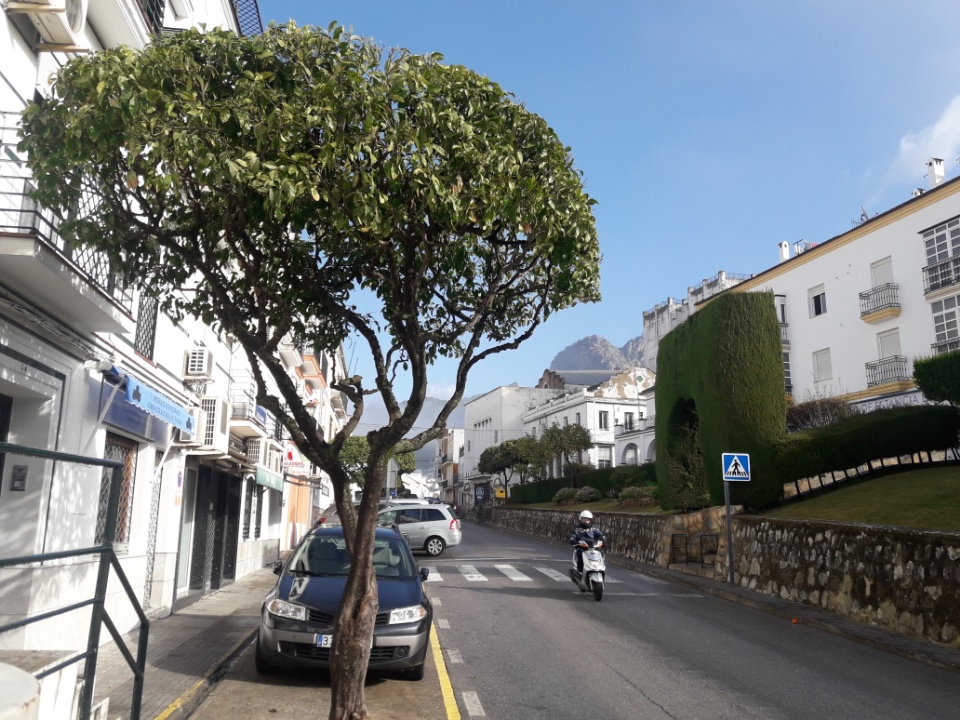
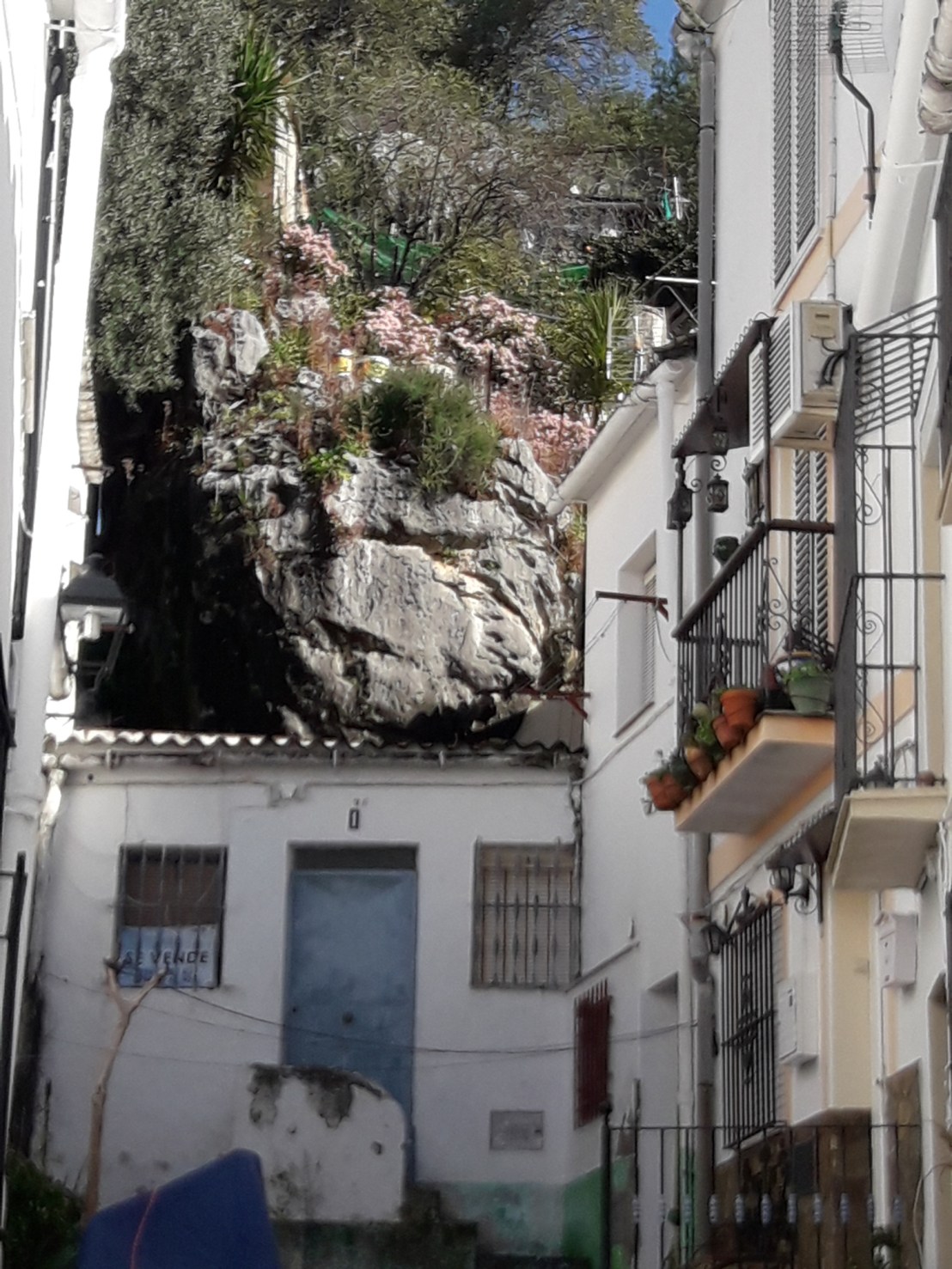
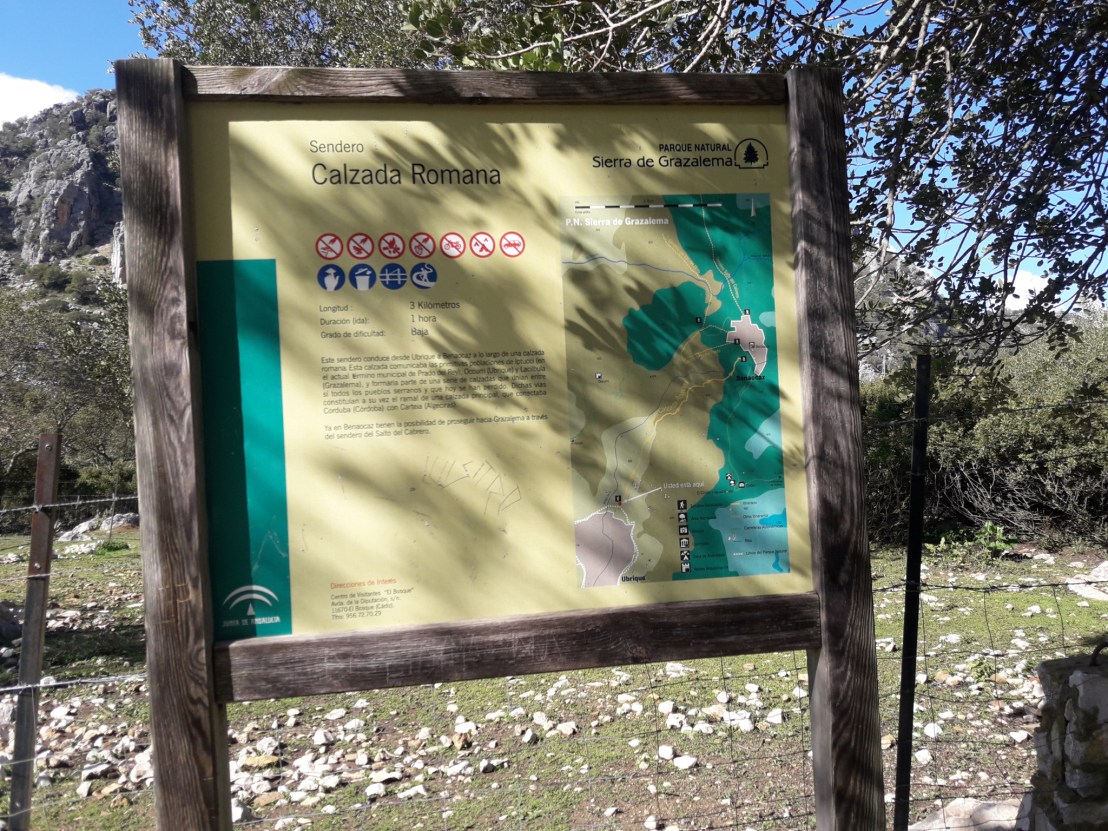
It was a pleasant stroll through the comparatively large and bustling town centre. The sun was now properly out and so Tom stopped in a plaza outside the Town Hall and had a coffee while Chica scrounged titbits by breathing in and contriving to look half starved! Carrying on up through the narrow streets, they arrived at the Convento de Capuchinos where a sign to Benacoaz pointed up a cobbled road: the Calzada Romana (Roman Road).
This proved quite tough on the feet as the cobbles were uneven and scattered but after 3.5k it emerged into the village of Bonacoaz, perched on the side of the mountain with vast panoramic views south – stunning end to today’s beautiful walk.
ooOOoo
I know I have said it before, and undoubtedly I will say it again, but this account of Tom’s walk with his two dogs is astounding! They have been walking for over a week and they are experiencing countryside and more that must be unique to Spain.
Los Alcornacales – cork and pork and much, much more.
By Tom and Chica, 24th January, 2020
Written by Tom’s wife.
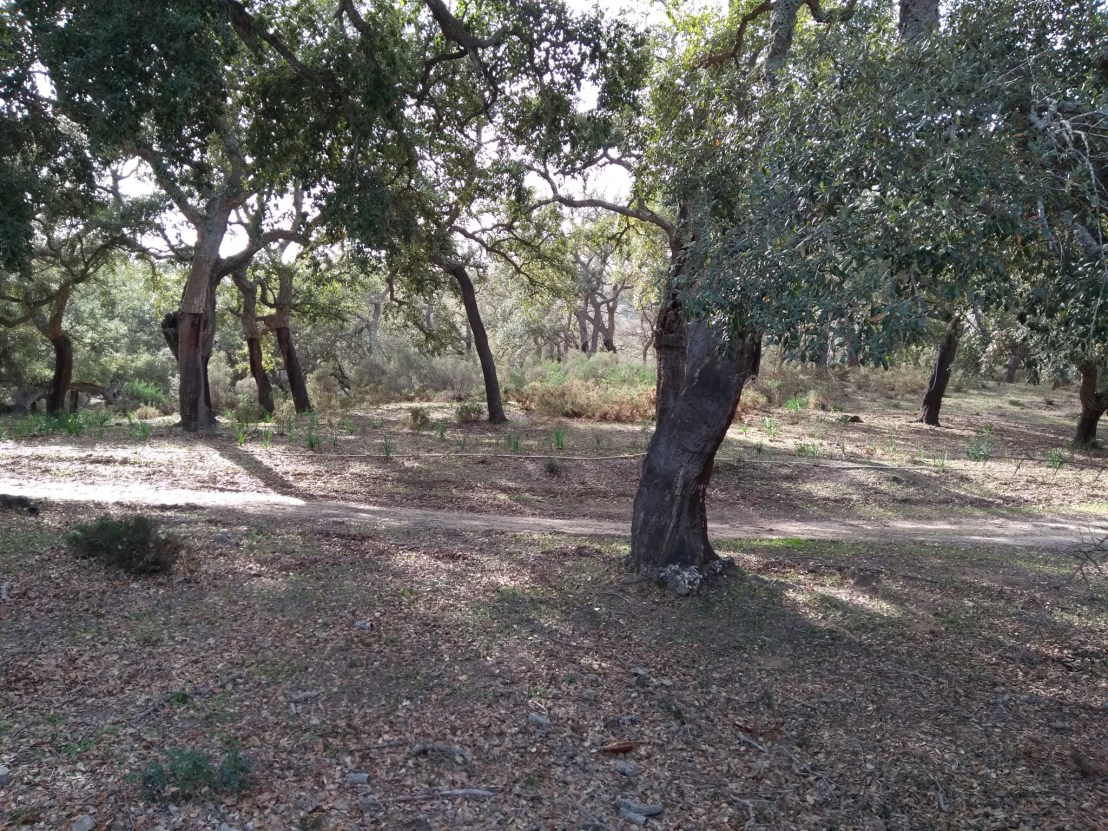
So far, during this part of the walk, Tom and Chica have been travelling through the unique habitat of Los Alcornacales. We fell in love with this beautiful area the first time we visited back in 2013. As we are rained off at the moment, I thought I’d take the opportunity to research more about the area, especially the amazing cork oaks which comprise large areas of the forest.
Granted natural park status in 1989, Natural Park Los Alcornacales occupies a protected area of 170,025 hectares in Andalusia. Soil, moisture and traditional uses have been the main factors in the conservation of the largest productive area of cork trees anywhere on the Iberian Peninsula. Located in the province of Cadiz and part of Malaga (mainly in the municipality of Jimena de la Frontera, where we have just been walking), it runs from the mountains down to the recently created Estrecho Nature Park on the coast and is home to a variety of landscapes, flora, fauna, history and folklore.
This rich diversity is mainly due to the many rivers, streams and reservoirs but also the moisture that comes from the coast. This latter accumulates to form banks of mist in the deep, narrow gorges known as ‘canutos’. In these conditions, the ancient laurel forest flora has flourished. Characterised by smooth, bright leaves, it can make the most of the moisture and limited light that penetrates the alders growing on the edge of the gorges. So, amidst the scent of laurel and the beauty of flowering rhododendrons, you can walk through this dense forest accompanied by the sound of dippers, kingfishers, blackcaps and finches.
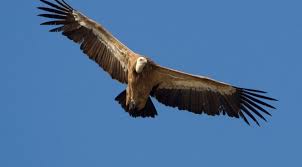
Egyptian mongooseGriffon vulture
In the more clay-rich areas lower down you can see the wild olive tree, cleared from time immemorial to make way for pasture for the region’s most typical livestock, the brown Retinta cow. On the valley sides, the Mediterranean scrub of rockrose, heather, lavender, daphne and hawthorn is perfect for Andalusian deer, as well as buck, roe deer and carnivores such as genets, badgers and also the Egyptian mongoose – the largest population anywhere on the Iberian Peninsula.
Cork production
Los Alcornacales and the surrounding areas are home to the Iberian cork industry. As well as its most well-recognised use as bottle-stoppers, cork is also found in many products from car construction to aeroplane insulation.
The cork oak, quercus suber, is a native of both the northern and southern shores of the Mediterranean. Its age is unknown, but quercus suber or its ancestors have been around for at least 147 million years. It is a prophyte, ie a species adapted to survive fire. While other species rely on seed propagation to survive fires, the cork layer protects the stem of the tree so it only has to regenerate branches. This makes it very well adapted to the fire-prone forest of southern Spain.
Archaeologists have found evidence of tribes actively working with cork oak in northern Africa before 6,000 BC. Early man would have used the various species of oak for fire wood, tools, weapons; and for building as the hunter-gatherers began to settle. Similar evidence has been found in Andalucía and other parts of southern Spain dating back 4,000 years BC or more.
However, it would take a few thousands more years before the special sealant qualities of cork would be utilised. This property is due solely to the presence of one particular constituent: suberin. Suberin is a fatty substance found in the cells of the denser forms of cork which stops the passage of air or liquid.
Cork was probably first used as a sealant in containers by the Greeks and Phoenicians, for wines and other liquids in pottery containers but it would take the invention of the glass bottle, a fairly recent innovation in historical terms, for cork to finally meet glass. Legend claims that Friar Perignon, a French monk, discovered this use for cork on a slender glass bottle neck in the seventeenth century. As news of its efficacy spread, so a new industry appeared.
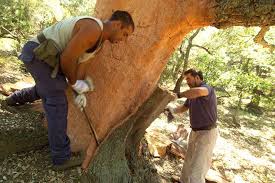
Cutting the cork is a highly skilled task and requires two years training. It is unusual for a tree to survive ring barking (the bark being removed around the complete circumference) and it needs to be done with care and at the right time. The cutters’ experience tells them how far to cut up the tree to avoid harming it. Cutting is only legally permitted between 15 June and 15 August which is when gangs roam the oak forests, each of the usually five members having a specific role, from chief cutter to lowly carrier.
These gangs traverse the forest in a nine-year cycle, allowing the trees they cut to regenerate the cork in the intervening period. Their mules roam free in the forest except for the two month harvest period when they trek back and forth between harvest site and cork factory. So expert is their knowledge of the routes that, once loaded, a tap on the back will send them off unaccompanied. The town of Cortes de la Frontera actually holds burro-loading contests at its annual summer feria, with a prize for the most ingenious loading of a burro.
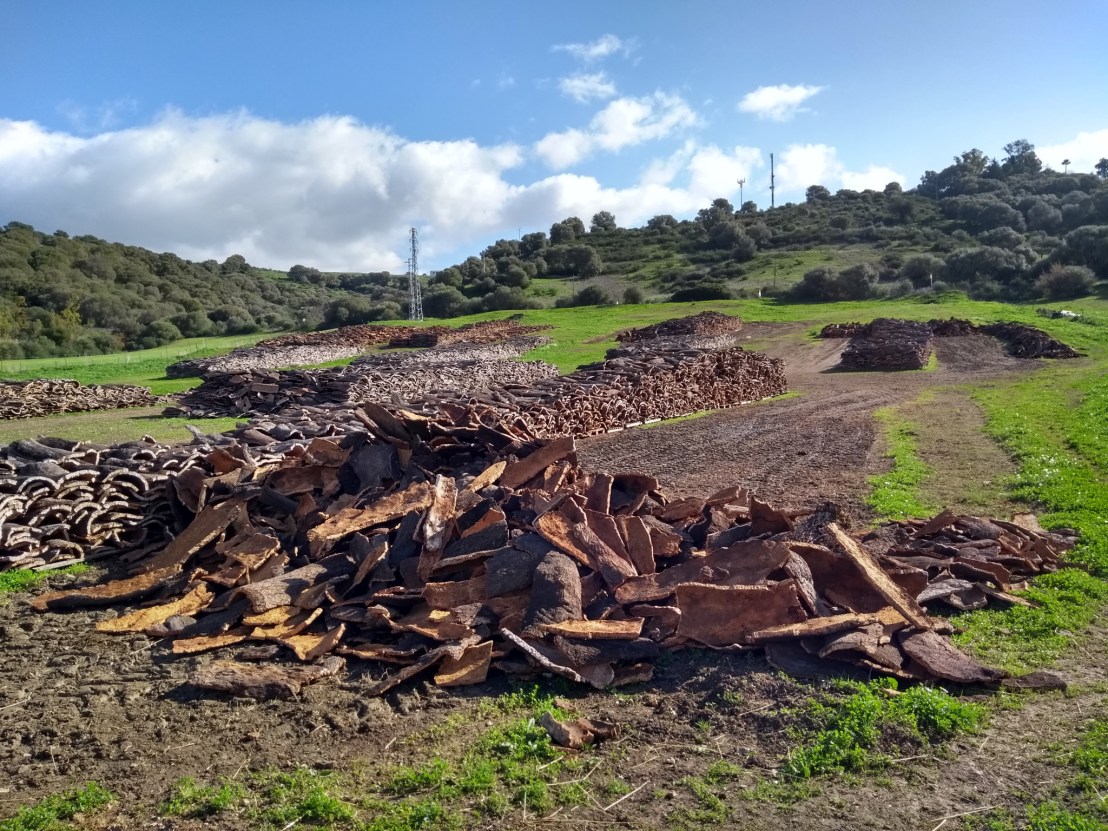
What we see lying curled on the ground is still many stages away from fitting into the neck of a bottle. At the factory the cork is boiled in a vast, deep pool of water, which renders it malleable for flattening and then processing by machine. The cork then goes through several levels of compression, depending on its destination. It emerges as very thin sheets of varying sizes, perhaps thinner than a child’s little finger. It is then checked for quality – the oak trade has five levels, from excellent to poor – and the oak is assigned to an appropriate use.
Most interestingly, however, is how it does reach the bottles we uncork. Bottle corks are stamped out by machines at different widths for wine, champagne and cognac (Spanish cork is treasured by French brandy producers). When they pile up in the dumpers beneath the pressing machines, they look like big wooden pennies. These are graded by quality, and then carefully fed into further compressing machines. Cork makers reckon that it would be a waste of good cork to use it throughout a wine or champagne cork, so lower quality cork is placed in the middle, highest quality at either end, where the cork meets both wine and outside air. These layers are then compressed so tightly we do not even notice that a cork we pull is not one single unit but a compression of up to eight layers crushed together. The finished corks are then dispatched to bottling plants across Europe and beyond.
There have, of course, been concerns about the rise of the plastic cork. Its proponents say that it prevents a bottle being ‘corked’, ie, spoiled, by air penetrating the old-fashioned cork. Its detractors argue that, beyond the aesthetics of levering a wad of white plastic out of your favourite wine, it doesn’t allow the alcohol to breathe naturally. (French brandies breathe so profusely that the distilleries are wreathed in fumes which promote fungi on the roofs and keep nearby cattle happily sozzled year-round.) Yet with even the British supermarket buyer seemingly moving upmarket in their choice of corked drinks, and the Spanish and French keeping their noses in the air over plastic stoppers, it seems the Iberian peninsula can hold on to its two billion euro cork industry yet.
Other uses for cork include flooring. We have some of this in our bathroom at home. A long way from the basic dull cork tiles of old, now it comes in stunning patterns and looks beautiful. It is also sustainable, provides excellent insulation and is lovely and warm to walk on. If I could, I’d floor the whole house with this.
Iberian pigs
The Iberian pig is a traditional breed of the domestic pig (Sus scrofa domesticus) that is native to the Iberian Peninsula and is currently found in herds clustered in the central and southern part of Portugal and Spain. Its origins can probably be traced back to the Neolithic, when animal domestication started.
The most commonly accepted theory is that the first pigs were brought to here by the Phoenicians from the Eastern Mediterranean coast, probably along the old droving tracks one of which our route, the GR7, roughly follows. They interbred with wild boar and this cross gave rise to the ancestors of what are today’s Iberian pigs.
Prized Iberico ham
The production of Iberian pork is deeply rooted to the Mediterranean ecosystem. It is a rare example in world pig farming where the pig contributes so decisively to the preservation of the ecosystem. The Iberian breed is currently one of the few examples of a domesticated breed which has adapted to a pastoral setting where the land is particularly rich in natural resources, in this case acorns from the holm oak, gall oak and cork oak.
The numbers of the Iberian breed had been drastically reduced since 1960 due to several factors such as the outbreak of African swine fever and the lowered popularity of animal fats. In the past few years, however, the production of pigs of the Iberian type has increased to satisfy a renewed demand for top-quality meat and cured products. Now, though, there is controversy over the providence of the highly prized Iberico ham as breeders cash in on the market and produce a similar but much less sustainable product more cheaply, thus threatening this ancient livelihood.
The Iberian pig can be either red or black or in between. In traditional management, animals ranged freely in sparse oak forest (dehesa in Spain, montado in Portugal). They are constantly on the move and therefore burn more calories than confined pigs. This, in turn, produces the fine bones typical of this kind of jamón ibérico. At least a hectare of healthy dehesa is needed to raise a single pig. True dehesa is a richly diverse habitat with four different types of oak that are crucial in the production of prime-quality ham. The bulk of the acorn harvest comes from the holm oak (Quercus ilex) but also the Pyrenean oak (Quercus pyrenaica) and Portuguese or gall oak (Quercus lusitanica) and the late cork oak season, which extends the acorn-production period from September almost to April.
Some recent research from Cordoba university concluded {the translation isn’t perfect but you get the idea}:
‘The couple Iberian pig and dehesa has proved to be very effective; so much [so] the Iberian pig is called the dehesa jewel, but the first needs this agro-ecosystem to reach its highest quality properties (organoleptic and nutritional ones); and the second needs a clear commercial differentiation for Iberian pork and cured products in order to receive a high price to maintain and conserve the dehesa. Spanish authorities should be responsible for protecting this traditional system from fraud and unfair competition. In this way, farmers economy could be enough to conserve this unique ecosystem and its values for the whole society.’*
Whether you eat pork or not you may still believe as I do, that this traditional and sustainable way of producing it is better for the ecosystem and the pigs than intensive farming on a huge scale. And we love seeing the black pigs snuffling through the forest. I hope it can be protected along with the rest of this remarkable and stunningly beautiful area.
ooOOoo
Well I must say that this is a tremendous post and a privilege to be able to republish it.
Gilliwolfe did an incredible job in composing the post and inserting all the photographs. Well done!
Stick to the major brands and you should be alright!
Following my republication of the article in The Conversation two days ago, I have now come to a conclusion. That is that if one sticks to major brands or supplements made in the USA then one should be perfectly safe.
Margaret of Tasmania made a recommendation to use ConsumerLab.com and it appears a brilliant suggestion.
I read this a few days ago and vowed to republish it in this place. Because I had assumed that supplements were safe to take. This copy of a recent article in The Conversation suggests otherwise.
Read it and then let me know your thoughts.
ooOOoo
Natural supplements can be dangerously contaminated, or not even have the specified ingredients
February 14, 2020 5.23pm EST. Updated February 17, 2020 5.43pm EST
By Professor Michael White, Professor and Head of the Department of Pharmacy Practice, University of Connecticut
Some supplement products contain substances that are harmful. Getty Images / David Malan
More than two-thirds of Americans take dietary supplements. The vast majority of consumers – 84% – are confident the products are safe and effective.
They should not be so trusting.
I’m a professor of pharmacy practice at the University of Connecticut. As described in my new article in the Annals of Pharmacotherapy, consumers take real risks if they use diet supplements not independently verified by reputable outside labs.
What are the risks?
Heavy metals, which are known to cause cancer, dementia and brittle bones, contaminate many diet supplements. One study of 121 products revealed 5% of them surpassed the safe daily consumption limit for arsenic. Two percent had excess lead, cadmium and aluminum; and 1% had too much mercury. In June 2019, the Food and Drug Administration seized 300,000 dietary supplement bottles because their pills contained excessive lead levels.
Bacterial and fungal contamination in dietary supplements is not uncommon. In one assessment, researchers found bacteria in all 138 products they investigated. Toxic fungi were also in many of the supplements, and counts for numerous products exceeded the acceptable limits set by the United States Pharmacopeia. Fungal contamination of diet supplements has been linked to serious liver, intestinal and appendix damage.
From 2017-18, dozens were hospitalized with salmonella poisoning after ingesting kratom, a highly addictive natural opioid. Thirty-seven of the kratom products studied were contaminated.
There are ways consumers can verify the quality and safety of supplements. Getty Images / Tanya Constantine
Some dietary supplements contain drugs, yet the manufacturers don’t disclose that information to consumers. Frequently, the concealed drugs are experimental and, in some cases, removed from the market because they’re dangerous. Hundreds of weight-loss, sexual-dysfunction and muscle-building products are adulterated with inferior or harmful substances.
Sometimes, the herb you think you’re buying contains little to no active ingredient. Occasionally, another herb is substituted.
The consequences for consumers are considerable. When manufacturers replaced the herb Stephania tetrandra with the herb Aristolochia fangchi in 2000, more than 100 patients developed severe kidney damage; 18 more got kidney or bladder cancer. Although the herb is now banned by the U.S., a 2014 investigation found Aristolochia fangchi in 20% of the Chinese herbal products sold on the internet.
In an assessment of CBD products, only 12.5% of vaporization liquids, 25% of tinctures and 45% of oils contained the promised amount of CBD. In most cases they held far less. A few CBD products had enough THC to put the user in legal jeopardy of marijuana possession.
Embarrassed by a New York Attorney General’s Office investigation suggesting widespread and fraudulent under-dosing of active ingredients in dietary supplements, CVS pharmacies analyzed 1,400 products that it previously sold in its stores. Seven percent, or about 100 products, failed, resulting in updates to the supplement facts panel or removal of the product from shelves.
It can be difficult for the FDA to adequately oversee supplements. Associated Press / Andrew Harnik
What should consumers do?
The Dietary Supplement Health and Education Act of 1994 allows manufacturers to sell dietary supplements without providing proof of their quality to the FDA. Instead, it’s up to the FDA to prove a product is unsafe and take it off the market. That’s an incredibly tall order, and woefully inadequate. But it’s unlikely to change.
In the meantime, I recommend that consumers should not purchase supplements without verification from one of three highly regarded independent laboratories: the aforementioned United States Pharmacopeia, NSF International and ConsumerLabs.com. The United States Pharmacopeia is an organization that sets reference and quality standards for prescription medication and food in the U.S.; the NSF International is an independent group that assesses safety and risk for food, water and consumer products; and ConsumerLabs.com is a company started to verify product quality for consumers that are paying members. These laboratories conduct an initial analysis and then perform periodic unannounced assessments of the products; those with the appropriate amount of active ingredient, and without contamination or adulteration, can put the United States Pharmacopeia, NSF and ConsumerLabs.com seals on their bottles. CVS announced that all products sold at its stores going forward will need to provide the company proof of quality. Other major retailers should follow suit.
Some manufacturers conduct quality testing and post certificates of analysis on their websites. But the autonomy of the laboratory, and its standards, are often not known. Sometimes, labs may select an inappropriate testing method, intentionally or unintentionally. Sometimes they perform the test incorrectly, or simply make up results.
Because the FDA can’t fully protect you from quality issues in dietary supplements – at least not right now – you must protect yourself. Even if a celebrity or “health guru” recommends a product, that doesn’t mean it’s high-quality. Before you put any supplement into your body, demand proof.
I was about to close it there and then I saw another report, in the same vein, come up on the Harvard Health Blog. Now I can’t republish it in full but essentially it is a reprint of the above. But here’s a taster:
Harmful effects of supplements can send you to the emergency department
For many people, a healthy lifestyle means more than eating a good diet and getting enough exercise — vitamins, supplements, and complementary nutritional products are also part of the plan. But though there is much publicity about their potential benefits, there is less awareness of their possible harmful effects.
In fact, using these products can land you in the emergency department.
A study published today in The New England Journal of Medicine found that adverse effects of supplements were responsible for an average of about 23,000 emergency department (ED) visits per year. That’s a lot for something that is supposed to be good for you.
Now we too take a fair handful of supplements.
I’ve stopped all of them while I do more research.
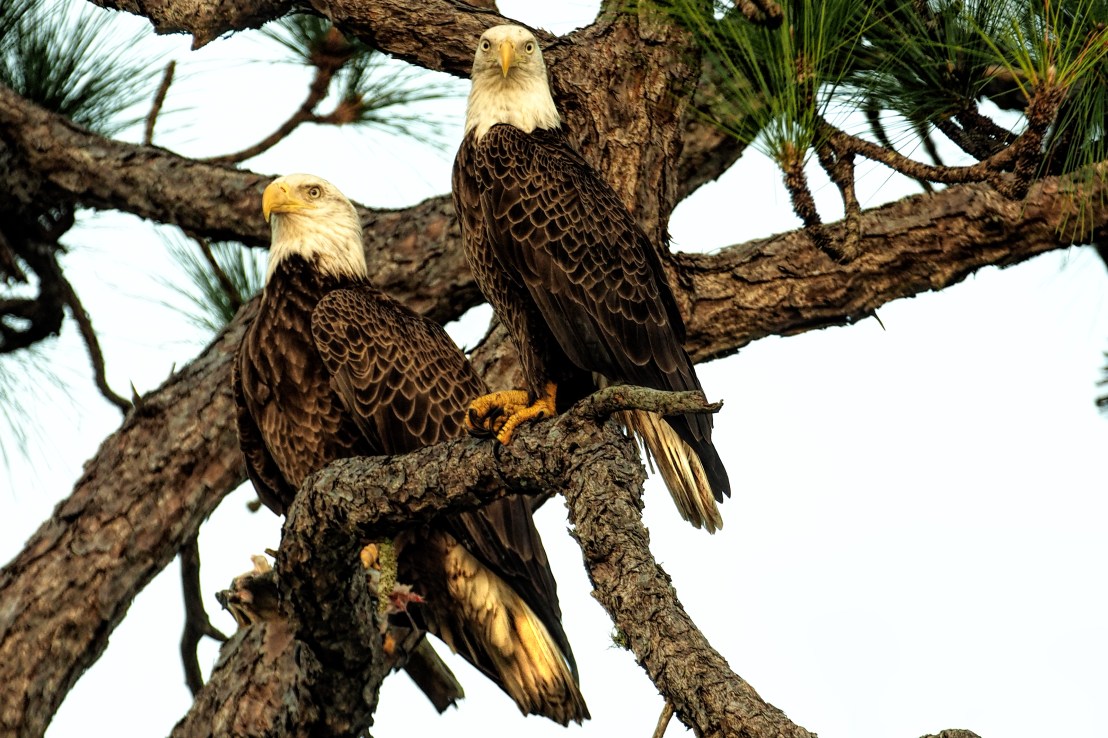
I took Lili (my faithful photo dog buddy) for her usual evening walk up in the back of my house by the golf course. Fortunately, that is where the eagles hang out.
They have been pretty boring, albeit, beautiful.
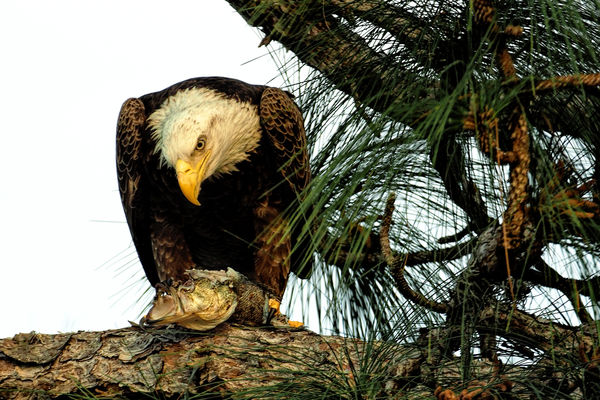
Tonight they had a very large bass that they were sharing.
I took a bunch of pictures and we went for our walk.
They don’t pay much attention to Lili and I any more which is cool. On our way back to the car, we had to pass under the tree they were now in.
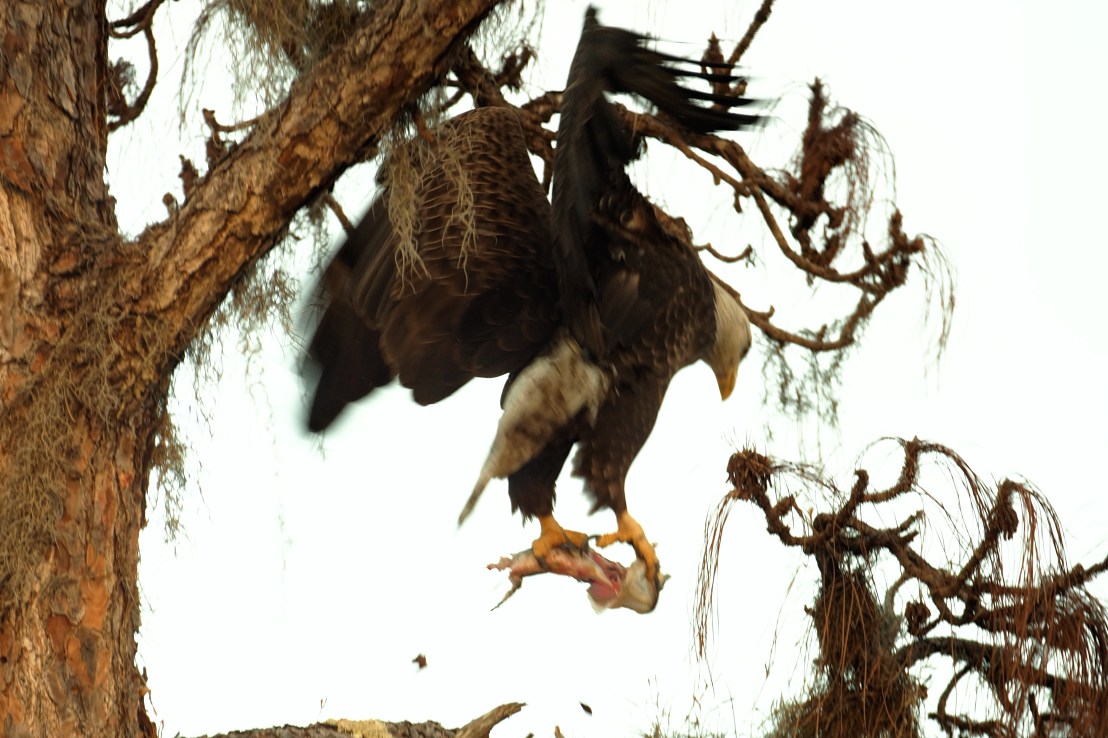
I took a few more pictures, and as we passed under the tree, they dropped the fish and it landed about 3ft from our feet.
Lili is off leash.
I told her to stay and lie down, she did and we both stood still.
The big female flew down and walked over to get it. Looked at us, and took it back up into the tree and continued eating. It was soooooo exciting!!!
Val included some photographs.
I sent Val a private message asking if I could republish her story. Val said ‘Yes’. But even better than that Val included a short video and some additional news. In that Lili was found by a dumpster four years ago. Then Lili was just 5 weeks old. Since then “I have been taking her everywhere with me since.”
Val went on to say:
As soon as it gets dusky, I keep Lili on a leash too for the same reasons.
She is pretty big, 80# but I don’t trust the eagles.
Who knows what they would/can do?
Here are those photographs.
OLYMPUS DIGITAL CAMERA
oooo
oooo
OLYMPUS DIGITAL CAMERA
oooo
oooo
And one of Lili!
And there’s a short video but I don’t have time today to turn it into a YouTube.
Researchers in India studied whether 160 stray dogs would react to commands like gesturing toward a bowl. This image, taken in 2012, shows street dogs surrounding an Indian tea vendor in Allahabad. (AP Photo / Rajesh Kumar Singh)
Dogs are famously good at interpreting human signals, whether communicated verbally or through gestures. But much of what we know about our furry friends’ comprehension of social cues focuses on pet dogs, which share close relationships with their owners and are trained to follow commands. Now, a study published in Frontiers in Psychology, suggests that stray dogs can also understand human gestures, indicating that this ability might be innate.
The new research took place on the streets of several regions in India, which is home to some 30 million stray dogs. Coexistence between canines and humans there is not always peaceful; people have been known to attack street dogs, and vice versa. Around 36 percent of the world’s annual rabies deaths occur in India, most of them children who came into contact with infected dogs.
To better manage the country’s street dogs, it’s essential to gain further knowledge of their behavior, Anindita Bhadra, study co-author and animal behaviorist at the Indian Institute of Science Education and Research Kolkata, tells Liz Langley of National Geographic. So she and her colleagues set out to discover whether strays, which have never undergone specific training, are able to understand humans in a similar way to their pet counterparts.
The researchers took to the streets equipped with two bowls; one contained chicken and the other was empty but had been rubbed with raw chicken, transferring the food’s scent. The bowls were covered with pieces of cardboard and handed to an experimenter who did not know which one contained the snack. This researcher would approach a stray dog, place the bowls on the ground and point at one of them, sometimes momentarily, sometimes repeatedly.
In total, the researchers studied 160 adult strays. Around half of them refused to get close to either bowl, perhaps because they had negative interactions with humans in the past, the researchers speculate. But of the dogs that did approach the bowls, approximately 80 percent went to the one to which the experimenter had pointed. Whether the researcher had pointed to the bowl briefly or repeatedly did not seem to matter. This response, according to the study authors, suggests that untrained stray dogs are “capable of following complex pointing cues from humans.”
Dogs share an intertwined evolutionary history with humans, with domesticated pooches emerging at least 10,000 to 15,000 years ago, though some experts have argued for an even earlier date. This close contact has prompted dogs to develop a number of skills that allow them to communicate with people, including interpreting human emotion. Still, Bhadra says, the researchers found it “quite amazing” that stray dogs without a history of close human interaction were able to “follow a gesture as abstract as momentary pointing.”
“This means that they closely observe the human, whom they are meeting for the first time, and they use their understanding of humans to make a decision,” Bhadra adds. “This shows their intelligence and adaptability.”
Because some dogs seemed anxious and were wary of approaching the researchers, it’s not clear how a dog’s personality—and past experiences—might affect its ability to interpret human signals. But this ability does not appear to be entirely dependent on training, the study authors say, which in turn should inform efforts to manage stray dogs.
“They are quite capable of understanding our body language and we need to give them their space,” Bhadra says. “A little empathy and respect for another species can reduce a lot of conflict.”
ooOOoo
Mother Nature News had a second picture in their broadly-similar article. Indeed, I’m going to republish this article as well. For although they are of the same story they offer a slightly different account.
ooOOoo
Even stray dogs understand human cues
A new study shows these feral canines are paying close attention.
Even untrained dogs can follow simple communications. (Photo: Abir Bhattacharya/Shutterstock)
Dogs were likely the first animals that human beings domesticated — scientific guesses vary as to whether that was 10,000 years ago in Europe or 30,000 years ago in Asia (or, as one theory goes, humans tamed grey wolves two separate times). Regardless, they have been our companions for much of human history, and all of modern history. We have evolved together.
And that longstanding connection shows up in feral dogs.
Behavioral biologist Dr. Anindita Bhadra of the Indian Institute of Science Education and Research in Kolkata, India, revealed this by studying stray dogs in several Indian cities. In the experiment, Bhadra and her colleagues would find a solo stray dog and put two covered bowls on the ground nearby. They they’d simply point to one of the bowls; some did this just once, others did it a few times.
The researchers, who published their work in Frontiers in Psychology, recorded the dogs’ reactions. Half the dogs seemed nervous, and didn’t look at or come close to either bowl. But the other half — noted as less anxious dogs by the researchers — approached the bowls. Of those friendlier dogs, about 80% went to the bowl the researcher pointed at. As long as the dogs weren’t too scared of the people, they were easily able to interpret what the pointing meant.
“We thought it was quite amazing that the dogs could follow a gesture as abstract as momentary pointing,” Bhadra said in a news release. “This means that they closely observe the human, whom they are meeting for the first time, and they use their understanding of humans to make a decision. This shows their intelligence and adaptability.”
Wolf puppies surprised researchers with their responses. (Photo: Bildagentur Zoonar GmbH/Shutterstock)
In another study, three out of 13 untrained 8-week-old wolf puppies spontaneously retrieved a ball for a person who threw it, as MNN’s Mary Jo DiLonardo explains. It was a small study, and a low percentage of retrieving puppies, but it was an unexpected result as these weren’t domesticated dogs. “It was so unexpected, and I immediately knew that this meant that if variation in human-directed play behavior exists in wolves, this behavior could have been a potential target for early selective pressures exerted during dog domestication,” Christina Hansen Wheat, a biologist at Stockholm University, said.
Her observations show that playing with people may be a very old trait for wolves, that could reflect how our human ancestors first got to know them. This playful behavior may have sparked humans’ interest in domestication. If a dog could fetch a stick or other thrown object, they could be quite useful to hunting humans.
Of course, their adorable, big puppy-dog eyes and floppy ears (both traits that have become accentuated over time as dogs evolved) are among the reason we are still drawn to dogs today. (It also helps that they’re great listeners.)
But long before that happened, dogs served an important purpose — assisting people in locating and retrieving prey, and serving as eyes and ears for an intruder. Simple tasks like showing they can follow directions or fetch an object may have moved prehistoric dogs from outside the fire circle to within it, which is why understanding these behaviors are so important.
ooOOoo
If we go back into the mists of time then prehistoric wolves (or dogs) learnt to bond with early humans because it served both their interests to so do. Humans became much more adept at hunting and wolves obviously became the benefactors of food!
Now dogs are so well bonded to human gestures that even non-domesticated dogs understand the signals that we humans put out. I say ‘non-domesticated’ but in a real sense all dogs are domesticated. It would be more accurate to say that these are dogs who do not have a home with humans.
Interesting article about calculating a dog’s age.
It’s a well-known ‘calculation’ that a dog’s age is seven years for every human year. But it’s wrong; the scientific result is more complex.
But rather than me say it, I’ll hand it over to Christian Yates of the BBC who on the 6th January this year published an article on this subject.
ooOOoo
Your pet clearly ages faster than you do, but new research is giving us a much clearer idea of just how old your dog really might be.
By Christian Yates, January 6th, 2020
If your dog has been alive and kicking its paws about for a decade, the widely held belief is it has aged as much as a human would have done over 70 years. This conversion factor – each year of a dog’s life accounting for seven human years – comes from dividing human life expectancy of around 77 by the canine life expectancy of around 11.
The underlying assumption is that each calendar year a dog lives through is equivalent to seven human years at any stage of a dog’s life. But new research suggests that things aren’t so simple. And if we look at some basic developmental milestones, it’s clear why.
For example, most dog breeds reach sexual maturity between the ages of six and 12 months – the upper end of that range corresponding, by the traditional conversion, to a human age of seven. And at the other end of the spectrum, although unusual, some dogs have been known to live for over 20 years. Under the “factor-of-seven” conversion rule, this would equate to an unfathomable 140 human-equivalent years.
New insights into how dogs age suggest our pets move into middle age more rapidly than most owners might suspect (Credit: Getty Images)
To make matters more complicated, dogs’ life expectancy depends significantly on the breed. Smaller dogs tend to live significantly longer, suggesting that they age more slowly than bigger dogs.
All of this raises the question of what exactly we mean by age. The most obvious way to describe it is simply the length of time that has passed since birth. This is known as the chronological definition of age.
When it comes to comparing animal ages across species, the biological definitions of age are far more useful than their chronological counterparts
However, there are other descriptions. Biological age, for example, is a more subjective definition, which relies on assessing physiological indicators to identify an individual’s development. These include measures like the “frailty index” – surveys that take into account an individual’s disease status, cognitive impairments and levels of activity.
Rather than celebrating chronological age, looking at the levels of methylation on a dog’s DNA is a much more accurate measure of aging (Credit: Getty Images)
For example, if you’ve spent a lot of time eating junk food and smoking cigarettes instead of taking exercise and eating healthily, the chances are your biological age will exceed your chronological age. Or, you might be a 60-year-old with the body of a 40-year-old if you’ve looked after yourself well.
A dog’s life
When it comes to comparing animal ages across species, the biological definitions of age are far more useful than their chronological counterparts. Knowing a hamster is six weeks old doesn’t give you a good picture of that animal’s life stage, even if you know the life expectancy of a hamster is only three years. Learning that a hamster has reached an age where it can reproduce gives a much better picture of its level of maturity.
In their first year of life, puppies grow up so quickly that they age the equivalent of 31 human years (Credit: Getty Images)
In particular, “methylation” – the addition of methyl groups (a carbon atom bonded to three hydrogen atoms) to DNA – seems to be a good indicator of age. Many prominent physiological markers, such as the development of teeth, seem to occur at the same levels of methylation across different species. So by matching the levels of methylation in Labrador retrievers and humans, the researchers derived a formula to map dog age to its human equivalent.
That formula is: human equivalent age = 16 x ln(dog’s chronological age) + 31.
Here “ln” represents a mathematical function known as the natural logarithm. The logarithm function is well-known in the non-linear scales for energy released during earthquakes (Richter) or for measuring sound (decibels). It comes in useful for measuring quantities whose sizes vary over many orders of magnitude. It’s even possible that a logarithmic experience of the passing of time might explain why we perceive time speeding up as we get older.
A handy short cut is to remember that the first dog year counts for 31 human years
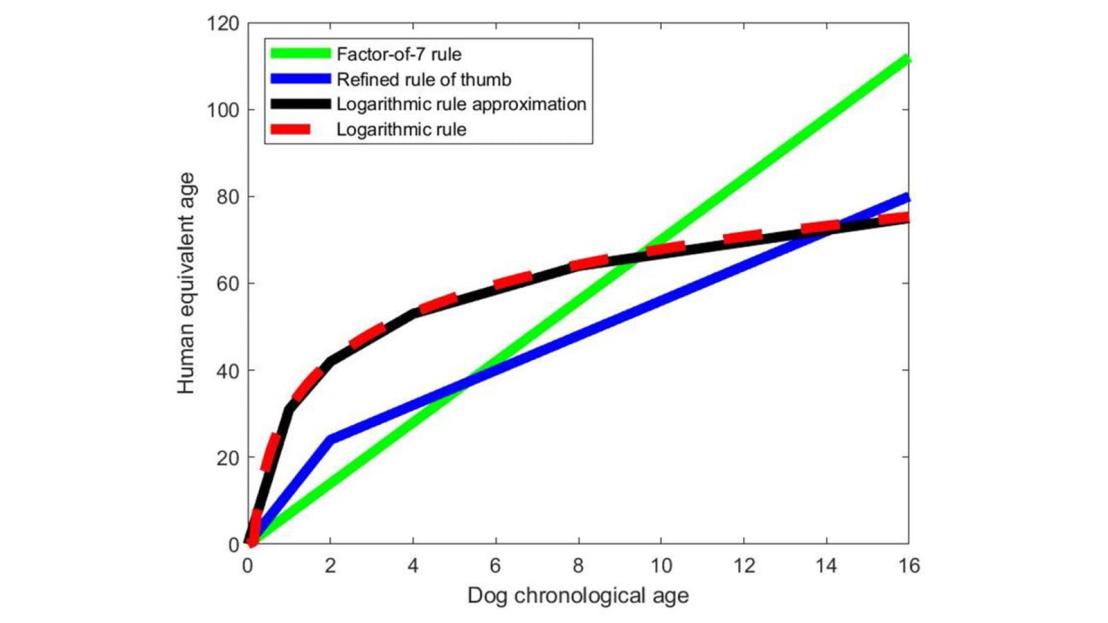
In the graph below, you can see how the natural logarithm works to convert the years a dog has lived (dog age) into the equivalent human age in the red dashed curve. The curve suggests that dogs mature extremely rapidly at first, but that their ageing then slows down, meaning that most of their lives are experienced as a form of protracted middle age.
A handy short cut is to remember that the first dog year counts for 31 human years. Then, after that, every time the dog’s chronological age doubles, the number of equivalent human years increases by 11. So eight calendar years represents three “doublings” (from one to two, two to four and then four to eight) giving a dog age equivalent of 64 (that’s 31 + 3×11).
This useful approximation is plotted as the black curve on the conversion figure below. The green line represents the discredited factor-of-seven rule that suggests unrealistic ages at the higher end of the dog age spectrum.
In eight calendar years a dog will approximately age the equivalent of 64 years (Credit: Christian Yates)
Most dog lovers will already have suspected that the human-to-dog age relationship is non-linear, having noticed that, initially, their pets mature much more quickly than the linear factor-of-seven rule suggests.
A more sophisticated refinement to the factor-of-seven rules has suggested that each of the dog’s first two years correspond to 12 human years while all subsequent years count for four human equivalents. The blue curve in the above figure, which represents this ad hoc rule, shows better agreement with the new logarithmic law.
In practice the new molecular insights into human-to-dog age conversion encapsulated by the logarithmic law suggest that dogs move into middle age even more rapidly than most dog-owners would have suspected. It’s worth bearing in mind, when you find that Rex is reluctant to chase the ball like he once did, that he’s probably got more miles on the clock than you’ve been giving him credit for.
Christian Yates is a senior lecturer in mathematical biology at the University of Bath. He is also the author of The Maths of Life and Death.
This articleoriginally appearedon The Conversation, and is republished under a Creative Commons licence.
ooOOoo
I don’t know about you but I found this article extremely interesting.
The first of the New Year but I suspect if will be far from the last.
ooOOoo
Dear Fellow Dog Lover,
I’m pleased to report there have been no dog food recalls issued since September 26, 2019.
Euthanasia Drug Discovered in Adulterated Animal Fat
The FDA recently discovered an animal euthanasia drug (pentobarbital) in test samples collected at a major supplier of animal fat to the pet food industry.
We’re unable to locate any information about which pet food brands may have purchased the affected ingredient.
For this reason, we recommend all dog and cat owners remain alert to the potential for future recalls related to this news.
Click here to read the official FDA Warning Letter sent to the producer.
Dog Food Recall Update
Some pet foods previously recalled may still be on store shelves… or in your own home. So, if you’ve missed any of the 11 recalls we’ve sent since July… be sure to visit our Dog Food Recalls page for full details.
10 Best Dog Food Lists Recently Updated
Over the last 90 days, The Dog Food Advisor has updated the following best dog food pages:






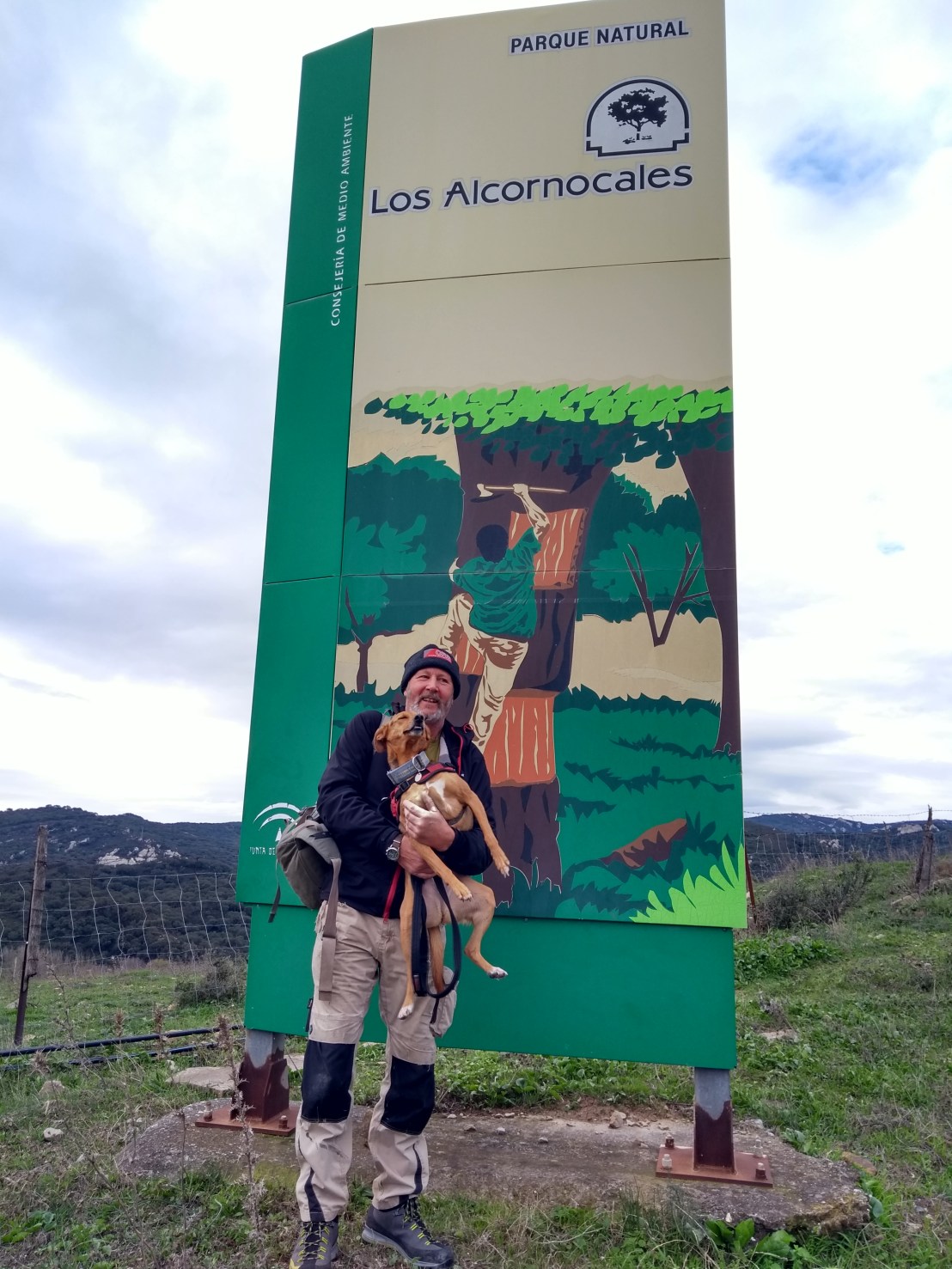

 Granted natural park status in 1989, Natural Park Los Alcornacales occupies a protected area of 170,025 hectares in Andalusia. Soil, moisture and traditional uses have been the main factors in the conservation of the largest productive area of cork trees anywhere on the Iberian Peninsula. Located in the province of Cadiz and part of Malaga (mainly in the municipality of Jimena de la Frontera, where we have just been walking), it runs from the mountains down to the recently created Estrecho Nature Park on the coast and is home to a variety of landscapes, flora, fauna, history and folklore.


 from the basic dull cork tiles of old, now it comes in stunning patterns and looks beautiful. It is also sustainable, provides excellent insulation and is lovely and warm to walk on. If I could, I’d floor the whole house with this.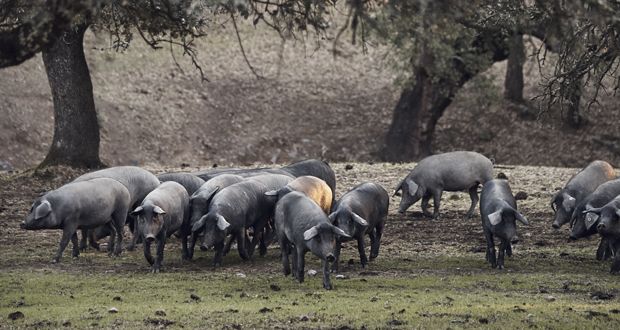







 Learning from Dogs