So when this post came along I just had to share it with you because we know about dogs and the great things that they do for us.
ooOOoo
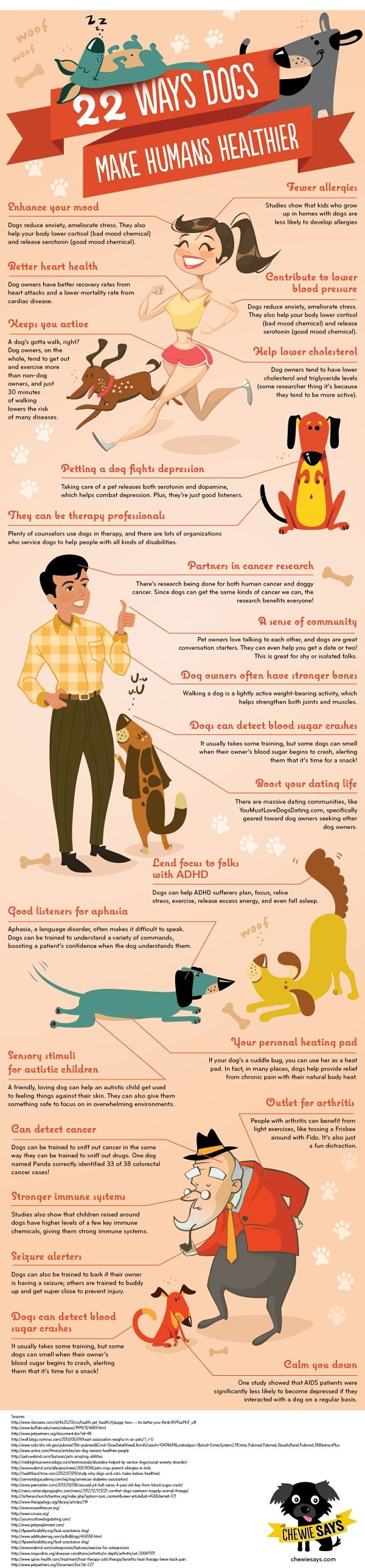
22 Ways Dogs Make Humans Better
By Tony,
As a dog lover and fitness enthusiast, I had to love this poster and share it with you.
Regular readers know that my dog Gabi has been my companion for 14 years. She is my first dog in over 50 years. You can read the peculiar story of how I came to own her in this post: Anatomy of an Act of Kindness.
Now again this has nothing to do with dogs and I would be the first person to say that there are still some people out there who are not convinced that global warming is a major result of human activity.. But none other than the Union of Concerned Scientists are persuaded that humans are the major cause. See their website here. (From which the following is taken.)
Every single year since 1977 has been warmer than the 20th century average, with 16 of the 17 warmest years on record occurring since 2001, and 2016 being the warmest year on recorded history. A study from 2016 found that without the emissions from burning coal and oil, there is very little likelihood that 13 out of the 15 warmest years on record would all have happened.
And further on in the article, this:
Scientists agree that today’s warming is primarily caused by humans putting too much carbon in the atmosphere, like when we choose to extract and burn coal, oil, and gas, or cut down and burn forests.
Today’s carbon dioxide levels haven’t been seen in at least the last 800,000 years. Data assembled from Antarctic ice core samples and modern atmospheric observations.
So on to the film.
My son, Alex, sent me the following email on the 7th October.
Hi Dad
This is a really interesting film about climate change in the west coast mountains, USA. A bit skiing related but a good watch !
Lots of love
Alex
Included in the email was a link to the film available on YouTube.
The film is just under one hour in length and a great film to watch as well as having a clear, fundamental message: All of us must act in whatever ways we can if our children and grandchildren are to have a future. Indeed, do you believe you have another twenty or more years to live? Then include yourself as well.
ooOOoo
About The Film
Professional snowboarder and mountaineer Jeremy Jones has an intimate relationship with the outdoors. It’s his escape, his identity, and his legacy. But over the course of his 45 years in the mountains, he’s seen many things change: more extreme weather, fewer snow days, and economic strain on mountain towns.
Motivated by an urge to protect the places he loves, Jeremy sets out on a physical and philosophical journey to find common ground with fellow outdoor people across diverse political backgrounds. He learns their hopes and fears while walking a mile in their shoes on the mountain and in the snow.
With intimacy and emotion set against breathtaking backdrops, Purple Mountains navigates America’s divide with a refreshing perspective: even though we may disagree about climate policy, our shared values can unite us.
This is one from Sunshine Foods and high levels of Aflatoxin; whatever that is!
This alert came in on October 8th but this has been the first opportunity to republish the warning.
The original document is online but the full text is presented for you here.
ooOOoo
15 Pet Food Brands Recalled Due to High Levels of Aflatoxin
Moldy Corn Containing Aflatoxin
October 8, 2020 — Sunshine Mills, Inc. is expanding its recall of 15 brands of pet food that were made with corn that contained high levels of aflatoxin.
What’s Recalled?
The following brands and products are affected by this recall:
The lot codes can be located on the back of each bag.
About the Expanded Recall
This is an expansion of the recall initiated September 2, 2020, after an investigation along with the U.S. Food and Drug Administration determined that additional corn-based pet foods produced between April 3 and April 5, 2020 may contain corn from a single load of corn with elevated levels of aflatoxin.
No illnesses have been reported in association with these products to date, and no other Sunshine Mills, Inc. pet food products are affected by this announcement.
Sunshine Mills, Inc. has chosen to expand its voluntary recall to include these additional products as a precautionary measure in furtherance of its commitment to the safety and quality of its products.
About Aflatoxin
Aflatoxin is a naturally occurring mold by-product from the growth of Aspergillus flavus and can be harmful to pets if consumed in significant quantities.
Pets with aflatoxin toxicity (aflatoxicosis) may show symptoms of illness including sluggishness or lethargy combined with a reluctance to eat, vomiting, yellowish tint to the eyes or gums, diarrhea, and in some cases, death.
Pets experiencing any of these symptoms after consuming the recalled products should be seen by a veterinarian.
Where Were the Products Sold?
The affected brands were distributed in retail stores within the United States.
Principle Super Premium Natural Dog Food is exported exclusively to a distributor in Japan. Sortsman’s Pride Maintenance Adult Formula Dog Food is also exported to a distributor in Japan and Colombia.
Retailers who received the recalled lots have been contacted and asked to pull any remaining inventory of these lots from their shelves.
There are no other Champ®, Field Trial®, Good Dog, Hunter’s Special®, Old Glory®, Paws Happy Life®, Pet Expert, Principle, Retriever®, River Bend, Sportsman’s Pride®, Sprout®, Thrifty®, Top Runner® or Whiskers & Tails products or other lot codes of these products affected by this voluntary recall.
What to Do?
Consumers who have purchased the recalled products should discontinue use of the product and may return the unused portion to the place of purchase for a full refund.
Consumers may contact Sunshine Mills, Inc. customer service at (800) 705-2111 from 7AM to 4PM Central Time, Monday through Friday.
Or by email at customer.service@sunshinemills.com for additional information.
The expansion of this voluntary recall is being conducted with the knowledge of the U.S. Food and Drug Administration.
U.S. citizens can report complaints about FDA-regulated pet food products by calling the consumer complaint coordinator in your area.
As is said every time, please share this post with all your dog-carer friends wherever they are. There are many products affected. Please be careful. Dogs are too precious for this aflatoxin toxicity or, indeed, being fed any other bad food.
Once again, something that should be taken notice of.
This was recently notified to all concerned in Dog Food Advisor.
ooOOoo
Deadly Salmonella Outbreak Linked to Pig Ears Dog Treats
Pig Ears Dog Treats Stock Image
October 1, 2020 — The Public Health Agency of Canada is alerting consumers it is investigating a deadly outbreak of Salmonella infections occurring in British Columbia, Alberta, and Yukon.
Based on investigation findings to date, exposure to pig ear dog treats has been identified as a likely source of the outbreak.
Some of the individuals who became sick reported feeding their dog Paws Up!and Western Family brands of pig ear dog treats before their illnesses occurred.
These brands are sold at Canadian Tire and Save-On-Foods.
The outbreak investigation is ongoing and it is possible that additional products may be identified.
On September 29, 2020, the supplying company, Masters Best Friend, voluntarily issued a Notice of Stop Sale for Paws Up! and Western Family brands of pig ear dog treats.
These products were sold nationwide in Canada.
Investigation Summary
As of September 29, 2020, there are eight confirmed cases of Salmonella typhimurium illness in the following provinces: British Columbia (5), Alberta (2), and Yukon (1).
Individuals became sick between late February and early August 2020. Three individuals have been hospitalized. In addition, one individual has died.
Individuals who became ill are between 7 and 95 years of age. The illnesses are distributed equally among men (50%) and women (50%).
It is possible that more recent illnesses may be reported in the outbreak because there is a period of time between when a person becomes ill and when the illness is reported to public health officials.
For this outbreak, the illness reporting period is between four and seven weeks.
What to Do?
Given this, do not feed your dog any Paws Up! or Western Family brand pig ear dog treats.
Always wash your hands right after handling dog treats, and ensure that all areas the treats have come in contact with are properly cleaned and sanitized.
This outbreak is a reminder of the importance of safely handling all pet treats, including pig ears and pet food.
These products can be contaminated with bacteria that can make you and others sick if proper handling and cleaning practices are not followed. If contaminated, pet treats and pet food can also make your pets sick. Ill pets can spread bacteria, like Salmonella, to individuals they are in contact with even if they do not show any signs of illness.
For more information on the affected products, please contact Masters Best Friend.
Although products are no longer available for purchase in stores, they may still be in consumer homes.
U.S. citizens can report complaints about FDA-regulated pet food products by calling the consumer complaint coordinator in your area.
This is an older post that for some reason wasn’t published until now!
Apparently dogs can teach us to sleep better!
If you can hear a note of skepticism in my voice then you are not mistaken.
For I am writing this post during the afternoon of Tuesday last. Jeannie and I were going out to dinner with neighbours in the evening and I was wondering if I could squeeze in a siesta fairly soon. Why?
Well last night [Ed. Back in 2017] (as in early on Tuesday morning), at 3am to be exact, a wet nose belonging to a German Shepherd, namely Cleo, was gently pushed into my face. Even in the dark I could sense that Cleo had an upset tummy. I quickly got up and opened our bedroom door; the one that opens onto the deck behind our house.
Five minutes later Cleo was back in the room and a few minutes more saw me back asleep.
At 4am on that same early Tuesday morning I received the second greeting of the day from a wet nose. This time it was Oliver and, yes, he too had an upset tummy. Oliver is not so self-disciplined as Cleo and I had to put on my dressing-gown and take Oliver outside via the front door.
Do you understand why I was so tired that afternoon!
We all know that dogs are the best of friends. They’re more than happy to greet you with excitement when you get home from work, and they’re thrilled to go on adventures with you, too. But dogs are more than just friends. They’re good for your health—in more ways than one.
First, good dog owners know that exercise is the name of the game. If you live on a small property or in an apartment, then it’s necessary to walk your dog regularly. And at the bare minimum, you most likely play tug-o-war inside or wrestle on the floor together. Your dog needs the exercise to stay happy and healthy—and so do you.
Second, your pup doesn’t just keep you active but she lowers your blood pressure. It’s hard to measure if you’ve never been one with blood pressure issues. But if you’re hypertensive, then maybe getting a dog isn’t such a bad idea.
Beyond keeping you active and your heart healthy, science shows that dogs help you sleep better. And sleep, as we know, is a huge part of being healthy. In a recent study of 40 healthy adults without sleeping disorders, scientists discovered that dogs aided in better sleep efficiency. That means you get more out of your sleep time with a fun-loving pet at your side.
And let’s not get this confused with sleeping with your dog in your bed. The same study indicated that people who let their pets sleep on the bed actually had worse sleep, not better. Which makes sense, right? If your pup continually crowds you out of the little space you have, you’re bound to be tirelessly stopping yourself from falling off the bed all night long. Not to mention if the dog needs to be let down for water or to use the bathroom. Your best bet for better sleep is to leave your pooch on the floor.
How to have the best night of sleep ever with your dog
As any dog owner knows, it’s not fun getting up the middle of the night to open doors, fill water bowls or take the dog out to pee. If you want to ensure that you’ll reap all the benefits of better sleep, then try these tips right before bed.
Prepare your dog for bed: Welcome the dog into the room, snuggle for a bit on the bed or floor, and then place your pup on the floor in his bed.
Open a door: Your pup might get restless at night, or scared. Leave a door open for the pup to roam or hide. Unless, of course, your pup can’t handle the freedom of nighttime roaming.
Fill the water bowl: Be sure to always have fresh water nearby. It’s an easy and simple fix when you know your pup likes to get up for a midnight drink.
Create space to borrow: Some dogs like to hide under the bed, in the closet beneath clothes or in the bathroom. The dog might be scared of thunder or lightning or simply find it cozier than out in the open. Ensure your dog’s comfort by keeping these options open.
Don’t forget the dog: Bedtime is often a haze. You’re tired and just want to sleep. Before rushing off to sleep, make sure your dog hasn’t been left outside on the patio or in the backyard.
Does Rocko eat dinner?: Make sure your dog eats a regularly scheduled meal in the evening.
Unexpected events: There are some things you just can’t plan for, like vomiting or diarrhea. Dogs eat strange things when you’re not looking. Respond as compassionately as possible.
Dogs can help you sleep better by making you feel more safe and secure. But if you don’t prepare you and your loyal friend for a good night sleep, then you’ll find yourself waking up in the middle of the night—more than once. Get the most out of your sleep by being prepared, and remember to put your dog on the ground not on the bed for the best night’s sleep possible.
ooOOoo
Now I’m bound to say that since that night in September, 2017 we have not had a problem with our six dogs. I can’t remember since then one of our dogs having an upset tummy that kept us awake.
But I’m sure that there are dog owners who from time to time do have this problem and I hope you find this post useful and interesting, albeit three years late!
Some may think that there are too many such dog food recalls but I would say thank goodness there is a system for reporting them.
ooOOoo
Real Pet Food Company Recalls Billy + Margot Dog Food
September 22, 2020 — Real Pet Food Company of Phoenix, Arizona, is voluntarily recalling Billy+Margot Wild Kangaroo and Superfoods Recipe because it may be contaminated with Salmonella bacteria.
What’s Being Recalled?
The following product has been recalled:
Billy + Margot Wild Kangaroo and Superfoods Recipe
Package: 4-pound bag
Lot code: V 07 Feb 2022
This recall does not affect any other Billy + Margot products or those sold outside of the USA.
What Caused the Recall?
The recall is a result of a routine sampling program by state officials which revealed that the finished products contained the bacteria.
The company has ceased the production and distribution of the product.
The FDA and the company will continue their investigation as to what caused the problem.
About Salmonella
Salmonella can affect animals eating the products… and there is risk to humans from handling contaminated pet products.
While no illnesses have been reported, healthy people infected with Salmonella should monitor themselves for some or all of the following symptoms: nausea, vomiting, diarrhea or bloody diarrhea, abdominal cramping and fever.
Rarely, Salmonella can result in more serious ailments, including arterial infections, endocarditis, arthritis, muscle pain, eye irritation, and urinary tract symptoms.
Owners exhibiting any signs after having contact with this product should contact their healthcare provider.
Pets with Salmonella infections may be lethargic and have diarrhea, fever, vomiting and or abdominal pain.
Infected but otherwise healthy pets can be carriers and infect other animals or humans.
If your pet has consumed the recalled product and has these symptoms, please contact your veterinarian.
What to Do?
Retailers who have received product from the affected lot code have been asked to remove this product from shelves immediately and dispose of the product with care.
If you have purchased Billy + Margot Wild Kangaroo and Superfoods Recipe in a 4 lb bag, with lot code V 07 Feb 2022 from any retail store nationally, please stop feeding the product to your dogs, dispose of this product immediately, wash your hands accordingly, and sanitize affected surfaces.
Consumers who have purchased the recalled products may call Real Pet Food between 8 am and 10 pm EST immediately for a refund or for additional information at : 1-800-467-5494.
Consumers with questions may contact the company at 800-467-5494 during the above times.
U.S. citizens can report complaints about FDA-regulated pet food products by calling the consumer complaint coordinator in your area.
Here’s me admitting that yesterday’s post was a little late and, bingo, into my email inbox yesterday came another food recall.
ooOOoo
Sunshine Mills Recalls Multiple Dog Food Brands Due to Aflatoxin
September 2, 2020 — Sunshine Mills, Inc. is issuing a voluntary recall of multiple dog food products due to elevated levels of aflatoxin that are potentially above the acceptable limit.
Aflatoxin is a naturally occurring mold by-product from the growth of Aspergillus flavus and can be harmful to pets if consumed in significant quantities.
What’s Being Recalled?
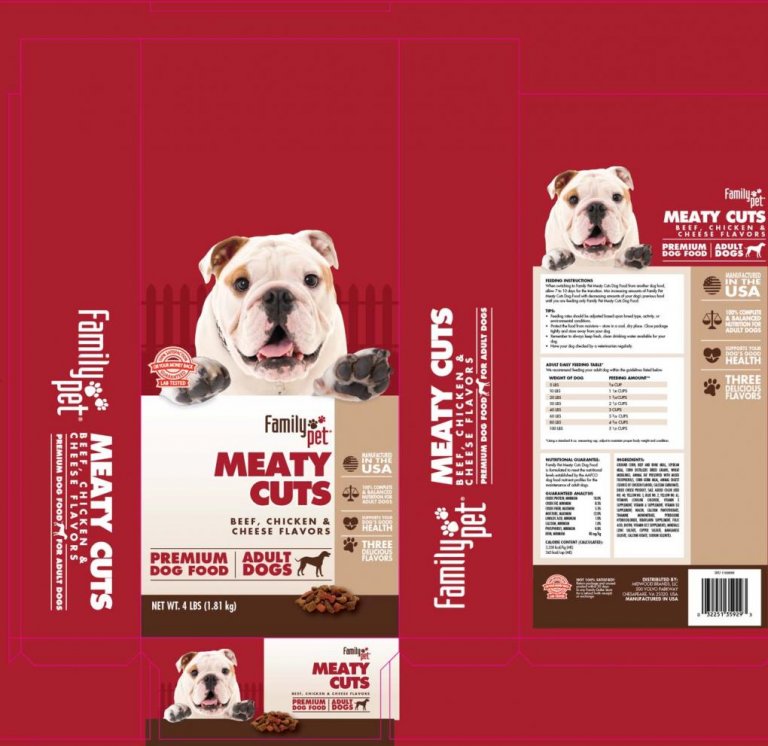
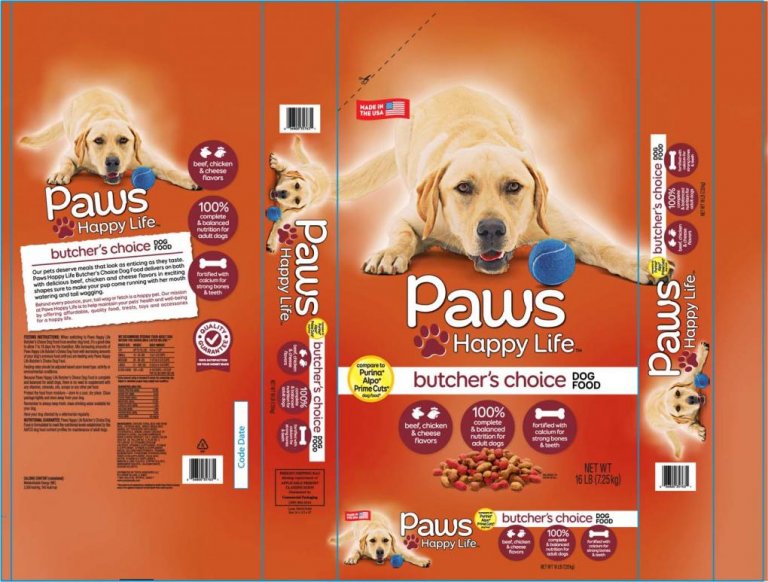
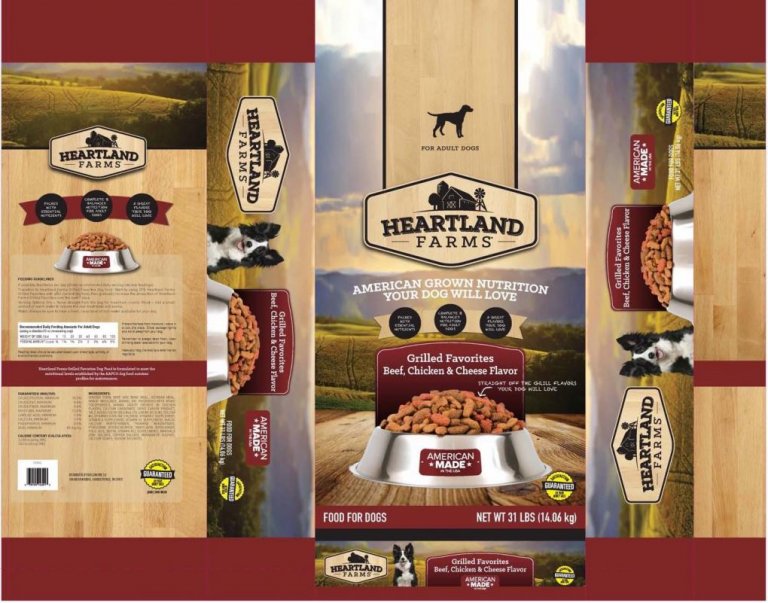
Here are images of the products affected by this recall:
oooo
oooo
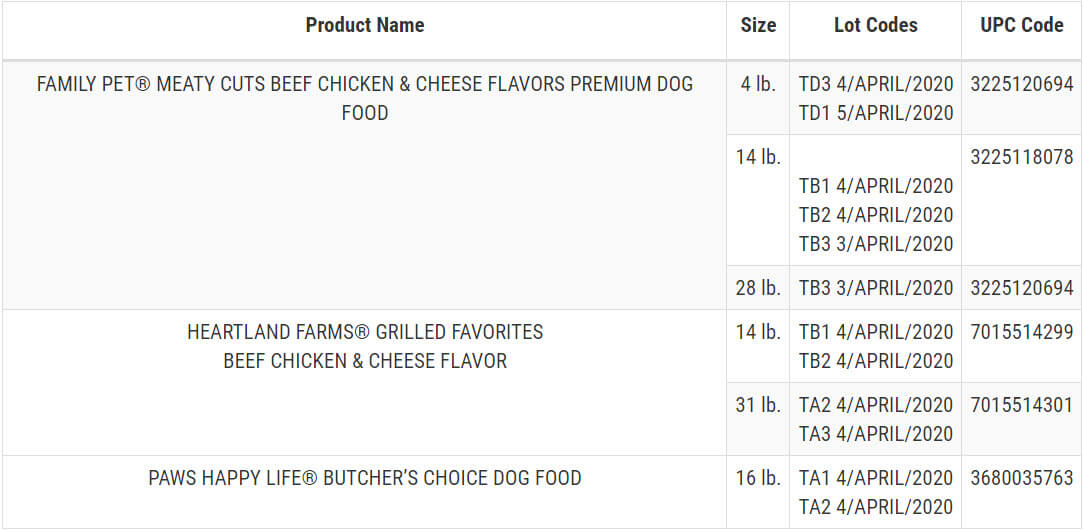
Here are the lot codes and dates of the products affected by this news:
What Caused the Recall?
The potential for aflatoxin levels above the acceptable limit in these products was discovered by routine sampling performed by the Louisiana Department of Agriculture and Forestry showing that a sample of a single 4-pound bag of one lot of the product contained elevated levels of aflatoxin.
No illnesses have been reported in association with these products to date, and no other Sunshine Mills, Inc. pet food products are affected by this announcement.
While no adverse health effects related to these products have been reported, Sunshine Mills, Inc. has chosen to issue a voluntary recall of these products as a precautionary measure in furtherance of its commitment to the safety and quality of its products.
About Aflatoxin
Pets that have consumed any of the recalled products and exhibit symptoms of illness including sluggishness or lethargy combined with a reluctance to eat, vomiting, yellowish tint to the eyes or gums, or diarrhea should be seen by a veterinarian.
The affected products were distributed in retail stores nationally.
Retailers who received the recalled lots have been contacted and asked to pull these lots from their inventory and shelves.
There are no other Family Pet, Heartland Farms, or Paws Happy Life products or other lot codes of these products affected by this precautionary recall.
This is a voluntary recall being conducted in cooperation with the U.S. Food and Drug Administration.
What to Do?
Consumers who have purchased the recalled products should discontinue use of the product and may return the unused portion to the place of purchase for a full refund.
Consumers may contact Sunshine Mills, Inc. Customer Service at 800-705-2111 from 7 AM to 4 PM Central Time, Monday through Friday… or by email at customer.service@sunshinemills.com for additional information.
U.S. citizens can report complaints about FDA-regulated pet food products by calling the consumer complaint coordinator in your area.
This came in 9 days ago. I put it in my ‘blog’ file and then got waylaid by other stuff.
Here it is:
ooOOoo
Sunshine Mills Recalls Nature’s Menu Dog Food
August 24, 2020 — Sunshine Mills, Inc. is issuing a voluntary recall of Nature’s Menu Super Premium Dog Food with a Blend of Real Chicken and Quail because it has the potential to be contaminated with Salmonella bacteria.
What’s Being Recalled?
The recalled Nature’s Menu dog foods were distributed in retail stores nationwideand can be identified with the following UPC 7015514363 and UPC 7015514365.
The product comes in a 3-pound bag with the following lot codes:
There are no other Nature’s Menu® products or other lot codes of the Nature’s Menu® Super Premium Dog Food with a Blend of Real Chicken & Quail affected by this precautionary recall.
No illnesses, injuries or complaints have been reported to date.
About Salmonella
Salmonella can affect animals eating the products and there is risk to humans from handling contaminated products, especially if they have not thoroughly washed their hands after having contact with the products or any surfaces exposed to these products.
Healthy people infected with Salmonella should monitor themselves for some or all of the following symptoms: nausea, vomiting, diarrhea or bloody diarrhea, abdominal cramping and fever.
Rarely, Salmonella can result in more serious ailments, including arterial infections, endocarditis, arthritis, muscle pain, eye irritation, and urinary tract symptoms.
Consumers exhibiting these signs after having contact with this product should contact their healthcare providers.
Pets with Salmonella infections may be lethargic and have diarrhea or bloody diarrhea, fever, and vomiting.
Some pets will have only decreased appetite, fever and abdominal pain.
Infected but otherwise healthy pets can be carriers and infect other animals or humans.
If your pet has consumed the recalled product and has these symptoms, please contact your veterinarian.
What Caused the Recall?
According to the company…
The potential for contamination was noted after the firm was notified by the Georgia Department of Agriculture when a sample of a single 3-pound bag of the product was collected and tested positive for Salmonella.
The firm conducted testing of multiple samples of the same lot which all tested negative for Salmonella.
Salmonella may not be evenly distributed throughout a lot which is why it could have been found on one sample and not on multiple other samples of the same lot.
However, out of an abundance of caution, Sunshine Mills, Inc. has chosen to issue a voluntary recall of the above-referenced lots of Nature’s Menu Super Premium Dog Food with a Blend of Real Chicken and Quail in furtherance of its commitment to the safety and quality of its products.
What to Do?
Retailers who received the recalled lots have been contacted and asked to pull these lots from their inventory and shelves.
Consumers who have purchased Nature’s Menu® Super Premium Dog Food with a Blend of Real Chicken & Quail from the recalled lots should discontinue use of the product and may return the unused portion to the place of purchase for a full refund.
Consumers may contact Sunshine Mills, Inc. customer service at (800) 705-2111 from 7 am to 4 pm Central Time, Monday through Friday… or by email at customer.service@sunshinemills.com for additional information.
This is a voluntary recall being conducted in cooperation with the U.S. Food and Drug Administration.
U.S. citizens can report complaints about FDA-regulated pet food products by calling the consumer complaint coordinator in your area.
Still continuing with another dog-free day because this is a supremely important topic: Dementia.
I’m well into my 75th year and have poor recall. I do everything to fight the loss of memory. We are vegan, or technically pescatarian, we both go to the nearby Club Northwest twice a week and I ride my bike every other day.
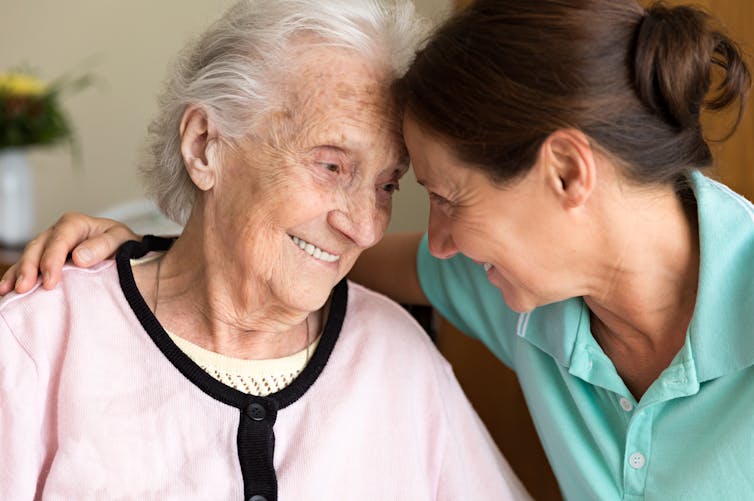
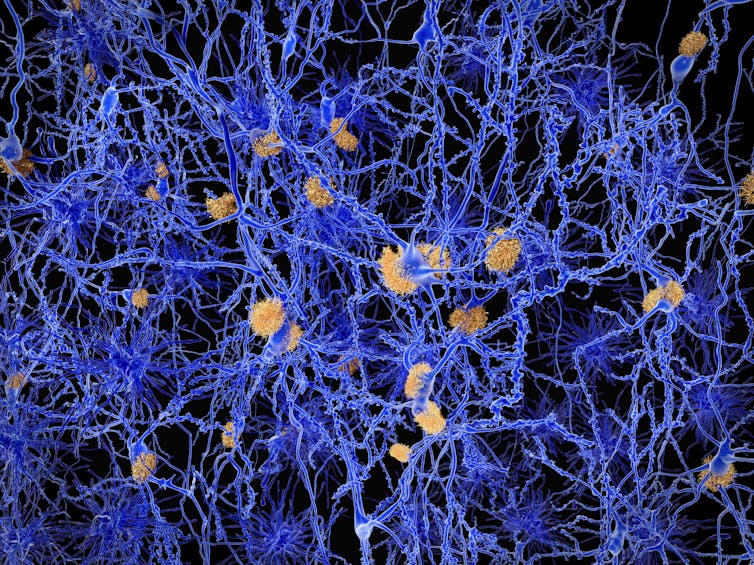
The number of cases of dementia in the U.S. is rising as baby boomers age, raising questions for boomers themselves and also for their families, caregivers and society. Dementia, which is not technically a disease but a term for impaired ability to think, remember or make decisions, is one of the most feared impairments of old age.
Incidence increases dramatically as people move into their 90s. About 5% of those age 71 to 79 have dementia, and about 37% of those about 90 years old live with it.
Older people may worry about their own loss of function as well as the cost and toll of caregiving for someone with dementia. A 2018 study estimated that the lifetime cost of care for a person with Alzheimer’s, the most common form of dementia, to be US$329,360. That figure, too, will no doubt rise, putting even more burdens on family, Medicare and Medicaid.
There’s also been a good deal of talk and reporting about dementia in recent months because of the U.S. presidential election. Some voters have asked whether one or both candidates might have dementia. But, is this even a fair question to ask? When these types of questions are posed – adding further stigma to people with dementia – it can unfairly further isolate them and those caring for them. We need to understand dementia and the impact it has on more than 5 million people in the U.S. who now live with dementia and their caregivers. That number is expected to triple by 2060.
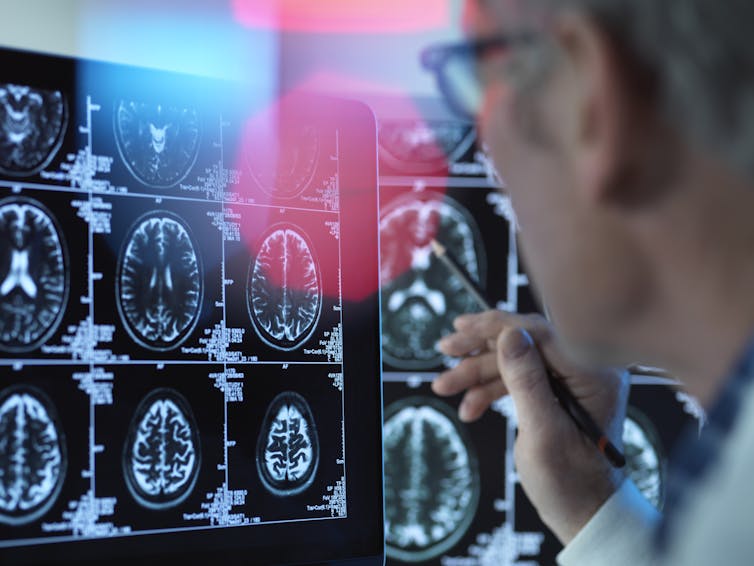
First, it is important to know that dementia cannot be diagnosed from afar or by someone who is not a doctor. A person needs a detailed doctor’s exam for a diagnosis. Sometimes, brain imaging is required. And, forgetting an occasional word – or even where you put your keys – does not mean a person has dementia. There are different types of memory loss and they can have different causes, such as other medical conditions, falls or even medication, including herbals, supplements and anything over-the-counter.
Older people wonder and worry about so-called senior moments and the memory loss they perceive in themselves and others. I see patients like this every week in my geriatric clinic, where they tell me their stories. They forget a word, get lost in a story, lose keys or can’t remember a name. Details vary, but the underlying concern is the same: Is this dementia?
As we age, we experience many physical and cognitive changes. Older people often have a decrease in recall memory. This is normal. Ever have trouble fetching a fact from the deep back part of your “mind’s Rolodex”? Suppose you spot someone at the grocery store you haven’t seen in years. Maybe you recognize the face, but don’t remember their name until later that night. This is normal, part of the expected changes with aging.
What’s more of a potential problem is forgetting the name of someone you see every day; forgetting how to get to a place you visit frequently; or having problems with your activities of daily living, like eating, dressing and hygiene.
When you have troubles with memory – but they don’t interfere with your daily activities – this is called mild cognitive impairment. Your primary care doctor can diagnose it. But sometimes it gets worse, so your doctor should follow you closely if you have mild cognitive impairment.
You want to note the timing of any impairment. Was there a gradual decline? Or did it happen all of a sudden? This too you should discuss with your doctor, who might recommend the MoCA, or Montreal Cognitive Assessment test, which screens for memory problems and helps determine if more evaluation is needed.
Also, the Centers for Disease Control and Prevention lists problems in these areas as possible signs of dementia:
Memory
Attention
Communication
Reasoning, judgment and problem solving
Visual perception beyond typical age-related changes in vision
When memory loss interferes with daily activities, see your doctor about what to do and how to make sure you’re safe at home.
There are numerous types of severe memory loss. Dementia tends to be a slow-moving progression that occurs over months or years. Delirium is more sudden and can occur over hours or days, usually when you have an acute illness. Depression can also cause memory changes, particularly as we get older.
Alzheimer’s dementia is the most common type of dementia, followed by vascular dementia. They have similar symptoms: confusion, getting lost, forgetting close friends or family, or an inability to do calculations like balance the checkbook. Certain medical conditions – thyroid disorders, syphilis – can lead to dementia symptoms, and less common types of dementia can have different kinds of symptoms. Alzheimer’s has a distinct set of symptoms often associated with certain changes in the brain.
Focusing on safety and appropriate supervision, particularly in the home, is critical for all people with dementia. Your doctor or a social worker can help you find support.
It’s also important to be aware of two other things that can lead to decreased mental functioning – delirium and depression.
Delirium, a rapid change in cognition or mental functioning, can occur in people with an acute medical illness, like pneumonia or even COVID-19 infection. Delirium can occur in patients in the hospital or at home. Risk for delirium increases with age or previous brain injuries; symptoms include decreased attention span and memory issues.
Depression can happen at any time, but it’s more common with aging. How can you tell if you’re depressed? Here’s one simple definition: when your mood remains low and you’ve lost interest or joy in activities you once loved.
Sometimes people have recurring episodes of depression; sometimes, it’s prolonged grieving that becomes depression. Symptoms include anxiety, hopelessness, low energy and problems with memory. If you notice signs of depression in yourself or a loved one, see your doctor. If you have any thoughts of harming yourself, call 911 to get help instantly.
Any of these conditions can be frightening. But even more frightening is unrecognized or unacknowledged dementia. You must, openly and honestly, discuss changes you notice in your memory or thinking with your doctor. It’s the first step toward figuring out what is happening and making sure your health is the best it can be.
And, as with any disease or disease group, dementia is not a “character flaw,” and the term should not be used to criticize a person. Dementia is a serious medical diagnosis – ask those who have it, the loved ones who care for them or any of us who treat them. Having dementia is challenging. Learn what you can do to support those with dementia in your own community.
Please, if you are of the age where this is more than an academic interest then read the article carefully and especially that piece of advice towards the end:
But even more frightening is unrecognized or unacknowledged dementia. You must, openly and honestly, discuss changes you notice in your memory or thinking with your doctor. It’s the first step toward figuring out what is happening and making sure your health is the best it can be.
As is said growing old is not for cissies.
None of us can put off the fateful day when we will die and in our case we do not believe in any form of afterlife, in other words we are confirmed atheists, so all we can do is to live out our remaining years as healthily as possible and loving each other and our precious animals.
But having said that I know that all of us want to live out our lives with healthy, active brains and it’s clear that we can’t leave it to chance.
In closing, I recently purchased the book Outsmart Your Brain written by Dr. Ginger Schechter (and others). It was just $9.99 and contains much advice regarding the best foods and exercise for a healthy brain. I recommend it!
Maybe because years ago he gave me blanket permission to republish his essays. Maybe because he and I are more or less the same age. Maybe because in my more quieter, introspective moments I wonder where the hell we are going. And Tom seems to agree.
Have a read of this.
ooOOoo
Tomgram: Engelhardt, The Unexpected Past, the Unknown Future
[Note for TomDispatch Readers:Even in this terrible moment, TD does its best to continue offering an alternate view of this increasingly strange planet of ours. And I can only do so because of the ongoing support of readers. (I just wish I could actually thank each of you individually!) If you have the urge to continue to lend a hand in keeping TomDispatch afloat, then do check out our donation page. For a donation of $100 ($125 if you live outside the U.S.), I usually offer a signed, personalized book from one of a number of TD authors listed on that page and you can certainly ask, but no guarantees in this pandemic moment. Still, you really do make all the difference and I can’t thank you enough for that! Tom]
It Could Have Been Different
My World and (Unfortunately) Welcome to It
By Tom Engelhardt
Let me be blunt. This wasn’t the world I imagined for my denouement. Not faintly. Of course, I can’t claim I ever really imagined such a place. Who, in their youth, considers their death and the world that might accompany it, the one you might leave behind for younger generations? I’m 76 now. True, if I were lucky (or perhaps unlucky), I could live another 20 years and see yet a newer world born. But for the moment at least, it seems logical enough to consider this pandemic nightmare of a place as the country of my old age, the one that I and my generation (including a guy named Donald J. Trump) will pass on to our children and grandchildren.
Back in 2001, after the 9/11 attacks, I knew it was going to be bad. I felt it deep in my gut almost immediately and, because of that, stumbled into creating TomDispatch.com, the website I still run. But did I ever think it would be this bad? Not a chance.
I focused back then on what already looked to me like a nightmarish American imperial adventure to come, the response to the 9/11 attacks that the administration of President George W. Bush quickly launched under the rubric of “the Global War on Terror.” And that name (though the word “global” would soon be dropped for the more anodyne “war on terror”) would prove anything but inaccurate. After all, in those first post-9/11 moments, the top officials of that administration were thinking as globally as possible when it came to war. At the damaged Pentagon, Secretary of Defense Donald Rumsfeld almost immediately turned to an aide and told him, “Go massive — sweep it all up, things related and not.” From then on, the emphasis would always be on the more the merrier.
Bush’s top officials were eager to take out not just Osama bin Laden’s al-Qaeda, whose 19 mostly Saudi hijackers had indeed attacked this country in the most provocative manner possible (at a cost of only $400,000-$500,000), but the Taliban, too, which then controlled much of Afghanistan. And an invasion of that country was seen as but the initial step in a larger, deeply desired project reportedly meant to target more than 60 countries! Above all, George W. Bush and his top officials dreamed of taking down Iraqi autocrat Saddam Hussein, occupying his oil-rich land, and making the United States, already the unipolar power of the twenty-first century, the overseer of the Greater Middle East and, in the end, perhaps even of a global Pax Americana. Such was the oil-fueled imperial dreamscape of George W. Bush, Dick Cheney, Donald Rumsfeld, and crew (including that charmer and now bestselling anti-Trump author John Bolton).
Who Woulda Guessed?
In the years that followed, I would post endless TomDispatch pieces, often by ex-military men, focused on the ongoing nightmare of our country’s soon-to-become forever wars (without a “pax” in sight) and the dangers such spreading conflicts posed to our world and even to us. Still, did I imagine those wars coming home in quite this way? Police forces in American cities and towns thoroughly militarized right down to bayonets, MRAPs, night-vision goggles, and helicopters, thanks to a Pentagon program delivering equipment to police departments nationwide more or less directly off the battlefields of Washington’s never-ending wars? Not for a moment.
Who doesn’t remember those 2014 photos of what looked like an occupying army on the streets of Ferguson, Missouri, after the police killing of a Black teenager and the protests that followed? And keep in mind that, to this day, the Republican Senate and the Trump administration have shown not the slightest desire to rein in that Pentagon program to militarize police departments nationwide. Such equipment (and the mentality that goes with it) showed up strikingly on the streets of American cities and towns during the recent Black Lives Matter protests.
Even in 2014, however, I couldn’t have imagined federal agents by the hundreds, dressed as if for a forever-war battlefield, flooding onto those same streets (at least in cities run by Democratic mayors), ready to treat protesters as if they were indeed al-Qaeda (“VIOLENT ANTIFA ANARCHISTS”), or that it would all be part of an election ploy by a needy president. Not a chance.
Or put another way, a president with his own “goon squad” or “stormtroopers” outfitted to look as if they were shipping out for Afghanistan or Iraq but heading for Portland, Albuquerque, Chicago, Seattle, and other American cities? Give me a break! How un-American could you get? A military surveillance drone overhead in at least one of those cities as if this were someone else’s war zone? Give me a break again. Never in my wildest dreams did I think I’d live to witness anything quite like it or a president — and we’ve had a few doozies — even faintly like the man a minority of deeply disgruntled Americans but a majority of electors put in the White House in 2016 to preside over a failing empire.
How about an American president in the year 2020 as a straightforward, no-punches-pulled racist, the sort of guy a newspaper could compare to former segregationist Alabama governor and presidential candidate George Wallace without even blinking? Admittedly, in itself, presidential racism has hardly been unique to this moment in America, despite Joe Biden’s initial claim to the contrary. That couldn’t be the case in the country in which Woodrow Wilson made D.W. Griffith’s Birth of a Nation, the infamous silent movie in which the Ku Klux Klan rides to the rescue, the first film ever to be shown in the White House; nor the one in which Richard Nixon used his “Southern strategy” — Republican presidential candidate Barry Goldwater had earlier labeled it even more redolently “Operation Dixie” — to appeal to the racist fears of Southern whites and so begin to turn that region from a Democratic stronghold into a Republican bastion; nor in the land where Ronald Reagan launched his election campaign of 1980 with a “states’ rights” speech (then still a code phrase for segregation) near Philadelphia, Mississippi, just miles from the earthen dam where three murdered civil rights workers had been found buried in 1964.
Still, an openly racist president (don’t take that knee!) as an autocrat-in-the-making (or at least in-the-dreaming), one who first descended that Trump Tower escalator in 2015 denouncing Mexican “rapists,” ran for president rabidly on a Muslim ban, and for whom Black lives, including John Lewis’s, have always been immaterial, a president now defending every Confederate monument and military base named after a slave-owning general in sight, while trying to launch a Nixon-style “law and (dis)order” campaign? I mean, who woulda thunk it?
And add to that the once unimaginable: a man without an ounce of empathy in the White House, a figure focused only on himself and his electoral and pecuniary fate (and perhaps those of his billionaire confederates); a man filling his hated “deep state” with congressionally unapproved lackies, flacks, and ass-kissers, many of them previously flacks (aka lobbyists) for major corporations. (Note, by the way, that while The Donald has a distinctly autocratic urge, I don’t describe him as an incipient fascist because, as far as I can see, his sole desire — as in those now-disappeared rallies of his — is to have fans, not lead an actual social movement of any sort. Think of him as Mussolini right down to the look and style with a “base” of cheering MAGA chumps but no urge for an actual fascist movement to lead.)
And who ever imagined that an American president might actually bring up the possibility of delaying an election he fears losing, while denouncing mail-in ballots (“the scandal of our time”) as electoral fraud and doing his damnedest to undermine the Post Office which would deliver them amid an economic downturn that rivals the Great Depression? Who, before this moment, ever imagined that a president might consider refusing to leave the White House even if he did lose his reelection bid? Tell me this doesn’t qualify as something new under the American sun. True, it wasn’t Donald Trump who turned this country’s elections into 1% affairs or made contributions by the staggeringly wealthy and corporations a matter of free speech (thank you, Supreme Court!), but it is Donald Trump who is threatening, in his own unique way, to make elections themselves a thing of the past. And that, believe me, I didn’t count on.
Nor did I conceive of an all-American world of inequality almost beyond imagining. A country in which only the truly wealthy (think tax cuts) and the national security state (think budgets eternally in the stratosphere) are assured of generous funding in the worst of times.
The World to Come?
Oh, and I haven’t even mentioned the pandemic yet, have I? The one that should bring to mind the Black Death of the fourteenth century and the devastating Spanish Flu of a century ago, the one that’s killing Americans in remarkable numbers daily and going wild in this country, aided and abetted in every imaginable way (and some previously unimaginable ones) by the federal government and the president. Who could have dreamed of such a disease running riot, month after month, in the wealthiest, most powerful country on the planet without a national plan for dealing with it? Who could have dreamed of the planet’s most exceptional, indispensable country (as its leaders once loved to call it) being unable to take even the most modest steps to rein in Covid-19, thanks to a president, Republican governors, and Republican congressional representatives who consider science the equivalent of alien DNA? Honestly, who ever imagined such an American world? Think of it not as The Decameron, that fourteenth century tale of 10 people in flight from a pandemic, but the Trumpcameron or perhaps simply Trumpmageddon.
And keep in mind, when assessing this world I’m going to leave behind to those I hold near and dear, that Covid-19 is hardly the worst of it. Behind that pandemic, possibly even linked to it in complex ways, is something so much worse. Yes, the coronavirus and the president’s response to it may seem like the worst of all news as American deaths crest 160,000 with no end in sight, but it isn’t. Not faintly on a planet that’s being heated to the boiling point and whose most powerful country is now run by a crew of pyromaniacs.
It’s hard even to fully conceptualize climate change since it operates on a time scale that’s anything but human. Still, one way to think of it is as a slow-burn planetary version of the atomic bombings of Hiroshima and Nagasaki. And by the way, if you’ll excuse a brief digression, in these years, our president and his men have been intent on ripping up every Cold War nuclear pact in sight, while the tensions between two nuclear-armed powers, the U.S. and China, only intensify and Washington invests staggering sums in “modernizing” its nuclear arsenal. (I mean, how exactly do you “modernize” the already-achieved ability to put an almost instant end to the world as we’ve known it?)
But to return to climate change, remember that 2020 is already threatening to be the warmest year in recorded history, while the five hottest years so far occurred from 2015 to 2019. That should tell you something, no?
The never-ending release of greenhouse gases into the atmosphere has been transforming this planet in ways that have now become obvious. My own hometown, New York City, for instance, has officially become part of the humid subtropical climate zone and that’s only a beginning. Everywhere temperatures are rising. They hit 100 degrees this June in, of all places, Siberia. (The Arctic is warming at twice the rate of much of the rest of the planet.) Sea ice is melting fast, while floods and mega-droughts intensify and forests burn in a previously unknown fashion.
And as a recent heat wave across the Middle East — Baghdad hit a record 125 degrees — showed, it’s only going to get hotter. Much hotter and, given how humanity has handled the latest pandemic, how will it handle the chaos that goes with rising sea levels drowning coastlines but also affecting inland populations, ever fiercer storms, and flooding (in recent weeks, the summer monsoon has, for instance, put one third of Bangladesh underwater), not to speak of the migration of refugees from the hardest-hit areas? The answer is likely to be: not well.
And I could go on, but you get the point. This is not the world I either imagined or would ever have dreamed of leaving to those far younger than me. That the men (and they are largely men) who are essentially promoting the pandemicizing and over-heating of this planet will be the greatest criminals in history matters little.
Let’s just hope that, when it comes to creating a better world out of such a god-awful mess, the generations that follow us prove better at it than mine did. If I were a religious man, those would be my prayers.
And here’s my odd hope. As should be obvious from this piece, the recent past, when still the future, was surprisingly unimaginable. There’s no reason to believe that the future — the coming decades — will prove any easier to imagine. No matter the bad news of this moment, who knows what our world might really look like 20 years from now? I only hope, for the sake of my children and grandchildren, that it surprises us all.
This is such a powerful essay written from the heart of a good man.
I, too, wonder and worry about the next twenty years. Indeed, there are the stirrings of a book in my head. How that younger generation are reacting to the present and, more importantly, how they will react and respond to the next few years?
I’m 75 and really hope to live for quite a few more years. Jean is just a few years younger.
But much more importantly I have a son, Alex, who is 49, and a daughter, Maija, who is 48, and a grandson, Morten, of my daughter and her husband, who is 9.


 About The Film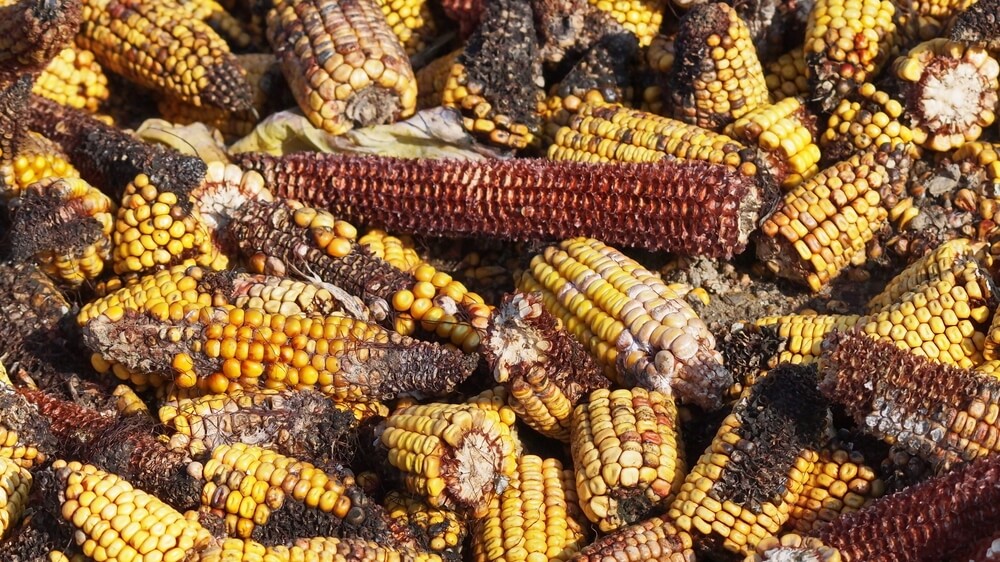








 Learning from Dogs