Category: Flying

Settling in to a new home

Anyone who emails me this is impossible to resist!

Hi,
I work on behalf of petsbyplane.com, and I recently noticed your blog while I was looking around for a few resources on pets and taking pets by plane!

I know sometimes it’s hard to create new content all the time and sometimes you probably find yourself needing blog content at learningfromdogs.com

I’m looking for high-quality sites like yours that I can contribute quality articles to in order to continue to build my profile, win a Pulitzer Prize and eventually take over the Universe.

Well another person trying to take over the Universe seems to fit the pattern of these present times so what the hell!

ooOOoo

Seven Techniques to Create a Safe New Home for Your Dog

by John Stuart.

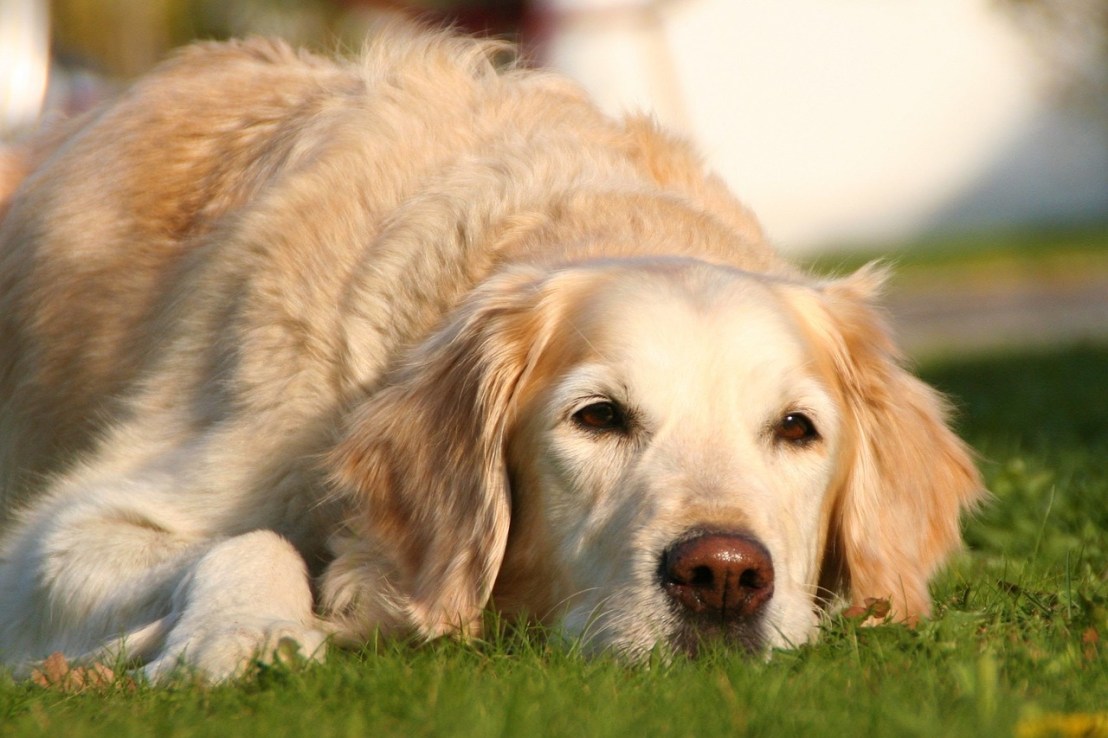
Whether you are moving houses and you have to transport your dog or you are bringing a new dog into your house, you have to be prepared. Dogs can easily be stressed out by changes. They can become anxious, which will impact their behavior and even their eating habits. By doing your research beforehand and knowing how to handle various situations, you can be fully prepared on moving day and you can ensure your dog will enjoy his new home from the very first day.
1. Think about Transportation
If you’re bringing a dog home from a shelter, you will need to pick him up with a car and a dog crate. It’s strongly recommended to put your dog in a crate while you are driving since you don’t know yet how it will react to so many new things and environments. This way, you will be able to focus on driving and getting to your destination safely.

If, on the other hand, you are moving houses with your pet, you have to decide if you want to use a professional pet moving company or do it all by yourself. Moving to a different state or country will imply travelling by car or plane. Depending on the situation, you have to get informed about vaccines, plane tickets and necessary documents.

2. Keep Your Dog away from the Commotion on Moving Day
To keep your dog stress-free, consider taking him to a friend’s house while you pack up your last things or move out furniture. By keeping him away from the commotion, you are shielding him from unnecessary stress. Make sure not to pack all of your dog’s favorite toys. Keep a few around at all times as these will comfort and soothe your dog during anxious hours.

3. Make Sure the New Home Is Ready to Receive Your Dog
Moving with your pet is stressful. You have to take care of dozens of things at the same time. An important thing you shouldn’t forget to do is to check the new house is prepared for your dog. If you are renting, make sure the landlord accepts pets. You will probably have to make a deposit and even pay monthly rent for your dog. If the house has a backyard, ensure there are no gaps in the fence or other hazardous plants or objects. Inspect the rooms as well and eliminate dangerous things such as exposed wires, shabby furniture, old cans of paint or cleaning products.

4. Keep a Schedule
Dogs thrive on routine, so keep that in mind even when moving houses. You might not be able to go back to your schedule on the first day, but try to get back on track as soon as possible. Feed your dog at the same hours and take him for walks as you used to before.

5. Take it Easy
New surroundings can be overwhelming for your dog. There are new places, smells, sounds and people to get used to. He might be anxious at first, and even refuse to eat, but he will easily adjust to the new settings in his own time. The best thing you can do through this entire experience is to be very patient and talk encouragingly to him. If you want to start training him, start on day one. Be generous with the treats and occasionally repay good behavior with a new toy.

When you’re introducing your dog to the neighbors and showing him around new places, always keep him on a leash. He might be too excited to contain his happiness and you never know how he will react.

6. Find a Veterinarian Before Moving
You should ask your veterinarian for recommendations before moving. Get in touch with your new vet prior to the move and make sure they are fully equipped to take care of your pet. It’s essential to find a trustworthy vet before moving so you can have the peace of mind that your dog will be in good hands no matter what happens.

7. Give Your Dog a Lot of Attention and Love
Even if moving occupies your whole time, you should always make time to play with your dog and show him that he is loved. This will help him cope better with the situation and will help calm him down. If you would like to train your dog but don’t know how, reach out to a professional trainer. Give your dog the attention he needs and he will have a smoother transition and adjust to the new environment in no time.

ooOOoo

So what part of the Universe do you intend to start taking over first, John?

Yet another Saturday Smile

Sent to me by dear friend Bob Derham.

(Apologies if some of you have seen this before!)

ooOOoo

WALKING THE DOG

A WOMAN was flying from Melbourne to Brisbane.

Unexpectedly, the plane was diverted to Sydney along the way. The flight attendant explained that there would be a delay, and if the passengers wanted to get off the aircraft the plane would re-board in 50 minutes.

Everybody got off the plane except one lady who was blind.

A man had noticed her as he walked by and could tell the lady was blind because her Guide Dog lay quietly underneath the seats in front of her throughout the entire flight.

He could also tell she had flown this very flight before because the pilot approached her, and calling her by name, said, “Kathy, we are in Sydney for almost an hour. Would you like to get off and stretch your legs?”

The blind lady replied, “No thanks, but maybe Buddy would like to stretch his legs.”

The pilot duly obliged Kathy.

………..

All the people in the gate area came to a complete standstill when they looked up and saw the pilot walk off the plane with a Guide dog!
The pilot was even wearing sunglasses.

People scattered …
They not only tried to change planes, but they were trying to change airlines!


It is a true story!

Have a great day and remember … THINGS AREN’T ALWAYS AS THEY APPEAR.

ooOOoo

Our incredible world!

What to see in the night sky in August

You all understand that this blog, while predominantly about our special doggie friends, never hesitates to wander away from matters canine if I think it will be enjoyed by all you good people.

You will also all appreciate that August is the month where in the USA, on August 21st, there will be a total eclipse of the sun.

The reasons why I didn’t hesitate to republish a recent post that was presented on Mother Nature Network.

ooOOoo

What to see in the night sky in August

While the total solar eclipse is the highlight, there are other celestial fireworks to look forward to this month.

Michael d’Estries   August 1, 2017.

Michael d’Estries ( @michaeldestries ) covers science, technology, art, and the beautiful, unusual corners of our incredible world.

Celestial events for August 2017 include a total solar eclipse, Perseid meteor shower and the rise of the Sturgeon Moon. (Photo: Michael Seeley/Flickr)

Welcome to August, a month defined by loud cicadas, pool parties, humidity and children fretting about an impending return to school. When it comes to celestial happenings, however, there is no larger star this month that our own moon. From a partial lunar eclipse to the first coast-to-coast solar eclipse in almost a century, the moon will be the cause of most eyeballs drifting towards the heavens over the next several weeks.

Below is a small sampling of some of the night and day celestial events to look forward to this month. Wishing you all clear skies!

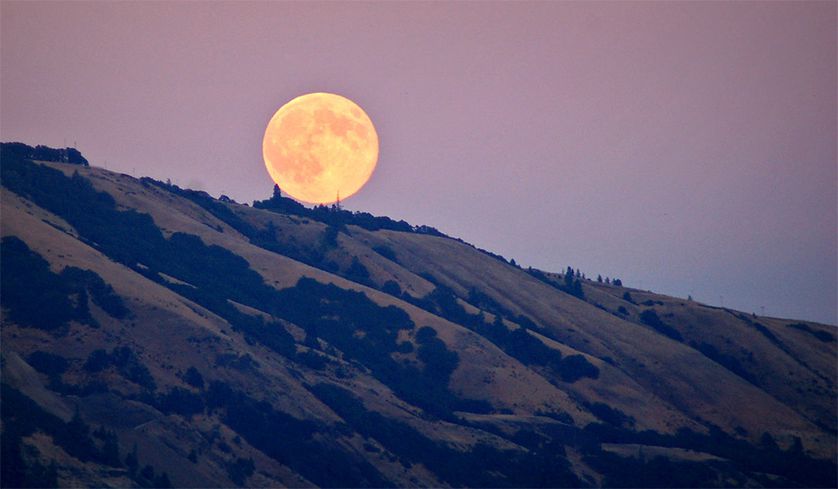
The rise of the full Sturgeon Moon (Aug. 7)

The full Sturgeon Moon is so-named for the fish that are easily caught in August and early September. (Photo: Paul Kline/flickr)

August’s full moon, nicknamed the Sturgeon Moon, will rise for the U.S. Eastern Seaboard on the evening of Aug. 7 at 8:05 p.m.

The Sturgeon Moon gets its name from the species of fish native to both Europe and the Americas that is easily caught this time of year. Other nicknames include the Corn Moon, Fruit Moon and Grain Moon. In countries experiencing winter, such as New Zealand, native Māori called this full moon “Here-turi-kōkā” or “the scorching effect of fire is seen on the knees of man.” This reference is to warm fires that glow during the Southern Hemisphere’s coldest month.

Partial lunar eclipse (Aug. 7 & 8)

Observers in Africa, Asia and Australia will see August’s partial lunar eclipse in its entirety. (Photo: Forrest Tanaka/flickr)

As a kind of consolation prize for missing out on this month’s total solar eclipse over North America, those living on the continents of Africa, Asia and Australia will bear witness to a partial lunar eclipse. Spectators in Europe will catch the tail end of the eclipse as the moon rises around 7:10 p.m. on Aug. 7.

This phenomenon occurs between two to four times a year when the moon passes through a portion of the Earth’s shadow. Because the shadow cast is more than 5,700 miles wide, lunar eclipses last much longer than solar eclipses. In some instances, totality can occur for as long as 1 hour and 40 minutes. As a reference, maximum totality for the Aug. 21 solar eclipse will top out a mere 2 minutes and 42 seconds. The longest, at over 7 minutes, won’t take place until the year 2186.

This month’s partial lunar eclipse is the last of the year. Next year, total lunar eclipses will take place in January and July.

Perseid meteor shower (Aug. 12)

A composite shot of last year’s Perseid meteor shower over Turkey. Notice how the path of the meteors appears to race from the constellation Perseus. (Photo: NASA)

Regarded as one of the best celestial light shows of the year, the Perseid meteor shower occurs from July 17 to Aug. 24 and peaks on the evening of Aug. 12.

The shower, sometimes creating as many as 60 to 200 shooting stars per hour, is produced as Earth passes through debris left over from the orbit of Comet Swift-Tuttle. This 16-mile-wide periodic comet, which completes an orbit around the sun every 133 years, has been described as “the single most dangerous object known to humanity.” This is because every instance of its return to the inner solar system brings it ever closer to the Earth-moon system. Though astronomers believe the comet bears no threat for at least the next 2,000 years, future impacts cannot be ruled out.

If the comet were to hit Earth, scientists believe Swift-Tuttle would be at least 27 times more powerful than the asteroid or comet that wiped out the dinosaurs. For now, you can take in the beauty of the debris from this harbinger of doom by looking north towards the constellation Perseus. Because the moon will be three-quarters full, you’ll need to search out a nice dark sky to escape any light pollution from urban environments.

Total solar eclipse (Aug. 21)

A total solar eclipse as captured over the Southern Hemisphere in November 2012. (Photo: NASA Goddard Space Flight Center)

By far the biggest celestial event in ages, Aug. 21 marks the first time since June 1918 that a total solar eclipse will race from coast to coast across the United States. Cities and towns along the 72-mile-wide path of totality are preparing for an influx of visitors, with millions of Americans expected to drive to view the rare phenomenon. Those outside totality will still experience a show, with partial solar eclipses happening over much of North America. Regardless, everyone will want to invest in a pair of special solar eclipse glasses to avoid ruining your eyesight.

Total solar eclipses occur when the new moon moves between the Earth and the sun and casts its shadow on the planet. This shadow is comprised of two concentric cones –– the larger penumbra, which from Earth only shows the sun partially blocked, and the much smaller umbra, which blocks the sun completely. It is within this latter cone that totality will occur, giving spectators on the ground what’s considered by many to be a “once-in-a-lifetime” experience.

The Great American Eclipse will actually first start out in the Pacific (at this point, it will actually, unbelievably rise while completely eclipsed!), making landfall on the Oregon community of Lincoln Beach at 10:16:01 a.m. (PDT). From there, the moon’s shadow will continue to race across the U.S. The point of greatest eclipse, where the axis of the moon’s shadow passes nearest to the center of Earth, will take place in Hopkinsville, Kentucky and last 2 minutes and 40.1 seconds. In celebration of the event, the town has temporarily renamed itself “Eclipseville,” and expects anywhere from 55,000 to 150,000 tourists to visit in advance of Aug. 21.

The next total solar eclipse over the U.S. will take place on April 8, 2024.

New moon (Aug. 21)

August’s new moon will not only create a show during the day, but also leave the heavens to glow unimpeded by night. (Photo: Coconino National Forest/flickr)

Fresh after wowing the U.S. during the day with its solar theatrics, August’s new moon will give way to dark skies for the next several nights. This is the perfect opportunity to grab a blanket and head outside into the still-warm summer evenings to enjoy the heavens in all their glory. With some remnants of the Perseids still visible, it will also offer a chance to catch some of the faintest shooting stars.

Look for Earth’s shadow (All year)

The Earth’s shadow and ‘Belt of Venus’ as captured above Mauna Kea, Hawaii. (Photo: Jay El Eskay/flickr)

Ever wonder what causes the beautiful bands of color in the eastern sky at sunset or the western sky at sunrise? The dark blue band stretching 180 degrees along the horizon is actually the Earth’s shadow emanating some 870,000 miles into space. The golden-red portion, nicknamed the “Belt of Venus,” is Earth’s upper-atmosphere illuminated by the setting or rising sun.

Now that you know about this phenomenon, choose a night or morning sometime to try and pick it out. You’ll need a western or eastern horizon that’s fairly unobstructed to get a clear view of our planet’s huge curved shadow.

Looking ahead to September

On Sept. 15, the Cassini spacecraft will end its 20-year mission to Saturn with a dramatic death dive into the ringed planet. (Photo: NASA)

As fall beckons, the biggest event next month will be the dramatic death dive of the Cassini spacecraft into Saturn. Taking place on Sept. 15, Cassini will make discoveries about Saturn right up until its fiery conclusion, with unprecedented photos and data captured and transmitted during its final moments.

ooOOoo

It is going to be quite a month!

Oh, and for those of you that want to know the timings of the eclipse over North America there is a useful reference site here, from which I republish the following table.

Eclipse Start & End: Local Time for US States

The eclipse will begin over the Pacific Ocean at 15:46 UTC, which corresponds to 8:46 am Pacific Time. It will reach the coast of Oregon at Lincoln City, just west of Salem, at 9:04 am local time. The eclipse will reach its maximum point here at 10:17 am.

From here, the Moon’s central shadow will move inland. The following table shows when the Moon will begin to move in front of the Sun and the moment it completely covers the Sun, as seen from some locations along the central path of the eclipse. All times are local.

Location Partial Eclipse Begins Sun Completely Obscured
Salem, OR 09:05 am PDT 10:18 am PDT
Idaho Falls, ID 10:15 am MDT 11:33 am MDT
Casper, WY 10:22 am MDT 11:43 am MDT
Lincoln, NE 11:37 am CDT 1:03 pm CDT
Sabetha, KS 11:38 am CDT 1:05 pm CDT
Jefferson City, MO 11:46 am CDT 1:14 pm CDT
Carbondale, IL 11:52 am CDT 1:21 pm CDT
Hopkinsville, KY 11:56 am CDT 1:25 pm CDT
Nashville, TN 11:58 am CDT 1:28 pm CDT
Talulah Falls, GA 1:07 pm EDT 2:37 pm EDT
Columbia, SC 1:13 pm EDT 2:43 pm EDT
Charleston, SC 1:16 pm EDT 2:47 pm EDT

Please note that this list includes only a small selection of locations where the total eclipse will be visible. You can look up more locations in our Eclipse Database or via the Eclipse Map.

Enjoy your nights out there! And let your dogs howl their hearts out!

One very lucky dog!

Don’t try this yourself!

(NB: For much of the next three days I am going to have my attention diverted elsewhere. So, apologies in advance if I am not as attentive as I try to be.)

This was seen on the BBC News website last Sunday.

ooOOoo

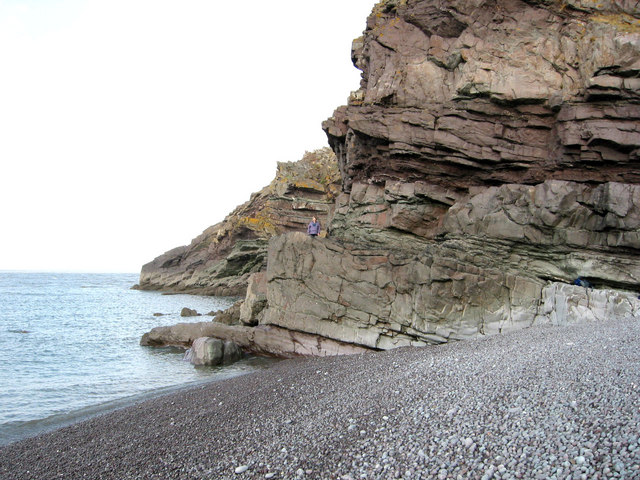
Dog survives after chasing stone off 150ft cliff

A cocker spaniel has survived a 150ft (46m) fall from a cliff in Somerset.

The dog, called Indy, plunged off Hurlstone Point, near Porlock, while chasing a stone during a walk with her owners.

Minehead’s lifeboat crew was scrambled to rescue her and found her among boulders at the foot of the cliff.

A spokesman said: “She had a few scratches and bumps and was very shaken up, but it could have been much worse.” (Ed: Understatement of the year!)

ooOOoo

A quick search brought up this item on Wikipedia:

Hurlstone point (grid referenceSS898492) is a promontory of land between Porlock Weir and Minehead in the Exmoor National Park on the coast of Somerset, England.

Hurlstone Point marks the boundary between Porlock Bay and Blue Anchor Bay in the Bristol Channel and is on the South West Coast Path.[1] There is a coastguard lookout shelter on the point.[2]

The rocks, including a large slab known as “coastguard wall” are popular with climbers.[3]

In 2007 a cyclist was rescued after falling 40 feet (12 m) down the cliff.[4]

References

  1. “Bossington to Selworthy”. Official Guide to the South West Coast Path. Natural England. Retrieved 24 March 2010.
  2. “Coastguard’s lookout at Hurlstone Point, Selworthy, Somerset”. Viewfinder National Monuments Record. English Heritage. Archived from the original on 6 June 2011. Retrieved 24 March 2010.
  3. “Hurlstone point”. UK Climbing.com. Retrieved 2008-08-09.
  4. “Cyclist rescued after cliff fall”. BBC News. BBC. 2007-05-03. Retrieved 2008-08-09.

Plus this photograph that only underlines how very lucky was Indy.

Adieu, Mon Brave.

Today is going to be a very sad day indeed!

Just sixteen days ago, on June 3rd., Pharaoh turned fourteen. He was born on June 3rd, 2003.

I didn’t mention in that birthday post that Pharaoh’s rear hips and legs were very weak indeed and it was clear that he was living out the last few weeks of his wonderful, glorious life.

Yesterday, Jean and I came to the sad conclusion that Pharaoh had deteriorated rapidly in these last couple of weeks and that it would be cruel to prolong what cannot now be pleasant for him.

We spoke to good friend and neighbour, Jim Goodbrod, who is a Doctor of Veterinary Medicine (DVM) and he agreed.

So this Monday morning, Oregon (PDT) time, I shall drive Jim to our local veterinary clinic on Lincoln Road and Jim will pick up the necessary drugs.

We will then return home and Jean and I will cradle Pharaoh until he takes his last breath. My guess is that will be around 11am PDT.

I spoke to my daughter, Maija, and son, Alex, yesterday as they have fond memories of Pharaoh from his very earliest days. Alex’s long-term partner, Lisa, then sent me the following email:

Dear Paul and Jean,

I was very sorry to hear about Pharaoh and understand how you are feeling. I had to say goodbye to my 19 year old cat Molly last month.

My parents have had German shepherds and when they had to have their last one put to sleep a friend of theirs sent them the following poem. It gave them a great deal of comfort and I thought it would be nice to type it out and send it to both of you. You may already know it.

I will be thinking of you all tomorrow,

Lots of love,

Lisa xx

Here is that poem.


When the time comes
If it should be that I grow frail and weak
And pain should keep me from my sleep,
Then will you do what must be done,
For this, the last battle, can’t be won.


You will be sad I understand,
But don’t let grief then stay your hand,
For on this day, more than the rest,
Your love and friendship must stand the test.


We have had so many happy years,
You wouldn’t want me to suffer so.
When the time comes, please let me go.


Take me to where my needs they’ll tend,
Only, stay with me till the end
And hold me firm and speak to me
Until my eyes no longer see.


I know in time you will agree
It is a kindness you do to me.
Although my tail its last has waved,
From pain and suffering I have been saved.


Don’t grieve that it must be you
Who had to decide this thing to do;
We’ve been so close, we two, these years,
Don’t let your heart hold any tears.

Dear friends of this blog, it means so much to share this sad news with you all and I know that your sadness for this day will be carried on the wings of countless thoughts across the air waves in Pharaoh’s direction.

You will understand if I close by saying that just now, this Sunday afternoon, Pharaoh’s last day with Jean and me and our furry family, I’m uncertain as to how I will approach writing posts for the next few days. I may go silent or I may share some treasured memories of my time with Pharaoh.

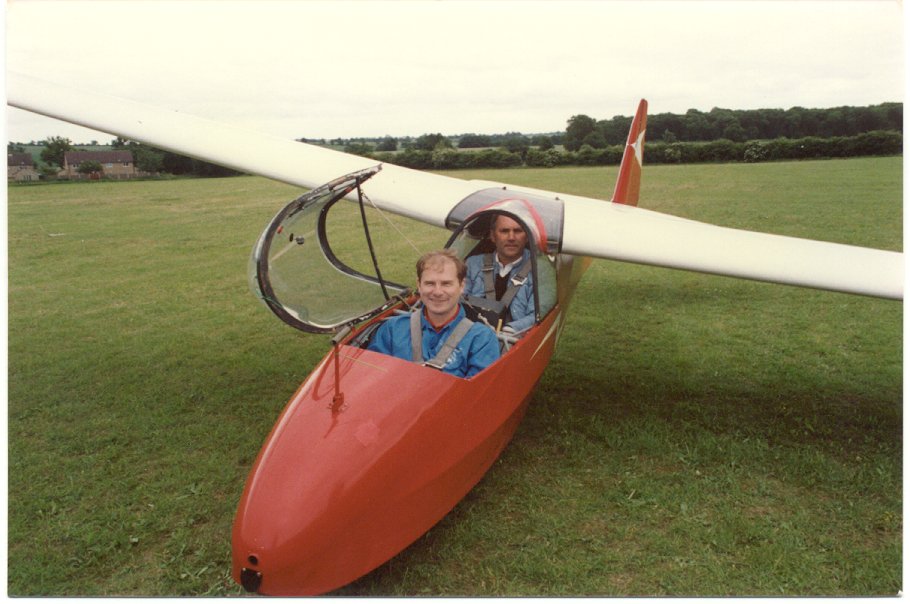
Taken on the 26th July, 2006 at Watchfield Aerodrome in Devon.

In memory of a wonderful companion.

Doesn’t time fly!

Up, up and away!

Apologies in advance for this being possibly of limited interest to others.

A couple of years after I left IBM UK and formed my own company, Dataview Ltd., based in Colchester, Essex, I formed both a personal and business relationship with a Roger Davis.

That relationship exposed me to gliding, or sail-planing in American speak, for Roger was a volunteer instructor at Rattlesden Gliding Club in Suffolk that flew from an ex-wartime aerodrome of the same name.

Thus on the 7th June, 1981, I was taken up for two air-experience circuits in a two-seater glider known as a ‘K7’. I was immediately hooked! Those experience flights leading to a 4-minute flight (flight number 46) on the 6th September, 1981 that has the remark in my pilot’s log book: Solo!

Now fast forward to October, 1984 and my log book shows me attending a gliding instructor’s course at Lasham, resulting in me being issued with a British Gliding Association (BGA) Assistant Instructor Rating on the 14th October. (105/84).


A K-7 two-seat glider.

A few days ago, Roger sent me a link to the following video.

It’s a compilation of photos, cartoons from the pen of dear Bob White, and videos. A little over eleven minutes long I do hope some of you find it of interest.

Published on May 29, 2017
Slide show produced from photos and images produced by Mark Taylor for Rattlesden Gliding Club’s 25 anniversary in 2001. Shows a collection of members involved from those early days, including some cartoons produced by Bob White whenever there was a notable event, or incident as well!

Let me close with this photograph!

Roger Davis with Sheila, his lovely wife, gliding over Lake Taupo in New Zealand.

(All those years ago, Roger and Sheila had a beautiful Old English Sheepdog. His name was Morgan and he was a wonderful, loving dog.)

So is there anyone reading this who has experienced gliding?

Travels with Natalie

Huge pleasure in me introducing Natalie Derham-Weston

Those who take a close interest in this place (you poor, lost souls!) will have noticed from time to time me posting items that have been sent to me by Bob Derham. He and I first met when we were both based in Larnaca, Cyprus in the late 80’s/early 90’s and we have remained good and close friends ever since.

Natalie is Bob’s beautiful daughter and recently contacted me to ask if she might offer a guest post on her traveling experiences. Natalie has ambitions to be a travel writer and, as you are about to see, would make an excellent one.

So, that’s more than enough from me. Over to Natalie.

ooOOoo

Travel Blog: Instalment 1: The Introduction

After having spent much time over the last few years travelling, I have arrived home and really feel at a slight loss. I miss so many aspects of the backpacking lifestyle and writing about it brings it all back so vividly. I have never blogged or publicly documented anything before. However, here goes…

I have always been extremely privileged in the department of exploring, having grown up with a pilot as my father. By 9 months old I was perched on his lap in the flight deck of a BAC 1-11 drinking milk and probably mumbling loudly, on my way to Spain.
Since then, things have only picked up. We have taken family holidays across Europe, America, the UAE and latterly I have completed some independent travel through South East Asia, India, Nepal, South America and Indonesia. I even spent time being schooled in South Africa in my early teens and despite the gruelling slog of their strict education system, we had a blast on a farm at the weekends in the Karoo, racing around on quad bikes and roaming the many acres of raw land they had there.

My mother was an air hostess and my step mum a tours manager on the ocean liners. So I would presume this travelling bug I seem to have caught so ferociously has been somewhat inherited.

As part of my Dads job, he and my Mother used to live in Kenya for some time and I have grown up hearing stories of their escapades and have always been very open to the idea of other cultures and ways of life.

After 17 years of constant education and not confidently knowing which direction to take with my life, I decided backpacking around South East Asia would be a good stop gap. So this plan started to take shape, along with Hannah, my best friend from University. We began as most people do nowadays with some tentative Google searches and tried to create a clearer picture of where we should go and why. This is very difficult to gauge through a screen and since then I have taken this information with a generous pinch of salt. I do peruse the Lonely Planet books and like to have them as reference.

Regardless, we began to tally up costs, buy creams, tablets and lotions to cover every disease known to man and pay through the nose for a concoction of injections promised to keep us safe and which seemed to appease my Mother! I have to say both my parents have been exceedingly supportive every time I spring on them that I am fleeing the country and any responsibilities.

So, struggling under a bag almost as big as me, I met Hannah at Gatwick in March 2015, waved goodbye to Ma and Pa and we pranced off through security, eager to make a start.

We landed in Bangkok and convinced we would be living as cheaply as possible, which included transport, headed for some public transport system. Having vaguely fathomed the measure of the currency, Baht, we found a train to take us further into the depths of the area.

Our destination was Khao San Road, the tourist tapered high street. Our journey was broken into parts and we ended up on a street where we were accosted by a tuk tuk driver. Naively we accepted a lift. I have now learnt to agree on a fee before entering the vehicle!

Anyway, after repeating the address of our hostel more times than I would like to recount, we rocked up outside. Our room was totally terrifying to two novice travellers. Again, another thing I’ve learnt not to be too fussy about. It was a luminescent green, although this was barely visible through the crude graffiti, it was bug ridden and the sheets looked like they had been used to clean the floors. We swiftly requested a change of rooms, which wasn’t much of an improvement and led to Hannah sleeping on her important belongings. In turn, leading to a broken phone. However, this did not dampen our enthusiasm and we immediately immersed ourselves in the heaving road, trying the fresh phad thai, for about 40p made by street vendors and tried our hand at haggling. We finished the day with some local ‘Tiger’ beer.

Over the next few days we ticked off some tourist spots in Bangkok, drinking our weight in water to compensate for the insane temperatures and removing our shoes 80% of the day, an Asian custom.

We had deliberately left our time very free but had one pre planned event in Chang Mai. This was an elephant sanctuary where we would have the chance to feed, wash and ride them. As two animal lovers, we had checked the ethos of the organisation and had found the elephants were ridden bareback to avoid aggravating them with cages and ropes.

However, we had to first make our way there and made our first overnight train journey, a surprisingly comfy affair. We ended up in a cheap hotel in Chang Mai. We checked in and headed upstairs to shower and generally relax. Hannah went in the bathroom first and I was just rifling through some paperwork when I heard a loud crash followed by some mild expletives. Hannah fell out the door looking a little sheepish. I glanced past her and saw the remains of what had been the basin, now strewn all over the floor in bits.

Unluckily, the thing must have been loose before and when Hannah had been brushing her teeth, it had chosen that moment to fall off. We went immediately down to reception to explain the situation and they waved it away as nothing and re-homed us across the corridor. We were very grateful and had a good night’s sleep.

Going downstairs early the next morning ready for the pick-up vehicle to the sanctuary, the reception began laying into us and demanded we pay for the damage. The police were threatened and this was when Hannah became overwhelmed, burst into tears and ran out! I was left to smooth the argument and try to rationally explain there may have been some lapse in due care of their maintenance. We finally escaped unscathed and both look back at this as another of our funny incidences.

The experience of caring for the elephants was extremely special. They had a one year old baby there who was so cheeky and constantly stole bananas. The first day we spent in a group of about 20 but we were the only ones to stay overnight. We both were invited to the nearby camp of the Burmese mahout (elephant guardians) and spent the evening drinking their homemade whisky, playing music with cups and pans and bottles and playing with their children.

The next day the two of us, one mahout and two elephants walked into the jungle. We made a camp fire, and whittled cups and chopsticks from bamboo we cut down and cooked our lunch. It was so raw and adventurous and I loved it.

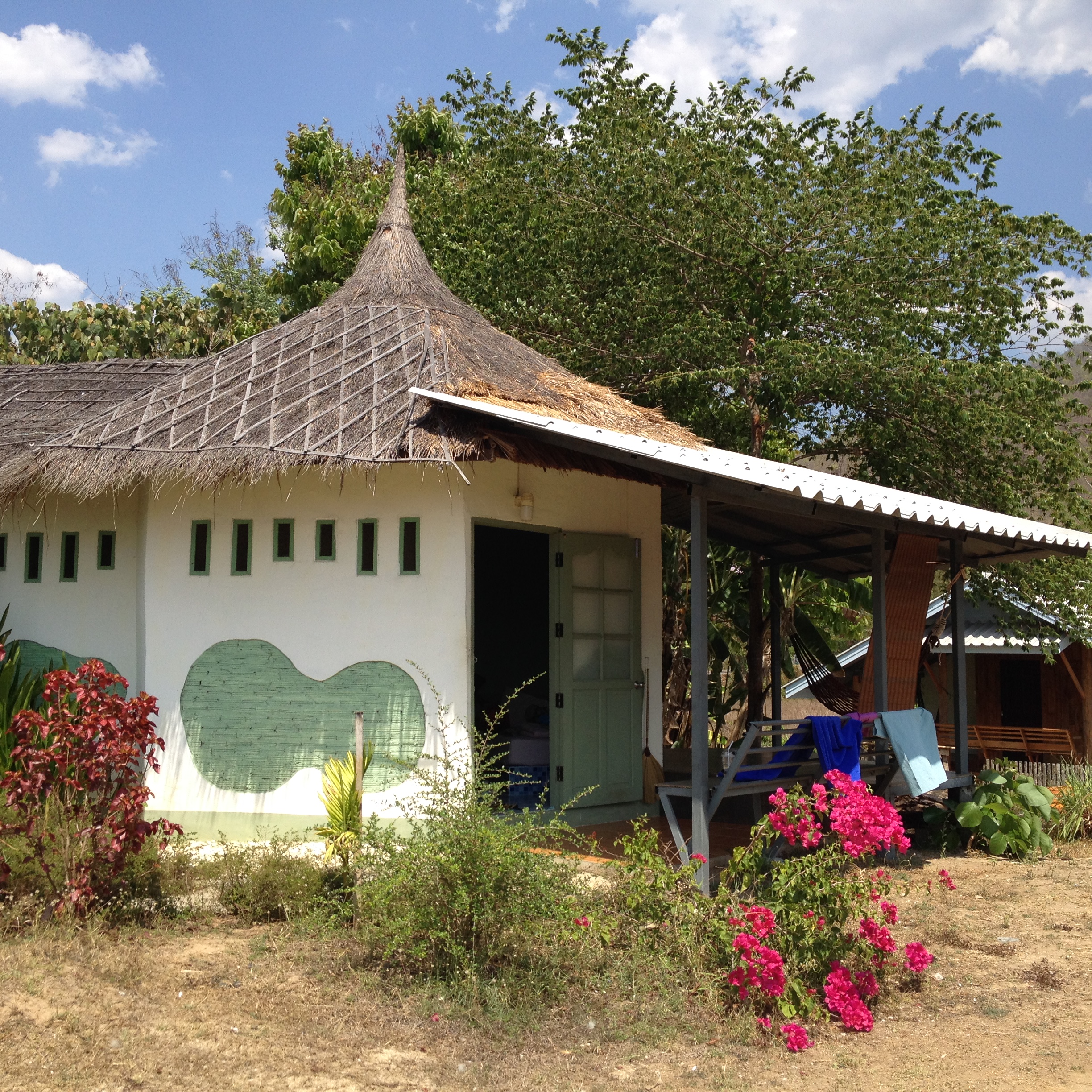
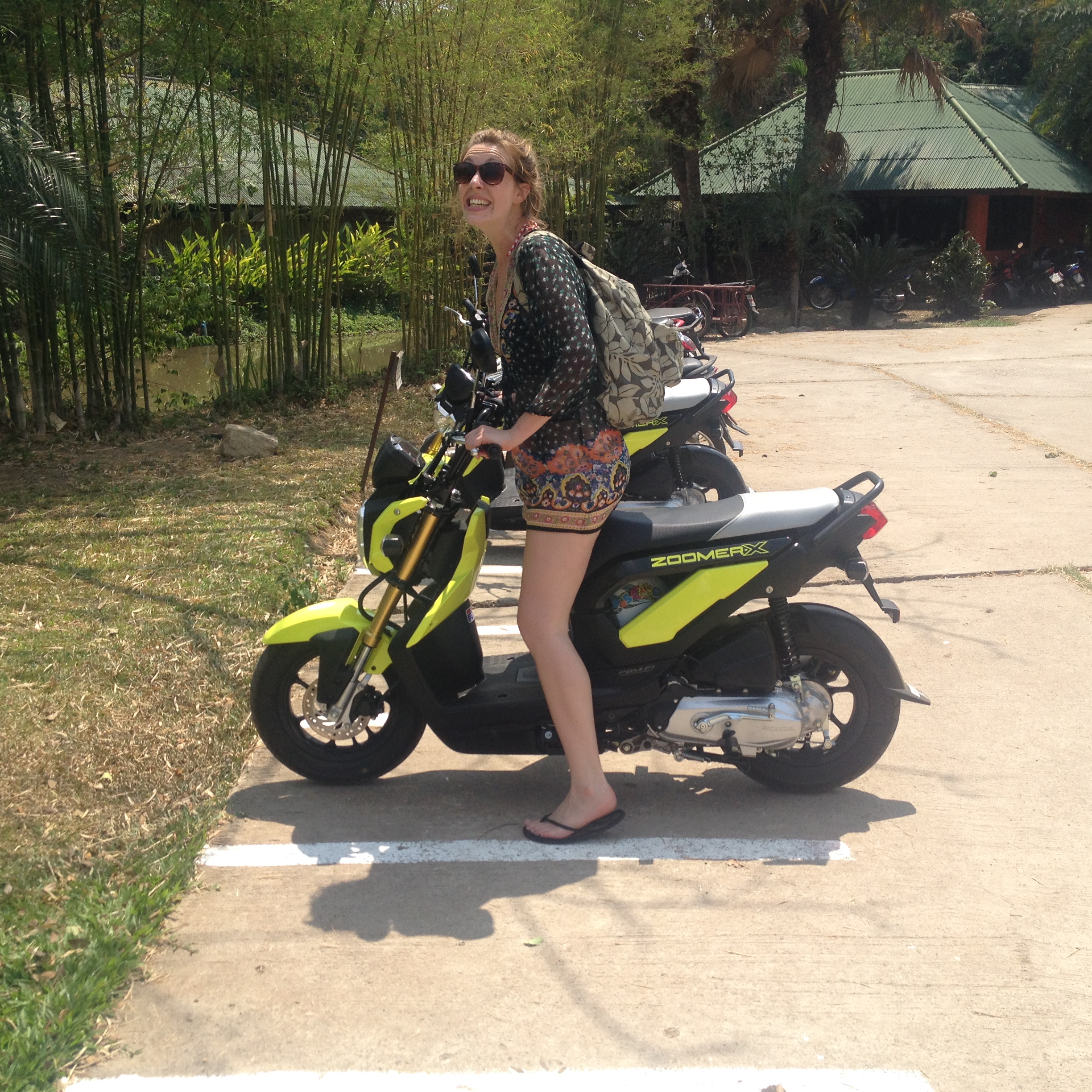
Next, we made our way to Pai, a secluded place tucked away behind some mountains North West of Chang Mai that some fellow travellers had recommended to us. This was one of my favourite stops and life here was spent at a very relaxed pace. We hired mopeds to be independent and discovered natural hot springs, forest parties, waterfalls and otherwise spent time in hammocks on the veranda of our private hut overlooking the incredible landscape.

This really concludes our first couple of weeks and I look back on this with very fond memories. More to follow…

ooOOoo

I know you, as with me, will look forward to Natalie’s second installment.

Two sides of the pilot’s life!

The life of the commercial pilot; that is.

I have a good understanding of the commercial pilot’s world, both inside and outside of my family. For many years as an active private pilot I held a British Instrument Rating (IR) that allowed me to fly in the commercial airways. Studying for the IR required a good appreciation of the safety culture that was at the root of commercial flying especially surrounding one’s departure and arrival airports.

So when I read a recent item from the Smithsonian Magazine proposing that airline pilots were more depressed than the average American my first reaction was one of disbelief. I forwarded the link to Bob D., an experienced British airline Captain and a good friend for years. Here is that article:

ooOOoo

Think Your Job Is Depressing? Try Being an Airline Pilot

New study suggests pilots are more depressed than the average American

4322816521_2e87d62705_o-jpeg__800x600_q85_cropBy Erin Blakemore
smithsonian.com  December 16, 2016

Being a pilot for a commercial airline has its perks—travel to exotic places, a cool uniform and those breathtaking views of the sky. But that job can come with a side of something much more sobering: depression. As Melissa Healy reports for The Los Angeles Times, the mental health of airline pilots is coming into sharp focus with the revelation that nearly 13 percent of them could be depressed.

A new study of the mental health of commercial airline pilots, recently published in the Journal of Environmental Health, suggests that depression is a major problem for pilots. The first to document mental health for this particular field, the study relied on a 2015 web survey of international pilots that contained a range of questions about their condition over the prior two weeks. Questions included whether they felt like failures, had trouble falling or staying asleep, or felt they were better off dead. (Those questions are part of a depression screening tool called the PHQ-9.) Other questions involved pilots’ flight habits, their use of sleep aids and alcohol, and whether they have been sexually or verbally harassed on the job.

Of the 1,848 pilots who responded to the depression screening portions of the questionnaire, 12.6 percent met the threshold for depression. In addition, 4.1 percent of those respondents reported having suicidal thoughts at some point during the two weeks before taking the survey. The researchers found that pilots who were depressed were also more likely to take sleep aids and report verbal or sexual harassment.

Airline pilot organizations and occupational safety experts assure Healy that airline travel is still safe. But the study continues a conversation about pilot psychology that has been in full swing since a German pilot committed suicide by crashing his plane in 2015—an incident that inspired the current study.

Since then, calls for better statistics on pilot suicide have grown louder. As Carl Bialik notes for FiveThirtyEight, those statistics do exist—and do suggest that the number of actual suicides among pilots are very small. However, limitations in data, the possibility of underreporting, and infrequent data collection all challenge a complete understanding of that facet of pilots’ mental health.

This latest mental health study has its own limitations, including the fact that it relies on self-reporting and a relatively small sample size compared to total pilot numbers worldwide (in the U.S. alone, there are over 70,000 commercial airline pilots). The cause of the reported depression also remains unclear.

But if the depression rate for commercial airline pilots really is nearly 13 percent, it’s almost double the national rate of about seven percent. Though future work is necessary to confirm these results, this study provides an initial glimpse into the health of the people who make the nation’s airlines tick and emphasizes the importance of figuring out ways to improve their mental health and quality of life.

Read more: http://www.smithsonianmag.com/smart-news/airline-pilots-are-really-depressed-180961475/#QojUDlEzhHEsxww4.99
Give the gift of Smithsonian magazine for only $12! http://bit.ly/1cGUiGv
Follow us: @SmithsonianMag on Twitter

ooOOoo

As the article points out the study contains a number of flaws that really reduce it from an erudite analysis to an eye-catching news item. (Better than reading about politics; that’s for sure!)

I know these are busy times for Captain Bob even without it being Christmas. But if Bob finds time to comment on this study then I will publish it later on.

However, Bob did find a moment to forward me copies of some of the many placards that are a necessary part of the flight deck.

pilot1oooo

pilot2oooo

pilot3Fly safely all you good pilots out there!

A very strange cloud!

The endless fascination of the clouds in the sky.

Wherever one is in the world there’s something that will always offer delight, interest and a bit of a weather forecast as a bonus. I’m speaking of clouds.

I have written about clouds before in this place but the reason that I just have to share another post about clouds with you is this image:

garysmith-zippercontrailIt is from The Cloud Appreciation Society’s November newsletter and I’m taking the liberty of sharing the particular news item with you.

cloud-of-month-nov2016November 2016

A Mystery in the Clouds

Earlier this month, a peculiar ring appeared in the clouds over Warwickshire, England. James Tromans, who photographed the formation, asked what might have caused it. Clearly, this was time for some cloud detective work.

The ring was actually more of a curve, or a ‘U’, as there was no other half to it. It appeared to consist of regular lumps, or lobes, hanging down from the underside of a cloud layer. We wondered if this layer was an Altostratus, but off in the distance to the right of the image there appeared to be showers, like those produced by a storm cloud. This suggested that the cloud layer might in fact have been part of the huge canopy that spreads out at the top of a Cumulonimbus storm cloud.

Sometimes, to the rear of a storm, lobes of cloud known as

1. Could ‘mamma’ be involved? Spotted over Wilton, Wiltshire, UK, by William Saberton,

mamma can be seen

hanging from the underside of the canopy (see image 1). There certainly was a general appearance of mamma in the cloud layer. But could some of these mamma cloud lobes have arranged themselves into this strange, regular curved formation? It seemed unlikely.

There was something decidedly unnatural about the cloud’s appearance – as if it were man-made. Then it occurred to us that the photograph was looking towards Coventry Airport. Might this cloud effect have been in some way caused by an aircraft?

As planes fly through clouds made of ‘supercooled’ water droplets, they can encourage these extremely cold droplets to freeze and fall below, leaving behind a gap, known  as a dissipation trail, or ‘distrail’. Such formations are often seen in

2. Or was it to do with an aircraft ‘distrail’, like this spotted over Newcastle, Australia, by Jillian De Martin (Member 12801)?

straight lines where planes ascend or descend through the cloud. But they can also appear in circular shapes when one is flying in a holding pattern as it waits to land (see image 2). James’s cloud wasn’t quite a distrail, but we felt we were getting close.

It was then that we recognised the regular spacing of the lobes. These sometimes appear below aircraft condensation trails (see image 3). They are caused by the interaction between the two swirling vortices produced by the wings. As these rotate in opposite directions in the wake of an aircraft, the two turbulent flows interact and combine to form a periodic pattern of turbulent downdrafts. In the right conditions, they appear as lobes hanging below the condensation trail.

3. The clue was in the turbulence lobes that can appear hanging from an aircraft contrail. You can see these in this strip of contrail spotted over the Smokey Mountains, US, by Gary Smith.

This explained the formation. It was caused by an aircraft, which happened to be flying just above the base of the cloud layer as it turned in a holding pattern above the nearby airport. The plane’s condensation trail was hidden within the cloud layer, but the lobes of cloud descending below it, caused by the turbulence from its wings, appeared extending below the layer.

Phew! With that cleared up, we could finally relax once more.

Turbulence lobes beneath the contrail of an aircraft in holding pattern over Hampton Lucy, Warwickshire, UK, by James Tromans.

ooOOoo

 How very interesting and hope I’m not the only one to think so.

Breathtaking!

No other words required.

And there’s another special moment regarding the moon coming up in a week’s time! (You’ll have to be patient for I’m not saying anything more just now!)