Welcome!

Beloved Pharaoh. Born: June 3rd., 2003 – Died: June 19th., 2017. A very special dog that will never be forgotten.

Dogs live in the present – they just are!  Dogs make the best of each moment uncluttered by the sorts of complex fears and feelings that we humans have. They don’t judge, they simply take the world around them at face value.  Yet they have been part of man’s world for an unimaginable time, at least 30,000 years.  That makes the domesticated dog the longest animal companion to man, by far!

As man’s companion, protector and helper, history suggests that dogs were critically important in man achieving success as a hunter-gatherer.  Dogs ‘teaching’ man to be so successful a hunter enabled evolution, some 20,000 years later, to farming,  thence the long journey to modern man.  But in the last, say 100 years, that farming spirit has become corrupted to the point where we see the planet’s plant and mineral resources as infinite.  Mankind is close to the edge of extinction, literally and spiritually.

Dogs know better, much better!  Time again for man to learn from dogs!

Welcome to Learning from Dogs

How the body functions

A very revealing list.

I am in touch with a fellow blogger. Her name is Bela Johnson and her blog is Belas Bright Ideas.

Recently, Bela sent me the following document about the body and I am reproducing it here for you.

ooOOoo

5-7 a.m. — Large Intestine — Drinking water triggers bowel evacuation making room for the new day’s nutritional intake. Removes toxins from the night’s cleansing.

7-9 a.m. — Stomach — Stomach energies are the highest so eat the most important meal of the day here to optimize digestion/assimilation.

9-11 a.m. — Pancreas — The stomach passes its contents on. Enzymes from the pancreas continue the digestive process. Carbohydrate energy made available.

11 a.m.-1 p.m. — Heart — Food materials enter the blood stream. The heart pumps nutrients throughout the system and takes its lipid requirements.

1-3 p.m. — Small Intestine — Foods requiring longer digestion times (proteins) complete their digestion/assimilation.

3-5 p.m. — Bladder — Metabolic wastes from morning’s nutrition intake clear, making room for the kidney’s filtration to come.

5-7 p.m. — Kidney — Filters blood (decides what to keep, what to throw away), maintains proper chemical balance of blood based on nutritional intake of day. Blood to deliver useable nutrients to all tissues.

7-9 p.m. — Circulation — Nutrients are carried to groups of cells (capillaries) and to each individual cell (lymphatics.)

9-11 p.m. — Triple Heater — The endocrine system adjusts the homeostasis of the body based on electrolyte and enzyme replenishment.

11 p.m.- 1 a.m. — Gall Bladder — Initial cleansing of all tissues, processes cholesterol, enhances brain function.

1-3 a.m. — Liver — Cleansing of blood. Processing of wastes.

3-5 a.m. — Lung — Respiration. Oxygenation. Expulsion of waste gasses.

Chong Mai Vessel – gives birth to REN and DU.

Kidney essence – blueprint – you agree who you are going to be: race, parents, family relationships, physical description. 

Resources – REN: bones, vessels, organs, orifices. 

Put in proper order (DU) – construction of blueprint.

ooOOoo

The above list came on the back of an email that Bela sent to me, and again I publish that email.

Paul I agree with all of this IN THEORY. But digestion systems are really individual. What one person can eat, another one just cannot digest. I have spent my entire life discovering what it is I ‘could’ digest! When I got into TCM Traditional Chinese medicine (because both my daughters are practitioners), it was the only system that agreed with what I’m saying to you now. We are all unique, and sometimes we present with things that are contradictory in any other system. Damp but also dry. Cold but also hot. 

At any rate, the Chinese have a theory that the organs cleanse themselves while we sleep. There’s a chart (and you can look this up online), that shows what organ is cleansing at what time. So it is recommended that we eat nothing after 7 PM at the very latest. Because then the cleansing begins, and so demanding that our system digest something during the cleansing time is just really paddling upstream. So both Chris and I find that we sleep way more soundly when we don’t eat anything preferably after six, but after seven at the latest. And yes, both of us do a magnesium supplement at night. Anyhow, good to make people aware that we are what we eat in so many ways!

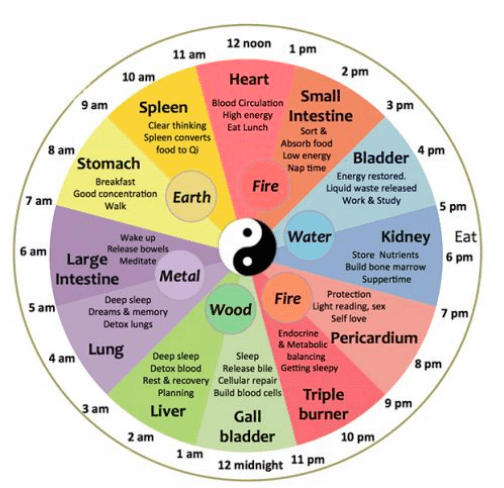
Finally, here is that chart and the accompanying text that largely follows what Bela published above.

Chinese Medicine’s 24 hour body clock is divided into 12 two-hour intervals of the Qi (vital force) moving through the organ system. Chinese Medicine practitioners use The Organ Body Clock to help them determine the organ responsible for diseases. For example, if you find yourself waking up between the hours of 3-5am each morning, you may have underlying grief or sadness that is bothering you or you may have a condition in the lung area. If feelings of anger or resentment arise, you may feel them strongest during the time of the Liver which is 1-3am or perhaps if you experience back pain at the end of your working day, you could have pent up emotions of fear, or perhaps even Kidney issues.

The Body-Energy Clock is built upon the concept of the cyclical ebb and flow of energy throughout the body. During a 24-hour period (see diagram that follows) Qi moves in two-hour intervals through the organ systems. During sleep, Qi draws inward to restore the body. This phase is completed between 1 and 3 a.m., when the liver cleanses the blood and performs a myriad of functions that set the stage for Qi moving outward again.

In the 12-hour period following the peak functioning of the liver—from 3 a.m. onward—energy cycles to the organs associated with daily activity, digestion and elimination: the lungs, large intestine, stomach/pancreas, heart, small intestine. By mid-afternoon, energy again moves inward to support internal organs associated with restoring and maintaining the system. The purpose is to move fluids and heat, as well as to filter and cleanse—by the pericardium, triple burner (coordinates water functions and temperature), bladder/kidneys and the liver.

5 am to 7 am is the time of the Large Intestine making it a perfect time to have a bowel movement and remove toxins from the day before. It is also the ideal time to wash your body and comb your hair. It is believed that combing your hair helps to clear out energy from the mind. At this time, emotions of defensiveness or feelings of being stuck could be evoked.

7-9am is the time of the Stomach so it is important to eat the biggest meal of the day here to optimize digestion and absorption. Warm meals that are high in nutrition are best in the morning. Emotions that are likely to be stirred at this time include disgust or despair.

9-11am is the time of the Pancreas and Spleen, where enzymes are released to help digest food and release energy for the day ahead. This is the ideal time to exercise and work. Do your most taxing tasks of the day at this time. Emotions such as low self-esteem may be felt at this time.

11am- 1pm is the time of the Heart which will work to pump nutrients around the body to help provide you with energy and nutrition. This is also a good time to eat lunch and it is recommend to have a light, cooked meal. Having a one hour nap or a cup of tea is also recommended during this time. Feelings of extreme joy or sadness can also be experienced at this time.

1-3pm is the time of the Small Intestine and is when food eaten earlier will complete its digestion and assimilation. This is also a good time to go about daily tasks or exercise. Sometimes, vulnerable thoughts or feelings of abandonment my subconsciously arise at this time.

3-5pm is the time of the Bladder when metabolic wastes move into the kidney’s filtration system. This is the perfect time to study or complete brain-challenging work. Another cup of tea is advised as is drinking a lot of water to help aid detoxification processes. Feeling irritated or timid may also occur at this time.

5-7pm is the time of the Kidneys when the blood is filtered and the kidneys work to maintain proper chemical balance. This is the perfect time to have dinner and to activate your circulation either by walking, having a massage or stretching. Subconscious thoughts of fear or terror can also be active at this time.

7-9pm is the time of Circulation when nutrients are carried to the capillaries and to each cell. This is the perfect time to read. Avoid doing mental activities at this time. A difficulty in expressing emotions may also be felt however, this is the perfect time to have sex or conceive. 

9-11pm is the time of Triple Heater or endocrine system where the body’s homeostasis is adjusted and enzymes are replenished. It is recommended to sleep at this time so the body can conserve energy for the following day. Feelings of paranoia or confusion may also be felt.

11pm-1am is the time of the Gall Bladder and in order to wake feeling energized the body should be at rest. In Chinese medicine, this period of time is when yin energy fades ad yang energy begins to grow. Yang energy helps you to keep active during the day and is stored when you are asleep. Subconscious feelings of resentment may appear during this time.

1-3am is the time of the Liver and a time when the body should be alseep. During this time, toxins are released from the body and fresh new blood is made. If you find yourself waking during this time, you could have too much yang energy or problems with your liver or detoxification pathways. This is also the time of anger, frustration and rage.

3-5am the time of the Lungs and again, this is the time where the body should be asleep. If woken at this time, nerve soothing exercises are recommended such as breathing exercises. The body should be kept warm at this time too to help the lungs replenish the body with oxygen. The lungs are also associated with feelings of grief and sadness.

Understanding that every organ has a repair/maintenance schedule to keep on a daily basis offers you the opportunity to learn how to treat yourself for improved health and well-being. It also allows you to identify exactly which organ system or emotion needs strengthening/resolving. Always use your symptoms and body cues as a guide, and if you make a connection above, such as that you get sleepy between 5-7pm, don’t hesitate to research what you can do to strengthen that meridian (which would be the Kidneys). A great solution to deficient kidneys is having a sweet potato for breakfast!

Make sure to look at the emotional aspect too. If you’re sleepy during kidney time, do you have any fears holding you back from reaching your true potential? Are you afraid of rejection? Failure? Addressing this emotion will strengthen the organ and improve your physical health forever.

With the transferable knowledge of TCM you can use the clock for any time of day.

Picture Parade Five Hundred and Seven

Five photographs of their new dog from my good friend, Dan!

(And the first four don’t show Raven clearly so go to the last photo.)

oooo

oooo

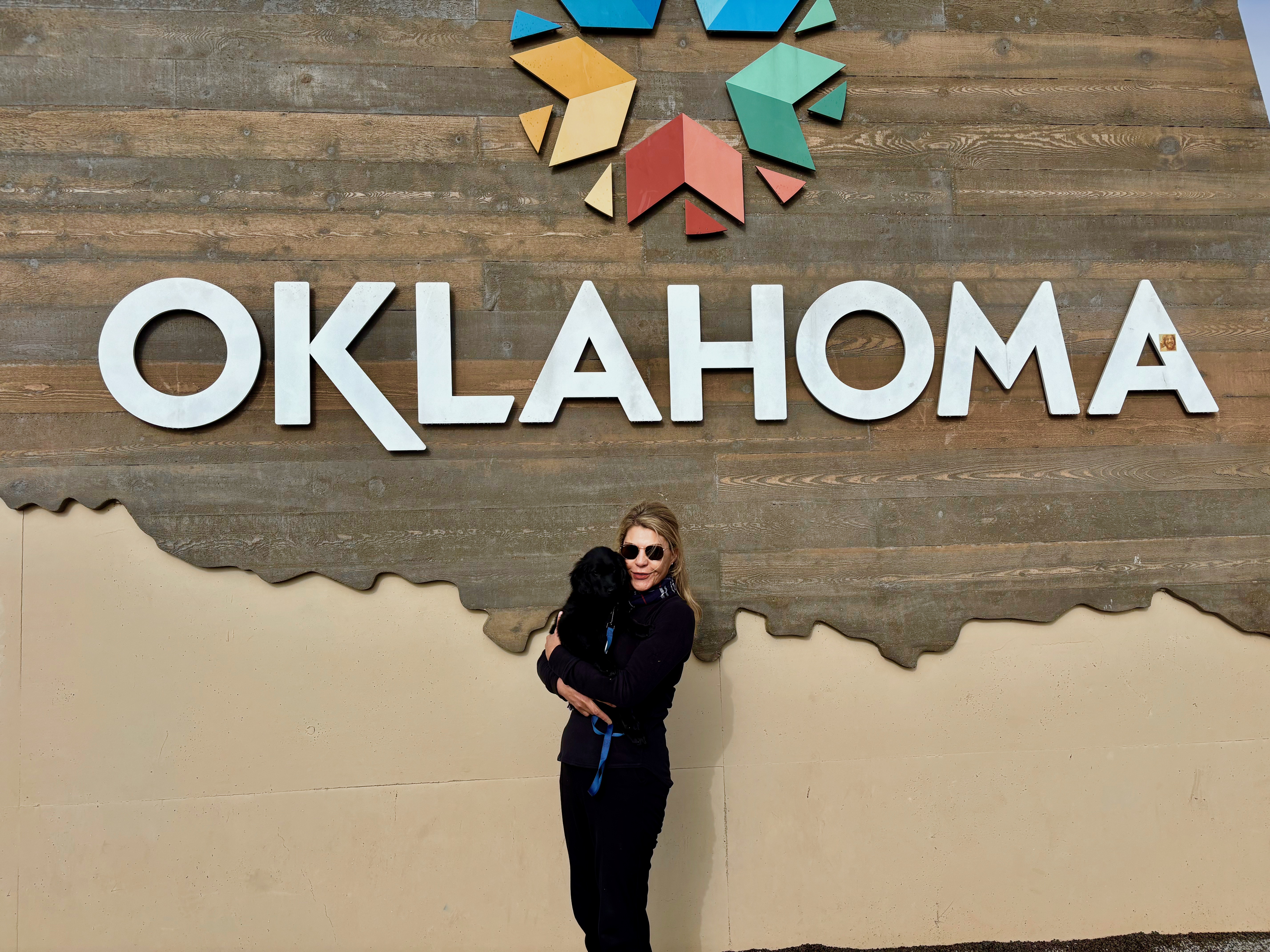
Dan’s wife, Hannah, holding Raven.

oooo

oooo

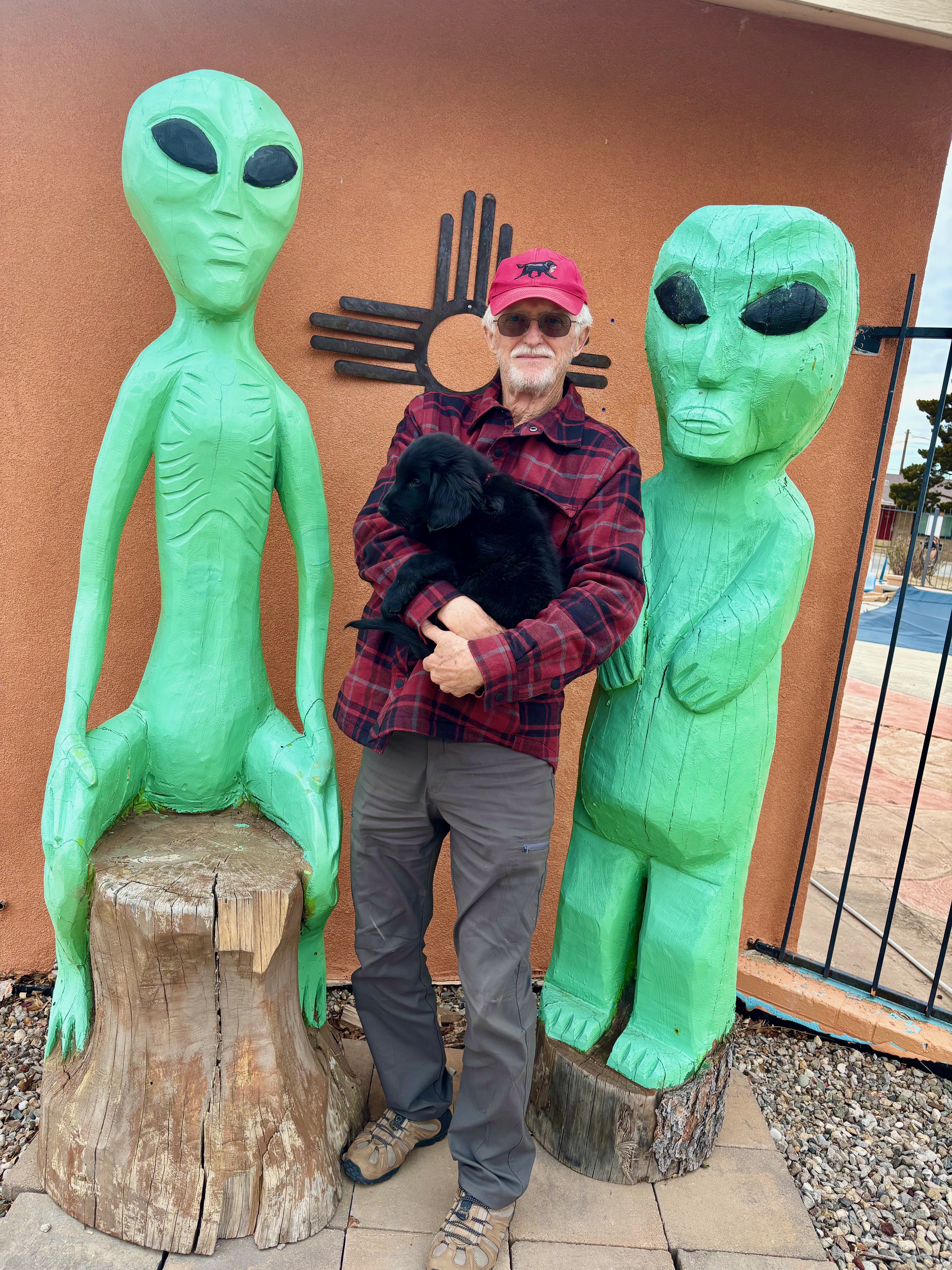
Here he is and what a beauty Raven is. Raven is a Black-coated Retriever. I will conclude this Picture Parade by republishing a short extract from that WikiPedia file.

The Flat-coated Retriever is a gun dog breed originating from England. It was developed as a retriever both on land and in the water.

The Flat-Coated Retriever breed standard calls for males to be 23–25 in (58–64 cm) tall at the withers, with a recommended weight of 60–80 lb (27–36 kg), and for females to be 22–24 in (56–61 cm), with a recommended weight of 55–75 lb (25–34 kg).

The Flat-Coated Retriever has strong muscular jaws and a relatively long muzzle. Its head is unique to the breed and is described as being “of one piece” with a minimal stop and a backskull of about the same length as the muzzle. It has almond-shaped, dark brown eyes with an intelligent, friendly expression. The ears are pendant, relatively small, and lie close to the head. The occiput (the bone at the back of the skull) is not to be accentuated (as it is in setters, for example) with the head flowing smoothly into a well-arched neck. The topline is strong and straight with a well-feathered tail of moderate length held straight off the back. This breed should be well angulated front and rear, allowing for open, effortless movement.

Diet and its effect on the body and mind.

Your dinner may not be the best!

I subscribe to a number of services and one of them is Super Age. Part of their story is shown here:

“Super Age is a new media brand at the intersection of longevity science, culture, and the power of mindset to redefine what’s possible in this one extraordinary life, because thriving is about living well, living longer, and living boldly with intention.”

Jean and I certainly agree with that, as do many, many senior folk. I trust Super Age will not mind if I reproduce in full a recent article that they published.

ooOOoo

You already know not to scroll before bed or down a latte at 4 p.m., but did you know your dinner plate might be sabotaging your sleep?

Emerging research shows that what we eat directly influences how well we sleep, from how fast we fall asleep to how long we stay in deep, restorative sleep. Certain nutrients act as natural sleep aids, while others disrupt your body’s circadian rhythms or blood sugar balance. The good news? A few strategic shifts can help your body rest better, night after night.

5 Sleep-Friendly Nutrients to Add to Your Diet

What you eat in the hours leading up to bedtime can either support your body’s natural sleep cycles or short-circuit them. Specific nutrients work behind the scenes to regulate hormones, calm the nervous system, and stabilize your blood sugar while you rest. Here are five research-backed nutritional strategies to help you fall asleep faster, sleep more deeply, and wake up feeling restored.

1. Magnesium for Muscle Relaxation and Deeper Sleep

Magnesium helps quiet the nervous system, supports slow-wave (deep) sleep, and significantly increases sleep time while decreasing early morning awakening.

THE FOODS:

Add leafy greens (spinach, Swiss chard, collard greens), almonds, cashews, avocado, chickpeas, lentils and pumpkin, flax, and chia seeds like pumpkin to your daily meals.

2. Tryptophan to Increase Sleep Time

Tryptophan is an amino acid that helps the brain produce serotonin, which is then converted into melatonin, the hormone that signals it’s time to sleep. Research shows that tryptophan increases total sleep time, reduces waking time, and number of awakenings.

THE FOODS:

Kidney beans, chickpeas, red lentils, chicken, turkey, rice, eggs, oats, pumpkin seeds, and even tofu are natural sources.

3. Omega-3 Fatty Acids Essential fats to Support Circadian Health

EPA and DHA support melatonin production and help regulate the body’s internal clock. Some studies have found a correlation between Omega-3 levels and sleep quality, as well as improved sleep in people with type 2 diabetes.

THE FOODS: 

Sardines, anchovies, wild salmon, flaxseeds, walnuts, hempseeds.

4. Fiber-Rich Carbohydrates Stabilize Blood Sugar Overnight

These support overnight glucose stability, which leads to deeper sleep by promoting slow-wave sleep and reducing REM-related arousals.

THE FOODS: 

Lentils, steel-cut or rolled oats, barley, sweet potatoes, quinoa, berries, 

5. Melatonin to Improve Sleep Onset and Quality

Melatonin is a hormone naturally produced by the body to signal that it’s time to sleep. Levels rise in the evening and fall in the morning, helping to regulate your circadian rhythm. Your body’s internal clock that regulates sleep and wake cycles. Eating foods that contain small amounts of melatonin may help support this cycle and improve sleep onset and quality, especially when consumed in the evening.

THE FOODS:

Tart cherries, kiwi, walnuts, pistachios, (Eggs, salmon, yogurt and oats, provide tryptophan, B6, magnesium, and zinc. A mineral important for immune function and wound healing which your brain needs to make melatonin).

Bonus: Your Gut, Your Sleep: Why Microbiome Health Matters.

Your gut and brain are in constant communication via the gut-brain axis and the two-way communication between your digestive system and brain plays a key role in sleep regulation. A healthy gut microbiome supports the production of sleep-promoting neurotransmitters like serotonin and GABA,modulates inflammation and influences circadian rhythm through microbial metabolites such as short-chain fatty acids.

A 2025 review in the Journal of Food Science highlights how prebiotics, probiotics and fermented foods can enhance sleep by improving microbiome composition and supporting these neurochemical pathways. Though more large-scale human trials are needed, the emerging science is promising. Here’s how you should load your plates with during the day to support your microbiome:

  • Fiber-rich foods like leafy greens, berries, garlic, oats, and whole grains to nourish beneficial gut bacteria.
  • Fermented foods like yogurt, kefir, kimchi, and sauerkraut to introduce sleep-supportive probiotics.

By feeding your body the nutrients it needs to regulate melatonin, balance blood sugar, and calm the nervous system, you create the perfect internal environment for consistent, rejuvenating rest. Think of it as a nightly investment in longevity, cognition, and metabolic health—served with a side of quinoa.

Check out our Super Age Sleep Guide for more tips on improving the quality of your sleep.

ooOOoo

I wonder how many people are affected by a poor diet, and, more importantly, want to amend what they eat especially for their dinner.

Super Age in general publish sensible articles and this is down to an impressive group of scientific advisors. More details here!

As is said: “We are what we eat.”

Our human need to matter

Our survival isn’t enough.

I make no apologies for providing little of my own words and just going straight to this video and the accompanying text.

ooOOoo

What if the deepest human drive isn’t happiness, survival, or even love, but the need to matter?

Philosopher and MacArthur Fellow Rebecca Newberger Goldstein joins Michael Shermer to discuss The Mattering Instinct, her argument that the desire to feel significant lies at the core of human behavior. That drive helps explain our greatest achievements, from creativity and moral courage to scientific and artistic excellence. It also helps explain some of our darkest outcomes, including extremism, violence, and ideological fanaticism.

Goldstein examines why people will give up comfort, status, and sometimes even their own lives to feel that they matter. She questions why meaning cannot be captured by happiness metrics or self-help formulas, and why the same psychological force can produce saints, scientists, athletes, cult leaders, and terrorists. The conversation moves through free will, entropy, morality without God, fame, narcissism, and the crucial difference between ways of mattering that create order and those that leave damage behind.

Rebecca Newberger Goldstein is an award-winning philosopher, writer, and public intellectual. She holds a Ph.D. in philosophy of science from Princeton University and has taught at Yale, Columbia, NYU, Dartmouth, and Harvard. A fellow of the American Academy of Arts and Sciences, her work has been supported by the MacArthur “Genius” grant and fellowships from the Guggenheim, Whiting Institute, Radcliffe Institute, and the National Science Foundation. She is the author of ten books of acclaimed fiction and non-fiction. Her latest book is The Mattering Instinct: How Our Deepest Longing Drives Us and Divides Us.

ooOOoo

So, please watch this video!

Other stars, other worlds.

The science of looking at other worlds is amazing.

With so much going wrong, primarily politically, in the world, I just love turning to news about distant places; and by distant I mean hugely so. That is why I am republishing this item from The Conversation about other stars.

ooOOoo

NASA’s Pandora telescope will study stars in detail to learn about the exoplanets orbiting them

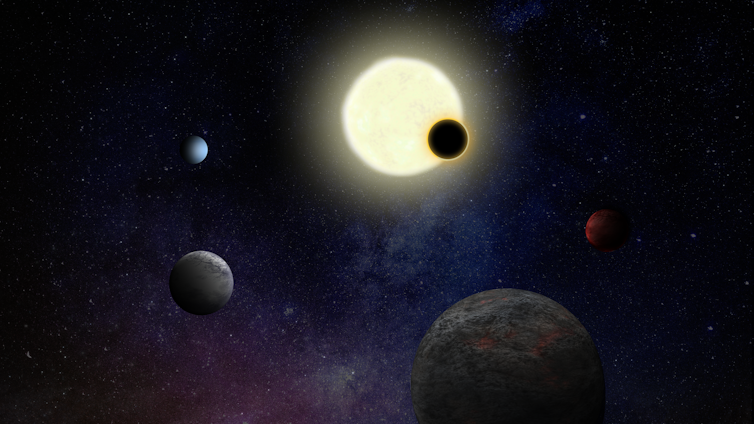
A new NASA mission will study exoplanets around distant stars. European Space Agency, CC BY-SA

Daniel Apai, University of Arizona

On Jan. 11, 2026, I watched anxiously at the tightly controlled Vandenberg Space Force Base in California as an awe-inspiring SpaceX Falcon 9 rocket carried NASA’s new exoplanet telescope, Pandora, into orbit.

Exoplanets are worlds that orbit other stars. They are very difficult to observe because – seen from Earth – they appear as extremely faint dots right next to their host stars, which are millions to billions of times brighter and drown out the light reflected by the planets. The Pandora telescope will join and complement NASA’s James Webb Space Telescope in studying these faraway planets and the stars they orbit.

I am an astronomy professor at the University of Arizona who specializes in studies of planets around other stars and astrobiology. I am a co-investigator of Pandora and leading its exoplanet science working group. We built Pandora to shatter a barrier – to understand and remove a source of noise in the data – that limits our ability to study small exoplanets in detail and search for life on them.

Observing exoplanets

Astronomers have a trick to study exoplanet atmospheres. By observing the planets as they orbit in front of their host stars, we can study starlight that filters through their atmospheres.

These planetary transit observations are similar to holding a glass of red wine up to a candle: The light filtering through will show fine details that reveal the quality of the wine. By analyzing starlight filtered through the planets’ atmospheres, astronomers can find evidence for water vapor, hydrogen, clouds and even search for evidence of life. Researchers improved transit observations in 2002, opening an exciting window to new worlds.

When a planet passes in front of its star, astronomers can measure the dip in brightness, and see how the light filtering through the planet’s atmosphere changes.

For a while, it seemed to work perfectly. But, starting from 2007, astronomers noted that starspots – cooler, active regions on the stars – may disturb the transit measurements.

In 2018 and 2019, then-Ph.D. student Benjamin V. Rackham, astrophysicist Mark Giampapa and I published a series of studies showing how darker starspots and brighter, magnetically active stellar regions can seriously mislead exoplanets measurements. We dubbed this problem “the transit light source effect.”

Most stars are spotted, active and change continuously. Ben, Mark and I showed that these changes alter the signals from exoplanets. To make things worse, some stars also have water vapor in their upper layers – often more prominent in starspots than outside of them. That and other gases can confuse astronomers, who may think that they found water vapor in the planet.

In our papers – published three years before the 2021 launch of the James Webb Space Telescope – we predicted that the Webb cannot reach its full potential. We sounded the alarm bell. Astronomers realized that we were trying to judge our wine in light of flickering, unstable candles.

The birth of Pandora

For me, Pandora began with an intriguing email from NASA in 2018. Two prominent scientists from NASA’s Goddard Space Flight Center, Elisa Quintana and Tom Barclay, asked to chat. They had an unusual plan: They wanted to build a space telescope very quickly to help tackle stellar contamination – in time to assist Webb. This was an exciting idea, but also very challenging. Space telescopes are very complex, and not something that you would normally want to put together in a rush.

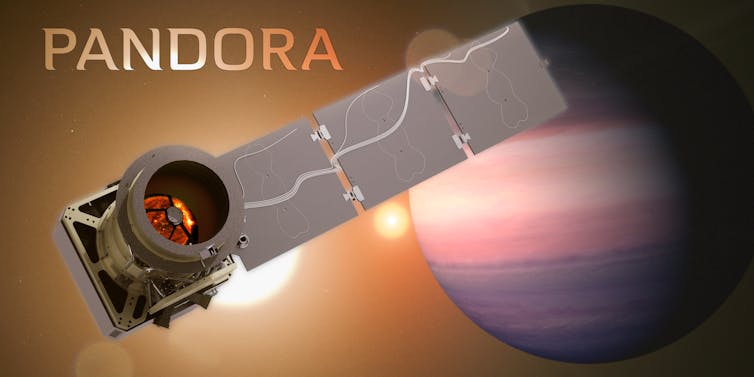
The Pandora spacecraft with an exoplanet and two stars in the background
Artist’s concept of NASA’s Pandora Space Telescope. NASA’s Goddard Space Flight Center/Conceptual Image Lab, CC BY

Pandora breaks with NASA’s conventional model. We proposed and built Pandora faster and at a significantly lower cost than is typical for NASA missions. Our approach meant keeping the mission simple and accepting somewhat higher risks.

What makes Pandora special?

Pandora is smaller and cannot collect as much light as its bigger brother Webb. But Pandora will do what Webb cannot: It will be able to patiently observe stars to understand how their complex atmospheres change.

By staring at a star for 24 hours with visible and infrared cameras, it will measure subtle changes in the star’s brightness and colors. When active regions in the star rotate in and out of view, and starspots form, evolve and dissipate, Pandora will record them. While Webb very rarely returns to the same planet in the same instrument configuration and almost never monitors their host stars, Pandora will revisit its target stars 10 times over a year, spending over 200 hours on each of them. https://www.youtube.com/embed/Inxe5Bgarj0?wmode=transparent&start=0 NASA’s Pandora mission will revolutionize the study of exoplanet atmospheres.

With that information, our Pandora team will be able to figure out how the changes in the stars affect the observed planetary transits. Like Webb, Pandora will observe the planetary transit events, too. By combining data from Pandora and Webb, our team will be able to understand what exoplanet atmospheres are made of in more detail than ever before.

After the successful launch, Pandora is now circling Earth about every 90 minutes. Pandora’s systems and functions are now being tested thoroughly by Blue Canyon Technologies, Pandora’s primary builder.

About a week after launch, control of the spacecraft will transition to the University of Arizona’s Multi-Mission Operation Center in Tucson, Arizona. Then the work of our science teams begins in earnest and we will begin capturing starlight filtered through the atmospheres of other worlds – and see them with a new, steady eye.

Daniel Apai, Associate Dean for Research and Professor of Astronomy and Planetary Sciences, University of Arizona

This article is republished from The Conversation under a Creative Commons license. Read the original article.

ooOOoo

It may not be for everyone but for me I find this news from NASA incredible. Well done The Conversation for publishing this article.

Picture Parade Five Hundred and Five

A few photographs from our property.

oooo

oooo

oooo

oooo

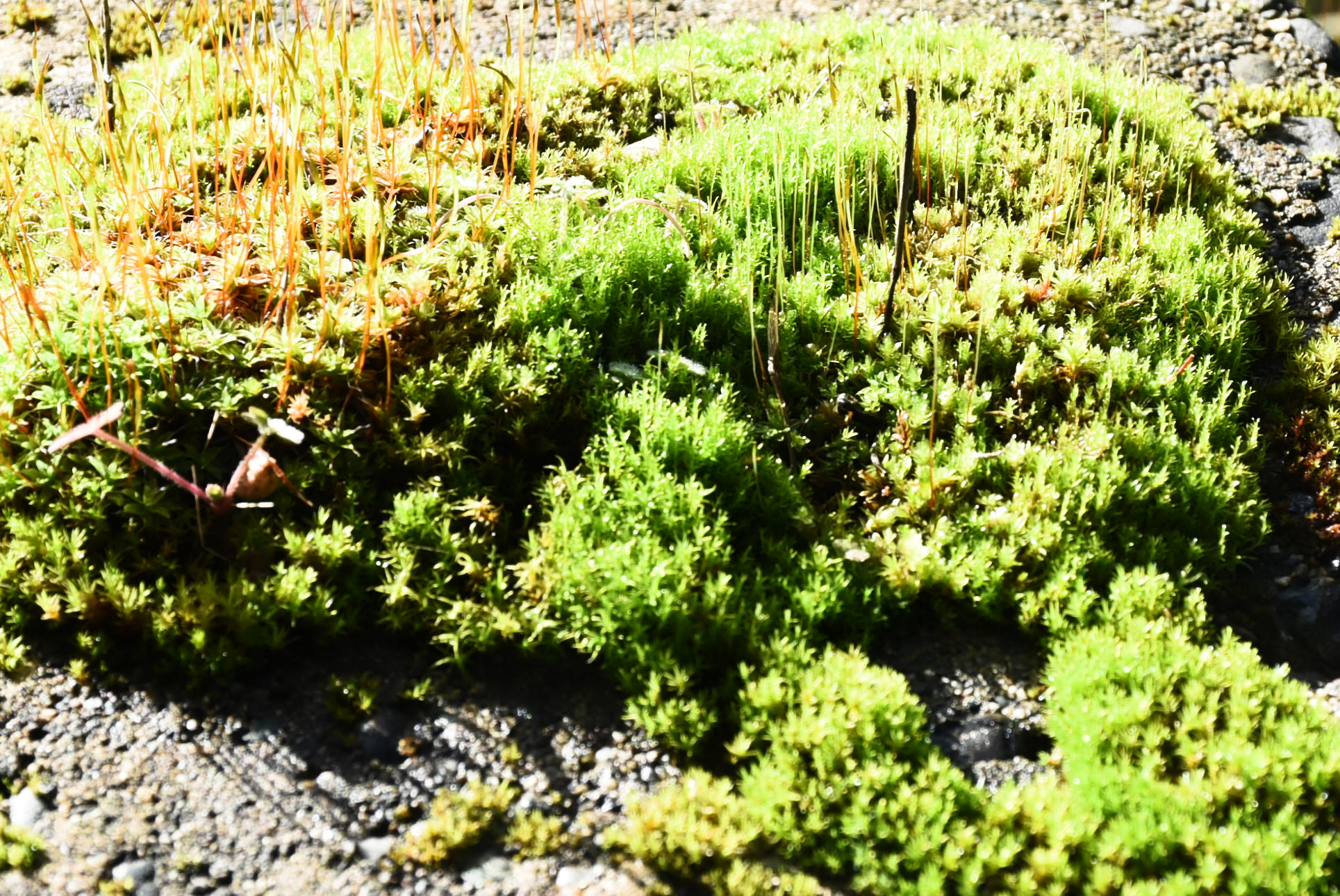
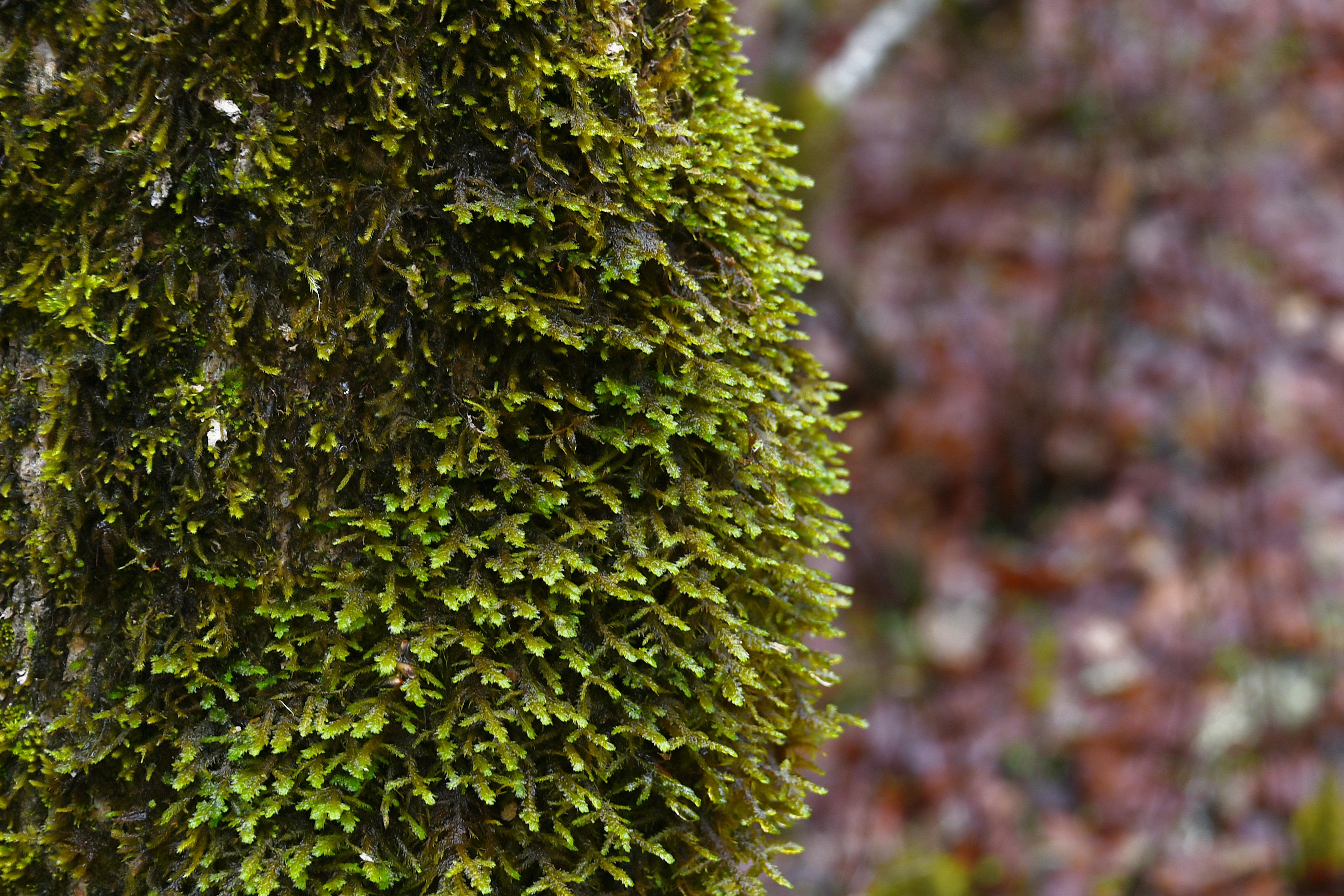
Even in the middle of the winter there are still wonderful sights to be seen!

The downside of technology

A recent article in The Conversation prompted today’s post.

More and more I get concerned at some of the ways we are going.

ooOOoo

Deepfakes leveled up in 2025 – here’s what’s coming next

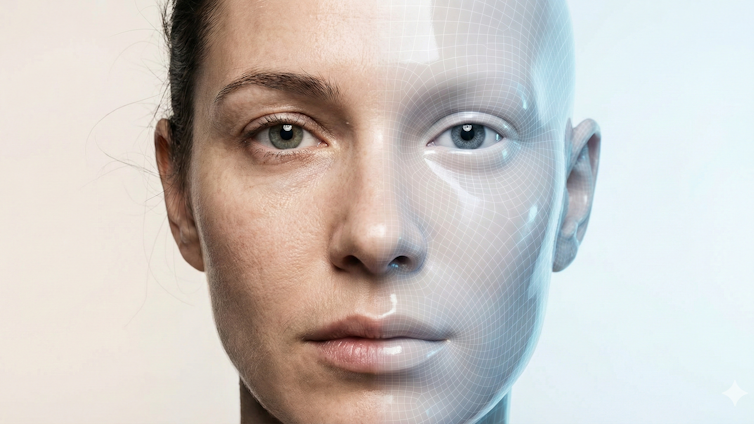
AI image and video generators now produce fully lifelike content. AI-generated image by Siwei Lyu using Google Gemini 3

Siwei Lyu, University at Buffalo

Over the course of 2025, deepfakes improved dramatically. AI-generated faces, voices and full-body performances that mimic real people increased in quality far beyond what even many experts expected would be the case just a few years ago. They were also increasingly used to deceive people.

For many everyday scenarios — especially low-resolution video calls and media shared on social media platforms — their realism is now high enough to reliably fool nonexpert viewers. In practical terms, synthetic media have become indistinguishable from authentic recordings for ordinary people and, in some cases, even for institutions.

And this surge is not limited to quality. The volume of deepfakes has grown explosively: Cybersecurity firm DeepStrike estimates an increase from roughly 500,000 online deepfakes in 2023 to about 8 million in 2025, with annual growth nearing 900%.

I’m a computer scientist who researches deepfakes and other synthetic media. From my vantage point, I see that the situation is likely to get worse in 2026 as deepfakes become synthetic performers capable of reacting to people in real time.

Dramatic improvements

Several technical shifts underlie this dramatic escalation. First, video realism made a significant leap thanks to video generation models designed specifically to maintain temporal consistency. These models produce videos that have coherent motion, consistent identities of the people portrayed, and content that makes sense from one frame to the next. The models disentangle the information related to representing a person’s identity from the information about motion so that the same motion can be mapped to different identities, or the same identity can have multiple types of motions.

These models produce stable, coherent faces without the flicker, warping or structural distortions around the eyes and jawline that once served as reliable forensic evidence of deepfakes.

Second, voice cloning has crossed what I would call the “indistinguishable threshold.” A few seconds of audio now suffice to generate a convincing clone – complete with natural intonation, rhythm, emphasis, emotion, pauses and breathing noise. This capability is already fueling large-scale fraud. Some major retailers report receiving over 1,000 AI-generated scam calls per day. The perceptual tells that once gave away synthetic voices have largely disappeared.

Third, consumer tools have pushed the technical barrier almost to zero. Upgrades from OpenAI’s Sora 2 and Google’s Veo 3 and a wave of startups mean that anyone can describe an idea, let a large language model such as OpenAI’s ChatGPT or Google’s Gemini draft a script, and generate polished audio-visual media in minutes. AI agents can automate the entire process. The capacity to generate coherent, storyline-driven deepfakes at a large scale has effectively been democratized.

This combination of surging quantity and personas that are nearly indistinguishable from real humans creates serious challenges for detecting deepfakes, especially in a media environment where people’s attention is fragmented and content moves faster than it can be verified. There has already been real-world harm – from misinformation to targeted harassment and financial scams – enabled by deepfakes that spread before people have a chance to realize what’s happening. https://www.youtube.com/embed/syNN38cu3Vw?wmode=transparent&start=0 AI researcher Hany Farid explains how deepfakes work and how good they’re getting.

The future is real time

Looking forward, the trajectory for next year is clear: Deepfakes are moving toward real-time synthesis that can produce videos that closely resemble the nuances of a human’s appearance, making it easier for them to evade detection systems. The frontier is shifting from static visual realism to temporal and behavioral coherence: models that generate live or near-live content rather than pre-rendered clips.

Identity modeling is converging into unified systems that capture not just how a person looks, but how they move, sound and speak across contexts. The result goes beyond “this resembles person X,” to “this behaves like person X over time.” I expect entire video-call participants to be synthesized in real time; interactive AI-driven actors whose faces, voices and mannerisms adapt instantly to a prompt; and scammers deploying responsive avatars rather than fixed videos.

As these capabilities mature, the perceptual gap between synthetic and authentic human media will continue to narrow. The meaningful line of defense will shift away from human judgment. Instead, it will depend on infrastructure-level protections. These include secure provenance such as media signed cryptographically, and AI content tools that use the Coalition for Content Provenance and Authenticity specifications. It will also depend on multimodal forensic tools such as my lab’s Deepfake-o-Meter.

Simply looking harder at pixels will no longer be adequate.

Siwei Lyu, Professor of Computer Science and Engineering; Director, UB Media Forensic Lab, University at Buffalo

This article is republished from The Conversation under a Creative Commons license. Read the original article.

ooOOoo

I hope with all my heart that lines of defense will rise to the challenge.

A Resolution for 2026

Meditation.

I saw this article towards the end of December and wanted to share it with you. It was on The Conversation.

ooOOoo

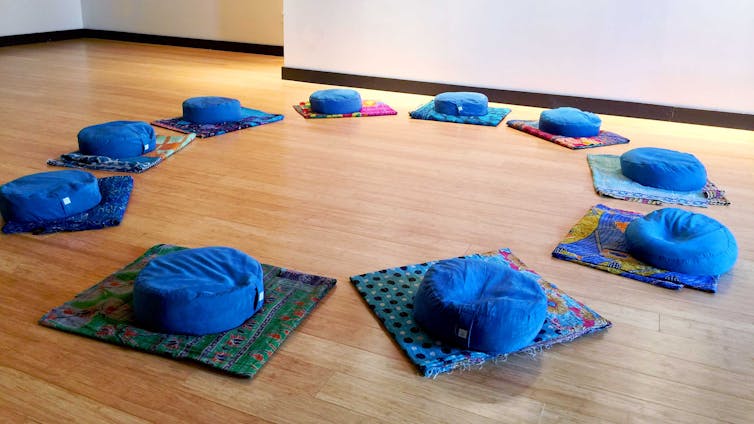
What loving-kindness meditation is and how to practice it in the new year

Loving-kindness, the feeling cultivated in metta meditation, is very different from romantic love. Anna Sunderland Engels

Jeremy David Engels, Penn State

A popular New Year’s resolution is to take up meditation – specifically mindfulness meditation. This is a healthy choice.

Regular mindfulness practice has been linked to many positive health benefits, including reduced stress and anxiety, better sleep and quicker healing after injury and illness. Mindfulness can help us to be present in a distracted world and to feel more at home in our bodies, and in our lives.

There are many different types of meditation. Some mindfulness practices ask meditators simply to sit with whatever thoughts, sensations or emotions arise without immediately reacting to them. Such meditations cultivate focus, while granting more freedom in how we respond to whatever events life throws at us.

Other meditations ask practitioners to deliberately focus on one emotion – for example, gratitude or love – to deepen the experience of that emotion. The purpose behind this type of meditation is to bring more gratitude, or more love, into one’s life. The more people meditate on love, the easier it is to experience this emotion even when not meditating.

One such meditation is known as “metta,” or loving-kindness. As a scholar of communication and mindfulness, as well as a longtime meditation teacher, I have both studied and practiced metta. Here is what loving-kindness means and how to try it out for yourself:

Unbounded, universal love

Loving-kindness, or metta, is the type of love which is practiced by Buddhists around the world. Like many forms of meditation today, there are both secular and religious forms of the practice. One does not need to be a Buddhist to practice loving-kindness. It is for anyone and everyone who wants to live more lovingly.

Loving-kindness, the feeling cultivated in metta meditation, is very different from romantic love. In the ancient Pali language, the word “metta” has two root meanings: The first is “gentle,” in the sense of a gentle spring rain that falls on young plants, nourishing them without discrimination. The second is “friend.”

Metta is limitless and unbounded love; it is gentle presence and universal friendliness. Metta practice is meant to grow people’s ability to be present for themselves and others without fail. https://www.youtube.com/embed/FyKKvCO_vSA?wmode=transparent&start=0 A guided loving-kindness meditation practice.

Metta is not reciprocal or conditional. It does not discriminate between us and them, rich and poor, educated and uneducated, popular or unpopular, worthy and unworthy. To practice metta is to give what I describe in my research as “the rarest and most precious gift” – a gift of love offered without any expectation of it being returned.

How to practice loving-kindness meditation

In the fifth century, a Sri Lankan monk, Buddhaghosa, composed an influential meditation text called the “Visuddhimagga,” or “The Path of Purification.” In this text, Buddhaghosa provides instructions for how to practice loving-kindness meditation. Contemporary teachers tend to adapt and modify his instructions.

The practice of loving-kindness often involves quietly reciting to oneself several traditional phrases designed to evoke metta, and visualizing the beings who will receive that loving-kindness.

Traditionally, the practice begins by sending loving kindness to ourselves. It is typical during this meditation to say:

May I be filled by loving-kindness
May I be safe from inner and outer dangers
May I be well in body and mind
May I be at ease and happy

After speaking these phrases, and feeling the emotions they evoke, next it’s common to direct loving-kindness toward someone – or something – else: It can be a beloved person, a dear friend, a pet, an animal, a favorite tree. The phrases become:

May you be filled by loving-kindness
May you be safe from inner and outer dangers
May you be well in body and mind
May you be at ease and happy

Next, this loving-kindness is directed to a wider circle of friends and loved ones: “May they …”

The final step is to gradually expand the circle of well wishes: including the people in our community and town, people everywhere, animals and all living beings, and the whole Earth. This last round of recitation begins: “May we …”

In this way, loving-kindness meditation practice opens the heart further and further into life, beginning with the meditator themselves.

Loving-kindness and mindful democracy

Clinical research shows that loving-kindness meditation has a positive effect on mental health, including lessening anxiety and depression, increasing life satisfaction and improving self-acceptance while reducing self-criticism. There is also evidence that loving-kindness meditation increases a sense of connection with other people.

The benefits of loving-kindness meditation are not just for the individual. In my research, I show that there are also tremendous benefits for society as a whole. Indeed, the practice of democracy requires us to work together with friends, strangers and even purported “opponents.” This is difficult to do if our hearts are full of hatred and resentment.

Each time meditators open their hearts in metta meditation, they prepare themselves to live more loving lives: for their own selves, and for all living beings.

Jeremy David Engels, Liberal Arts Endowed Professor of Communication, Penn State

This article is republished from The Conversation under a Creative Commons license. Read the original article.

ooOOoo

This is terrific and Jeremy Engels offers a very professional view of loving-kindness meditation. Personally I was not aware of the meaning of Metta.

The challenge is to adjust one’s daily routine to enable meditation to become part of our daily experience.

Picture Parade Five Hundred and Four

The pictures from my grandson.

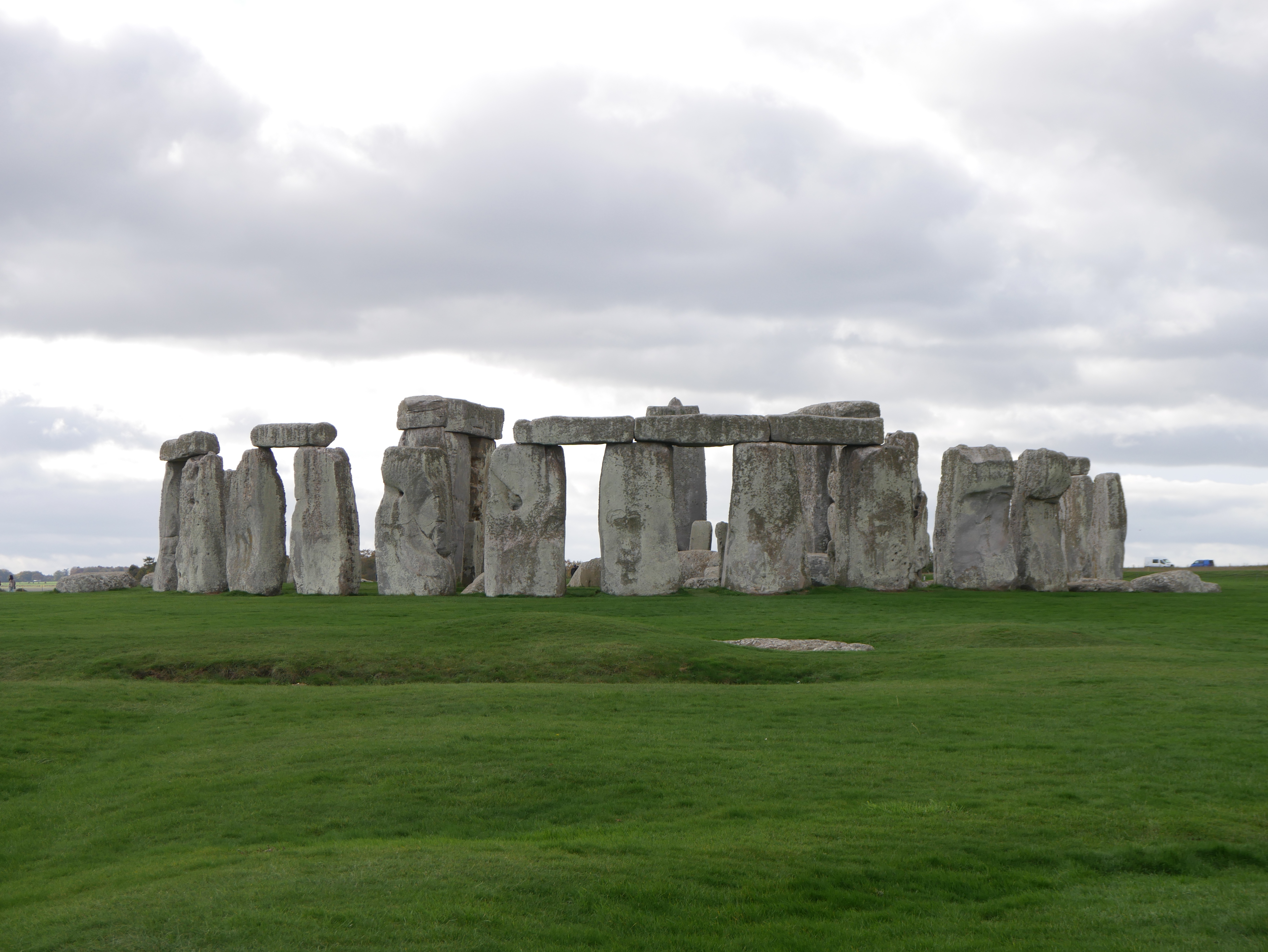
My grandson, Morten, is quite an accomplished photographer. He uses my son’s previous camera, a Lumix DMC G7. Morten is fourteen. These photographs are locations in Southern England.

oooo

oooo

oooo

oooo

Beautiful, Stunning, and Perfect.

It’s stating the obvious but all the above photographs are Copyright 2025 Morten Ronning, and All Rights Are Reserved.