Category: Environment

Wanderings!

A Victorian Dog Story

Here’s a very delightful guest post coming up. But first to my introduction.

Speke’s Monument, Kensington Gardens


Whatever one feels about London, the city of my birth (Acton; North-West London, to be more precise), there’s no denying that it has some glorious parks.

One of those wonderful parks is Kensington Gardens that is located not that far from the Royal Albert Hall. Or as Wikipedia puts it:

Kensington Gardens, once the private gardens of Kensington Palace, are one of the Royal Parks of London, lying immediately to the west of Hyde Park.

So keep that image in your mind as we turn to today’s guest post.

ooOOoo

A Victorian Dog Story

victoriandog

If you are ever in the UK, wander through Kensington Gardens (past the palace where Princess Diana resided) and go Northeast, behind Victoria Lodge; you will find a pet cemetery. Mentioned by Peter Pan author, J.M. Barrie, in his work The Little White Bird, over 200 dogs, cats and birds have been laid to rest here. All of its inhabitants were once beloved pets.
The cemetery was started by the lodge keeper around 1881; the first dog to be buried in Kensington was her “Cherry”, a Maltese terrier who died of old age. The second dog was “Prince”, once belonging to the Duke of Cambridge (no relation to the present Duchess of Cambridge, Kate Middleton!). Struck by a carriage, this dog’s simple gravestone reads: “Poor Prince.” Though the cemetery is no longer active, contemporary guests can take pictures of the tiny tombstones and read such sentiments as “Maudie, An Old Friend”, “Darling Dolly My Sunbeam, My Consolation”; and “In Loving Memory of Our Faithful Little Friend Wobbles.”
Keeping dogs as pets gained popularity in the 19th century. As sanitation conditions started to be regulated, animals such as pigs, cows and sheep were banned from the streets. So dogs that were once kept outside were now invited by the fire. The dog changed from being a worker to being a member of the family. In 1837 there were about 140 dog nappers; they stole lap dogs from the wealthy and charged hefty ransoms for their return. A Temporary Home for Lost and Starving Dogs opened in 1860; ultimately this became The Battersea Dogs Home, where strays could be adopted. For more information on the Victorian cult of the dog, I would recommend At Home and Astray by Philip Howell. Meanwhile, if you are searching for a name for your new pet puppy, you might want to consider Dandie, Dash or Eos, pronounced ee-oohs–if they were good enough for Queen Victoria’s pooches, they may be good enough for yours!
ooOOoo
Let me close with the words of the author: Annabelle Troy
An American who loves UK culture, I alternate my time between New York City and London. I’m the author of four books available on Amazon: Jane Eyre Gets Real, A Cure for Cecily, The Grace of the Hunchback, and Hansel and Gretel Inside the House of Candy.  Inspiration comes to me through literature, history and magic.
Here’s the cover of that first-named book.
511hedjbc8lI don’t know about Jane Eyre but Annabelle Troy comes over as real enough!

A stopgap!

Rain may stop play!

It is 11:35 Sunday, as in yesterday!

Since the start of the rain on Thursday morning we have received over 9in of rain (23 cms). Since midnight this day, over 2 ins (5 cms) have fallen.

This was empty last Wednesday!

The internet connection is terrible and I have low confidence that it will stay up all day.

So please forgive me for leaving you with just this for now.

p1160529Normal service will be resumed as soon as possible!

Footnote!

By 3pm yesterday over 3 in (7.5 cms) of rain had fallen and Jean and I decided to go and rent a couple of movies to watch for the evening.

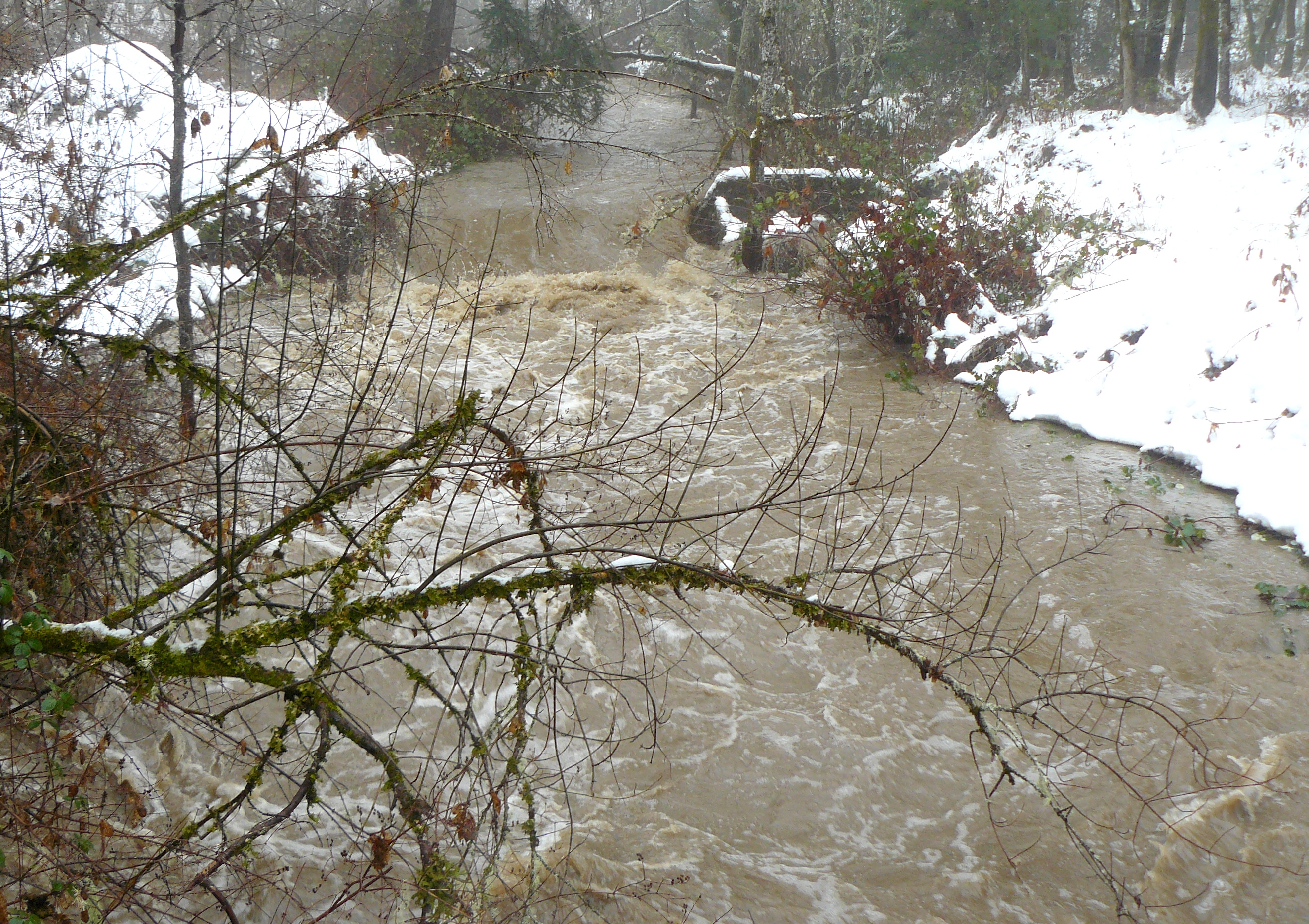
On the way of our driveway, that is a 1/4 mile long from the house to Hugo Road, it crosses over Bummer Creek. I took the following two pictures of the creek from the bridge.

Bummer Creek: looking upstream.

oooo

Bummer Creek: looking downstream.

Farewell the hazy, lazy, dry days of Summer!

Second footnote

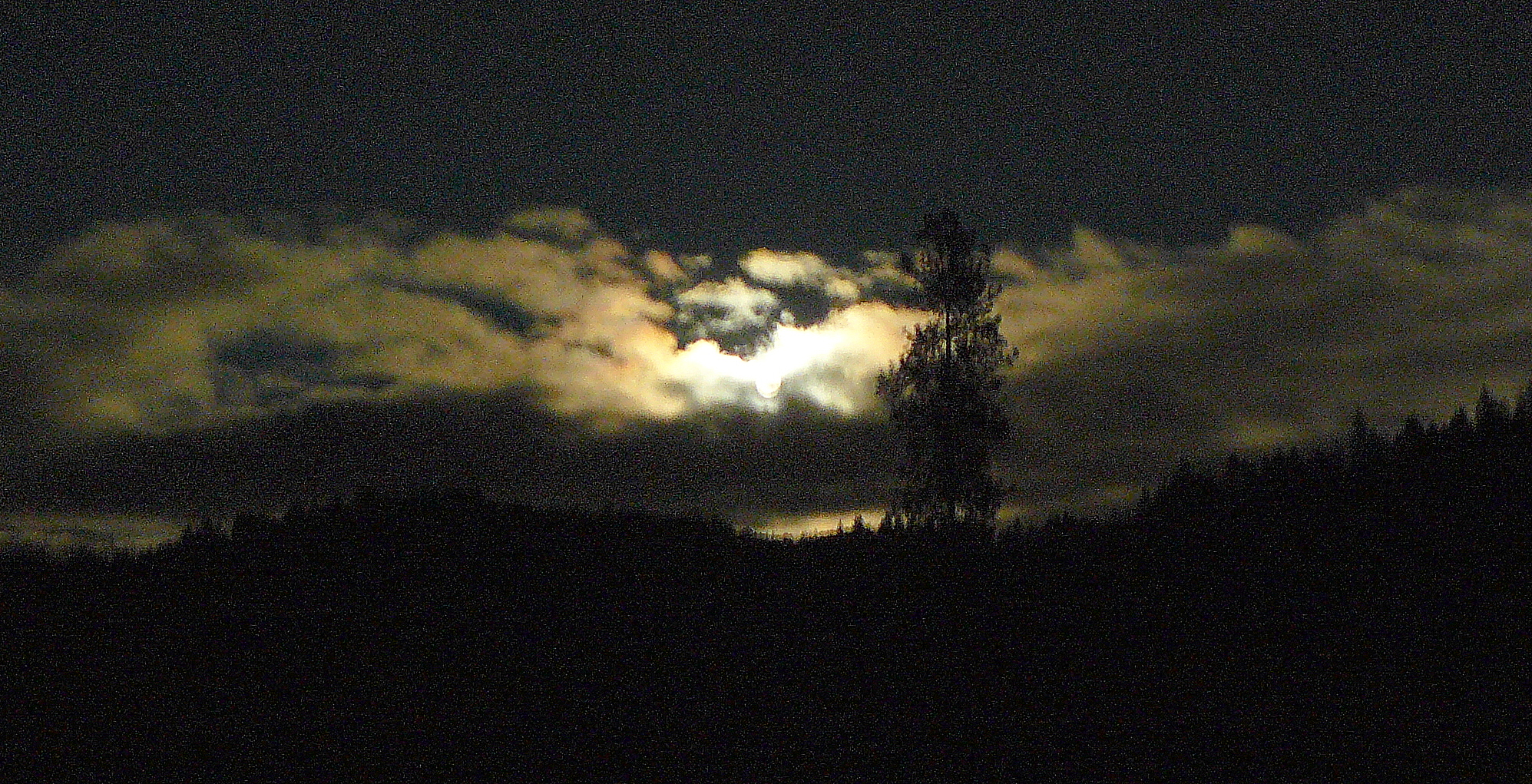
The rain paused a little after 5pm and I managed to snap the following rather evocative (well to me, anyway) scenes of a misty outlook.

Mount Sexton to the North-East of us.

oooo

Fairy-tale scene??
Fairy-tale scene??

(Oh, and by 6pm the rain gauge was reading 3.6 in/9.14 cms)

Falling for the Fall!

Thirty seconds of pure joy!

As seen recently on the Care2 site.

Published on Oct 12, 2016
If this dog doesn’t get you excited for fall, nothing will.
Video by: Maggie McCarthy
Video footage provided by: Jukin Media

Apologies for the brevity of the post; just wasn’t sure how long internet connectivity was going to last!

Returning to the wet dogs season!

We most certainly need the rain but …..

Pharaoh playing in Bummer Creek after Autumn rains in 2013.

The weather forecast for the next few days is ‘interesting’!

From Grants Pass Weather:

Thursday Rain. High near 68. East wind 5 to 7 mph becoming calm. Chance of precipitation is 100%. New precipitation amounts between a half and three quarters of an inch possible.
Thursday Night Rain. The rain could be heavy at times. Low around 51. South southeast wind 10 to 18 mph becoming southwest in the evening. Winds could gust as high as 28 mph. Chance of precipitation is 100%. New precipitation amounts between 1 and 2 inches possible.
Friday Rain before 11am, then showers after 11am. High near 65. South southwest wind around 11 mph. Chance of precipitation is 90%. New precipitation amounts between a quarter and half of an inch possible.
Friday Night A chance of showers before 11pm, then rain likely after 11pm. Cloudy, with a low around 53. Chance of precipitation is 70%.
Saturday Rain. High near 65. Chance of precipitation is 100%.
Saturday Night Rain. Cloudy, with a low around 51.

The hydrologic report from the National Weather Service even more interesting (my emphasis and we are in Josephine County about 80 miles inland from the coast):

HYDROLOGIC OUTLOOK
NATIONAL WEATHER SERVICE MEDFORD, OR
333 PM PDT TUE OCT 11 2016

Hydrologic Outlook for significant rises on rivers and streams in
Sisikyou and Modoc counties in California and Coos, Curry, Douglas,
Jackson, Josephine, Klamath and Lake counties in Oregon.

A series of storms will move through the region beginning Thursday.
A strong jet stream stretching across the Pacific Ocean will bring
a steady stream of moisture into the Pacific Northwest with these
storms. This will result in heavy rainfall across the region. The
heaviest rainfall will be with the storm on Saturday as the remnants
of Typhoon Songda are pulled into the stream. Rainfall amounts of
over 6 inches at the coast and western Siskiyou county,to over
thirteen inches on the extreme southern coast can be expected
through Monday. Three to six inches can be expected inland to the
Cascades with one to two inches east of the Cascades from Thursday
to Monday. These forecast totals across the region are equal to or
higher than the totals normally seen through the entire month of
October.

While main stem rivers will experience significant rises due to
these storms, they are not expected to flood. Small streams and
urban areas could experience high water or even flooding where there
is poor drainage. As this is the first large storm of the rainy
season, there is the potential for debris to clog storm drains,
ditches and culverts resulting in flooding.

Another concern is the heavy rain falling on recent burn scars. If
you live downstream of a recent burn scar, or if you are just
driving through a burn scar, stay alert as there is a high risk of
flash flooding and debris flows in and below burned areas.

The exact scenario for flooding and high water remains uncertain.

These forecast totals across the region are equal to or higher than the totals normally seen through the entire month of October.”

As I said in the beginning, we most certainly need the rain, and with rain comes …

486b759b1c97151a9be677ed3974aaeaThank goodness we have nine dogs! 😉

The utterly incomprehensible

A journey of the mind and the soul.

NB: Regular readers will find that today’s post is rather different to my usual run of things. But I do hope that you end up sharing my feelings of mystery; sharing what seems to me utterly incomprehensible. I am speaking of The Infinite.

Let me start with this quotation:

The infinite has always stirred the emotions of mankind more deeply than any other question.

The infinite has stimulated and fertilised reason as few other ideas have. But also the infinite, more than another other notion, is in need of clarification.

Let me now take you back many years, back to the Autumn of 1969 when I left Gibraltar bound for The Azores on my yacht Songbird of Kent. I was sailing solo.

My home for five years – Songbird of Kent; a Tradewind 33.

Despite me being very familiar with my boat, and with sailing in general, there was nonetheless a deep sense of trepidation as I headed out into a vast unfamiliar ocean.

On the third or fourth night, I forget which, when some four hundred miles into the Atlantic and therefore far from the light pollution from the land, I came on deck and was emotionally moved in a way that has never ever been surpassed.

For way up in the heavens above me was the Andromeda galaxy, clearly visible with the naked eye.

andromeda-galaxy-josh-blash-7-23-2014-e1473897834535
Josh Blash captured this image of the Andromeda galaxy.

That photograph above and the following are from the EarthSky site.

Although a couple of dozen minor galaxies lie closer to our Milky Way, the Andromeda galaxy is the closest major galaxy to ours. Excluding the Large and Small Magellanic Clouds, which can’t be seen from northerly latitudes, the Andromeda galaxy – also known as M31 – is the brightest galaxy in all the heavens. It’s the most distant thing you can see with your unaided eye, at 2.3 million light-years. To the eye, it appears as a smudge of light larger than a full moon.

Not only could I not take my mind off seeing the Andromeda galaxy, I couldn’t easily comprehend seeing the stars come all the way down to the horizon; all 360 degrees about me.  Right down to the edge of my ocean horizon; a swirling blackness out to where it kissed that glorious night sky.

That image of that dome of stars would be forever burnt into my memory. An image that both made no sense, yet made every sense

Fast forward forty-seven years to now!

Recently we have had some beautiful clear nights here in Southern Oregon. Just the other night, before the moon had risen, there up in the night sky just a short distance from the constellation Cassiopeia was Andromeda. Immediately, my memory of that dark night sky out in the Atlantic came rushing back at me

The Andromeda galaxy is 2.3 million light-years away. But how can one possibly comprehend the distance? The fact that light travels at 186,000 miles per second or 671 million miles per hour (the exact value is 299,792,458 metres per second (approximately 3.00×10⁸ m/s) has no meaning whatsoever. Think about it! Light is traveling at the equivalent speed of going around our planet 7.46 times every second!

But if you can’t fathom the distance to the Andromeda galaxy try this!

Back in March, 2016 a new galaxy that has been named GN-z11 was spotted by the Hubble space telescope 13.4 billion light years away. That’s approximately 5,830 times more distant than the Andromeda galaxy!

Now it is starting to become very difficult to comprehend.

Over the last couple of weeks BBC Radio 4 has been airing 10 talks given by Professor Adrian Moore under the heading of A History of the Infinite. They are freely available to be listened to and I so strongly recommend them.

But it was episode eight that made me lose my mind. Just like that night so many years ago on Songbird of Kent.

For that episode was called The Cosmos. You can listen to it here. Please, please do so! This is how that episode is presented:

Does space go on for ever? Are there infinitely many stars? These are some of the questions Adrian Moore explores in the eighth episode in his series about philosophical thought concerning the infinite.

With the help of the theories of the Ancient Greeks through to those of modern cosmologists, Adrian examines the central question of whether our universe is finite or infinite.

For most of us, looking up at the stars gives us a sense of infinity but, as Adrian discovers, there is a strong body of opinion which suggests that space is finite, albeit unbounded. This is a difficult idea to grasp, but by inviting us to think of ourselves as ants, astrophysics professor Jo Dunkley attempts to explain it.

Adrian also tackles the idea of the expanding universe and the logic that leads cosmologists to argue that it all started with a big bang, and may all end with a big crunch.

Finally, we discover from cosmologist John Barrow how the appearance of an infinity in scientists’ calculations sends them straight back to the drawing board. The infinite, which the Ancient Greeks found so troubling, has lost none of its power to disturb.

A Juniper production for BBC Radio 4.

If you find that episode compelling beyond belief then all the episodes are available on the BBC iPlayer and may be found here.

I started with a quotation that is the opening of the final episode. It is a quotation from the German mathematician David Hilbert. As Wikipedia explains, in part:

hilbertDavid Hilbert (German: [ˈdaːvɪt ˈhɪlbɐt]; 23 January 1862 – 14 February 1943) was a German mathematician. He is recognized as one of the most influential and universal mathematicians of the 19th and early 20th centuries.

I will return to that first sentence in Hilbert’s quotation:

The infinite has always stirred the emotions of mankind more deeply than any other question.

For me that sight of the Andromeda galaxy and the stars back in 1969 was in every meaning of the word a sight of the infinite and it has forever stirred my emotions very deeply indeed!

Picture Parade One Hundred and Sixty-Six

September Memories

Jean was asked to send some photos of our horses to her friend Suzann down in Mexico. Here are a few. Their names are Ben and Ranger. Ben has the longer white dash down his nose and the photos were taken out on the horse paddock.

p1160482oooo

p1160502oooo

p1160500oooo

p1160488oooo

p1160495oooo

Also going to indulge myself and share with you some recent photos of the approaching dusk looking Eastwards from our property.

p1160479oooo

p1160476Welcome to October!

(And over the weekend we had rain – the first since July 10th!)

Caring for the family: Correction Truth.

Nature so often guides us in how to behave.

Yes, nature can be cruel but in ways that we understand. Animals, to the best of my knowledge, do not hunt for sport. Animals do not lie. They don’t seek political power (sorry; couldn’t resist that!).

All of which is my short introduction to an item that Dan sent me yesterday.

ooOOoo

image
Cesare Brai’s photo.

A wolf pack: the first 3 are the old or sick, they give the pace to the entire pack.
If it was the other way round, they would be left behind, losing contact with the pack. In case of an ambush they would be sacrificed.

Then come 5 strong ones, the front line. In the center are the rest of the pack members, then the 5 strongest following. Last is alone, the alpha. He controls everything from the rear.

In that position he can see everything, decide the direction. He sees all of the pack. The pack moves according to the elders pace and help each other, watch each other.

For once I am speechless, I knew that wolves are different, but didn’t realize how much we could learn from them…

ooOOoo

Compelling, eh! But factually correct?

No!

In this case Nature is not guiding us. It is man misguiding us.

Or in the words of the Truth or Fiction website:

That makes for a compelling and inspirational story about teamwork — but it’s not true.

David Attenborough took the photo in question for the BBC’s “Frozen Planet” Series in 2011. It shows 25 timber wolves hunting bison in Wood Buffalo National Park in Canada. The female alpha wolf led the pack, and the others followed in a single file line to save energy as they made their way through deep snow, according to the environmental website Benvironment.

Wolf packs are typically about half the size of the pack pictured in the photo from 2011. Most packs don’t hunt prey the size of bison (which is 10 times the size of a wolf), but the larger pack is able to. And the wolves walking in a single file line through deep snow is a classic example of how they’re able to use weather conditions to their advantage while hunting prey that’s much larger than them.

Also, the idea that wolves have to be on the lookout for “ambushes” or attacks isn’t true, either. Wolves are at the top of the food chain and have no natural predators. Aside from turf battles with other wolves (which wouldn’t start in an ambush) bears are the only threat to wolves in Canada. Even so, experts say that bears are only able to prey on wolf pups because grown wolves are too fast, swift and clever to get caught by them.

I will close with this quotation from Andre Gide:

Believe those who are seeking the truth. Doubt those who find it.

Oh, I Wish …..

…. that animal cruelty just never ever happens!

Yes, I know that’s a naive wish.

But it doesn’t alter my sincere wish!

So thank goodness for the many wonderful people and organisations around the world that do their utmost to help animals.

Take, for example, Animals Asia. This is what they do:

Founded in 1998, Animals Asia promotes compassion and respect for all animals and works to bring about long-term change. We work to end the barbaric bear bile trade, which sees over 10,000 bears kept on bile farms in China, and, according to official figures, about 1,200 suffering the same fate in Vietnam.

Animals Asia has rescued over 500 bears, caring for them at its award-winning bear sanctuaries in China and Vietnam.

Animals Asia also works to end the trade in dogs and cats for food in China and Vietnam, and lobbies to improve the welfare of companion animals, promote humane population management and prevent the cross border export of “meat dogs” in Asia.

In addition, Animals Asia campaigns for an end to abusive animal practices in zoos and safari parks in Asia, and works closely with governing authorities to improve animal management and increase awareness of the welfare needs of captive animals.

Take this wonderful account of what they did for one bear.

ooOOoo

Freed from a bile farm – is this the happiest bear ever?

Watch Tuffy jump for joy in his first days outside – after being rescued from a bear bile farm where he’d spent years of torture in a tiny cage.

Rescued in September last year on the same day as six other bears, Tuffy’s paws have hardly hit the ground since arriving at Animals Asia’s Vietnam sanctuary.

tuffycagedThe vet team has been working hard to rehabilitate him after years of having his bile extracted. In fact his gall bladder was so damaged it had to be removed. Examinations had found numerous gallstones, meaning he’d lived in pain for years.

That wasn’t the only surgery Tuffy faced. In addition he had three fractured teeth removed. He also had painful, dry, cracked paws.

tuffyinacageAnimals Asia Bear Manager Louise Ellis said:

“The cracked paws are common to bile farm bears as they only walk on bars, not grass. Dehydration is likely to have contributed to this too. So for his carers to see him take to the pool so quickly after he first became ready to face the outdoors was an amazing moment.

“Coming from years of little or no water, for Tuffy this must feel like a true oasis after being parched and in pain for so long. It must have felt like such a relief to have the freedom to splash around in the water after only being able to stand on the hard metal bars of the bile farm cage.”

tuffyrescuedIn fact Tuffy loved being outdoors so much he decided not to return to his den in the evening – choosing instead to sleep under the stars.

There are still around 1,200 bears in bile farms in Vietnam and over 10,000 more in China. Animals Asia has rescued nearly 600 bears from the bile industry and continues to care for almost 400.

Bear bile is used in traditional medicine.

ooOOoo
Dearest Tuffy! One of the lucky ones.
But that doesn’t diminish the anger and the disgust I feel at the way too many so called human beings can have such disregard for our beautiful animals!

A rescue, with a twist!

Connections!

Just recently, on the 20th to be precise, I added a comment to the ‘About’ page of the blog: Beyond The Flow.

This is what I wrote”

Hi Rowena, I’m the author of the blog Learning from Dogs and recently one of my followers “RoughseasintheMed” recommended one of your posts: https://beyondtheflow.wordpress.com/2016/09/19/a-different-type-of-rescue-dog/
Apart from the pleasure in making the connection, I would love to have your permission to republish your post over on LfD.
Look forward to hearing from you.

Paul H.

Rowena is a blogger, mother and wife and explains a little about her blog, thus:

Beyond the Flow documents our journey through life’s ups and downs from a fairly philosophical and hopefully humourous perspective so hopefully you’ll laugh, cry and think a bit as you share in our adventures.
Based on the Australian East-Coast just North of Sydney, this motley cast and crew features:
Myself-Rowena
Anyway, Rowena very promptly offered me permission and it is my pleasure to republish this wonderful account of a Newfoundland (the dog that is not the country).
ooOOoo

newfoundlanddogstampA Different Type of Rescue Dog.

Welcome to Rumford, Maine where we’re chatting with ferry master Jerry Putnam and his dog, Major beside the Androscoggin River. Major is a New Foundland or “Newfie” and while I’m used to big dogs, Major is more like a bear crossed with a tank and yet he’s very friendly.

androscoggin_river-nh
Androscoggin River, New Hampshire, sadly renowned for its poor water quality.

Please be advised that you’ll be needing to set you watch back more than just a couple of hours to join me on this trip. You see, we’re traveling back to 1885 or thereabouts to hear this tale.  By the way, I apologise if the details get a little sketchy on this trip. You see, I’ve never been to America and I’ve never seen a Newfoundland dog beyond Googles images. However, I’ve never let that stop me from spinning a yarn before and it won’t stop me now. I stumbled across this story online in a small Australian country newspaper from 1885. I have no idea how it found its way there but it seems that after all these years, I’ll be sending the story all the way back to Rumford, Maine where I hope it finds a new home.

As you might be aware Newfoundlands are excellent and enthusiastic swimmers and are famed as the lifesavers of the sea. Indeed, there have even been some famous and very impressive rescues carried out by Newfoundlands:

  • In 1881 in Melbourne, Australia, a Newfoundland named Nelson helped rescue Thomas Brown, a cab driver who was swept away by flood waters in Swanston Street on the night of 15 November. While little is known about what became of Nelson, a copper dog collar engraved with his name has survived and 130 years after the rescue it was acquired by the National Museum of Australia and is now part of the National Historical Collection.
  • In the early 20th century, a dog that is thought to have been a Newfoundland saved 92 people who were on the SS Ethie which was wrecked off the Northern Peninsula of Newfoundland during a blizzard. The dog retrieved a rope thrown out into the turbulent waters by those on deck, and brought the rope to shore to people waiting on the beach. A breeches buoy was attached to the rope, and all those aboard the ship were able to get across to the shore including an infant in a mailbag. Wreckage of the ship can still be seen in Gros Morne National Park. E. J. Pratt‘s poem, “Carlo”, in the November 1920 issue of The Canadian Forum commemorates this dog.
  • In 1995, a 10-month-old Newfoundland named Boo saved a hearing-impaired man from drowning in the Yuba River in Northern California. The man fell into the river while dredging for gold. Boo noticed the struggling man as he and his owner were walking along the river. The Newfoundland instinctively dove into the river, took the drowning man by the arm, and brought him to safety. According to Janice Anderson, the Newfoundland’s breeder, Boo had received no formal training in water rescue.

You can watch some Newfoundlands going through their rescue paces here:

By now,  I’m sure I’ve whetted your appetites sufficiently and you’re all just longing to find out what Major did. What act of great heroism plucked this ordinary dog out of obscurity and onto the pages of a distant Australian newspaper?

newfoundlandHowever, there’s an exception to every rule. Just because some dog’s profiles read like a brochure from the Kennel Club, there’s always an exception. Just as people don’t like being categorized, stereotyped or told how they should conform to type, dogs can be much the same.Not that Major almost drowned but he did have a different interpretation of what constitutes a “rescue”.

Or, did he?

After all, what constitutes a rescue? Is it just about saving that drowning person from the surging waters? Or, is it also about encouraging someone to overcome their fear of drowning,  let go of the edge and finally learn to swim? What if that person doesn’t respond to “encouragement”? Is it okay to add a bit of persuasion? A nudge? A tug or even the proverbial cattle prod?

Well, you don’t need to ask Major. When it came to helping his canine counterpart overcome his fear, he was a Dog of Action with no time for philosophising, desensitization or phoning a friend. When a brindle hound was too scared to swim out to its owner on the ferry and was howling on the shore, Major grabbed it by the scruff and threw it in the water so it either had to sink or swim.

You’ve got to laugh and who hasn’t been tempted to do that to someone we know, but a bit of compassion doesn’t go astray either.

So, even if another dog is having a full blown panic attack about getting their precious paws wet, you don’t grab him by the scruff and throw him in the drink. After all, most breeds of dog don’t have a Newfoundland’s webbed paws, innate love of swimming and other special design features. They chase sheep.

I’m not putting my paws in there!

Of course, this includes the Border Collie. While our last Border Collie loves chasing sticks through the surf, Bilbo rarely gets his paws wet and it’s taken a lot of angst for him to get to the point where he sometimes now retrieves his ball out of the wash on the beach.

Indeed, Bilbo has had a few newsworthy water avoidances and he could well have been cast as that miserable mutt Major threw into the river.

Finally some assistance. Miss puts Bilbo out of his misery!

A few years ago, when Bilbo saw us all kayaking from the backyard at Palm Beach, he also started howling and fretting just like that other poor hound. Bilbo chewed through the back gate, jumped the back fence and we were about a kilometre from home when we looked out and kids said: “Someone else has a Border Collie”. As we paddled closer, our fears were confirmed. It was our freaked out mutt, giving us the paw: “What do you think you’re doing going out there on that crazy contraption? OMG!!!! You could fall in. Drown!!!! Then, who’s going to feed me?” His heart was racing. He was puffing. The dog was a wreck…so was the gate!

I would never have thrown Bilbo into the water to get him used to it. Yet, over time, he accidentally fell in the pool chasing his ball. He also fell out of the kayak and took our son into the water with him. That could’ve been nasty because he tried grabbing on to Mister which could’ve pulled him under. However, through all of this knockabout exposure and by being part of our family, Bilbo isn’t quite so anxious anymore. He’s stepped out and started filling out those paws, becoming a brave dog.

Meanwhile, here’s the original newspaper story about Major:

A Dog Story.

When Jerry Putnam had charge of the ferry at Rumford, Me., over the Androscoggin River, he owned one of the handsomest Newfoundland dogs I ever saw, and the dog was as intelligent as he was handsome. Like all of his kind, he was fond of the water, and further than that,  he manifested an absolute contempt for those of his species who shrank from the aqueous element, and it is of one of those contemptuous manifestations that I wish to tell, for I was there and saw.

The ferryboats, of various sizes, to accommodate different burdens, were impelled by means of a stout cable stretched from shore to shore, as that was the only device by which the heavy boats could be kept to their course in times of strong currents, and during seasons of freshet I have seen a current there that was wonderful.

One warm summer day, while a few of us were sitting in the shade of an old apple tree, between Jerry’s house and the river, two gentlemen, with implements for hunting and fishing, came down to be set across, and straightway one of the boys went to answer the call. He selected a light gondola, the two gentlemen stepped onboard, and very soon they were off ; but before they had got far away from the shore a common brindle house dog came rushing down upon the landing, where he stood and barked and howled furiously— furiously at first, and then piteously.

The boat was stopped, and from the signs made we judged that the strange dog belonged to one of the passengers. Yes, the owner was calling to him to come.

‘Come Ponto! Come !Come! ‘

But Ponto didn’t seem inclined to obey. Instead of taking to the water, he stood there, on the edge of the landing, and howled and yelped louder than before.

Presently old Major — our Newfoundland; who had been lying at our feet, got up and took a survey of the scene. Jerry said only this—’What is it, Major! What dy’e think of it?”

The dog looked around at his master, and seemed to answer that he was thoroughly disgusted. And then he started for the boat-landing — started just as the boy in the boat, at the earnest solicitation of his passenger, had begun to pull back. With  dignified step, Major made his way down upon the landing, proceeded directly to the yelping cur, took him by the nape of the neck; and threw him — he did not drop him — but gave him a vigorous, hearty throw, far out into the water ; and when he had done that he stood his ground as though to prevent the noisy, cowardly animal from landing. He stood there until he had seen the cur turn and swim towards the boat — until he had been taken on board by his master— after which he faced about, with military dignity and precision, and came back to his place beneath the apple tree.

— N. Y. Ledger.

The Burrowa News (NSW : 1874 – 1951) Friday 13 March 1885 p 3 Article

Have you ever been to Rumford, Maine or had any experiences with Newfoundlander Dogs? We’d love to hear your tales!

xx Rowena

ooOOoo

Let me add to Rowena’s wish to hear your experiences with Newfoundland Dog’s, or any other dogs!

Picture Parade One Hundred and Sixty-Four

Thought today’s picture parade should carry an Autumnal theme!

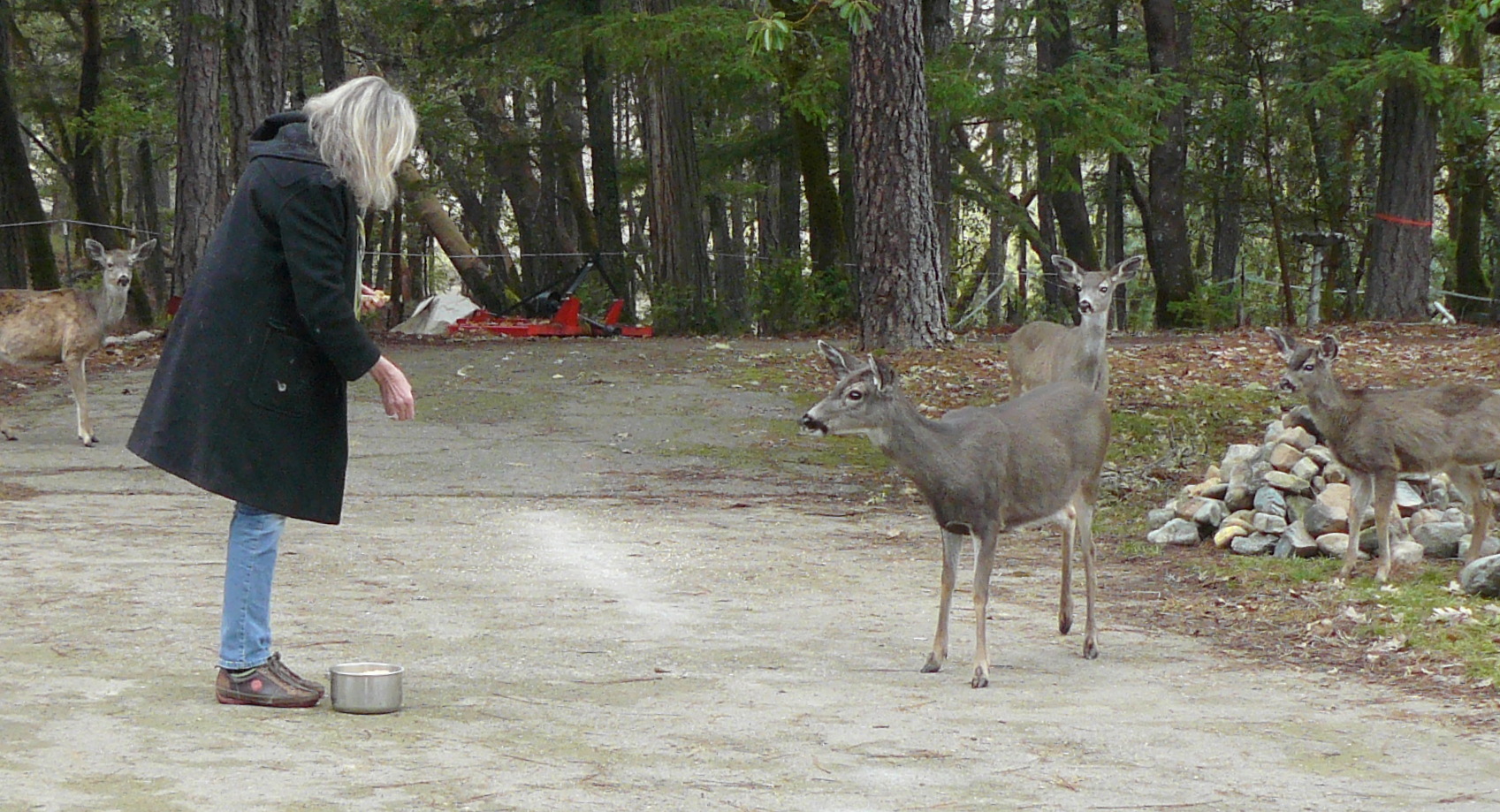
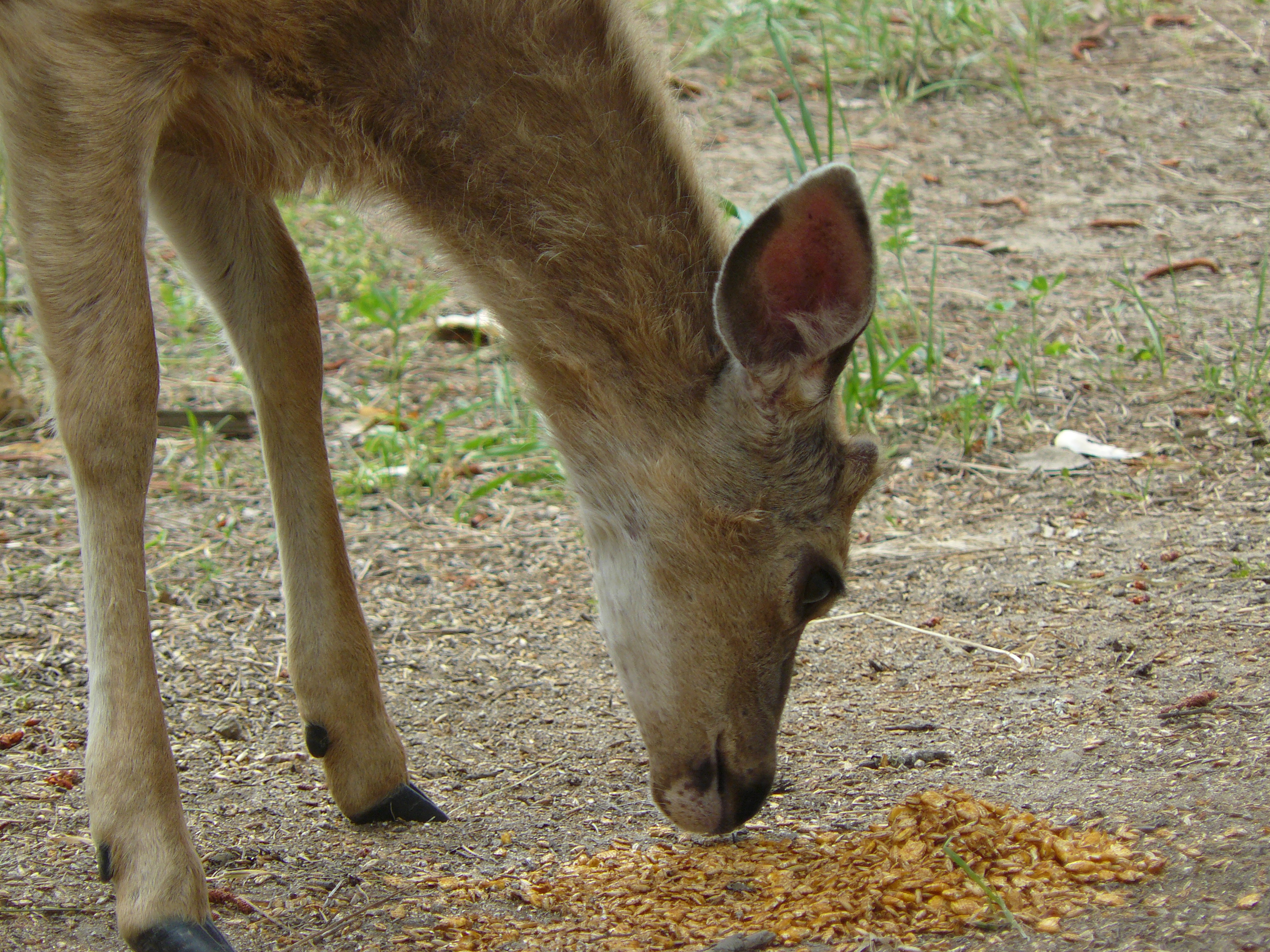
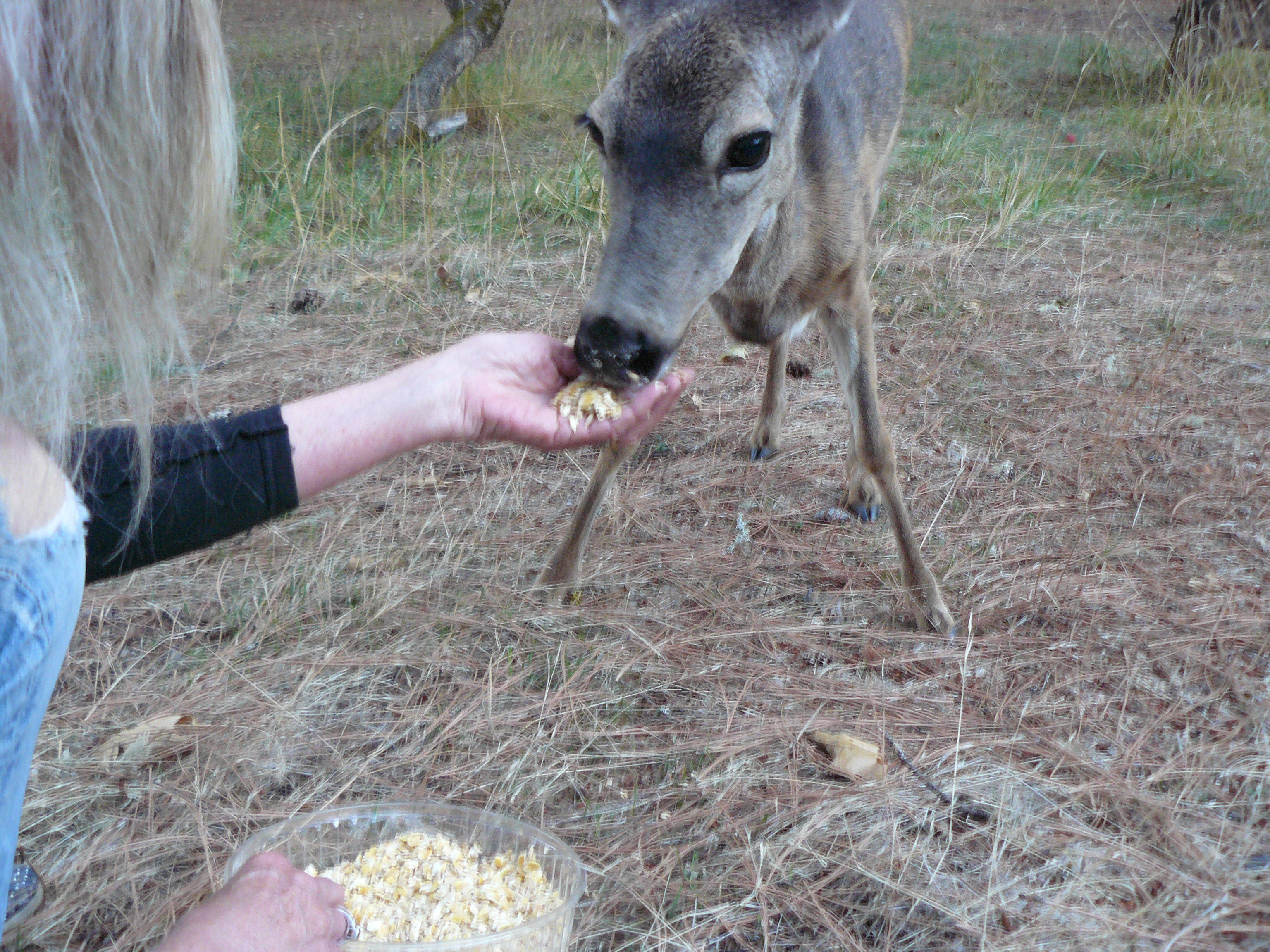
All these photographs of the deer, wild turkeys and the Harvest Moon were taken at home last Thursday. (NB: The turkeys were born on our property this last Spring.)

p1160464oooo

p1160456oooo

p1160461oooo

p1160455oooo

p1160462oooo

p1160457oooo

p1160466oooo

I sincerely hope that wherever you are in the world, assuming the Northern Hemisphere, you are having an evocative and peaceful Autumn, or Fall in American speak! (Barb – or Spring in ‘Down Under’ speak!)