Among the many dog-related blogs that I read is Treehugger. It covers a wide range of sustainable actions and habits and not infrequently writes about dogs. That is the main reason I follow the blog.
Kun-kun the border collie listens to language in an MRI machine. EnikÅ Kubinyi
You talk to your dog, and of course, you’re convinced your pup understands you. But what if a dog is plopped down in a place where suddenly everyone is speaking a different language?
In a new study, researchers have used brain imaging techniques to find that dogs can differentiate between familiar and unfamiliar languages. Researchers say the findings, from the Department of Ethology at Eötvös Loránd University in Hungary, are the first evidence that shows a non-human brain can distinguish between languages.1
A few years ago, first author Laura V. Cuaya moved from Mexico to Hungary for her postdoctoral research. Before the move, Cuaya’s border collie Kun-kun had only heard Spanish. She was curious whether he would notice that people in Budapest spoke a different language, Hungarian.2
“Like many dogs, Kun-kun tends to pay attention to humans, trying to predict their social environment,” Cuaya tells Treehugger.
“When we moved to Hungary, it was a whole new world for everyone. In Budapest, people are very friendly with dogs. When people talked to Kun-kun, I wondered if he picked up the language difference. And happily, this question fitted with the goals of the Neuroethology of Communication Lab.”
For their study, researchers recruited Kun-kun and 17 other dogs, who had been previously trained to lie still in a brain scanner for functional magnetic resonance imaging (fMRI).1
The dogs were played speech excerpts from “The Little Prince” in Spanish and Hungarian. Each of the dogs had heard only one of the two languages: Hungarian was the familiar language of 16 dogs, Spanish of the other two dogs. That allowed them to compare a very familiar language with a completely unfamiliar one.1
Researchers also played scrambled versions of the excerpts to the dogs. These were nonsensical and completely unnatural. This was to test whether they could tell the difference between speech and nonspeech.1
They compared the brain responses to the two different languages and to speech and nonspeech.
“We found distinct cerebral regions for both processes: for speech detection (speech vs. non-speech), the primary auditory cortex, and for language recognition (familiar language vs. unfamiliar language), the secondary auditory cortex,” Cuaya says.
“Our results may suggest a hierarchy processing in the dog’s brain to process speech. In the first stage, their brain would detect whether a sound is speech or not. Then, in the second stage, their brain would identify whether the speech is a familiar language or not.”
The results were published in the journal NeuroImage.
Exposure and Age
Researchers found that no matter which language the dogs were listening to, the primary auditory cortex of the dogs’ brains could distinguish between speech and scrambled, nonspeech.1
“Dog brains, like human brains, can distinguish between speech and nonspeech. But the mechanism underlying this speech detection ability may be different from speech sensitivity in humans: whereas human brains are specially tuned to speech, dog brains may simply detect the naturalness of the sound,” says Raúl Hernández-Pérez, coauthor of the study.
They also determined that dog brains could differentiate between Spanish and Hungarian. Those patterns were found in a different region of the brain called the secondary auditory cortex.1
Researchers found that the older the dog was, the better their brain was able to tell the difference between a familiar and unfamiliar language. That suggests that the longer dogs live with their people and are exposed to a language, the more they understand how their language sounds.1
“As we could not control the amount of exposure to language in our study, we used the dog age as an indirect measure of the time dogs have been exposed to a given language,” Cuaya says. “I hypothesize that dogs with a closer relationship with humans will better distinguish languages. It could be great if future studies test puppies to control the exposure to a language better.”
Dogs as Models
Researchers are curious whether this language differentiation is unique to dogs or whether other non-human animals may also be able to distinguish between languages.2
“A variety of auditory regularities characterizes each language. For example, sometimes, we cannot identify what language we are listening to. However, we can likely recognize its general origin (e.g., an Asian or Romance language) because of its auditory regularities,” Cuaya explains.
“Detecting regularities is something that brains do very well, not only humans or dogs’ brains. It is highly likely that other species can be trained to differentiate between languages successfully.”
But Cuaya points out that in their study, dogs weren’t “trained.”
“Their brains detected the difference spontaneously, perhaps due to the domestication process,” she says. “While it is likely that other species can differentiate between complex sounds, it is possible that just a few species are interested in the human language.”
Researchers believe the findings are important because by studying dogs, they can have a broader picture of the evolution of speech perception.2
“Dogs are an excellent model because they have been living—and cooperating—with humans for thousands of years. When we wonder if another species cares about what humans do, it is inevitable to think of dogs. In the case of language perception, we can learn, for example, that different brains—with different evolutive paths—can carry out a similar process,” Cuaya says.
“Also, as someone with dogs in my family, it is lovely to know that dogs are picking up subtle cues of their social environment all the time.”
2. first author Laura V. Cuaya from the Department of Ethology at Eötvös Loránd University in Hungary
ooOOoo
Time after time I learn new things about dogs. This is another example of the mystery of a dog’s brain. Thank goodness there is scientific study into our lovely animals.
A good friend of mine, Peter McCarthy, back in the UK, said that he had recently gone on to a supplement called Lion’s Mane. It is a supplement for keeping the cognition working and maintaining good brain function. Peter also mentioned a film called Fantastic Fungi that was available on Netflix.
At home we have Netflix and we watched the film. It was incredible, almost beyond words.
If you want to watch the official trailer then here it is:
The film is about the power of Mycelium. Here is an extract from Fungi Perfecti:
The activities of mycelium help heal and steer ecosystems on their evolutionary path, acting as a recycling mechanism to nourish other members of the ecological communities. By cycling nutrients through the food chain, mycelial networks benefit the soil and allow surrounding networks of plants and animals to survive and thrive.
Increasingly known as the “wood wide web”, mycelium can be found underfoot with nearly every footstep on a lawn, field, or forest floor. It has been concluded that as much as 90% of land plants are in a mutually beneficial relationship with mycelial networks. Without fungi – without mycelium – all ecosystems would fail.
Mycelium and mycological applications have enormous potential to benefit the health of both people and planet. We are committed to continuing our research efforts to find new and innovative ways to build bridges between mycological applications to both human and planetary health.
We can think of it in a way of finding the mother tree.
The film speaks of protecting the old-growth forest trees. So if you have old-growth trees nearby, do everything in your power to protect them.
Forest researcher and university professor Dr. Suzanne Simard has spent years studying trees. Her research led to the discovery that the forest’s plants and trees have an underground communication system, with trees and fungi cooperating. Her Ted talk brought her work to a larger audience, while her 200 articles in peer-reviewed journals shared her research findings with the larger science community. Now, she is releasing her first book Finding the Mother Tree, published by Penguin Random House.
‘This is not a book about how we can save the trees. This is a book about how the trees might save us’.
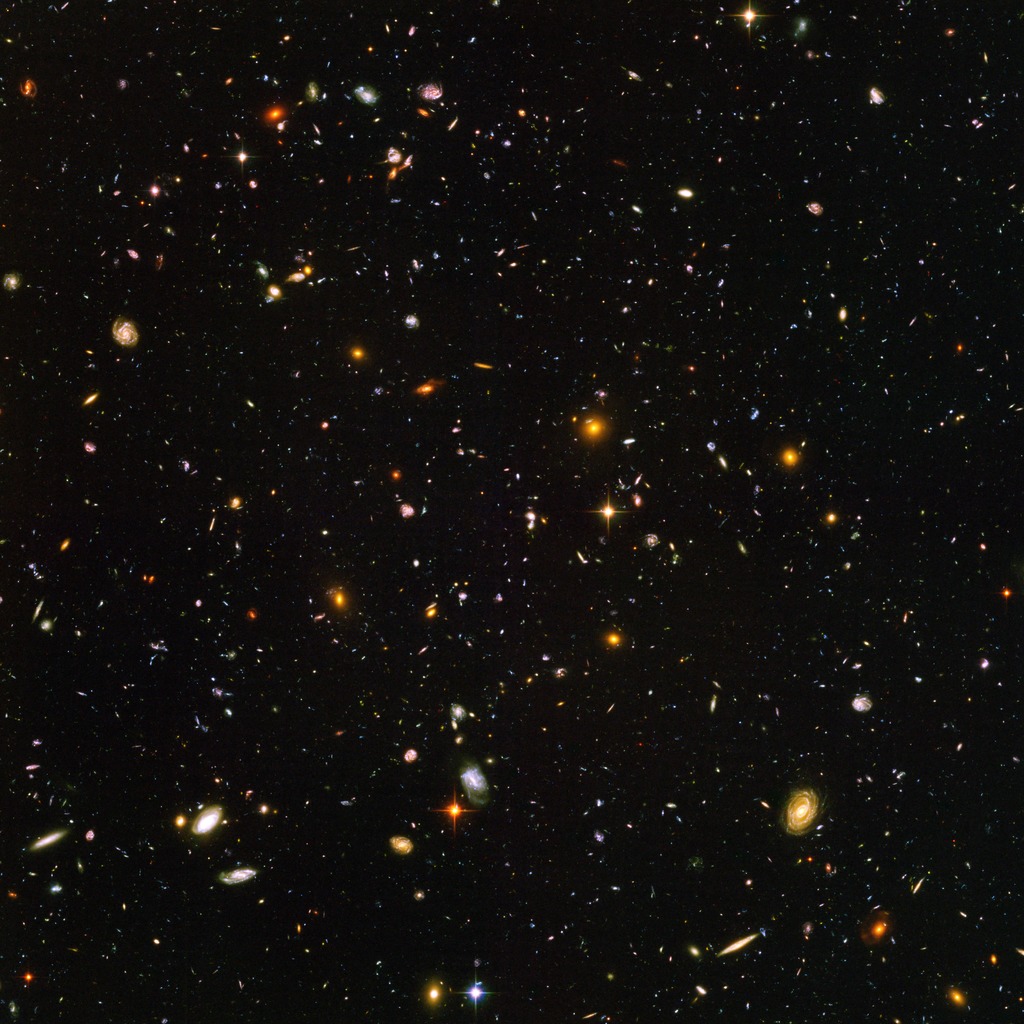
A beautiful example of humans in the supreme invention and deployment of JWST.
(A reminder that Tuesday is a ‘non-doggie’ day.)
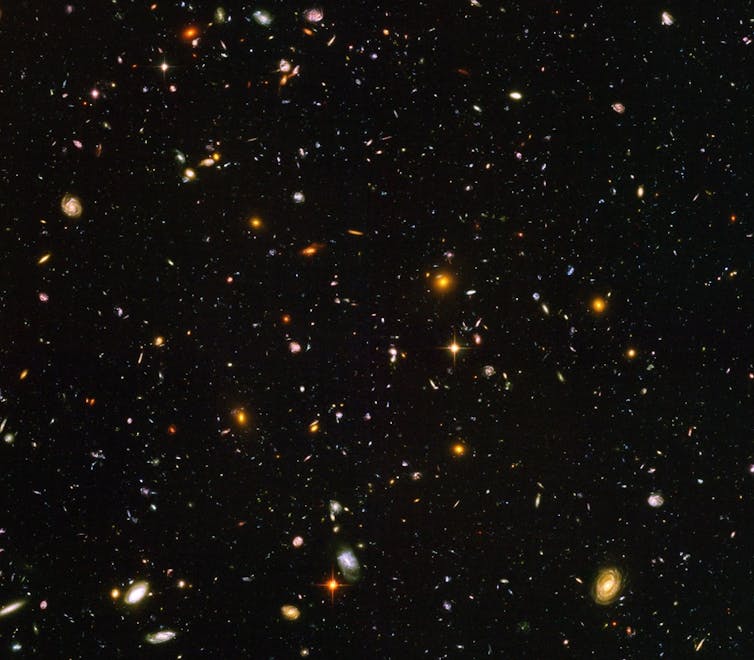
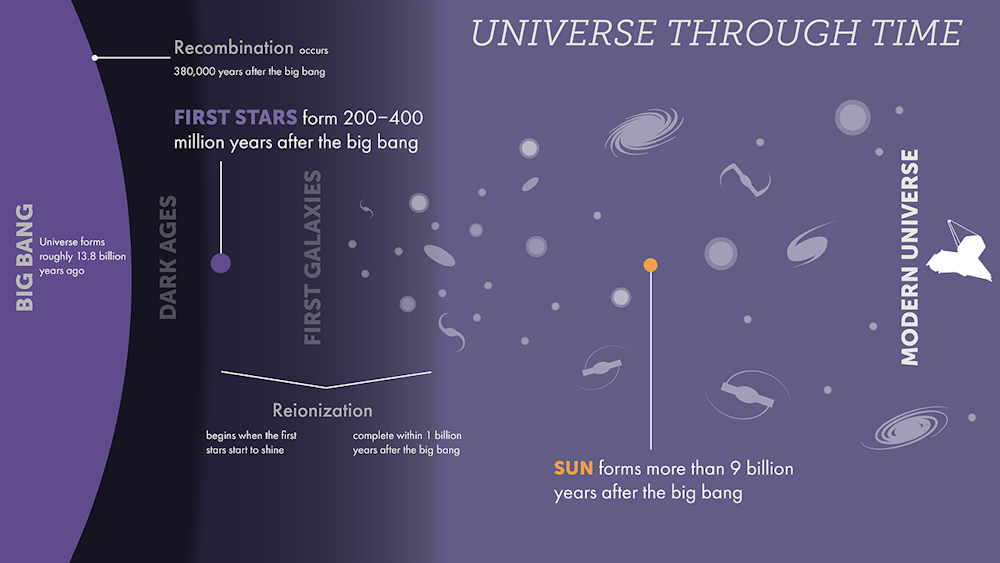
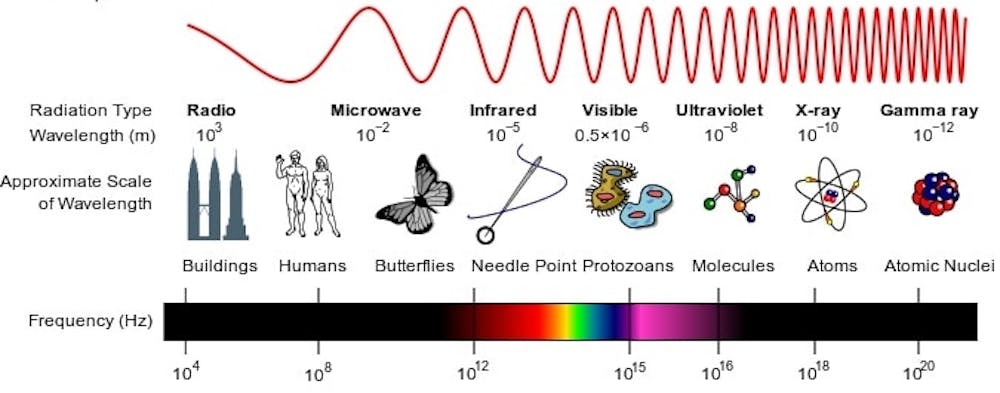
JWST is astounding. It will look back to the beginnings of the universe, just 200 million light-years after the Big Bang, or possibly further back in time. Because of the way that the universe stretches out and causes light to go red, as it were, JWST will be searching for images from the cosmos in the infrared.
I recently listened to a 30-minute programme on BBC Sounds. It was a BBC Discovery episode about the JWST. Recorded before the launch it was, nonetheless, a deeply fascinating programme about what JWST will be looking for.
The winter solstice, also called the hiemal solstice, hibernal solstice, and brumal solstice, occurs when either of Earth‘s poles reaches its maximum tilt away from the Sun. This happens twice yearly, once in each hemisphere (Northern and Southern). For that hemisphere, the winter solstice is the day with the shortest period of daylight and longest night of the year, when the Sun is at its lowest daily maximum elevation in the sky. Either pole experiences continuous darkness or twilight around its winter solstice. The opposite event is the summer solstice. Depending on the hemisphere’s winter solstice, at the Tropic of Cancer or Capricorn, the Sun reaches 90° below the observer’s horizon at solar midnight, to the nadir.
The winter solstice occurs during the hemisphere’s winter. In the Northern Hemisphere, this is the December solstice (usually December 21 or 22) and in the Southern Hemisphere, this is the June solstice (usually June 20 or 21). Although the winter solstice itself lasts only a moment, the term sometimes refers to the day on which it occurs. Other names are the “extreme of winter” (Dongzhi), or the “shortest day”. Since the 18th century, the term “midwinter” has sometimes been used synonymously with the winter solstice, although it carries other meanings as well. Traditionally, in many temperate regions, the winter solstice is seen as the middle of winter, but today in some countries and calendars, it is seen as the beginning of winter.
Since prehistory, the winter solstice has been seen as a significant time of year in many cultures, and has been marked by festivals and rituals. It marked the symbolic death and rebirth of the Sun. The seasonal significance of the winter solstice is in the reversal of the gradual lengthening of nights and shortening of days.
Later on, that article speaks of the Celtic history:
Celtic
Prior to the arrival of Christianity, the Celtic people of Britain celebrated Yule in a similar fashion to the Germanic festival. It is alleged that Celtic Druids began the tradition of the Yule Log, with the intention of driving out darkness, evil spirits, and poor luck in the following year. The Yule Log was intended to be kept alight over the entire solstice period, twelve days over which the sun was believed to stand still. The log being extinguished symbolised poor luck in the following year. Additionally, evergreen plants were used in decoration – of key significance are “The Holly and the Ivy”, used in decoration, and Mistletoe, suspended over a doorway in a token gesture of goodwill to all who passed under it. These traditions have been adopted into the Christian winter celebrations, symbolised by a mistletoe wreath placed on the front door to a building.
It is a most ancient celebration because as soon as humans recognised that this was the shortest day they were deeply respectful of the forces of the universe.
This is a cogent discussion article that was published back in July, 2013. Waiving Entropy is a blog that ranges across many aspects of life. As their About page states:
Waiving Entropy is a blog with humble aims. What began in 2011 as a gesture toward self-improvement evolved into a vitalizing outlet for creative expression. To write is to live more fully, and it has now become something I can scarcely imagine life without — a kind of formless, free-floating impulse that hovers about like a pregnant cloud. Fortunately, blogging is a kind of catharsis for the restless. Nothing eases an active mind like seeing your ideas materialize in a meaningful way in front of you, which is to say I write for myself first and foremost. This blog acts as both heat sink and hard drive, helping me offload scattered collections of thoughts and organize them into a coherent whole.
First, let me (with the help of WikiPedia) explain the difference between atheism and non-theism. It is in the form of a diagram:
As an atheist and former theist I am on occasion asked what it would take to change my mind on this central metaphysical question. What met conditions or circumstances would reincorporate into my worldview the conviction that God exists and, more specifically, that Christianity offers the best explanation for the world we observe?
However we may currently identify, and however strong our convictions in any one area, we must take these questions seriously. If we possess well considered reasons justifying our beliefs, then we should also consider possibilities that could weaken or undermine those beliefs. A worldview which can never be moved around, reconfigured into different shapes, is a worldview better characterized by creed and dogma than by epistemic openness and intellectual integrity. If we are to be responsible in our commitment to truth, our positions must ultimately be defeasible — open to revision in light of new information — lest we fall victim to playing tennis without the net.
With this in mind, my overriding approach is that a belief should be demonstrable on the weight of evidence and argument. If new information is forthcoming, if the evidence (or interpretation of that evidence) changes, or if arguments with greater explanatory scope and internal consistency are offered, it is our epistemic duty to honestly assess these new inputs and what it entails for our existing orientation. This is a basic feature used to build conclusions in philosophy and science and can be broadly exported to other areas of our discourse.
Before we dive in, it will be useful to clarify an oft-omitted distinction that tends to bog down discussions on this topic. The distinction is that between a “direct participant” deity — the god of theism — who intervenes in space and time and cares about how the drama of life plays out, and the noninterventionist, “absentee landlord” variety of deism. The latter is irrelevantbecause its existence and nonexistence are logically identical (from our perspective) and thus is not the focus of this essay. Rather, I will deal here with the former, a transcendent being that has a hand in the natural order and is in some sense involved in the affairs of humans. This is the territory of theism, the regime with the most relevance to our daily lives and metaphysical luggage.
The “God Hypothesis”
Contrary to some atheists, I don’t subscribe to the notion that there is, in principle or otherwise, a falsifiable “God hypothesis.” Refuting God is not like refuting the proposition All swans are white by finding a gaggle of black-plumaged swans in Scandinavia, thereby bringing us closer to the truth about the nature of swans. While I do think certain religious beliefs have been rendered untenable by the lights of modern science and historical inquiry, I don’t think we can definitively adjudge an entity’s nonexistence in the case of theism.
What we can do, however, is point out the lack of evidence where evidence ought to be — in other words, build an evidential case for nonexistence. And this is where popular conceptions of theism tend to break apart, because a god that intervenes in space and time is a god that is accessible to scientific study. In a world where Christians and other monotheists profess belief in a meddler god who influenced ancient texts, answers prayers, appoints semi-sane politicians to run for office, and worked all manner of miracles throughout history, the utter vacuum of evidence for such assertions begins to speak volumes. If demons and angels and spirits and souls were part of the furniture of reality, then their effects in the world should have been clearly documented by now. Given all that is attributed to these ethereal entities, this paradox should at the very least strike a person as strange.
Accordingly, though we may not be able to conclusively rule out the God of theism and his confederacy of celestial beings — à la Russell’s teapot — we can be reasonably confident that no such entities exist, in short, because things that don’t exist leave no evidence behind. They can’t, after all, because they don’t exist.
If we want to be more careful in our language here, rather than claim outright that God does not exist we can simply say that we see no good evidence for God, and therefore (recalling John Dewey) a verdict cannot be reached on the question unless and until good reasons to warrant the belief are found. It’s an important distinction, in the same way that a jury for a criminal trial either finds sufficient evidence to convict, or not. A ‘not guilty’ verdict does not mean the defendant is innocent, only that there is insufficient evidence to establish guilt.
The purpose here is to offer 20 examples that would move a jury, namely me, beyond reasonable doubt. In so doing, we will look at a number of expectations that could be considered consistent with the claim that God exists and then see how those expectations correspond to the world we actually observe. As noted above, most of the following will interface with the generic god of theism and in the process make direct contact with Christianity in particular. My personal view is that a wider appreciation of reality reveals a universe that does not appear the way we would expect if theism were true, leaving nonbelief as a supremely rational position to hold.
1. If evolution were false. That is to say, if our scientific understanding of the diversity of life were irreparably refuted. The theological challenge presented by common descent has less to do with any putative conflict between science and fundamentalist religion than the larger dissonance it poses for teleological value systems. Those who flippantly maintain that evolution and faith are compatible rarely come to terms with what the great Book of Nature really tells us: We are an evolutionary accident, an infinitesimal, stochastically produced whimper in a four billion-year chain of existence that when compressed to a single year has man emerging within the final fifteen minutes of the calendar. If we truly are God’s chosen — the foreordained purpose of all that is and ever will be — why so much time spent with “unensouled” microbes?
This can be a tough pill to swallow precisely because it taps into something more profound than clumsy interpretations of ancient texts. Not only do evolution and deep time blunt our cosmic significance, but its ends are achieved through the instrument of death. Within the context of natural selection, death is not an unnatural state but is in fact integral to the process: it is the mechanism by which less fit individuals are removed from the gene pool, allowing those left standing to carry on. The corrosive influence of this most foundational of scientific formalisms was perhaps best expressed in a letter to the editor popularized by the late Stephen Jay Gould:
“Pope John Paul II’s acceptance of evolution touches the doubt in my heart. The problem of pain and suffering in a world created by a God who is all love and light is hard enough to bear, even if one is a creationist. But at least a creationist can say that the original creation, coming from the hand of God was good, harmonious, innocent and gentle. What can one say about evolution, even a spiritual theory of evolution? Pain and suffering, mindless cruelty and terror are its means of creation. Evolution’s engine is the grinding of predatory teeth upon the screaming, living flesh and bones of prey…If evolution be true, my faith has rougher seas to sail.”
Those who prefer a “God-guided” evolutionary model, moreover, must contend with the abundance of suboptimal design and overt inefficiencies with which nature is replete. Classic examples like the recurrent laryngeal nerve and the crossing of the air and food passages in vertebrates seem far removed from the realized premeditated vision of a competent architect. And if we owe our presence here to the illimitable wisdom of a Master Engineer who populated the planet in special acts of creation — as alleged by literalist readers of Genesis — we would not expect the rampant dysteleology evident in nature any more than we would expect the indisputable genetic, embryological, paleontological, and biogeographic evidence pointing to common descent.
Far from suggesting humanity occupies the climax of any cosmic production, the available evidence suggests we are an accidental scene in an otherwise haphazardly produced drama. The privileged plank on which so many religions place humanity is permanently deposed through the lens of evolution. To believe that there is some discarnate, phantasmic agency out there that harbors deep concern for our species is perhaps the most delusional, nay, conceited notion one can countenance.
2. If God appeared to me or made its presence known to me. The canonical gospels of the Christian New Testament are filled with post-mortem appearances. Jesus is said to have appeared to Cephas (Saint Peter) and the apostles, and to more than 500 others. In the Hebrew Bible Yahweh appears to Moses so often the two are on a first-name basis. A god concerned about the affairs of its creation, about what we believe and our eventual destination, could appear to every one of us, convincing us instantly of its existence and preeminence — yet we are left only with silence. Indeed, a direct manifestation would very likely convince me posthaste, though I would of course first ensure that I had not been in a chemically induced or comatose state at the time.
3. If we were not made of “star stuff.” Imagine the human race were composed of material utterly foreign to the rest of the cosmos. Suppose that baked into our biology were elements or unique forms of matter or energy not found in any other species, or anywhere else in the universe. Such radical discontinuity would at the very least be tantalizing enough to wax poetic about our “specialness.” Drawing a straight line from here to Jesus would be rather naïve, as scientific inquiry could lead us to other, more mundane reasons for our sui generiscomposition. But this would be a good launching pad for theism.
As the science shows, however, there are universal inheritance patterns linking up the diversity of all life on Earth. The DNA and RNA found in all living things — from microbes and archaea to plants and mammals — are altered over time in response to changing circumstances, with more closely related kin sharing more features (and DNA) in common than more remote kin. Our bodies are littered with echoes of Homo sapiens’ evolutionary ancestry — from retroviral DNA, pseudogenes, and vestigial structures to the assortment of point mutations we share with our chimpanzee cousins. We all come from common clay, an inspiring and beautiful fact in its own right.
4. If a natural disaster were stopped in its tracks. There would be no explaining away a major cataclysm being miraculously averted, say, the tsunami which thumped the island of Sumatra in December 2004, laying waste to a quarter million people, 40% of which were children. A hurricane that mysteriously changed direction or an approaching asteroid that was inexplicably deflected away from Earth, trouncing the known laws of physics: divine involvement of this magnitude would likely blow the lid off my ideological center. By contrast, the biblical Yahweh saw fit to intervene on behalf of the fleeing Israelites by parting the Red Sea, and on behalf of Elisha by issuing flesh-hungry bears to maul his antagonizers. Alas, the God of the Bible has apparently grown lax over the years.
The problem of justice in a world created by a personal force remains unsolved, though certainly not unchallenged. The moral position on matters of avertable harms declares the bystander to be guilty, and as the eternal Bystander, God, should he exist, must be indicted as the worst offender of all.
5. If the efficacy of prayer could be conclusively demonstrated as superior to modern medical remedies. To date there have been several well-controlled, double-blind studies on the efficacy of prayer. In each of these studies, the null hypothesis was confirmed (i.e., prayer was shown to have no effect on patient condition). One of the largest and most significant of these studies was funded by the Templeton Foundation, who of course was trying to prove the opposite. Templeton solicited Christian petitioners across America and provided them with the first name and last initial of 1,802 patients to pray for. The whole unctuous affair lasted for months, and the results were published in the American Heart Journal in April 2006. No relationship observed.1
6. If we were to observe a true medical miracle. Qualifying phenomena include an amputee regrowing a limb — a capacity granted to starfish and many reptiles but not to us — or some other marvel outside the confines of our genetic toolkit. Or perhaps one of the millions of children who die every year being resurrected after declared death. Were the saints in Matthew more precious than these children, year after year?
Benny Hinn, Mind The Typo
7. If miracles like the ones crowding the Bible had occurred since the arrival of video cameras and modern methods of recording and preservation. Contrasting the Yahweh who intervened spectacularly in ancient times — taking up residence in a burning bush, raining fire down from the sky to establish Baal’s inferiority — or the Jesus who walked on water and transformed it into wine, with the utter absence of such enchanting productions following the arrival of video capture would seem to clinch the case against Judeo-Christianity almost singlehandedly. A falloff in miracle claims at precisely the moment our technology is capable of documenting them is not what we would expect were God as active in the world as many believers proclaim.
Frequency of miracles over time.
8. If we found two cultures who had independently received an identical revelation. As secular author David McAfee has noted, “If one religion were ‘true’, we would expect to see, even if only once in all of recorded history, a religious missionary that had stumbled upon a culture that shared the same revelations — brought forth by the same deity.”
Were we to discover that two uncontacted peoples inhabiting opposite ends of the planet worshipped the same god, lionized the same verbatim scriptures, and were bestowed duplicate revelations, this would strongly suggest divine origin or supernatural agency. Even more convincing would be the arrival of an extraterrestrial civilization that was found to have had an identical revelation to one here on Earth.
Meanwhile …
Instead, what we have found is that geography and birthparents are the leading predictors for religious affiliation. Which god one believes in and which values one adheres to are predominantly determined by the culture in which one happens to be born. This is not what we should expect if a single revelation had a more tactile connection to the truth. We find, moreover, that none of the major world religions sync up with one another; many are mutually contradictory, and even members of the same religion often disagree as much among themselves as they do with those of other faiths. Within the framework of personal revelation, we should expect more consensus in the realm of religious experience, with internal agreement and conversion rates tipped in favor of those claims with something real behind them.
Religious demographics are better explained anthropologically, in which cultural traditions, beliefs, and norms are largely rooted in that culture’s heritage and social environment. And this is as true now as it was in the ancient world. The biblical writers, like those of the Islamic, Buddhist, and Hindu scriptures, drew from and adapted existing ideas to speak to their particular historical perspective.
9. If divine messages were embedded within our mathematical or physical laws.Were we to find some hidden intelligible code in our numeral systems or field equations escaping all plausible coincidence, this might suggest a message from above. An example could be a discernible pattern located in pi‘s unending chain of decimals that only makes sense in the context of Hindu or Christian scriptures. Suppose the pattern could be cross-walked perfectly to our oldest biblical manuscripts in their original Hebrew or Greek to the extent that we could read the scriptures strictly from the decimals. Or perhaps a string of prime numbers that could not possibly have arisen by sheer chance and carried unmistakable signs of intelligence.2
This one is abstract, and astute sci-fi fans will recognize traces of these ideas from Carl Sagan’s 1985 novel Contact.
The Problem of Senseless Suffering
10. If there were not 10,000 different genetic disorders, and counting. The wrong DNA in the wrong place can prove fatal to those with lackluster genetic heritage. Maladies big and small, especially those occurring throughout one’s life, can usually be traced to irregularities in one or a combination of genes. Some gene-based diseases threaten our quality of life and beleaguer us daily, while others kill us outright with devastating effectiveness. Such malfunctions of our biological makeup account for more than 150,000 babies per year in the U.S. alone who die from birth defects during or shortly after birth. That’s 411 every single day that an all-powerful God must choose not to rescue.
Granted, these tragic circumstances are simply the result of evolution in action paired with imperfect cell repair mechanisms. Unless we were to short-circuit the very processes which keep us humming along, genetic mistakes will continue to be a part of life for the foreseeable future. But surely that doesn’t prevent God from tidying up some of the delinquent DNA we’ve accumulated across evolutionary time. Could a God who fashioned cellular superstructures not rid our species of this “natural evil” that nudges us toward mortality through no fault of our own?
11. If the infant mortality rate (IMR) dropped faster than could be accounted for by scientific advances.IMR is the total number of newborn babies who die under one year of age divided by the total number of births per year. Two hundred years ago, there was a 50 percent chance of your child not surviving past its first year. By 1850, IMR for babies born in America was 217 per 1,000 for whites and 340 for African Americans. By 1950, global IMR was down to 152 per 1,000 babies born (15.2 percent).
It is thanks to advancements in medicine and biomedical science that these numbers have been reduced to 4.3 percent today and continue to fall. Were this rate to experience a sudden sharp drop on a global scale that could not be explained by improvements in healthcare, it might just indicate that God is looking out for us and cares what happens down here.
Yet nothing like this has been observed. New life is still shuttered at staggering rates across the third world from malnutrition, infectious diseases, and a miscellany of genetic factors. One can only imagine how high these numbers have climbed historically, prior to when these types of records were kept. Salvation of these newborns has clearly been delivered by the hands of science, not by any god or goddess.
12. If the people of one religion experienced dramatically less suffering relative to all others. Consider that in 1990 around 12.6 million children died who were under the age of five. In 2011 the under-five toll was 7 million, and this figure is lower by about two-thirds compared with just a couple of centuries prior. One of the leading causes is malnourishment and starvation, which currently affects 800 million people — 11 percent of the world population — many of whom will not survive to the end of the year. Hunger alone accounts for more than a third of child mortality.
To put these figures in perspective, consider that every 4.5 seconds some under-five child will have died somewhere around the world. By the time you have finished reading this essay, and while men and women of faith are thanking God for parking spots and promotions, some several dozen children will have perished in misery, most likely from overwhelmingly Christian countries in sub-Saharan Africa. Yahweh is portrayed in the Bible as the Ultimate Provider, showering manna from the sky to nourish the Israelites in time of need. Once again, we see this deity has apparently grown more callous with time.
If a single faith group were special enough to reap God’s favor, we might expect different outcomes among the world’s religions. Against the harsh realities outlined above, we might see longer life expectancies, lower infant, child, and maternal mortality, fewer epidemics, and an overall higher quality of life for Jain-majority communities, say. Yet religion doesn’t seem to play a role in any of these factors, each of which are better predicted by geography, socioeconomic status, and access to healthcare. If anything it is non-religious societies which predominantly meet these conditions. Indeed, as Greg Gaffin writes in Anarchy Evolution: Faith, Science, and Bad Religion in a World Without God:
“By every objective measure, open, liberal, secular societies are healthier than closed, bigoted, superstitious ones. Countries with a high percentage of nonbelievers are among the freest, most stable, best educated, and healthiest nations on earth. When nations are ranked according to a Human Development Index, which measures such factors as life expectancy, literacy rates, and educational attainment, the five highest-ranked countries — Norway, Sweden, Australia, Canada, and the Netherlands — all have high degrees of nonbelief. Of the fifty countries at the bottom of the index, all are intensely religious.”
13. If we did not have such a somber record of mass extinctions. Our excavation of the past has revealed that the glamour and diversity of life on Earth was punctuated by great loss and collapse. Depending on how you count species, anywhere from 30 billion to 4,000 billion (that’s 4 trillion) have met their demise, which means that 99.99 percent of everything that has ever lived is no longer with us.
The most recent event was the Chicxulub impact marking the Cretaceous-Paleogene (K-Pg) boundary. This 10-mile wide asteroid not only laid the dinosaurs to rest but wiped out 75 percent of all extant species. Yet even this is eclipsed by the Permian-Triassic (P-Tr) extinction, the most ruinous event on record. Swings in climate and geologic activity around 252 mya saw 96 percent of all marine life and 70 percent of terrestrial vertebrates blink out of existence. In taxonomic terms, some 57 percent of all families and 83 percent of all genera along the tree of life went extinct, as did over 90 percent of all species sea, land, and air.
What is the most reasonable inference one can draw from these facts? I submit that an omniamorous creator god is about the last thing one would deduce from such information.
14. If our own species had not been jerked to the precipice of extinction multiple times in our relatively brief time on this planet. Consider man’s evolutionary past. Anatomically modern humans first arose around 200,000 years ago. For our ancestors, life was less a gift than a burdensome, calamitous, and affliction-laden existence. The absence of anything we would call medicine or quality of life meant death was a hurried and unrelenting affair, with average life expectancy hovering below age thirty.
Disasters such as the supervolcanoes of Yellowstone and Lake Toba, genetic diseases, epidemics, and virus outbreaks variously culled our population numbers to the low thousands in a series of bottlenecks that very nearly signaled the death knell for our species. At our nadir, we were but a few thousand casualties short of joining the 99.99 percent of other species in annihilation. And if events had proceeded a bit differently, we might not be here at all.
It was Ambrose Bierce who wrote: “Religions are conclusions for which the facts of nature supply no major premises.” Our universe is no idyll. Nature’s a serial killer, the boldest and most successful that’s ever lived. It’s clever, it’s ruthless, and it’s highly efficient. Indeed, it seems as if the universe was engineered for the express purpose of snuffing out life forms with unmetered brutality. Is such a universe consistent with a benevolent God?3
Christianity’s House of Cards
15. If the Bible were non-discrepant, free of error, and internally consistent. A central feature of revealed religion is that God authors books. He doesn’t code software. He doesn’t produce feature films or compose plays. Rather, within the narrative of Judeo-Christianity, God is said to have inspired a diverse collection of writings sometime between the years 1000 BCE and 135 CE. What might we expect of a corpus inspired by the Creator of the universe? Maybe not one riddled with contradictions and inconsistencies. Given the claims made on its behalf, we would expect to find a level of perfection which transcends that of ordinary, man-made works, and such excellence would be positive evidence in favor of those claims. We do not find this.
No religious texts pass this test.
16. If the Bible, or any purported holy text, contained prescient moral and scientific truths. What about matters of ethics and morality and insights about the physical world? Here again, given the extraordinary claims made on its behalf, the Bible should exhibit an ethical blueprint that transcends the rate of cultural evolution observed across history. Yet on issues such as slavery, the status of women, penalties for various innocuous (and imaginary) crimes, and the treatment of unbelievers, the biblical texts are found to be par for the Bronze Age course.
Consider the issue of slavery. In the time of St. Paul and the other New Testament writers, enslavement was a common and completely accepted social institution, as ubiquitous in Judea, Galilee, and the Roman Empire writ large as stock trading is to our own. What better opportunity to condemn in clear and certain terms and bring an early end to a practice that would haunt and oppress the underprivileged for the better part of the next two thousand years? Yet neither Paul nor any other biblical figure is recorded as saying anything in opposition. Not even Jesus, supposed moral exemplar to the stars, utters a word against slaveholding.4
Likewise, the Bible is bereft of insights about the universe: no scientific precocity, nothing that has stood the test of time. As Sam Harris has noted, there isn’t a single sentence in the Bible that could not be uttered by someone today or that could not have been uttered “by someone for whom a wheelbarrow would have been a breathtaking example of emerging technology.” If within the pages of the Bible or other (prescientific) text we were to find passages on DNA, electricity, principles of infectious disease, astronomical and cosmological truths, references to common descent and DNA, quarks, Higgs or other subatomic particles, then one could easily advance a sensible case for divine inspiration.
And it should be assessed like any other.
As it stands, the Bible, like other primitive works, is a product of its time. Its authors betray a manifest ignorance on matters pertaining to nature and ethical judgment, just as we would expect of a work sprung from the ancient world. The confluence of these problems casts considerable doubt on the very idea that the Judeo-Christian texts are of heavenly origin. If truly these were instructional messages vouchsafed to humanity by an all-knowledgeable, all-loving agency, we should expect to see the apotheosis of ethical counsel, the consummation of moral enlightenment, and the cutting edge in cosmic literacy. We do not find this.
17. If the biblical texts were purely preserved. Most Christians assume their nicely printed and bound book, conveniently translated into modern English idiom, contains the pure, unvarnished words passed down from their time of origin. This could not be further from the truth. In fact, we have not one of the autographs (originals) for any text in either the Old or New Testaments. As with any document from antiquity, the originals were lost or destroyed a long time ago. What survives are copies of the originals several centuries removed from their point of provenance.
When we compare the later manuscripts to our earliest witnesses, we find hundreds of thousands of variants, some material in nature (the alternate endings for Mark’s gospel, the Johanine Comma, the silencing and disesteeming of women in Paul’s epistles), some less so (innocent copy errors and the like). The evidence of our manuscript traditions confirms that these texts have been edited, revised, and redacted down through the centuries, often by way of mistake but also for theological and political motives, and the further back we go in the catalog the more errors that appear. If God deemed it prudent to deliver us a textbook of instruction, then why was the same care not taken in preserving it for us?
“For most people, the Bible is a non-problematic book. What people don’t realize is that they’re reading translations of texts, and we don’t have the originals. Given the circumstance that God didn’t preserve the words, the conclusion seemed inescapable to me that he hadn’t gone to the trouble of inspiring them.” —Bart Ehrman
18. If we had a more reliable historical record of the life and deeds of Jesus. As far as we know, Jesus didn’t leave any writings of his own behind, and neither did any of his disciples (who were most likely illiterate; see here and here) or anyone who knew him. Christians are often surprised to learn that we don’t actually know who wrote the gospels; the titles we see at the top today were added centuries later. The gospel accounts were written anonymously by Greek-speaking persons (read: not Aramaic) several decades after Jesus’ death.
To be fair, Jesus is hardly alone on this score. Our surviving sources for most historical figures are non-autographic, non-eyewitness, and in many cases irreconcilably contradictory. This does not mean historical reconstruction is impossible, but it does complicate the task. Where Jesus differs relative to most figures from the ancient world is, firstly, that accounts of him have come down to us in the form of the gospels, which are largely theological in nature. Particularly compared to other contemporary works by the Roman-era Josephus, Tacitus, Plutarch, or Suetonius, we are not reading rote history when we read the canonical material.
Second, many of the miracles attributed to him we would expect to be externally attested if they did in fact occur. Mark tells of a darkness which covered the earth upon Jesus’ last breath and is strangely specific as to its duration (from noon to three in the afternoon). Matthew describes a rock-splitting earthquake accompanied by a parade of corpses leaving empty tombs behind. Paul informs us that the resurrected Jesus appeared to more than five hundred people at once. Surely these goings-on made it into other writings of the day? Except nowhere outside the Bible do we find mention of any of these miraculous events. Not even the other New Testament writers mention them.
In fact, the only legitimate references we have to Jesus outside the New Testament canon are from the Jewish historian Josephus, writing around 93 CE, and the Roman senator-cum-historian Tacitus, writing in the second century. And neither make any mention of the miracle wonders front and center in the gospel narratives. Taken together, the scattered and contradictory nature of the historical sources calls into question any confidence surrounding the details of his life, leaving the truth about what he said and did largely inaccessible and uncertain.
It’s important to note here that such silence and contradiction are not evidence against the very existence of Jesus as a historical figure. The reality is that Jesus simply did not make that big a splash in his day. That the source material is so scant is only surprising or problematic if one subscribes to Jesus the miracle-worker as opposed to Jesus the obscure, illiterate, penniless Jew whose life was posthumously embellished by his most devoted followers. Thus the fact that we have no extra-canonical sources for Jesus’ miracles merely serves as evidence against the historicity of those miracles, not against the historicity of Jesus himself.5
19. If Christianity were not so divided and had not repeatedly found itself on the wrong side of history, all the while citing divine revelation. Christians claim their God embodies absolute morality, yet they are in absolute disagreement over what those morals are. One would expect a group with a direct landline to the Creator to agree upon moral matters. They do not. And they have not. With no modicum of irony, those with no religion tend to experience much greater unity on ethical matters than do religionists.
In the same way, Christians claim their faith is uniquely characterized by a relationship with God, yet they are in consummate disagreement over God’s nature and God’s will and basic Christian doctrine, testified by the 41,000+ denominations and splinter sects. When it would take the better part of a lifetime or two to sift through all of these non-negotiable disagreements and sub-disagreements, clearly we have missed the revelation. Is God not available for an air-clearing Q&A to set the record straight?
20. In a certain sense, the foregoing is ultimately beside the point. It stands to reason that an infinitely wise god that made entrance to heaven dependent on proper belief would know exactly what criteria each of us would require. An all-knowing god that craves certain convictions on the part of bipedal mammals and longs for our attention in the form of a personal relationship would doubtless find this essay of marginal utility. An infinitely capable god that cares sincerely about the safe haven of our souls would spare no expense, and leave no measure untaken, in ensuring our demands for evidence had been met.
That the god theists insist is real and present in our world has altogether failed to do so may point to the thin foundation on which these belief systems rest. A god that has made itself impossible to detect — that, indeed, has ostensibly crafted a universe using processes indistinguishable from nature itself — and neglected to act on our behalf when and where such intercession was most desperately needed, undercuts our expectations of a cosmos governed by a benevolent watchman.
“Fix reason firmly in her seat, and call to her tribunal every fact, every opinion. Question with boldness even the existence of a god; because if there be one he must approve of the homage of reason more than that of blindfolded fear.”
—Thomas Jefferson, letter to Peter Carr, 10 August 1787
I challenge my Christian friends to compile a similar list. If practicing theists were genuinely concerned with the truth of their beliefs, they should be able to replicate this exercise. What array of facts, happenings, or circumstances might it take to convince a theist of the truth of atheism?
Interestingly, in the single blind study (where the patients were aware they were being prayed for), the patient’s condition actually worsened. It is thought that anxiety crept in because the patients assumed they should be recovering since they were being prayed for, and when they didn’t, this stressed them out even more than the illness itself.[↩]
That the world contains too much suffering for it to be the creation of a good God is an idea dating back to the days of Epicurus. Often when the argument from evil is raised, the theist will respond by calling attention to all of the goodness and beauty in the world. Consider Van Gogh and Picasso, Roethke and Rachmaninov, Mozart and Chopin and Bach and Miles Davis, or Caravaggio and Rothko, they may intone. But can this not be turned around? To whom, then, should we be grateful for the likes of Elizabeth Bathory, Talat Pasha, Josef Mengele, Osama bin Laden, Adolf Hitler, Kim Il Sung, Nero, Caligula, Ivan the Terrible, Idi Amin, Pol Pot, or Vlad the Impaler?If you would count the former ensemble as evidence for God, in the interest of consistency is it not only fair you should count the latter cast as evidence against God? This thought experiment has been posed by a number of philosophers, including most recently Stephen Law in the form of the “Evil God Challenge” (YouTube animation here; foreword to a new book by John Zande here). The argument contends the following: If goodness is sufficient evidence to rule out the existence of a supremely evil being, then why isn’t evil sufficient evidence to rule out a supremely good being? Try though they might, theists cannot have their cake and eat it too.[↩]
As historian Morton Smith has argued: “There were innumerable slaves of the emperor and of the Roman State; the Jerusalem Temple owned slaves; the High Priest owned slaves (one of them lost an ear in Jesus’ arrest); all of the rich and almost all of the middle class owned slaves. So far as we are told, Jesus never attacked this practice. He took the state of affairs for granted and shaped his parables accordingly. As Jesus presents things, the main problem for the slaves is not to get free, but to win their master’s praise. There seem to have been slave revolts in Palestine and Jordan in Jesus’ youth (Josephus, Bellum, 2:55-65); a miracle-working leader of such a revolt would have attracted a large following. If Jesus had denounced slavery or promised liberation, we should almost certainly have heard of his doing it. We hear nothing, so the most likely supposition is that he said nothing.”[↩]
Myth and legend often, but not always, point to some historical kernel. Just because we have no good reasons to accept the fantastical claims attributed to St. Francis of Assisi, for example — on whose body it is said miraculously appeared stigmata impressed by a seraph with six wings — does not ipso facto give us reason to doubt the very existence of the figure behind them. Mythological accretion over time is common to sacred narratives, however historically rooted those narratives may originally have been. What I have found is that those who are quick to reject the consensus of scholarship (on any question, not just the historical Jesus question) do so because it is ideologically convenient for them to do so.From my perspective, the question “Did Jesus exist?” is an uninteresting one, and I would go so far as to say an irrelevant one, at least for the naturalist, because the question of historicity is subordinate to the much larger questions about supernaturalism, whether gods exist, and so forth. If we have good reasons for thinking the miracles and other supernatural contents of the gospels amount to fiction and fabrication, then should it matter that an itinerant, parabolic sermonizer was perambulating around Galilee two thousand years ago? If the figure to which the gospels point was exclusively human, endowed with no different attributes from you and I, then the question of historicity should strike the naturalist as trivial. If Jesus existed, he was simply another self-styled prophet about whom legendary stories developed. And if Jesus was merely an historicized amalgam of antecedent mythology, the naturalist position is no more or less secure.Of course, the Christian faith is pinned entirely on whether the gospel accounts are historically true as regards the nature of Jesus. So the better question is, “What kind of Jesus existed?” An answer to this question in line with Christian orthodoxy is very difficult to defend. Given how much of the gospel accounts is considered historically dubious — such as the fabrications surrounding Jesus’ birth, in which the Septuagint’s mistranslation of the Hebrew rendering for “young woman” in Isaiah was used by the author of Matthew to render ‘parthenos‘ (‘virgin’); the likely fictitious trial before Pontius Pilate; the three-hour darkness that apparently no contemporary observer noticed; the rock-splitting earthquake that history apparently felt apt to omit; the parades of corpses thronging the streets of Jerusalem for which there exists no extra-canonical account — what confidence do we have in the central tenets of Christian faith that have coalesced around the figure of Jesus, namely that he performed miracles in violation of physical law and physical causality culminating in that pinnacle of contra-physics known as the resurrection? Unfortunately, it doesn’t give us much confidence at all.In short, sure, a rabbi touting himself as the Messiah likely existed with some threadbare connection to the narratives in the gospels, along with the scores of other Messianic figures around that time period who and for whom were claimed many of the same things. But this isn’t what all the hubbub was ever about.
ooOOoo
Well if you have read to the end then you are to be congratulated.
I think it is the best argument that I have seen for the truth. I greatly admire the many people in the world that believe in some form of religion, especially in the USA, but as that quote above from Robert De Niro says: “If there is a God then he has a lot to answer for!”
Many years ago I found myself teaching at a unit attached to Exeter University. I was teaching sales and marketing. I can’t remember clearly the events that produced the meeting between myself and Chris Snuggs. But I recall the outcome.
Chris was the director of studies at a French institute named ISUGA. Let me borrow from their website:
The ISUGA Europe-Asia International BBA Bachelor’s degree is a 4-year cursus following the Baccalaureate or High School diploma which combines studying International Business and Marketing with learning an Asian or English language and comprising university exchange stays, as well as internships in French and International businesses.
ISUGA is located in Quimper, Western Brittany relatively close to Devon in England where I was living.
In Chris’ words: “It must have been through them that we got your name when we needed someone to teach Selling. Now I come to think of it, we HAD someone lined up for a whole week and he CANCELLED on us, so you were a last-minute replacement.”
For quite a few years I went across to Quimper to teach for Chris. Mainly by ferry from Plymouth to Roscoff. During the summer months I flew to Quimper from Exeter in our group-owned TB20. (The picture below is of the type only not our aircraft.)
A Socata TB20
Since that day we have remained in reasonable contact and I regard Chris as good friend.
A few days ago Chris published on his blog his account of his journey from Quimper back to Ramsgate, in east Kent. It was hilarious and I asked Chris if I could publish it and share with everyone.
Chris not only said yes but insisted on improving it (his words) including expanding it to what it is below.
So with no further ado, here is Chris’ post.
ooOOoo
“A DOG’s Travel Across Northern France” … as in “Doddering Old Git”
I am officially a “Senior Citizen”, but as such prefer much of what passes for “The Good Old Days” when in this case we were called “Old Age Pensioners” – MUCH less PC and wokeish AND more realistic – but DOGS sounds much better (and more informative) than OAPs.
A simple trip to Blighty to see the family for XMAS was not supposed to be a saga, but it turned out to be one:
Like ET, I was going home, though not quite as far – though it probably seemed like it.
I got about 3 hours sleep max Thursday night/Friday morning; worried about oversleeping even though I had THREE electronic wake-up devices.
I got up at 04:30 to finalize packing and clean up (the worst of) my mess.
I went out into the street in front of the house at 06:45 to await the taxi – it was raining, albeit not heavily.
The taxi was 5 minutes late, but the driver didn’t apologize. (I was going to say “woman driver” but I believe that sex differentiation is no longer allowed.)
I tried to help her (it, hir, shim?) load my heavy suitcase into *** boot (car, not footwear).
I lightly touched the car with the suitcase, and shim said: “Mind my car. Your suitcase is too heavy.”
I nearly said: “So are you, but it’s probably your hormones or your genes.” but decided that discretion was the better part of insult as I had to catch a train ……
We got to the station in plenty of time, only for me then to find that the train was due to go from platform C (usually it’s A as you leave the entrance hall).
I then found out/remembered that there is no lift at Quimper station. “This is not going to be my day,” I thought …
As I approached the stairs down to the access tunnel, I pretended to be a Doddery Old Git on the point of collapse (no comments please) and a nice young man helped me with the case.
Same procedure with a different bloke to go up to platform C. I actually tried this ploy with a pretty young lady first, but just got a funny look ….
Eventually got onto the right and very crowded train; my “This is not a gasmask” COVID mask was very reassuring as the virus probably had a field day circulating the carriage. I got some more funny looks, but two people asked me where I got my mask, so I am thinking of merchandising them ….
Got to Paris 4 hours later – showed a railway worker my little map where the taxi was supposed to be waiting and he pointed me in direction X saying authoritatively: “Tout au bout.” (“right at the end” for those who left school at 14).
Seemed a bit iffy to me (I vaguely remembered having gone somewhere else the last time I had done the journey, but couldn’t remember where. Does that happen to you?), but I followed his directions in the obviously-idiotic belief that someone actually working in a place would know where the taxis would be.
Of course, there was no sign of a taxi area at the distant far end of the HUGE Montparnasse Station, so I asked another railway bod.
He pointed in the 180° opposite direction and said the same as the first bloke, so I had to retrace my steps and go another 200 metres past where I had started to one of the no doubt multiple exits.
On exiting I was surrounded by some Middle Eastern gentlemen (without beards as it happens) who were desperate to take me somewhere.
I told them I had booked a taxi already and they suddenly lost interest.
I then got a call on my posh new mobile, but as with every other mobile I have ever owned it is specifically designed so that one cannot easily answer a call – first there is always some other leftover screen on the thing which by the time you have got rid of the caller has given up, and second you have to SWIPE to even see a green button which you then press – and I don’t know who invented SWIPE but hanging, drawing and quartering while being burned alive in oil over a period of several hours would be a suitable punishment.
This was all way beyond me, so I missed the call.
Miraculously, however, I did manage to call back and it was in fact the driver.
After two or three calls in each direction we managed to find each other physically as well as phonally.
We set off for La Gare du Nord, which should be about 15 minutes max by road – but it took us an hour and a quarter … (This was Paris in the rain on Friday at lunchtime – but I did learn a few new French swearwords from the driver.)
Fortunately, I had plenty of time between trains and so managed to find and embark on my TER to Calais.
This was an uneventful trip except that I was opposite a young mother with an inquisitive baby who kept looking at me for some reason (the baby not the woman ….).
I thought about playing with the baby but did not want to be arrested as a paedophile. I did plonk a small orange on the little table between us thinking she might want to play with it, but I got a funny look from her mother …. so I picked it up (the orange not the baby) and ate it – getting more funny looks. Strange … I get that all the time.
There was no internet on the TER so I tried to doze, but dozing with a high-decibel baby one metre away is a skill I have not yet mastered – and probably never will.
Arrived at Calais station – it took me 10 minutes to find the lift to get to the exit: in fact, one has to be led across an actual line by a railway bod and then take the lift – which is conveniently hidden.
But once outside the station I got a taxi right away. (a rare plus chalked up!)
I was dropped at the port outside a little hut marked “Billets”: (“tickets” for the linguistically-challenged).
This was weird – there used to be a big hall full of foot-passengers, but it has all changed – there IS a big hall, but it is empty except for two WWI biplanes. “Perhaps they want to fly us over?” I thought.
Went into the ticket office to be told my boat was cancelled (no explanation was offered) and they would try to get me on the next one. I never did understand why they would “try” (there was hardly anyone else there), but it seems they had to wait for a phone call.
It was a very small cabin with four guichets (Would you like a French dictionary for XMAS?) and three simple chairs, on one of which – after having my particulars scrutinized and recorded – I was invited to sit – which I did, not sure whether I should show appreciation or keep going with the scowl I could feel coming on ….
Behind the desks several women came and went, but spent all the time yacking to one another about women stuff while three of us sat waiting in stony and in my case exhausted silence (it was by now 18:00 and I had been up since 04:30).
I eventually got up and complained, something that comes naturally to we DOGs. I said I did not understand the delay, that I needed a coffee and a toilet break and that the least they could do was install some beds in their little office for those in my situation (and condition) who had to wait overnight for information about getting on a replacement ferry. I wanted to add a question about whether they had been trained in defibrillation techniques but by then I had run out of breath.
The charming young lady smiled and said they had none of the things that might alleviate my stress (adding the word “understandable” would have been nice) but that the large hall opposite might be open, and if not she could lend me a key to open it and visit the convenience.
I couldn’t be bothered to try to work out why she wouldn’t know whether the hall was open or not and that what I in fact most urgently needed was to get out of there without bothering with keys I would probably lose – which I did.
I then walked round the large hall three or four times admiring the WWI planes and wondering if the Red Baron had ever flown one of them. The fresh air and exercise refill renewed the oxygen supply to my needy brain.
I eventually staggered back to the ticket office and sat down on my hard chair again. I was tempted to feign a loud snore but as with the taxi driver in the morning decided that discretion was the better part of valour.
15 minutes later a phone call came and I was summoned to the guichet and given my ticket.
“Great,” I thought. “At last we can get outta here.”
THEN she told us that in 40 minutes someone would come to drive us to the boat.
I was fast losing the will to live, but thought that another dose of circling the large airplane hall might at least get my blood circulating again.
I told her where I was going and mentioned the hall and the planes (to be fair she did laugh at my joke about flying us across the Channel), but said: “That’s all run by the Chamber of Commerce.”, and of course we all know that no lunacy is beyond THAT organization.
I left after asking if she could send out a rescue party if I did not return – and she smiled again …. Smiles don’t of course achieve anything practical but they do at least make the pain somewhat more tolerable.
I came back half an hour later, having admired the bi-planes once again and wondered whether the Red Baron had ever flown one – and indeed a lady driver soon turned up as predicted to drive us to the boat. (another rare plus chalked up …)
We had to go up and down two or three kerbs (nowhere lowered for people to wheel their too-heavy suitcases) and eventually got onto a bus.
Had to go up a multiply-zig-zagged ramp to get onto the boat, but I played the Doddery Old Git card again and someone helped with my case.
I had thought of taking my walking-stick on this trip to boost the DOG sympathy factor, but could not work out how I could possibly carry it simultaneously with the rest of my baggage.
I asked a boatbod what time we would be leaving and then arrive in Dover, and he said: “in 15 minutes and 20:00.”
40 minutes later we still had not left, so I asked someone else when we would be leaving and was told in 15 minutes.
We actually left 30 minutes later, and I decided that being 100% wrong in a prediction was not actually that bad as these things go.
When I asked yet anOTHER bod WHY there had been another delay he just rolled his eyes and said something about the Captain which I didn’t understand – but was past caring.
Ten minutes later I asked the next available bod what time we would arrive in Dover and was told 20:30.
This was well past the time my taxi was booked, so I called to inform Eddy, the driver.
Fortunately, making calls on mobiles is easier than receiving them, so that was OK.
On the boat I got talking to a foot-passenger couple (there were only EIGHT of us!).
They were very nice and I gave them Taxi Supremo Andy’s phone number as they had nothing arranged for their arrival.
When we eventually got to Dover, there were no more checks (even though they made us walk through a maze of corridors in the totally empty border-control and customs instead of going straight to the taxi area – maybe they were filming us secretly?) and we eventually got to where I hoped to find Eddy the Driver.
However, there are huge roadworks going on just inside the port entrance and all the usual roads are blocked off and/or rerouted.
There was of course no sign of Eddy – OR any other taxis. Foot-passengers have a VERY low priority …..
Grateful for my phone once again, I called Eddy who said he was ALREADY in the port but had got lost.
Taxi-drivers getting lost is a bit ominous, so I assumed he was even more of a DOG than I am. Still, we DOGs have to stick together …..
I told him where we were ….. right near the entrance just past the roundabout at the bottom of the long clifftop descent to the port. For those who know Dover this is the easiest part of the entire port (or indeed of England) to find …..
Three exchanged calls later we finally met up physically as well as phonally – which was a reminder of Paris. In future, I am going to fix a GPS signal to myself and ensure my driver has military-standard tracking equipment. Perhaps Nathalie can arrange that?
Eddy was as suspected a bit of a DOG – but like me, very nice …… I asked if he could drop off my friends from the boat at Dover railway station before taking me back to Ramsgate – which he agreed to.
So we took them up the road to the station, where they unloaded their stuff from the boot.
I did think about getting out to check they didn’t take any of my four bits of luggage, but I was very tired and also thought that it would be impossible to confuse the grotty things I was carrying with any of their posh stuff from Parisian shops.
They gave Eddy an extra £8 for the slight detour. As I said they were very nice even if the lady’s perception and memory banks were highly undeveloped.
We then at last set off for Ramsgate, but Eddy took a wrong turn and we ended up driving towards Canterbury.
It takes a really advanced stage of dodderation to get lost driving from Dover to Ramsgate, so I will be contacting “The Guinness Book of Records”.
I decided against advising Eddy to do a U-turn in the pitch dark, and after driving four miles up a dual-carriageway we eventually got to a roundabout, retraced our wheels and made our way back to Dover.
Miraculously finding the right road to Ramsgate this time, we set off on the last lap. By now I was desperately hanging onto life by a thread.
Halfway to Ramsgate Eddy got a call from Taxiboss Andy’s Missus:
“The couple you dropped off at the station just rang; it seems they have got a package belonging to one of the other passengers.” ME! NO, I AM NOT MAKING THIS UP …..
…. but they were nice people and apparently said they would wait at the station for us to come and pick up the bag.
I tried to keep calm, but remembered Einstein’s famous dictum. (SEE BELOW)
We stopped to check the boot and I saw that they had taken a plastic bag with two boxes of wine for my sister Maggie and another box of boiled eggs and fishsticks essential for my diet.
I asked Eddy if he minded going back, and he agreed to instantly – even without being promised any more dosh.
So back we went to the station, picked up the bag and Eddy collected another £10 for his trouble. (As I said, nice people …)
Off we set for Ramsgate again, and this time Eddy did not get lost ……. even we DOGs are capable of learning.
I eventually got to Ramsgate around 22:30 instead of the anticipated 20:00 – and of course I felt obliged to give Eddy a generous tip even though he DID get lost twice. Actually, everything in France had gone pretty smoothly as planned; it only went really tits-up when we got to Dover. I of course blame BREXIT ……
How was your day?
PS No insult to real dogs is intended in this account. As we know, if the world were ruled by dogs we would all be safer and happier, though the absence of tv and the internet would be a shame.
PPS I was fortunate to be able to employ Paul for brief periods over a number of years to teach business students about Selling and Marketing during my time as Director of Studies of a business school in France. His teaching was highly impressive, but even more so his habit of flying his own plane to Quimper. In this and many other ways he was and remains unique. As I told the students: “Listen to Paul’s advice and one day you will fly your own plane.”
There have been two recent articles on head-tilting in dogs. One was published by Springer Link and was a scientific report; the Abstract as follows:
Little is known about head-tilts in dogs. Based on previous investigations on the head turning and the lateralised brain pattern of human speech processing in dogs, we hypothesised that head-tilts may be related to increased attention and could be explained by lateralised mental functions. We observed 40 dogs during object-label knowledge tests and analysed head-tilts occurring while listening to humans requesting verbally to fetch a familiar toy. Our results indicate that only dogs that had learned the name of the objects tilted their heads frequently. Besides, the side of the tilt was stable across several months and tests. Thus, we suggest a relationship between head-tilting and processing relevant, meaningful stimuli.
The other report was a more easy read, so to speak, and is from Treehugger and that is the one that I shall share with you.
Ask your dog a question, and there’s a good chance he’ll tilt his head as he ponders his response.
The head tilt is a cute canine maneuver that gives the impression your pup is paying attention to you. But there’s been little scientific research analyzing the behavior.
In a new study of “gifted” dogs, researchers found that dogs that can easily learn the names of their toys tilt their heads when their owners ask them to fetch a specific toy. And they typically tilt their heads consistently to the same side.1
Data was collected during the Genius Dog Challenge, a series of experiments that were broadcast on social media, showing dogs retrieving their toys by name. The information was also collected during an earlier study that researched how some dogs are able to learn the names of many of their toys.2
These dogs were dubbed “gifted word learners” by researchers.
“We started studying this phenomenon after we realised that all of us observed this behaviour very often when we were testing the gifted word learner (GWL) dogs,” lead researcher Andrea Sommese, from the Family Dog Project at the Eötvös Loránd University in Budapest, tells Treehugger.
“It’s such a cute, common behaviour but we didn’t know why our dogs were doing it and most of all, why so often!”
Gifted Learners
For their work, researchers searched globally for two years, looking for dogs that had the ability to quickly memorize the names of their toys. They also created the Genius Dog Challenge, a research project and social media campaign, to find even more brilliant pups.3
They found six border collies that live in different countries, who all learned toy names just while playing with their owners. For the challenge, these gifted word learners had a week to learn the names of six toys. During the second stage, they had a week to try to learn the names of a dozen toys.4
“In all our experiments we found that the GWL dogs were tilting the head very often. It wasn’t just during the challenge but also when we were testing them every month,” Sommese says.
“We believe that there is a relationship between head tilting and processing relevant, and meaningful stimuli as our GWL dogs only showed this behaviour during the test when their owners were saying the name of a toy.”
In one experiment, researchers observed 40 dogs for three months as they attempted to learn the names of two new toys. The dogs sat or stood in front of their owners when they were asked to fetch one of the toys by pronouncing its name. (For example, “bring rope!”) The dogs would then go to another room and attempt to retrieve the correct toy.1
The researchers found that the gifted word learner dogs tilted their heads 43% of the time versus the typical dogs that only tilted in 2% of trials.1
Dogs, horses, and other animals—including humans—show asymmetry in the way they perceive the world around them. They prefer one ear, eye, hand (or paw) over the other when interacting with the environment.5
“A typical way to show asymmetry, especially in humans, is handedness. Most of us are right-handed but there are still left-handed people around. The same can happen to animals,” Sommese says.
“Of course, it doesn’t always have to be a ‘hand’ or a paw in their case, it can be an eye or an ear. For instance, in dogs, even the inclination their tails have when they’re wagging is a sign of asymmetrical behaviour.”
In the study, researchers found that the dogs also showed asymmetry, nearly always tilting their heads to the same side.1
What About Typical Dogs?
Researchers say the findings suggest there’s a connection between head tilting and processing relevant and meaningful stimuli.5
But their results are limited because they only studied these brilliant pups who have learned toy names.
“Even if typical dogs are not able to learn the names of many toys as we showed with our previous study, typical dogs still tilt their head,” Sommese says. “It seems that even in them this might be in response to meaningful stimuli—but we don’t know what meaningful means for a typical dog just yet.”
lead researcher Andrea Sommese, from the Family Dog Project at the Eötvös Loránd University in Budapest
ooOOoo
Now I see The Smithsonian magazine has jumped on the bandwagon. Here is a small piece from their article:
“The next step is asking more questions to get at what the head tilt really means,” says Monique Udell, a human-animal interaction researcher at Oregon State University who wasn’t involved in the work, to Rachel Fritts of Science. “Can we use head tilting to predict word-learning aptitude, or attention, or memory?”
But The Smithsonian has to be thanked for mentioning Monique Udell because one can quickly find her details:
Monique Udell
Dr. Udell is the Director of the Human-Animal Interaction Laboratory and teaches courses on Animal Behavior & Cognition, Applied Animal Behavior, Animal Learning, Behavior Modification and Enrichment within the Department of Animal & Rangeland Sciences at OSU.
Her research interests include:
Human-animal interactions & bonding, including animal training and animal assisted intervention programs aimed at improving the lives of humans and animals through mutually beneficial interactions.
Lifetime and evolutionary factors influencing the social development and wellbeing of canines (dogs and wolves), domestic cats, and other captive and domesticated species.
Evaluating and improving the welfare of animals living as companion, working, or production animals.
More details can be found at the Human-Animal Interaction lab website: TheHumanAnimalBond.com
A pup out for a stroll, without paws touching the ground. Shelly Volsche, CC BY-ND
Have you noticed more cats riding in strollers lately? Or bumper stickers that read, “I love my granddogs”? You’re not imagining it. More people are investing serious time, money and attention in their pets.
It looks an awful lot like parenting, but of pets, not people.
Can this kind of caregiving toward animals really be considered parenting? Or is something else going on here?
I’m an anthropologist who studies human-animal interactions, a field known as anthrozoology. I want to better understand the behavior of pet parenting by people from the perspective of evolutionary science. After all, cultural norms and evolutionary biology both suggest people should focus on raising their own children, not animals of a completely different species.
More child-free people, more pet parents
The current moment is unique in human history. Many societies, including the U.S., are experiencing major changes in how people live, work and socialize. Fertility rates are low, and people have more flexibility in how they choose to live their lives. These factors can lead people to further their education and value defining oneself as an individual over family obligations. With basics taken care of, people can focus on higher order psychological needs like feelings of achievement and a sense of purpose.
The scene is set for people to actively choose to focus on pets instead of children.
In earlier research, I interviewed 28 self-identified child-free pet owners to better understand how they relate to their animals. These individuals pointedly shared that they had actively chosen cats and dogs instead of children. In many cases, their use of parent-child relational terms – calling themselves a pet’s “mom” for instance – was simply shorthand.
They emphasized fulfilling the species-specific needs of their dogs and cats. For example, they might fulfill the animal’s need to forage by feeding meals using a food puzzle, while most children are fed at the table. These pet owners acknowledged differences in the nutrition, socialization and learning needs of animals versus children. They were not unthinkingly replacing human children with “fur babies” by treating them like small, furry humans.
Pet parents might celebrate their dog’s big day – but with a doggy treat and not chocolate cake. fotostorm/E+ via Getty Images
Yet, these findings still do not answer this question: Are people who choose pets over children truly parenting their pets? To answer, I turned to the evolution of parenting and caregiving.
Evolutionary anthropologist Sarah Hardy wrote in 2009 that humans are cooperative breeders. This means it is literally in our DNA and our ancestral history to help care for offspring who are not our own. Anthropologists and biologists call this trait alloparenting. It is an evolutionary adaptation that helped human beings who cooperatively raised children survive. For early humans, this ancient environment was likely made up of small, foraging societies in which some people exchanged child care for food and other resources.
I propose that it is this evolutionary history that explains pet parenting. If people evolved to alloparent, and our environment is now making caring for children more difficult or less appealing to some, it makes sense for people to alloparent other species entering their homes. Alloparenting companion animals can offer a way to fulfill the evolved need to nurture while reducing the investment of time, money and emotional energy compared to raising children.
To further understand this phenomenon of child-free adults parenting pets, I launched an online survey via social media, seeking responses from U.S.-based dog and cat owners over the age of 18. The survey included questions about attachment and caregiving behaviors using the Lexington Attachment to Pets Scale. It also asked a series of questions I developed to probe specific human caretaking behaviors oriented toward pets – things like feeding, bathing and training – as well as how much autonomy companion animals had in the home.
The final sample of 917 respondents included 620 parents, 254 nonparents and 43 people who were undecided or did not answer. Most of the respondents were also married or in a domestic partnership for over one year (57%), between the ages of 25 and 60 (72%) and had at least a bachelor’s degree (77%). They were also mostly women (85%) and heterosexual (85%), a common situation in human-animal interactions research.
Both parents and nonparents reported high amounts of training and play with their pets. This finding makes sense given that all pet owners need to help their dogs and cats learn how to navigate a human world. Survey respondents reported socializing, training and enrichment, including play, for their animals.
Nonparents were more likely to be the one providing general care for the animal. This finding also makes sense since parents often adopt or purchase companion animals as a way to help their children learn responsibility and to care for others. Child-free animal owners invest time, money and emotional energy directly in their pets.
Nonparents reported higher rates of general attachment to their animals. They more frequently viewed their pets as individuals. Nonparents were also more likely to use family terms such as “parent,” “child,” “kids” and “guardians” when referring to their relationships with their pet.
It is this difference, combined with the evidence from my earlier research that these individuals address the species-specific needs of the dogs and cats in their care, that suggests pet parenting is, truly, parenting pets. Though the details may look quite different – attending training classes instead of school functions, or providing smell walks for dogs instead of coloring books for children – both practices fulfill the same evolved function. Whether child or pet, people are meeting the same evolved need to care for, teach and love a sentient other.
My colleagues and I continue to collect data from all over the world about how people live with animals. For now, this study provides evidence that, perhaps rather than being evolved to parent, humans are evolved to nurture. And as a result, who and when we parent is much more flexible than you might initially believe.
Shelly does a fabulous job of looking more closely at the science and it is a science that has a very wide appeal. For in the UK, according to the RSPCA, “In the UK, it’s estimated that 12 million (44 percent of) households have pets with around 51 million pets owned.“
Here in America The Washington Post reported that: “Google the U.S. pet population, and you’re quickly confronted with two oft-cited, and contradictory, sources. The American Pet Products Association (APPA) found that 68 percent of U.S. households owned some sort of pet in 2016 — “equal to the highest level ever reported,” it gushed in the executive summary. Among those pets were about 90 million dogs and 94 million cats, the group said.“
That is just two countries. The worldwide population of dogs and cats must be gigantic.
James Dean was an American actor. He was killed in a highway accident on September 30, 1955. But he left a quote:
Dream as if you’ll live forever. Live as if you’ll die today.
My article today is yet another one from The Dodo. It was published in early August this year and I am surprised that I have not shared it before. It is whether dogs dream or not.
There’s nothing cuter than when your dog’s little paws are twitching in her sleep.
But it’s probably made you wonder: Is your dog actually dreaming?
The Dodo spoke with Dr. Megan Dundas, veterinarian and practice owner at Lincolndale Veterinary Center in New York, to find out just what’s going on in your sleepyhead’s sleepy head.
Do dogs have dreams?
For a long time, no one actually knew if dogs could even have dreams.
Since your pup can’t just wake up from a nap and tell you all about the weird dream she just had, scientists had to figure it out by discovering similarities between dogs’ sleep stages and ours (since we know for sure that people dream).
“It is thought that dogs do dream because studies have shown that dogs have sleep stages, including the REM stage, which is when most dream activity occurs in people,” Dr. Dundas told The Dodo.
But just because dogs go through a REM stage, does that mean they actually dream?
Well, scientists studied rats and found that they do, in fact, dream. So, researchers concluded that dogs must dream, too!
“Dogs typically sleep anywhere from 9 to 14 hours in 45-minute sleep periods, with the phases of sleep divided into a wakefulness state, drowsiness, non-REM sleep and REM sleep,” Dr. Dundas explained.
REM stands for rapid eye movement, and it means exactly what it sounds like: Your dog is asleep, but her eyes are moving rapidly and her brain is almost acting like she’s awake (even though she’s asleep).
That’s when she’s going to be dreaming.
“During REM sleep, the neurons of the brain are still active,” Dr. Dundas said. “However, there is a ‘switch’ of sorts that disconnects the motor neurons in the spinal cord from the neuronal activity of the brain.”
Basically, your dog’s brain is still going during REM sleep, but that “switch” keeps her legs from moving.
Why do dogs twitch in their sleep?
“During REM sleep, most muscles are immobile with the exception of some facial muscles, the larynx, paws, tail, diaphragm and muscles of the ribs,” Dr. Dundas explained.
That means that when your dog’s neurons are firing — signaling her to chase that car she’s dreaming about — only her paws, tail or nose will twitch, since those muscles aren’t immobile like her legs are.
It’s also the reason why you can hear your pup whimpering in her sleep.
“What seems like whining could be attributed to the movement of the muscles of the diaphragm pushing air through the larynx or voice box,” Dr. Dundas said.
And sometimes, that neuron switch that’s supposed to keep your dog’s legs from moving doesn’t actually shut off her motor functions, which is why you might feel like you can see your dog dreaming super intensely.
“The brain’s activity is then allowed to become motor activity, and the dog’s movements can become vigorous or even violent,” Dr. Dundas explained. “The behaviors seen in these situations are thought to be similar to humans acting out dreams.”
“I think it’s fair to say that it is similar to sleepwalking in humans,” Dr. Dundas said. “We can’t know what dogs are dreaming about, and we are making the assumption that they are dreaming in the first place. So we’re assuming that if they are running in their dreams that the coordinated foot movements seen when sleeping, or growling/gnashing behavior, is a sign that the dog is acting out a dream.”
What do you do when your dog is dreaming?
Honestly, nothing.
“As the old saying goes, it is usually best to let sleeping dogs lie,” Dr. Dundas said.
Even if you think your dog is having a nightmare, you’re going to want to let her ride it out.
“If you suspect your dog is having a bad dream, wait until the outward signs of the dream have ended and you can then wake your dog to give some comfort,” Dr. Dundas explained.
That’s because it could be super startling for your pup if she’s suddenly woken up out of nowhere — just like how you feel really weird when you abruptly snap awake in the middle of a nightmare.
“The combination of the excited state of a bad dream and being woken up from a deep sleep could lead to an inadvertent bite,” Dr. Dundas explained.
So if your dog is dreaming, just let her dream! Besides, it’s super cute to watch those teeny toes twitching away.
ooOOoo
Cleo, our female German Shepherd is a great one for moving her legs when she is asleep. So, too, is our Brandy. There are times when Brandy is sleeping on his side against one of our walls and his leg movements can be incredibly loud as his paws hammer against the wood wall.
But in one way or another all our dogs can move their limbs when in a deep sleep.
It is a shame they cannot report to us humans what they were dreaming about!
Chris Impey writes about his specialty in observational cosmology.
This has nothing to do with life, nothing that we are dealing with in our daily affairs, and has nothing to do with our dear dogs. BUT! This is incredibly interesting! Incredibly and beautifully interesting!
ooOOoo
The most powerful space telescope ever built will look back in time to the Dark Ages of the universe
Hubble took pictures of the oldest galaxies it could – seen here – but the James Webb Space Telescope can go back much farther in time. NASA
Some have called NASA’s James Webb Space Telescope the “telescope that ate astronomy.” It is the most powerful space telescope ever built and a complex piece of mechanical origami that has pushed the limits of human engineering. On Dec. 18, 2021, after years of delays and billions of dollars in cost overruns, the telescope is scheduled to launch into orbit and usher in the next era of astronomy.
I’m an astronomer with a specialty in observational cosmology – I’ve been studying distant galaxies for 30 years. Some of the biggest unanswered questions about the universe relate to its early years just after the Big Bang. When did the first stars and galaxies form? Which came first, and why? I am incredibly excited that astronomers may soon uncover the story of how galaxies started because James Webb was built specifically to answer these very questions.
The Universe went through a period of time known as the Dark Ages before stars or galaxies emitted any light. Space Telescope Institute
The ‘Dark Ages’ of the universe
Excellent evidence shows that the universe started with an event called the Big Bang 13.8 billion years ago, which left it in an ultra-hot, ultra-dense state. The universe immediately began expanding after the Big Bang, cooling as it did so. One second after the Big Bang, the universe was a hundred trillion miles across with an average temperature of an incredible 18 billion F (10 billion C). Around 400,000 years after the Big Bang, the universe was 10 million light years across and the temperature had cooled to 5,500 F (3,000 C). If anyone had been there to see it at this point, the universe would have been glowing dull red like a giant heat lamp.
Throughout this time, space was filled with a smooth soup of high energy particles, radiation, hydrogen and helium. There was no structure. As the expanding universe became bigger and colder, the soup thinned out and everything faded to black. This was the start of what astronomers call the Dark Ages of the universe.
The soup of the Dark Ages was not perfectly uniform and due to gravity, tiny areas of gas began to clump together and become more dense. The smooth universe became lumpy and these small clumps of denser gas were seeds for the eventual formation of stars, galaxies and everything else in the universe.
Although there was nothing to see, the Dark Ages were an important phase in the evolution of the universe.
The Dark Ages ended when gravity formed the first stars and galaxies that eventually began to emit the first light. Although astronomers don’t know when first light happened, the best guess is that it was several hundred million years after the Big Bang. Astronomers also don’t know whether stars or galaxies formed first.
Current theories based on how gravity forms structure in a universe dominated by dark matter suggest that small objects – like stars and star clusters – likely formed first and then later grew into dwarf galaxies and then larger galaxies like the Milky Way. These first stars in the universe were extreme objects compared to stars of today. They were a million times brighter but they lived very short lives. They burned hot and bright and when they died, they left behind black holes up to a hundred times the Sun’s mass, which might have acted as the seeds for galaxy formation.
Astronomers would love to study this fascinating and important era of the universe, but detecting first light is incredibly challenging. Compared to massive, bright galaxies of today, the first objects were very small and due to the constant expansion of the universe, they’re now tens of billions of light years away from Earth. Also, the earliest stars were surrounded by gas left over from their formation and this gas acted like fog that absorbed most of the light. It took several hundred million years for radiation to blast away the fog. This early light is very faint by the time it gets to Earth.
But this is not the only challenge.
As the universe expands, it continuously stretches the wavelength of light traveling through it. This is called redshift because it shifts light of shorter wavelengths – like blue or white light – to longer wavelengths like red or infrared light. Though not a perfect analogy, it is similar to how when a car drives past you, the pitch of any sounds it is making drops noticeably. Similar to how a pitch of a sound drops if the source is moving away from you, the wavelength of light stretches due to the expansion of the universe.
By the time light emitted by an early star or galaxy 13 billion years ago reaches any telescope on Earth, it has been stretched by a factor of 10 by the expansion of the universe. It arrives as infrared light, meaning it has a wavelength longer than that of red light. To see first light, you have to be looking for infrared light.
Telescope as a time machine
Enter the James Webb Space Telescope.
Telescopes are like time machines. If an object is 10,000 light-years away, that means the light takes 10,000 years to reach Earth. So the further out in space astronomers look, the further back in time we are looking.
The James Webb Space Telescope was specifically designed to detect the oldest galaxies in the universe. NASA/JPL-Caltech, CC BY-SA
The strategy will be to stare deeply at one patch of sky for a long time, collecting as much light and information from the most distant and oldest galaxies as possible. With this data, it may be possible to answer when and how the Dark Ages ended, but there are many other important discoveries to be made. For example, unraveling this story may also help explain the nature of dark matter, the mysterious form of matter that makes up about 80% of the mass of the universe.
James Webb is the most technically difficult mission NASA has ever attempted. But I think the scientific questions it may help answer will be worth every ounce of effort. I and other astronomers are waiting excitedly for the data to start coming back sometime in 2022.
The dark ages of the universe that lasted for millions of years until gravity started to form some order out of the ‘soup’.
I don’t know about you but the winter nights, when the sky is clear, have me waiting outside for the dogs to come in looking up at the night sky just lost in the sheer wonder of it all.
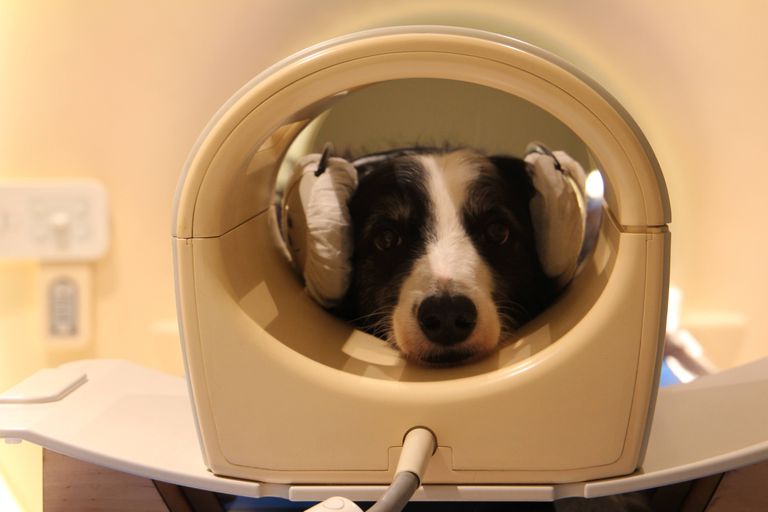
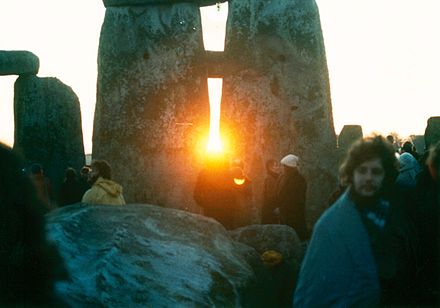


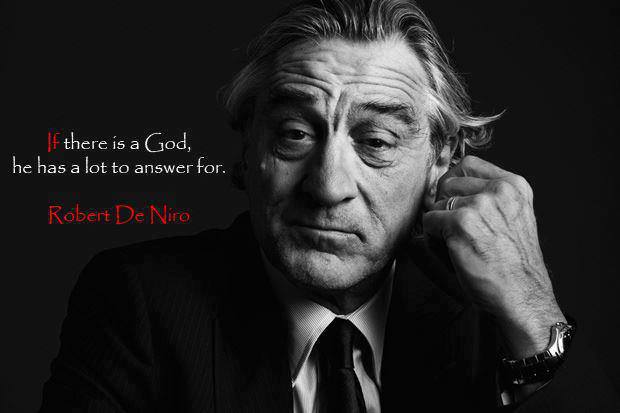


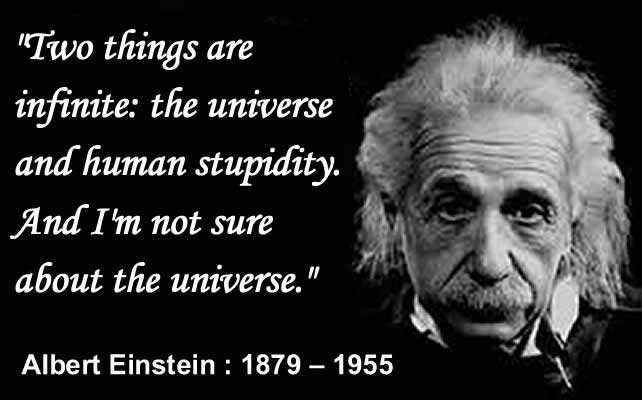
:max_bytes(150000):strip_icc()/MaryJoDiLonardo-bw-treehugger-6d5044d7d4ae44298fb31df11a3d5a66.jpg)