Dan sent me a wonderful photo a couple of days ago!
His covering email also included:
Here was my favourite car of all time. A 1957 Ford hard-top convertible. 312 cu. in. V8 rebuilt with 3/4 race cam and Holly 950 com 4 barrel carb. Reverse traction masters and front lift. Borg-Warner T-10 4 speed with reverse lock out.
Dan Gomez
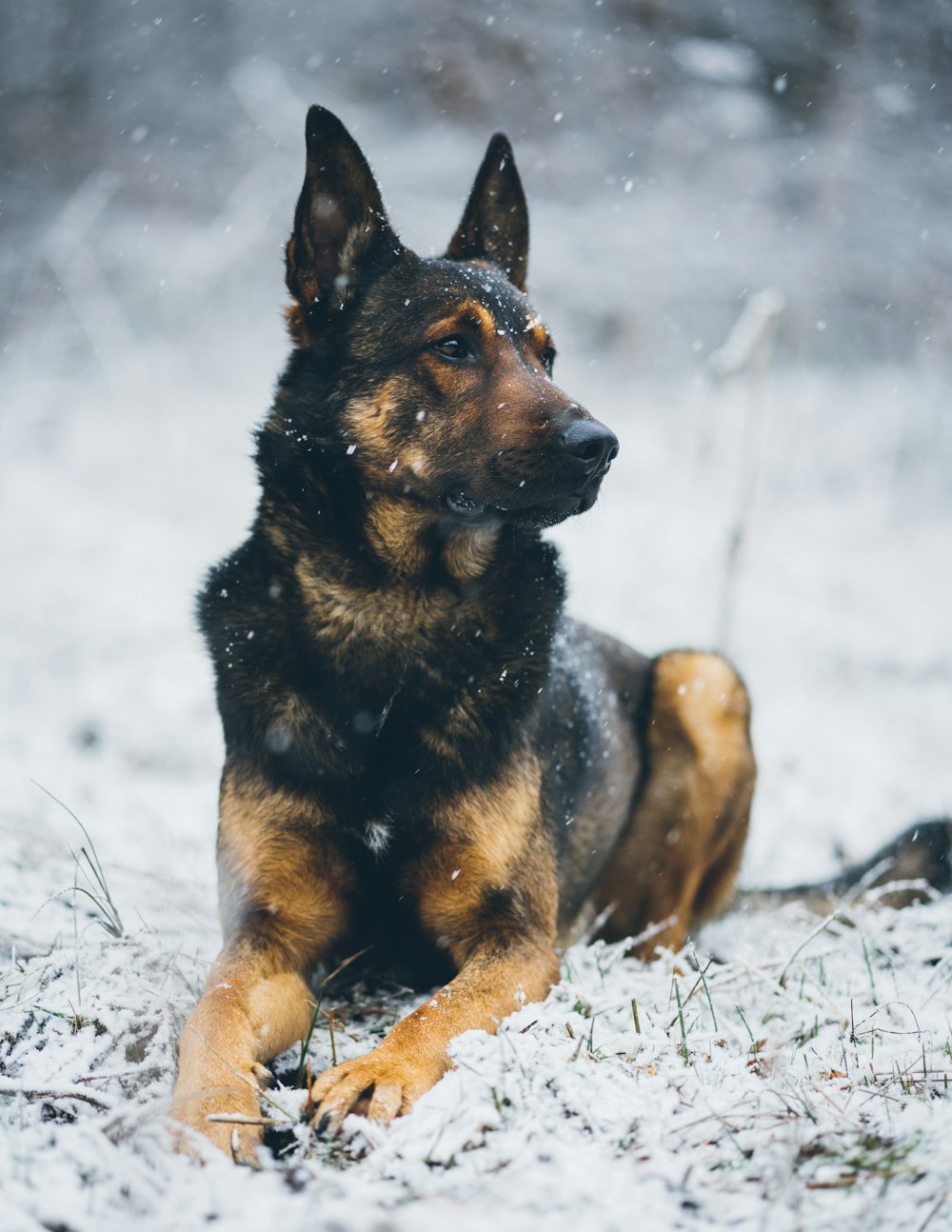
Dan went on to add: Tana our wonderful Silver Grey German Shepherd and yes, that’s little bro Chris Gomez at 12 or 13. I was 19 and in Pasadena City College just before going to Switzerland to study French (and ski!) and then into the Navy during the Vietnam War.
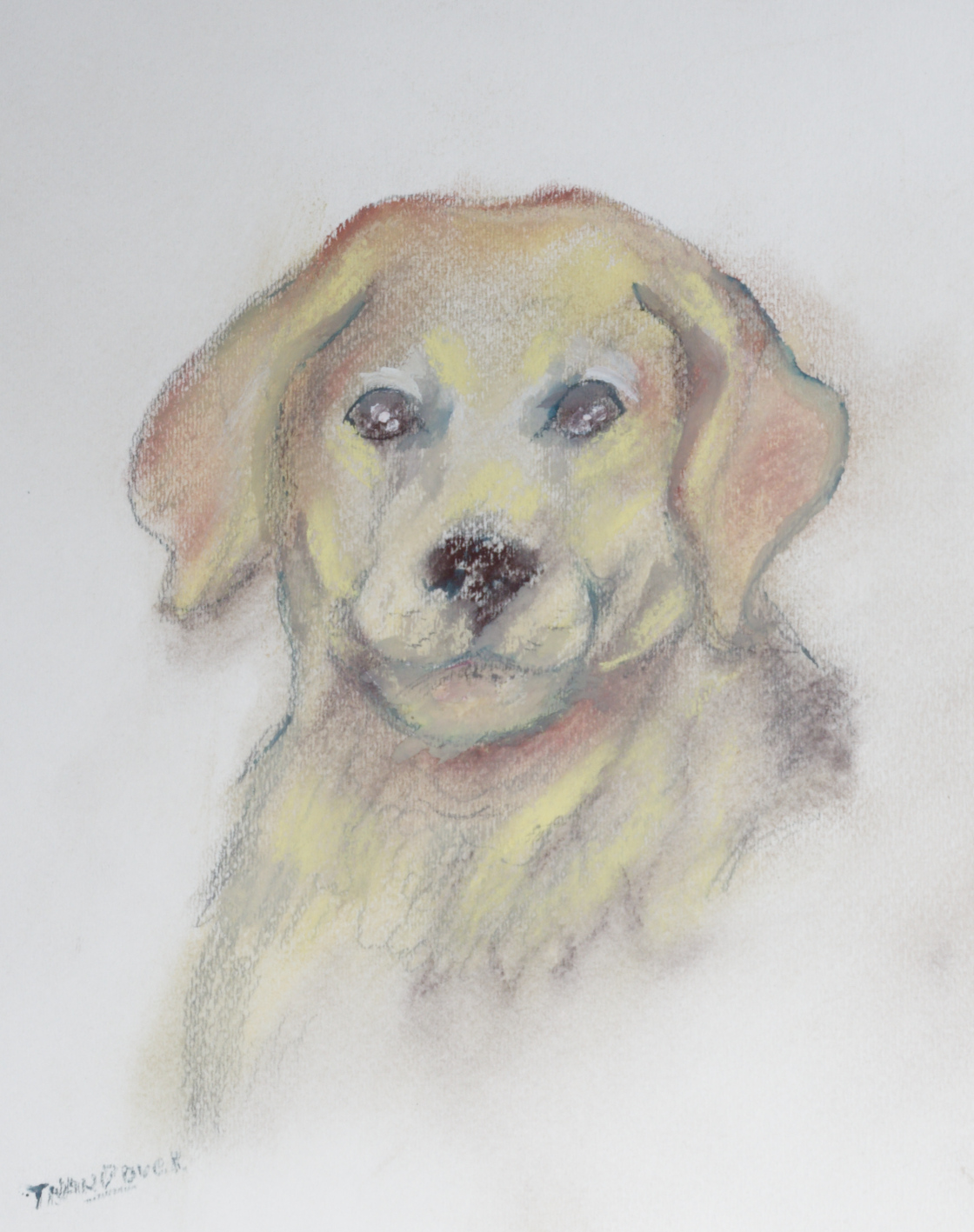
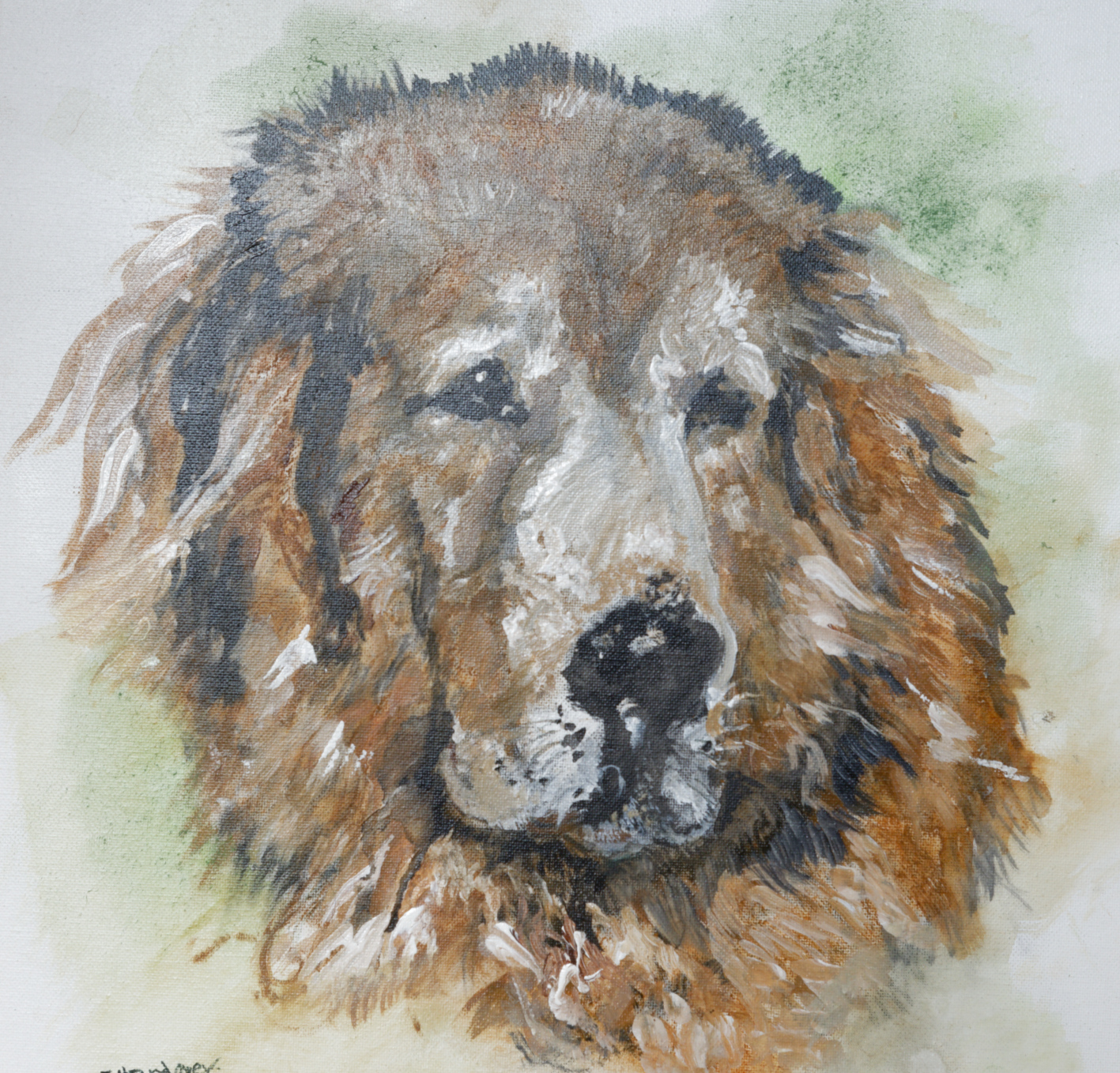
It was a gift from Jean for a fellow Rock Steady attendee. The Rock Steady class is held Monday and Wednesday at our local Club Northwest for Parkinson’s sufferers.
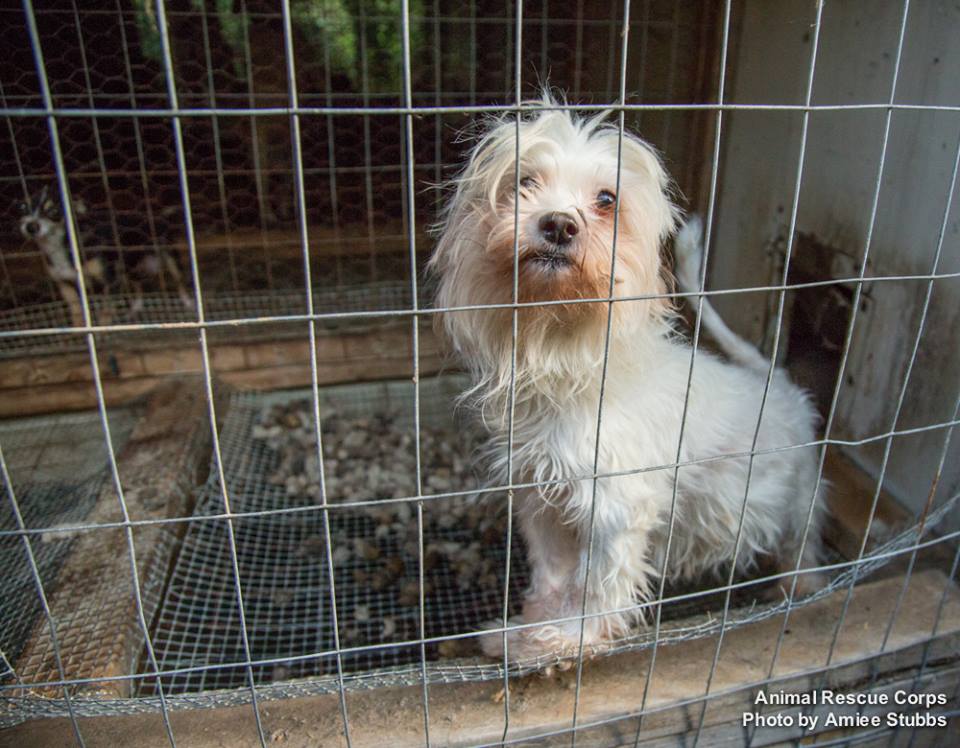
Puppy Mills are disgraceful. Worse than that they are a scar on the face of mankind.
Yesterday I received an email that came in from the Humane Society Legislative Fund. I am sure many of you also received it.
I am going to republish it. Please help if you can.
ooOOoo
Tell the USDA to protect puppies
Dogs suffer horribly in puppy mills. What’s worse is that over the last four years, The U.S. Department of Agriculture, which is charged with monitoring, citing and revoking licenses of these breeding facilities if they sell to pet stores, brokers or online, stopped taking their job of puppy mill enforcement seriously and the agency did not take all the necessary steps to make sure that standards of care are improved to ensure that puppy mill facilities meet the basic needs of happy and healthy dogs.
Enforcement has plummeted at USDA since 2017 and citations for violations are down more than 65%. But we have a new Administration leading the United States Department of Agriculture, one that has already promised that they are going to take animal care seriously. Now is our chance to send a message loud and clear: you must protect dogs and puppies and take puppy mill enforcement seriously, and you must ensure that standards of care are improved in puppy mills to meet the needs of the thousands of dogs living in those facilities.
TAKE ACTION Please send a brief, polite message to the USDA using the form provided.
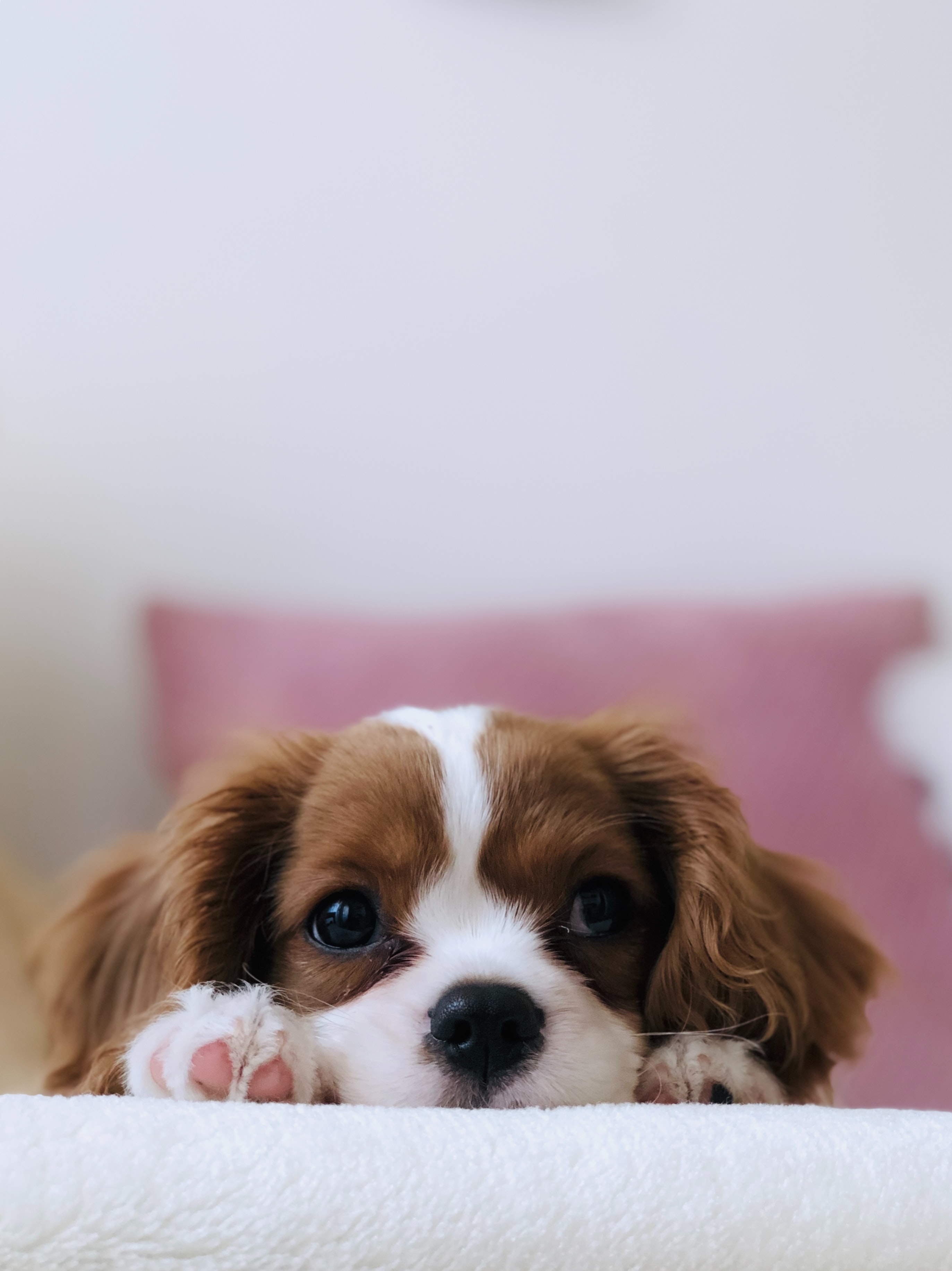
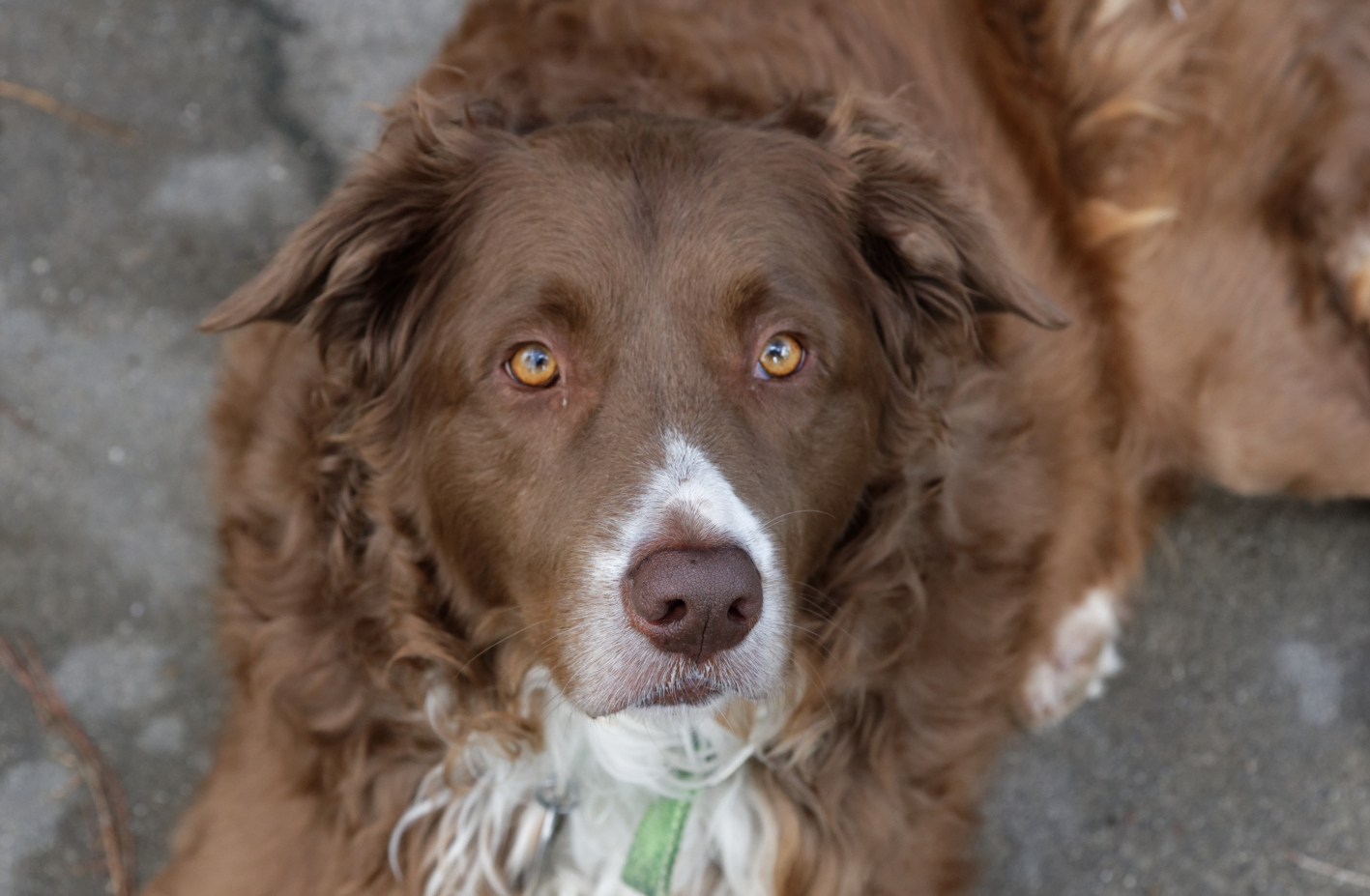
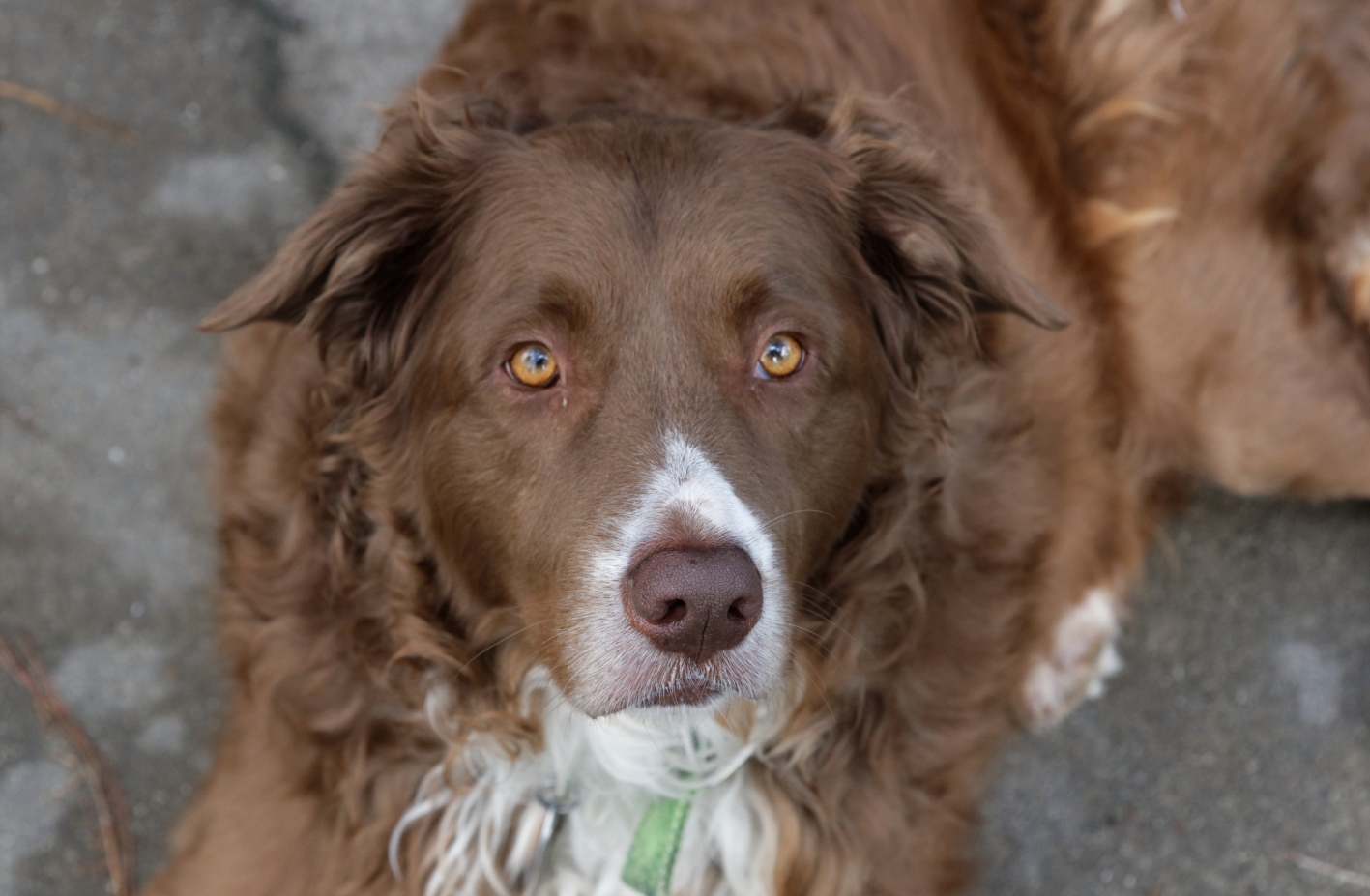
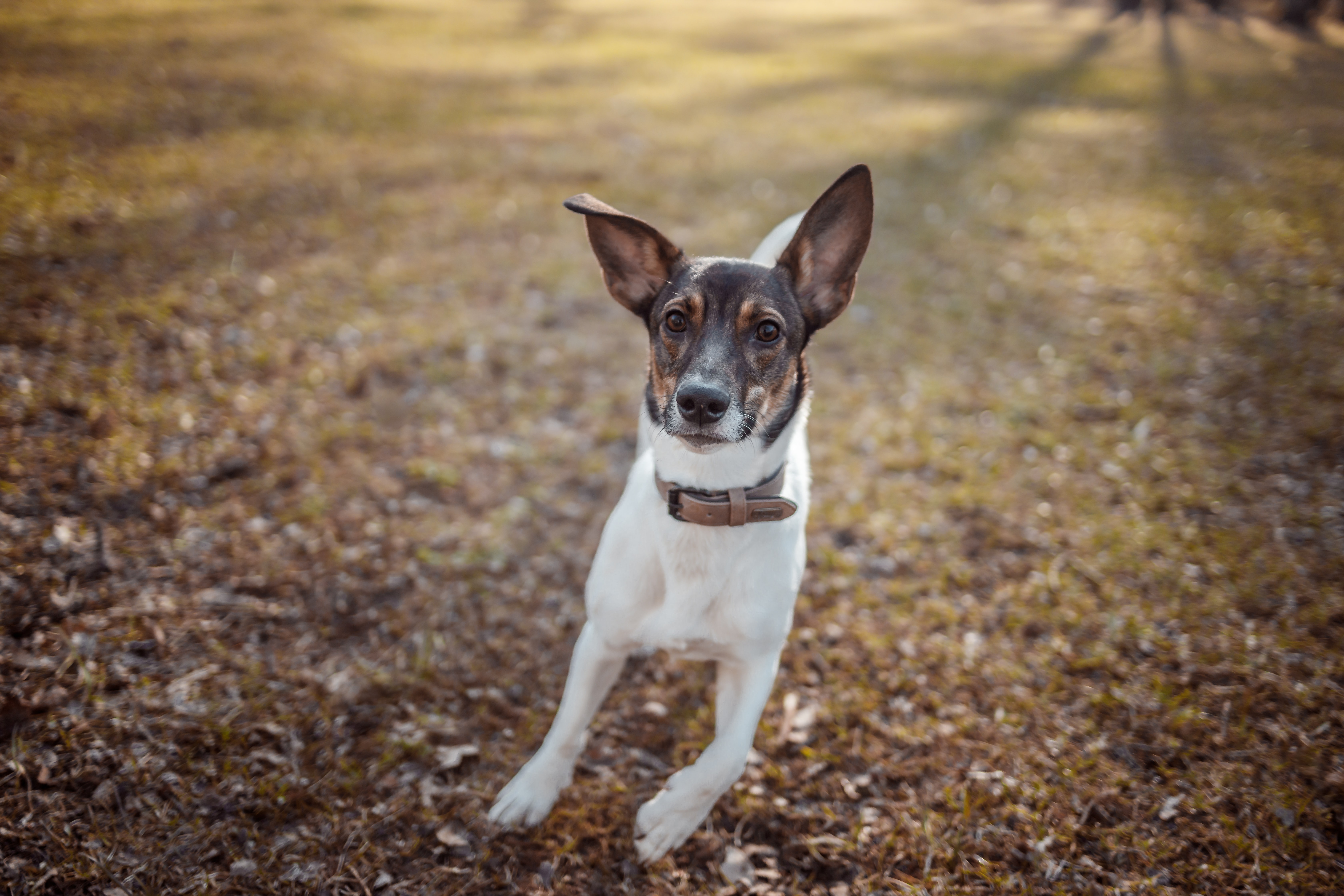
Of all the wonderful dogs we have at home Oliver is the one who has perfected his eye contact. Oliver holds one’s eyes forever and they are full of love.
As this photograph, taken in May, 2020, shows.
But there’s more to this than meets the eye (pardon the pun) as this article recently presented by Treehugger reveals.
ooOOoo
Want Eye Contact With Your Dog? These 4 Factors Play a Role
Head shape and playfulness can play a part, study finds.
Short-nosed dogs are more likely to make eye contact, study finds. LWA/Dann Tardif / Getty Images
How much time does your dog spend looking into your eyes? It could depend on the shape of their head, among other factors.
Making eye contact is an important part of human relationships and it can be key in person-canine bonding too. But all dogs aren’t equal when it comes to eye gazing, finds a new study, published in the journal Scientific Reports.1
“Eye contact is an important non-verbal signal in humans. We use it in conversations to show that we are paying attention to each other,” study first author Zsófia Bognár, a Ph.D. candidate in the Department of Ethology at Eötvös Loránd University in Budapest, Hungary, tells Treehugger. “Also, the oxytocin levels in both parties rise, which plays a role in the development of social bonding.”
This social connection is easily observed when a bond is formed between a mother and a baby, she points out.
But eye contact is not so important for dog relationships. They don’t look into each other’s eyes very often, and when they do, it’s antagonistic and challenging behavior.1
“Dogs tend to make eye contact with humans, and research found that oxytocin levels also rose in both parties when owners and dogs formed eye contact,” Bognár says. “It is also known that dogs do not behave the same, differences can be found between them.”
Earlier studies found that shorter-headed dogs were more successful at following pointing gestures from humans and watched pictures of faces for longer periods of time.21
Snub-nosed dogs have a more pronounced area in the retina of the eye responsible for central vision, so they can better respond to things happening right in front of them.1 Longer-nosed dogs have a more panoramic vision, so they’re more easily distracted by things going on all around them.1
The researchers decided to see how head shape and other factors also influenced eye contact.
Why Head Shape Matters
Researchers worked with 130 family dogs for the study. First, they measured the length and width of their heads to determine what’s called the cephalic index—the ratio of the maximum length and width of the head.
Short-headed or brachycephalic dog breeds include boxers, bulldogs, and pugs.
Long-headed or dolichocephalic dog breeds include greyhounds, Great Danes, and German shepherds.
Medium-headed or mesocephalic dog breeds include Labrador retrievers, Cocker spaniels, and border collies.
Then, on to the testing.
First, the experimenter would call the dog’s name and reward the dog with a treat. Then the experimenter would stay silent and motionless, waiting for the dog to establish eye contact. They then rewarded the dog with a treat each time eye contact was made.
The experiment ended after five minutes or after 15 episodes of eye contact were made. During this test, the dog’s owner remained in the room (silent, motionless, and not looking at the dog) so the dog wouldn’t be stressed due to separation.
They measured how many times the dog made eye contact as well as how much time elapsed between eating the treat and the next time the dog made eye contact. The team found that the shorter the dog’s nose, the more quickly it made eye contact with the researcher.1
“We assumed that due to this, snub-nosed dogs could focus their attention better to their communication partner because other visual stimuli coming from the periphery could disturb them less,” Bognár says.
But there’s also the chance that pugs, bulldogs, and other similar dogs just get more of a chance to interact with people because of the baby-like way they look.1
“We couldn’t exclude the possibility that these dogs have more opportunity to learn to engage with humans and make eye contact with them,” Bognár says. “Because humans have a preference for ‘baby schema’ features, and the characteristics of snub-nosed dogs’ heads are in accordance with these features, thus the owners of these dogs may pay more attention towards them and are more likely to engage in mutual gaze with their animals.”
Age, Playfulness, and Breed Characteristics
But the head shape wasn’t the only factor that came into play. Researchers found that a dog’s age, playfulness, and general cooperative nature due to breed characteristics all played a role in how much eye contact they made with the experimenter.1
They found dogs that were originally bred to take visual cues made more eye contact. For example, herding dogs who follow directions from the owner to work livestock, are “visually cooperative” breeds that are more likely to make eye contact. Sled dogs that run in front of a musher or dachshunds that are bred to chase prey underground are “visually non-cooperative” breeds that rely on vocal cues and don’t have to see their owners.1
Interestingly, dogs that were mixed breeds performed just as well as cooperative breeds. About 70% of the mixed breed dogs in the study were adopted from a shelter. Maybe their eagerness to make eye contact helped get them adopted in the first place, the researchers suggest.1
The researchers also found that older dogs made less eye contact. They had a harder time controlling their attention and were slower switching from the treat to the experimenter.1
A dog’s playfulness was another factor that impacted eye contact. To measure a dog’s playfulness, the off-leash dog was in a room with the owner. The experimenter walked in with a ball and a rope and offered them to the dog. If the dog chose one, they played with the toy for a minute. If the dog didn’t choose a toy, the experimenter tried to initiate a social interaction.
A dog was given a high playfulness score if it played enthusiastically with the experimenter, brought the ball back at least once, or tugged on the rope. It was given a low playfulness score if it didn’t touch the toys, ran after the ball but didn’t bring it back, or took the rope but didn’t tug on it. Researchers found that dogs with high playfulness were quicker to establish eye contact than dogs with low playfulness.1
The research uncovers a key understanding of what impacts dog-person eye contact, which can affect canine-human communication.
“Eye contact can help dogs to decide whether the message/command what the human says/shows are directed to them. They are more likely to execute a command if the human looks at them than shows its back or looks at another human/dog,” Bognár says.
“Dogs also use their gaze to communicate with humans, for example, gaze alternation can be a way to direct humans’ attention to different objects like an unreachable piece of food or a ball,” adds Bognár. “And it can also play a role in social bonding through oxytocin hormone.”
ooOOoo
Interesting! No, it is more than that. It is science at work.
Zsófia Bognár, the study’s first author, makes the point that: “Eye contact is an important non-verbal signal in humans. We use it in conversations to show that we are paying attention to each other. Also, the oxytocin levels in both parties rise, which plays a role in the development of social bonding.“
So returning to our dear Oliver we can see that the levels of oxytocin rise in Oliver and in Jean or me depending on who Oliver has engaged with.
Speaking of Oxytocin let’s go across to an article in Psychology Today that explains a little more about this important hormone.
Oxytocin is a powerful hormone that acts as a neurotransmitter in the brain. It plays an important role in reproduction, initiating contractions before birth as well as milk release. And it is thought to be involved in broader social cognition and behavior, potentially ranging from mother-infant bonding and romantic connection to group-related attitudes and prejudice. The hormone is produced in the hypothalamus and released into the bloodstream by the pituitary gland.
Why Is Oxytocin Called the “Love Hormone?”
Oxytocin has been called “the cuddle hormone” or “the love hormone” due to its association with pair bonding. It appears to help reinforce the early attachment between mothers and their infants, as well as the bonds between romantic partners. Animal research has connected oxytocin (along with another hormone, vasopressin) with the lifelong pair-bonding of prairie voles, and scientists have reported increases in oxytocin levels following orgasm in humans. There is also evidence that increases in oxytocin may encourage prosocial behavior, though not all studies have found these positive results, and some experts have undercut the idea that the hormone is a “trust molecule.”
One can’t imagine what it was like for this poor dog that was placed in a garbage can. But then along comes a perfect Princess and rescues the poor animal.
And so the dog found in the trash learns how to walk again with the help of her foster family — now she runs on the beach!
Dear, sweet Billie and what a terrific job this lady did. From a family of dogs, of course!
There are so many kind people across the world and so many of those people are kind towards dogs.
Take this story for instance. It is about a Canadian woman who had placed dogs at the top of her care list and had been doing it for a number of years.
It was an article recently published in The Dodo and republished here.
ooOOoo
Woman Builds The Most Adorable Café For Her Neighborhood Dogs
“This is something they can do to bring a little joy to their day” ❤️️
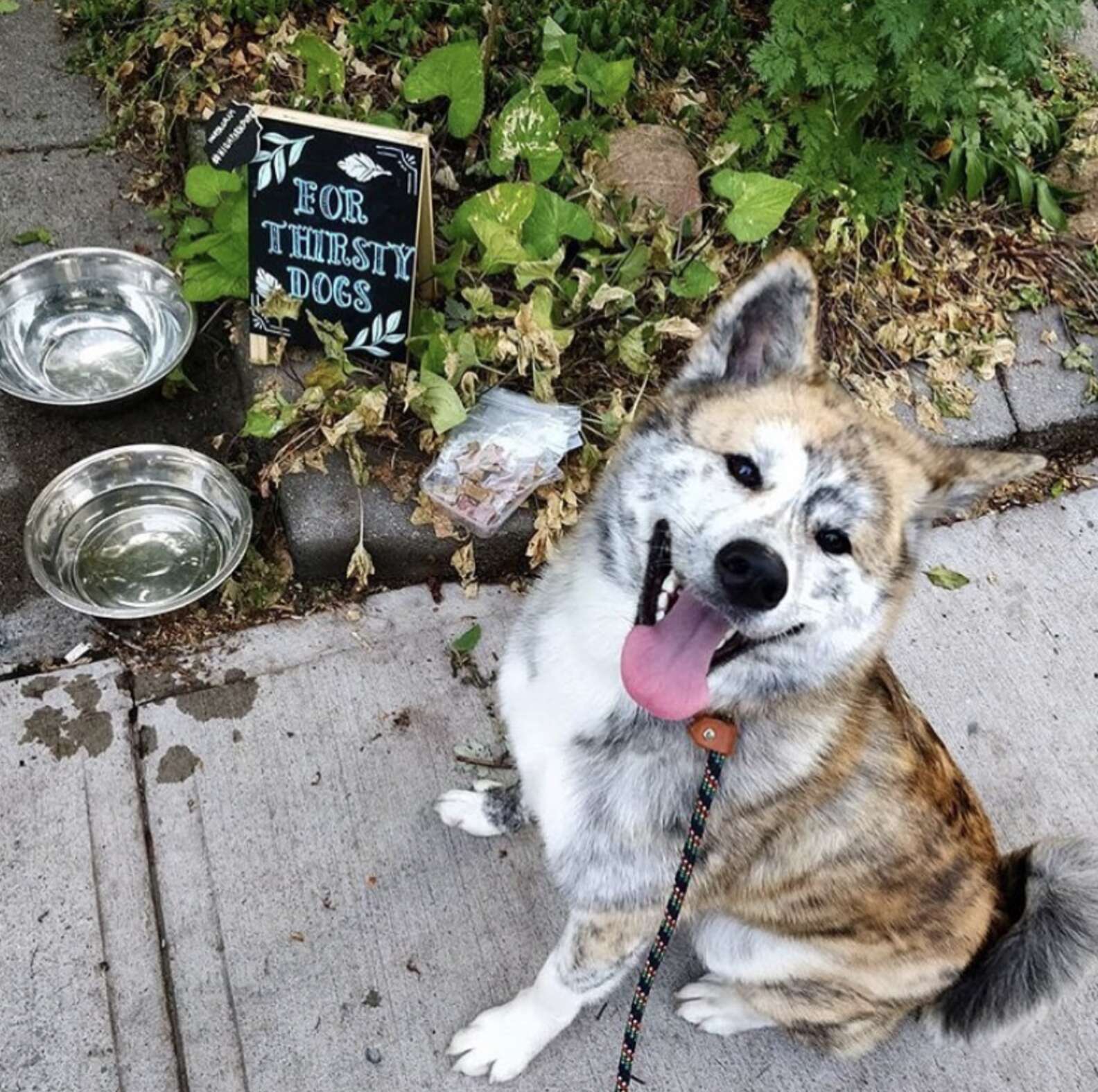
Kaya Kristina lives right next door to High Park, one of Toronto’s most popular public gardens. Six years ago, the animal lover noticed that many of the pups in her neighborhood looked like they could use a little pick-me-up after running around outside.
“On hot days, I noticed some of the dogs coming home from the park looked thirsty and tired,” Kristina told The Dodo. “I thought I should put out some water and a sign that said, ‘For thirsty dogs.’”
INSTAGRAM/HIGHPARKPUPS
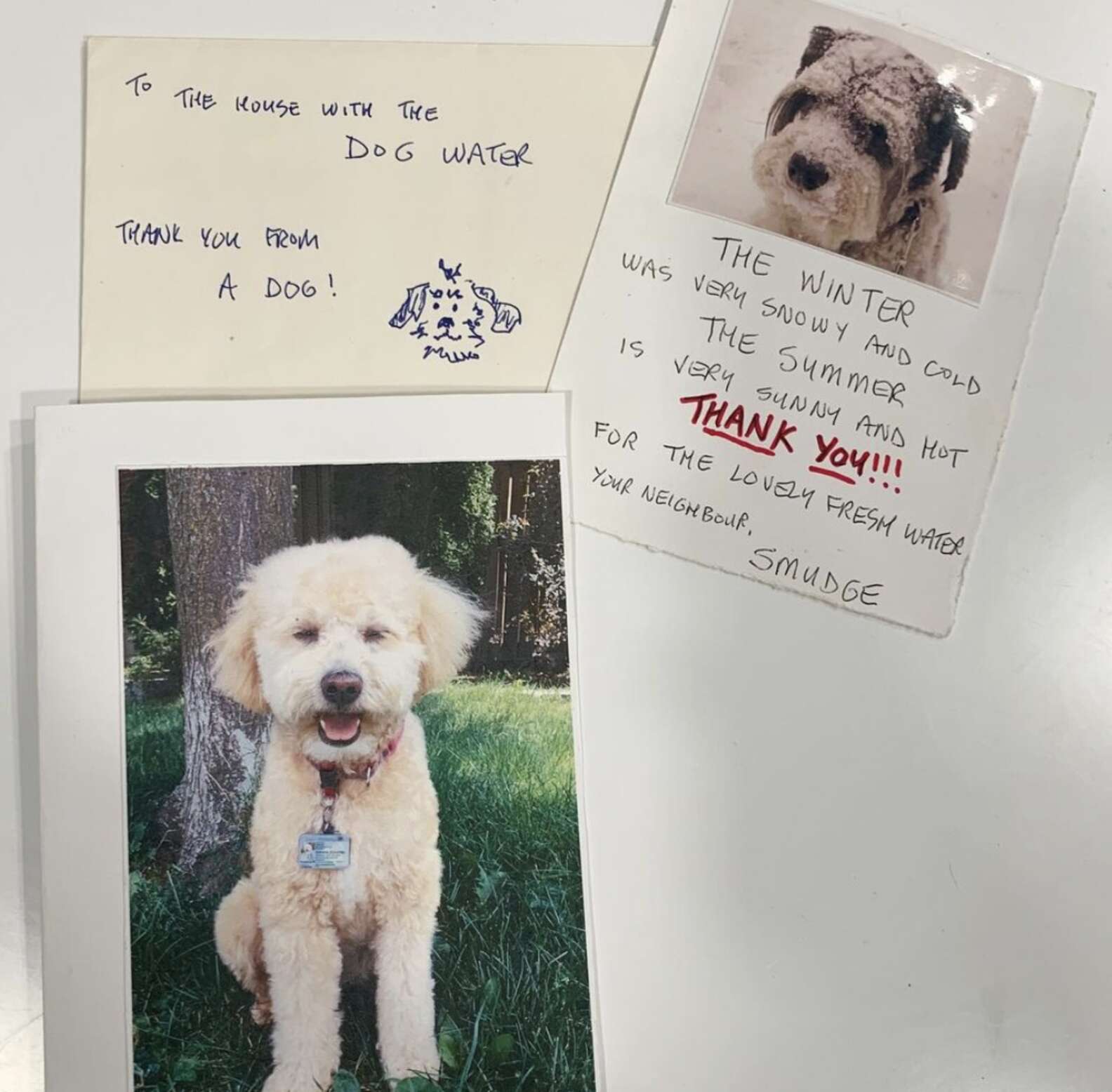
Her act of kindness didn’t go unnoticed for long. “One day, I got a card from someone in my mailbox,” Kristina said. “It had a pic of their dog on the front and it was written from the point of view of the dog saying thank you for the water. I put the pic up on my fridge and it made me really happy.”
INSTAGRAM/HIGHPARKPUPS
For years, Kristina continued to supply local dogs with water and she continued to receive little messages in return. Then, when the pandemic struck last year, Kristina decided to up her game. She decided to leave some treats on her front lawn for all her furry neighbors to safely enjoy during lockdown.
And StarPups Coffee was born.
INSTAGRAM/HIGHPARKPUPS
“I made a bunch of mini treat bags, made a little menu so people knew what they were giving their dog and put a little stand out with options,” Kristina said. “It was so cute seeing the dogs go by and pulling their owners to my house to go get a snack.”
Kristina provides water, Milk-Bones and specialty all-natural treats made in Canada. And the parade of dogs enjoying them has provided hours of entertainment for her while being cooped up inside.
INSTAGRAM/HIGHPARKPUPS
Regular visitors began swinging by the café every day, so Kristina started an Instagram account as a way to build a little community around the watering hole.
“I thought of all the people living alone during COVID and how their mental health was suffering,” Kristina said. “I thought, ‘Most people are complaining about their husbands and kids driving them nuts being home all together. But do they think about their single friends who only have pets?’ I wanted to give those people something to look forward to and make them feel special.”
INSTAGRAM/HIGHPARKPUPS
One day, Kristina went outside and found that her entire café setup was missing. Someone had stolen StarPups overnight, and Kristina was heartbroken. She posted about it on her Instagram — and, to her surprise, the community she had fostered over the months and years stepped up to help.
“That evening, when I got home, my mailbox was full of cards, notes, photos of people’s dogs, Pet Valu gift cards and even a sweet drawing of my dog,” Kristina said. “It turned out to be a good thing, because I had felt so isolated all year with COVID, and now I felt like I had an army of friends.”
INSTAGRAM/HIGHPARKPUPS
Encouraged by the show of support, Kristina built another StarPups Coffee for the neighborhood dogs to enjoy. And Kristina is currently working on building a more permanent setup on her lawn, which will be weatherproof so that no dogs will have to walk away disappointed when it rains or snows.
Now that Ontario has entered back into lockdown, the little front yard café is doing more business than ever before. “One of the few things that’s still allowed is walking your dog,” Kristina said. “So many people are struggling mentally and physically, so this is something they can do to bring a little joy to their day.”
ooOOoo
This is a very beautiful story and just goes to show that Kristina rose to the occasion with returns and rewards far beyond what she may have anticipated. I have said it many times before but nonetheless will say it again: Dogs are the most delightful of animals. They form bonds with us humans that is unmatched by any other animal. Let’s just let this story above sink into our deeper selves.
More than that, they bring out the very best in people!

:max_bytes(150000):strip_icc()/mary-jo-dilionardo-bw-22fe0236b1764918a4a0fa2cd2cd0108.jpg)





 Learning from Dogs