Category: Culture

Earth Day!

I simply forgot it was Earth Day yesterday!

I wanted to let the post on Tuesday run for a couple of days because it really made the point about dogs, in particular, being animals who love to love!

But I then forgot, until I woke up on the 22nd, that yesterday was Earth Day.

So what to publish?

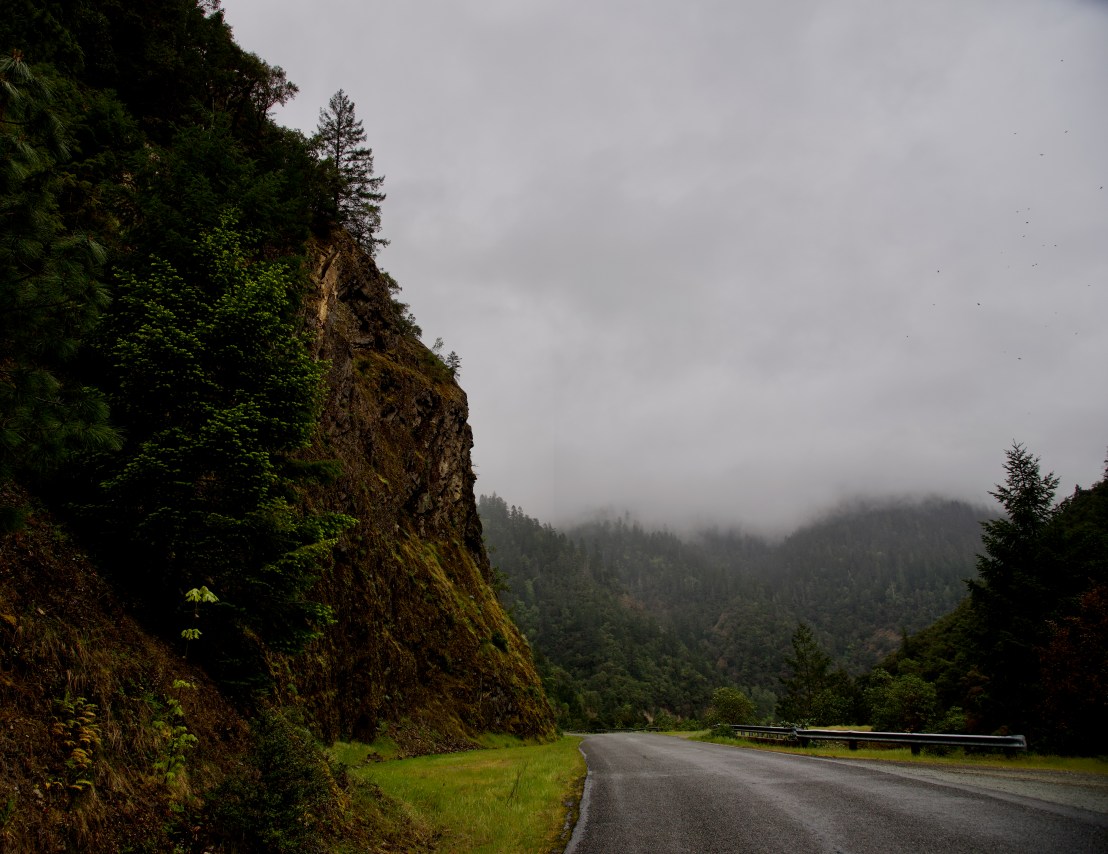
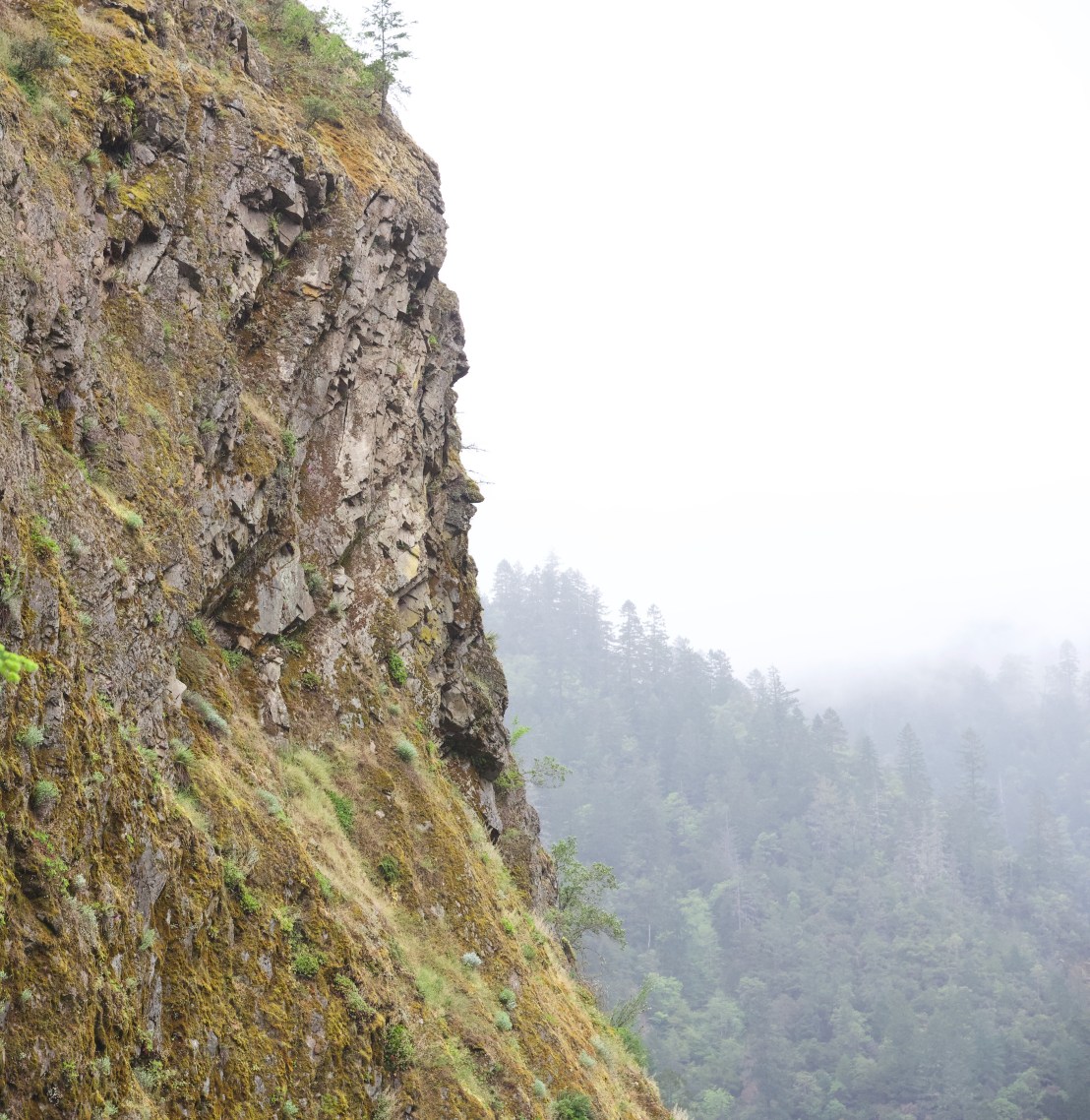
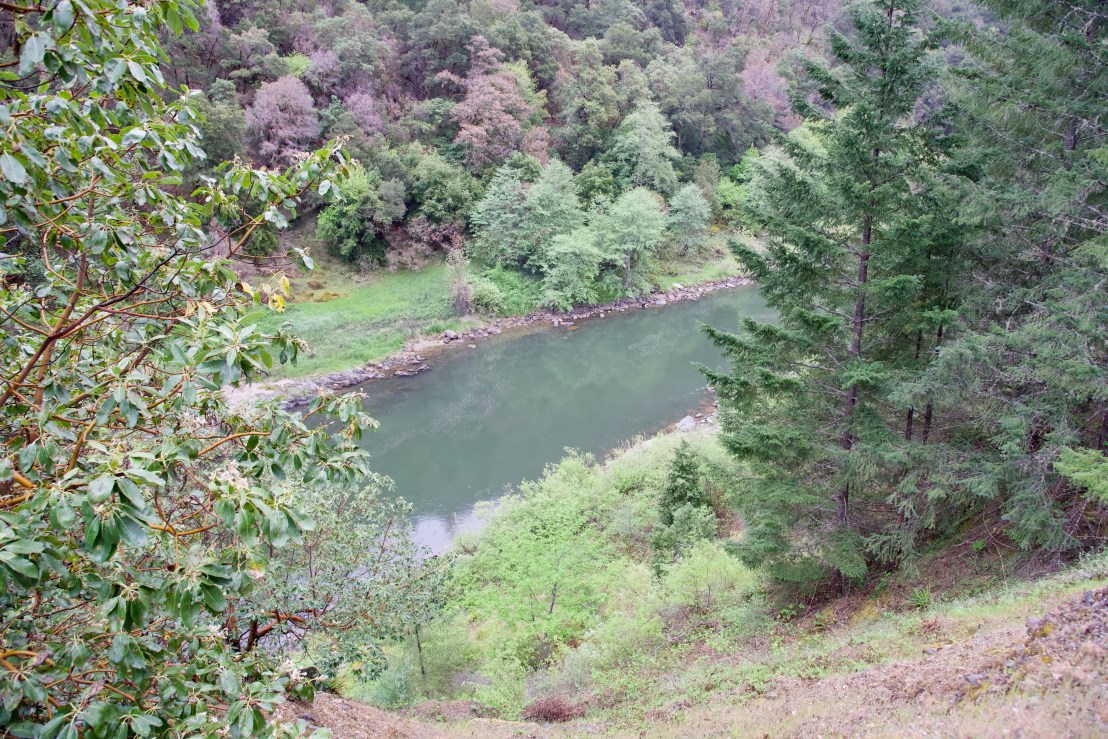
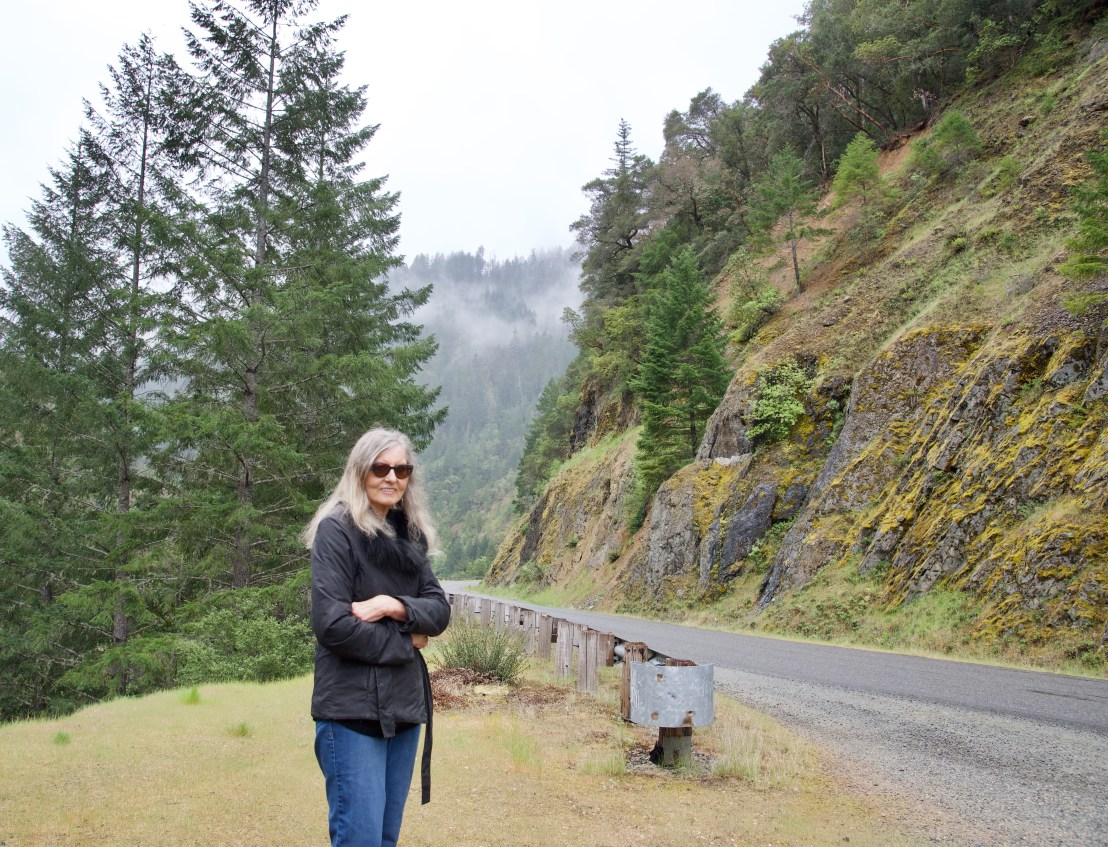
Yesterday in Merlin was a damp day with a steady rain coming down in the morning. About 10am I volunteered the idea that we should drive the shortish distance to Galice; just 10 miles from where we live. Galice is a very small settlement on the Western bank of the Rogue River. Then we drove on for a few more miles. It was incredible scenery. The misty, damp forest and the river running below in the gorge.

I had my camera with me and the following are some of the photographs that were taken.

Just for a change! All within 15 miles of home!
oooo
oooo

oooo
oooo
oooo

oooo

For those interested in learning more, I am publishing the WikiPedia account of the Rogue River.

The Rogue River (Tolowa: yan-shuu-chit’ taa-ghii~-li~’,[7] Takelma: tak-elam[8]) in southwestern Oregon in the United States flows about 215 miles (346 km) in a generally westward direction from the Cascade Range to the Pacific Ocean. Known for its salmon runs, whitewater rafting, and rugged scenery, it was one of the original eight rivers named in the Wild and Scenic Rivers Act of 1968. Beginning near Crater Lake, which occupies the caldera left by the explosive volcanic eruption of Mount Mazama, the river flows through the geologically young High Cascades and the older Western Cascades, another volcanic province. Further west, the river passes through multiple exotic terranes of the more ancient Klamath Mountains. In the Kalmiopsis Wilderness section of the Rogue basin are some of the world’s best examples of rocks that form the Earth’s mantle. Near the mouth of the river, the only dinosaur fragments ever discovered in Oregon were found in the Otter Point Formation, along the coast of Curry County.

People have lived along the Rogue River and its tributaries for at least 8,500 years. European explorers made first contact with Native Americans (Indians) toward the end of the 18th century and began beaver trapping and other activities in the region. Clashes, sometimes deadly, occurred between the natives and the trappers and later between the natives and European-American miners and settlers. These struggles culminated with the Rogue River Wars of 1855–56 and removal of most of the natives to reservations outside the basin. After the war, settlers expanded into remote areas of the watershed and established small farms along the river between Grave Creek and the mouth of the Illinois River. They were relatively isolated from the outside world until 1895, when the Post Office Department added mail-boat service along the lower Rogue. As of 2010, the Rogue has one of the two remaining rural mail-boat routes in the United States.

Dam building and removal along the Rogue has generated controversy for more than a century; an early fish-blocking dam (Ament) was dynamited by vigilantes, mostly disgruntled salmon fishermen. By 2009, all but one of the main-stem dams downstream of a huge flood-control structure 157 miles (253 km) from the river mouth had been removed. Aside from dams, threats to salmon include high water temperatures. Although sometimes too warm for salmonids, the main stem Rogue is relatively clean, ranking between 85 and 97 (on a scale of 0 to 100) on the Oregon Water Quality Index (OWQI).

Although the Rogue Valley near Medford is partly urban, the average population density of the Rogue watershed is only about 32 people per square mile (12 per km2). Several historic bridges cross the river near the more populated areas. Many public parks, hiking trails, and campgrounds are near the river, which flows largely through forests, including national forests. Biodiversity in many parts of the basin is high; the Klamath-Siskiyou temperate coniferous forests, which extend into the southwestern Rogue basin, are among the four most diverse of this kind in the world.
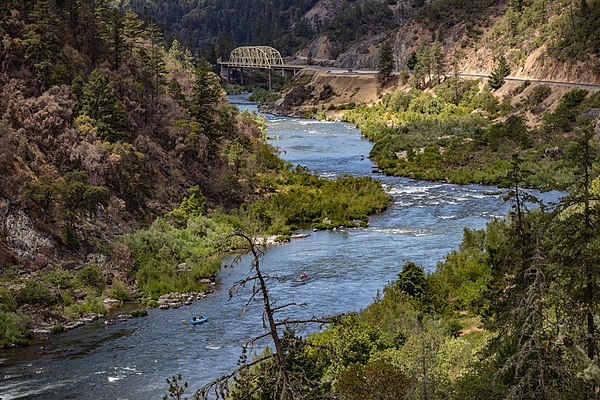
Rogue River from Hellgate Canyon
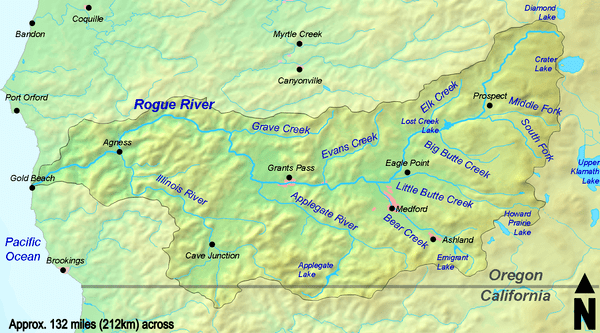
Map of the Rogue River watershed
Location of the mouth of the Rogue River in Oregon

Just to reflect on the fact that people have lived along the Rogue River and its tributaries for 8,500 years!

Time; beyond imagination!

I don’t know what is was that engaged me; to the point that I have written this blog post.

We rise around 4:30 am, thanks to the dogs, and after they have been out we retire to the bedroom and lay on the top of the bed and have a couple of cups of tea. Come 5am, week days, we listen to BBC Radio 4 and the World at One. Then immediately after the World at One, at the moment, is a fascinating series on A History Of The World in 100 objects.

A few days ago, after the end of the programme, I drifted off into some form of introspective gaze about the past. I mean the past big time!

The Universe

When and how did it all start? That seems to be the Big Bang. The Big Bang was an incredibly long time ago, some 14 billion years ago (rounding it up!).

Here’s an extract from Wikipedia:

The current measurement of the age of the universe is around 13.8 billion years (as of 2015[1]) – 13.799±0.021 billion years within the Lambda-CDM concordance model.[2] The uncertainty has been narrowed down to 20 million years, based on a number of studies which all gave extremely similar figures for the age.

That’s 13.8 times 10 to the power of 9!

Our solar system

Again, pretty old by human standards; 4.6 billions years ago.

Again, an extract from Wikipedia:

The Solar System formed 4.6 billion years ago from the gravitational collapse of a giant interstellar molecular cloud. The vast majority of the system’s mass is in the Sun, with the majority of the remaining mass contained in Jupiter. The four smaller inner planets, Mercury, Venus, Earth and Mars, are terrestrial planets, being primarily composed of rock and metal. The four outer planets are giant planets, being substantially more massive than the terrestrials. The two largest, Jupiter and Saturn, are gas giants, being composed mainly of hydrogen and helium; the two outermost planets, Uranus and Neptune, are ice giants, being composed mostly of substances with relatively high melting points compared with hydrogen and helium, called volatiles, such as water, ammonia and methane. All eight planets have almost circular orbits that lie within a nearly flat disc called the ecliptic.

So our solar system came along 9 billion years after the formation of the Universe.

Planet Earth

Our planet formed not long after our solar system. That’s pretty obvious if you ask me.

Thus Planet Earth formed 4.5 billion years ago. Again, thanks to Wikipedia.

Life on Planet Earth

Southampton University have published an extremely interesting chart of the timeline of the human condition. In it is revealed that the earliest atmospheric oxygen was 3.5 billion years ago, a necessary prerequisite to air-breathing life. But it took an extremely long time before monkeys appeared; some 36 million years ago. That’s 36 times 10 to the power of 6, or 383 times shorter than the start of the universe.

The earliest hominins (Australopithecus spp) among the hominids in Africa, bipedal, larger brain came along some 4.2 million years ago.

Among them were humans using stone tools, some 2.5 million years ago. Then 2 million years ago came the earliest direct ancestor of modern humans, Homo erectus (South Africa), co-habiting with Australopithecus and Paranthropus.

Then 40,000 years ago Neanderthals make flutes from bone, then 14,000 years ago the domestication of dogs in China, 7,000 years ago the world population passed 5 million souls, and 3,500 years ago the earliest alphabet (North Semitic, Palestine and Syria).

3,000 years ago the world population passed 50 million.

Come forward to just 195 years ago and the first public railway for steam locomotives (George Stephenson, UK, 1825) came into existence. In 1945, Alan Turing created the world’s first programmable calculator which lead directly to the first computer.

Then just 34 years ago the total population passed 5 billion souls (1986).

This and much more in the timeline which really is a fascinating read. Put together by C. Patrick Doncaster,  7 April 2020, one of the then 7,641,557,720 (rising by 148 per minute, 77 million per year).

But …

The discovery of quarks in 1968 caused us humans to think again about matter.

Wikipedia:

A quark (/kwɔːrk, kwɑːrk/) is a type of elementary particle and a fundamental constituent of matter. Quarks combine to form composite particles called hadrons, the most stable of which are protons and neutrons, the components of atomic nuclei.[1] Due to a phenomenon known as color confinement, quarks are never directly observed or found in isolation; they can be found only within hadrons, which include baryons (such as protons and neutrons) and mesons.[2][3] For this reason, much of what is known about quarks has been drawn from observations of hadrons.

Then there’s antimatter, now that’s really weird.

Again, an extract from Wikipedia:

There is strong evidence that the observable universe is composed almost entirely of ordinary matter, as opposed to an equal mixture of matter and antimatter.[4] This asymmetry of matter and antimatter in the visible universe is one of the great unsolved problems in physics.[5] The process by which this inequality between matter and antimatter particles developed is called baryogenesis.

So, to put it in layman’s terms, the fact that I am sitting here at a computer trying to make sense of it all and failing is just down to luck. The observable universe and my perception of it comes down to matter as opposed to antimatter!

I’ve got a headache!

N.B. It’s a little after 12:30 am (PDT) on the Saturday and I am going to leave this post up as the latest for tomorrow as well. There have been so many wonderful comments.

Hats off to this savior!

Yet another article I want to share from Mother Nature Network.

I really don’t know how Mother Nature Network (MNN) do it! For they have a great deal of stories about dogs and a great many of them deserve sharing with you all.

Take this one. A nine-year-old Pit Bull had about as much chance of being given a loving home as I have of winning the lottery (and I don’t even enter for it!).

But that wasn’t to reckon on Michael Levitt of California. Absolutely wonderful Mr. Levitt. You are a savior!

Christian Cotroneo has the full story.

ooOOoo

Removed because of an alleged copyright infringement.

ooOOoo

I can do no better than to close this post with a repeat of Michael Levitt’s words: “We’re helping Toretto, but Toretto is helping us. Having this beautiful, sentient being in our home — and having to think about somebody besides ourselves — has really helped us get through the scariness of what we’re all dealing with.

Beautiful, sentient beings – our dogs!

Perfect!

It is a very beautiful story.

Being alone!

A repeat of an essay from the 12th October, 2019.

We were truly alone when we went to Utah. (September, 2019.)

But then again, one of the privileges of being on 13 acres, 13 very rural acres, here in Southern Oregon is that being alone is not that far away!

I don’t want to underplay the importance of this posting, republished from The Conversation website (with permission), because we live in so busy times.

Written by three professors, it’s a very wise and profound article.

ooOOoo

Spending time alone in nature is good for your mental and emotional health

June 4th, 2018

By , Professor of Outdoor Education, Montreat College
, Associate Professor and Program Director of Parks and Recreation Management, Western Carolina University

, Associate Professor of Outdoor Education, Montreat College
Today Americans live in a world that thrives on being busy, productive and overscheduled. Further, they have developed the technological means to be constantly connected to others and to vast options for information and entertainment through social media. For many, smartphones demand their attention day and night with constant notifications.

As a result, naturally occurring periods of solitude and silence that were once commonplace have been squeezed out of their lives. Music, reality TV shows, YouTube, video games, tweeting and texting are displacing quiet and solitary spaces. Silence and solitude are increasingly viewed as “dead” or “unproductive” time, and being alone makes many Americans uncomfortable and anxious.

But while some equate solitude with loneliness, there is a big difference between being lonely and being alone. The latter is essential for mental health and effective leadership.

We study and teach outdoor education and related fields at several colleges and organizations in North Carolina, through and with other scholars at 2nd Nature TREC, LLC, a training, research, education and consulting firm. We became interested in the broader implications of alone time after studying intentionally designed solitude experiences during wilderness programs, such as those run by Outward Bound. Our findings reveal that time alone in nature is beneficial for many participants in a variety of ways, and is something they wish they had more of in their daily life.

On an average day in 2015, individuals aged 15 and over spent more than half of their leisure time watching TV. Bureau of Labor Statistics, Americans Time Use Survey

Reflection and challenge

We have conducted research for almost two decades on Outward Bound and undergraduate wilderness programs at Montreat College in North Carolina and Wheaton College in Illinois. For each program, we studied participants’ experiences using multiple methods, including written surveys, focus group interviews, one-on-one interviews and field notes. In some cases, we asked subjects years later to look back and reflect on how the programs had affected them. Among other questions, our research looked at participant perceptions of the value of solo time outdoors.

Our studies showed that people who took part in these programs benefited both from the outdoor settings and from the experience of being alone. These findings build on previous research that has clearly demonstrated the value of spending time in nature.

Scholars in fields including wilderness therapy and environmental psychology have shown that time outdoors benefits our lives in many ways. It has a therapeutic effect, relieves stress and restores attention. Alone time in nature can have a calming effect on the mind because it occurs in beautiful, natural and inspirational settings.

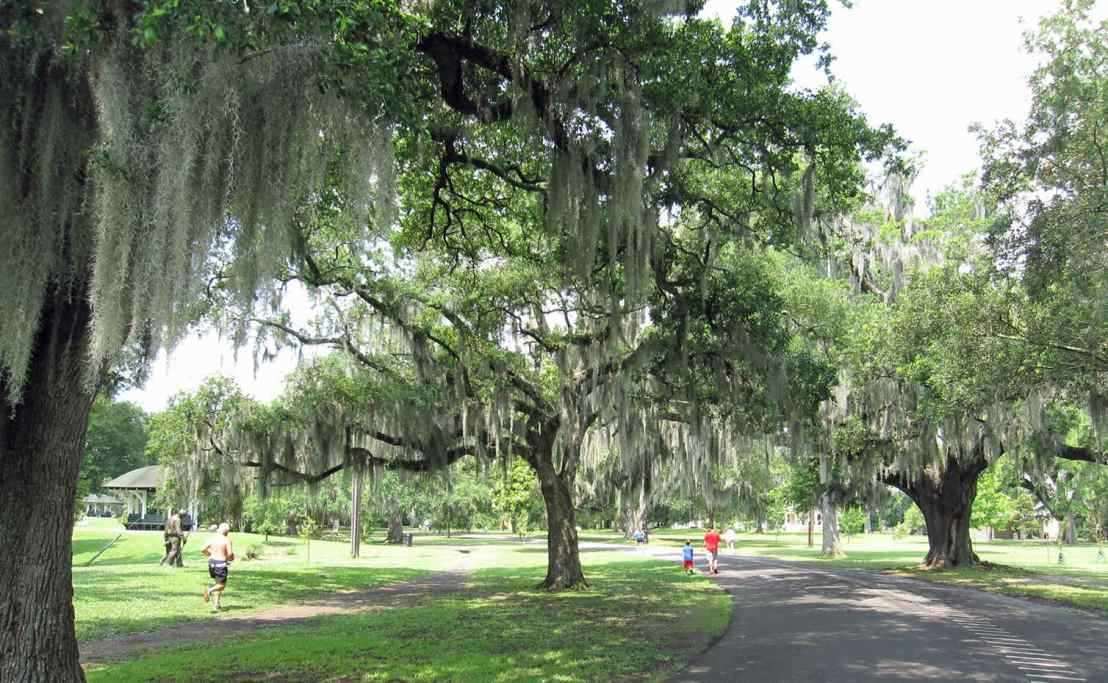
Spending time in city parks like Audubon Park in New Orleans provides some of the same benefits as time in wilderness areas, including reduced stress levels and increased energy levels. InSapphoWeTrust, CC BY-SA

Nature also provides challenges that spur individuals to creative problem-solving and increased self-confidence. For example, some find that being alone in the outdoors, particularly at night, is a challenging situation. Mental, physical and emotional challenges in moderation encourage personal growth that is manifested in an increased comfort with one’s self in the absence of others.

Being alone also can have great value. It can allow issues to surface that people spend energy holding at bay, and offer an opportunity to clarify thoughts, hopes, dreams and desires. It provides time and space for people to step back, evaluate their lives and learn from their experiences. Spending time this way prepares them to re-engage with their community relationships and full work schedules.

Putting it together: The outdoor solo

Participants in programmed wilderness expeditions often experience a component known as “Solo,” a time of intentional solitude lasting approximately 24-72 hours. Extensive research has been conducted on solitude in the outdoors because many wilderness education programs have embraced the educational value of solitude and silence.

Solo often emerges as one of the most significant parts of wilderness programs, for a variety of reasons. Alone time creates a contrasting experience to normal living that enriches people mentally, physically and emotionally. As they examine themselves in relation to nature, others, and in some cases, God, people become more attuned to the important matters in their lives and in the world of which they are part.

Solo, an integral part of Outward Bound wilderness trips, can last from a few hours to 72 hours. The experience is designed to give participants an opportunity to reflect on their own thoughts and critically analyze their actions and decisions.

Solitary reflection enhances recognition and appreciation of key personal relationships, encourages reorganization of life priorities, and increases appreciation for alone time, silence, and reflection. People learn lessons they want to transfer to their daily living, because they have had the opportunity to clarify, evaluate and redirect themselves by setting goals for the future.

For some participants, time alone outdoors provides opportunity to consider the spiritual and/or religious dimension of life. Reflective time, especially in nature, often enhances spiritual awareness and makes people feel closer to God. Further, it encourages their increased faith and trust in God. This often occurs through providing ample opportunities for prayer, meditation, fasting, Scripture-reading, journaling and reflection time.

Retreating to lead

As Thomas Carlyle has written, “In (solitary) silence, great things fashion themselves together.” Whether these escapes are called alone time, solitude or Solo, it seems clear that humans experience many benefits when they retreat from the “rat race” to a place apart and gather their thoughts in quietness.

In order to live and lead effectively, it is important to be intentional about taking the time for solitary reflection. Otherwise, gaps in schedules will always fill up, and even people with the best intentions may never fully realize the life-giving value of being alone.

ooOOoo

I would modify that advice from Thomas Carlyle and that is to include a dog.

For in my experience when one is in the mood for a bit of solitary reflection your dog seems to sense it as well.

Day Twenty-Five of Tom and Chica’s walk

The third episode this week.

Tom’s walk continues!

He is in Granada and his stop was at Arenas del Rey. He now continues along GR7 to Jayena.

As always, taken from here with the permission of Tom and Gilliwolfe.

Read on!

ooOOoo

Day 25: Arenas del Rey (Rio Anales) to Jayena (El Bacal) 16k

By Tom and Chica, 2nd March, 2020.

Written by Tom’s wife.

As I woke in the morning, I was greeted by a couple of squirrels who ran by the tent, up a little tree and gawked at me. Clearly, not convinced about what they saw, they did another circuit and came back for second look. No doubt, this wouldn’t have happened if Chica had been with me.

I was surprised and pleased to find that this spot I had chosen in the dark was right by a ford over the river and actually on the GR7 route. Worked my way steadily uphill through scrub until I reached the pines. The conditions were ideal: cool, fresh and pine fragrant air. Great views down into the river valley below.

The rest of the day was similar – lots of ups and downs and more pines, though in one area there was evidence of these being cleared for cultivation, probably olives or almonds. I also found an old lime kiln and more information about resin extraction.

By now, the shop had opened and I bought tuna, chocolate and a strawberry milkshake. Not a particularly healthy or satisfying meal so I grumpily headed out of town and found a sign to the El Bacal camping area so made for that. Lit a fire, made a brew and settled down at around 9.30pm.

Beautiful morning – wonderful smell of pine.
Pines being felled and ground being prepared, probably for more olives
A few lonesome pines left.
More about resin extraction – a way of life.
An old lime kiln site.
The limewash was use on the houses – hence the Pueblos Blancos (white villages) of Andalucia
Jayena – today’s destination.

ooOOoo

Wall to wall interest.

Come back next week for another trio of daily walks by Tom, Chica and Merlin!

Day Twenty-Four of Tom and Chica’s walk.

The walk with Chica and Merlin continues.

I must say that this walk along GR7 takes in a great deal of fabulous countryside.

Just look at the opening photograph of the almond blossom and the snow caps in the distance. All credit to the team!

Taken from here with Tom and Gilliwolfe’s permission.

ooOOoo

Day 24: Camp site* to Arenas del Rey and beyond 17k

By Tom and Chica, 26th February, 2020

Written by Tom’s wife.

Woke this morning to find hoar frost on inner and outer of the tent fly sheet. Porridge made for a warming breakfast along with strong coffee and parrots (sic. He means paracetamol. Ed).

As I was packing up, I was joined by marauding dogs, two of which decided to follow me all day to the next village whereupon they promptly disappeared. Bit of a relief as I was rather taken with the cute young Jack Russell bitch, a very endearing dog.

Arenas del Rey was apparently closed for the day so I spent a bit of quality time in the town square brewing coffee, drying my tent and washing my feet at the fuente directly beneath the holy shrine at the front of the church. Fortunately, there was no-one around to witness this disrespectful behaviour!

After foot repairs and a light lunch I set off on route to Jayena. Once it got dark, route finding became trying so at 8pm I pitched the tent by a river. I went to sleep to the ever-present chorus of distant barking dogs.

Ice on the tent.
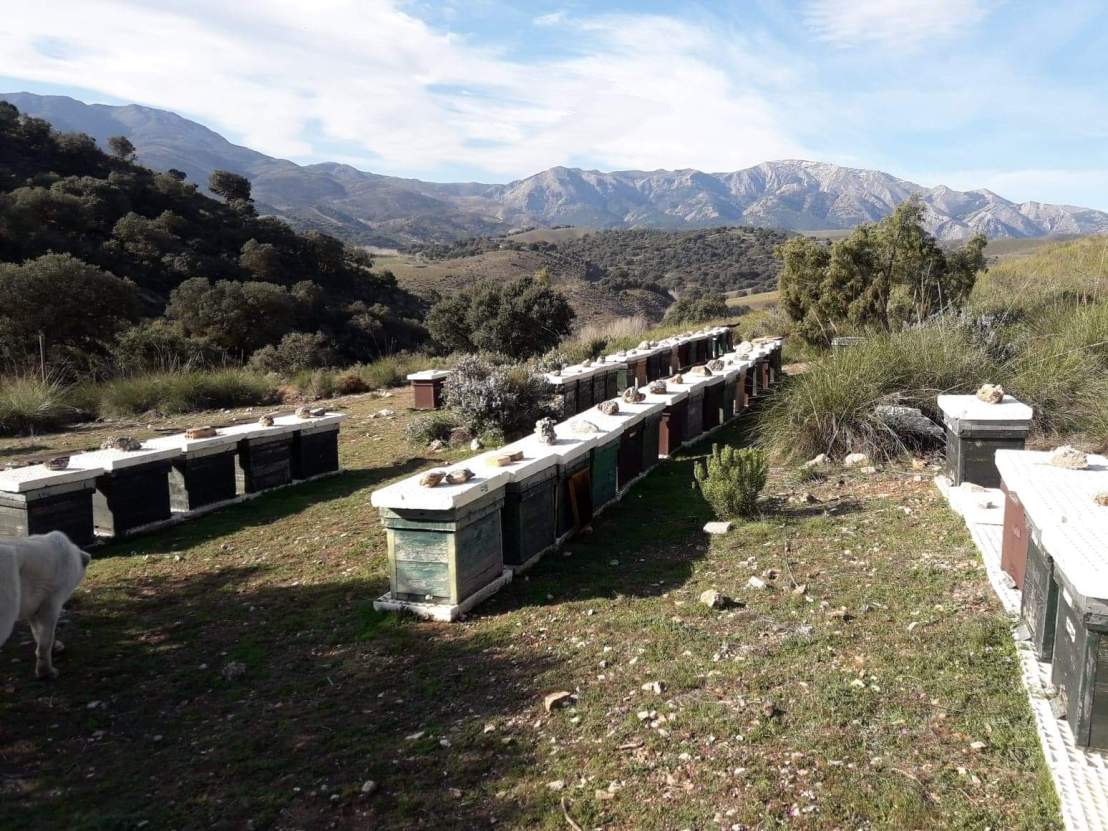
Bee hives.
Beware! Bees at work.
Stone threshing circle.
Almond Blossom for the bees.
Snow caps getting closer.
Finally wearing that hat. Does the job!

ooOOoo

I have just about muttered all the ooh’s and aah’s I can about this walk and the stupendous photographs.

Just loving it as much as everyone else!

Day Twenty-Three of Tom and Chica’s Walk

Tom travels on his own.

As you will read below, Tom took the opportunity to travel without Chica and Merlin today.

It was going to be too hot for the dogs.

Taken from here and republished with Tom and Gilliwolfe’s permission.

ooOOoo

Day 23: Alhama de Granada to camp position* 10k

By Tom and Chica, 26th February, 2020

Written by Tom’s wife.

Although Chica is much better and Merlin a very willing substitute, the forecast suggested quite high daytime temperatures so we decided it was best that I do a stretch on my own to try and make up lost time.

I caught the early train from Jimera to Granada where I got a tram to the bus station. The bus to the coast via Alhama de Granada didn’t leave until 3:30 so I had lunch at a pavement restaurant opposite. Later, I sat on a park bench in the sun to read but it wasn’t long before an ancient bucolic type decided to join me and make loud incomprehensible conversation. Eventually, I gave up and went for coffee. Returning to the bus station, I found him fast asleep presumably waiting for a bus. Not mine, fortunately, so a peaceful ride to Alhama but that was shattered as I found myself in the midst of a carnival with everyone in mad fancy dress!

After wandering around taking it all in, I headed to the top of town and filled my water bottles at a fuente then headed off at 6 pm. An hour later I was walking through poplar plantations on a pitch black lane trying to find a suitable camping spot. It was another hour before I picked up a GR7 sign in my torchlight which pointed uphill, too steep to try in the dark.

Luckily, I found a perfect spot above a stream which was only marred by the broken bottles left by previous visitors. By now, it was very chilly so I went straight to bed, glad to have put in at least a couple of hours walking.

Carnival fancy dress – strange!
The theme isn’t evident!
Leaving the party.

ooOOoo

Day Twenty-Four tomorrow!

I must say these are fabulous posts and I shall miss them when they eventually come to an end!

Day Twenty-Two of Tom and Chica’s walk

A hiccup to their progress!

At the time of republishing this, as in March 27th, I am well over a month behind the news that Chica suffered an infection. But it was still a shock to read of Chica’s illness and, thank goodness, it wasn’t anything more than an infection.

For I have got used to Chica and Merlin walking GR7 and hadn’t thought of anything interrupting their progress.

ooOOoo

Day 22: El Robedal to Alhama de Granada (including emergency car ride) 10k

By Tom and Chica, 20th February, 2020

Written by Tom’s wife.

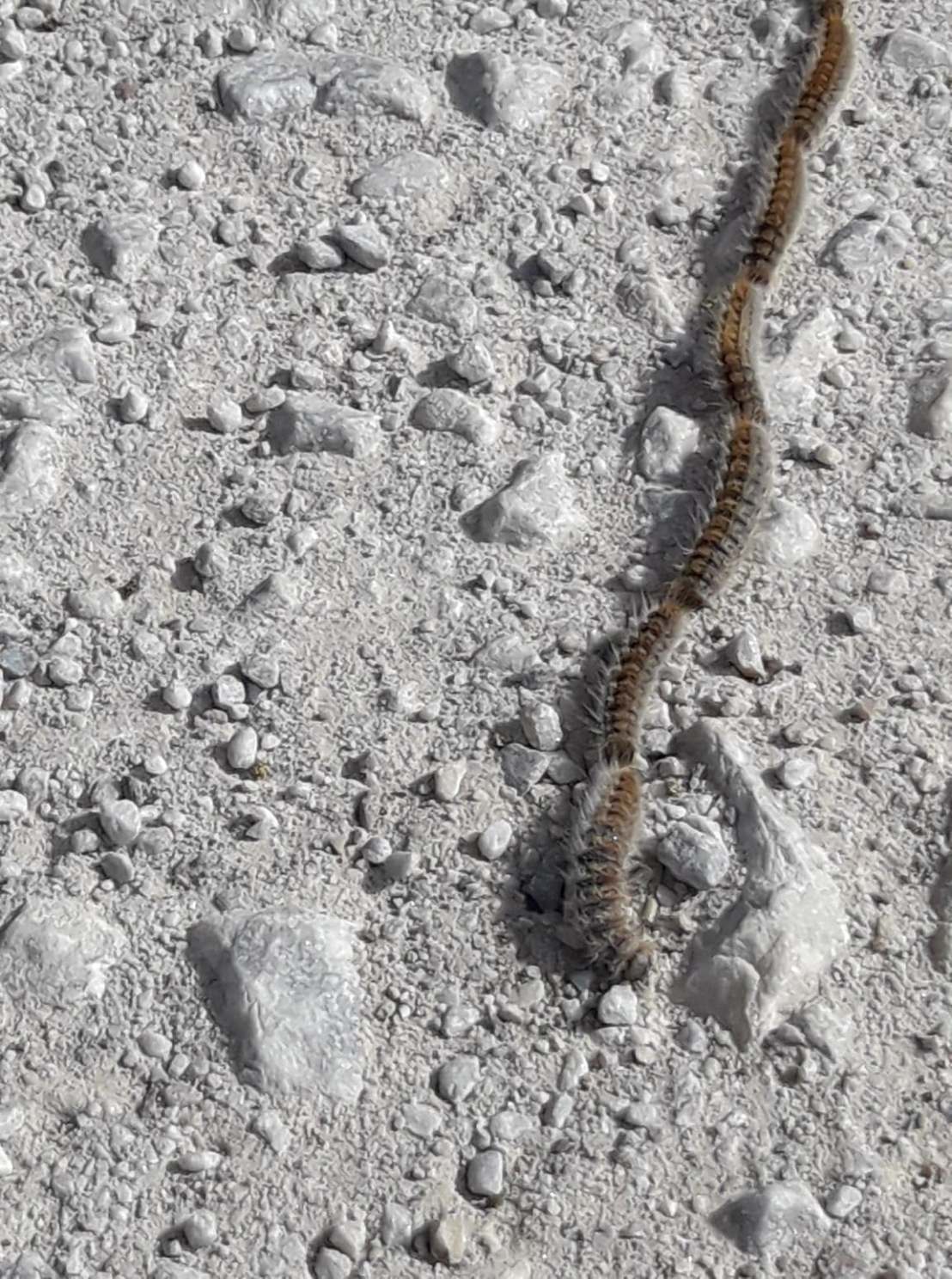
I woke as the sun hit the tent and Chica sat outside soaking up the warmth while I had a leisurely breakfast and packed up. It was 11ish before we set off up the track. More evidence of sap bleeding before we came across some processionary caterpillars on the march.

We know about these nasty critters from earlier in the trip and I avoid camping anywhere where the nests are evident but these appeared on the track. I was pretty sure Chica hadn’t got anywhere near them but when she started to slow down and look decidedly off colour, I got very worried indeed. They can cause serious injury to dogs. I stopped to try and decide what to do – I was the middle of nowhere and it looked like we might need a vet.

As if sent from the gods, Heidi (who was actually a London cockney) rocked up to walk her dog and offered a lift into Alhama de Granada. She was the first person I’d seen all day! I accepted very gratefully.

I found a vets and they were opening soon so we sat on the steps outside and waited. The vet was lovely, examining Chica thoroughly and to my relief saying it wasn’t anything to do with the caterpillars. She had a high temperature, however, and so it was probably an infection. He gave her an antibiotic injection and vitamins and asked me to bring her back in the morning. I then carried her, as well as my pack, to the nearest place I could camp and put her to bed wrapped in my fleece. She was instantly asleep.

Chica warming up.
Pine forest and blue skies.
More sap bleeding.
Processionary caterpillars proceding across our path.
Clinique Veterinario Alhama

Author’s note: Although her temperature had lowered, Chica was still poorly the following morning, so we decided it was best for me to go out and fetch them. They are now back at base in Jimera and we will take a break until she recovers. Many thanks to Clinque Veterinario Alhama for their exceptional care.

ooOOoo


Day Twenty-One of Tom and Chica’s walk

Another day where the photographs reign supreme!

I love this slightly altered format of the posts from Gilliwolfe. Because the photographs are so, so beautiful.

Taken from here, as per usual, and republished for your delight with the approval of Tom and Gilliwolfe.

ooOOoo

Day 21: Ventas de Zaffaraya to El Robedal camping area 15k

By Tom and Chica, 20th February, 2020

Written by Tom’s wife

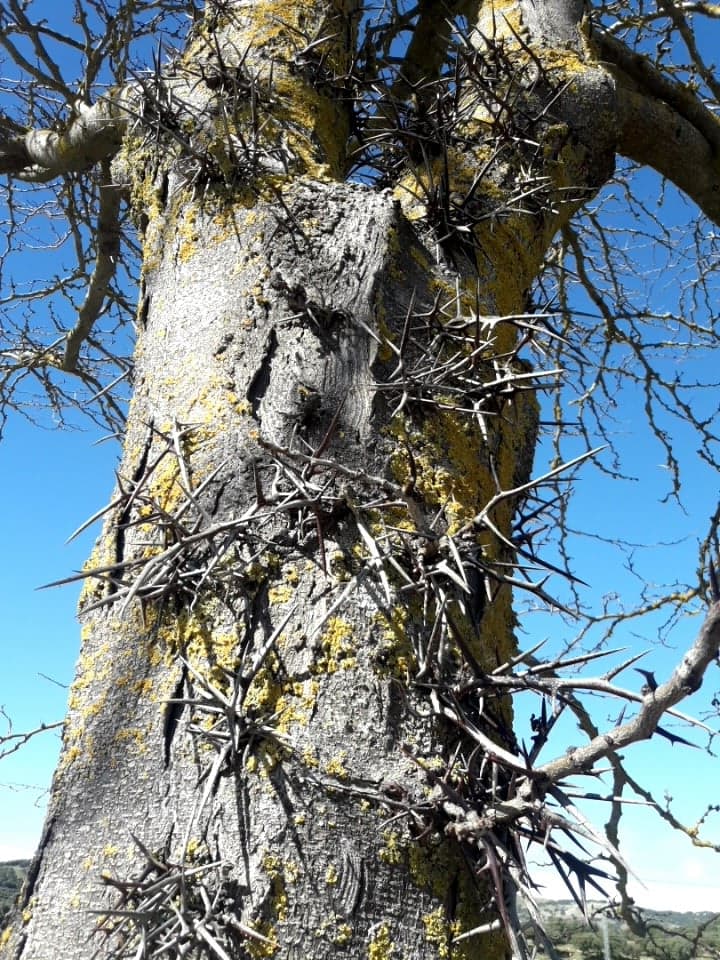
After a relaxing day off in Zaffaraya, Day 21 dawned fair and after breakfast of tostada and jam, we headed out of town on the dismantled railway track. This nice, level start was welcome before the climb up into the hills in holm oaks, later descending into farmland, mostly vegetable cultivation – artichokes and courgettes among others. As it began to heat up to around 25 deg, I passed a honey locust tree with the longest spines I’ve seen. These are related to the false acacia which I’ve had to trim for clients in the UK – a job to be done with extreme care and robust gloves.

Lunch at around 2.30pm of scrambled eggs and asparagus, washed down with coffee and beer at Hotel Los Canos de la Alcaiceria. We then entered the National Park and enjoyed pleasant walking until 5pm when we reached the El Robedal recreative area. This is set in pine forest with views to the nearby snow-capped La Maroma mountain and offers free camping with a toilet block, running water and barbecue area. So after the tent was pitched, I lit a fire, ate a mediocre dehydrated meal and sat back to enjoy the fantastic night sky. Perfect!

Setting off …
Ironic!
Honey locust tree – a gentle name for a truly vicious tree!

No lack of information.
Sap ‘bleeding’. The sap is used in turpentine production
Heading towards camp.
El Robedal Area Recreative – free camping with toilets, running water and barbecue areas.

ooOOoo

I hope you good people are enjoying this walk as much as I am!

It is such a wonderful trip and they have been on their walk for very nearly three weeks!

Day twenty-two tomorrow.

Day Twenty of Tom and Chica’s walk

A cornucopia of photographs!

Just three paragraphs of writing are published in today’s GR7 post. But the photographs are precious!

Just see what I mean!

ooOOoo

Day 20: Alfarnatejo to Ventas de Zaffaraya 18k (inc deviation)

By Tom and Chica, 16th February, 2020

Written by Tom’s wife.

We had a very long but really enjoyable day today. Unfortunately, I took a wrong turn early on, which meant a lot more mileage and hill climbing to get back to where we should have been.

However, it was interesting and I got to meet lots of people including a chap from Derbyshire who gave me the right directions. Then a couple of old ladies at a fuente who confirmed that I was now going the right way. After that, a group of young Spanish women walking the other way who told me how far I had to go. Which was slightly deflating.

When I reached Ventas de Zaffaraya at 7pm, I decided the prudent thing to do was to go to the first bar I saw and rehydrate. This was Hotel/Bar Aqui te Queiro (I love you here??). I asked about places to stay as hostel next door appeared closed. The owner was located though, and she spoke English – always a relief at the end of the day when I can barely string a sentence together, even in my own language. Shower and comfy bed beckons. Joy!

Breaking camp
Leaving no trace
I’m ready!
Pomegranate.
What a strange house.
Early mists.
Keeping the ear in the sun from burning. Trend setter?
Tempting!
Definitely on the right track now!
These pilas (troughs) are so welcome.
Late afternoon.
Civilisation means a bar!
Pooped squeaks.

ooOOoo

Glorious! Just glorious!