Category: consciousness

Climate Change and Humanity: Postscript.

A personal viewpoint after reading Tom’s essay Is Climate Change a Crime Against Humanity?

Last Thursday, July 3rd, I republished a post, what Tom calls a Tomgram, from TomDispatch comparing the USA’s attitude to the very small risk of a country exploding a weapon of mass destruction, WMD, over American soil to the 95% risk of the USA being harmed from the effects of climate change.  Here’s an extract from the central part of Tom’s essay:

So here’s a question I’d like any of you living in or visiting Wyoming to ask the former vice president, should you run into him in a state that’s notoriously thin on population: How would he feel about acting preventively, if instead of a 1% chance that some country with weapons of mass destruction might use them against us, there was at least a 95% — and likely as not a 100% — chance of them being set off on our soil? Let’s be conservative, since the question is being posed to a well-known neoconservative. Ask him whether he would be in favor of pursuing the 95% doctrine the way he was the 1% version.

After all, thanks to a grim report in 2013 from the Intergovernmental Panel on Climate Change, we know that there is now a 95% -100% likelihood that “human influence has been the dominant cause of the observed warming [of the planet] since the mid-20th century.” We know as well that the warming of the planet — thanks to the fossil fuel system we live by and the greenhouse gases it deposits in the atmosphere — is already doing real damage to our world and specifically to the United States, as a recent scientific report released by the White House made clear. We also know, with grimly reasonable certainty, what kinds of damage those 95% -100% odds are likely to translate into in the decades, and even centuries, to come if nothing changes radically: a temperature rise by century’s end that could exceed 10 degrees Fahrenheit, cascading species extinctions, staggeringly severe droughts across larger parts of the planet (as in the present long-term drought in the American West and Southwest), far more severe rainfall across other areas, more intense storms causing far greater damage, devastating heat waves on a scale no one in human history has ever experienced, masses of refugees, rising global food prices, and among other catastrophes on the human agenda, rising sea levels that will drown coastal areas of the planet.

Tom’s essays had many great links to background research papers and other supporting material.  The penultimate link was embedded (my italics) in this sentence: “In the case of a major exchange of such weapons, we would be talking about “the sixth extinction” of planetary history.”  That linked to the Amazon page describing the book, released earlier this year, of the same name written by Elizabeth Kolbert, as follows:

A major book about the future of the world, blending intellectual and natural history and field reporting into a powerful account of the mass extinction unfolding before our eyes

Over the last half a billion years, there have been five mass extinctions, when the diversity of life on earth suddenly and dramatically contracted. Scientists around the world are currently monitoring the sixth extinction, predicted to be the most devastating extinction event since the asteroid impact that wiped out the dinosaurs. This time around, the cataclysm is us. In The Sixth Extinction, two-time winner of the National Magazine Award and New Yorker writer Elizabeth Kolbert draws on the work of scores of researchers in half a dozen disciplines, accompanying many of them into the field: geologists who study deep ocean cores, botanists who follow the tree line as it climbs up the Andes, marine biologists who dive off the Great Barrier Reef. She introduces us to a dozen species, some already gone, others facing extinction, including the Panamian golden frog, staghorn coral, the great auk, and the Sumatran rhino. Through these stories, Kolbert provides a moving account of the disappearances occurring all around us and traces the evolution of extinction as concept, from its first articulation by Georges Cuvier in revolutionary Paris up through the present day. The sixth extinction is likely to be mankind’s most lasting legacy; as Kolbert observes, it compels us to rethink the fundamental question of what it means to be human.

Here’s an interview of Elizabeth Kolbert taken from the Democracy Now programme. It’s a tad under 20 minutes so easy to put aside a little of your time to watch it.

PLEASE DO!

Published on Feb 11, 2014
February 2014 on Democracy Now!

In the history of the planet, there have been five known mass extinction events. The last came 65 million years ago, when an asteroid about half the size of Manhattan collided with the Earth, wiping out the dinosaurs and bringing the Cretaceous period to an end. Scientists say we are now experiencing the sixth extinction, with up to 50 percent of all living species in danger of disappearing by the end of the century. But unlike previous extinctions, the direct cause this time is us — human-driven climate change. In “The Sixth Extinction: An Unnatural History,” journalist Elizabeth Kolbert visits four continents to document the massive “die-offs” that came millions of years ago and those now unfolding before our eyes. Kolbert explores how human activity — fossil fuel consumption, ocean acidification, pollution, deforestation, forced migration — threatens life forms of all kinds. “It is estimated that one-third of all reef-building corals, a third of all fresh-water mollusks, a third of sharks and rays, a quarter of all mammals, a fifth of all reptiles, and a sixth of all birds are headed toward oblivion,” Kolbert writes. “The losses are occurring all over: in the South Pacific and in the North Atlantic, in the Arctic and the Sahel, in lakes and on islands, on mountaintops and in valleys.”

Elizabeth Kolbert, is well known for her reporting on global warming as a staff writer at The New Yorker magazine, which led her to investigate climate species extinction. Her new book is The Sixth Extinction: An Unnatural History. In 2006, she wrote Field Notes from a Catastrophe: Man, Nature, and Climate Change.

Make no mistake, that short video interview doesn’t pull any punches.  Just as Kolbert’s book.  It is very tempting to want to hide, to close one’s ears and eyes and pretend it’s all a bad dream and, soon, we will awaken to a bright, new dawn.

(Now for something really lovely! It’s 1:40pm on Sunday, 6th)

I took a quick break to think about my next sentence.  I was looking for some words that would encourage us all to do something!  Because as John Hurlburt recently wrote: “Failure to act condemns us to death as a species of fools.

In that short break I saw that someone else had signed up to follow Learning from Dogs.  That person describes herself as Elsie Bowen-Dodoo.  Her blog is called BowenDiaries. On her About page, Elsie writes:

Elsie Bowen-Dodoo. Living life with a purpose. Persevering to inspire all races.

I write to inspire people hoping that they reading my articles and stuff will be touched to do something positive in their lives.

We really can all make this world a better place to live in.

Talent should not be wasted.

This is the picture on Elsie’s home page.

Positive inspiration!

So here’s my take on where we, as in all mankind, are at.

  • We have to turn our backs on growth, greed and materialism.
  • Each of us must place caring for our planet our highest priority in life.
  • Each of us must be alive to making a positive difference.
  • Being true to what we know is right will set us free.
  • This will also create ripples of positive energy that will set others free.
  • That is the only sustainable way to go.

Let me close by returning to dogs.  After all this blog is called Learning from Dogs! By recognising, of course, that these are challenging times. As we are incessantly reminded by the drumbeat of the doom-and-gloom news industry every hour, frequently every half-hour, throughout the day. A symphony of negative energy.

Yet right next to us is a world of positive energy. The world of dogs. A canine world full of love and trust, playfulness and relaxation. A way of living that is both clear and straightforward; albeit far from being simple. As anyone will know who has seen the way dogs interact with each other and with us humans.

In other words, dogs offer endless examples of positive behaviours. The wonderful power of compassion for self, and others, and of loving joy. The way to live that we humans crave for. A life full of hope and positive energy that keeps the power of negativity at bay.

That is the only way forward!

Oliver, Cleo and Hazel playing together.
Oliver, Cleo and Hazel joyfully playing together.

Birds, castles and time immemorial.

A wonderful reminder of a very ancient custom.

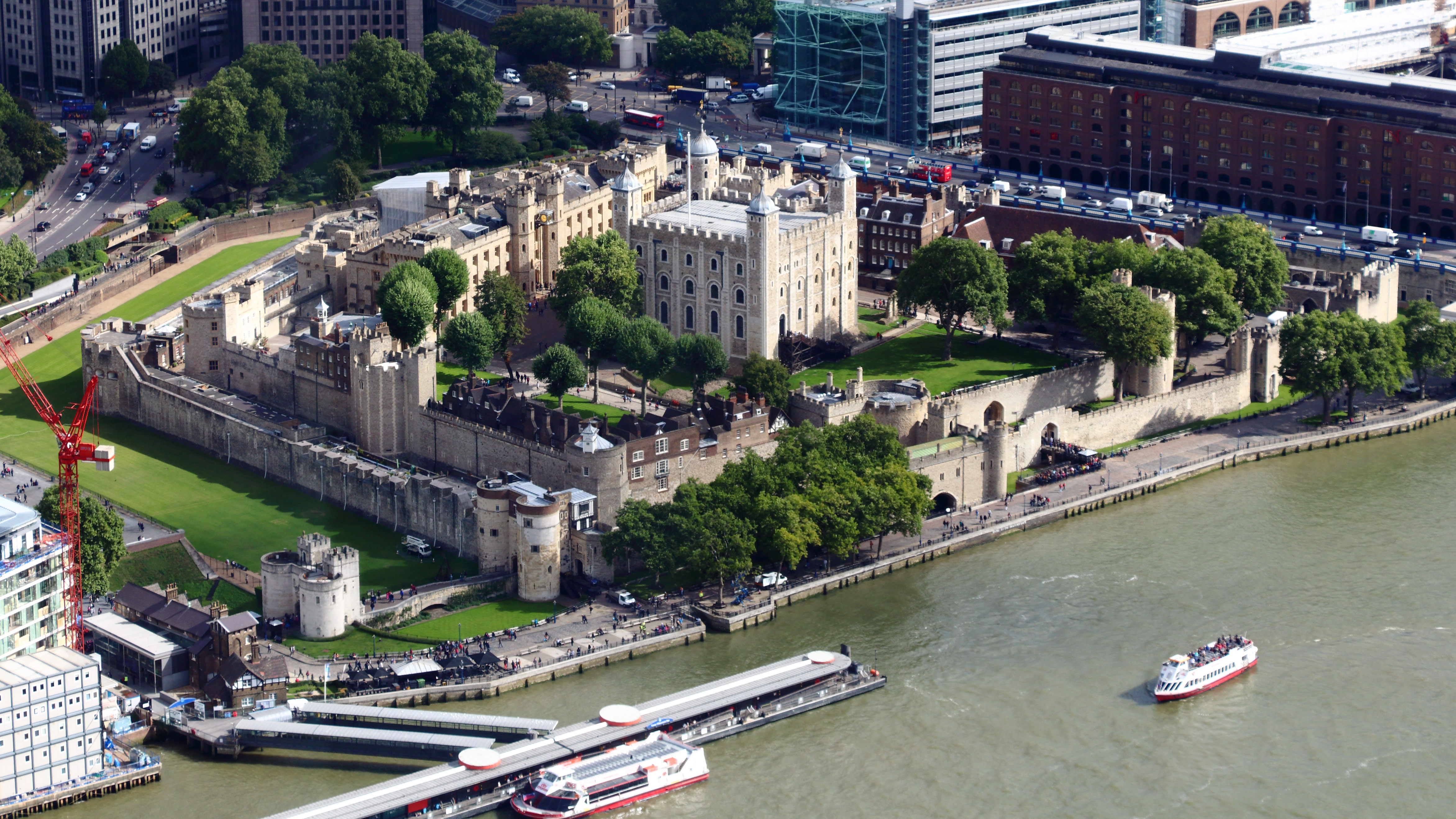
We recently watched a programme about Britain’s Castles and Palaces.  Part of the programme focussed on the long (and I mean ‘long’!) history of the Tower of London and the black ravens who watch over it.

The Tower of London is old! Very old.

An aerial view of the Tower of London

As the website Britain Express explains:

Founded nearly a millennium ago, the Tower of London has been expanded upon over the centuries by many a king and queen. The first foundations were laid in 1078 and the castle has been constantly improved and extended.

The Tower of London is the oldest palace, fortress and prison in Europe. History has it that King Edward of England backed down on his promise to give the throne to William, Duke of Normandy and ended up giving the throne to Harold Godwinson, his English brother-in-law.

Foundations laid in 1078! 936 years ago!

Almost beyond imagination is the story, according to this BBC programme, that the ravens were known to be inhabiting this part of London even before those foundations were laid!

Defenders of the Realm!

I’m delighted to see that a segment of that programme has found its way onto YouTube.

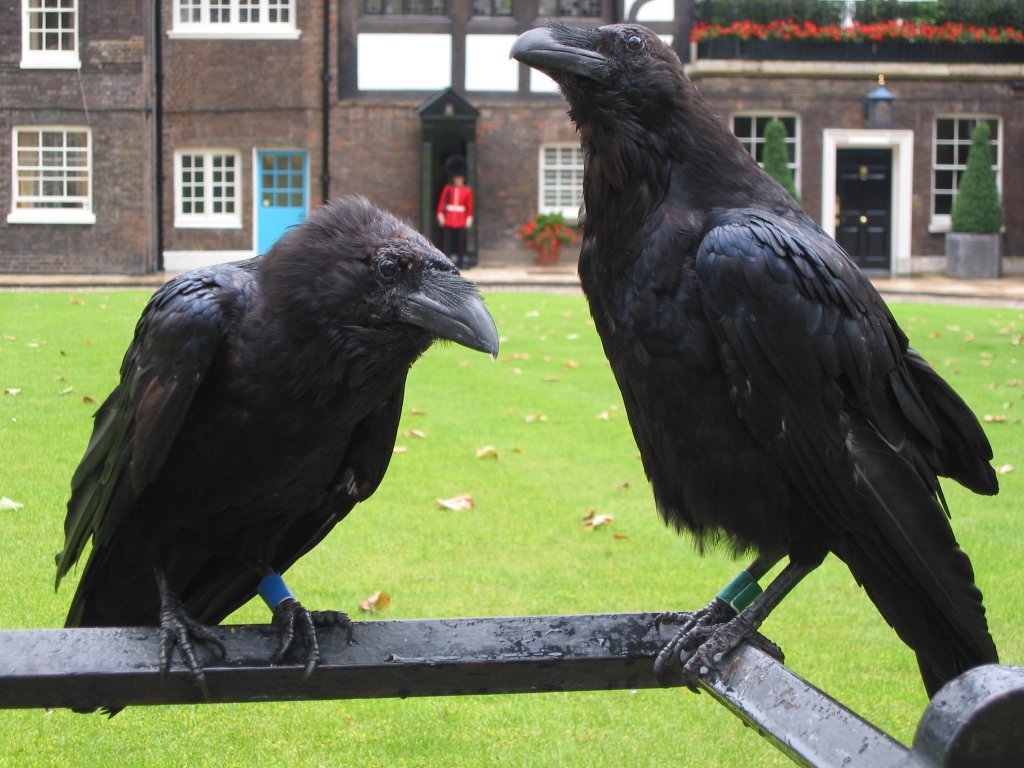
Legend says that the kingdom and the Tower will fall if the six resident ravens ever leave the fortress…

There are nine ravens at the Tower today (the required six plus a few spare!). Their lodgings are to be found next to the Wakefield Tower. These magnificent birds, large members of the genus Corvus, the crow family, respond only to the Ravenmaster and should not be approached too closely by anyone else!

Rather puts all the craziness of present times into perspective!

Self compassion.

A placeholder just for today.

Yesterday morning I had a lovely long chat with Jon Lavin in the UK.  We chit-chatted for a long time, covering such matters as caring for ourselves, about being compassionate towards the self, and much more besides.

Then in stark contrast, around noon Jean and I went over to “Runaway Tractors” to collect our tractor that had been in for a service.

The afternoon brought along another great conversation with John Hurlburt, he of the highly-appreciated Human arrogance essay last Thursday.  That brought forth a whole bundle of ideas to write about.

The talks with Jon and John inspired a wonderful set of essays in my mind – BUT!

But by the time I sat down in front of the PC to write today’s post, I had simply run out of time to write something of value.  So I’m cheating, well sort of, by reposting something from a little over a year ago. Hope it’s fresh to your eyes and that you enjoy it.

ooOOoo

Returning to Nature

The power of serendipity!

Why the choice of this sub-heading?  Well, just because a number of quite separate articles and essays have come together to offer a powerful, cohesive argument for reconsidering the role of Nature in the future of mankind.

Of course, my use of words in that preceding sentence is completely ludicrous; the suggestion that ‘Nature’ is disconnected from ‘mankind’.  Yet millions of us, to a greater or lesser degree, do behave as if we are the masters of the world.

So let me dip into what has been ‘crossing my desk’ in recent times.

On May 28th, George Monbiot published in The Guardian newspaper an essay entitled A Manifesto for Rewilding the World.  (The link takes you to the article on the Monbiot blogsite.)  Here’s how that essay opened,

Until modern humans arrived, every continent except Antarctica possessed a megafauna. In the Americas, alongside mastodons, mammoths, four-tusked and spiral-tusked elephants, there was a beaver the size of a black bear: eight feet from nose to tail(1). There were giant bison weighing two tonnes, which carried horns seven feet across(2).

The short-faced bear stood thirteen feet in its hind socks(3). One hypothesis maintains that its astonishing size and shocking armoury of teeth and claws are the hallmarks of a specialist scavenger: it specialised in driving giant lions and sabretooth cats off their prey(4). The Argentine roc (Argentavis magnificens) had a wingspan of 26 feet(5). Sabretooth salmon nine feet long migrated up Pacific coast rivers(6).

During the previous interglacial period, Britain and Europe contained much of the megafauna we now associate with the tropics: forest elephants, rhinos, hippos, lions and hyaenas. The elephants, rhinos and hippos were driven into southern Europe by the ice, then exterminated around 40,000 years ago when modern humans arrived(7,8,9). Lions and hyaenas persisted: lions hunted reindeer across the frozen wastes of Britain until 11,000 years ago(10, 11). The distribution of these animals has little to do with temperature: only where they co-evolved with humans and learnt to fear them did they survive.

I’m not going to reproduce the bulk of the article; just hoped that I have tickled your curiousity sufficient for you to read it in full here. But will just show you how it closed:

Despite the best efforts of governments, farmers and conservationists, nature is already beginning to return. One estimate suggests that two thirds of the previously-forested parts of the US have reforested, as farming and logging have retreated, especially from the eastern half of the country(23). Another proposes that by 2030 farmers on the European Continent (though not in Britain, where no major shift is expected) will vacate around 30 million hectares (75 million acres), roughly the size of Poland(24). While the mesofauna is already beginning to spread back across Europe, land areas of this size could perhaps permit the reintroduction of some of our lost megafauna. Why should Europe not have a Serengeti or two?

Above all, rewilding offers a positive environmentalism. Environmentalists have long known what they are against; now we can explain what we are for. It introduces hope where hope seemed absent. It offers us a chance to replace our silent spring with a raucous summer.

Then further research for this post brought to light an interview with David Suzuki in February.  Widely reported, I picked the version published on Straight.com, from which comes:

In December, Canadian specialty TV channel Business News Network interviewed me about the climate summit in Copenhagen. My six-minute interview followed a five-minute live report from Copenhagen, about poor countries demanding more money to address climate change and rich countries pleading a lack of resources. Before and after those spots were all kinds of reports on the Dow Jones Industrial Average, the price of gold and the loonie, and the implications of some new phone technology.

For me, this brought into sharp focus the inevitable failure of our negotiating efforts on climate change. BNN, like the New York-based Bloomberg channel, is a 24-hour-a-day network focused completely on business. These networks indicate that the economy is our top priority. And at Copenhagen, money dominated the discussions and the outcome.

But where is the 24-hour network dealing with the biosphere? As biological creatures, we depend on clean air, clean water, clean soil, clean energy, and biodiversity for our well-being and survival. Surely protecting those fundamental needs should be our top priority and should dominate our thinking and the way we live. After all, we are animals and our biological dependence on the biosphere for our most basic needs should be obvious.

The economy is a human construct, not a force of nature like entropy, gravity, or the speed of light or our biological makeup. It makes no sense to elevate the economy above the things that keep us alive. But that’s what our prime minister does when he claims we can’t even try to meet the Kyoto targets because that might have a detrimental effect on the economy.

This economic system is built on exploiting raw materials from the biosphere and dumping the waste back into the biosphere. And conventional economics dismisses all the “services” that nature performs to keep the planet habitable for animals like us as “externalities”. As long as economic considerations trump all other factors in our decisions, we will never work our way out of the problems we’ve created.

Concluding:

Nature is our home. Nature provides our most fundamental needs. Nature dictates limits. If we are striving for a truly sustainable future, we have to subordinate our activities to the limits that come from nature. We know how much carbon dioxide can be reabsorbed by all the green things in the oceans and on land, and we know we are exceeding those limits. That’s why carbon is building up in the atmosphere. So our goal is clear. All of humanity must find a way to keep emissions below the limits imposed by the biosphere.

The only equitable course is to determine the acceptable level of emissions on a global per capita basis. Those who fall below the line should be compensated for their small carbon footprint while those who are far above should be assessed accordingly. But the economy must be aligned with the limits imposed by the biosphere, not above them.

Quite clearly, if we continue to turn our backs on Nature, the consequences won’t be long in tapping us on the shoulder.

So, going to close it today with this, seen nearly a month ago on the PRI website:

oooo
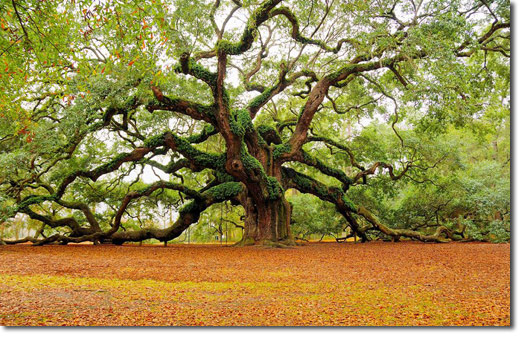
Plant a Tree

Trees — by Kristof Nordin May 27, 2013

angel-tree

Imagine the type of world we could see
If instead of saying ‘pray,’ we said, ‘plant a tree’.
With this one little change so much more could be done
To protect all living things found under the sun.

We could ‘plant a tree’ for our troops sent away into war
So when they return they’d come home to find more.
We could ‘plant a tree’ at our churches with our husband or wife
To praise the Creator through a celebration of life.

We could ‘plant a tree’ for the needy and for those with no food
We could even plant in public without seeming rude.
The government would not have to introduce rules,
And most likely we could ‘plant a tree’ at our schools.

If we took it to task to ‘plant trees’ for the poorest,
We would all soon be reaping the wealth of a forest.
We could plant freely with those of all religions and creeds,
The improvement of earth would be based on these deeds.

We could plant with our neighbours, our family, and friends,
And ‘plant a tree’ with our enemies to help make amends.
If we ‘plant a tree’ for the sick to show them we care,
We would also be healing the soil, water, and air.

We could ‘plant a tree’ to observe when two people wed,
And plant one with our kids each night before bed.
Throughout the history of the whole human race
We find respect for the ‘tree’ has always had a place.

The great Ash of the Norse was their tree of the World,
And on a tree in the Garden is where the serpent once curled.
It was in groves of Oaks that the Druid priests wandered,
And under the Bodhi where the great Buddha pondered.

In the Bible it’s clear that we have all that we need:
‘All the trees with their fruits and plants yielding seed’.
Despite all these lessons that the past has taught
Now days, it seems, we cut our trees without thought.

This is confirmed by the Koran, for in it we read:
‘Many are the marvels of earth, yet we pay them no heed’.
We all have a duty, no matter what nation
To perform our part in protecting Creation.

Just think what we’d have if we had picked up a spade
Every time each one of us bowed our heads and prayed.

Further Reading:

ooOOOoo

See you all tomorrow.
Human arrogance – a guest post.

A powerful and compelling post from friend and follower: John Hurlburt.

Anyone who can compose phrases such as “an enlightened interest in the quality of the harvest of our transitory lives” deserves to be listened to! Our friend, John, from our Payson, AZ, days, is a regular author of essays that arrive here in Hugo Road via the mail.  It’s always a pleasure to read John’s words and frequently I feel the need to share them with you, dear reader.  So it was with John’s latest.

I’ll say no more except to promise you that you will be enthralled.

ooOOoo

Arrogance ‘R Us

We hear the drumbeat of steadily increasing global, national, state, regional and local problems every day. When common-sense solutions are offered for any of these problems, the solutions are immediately demonized as actions which would aggravate the problems they would logically solve. This sort of nonsensical circular argument is both a paralyzing paradox and a guaranteed death spiral for our relatively young biological species.

We imagine that we know far more than we do. The Earth doesn’t need living species in order to regenerate life. Human beings continue to need the Earth from which we are made and which sustains our consciously aware being. Some of us believe that having money is the answer to all our problems. Actually, the imaginary power of human “money” is killing life on Earth from the bottom of the food chain up.

Every government in the world competes with every other government in the world for power and control to one degree or another. The richer the nation, the greater it’s illusion of power. We’ve forgotten about responsibility, morality and faith in the power of Nature. Change is a constant. Failure to adapt to change is a death knell for living beings.

We live to learn. Why? Is death a finality or a new beginning? Both classic and quantum physics recognize Conservation of Information and the exchange of energy and matter at the level of fundamental forces. How much of the energy of our lives is absorbed by the cosmos and how much is recycled as life energy? We have no earthly idea of the answer.

Aye, there’s the rub.

We do know that everything fits together. Otherwise, we’d be random atoms. We also know that the cosmos does not exist for the pleasure of human beings. To the contrary, if the cosmos were even minimally different, life as we know it would not exist. We are an infinitesimally small part of Reality.

Statistically, we’re not alone as consciously aware life forms in our universe. When we release ourselves from the bondage of our biological limitations, we connect with the living energy of our planet in harmony with the geo-magnetic network of our planet, our living galaxy, and our living universe. We realize that other life on Earth shares conscious awareness in varying degrees.

Don’t believe it? That’s a matter of choice. Consider that denying the facts of reality is a foundation for ignorance. Letting go is a gateway to enlightenment.

Those who do not accept change profess to believe that the immensity of a universe beyond our inclusive comprehension has existed since the beginning of time solely for their personal benefit. Their corporate slogan is “Arrogance ‘R Us”.

More precisely, the statistical probability of human conscious awareness being unique in the universe is so infinitesimal that it would be laughable if it weren’t for our present species peril.

Not only have we amassed enough fire power to turn the earth into a burning sphere overnight, we are now proceeding to systematically and efficiently eliminate the natural resources we need to live.

We can’t eat computers or opinions. Clean air, clean water, clean food and clean energy are more than slogans. They’re essential for human life. Are we a swarm of predatory locusts or are we stewards of the blessings of a life we don’t fully understand?

Money has dissolved the human contract with Nature which began about 14 million years ago on a planet that’s been around in one form or another for roughly the last 14 billion years. Preservation, sustainability and natural efficiency are enemies of our present delusional global economic system. No living species on Earth is safe from the ecocide being committed by human insanity. We’re experiencing a systemic failure and treating it as a side-show.

We’re suffering from a fatally immoral addiction to what we may personally consider to be the good life. It’s time for our conscious awareness to transcend self and species. We need to combine our spiritual awareness, our natural awareness, our moral awareness, our cultural awareness, our social awareness and our common sense for the immediate purpose of preserving, sustaining and accepting the natural efficiency of our pale blue dot in a universally remote solar system.

So, where do we begin? We begin wherever we are. Today is the tomorrow we dreamed of yesterday. What is our vision of tomorrow? Is it an Earth that is unchanging in the midst of constant change? Is it an Earth that is scorched and barren? Perhaps it can become an Earth that continues to grow and nurture our existence.

The choice is made by our daily actions. Time is not currently in our favor. Freedom is not the exclusive privilege of wealth. Freedom is everyone’s responsibility. Poverty is the deadliest form of violence. Seven trillion dollars of worthless derivatives tick like a time-bomb in dank Wall Street sub-basements. Environmental bankruptcy threatens all life on Earth. It’s more than past half-time to face our shared Reality. There’s no place to hide.

We grieve our former lives. We begin with the suppressed anger we have self-generated through fear until it has become a traumatic syndrome. The antidote for fear is faith. What do we believe? What are our values? Are we moral, semi-moral, immoral or amoral? Do we believe we are the purpose of the Cosmos or a relatively young animal living on a garden planet far from the heart of an emerging universe? Is our immediate gratification more important than any long-term purpose?

Global recovery depends upon inclusive personal recovery and the ability to recognize the urgency of our common purpose. Personal and cultural recovery begin by surrendering the illusionary cocoon of “self”. Stepping stones include daily humility, hope, study, acceptance, inventory, amends, sharing and compassionate service. The result is a new lease on life.

We surrender our politics. We learn to think for ourselves. We question authority. We test our ideas and follow the evidence. Science belongs to all of us. We reserve judgment. We realize that our imagination is nothing in comparison to the majesty of the truth of our shared Reality. We become creative rather than destructive.

We build a global resource management system based on the concepts of common well-being, strategic preservation and strategic efficiency. Our objective is to maintain, grow and recycle natural resources utilizing our technology as a constructive tool rather than as a weapon.

The concept of ownership needs to be replaced by the idea of strategic access to what we need as opposed to what we may superficially believe or think we want. We stop competing and start co-operating as the result of an enlightened interest in the quality of the harvest of our transitory lives.

As we live and learn together, we realize that love is as important to life as air, food, water and shelter.

Peace beyond all understanding,

an old lamplighter

ooOOoo

Fabulous essay! Breathtakingly so! Making it clear that there is so much for us humans to learn! Yet offering a clear pathway to that learning. Starting with unconditional love and openness! Now where’s a dog to learn from!

Hazel offering such openness and love in her eyes.
Hazel teaching us openness and love through her eyes.

Helping a pair of young birds.

Hoping that this story of rescuing some young birds may be of help to others.

Last Saturday afternoon we were sitting outside under the shade with the ‘kitchen’ group of dogs enjoying themselves.

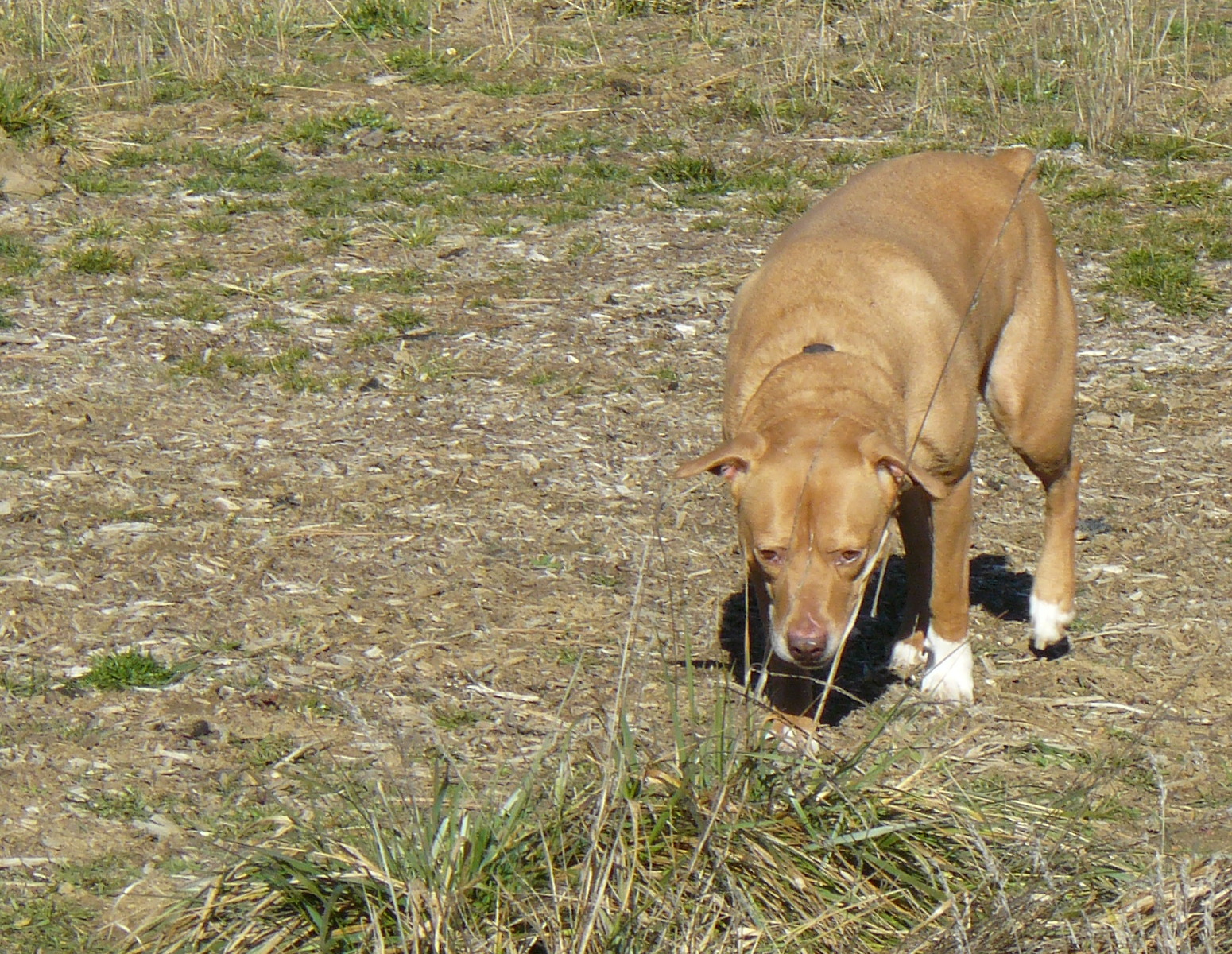
Jean and I noticed Casey taking a great interest in something on the ground.  Casey is a keen explorer as this photograph from earlier in the year demonstrates.

Casey demonstrating a dog's focussing skills!
Casey demonstrating a dog’s focussing skills!

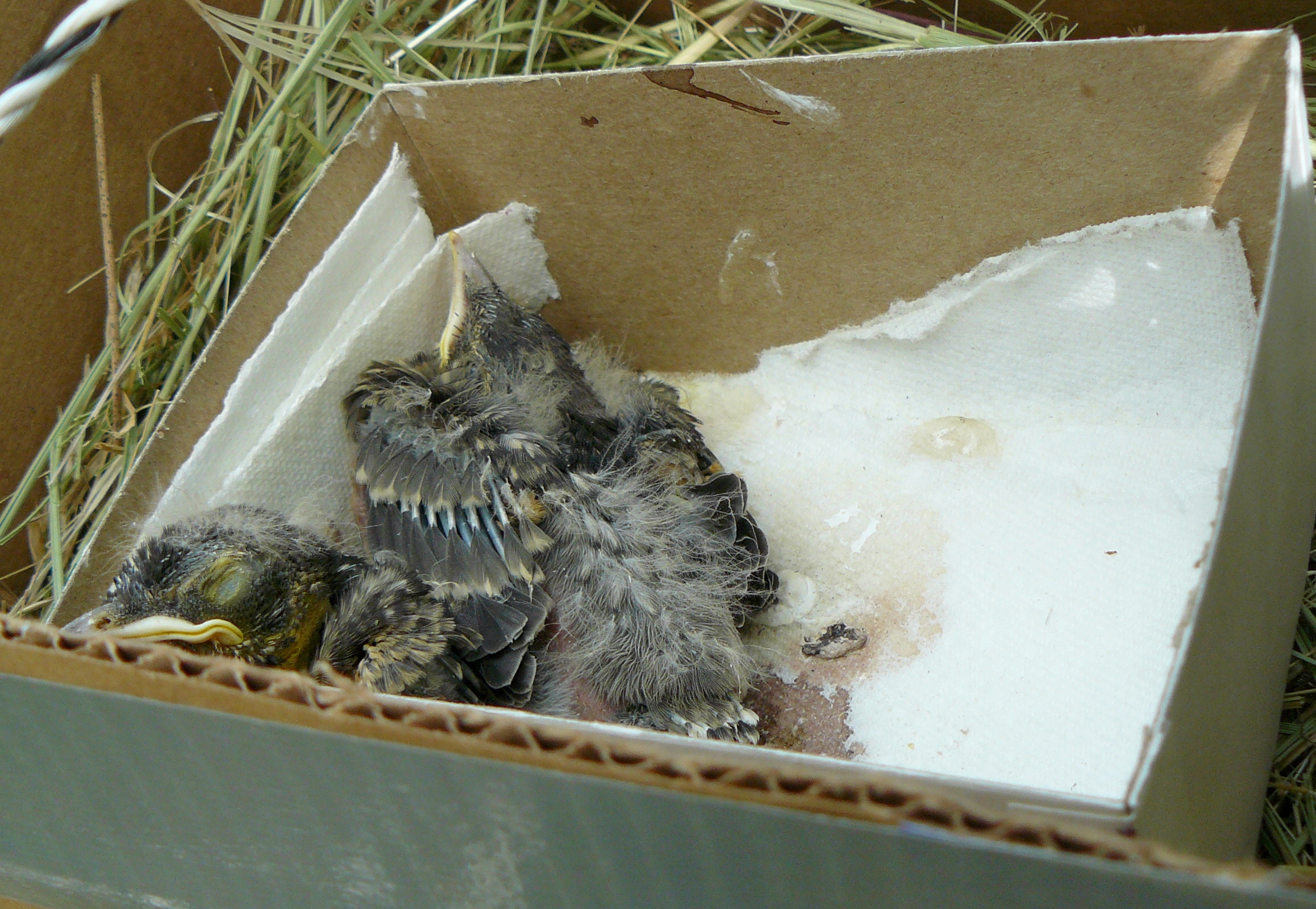
The something that had caught Casey’s attention was a small baby bird that had fallen from a nearby nest.  We called Casey away and went across to see the tiny creature whereupon Jean picked up the baby bird.

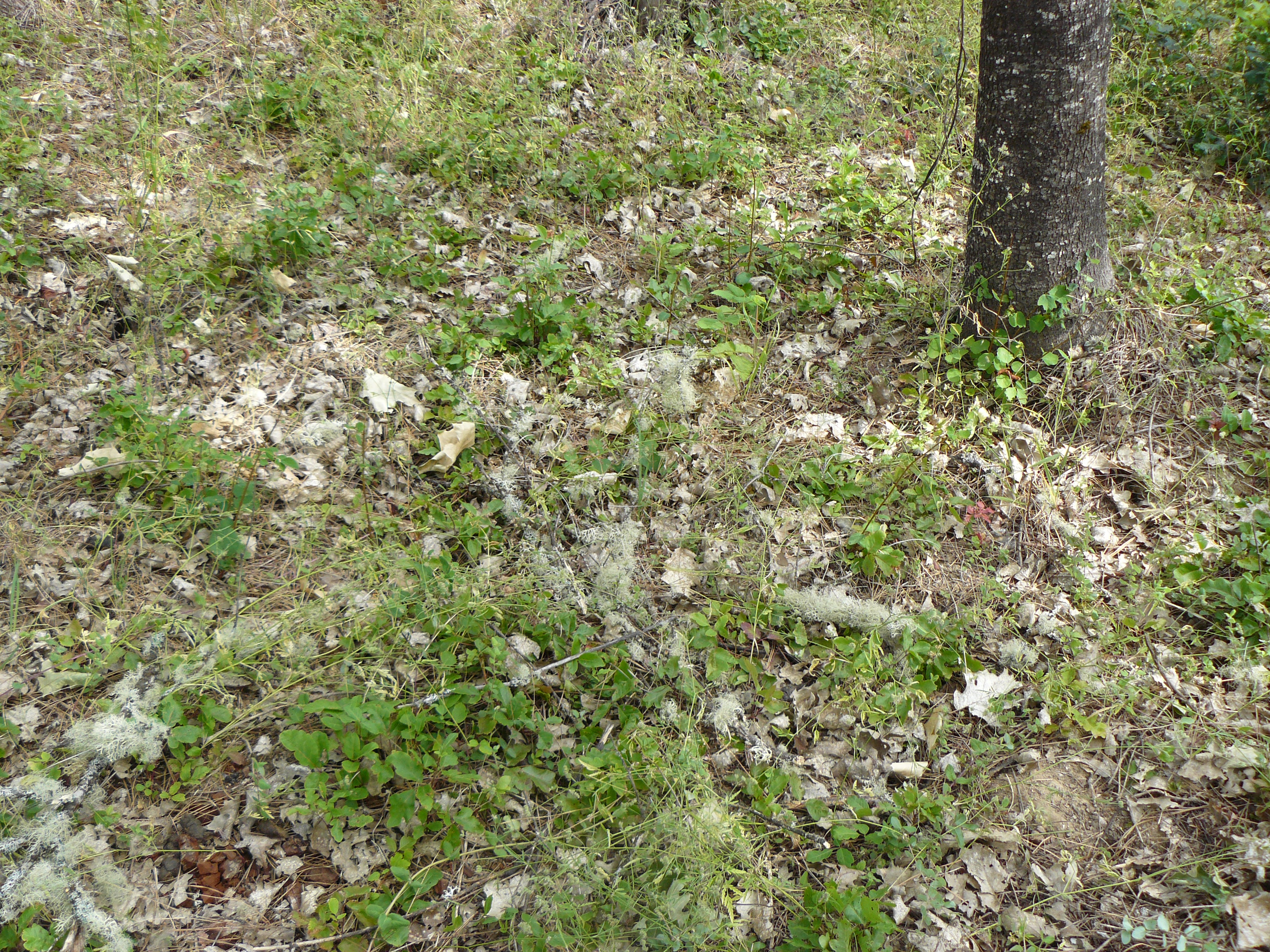
The patch of ground where the birds were found.

Frankly, we didn’t have a clue as to what to do but called Wildlife Images, just a few miles away from where we live.  As the Wildlife Images website explains:

Our guiding principles are the foundation for “why” we do what we do. These principles guide us in our work, our relationships with each other, our guests, supporters, sponsors, and vendors.

PURPOSE
Saving Wildlife

VISION
Wildlife Images Rehabilitation and Education Center is the educational leader of a healthy co-existence with our wildlife neighbors by rehabilitation sick, injured, and orphaned animals.

MISSION
Involve – people to share in our vision.
Educate – children and adults about the personal benefits of taking care of wildlife entrusted to our care.
Inspire – the public to engage in our rehabilitation and education efforts.

Jean and I had previously visited the centre and been impressed with their dedication to saving wildlife.

Over the phone we were told that the best thing to do was try and find the old nest and replace the baby bird within the nest.  If all else failed then bring the bird across to Wildlife Images.

Frankly, we struggled to find the nest but at least got a ladder up against the likely tree from where the bird had fallen.

It was as we were getting the ladder in place that we discovered another tiny bird on the ground in amongst the dead leaves and ground cover.  Now we had two birds and knew we were struggling to do the right thing for these vulnerable creatures.

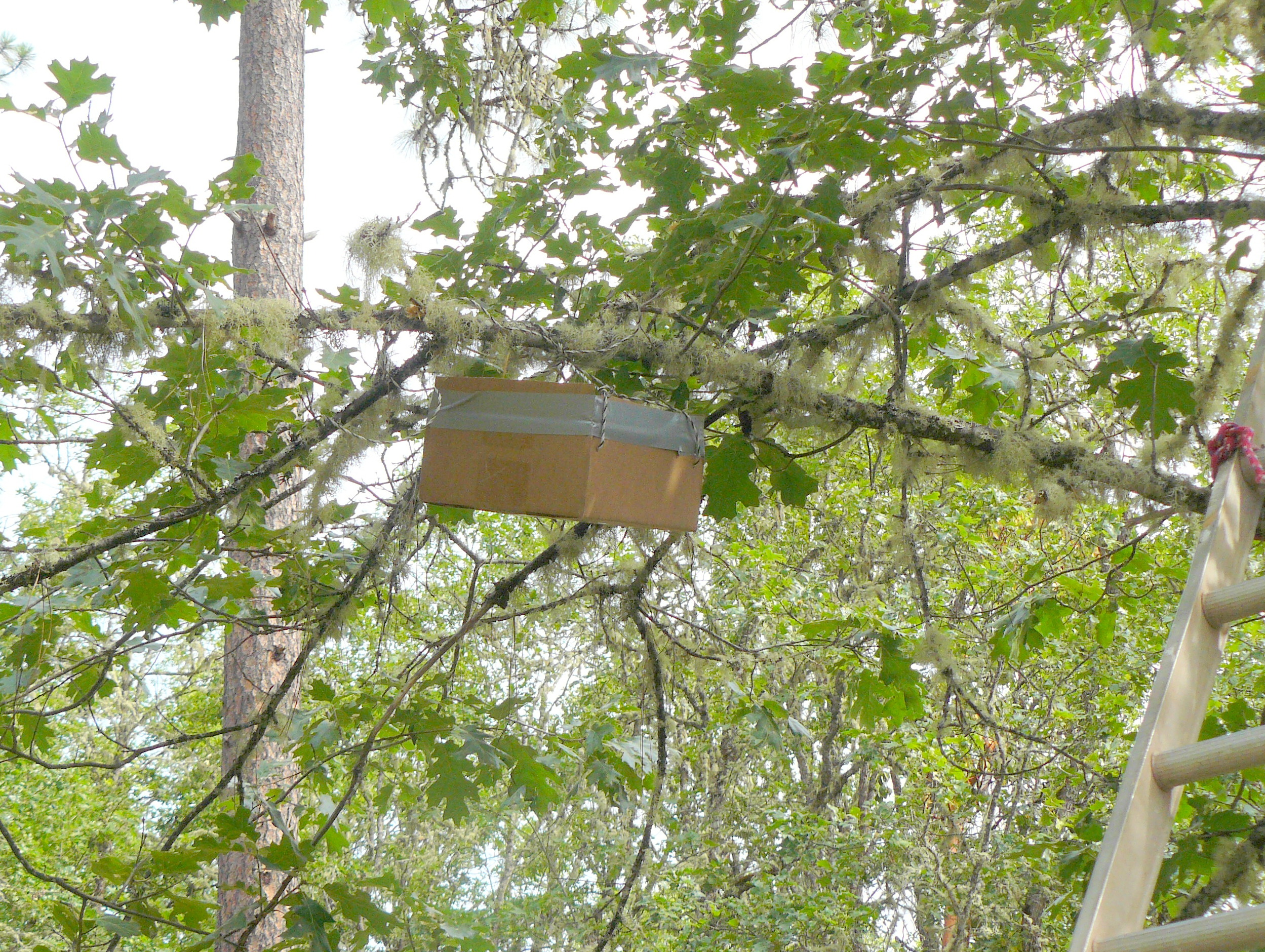
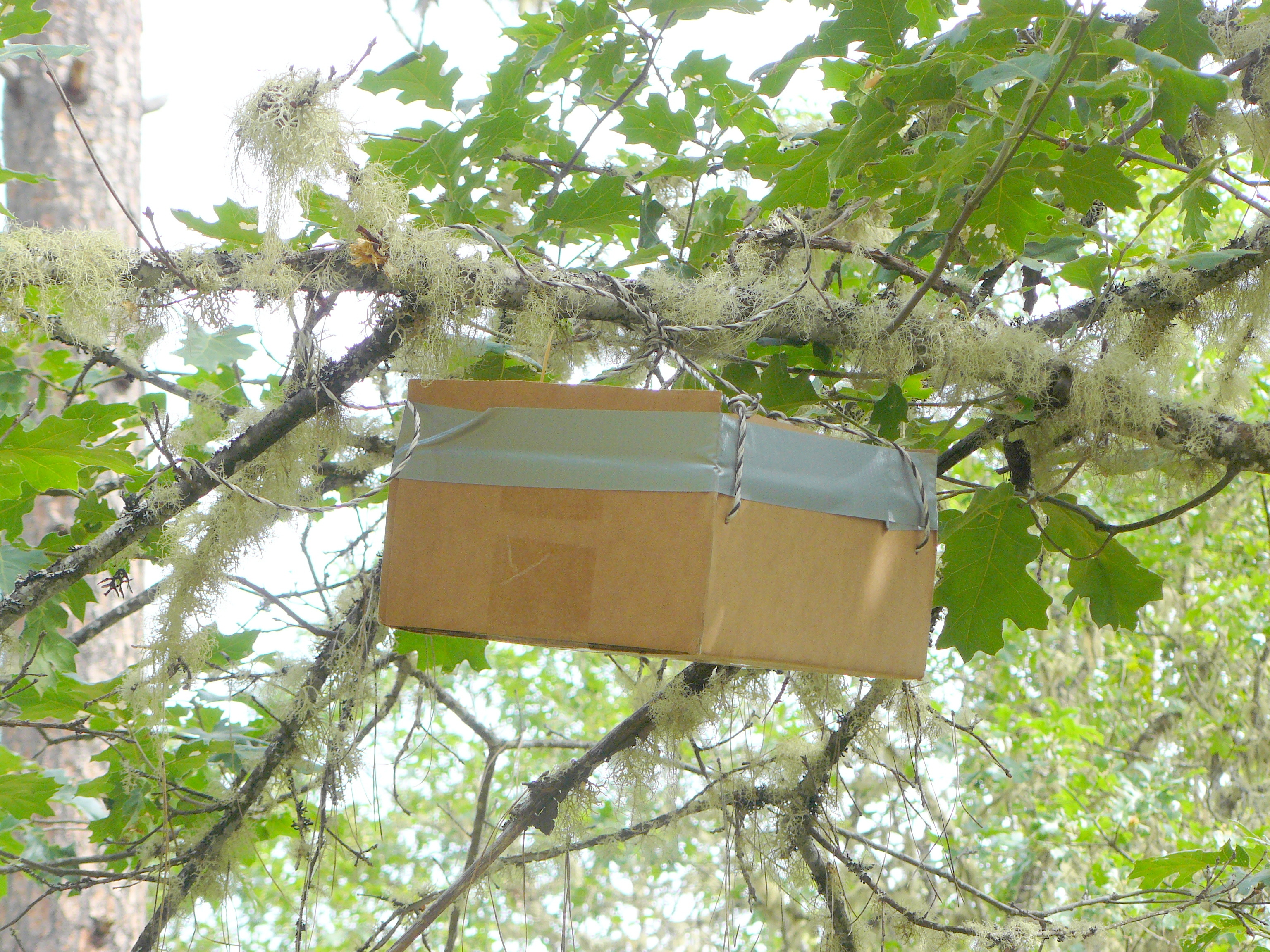
We drove across to Wildlife Images and they advised us to build an artificial nest and hang that up in the tree.  The call of the baby birds would attract the mother and, with a bit of luck, the mother would return to feeding the chicks again.  We were also told to speak quietly around the baby birds so that they wouldn’t imprint on our voice.  Apparently that was the greater risk of them being rejected rather than the smell of humans on their little bodies.

So back home we went and soon had a makeshift ‘nest’ in place.

Would it work?
Would it work?

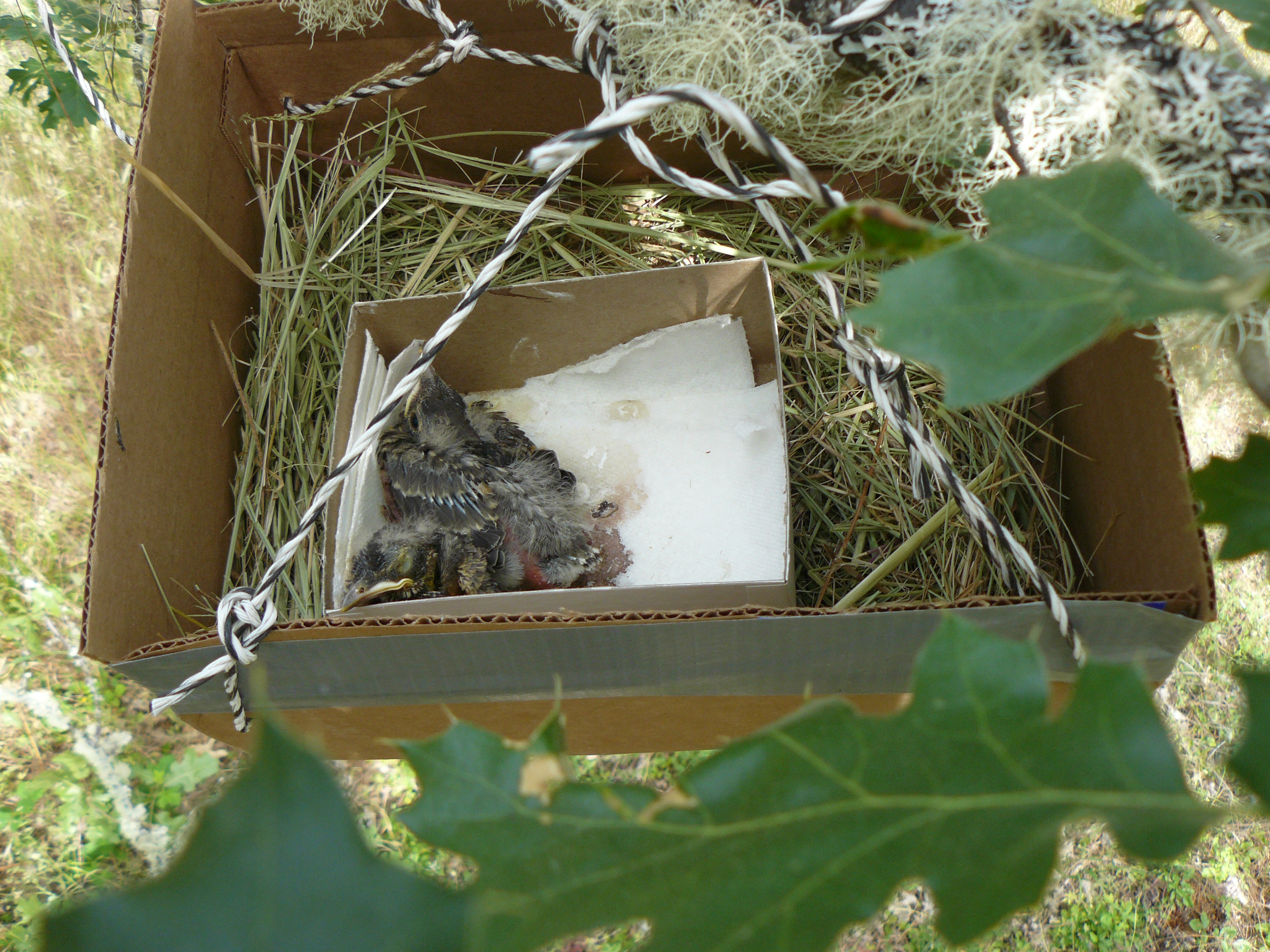
Once the ‘nest box’ was in place, it was time to place the youngsters in their new home.

Good luck, my little things.

We left the birds in peace and went inside for a while.  Our fear was that they might try leaping out.

Then curiosity got the better of us and we needed to see if they were still alright.  So a couple of hours later, I took the following photograph.

Against all odds!
Against all odds!

The evening approached and we feared for their fate.

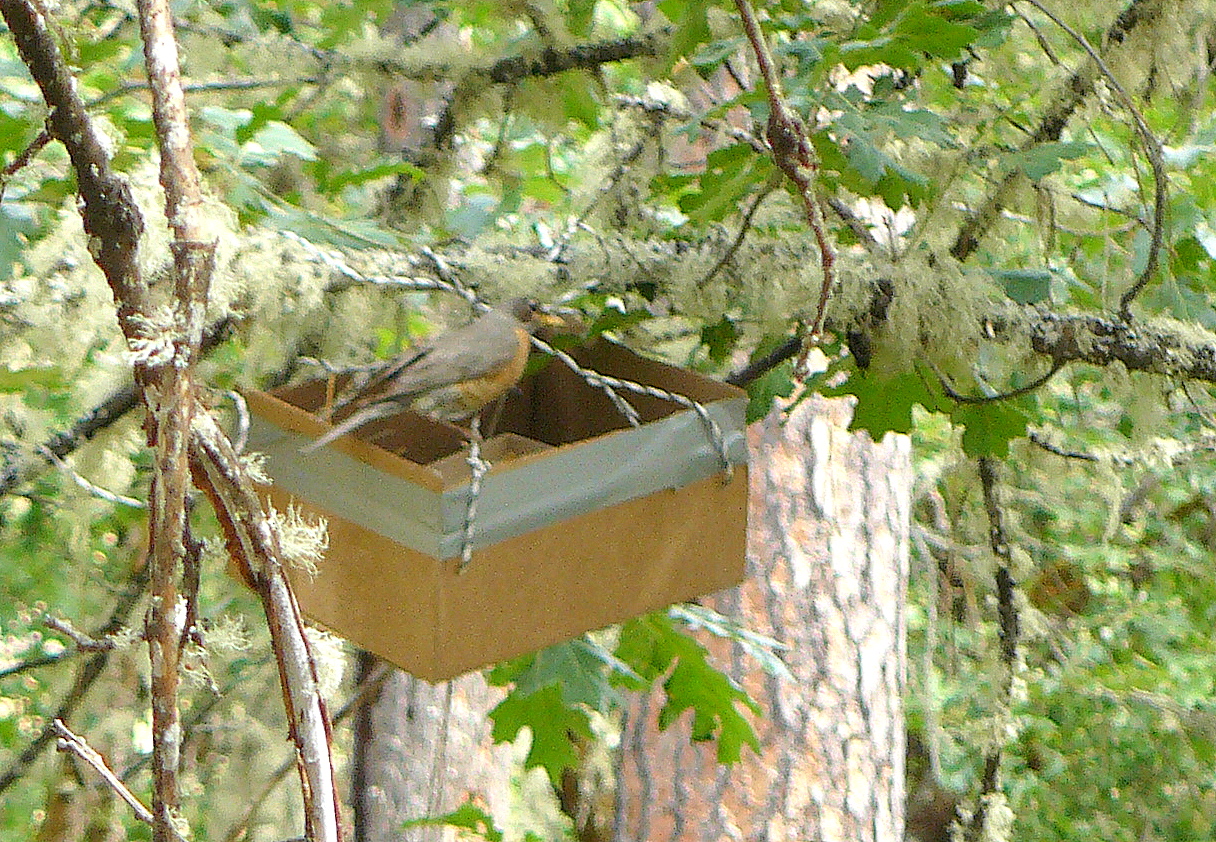
Then miracle of miracles we saw the mother come to them and start feeding her offspring.

We retired for the day content that we had done all we could.

Then on Sunday morning, bright and early, we went outside again.  Had they survived the night?  Had the mother returned to feed them this second day?

We heard nothing: saw nothing. Feared the worst.

It was no good, I had to climb the ladder and take a peek.

Still alive!
Still alive!

They were still in the land of the living!

Yet, there was still no sign of the mother.

Jean and I sat under our nearby gazebo and tried hard not to fear the worst.  My camera was on my lap.

Then Jean saw a flash of feathers.  It was the mother arriving to feed her young.

I was able to take the following picture.

Not the best quality picture but so what!  It's proof the birds are being cared for by their mother.
Not the best quality picture but so what! It’s proof the birds are being cared for by their mother.

In the scheme of things, rescuing a couple of small birds doesn’t add up to much.  But I’ll tell you! When Jean and I saw the mother feeding her young both of us were a little wet around the eyes!

Our Earthing experiences.

This is really starting to open our eyes!

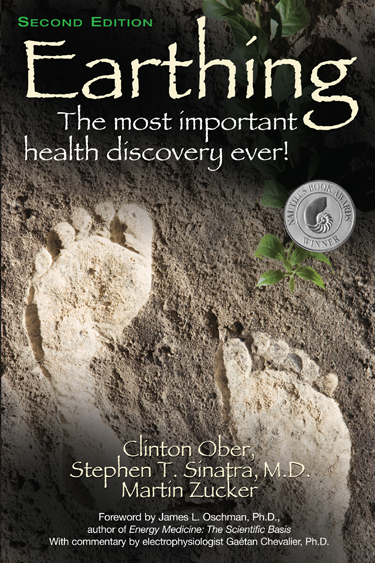
On Saturday, the 14th June, I published a post Are you grounded?  That post was a reaction to this book that Jean and I had recently read.

english2ndbkcover
I also explained that we had ordered an earthing sheet for the bed and that I would report further upon our findings.

Today’s post is that further report.

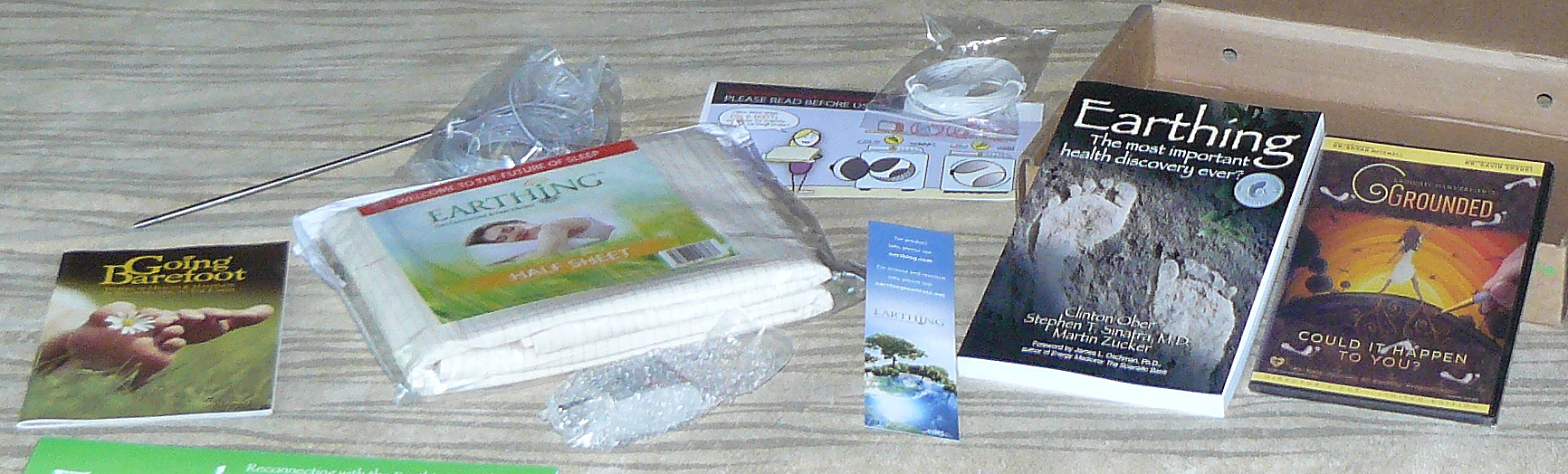
The slim box containing the half-sheet kit was delivered on the 18th June, five days ago at the time of writing this.

P1140851

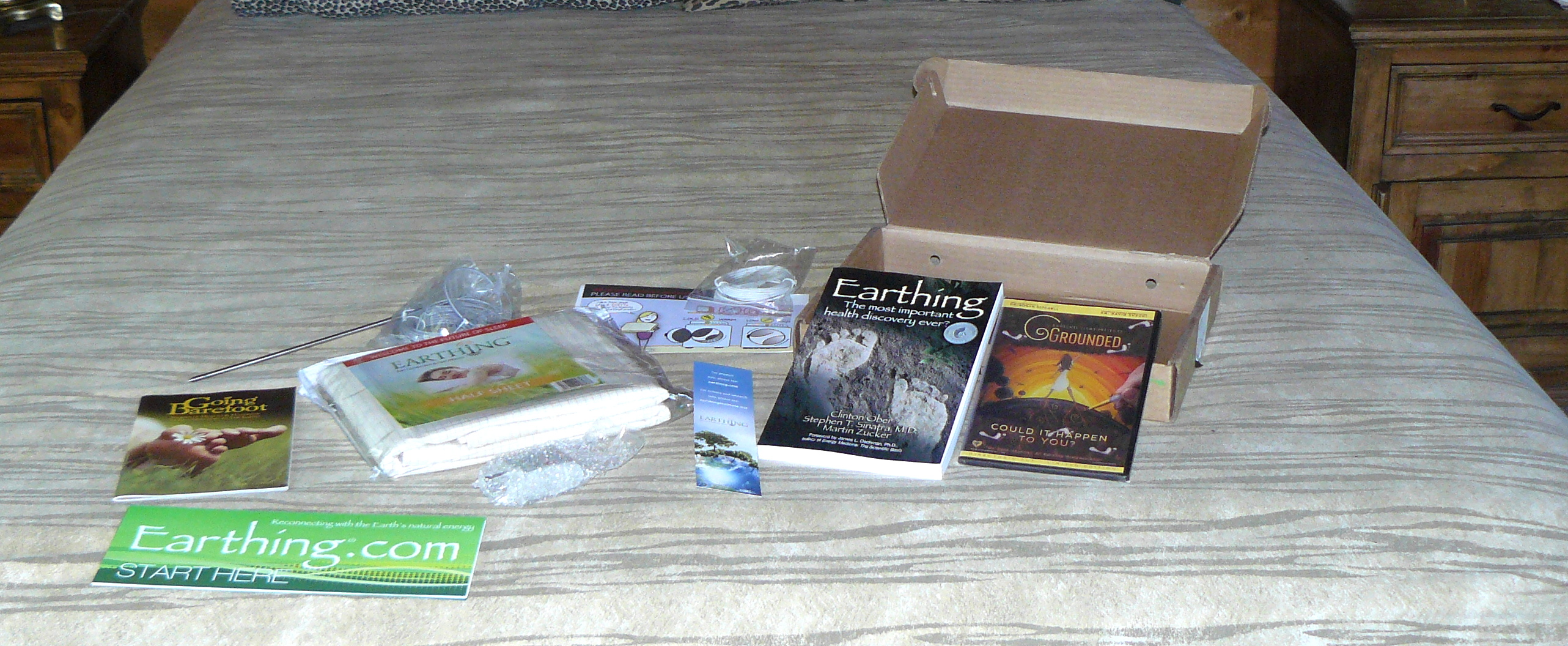
The next photograph shows more clearly what was included in the kit.

P1140853

From left to right: Case histories from users, an earthing rod above, the earthing half-sheet, and below the sheet, an outlet ground checker, the earthing connection cord, the book, and a full-length DVD of a film on the subject of grounding.

It was then a case of laying the sheet on the bed as recommended in the instruction guide.

P1140854

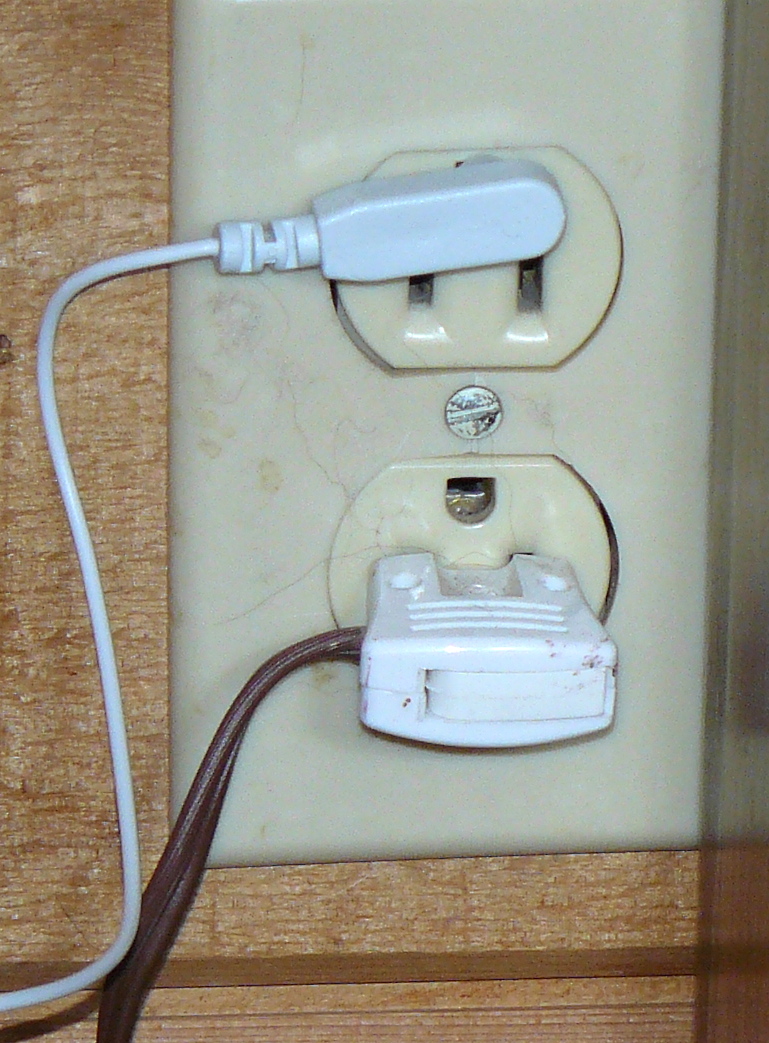
Then upon testing that we had a safe earthing connection via the ground pin on our nearby outlet, it was a case of connecting the earthing sheet to ground, as may be observed in the next photograph.

P1140855

I’m writing this yesterday.  We have both slept on the earthing sheet for four nights now.

So what are the results so far?

Jean

Jean has had leg muscle cramps each night for months and months.  Often just enough to waken her but frequently sufficiently severe to require her getting out of bed and walking around the room.  I can vouch for the latter!

Jean has had those four nights totally free from cramps!

Plus Jean has reported sleeping more soundly.

Me – Prostate

In recent months my bladder has been showing ‘old man’s bladder control’!  Certainly, over the last year I have been getting up for a pee two times, frequently three times, during the night.

During the day, I could hardly take a hot drink without the need to pee within minutes.  It had got to the stage where I would avoid having a drink before Jean and I went out unless I was certain that there would be public restrooms available.  I was taking a natural prostate medicine, morning and evening, but still starting to think that it wouldn’t be long before I would need to see a medical specialist.

Since sleeping on the earthing sheet, I have gone down to getting up just once during the night.  But it’s better than that!

I have stopped the prostate tablets.  During the day, my bladder control is hugely improved.  I hold my breath that this is going to continue.

Me – Memory

Like many of my age (I’m 70 in November), my short-term memory is not what it used to be.  I have not noticed any improvements in this area.

But I am sleeping much more soundly, which is never a bad thing.

But get this!

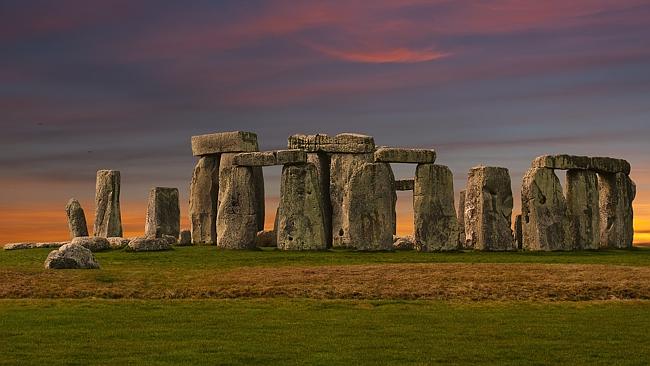
Being an old Englishman with a sense of connection to the ancient customs of Stonehenge, especially observing the sun’s dawn on the morning of Mid-Summer’s Day, I had looked up the exact local time equivalent of the moment of the Solstice here in Oregon.

Stonehenge at Dawn.  On the morning of Mid-Summer's Day the sun rises exactly over the heel stone.
Stonehenge at Dawn. On the morning of Mid-Summer’s Day the sun rises exactly over the heel stone.

Early in the hours of the morning of June 21st, ergo Mid-Summer’s Day, I woke unexpectedly.  I lay there wondering what had awoken me.  It wasn’t to jump out of bed and have a pee.  How strange!

I lay there for what felt like ten minutes and then curious as to the hour reached across and pressed the illuminate button on my bedside clock.  It read 3:48 am.

3:48 am!! How could that be! I could hardly believe it!

Let me explain.

The previous afternoon, I had been curious as to the exact time of the 2014 Summer Solstice.  Had looked it up online.  In the United Kingdom that precise moment was 10:41 am.  The equivalent time of the Summer Solstice in Oregon’s local Pacific Daylight Time (PDT) was 3:41 am.

I knew that was when I had woken up.

Now that’s what I call being grounded to the Planet!

OK, that’s enough for today but there is much more information about the whole business of being grounded to the planet. I shall return to the subject in Wednesday’s post.

Way to go!
Way to go!

Morality, intelligence and humanism.

An open letter reply to Patrice Ayme.

Two days ago I published a rather introspective post called The temptation to turn ever inwards. It was the result of reading three disturbing essays about the ‘affairs of man’; essays by Tom Engelhardt, Jim Wright and George Monbiot.  Frankly, I wasn’t expecting a great response either in the form of ‘Likes’ or written replies.  However, the first reply, a long reply, came in from Patrice Ayme.  I made the decision to reply to Patrice via a new post; ergo today’s post. Since making that decision a further comment came in from Sue Dreamwalker, also republished today.

What I am going to do is to reproduce Patrice’s comment but interspersed with my replies.

oooo

The biosphere evolved over billions of years. Now it is taken over by critters who live for just a few years. Solution? Make it so that said critters live longer, thus attaching a greater value upon survival.

I presume that the ‘said critters’ refer to humans? The average lifespan of humans has increased hugely. From a life expectancy of 30 years [1] at birth in Medieval Britain, back in the 13th Century, to an average of 67.2 years for humans worldwide in 2010. [2]

That’s an increase of 124% in a little over 700 years.  Yet despite that incredible increase in lifespan, humans have shown no interest in attaching a greater value to their survival: far from it!  One might even muse that humans have attached a greater value to those things that actively harm our survival.

For all the (over-) elaborate set-up of dear Monbiot, it’s simpler than that. Instead of going back to Baby Thatcher, Baroness god save the queen knows what, let’s grab a clear and present example.

I’m unclear as to what is meant by “the over-elaborate set-up” but as a long-time reader of Mr. Monbiot‘s essays I applaud both his commitment to the highest standards of journalism and to the UK’s Guardian newspaper for publishing so many of them over the years.  I would invite Patrice to give an example of over-elaboration coming from the pen of George Monbiot.

Britain, and many of the Brits, say our dear friend Chris Snuggs, a participant to your, and my, site, have said that they hated Europe, because Europe was not democratic enough. However, one of the latest improvement of the European Constitution is now effective: the head of the EC, the European Commission, is now to be elected by the just elected European PARLIAMENT. Guess what?

Chris Snuggs is more than a participant to Learning from Dogs, he is a close friend of many years.  Yes, he has strong views about Europe but those views are expressed in a declared, personal manner.

Chameleon Cameron, came out of the woodworks to bark, in the clearest way, that it was out of the question to do things differently from before, and now dare to have the European Parliament to elect (what is basically) the European Prime Minister.

Never mind that Britain voted for that European Constitutional change.

Never mind that in representative democracies, the leaders of the executive are elected by Parliament.

So what do we see here?

Contradiction within moods and thoughts systems (Britain agreed to the democratic change, and now does not). We also see erroneous ideas imposed (leaders of the executive says Cameron should be nominated undemocratically, that’s erroneous).

The same sort of things is also perking up in Iraq: the USA caused the mess there, committing several major war crimes in the process. Precisely because those war crimes were not prosecuted, a strong push has been exerted on Obama to duplicate Bush, and go back to attack Iraq some more.

Thus, it is simple: there bad ideas out there, and they need to be destroyed. And bad moods too (an example of bad moods is the enormity that the American population was made, by Bush, Cheney, Rumsfeld, etc., into an accomplice of the most major war crime there is, war of aggression. Now that this war is in the process of being lost, some clamor to have the war pursued with renewed vigor.

We are now the stewards of the biosphere, whether we like it, or not. We can’t just sit on our rumps, strokes dogs, and whine we will attend to our garden (Voltaire style). By doing nothing, we leave criminals such as Bush, or their spirit, or their mood, in power. And thus we become accomplices.

There is total agreement for the idea that humans are the stewards of the biosphere.  But if the “sit on our rumps, strokes dogs and whine we will attend to our garden” is aimed at me, as it appears to be, then I strongly disagree.  Living as simple a life as we can is a long way from “doing nothing”.

So go out there, and engage in combat, bad moods, and bad ideas. That’s what even very old alpha monkeys, covered with age spots, do. We don’t want to let very old monkeys be examples of moral rectitude we cannot emulate.

A last point: Monbiot does not realize the contradiction he engages in. In the guise of criticising the opposition, he puts it on a pedestal, and engages in its very propaganda. Monbiot, and many like him, bemoan a “shift towards conservatism”. Nothing could be more false. People who destroy the biosphere are NOT conservatives. They play conservatives on TV. In truth, they are just the opposite. They are destructionists.

I am of the opinion, totally so, that George Monbiot is not playing at conservatism.

oooo

So, dear reader, there is little in the comment from Patrice that has me nodding my head.  Don’t get me wrong! Patrice Ayme is an individual of extreme intellect as even a dip into his blog will confirm. I am a regular reader of the writings over at that place.

However, there is one major stumbling block for me, one that I have communicated privately to the said Patrice, and that is the issue of anonymity. Because Patrice Ayme is a nom-de-plume.  Despite following ‘his’ writings for some time and sharing the occasional private email, I have almost no idea about who the person is. Yes, ‘his’ writings are often very strong and highly critical of many aspects of modern life, especially the American political system.  But that is not unique.  There is a long line-up of writers doing the same, and doing the same over their signatures: Tom Engelhardt, Jim Wright and George Monbiot and many, many others

For me, hiding one’s identity so securely behind a ‘virtual’ mask yet writing so passionately about many of the issues critically affecting the future of mankind, doesn’t work.  If one can’t or won’t be honest about who they are, then better, perhaps, that they keep their thoughts and ideas close to them.  There is no shortage of people openly being critical about the American Government and much else across the world, and being critical openly.

Later, Sue of Sue Dreamwalker added a comment.  That resonated perfectly with me and it, too, is reproduced in full.

Paul sometimes I despair at how Mankind plays out his life in the world Paul… We bemoan lots as we sit in our homes as the virus of hate, greed, and disaster pours into our living rooms via the BLACK BOX of FEAR tricks… Which helps depress, make us anxious, fearful,…. It insights anger, aggression and the spiral of thought escalates out via the Web… Internet at our fingertips- instant reactions…

Some times I wonder as I ponder… at the soup being remixed… as only this week we hear of ISIS another branch of the terrorists we are now supposed to fear… As the UK now makes friends with its long time enemy Iran.. reinstating diplomatic relationships again.. The Saga runs on an on… With Oil as the major players .

That’s why turning inward is sometimes Paul the only thing we can do… As we can only live our lives… While I so want to save the world.. The world has also got to want to save itself…

I can only live my own life and stop the petty squabbles, the judgements, the criticisms as I mend my own world to live at peace within it…
Once we all realise its our thoughts which in fact we send out, in fear, in anger, as we judge and condemn that are reflected back …

WE create the world.. We consume its products, We want to live in the lifestyles that demand this World to exploit others for riches.. And yet condemn the conditions of the haves and have nots…

We have lost sight of our basic values in life Paul…

So yes I often retreat inwards… I have too.. Because I worry too much about the kind of Earth we are leaving our Grandchildren to grow up in…
~Sue

In final reply to Patrice, I shall reproduce this well-known quotation [3]:

I disapprove of what you say, but I will defend to the death your right to say it.

References:

1. “A millennium of health improvement“. BBC News. 1998-12-27.

2. CIA Factbook.

3.This saying is widely attributed to Voltaire, but cannot be found in his writings. With good reason. The phrase was invented by a later author as an epitome of his attitude. It appeared in The Friends of Voltaire (1906), written by Evelyn Beatrice Hall under the pseudonym Stephen G. Tallentyre.

Secesh Reservoir, Oregon.

A gem in the crown of stunning countryside.

Funny how things happen!

In last Wednesday’s post I included a picture of Jean with Robert who helped us load 60 bales of hay onto our trailer.  This photo:

Jean thanking Robert for his great help in loading 60 bales!

Anyway, Tad, who farms the land, mentioned a wonderful place to fish not far from his farm at Wolf Creek.

I’m not a fisherman but Andy, who is staying with us with his wife, Trish, is a keen fisherman.

So last Wednesday we all set off into the high forest lands up above Wolf Creek and after some pretty tough driving up some steep dirt roads found the lake.  Here’s a record of our morning at Secesh.

Wow!
Wow! First sighting!

As you can see, it was a breath-taking oasis in a sea of tall trees and towering peaks.

asa
Still waters!

With crystal-clear waters that just seemed to be calling out to those that enjoy fly-fishing!

Doesn't get much better than this!
Doesn’t get much better than this!

Meanwhile, yours truly decided to walk the perimeter of the lake that is, apparently, some 3.7 acres of water area.

Towards the farthest point of the shoreline, a beautiful stream was flowing into the lake.

Mountain streams.
Mountain streams.

And not too farther along, a likewise beautiful stream outflowed from the lake.

What flows in ... must eventually flow out.
What flows in … must eventually flow out.

From this vantage point, one could look across the full breadth of the lake.

First sighting of the lake!
Tranquility in spades!

And marvel at the wildlife, from ….

P1140714
Dragon flies.

… the very small, to ….

P1140724
An American bald-eagle.

…. the stunning eagles of the land. A veritable icon of this country!

Returning in time to see Andy pulling a (small) fish from the lake.

that was promptly returned ..

And Jean and Trish catching up on old times.

P1140725
Pure bliss!

What a fabulous discovery!

Less than 25 miles from home.

Thank you, Tad!

We will return – possibly with a dog or two!

Quarts into pint pots …

Don’t go!

We have good friends arriving today to spend a week with us and I knew time would be tight for long, introspective blog posts.

Then yesterday, around 2pm, we dropped everything to race up to a farmer at Wolf Creek, just a dozen miles North of us, to inspect some hay that was for sale.  It was great quality and at $5 a bale the deal of the century.  So by the time we had loaded up some bales onto the trailer and returned, unloaded them into the hay loft, organised a bigger trailer from neighbours Dordie and Bill, and I had recuperated under a shower, there was no time at all for today’s post.

I took the ‘executive’ decision to republish what was presented on Learning from Dogs four years ago, to the day.  Trust this is fresh to the majority of you.

ooOOoo

A Way Forward?

Removing the fear of the unknown

by Jon Lavin.

June 10th, 2010

I’ve been working with most of my clients recently through painful transformations brought about by the economic downturn.

An interesting metaphor really because since the first wave of uncertainty triggered panic, first noticed in the UK banking system, I have been picking up on that uncertainty that feels like it’s stalking the globe at the moment.

Interestingly, I, too, have been aware of an underlying fear that was difficult either to name or source.

It has been rather like a deep river in that whilst the surface feels slow moving, currents are flowing powerfully below.

So this ‘fear’ has caused a few household changes.

We are now the proud owners of 9 chickens. Our youngest son, Sami, and I have dug up the back lawn and planted vegetables and built a poly-tunnel.

We have also installed a wood burning cooker. Right back down to the base of Maslow’s triangle really!

Maslow’s triangle of needs

These feelings have brought about such change everywhere and I wonder seriously whether we will ever return to what was; indeed would we want to?

I might not have mentioned it in previous blogs but as well as an engineering background, in latter years, I have focused on how interpersonal success in business is linked directly to relationships, integrity and vitally, self-awareness.

To inform this, some 7 years ago, I embarked on an MA in Core Process Psychotherapy, primarily to work on myself so that I could be the best I could be in my relationships, in and out of work.

The point I’m trying to make is that the same panic I notice in many of the companies I work in, and in me, is based on fear of the unknown and on a lack of trust in all its forms.  I’ve deliberately underlined that last phrase because it is so incredibly important.

The truth is that we get more of what we focus on.

So we can choose to focus on the constant news of more difficulties, hardship and redundancies, or we can focus on what is working.

In the workplace this positive focus has been pulling people together across functions and sites and pooling resources and ideas.

A farm evening

When we realise we’re not doing this alone it’s amazing how much lighter a load can feel and how much more inspired we can be.

I also notice how humour begins to flow and what a powerful antidote for doom and gloom that is.

Transformation is never easy but the rewards exceed the effort put in ten fold.

So what is it going to be? Are we all going to bow down to the god of Doom & Gloom, fear and anxiety, heaping more and more gifts around it, or are we going to start noticing and focusing on the other neglected god – that of relationship, joy, trust, abundance and lightness?

Whatever the future holds for us all a belief in our inherent ability to adapt and change and focus on the greater good rather than fear, anxiety, greed and selfishness is the only sustainable way forward.

By Jon Lavin

ooOOoo

How quickly four years flow by!

How strange that, as far as the broader world is concerned, how little seems to have changed.