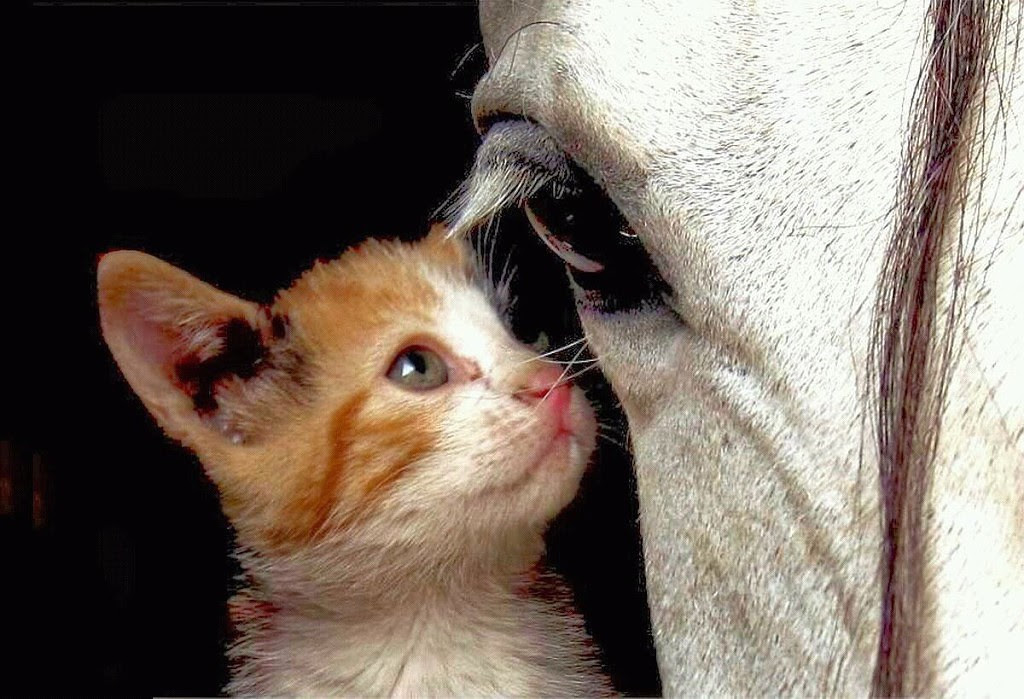
The last set of photographs that were sent to me by Graham.

oooo

oooo
oooo

oooo

oooo

oooo

These wonderful photographs are going to be a very hard act to follow. Thank goodness for Tanja Brandt!
Dogs are animals of integrity. We have much to learn from them.
Category: Communication
The last set of photographs that were sent to me by Graham.
oooo
oooo
oooo
oooo
oooo
oooo
These wonderful photographs are going to be a very hard act to follow. Thank goodness for Tanja Brandt!
Those inner voices inside our heads!
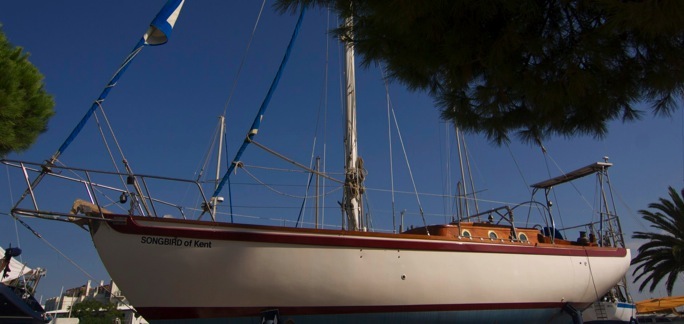
The photograph below is the yacht that I lived on for 5 years, from 1987 though to 1992. My base was Larnaca Marina in the Greek ‘sector’ of the Island of Cyprus although I cruised over much of the Mediterranean during the warm summer months. (Long-term readers, you poor souls, will realise that this isn’t the first time I have spoken of sailing and Tradewinds…)
As I explain over on my ‘author’s’ blog:
During this period Paul became much more aware of the importance of marketing strategy, becoming a Chartered Member of the British Institute of Marketing, and the raft of competencies that deliver entrepreneurial success. In 1986, Paul accepted an offer to sell the Dataview group of companies. (Regrettably, this period also saw the failure of Paul’s marriage to Britta and their subsequent divorce.)
Again, chance intervened in that an Autumn vacation in 1986 to Larnaca in Cyprus resulted in Paul meeting a couple who wanted to sell their yacht, a Tradewind 33, and return to England. Thus very early in 1987, Paul left Essex and became a full-time ‘yachtie’ living on that Tradewind Songbird of Kent in Larnaca marina. Paul was then exposed to the life of an ocean-going sailor returning to Plymouth, Devon via The Azores onboard Songbird of Kent in 1992.
I purchased this Tradewind 33, designed by Englishman John Rock by the way, because somewhere in my soul was a dream to do some solo ocean sailing. Probably inspired by reading too many books written by famous British solo yacht-persons. Such as Robin Knox-Johnston, Chay Blyth, Naomi James, Ellen MacArthur, Pete Goss and the king of them all: Sir Francis Chichester who was the first person ever to sail around the world single-handed.
But it remained a dream for almost all those 5 years. Reason? Because at the start of the summer cruising period each year I slipped out of Larnaca and sailed along the southern coast of Cyprus, up the Western coast and then the open sea crossing to a nearby Turkish harbour, such as Anamur or Alanya. At the end of the summer I would repeat the solo trip in reverse. But I still haven’t said what the core reason was for not being braver and planning a solo ocean voyage.
Because that sailing voyage twice a year, that took me about four days to accomplish, and was undertaken alone, really scared me. I mean scared with a capital ‘S’! For it was impossible to accomplish without many hours of solo sailing at night!
Fast forward a number of years and one day, when I was living on Songbird at Larnaca Marina into the vacant berth next to me came a new visitor to Cyprus. His name was Les Powells and he very quickly explained that he was on his way back to England on his third solo circumnavigation of the world!
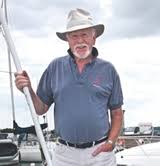 Inevitably Les and I got chatting over a couple of beers during our evenings together and Les asked me about my sailing ambitions noting that I lived on a yacht that most people purchased for ocean sailing purposes.
I explained my miserable experiences each year going to and fro between Cyprus and Turkey.
Les heard me out and then threw his head back and roared with laughter.
“Paul, what you are experiencing is the adjustment from a land-based life, as in living here in Larnaca, to a water-based life.
I suffer just the same adjustment stress as you have detailed.”
My face conveyed both my amazement and my yearning to learn more.
“Yes, Paul, every time I go to sea solo the first three or four days are hell! I hate them! I only stick with it because there is always a point, (Les really emphasised the word always) usually under a glorious night sky, when I truly become attuned to the life of a solo yachtsman far out from the nearest land and wouldn’t swap it for anything”
“You have to trust this and set out on a solo voyage of more than, preferably much more than, four days sailing.”
Thus in time that’s what happened.
In the Autumn of 1972 I returned to Plymouth in England, via the Azores, sailing solo on Songbird of Kent. Indeed, I was going to republish an article about lighthouses in Oregon but I’m changing tack in mid-stream; so to speak!
I am going to close today’s post by republishing an experience of being alone on the Atlantic Ocean that first graced these blog pages in October 2015. Lighthouses will have to wait.
ooOOoo
There is a place in my mind to which I can so easily travel; a memory of a dark night out in the Atlantic. But first let me set the scene from almost fifty years ago.
The call of the open ocean
Those first few hours were utterly absorbing as I went through the whole business of clearing the yacht harbour at Gibraltar and heading out to the South-West hugging this unfamiliar coastline of Southern Spain. It was tempting to move out to deeper waters but the almost constant flow of large ships through the Straights of Gibraltar soon quashed that idea. Thankfully, the coastal winds were favourable for me and my single-masted sailing yacht.
After such a long time sailing in the relatively confined waters of the Mediterranean, it was difficult for me to imagine that in a few hours time the southern-most point of Spain would pass me by and the vastness of the Atlantic ocean would be my home for the next few weeks.
Soon the city of Tarifa was past my starboard beam and the Spanish coastline was rapidly disappearing away to the North-West. The horizon ahead of me was already approaching 180 degrees of raw, open ocean. There was just a flicker of a thought that whispered across my mind: “Oh Paul, what have you gone and done” as slowly but persistently the coastlines of Spain to the North and of Africa to the South became more and more distant and fuzzy. It was at 15:30 that I made an entry in my yacht’s log: “No land in sight in any direction!”
Now was the time to make sure that my bunk was made up, flashlights to hand, and my alarm clock ready and set. Alarm clock? Set to go off every twenty minutes during the night! For this was the only way to protect me and my yacht from being hit by one of those gigantic container ships that seemed to be everywhere. It took at least twenty minutes from the moment a ship’s steaming lights appeared above the horizon to crossing one’s path!
It was in the early hours of my first morning alone at sea, when once again the alarm clock had woken me and I was looking around an ocean without a single ship’s light to be seen that more of Les’ words came to me. I remembered asking Les: “What’s the appeal of sailing?” Les replied without a moment’s hesitation: “It’s the solitude. When you’re out at sea on your own, there’s no government or bankers to worry about. You’re not responsible to anyone but yourself.”
Yes, I could sense the solitude that was all around me but it was an intellectual sense not an emotional one. That would come later. Inside, I was still afraid of what I had let myself in for.
Remarkably quickly however, the pattern of solo life aboard a thirty-three-foot yacht became my world. Frankly, it staggered me as to how busy were my days. Feeding myself, navigating, trying to forecast the winds, staying in touch with other yachties via the short-wave radio, keeping the boat tidy and a zillion other tasks meant the first few days and nights just slipped by.
But it was a sight on my fourth night at sea that created the memory that would turn out to remain with me for all my life. The memory that I can go to anytime in my mind.
That fourth night I was already well into the routine of waking to the alarm clock, clipping on my harness as I climbed up the three steps that took me from my cabin into the cockpit, scanning the horizon with my eyes, checking that the self-steering had the boat at the correct angle to the wind and then, if no ships’ lights had been seen, slipping back down into my bunk and sleeping for another twenty minutes. Remarkably, I was not suffering from any long-term tiredness during the day.
It was a little after 3am that fourth night when the alarm clock had me back up in the cockpit once again. Then it struck me.
Songbird was sailing beautifully. There was a steady wind of around ten knots from the south-east, almost a swell-free ocean, and everything set perfectly. Not a sign of any ship in any direction.
Then I lifted my eyes upwards. There was not a cloud in the night sky, not a single wisp of mist to dim a single one of the million or more stars that were above my head. For on this dark, moonless night, so far removed from any shore-based light pollution, the vastness, yet closeness of the heavens above was simply breath-taking. I was transfixed. Utterly unable to make any rational sense of this night splendour that glittered in every direction in which I gazed. This dome that represented a vastness beyond any meaning other than a reminder of the magic of the universe.
This magic of the heavens above me that came down to touch the horizon in all directions. Such a rare sight to see the twinkling of stars almost touching the starkness of the ocean’s horizon at night. A total marriage of this one planet with the vastness of outer space.
I heard the alarm clock go off again and again next to my bunk down below. But I remained transfixed until there was a very soft lightening of the skyline to the east that announced that another dawn was on its way.
I would never again look up at the stars in a night sky without being transported back to that wonderful night and the memory of a lonely sea and sky.
ooOOoo
Dear, dear Les is still alive and still living on his yacht Solitaire in an English marina. A very close mutual friend, Bob Derham, arranges to visit Les on a very regular basis and take him out for shopping trips and a leisurely pub lunch.
Bob follows this blog and I hope will have the chance to read out today’s post to Les. For my closing sentence is directed to Les, and Les alone: “Dear Les, thank you from the bottom of my heart for the gift you gave me. For it is a rare night when here in rural Oregon when I go outside at the end of the evening and above my head is a clear, black night sky, full of stars, that I am not transported back to that night alone in the Atlantic ocean. I am still rendered speechless in awe of such night skies.”
The deep, dark, wonderful mists of the mind!
This dog food recall was issued on Monday.
The U.S. FDA has announced Smokehouse Pet Products of Sun Valley, CA, is expanding its recall of its “Beefy Munchies” and “Beefy Bites” dog treats due to contamination with Salmonella bacteria.
To learn which products are affected, please visit the following link:
FDA Expands Nationwide Beefy Munchies Dog Treats Recall
Please share the news of this alert with other pet owners.
Mike Sagman, Editor
The Dog Food AdvisorP.S. Not already on our dog food recall notification list yet? Sign up to get critical dog food recall alerts sent to you by email. There’s no cost for this service.
If one follows that link then you come to these details:
ooOOoo
February 19, 2018 — The FDA has announced that Smokehouse Pet Products, Inc. of Sun Valley, CA is recalling all sizes and package types of dog treats labeled as “Beefy Munchies” because they have the potential to be contaminated with Salmonella.


“Beefy Munchies” was distributed nationwide through distributors selling to various retailers.
The product comes in individual bags, resealable bags and plastic tubs.
The plastic tub will be labeled “Beefy Bites”.
All sizes and packaging types will include a UPC code, lot number, and a best used by date of stamped on the back.
The current recall is expanded to include all “Beefy Munchies”.
No illnesses have been reported to date in connection with this problem.
The potential for contamination was noted after routine sampling and testing by the Colorado Department of Agriculture revealed the presence of Salmonella in two 4-oz packages of “Beefy Munchies”.
Salmonella can affect animals eating the products and there is risk to humans from handling contaminated pet products, especially if they have not thoroughly washed their hands after having contact with the products or any surfaces exposed to these products.
Healthy people infected with Salmonella should monitor themselves for some or all of the following symptoms: nausea, vomiting, diarrhea or bloody diarrhea, abdominal cramping and fever.
Rarely, Salmonella can result in more serious ailments, including arterial infections, endocarditis, arthritis, muscle pain, eye irritation, and urinary tract symptoms.
Consumers exhibiting these signs after having contact with this product should contact their healthcare providers.
Pets with Salmonella infections may be lethargic and have diarrhea or bloody diarrhea, fever, and vomiting.
Some pets will have only decreased appetite, fever and abdominal pain.
Infected but otherwise healthy pets can be carriers and infect other animals or humans.
If your pet has consumed the recalled product and has these symptoms, please contact your veterinarian.
Any consumers who have purchased “Beefy Munchies” should discontinue use of the product and may return the unused portion to the place of purchase for a full refund.
Consumers with questions may contact Smokehouse Pet Products, Inc. at 877-699-7387, Monday through Friday 7 AM to 3:30 PM PT.
U.S. citizens can report complaints about FDA-regulated pet food products by calling the consumer complaint coordinator in your area.
Or go to http://www.fda.gov/petfoodcomplaints.
Canadians can report any health or safety incidents related to the use of this product by filling out the Consumer Product Incident Report Form.
Get free dog food recall alerts sent to you by email. Subscribe to The Dog Food Advisor’s emergency recall notification system.
ooOOoo
I do hope that no-one out there is affected by this recall!
Please share this with any other dog lovers that you are in contact with.
In debt to Edward de Bono.
One of the great differences between us humans and our beloved dogs is that frequently we think too much! But it’s worse than that. We think too much and get caught up in some spiral from which we can’t think ourselves back out. Perhaps that can be likened to a dog worrying away at something that the dog thinks is being overlooked by it’s human friend, or over-licking a wound or such.
A very quick web search will bring up the background information on Dr. de Bono who was responsible for overturning the way we think. It was de Bono who attended an IBM Office Products management course that I was attending, far too many moons ago, when I was promoted from being a salesman to the first rung of the management ladder; the position of Marketing Manager. It was during de Bono’s talk that I first learned of lateral thinking and what de Bono called the “PO” moment.
Just watch the first minute of this talk to get an appreciation of what the PO moment is. Seriously, the video starts with Simon Middleton defining a PO moment. It’s relevant to the rest of this post.
As you all know Jean has Parkinson’s Disease (PD). We have come to understand that PD affects different people in different ways, albeit there are some aspects that many PD sufferers share.
Take this symptom as described on the APDA website:
Many individuals report difficulties in multitasking and organizing daily activities.
In recent weeks I noticed I was becoming frustrated because although I was suggesting to Jeannie a number of what I thought were pleasant things to do in and around our property they weren’t being done.
As much as I tried to say to myself to chill out, this is all down to Jean’s PD, I couldn’t push out of sight the growing frustration that my help was being rejected, and I know I have a problem dealing with rejection! I really didn’t want my frustration to build up to anger.
Eventually, one morning last week after I came back to the bedroom from having fed the horses and the deer I blurted out, rather clumsily I admit, this frustration that was close to becoming a real annoyance.
At first Jean was upset by what I said, understandably so, but then we settled down to examining each suggestion of mine and where I was coming from. Then the conversation became very productive and in a moment of creative thinking I suggested what turned out to be a ‘PO’ moment. In other words, we had both agreed that while we acknowledged the fact that Jean was not motivated to do the things I was suggesting nonetheless it was important that we choose another day and time to discuss how I should remind Jean of these ‘overlooked’ suggestions and, more importantly, how it could be done in a loving and constructive manner.
It was a fascinating outcome and I immediately jumped out of bed, went to my office room next to the bedroom, grabbed a new, unused notebook and came back to the bedroom.
“Jean, let’s write this down in the book as a reminder of something we need to return to and resolve in a creative way! Let’s call these reminders Pharaoh moments!”
Jean very happily agreed!
I then explained to Jean that this felt very much like one of de Bono’s PO moments and calling it a Pharaoh moment was a beautiful way of remembering our wonderful dog.
It was beyond doubt an example of Jean and me thinking laterally.
So thank you, dear Edward, your legacy still endures.
I will close today’s post by inviting you to watch either or both of these talks by de Bono.
The first is a little over 4 minutes long.
Or a longer video that is still highly recommended:
Published on 22 Oct 2015
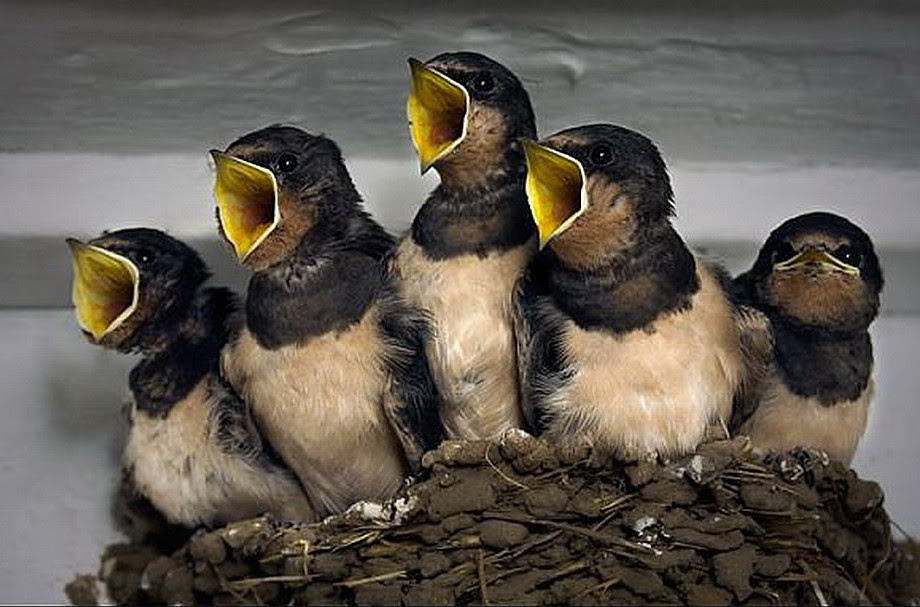
The penultimate set of photos that came via Graham.

oooo

oooo
oooo
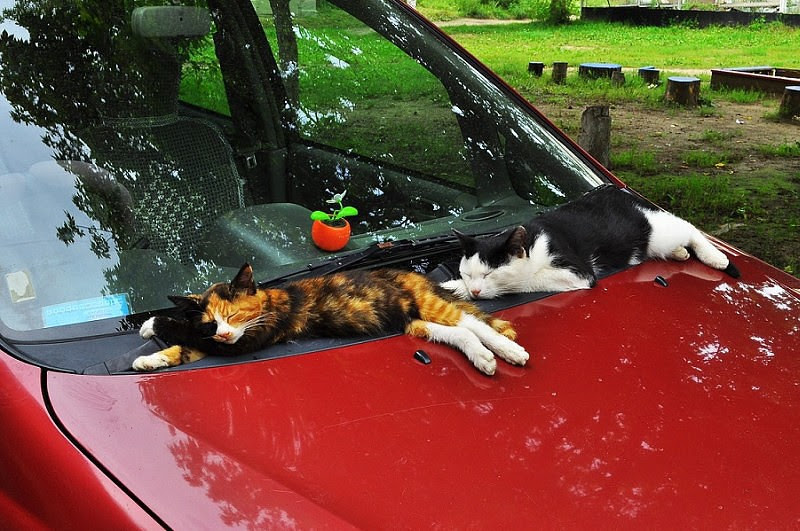
oooo
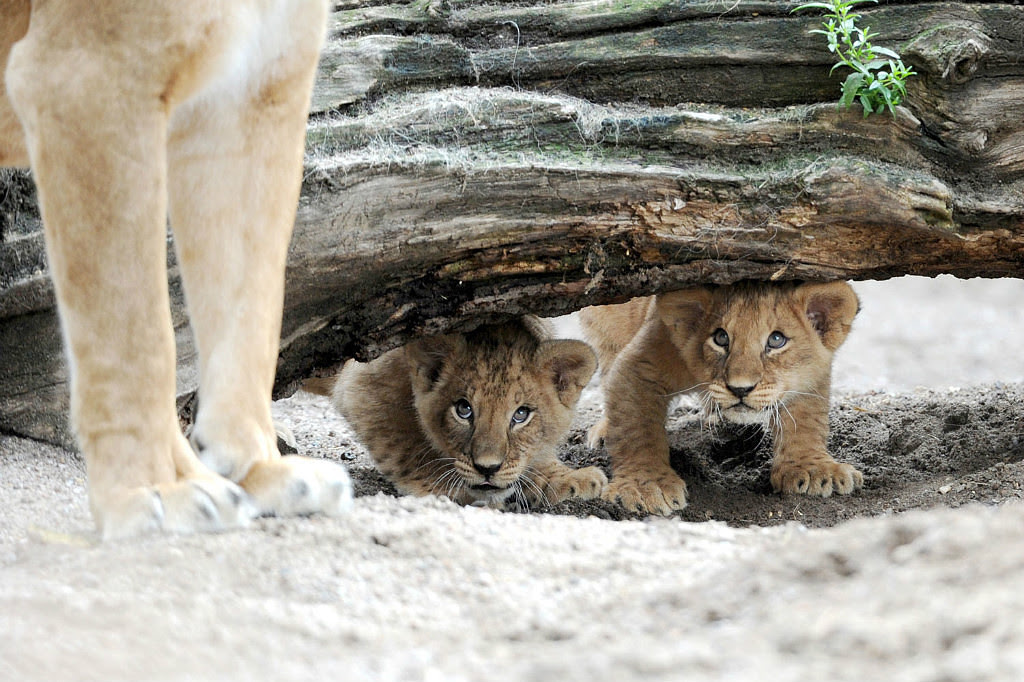
oooo
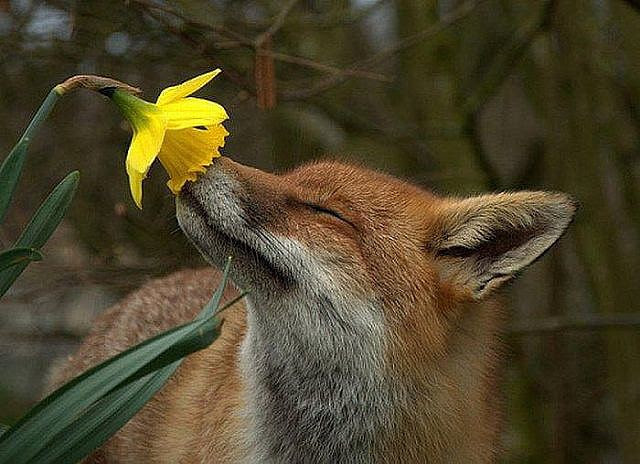
The last set of these breath-taking images in a week’s time.
You all take care of yourselves out there!
Seemed best to lump them all together.
Because since the beginning of February there have been four (now five as of yesterday!) dog food recalls notified to subscribed owners. Although I have copied and pasted product pictures if any of these products are relevant to you then please do follow the link to the Dog Food Recall page offering more details!
On the 9th February this was released:
Smokehouse Pet Products of Sun Valley, CA, is recalling a specific lot of its “Beefy Munchies” dog treats due to potential contamination with Salmonella bacteria.

If you go to this link you can see pictures of the product package and other details.
oooo
Then on the same day another notification was issued:
Raws for Paws of Minneapolis, MN, is recalling specific lots of its raw frozen dog food due to possible contamination with Salmonella bacteria.
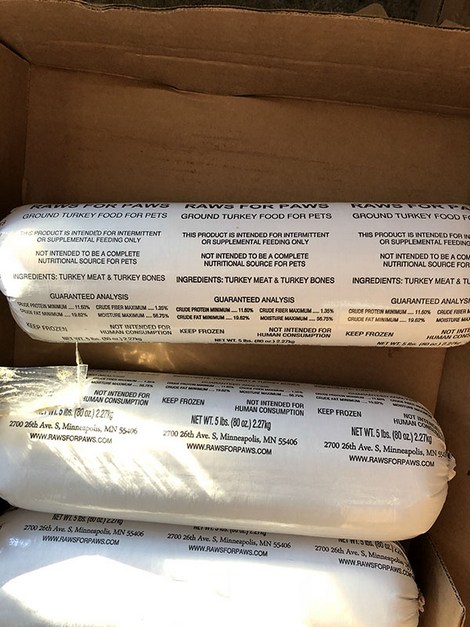
Once again, a link was offered that provided full information.
oooo
A day later, on the 10th February, out came the third alert:
Redbarn Pet Products LLC of Long Beach, CA, is recalling a specific lot of its “Redbarn Naturals Bully Sticks” due to potential contamination with Salmonella bacteria.

Including the link to more details.
oooo
The last alert was received on the 12th February.
Darwin’s Natural Pet Products of Tukwila, WA, is recalling specific lots of its Darwin’s ZooLogics raw frozen dog food due to possible contamination with Salmonella bacteria.

With the link to more details provided as per usual.
Wonder if there will be more alerts before the month is out! (Written on the afternoon of the 14th.)
Yes!!
The following came in yesterday afternoon:
J. M. Smucker has announced it is voluntarily withdrawing multiple dog food brands due to the presence of the drug pentobarbital.
To learn which products are affected, please visit the following link:
Smucker Withdraws Multiple Dog Food Brands
Please share the news of this alert with other pet owners.
That link contains the following brand image:

and this table:
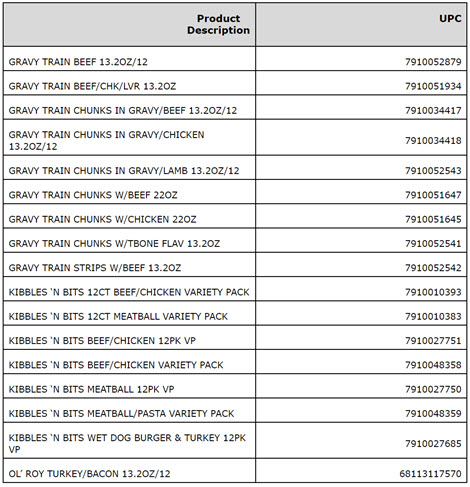
Please share this information as best you can. Only by acting together can we prevent every single dog from eating something potentially harmful.
Each of us must care and love ourselves before we can love others.
(Apologies if this post rambles around a bit!)
Dr. Kristin Neff, Ph.D. is widely recognized as one of the world’s leading experts on self-compassion. Dr. Neff has a website over at Self-Compassion.org. If you go to that site you will quickly read (And while I have copied and pasted it 100% as found on that webpage, I have modified the layout to make it easier to read from a visual point-of-view.):
Definition of Self-Compassion:
Having compassion for oneself is really no different than having compassion for others. Think about what the experience of compassion feels like.
First, to have compassion for others you must notice that they are suffering. If you ignore that homeless person on the street, you can’t feel compassion for how difficult his or her experience is.
Second, compassion involves feeling moved by others’ suffering so that your heart responds to their pain (the word compassion literally means to “suffer with”). When this occurs, you feel warmth, caring, and the desire to help the suffering person in some way. Having compassion also means that you offer understanding and kindness to others when they fail or make mistakes, rather than judging them harshly.
Finally, when you feel compassion for another (rather than mere pity), it means that you realize that suffering, failure, and imperfection is part of the shared human experience. “There but for fortune go I.”
Self-compassion involves acting the same way towards yourself when you are having a difficult time, fail, or notice something you don’t like about yourself. Instead of just ignoring your pain with a “stiff upper lip” mentality, you stop to tell yourself “this is really difficult right now,” how can I comfort and care for myself in this moment?
Instead of mercilessly judging and criticizing yourself for various inadequacies or shortcomings, self-compassion means you are kind and understanding when confronted with personal failings – after all, who ever said you were supposed to be perfect?
You may try to change in ways that allow you to be more healthy and happy, but this is done because you care about yourself, not because you are worthless or unacceptable as you are. Perhaps most importantly, having compassion for yourself means that you honor and accept your humanness. Things will not always go the way you want them to. You will encounter frustrations, losses will occur, you will make mistakes, bump up against your limitations, fall short of your ideals. This is the human condition, a reality shared by all of us. The more you open your heart to this reality instead of constantly fighting against it, the more you will be able to feel compassion for yourself and all your fellow humans in the experience of life.
Let me highlight a small section from this:
“ ….having compassion for yourself means that you honor and accept your humanness. Things will not always go the way you want them to. You will encounter frustrations, losses will occur, you will make mistakes, bump up against your limitations, fall short of your ideals. This is the human condition, a reality shared by all of us.”
This is the human condition; whatever one’s gender, status in life or age!
Moving on.
There is no question that I learnt something from my cycling accident last November 22nd and my subsequent emergency admission to hospital for sub-dural bleeding on December 24th. Something that I would not otherwise have understood so clearly and so starkly.
The remarkable power of the brain to heal itself; albeit very slowly compared with some minor physical injuries.
The BBC science series Horizon broadcast earlier this year the story of ‘Richard’. The full title was My Amazing Brain: Richard’s War.
Horizon follows the story of Richard Gray and his remarkable recovery from a life-changing, catastrophic stroke. Recorded by his documentary film-maker wife Fiona over four years, this film provides a rare account of the hard work that goes into post-stroke rehabilitation.
Initially bed bound and unable to do anything, including speak, the initial outlook was bleak, yet occasionally small glimmers of hope emerged. Armed always with her camera, Fiona captures the moment Richard moves his fingers for the first time, and then over months she documents his struggle to relearn how to walk again.
The story also features poignant footage delivered in a series of flashbacks, in which we see and hear Richard at his professional best. He was a peacekeeper with the United Nations, immersed in the brutal war in Sarajevo, Bosnia. We also hear from the surgeons and clinicians who were integral to Richard’s remarkable recovery, from describing life-saving, high-risk reconstructive surgery to intensive rehabilitation programmes that push the former soldier to his limits.
As the film starts, Fiona asks ‘will Richard, my Richard still be there?’ By the end the answer is clear.
Unfortunately unless you are in the UK it is not possible to watch the programme.
But Fiona, Richard’s wife, has produced a YouTube video. It so much deserves to be watched:
Moving on, yet again.
I am of no doubt that most, if not all, of us at some point in our lives wonder what on earth is the point in what we are doing or where we are at the stage in our own life’s journey. Certainly has applied to me in the past.
Frequently when we are a bit lost as to where on earth we are heading it helps enormously to hang on the shirt-tails of others.
Professor Clayton Christiansen has some really fabulous shirt-tails. For now just watch his presentation given at TEDx
“It’s actually really important that you succeed at what you’re succeeding at, but that isn’t going to be the measure of your life.”
For a slightly different perspective, watch Adam Leipzig.
Being human means a journey from birth through maturity and thence to death. It is likely that the last phase generates the greatest fear for us. But let’s not dwell on that for now!
Because I want to close my introspective journey by returning to self-compassion.
Or rather for our compassion for this beautiful planet that is the one and only home we have.
Dear Carl Sagan sums it up as perfectly as one could ever ask for.
Alright folks! I’m through!
Must go and hug a dog! (Or, more accurately, a dog memory!)
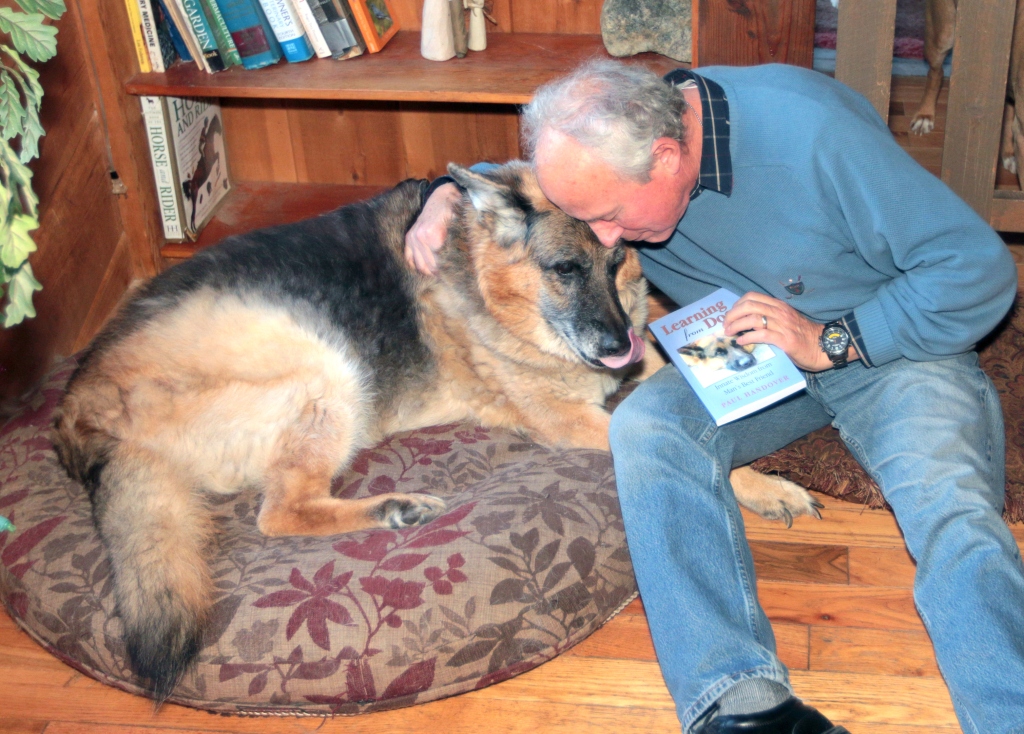
Tomorrow a clutch of dog recall advisories that have come in recently!
As they say a change is as good as a rest!
Once again I must say that I hold no qualifications whatsoever in the fields of psychiatry, psychology or any related disciplines. If you have found yourself to be affected to the point where you think you need proper counselling then, please, do seek help.
Reflections on being gentle to yourself.
There are three reasons why I wrote this post. A post that runs across today and tomorrow.
Firstly, this post is inspired by love! The supreme love that I receive from my darling Jeannie and the love that I sense practically twenty-four hours a day that flows from the beautiful dogs that we have here. But also from the wonders of the rural world in which I live. From sights like the one below to being visited by wild deer every single morning when I go out to feed the horses.

The second reason for writing this post is a direct result of the love that flows in from so, so many of you precious readers. You are like one big online family that I live in. And, as one hopes to do within a family, from time to time you want to open up your inner feelings.
The third and final reason for this post is wanting to explore how one might find some peace from the chaos that seems to be spread so far and wide across this planet that we all call home.
It’s a very personal journey and I suggest that if this is not your ‘cup of tea’ that you call back another day!
OK! Now that’s off my chest, here we go!
“Life’s beauty is inseparable from it’s fragility.“
Pause awhile and just let those words float around your mind.
It is a quotation taken from a TED Talk that Jean and I watched a few days ago.
The speaker is Susan David and is described on that TED Talk page as follows:
Psychologist Susan David shares how the way we deal with our emotions shapes everything that matters: our actions, careers, relationships, health and happiness. In this deeply moving, humorous and potentially life-changing talk, she challenges a culture that prizes positivity over emotional truth and discusses the powerful strategies of emotional agility. A talk to share.
This talk was presented at an official TED conference, and was featured by our editors on the home page.
If you want to watch the talk it is a little over 16 minutes long and may be viewed on the TED Talk site here.
Let me return to that quotation. For there is no question that life, at whatever scale, from the personal to the global, is fragile. Fragile with a capital “F“!
Whether it’s the madness of our politics and governments, or nature presenting us with extreme hurricanes, volcanoes, earthquakes and floods, or the frustrations of life itself, especially when one is the wrong side of 65, or numerous other aspects of being human it’s terribly easy to become frustrated, or worse, with oneself. I speak from a very personal perspective as my short-term recall is now pathetic!
STOP! (You see, I wrote the word “pathetic” without thinking. Demonstrating how quickly I come down on myself. Without automatically and unconsciously being gentle on myself and being very grateful that this old Brit, born in 1944, is still able to string a few words together!)
One of the great, possibly the greatest, things that we can learn from our dogs is to be gentle on ourselves. So very often our dogs take time out to relax, to be happy and to spread their joy around the home. Look at the following photograph!

Being gentle on yourself!
But for us humans that seems a great deal more easier to say than to practice!
Yet the argument for being gentle to yourself is compelling. And the first step in that personal journey towards being kinder to yourself is to be better aware of oneself when it comes to our emotions.
I shall be continuing this inward journey tomorrow but today, holding on to that idea of how we manage our emotions, I want to close with another TED Talk. Just 18 minutes long but invaluable to watch.
The talk is given by Professor Lisa Feldman Barrett, PhD who is Distinguished Professor of Psychology at Northeastern University,and has positions in psychiatry and radiology at Massachusetts General Hospital and Harvard Medical School.
As I was reading the draft of this post it did cross my mind that you do know I write from a purely personal perspective. I hold no qualifications whatsoever in the fields of psychiatry, psychology or any related disciplines. If you have found yourself to be affected to the point where you think you need proper counselling then, please, do seek help.
Part Two coming along tomorrow!
Wherever you are in the world, are you able to participate in this?
As first seen on the EarthSky site.
ooOOoo
By Deanna Conners in EARTH | HUMAN WORLD February 9, 2018
Scientists need your help counting birds for the 21st annual Great Backyard Bird Count. It is free and easy to participate. Find out how here.
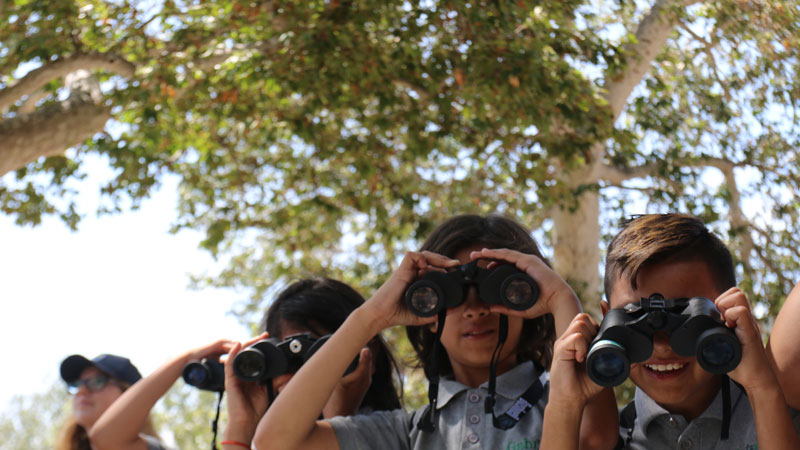
The annual Great Backyard Bird Count, now in its 21st year, is set to take place February 16 to 19, 2018. During this popular citizen science event, people from all over the world head outdoors to count birds and the data are used by scientists to track the health of bird populations.
Gary Langham, Chief Scientist at the National Audubon Society, commented on the Great Backyard Bird Count on Audubon’s website. He said:
This count is so fun because anyone can take part—we all learn and watch birds together—whether you are an expert, novice, or feeder watcher. I like to invite new birders to join me and share the experience. Get involved, invite your friends, and see how your favorite spot stacks up.
The 2017 count was a huge success. Over 200,000 people participated from around the world, and they submitted a record number of checklists. A total of 6,259 bird species were spotted during the event, which was the highest number ever recorded over the 20-year history of the count. This number represents more than half of all known bird species on Earth!
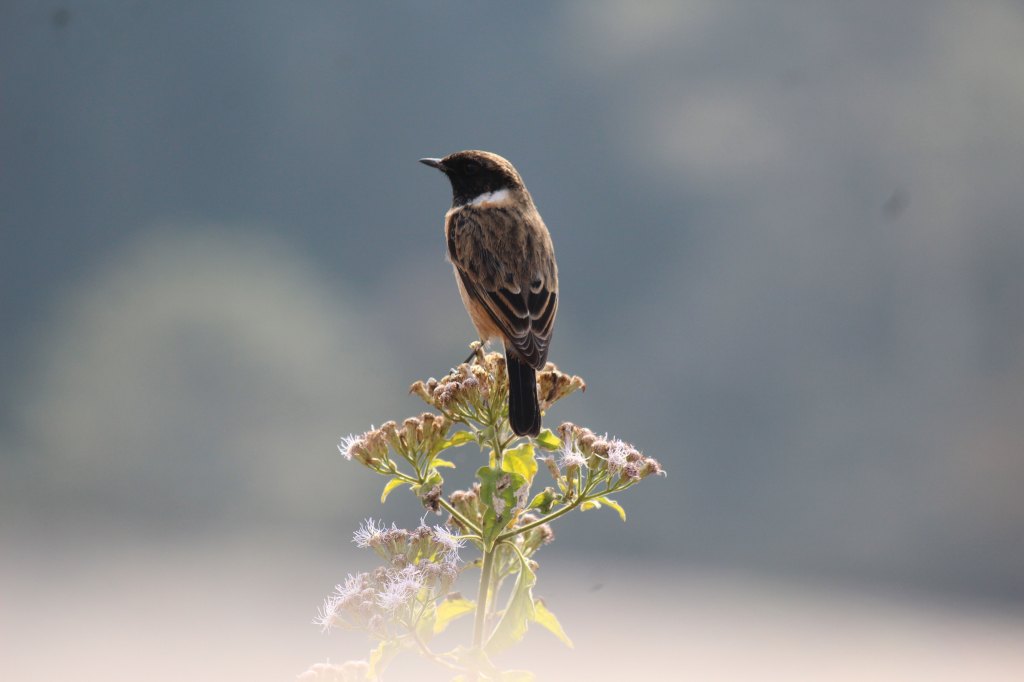
Participating in the 2018 Great Backyard Bird Count involves three easy steps.
First, register with your name on the event’s website at the link here. Registration is free. This website has a ton of useful information about birds and the upcoming bird count.
Second, spend some time counting birds on the weekend of the event at the location of your choice, such as your backyard or a local park. The minimum amount of time required is 15 minutes, but you can count for longer if you wish. During your count, simply record the start and end time, location, and number and types of birds that you see. You can perform counts in multiple locations too. Just be sure to submit separate checklists for each location.
Not to worry if you can’t identify the birds you see at first. Just take good notes about their prominent features, for example, size, shape, color, and unusual markings, or you can try to snap a close-up picture. Then, you can use a bird guide to look them up later. All About Birds and What Bird are two good online bird identification guides that are free and easy to use. Additionally, the free Merlin Bird ID App can be downloaded to your smartphone and used offline. Merlin will ask you five simple questions about the bird you are trying to identify and suggest matches for you—you can even upload a picture to Merlin and let the app try to identify it.
The third and last step involves uploading your data to the event’s website. This step usually only takes a few minutes to complete. While you’re visiting the website, check out the live map that displays dots in the various locations where people have uploaded a checklist. It’s fun to watch the data pour in from all over the world.
As an added bonus, there is a photo contest for those who want to submit pictures of the birds that they see during the event. You can even submit photos of yourself watching the birds. Hence, don’t forget your binoculars. If you do shoot some good photos, please share them with EarthSky too. We love birding photos!
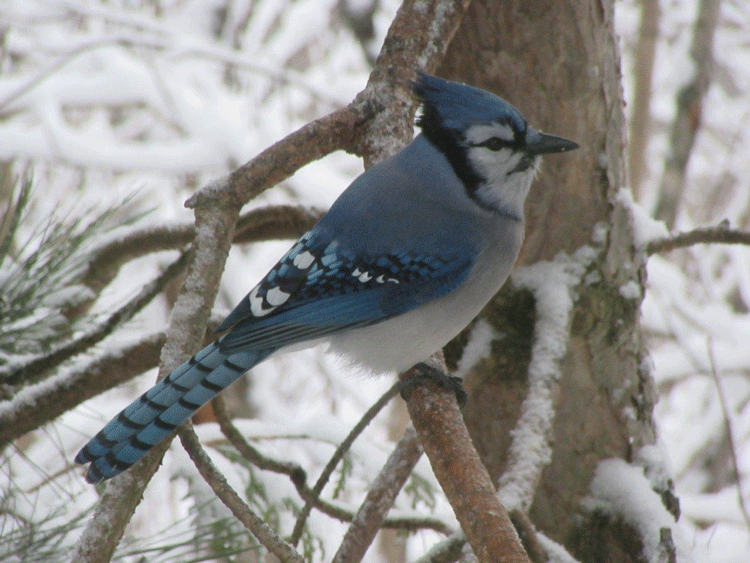
Use the hashtag #GBBC to follow Great Backyard Bird Count conversations on Twitter and Facebook.
The first annual Great Backyard Bird Count was held in 1998, and the event has continued to grow year after year. Hopefully, 2018 will be another record breaker.
The Great Backyard Bird Count is a collaborative project of the Cornell Lab of Ornithology, National Audubon Society, and Bird Studies Canada.
Bottom line: The annual Great Backyard Bird Count runs from February 16 to 19, 2018. This popular citizen science project helps scientists keep track of the health of bird populations. Participating is free and easy, so why not give it a try?
ooOOoo
So, once again, the Bird Count starts on this coming Friday, the 16th, and runs through to the end of next Monday, the 19th.
Do please join Jean and me and many thousands of others in this very important survey.
The following YouTube video was posted on the FB page of our local Neighbourhood Watch Association.
If I live to be 150 I will still believe that the relationship we can have with a dog is the most perfect example of us humans bonding with an animal.
 Learning from Dogs