The second set of those wonderful pictures sent to me by Dan.

oooo
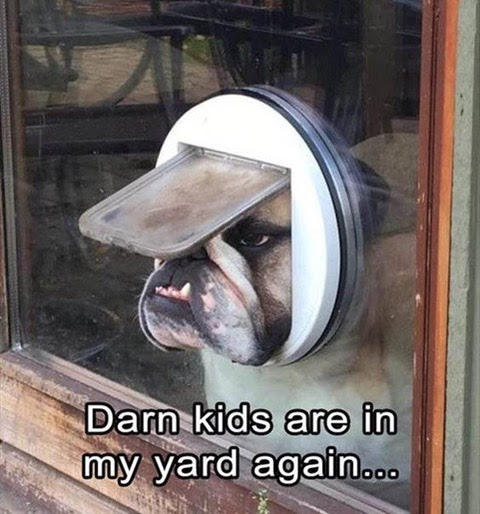
oooo

oooo

oooo

oooo

oooo

oooo
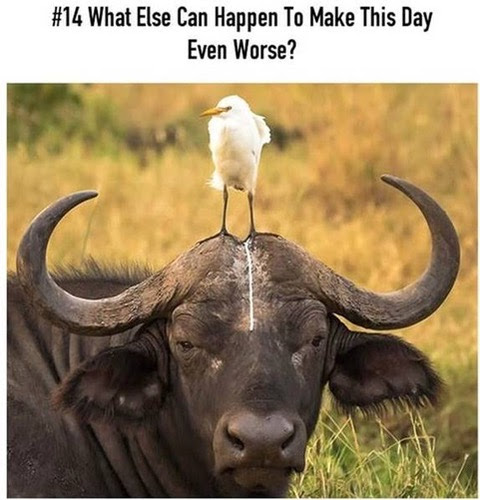
oooo
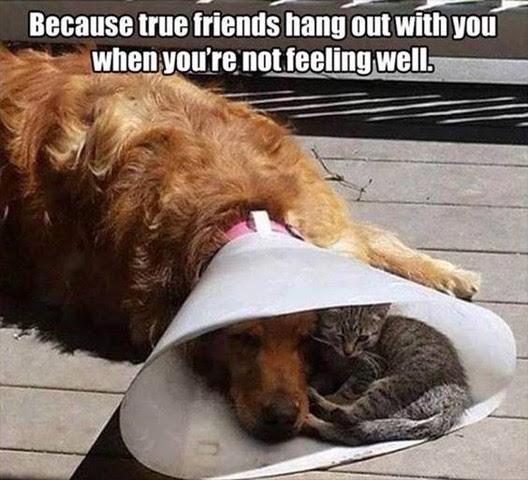
That’s it for this week!
You all take care out there!
Dogs are animals of integrity. We have much to learn from them.
Category: Communication
The second set of those wonderful pictures sent to me by Dan.
oooo
oooo
oooo
oooo
oooo
oooo
oooo
oooo
That’s it for this week!
You all take care out there!
I am, of course, referring to the recent death of Stephen Hawking.
There’s no way that I can add anything to the widespread reporting of the very sad death of the theoretical physicist, cosmologist and author Professor Stephen Hawking.
Except, possibly, this interesting quirk of fate.
For this great man died yesterday: March 14th.
The very same day that another very famous man, the German-born Albert Einstein, was born. As in March 14th. Albeit, Stephen Hawking’s death being 139 years after the birth of the 1921 winner of the Nobel Prize in Physics.
Did you also know that Professor Hawking was a great dog lover!
I was very pleased that The Conversation blog site released a wonderful tribute to Stephen Hawking. The item opens, thus:
ooOOoo
Acclaimed British theoretical physicist, cosmologist and author Stephen Hawking has died aged 76. Hawking is best known for his work on black holes, which revolutionised our understanding of the universe.
Hawking passed away today peacefully at his home in Cambridge, his family confirmed in a statement:
We are deeply saddened that our beloved father passed away today. He was a great scientist and an extraordinary man whose work and legacy will live on for many years.
His courage and persistence with his brilliance and humour inspired people across the world. He once said, “It would not be much of a universe if it wasn’t home to the people you love.” We will miss him forever.
Read more: A timeline of Stephen Hawking’s remarkable life
Hawking was born on January 8, 1942, in Oxford, England. In 1963 he was diagnosed with ALS, a form of Motor Neurone Disease, and later confined to a wheelchair and forced to communicate via a computerised voice. But he continued his theoretical work and was outspoken on many things over much of his life.
Tributes have been pouring in on social media for the scientist, who made complex science accessible to everyone in his 1988 bestselling book A Brief History of Time.
ooOOoo
Do read the rest of that article. I will take the tribute from Alice Gorman that closes The Conversation article to close today’s post.
ooOOoo
There are few scientists who reach as far into popular culture as Stephen Hawking did. His research tackled the biggest of big questions – the nature of time, space and the universe we live in.
Sometimes it feels like science is losing ground in the modern world, but people still look to the stars for answers about who we are and how we come to be here.
Hawking’s bestselling A Brief History of Time made cosmology accessible to people and brought black holes out of the shadows and into the public imagination.
Personally I’ll miss his appearances on The Big Bang Theory, where he could out-nerd the nerds, and also provide some often necessary common sense. It was always great to see a world-class scientist just having fun.
ooOOoo
What a very great man he was!
Again and again I feel so privileged to be writing this blog!
For so many reasons! But the top reasons are that I feel part of an enormous family of dog lovers and that so frequently I am approached by a person who has valuable information to share with me and you.
Such as it was when back last September in came an email from Zara Lewis.
Hi Paul,
As you probably already know, all the pet stories you are sharing are super interesting and, most importantly, super useful to the entire community of us, pet parents.
Professionally, I am a regular contributor at highstylife.com magazine, while personally I am very interested in pet topics, as I am a proud mom of two + one. I say “+one” because I can hardly separate my foster dog from my children 😀I have no book to publish, but I was wondering if you are willing to add guest content to your blog. Here you can check my style and previous posts:
https://caninecupcakes.com/the-essential-guide-to-going-green-with-your-dogs-diet-this-spring/
http://tinpaw.com/everything-need-know-preventing-heartworm-cat/Here are some topic suggestions that I believe can be useful for your community:
-Teaching your child responsibility with animals
-The Latest Trends in Pet Care
Looking forward to your response.
Regards from me & furry Joey,Zara
You will not be surprised to hear me say that I replied to Zara saying that I would be delighted to receive an essay from her.
The weeks slipped by, as they do, but on the 6th March Zara sent the following.
It’s a wonderful essay!
ooOOoo
by Zara Lewis, March 6th, 2018.

Allergies are a very common ailment, so it’s not unusual for your dog to have one. Even though people have the ability to describe the symptoms to the last detail, dogs tend to show different ones, so it’s very important for us to know and recognize them. Unless you have some kind of a super dog breed, your four-legged friend might start developing certain allergies. This mostly happens because their bodies mistakenly believe a certain type of food is bad for them, or they use it too much or too often, so their immune system responds by releasing antibodies that can cause serious problems. Take a look at the most common symptoms and allergens:
So before starting with the most common allergens, it’s very important to know what the most common symptoms of food allergies in dogs are. So, if you happen to notice that your dog is experiencing one of the following, make sure to get them checked by a vet as it’s very probable they have a certain food allergy:

Eggs
It’s a well-known fact that eggs (more specifically egg yolks) are very rich in protein, so your dog can easily become allergic to them. On the positive side, avoiding eggs is not difficult; just make sure to check dog food labels to see if there’s any danger for your four-legged friend. Even though one of the most common symptoms of this type of allergy in your dog is the appearance of bald spots, egg allergy can manifest in other ways as well.
Beef, chicken and lamb
Beef is also known to have high amounts of protein, which means that your dog can become intolerant to this kind of meat as well. This usually happens if you’ve been feeding your dog a certain type of food for a very long time, so your dog becomes intolerant or allergic to that specific food. Due to this reason, beef allergies are very common, as most dog foods contain this type of meat. The same rule applies to chicken as well. Dog foods are most commonly made of beef and chicken, so it would be best to feed your dog with all possible meats – beef, pork, chicken and lamb, and rotate them as much as you can. On the other hand, lamb is very often regarded as a ‘safe haven’ for dogs with meat allergies. However, if you don’t pay attention to rotating your dog’s diet, your dog can also become allergic to lamb.
Grain
Another thing that most types of dog food contain is grains, which means that this is also one of the most common allergens. If you happen to notice itchy and dry skin or hair loss, make sure to check if your dog is allergic to grain. Mind that finding completely grain-free food can be quite tricky, so there might be a chance you have to cook everything by yourself. Luckily, for all those who don’t have the time to do this daily, there are certain products that can help with that, such as the grain-free line of Ivory Coat dog food. Always check your dog – if they’re allergic to grain, the sooner you discover it, the better.
Dairy products
 It’s not only people who can be lactose intolerant – dogs can be as well. This means they are not allowed to eat or drink any dairy products, such as cheese or milk. Otherwise, they’ll end up with gas problems, diarrhoea and vomiting. As far as dairy products are concerned, there is one tricky thing you need to pay attention to – a dog can actually develop an allergy towards them, so it’s crucial for you to be able to tell the allergy apart from the intolerance. If you notice itchiness or redness on your dog, make sure to have it checked by the vet as soon as possible. If it’s only diarrhoea or vomiting, it’s probably only intolerance, but a check-up won’t hurt.
Soy
There’s an ongoing debate whether soy is good for your dog or not, but it’s definitely true that soy food is very common. Soy can cause many health problems that can be more serious than simple allergies, including reproductive and growth problems, and diseases of the liver. Furthermore, soy is the second most genetically modified crop that is grown, so it would be the most advisable to avoid this product.
It’s not for nothing that they say dogs are people’s best friends. And we treat our best friends nicely, don’t we? This is why we should all (especially if we’re the owners) make sure to treat them the best we can. The first step is making sure our little furry friends are not allergic to anything, and discovering this quickly won’t make only our lives easier, but those of our dogs as well.
ooOOoo
Great email from Zara! Great guest essay with great pictures and loads and loads of valuable advice, and great links to other websites.
You see why I like running this blog!!
Another set sent to me by good friend Dan G.

oooo

oooo
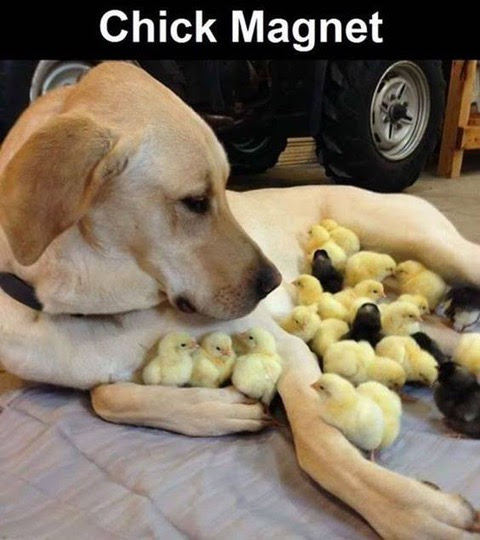
oooo

oooo

oooo

oooo

This last one is just priceless!
As I’m sure you will all agree.
Another day, another recall!
In came the email yesterday:
Dear Fellow Dog Lover,
Because you signed up on our website and asked to be notified, I’m sending you this special recall alert. If you no longer wish to receive these emails, please click the “unsubscribe” link at the bottom of this message.
Redbarn Pet Products of Long Beach, CA is expanding its recall to now include multiple brands of dog chews due to contamination with Salmonella.
To learn which products are affected, please visit the following link:
Redbarn Expands Recall to Include Multiple Brands of Dog Chews
Please share the news of this alert with other pet owners.
Mike Sagman, Editor
The Dog Food AdvisorP.S. Need help? Get instant access to a list of The Dog Food Advisor’s most recommended dog food brands. Click here for details.
Then across to that link to read the following:
ooOOoo
March 7, 2018 — Redbarn Pet Products, LLC of Long Beach, CA is expanding its voluntarily recall issued on February 9 to include all lots manufactured with raw material from a single supplier because it has the potential to be contaminated with Salmonella.
No illnesses, injuries or complaints have been reported to date.
The recall is limited to specific lots of the following brands distributed from March 2017 through February 2018:
The supplier’s raw material was used to produce the Redbarn, Chewy Louie, Dentley’s and Good Lovin’ brand products listed below with best-buy dates ending in BC.
In total, 24 SKUs are affected.
The recalled products were distributed nationwide in pet specialty and grocery retail stores.
Affected products are listed below and have best by dates ending in BC.
You can view examples of the packaging here or use the illustration below as a guide.
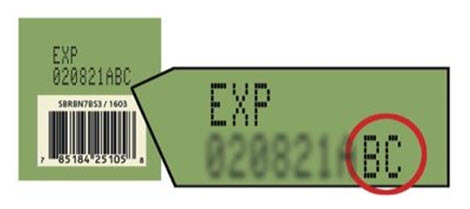
All lots of Redbarn, Chewy Louie, Dentley’s and Good Lovin’ brand products listed below with best by dates ending in BC are included in this expanded recall.
The supplier’s raw materials were used to produce each of these products:
Redbarn initiated a recall of a single lot of product in early February after being notified that a sample collected at retail by the Colorado Department of Agriculture tested positive for Salmonella.
Redbarn is expanding this recall to include all products manufactured from the raw material supplier of the first recalled product.
We came to this decision after being notified that the FDA tested a different lot of raw material from this supplier at Redbarn and it tested positive for Salmonella.
Salmonella can affect animals eating the products, and there is a risk to humans from handling contaminated pet products, especially if they have not thoroughly washed their hands after
having contact with the products or any surfaces exposed to these products.
Healthy people infected with Salmonella should monitor themselves for some or all of the
following symptoms: nausea, vomiting, diarrhea or bloody diarrhea, abdominal cramping and
fever.
Rarely, Salmonella can result in more serious ailments, including arterial infections, endocarditis, arthritis, muscle pain, eye irritation, and urinary tract symptoms.
Consumers exhibiting these signs after having contact with this product should contact their healthcare providers.
Pets with Salmonella infections may become lethargic and have diarrhea or bloody diarrhea, fever, and vomiting.
Some pets will have only decreased appetite, fever, and abdominal pain.
Infected but otherwise healthy pets can be carriers and infect other animals or humans.
If your pet has consumed the recalled product and has these symptoms, please contact your veterinarian.
Consumers are encouraged to check the best by code, using the guide above, to see if their
product was affected.
Pet owners who have this product matching this best by code in their homes are urged to discontinue use of the product.
Consumers who purchased the product with the affected lot code are urged to return them to the place of purchase for a full refund.
Consumers with questions may contact the company via email at info@redbarninc.com or by
phone at 800-775-3849, Monday thru Friday, 8 AM to 5 PM PT.
U.S. citizens can report complaints about FDA-regulated pet food products by calling the consumer complaint coordinator in your area.
Or go to http://www.fda.gov/petfoodcomplaints.
Canadians can report any health or safety incidents related to the use of this product by filling out the Consumer Product Incident Report Form.
Get free dog food recall alerts sent to you by email. Subscribe to The Dog Food Advisor’s emergency recall notification system.
ooOOoo
Why do I have this feeling that this is not the last alert to dog food possibly having salmonella contamination! Wonder if cat food is similarly affected?
Same routine!
First, here is the text of the email that came to me a little before 4pm on the 6th March:
Dear Fellow Dog Lover,
Because you signed up on our website and asked to be notified, I’m sending you this special recall alert.
Raw Basics LLC of Pleasant Prairie, WI, is recalling one specific lot of its Tucker’s raw frozen dog food due to possible contamination with Salmonella.To learn which products are affected, please visit the following link:
Tucker’s Raw Frozen Dog Food Recall
Please share the news of this alert with other pet owners.
Mike Sagman, Editor
The Dog Food AdvisorP.S. Need help? Get instant access to a list of The Dog Food Advisor’s most recommended dog food brands. Click here for details.
Then if you go to that site you will find it is yet another case of salmonella contamination!!
ooOOoo
March 6, 2018 — Raw Basics, LLC of Pleasant Prairie, Wisconsin, is recalling its Tucker’s Raw Frozen Pork-Bison Dog Food because it has the potential to be contaminated with Salmonella.
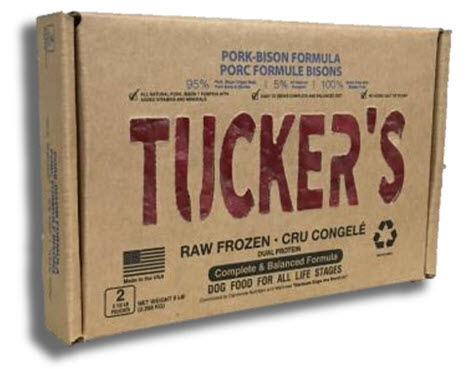
The affected product is labeled “Tucker’s Pork-Bison-Formula” and includes the following identifying information.
Salmonella can affect animals eating the products and there is risk to humans from handling contaminated pet products, especially if they have not thoroughly washed their hands after having contact with the products or any surfaces exposed to these products.
Healthy people infected with Salmonella should monitor themselves for some or all of the following symptoms: nausea, vomiting, diarrhea or bloody diarrhea, abdominal cramping and fever.
Rarely, Salmonella can result in more serious ailments, including arterial infections, endocarditis, arthritis, muscle pain, eye irritation, and urinary tract symptoms.
Consumers exhibiting these signs after having contact with this product should contact their healthcare providers.
Pets with Salmonella infections may be lethargic and have diarrhea or bloody diarrhea, fever, and vomiting.
Some pets will have only decreased appetite, fever and abdominal pain.
Infected but otherwise healthy pets can be carriers and infect other animals or humans.
If your pet has consumed the recalled product and has these symptoms, please contact your veterinarian.
This recall was issued after the company was notified by the Nebraska Department of Agriculture of the positive Salmonella finding.
Product affected was isolated to 1 lot of 540 lbs (108 boxes) and distributed to distributors in Minnesota, Georgia, Kansas, and Pennsylvania.
The products were sold at pet specialty retail stores.
No illnesses have been reported to date.
Raw Basics tests all batches of products for all pathogens in a hold and release program before releasing for shipping.
Consumers who have purchased the affected product are are urged to return it to the place of purchase for a full refund.
Consumers with questions may contact the company at 800-219-3650.
U.S. citizens can report complaints about FDA-regulated pet food products by calling the consumer complaint coordinator in your area.
Or go to http://www.fda.gov/petfoodcomplaints.
Canadians can report any health or safety incidents related to the use of this product by filling out the Consumer Product Incident Report Form.
Get free dog food recall alerts sent to you by email. Subscribe to The Dog Food Advisor’s emergency recall notification system.
ooOOoo
As always, please share this with friends and family!
And give your dog a big hug from Jean and me!!
So often ex-shelter dogs are the most loving dogs that can be.
When we moved here to Oregon back in 2012 we came with 12 dogs. All but two of them were dogs that had been rescued either from a shelter or an unwanted home. Then there’s Ruby who is the last of the dogs that Jean rescued off the streets of Mexico.
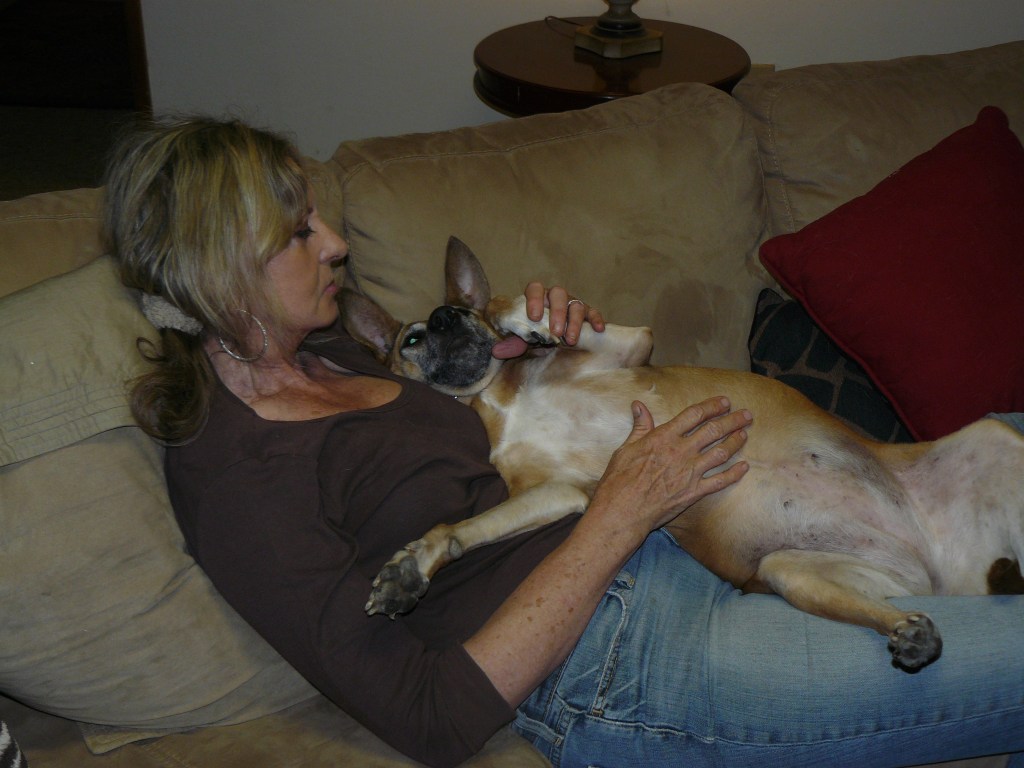

All of which is an appropriate introduction to Jenny Perkins who is an Animal Behavior Specialist and a passionate writer. Jenny adds that: “She loves to write about the nutrition, health, and care of dogs. She aims at providing tips to dog owners that can help them become better pet parents. She writes for the blog Here Pup.”
I am grateful for Jenny’s permission to republish her article here.
ooOOoo
Adopting a dog especially one from the shelter is a serious commitment. Although it is one of the best decisions to make it can get difficult. Therefore it requires you to be prepared to face the upcoming challenges; both mentally and physically.
 At times people do adopt rescue dogs but end up giving them up as they get overwhelmed. What we need to understand is that it is equally difficult for the dog too. We don’t know what abuse or emotional trauma he has been through. Maybe he lost his actual house and since had been bumping from shelter to shelter. These incidents have a substantial impact on the dog’s personality, and the new home and people may scare him. Don’t worry it gets better and its worth the sparkle you’ll see in his eyes once he gets used to the new atmosphere.
As a smart dog-parent, you need to know some basics so you can help your rescue dog settle in quickly. One advantage of adopting an adult rescue is that they may already be housetrained and know basic manners. However, you need to make-up your mind that you have to start from scratch. Here is a list of the things you need to do before bringing your new pup home
Things You Need to Have
You need to have all the necessary supplies in your home beforehand, so you don’t have to run to the store now and then. Get some good quality dog food, whatever brand the vet recommends according to the dog’s age, size, and breed. Also buy a crate, a good quality no-pull leash or harness, a collar, an ID, gloves, and waste bags. As for comfort buy a dog bed according to the dog’s size and bowls for the food and water. Get him some interactive and fun chew toys, so he doesn’t get bored when you aren’t around. Keep a first-aid box in case of emergencies. For now just get the essentials such as gauze, scissors, tape, wet wipes, and an antibiotic ointment. Okay so that’s about it, and yes training treats are a must!
Proofing the House
Now since you’ve done all the shopping, let’s discuss the in-house preparation. Dog-proofing your house is vital not just for the safety of your pooch but you as well. First and foremost, remove everything that may be toxic to the dog. Canines are an inquisitive creature, so your dog will start sniffing around the house, exploring places he isn’t supposed to. Chocolates, raisins, nuts, and grapes are common foods that may be poisonous to the dog. Same goes for cleaners, chemicals, medicines, and pesticides. Keep all such products locked in cabinets and secure them with a latch.
Establish Routine
The next task is to prepare yourself for the journey mentally. Remember it is going to be exhilarating but may also frustrate you. Tell yourself that patience is critical; gradually the pooch will learn everything and get accustomed to the house. Dogs feel secure when they have a proper routine and rules that they will follow. Begin by deciding where you will place his bed. It’s better to keep his movement restricted to a small room at first, so he treats it as his home. Next up, decide timings for walks and food. Limit the interactions in the first few days, as that may overwhelm the dog. If possible, take a few days off to spend time with your furry friend and getting to know him better.
When the Dog Comes Home
Once you bring your new friend home, give him a tour of the house. He may be scared so try your best to keep him away from scary situations. If he wants to hide in a corner, let him. Don’t force him to learn everything rapidly and work with him at his pace.
Show him the love and care he deserves. Training will help him adjust better, start teaching him specific behaviors and commands. Only use positive reinforcement methods and teach him the basics like “sit,” “stay.” Keep treats with you to reward him, take him out for short walks, and let him socialize with other dogs. Most importantly work on developing a bond, once it does your dog will never leave your side!
ooOOoo
That bond that so many thousands and thousands of us humans have with our dogs never, ever leaves us!
The following arrived late Saturday evening.
Dear Fellow Dog Lover,
Because you signed up on our website and asked to be notified, I’m sending you this special recall alert. If you no longer wish to receive these emails, please click the “unsubscribe” link at the bottom of this message.
Steve’s Real Food of Salt Lake City, UT, is recalling one lot of its raw frozen dog food due to possible contamination with Salmonella.
To learn which products are affected, please visit the following link:
Steve’s Real Food Recalls Raw Frozen Dog Food
Please share the news of this alert with other pet owners.
Mike Sagman, Editor
The Dog Food AdvisorP.S. Not already on our dog food recall notification list yet? Sign up to get critical dog food recall alerts sent to you by email. There’s no cost for this service.
If you click on that link in the above recall email then one goes here, and reads:
ooOOoo
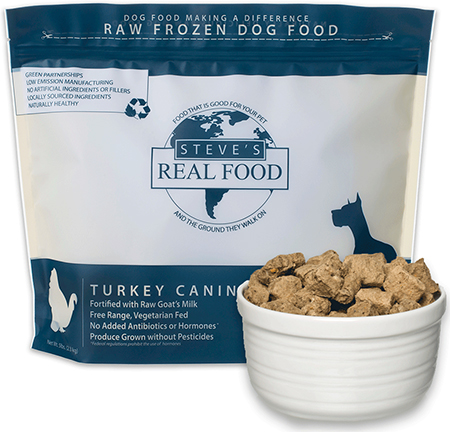
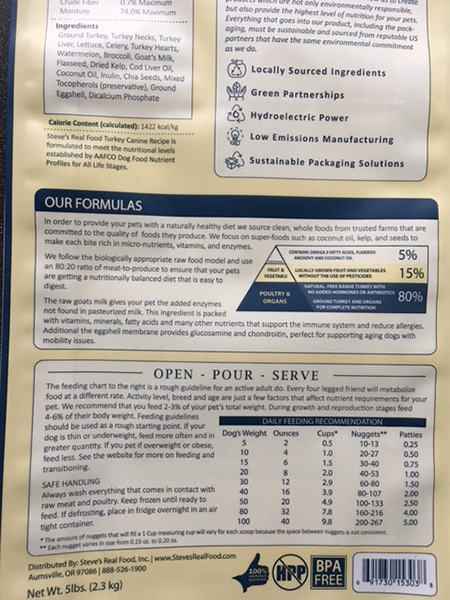
The affected product was sold frozen in 5-pound bags.
Bags affected by this recall are identified with the following UPC codes and “Best by” date located on the package.
Fifty two cases of this product was distributed between 6/27/17 – 7/15/17.
The potentially affected lot of 5-pound frozen turkey nuggets were distributed to retail pet food stores in the following states: CA, CO, CT, IA, KS, FL, MD, MI, MN, MO, ND, NE, NJ, NV, NY, OR, PA, TX, UT, VA, and WA.
Salmonella can affect animals eating the products and there is risk to humans from handling contaminated pet products.
Symptoms of infection in people include nausea, vomiting, diarrhea or bloody diarrhea, abdominal cramping and fever.
Rarely, Salmonella can result in more serious ailments, including arterial infections, endocarditis, arthritis, muscle pain, eye irritation, and urinary tract symptoms.
Consumers exhibiting these signs after having contact with this product should contact their healthcare providers.
Pets with Salmonella infections may be lethargic and have diarrhea or bloody diarrhea, fever, and vomiting.
Some pets will have only decreased appetite, fever and abdominal pain.
Infected, but otherwise healthy pets can be carriers and infect other animals or humans.
If your pet has consumed the recalled product and has these symptoms, please contact your veterinarian.
This recall is being initiated after the firm was notified by the Nebraska Department of Agriculture that a retail sample was collected and tested positive for Salmonella.
No pet or consumer illnesses from this product have been reported to date.
Because of their commitment to overall safety and quality, Steve’s Real Food is conducting a voluntary recall of this product.
Consumers should also follow the safe handling tips published on the Steve’s Real Food packaging, when disposing of the affected product.
This recall is being made with the knowledge of the U.S. Food and Drug Administration.
Consumers are encouraged to check the lot code of any 5-pound frozen turkey nuggets.
Any product with the noted lot code should be returned to the specialty retailer where product was purchased for a full refund.
Consumers with questions may contact Steve’s Real Food at 888-526-1900, Monday thru Friday 9 AM to 4 PM MT.
U.S. citizens can report complaints about FDA-regulated pet food products by calling the consumer complaint coordinator in your area.
Or go to http://www.fda.gov/petfoodcomplaints.
Canadians can report any health or safety incidents related to the use of this product by filling out the Consumer Product Incident Report Form.
Get free dog food recall alerts sent to you by email. Subscribe to The Dog Food Advisor’s emergency recall notification system.
ooOOoo
As always, please share this as far and wide as you can and, hopefully, no dog will be affected by this contaminated product.
Here’s that article I wanted to share with you.
But then I got sucked back to memories of sailing!!
Oregon’s lighthouses as recently published over on Mother Nature Network!
ooOOoo
Yet there is more to Yaquina Head Lighthouse in Newport than these ghostly stories.

JAYMI HEIMBUCH February 16, 2018

On a scenic basalt rock headland that juts almost a mile into the Pacific Ocean stands a beautiful white lighthouse. At 93 feet tall, the Yaquina Head Lighthouse, located in Newport, Oregon, is the state’s tallest lighthouse. It’s been guiding ships for 145 years.
First lit on August 20, 1873, the lighthouse has gained quite the storied history. And that includes two ghost stories.

One tale tells of a construction worker helping to build the tower who fell to his death. His body lodged between the double walls, never to be retrieved. He — and his ghost — have been sealed in ever since.
The second story is that in the 1920s, Keeper Smith went into town and left Keeper Higgins in charge. But Higgins fell sick and asked Keeper Story to take over. When Smith saw from Newport that the lighthouse beacon wasn’t lit, he rushed back to find Higgins dead and Story drunk. Story, overtaken with guilt, feared the ghost of Higgins and from then on would take his bulldog up the tower with him.

As with most ghost stories, the authenticity of these is highly doubted. The first story is unauthenticated, and the second story is impossible. As Lighthouse Friends clarifies:
A great tale, but unfortunately not supported by the facts that Story and Higgins didn’t serve at the same time at Yaquina Head and Higgins didn’t meet his demise in the tower. Rather, Higgins left the Lighthouse Service before 1920 and returned to live with his mother in Portland. Second Assistant Keeper did die of a heart attack in the watchroom atop the tower in March 1921, but he too served before the arrival of Frank Story.

Fortunately, much more than ghosts can be seen at Yaquina Head Lighthouse. The lighthouse stands on what is now the Yaquina Head Outstanding Natural Area, one of the most spectacular
spots on the coast for viewing ocean wildlife such as sea birds and harbor seals at close range, as well as traipsing through tide pools at low tide. An interpretive center highlights information about these wild inhabitants and features exhibits on the historical details of the lighthouse.

The original oil-powered light has given way to an automated first-order Fresnel lens and a 1,000-watt globe. It flashes with its own specific pattern: two seconds on, two off, two on, and 14 off. The pattern is repeated around the clock.

While a little illumination causes the ghost stories to fade, visitors can still see a lot with a visit to Yaquina Head. Whether it’s grey whales at close range during their migration, or the sun setting over the ocean and silhouetting the tall structure, visitors are always happy they stopped to take in both the scene and the history of this special place.
ooOOoo
I really hope that despite the advance of digital GPS navigation systems it will still be a very long time before these magnificent lighthouses are turned off!
The value of a loving dog is not to be over estimated!
Returning to the theme of how dogs can help us humans fight off depression.
A delightful guest post from Taylor who recently asked if she could share a post from her own blog. I was delighted to have been asked.
oooooh
by Taylor G. February 23rd. 2018.
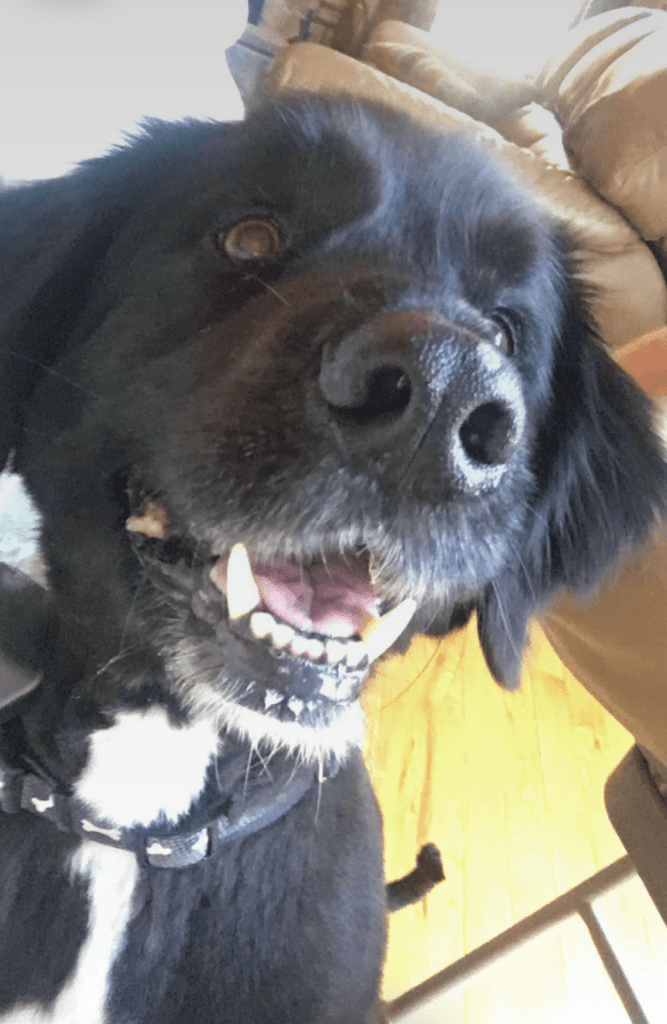
I have always been a huge animal person. But mostly, a dog person/mom. I have two pups, and I am a dog walker in my neighboring towns. But I also suffer from depression and anxiety. Doctors always rush to prescribe medicine, but I have found that dogs can help as well. This post will be describing how dogs can help people suffering with depression and anxiety.
you get a sense of worthiness. I know I struggle with feeling needed, but as soon as I schedule a dog walk, I know that that dog needs me. That the dog is waiting for me to walk it. It makes me feel needed in this world. It has increased my self worth and makes me feel like I have a purpose.
actually releases oxytocin (hormone related to anxiety relief), which can help reduce blood pressure!
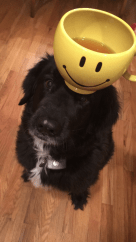
Help with Isolation- For those days when your depression gets the best of you, they help you feel less lonely and less isolated. They will be there for you when no one else is, and knowing that always makes me feel better.
My dogs have helped give me my life back. While I am still fighting my
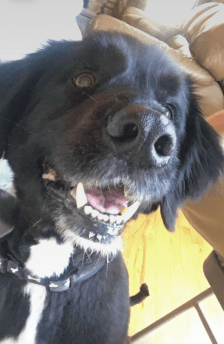
depression and anxiety, I am definitely proof that dogs can help in this fight against mental illness. While they also may be a huge responsibility, they are also a huge help in the war with mental illness.
ooOOoo
I will close by stating the obvious.
That is that everyone who has a dog or two in their life and has times of feeling depressed knows without question what it means to hug a dog.
Those who do not have a dog in their life and have experienced depression should find their own dog to hug – pronto!
 Learning from Dogs