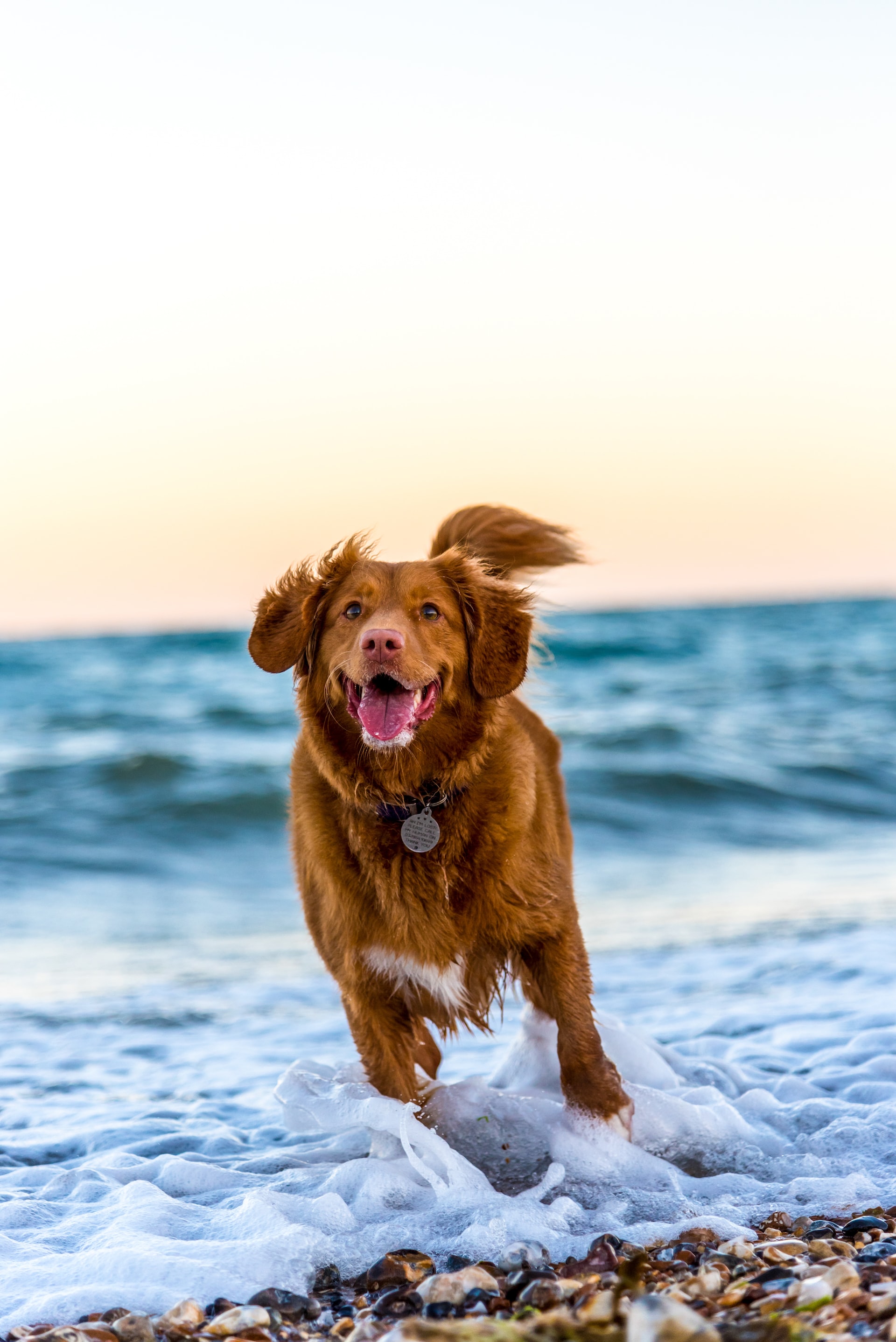
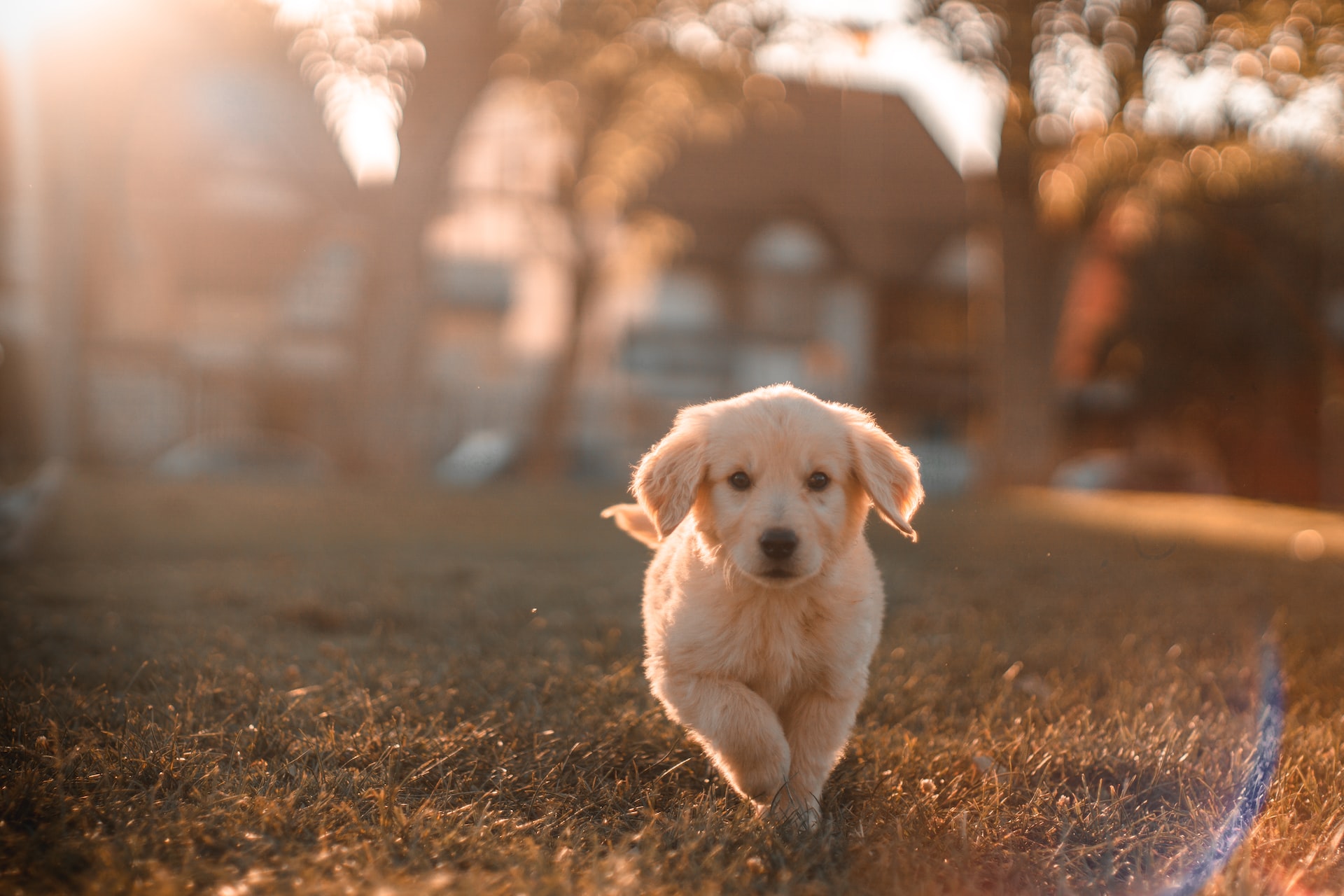
Once more dog photographs from Unsplash.

oooo

oooo

oooo

oooo
oooo
oooo

So there’s another week gone.
Thanks always to Unsplash for their glorious, free photographs of dogs.
Dogs are animals of integrity. We have much to learn from them.
Category: Communication
The making of an American Service Dog.
I made a note to republish about a couple of weeks ago and then ‘stuff’ got in the way. (Like me falling from my bike; again!)
I saw this photograph and then with the smallest amount of research came across the story. I hope I can share it with you all.
First, a photograph of Jill Piper who is Lasting Image Photography

Next, a few words from her website that explain a little more about Jill.
I started working in a photo studio in 1985 (yikes!). I’ve worked in studios in Maine and California, and started Lasting Image in 1997. I have photographed literally thousands of people of all ages.
I was a Grand Imaging Award finalist in 2019 (crazy hard to do!) and a PPA Silver Medalist in 2020.
I regularly enter my work in Professional Photographers of America’s image competitions for judging and critique. It’s brutal. But it has made me a better photographer.
Here is Ziggy’s owner describing what it takes for Ziggy to become a service dog.
ooOOoo
Thank you to my friend Anne Marie Shumate from Lasting Image Photography for doing such a great job photographing Ziggy and me.
Ziggy is a SDIT or otherwise known as a Service Dog in Training. He has passed two of the three major test and four of the ten outings. Once he completes his other test he’ll get his final certificate from Soldiers Best Friend, a non-profit 501c3. Jamie Barilla is my trainer. She works with the two of us for two days a week. Sometimes Ziggy catches on quicker than I do, so I think Jamie is training me!
Jamie Barilla works with Soldiers Best Friend, a non-profit 501c3. Besides working on Photography with my own non-profit 501c3, I spend a great deal of time training Ziggy. Not counting the 2 1/2 hours of training Ziggy receives a day, I also have to write a daily report of what we do everyday.
I now can understand the complexities involved in training a service dog. He already knows over 64 commands, with a lot more coming down the road. A lot of the commands Ziggy first learned, even though they were OK at the beginning, had to be tweaked to make them even better.
So if you see a service dog now you know it takes a lot of work. Some 50 to 70 percent of dogs that enter a service dog program don’t make the grade; either because the dog doesn’t have the proper temperament or the person involved doesn’t have the time or energy to put into the dog.

ooOOoo
Well we hope that Ziggy gets the final certificate and I can see no reason why that doesn’t come about. And, finally, coming back to Jill to note that she is a great lover of dogs. Have a look at the page on her website that shows the awards that she has won. Please, take a peep and see the wonderful photos of dogs!
Showing that droughts have been in evidence for 1,000 years or more!
It is very easy, well it is for me, to think that the changes we are seeing in the climate are purely recent. There is no question that we are experiencing changes in the global climate. But it would be too easy to think that these changes are only the result of recent times.
My way of an introduction to this post from The Conversation.
ooOOoo
1,000-year-old stalagmites from a cave in India show the monsoon isn’t so reliable – their rings reveal a history of long, deadly droughts.
Published on the 19th September, 2022 by:
In a remote cave in northeast India, rainwater has slowly dripped from the ceiling in the same spots for over 1,000 years. With each drop, minerals in the water accumulate on the floor below, slowly growing into calcium carbonate towers known as stalagmites.
These stalagmites are more than geological wonders – like tree rings, their layers record the region’s rainfall history. They also carry a warning about the potential for catastrophic multiyear droughts in the future.
By analyzing the geochemistry of these stalagmites in a new study published Sept. 19, 2022, in the Proceedings of the National Academy of Sciences, we were able to create the most precise chronology yet of the summer Indian monsoon over the past millennium. It documents how the Indian subcontinent frequently experienced long, severe droughts unlike any observed in the last 150 years of reliable monsoon rainfall measurements.
The drought periods we detected are in striking synchrony with historical accounts of droughts, famines, mass mortality events and geopolitical changes in the region.
They show how the decline of the Mughal Empire and India’s textile industries in the 1780s and 1790s coincided with the most severe 30-year period of drought over the millennium. The depth and duration of the drought would have caused widespread crop failures and the level of famine discussed in written documentsat the time.
Another long drought encompasses the 1630-1632 Deccan famine, one of the most devastating droughts in India’s history. Millions of people died as crops failed. Around the same time, the elaborate Mughal capital of Fatehpur Sikri was abandoned and the Guge Kingdom collapsed in western Tibet.

Our findings have important implications today for water planning in a warming world, particularly for India, which, with its vast monsoon-reliant agriculture industry, is on pace to soon be the most populous country on the planet.
Scientists began systematically measuring India’s monsoon rainfall with instruments around the 1870s. Since then, India has experienced about 27 regionally widespread droughts. Among them, only one – 1985 to 1987 – was a three-year consecutive drought or worse.
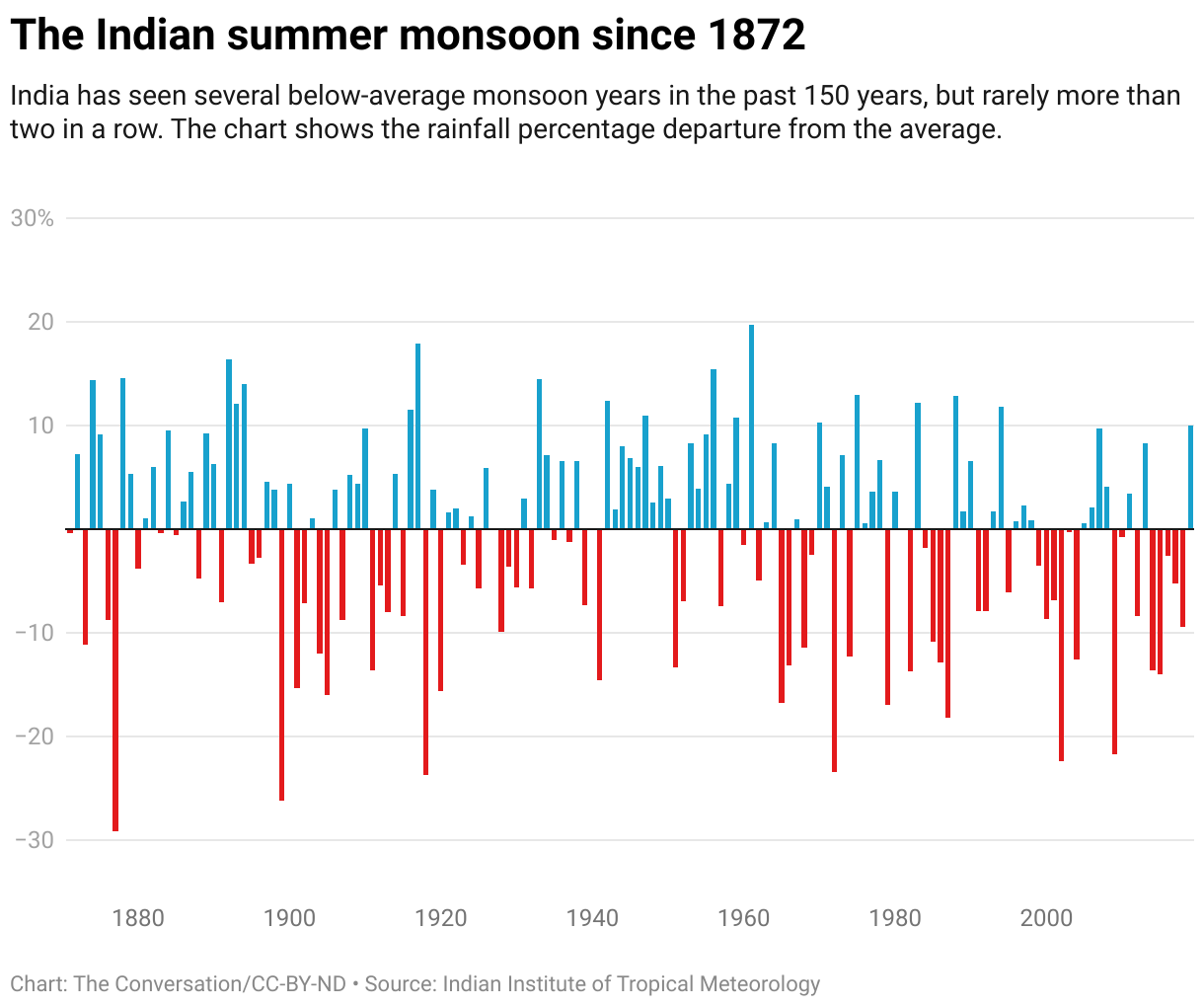
The apparent stability of the Indian monsoon in that data might lead one to surmise that neither protracted droughts lasting multiple years nor frequent droughts are intrinsic aspects of its variability. This seemingly reassuring view currently informs the region’s present-day water resource infrastructure.
However, the stalagmite evidence of prolonged, severe droughts over the past 1,000 years paints a different picture.
It indicates that the short instrumental period does not capture the full range of Indian monsoon variability. It also raises questions about the region’s current water resources, sustainability and mitigation policies that discount the possibility of protracted droughts in the future.

To reconstruct past variations in rainfall, we analyzed stalagmites from Mawmluh cave, near the town of Cherrapunji in the state of Meghalaya – one of the wettest locations in the world.
Stalagmites are conelike structures that grow slowly from the ground up, typically at a rate of about one millimeter every 10 years. Trapped within their growth layers are minute amounts of uranium and other elements that were acquired as rainwater infiltrated the rocks and soil above the cave. Over time, uranium trapped in stalagmites decays into thorium at a predictable pace, so we can figure out the age of each stalagmite growth layer by measuring the ratio of uranium to thorium.
The oxygen in rainwater molecules comes in two primary types of isotopes – heavy and light. As stalagmites grow, they lock into their structure the oxygen isotope ratios of the percolating rainwater that seeps into the cave. Subtle variations in this ratio can arise from a range of climatic conditions at the time the rainwater originally fell.


Our previous research in this area showed that variations in oxygen isotope ratios in rainwater, and consequently, in stalagmites, track changes in the relative abundance of different moisture sources that contribute to summer monsoon rainfall.
During years when monsoon circulation is weak, rainfall here is primarily derived from the moisture that evaporated from the nearby Arabian Sea. During strong monsoon years, however, atmospheric circulation brings copious amounts of moisture to this area all the way from the southern Indian Ocean.
The two moisture sources have quite different oxygen isotope signatures, and this ratio is faithfully preserved in the stalagmites. We can use this clue to learn about the overall strength of the monsoon intensity at the time the stalagmite formed. We pieced together the monsoon rainfall history by extracting minute amounts of calcium carbonate from its growth rings and then measuring the oxygen isotope ratios. To anchor our climate record to precise calendar years, we measured the uranium and thorium ratio.

The paleoclimate records can usually tell what, where and when something happened. But often, they alone cannot answer why or how something happened.
Our new study shows that protracted droughts frequently occurred during the past millennia, but we do not have a good understanding of why the monsoon failed in those years. Similar studies using Himalayan ice cores, tree rings and other caves have also detected protracted droughts but face the same challenge.
In the next phase of our study, we are teaming up with climate modelers to conduct coordinated proxy-modeling studies that we hope will offer more insight into the climate dynamics that triggered and sustained such extended periods of drought during the past millennium.
ooOOoo
So there we are. Droughts are a thing of the ancient past. But only a partial understanding for why the monsoons failed is known. Despite these modern times with so much general access to knowledge there are still things that we do not know!
Finally, one hopes that the next phase of their study will be along in reasonable time! I would love to report on it.
More dogs from Unsplash.

oooo

oooo

oooo

oooo

oooo

oooo

Again, I have to say, and I know many will agree with me, that these photographs from Unsplash are perfectly gorgeous.
You all have a good week ahead!
On this occasion it was the loss of our Pedi that had hearts ‘speaking’.
When it comes to dogs millions of people open their hearts to the love that exists between a dog and a dog’s close human. And I am not sure that I have cracked it yet; I know what is felt but putting it into words is more difficult.
So I shall turn to Jess and the guest post she sent to me. But just before sending me the story of Scruffy Jess sent me this email: “Sorry for the loss. Dogs have always been an important part of my life. I’ve cried like a baby every time I lost one. Truly man’s best friend. “
ooOOoo
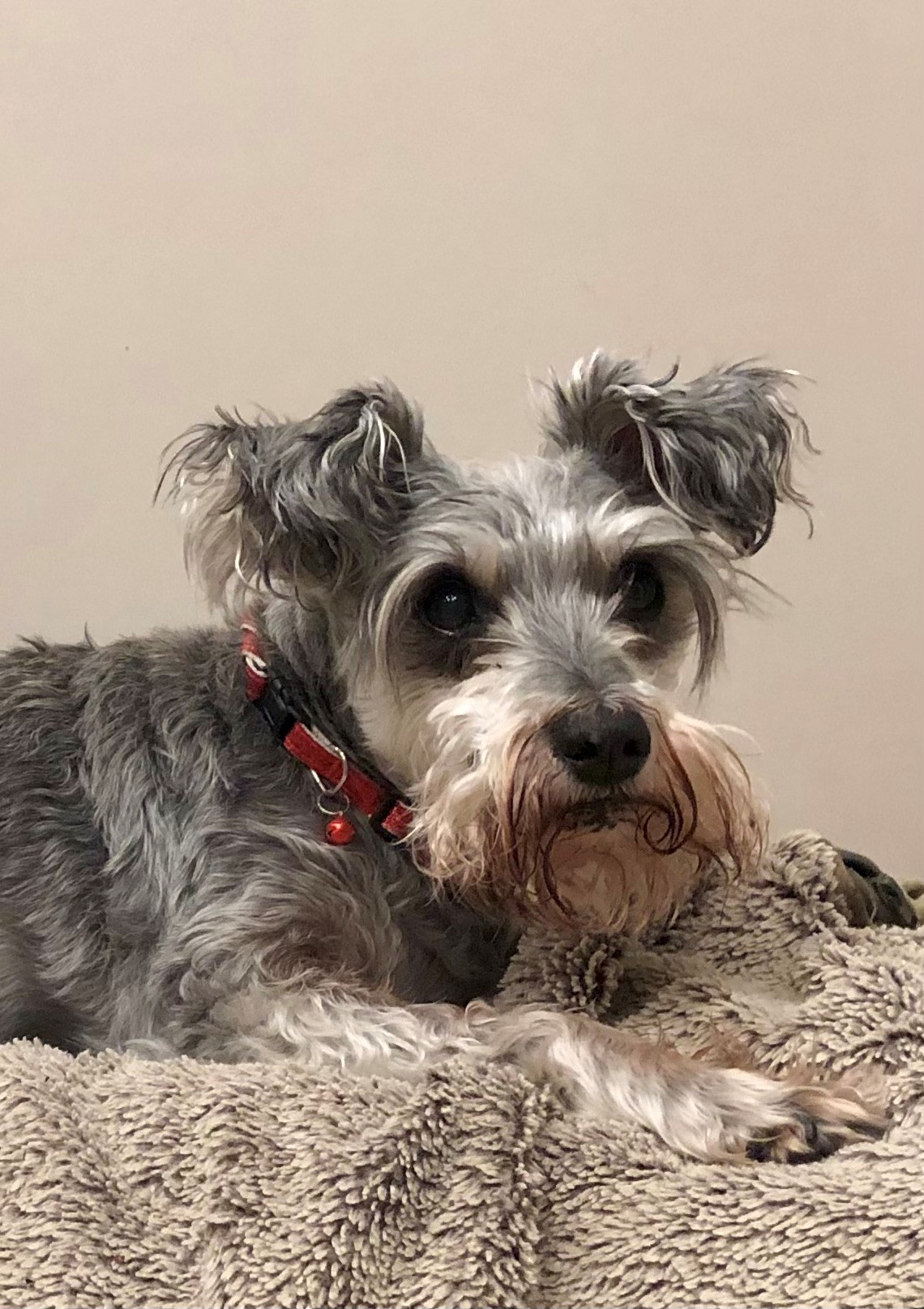
Scruffy is getting up there in years and it breaks my heart to even think of losing him. He’s been my best friend for the past twelve years. He does everything that I do.
I never paint in my studio that he isn’t there beside me.
He will be 13 in February. I only hope that I can get a couple more years out of him. He is one of those special dogs. If someone said, “If there was one thing you would change about Scruffy, what would it be?” The only thing in this world I would change about him is to give him a longer life.
He minds me better than my kids ever minded and I’ve never laid an angry hand on him. I talk to him like I would a human, and he seems to understand everything that I say. I just bought another Schnauzer puppy, only four months old, hoping that some of Scruffy will rub off on him as he grows up. So far Scruffy is not too happy about sharing me with another dog, but hopefully time will change that.
So this is Scruffy at age 12. He still is full of life.
oooo
And this is Tux below, because of the Tuxedo that he always wears. He’s also a Miniature Schnauzer, but in an exotic color, and he has one blue eye that I love!
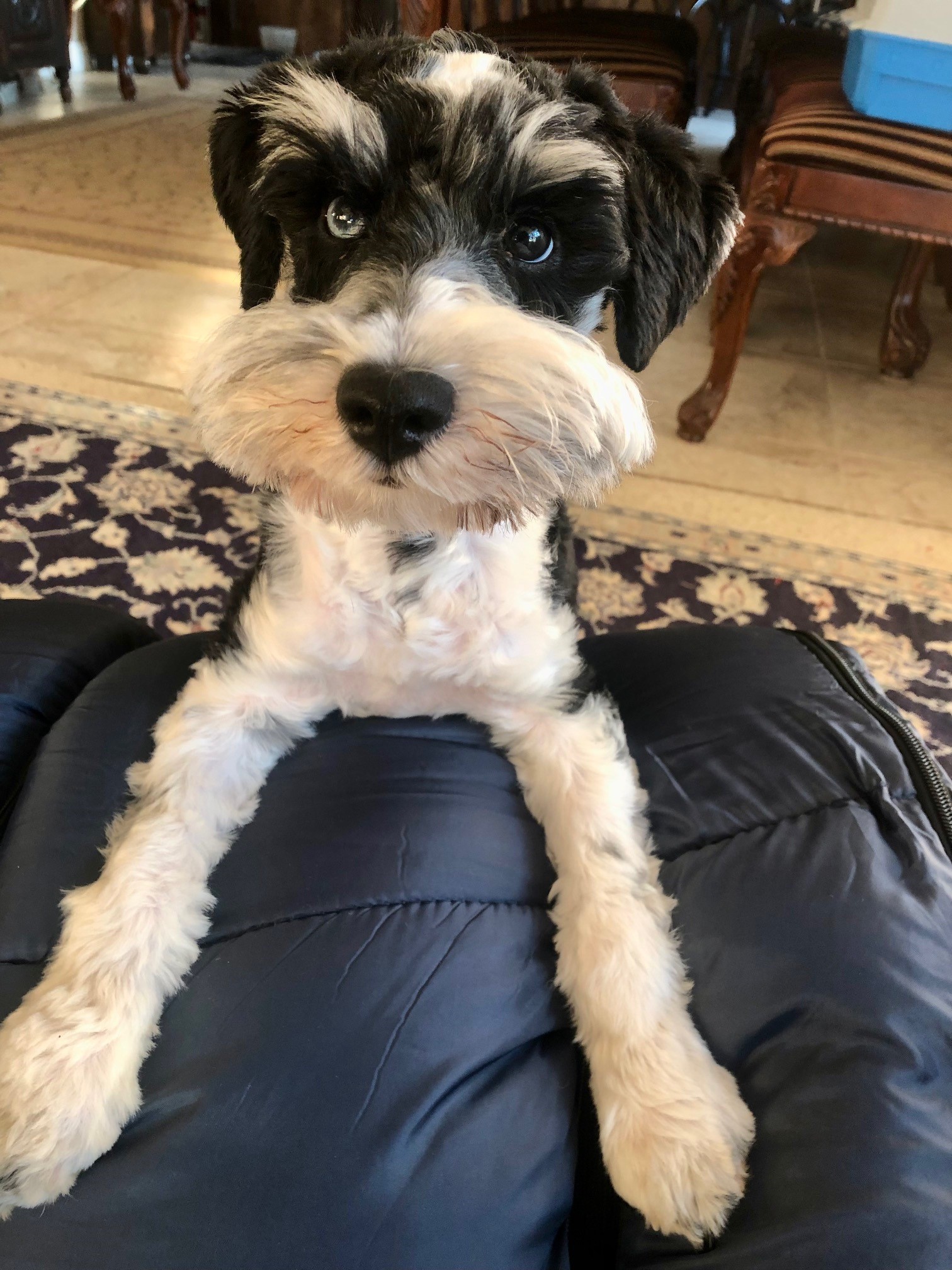
Yes, you should get another puppy to fill the hole in your heart. It seems, you are never sorry about it! You guys have a wonderful day! JESS
ooOOoo
Beautiful!
Poor Pedi finally succumbed to his failing liver at 5:30 pm yesterday.
It was also the reason why I didn’t have the stomach to post this for midnight yesterday.
On the 8th July, this year, Pedi was diagnosed with having diabetes and a failing liver. This was a photo taken at the time.

Dr Codd, of Lincoln Road Vet, suggested that Pedi might be put down immediately but Jean wouldn’t hear of it. Thus every day, at 06:30 and 18:30 (PDT), Jeannie applied an injection of Insulin; the amount depending on what Pedi had eaten.
Jeannie went beyond anything that I have ever seen before. This morning, the 27th, I was talking to her and Jean said that she had been rescuing dogs since 1980. That’s over 40 years! No wonder that Jean was taking this so very hard.
Now my opinion is that we should get a replacement for Pedi and keep the minimum number of dogs to four. But it is too soon to make that decision and part of the issue is that we are getting reasonably close, probably in the next ten years, to selling up and going into a care home of some sorts. We have seen a couple and we need to do a proper examination of the total market to find the right one.
In the meantime we both grieve for Pedi but Jean much, much more so than me. I shall have my guts kicked out of me when Oliver goes, but that’s for another time.
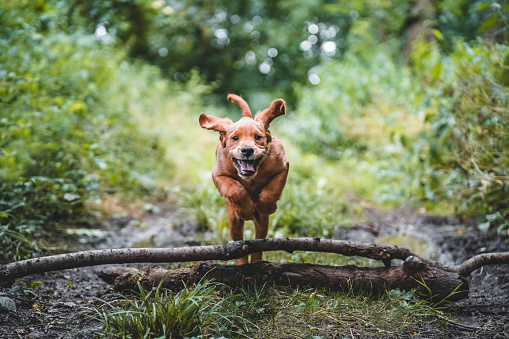
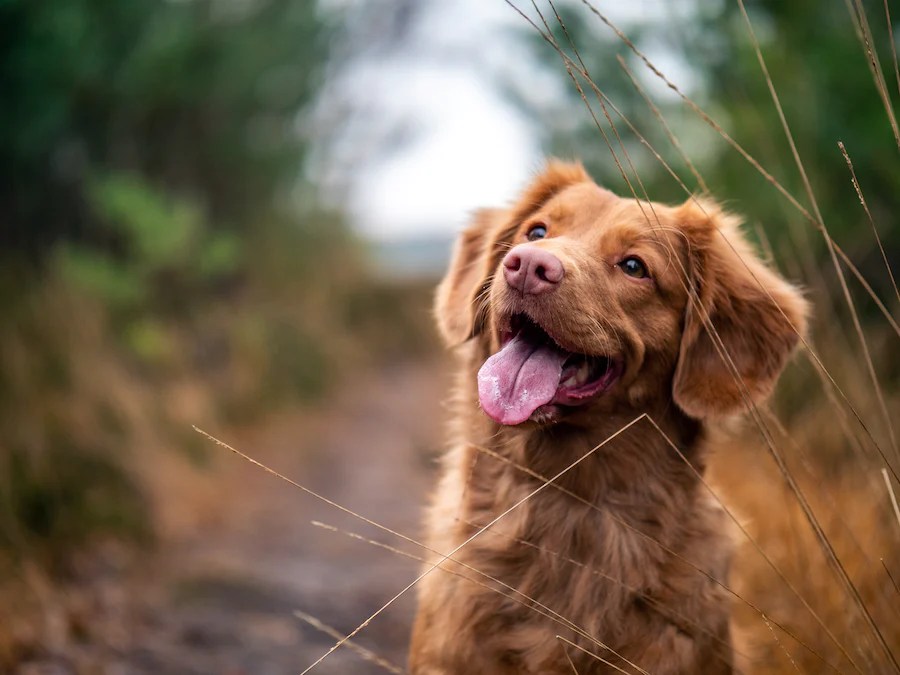
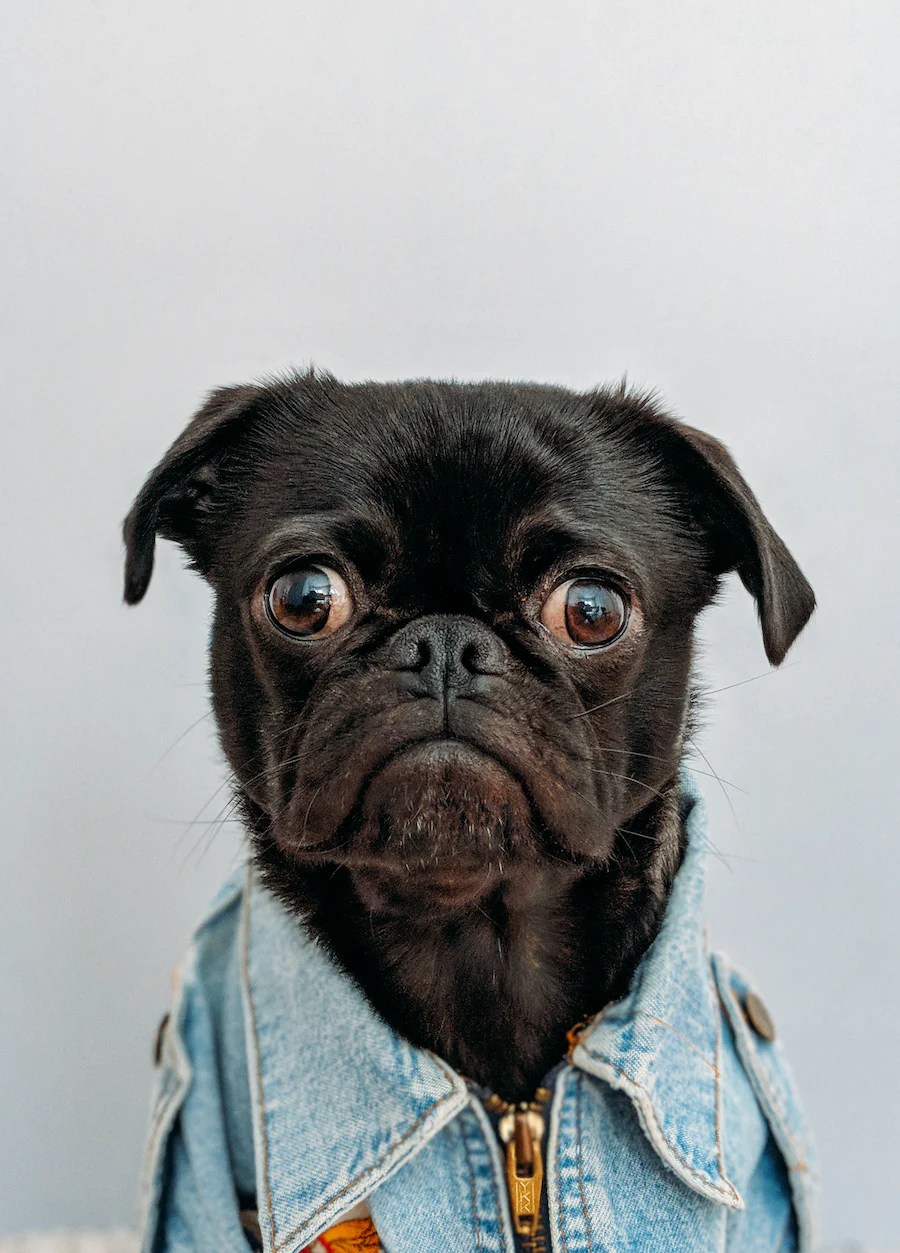
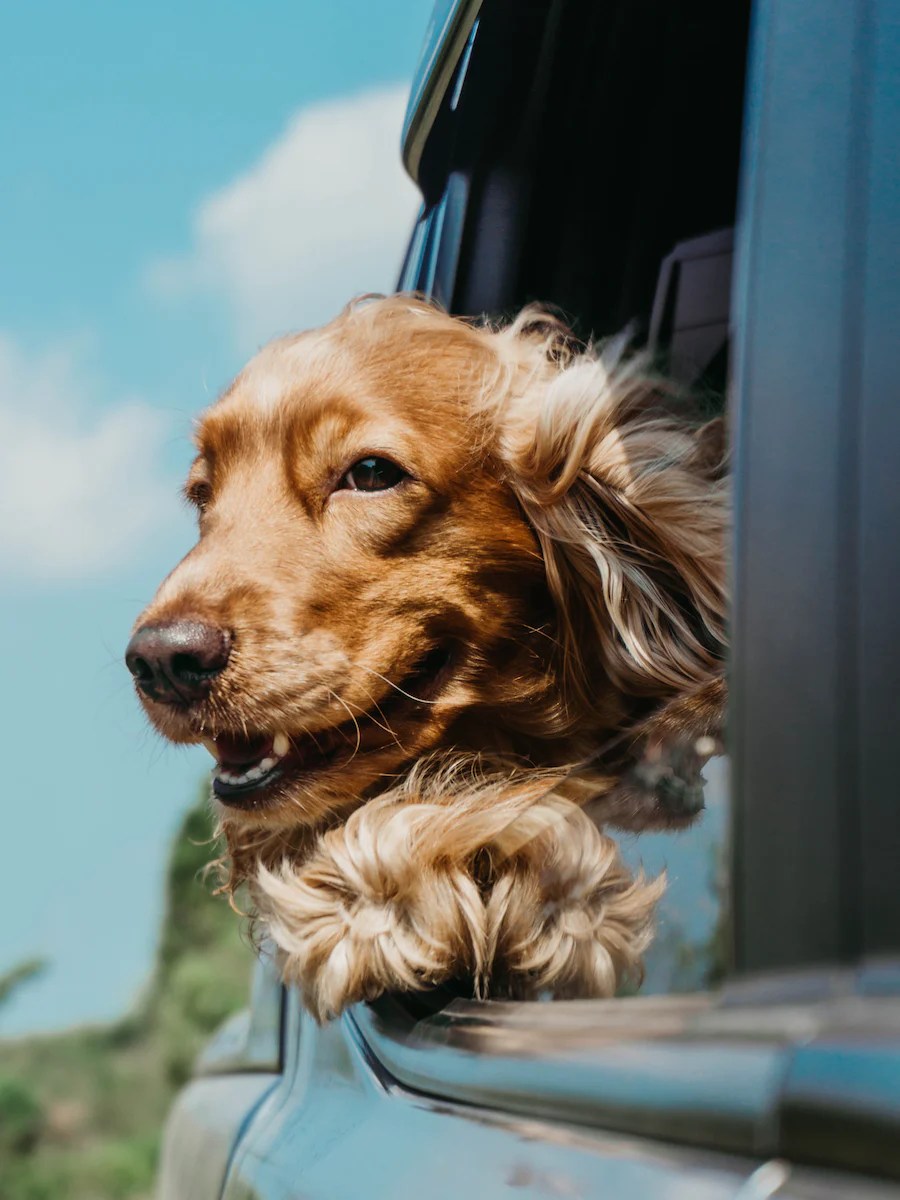
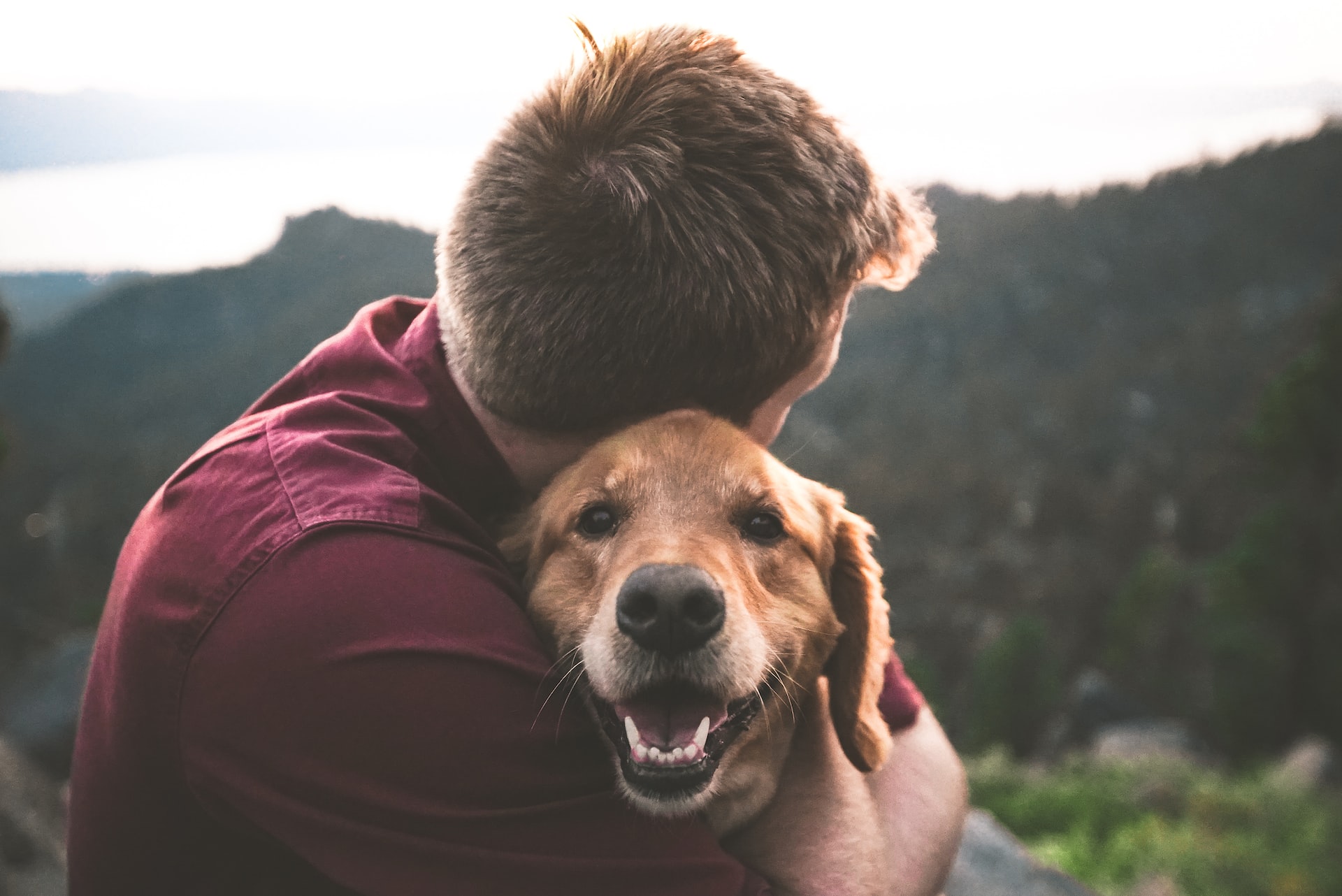
Back to the assortment of dogs courtesy of Unsplash!

oooo
oooo
oooo
oooo
oooo
oooo
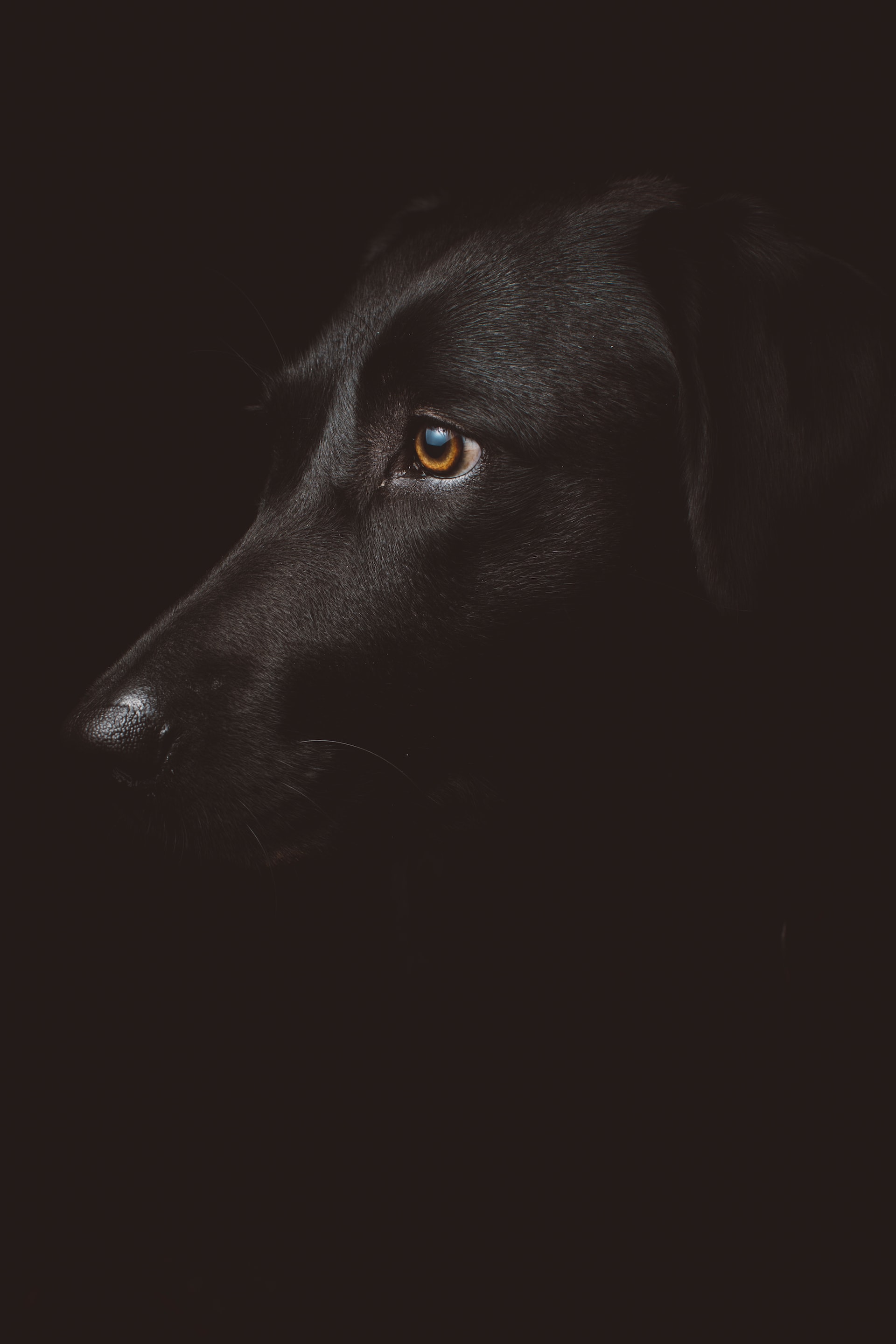
Aren’t they all fabulous! (The first two images came a great deal smaller but because they were so lovely I had to include them.)
This time from Penny Martin.
Penny wanted me to post this guest post from her a little earlier than the ‘chosen’ date. So, I am publishing it today!
ooOOoo

Tips and Tricks for Multistate Living with a Pet
As a senior, you get the best of both worlds by spending half the year in one state and half in another. But sometimes, things can get a little hectic along the way, especially when you own two homes in independent living communities and a pet on top of it. There may be days when your stress levels rise as you try to cope with everything. That’s why Learning from Dogs has assembled some handy tips and tricks to smooth out multistate living for you and your pet.
Saving Money
One of your first considerations may be to save some money as you switch from one home to the other. You might, for instance, register your cars and purchase auto insurance in a state that is less expensive. Do the same for health insurance and even pet insurance to save extra money. You might also stock up on nonperishable and freezer items for each house when your budget allows so that you’ll have supplies on hand when you transfer between homes. Finally, consider replacing double cable services with streaming options. This way, you can watch all your favorite shows whenever and wherever you want without paying for access in two states.
Staying Organized
It can be quite difficult to stay organized when you’re splitting your time between two different homes, but you can if you get in the habit of making lists. Keep a running tab of your possessions and current supplies, like food and cleaning products, at both homes. This way, you’ll know what you have and what you need to bring with you. If you find yourself overwhelmed by clutter, don’t be afraid to use a storage unit. There are plenty of self-storage options in San Diego, and you can check prices and reviews in advance.
When it comes to your pet’s needs, you might do well to have a set of care items like harnesses, crates, cat trees, and litter boxes at both homes. This way, you won’t have to drag things back and forth. When you’re shopping for pet supplies, be sure to read online reviews from customers but also from veterinarians and other animal experts so that you can ensure the quality of the products and the health and safety of your pet.
Keeping Your Pet Healthy
Dividing time between two homes in two different states can be stressful for your pet, so make sure you take care of your pet’s health. Find a trustworthy veterinarian in both locations, and take your pet for frequent checkups each time you settle into a new place. Make sure your pet has proper flea and tick prevention for both environments, and find a good pet sitter in both locations, too.
Also, consider pet insurance to help defray vet costs. One state may actually offer less expensive pet insurance policies than another — although you may find it more expensive in many ways — so shop around for the best policy. Research coverage options, prices, deductibles, limitations, and provider reputations before choosing a policy that is right for you and your pet.
Living Well in Two States
Multistate living can be a challenge, but it can also be a delightful experience for you and your pet. Use the tips above to save money, stay organized, keep your pet healthy, and enjoy the best of both worlds.
Learning from Dogs serves as a reminder of the values of life and the power of unconditional love – as so many, many dogs prove each and every day. Click here to get involved!
Image via Pexels
ooOOoo
It was exceedingly kind of Penny to promote this blog and I am grateful for the links.
It is a very useful guest post and I hope that many people find it of value. It would be nice to hear from people who have read Penny’s post.
That’s all from me!
Our reaction to a video by Carole Cadwalladr.
I have been a user of Facebook for some time. Persons in my family use it but not Jeannie. In fact, Jean is a very low user of all things computing and that has turned out to be a very good act.
Here is the summary of what the talk is all about:
In an unmissable talk, journalist Carole Cadwalladr digs into one of the most perplexing events in recent times: the UK’s super-close 2016 vote to leave the European Union. Tracking the result to a barrage of misleading Facebook ads targeted at vulnerable Brexit swing voters — and linking the same players and tactics to the 2016 US presidential election — Cadwalladr calls out the “gods of Silicon Valley” for being on the wrong side of history and asks: Are free and fair election…
Here is the talk:
So by the time you watch this I shall have deleted my Facebook account. Then it is on to finding a good alternative to WhatsApp!
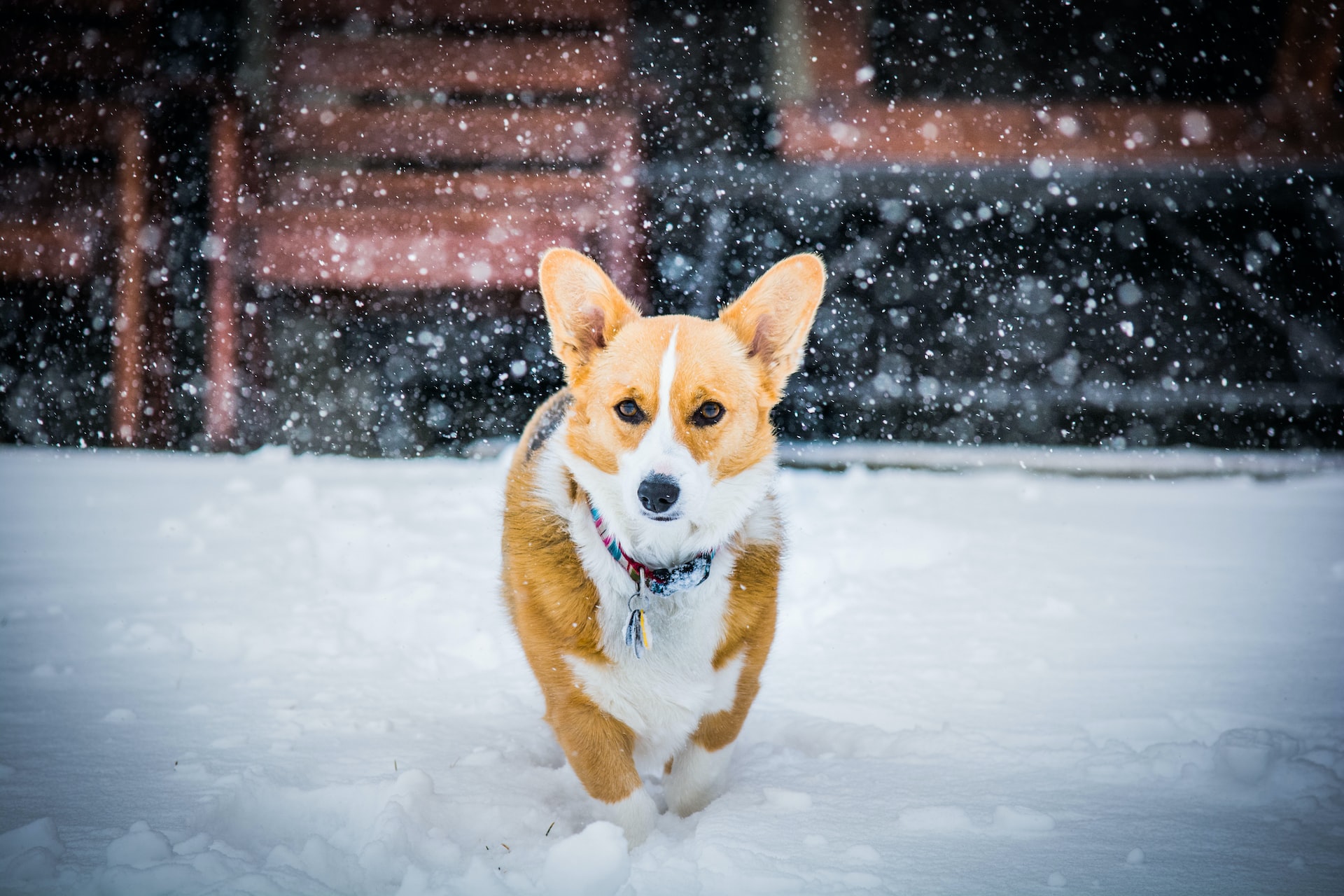
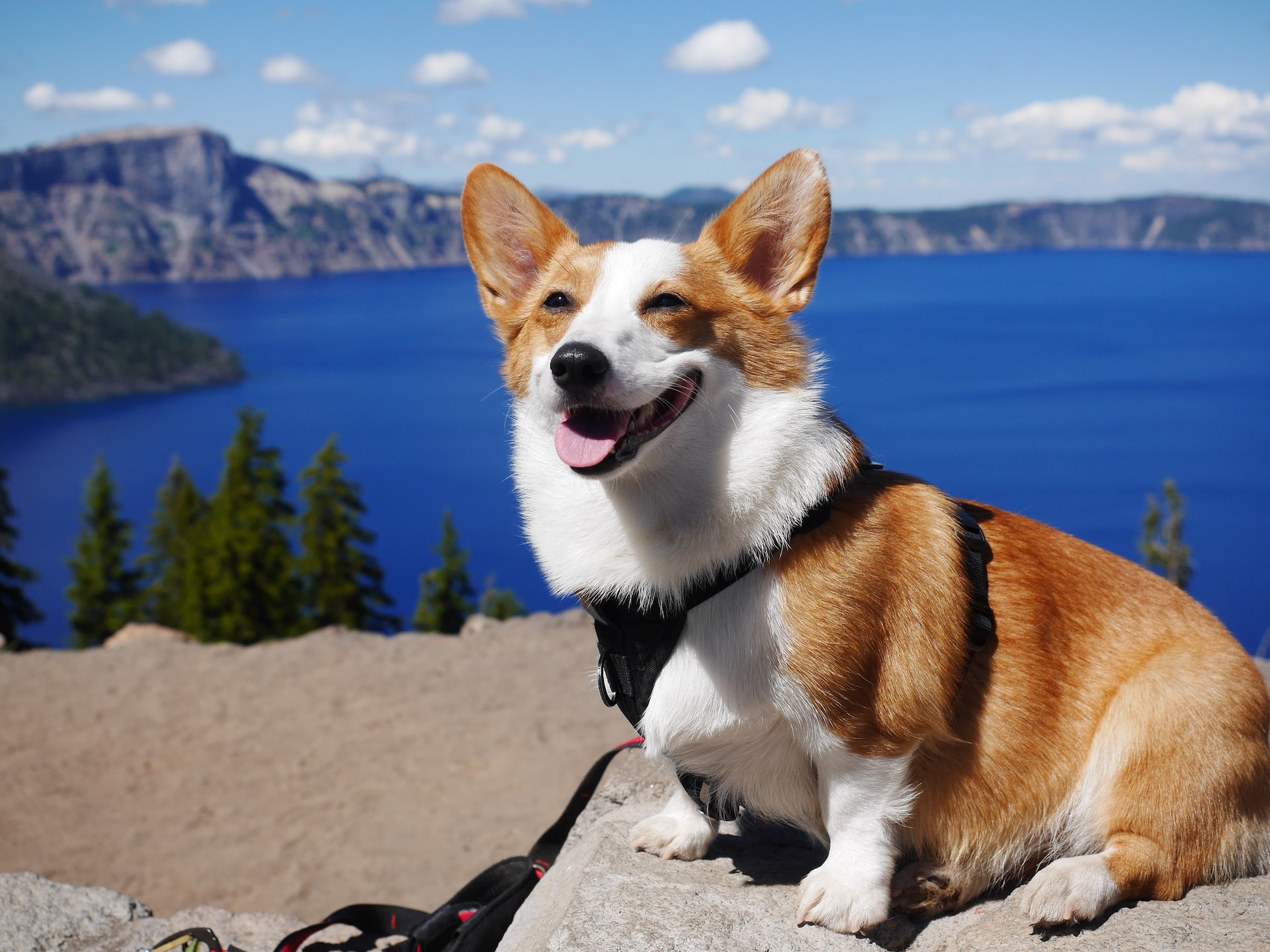
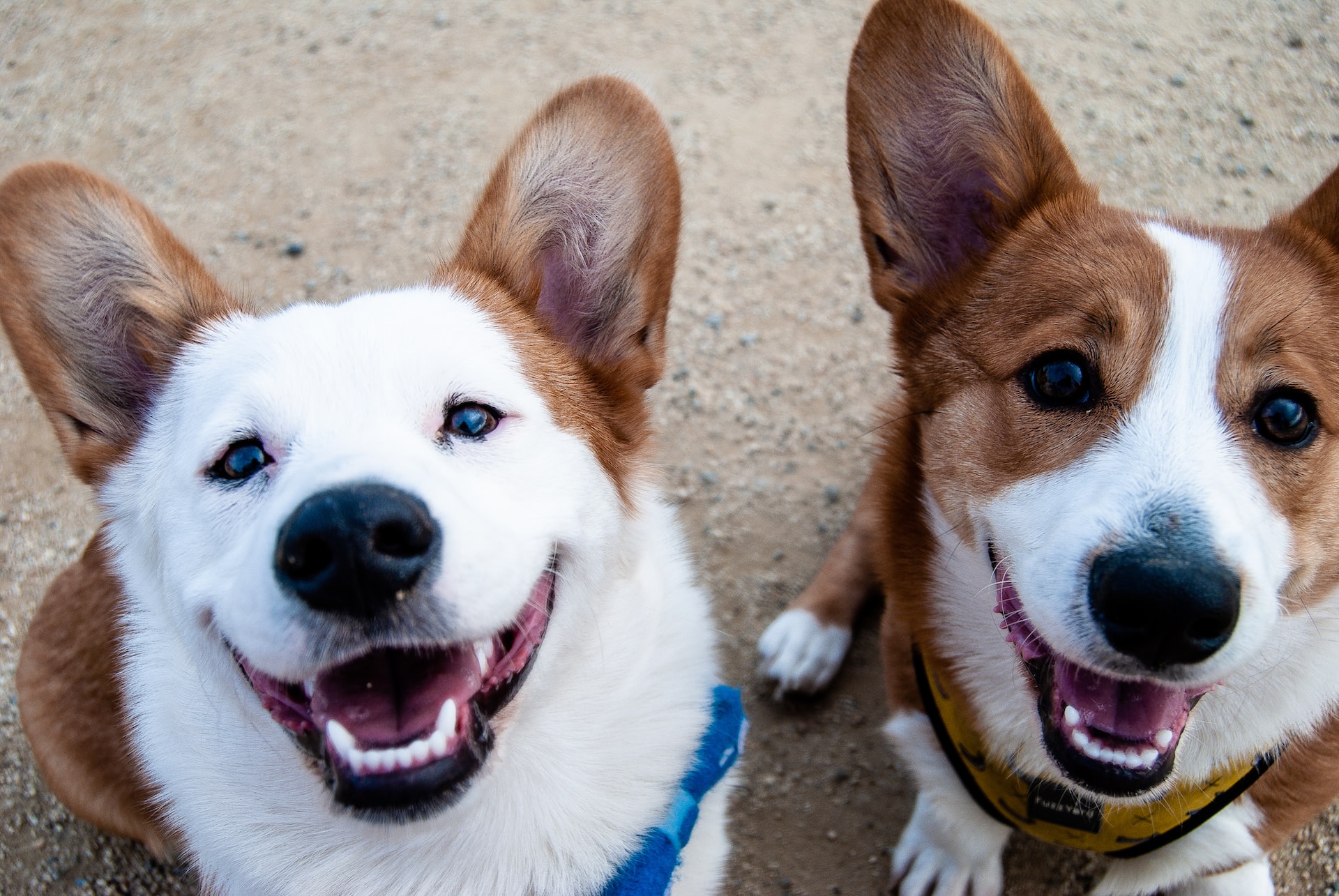
A selection of Corgis!
It seemed appropriate to share these with you today. Again, from Unsplash.
oooo

oooo
oooo
oooo

oooo

oooo

Beautiful!
 Learning from Dogs