Category: Communication

The Earth became very quiet!

An essay from The Conversation aimed at our youngsters but highly relevant to us all!

I sense we are living in very strange times. As an extract from recent essay from George Monbiot said:

Above all, our ability to adapt to massive change depends on what practitioners call “metacognition” and “meta-skills”. Metacognition means thinking about thinking. In a brilliant essay for the Journal of Academic Perspectives, Natasha Robson argues that while metacognition is implicit in current teaching – “show your working”, “justify your arguments” – it should be explicit and sustained. Schoolchildren should be taught to understand how thinking works, from neuroscience to cultural conditioning; how to observe and interrogate their thought processes; and how and why they might become vulnerable to disinformation and exploitation. Self-awareness could turn out to be the most important topic of all.

Thinking about Thinking

That is why I want to share a recent post from The Conversation with you.

ooOOoo

If humans went extinct, what would the Earth look like one year later?

A glimpse of a post-apocalyptic world. Bulgar/E+ via Getty Images

Carlton Basmajian, Iowa State University


If humans went extinct, what would the Earth look like one year later? – Essie, age 11, Michigan


Have you ever wondered what the world would be like if everyone suddenly disappeared?

What would happen to all our stuff? What would happen to our houses, our schools, our neighborhoods, our cities? Who would feed the dog? Who would cut the grass? Although it’s a common theme in movies, TV shows and books, the end of humanity is still a strange thing to think about.

But as an associate professor of urban design – that is, someone who helps towns and cities plan what their communities will look like – it’s sometimes my job to think about prospects like this.

So much silence

If humans just disappeared from the world, and you could come back to Earth to see what had happened one year later, the first thing you’d notice wouldn’t be with your eyes.

It would be with your ears.

The world would be quiet. And you would realize how much noise people make. Our buildings are noisy. Our cars are noisy. Our sky is noisy. All of that noise would stop.

You’d notice the weather. After a year without people, the sky would be bluer, the air clearer. The wind and the rain would scrub clean the surface of the Earth; all the smog and dust that humans make would be gone.
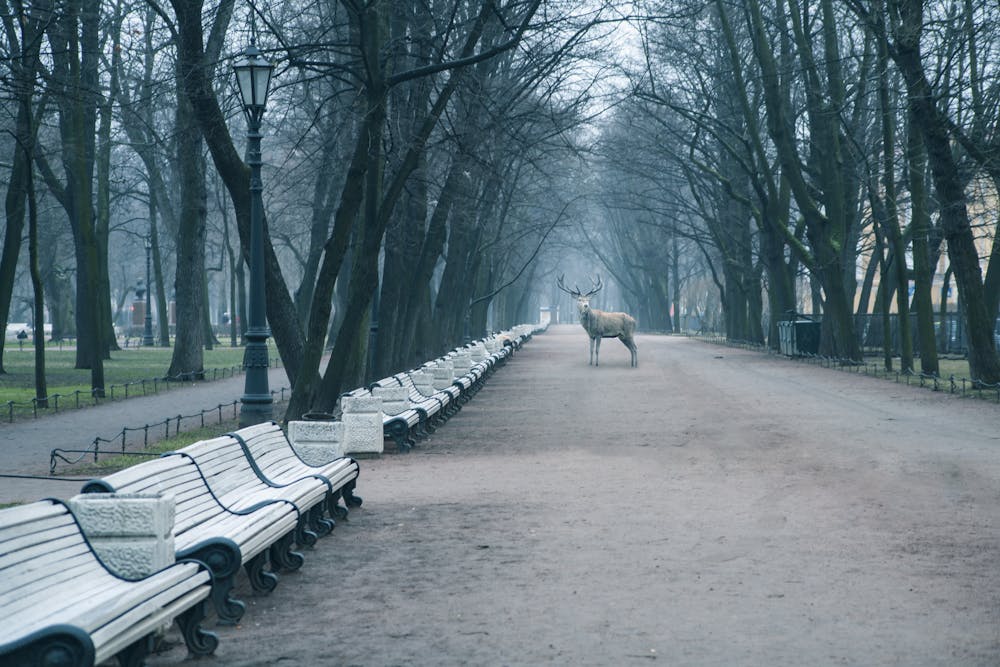
An illustration of a large city park with a deer standing in the middle of a tree-lined path.
It wouldn’t be long before wild animals visited our once well-trodden cities. Boris SV/Moment via Getty Images

Home sweet home

Imagine that first year, when your house would sit unbothered by anyone.

Go inside your house – and hope you’re not thirsty, because no water would be in your faucets. Water systems require constant pumping. If no one’s at the public water supply to manage the machines that pump water, then there’s no water.

But the water that was in the pipes when everyone disappeared would still be there when the first winter came – so on the first cold snap, the frigid air would freeze the water in the pipes and burst them.

There would be no electricity. Power plants would stop working because no one would monitor them and maintain a supply of fuel. So your house would be dark, with no lights, TV, phones or computers.

Your house would be dusty. Actually, there’s dust in the air all the time, but we don’t notice it because our air conditioning systems and heaters blow air around. And as you move through the rooms in your house, you keep dust on the move too. But once all that stops, the air inside your house would be still and the dust would settle all over.

The grass in your yard would grow – and grow and grow until it got so long and floppy it would stop growing. New weeds would appear, and they would be everywhere.

Lots of plants that you’ve never seen before would take root in your yard. Every time a tree drops a seed, a little sapling might grow. No one would be there to pull it out or cut it down.

You’d notice a lot more bugs buzzing around. Remember, people tend to do everything they can to get rid of bugs. They spray the air and the ground with bug spray. They remove bug habitat. They put screens on the windows. And if that doesn’t work, they swat them.

Without people doing all these things, the bugs would come back. They would have free rein of the world again.
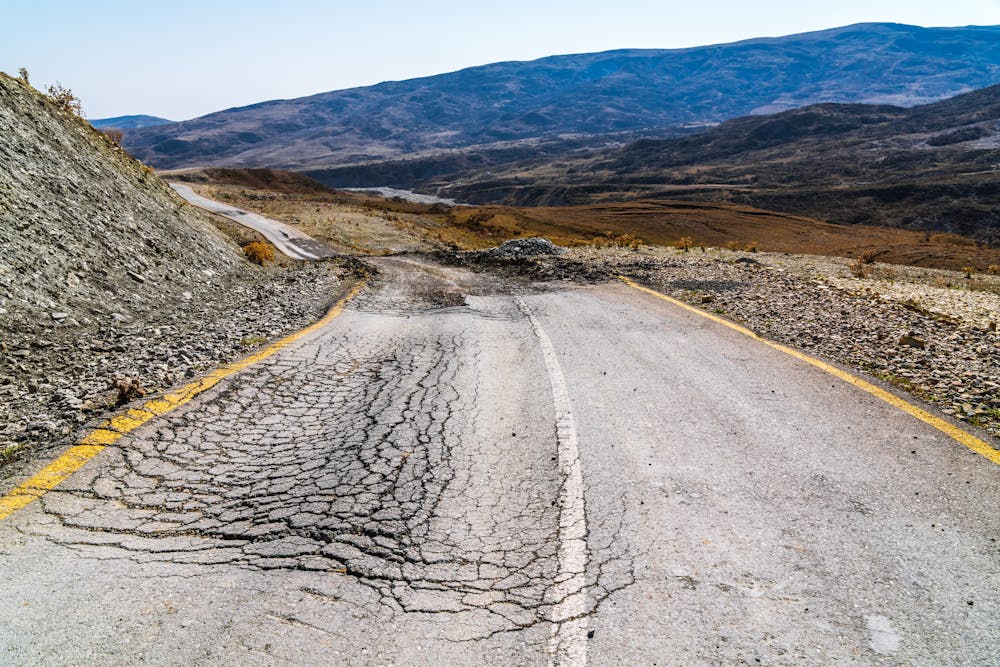
Surrounded by hills and mountains is an isolated two-lane road, cracked and crumbling.
Given enough time, roads would start to crumble. Armastas/iStock via Getty Images Plus

On the street where you live

In your neighborhood, critters would wander around, looking and wondering.

First the little ones: mice, groundhogs, raccoons, skunks, foxes and beavers. That last one might surprise you, but North America was once rich with beavers.

Bigger animals would come later – deer, coyotes and the occasional bear. Not in the first year, maybe, but eventually.

With no electric lights, the rhythm of the natural world would return. The only light would be from the Sun, the Moon and the stars. The night critters would feel good they got their dark sky back.

Fires would happen frequently. Lightning might strike a tree or a field and set brush on fire, or hit the houses and buildings. Without people to put them out, those fires would keeping going until they burned themselves out.

Around your city

After just one year, the concrete stuff – roads, highways, bridges and buildings – would look about the same.

Come back, say, a decade later, and cracks in them would have appeared, with little plants wiggling up through them. This happens because the Earth is constantly moving. With this motion comes pressure, and with this pressure come cracks. Eventually, the roads would crack so much they would look like broken glass, and even trees would grow through them.

Bridges with metal legs would slowly rust. The beams and bolts that hold the bridges up would rust too. But the big concrete bridges, and the interstate highways, also concrete, would last for centuries.

The dams and levees that people have built on the rivers and streams of the world would erode. Farms would fall back to nature. The plants we eat would begin to disappear. Not much corn or potatoes or tomatoes anymore.

Farm animals would be easy prey for bears, coyotes, wolves and panthers. And pets? The cats would go feral – that is, they would become wild, though many would be preyed upon by larger animals. Most dogs wouldn’t survive, either.

An asteroid hit and a solar flare are two of the ways the world could end.

Like ancient Rome

In a thousand years, the world you remember would still be vaguely recognizable. Some things would remain; it would depend on the materials they were made of, the climate they’re in, and just plain luck. An apartment building here, a movie theater there, or a crumbling shopping mall would stand as monuments to a lost civilization. The Roman Empire collapsed more than 1,500 years ago, yet you can see some remnants even today.

If nothing else, humans’ suddenly vanishing from the world would reveal something about the way we treated the Earth. It would also show us that the world we have today can’t survive without us and that we can’t survive if we don’t care for it. To keep it working, civilization – like anything else – requires constant upkeep.


Hello, curious kids! Do you have a question you’d like an expert to answer? Ask an adult to send your question to CuriousKidsUS@theconversation.com. Please tell us your name, age and the city where you live.

And since curiosity has no age limit – adults, let us know what you’re wondering, too. We won’t be able to answer every question, but we will do our best.

Carlton Basmajian, Associate Professor of Community and Regional Planning, Urban Design, Iowa State University

This article is republished from The Conversation under a Creative Commons license. Read the original article.

ooOOoo

Returning to that George Monbiot essay and his closing paragraphs:

Meta-skills are the overarching aptitudes – such as self-development, social intelligence, openness, resilience and creativity – that help us acquire the new competencies that sudden change demands. Like metacognition, meta-skills can be taught. Unfortunately, some public bodies are trapped in the bleak and narrow instrumentalism we need to transcend. For example, after identifying empathy as a crucial meta-skill, a manual by Skills Development Scotland reports that: “Empathy has been identified as a key differentiator for business success, with companies such as Facebook, Google and Unilever being recognised as excelling in this area.” I’ve seldom read a more depressing sentence.

Schooling alone will not be enough to lead us out of the many crises and disasters we now face. Those who are adult today must take responsibility for confronting them. But it should at least lend us a torch.

Thinking about Thinking

We live in a very strange world now. One truly wonders how those who are younger will respond to the demands.

Picture Parade Four Hundred and Ninety-Two

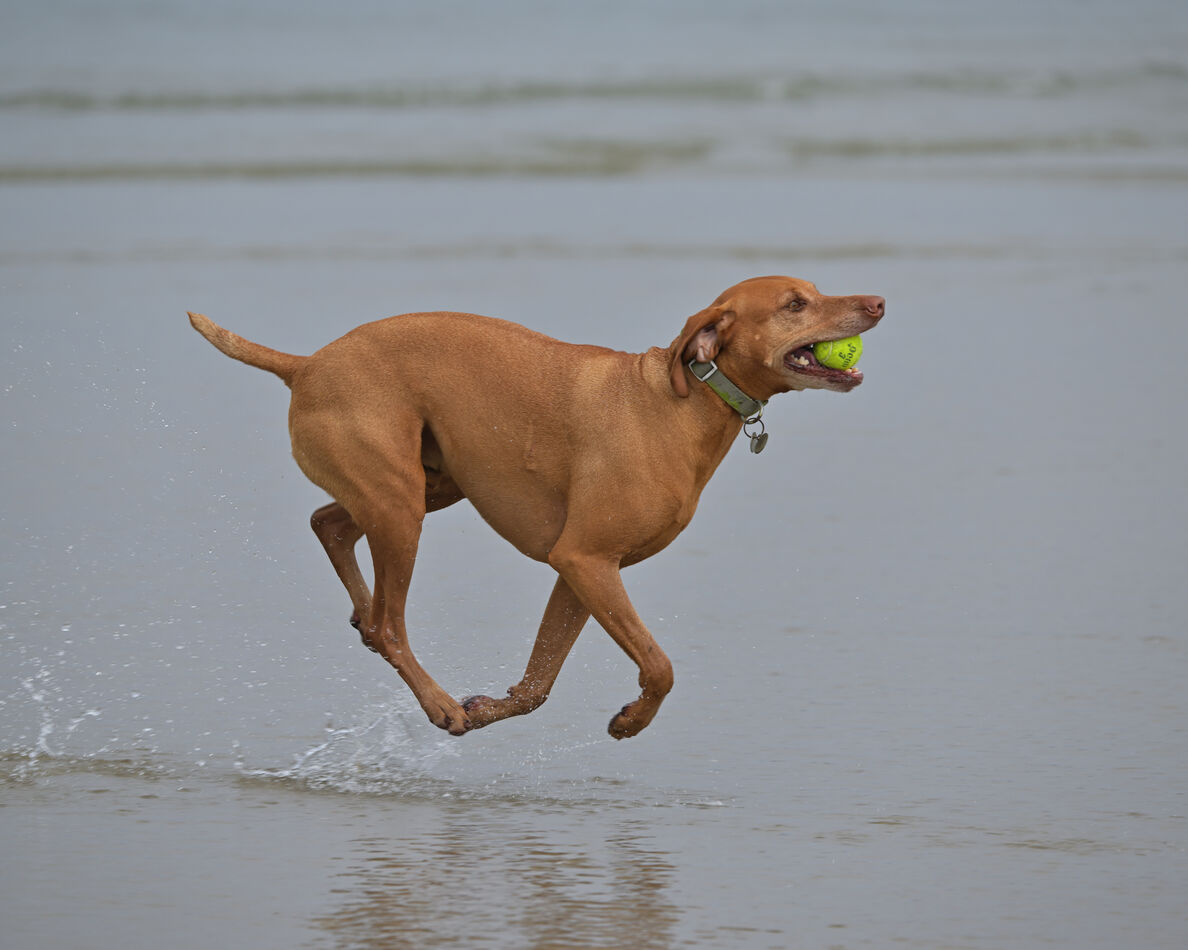
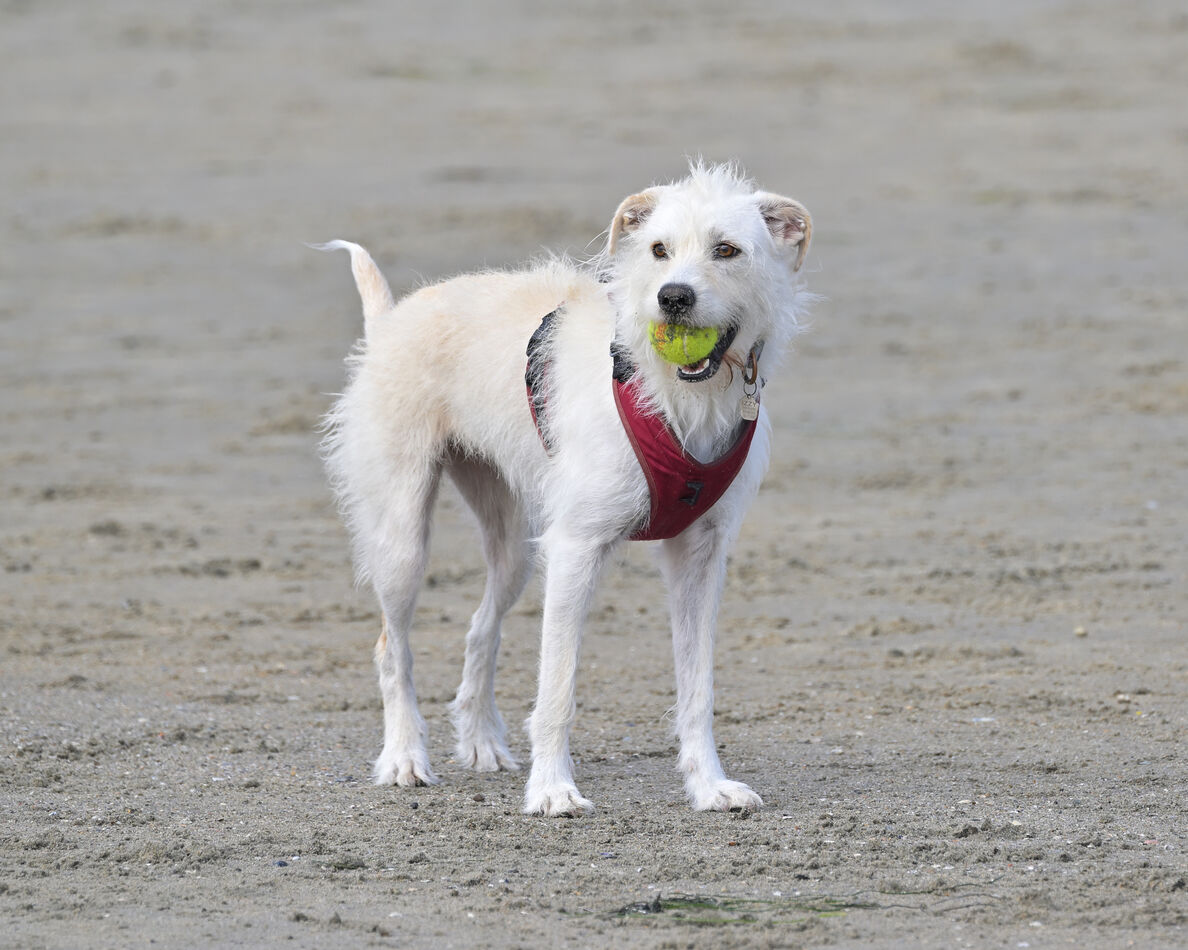
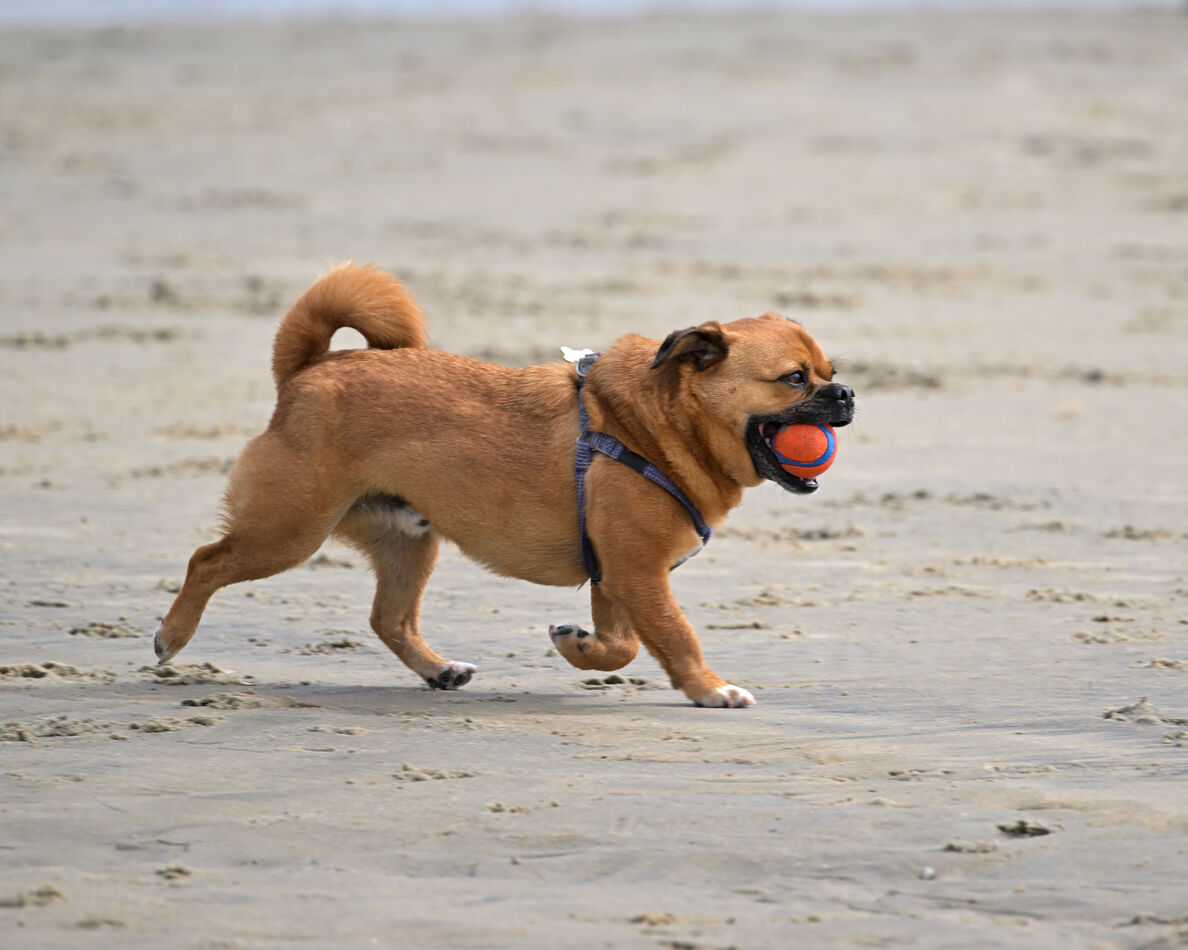
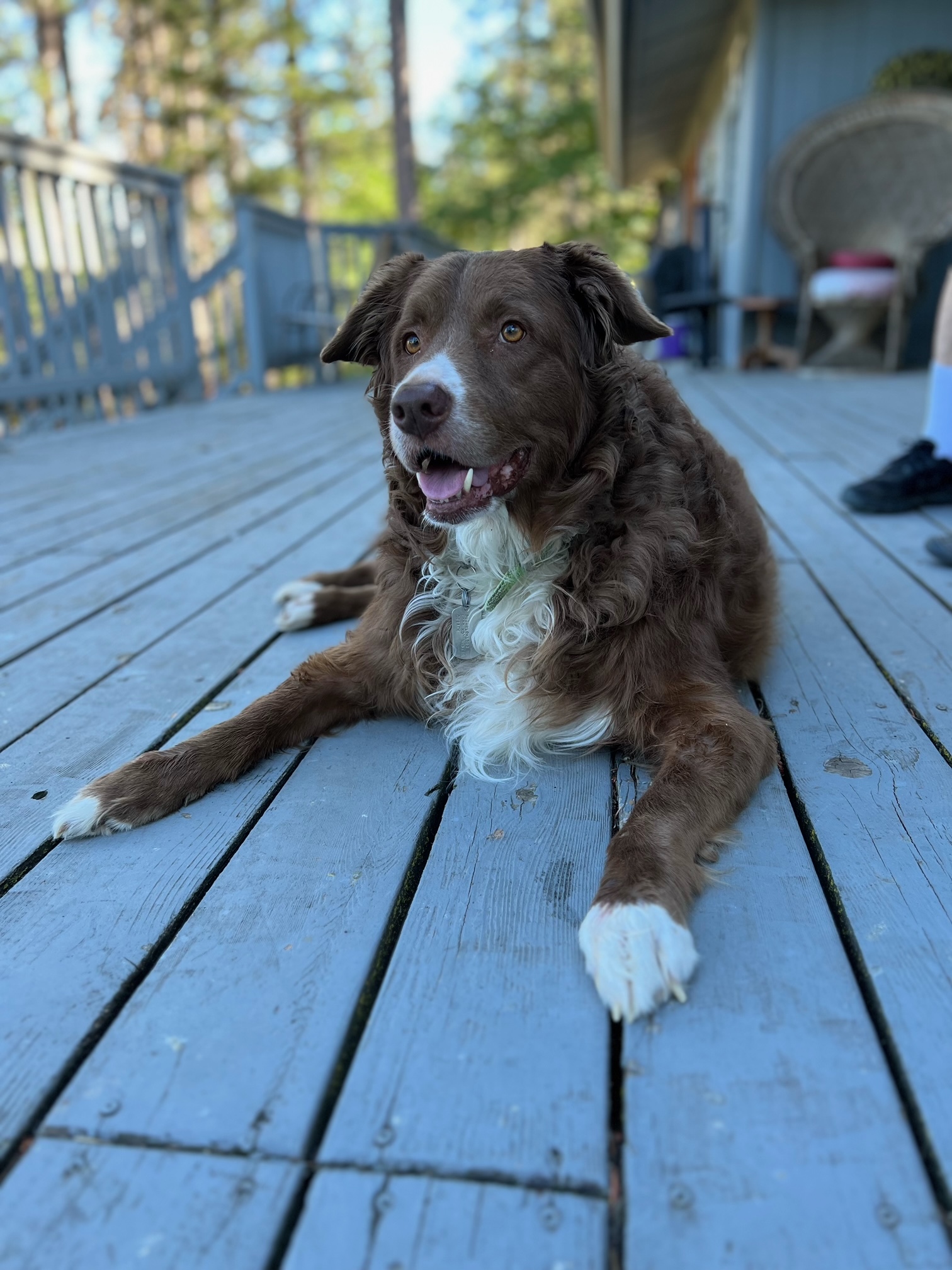
Rather than post nothing I have published the next Picture Parade. This time a series of fabulous photographs from jkm757 of Ugly Hedgehog.

The Retriever

“Look Ma, No paws! I’m Flying!”

Ready To Play

Spin Dry

Leader of the Pack

Flying Fido

Izzy

Airborne Beagle

Queen Of The Beach

Halfpint

The photos are fabulous. Thank you, ‘jkm‘.

Picture Parade Four Hundred and Ninety-One

Yes, you guessed it! Back to Unsplash.

(And a postscript: This was meant to have been published next Sunday, the 16th. So enjoy an early Picture Parade!)

oooo

oooo

oooo

oooo

oooo

oooo

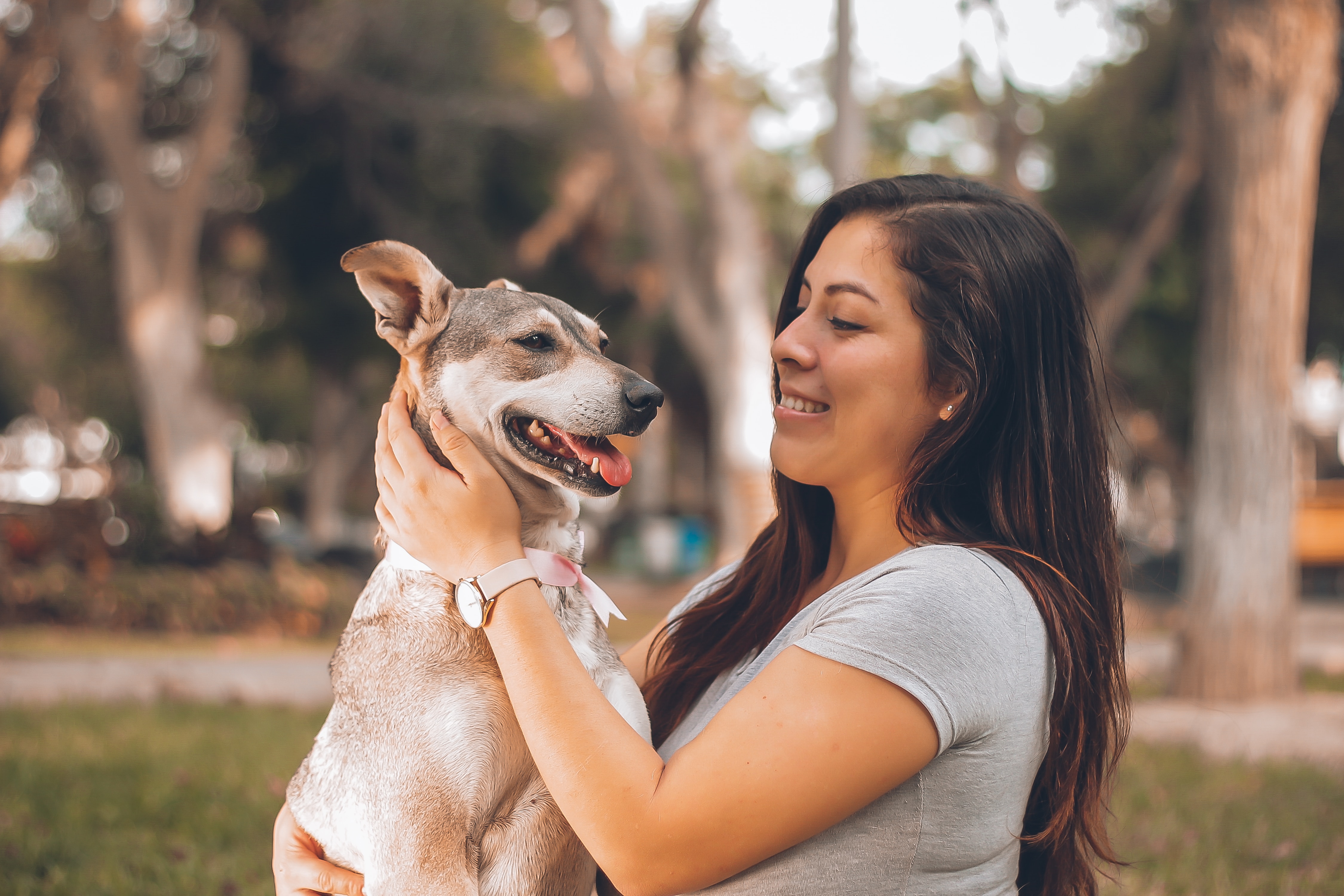
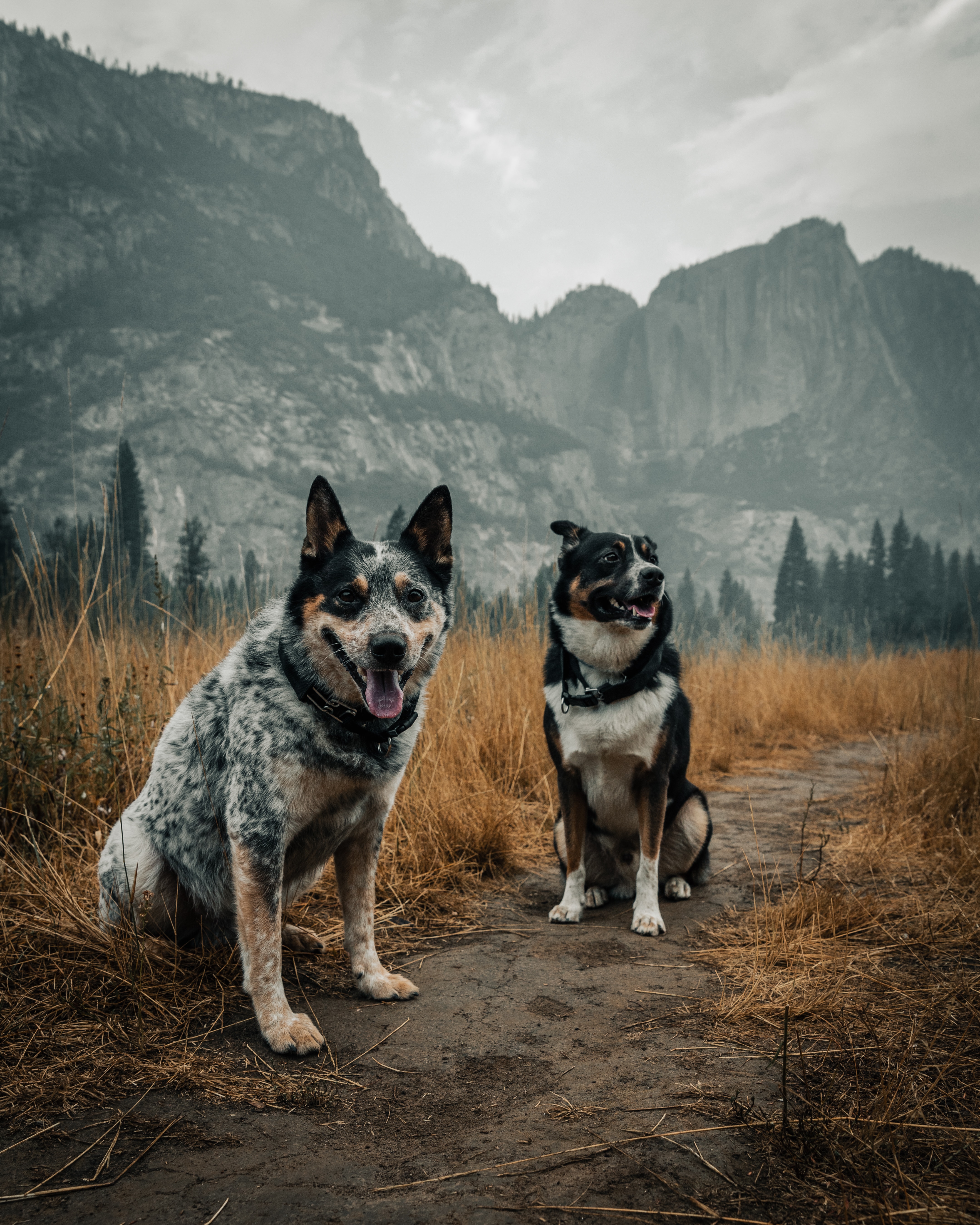
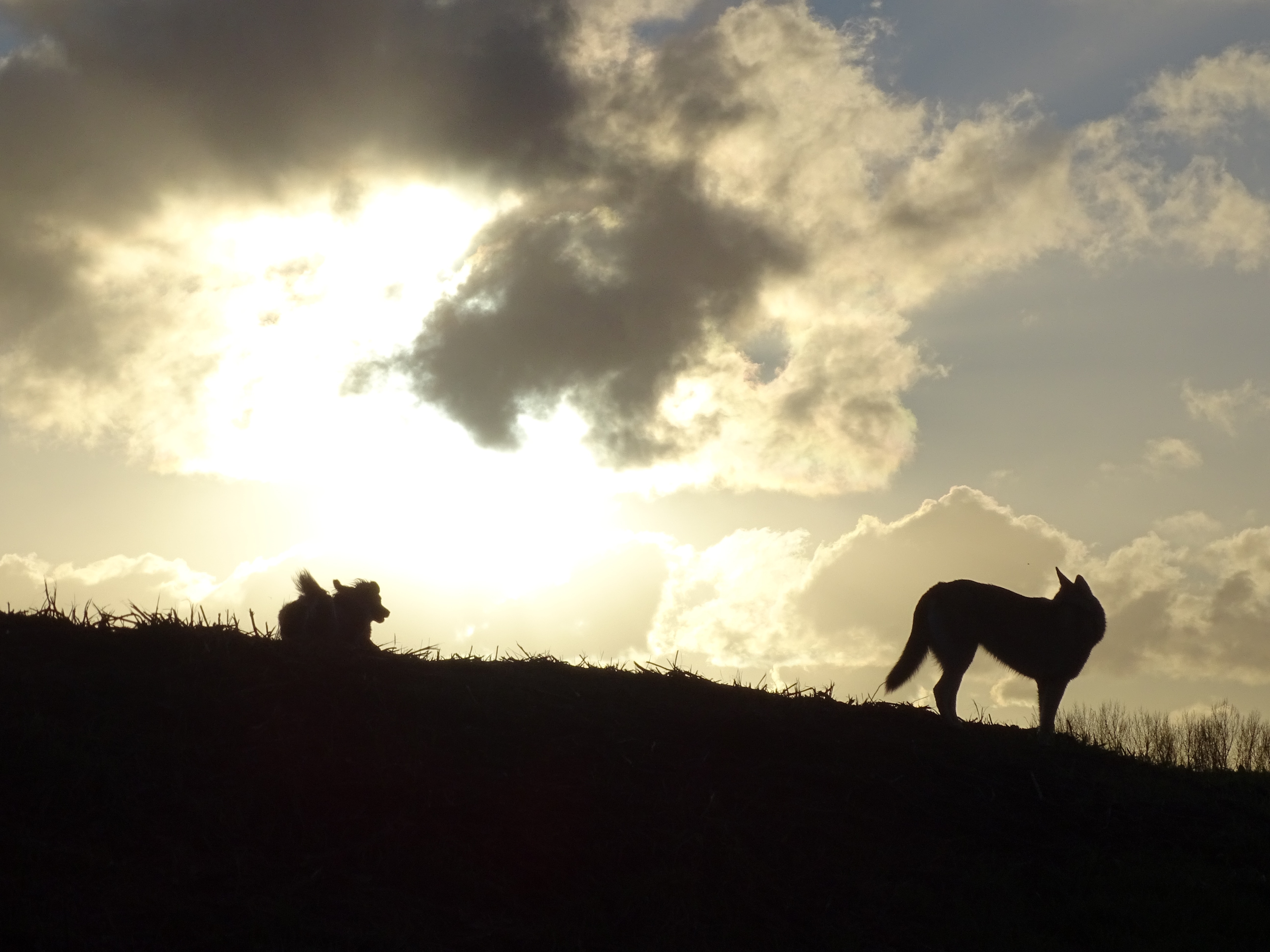
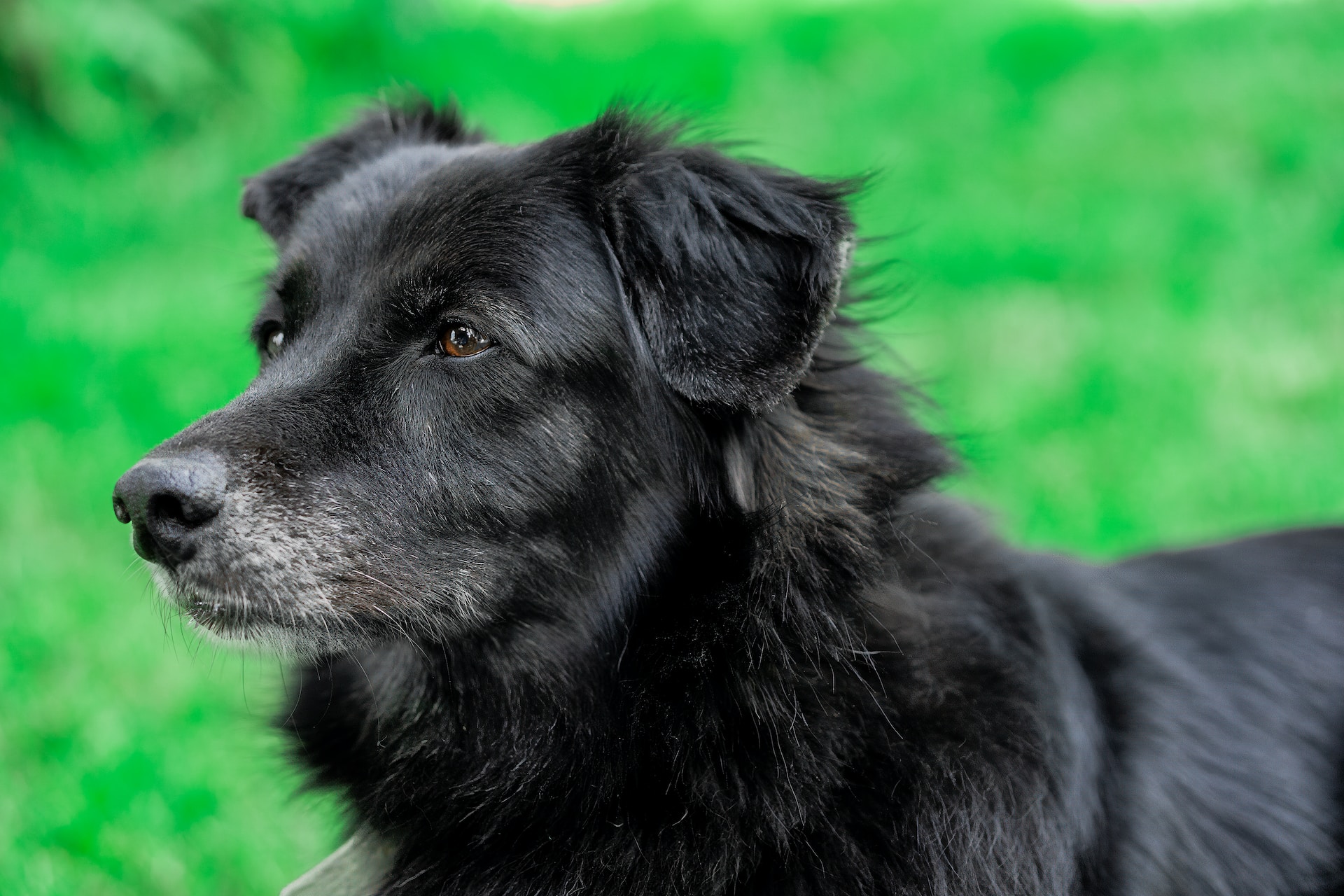
They are all beautiful and underline in spades why dogs are so, so special to us humans.

Picture Parade Four Hundred and Ninety

Photos taken by Alex Handover on his recent trip to Merlin.

oooo

oooo

oooo

oooo

oooo

oooo

oooo

oooo

There you go, folks, just nine photographs but what a keepsake of Alex’s visit.

Trying to return to normal life.

Or as normal as it will be from now on!

My son, Alex, was with us from Bristol, England until the the 3rd of July and then flew back home on the 4th. As a hobby he is a very keen bird photographer.

He took the coast rode north from us and rang later saying how beautiful it was.

The coast at Lincoln City, Oregon

Meantime Jeannie is slowly getting over her hip replacement surgery.

So tomorrow I am going to try and return to my usual routine with another Picture Parade; this one being some of the photos that Alex took.

Jean is coming home!

Probably about 10am PDT today!

Just a short update to say that discussions that I had yesterday afternoon with the Discharge Officer at Regency Care, Julia H., resulted in Jean being ready to be collected by me this morning.

It is a great advance although Jean and I will have a whole series of different situations to deal with. But they will be dealt with one at a time.

The kindness shown by both the staff and Regency and our friends is overwhelming. Thank you everyone!

Wretched Parkinson’s

Jean had another fall yesterday!

You all know that Jeannie has Parkinson’s Disease but it is not without its shocks.

Yesterday, at about 3.30 am there was a crash in the kitchen. Jeannie had tripped up and fallen down. She was laying very awkwardly all crumpled up. I came into the kitchen immediately, saw her on the floor, saw that she was in agony but couldn’t lift her up without hurting her more. So I called an ambulance.

It came from Asante Hospital in Grants Pass.

I followed the ambulance in our car shortly thereafter. Jean was admitted to the emergency room.

After Jean had been given an x-ray and pain meds later on she was transferred to Room 350 in the main hospital. I was told that she needed surgery on her right hip, maybe a hip replacement, and she will be in overnight.

I had returned home before noon to let the dogs out and to have some breakfast! Then I went back to Jeannie.

I stayed with her until nearly 3pm. Jean was due to have surgery at 4:45 pm.

What the longer term implications are I do not know. I sincerely hope the surgery is successful and Jean returns home.

Another day with this terrible disease!

P.S. In the early evening it felt so lonely. I cuddled the three dogs many times but it still felt as though my world had been turned upside down. I am writing this before 6pm so do not even want to think of being on my own in bed. The dogs are acutely aware of Jean’s absence and are doing their best to comfort me. Wonderful Brandy, Oliver and Cleo!

Picture Parade Four Hundred and Eighty-Nine

More from Unsplash.

oooo

oooo

oooo

oooo

oooo

oooo

oooo

They are all beyond beautiful. They are the reason we love dogs so much!

Dog love – My post from May, 2020

This beautiful topic just runs and runs; and so it should!

I saw a post on Newsweek published a couple of weeks ago and saved the link. It opens:

It’s probably impossible to know exactly what your dog is thinking. But a few years ago, Gregory Berns, a neuroscientist at Emory University, decided he wanted to try and find out anyway.

Newsweek

But then I realised that over the years I had published numerous posts on the topic. So I thought it was best to republish one of them, and I chose this one.

ooOOoo

The love of dogs

Pure and simple!

Thank you, M.K.

I promise you that you won’t be able to resist a tear or two.

It’s simply wonderful; the unconditional love of our dogs!

ooOOoo

Beautiful!

Meditation

About keeping oneself mentally healthy.

I follow the website The Conversation and read most of their posts on a very regular basis. Back in May they published the following. It caught my eye because my own mental health is drifting downwards, or so it seems, due to age, I shall be 80 in November, 2024, plus a couple of brain bleedings that occurred in 2017 that were attended to by the Regional Trauma Center in Eugene.

I then had two sub-durnal (sp?) operations overnight before being put onto the ICU ward. The lead surgeon explained that I was within 24 hours of dying! As in if I had not gone back to hospital.

I find that difficult to realise that it was 6 years ago! Anyway, to the post published by The Conversation.

ooOOoo

Mindfulness, meditation and self-compassion – a clinical psychologist explains how these science-backed practices can improve mental health

Studies show that consistent meditation practice is key. pixdeluxe/E! via Getty Images

Rachel Goldsmith Turow, Seattle University

Mindfulness and self-compassion are now buzzwords for self-improvement. But in fact, a growing body of research shows these practices can lead to real mental health benefits. This research – ongoing, voluminous and worldwide – clearly shows how and why these two practices work.

One effective way to cultivate mindfulness and self-compassion is through meditation.

For more than 20 years, as a clinical psychologist, research scientist and educator, I taught meditation to students and clinical patients and took a deep dive into the research literature. My recent book, “The Self-Talk Workout: Six Science-Backed Strategies to Dissolve Self-Criticism and Transform the Voice in Your Head,” highlights much of that research.

I learned even more when I evaluated mental health programs and psychology classes that train participants in mindfulness and compassion-based techniques.

Defining mindfulness and self-compassion

Mindfulness means purposefully paying attention to the present moment with an attitude of interest or curiosity rather than judgment.

Self-compassion involves being kind and understanding toward yourself, even during moments of suffering or failure.

Both are associated with greater well-being.

But don’t confuse self-compassion with self-esteem or self-centeredness, or assume that it somehow lowers your standards, motivation or productivity. Instead, research shows that self-compassion is linked with greater motivation, less procrastination and better relationships.

Could mindfulness meditation be the next public health revolution?

Be patient when starting a meditation practice

I didn’t like meditation – the specific practice sessions that train mindfulness and self-compassion – the first time I tried it as a college student in the late ‘90s. I felt like a failure when my mind wandered, and I interpreted that as a sign that I couldn’t do it.

In both my own and others’ meditation practices, I’ve noticed that the beginning is often rocky and full of doubt, resistance and distraction.

But what seem like impediments can actually enhance meditation practice, because the mental work of handling them builds strength.

For the first six months I meditated, my body and mind were restless. I wanted to get up and do other tasks. But I didn’t. Eventually it became easier to notice my urges and thoughts without acting upon them. I didn’t get as upset with myself.

After about a year of consistent meditation, my mind seemed more organized and controllable; it no longer got stuck in self-critical loops. I felt a sense of kindness or friendliness toward myself in everyday moments, as well as during joyful or difficult experiences. I enjoyed ordinary activities more, such as walking or cleaning.

It took a while to understand that anytime you sit down and try to meditate, that’s meditation. It is a mental process, rather than a destination.

How meditation works on the mind

Just having a general intention to be more mindful or self-compassionate is unlikely to work.

Most programs shown to make meaningful differences involve at least seven sessions. Studies show these repeated workouts improve attention skills and decrease rumination, or repeated negative thinking.

They also lessen self-criticism, which is linked to numerous mental health difficulties, including depression, anxiety, eating disorders, self-harm and post-traumatic stress disorder.

Meditation is not just about sustaining your attention – it’s also about shifting and returning your focus after the distraction. The act of shifting and refocusing cultivates attention skills and decreases rumination.

Trying repeatedly to refrain from self-judgment during the session will train your mind to be less self-critical.

An interconnected group of brain regions called the default mode network is strikingly affected by meditation. Much of this network’s activity reflects repetitive thinking, such as a rehash of a decadeslong tension with your sister. It’s most prominent when you’re not doing much of anything. Activity of the default mode network is related to rumination, unhappiness and depression.

Research shows that just one month of meditation reduces the noise of the default mode network. The type of meditation practice doesn’t seem to matter.

Don’t be discouraged if your mind wanders as you meditate.

Establishing the formal practice

A common misconception about mindfulness is that it’s simply a way to relax or clear the mind. Rather, it means intentionally paying attention to your experiences in a nonjudgmental way.

Consider meditation the formal part of your practice – that is, setting aside a time to work on specific mindfulness and self-compassion techniques.

Cultivating mindfulness with meditation often involves focusing on paying attention to the breath. A common way to start practice is to sit in a comfortable place and bring attention to your breathing, wherever you feel it most strongly.

At some point, probably after a breath or two, your mind will wander to another thought or feeling. As soon as you notice that, you can bring your attention back to the breath and try not to judge yourself for losing focus for five to 10 minutes.

When I was just getting started meditating, I would have to redirect my attention dozens or hundreds of times in a 20-to-30-minute session. Counting 10 breaths, and then another 10, and so on, helped me link my mind to the task of paying attention to my breathing.

The most well-established technique for cultivating self-compassion is called loving-kindness meditation. To practice, you can find a comfortable position, and for at least five minutes, internally repeat phrases such as, “May I be safe. May I be happy. May I be healthy. May I live with ease.”

When your attention wanders, you can bring it back with as little self-judgment as possible and continue repeating the phrases. Then, if you like, offer the same well wishes to other people or to all beings.

Every time you return your focus to your practice without judging, you’re flexing your mental awareness, because you noticed your mind wandered. You also improve your capacity to shift attention, a valuable anti-rumination skill, and your nonjudgment, an antidote to self-criticism.

These practices work. Studies show that brain activity during meditation results in less self-judgment, depression and anxiety and results in less rumination.

Mindfulness also occurs when you tune into present-moment sensations, such as tasting your food or washing the dishes.

An ongoing routine of formal and informal practice can transform your thinking. And again, doing it once in a while won’t help as much. It’s like situps: A single situp isn’t likely to strengthen your abdominal muscles, but doing several sets each day will.

When thoughts pop up during meditation, no worries. Just start again … and again … and again.

Meditation reduces self-criticism

Studies show that mindfulness meditation and loving-kindness meditation reduce self-criticism, which leads to better mental health, including lower levels of depression, anxiety and PTSD. After an eight-week mindfulness program, participants experienced less self-judgment. These changes were linked with decreases in depression and anxiety.

One final point: Beginning meditators may find that self-criticism gets worse before it gets better.

After years or decades of habitual self-judgment, people often judge themselves harshly about losing focus during meditation. But once students get through the first few weeks of practice, the self-judgment begins to abate, both about meditation and about oneself in general.

As one of my students recently said after several weeks of mindfulness meditation: “I am more stable, more able to detach from unhelpful thoughts and can do all of this while being a little more compassionate and loving toward myself.”

Rachel Goldsmith Turow, Adjunct Assistant Professor in Population Health Science and Policy, Seattle University

This article is republished from The Conversation under a Creative Commons license. Read the original article.

ooOOoo

I do not meditate; have never done so.

In reading this article I think I should try and find a way to start the process. There are a great number of articles and websites. I will share my journey with you.

Time will tell!