Just a single photo for today!

Lovely!
This was a photograph sent in by Jess!
Dogs are animals of integrity. We have much to learn from them.
Category: Communication
Just a single photo for today!
Lovely!
This was a photograph sent in by Jess!
In this particular case looking at the wolf.
So many times a particular article from a website that allows republishing is not only a good and relevant article but also is a quick way of me publishing a post when, as I was yesterday, a bit pressed for time.
So here is that article from The Conversation.
ooOOoo
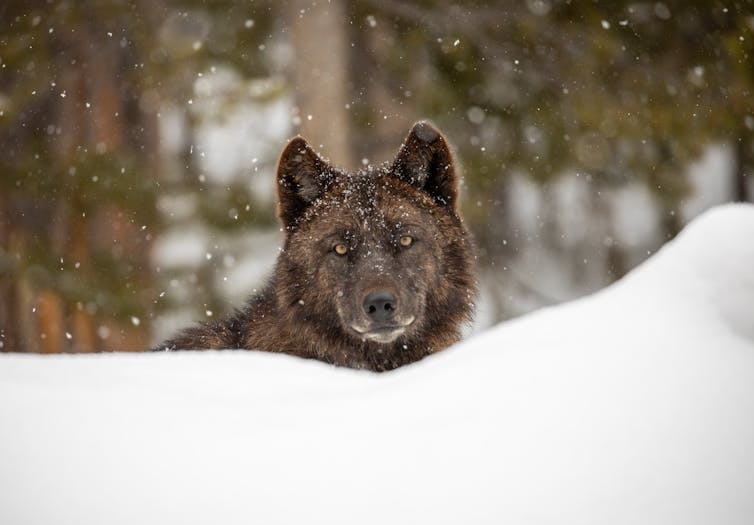
Christopher J. Preston, University of Montana
From sports to pop culture, there are few themes more appealing than a good comeback. They happen in nature, too. Even with the Earth losing species at a historic rate, some animals have defied the trend toward extinction and started refilling their old ecological niches.
I’m a philosopher based in Montana and specialize in environmental ethics. For my new book, “Tenacious Beasts: Wildlife Recoveries That Change How We Think About Animals,” I spent three years looking at wildlife comebacks across North America and Europe and considering the lessons they offer. In every case, whether the returnee is a bison, humpback whale, beaver, salmon, sea otter or wolf, the recovery has created an opportunity for humans to profoundly rethink how we live with these animals.
One place to see the rethink in action is Colorado, where voters approved a ballot measure in 2020 mandating the reintroduction of gray wolves west of the Continental Divide. Colorado’s Parks and Wildlife Agency has released a draft plan that calls for moving 30 to 50 gray wolves from other Rocky Mountain states into northwest Colorado over five years, starting in 2024.
Aldo Leopold, the famed conservationist and professor of game management at the University of Wisconsin, believed that moral beliefs evolve over time to become more inclusive of the natural world. And what’s happening in Colorado suggests Leopold was right. Human attitudes toward wolves have clearly evolved since the mid-1940s, when bounties, mass poisoning and trapping eradicated wolves from the state.
Recovering animals encounter a world that is markedly different from the one in which they declined, especially in terms of how people think about wildlife. Here are several reasons I see why societal attitudes toward wolves have changed. The importance of keystone species
Wolves released in northwest Colorado will wear GPS collars that enable wildlife managers to track them.
The idea that certain influential species, which ecologists call keystone species, can significantly alter the ecosystems around them first appeared in scientific literature in 1974. Bison, sea otters, beavers, elephants and wolves all exert this power. One way in which wolves wield influence is by preying on coyotes, which produces ripple effects across the system. Fewer coyotes means more rodents, which in turn means better hunting success for birds of prey.
Wolves also cause nervous behaviors among their prey. Some scientists believe that newly returned predators create a “landscape of fear” among prey species – a term that isn’t positive or negative, just descriptive. This idea has shifted thinking about predators. For example, elk avoid some areas when wolves are around, resulting in ecological changes that cascade down from the top. Vegetation can recover, which in turn may benefit other species.
Animal behavioral science research has provided pointers for better wolf management. Studies show that wolf packs are less likely to prey on livestock if their social structure remains intact. This means that ranchers and wildlife managers should take care not to remove the pack’s breeding pair when problems occur. Doing so can fragment the pack and send dispersing wolves into new territories.
Wildlife agencies also have access to years of data from close observation of wolf behavior in places like Yellowstone National Park, where wolves were reintroduced starting in 1995. This research offers insights into the wolf’s intelligence and social complexity. All of this information helps to show how people can live successfully alongside them.
Research has also demonstrated that wolves provide economic benefits to states and communities. Wisconsin researchers discovered that changes in deer behavior due to the presence of wolves have saved millions of dollars in avoided deer collisions with cars. These savings far exceed what it costs the state to manage wolves.
Wolf recovery has been shown to be a net economic benefit in areas of the U.S. West where they have returned. The dollars they attract from wolf-watchers, photographers and foreign visitors have provided a valuable new income stream in many communities.
Predators do kill livestock, but improved tracking has helped to put these losses in perspective. Montana Board of Livestock numbers show that wolves, grizzly bears and mountain lions caused the loss of 131 cattle and 137 sheep in the state in 2022. This is from a total of 2,200,000 cattle and 190,000 sheep. Of the 131 cattle, 36 were confirmed to be taken by wolves – 0.0016% of the statewide herd.
According to the U.S. Department of Agriculture, dogs, foxes and coyotes in Montana all killed more sheep and lambs than wolves did in 2020. Even eagles were three times more deadly to sheep and lambs than wolves were.
Actual costs to ranchers are certainly higher than these numbers suggest. The presence of wolves causes livestock to lose weight because the animals feed more nervously when wolves are around. Ranchers also lose sleep as they worry about wolves attacking their livestock and guard dogs. And clearly, low statewide kills are small comfort to a rancher who loses a dozen or more animals in one year. Margins are always tight in the livestock business.
t
A northern Colorado rancher discusses options for protecting his cattle from wolves, which already are naturally present in the state.
What’s more, predators’ economic impacts don’t end with ranching. In Colorado, for example, elk numbers are likely to decline after wolves are reintroduced. This may affect state wildlife agency budgets that rely on license fees from elk hunters. It may also affect hunting outfitters’ incomes.
In my view, voters who supported bringing wolves back to Colorado should remain deeply aware of the full distribution of costs and support proactive compensation schemes for losses. They should be mindful that support for wolf reintroduction varies drastically between urban and rural communities and should insist that effective mechanisms are in place ahead of time to ensure fair sharing of the economic burdens that wolves generate.
Despite these complexities, the idea of the “big bad wolf” clearly no longer dominates Americans’ thinking. And the wolf is not alone. Social acceptance of many other wildlife species is also increasing. For example, a 2023 study found that between 80% and 90% of Montanans believed grizzly bears – which are recovering and expanding their presence there – have a right to exist.
Aldo Leopold famously claimed to have experienced an epiphany when he shot a wolf in New Mexico in the 1920s and saw “a fierce green fire” dying in her eyes. In reality, his attitude took several more decades to change. Humans may have an ingrained evolutionary disposition to fear carnivorous predators like wolves, but the change ended up being real for Leopold, and it lasted.
Leopold, who died in 1948, did not live to see many wildlife species recover, but I believe he would have regarded what’s happening now as an opportunity for Americans’ moral growth. Because Leopold knew that ethics, like animals, are always evolving.
Christopher J. Preston, Professor of Philosophy, University of Montana
This article is republished from The Conversation under a Creative Commons license. Read the original article.
ooOOoo
Those last few paragraphs under the sub-heading of ‘A new ethical playing field’ show how many other wildlife species have gained a real advantage, a social acceptance as the article said. Long may it continue.
And I wish I knew what to say…
This is a video that is three years old.
But it is more pertinent today than it was when it was first released.
The video asks ‘… why we never really learnt how to talk about this’.
The video is a little less than ten minutes long so watch it now, with the family as well, if that is appropriate, and perhaps have a discussion afterwards.
Jean and I do not have any answers especially when the news is all about other things.
Yes, we know that the climate is changing but what exactly does that mean is a more difficult question to answer. Mind you there are a growing number of organisations committed to finding answers.
Yes, there are many scientists who have clear opinions on the situation but we need a global movement, NOW, to address this very urgent requirement, and there is no sign that the global community are even talking about climate change let alone doing something.
Please, please watch this:
I would love to hear your thoughts.
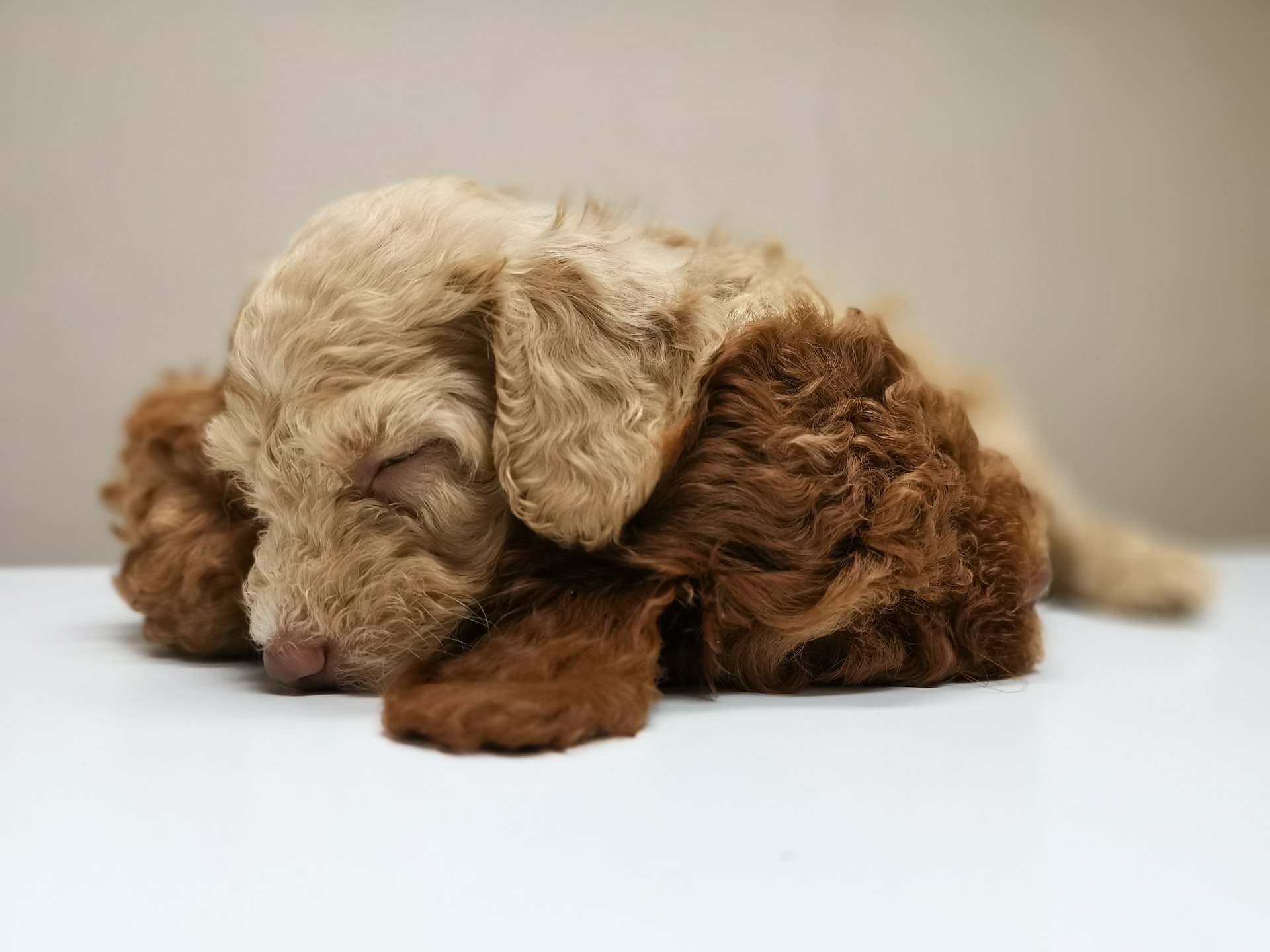
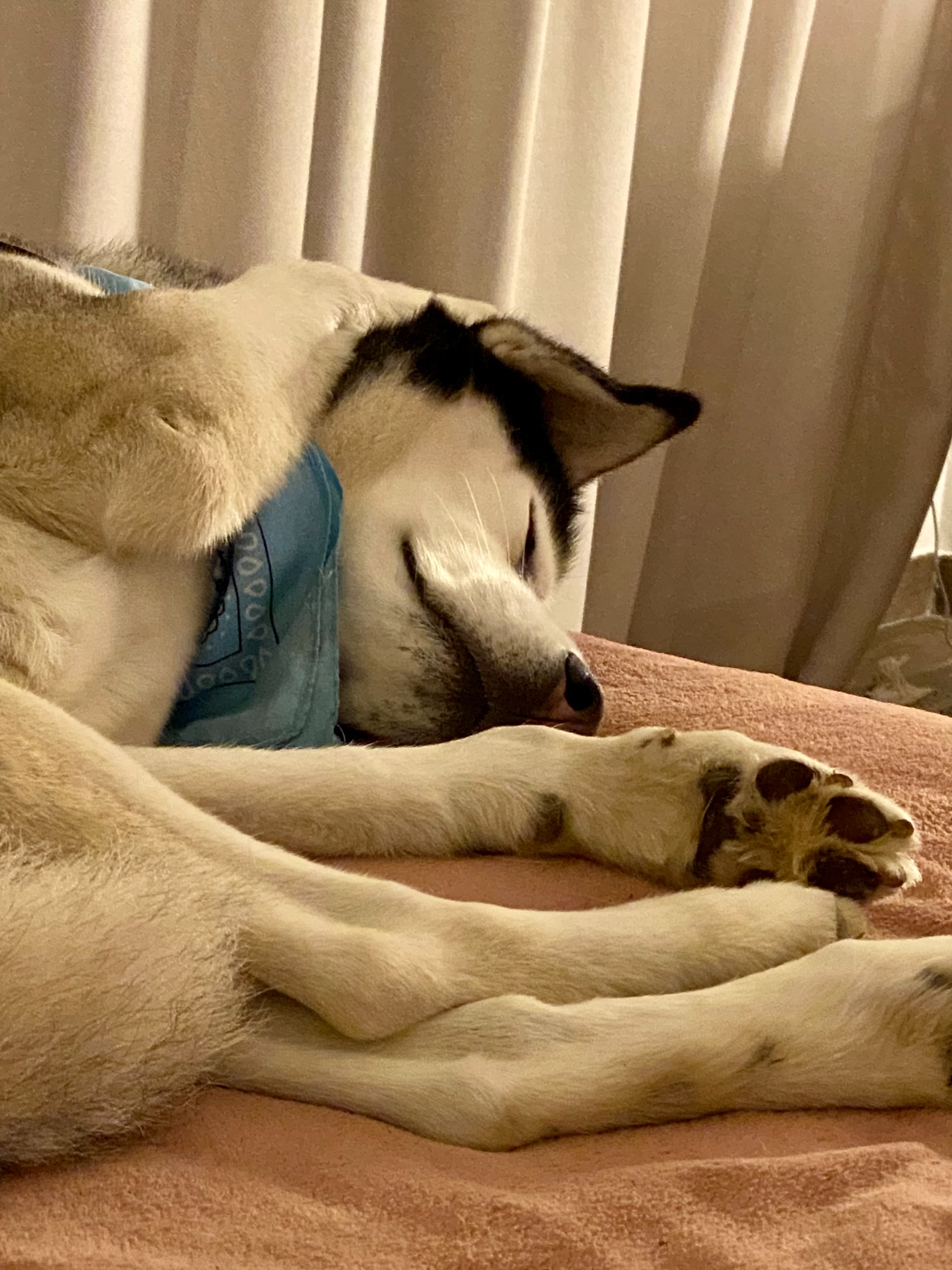
Another set of photographs that show sleeping dogs, courtesy Unsplash.
oooo

oooo

oooo

oooo
oooo

oooo
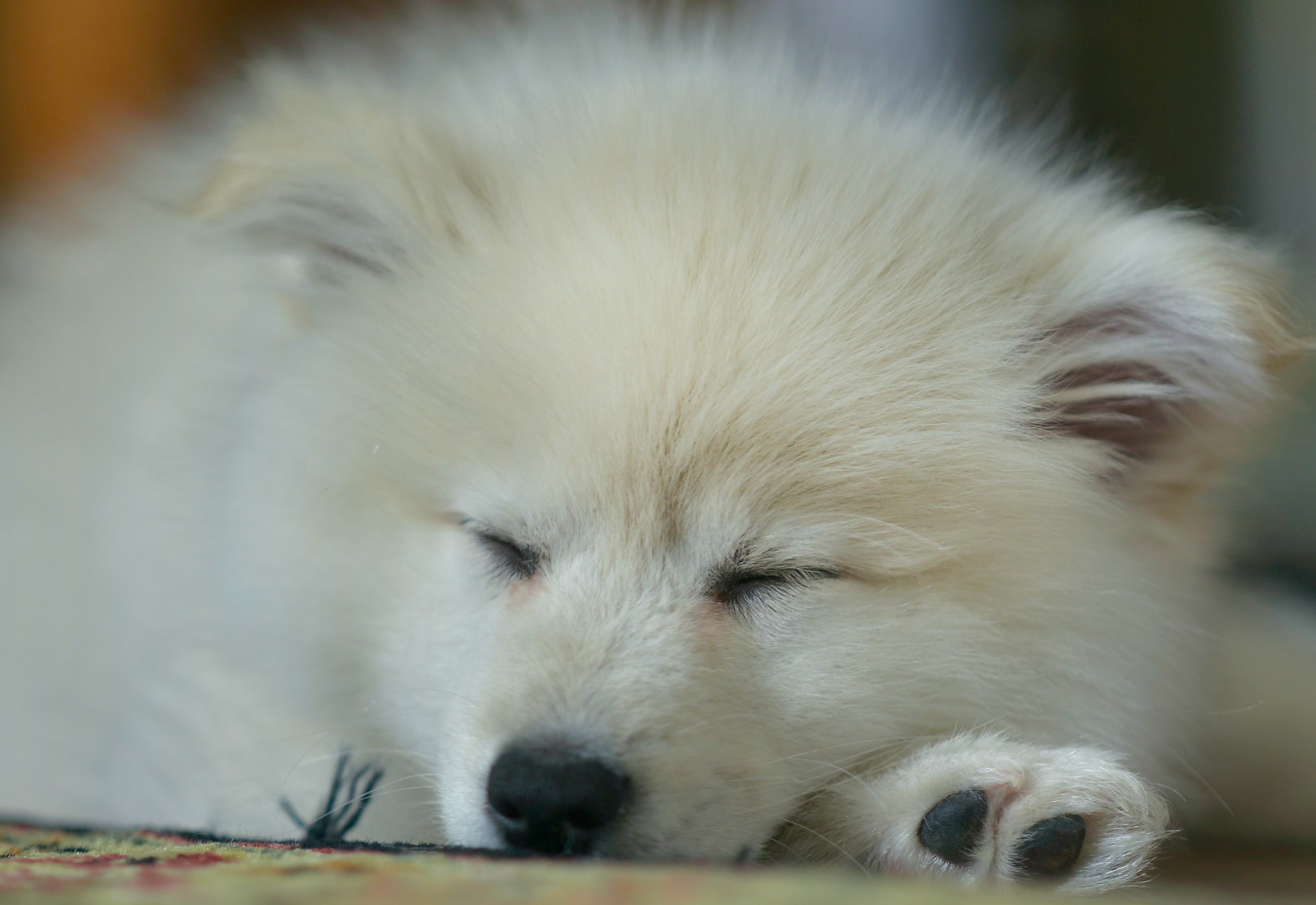
They are all so exquisite.
I am hoping there will be more sleeping dogs in a week’s time.
Just a single image!
The vet practice we use is Lincoln Road Veterinary Clinic, and we have used them for quite a few years. They recently sent out a mailer that contained the following:

Now the ‘CALL US’ has to be the vet in your own location; that’s obvious!
But nonetheless I thought it was worth sharing with you.
Our pets are very special!
A really fascinating article from The Conversation on Imagination.
The website The Conversation had another very interesting link to something that sorts out the humans from all other life forms. It is imagination!
I have pleasure in republishing it!
ooOOoo
Andrey Vyshedskiy, Boston University
Published February, 23rd, 2023
You can easily picture yourself riding a bicycle across the sky even though that’s not something that can actually happen. You can envision yourself doing something you’ve never done before – like water skiing – and maybe even imagine a better way to do it than anyone else.
Imagination involves creating a mental image of something that is not present for your senses to detect, or even something that isn’t out there in reality somewhere. Imagination is one of the key abilities that make us human. But where did it come from?
I’m a neuroscientist who studies how children acquire imagination. I’m especially interested in the neurological mechanisms of imagination. Once we identify what brain structures and connections are necessary to mentally construct new objects and scenes, scientists like me can look back over the course of evolution to see when these brain areas emerged – and potentially gave birth to the first kinds of imagination.
After life emerged on Earth around 3.4 billion years ago, organisms gradually became more complex. Around 700 million years ago, neurons organized into simple neural nets that then evolved into the brain and spinal cord around 525 million years ago.
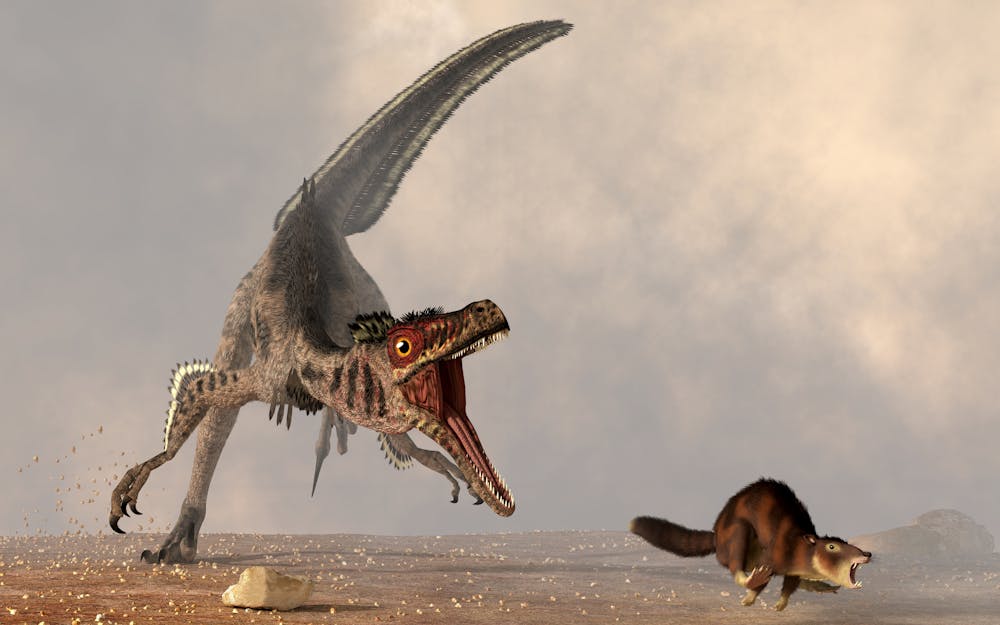
Eventually dinosaurs evolved around 240 million years ago, with mammals emerging a few million years later. While they shared the landscape, dinosaurs were very good at catching and eating small, furry mammals. Dinosaurs were cold-blooded, though, and, like modern cold-blooded reptiles, could only move and hunt effectively during the daytime when it was warm. To avoid predation by dinosaurs, mammals stumbled upon a solution: hide underground during the daytime.
Not much food, though, grows underground. To eat, mammals had to travel above the ground – but the safest time to forage was at night, when dinosaurs were less of a threat. Evolving to be warm-blooded meant mammals could move at night. That solution came with a trade-off, though: Mammals had to eat a lot more food than dinosaurs per unit of weight in order to maintain their high metabolism and to support their constant inner body temperature around 99 degrees Fahrenheit (37 degrees Celsius).
Our mammalian ancestors had to find 10 times more food during their short waking time, and they had to find it in the dark of night. How did they accomplish this task?
To optimize their foraging, mammals developed a new system to efficiently memorize places where they’d found food: linking the part of the brain that records sensory aspects of the landscape – how a place looks or smells – to the part of the brain that controls navigation. They encoded features of the landscape in the neocortex, the outermost layer of the brain. They encoded navigation in the entorhinal cortex. And the whole system was interconnected by the brain structure called the hippocampus. Humans still use this memory system for remembering objects and past events, such as your car and where you parked it.
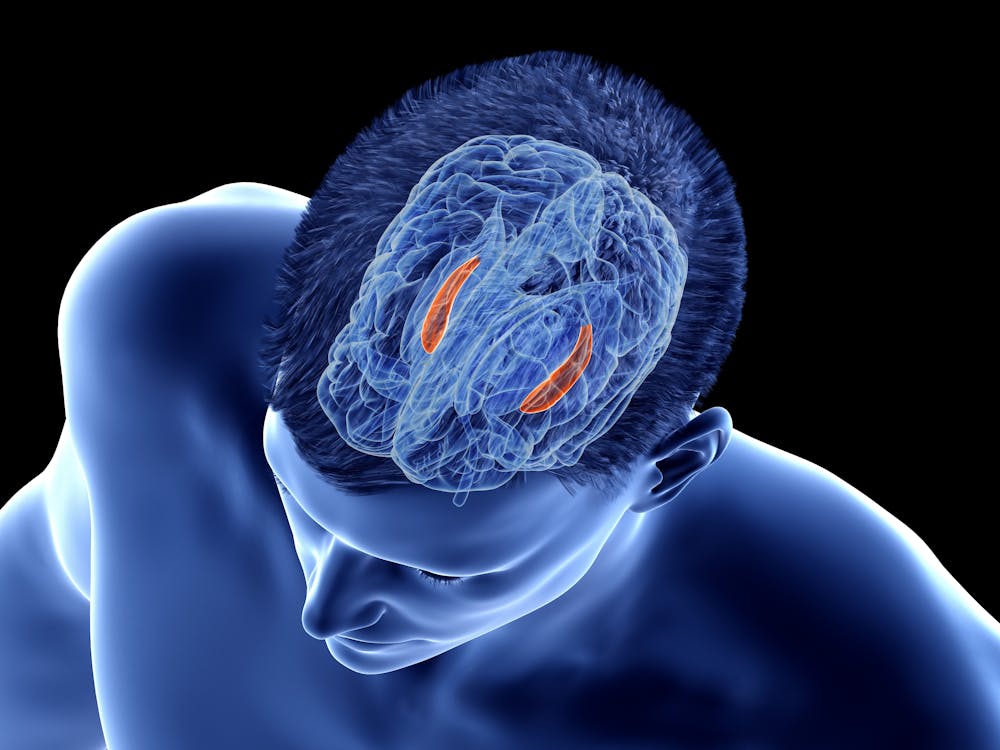
Groups of neurons in the neocortex encode these memories of objects and past events. Remembering a thing or an episode reactivates the same neurons that initially encoded it. All mammals likely can recall and re-experience previously encoded objects and events by reactivating these groups of neurons. This neocortex-hippocampus-based memory system that evolved 200 million years ago became the first key step toward imagination.
The next building block is the capability to construct a “memory” that hasn’t really happened.
The simplest form of imagining new objects and scenes happens in dreams. These vivid, bizarre involuntary fantasies are associated in people with the rapid eye movement (REM) stage of sleep.
Scientists hypothesize that species whose rest includes periods of REM sleep also experience dreams. Marsupial and placental mammals do have REM sleep, but the egg-laying mammal the echidna does not, suggesting that this stage of the sleep cycle evolved after these evolutionary lines diverged 140 million years ago. In fact, recording from specialized neurons in the brain called place cells demonstrated that animals can “dream” of going places they’ve never visited before.
In humans, solutions found during dreaming can help solve problems. There are numerous examples of scientific and engineering solutions spontaneously visualized during sleep.
The neuroscientist Otto Loewi dreamed of an experiment that proved nerve impulses are transmitted chemically. He immediately went to his lab to perform the experiment – later receiving the Nobel Prize for this discovery.
Elias Howe, the inventor of the first sewing machine, claimed that the main innovation, placing the thread hole near the tip of the needle, came to him in a dream.
Dmitri Mendeleev described seeing in a dream “a table where all the elements fell into place as required. Awakening, I immediately wrote it down on a piece of paper.” And that was the periodic table.
These discoveries were enabled by the same mechanism of involuntary imagination first acquired by mammals 140 million years ago.

The difference between voluntary imagination and involuntary imagination is analogous to the difference between voluntary muscle control and muscle spasm. Voluntary muscle control allows people to deliberately combine muscle movements. Spasm occurs spontaneously and cannot be controlled.
Similarly, voluntary imagination allows people to deliberately combine thoughts. When asked to mentally combine two identical right triangles along their long edges, or hypotenuses, you envision a square. When asked to mentally cut a round pizza by two perpendicular lines, you visualize four identical slices.
This deliberate, responsive and reliable capacity to combine and recombine mental objects is called prefrontal synthesis. It relies on the ability of the prefrontal cortex located at the very front of the brain to control the rest of the neocortex.
When did our species acquire the ability of prefrontal synthesis? Every artifact dated before 70,000 years ago could have been made by a creator who lacked this ability. On the other hand, starting about that time there are various archeological artifacts unambiguously indicating its presence: composite figurative objects, such as lion-man; bone needles with an eye; bows and arrows; musical instruments; constructed dwellings; adorned burials suggesting the beliefs in afterlife, and many more.
Multiple types of archaeological artifacts unambiguously associated with prefrontal synthesis appear simultaneously around 65,000 years ago in multiple geographical locations. This abrupt change in imagination has been characterized by historian Yuval Harari as the “cognitive revolution.” Notably, it approximately coincides with the largest Homo sapiens‘ migration out of Africa.
Genetic analyses suggest that a few individuals acquired this prefrontal synthesis ability and then spread their genes far and wide by eliminating other contemporaneous males with the use of an imagination-enabeled strategy and newly developed weapons.
So it’s been a journey of many millions of years of evolution for our species to become equipped with imagination. Most nonhuman mammals have potential for imagining what doesn’t exist or hasn’t happened involuntarily during REM sleep; only humans can voluntarily conjure new objects and events in our minds using prefrontal synthesis.
Andrey Vyshedskiy, Professor of Neuroscience, Boston University
This article is republished from The Conversation under a Creative Commons license. Read the original article.
ooOOoo
There we are! As the author of the article says: “Most nonhuman mammals have potential for imagining what doesn’t exist or hasn’t happened involuntarily during REM sleep; only humans can voluntarily conjure new objects and events in our minds using prefrontal synthesis.“
It has been a very long journey for us humans to be equipped with imagination. One wonders what the next ten or twenty years will bring? Any thoughts you want to leave as comments?
Today we have sleeping dogs, courtesy of Unsplash.

oooo

oooo
oooo

oooo

oooo

oooo

Another Sunday; another week!
Another excellent guest post from Penny Martin.
I love what Penny does and it sure does take the pressure off me because I know that Penny’s posts are first class.
This is a topic that every dog owner is keen on – keeping one’s dog fit and healthy.
Over to Penny.
ooOOoo
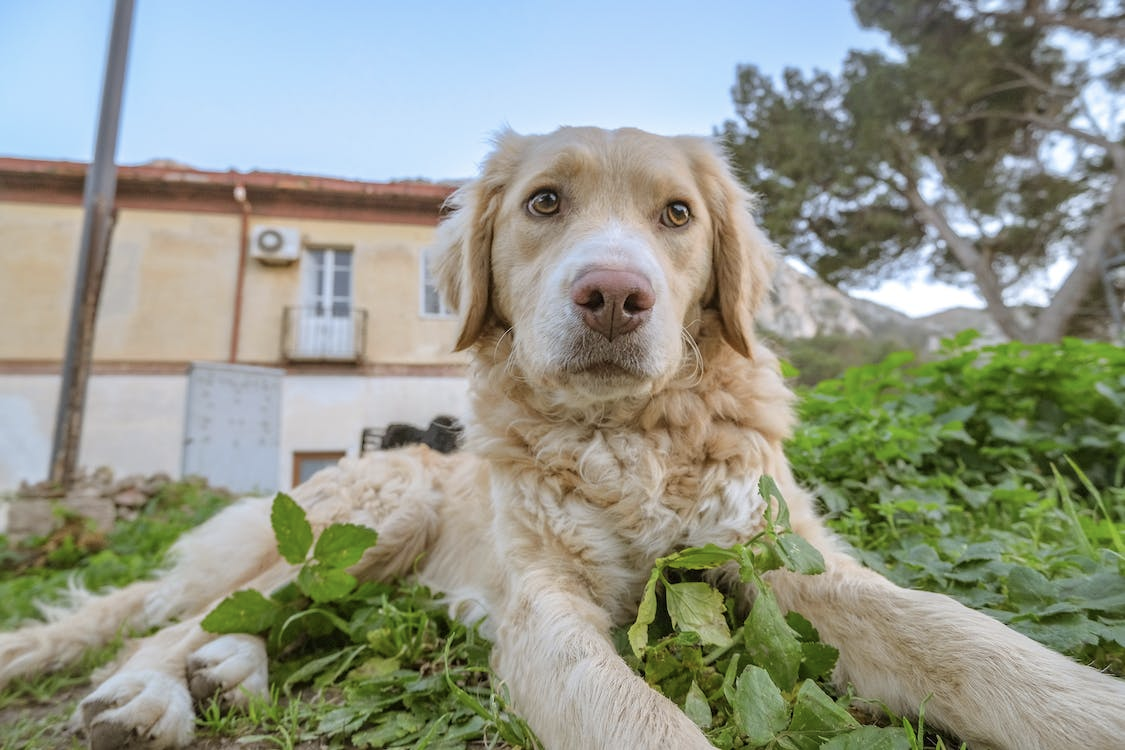
Image: Pexels
Keep Your Dog Healthy and Fit With This Essential Care Guide
Keeping your dog healthy and fit is a priority if you want to ensure he lives a long and happy life, but it can be difficult to know where to start. It’s important to make sure that your pup stays active, eats the right food, and gets the proper amount of exercise, but there’s more you can do to help him get fit and maintain great health. Use this guide from Learning from Dogs to create a wellness strategy for your four-legged friend and give him the long life he deserves.
Help Your Dog Stay Active
It’s important to keep your pup active throughout the day, especially if he spends time home alone while you’re at work. Take him on walks or let them run around in the yard; these activities will help keep them physically fit as well as mentally stimulated, and you can hire a pet sitter or dog-walker to help out. If you live in an area that isn’t very dog-friendly, look for a local dog park where he can run around safely.
Stimulate His Mind
While physical activity is crucial for your pet, there are also many toys and products available on the market that can help increase his activity levels. Investing in dog puzzles, treat dispensers, and chew toys can help keep your dog entertained while also providing an opportunity to burn off some extra energy throughout the day. This will also work to prevent behavioral issues if he spends time alone.
Improve His Diet With Quality Food
Investing in higher-quality food for your pup is essential for their health and well-being. Look for foods that are made with natural ingredients and provide all the nutrients they need. Avoid foods with artificial colors, flavors, and preservatives as these could potentially be harmful to your dog’s health.
You can also try air-dried food, which is cooked slowly to ensure it retains the maximum amount of nutrients and flavor. This option deserves a look, as it is also low in carbs and higher in protein than wet food options. You can even order a sample to check it out for yourself before investing.
Regulate Meals and Treats
In addition to making sure he has the right type of food, it’s important to feed your dog the required amount of food each day according to his size and age. Too little or too much could lead to health issues down the line. Additionally, limit treats, as they can contain high amounts of sugar which could lead to weight gain or other health problems over time.
Get Professional Advice
If you notice that your pup needs to lose a significant amount of weight, Chewy says that it’s best to work with a vet who can provide advice on how best to do so safely without causing harm or stress to him. Doing it this way will guarantee that your weight loss plan is secure, and you’ll still be able to give him the best possible nutrition. This is especially important if your dog is older.
Prepare With The Right Gear
Having quality gear like durable leashes and harnesses when taking your pet out for walks is essential for their safety as well as yours. Investing in quality gear now will save you money in the long run, as it will last longer than cheaper alternatives which may break easily over time due to wear and tear. Look for a harness that is comfortable and adjustable in a durable fabric.
Treat Your Dog with the Love They Deserve
Keeping your dog safe, comfortable, and healthy can go a long way toward ensuring that he’s with you for a long time. By feeding him high-quality dog food, making sure he gets enough exercise, and investing in the right gear, you can give your dog many more years. Just make sure you consult your vet with any issues along the way.
We can – and should – learn a lot from our four-legged friends and their ability to give unconditional love. Check out Learning from Dogs online to find inspiration for loving and living your life every day.
ooOOoo
All very sound advice and, once again, Penny is to be thanked for submitting this guest post. Thank you, Penny!
Why it is so important!
We go to the local Club Northwest. Jean attends the Rock Steady class and I work for an hour with Bruce Pilgreen, one of the staff. Bruce is very knowledgeable of human bodies and, indeed, trained as a Coach some years ago.
About a month ago Bruce showed me how to lay on my back, with my legs pulled back and my head slightly raised on a small cushion. My hands were palm upwards and about forty degrees either side of my body. The point of this position was to feel my spine, particularly my lower spine, flat against the ground and practice deep breathing at the same time. It was all to do with posture and Bruce remarked how common bad posture was to be seen out in the streets.
Well I came across a MedlinePlus item on Posture and wanted to share it with you all.
ooOOoo
Guide to Good Posture
Good posture is about more than standing up straight so you can look your best. It is an important part of your long-term health. Making sure that you hold your body the right way, whether you are moving or still, can prevent pain, injuries, and other health problems.
Posture is how you hold your body. There are two types:
It is important to make sure that you have good dynamic and static posture.
The key to good posture is the position of your spine. Your spine has three natural curves – at your neck, mid back, and low back. Correct posture should maintain these curves, but not increase them. Your head should be above your shoulders, and the top of your shoulder should be over the hips.
Poor posture can be bad for your health. Slouching or slumping over can:
Many Americans spend a lot of their time sitting – either at work, at school, or at home. It is important to sit properly, and to take frequent breaks:
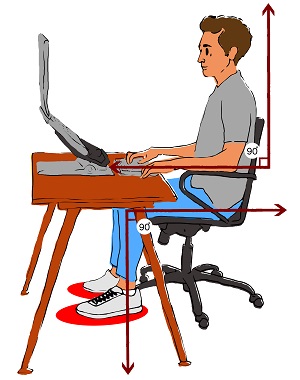
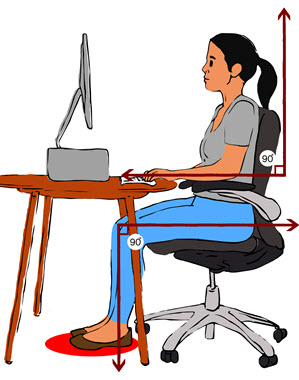
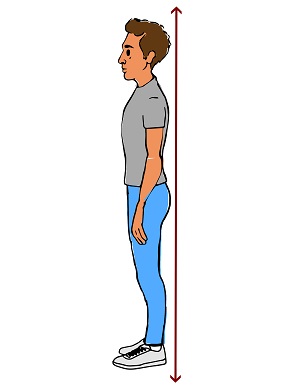
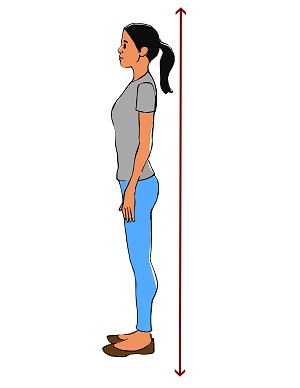
With practice, you can improve your posture; you will look and feel better.
ooOOoo
There you are! I am sure that many, many people do not have good posture and the guidance above may just inspire you to aim for better posture.
Back to Unsplash!
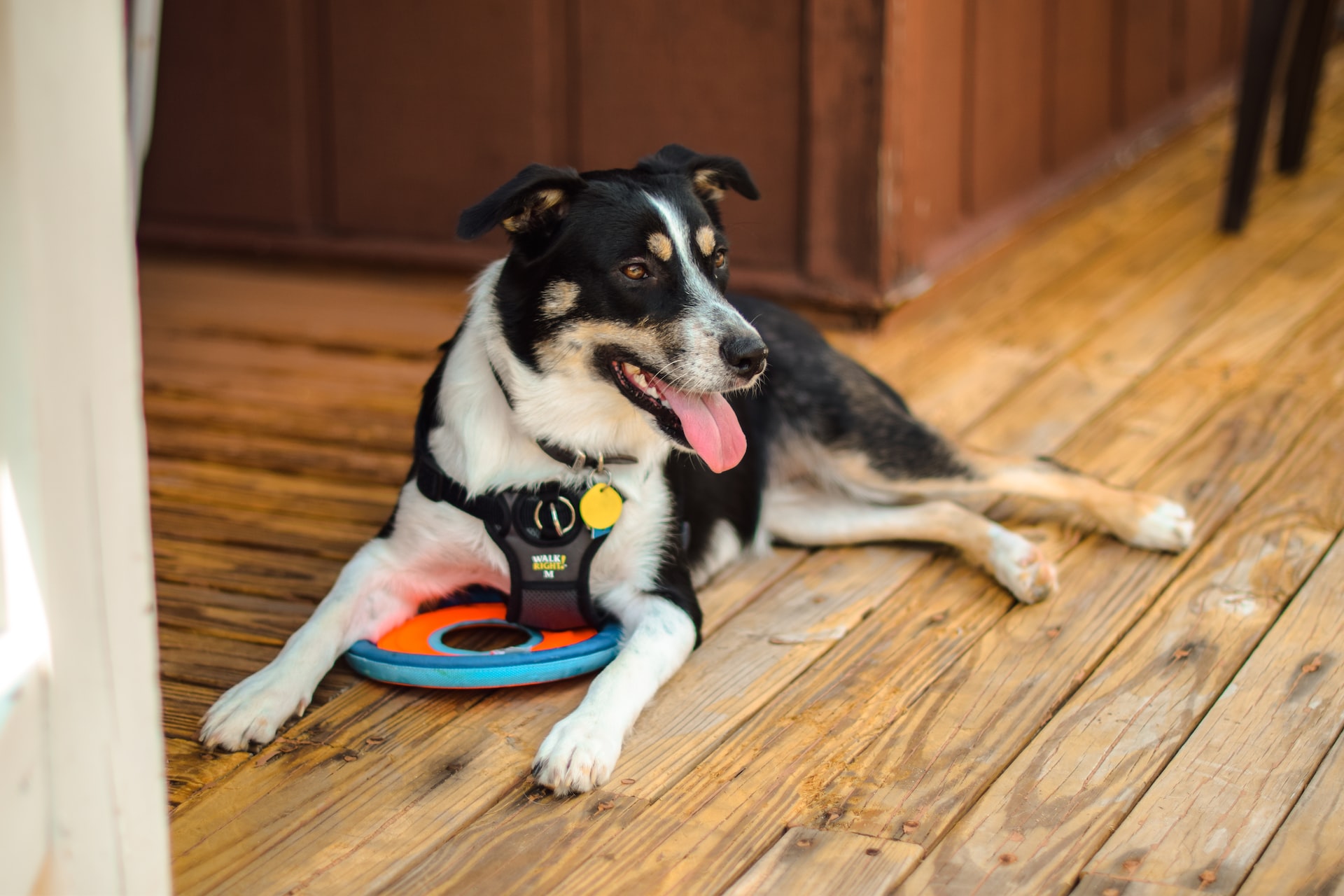
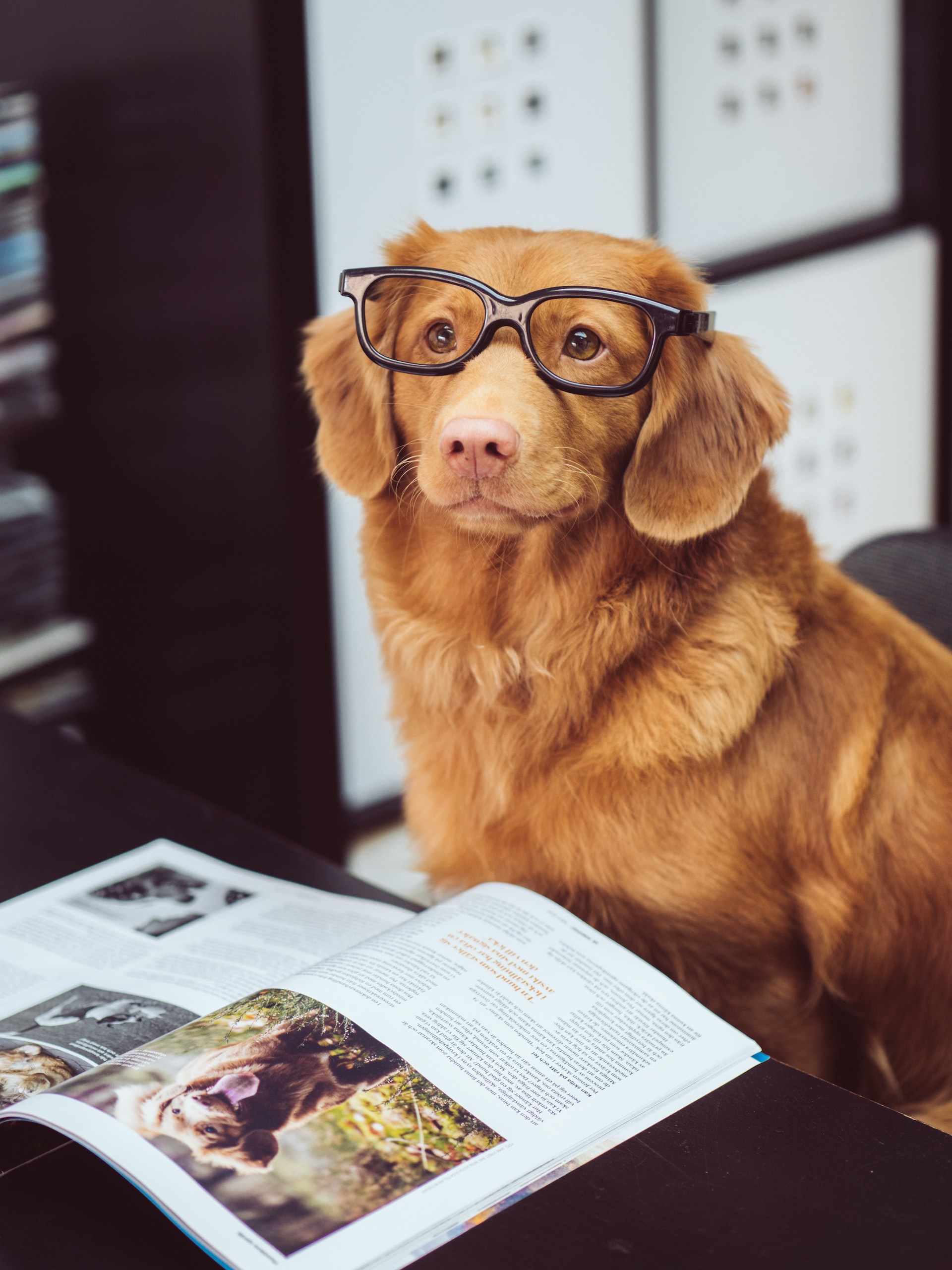
I put in the search description ‘Service dogs’ but that didn’t seem to be the correct way of describing the search. Anyway, I liked what was seen!
ooOOoo

oooo
oooo

oooo

oooo

oooo

oooo

oooo
oooo

There you are, good people!
 Learning from Dogs