Category: Communication

Meet the dogs – Hazel

It seemed very appropriate to republish this post that first appeared in March, 2014.

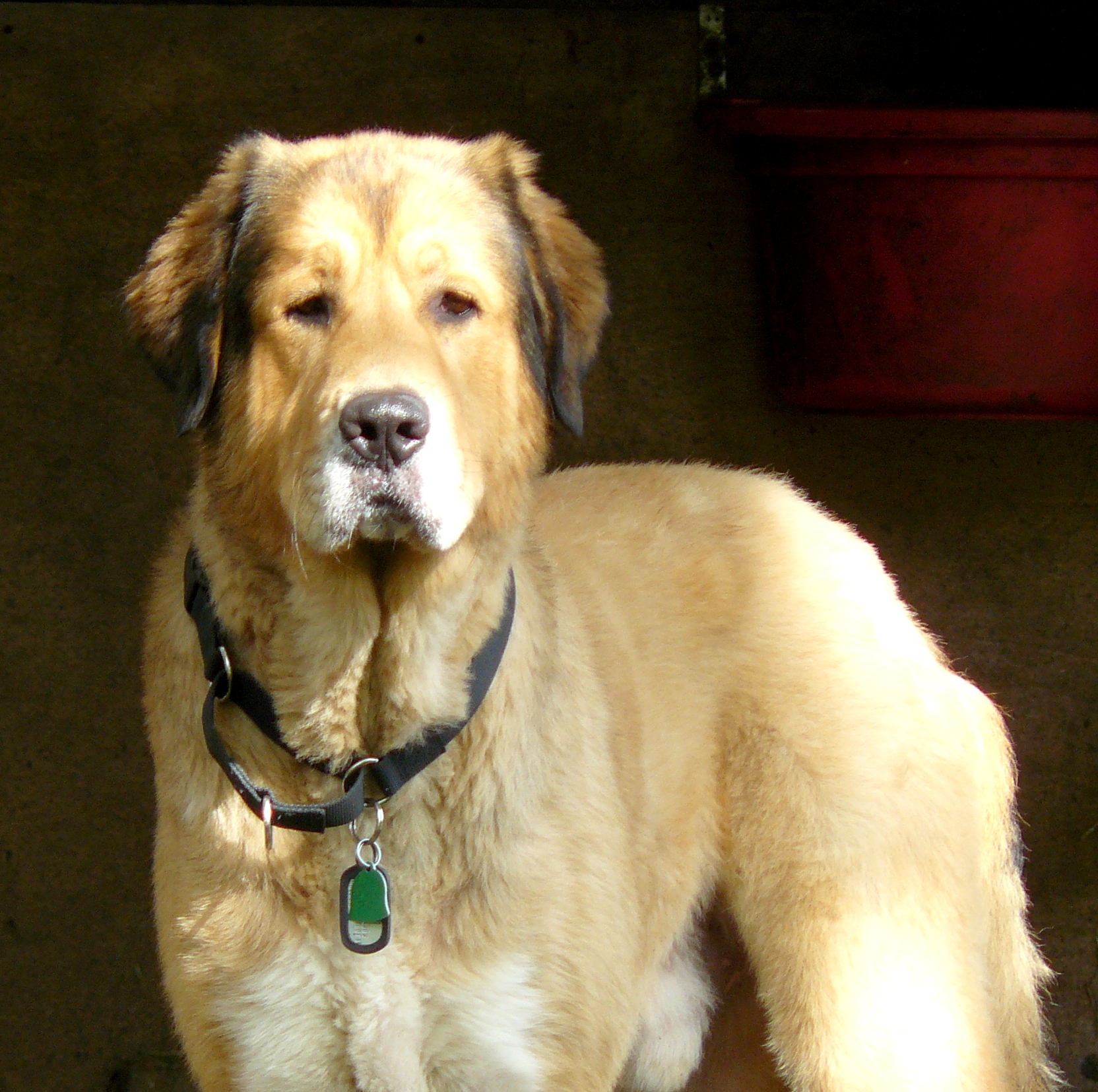
Hazel – our dog number six.

Last week Jean wrote about Casey. Slight difference this week in the sense that both Jean and I equally know the story of how Hazel came into our lives. So you are stuck with me today for the story of Hazel.

ooOOoo

Hazel

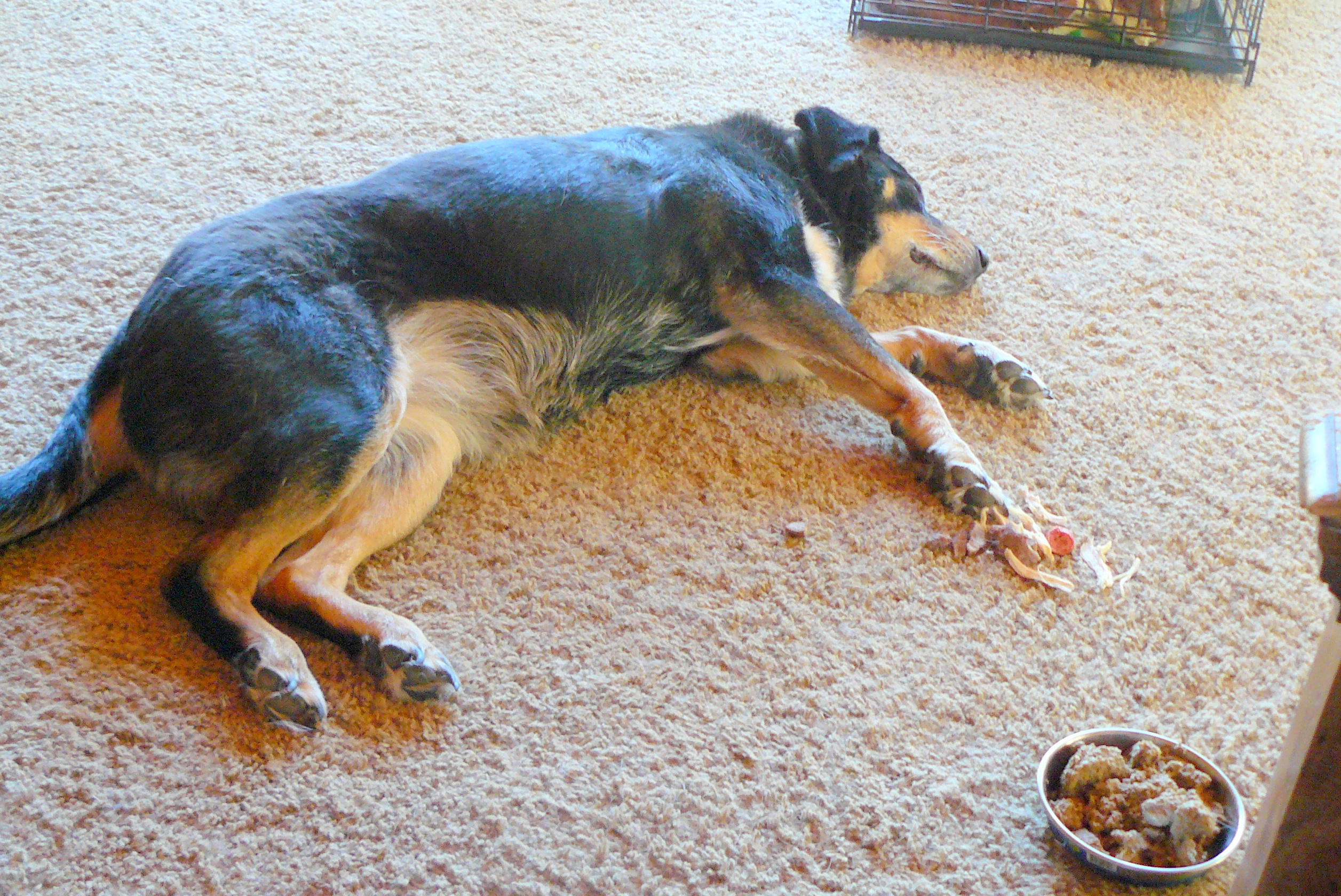
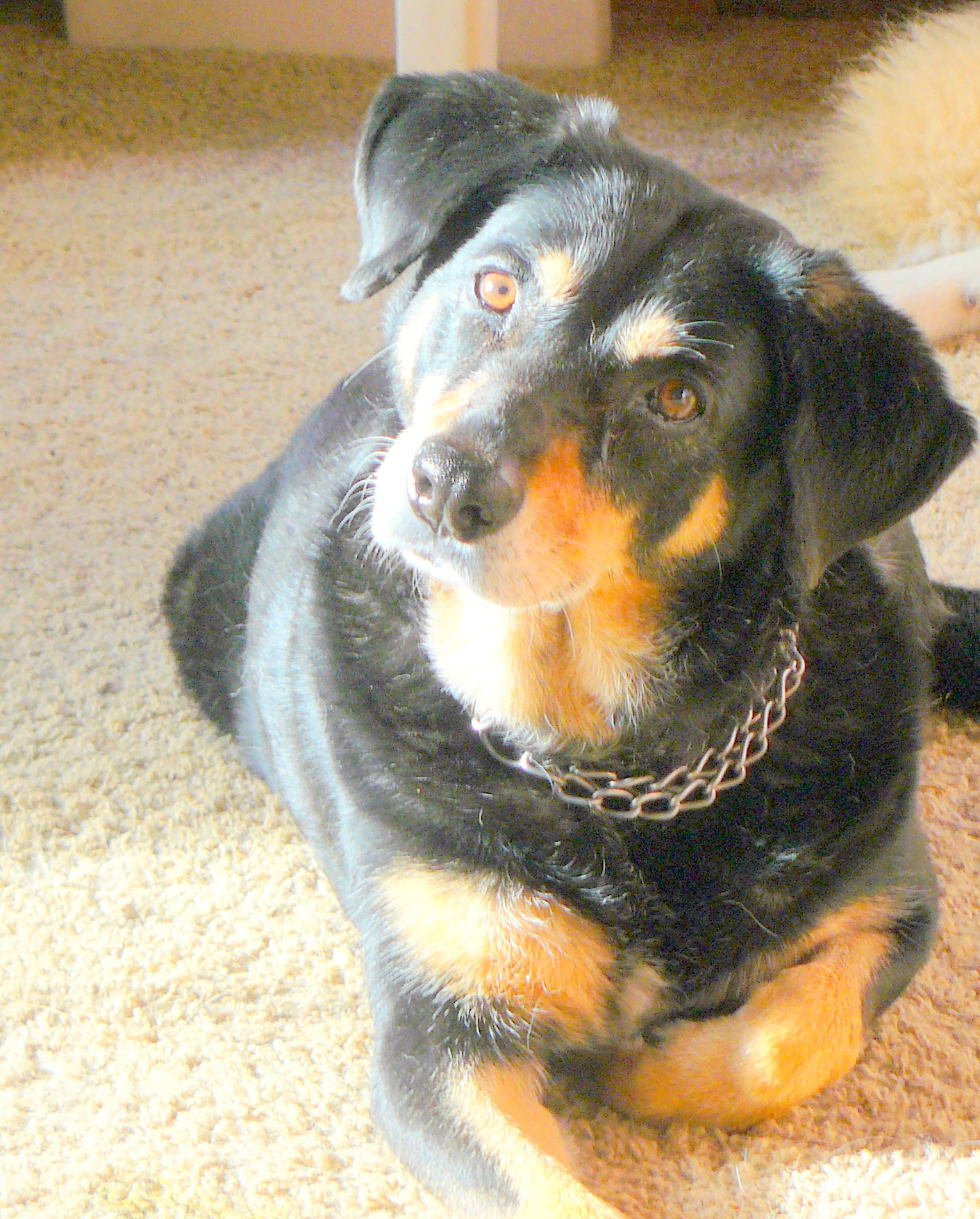
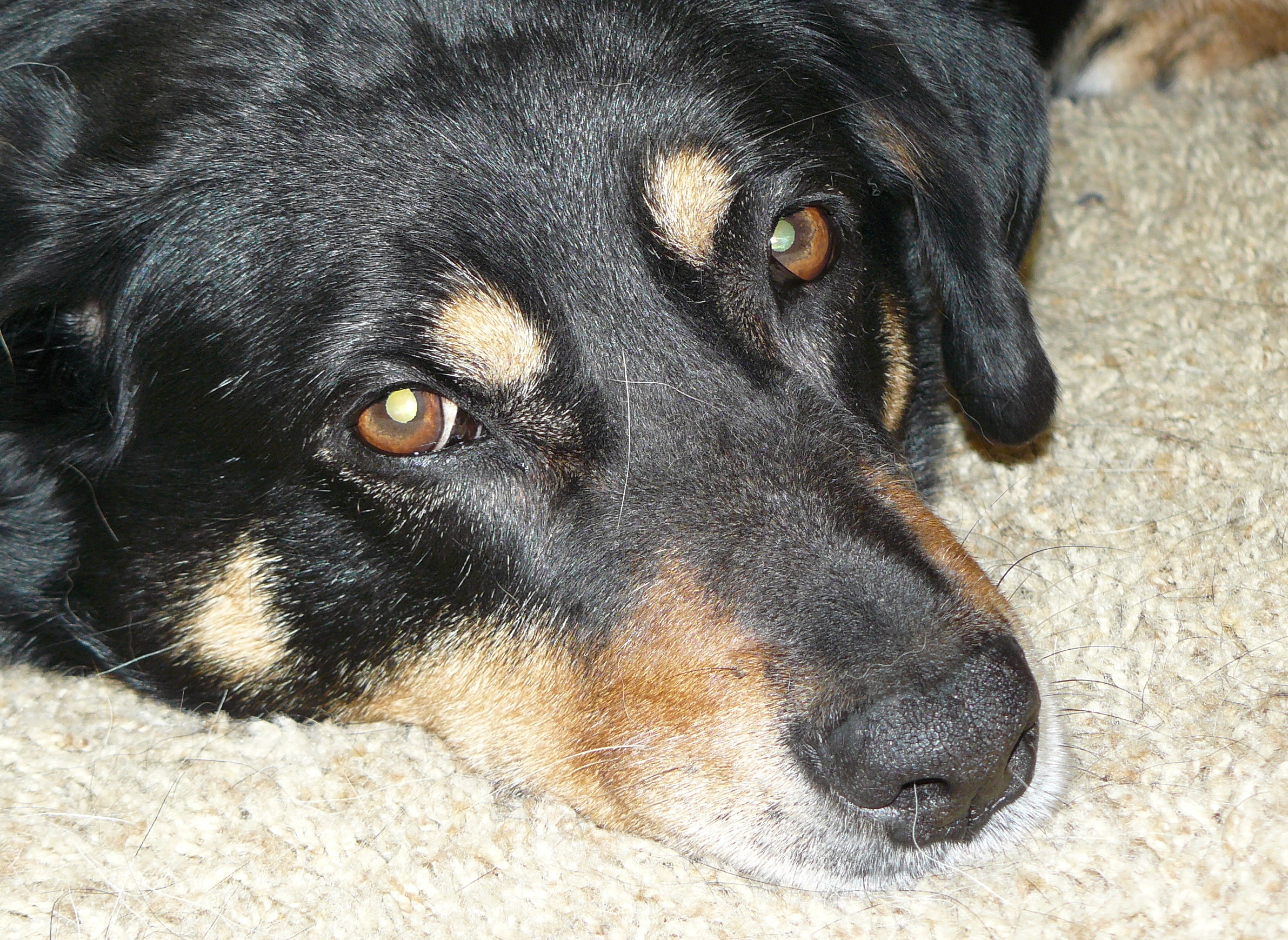
Picture of Hazel taken in the last twenty-four hours.

I first met Jean in Mexico; namely, in San Carlos, Sonora, Mexico to be precise. Just a few days before Christmas, 2007. At that time, Jean had 16 dogs, all of them rescues off the streets in and around San Carlos. Jean was well-known for rescuing Mexican feral dogs.

In September, 2008 I travelled out to Mexico, via London-Los Angeles, with my Pharaoh. Jean and I have been together ever since. In February, 2010, because we wanted to be married and to be married in the USA, we moved from San Carlos to Payson, in Arizona; some 80 miles North-East of Phoenix.

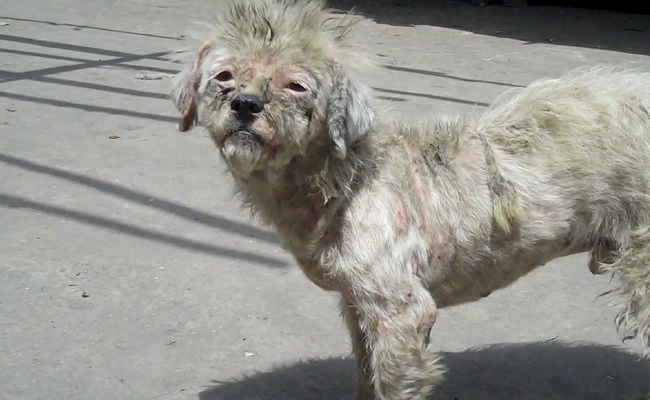
One morning, just a few days before we were due permanently to leave San Carlos and move our animals and belongings the 513 miles (827 km) to Payson, AZ, Jean went outside the front of the San Carlos house to find a very lost and disorientated black dog alone on the dusty street. The dog was a female who in the last few weeks had given birth to puppies that had been weaned. Obvious to Jean because the dog’s teats were still somewhat extended.

The dog had been abandoned outside in the street. A not uncommon happening because many of the local Mexicans knew of Jean’s rescues over many years and when they wanted to abandon a dog it was done outside Jean’s house. The poor people of San Carlos sometimes resorted to selling the puppies for a few Pesos and casting the mother dog adrift.

Of course the dog was taken in and we named her Hazel. Right from Day One Hazel was the most delightful, loving dog and quickly attached herself to me.

The truest of love between a man and a dog!

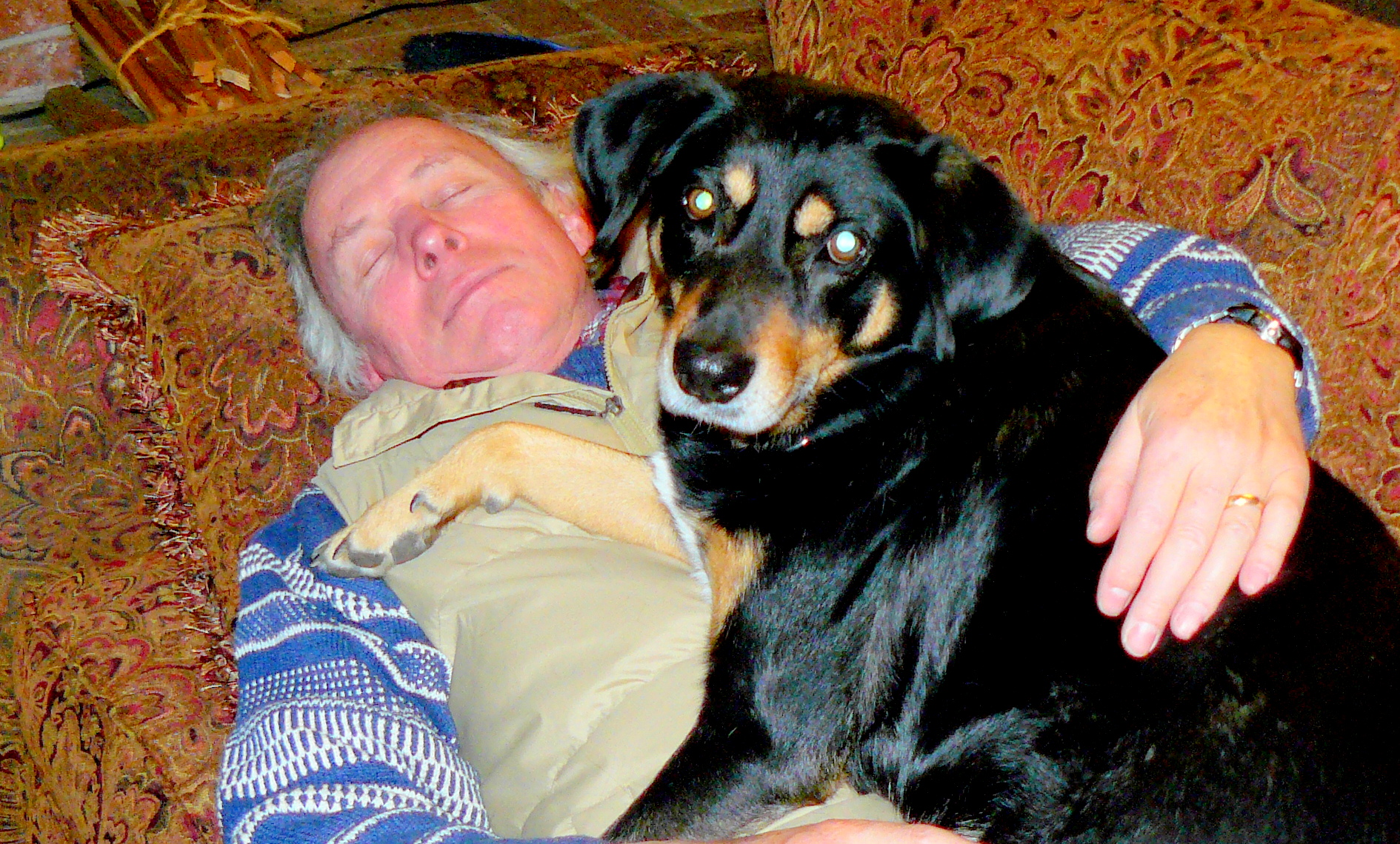
Of all the dogs that we have here at home, and, trust me, many are extremely loving, my relationship with Hazel is precious beyond description. She is in Pharaoh’s ‘group’ (Pharaoh, Hazel, Cleo, Sweeny and Dhalia) [NB: Dhalia died in April, 2014] so sleeps in our bedroom at night. Most nights Hazel is tucked up against me.

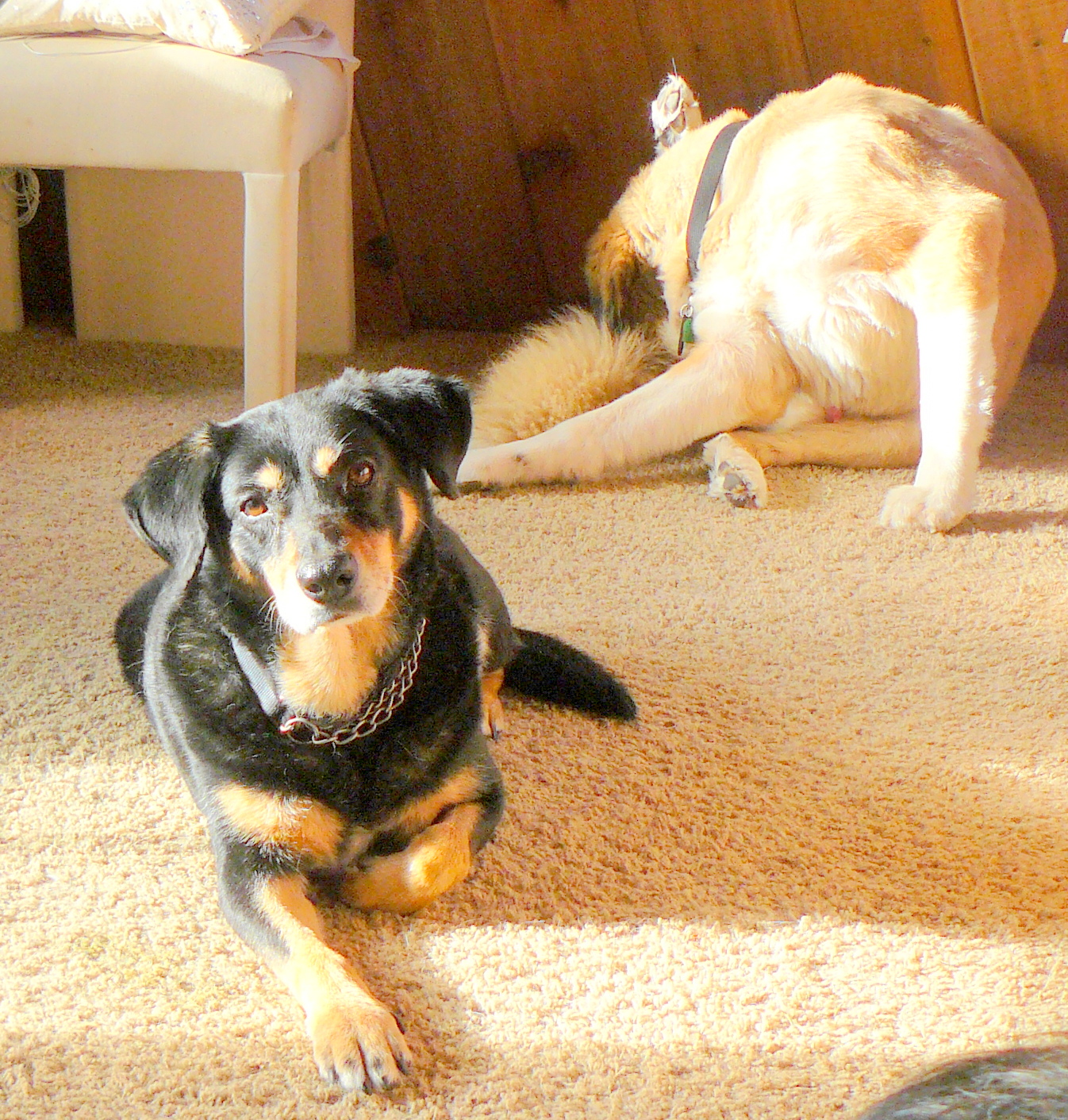
Plus frequently during the day Hazel will take an interest in what I am doing, as the next photograph illustrates.

Hazel taking an interest in my potterings.

Very little more that can be said without the risk of repeating myself.

If ever one wanted an example of the unconditional love that a dog can offer a human, then Hazel is that example.

ooOOoo

Precious creature!

Relationships.

Everything comes down to our relationships.

It is not the first time that I have written on the theme of the importance of relationships. However, I am inspired by a number of separate and discrete outcomes in the last couple of days that compell me to return to this most important principle of all: We are what we think about most.

The first outcome was a lovely reply left by Hariod Brawn to yesterday’s post. This is what she wrote:

My GSD had hip dysplasia too, Paul – if that’s what you’re alluding to with Pharaoh. He still was able to die a natural death though, as his rear quarters became paralysed with the dysplasia and he felt no pain. There were plenty of other problems resulting from his immobility, but I wouldn’t have traded those difficulties and the incredible communication we shared as a result of them, for anything – his last few weeks were some of the most powerful and precious of my entire life.

Then after my response, Hariod went on to say:

It was a deeply profound time for me, and I honestly wouldn’t have believed anyone had they told me what I experienced, but experience it I did. It was not the product of fanciful imagination, much as it might sound so in words. The communication between the two of us was quite incredible, and which really was empathic in nature, in the deepest sense of the word. We always had great communication and understanding, which all dog lovers do with their charges, of course, but this was another level altogether. Some might call it ‘psychic’, as if that meant something mystical and woo-like, but it just means ‘of the mind’. The question is, does the mind have the psychical power to share in understanding across physical borders? You will doubtless know of J. Allen Boone:

I will return to that mention of J. Allen Boone at the end of the post.

Then later on there was a further reply to the post from Barb of Passionate About Pets :

Thanks for re-publishing Gina’s post here, I found it interesting because Poppy, my little shih-tzu is an old dame now – she will be 17 in two months time. She has developed serious separation anxiety in the last year and if I am working in the garden, she barks for me to get back inside even though my husband is inside with her – she wants us BOTH with her. She is weak in her back legs so her walks are shorter. All these signs of old age make me so sad. Just like you and Pharoah, old age is creeping up on us all.
A special thank you to Hariod for including that video clip of J. Allen Boone’s dog Strongheart and the very special connection they had; he was so wise about Strongheart’s qualities – they never die. It really resonated with me.
Thank you for a wonderful post.

You can see why I entitled today’s post Relationships!

Then earlier on in my day I had a call with Jon Lavin, a friend from my days when I lived in Devon, South-West England. Jon and I still speak on a regular basis and yesterday I was complimenting Jon on a wonderful post he had written on his own business blog The People Workshop.

Jon’s post was about relationships in the workplace, his area of professional experience, and I was struck by how far the messages were relevant to all of us, in all areas of our lives. But just as key it was another reminder of the importance of all of us who express themselves on blogs; both as authors and as commentators. Because those expressions make, build and maintain great relationships.

Jon’s post is republished here with his full permission.

ooOOoo

Relationships in the workplace

Posted on

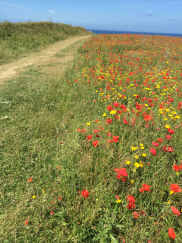
Poppies and sea
Poppies and sea

When you look at how much of our lives we spend at work it’s really quite attention-grabbing. I did a very rough calculation based on 40 years and 40 hours a week – and I took out holidays and weekends. It works out approximately at 4900 hours. That’s a lot of hours, especially if you do lots of overtime and weekends. All of that time, you’re probably going to be mixing with people – usually, quite a large number of people.

We are ‘relationship seeking’, says Eric Berne, originator of Transactional Analysis. So for all of that time, we’re moving in and out of relationships with other people. So here, I’m categorising any interaction with another as ‘relationship’.

Then there’s what happens when we go home, another set of relationships, and where we came from – our parents and families.

So how we are in relationship with others is very important and has a major impact on the results we get generally and particularly in the context of this article, at work.

I hear a lot of talk about ’employee engagement’ at the moment. I believe that for employees to be ‘engaged’, so actively involved in what they’re doing, thinking about it, in the ‘here and now’, they’ve got to be in relationship with their manager and probably, the team they’re part of, at least, if the job is being done properly.

I see it as the role of the manager or team leader that they have the skills and ability to develop these relationships with as many team members as possible, any exclusions being the exception. This requires a lot of self-awareness and confidence, plus the ability to build high levels of trust with a wide range of character types. I think it also requires the ability to see the world from the view point of the other person – ‘putting yourself in somebody else’s shoes’, we say. That’s quite difficult to do in my experience. However, we can donate the time to get to know the people in our team and so increase the likelihood of all of us coming from the same angle.

I think this is about the ability to value the uniqueness of others in all the different forms and approaches that manifests in, and finding ways of harnessing those skills and abilities.

These are not easy things and I am aware of the relatively few, good people managers I come across in my work but it is possible to develop these skills. You need to have the intention to want the best from ALL relationships. Also, to be prepared to use the feedback we all get, especially when things don’t go to plan in a relationship, and be continually revisiting and adjusting your approach so that you get more of what works. This way, you automatically get less of what doesn’t work.

Never under estimate the power of intention.

Stormy seas
Stormy seas

ooOOoo

I am now going to close today’s post with those words of  J. Allen Boone that Hariod had in her second reply:

To echo Jon’s closing message, let us never cease our intention of having wonderful relationships; with our dogs, with others and, not least of all, with ourselves.

So who is Brandy?

Looking into the history of the Great Pyrenees dog.

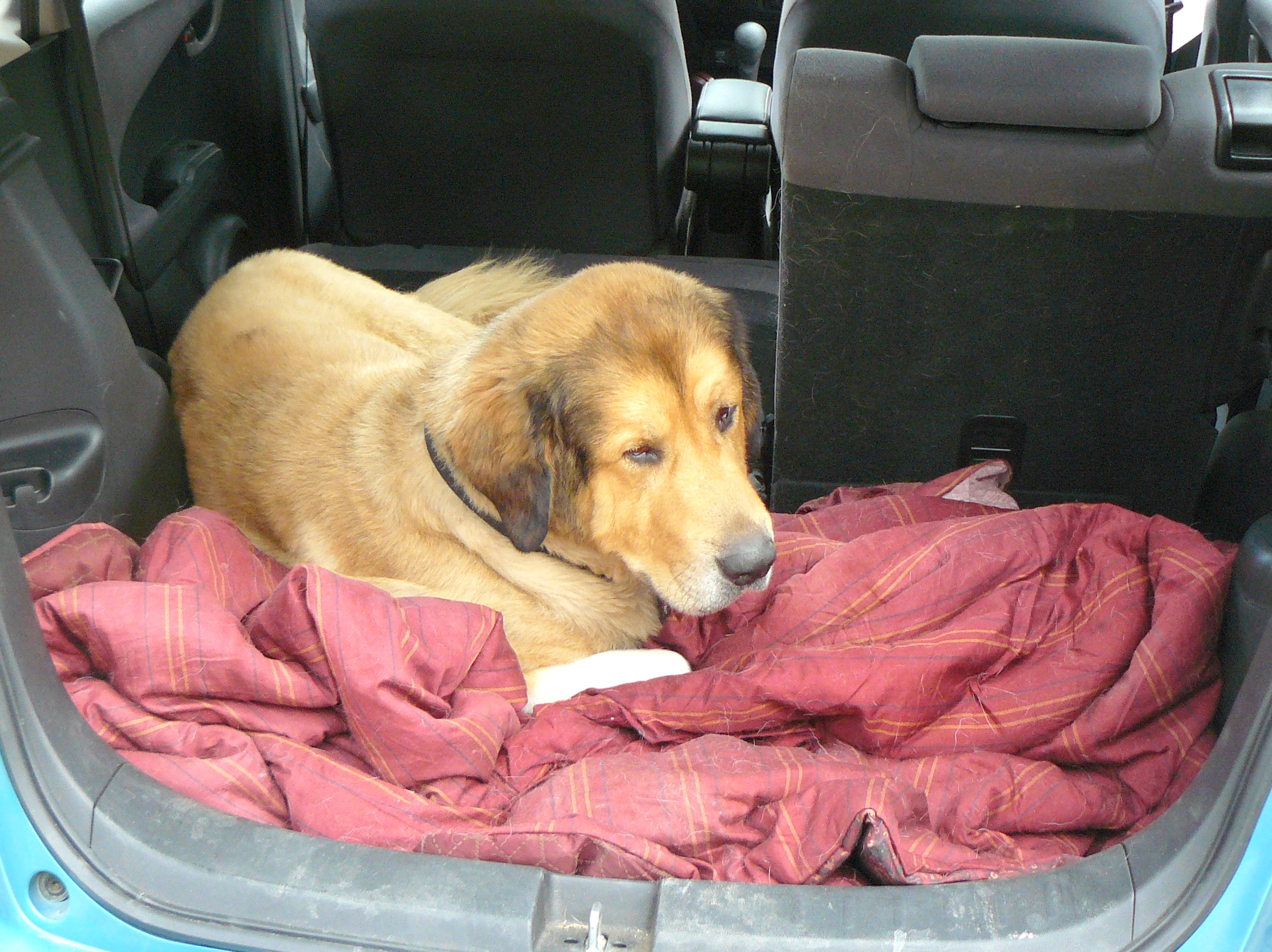
This coming Saturday will be one month since Brandy entered our lives and to say he has been a gorgeous addition to our family is an understatement!

I was looking at him yesterday afternoon at feeding time (usually 3pm) and just saw his size in comparison to the window ledge and the chair next to him: he is a large dog!

Two things raced through my mind, the first being to grab a camera and take the following shot,
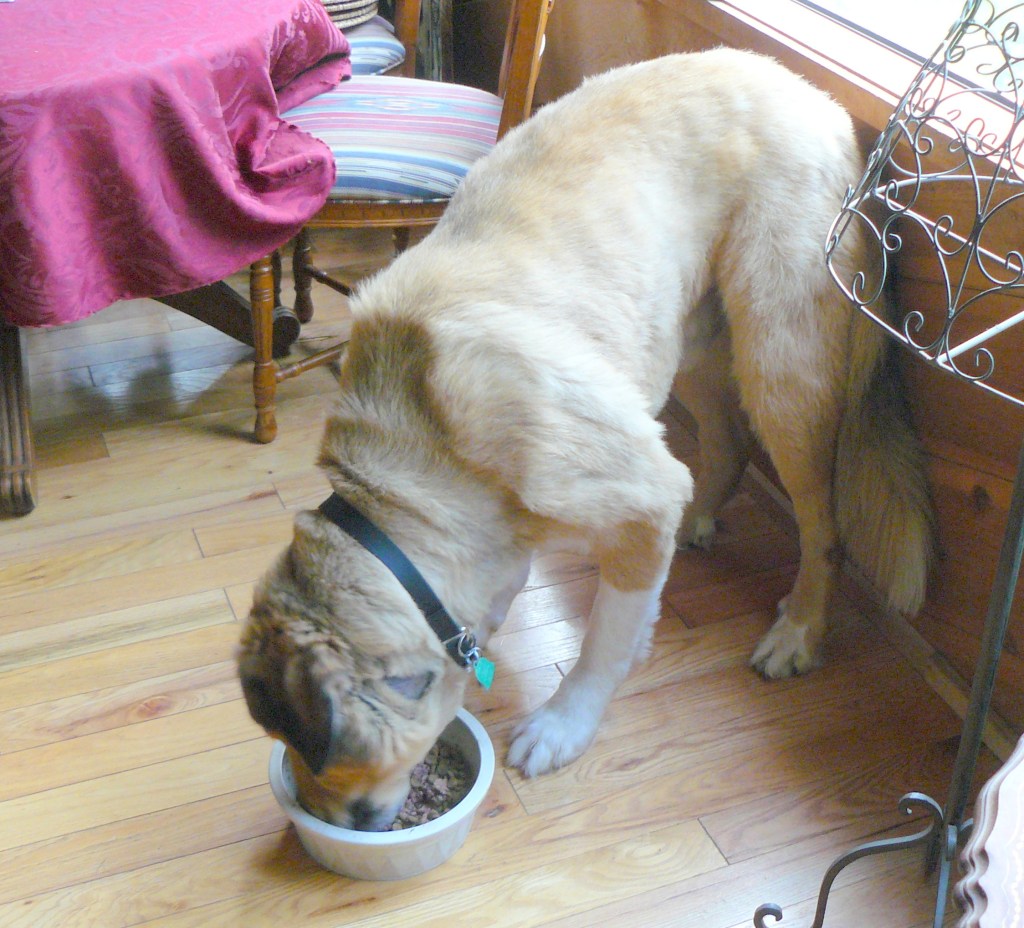
P1160098and the second to research the history of this breed. (But I should immediately say that Brandy is not purebred Pyrenean and has a little Bull Mastiff within him.)

That second item was but a quick web search away for top of the list of returns was an article on the website of the Great Pyrenees Club of America. The article was appropriately headed: History of the Great Pyrenees. It is fully linked to the source website so, fingers crossed, it is OK to republish here. I hope you find it as interesting as we did.

ooOOoo

History of the Great Pyrenees

Dog of the Mountains

These dogs take their name from the mountain range in southwestern Europe, where they long bwdomhave been used as guardians of the flocks. In the United States they are called Great Pyrenees. In the United Kingdom and on the continent of Europe, they are known as the Pyrenean Mountain Dog. In their native France, they are Le Chien de Montagne des Pyrenees or Le Chien des Pyrenees. Whatever the name, it is a beautiful, primarily white dog with a “certain elegance” which for centuries has been the working associate of peasant shepherds high on the mountain slopes.
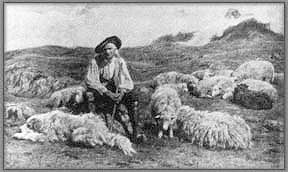
The breed likely evolved from a group of principally white mountain flock guard dogs that originated ten or eleven thousand years ago in Asia Minor. It is very plausible that these large white dogs arrived in the Pyrenees Mountains with their shepherds and domestic sheep about 3000 BC. There they encountered the indigenous people of the area, one of which were the Basques, descendants of Cro-Magnon Man. In the isolation of the Pyrenees Mountains over these millenniums, the breed developed the characteristics that make it unique to the group of flock guardian dogs in general and the primarily white members of that group.

The Great Pyrenees is a lupomolossoid as opposed to a molossoid. While there has surely been some cross-breeding over the many centuries, the Great Pyrenees is not a mastiff nor are its lupomolossoid ancestors principally from the mastiff family. There are other dogs of the region, such as the Pyrenean Mastiff, and the Spanish Mastiff that fill that description. It is no coincidence that the Great Pyrenees is approximately the same size as the European Grey Wolf.

A Peasant’s Dog

The Great Pyrenees is a mountain shepherd’s dog. Over this long period of time the Great Pyrenees developed a special relationship with the shepherd, its family, and the flock.

In 1407, French writings tell of the usefulness of these “Great Dogs of the Mountains” as guardians of the Chateau of Lourdes. In 1675, they were adopted as the Royal Dog of France by the Dauphin in the court of King Louis XIV, and subsequently became much sought after by nobility. Having a precocious sense of smell and exceptionally keen eyesight, each dog was counted equal to two men, be it as guard of the chateaux, or as invaluable companion of shepherds. While their royal adoption is interesting, the dogs main fame was from their ageless devotion to their mountain flocks, shepherds, and shepherds’ family. When not working the flocks, you would find “Patou,” as he is lovingly called, laying on the mat in the front doorway of the shepherds’ humble dwellings.

Across the Ocean

In 1662, dogs were carried to Newfoundland by Basque fishermen as companions and guardians of the new Settlement. Here it was they became mated with the black curly coated retriever, favorite of the English settlers. This cross resulted in the formation of the Landseer (black and white) Newfoundland. In 1824, General Lafayette introduced the first pair to America by bringing over two males to his friend, J.S. Skinner, author of “The Dog and the Sportsman”.

In 1850, Britain’s Queen Victoria owned a Pyrenean Mountain Dog, and in 1885-86, the first Pyrenean Mountain Dogs were registered with the Kennel Club in London and shown at the Crystal Palace.

In 1870, Pyrenean blood was used with that of other large breeds to help bring back the St. Bernard after that noble dog’s numbers had been so greatly depleted by avalanches and distemper at the hospice in Switzerland. It was not until 1909 that the first Pyrenean Mountain Dogs were introduced into England for breeding purposes by Lady Sybil Grant, daughter of Lord Roseberry. It was twenty-six years later (1935) that Pyreneans were again bred in a kennel in England. At that time, Mme. Jeanne Harper Trois Fontaines started her de Fontenay Kennel at Hyde Heath, Amersham, later becoming well known the world over and accounting for many exports to distant lands.

Reconstitution

By the late 1800’s and early 1900’s the state of the breed had deteriorated due to the vanishing of the natural predator foes in the mountains and the practices of many unscrupulous breeders selling to naive tourists through the region.

In 1907 Monsieur Dretzen from Paris, along with Count de Bylandt of Holland and Monsieur Byasson of Argeles Gazost, formed the Club du Chien des Pyrenées (CCP) a.k.a. Argeles Club in Argeles Gazost. They combed the mountains for a group of “faultlessly typical” specimens. Monsieur Dretzen took these dogs back to his kennel in Paris. Also in 1907, the Pastoure Club at Lourdes, Hautes Pyrenées, France, was organized to perpetuate interest in the breed. Each club wrote a breed standard.

After the decimating effects of World War I, the breed’s numbers and quality had been severely compromised. A few dedicated breeders, headed by Monsieur Senac Lagrange, worked to restore the breed to its former glory. They joined together the remnants of the two former clubs and formed the Reunion des Amateurs de Chiens Pyreneans which still exists today. It was this club that was responsible for the breed standard being published in 1927. This standard has served as a basis for all current standards for the breed. After World War II, it was again Monsieur Senac-Lagrange who took the lead in getting the breed back on its feet from the devastating effects of the German occupation.

First Kennel in the U.S.A.

In 1931, Mr. and Mrs. Francis V. Crane imported several specimens to seriously launch the breed in North America with the founding of the Basquaerie Kennels at Needham, Massachusetts. Their lifelong efforts on behalf of the breed provided the breed with an atmosphere in which it could thrive and prosper. They imported important breeding stock out of Europe just before the Continent was closed by World War II. The American Kennel Club accorded the Great Pyrenees official recognition in February, 1933, and beginning April, 1933, separate classification began for the breed at licensed shows.

Today the Great Pyrenees is a working dog as well as a companion and family dog. Most of our dogs never see a show ring, but they are trusted and beloved members in homes and may function as livestock guardian dogs on farms and ranches. The Great Pyrenees is proving itself very versatile, gaining fame as therapy dogs, rescue dogs, and many activities with its human companions. They are very social dogs in the family and get along extremely well with other animals that belong to the shepherd, farmer, or family. They are wary of strangers in the work environment (this includes the home). They adapt easily to other situations such as dog shows, and make extraordinary ambassadors for the breed in many settings such as hospitals, old age homes, with children, etc. They have a special ability to identify and distinguish predators or unwelcome intruders. They are nurturing of small, young, or sick animals.

A publication of the Great Pyrenees Club of America, Inc. revised 1991, 2005

ooOOoo

I must repeat a couple of sentences from that last paragraph (my highlighting):

The Great Pyrenees is proving itself very versatile, gaining fame as therapy dogs, rescue dogs, and many activities with its human companions. They are very social dogs in the family and get along extremely well with other animals that belong to the shepherd, farmer, or family.

Frankly, I don’t know how we would have coped with what Hazel has been suffering with if Jean and I hadn’t had the bountiful, unconditional love from Brandy.

Oh, and speaking of Hazel …..
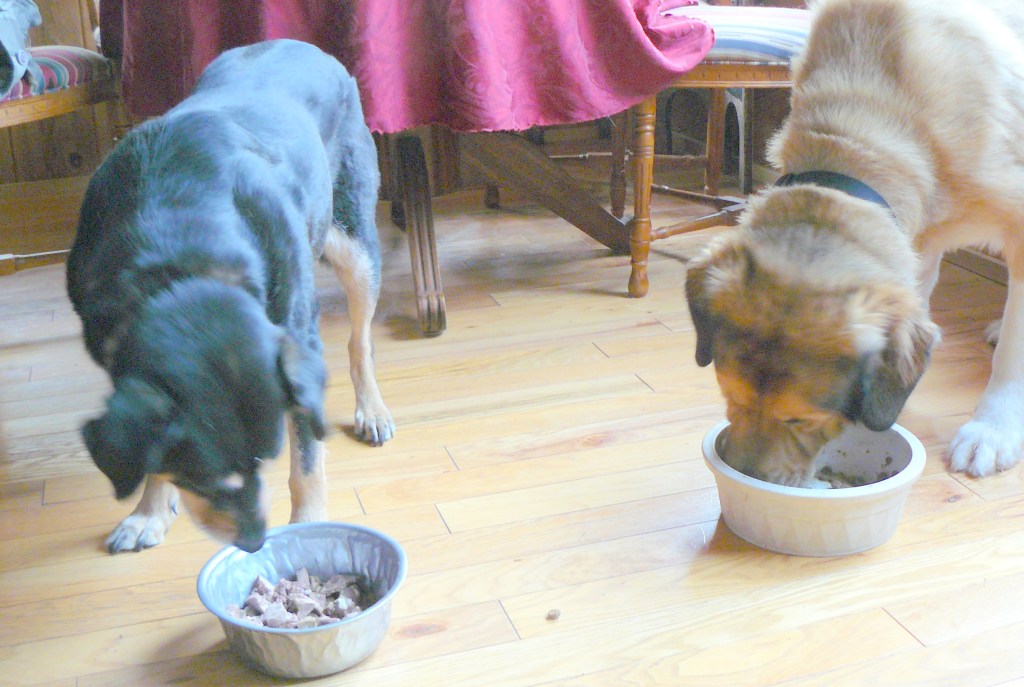
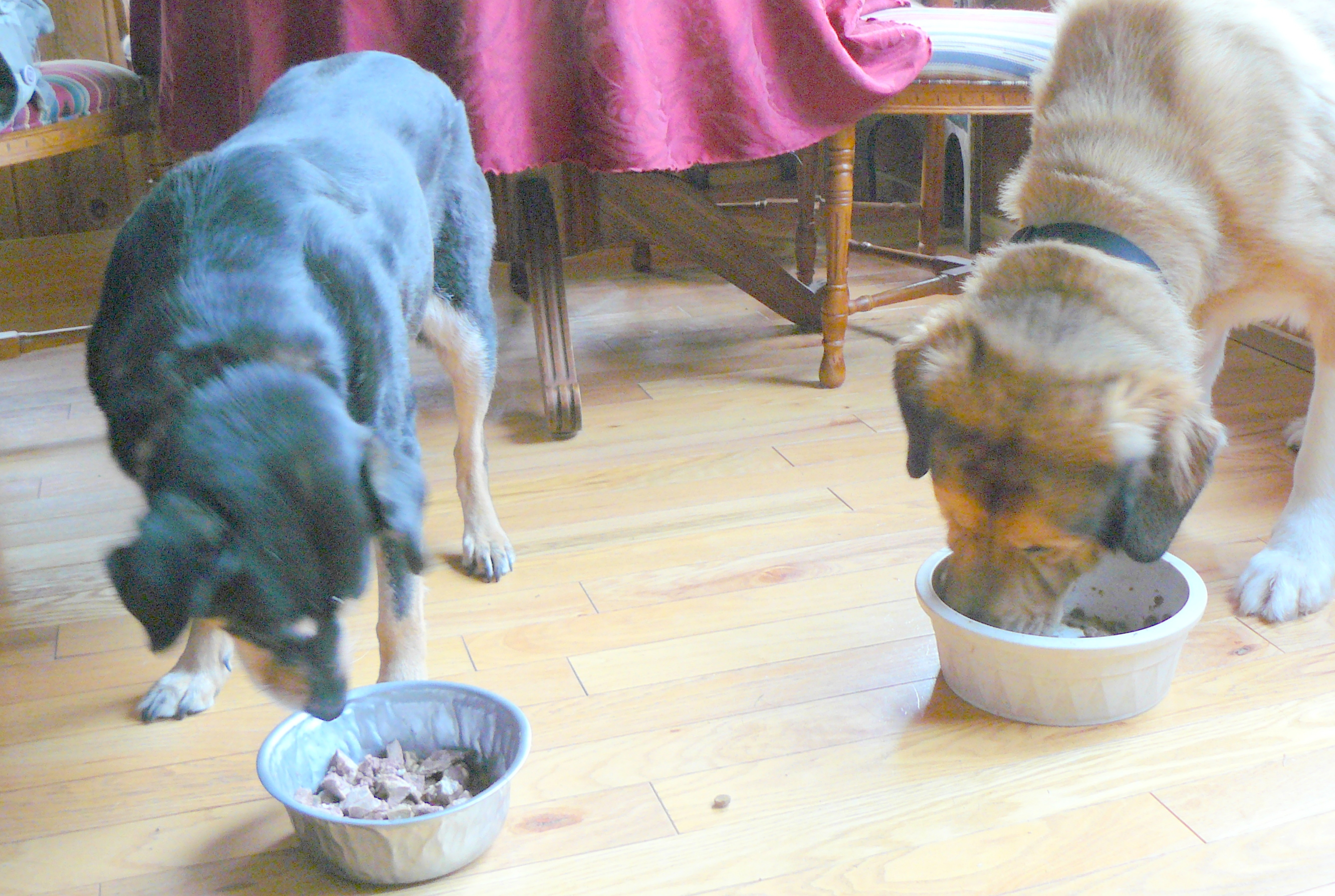
P1160102

…. here she is tucking into her second meal of the day alongside Mr. Big!

Fingers tightly crossed dear, sweet Hazel may be beating the infection! (You see, I did say all your loving wishes were making a difference!)
Hazel’s sonogram.

Nothing life-threatening found!

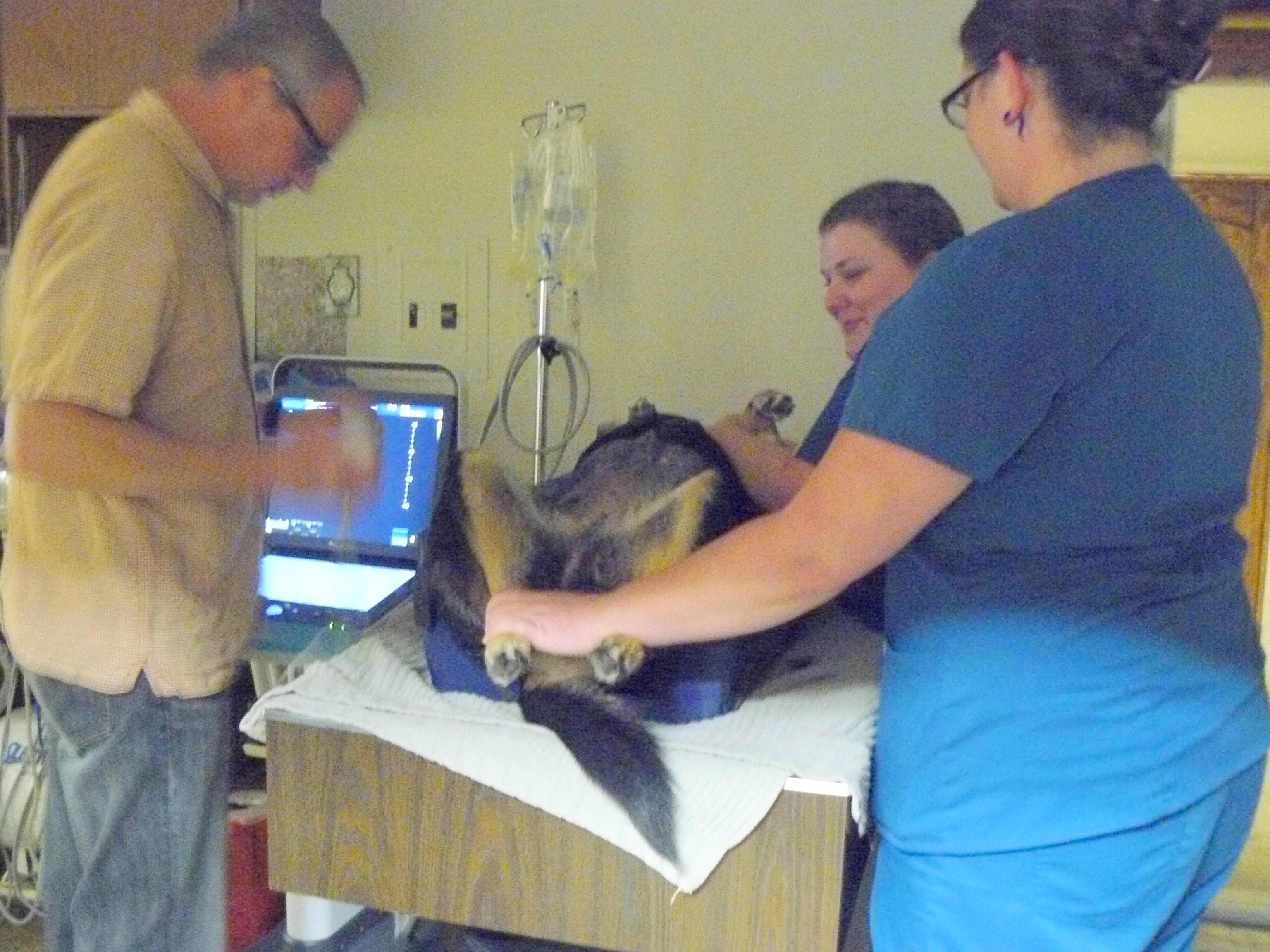
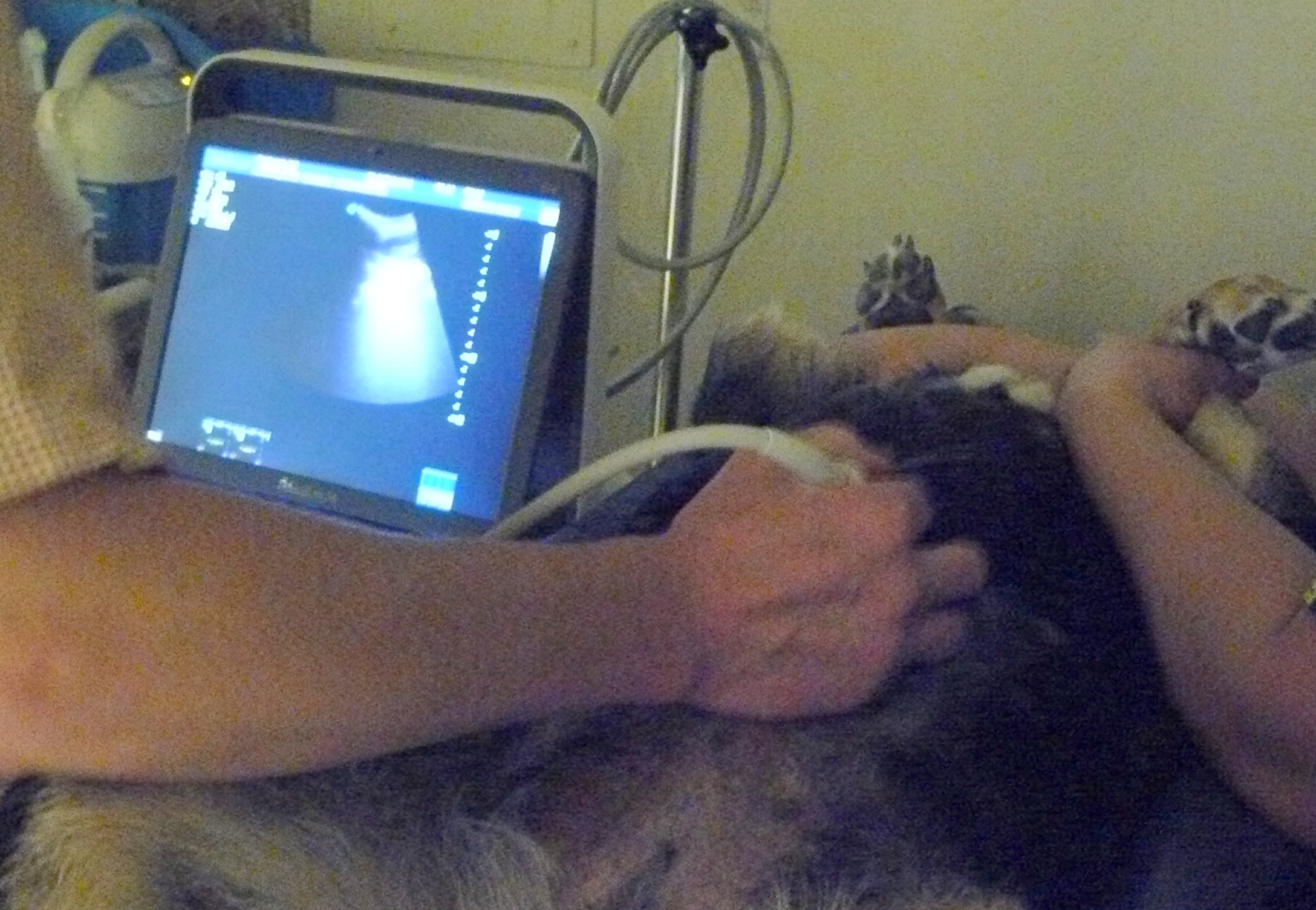
I’m writing this post at 5pm yesterday (Tuesday) shortly after we returned home from collecting Hazel from Lincoln Road Vet Clinic following her earlier examination by Dr. Parker using his mobile sonogram.

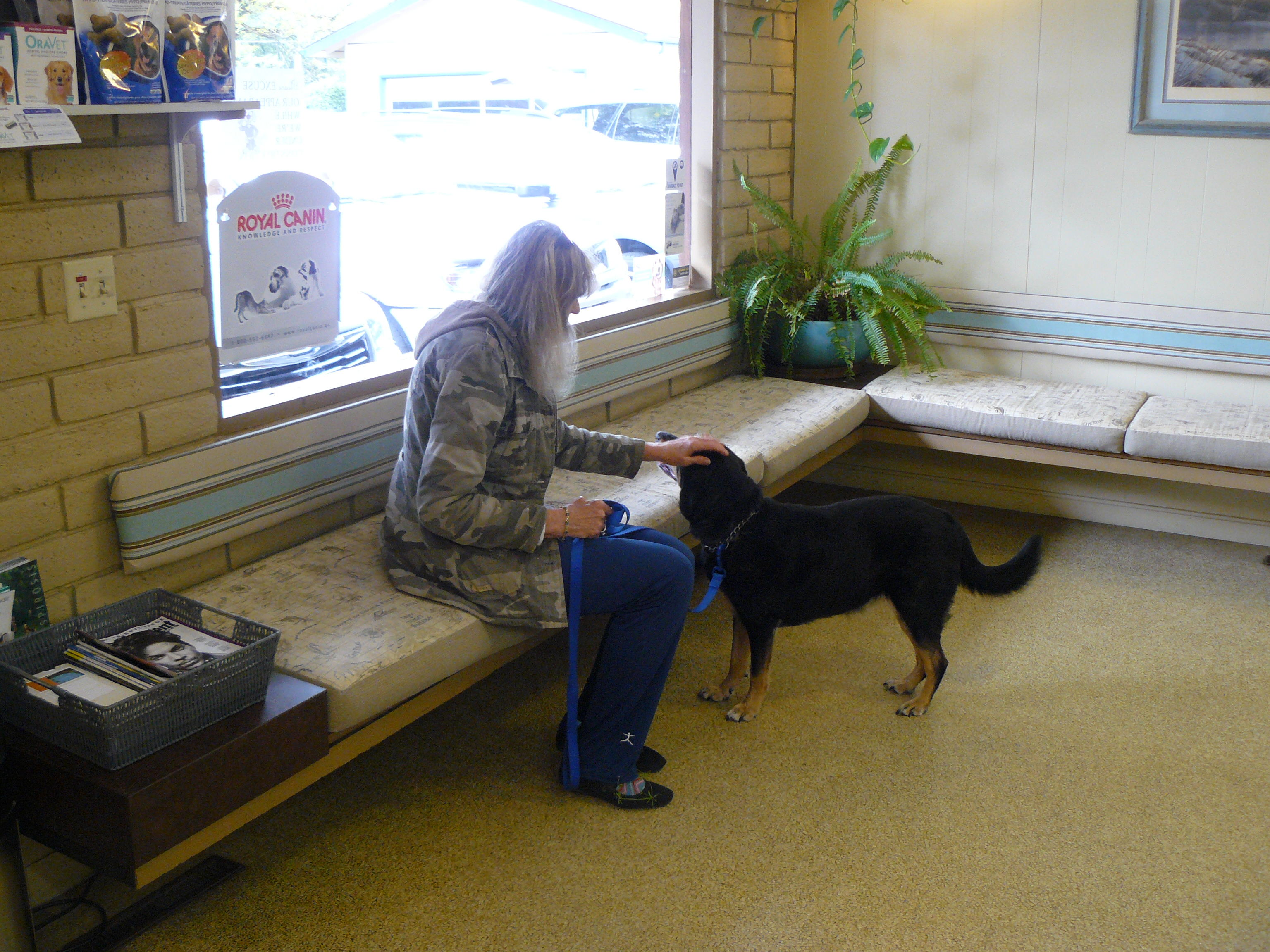
Hazel at the clinic shortly before she was taken in by the staff.

The good news is that Dr. Parker did not find any sign of trauma or life-threatening illnesses in Hazel’s body especially focusing on her abdomen.

Dr. Parker to the left being assisted by clinic staff as he examines Hazel ultra-sonically.

(I should be quick to say that I left my camera with one of the technicians and wasn’t present. Indeed, Jean and I did not get to meet Dr. Parker.)

Dr. Parker, who is a board-certified veterinarian doctor, came to the conclusion that the most likely cause of Hazel’s illness was the fungal lung infection, as Dr. Codd and the radiologist supposed.

Nothing frightening seen!

To try and narrow down the exact fungal infection a further blood sample was taken and the lab results should be known in three or four days time.

Dr. Codd, in his briefing to Jean and me when we collected Hazel late afternoon, said that his recommendation based on the lack of any notable findings from the scan could be summarised as follows:

  • Regard treating the fungal infection as the number one priority,
  • Hold off from treating the tick fever in the interim,
  • Dose Hazel with 100mg of Fluconazole twice a day even if she is eating hardly anything,
  • The measure is whether Hazel, with a very small food intake, can take that dosage without vomiting,
  • Add a B12 tonic to her diet with immediate effect,
  • Give Hazel appetite stimulant medicine,
  • Consider the hemp oil (as queried by me) if the proper dosage can be determined.

(Petspeopleandlife: Hazel’s current weight is 53 lbs (24 kg). Any advice?)

Back home again albeit still feeling a little drowsy!

Thus while we have not yet got to the bottom of what precisely is the nature of Hazel’s infection at least we know there isn’t anything else silently killing her.

Thank you so much, dear readers, for taking so much interest in Hazel and for sending your love and caring wishes – it’s working! 🙂

Hazel – Change of tack

Still a long way from getting to the bottom of what is ailing Hazel.

In my last post about Hazel I opened by saying:

In the last post on Hazel’s condition, back last Thursday, I passed on Dr. Codd’s observation, “… that by not having Hazel on her meds we were, of course, letting the fungal infection continue its damage.”

Dr. Codd also recommended reducing the dosage of the Fluconazole to lower its side effect of suppressing appetite.

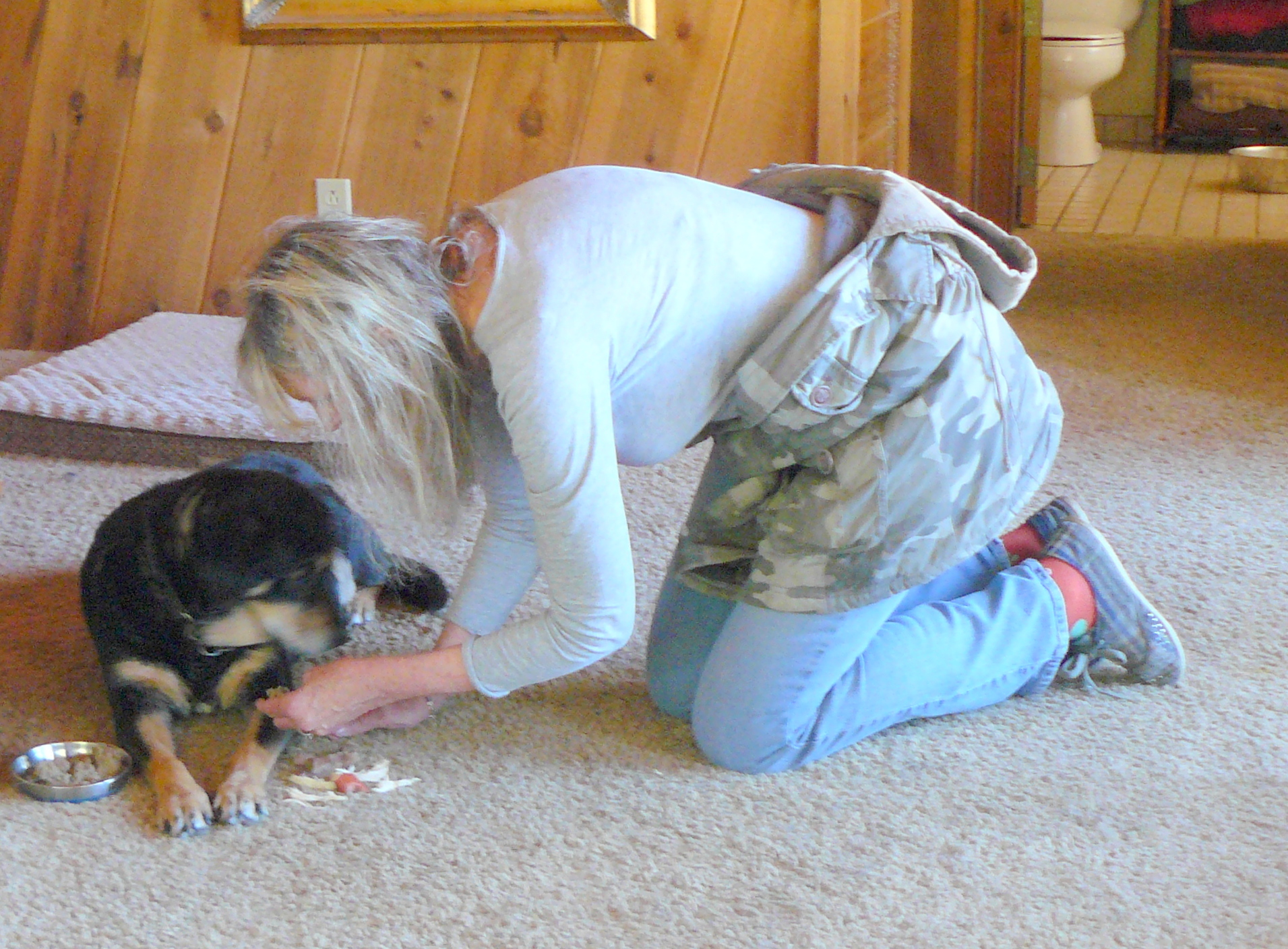
So since then, with outstanding care and patience, Jean has been coaxing Hazel to eat just sufficient food for Hazel to be able to take the Fluconazole, for her fungal infection in her lungs, and Doxycycline, for her tick infection. (Mind you, Hazel is still a long way from eating reliably.)

That was a week ago and while, at best, Hazel is just eating sufficient to take her meds she is far from improving to any noticeable degree. But she is not eating enough food to stabilise her weight and yesterday morning Jean was worried we might lose her if we didn’t rethink what was going on.

Jean is attempting to get Hazel to eat many times each day.

A Sunday morning call to Dr. Jim Goodbrod brought us the advice to re-think the evidence.

  • The titre results were negative but because there are so many variants of fungal infection that was discounted.
  • The film of Hazel’s lungs show what the radiologist described as a clear case of fungal infection.
  • However, if that infection had been in the past, before Hazel was taken in by us down in Mexico, and that infection had ceased, that film could be showing scarring in the lungs.
  • The positive result for Tick Fever showed evidence of antibodies not antigens. That might be interpreted as a previous incident.

Jim liaised with Dr. Codd and it was agreed that further examinations needed to be conducted to obtain a clear, unambiguous diagnosis and that in the interim we stop giving Hazel any medications and offer her body systems a bit of a rest.

One option being discussed is to call in a mobile sonogram or ultra-sonic scanner. There is a very expert doctor in the area who uses such a mobile device and scans can be taken of Hazel’s abdomen and lungs here at home.

Because we will do everything to try and return Hazel to good health.

P1160083More information will be passed to you just as soon as it is to hand.

The most beautiful bond of all.

I am referring to the one between human and animal.

The millions of people who love their pets probably never stop to think about how far that love would extend. As I observe Jean’s patience in coaxing Hazel to take food, time and time again each day, it never crosses my mind that there would be a limit to that devotion from her.

When I think about our animals and the special relationships we have with them all, dogs, horses and cats, never for a moment do I weigh up the pros and cons, despite there being many limitations when one stops and ponders the fact. Like the fact that Jean and I have not been away for a honeymoon or any other vacation together since we were married in 2010.

All it takes is for a dog to rub its head against my leg, or a cat to curl up on my lap, or a horse to give in to a hug around its head, something that happens many times each day, and I am content.

However, the following article that appeared on the Care2 blogsite really underlined how much people will give for their animals.

ooOOoo

7 Times Humans Went the Distance for Animals

3175047.largeBy: Lindsay Patton, April 24, 2016

A story recently went viral about a Colombian man who risked his life to save a dog that was hanging from a balcony. The dog, who belongs to the man’s upstairs neighbors, was caught in the railing and was close to falling to the ground. The neighbor, whose name is Diego Andrés Dávila Jimenez, made a dangerous climb from his balcony up to his neighbors’ in order to save the dog.

For animal lovers, there wouldn’t be a second thought about doing the same, whether it was their own pet, someone else’s or an animal in the wild. People go great lengths for animals every day. Here are just a few inspirational examples of them.

Ric O’Barry Does Jail Time for Dolphins

In 1970, Ric O’Barry founded The Dolphin Project and since then, he has dedicated his life to saving dolphins. His life’s work hasn’t been easy, though. O’Barry – who was featured in the 2009 documentary The Cove –  has been detained, fined and threatened for his dolphin activism. In January, he was detained at a Japanese airport on his way to monitor the annual dolphin hunt in Taiji. By now, being detained is nothing new to O’Barry, as it happens nearly every time he visits Japan for the hunt. In August, O’Barry was arrested in Japan for not carrying his passport. Still, he carries on with his mission to rescue dolphins.

Adam Warwick saved a black bear from drowning

When a bear is roaming around a neighborhood, sedating it is one of the only safe options. That’s what Florida wildlife officers did when they got a call about a black bear wandering around an Alligator Point neighborhood. The officers shot the bear with a tranquillizer dart, but the bear ran away and headed straight into water, where he would eventually fall asleep and drown. Biologist Adam Warwick came to the bear’s rescue and pulled the 400-pound bear back on land. The bear was then safely transported back to its home in a national forest.

Motorist fights traffic to save injured dog

A Mexican woman was driving down a busy highway when she saw a dog get hit by a car and lay injured on the side of a crash barrier. Nobody stopped or slowed down as they drove by, leaving her to try to dodge traffic to get to the dog. The timid dog tried to limp away, but she eventually gained its trust and took it to an area vet to have its injuries treated.

Man saves a stranger’s dog that was blown off a pier

An Australian woman was walking her Shih Tzu-Maltese Bibi on a pier when a strong gust of wind picked the dog up and carried him into the water. Raden Soemawinata was at the pier scattering his grandmother’s ashes when he saw the Bibi in the water and immediately jumped in to save him. Soemawinata humbly told media that “it wasn’t such a great feat.” We think otherwise.

Two Norwegian men save lamb from drowning

Three friends were out taking pictures when they noticed a lamb struggling in choppy waters. Two of the young men worked together to rescue the lamb, while the other used the camera to take incredible pictures of the rescue. They pulled the lamb to safety and reunited it with its flock.

Randy Jordan removes hooks from sharks

Most people try to avoid sharks. Randy Jordan has made a mission to help them. The diver frequently noticed fishing hooks caught in sharks’ mouths, so he made it his mission to remove the hooks from the sharks he encountered. He worked with scientists in order to find the safest way – for himself and the sharks – to have the hooks removed. Jordan has gone on to free multiple sharks from the painful hooks.

Men save baby giraffe in crocodile-infested waters

For four hours, a baby giraffe tried to keep its head above the Uaso Nyiro river’s harsh waters. The Kenyan river is not only fast moving, but is home to many crocodiles. A group of men ignored the river’s danger and waded through the water to pull the giraffe back onto land.

Photo Credit: AmazonCARES

ooOOoo

With so many reminders, especially in the media, of the greed and selfishness of people it really does one good to read these seven examples of how wonderful is the bond between humans and animals.


You can’t beat a good book!

Advance notice of a book event this coming Saturday.

Oregon Books & Games, our local independent bookstore in Grants Pass, are having a book event this Saturday. In their own words:

tl_imgSaturday, April 30th, 11AM – 2PM
A day to celebrate the independent bookstores that continue to improve communities around the nation, and our day to celebrate YOU, our wonderful customers. In the same strain as last year, we will be inviting dozens of local authors to sign books and meet with their fans, raffling off TONS of prizes, barbecuing, and having a lot of FUN!


I’m sure that the vast majority of you dear readers that read the title to today’s post would have nodded in agreement with the statement: You can’t beat a good book!

But how many of you were equally cogniscent of the importance of buying from an independent book store, such as Oregon Books & Games? I would be the first to put my hand up in admitting that I had no idea of the damage that online booksellers, such as Amazon, were causing these same independent stores.

Here are some eye-opening statements kindly supplied by Oregon Books but that originally came from the organisation IndieBound.

What is IndieBound?
A product of ongoing collaborations between the independent bookstore members of the American Booksellers Association, IndieBound is all about independent bookstores and the power of “local first” shopping. Locally owned independent businesses pump money back into the their communities by way of taxes, payrolls and purchases. That means more money for sound schools, green parks, strong police and fire departments, and smooth roads, all in your neighborhood.

Independent bookstores have always occupied a special place in communities. Through IndieBound—and the Indie Next List flyers and Indie Bestseller Lists—readers find trusted bookseller curated reading options, newly discovered writers, and a real choice for buying.

IndieBound allows indie booksellers to communicate this vital role they play in their local economies and communities. It allows authors to show their dedication to indies nationwide, easily done through linking to thousands of indie bookstores through IndieBound.org. And it allows consumers to feel that their actions are a part of a larger picture—to know that their choices make a difference and that others are working toward the same goals.

Here’s the effect of buying from your local independent book store.

Here’s What You Just Did

  1. You kept dollars in our economy. For every $100 you spend at one of our local businesses, $52 will stay in the community.
  2. You embraced what makes us unique. You wouldn’t want your house to look like everyone else’s in the U.S. So why would you want your community to look that way?
  3. You created local jobs. Local businesses are better at creating higher-paying jobs for our neighbors.
  4. You helped the environment. Buying from local business conserves energy and resources in the form of less fuel for transportation, less packaging, and products that you know are safe and well made, because we stand behind them.
  5. You nurtured community. We know you, and you know us. Studies have shown that local businesses donate to community causes at more than twice the rate of chains and online retailers.
  6. You conserved your tax dollars. Shopping in a local business district means less infrastructure, less maintenance, and more money available to beautify our community. Also, spending locally instead of online ensures that your sales taxes are reinvested where they belong—right here in your community!
  7. You created more choice. We pick the items we sell based on what we know you like and want. Local businesses carry a wider array of unique products because we buy for our own individual market.
  8. You took advantage of our expertise. You are our friends and neighbors, and we have a vested interest in knowing how to serve you. We’re passionate about what we do. Why not take advantage of it?
  9. You invested in entrepreneurship. Creativity and entrepreneurship are what the American economy is founded upon. Nurturing local business ensures a strong community.
  10. You made us a destination. The more interesting and unique we are as a community, the more we will attract new neighbors, visitors and guests. This benefits everyone!

And turning to Amazon?

Here’s What Amazon Just Did

  1. In 2014, Amazon avoided paying $625 million in much-needed local and state tax revenue in 23 states and Washington, D.C., all while selling $44.1 billion worth of retail goods nationwide.
  2. In 2014, Amazon’s retail sales displaced the equivalent of more than 30,000 storefronts and 107 million square feet of commercial space, estimated to be worth $420 million in property taxes for local and state governments.
  3. In 2014, by avoiding sales tax, and quashing the viability of local bricks-and-mortar retail, Amazon deprived thousands of communities of tax revenue necessary for schools, roads, and police and fire safety, as well as of vibrant downtowns and main streets.
  4. In 2014, Amazon operated 65 million square feet of distribution space, employing both full-time workers and part-time and seasonal workers, yet still, Amazon’s dominance produced a net loss of 135,973 retail jobs nationwide.
  5. In 2014, Amazon’s sales and operations accounted for a loss of more than $1 billion in revenue to state and local governments.
  6. Amazon received the benefits of local grants, tax breaks, road improvements, and other government considerations to build its distribution centers, notwithstanding the net loss in jobs, property taxes, and downtown vitality.
  7. Amazon achieved dominance over the book industry equivalent to Standard Oil’s share of the refined oil market just before it was broken up in 1911.*
  8. Amazon has cheapened the value of both printed and electronic publishing, and dampened opportunities for new authors and diverse ideas, by discounting books to lower than wholesale price and bullying publishers and its marketplace sellers.
  9. In our state, Amazon accounts for a sale tax gap of $3.1 million and the displacement 1,200,000 square feet, which is the equivalent of 348 retail storefronts, and 3,029 jobs.
  10. In 2015, Amazon’s total sales and operations revenue increased by 20%, meaning the above 2014 figures are likely to be grossly understated.

So back to the event.
If you are within reach of Grants Pass this coming Saturday then do come along and meet many local authors, including yours truly, and help support the wonderful job that our independents are doing for authors.

Saturday, April 30th, 11AM – 2PM
Oregon Books & Games
150 N.E. E St., Corner of 7th and E St.
Grants Pass, OR  97526

Support local authors!

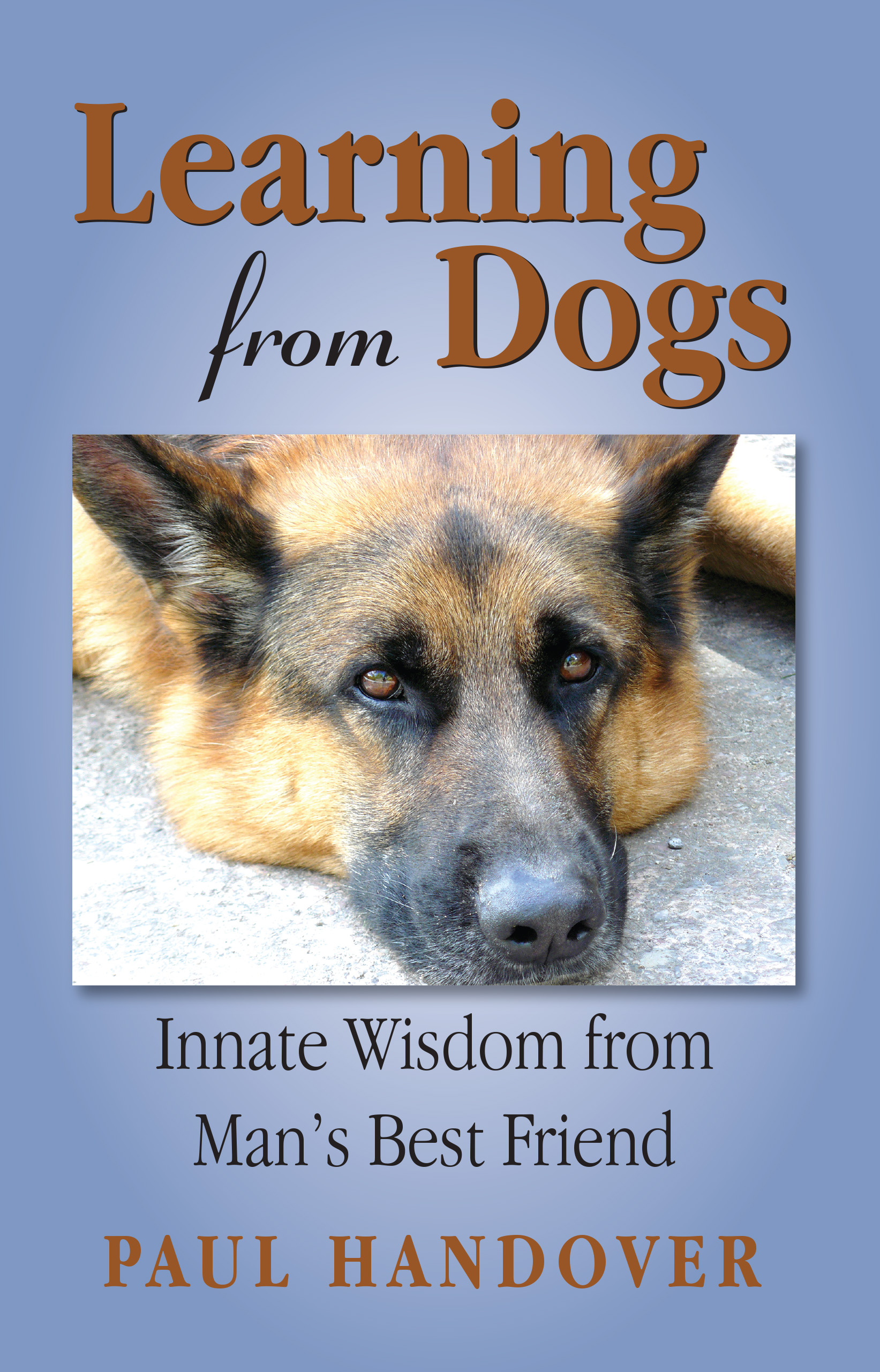
LfDFrontCoverebook

Hazel is pulling through!

The powerful combination of good medicine and unconditional love.

In the last post on Hazel’s condition, back last Thursday, I passed on Dr. Codd’s observation, “… that by not having Hazel on her meds we were, of course, letting the fungal infection continue its damage.”

Dr. Codd also recommended reducing the dosage of the Fluconazole to lower its side effect of suppressing appetite.

So since then, with outstanding care and patience, Jean has been coaxing Hazel to eat just sufficient food for Hazel to be able to take the Fluconazole, for her fungal infection in her lungs, and Doxycycline, for her tick infection. (Mind you, Hazel is still a long way from eating reliably.)

Yesterday, (Saturday) Hazel was showing clear signs of feeling better but still having to be hand-fed by Jean.

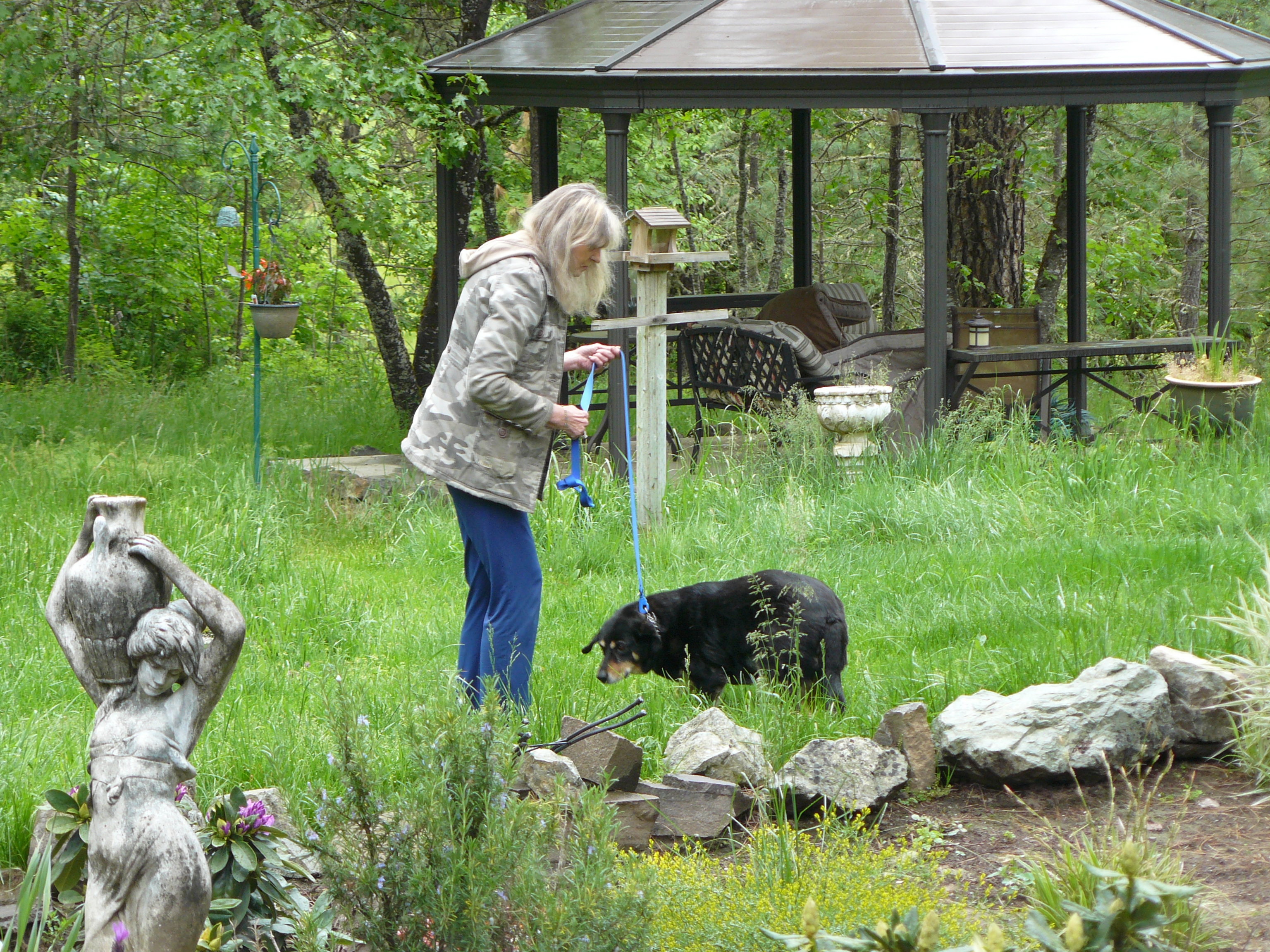
Then this morning (Sunday) she really was perky and readily came out for a walk with the other dogs.

First time in recent days when Hazel has shown an interest in the world around her.

oooo

A return of a gesture unique to Hazel that we haven't seen in ages! :-)
A return of a head gesture unique to Hazel that we haven’t seen in ages! 🙂

More generally, Dr. Jim was trying to track down supporting details to the observation made by Dr. Russ:

Namely, that there was evidence that fungal infections can lay dormat for quite long periods of time.

Jim sent me the following email:

Paul  …
The following article is the one and only reference I have found so far that refers to the possible dormancy of this fungal infection.  In paragraph 2 (Clinical Disease) I have highlighted it in red.  I have to admit, I was skeptical.
Jim

The article was:

Coccidioidomycosis (Zoonotic)
Last updated on 2/4/2011.

Contributors:
Rhea V. Morgan DVM, DACVIM, DACVO

Synonyms:
San Joaquin Valley Fever
Valley Fever

This is that domancy aspect from that paper that Jim highlighted (in red):

The incubation period in the dog is 1 to 3 weeks.1,2 The organism can remain dormant, with exposure preceding the onset of clinical signs by 3 years or more.1,3 Although people may acquire the disease from the same sources as domestic animals and the mycelial forms are highly infectious, with one exception the disease has not been transmitted from animals to people. One published report exists of transmission to a veterinary assistant via the bite of an infected cat.15

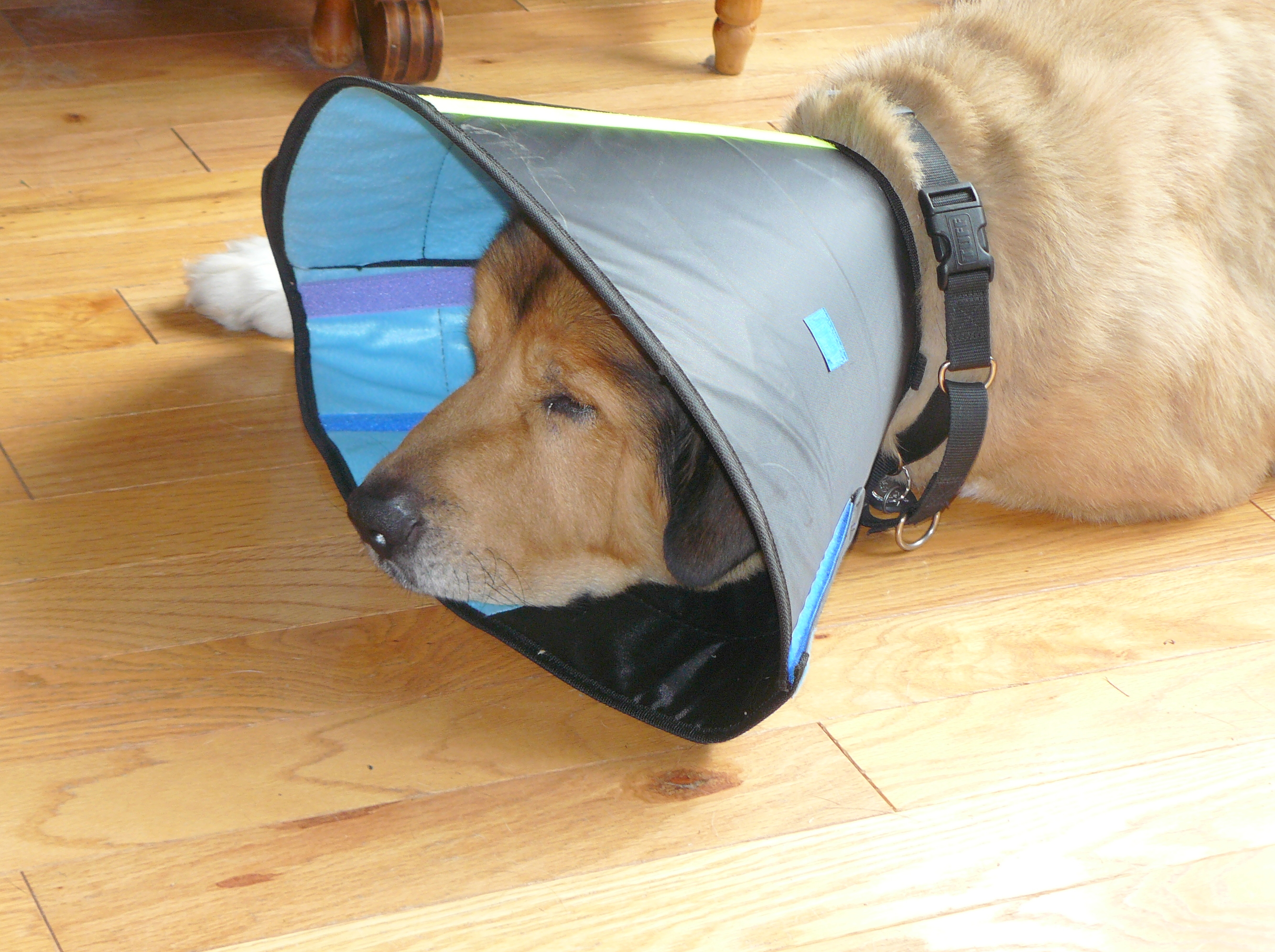
Meanwhile, over in Brandy’s corner, he has very quickly healed after his neutering operation last Thursday. It was fair to say that he was not a happy chappy when he arrived home that day.

Didn't like that!
Didn’t like that!

oooo

And I can't even lick my balls!
And I can’t even lick my balls!

But his cone was off by Saturday and he is back to the wonderful, bouncing dog we all love so much. (Can’t believe that last Saturday was only the second week that Brandy had been with us; he has so quickly woven his way into all our hearts.)

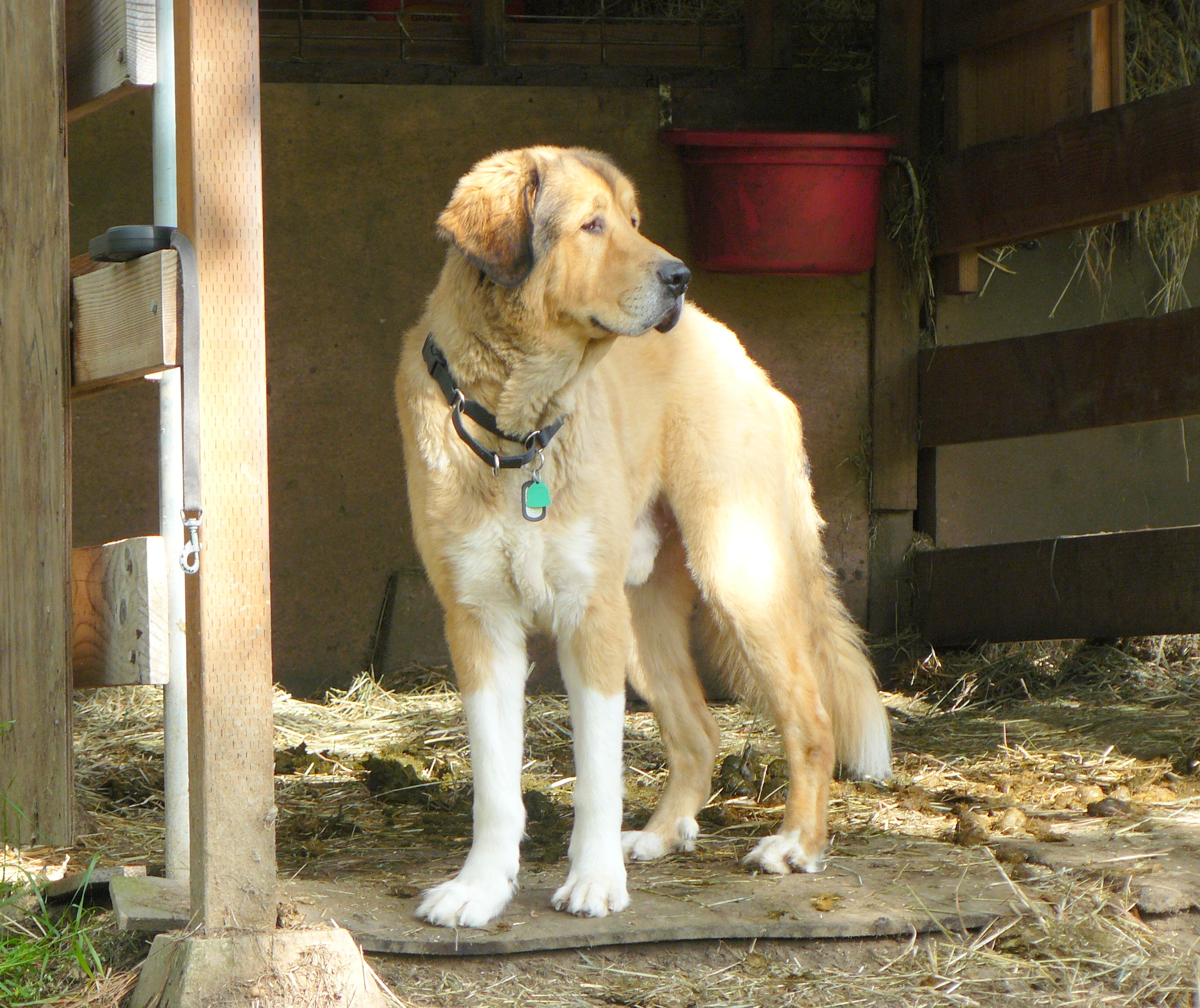
Checking out the stables yesterday (Sunday) morning.

oooo

Behind that placid expression is the most docile, loving brain and heart one could ever wish for!

Returning to Hazel we are still some way from knowing that she has returned to a fully fit dog but the love and caring sent her way by all of you out there has been precious beyond imagination.

Thank You All!

Environmentalism.

A second and supporting post for today: Earth Day 2016.

Eight days ago I received an email from Jordan Jaeger that included a link to a video that was just perfect for this Earth Day.

I so much wanted it to be shared with you today but at the same time I didn’t want to create a shadow over the lovely guest post from Mike Shannon that I published at midnight. Yet, at the same time, it so beautifully complemented Mike’s infographic.

Thus my solution was to offer you both Mike’s guest post and Jordan’s video this same day. You will love the video!

Published on Apr 6, 2016

This video was created as a Senior Civics class project. Enjoy!
Special thanks to the talented artists that made the music used in the video. -“Something Good Can Work” by The Two Door Cinema Club, and “Back to the Earth” by Jason Mraz.
Professional Hand Modeling By: Nicole & Ruby Mahr

Inner Thinking: Of dogs and humans.

We are what we think about most.

Today’s post was inspired by something yesterday I read, not for the first time, over on The People Workshop site. (As an aside, I know that many regulars of this place are familiar with the history of my friendship with Jon.) On the page that explains more of Jon Lavin’s approach to his work with clients, he writes:

“We can’t solve problems by using the same kind of thinking we used when we created them.”

Thus said Albert Einstein (1879-1955).

Intuitively, it strikes one as correct. However, reflect for a few moments on how you think and very quickly it becomes clear that how you think is based on deep-seated experiences and the learnings that flow from those experiences.

As it is for all of us.

Just as relevantly, perhaps more so, is that how we behave is based on those same deep-seated experiences and subsequent learnings. This offers a clue as to why bringing about lasting, behavioural change can often feel like pushing water uphill!

That prompted me to look up a previous time when I had written a post about feelings. It was last December when in a post called Feelings – Of Both Humans and Animals, I wrote this:

There couldn’t have been a better answer to that ponder than a recent video that was presented by TED Talks. It was a talk by Carl Safina about what is going on inside the brains of animals: What are animals thinking and feeling? Or in the fuller words of that TED Talk page:

What’s going on inside the brains of animals? Can we know what, or if, they’re thinking and feeling? Carl Safina thinks we can. Using discoveries and anecdotes that span ecology, biology and behavioral science, he weaves together stories of whales, wolves, elephants and albatrosses to argue that just as we think, feel, use tools and express emotions, so too do the other creatures – and minds – that share the Earth with us.

So back to what inspired today’s post. It was the challenge of really knowing why we behave the way we do, both humans and dogs. With dogs, however, we accept they cannot speak to us clearly. Or as Esme put it in a recent reply to an update on Hazel: “Well you’re getting there, half the battle is diagnosis with dogs because they can’t actually tell us how they feel.” (My emphasis.)

Back to humans. When Jon wrote on his site, “…. how you think  …… is based on deep-seated experiences ….”, what I heard is that for us humans there are many times when we cannot actually tell ourselves what we are feeling. That is why we need the counselling of someone who has the professional training and experience to expose those deep emotional and psychological drivers within us; those drivers that are normally out of sight from us.

In my own case, how my father’s death was managed by my mother back in December, 1956 left an emotional wound that was totally out of sight from my conscious mind for 50 years.  The emotional crisis that I went through back then was discovered by Jon to have its roots back in December, 1956. By a massive stroke of fortune Jon gave me the insight into that mental place of old and a year later I met Jean down in Mexico.

In other words, to return to Albert Einstein:

We can’t solve problems by using the same kind of thinking we used when we created them.

The challenge is having sufficient self-awareness to know when an aspect of our behaviour requires the support of the Jon Lavins of this world.

So what would we require from a counsellor, from a therapist, who was working with us to uncover those hidden aspects? In other words, in terms of assessing that therapist what’s the difference that would make the difference?

Naturally, I don’t have the skills to answer that question in any direct, professional manner. But if I look down at our dogs then a form of answer does ‘speak’ to me. Dogs are creatures of integrity, openness and trust. They relate to us humans and other known dogs around them through friendship and love; frequently unconditional love.

A therapist who embraces those values; nay, lives those values, would display that very quickly after meeting with the ‘client’. Any person seeing that in a therapist would be seeing the difference that makes the difference.

Good people, I’m not asking any of you who read this to divulge any personal stuff but, nonetheless, I would love to hear your thoughts on what I have written today!