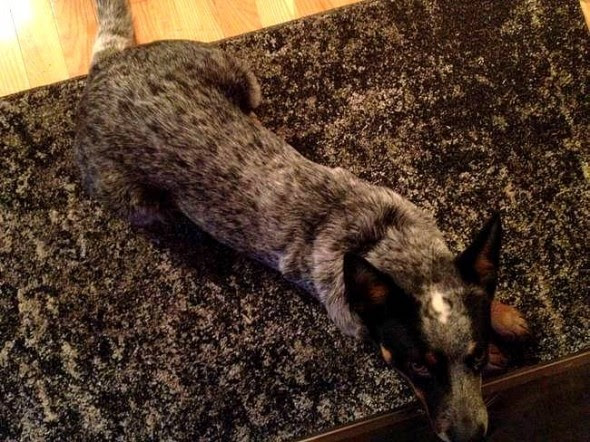
Category: Cats

Hug a pet and extend your life!

With seventeen pets here at home Jean and I should live forever!

Another Saturday and another gentle post about the power of our wonderful pets. (Oh, and who, as I did, missed the fact that yesterday was not only a Friday the Thirteenth but the third one this year!)

Anyway, back to the plot!

Last Monday, Mother Nature Network published an item about how good pets are for our health. It seemed the perfect item to share with all of you this Saturday.

ooOOoo

11 studies that prove pets are good for your health

Check out the ways your 4-legged friends enhance your physical and emotional health.

By: Sidney Stevens, November 9, 2015.
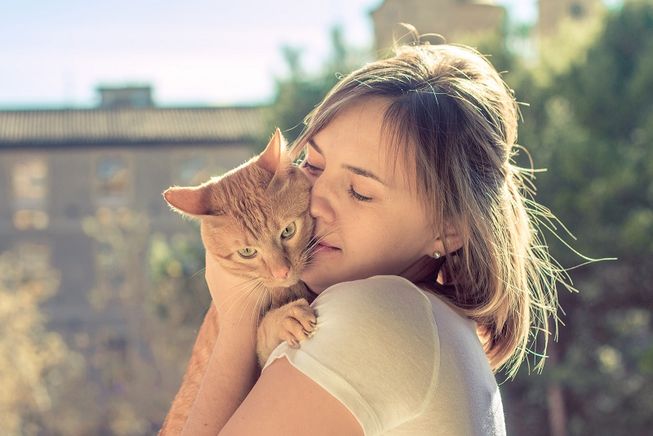
Pets strengthen our hearts, calm our nerves and a whole lot more. (Photo: Juanedc.com /flickr)

If you have pets you already know the joy and love they bring to your life. Now science is confirming just how good they really are for you — both mentally and physically.

How do they help? One theory is that pets boost our oxytocin levels. Also known as the “bonding hormone” or “cuddle chemical,” oxytocin enhances social skills, decreases blood pressure and heart rate, boosts immune function and raises tolerance for pain. It also lowers stress, anger and depression.

PHOTO BREAK: 12 astonishing facts about horses

No surprise then that keeping regular company with a dog or cat (or another beloved beast) appears to offer all these same benefits and more. Read on to discover the many impressive ways a pet can make you healthier, happier and more resilient.

1. Pets alleviate allergies and boost immune function

One of your immune system’s jobs is to identify potentially harmful substances and unleash antibodies to ward off the threat. But sometimes it overreacts and misidentifies harmless stuff as dangerous, causing an allergic reaction. Think red eyes, itchy skin, runny nose and wheezing. You’d think that having pets might trigger allergies by kicking up sneeze-and-wheeze-inducing dander and fur. But it turns out that living with a dog or cat during the first year of life not only cuts your chances of having pet allergies in childhood and later on but also revs up your immune system and lowers your risk of eczema and asthma. In fact, just a brief pet encounter can invigorate your disease-defense system. In one study, petting a dog for only 18 minutes raised immunoglobulin A (IgA) levels in college students’ saliva, a sign of robust immune function.

2. Pets up your fitness quotient

This one applies more to dog owners. If you like walking with your favorite canine, chances are you’re fitter and trimmer than your non-dog-walking counterparts and come closer to meeting recommended physical activity levels. One study of more than 2,000 adults found that regular dog walkers got more exercise and were less likely to be obese than those who didn’t walk a dog. In another study, older dog walkers (ages 71-82) walked faster and longer than non-pooch-walkers, plus they were more mobile at home.
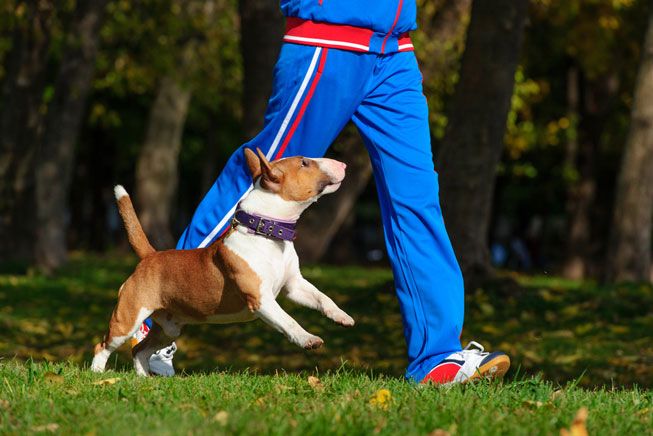
Dog owners who take their canine companions on walks tend to be trimmer and fitter than their fellow dog-less peers. (Photo: AMatveev/Shutterstock)

3. Pets dial down stress

When stress comes your way, your body goes into fight-or-flight mode, releasing hormones like cortisol to crank out more energy-boosting blood sugar and epinephrine to get your heart and blood pumping. All well and good for our ancestors who needed quick bursts of speed to dodge predatory saber-toothed tigers and stampeding mastodons. But when we live in a constant state of fight-or-flight from ongoing stress at work and the frenetic pace of modern life, these physical changes take their toll on our bodies, including raising our risk of heart disease and other dangerous conditions. Contact with pets seem to counteract this stress response by lowering stress hormones and heart rate. They also lower anxiety and fear levels (psychological responses to stress) and elevate feelings of calmness.

4. Pets boost heart health

Pets shower us with love so it’s not surprising they have a big impact on our love organ: the heart. Turns out time spent with a cherished critter is linked to better cardiovascular health, possibly due to the stress-busting effect mentioned above. Studies show that dog owners have a lower risk of heart disease, including lower blood pressure and cholesterol. Dogs also benefit patients who already have cardiovascular disease. They’re not only four time more likely to be alive after a year if they own a dog, but they’re also more likely to survive a heart attack. And don’t worry, cat owners — feline affection confers a similar effect. One 10-year study found that current and former cat owners were 40 percent less likely to suffer a heart attack and 30 percent less likely to die of other cardiovascular diseases.

5. Make you a social — and date — magnet

Four-legged companions (particularly the canine variety that pull us out of the house for daily walks) help us make more friends and appear more approachable, trustworthy and date-worthy. In one study, people in wheelchairs who had a dog received more smiles and had more conversations with passersby than those without a dog. In another study, college students who were asked to watch videos of two psychotherapists (depicted once with a dog and once without) said they felt more positively toward them when they had a dog and more likely to disclose personal information. And good news for guys: research shows that women are more willing to give out their number to men with a canine buddy.
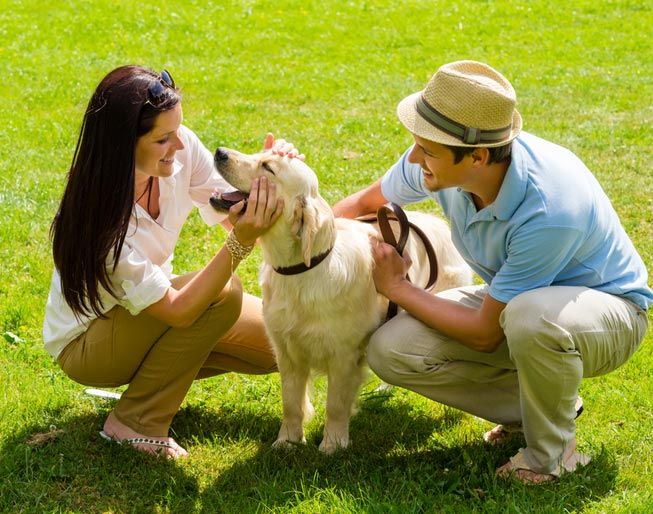
A dog can make you appear friendlier and more approachable to others. (Photo: CandyBox Images/Shutterstock)

6. Provides a social salve for Alzheimer’s patients

Just as non-human pals strengthen our social skills and connection, cats and dogs also offer furry, friendly comfort and social bonding to people suffering from Alzheimer’s and other forms of brain-destroying dementia. Several canine caregiver programs now exist to assist at-home dementia patients with day-to-day tasks, such as fetching medication, reminding them to eat and guiding them home if they’ve wandered off course. Many assisted-living facilities also keep resident pets or offer therapy animal visits to support and stimulate patients. Studies show creature companions can reduce behavioral issues among dementia patients by boosting their moods and raising their nutritional intake.

7. Enhances social skills in kids with autism

One in nearly 70 American kids has autism (also known as autism spectrum disorder, or ASD), a developmental disability that makes it tough to communicate and interact socially. Not surprisingly, animals can also help these kids connect better to others. One study found that youngsters with ASD talked and laughed more, whined and cried less and were more social with peers when guinea pigs were present. A multitude of ASD animal-assisted therapy programs have sprung up in recent years, featuring everything from dogs and dolphins to alpacas, horses and even chickens.
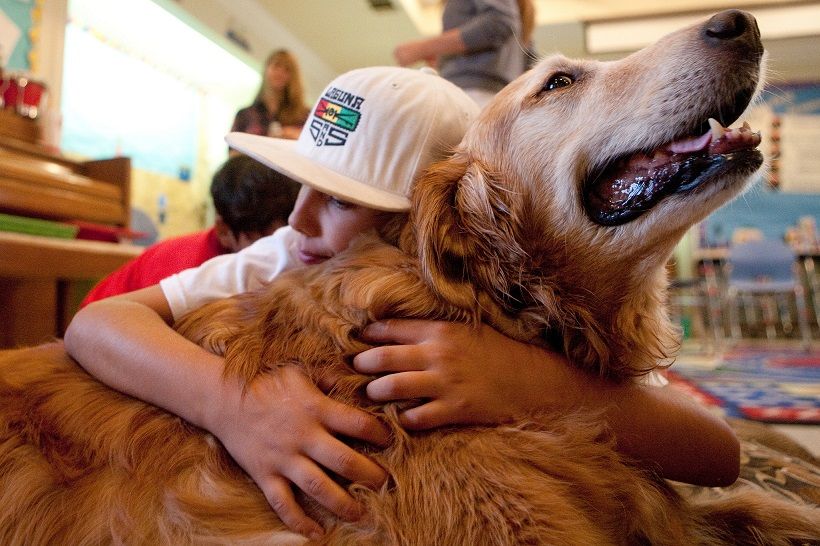
Animal-assisted therapy helps kids with autism and other developmental disabilities learn social skills. (Photo: UCI UC Irvine/flickr)

8. Dampens depression and boosts mood

Pets keep loneliness and isolation at bay and make us smile. In other words, their creature camaraderie and ability to keep us engaged in daily life (via endearing demands for food, attention and walks) are good recipes for warding off the blues. Research is ongoing, but animal-assisted therapy is proving particularly potent in deterring depression and other mood disorders. Studies show that everyone from older men in a veterans hospital who were exposed to an aviary filled with songbirds to depressed college students who spent time with dogs reported feeling more positive.

9. Defeats PTSD

People haunted by trauma like combat, assault and natural disasters are particularly vulnerable to a mental health condition called post-traumatic stress disorder (PTSD). Sure enough, studies show that the unconditional love — and oxytocin boost — of a pet can help remedy the flashbacks, emotional numbness and angry outbursts linked to PTSD. Even better, there are now several programs that pair specially trained service dogs and cats with veterans suffering from PTSD.

10. Fights cancer

Animal-assisted therapy helps cancer patients heal emotionally and physically. Preliminary findings of an on-going clinical trial by the American Humane Association shows that therapy dogs not only erase loneliness, depression and stress in kids fighting cancer, but canines can also motivate them to eat and follow treatment recommendations better — in other words participate more actively in their own healing. Likewise, new research reveals a similar lift in emotional well-being for adults undergoing the physical rigors of cancer treatment. Even more astounding, dogs (with their stellar smelling skills) are now being trained to literally sniff out cancer.

11. Puts the kibosh on pain

Millions live with chronic pain, but animals can soothe some of it away. In one study, 34 percent of patients with the pain disorder fibromyalgia reported pain relief (and a better mood and less fatigue) after visiting for 10-15 minutes with a therapy dog compared to only 4 percent of patients who just sat in a waiting room. In another study, those who had undergone total joint replacement surgery needed 28 percent less pain medication after daily visits from a therapy dog than those who got no canine contact.

ooOOoo

When I was setting this post up and copying across all the many links I was aware that there was a mountain of information out there. You may want to take some time and explore those links. For example, the link to HABRI- Human-Animal Research Initiative looks incredibly interesting. Then there was the link to the work being undertaken by the American Humane Association, that link being to this video that I am presenting here to close off today’s post.

Wherever you are in the world look after yourself and care for all those lovely pets out there. Love them so dearly!

Picture parade one hundred and twenty-one.

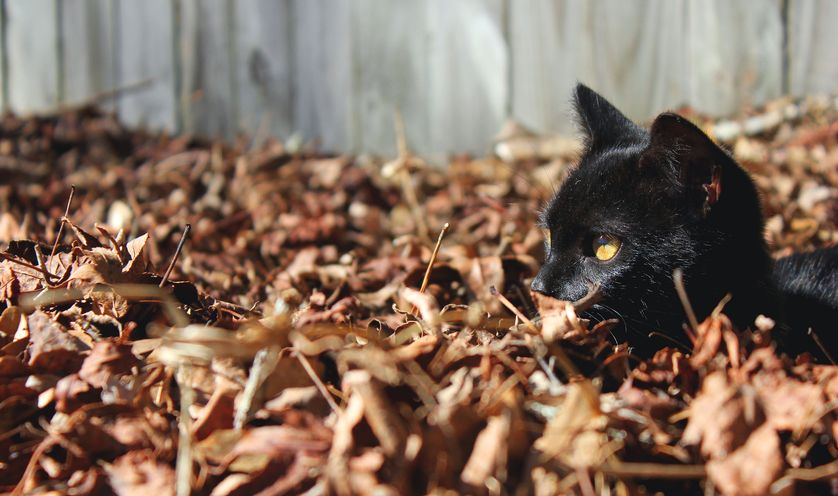
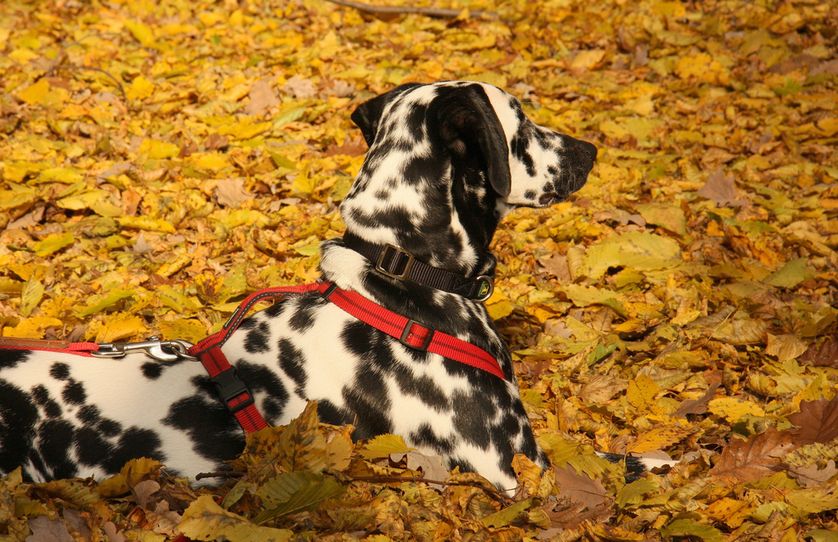
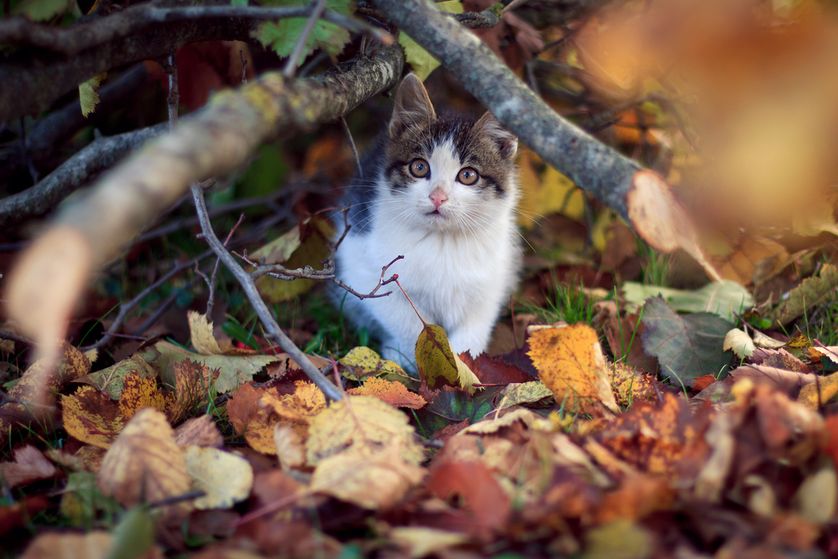
The second welcome to the season of mists and autumnal colours.

With thanks to Mother Nature Network where these wonderful photographs were published. Last week’s set are here.

mix8
Photo: Scott Kinmartin/flickr

oooo

Photo: Tanya Uralova/Shutterstock

oooo

Photo: Tanya Uralova/Shutterstock
Photo: AJU_photography/flickr

oooo

Photo: Kichigin/Shutterstock

oooo

Photo: Josh McGinn/flickr

oooo

Photo: otsphoto/Shutterstock

oooo

Photo: Mark Jones/flickr

The third and final welcome will be in a week’s time.

You all take care out there.

Picture parade one hundred and twenty

Welcome to the season of mists and autumnal colours.

With thanks to Mother Nature Network where these wonderful photographs were published.

mix1

oooo

mix2

oooo

mix3

oooo

mix4

oooo

mix5

oooo

mix6

oooo

mix7

oooo

Happy November 1st to you all.

Greek dogs making sad headlines

Once again, the power of unanticipated consequences.

I find it easy to lose sight of recent world events, for every new day seems to bring some new challenge to batter one’s emotions.

So a news item on the BBC website last Friday brought back into focus the debt challenges for Greece, or more pertinently, the Greek people, or even more precisely, Greek dogs.

Here’s what I read:

A million stray dogs ‘victims of Greek debt crisis’

3 October 2015 Last updated at 07:10 BST

Among the many problems brought on by the Greek debt crisis is a surging population of stray dogs.
Animal charities say there are now more than a million strays in Greece because people are simply abandoning pets they can no longer afford to keep.
There are fears it could lead to the spread of disease if the problem is not tackled soon, as Emilia Papadopoulos reports.

Emilia’s video report was uploaded to YouTube, thus allowing me to share the sad situation with you.

A quick search online found the following photograph.

cani randagi
Stray dogs in Athens.

That sad picture came from the ANSAmed website, that included a fuller report on the situation. That report ending:

According to the deputy mayor of Athens, Angelos Antonopoulos, who is also in charge of environmental issues, city officials in Athens picked up 457 dogs in the capital’s streets last year, providing medical treatment for 305 of them.

Antonopoulos, a vet by profession, admits that the number of cases of abandoned domestic animals – dogs in particular – has risen alarmingly because of the economic crisis, but says that a new trend is emerging for the same reason. Indeed, an increasing number of people who want to own a dog are choosing to adopt strays from the city’s doghouse rather than buying one from a pet shop or from dog-breeders. “People are becoming increasingly aware of the problem,” Antonopoulos says, providing a ray of hope for his four-legged patients. (ANSAmed).

Finally, I came across what appears to be a Greek charity, Stray.gr, and I’m going to contact them to see if readers of Learning from Dogs who wish to donate, can do so. Will report back.

The healing power of our beautiful dogs.

Forget about the big world out there, be loved by our dogs.

Monday’s post about the precariousness of man’s future on this planet if we don’t prevent the melting of the Antarctic ice sheet was a bit gloomy, however true it might be. The gloom continued with yesterday’s post about the VW scandal illustrating the “unethical culture endemic in business”.

So what a nice change to think about the way that our pets keep us bright, cheerful and healthy.

All of which is my way of introducing a guest post from Vee Cecil. Now I am fairly cautious about guest posts from those who want to promote their businesses, for obvious reasons. But Vee’s essay is so lovely that it truly deserves to be shared.

Firstly, here is the email that Vee sent me back in August,

Hi!

In the U.S., 91 percent of pet owners say they consider their pet to be a member of the family. And for good reason! Our pets are constant sources of comfort and companionship.

What many pet owners may not realize is how great their furry family members are for their physical and mental health. For example, studies have shown that pet owners have lower blood pressure than people who don’t have pets and that being around pets also makes us “less anxious and less stressed.” And that’s just the beginning. There are many other wonderful health benefits that result from owning a pet.

May I write an article for learningfromdogs.com on this topic? The article will be approximately 500 words, unique to your site, and complete with resources.

Please let me know – I am always looking to spread the word about how we can be healthier and happier and having a pet is a great way to achieve both!

Best,
Vee

Here then is that article.

ooOOoo

Feeling Under the Weather? Learn More About the Amazing Healing Powers of Pets

HappyTails

Ask any dog owner and you’ll find out just how remarkable a dog can be. They can turn a terrible day into an amazing one with one lick of the face or wag of the tail. But more and more studies are showing that our four-legged friends might be even more awesome than we previously thought.

As The Washington Post explains, research is showing that being around dogs can help us feel better and less stressed, while also improving our physical health. For example, the article cites studies which found that our pets can lead to “lower blood pressure, lower resting heart rates and less risk of hypertension.”

And that’s not all. Here are four other health issues and how dogs help their human companions:

Cancer. As this CBSNews.com article explains, a recent study at Mount Sinai Beth Israel found that therapy dogs had a very positive impact on patients receiving chemo therapy. The patients showed improvements in “emotional well-being and quality of life.” The director of the program that provided the therapy dogs also noted that patients felt less stressed and anxious. The article notes that this was a ground-breaking study as the impact of therapy dogs on cancer patients hadn’t been examined before.

Alzheimer’s Disease. Therapy dogs are also proving to be extremely helpful for patients with Alzheimer’s. In this article, a man with early on-set Alzheimer’s explains how his therapy dog helps him with daily tasks. Through the help of his therapy dog, the man says his stress and anxiety levels have significantly reduced.

Surgery recovery. Chances are if you were recovering from a painful surgery you wouldn’t turn down a snuggle from a pet. But, as The Telegraph shows, researchers have found that pets can do more than just provide you with a little tender loving care. A study led by a researcher from Loyola University found that pet therapy can reduce the amount of pain patients experience after surgery. In fact, according to the article, the patients in the study, who had had joint replacement surgery, “needed 50 per cent less pain medication if they used pet therapy.”

Diabetes. And perhaps most remarkable of all is what therapy dogs can be trained to do for diabetics. In this case, dogs put their acute sense of smell to good use. As this article explains, dogs exhibiting a better-than-average sense of smell can be trained to help diabetics. Once trained these dogs use their sense of smell to detect signs of hypoglycemia and low blood sugar (based on their human companion’s breath). They’re also trained to get a sugary food for their diabetic, get help if the person goes into diabetic shock, and more.

As more research is conducted to see the benefits of not only service dogs, but pets too, it will be interesting to see how dogs are woven into more medical treatments. They are truly amazing creatures, who can help us mind, body, and soul.
***

Vee Cecil keeps busy by being a wellness coach, personal trainer and bootcamp instructor in Kentucky. She also recently launched a blog where she shares her passion for health by writing about her favorite tips, activities and recipes.

ooOOoo

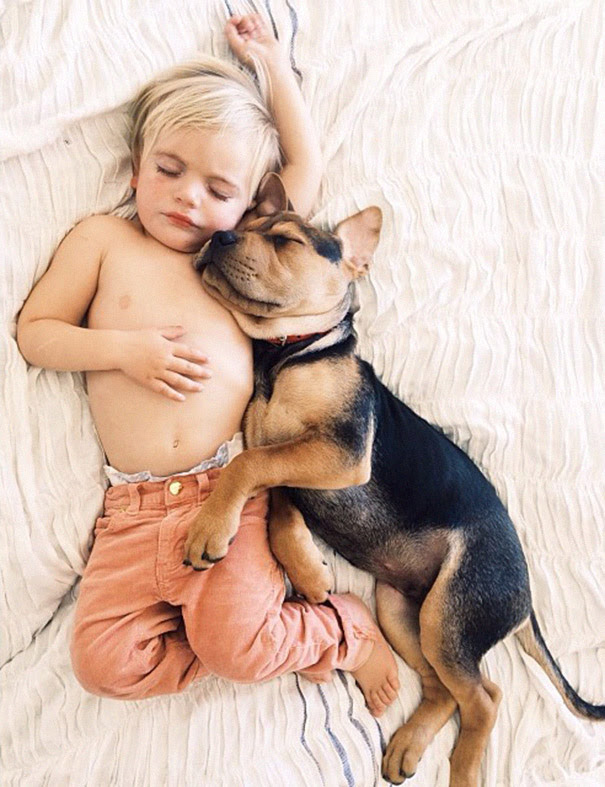
Here’s a republication of a picture from a recent Picture Parade. It has health stamped all over it, for the young boy and the Shepherd Dog!

Theo11

Picture parade one hundred and fifteen.

The openness of dogs, and cats, to new ways of living.

Today’s picture parade needs a short introduction.

When Jean and I moved from San Carlos in Mexico to Payson, Arizona, we came with twelve dogs and seven cats of which all but one (Pharaoh) were rescues from the Mexican streets over the years; many from before Jean and I met each other.

That was five years ago and, inevitably, some of the dogs and cats have died of old age.

Since we arrived here in Merlin, Oregon, three years ago this October, the five cats we came with have been living in our largish double garage that, as you can imagine, is pretty cold during the winter. One cat died last year and Jean and I were thinking how nice it would be to bring the remaining four cats into the house.

Thus, just over a week ago, we brought two of the cats, George and Mitts, across to the house and the following pictures reveal a little of how that has gone.

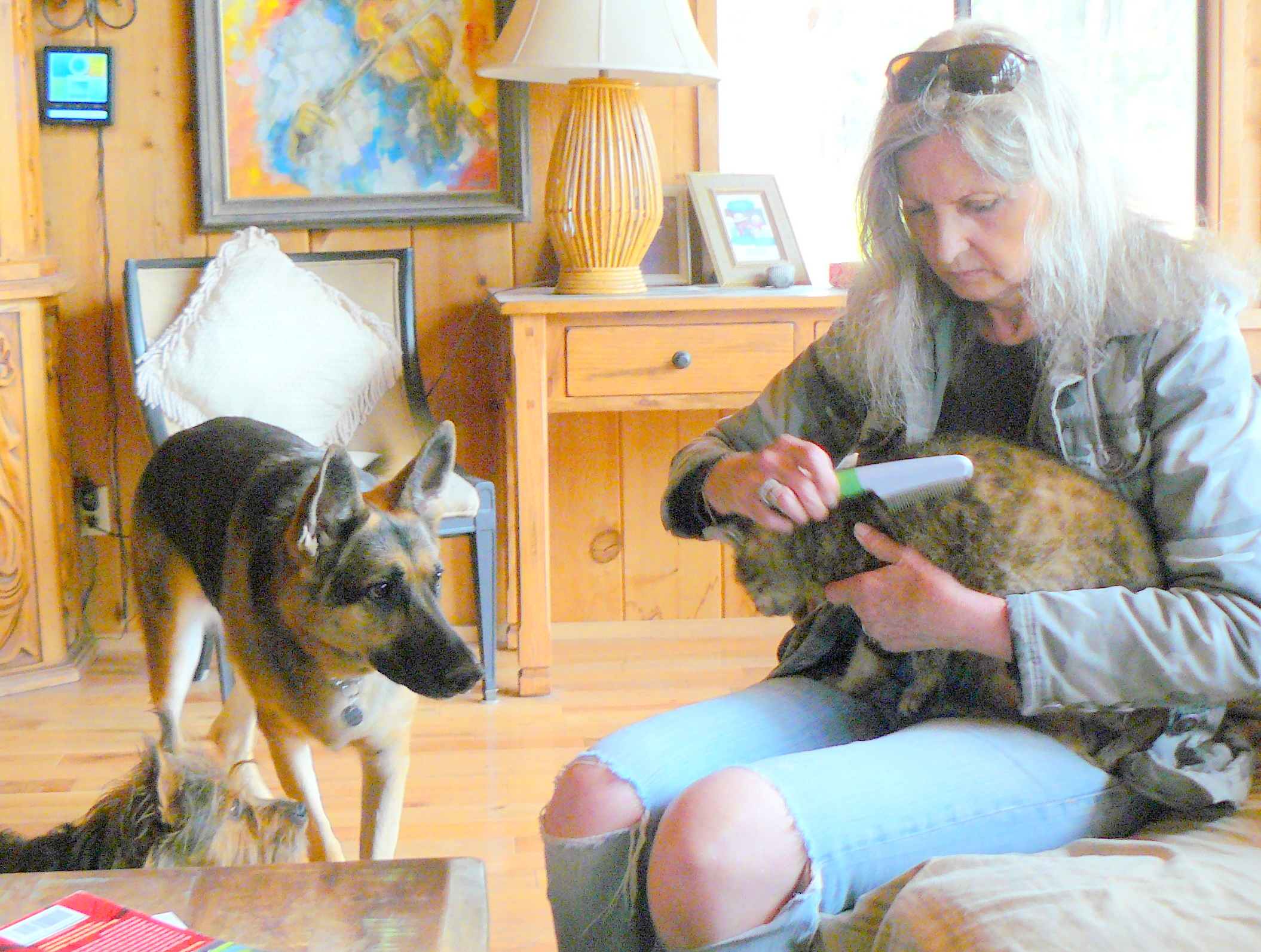
Wow! What's this that Mummy is holding?
Wow! What’s this that Mummy is holding? A guess at what Cleo could be thinking!

oooo

P1150734
Jean combing Mitts very soon after it came into the house much to the interest of Cleo and Sweeny (whose head can just be seen by the edge of the table). Mitts has not a single tooth in her head, by the way.

oooo

P1150735
Little Pedy was totally nonchalant about the arrival of Mitts right from the start.

oooo

P1150755
As this photograph underscores.

oooo

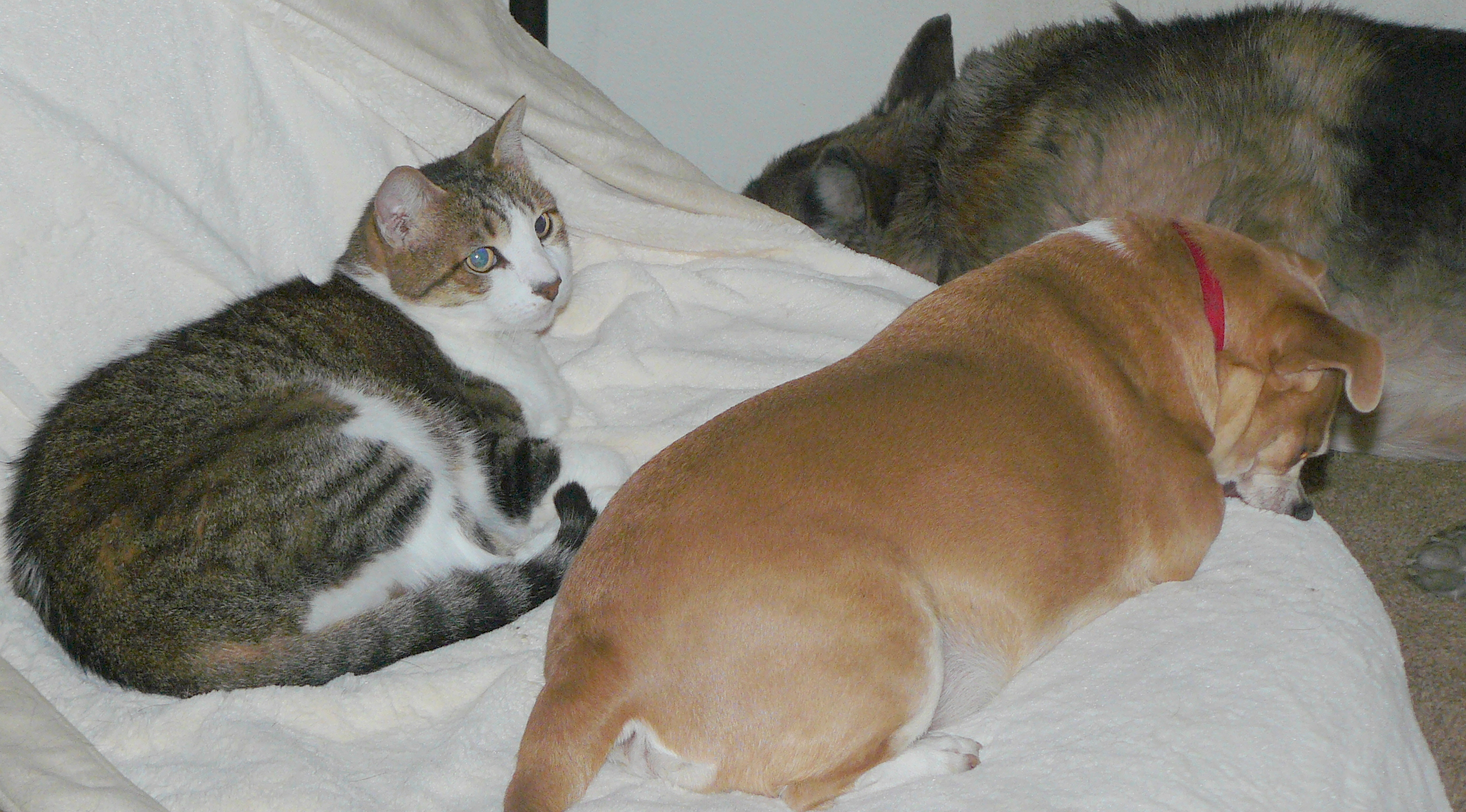
Hedy just as happy with ???
Pedy is just as happy with George.

oooo

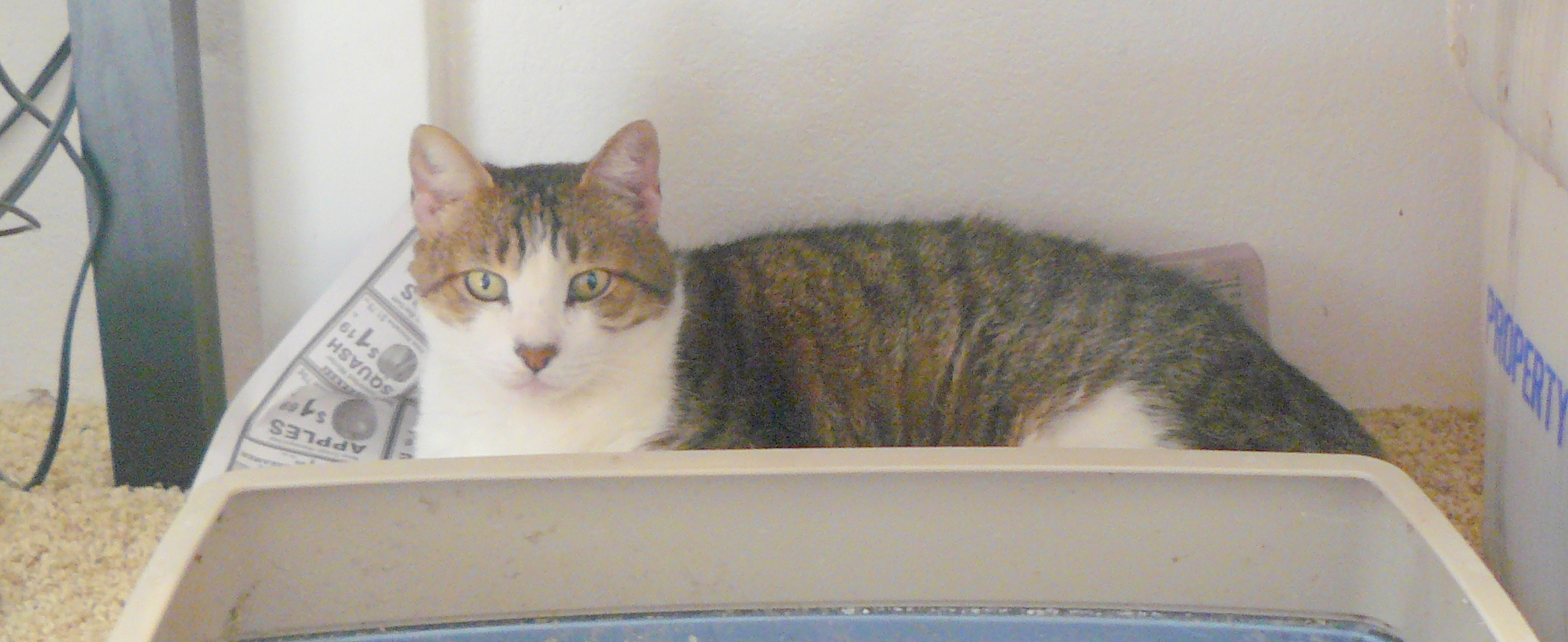
The cats have adopted my office as their new home.
The cats have adopted my office as their new home, with Mitts demonstrating how to fit a cat into a small bin!

oooo

P1150738
Meanwhile, George has found his resting spot under a small table.

 oooo

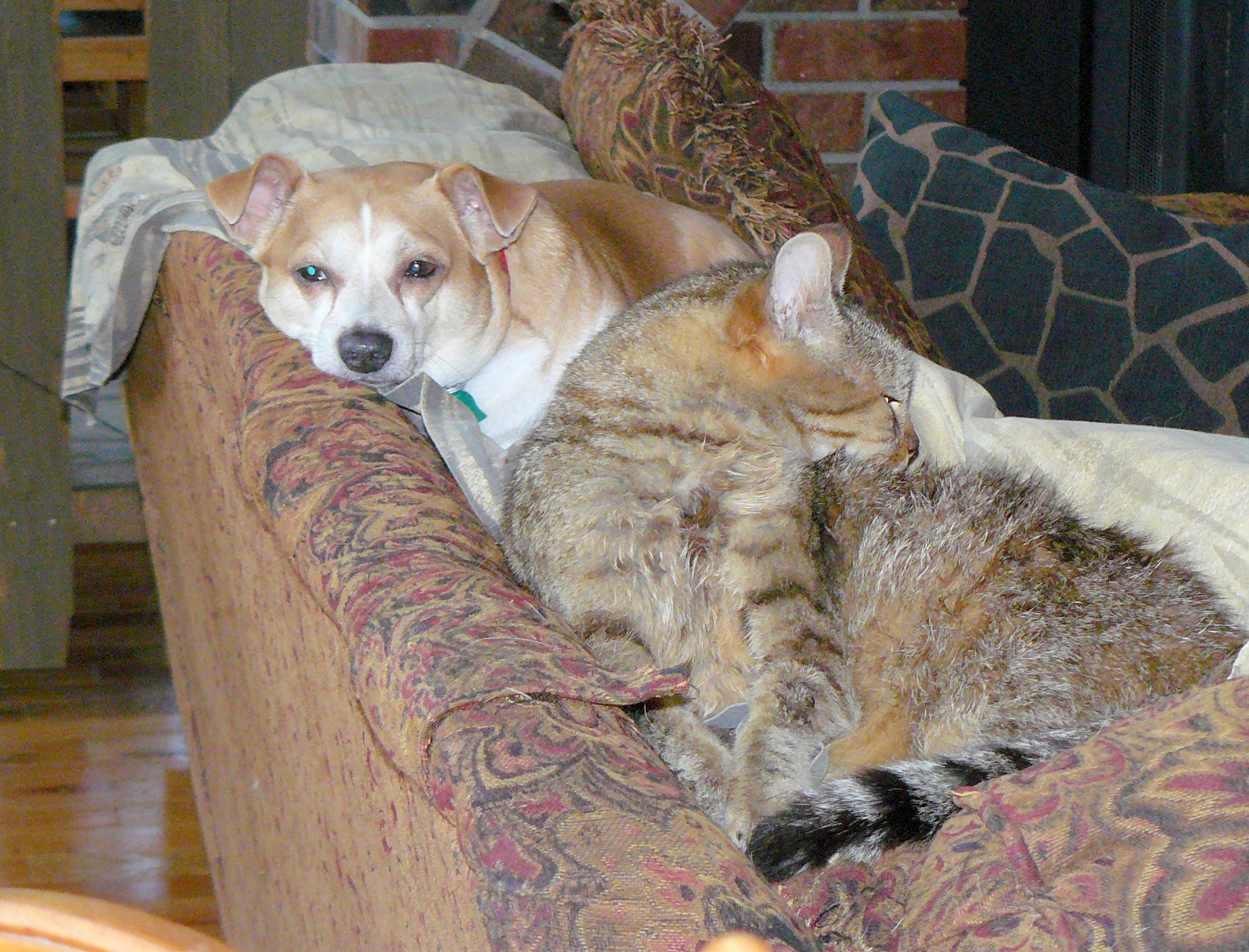
But not if the vacant settee in the den is free.
But not if the settee in the den is vacant.

oooo

Plus, a sunny area of the carpet suits Mitts better than the bin.

oooo

I hope to update you with the news of how the final two cats make the transition into the house in two or three weeks time.

Puppy and cat!

Pixel, 10-week-old french bulldog, tries to reclaim bed from cat.

Big thanks to Chris Snuggs for sending me the links to these two videos.

10-week-old french bulldog Pixel finally got his revenge on the cat, who keeps stealing his bed, even though she has her own. Fun fact: he drags the bed and puts it back in his corner, where he always sleeps.

Picture parade one hundred and four.

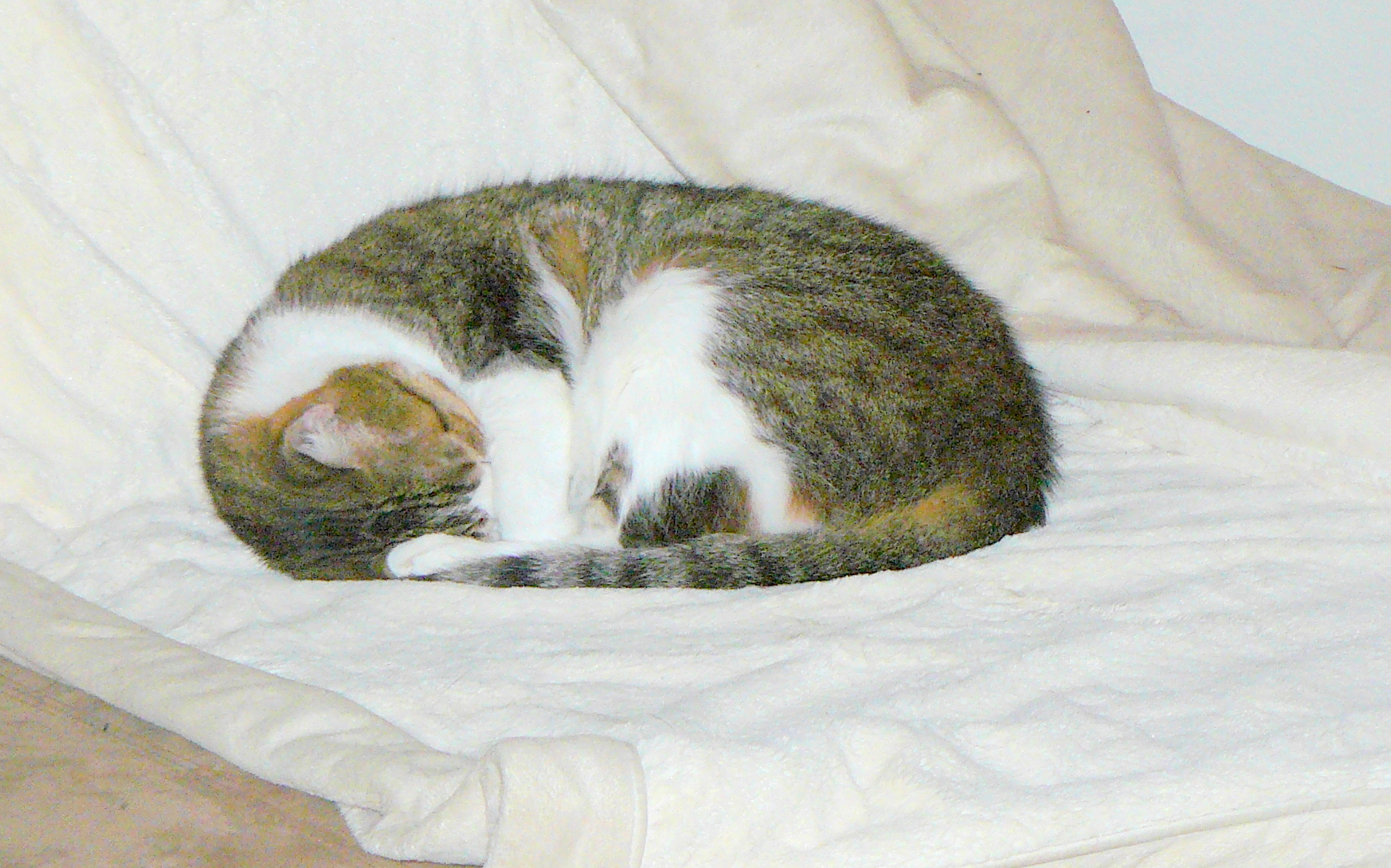
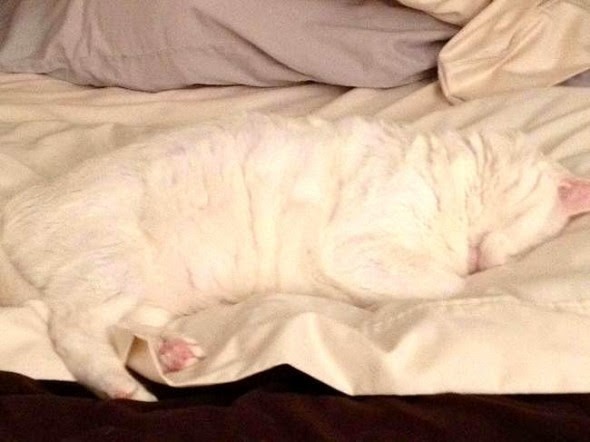
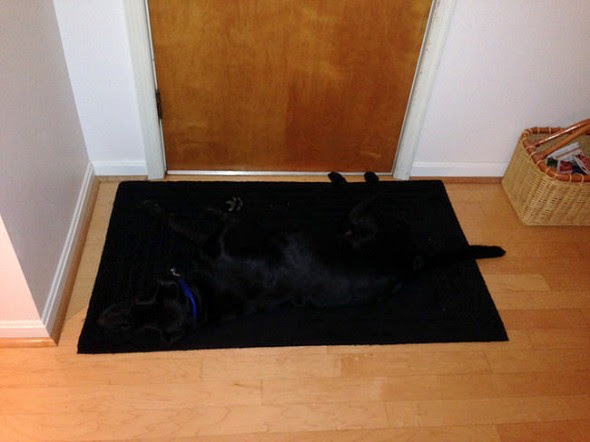
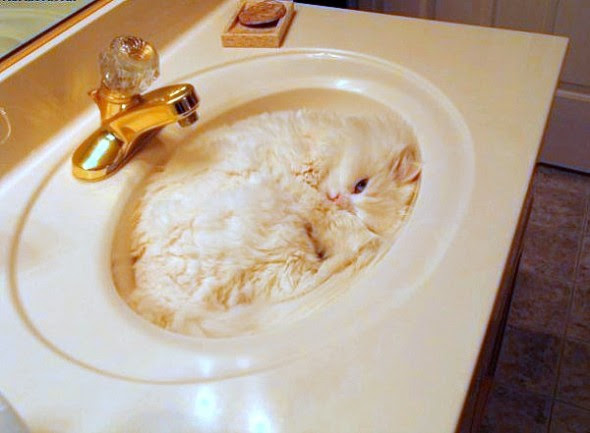
The final set of these incredibly popular photographs.

Hiding in Plain Sight

Danny33

oooo

Danny34

oooo

Danny35

oooo

Danny37

oooo

Danny38

oooo

Danny39

oooo

Danny40

ooooDanny41

oooo

The first in the series was published here.

The photographs were sent to me by Dan Gomez, underlining the wonderful way that so much is shared in this funny old world of blogging. Thank you, Dan!

Picture parade one hundred and three.

The penultimate set of Hiding in Plain Sight pictures.

Danny25


oooo

Danny26

oooo

Danny27

oooo

Danny28

oooo

Danny29

oooo

Danny30

oooo

Danny31

oooo

Danny32

oooo

That’s it for this week. All the very best to you all.

Picture parade one hundred and two.

What happened to June?

Continuing the theme of Hiding in Plain Sight

Danny17

oooo

Danny18

oooo

Danny19

oooo

Danny20

oooo

Danny21

oooo

Danny22

oooo

Danny23

oooo

Danny24

oooo

Final set in a week’s time. You all take care out there.