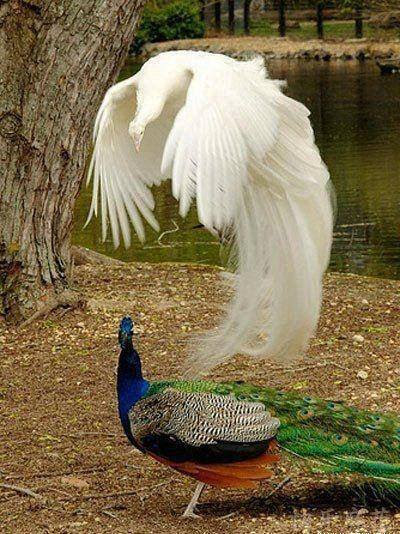
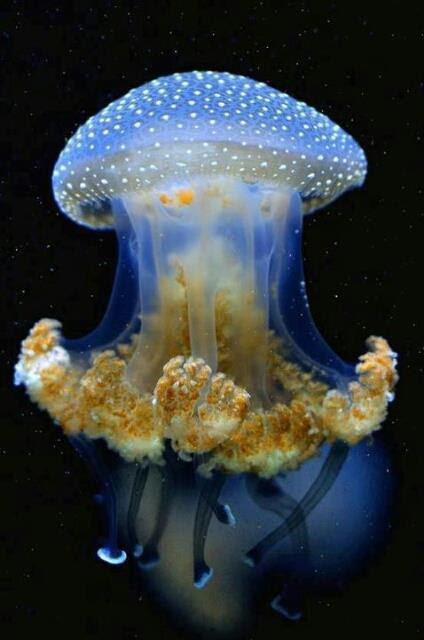
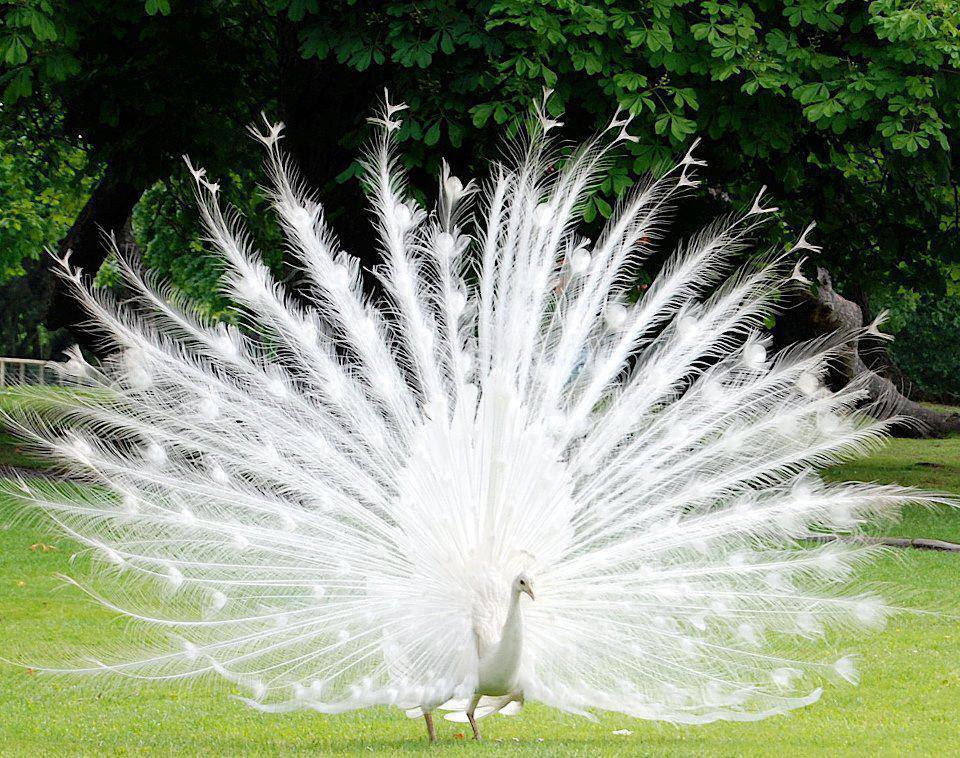
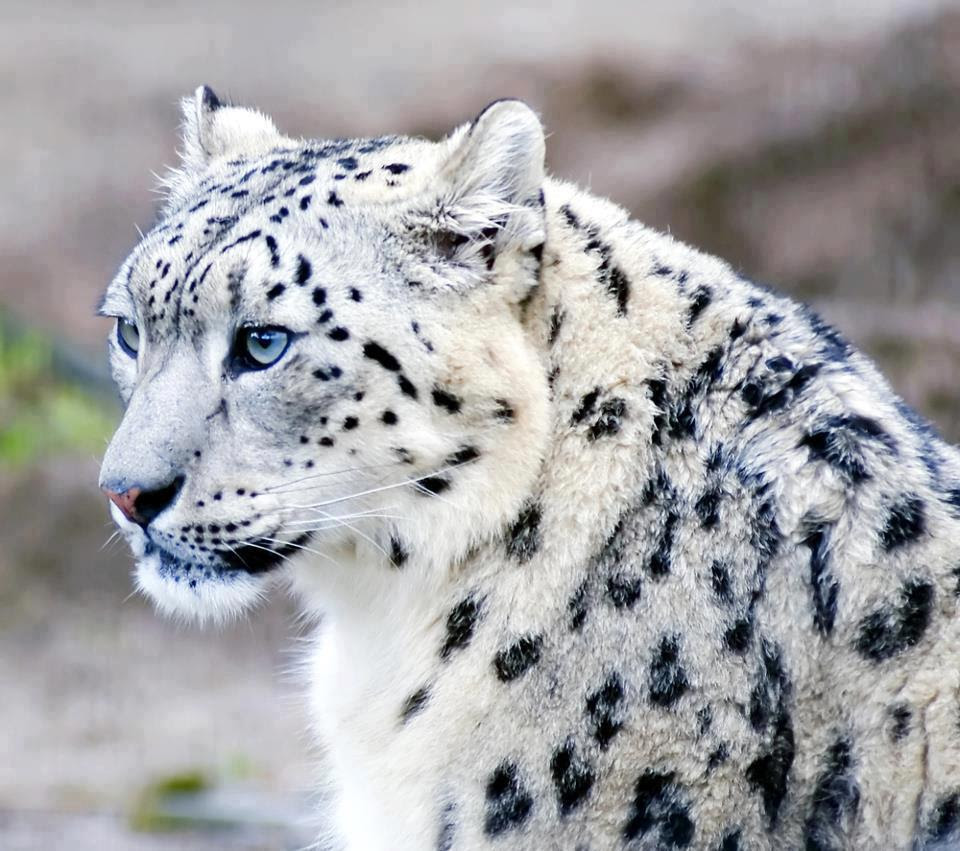
Another Sunday, another set of fabulous images.
(Thanks to Su for sending them on to me.)
 oooo
oooo
 oooo
oooo
 oooo
oooo
 oooo
oooo
 oooo
oooo
 oooo
oooo
 oooo
oooo
 More of these in a week’s time.
Meantime, you all look after yourselves and all your loved ones.
Dogs are animals of integrity. We have much to learn from them.
Category: Art
Another Sunday, another set of fabulous images.
(Thanks to Su for sending them on to me.)
oooo
oooo
oooo
oooo
oooo
oooo
oooo
More of these in a week’s time.
Meantime, you all look after yourselves and all your loved ones.
A rather personal posting for today.
My dear, sweet wife is struggling with a personal issue that I am not going to share with you dear readers; for obvious reasons. The issue is not to do with our relationship, not at all, but part of the journey of getting a little older day by day.
Yesterday morning, sitting up in bed after breakfast, accompanied by many of our dogs fast asleep around us, Jean had a bit of a weepy session. Today Jean and I are off to see a medical consultant to ascertain the nature of the issue. Not going to say any more than that.
So back to yesterday morning, me reflecting on Jean’s tears, and me musing about what to write for today’s post. There in my email inbox was an item in the latest Big Think newsletter that was perfect. It was called The Science behind Maintaining a Happy Long-Term Relationship and it was by Dr. Helen Fisher, senior research fellow at the Kinsey Institute.
Here is how that article by Dr. Fisher opens:
Plenty of people are pessimistic about the state of relationships in society. Dr. Helen Fisher, senior research fellow at the Kinsey Institute, isn’t one of them. She sees trends like extended periods of cohabitation before marriage and a persistent fear of divorce not only as interrelated, but also signs of a healthy change in attitude toward love. While marriage was once the start of a long-term relationship, she says, today it’s the finale. And that’s a good way to cope with a brain whose primitive regions are driven intensely toward short-term relationships. Dr. Fisher also explains how to maintain novelty, the fuel of romantic love, and how to be aware of the brain regions that affect satisfaction in a relationship.
Now I don’t have permission to republish the full transcript but I see that the video, that was included in the Big Think article, is on YouTube.
I count myself incredibly lucky to have met Jean back in December, 2007 and that out of that meeting came a loving relationship that is more beautiful than words. Well more beautiful than my words so I will let E. E. Cummings say it how it should be said.
love is more thicker than forgetmore thinner than recallmore seldom than a wave is wetmore frequent than to failit is most mad and moonlyand less it shall unbethan all the sea which onlyis deeper than the sealove is less always than to winless never than aliveless bigger than the least beginless littler than forgiveit is most sane and sunlyand more it cannot diethan all the sky which onlyis higher than the skyE.E. Cummings, “[love is more thicker than forget]” from Complete Poems 1904-1962, edited by George J. Firmage. Copyright 1926, 1954, 1991 by the Trustees for the E.E. Cummings Trust. Copyright © 1985 by George James Firmage. Reprinted with the permission of Liveright Publishing Corporation.
Source: Poetry (January 1939). (Taken from here)
That is my love for Jean.
The second set of photographs as to Why Being a Wildlife Photographer Is the Best Job in the World.
The first set, together with the background story, were published a week ago.
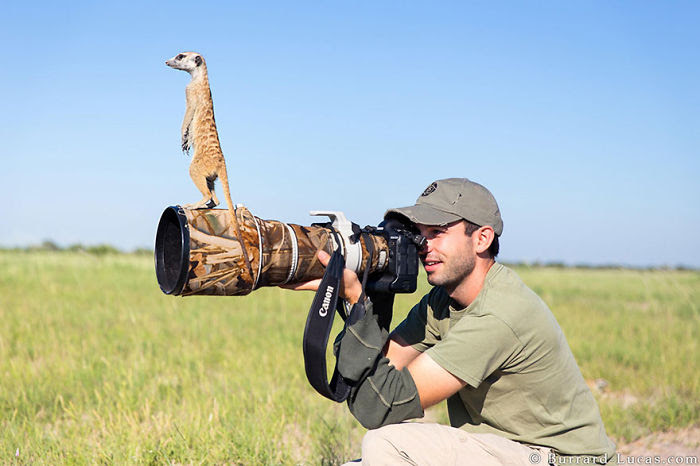
oooo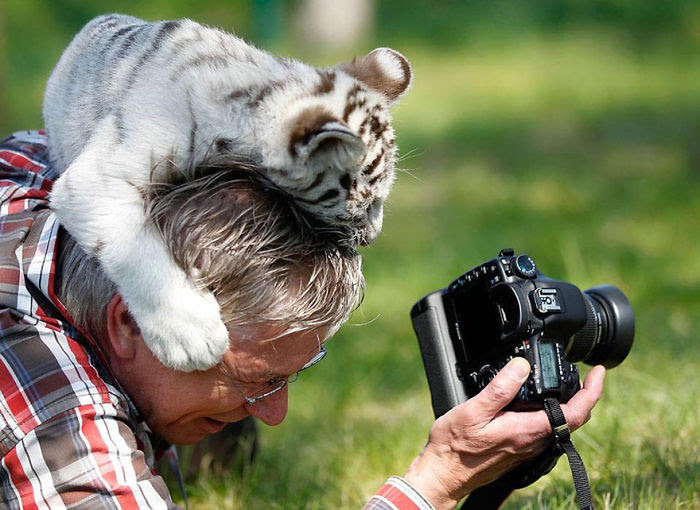
oooo
oooo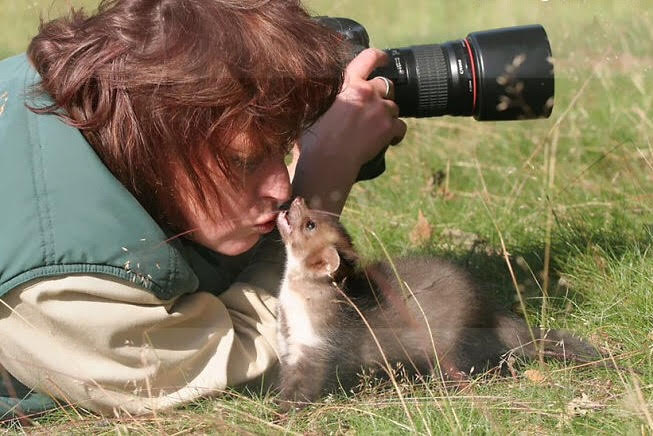
oooo
oooo
oooo
oooo
Final set in a week’s time.
The way we can reach out to others in these modern times.
A fellow local author, Constance Frankland, who has been mentioned previously here on Learning from Dogs followed up last Sunday’s Picture Parade with a comment on my Facebook page:
You might enjoy the site of Dr. Charles Bergman. I was privileged to take writing classes from him when his features were just breaking into Audubon and National Geographic. He was researching the thought-to-be-extinct Trumpeter Swan when survivors were found. (“Wild Echoes: Encounters With the Most Endangered Animals”) http://www.charlesbergman.com/
It was then the matter of a moment to hop across to that website address and read this on the home page:
His home page includes this photograph:
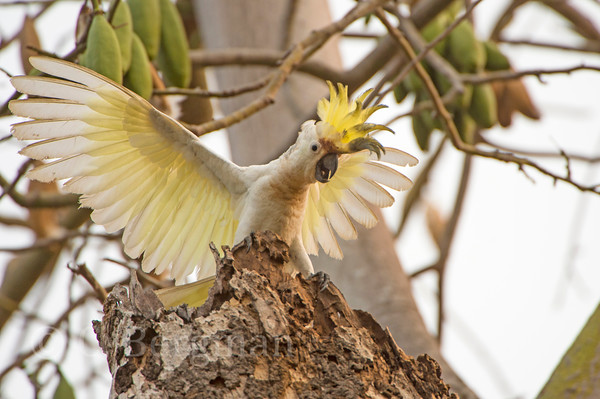 There seemed to be many interesting articles & essays on his site and despite the fact that Mr. Bergman is currently in Uganda, his reply to my request for permission to republish some of his posts came through promptly:
Greetings from Uganda! I’m here working in the Uganda Wildlife Education Center, back shortly. Yes, you may certainly republish my materials. I’ll be very interested to follow the process.
Warmly,
Charles Bergman
You can count on me picking out some of Professor Bergman’s writings to share with you soon.
This reaching to others, friends and strangers, is a wonderful aspect of present times.
In salute of Sir David Attenborough.
Yesterday, a wonderful number of readers ‘Liked’ my set of photographs on the theme of being a wildlife photographer. Thus it was providential, when deliberating on what to write for today’s post, to see that George Monbiot had published an article covering his recent interview with Sir David.
Before republishing that interview, let’s take a look at the man; Sir David that is!
Wikipedia has a comprehensive and fulsome description of him, that opens, thus:
Sir David Frederick Attenborough/ˈætənbʌrə/OMCHCVOCBEFRSFLSFZSFSAKt (born 8 May 1926)[2][3] is an English broadcaster and naturalist.
He is best known for writing and presenting the nine Life series, in conjunction with the BBC Natural History Unit, which collectively form a comprehensive survey of animal and plant life on the planet. He is also a former senior manager at the BBC, having served as controller of BBC Two and director of programming for BBC Television in the 1960s and 1970s. He is the only person to have won BAFTAs for programmes in each of black and white, colour, HD, and 3D.
Attenborough is widely considered a national treasure in Britain, although he himself does not like the term.[4][5][6] In 2002 he was named among the 100 Greatest Britons following a UK-wide vote.[7] He is the younger brother of director, producer and actor Richard Attenborough.[8]
Then I want you to view this short video:
Published on May 2, 2014From across YouTube, Twitter and Facebook, we’ve taken your comments during #AttenboroughWeek and made this video as a thank you to everyone who got involved. Click on the annotations to see each of the clips in full.
Now on to the George Monbiot interview, republished here with Mr. Monbiot’s kind and generous permission.
ooOOoo
If you need a reminder of how beautiful our planet is (and I’m sure the majority of LfD readers don’t require that reminder) then go back and watch David Attenborough’s video and voice-over to the song What a Wonderful World. This short but very compelling video shows why the planet is so worth protecting. Enjoy!
So make a diary note to celebrate Sir David’s 90th birthday on May 8th.
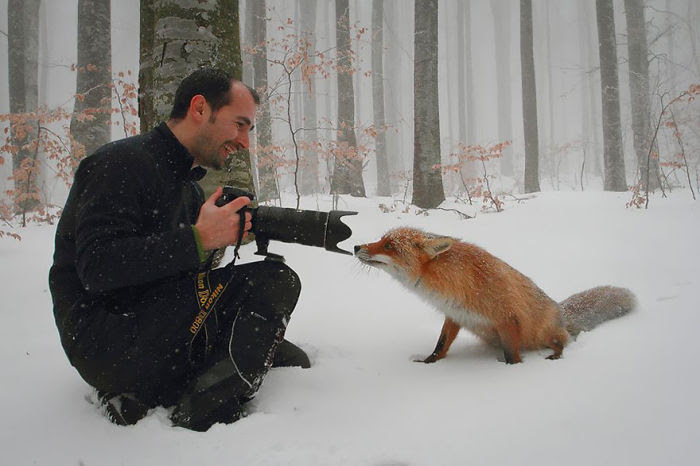
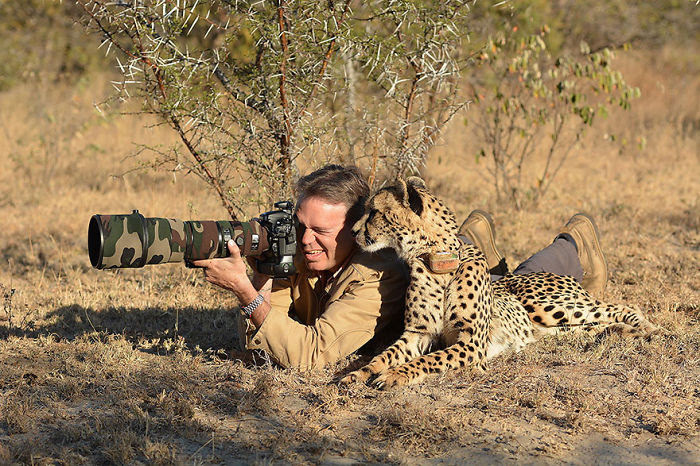
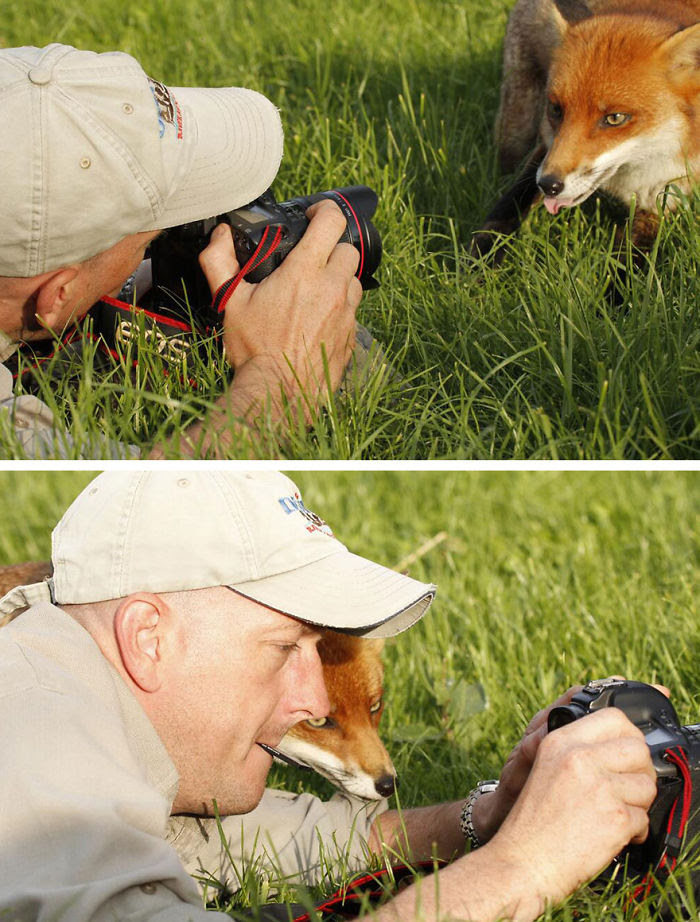
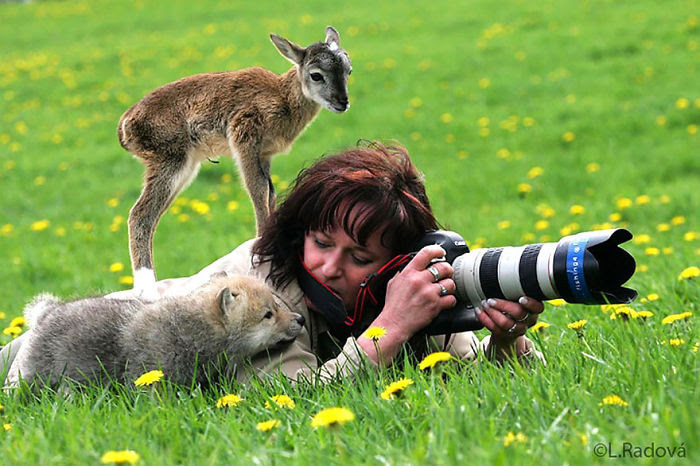
Why Being a Wildlife Photographer Is the Best Job in the World
These photographs were originally sent to me by Marg from Tasmania and they are just wonderful. Upon querying with Marg where they originally came from she found the source on a blog site called deMilked. That site explained:
You have to really love animals to go into nature photography. After all, it requires more patience to catch some deer in your lens than to photograph a mountain. Mountains don’t run away! Some animals don’t run either. In fact, some of them are really curious and come closer to check out the photographer. Quis custodiet ipsos custodes? Apparently, foxes and squirrels.
So here is the first batch of these gorgeous photographs.
 oooo
oooo
 oooo
oooo
 oooo
oooo
 oooo
oooo
 oooo
oooo
oooo
More to share with you over the next two Sundays.
Thanks Marg!
Two very moving examples of the loving wisdom of our dogs.
First, another gem from Chris Snuggs.
not my photo, and I can’t remember where I found it …
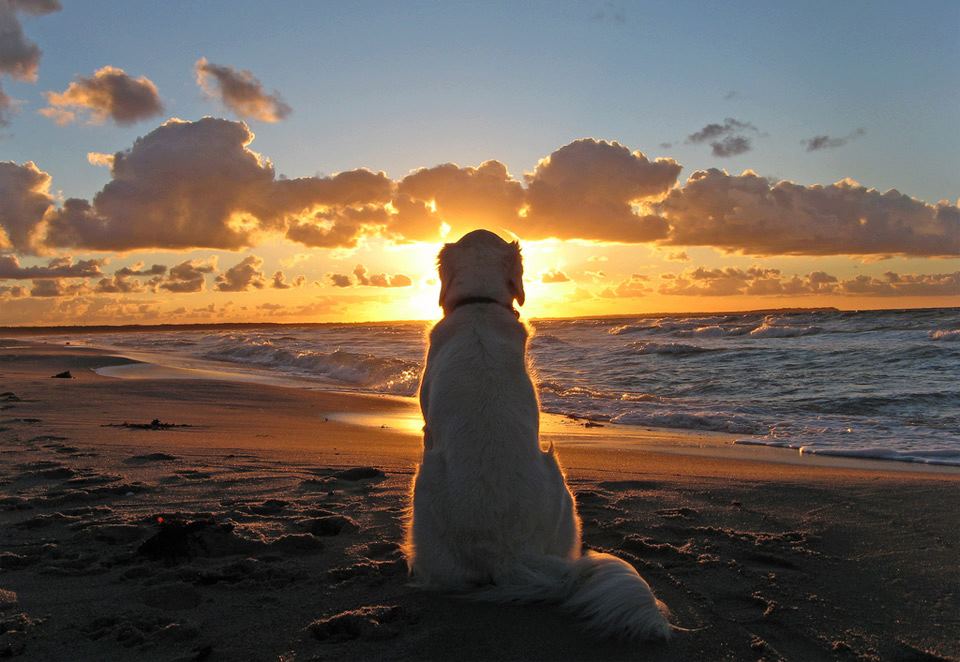 But what does it all MEAN?
See the original here on Chris’s blogsite.
Then the second is a video that was brought to my attention thanks to Neil in South Devon. As Neil so rightly said, “Leaving aside the captions it’s quite moving….”. (And, trust me, believers and non-believers alike, you are going to weep from start to finish, just as Jean and I did!)
In a world where so much is so utterly screwed up it is the most blissful miracle that we have our dogs!
As our dear dogs speak it.
You will recall that last Friday I featured an item under the title of Private First Class Lingo. The item had been brought to my attention by Constance Frankland.
Well here’s another really special story that Constance came across on a website called Arditor and I wanted to share it with you.
ooOOoo
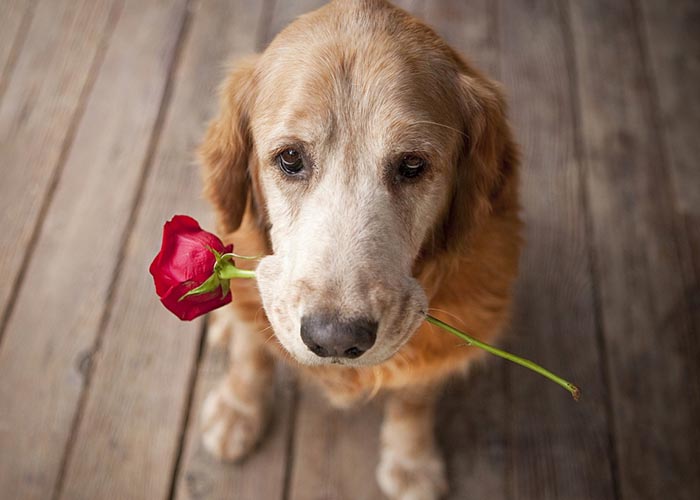 8 Ways Your Dog is Saying “I Love You“
Although dogs don’t speak our language, they are constantly trying to tell us that they love us and always showing love through their actions. Unfortunately, many shrug their shoulders or get annoyed over their dogs’ love gestures.
Here are 8 ways your dog is saying “I love you”…
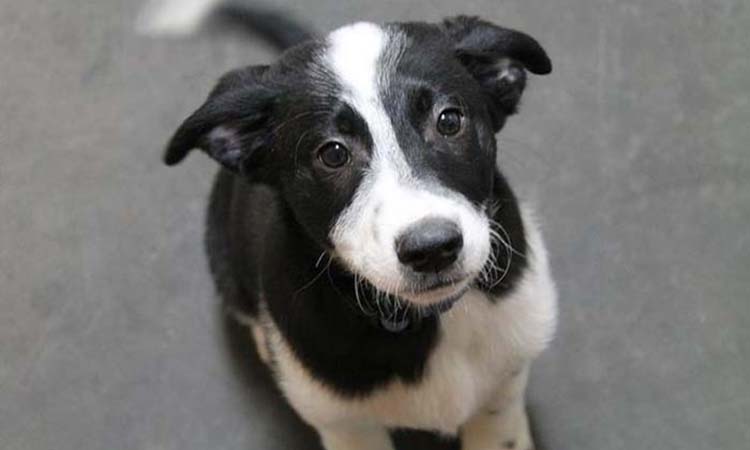 Tail Wagging
Similar to a cat, a dog’s tail is a communication tool. In fact it is sometimes more accurate in translating its emotions than barking. Held at different positions, a dog’s wag could communicate excitement, fear, threat or submission. If your dog’s tail is held in a relaxed position and wagging all together with its entire butt, it means it is very happy to see you.
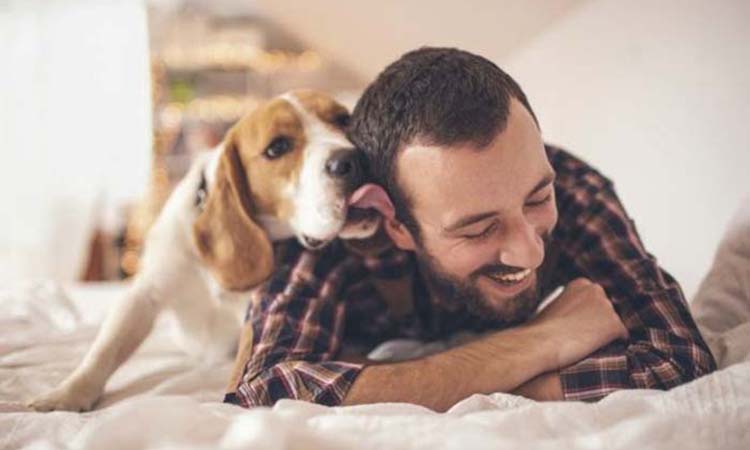 Face Licking
Warm, sticky, wet and stinky! We know this can get annoying but licking a person’s face is a love gesture from a dog. Dogs lick faces for a few reasons. Mainly, if your pet dog is licking your face, he is trying to groom you! Grooming is an intimate gesture only done after a strong connection is made between dogs (so now you know he sees you as one of his kind). On the other hand, if a stranger dog licks your face, it is simply trying to say that he is harmless and friendly.
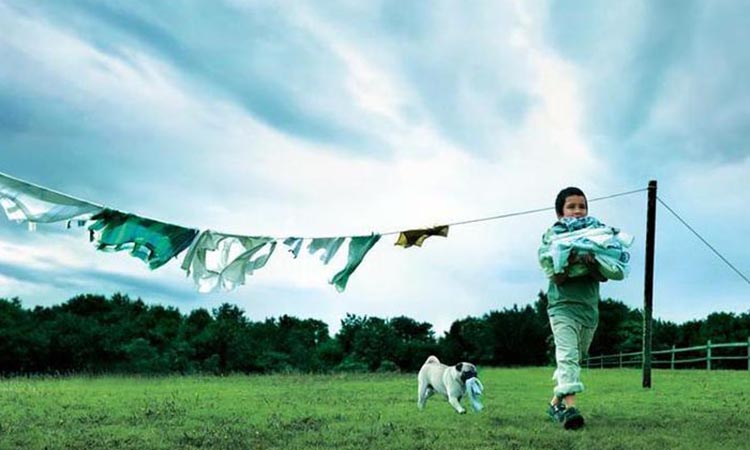 Following You Wherever You Go
This is another behaviour that can get on your nerves, especially when your dog attempts to follow you to work! However, it is only a dog’s way to show his love, devotion and loyalty to you. Wherever you are, that is where your dog wants to be. Dogs are extreme social creatures and unlike humans, there is no need for solitude.
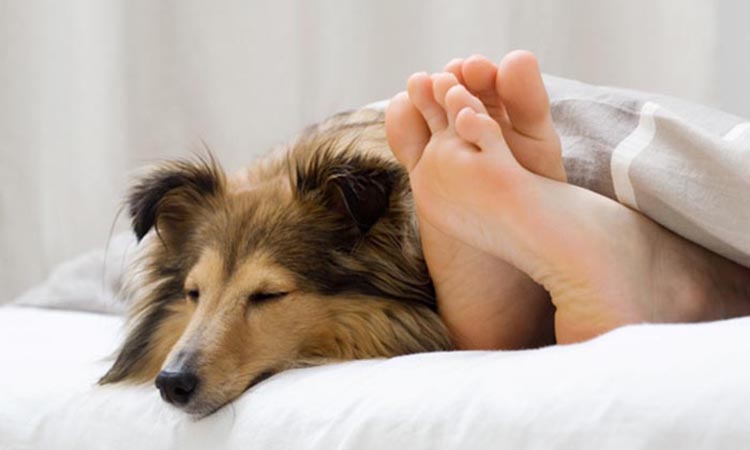 Sleeping with You
Similar to wild wolve packs, wild dogs curl up together to sleep in the night. Rather than sleeping alone in his designated corner, your dog prefers to snuggle right next to you in your bed. If you catch your dog sneaking onto your bed or falling asleep next to you in your couch, it implies that you are his family.
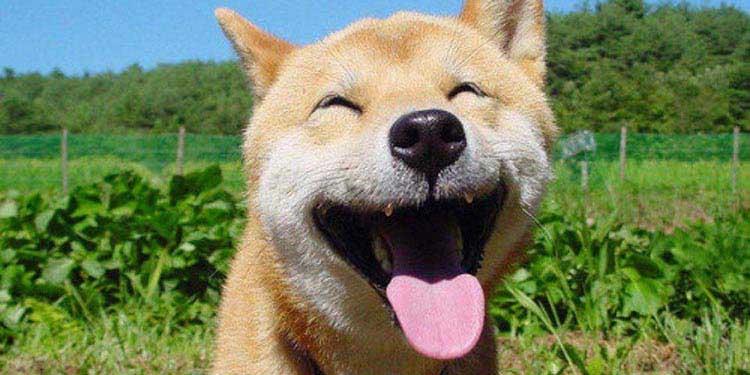 Smiling
It is no surprise when you see something like a smile on your dog. Dogs do smile too! Research has found that dogs can also show and use facial expressions similar to how humans do. A dog’s smile is another way of showing his love and joy to his owner. Having said that, most of us are guilty of not recognizing our dog’s smile.
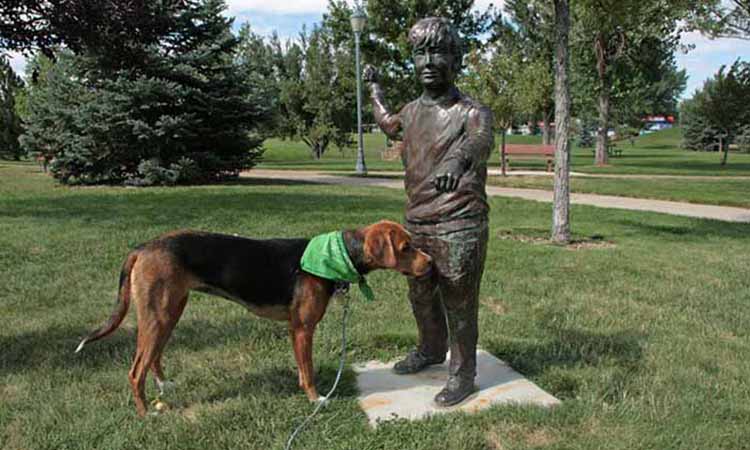 Crotch Sniffing
Argh, this is an embarrassing one and how we wished our dogs can quit going around sniffing crotches. But before you start screaming at your dog, try to understand it. This behaviour is in fact a dog’s perculiar way of greeting. More importantly, apart from a hello, it allows the dog to understand and remember you through your scent.
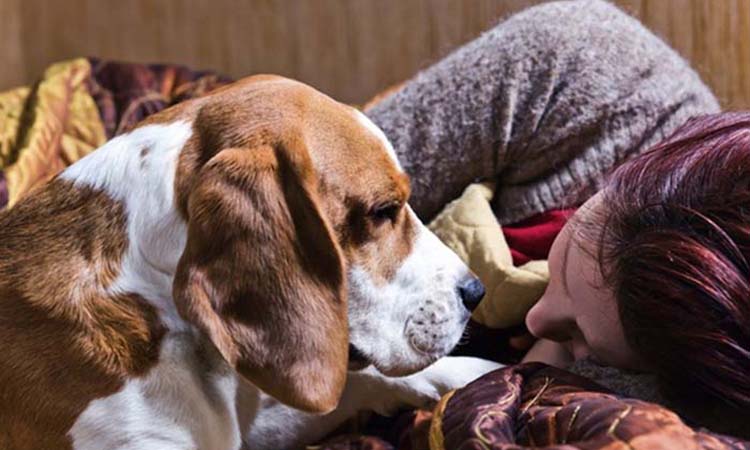 Taking Care of You When You are Sick
Does your dog stay by your bed and watch you the whole time while you are nursing a flu? This is its natural instinct to care for a sick or wounded family member, just as they would in the wild. A dog extends its love and care to its sick or injured owner by quietly and patiently watching over him/her. But make sure you hide any superficial wounds away from your dog! It might actually lick your wound as its form of first aid.
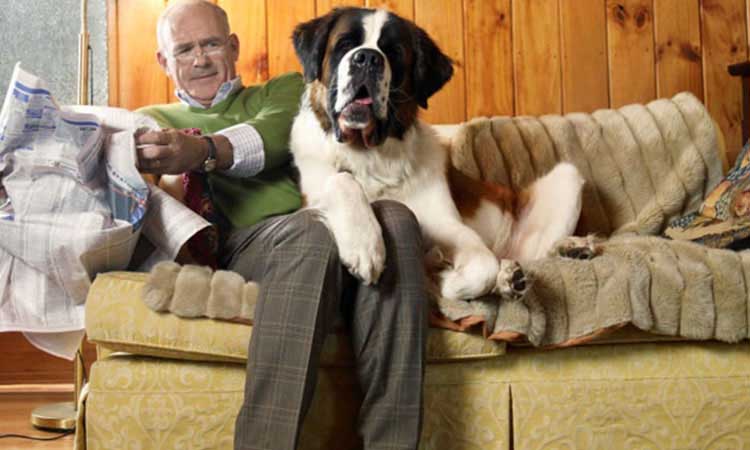 Leaning on You
Whether you are sitting or standing, your dog is leaning on you and wouldn’t budge. You can’t move and you can’t get on with your daily routine. While you are wondering what they are up to, your dog has already got what they needed: your attention. Getting your attention and giving you their attention by leaning on you is their way of showing affection. Next time this happens, stop what you are doing and reciprocate with some love.
ooOOoo
This turned out to be more of a Sunday Picture Parade but it seemed too special to hold it from you until the weekend.
No, our dogs don’t speak a language that we humans would recognise as such but, nonetheless, our dogs communicate in ways that still are as magical and special as our human poetry.
Speaking of poetry, let me close today’s post with this.
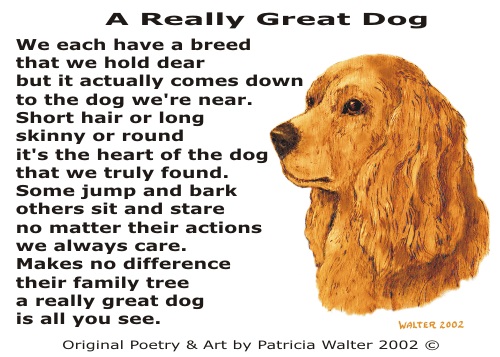
You are going to love this – guaranteed!
Eleanore MacDonald is the author of the blog Notes From An Endless Sea. It’s a blog that I have been following for a while.
On the last day of last year, I published a post that contained the following:
There is much in this new world that concerns me and I know I am not alone with this view. But the rewards of reading the thoughts of others right across the world are wonderful beyond measure.
Little did I know that in just five days time Eleanore would demonstrate “wonderful beyond measure” par excellence! With her very kind permission I republish in full her post from last Sunday. Please don’t read any further until you can be very still and read Eleanore’s post with your total concentration on her stunningly beautiful prose.
ooOOoo

I didn’t have to search for it. My word for the year just came to me, and with it, a host of lovely synonyms in its wake. Devotion. Well, devotion––minus the religious connotations––holding hands with dedication, fealty, loyalty, commitment, fortitude and constancy.
In the past I have labored over what it might be for me, that word that embodies all I want to do with my intentions in the year ahead. But this year, it came floating to me like an errant leaf, late falling on a winter’s breeze. It resonated deep within and because it came with an entourage I felt like a farmer with acres and acres of fertile, unblemished land spread before me all waiting for me to plant an endless bounty.
So I start my new cycle, this new year, with the sowing of seeds of intention, digging deeply into this dark, rich soil. It begins with a renewed Devotion and dedication to loving. To magic. And to beauty.


And writing – something I failed so miserably at conjuring last year. A block is no joke, it is a deep, dark hole that any creative soul can fall into and in my case is called ‘writer’s block’, and it is real. And it sucks. I banish it now with a loyalty to work, those further and continual efforts to paint with words from a palette-full of color.


And then there is Fealty. A deep and resonant fealty to my love/partner/mate, to family and those dear ones who love me as I am whether broken or whole; to those who love the animals and celebrate empathy, truth and compassion; to those who will be happy for me when I succeed, and cry with me in my sadness, who try to pick me up when I fall, and push me hard to continue to explore the vast continents of my interior and to walk onward along the path to becoming the best I can possibly be.
Those beloveds who allow me, in all of that vulnerability, to do the same for them.
Loyalty. Loyalty to my path. And to the greater good. To honesty, integrity, goodness, caring, loving––to kindness and empathy, to staying awake with eyes and ears and heart attentive to the big world around us, to laughter, to weeping buckets when I’m overflowing, to connection, to speaking up and speaking out (loudly!), to celebrating beauty and color, and to a nurturance of the evolution of soul and spirit, my own and that of others.


Commitment. To continuing to wield light, through music.
Commitment to seeing the glass half full.
And to the voiceless ones, who really are my reason for being. The animals. Commitment to doing what I can to ease the burden of suffering for those in need of compassion and caring, of rescue and respite.


Commitment to honoring those others who continue to do the hard and mostly thankless work attending to the emergent needs of those barely surviving untenable lives in the shadows; those caring for the pets of the homeless, animals who act as angels for the people of the streets whose only tether left to any comfort in this life is a beloved dog or cat companion; those pulling the newborn kits and pups from garbage bins, or flimsy boxes set in the cold rain along busy streets, those rescuing dogs from a brutal existence of abuse, abandonment, fighting, life at the end of a cold chain; those earthly angels whose hearts have been broken over and over again yet they continue on, continue giving, helping, trying to make a better life and a better world for those left behind. (I have always held that, were humans to collectively realize that the other beings we share this glowing, gorgeous orb with––the animals, the trees, the waters, the land––all require and deserve our recognition, our action, our honor and caring, then the world’s ills would resolve. And so it goes…)


Fortitude. The fortitude to walk my path ahead in constancy, through dark and light with no time or inclination to curl into a ball and sink to the bottom of the well. Life now is too short for that.
Dedication, fealty, loyalty, commitment, fortitude… in action, together they reduce down and distill to a fine and pure constancy of devotion.
I am good with that! Right?
Do you have a ‘word for the year’? If so, do try to hold it close, in honor of its gift. When 2016 comes to pass, I would love to hear what your word was and how it served you. Or, how you served it.
Spreading my wings now… With love and light, and hopes that your year ahead is graced by all that is good,
Eleanore

all photos © Eleanore MacDonald except for those taken by Paul Kamm.
ooOOoo
Adding anything from me runs the risk of diminishing the beauty of Eleanore’s words.
See you tomorrow!
Welcome to the New Year!
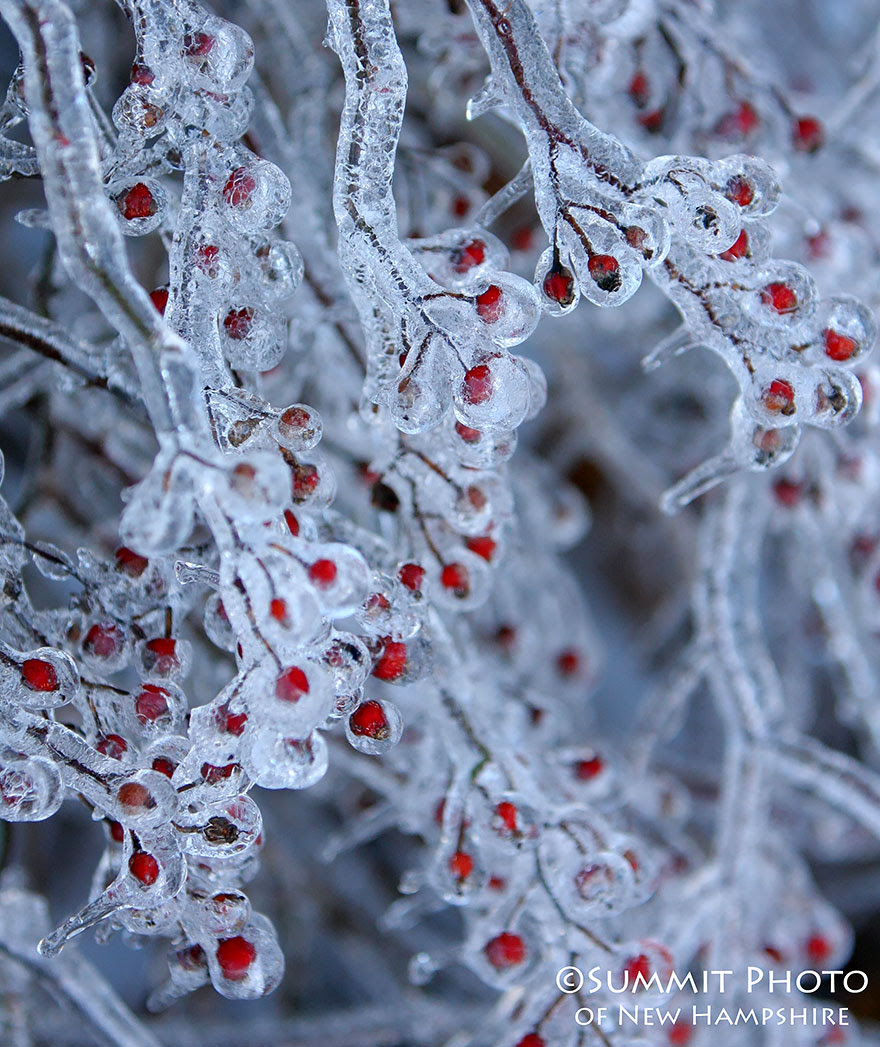
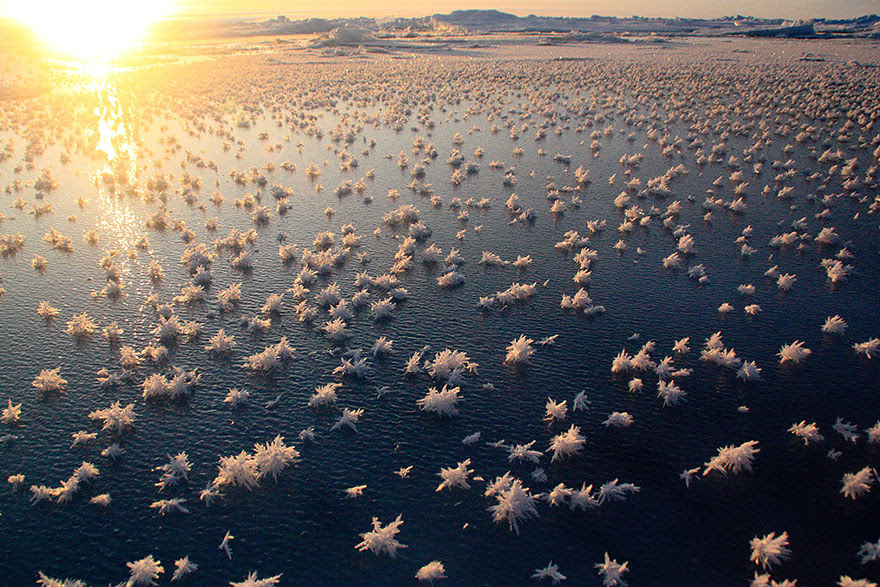
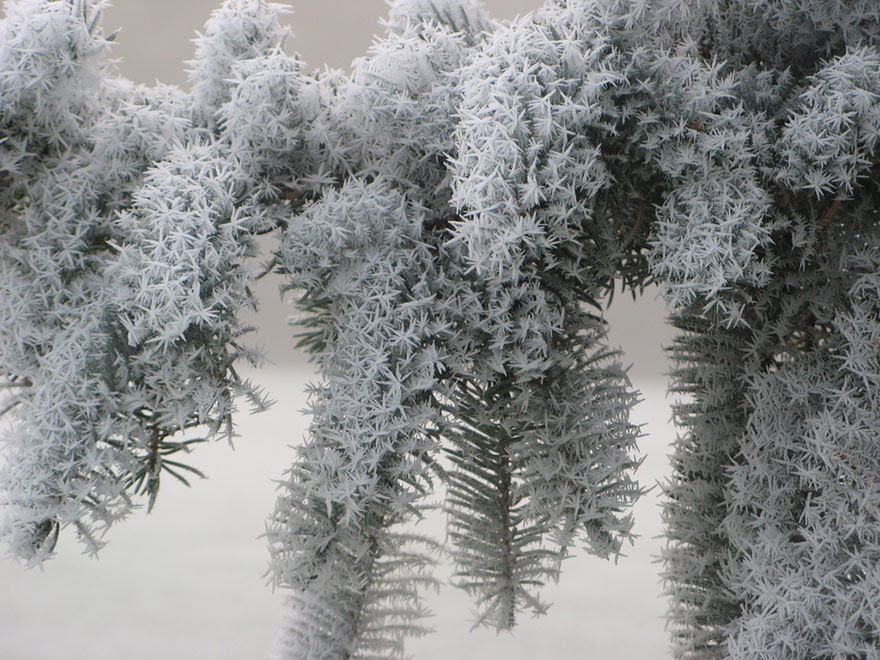
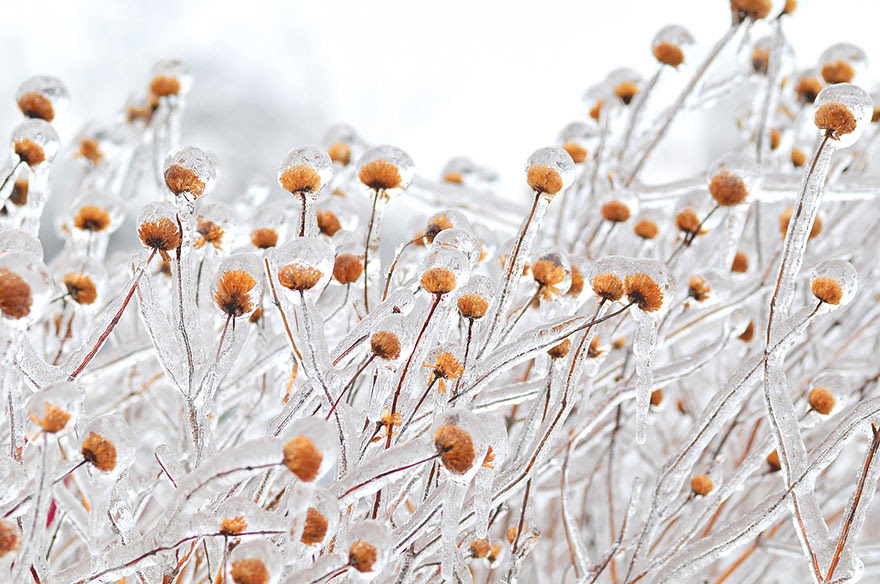
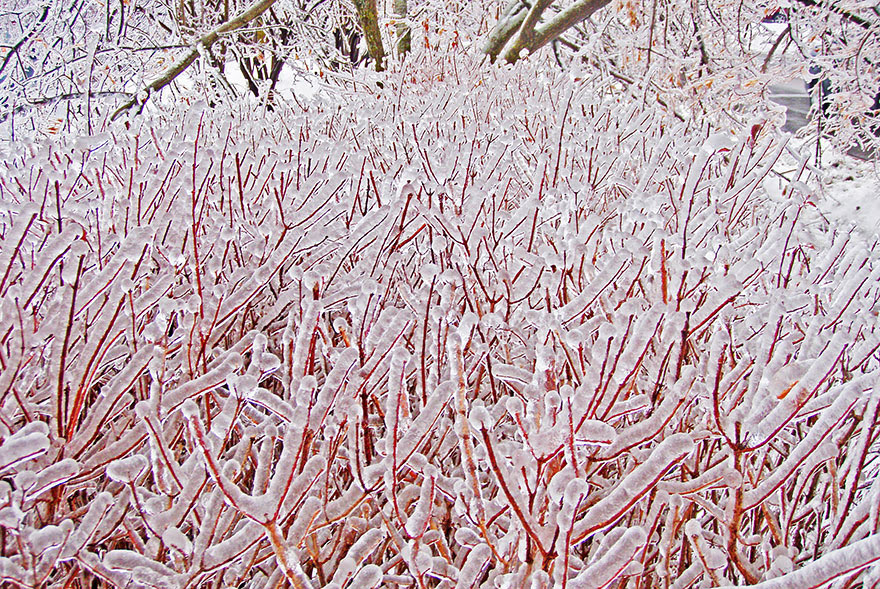
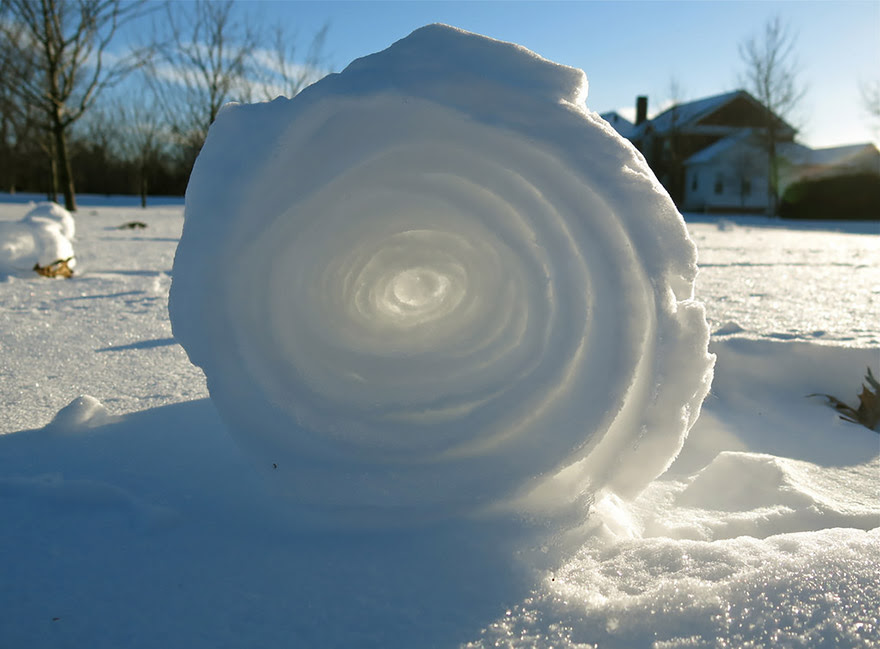
The final set of stunning ice photographs – Set One is here and Set Two here.
 oooo
oooo
 oooo
oooo
 oooo
oooo
 oooo
oooo
 oooo
oooo
 oooo
oooo
 oooo
oooo
You all take care!

