Category: Art

Just say “No!”

We have to keep banging this drum on behalf of our wildlife!

OK! This new essay from George Monbiot applies specifically to the United Kingdom. But there’s no question in my mind that awareness of what is going in the U.K. will be important for readers in many other countries.

ooOOoo

Incompetence By Design

As state bodies are dismantled, corporations are freed to rip the living world apart

By George Monbiot, published in the Guardian 4th July 2018

It feels like the collapse of the administrative state – and this is before Brexit. One government agency after another is losing its budget, its power and its expertise. The result, for corporations and the very rich, is freedom from the restraint of law, freedom from the decencies they owe to other people, freedom from democracy. The public protections that constrain their behaviour are being dismantled.

An example is the cascading decline in the protection of wildlife and environmental quality. The bodies charged with defending the living world have been so enfeebled that they now scarcely exist as independent entities. Natural England, for example, has been reduced to a nodding dog in the government’s rear window.

Its collapse as an autonomous agency is illuminated by the case that will be heard next week in the High Court, where two ecologists, Tom Langton and Dominic Woodfield, are challenging its facilitation of the badger cull. That the cull is a senseless waste of life and money is well established, but this is only one of the issues being tested. Another is that Natural England, which is supposed to assess whether the shooting of badgers causes wider environmental harm, appears incapable of discharging its duties.

As badger killing spreads across England, it intrudes upon ever more wildlife sites, some of which protect animals that are highly sensitive to disturbance. Natural England is supposed to determine whether allowing hunters to move through these places at night and fire their guns has a detrimental effect on other wildlife, and what the impact of removing badgers from these ecosystems might be. The claimants allege that it has approved the shooting without meaningful assessments.

Some of its decisions, they maintain, are farcical. In Dorset, for example, Natural England assumed that overwintering hen harriers and merlins use only one out of all the sites that have been designated for their protection, and never stray from it. It makes the same assumption about the Bewick’s swans that winter around the Severn estuary. That birds fly, enabling them to move from one site to another, appears to have been overlooked.

Part of the problem, the claimants argue, is that staff with specialist knowledge have been prevented from making decisions. The location of the badger cull zones is such a closely guarded secret that Natural England’s local staff are not allowed to see the boundaries. As a result, they can make no meaningful assessment of what the impact might be. Instead, the decisions are made in distant offices by people who have not visited the sites.

I wanted to ask Natural England about this, but its external communications have been shut down by the government: any questions now have to be addressed to Michael Gove’s environment department, Defra. Defra told me “staff carrying out this work have all the necessary information. It would be inappropriate to comment on an ongoing legal matter.” How can Natural England be an independent body when the government it is supposed to monitor speaks on its behalf?

Another example of how far Natural England has fallen is the set of deals it has struck with grouse moor owners, allowing them to burn protected habitats, kill protected species and build roads across sites that are supposed to be set aside for wildlife. For several years, the redoubtable conservationist Mark Avery has been fighting these decisions. This May, Natural England conceded, in effect, that he was right. The agency that is meant to protect our wild places has been colluding in their destruction.

A correspondent from within Natural England tells me its staff are so demoralised that it has almost ceased to function. “Enforcement, for example, is close to non-existent … Gove seems to have somehow both raised the profile of environmental issues whilst simultaneously stripping the resources … it has never been as bad as this.”

In March, the House of Lords reported that Natural England’s budget has been cut by 44% since it was founded in 2006. The cuts have crippled both its independence and its ability to discharge its duties. It has failed to arrest the catastrophic decline in our wildlife, failed to resist the housebuilders trashing rare habitats and abandoned its regulatory powers in favour of useless voluntary agreements. As if in response, the government cut the agency’s budget by a further 14%.

Dominic Woodfield, one of the claimants in the court case next week, argues that Natural England has been “on death row” since it applied the law at Lodge Hill in Kent, where the Ministry of Defence was hoping to sell Britain’s best nightingale habitat to a housing developer. Natural England had no legal choice but to designate this land as a site of scientific interest, hampering the government’s plans. As the government slashed its budget and curtailed its independence, the agency’s disastrous response has been to try to save itself through appeasement. But all this has done is to alienate its defenders, reduce its relevance and hasten its decline. “There are still good people in Natural England. But they’re broken. They talk very slowly because they’re thinking very carefully about everything they say.”

If this is happening before we leave the European Union, I can only imagine where we will stand without the protection of European law. The environmental watchdog that, according to Michael Gove, will fill the role now played by the European Commission, will know, like Natural England, that its budget is provided by the government and can be cut at the government’s discretion. What is to prevent it from being nobbled as other agencies have been?

Already, the deliberate mutilating of the administrative state, delivering incompetence by design, has released landowners, housebuilders and assorted polluters from regulatory restraint. Only through European law have government agencies been forced to discharge their duties. Brexit strips away this defence. And if, as some propose, it paves the way for One Nation Under Gove, we should, the evidence so far suggests, be even more alarmed.

But some of us are now mobilising to turn the great enthusiasm for wildlife and natural beauty in this country into political action, and to fight the dismantling of the laws that protect our precious wild places. Watch this space.

http://www.monbiot.com

ooOOoo

On George Monbiot’s blog home page is this quote:

“I love not man the less, but Nature more.”

We must all love Nature more!

Picture Parade Two Hundred and Forty-Seven

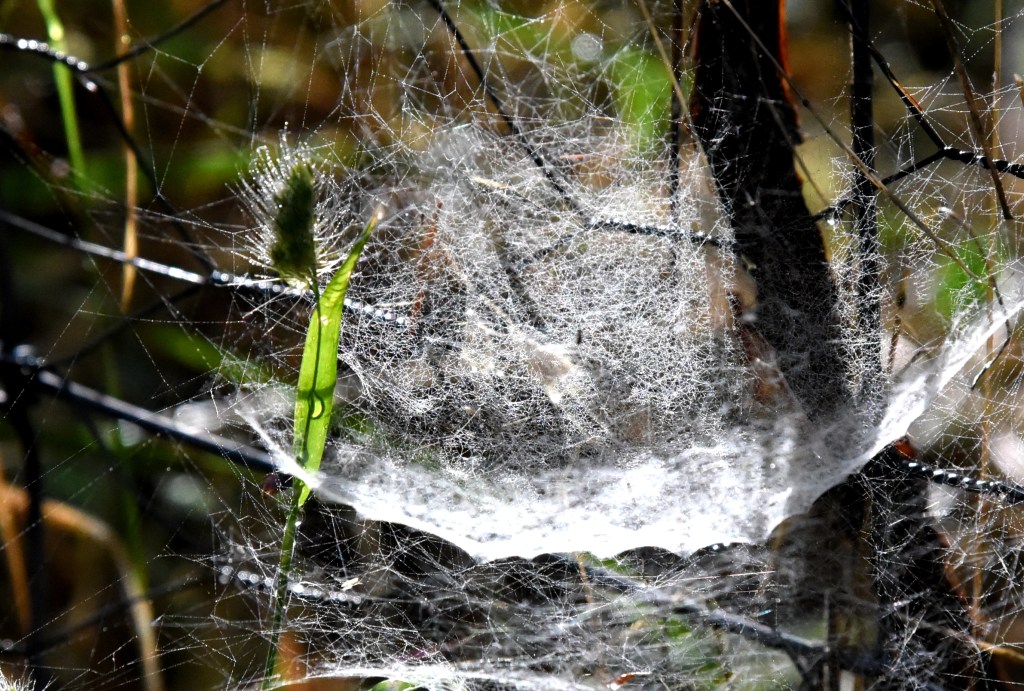
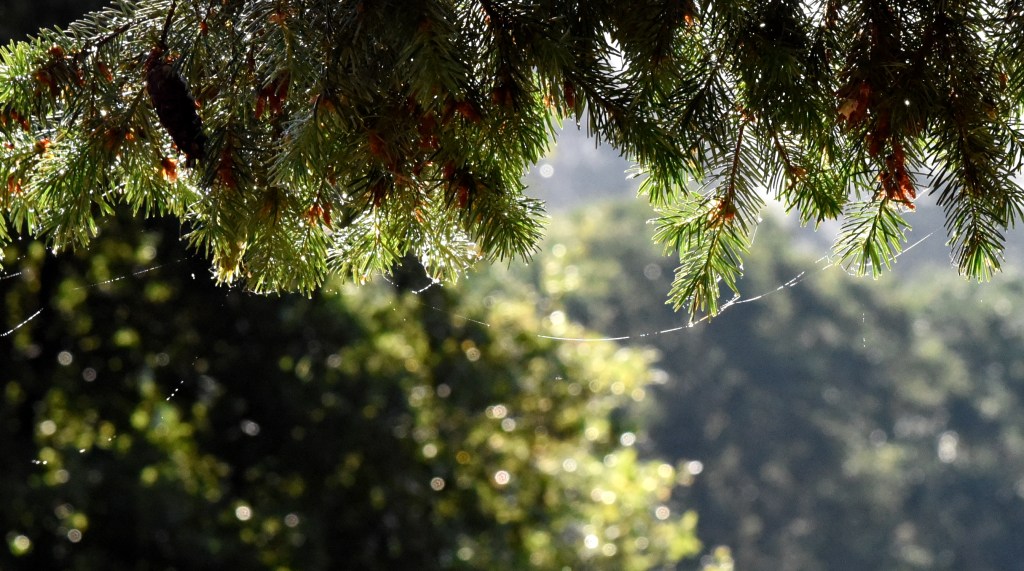
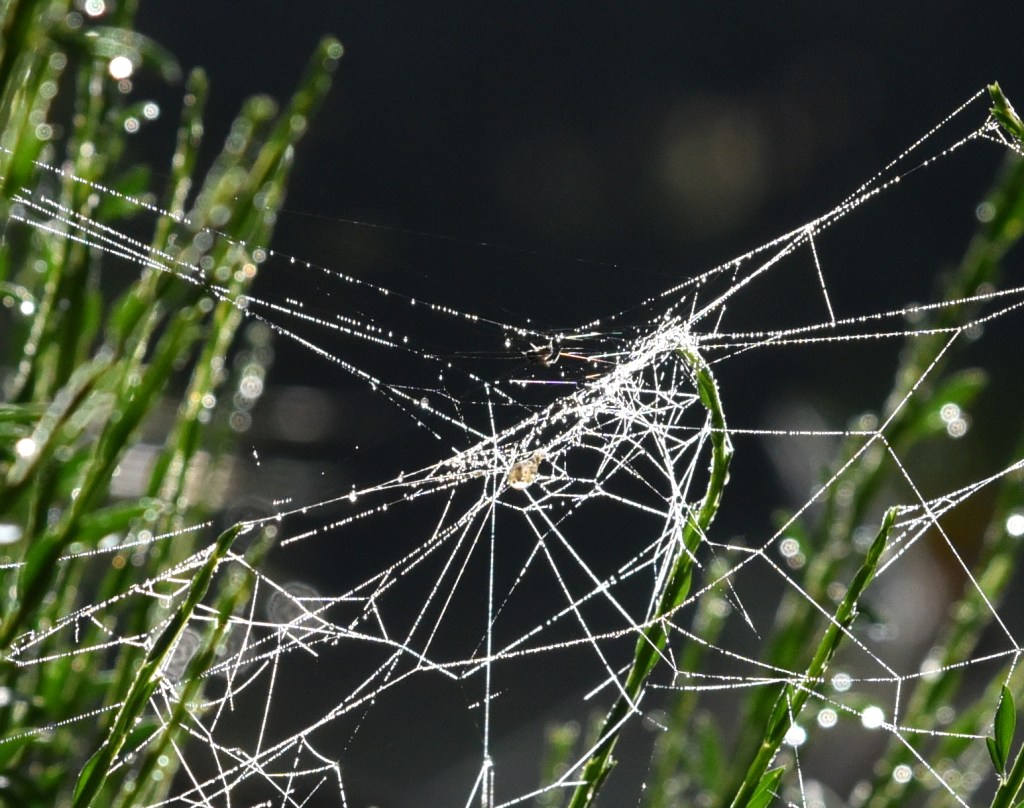
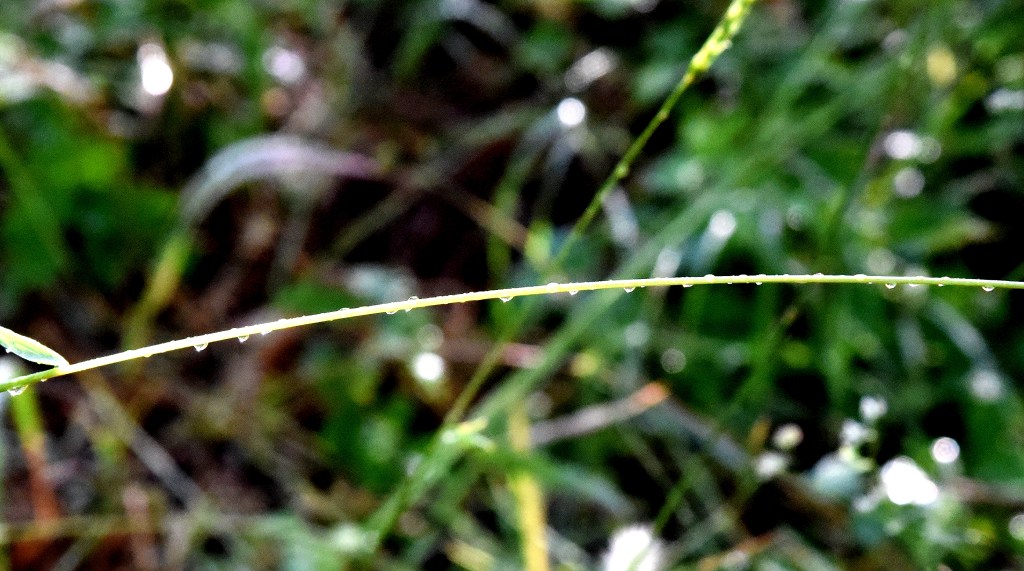
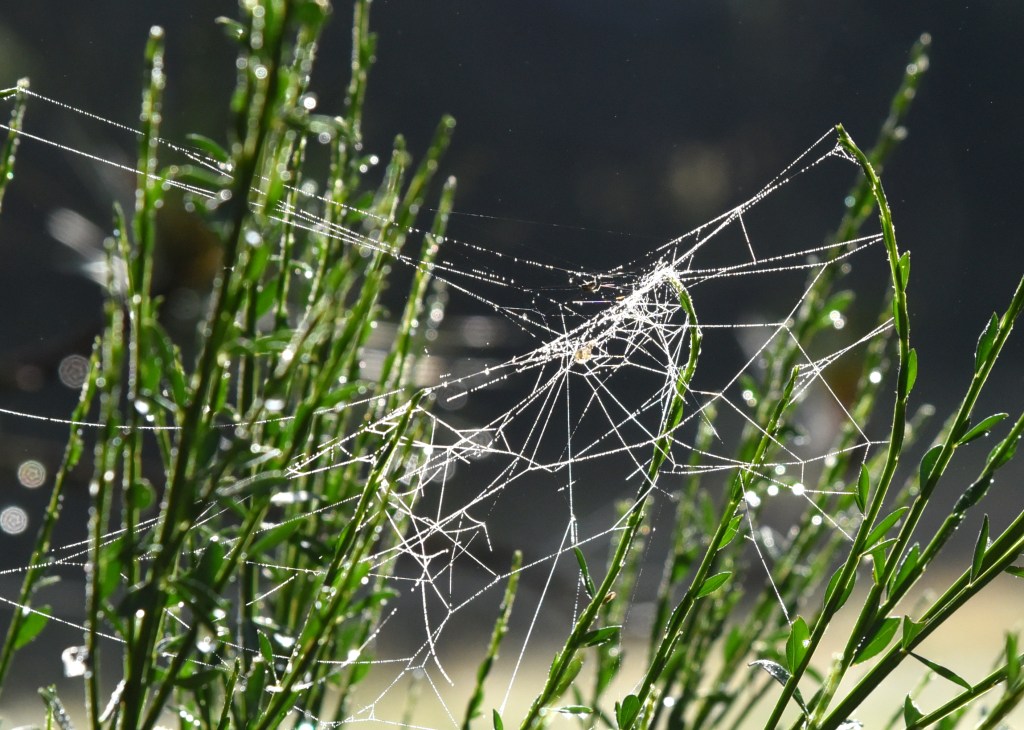
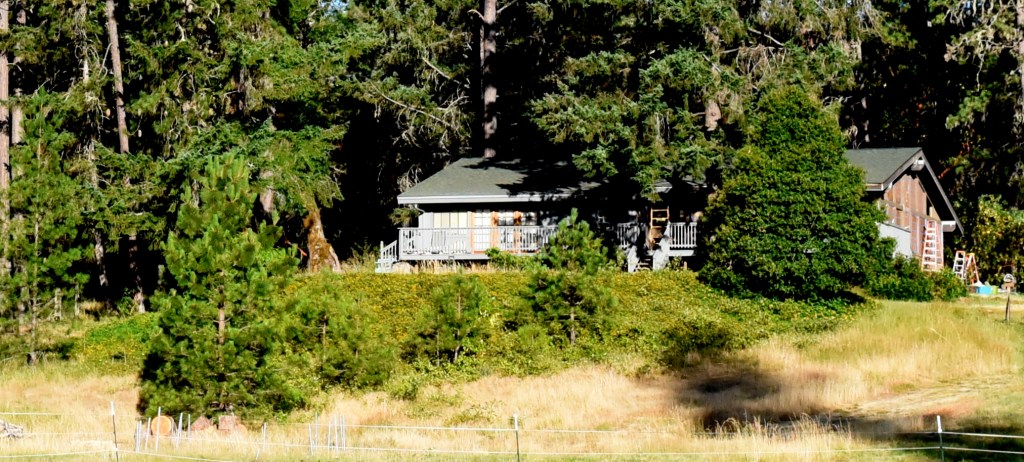
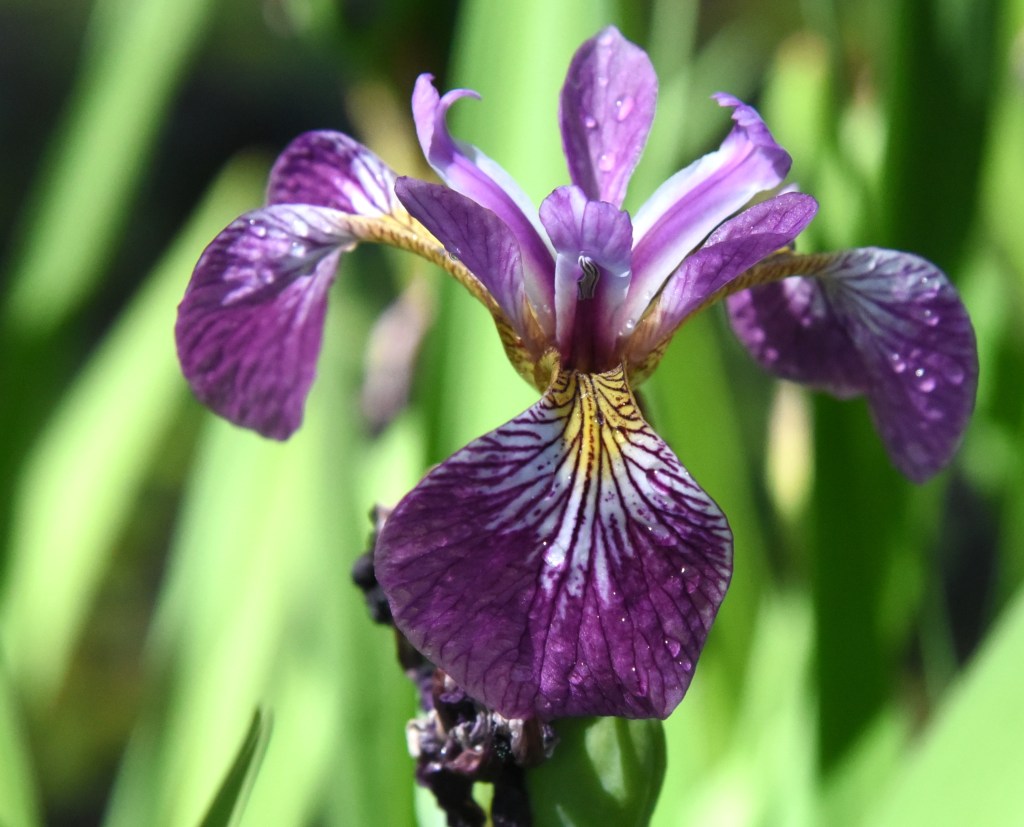
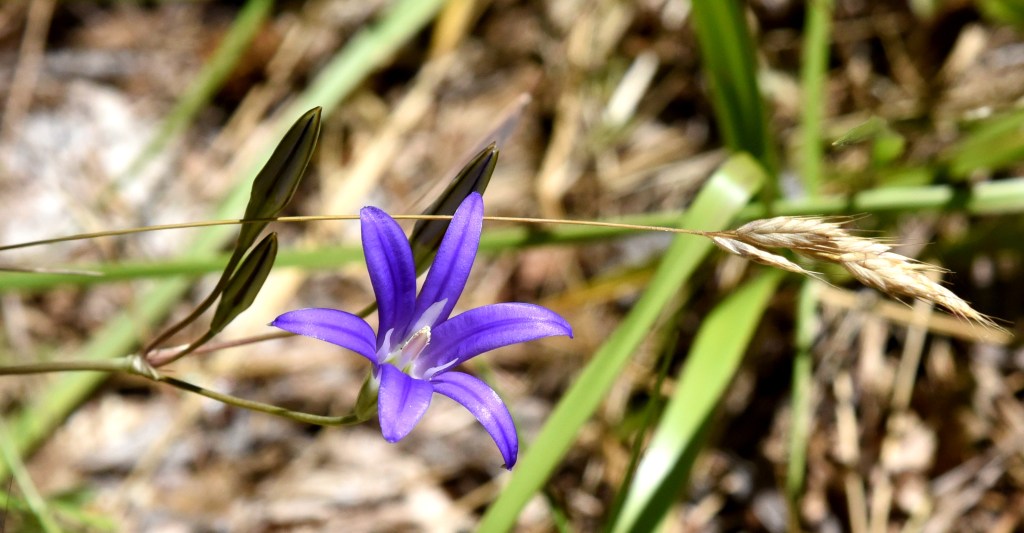
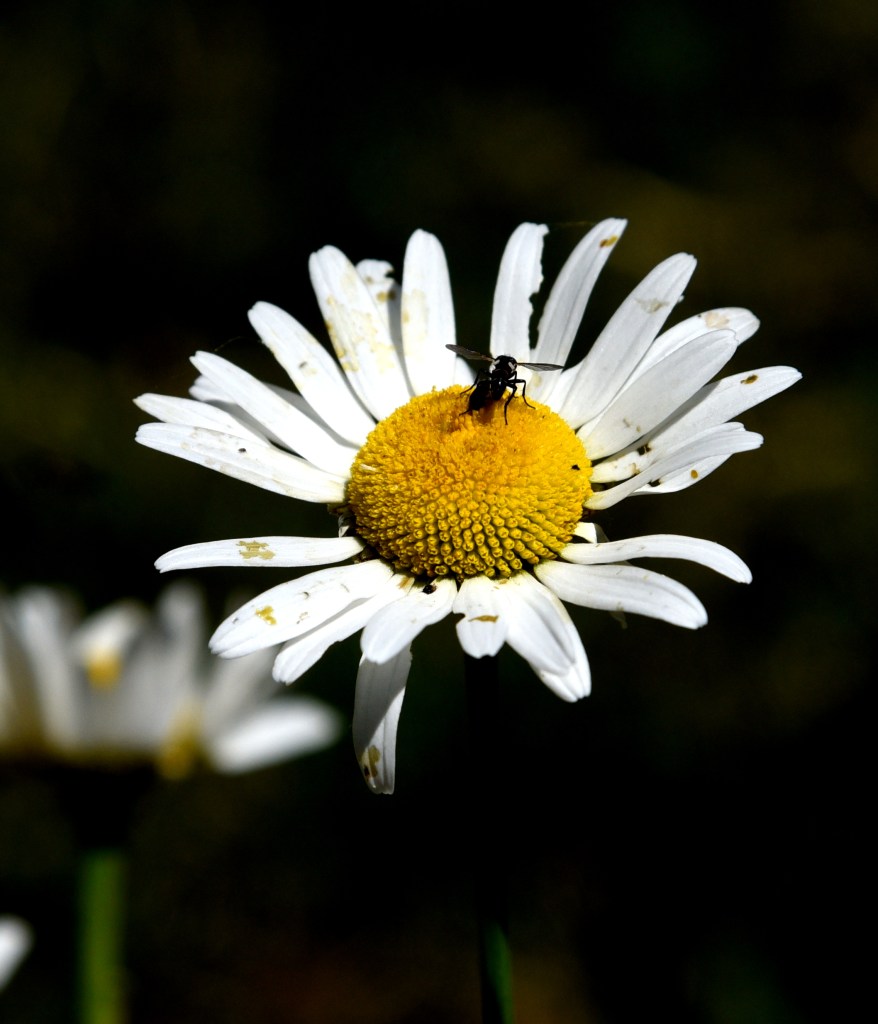
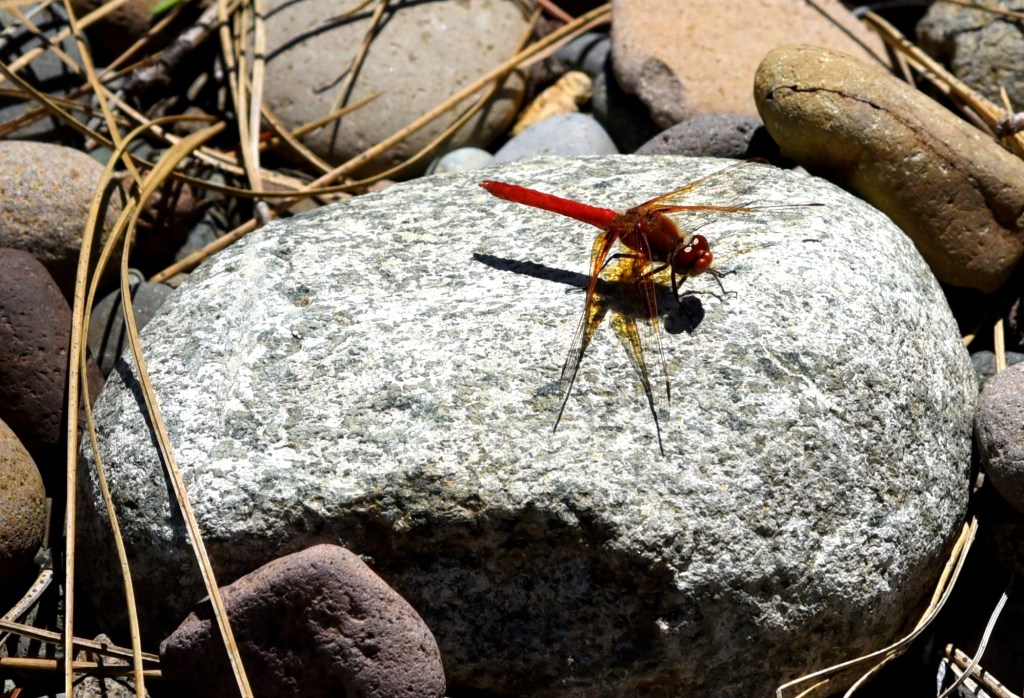
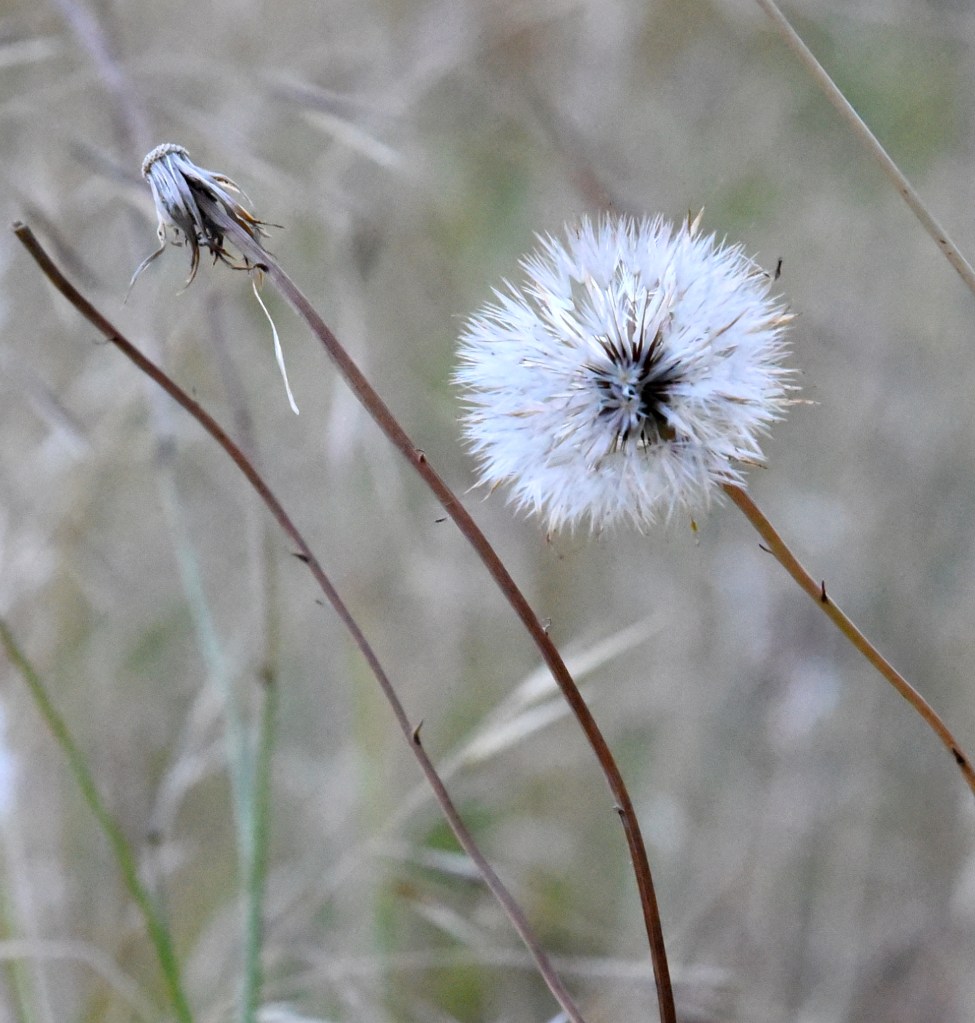
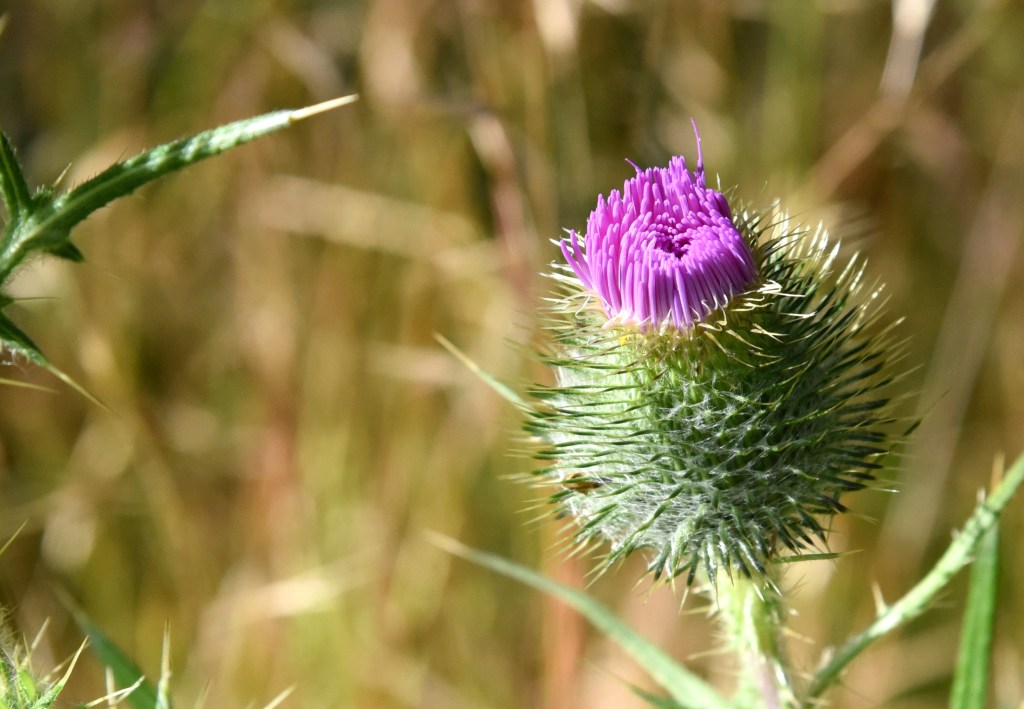
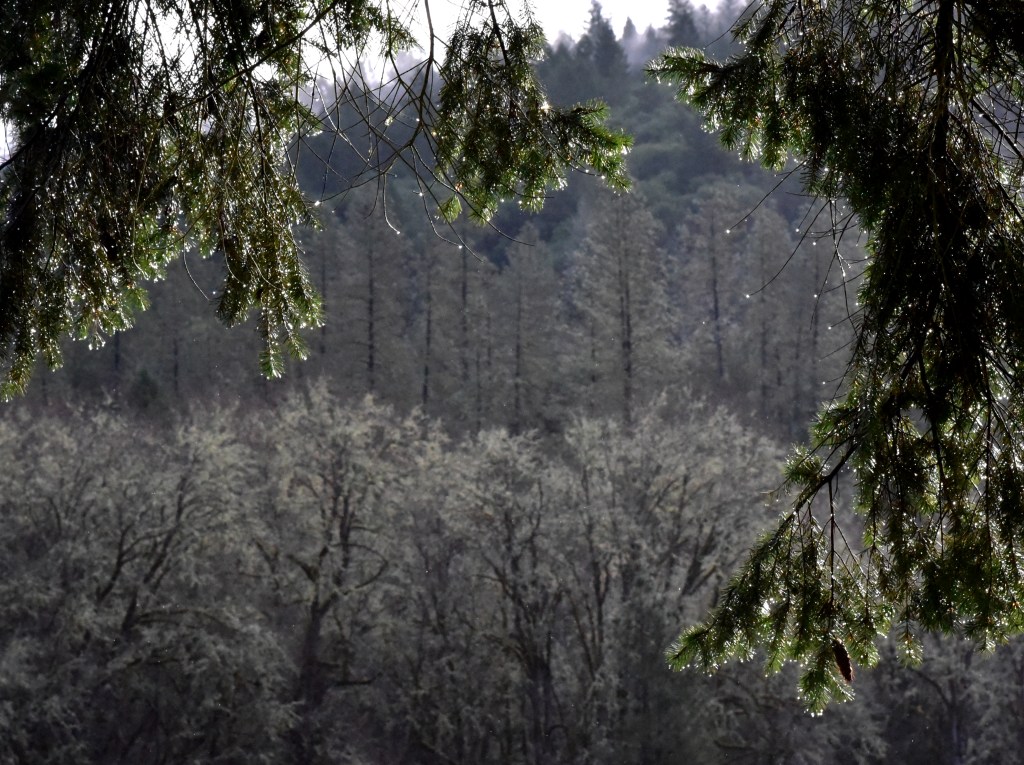
More of the beauty of a moist morning here at home.

oooo

oooo

oooo

oooo

Once again, for anyone interested, all the photographs were taken with a Nikon D750 camera and a Nikkor 24-70 2.8 lens.

Picture Parade Two Hundred and Forty-Six

Staying with the theme of our beautiful natural world.

(But with a difference; these photographs are taken by yours truly all within our property.)

Shared with you good people both today and in a week’s time.

But first an apology for there being no posts these last two days. All down to helping Ken, a local friend, with the task of giving our house a bit of a ‘paintover’.

Going from brown to grey!

OK! On with the scenes of nature!

oooo

oooo

oooo

oooo

oooo

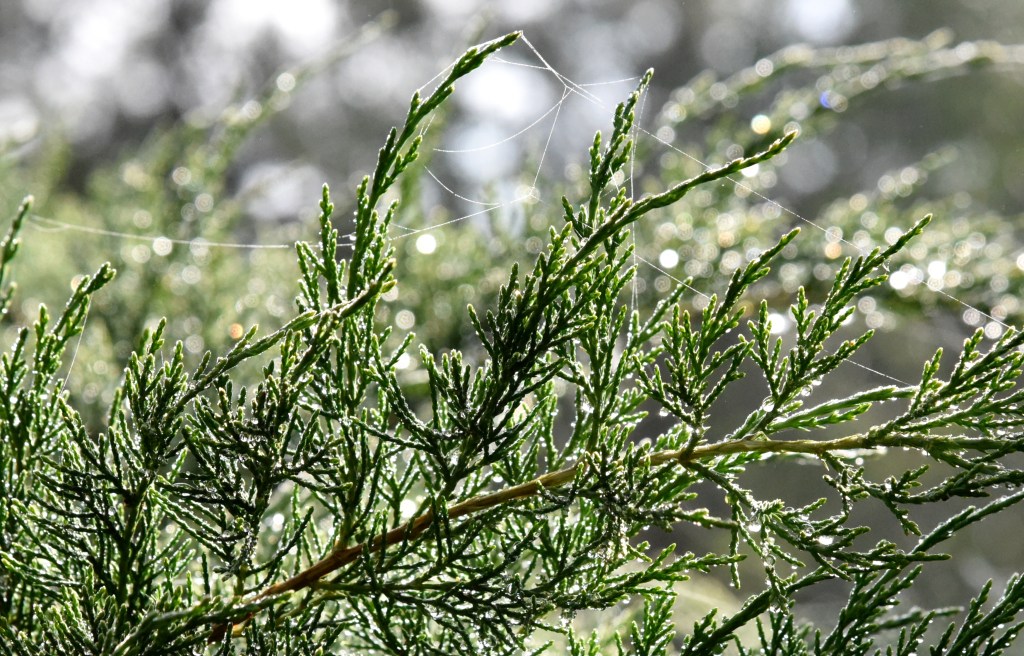
Earlier in June we had a couple of wet days. On the first dry morning after the rain I took a number of photographs. Just two for now and then the rest shared with you in a week’s time.

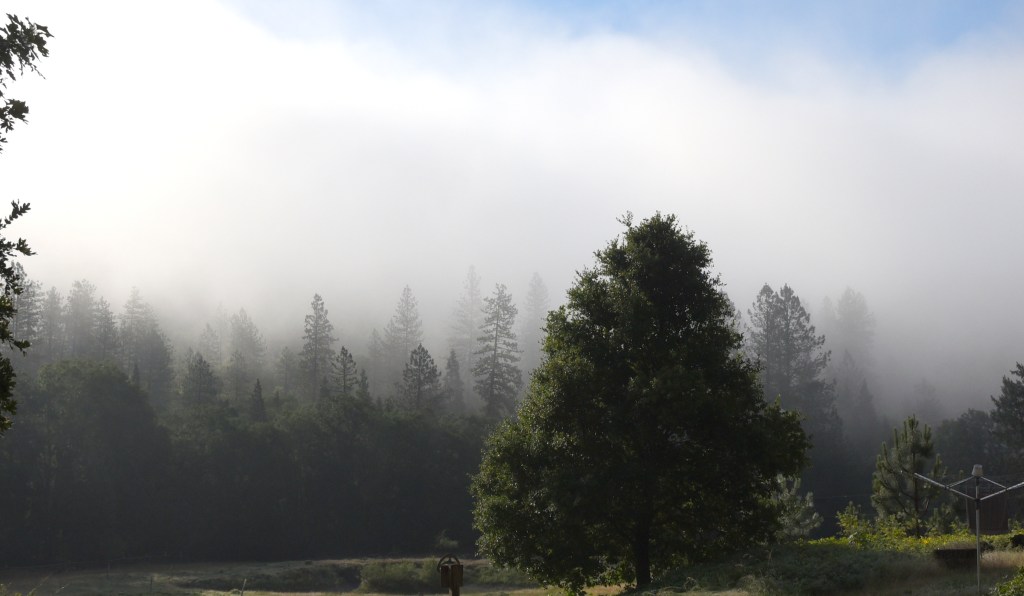
Morning mists from the overnight rain.

oooo

The moisture in the air picked up by the morning sunlight was breathtakingly beautiful!

All the photographs were taken with a Nikon D750 camera and a Nikkor 24-70 2.8 lens.

Picture Parade Two Hundred and Forty

The final photographs sent to me by Dan Gomez.

oooo

oooo

oooo

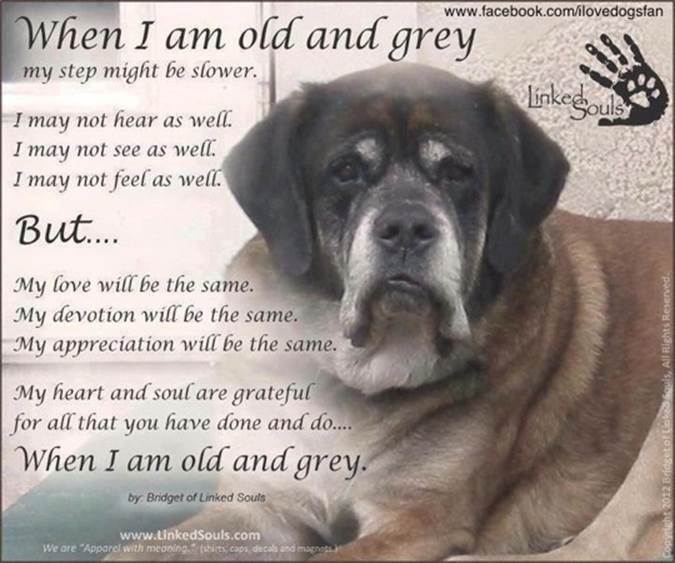
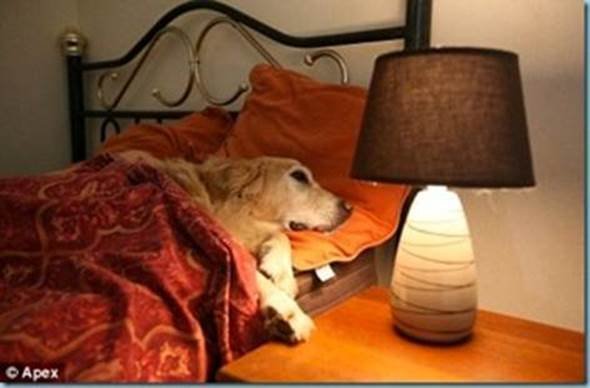
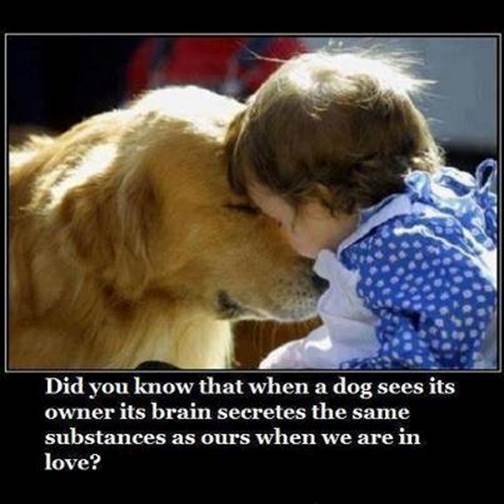
That last one really does get to the essence of what having a dog in one’s life truly means.

You all have a wonderful week!

Finally, thank you Dan!


Picture Parade Two Hundred and Thirty-Nine

More of those pictures sent to me by Dan Gomez.

oooo

oooo

oooo

oooo


The last of these super pictures in a week’s time.

Thanks Dan!

To England and France, Part Five

Beautiful, peaceful and relaxing days!

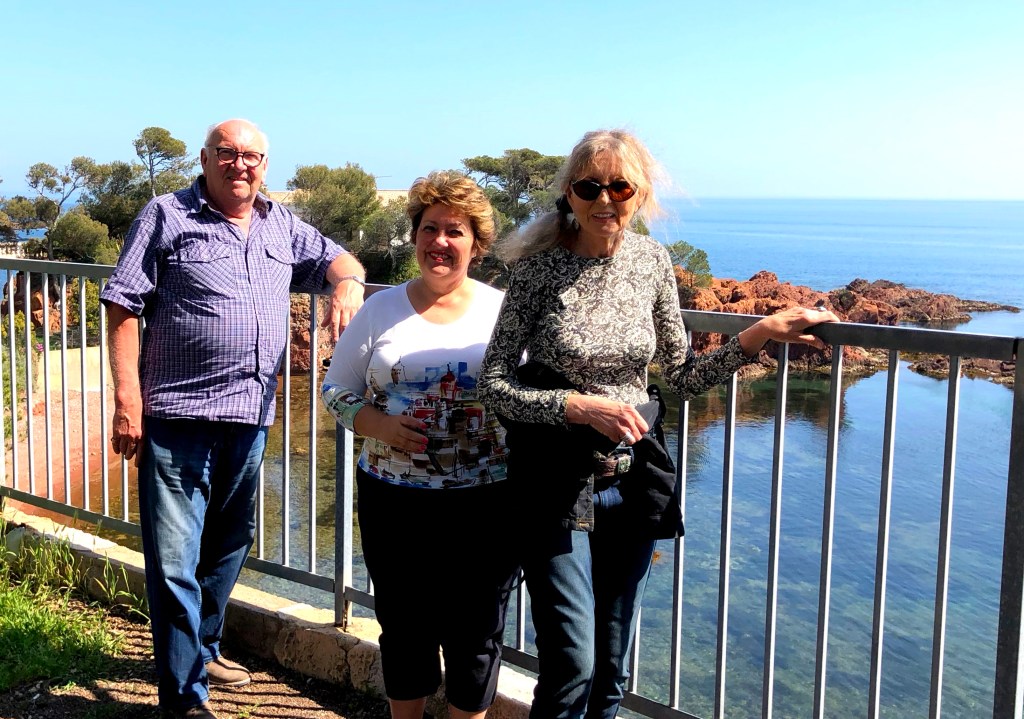
We were in Reggie and Chris’s villa in the village of La Croix des Luques inland from the Cote d’Azur, Southern France.

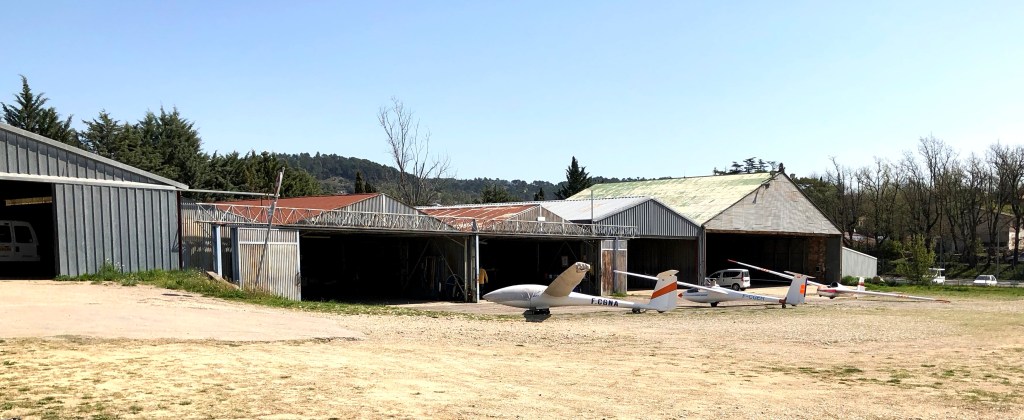
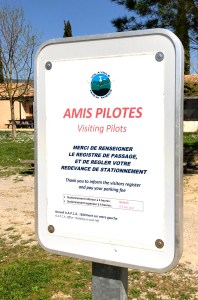
I quickly realised that their villa was not far from the world-famous sailplaning airfield at Fayence. Or LES PLANEURS DE FAYENCE as it is known. Reggie gladly offered to take Jean and me across to the airfield.

Many years ago, when I was living and working in Colchester, Essex, I became a very keen and active pilot with the Rattlesden Gliding Club in Suffolk eventually qualifying as a gliding instructor. So when Reggie suggested that I see about getting a dual flight at the Fayence Club I didn’t need asking twice.
Unfortunately, they couldn’t accommodate my wishes before we had to leave France so that opportunity had to be let go.

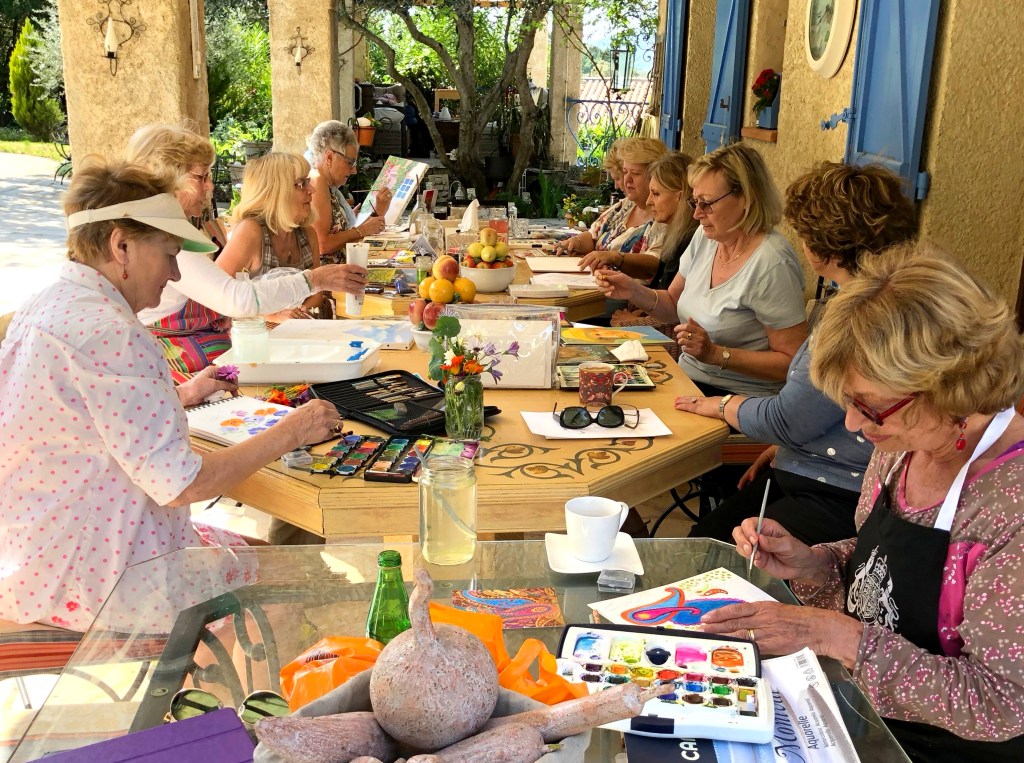
Another opportunity, this time for Jeannie, was taken advantage of. Chris was a member of a local art class and while we were going to be there the class would be meeting at the villa. Would Jean like to take part?

Jean is a good amateur artist, as many of her paintings and sketches around our house attest to. So that did take place and it was a wonderful afternoon for all concerned.

oooo

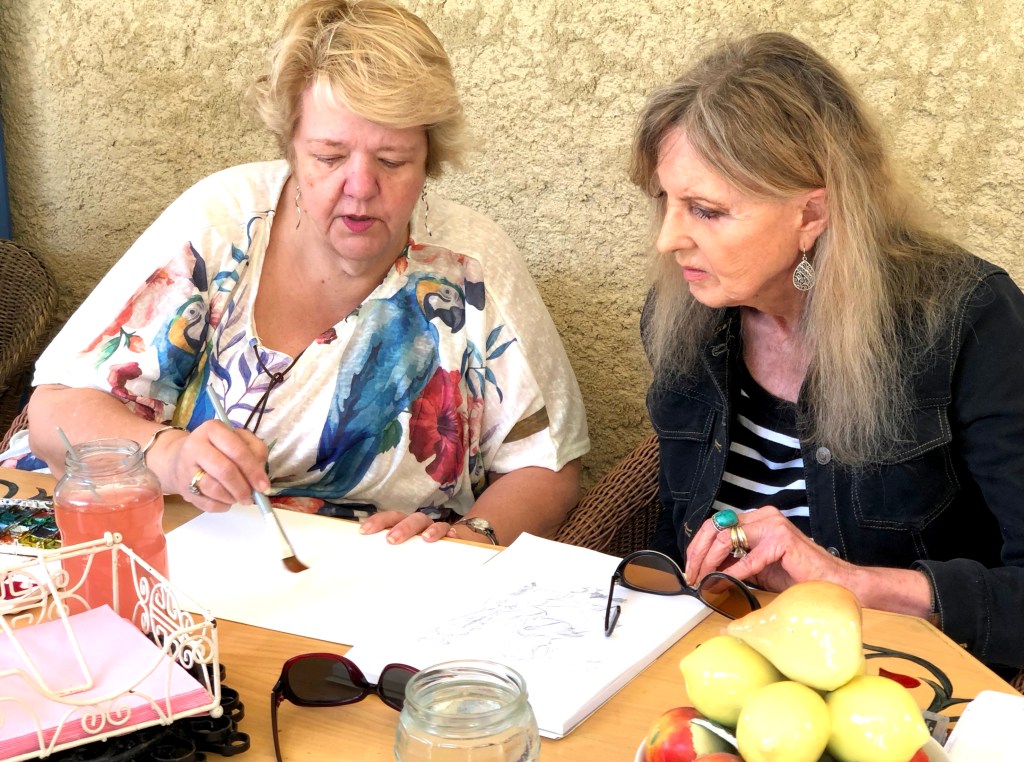
Stella, Christine’s sister, working alongside my Jeannie.

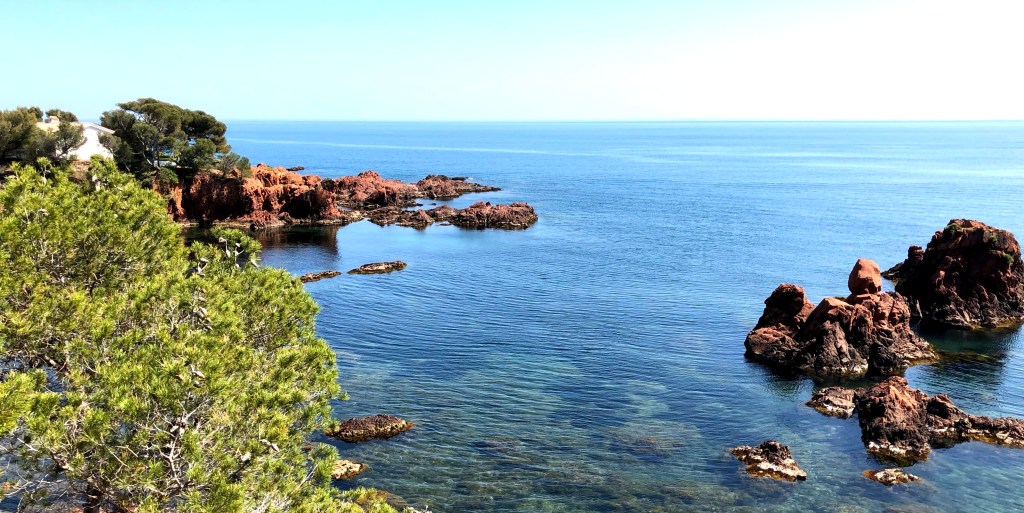
Then on a subsequent day Reggie and Chris took us for a drive along the beautiful coastline that is the essence of the Cote d’Azur.

To reach the coast Reggie took a route that went down towards Frejus and Saint-Raphael and then joined the coast road just west of Le Dramont.

I found this was stirring up very old memories. For my father, a Chartered Architect, had a passion for this part of France and every summer back in the 1950s took the four of us (Mum, Dad, me and my sister Elizabeth) for a month’s holiday. Thus many of the coastal town names had echoes from over 60 years ago. (Father died in December, 1956 of cancer.)

As we drove along, I reminisced aloud to Reggie and Chris that when I was 15 my mother decided that it would be a good thing for me to do a student exchange with a French boy. It was arranged and in the early part of the summer of 1959 in to our house in Preston Road, Wembley came Philippe, whose home was in Paris.

Then in about 4 weeks it was my turn to accompany Philippe back to Paris. It was a very ornate apartment with an air of luxury living and I felt very lost in the place. Apparently, Philippe’s father was a director with Air France.

Anyway, the father announced just a couple of days after I had arrived that all the family the following day would be flying from Paris to Nice airport, (with Air France, of course!) to then spend a month at the family’s French villa in the coastal town of Antheor.

On me mentioning Antheor Reggie immediately exclaimed that we were just a few miles from going through Antheor and that we should stop there. I wondered if I would remember anything of the place.

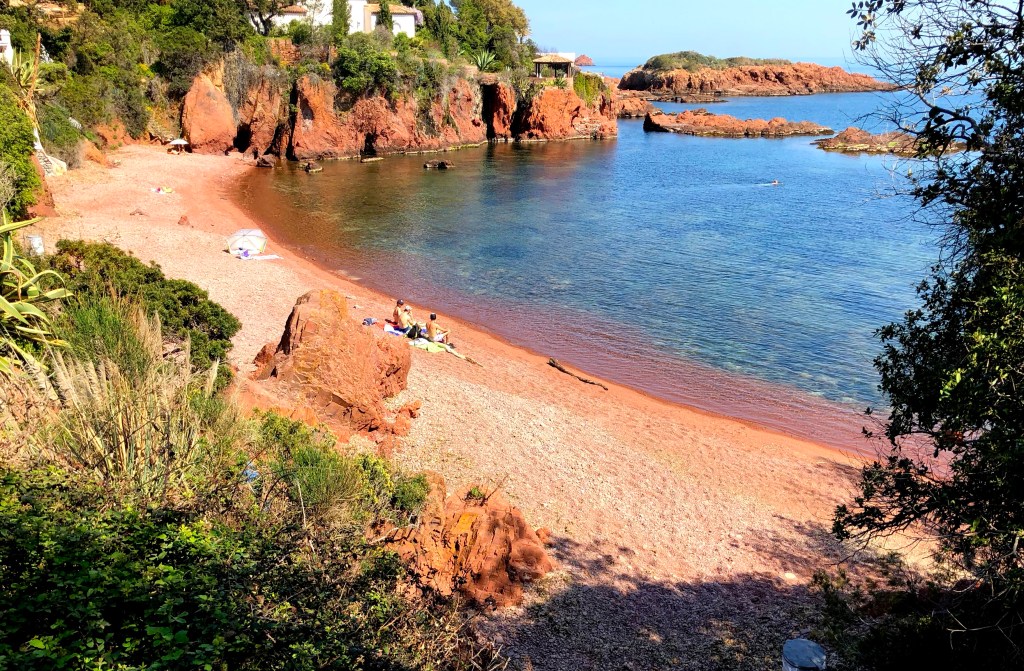
Well I did!! To my amazement when we stopped to look down at the beaches below the level of the road I thought that we were very close to the beach in front of the villa at Antheor where I used to swim, frequently on my own, every day that I stayed there.

I told everyone to stay where they were and ran on to the next beach.

Bingo!!

It was the same beach that I now recalled so clearly.

Swimming memories from 1959!

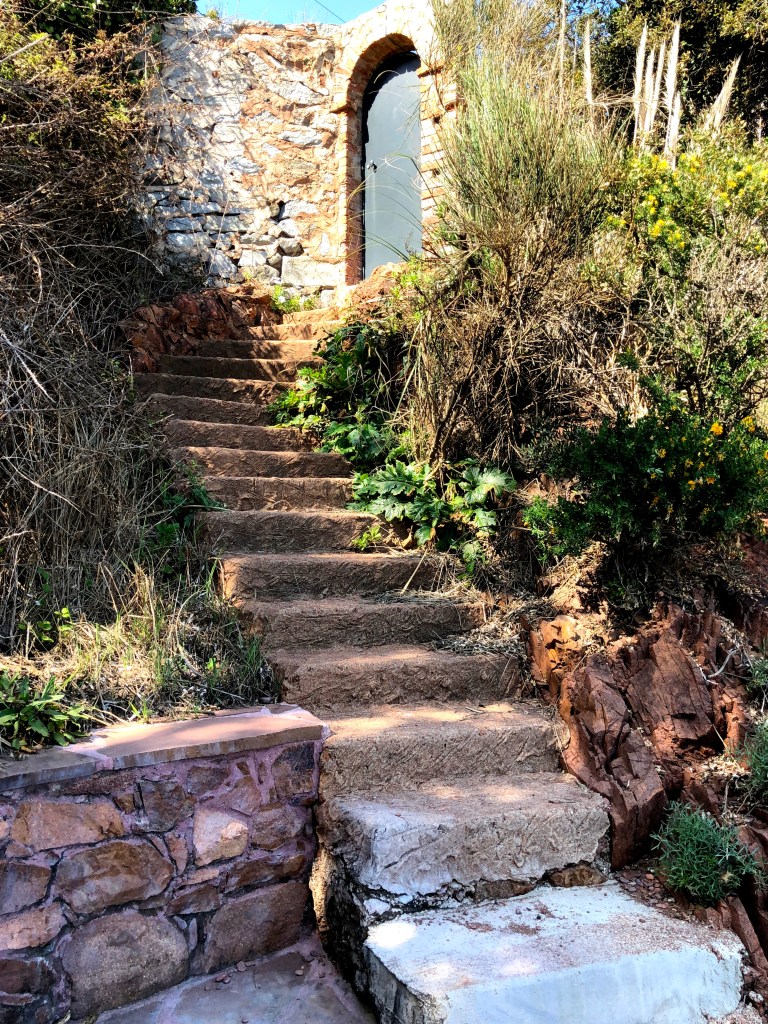
Even more amazing for me was that the iron gate and steep stone steps down to the beach were still there, albeit no longer being used as a more modern set of steps was in place.

By this time, the others had arrived at the head of the new steps and were looking down at me as I became truly lost in days so very long ago.
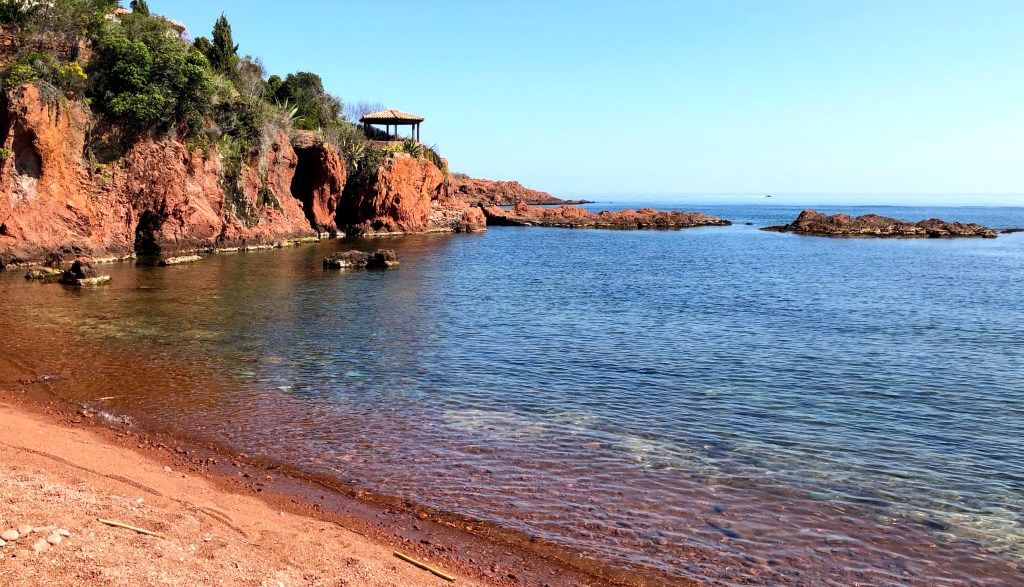
 

I have no recollection why back then the rest of the family so rarely came down to the beach that was so close to where their villa was. Indeed, it was just a case of crossing the coast road, much quieter in those years, and descending the steps to the beach.

But for this London boy it was bliss beyond measure. Maybe at some level it reminded me of family holidays for our, as in sister Elizabeth and me, father’s death was still a painful memory.

I stood still and just looked at the beach and at the sea and was transported so very clearly back to the times when I swam around the rocks, wearing a face mask and snorkel, just lost forever in what one could see underwater.

Then it was time to return to the car and resume our delightful drive.

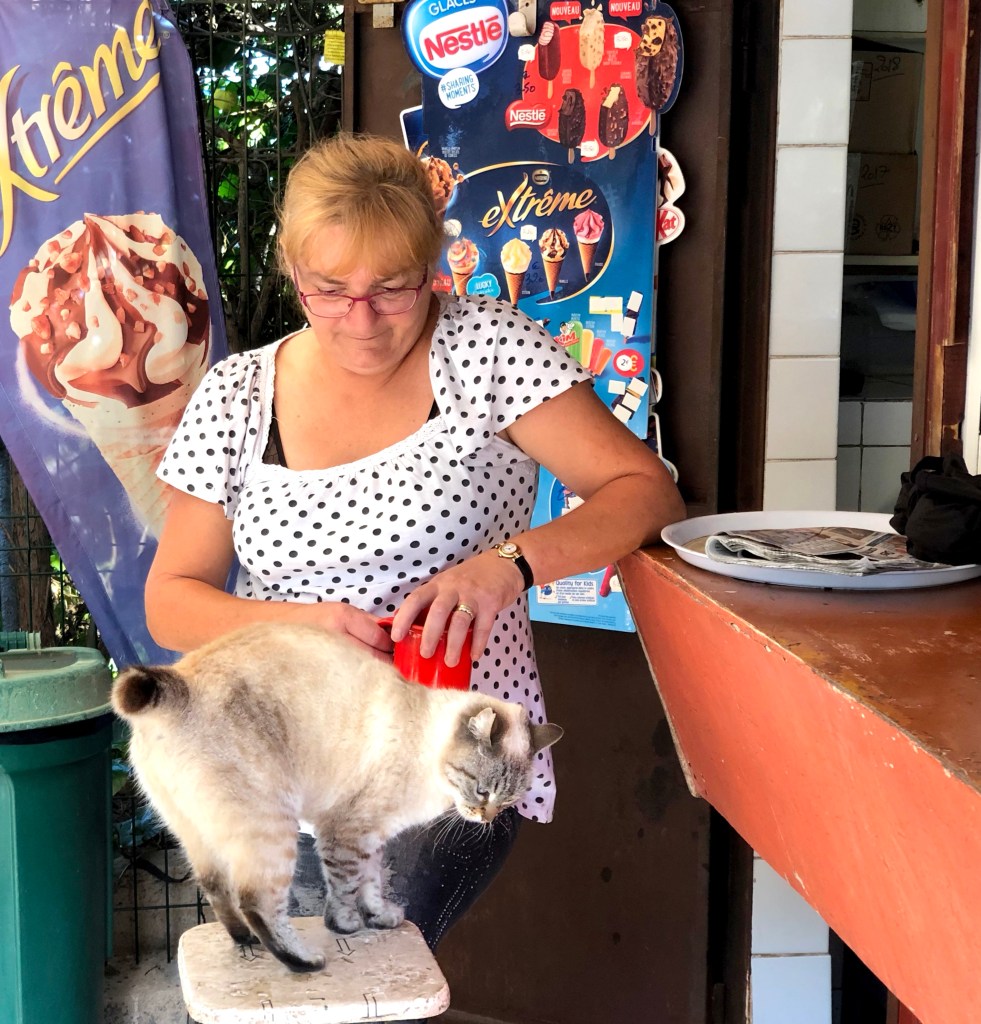
Soon after we stopped at a small beach cafe for an afternoon drink of something cool.

Everything, well for me at least, still seemed a little unreal; a little larger than life! I think that’s what inspired me to take the photograph above of the cafe proprietor and her cat!

Then we moved on again.

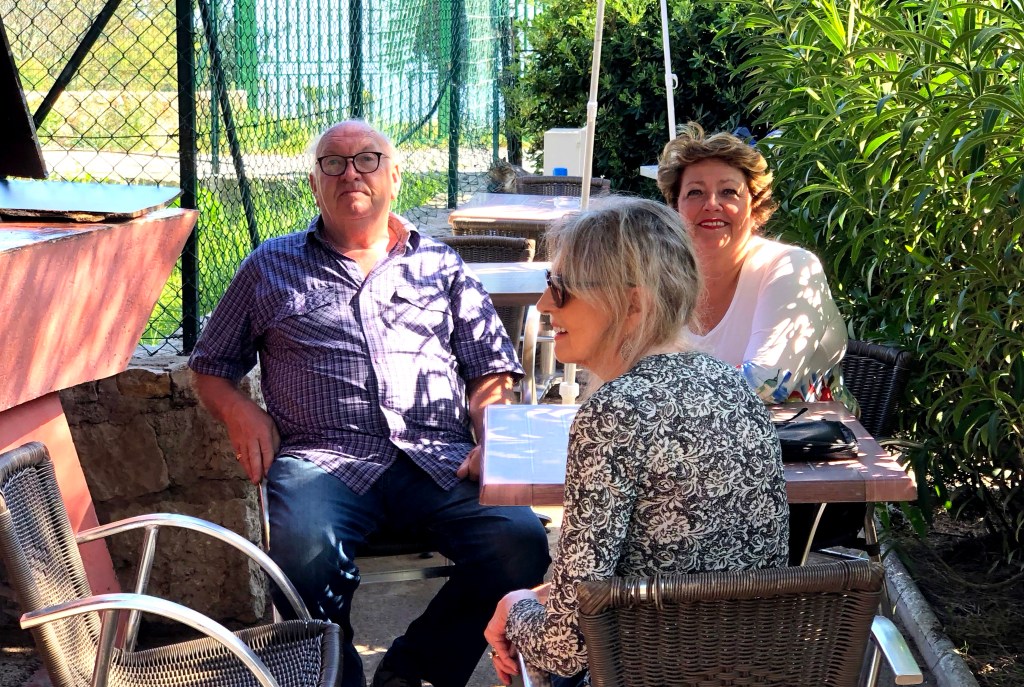
In due course, to another delightful evening meal somewhere local. The French expression “en famille” says it all!

These wonderful days were going by far too quickly!

In a flash it was Tuesday and Jean and I were being driven to Nice airport for another easyJet flight. But instead of returning to Bristol we had booked an easyJet flight into Gatwick. Because the last 36-hours of our vacation were being spent with my daughter’s family.

Maija’s husband, Marius, who is employed by The Royal National Theatre, near Waterloo Bridge on the south bank of the River Thames in London, frequently is working evenings but in order to spend time with me and Jeannie he had taken a day’s holiday on the 25th.

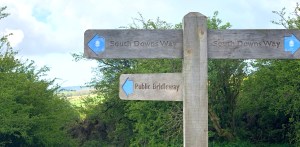
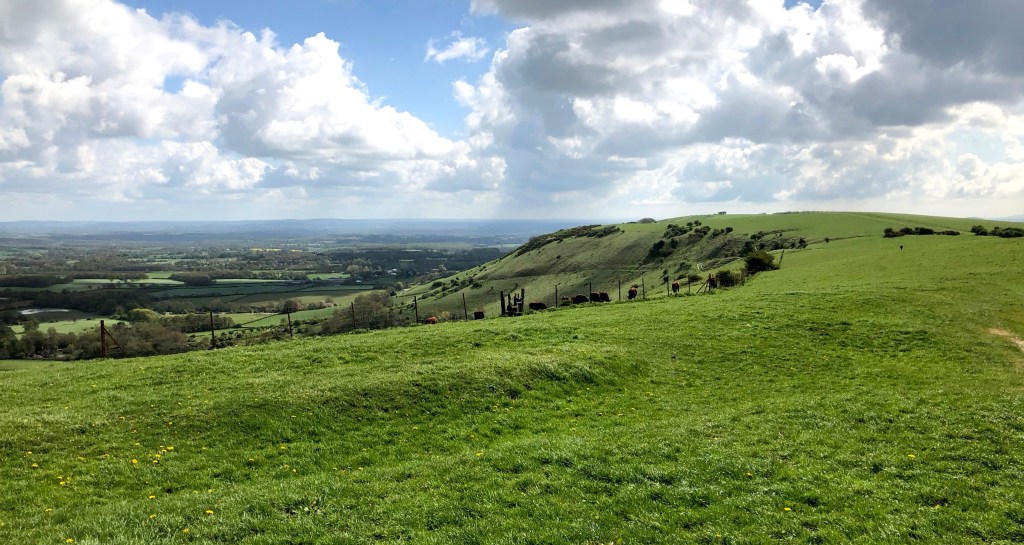
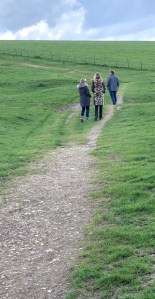
Our last day of our vacation dawned bright and sunny. It was a school day for Morten and after he had left for school Marius and Maija suggested going for a walk along the South Downs. Perfect!

For those unfamiliar with the South Downs let me quote a little of what may be read on Wikipedia.

The South Downs are a range of chalk hills that extends for about 260 square miles (670 km2)[1] across the south-eastern coastal counties of England from the Itchen Valley of Hampshire in the west to Beachy Head, near Eastbourne, East Sussex, in the east. The Downs are bounded on the northern side by a steep escarpment, from whose crest there are extensive views northwards across the Weald. The South Downs National Park forms a much larger area than the chalk range of the South Downs and includes large parts of the Weald.

The South Downs are characterised by rolling chalk downland with close-cropped turf and dry valleys, and are recognised as one of the most important chalk landscapes in England.[2] The range is one of the four main areas of chalk downland in southern England.[3]

It is a beautiful place to walk.

It was a magical way of spending our last day.

Again, I was aware of stirrings in my old memory box from many years ago, possibly when I might have taken young Alex and Maija for a walk along the Downs, or something along those lines.

But today it meant so much for Jeannie and me to be with Maija and Marius for this gorgeous walk.

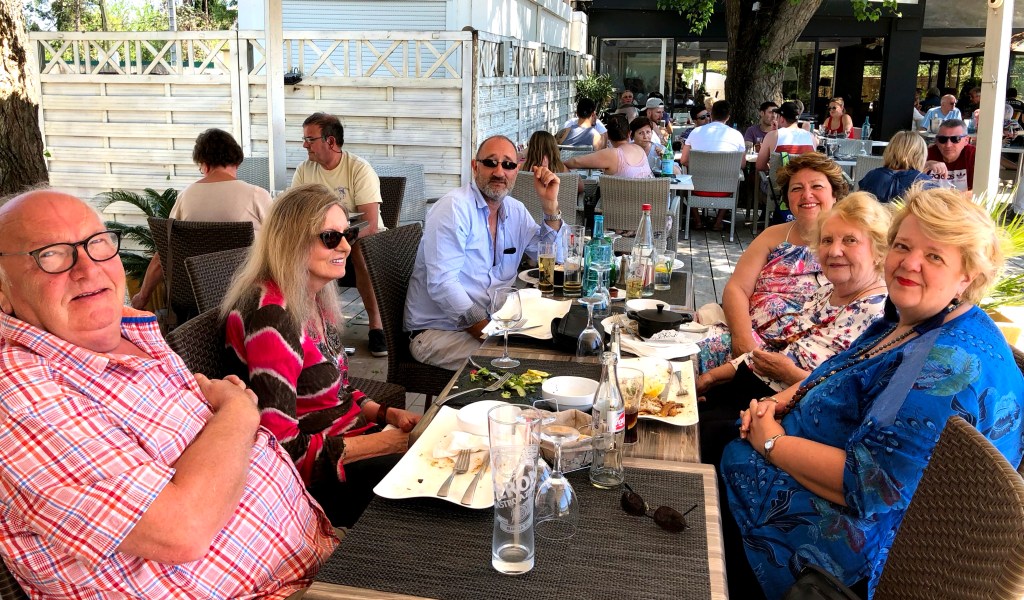
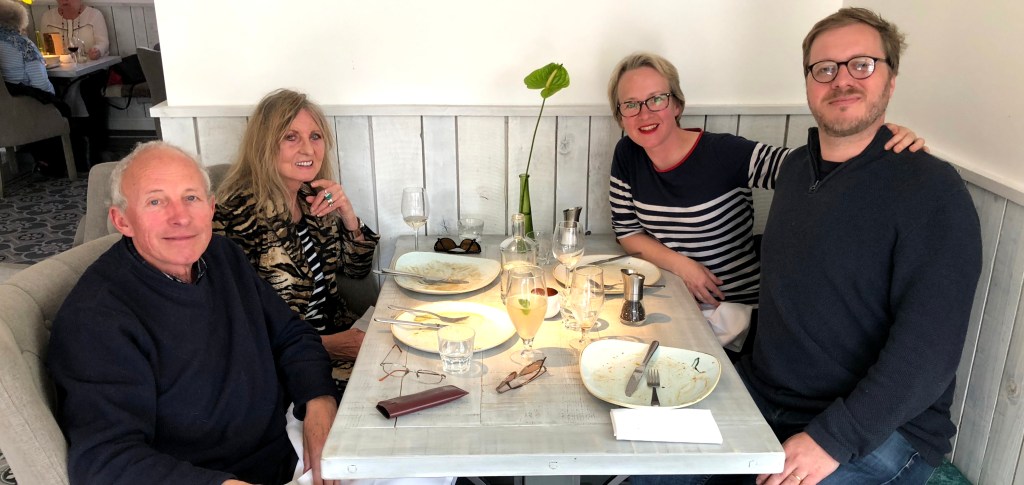
A couple of hours later we found a place to have a late lunch and asked the lady serving our table to take a photograph of all four of us!

Obviously, we had to be home in time for Morten’s return from school.

Those last hours of that day were focussed on keeping Morten company. What else mattered!

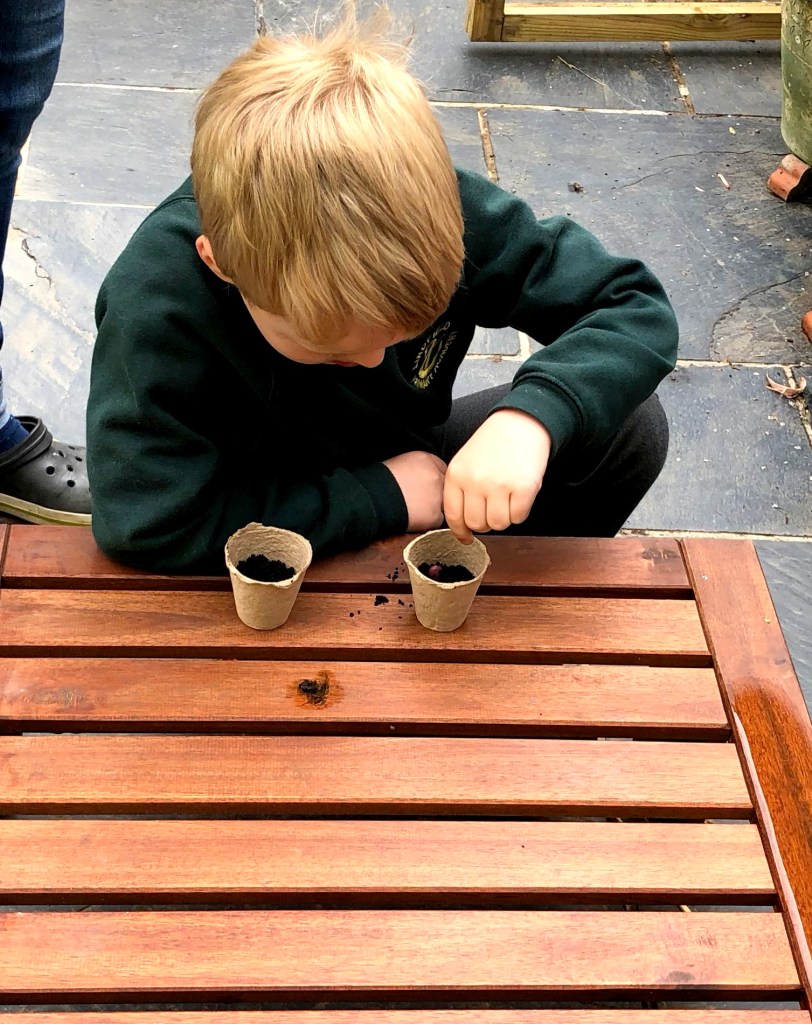
So the last photograph of the whole vacation is the one below. A picture taken of Morten planting some seeds that were bought while we were out that day.

We arrived back in Portland, Oregon around 6pm on the 26th and too late to drive all the way back to Merlin.

So after we had collected the car from the long-term parking we stopped off at the first motel that we saw heading though southern Portland.

Then around 11am on Friday, 27th April we pulled up in front of the house to be greeted by six very loving and contented dogs. Well done, Jana!

That evening those contented dogs demonstrating their happiness did more than anything to communicate a precious message.

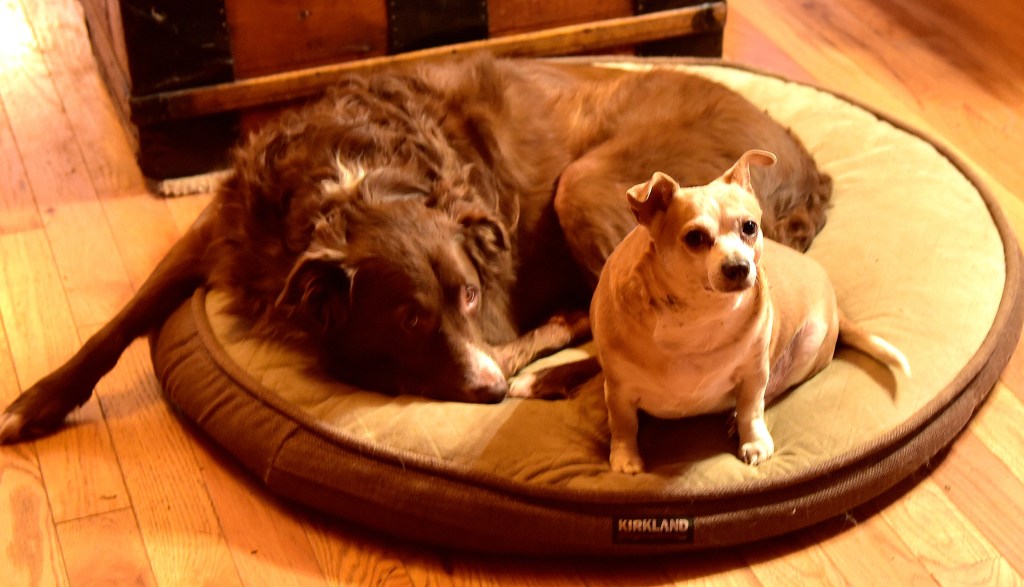
Oliver and Pedi

oooo

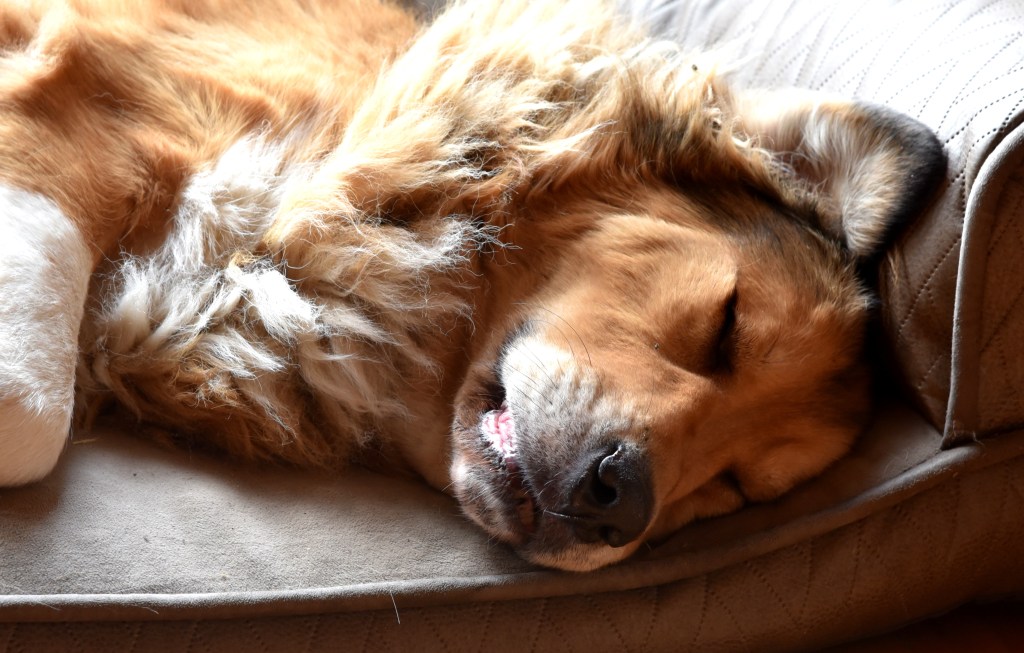
Brandy.

Welcome Home Jeannie and Paul!

The End!

Picture Parade Two Hundred and Thirty-Eight

The pictures that were mentioned in Dan’s item last Tuesday.

oooo

oooo

oooo

oooo

oooo

The second set of these compelling photographs in a week’s time.

You all take care out there!

The Time Machine

Time!

When you read this post, assuming you will be reading it on Sunday 8th April, you may be wondering why there is no Picture Parade today.

Indeed, there are not going to be Picture Parades until the first Sunday in May.

Actually, to be completely honest, there are going to be no posts at all from tomorrow all the way through to May; the next post being a guest post on Tuesday, 1st May. Nor will I be popping into this place to acknowledge comments and replies! Sorry!

Why?

Simply because Jean and I are taking a little vacation. Will explain more when we return.

Jana Stewart will be living here at home caring for all the dogs, cats, horses, ponies, chickens and parakeets! Oh, nearly forgot! And putting out feed for the wild deer!

So this post is to share with you the aptly named The Time Machine album by Alan Parsons

Also, I wanted to specifically share with you three of the tracks from that album!


Can’t imagine you haven’t come across Alan Parsons before but in that unlikely event his website is here.

Plus, I will close with a copy of the opening WikiPedia information on Alan Parsons.

Alan Parsons (born 20 December 1948)[1] is an English audio engineer, songwriter, musician, and record producer. He was involved with the production of several significant albums, including the BeatlesAbbey Road and Let It Be, and the art rock band Ambrosia‘s debut album Ambrosia as well as Pink Floyd‘s The Dark Side of the Moon for which Pink Floyd credit him as an important contributor. Parsons’ own group, the Alan Parsons Project, as well as his subsequent solo recordings, have also been successful commercially.

Yes, I know I’m showing my age!!

Picture Parade Two Hundred and Thirty-Three

Closer to home!

In a reply to a post response left by fellow blogger Tails Around the Ranch I wrote:

Came up to Oregon for the rain, found a property that had been empty for years, Bank owned, put in a silly offer that was accepted, sold our Payson home and moved here, with 12 dogs and 6 cats, in October, 2012! Love the place. Will share some pictures of here next Sunday!

So today I am sharing a few pictures with you all. (All of them taken very recently.)

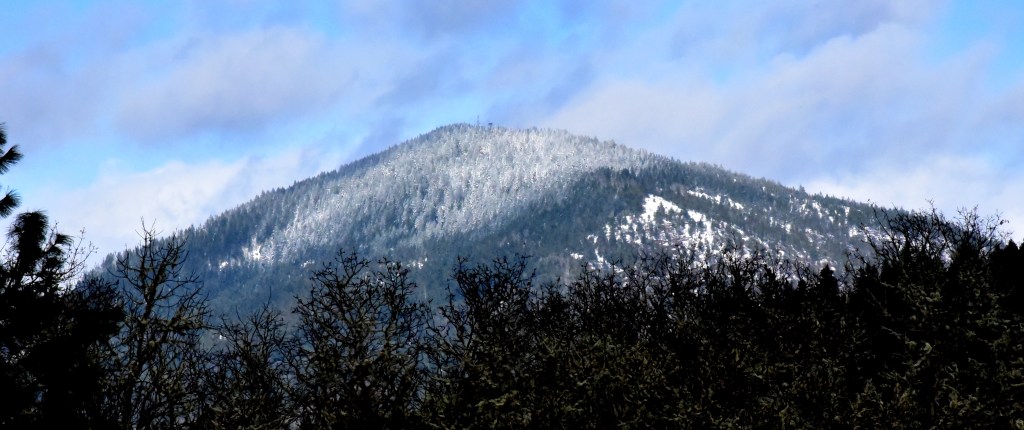
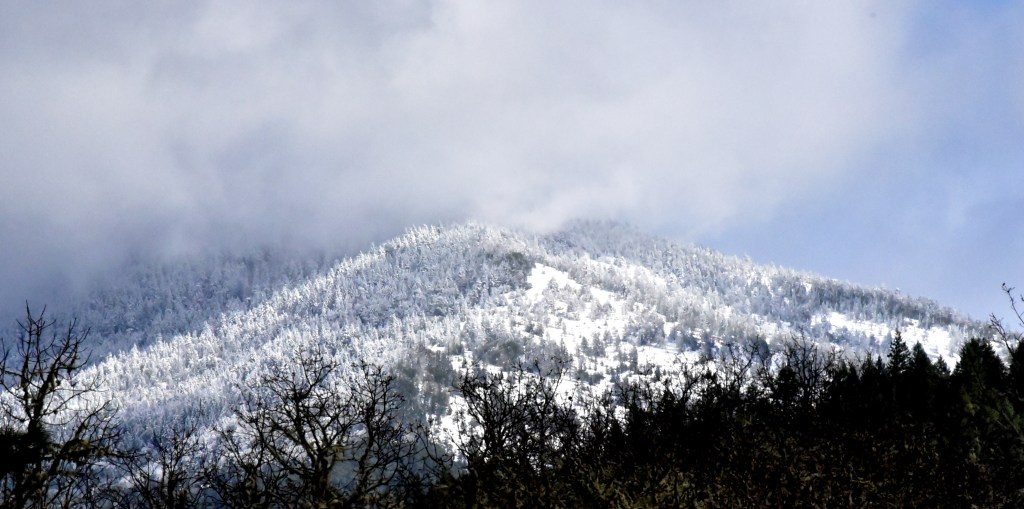
Mount Sexton just to the North-East of us. Take Feb. 24th.

oooo

Another, more starker, Mt. Sexton taken two days later.

oooo

Smoke from our neighbour’s wood fire mingles in the damp air of the trees in the corner of our property. Taken March 1st.

oooo

Rain-laden clouds almost mask Mt. Sexton. Taken March 1st.

oooo

The deer that we feed each morning have made their own trail. March 1st.

oooo

The deer trail to the area by the stables where the food is put out each morning. March 1st.

oooo

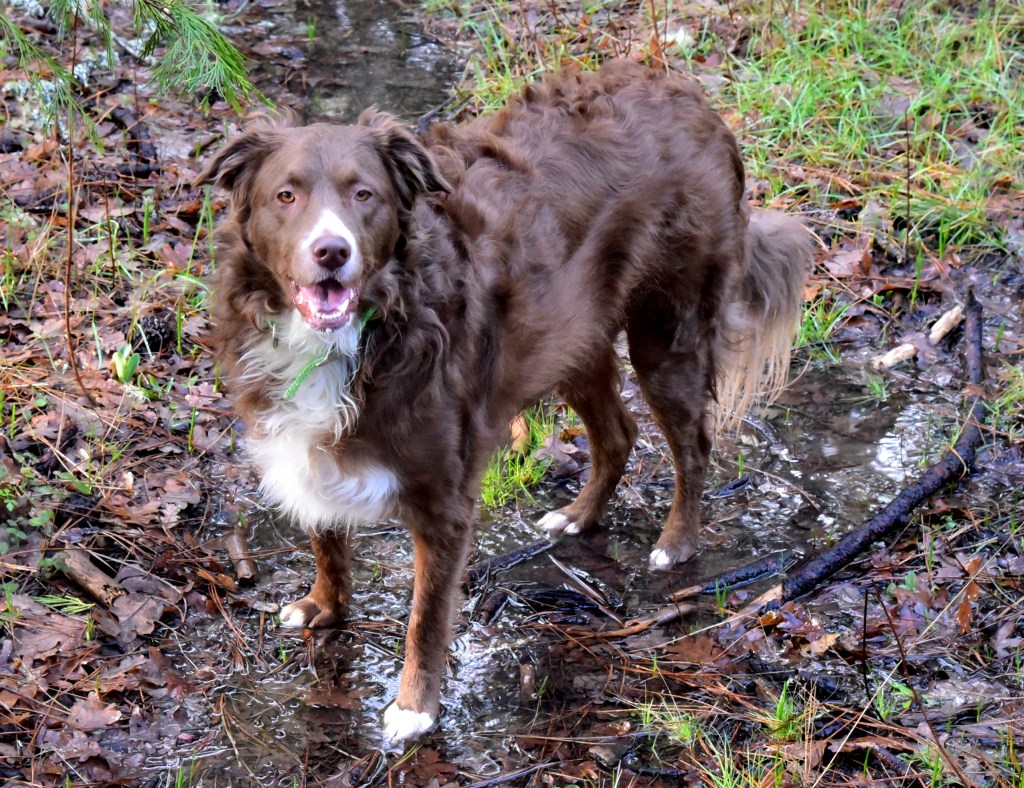
Young, dear Oliver playing in that deer trail. March 1st.

oooo

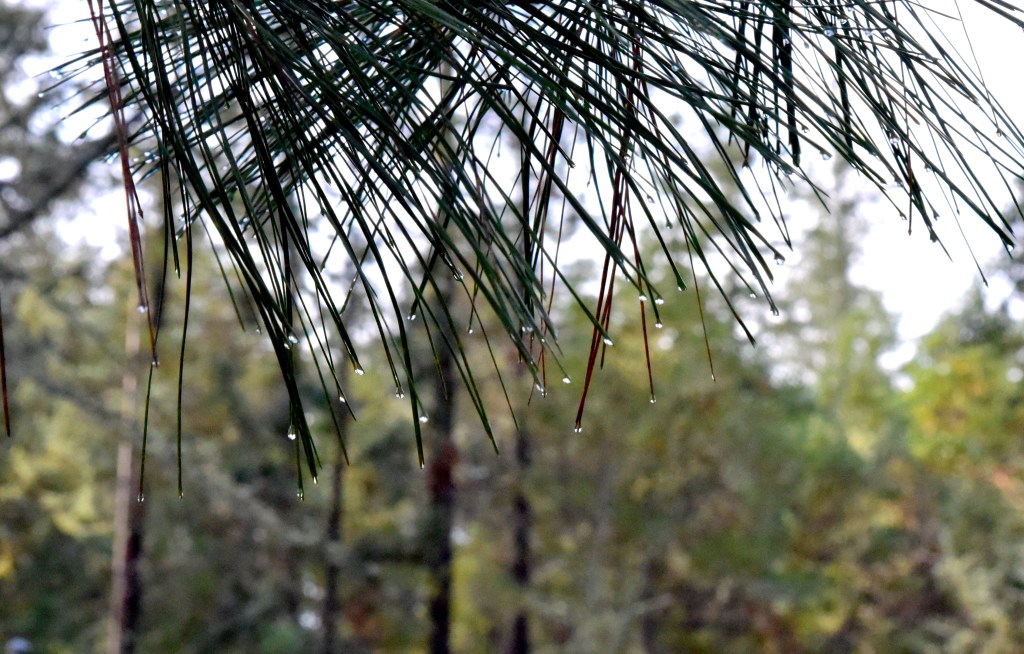
The rain drops on these pine needles caught my eye. March 1st.

oooo

Not just deer that coming feeding on our property. March 1st.

oooo

Another scene that caught my eye. March 1st.

oooo

Final picture showed how the storm deteriorated during that first day of March. Taken at 2pm.

So this is why Jeannie and me and all our dogs, not to mention the horses, love living here.

More inward thoughts.

Each of us must care and love ourselves before we can love others.

(Apologies if this post rambles around a bit!)

Dr. Kristin Neff, Ph.D. is widely recognized as one of the world’s leading experts on self-compassion. Dr. Neff has a website over at Self-Compassion.org. If you go to that site you will quickly read (And while I have copied and pasted it 100% as found on that webpage, I have modified the layout to make it easier to read from a visual point-of-view.):

Definition of Self-Compassion:

Having compassion for oneself is really no different than having compassion for others. Think about what the experience of compassion feels like.

First, to have compassion for others you must notice that they are suffering. If you ignore that homeless person on the street, you can’t feel compassion for how difficult his or her experience is.

Second, compassion involves feeling moved by others’ suffering so that your heart responds to their pain (the word compassion literally means to “suffer with”). When this occurs, you feel warmth, caring, and the desire to help the suffering person in some way. Having compassion also means that you offer understanding and kindness to others when they fail or make mistakes, rather than judging them harshly.

Finally, when you feel compassion for another (rather than mere pity), it means that you realize that suffering, failure, and imperfection is part of the shared human experience. “There but for fortune go I.”

Self-compassion involves acting the same way towards yourself when you are having a difficult time, fail, or notice something you don’t like about yourself. Instead of just ignoring your pain with a “stiff upper lip” mentality, you stop to tell yourself “this is really difficult right now,” how can I comfort and care for myself in this moment?

Instead of mercilessly judging and criticizing yourself for various inadequacies or shortcomings, self-compassion means you are kind and understanding when confronted with personal failings – after all, who ever said you were supposed to be perfect?

You may try to change in ways that allow you to be more healthy and happy, but this is done because you care about yourself, not because you are worthless or unacceptable as you are. Perhaps most importantly, having compassion for yourself means that you honor and accept your humanness. Things will not always go the way you want them to. You will encounter frustrations, losses will occur, you will make mistakes, bump up against your limitations, fall short of your ideals. This is the human condition, a reality shared by all of us. The more you open your heart to this reality instead of constantly fighting against it, the more you will be able to feel compassion for yourself and all your fellow humans in the experience of life.

Let me highlight a small section from this:

….having compassion for yourself means that you honor and accept your humanness. Things will not always go the way you want them to. You will encounter frustrations, losses will occur, you will make mistakes, bump up against your limitations, fall short of your ideals. This is the human condition, a reality shared by all of us.

This is the human condition; whatever one’s gender, status in life or age!

Moving on.

There is no question that I learnt something from my cycling accident last November 22nd and my subsequent emergency admission to hospital for sub-dural bleeding on December 24th. Something that I would not otherwise have understood so clearly and so starkly.

The remarkable power of the brain to heal itself; albeit very slowly compared with some minor physical injuries.

The BBC science series Horizon broadcast earlier this year the story of ‘Richard’. The full title was My Amazing Brain: Richard’s War.

Horizon follows the story of Richard Gray and his remarkable recovery from a life-changing, catastrophic stroke. Recorded by his documentary film-maker wife Fiona over four years, this film provides a rare account of the hard work that goes into post-stroke rehabilitation.

Initially bed bound and unable to do anything, including speak, the initial outlook was bleak, yet occasionally small glimmers of hope emerged. Armed always with her camera, Fiona captures the moment Richard moves his fingers for the first time, and then over months she documents his struggle to relearn how to walk again.

The story also features poignant footage delivered in a series of flashbacks, in which we see and hear Richard at his professional best. He was a peacekeeper with the United Nations, immersed in the brutal war in Sarajevo, Bosnia. We also hear from the surgeons and clinicians who were integral to Richard’s remarkable recovery, from describing life-saving, high-risk reconstructive surgery to intensive rehabilitation programmes that push the former soldier to his limits.

As the film starts, Fiona asks ‘will Richard, my Richard still be there?’ By the end the answer is clear.

Unfortunately unless you are in the UK it is not possible to watch the programme.

But Fiona, Richard’s wife, has produced a YouTube video. It so much deserves to be watched:

Moving on, yet again.

I am of no doubt that most, if not all, of us at some point in our lives wonder what on earth is the point in what we are doing or where we are at the stage in our own life’s journey. Certainly has applied to me in the past.

Frequently when we are a bit lost as to where on earth we are heading it helps enormously to hang on the shirt-tails of others.

Professor Clayton Christiansen has some really fabulous shirt-tails. For now just watch his presentation given at TEDx

“It’s actually really important that you succeed at what you’re succeeding at, but that isn’t going to be the measure of your life.”

For a slightly different perspective, watch Adam Leipzig.

Being human means a journey from birth through maturity and thence to death. It is likely that the last phase generates the greatest fear for us. But let’s not dwell on that for now!

Because I want to close my introspective journey by returning to self-compassion.

Or rather for our compassion for this beautiful planet that is the one and only home we have.

Dear Carl Sagan sums it up as perfectly as one could ever ask for.

Alright folks! I’m through!

Must go and hug a dog! (Or, more accurately, a dog memory!)

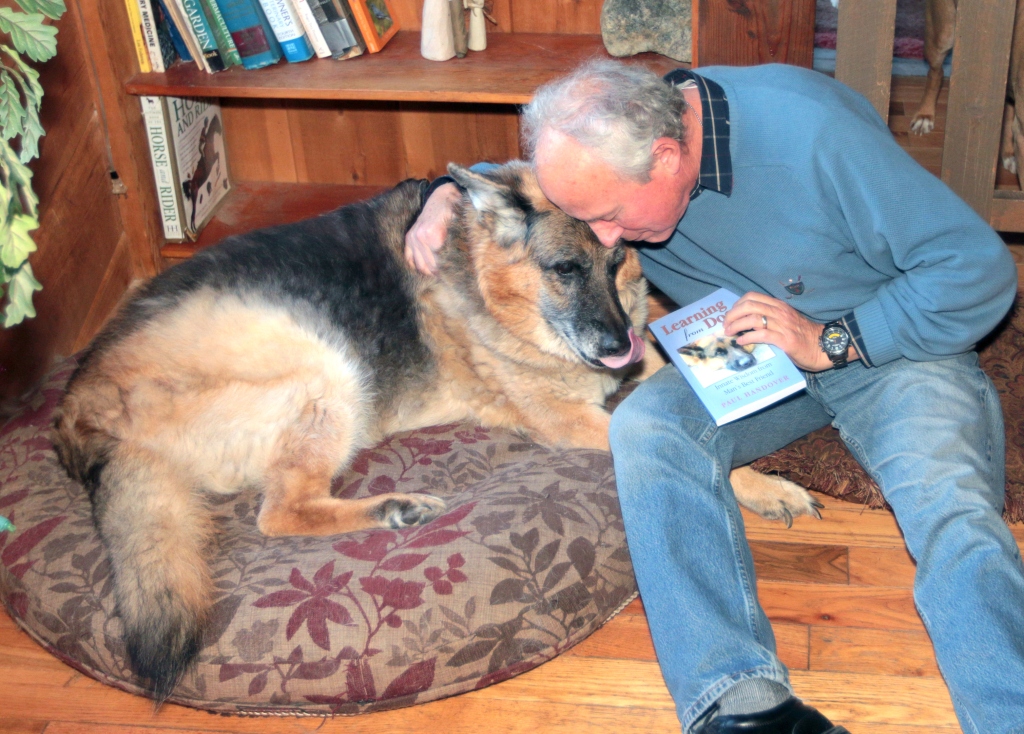
TIMOTHY BULLARD/Daily CourierPaul Handover with Pharaoh, a 12 year-old German Shepard that he uses on the cover of his new book about man’s best friend.

Tomorrow a clutch of dog recall advisories that have come in recently!

As they say a change is as good as a rest!

Once again I must say that I hold no qualifications whatsoever in the fields of psychiatry, psychology or any related disciplines. If you have found yourself to be affected to the point where you think you need proper counselling then, please, do seek help.