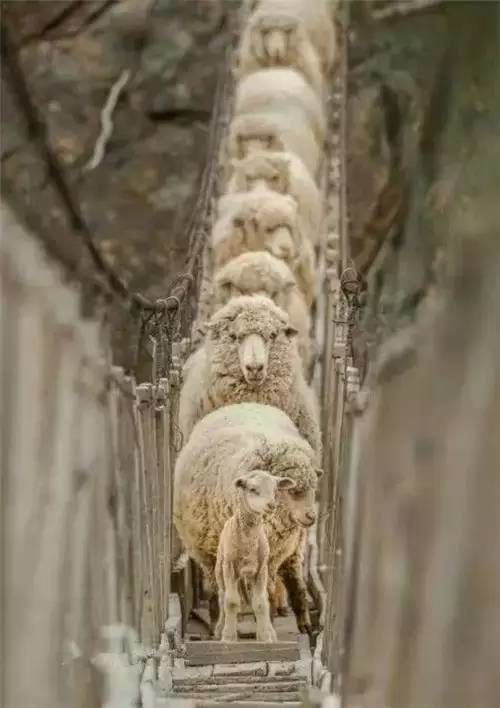
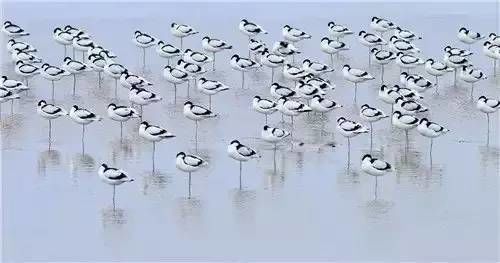
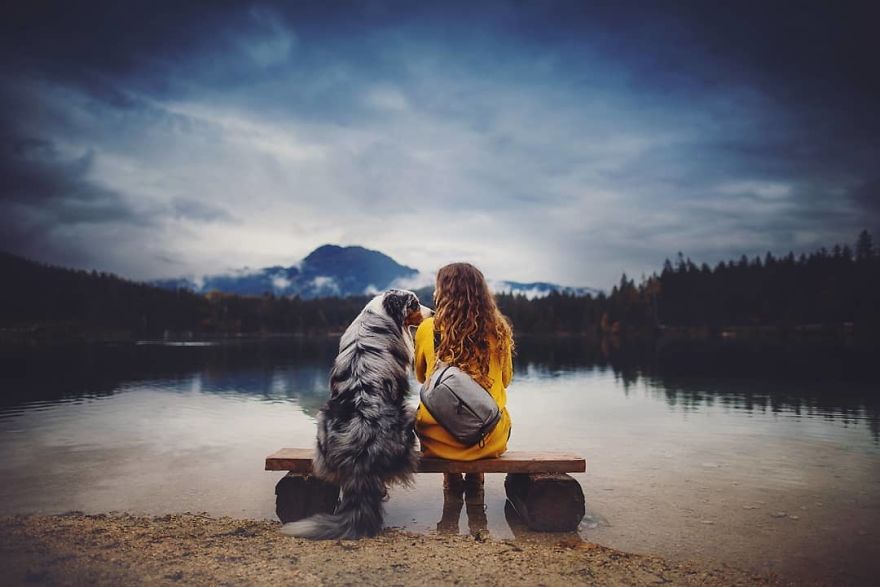
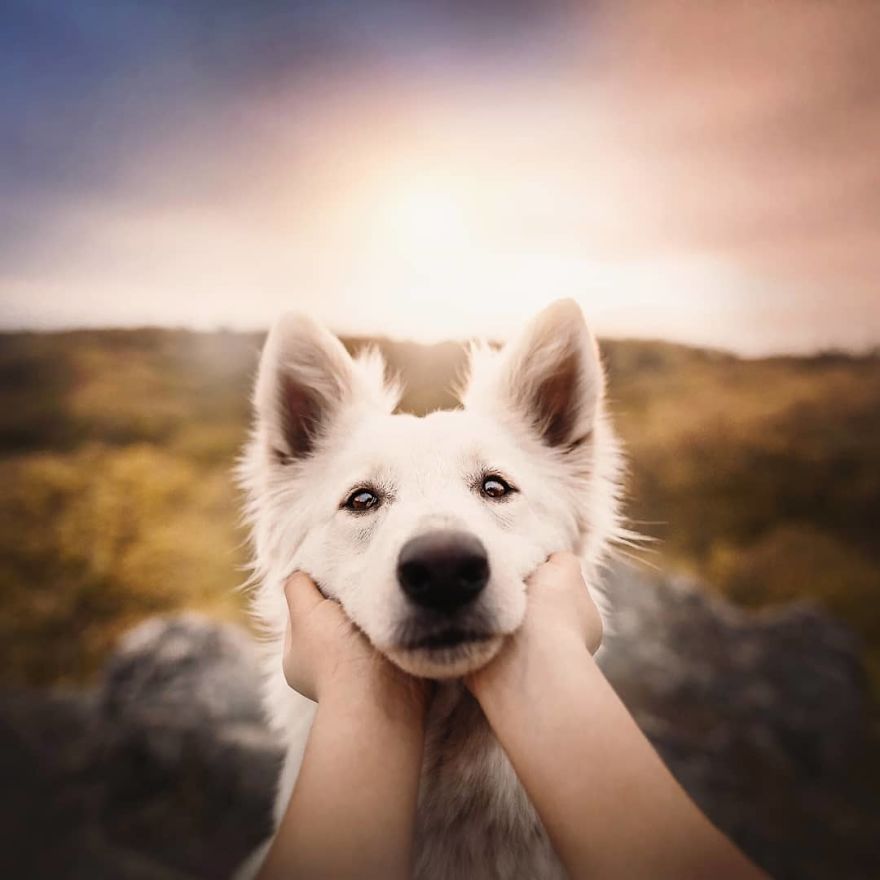
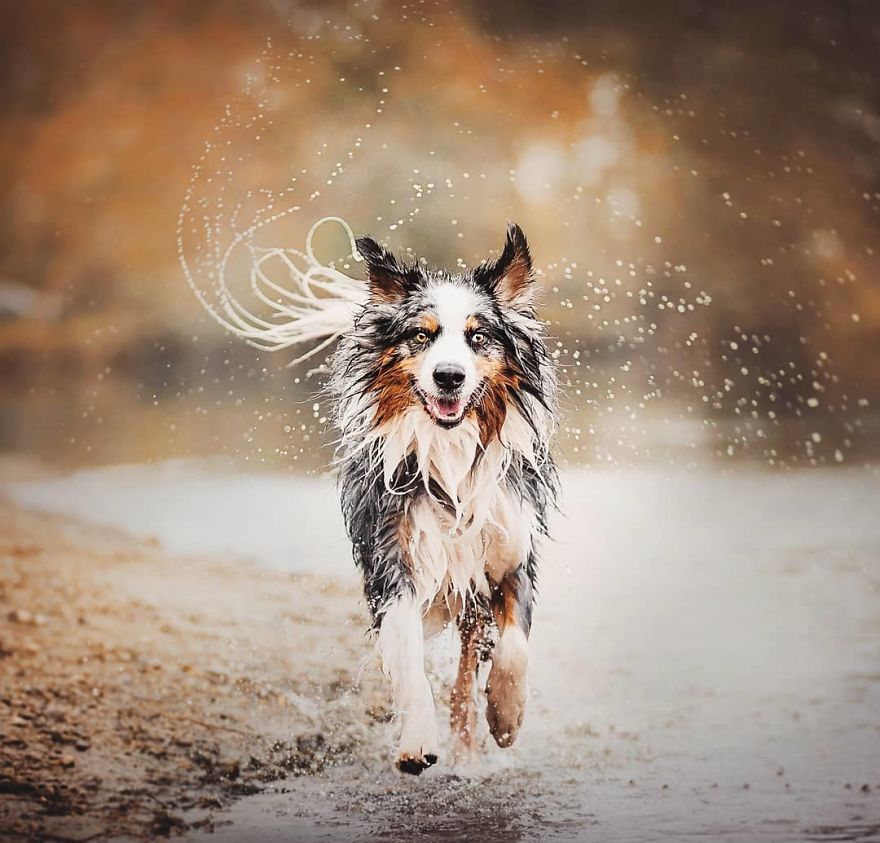
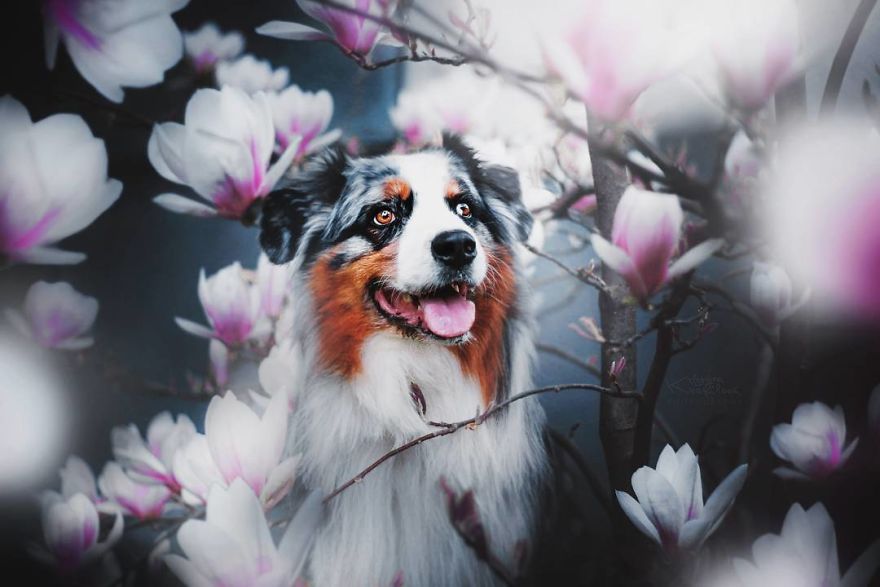
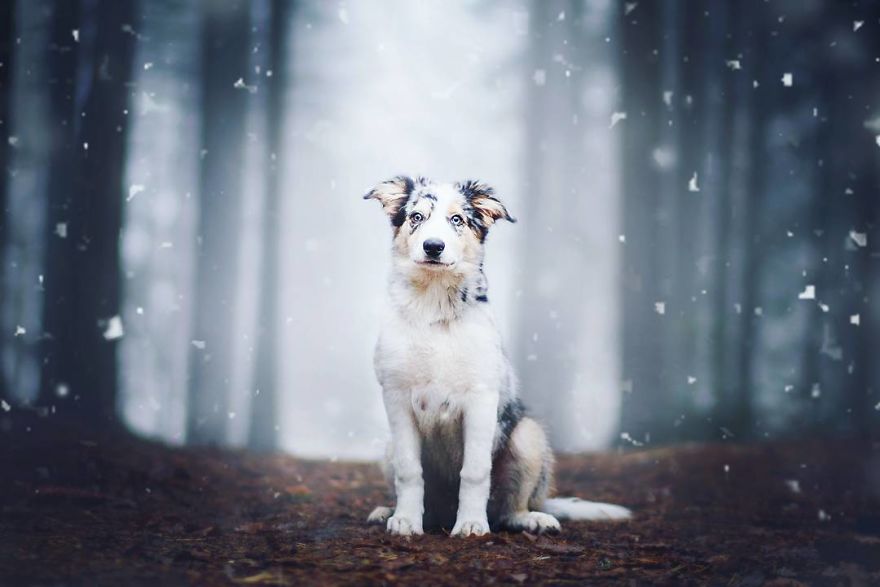
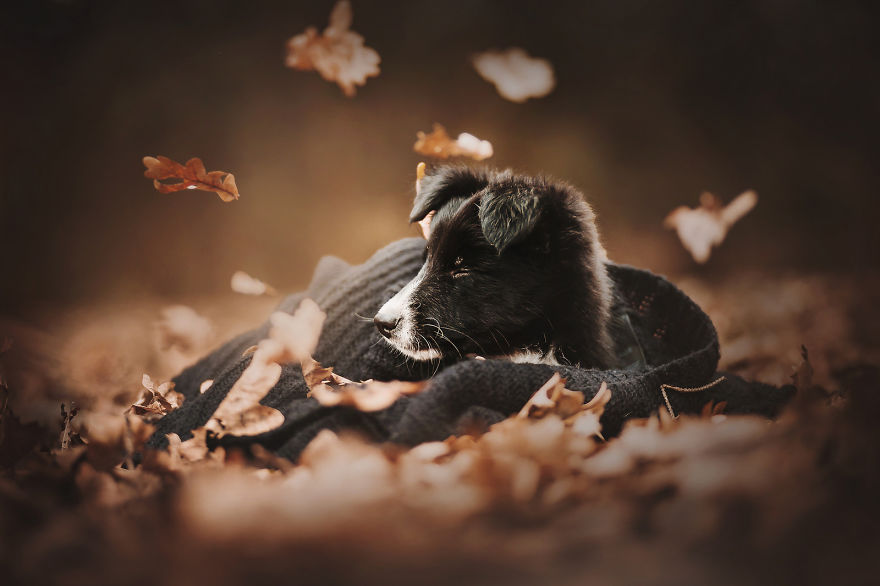
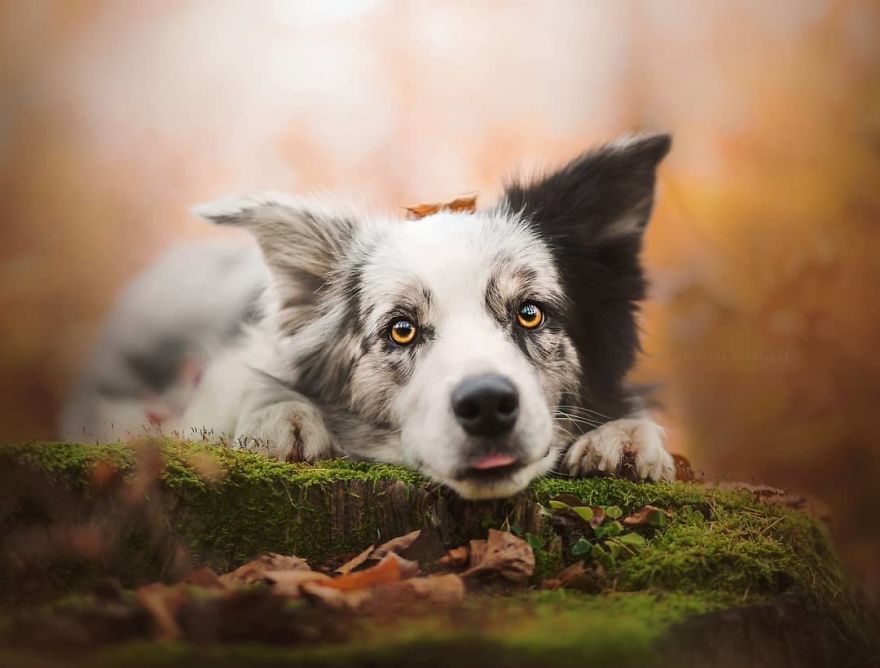
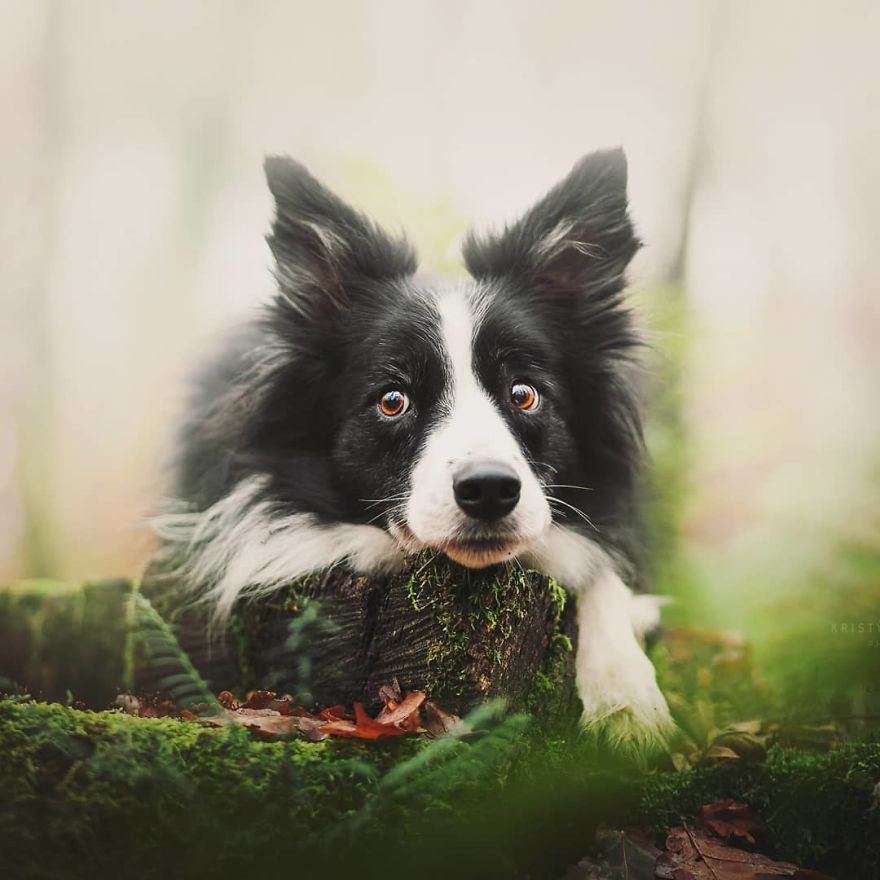
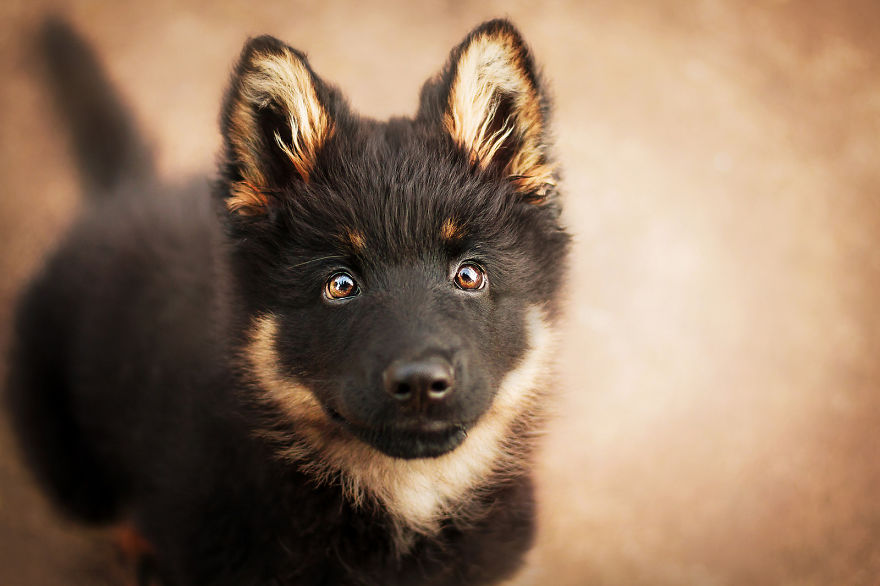
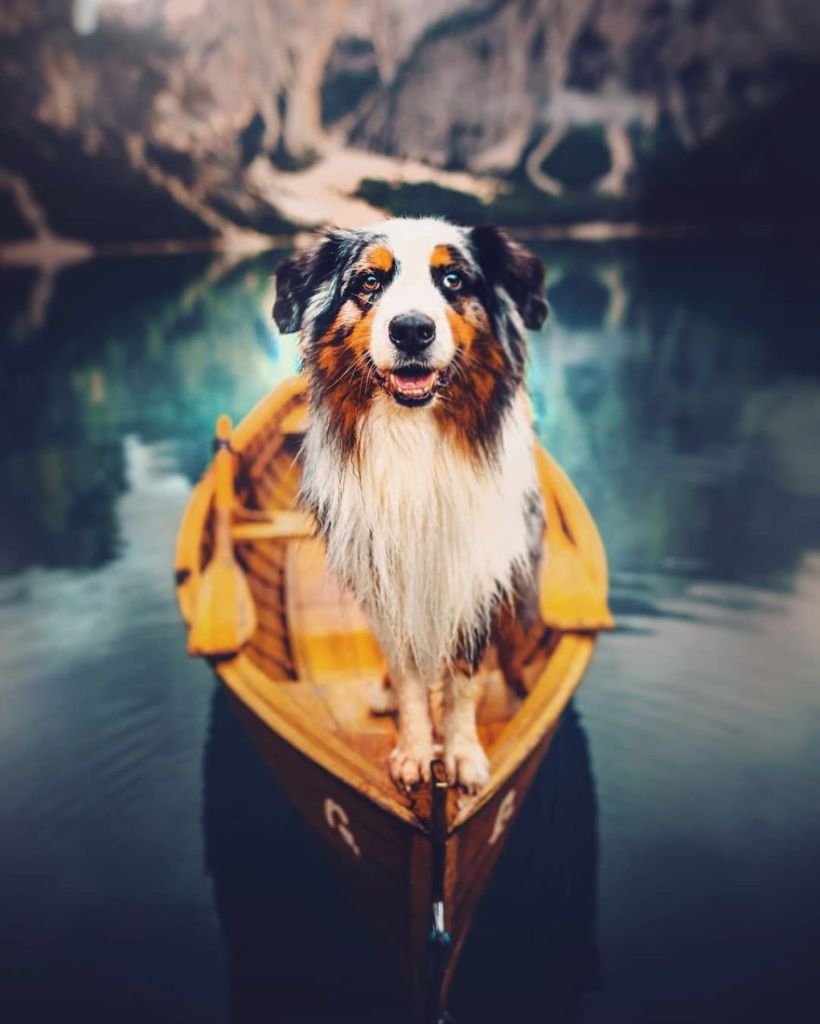
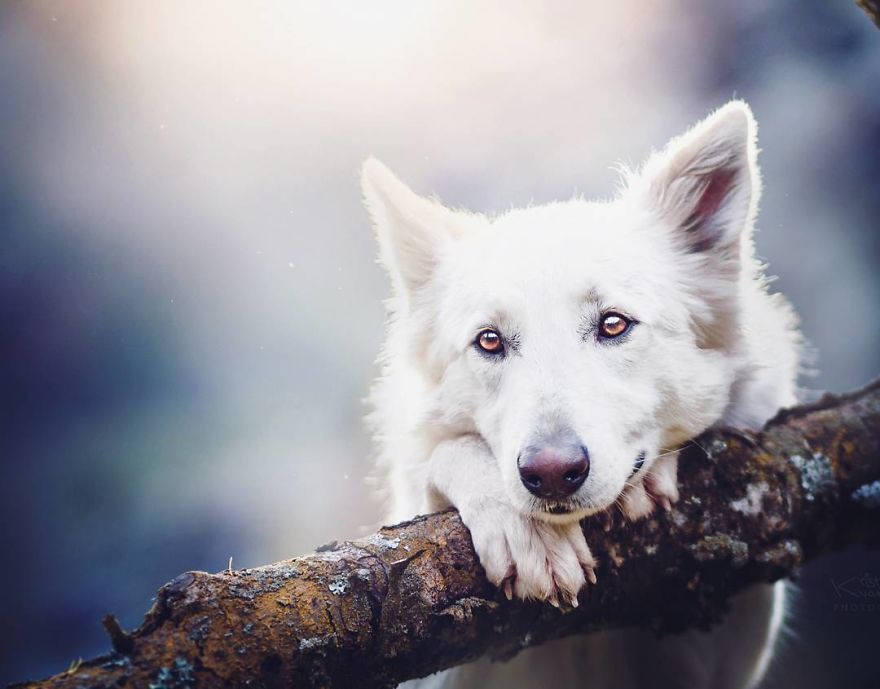
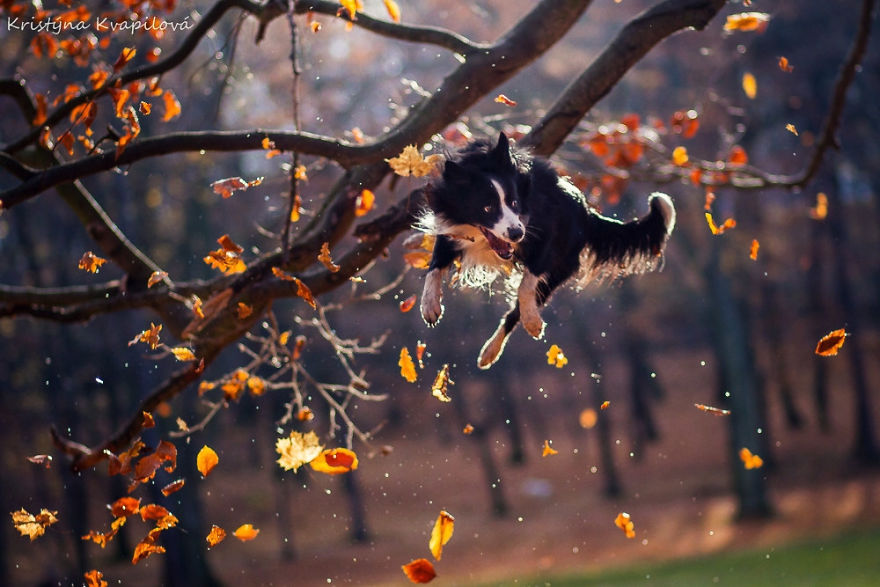
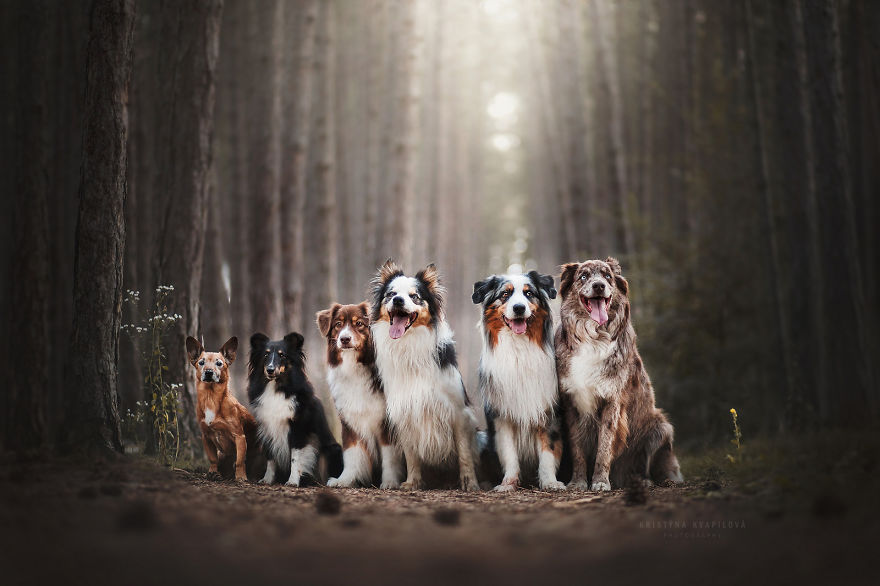
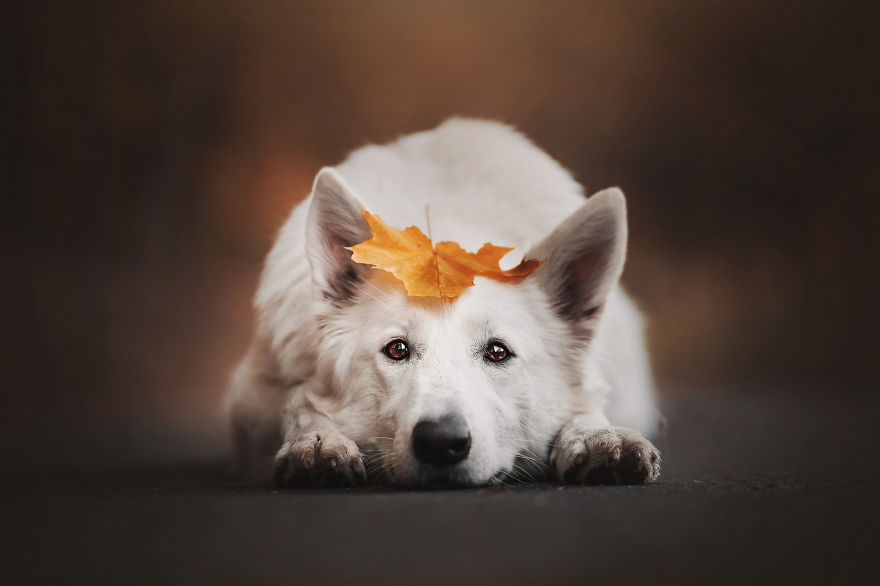
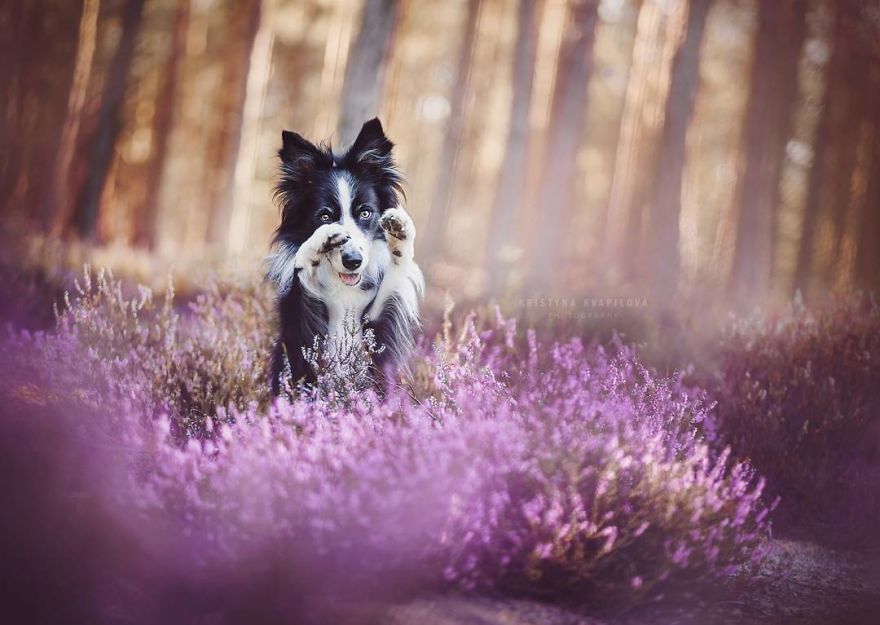
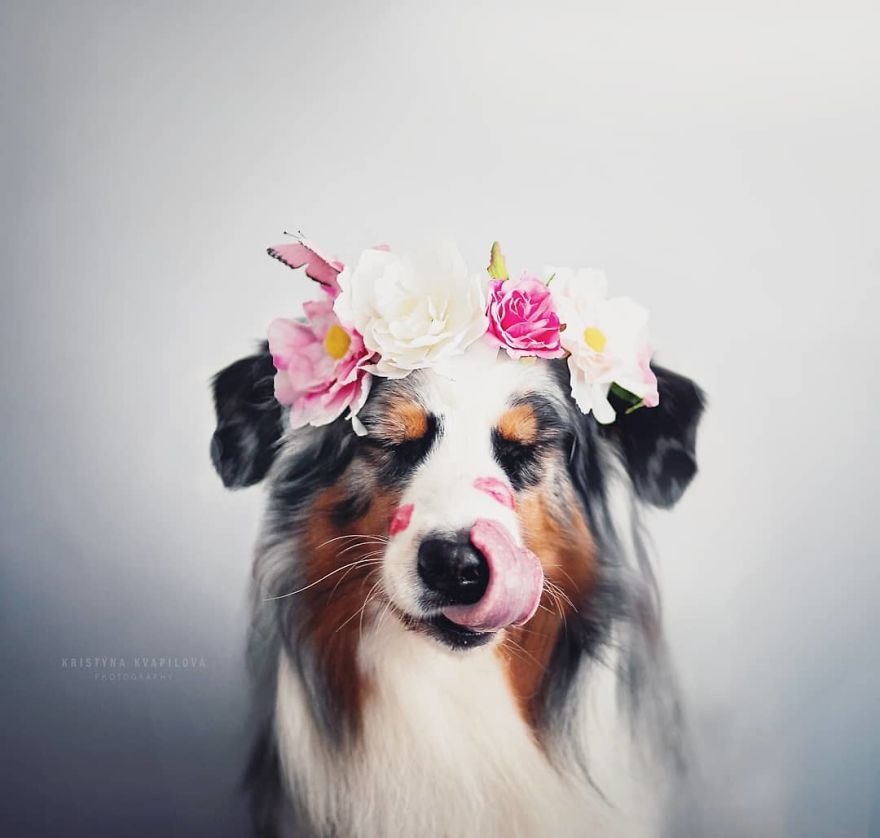
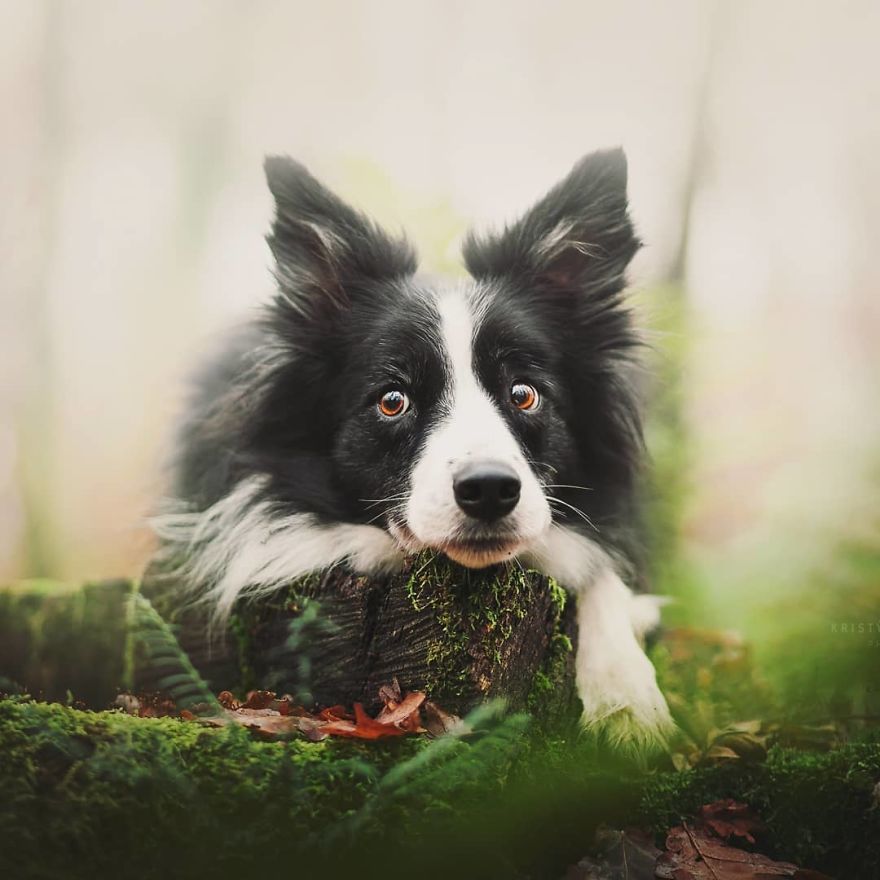
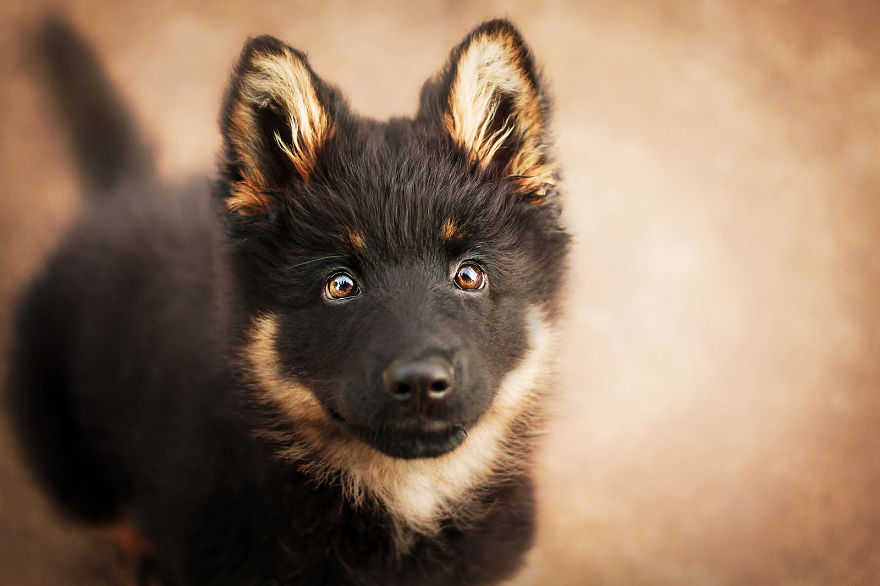
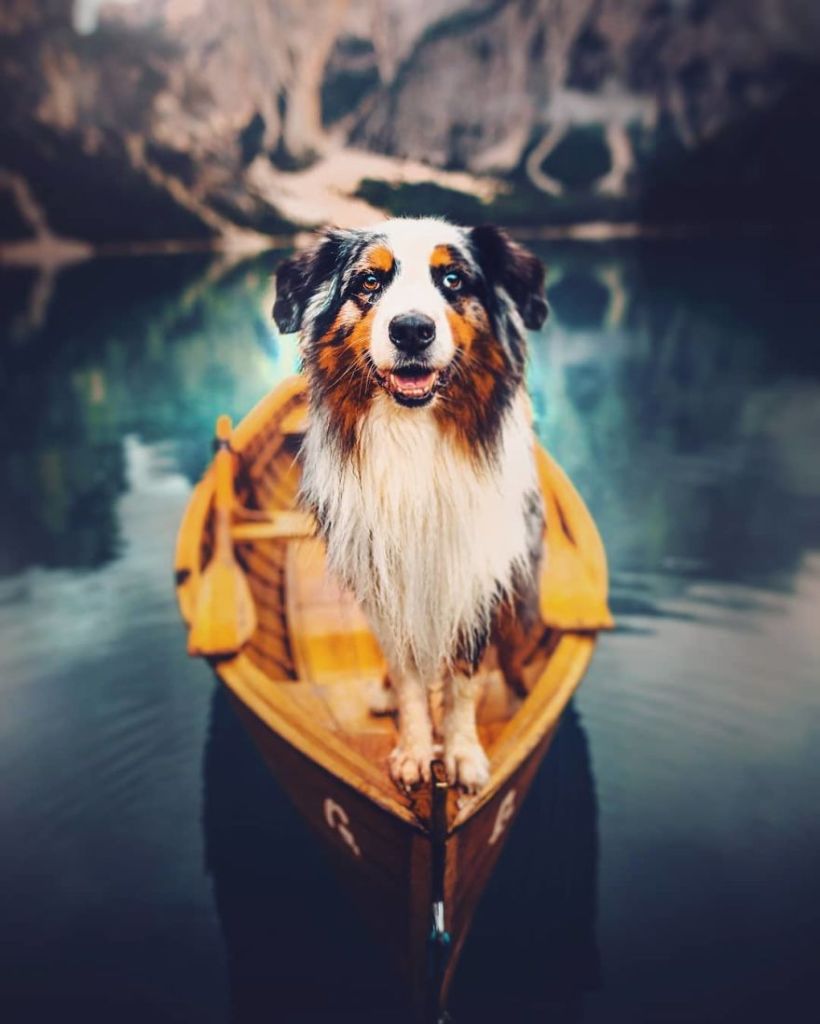
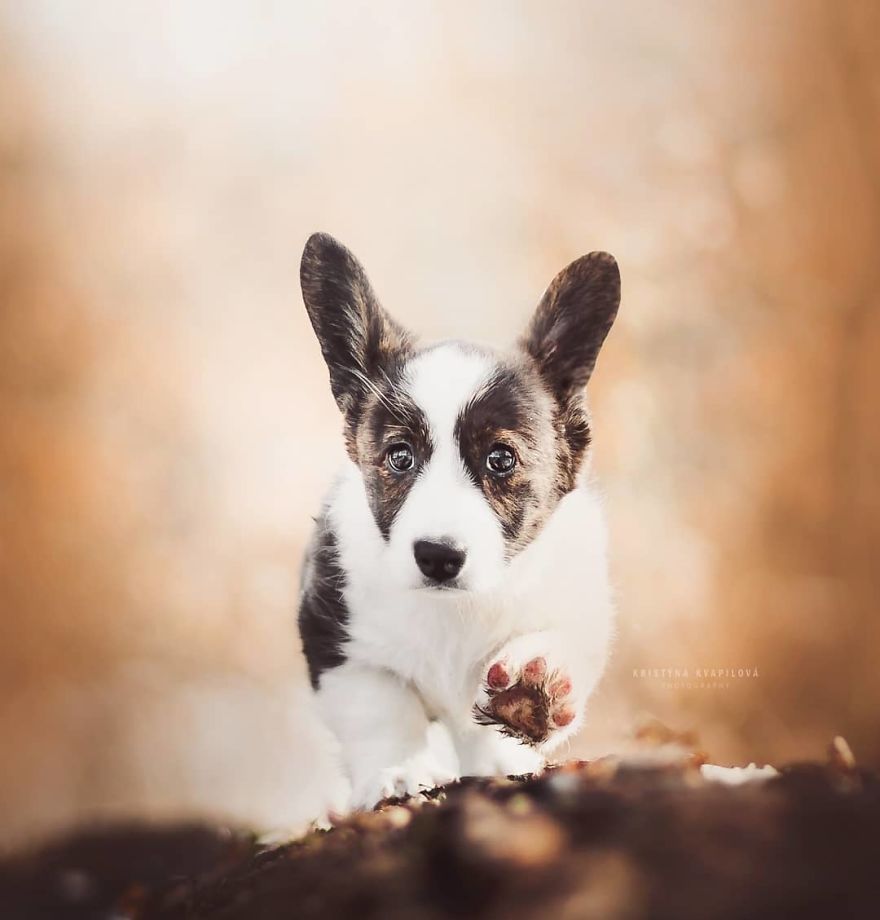
Guess what! More pictures from Kristýna Kvapilová

oooo

oooo

oooo

oooo

oooo

oooo

oooo

Once again, taken from here.
More of these gorgeous photographs in a week’s time.
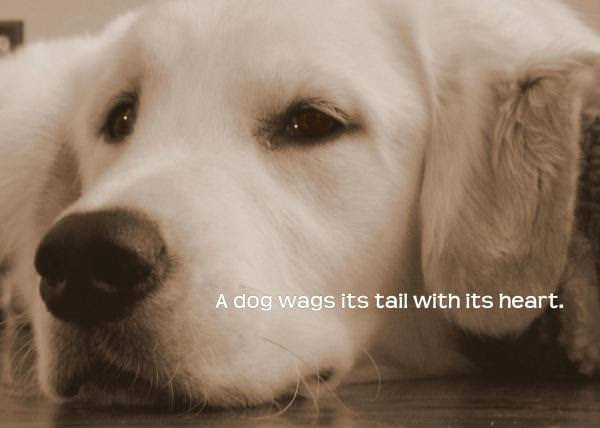
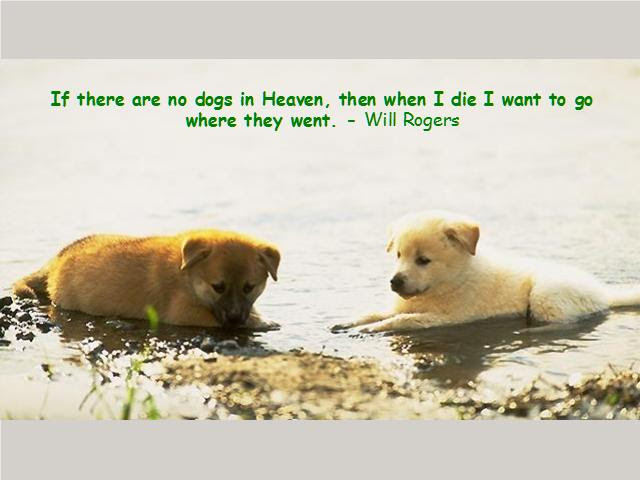
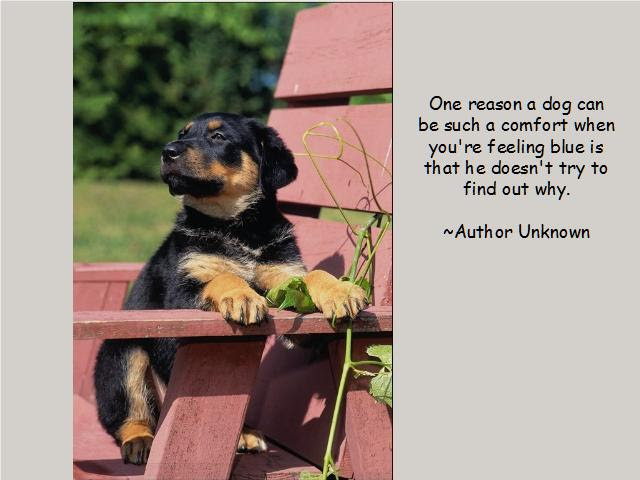
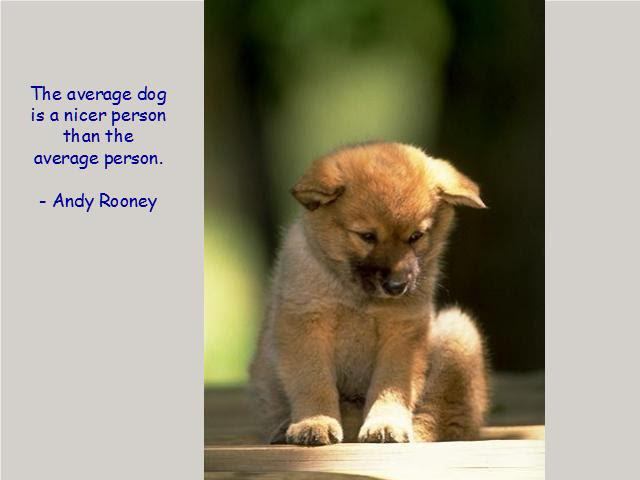
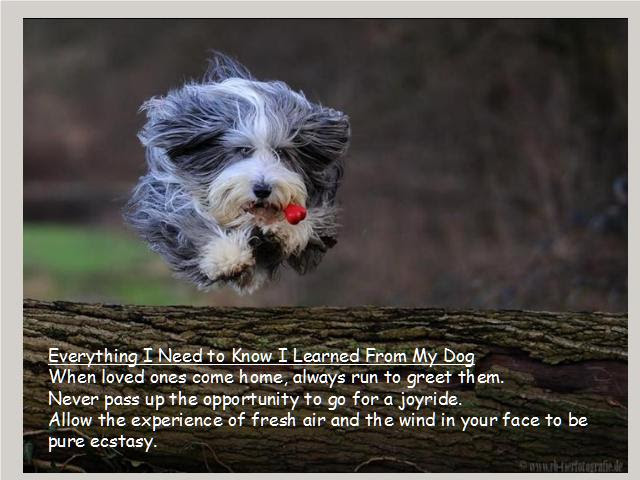
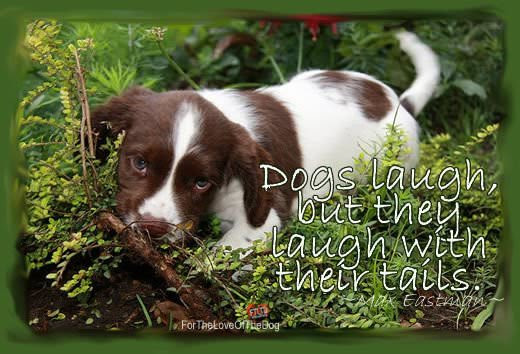
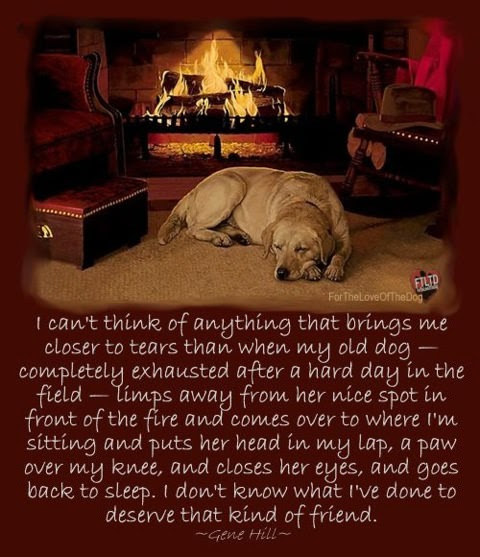
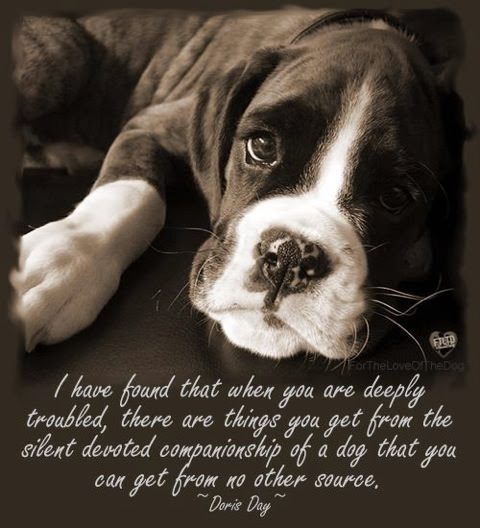
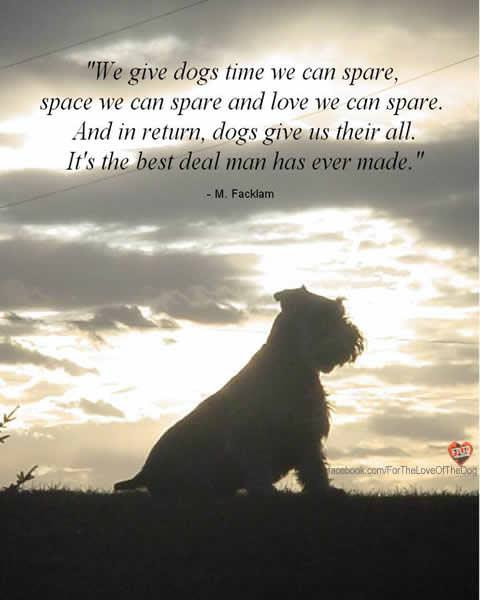
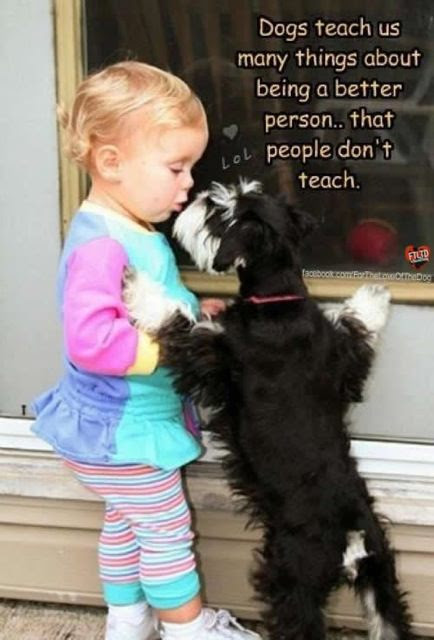
Dogs are animals of integrity. We have much to learn from them.
Category: Art
Guess what! More pictures from Kristýna Kvapilová

oooo

oooo

oooo

oooo

oooo

oooo

oooo

Once again, taken from here.
More of these gorgeous photographs in a week’s time.
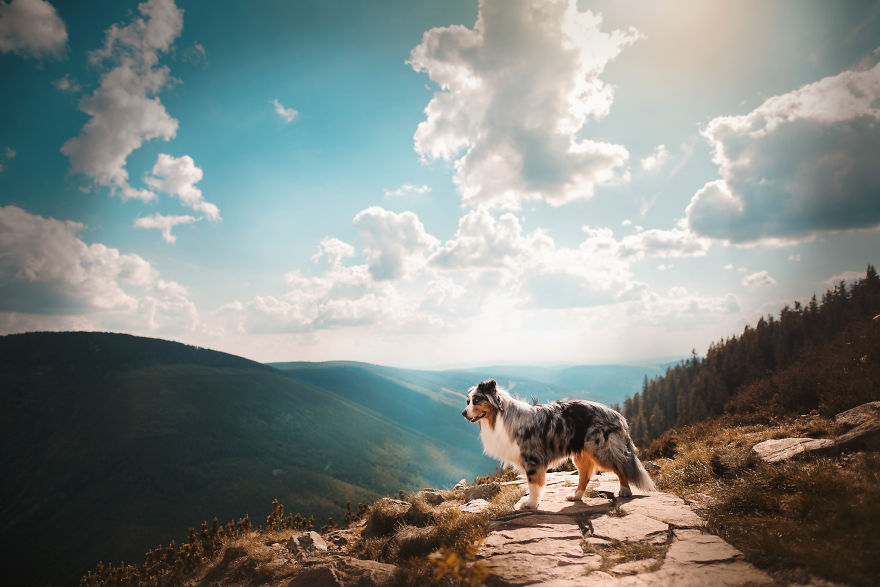
Yet more of those gorgeous photos by Kristýna Kvapilová.

oooo

oooo

oooo

oooo

oooo

oooo

oooo

As I said last week these were all taken from here.
Again, I am going to take a short break and will see you all in the New Year; on January 2nd, 2019.
More of those gorgeous photos by Kristýna Kvapilová.

oooo

oooo

oooo

oooo

oooo

oooo

All taken from here.
Finally, I shall be taking a break over the Christmas holidays and will be back with you on Thursday, 27th December.
You all have a peaceful and relaxing time.
Good people, this is mid-Winter.
(Northern Hemisphere only.)
OK, not in the sense of weather because the worse is yet to come I’m sure. But in terms of the movement of the Planet Earth in its orbit around the Sun. And that’s what matters!
This is a really ancient moment as the following article published in The Conversation explains in much more detail.
ooOOoo
By Associate Professor of Environmental Studies, The University of Montana
December 13th, 2018.
On the day of winter solstice, many Native American communities will hold religious ceremonies or community events.
The winter solstice is the day of the year when the Northern Hemisphere has the fewest hours of sunlight and the Southern Hemisphere has the most. For indigenous peoples, it has been a time to honor their ancient sun deity. They passed their knowledge down to successive generations through complex stories and ritual practices.
As a scholar of the environmental and Native American religion, I believe, there is much to learn from ancient religious practices.
Ancient architecture
For decades, scholars have studied the astronomical observations that ancient indigenous people made and sought to understand their meaning.
One such place was at Cahokia, near the Mississippi River in what is now Illinois across from St. Louis.

In Cahokia, indigenous people built numerous temple pyramids or mounds, similar to the structures built by the Aztecs in Mexico, over a thousand years ago. Among their constructions, what most stands out is an intriguing structure made up of wooden posts arranged in a circle, known today as “Woodhenge.”
To understand the purpose of Woodhenge, scientists watched the sun rise from this structure on winter solstice. What they found was telling: The sun aligned with both Woodhenge and the top of a temple mound – a temple built on top of a pyramid with a flat top – in the distance. They also found that the sun aligns with a different temple mound on summer solstice.
Archaeological evidence suggests that the people of Cahokia venerated the sun as a deity. Scholars believe that ancient indigenous societies observed the solar system carefully and wove that knowledge into their architecture.
Scientists have speculated that the Cahokia held rituals to honor the sun as a giver of life and for the new agricultural year.
Complex understandings
Zuni Pueblo is a contemporary example of indigenous people with an agricultural society in western New Mexico. They grow corn, beans, squash, sunflowers and more. Each year they hold annual harvest festivals and numerous religious ceremonies, including at the winter solstice.
At the time of the winter solstice they hold a multiday celebration, known as the Shalako festival. The days for the celebration are selected by the religious leaders. The Zuni are intensely private, and most events are not for public viewing.
But what is shared with the public is near the end of the ceremony, when six Zuni men dress up and embody the spirit of giant bird deities. These men carry the Zuni prayers for rain “to all the corners of the earth.” The Zuni deities are believed to provide “blessings” and “balance” for the coming seasons and agricultural year.
As religion scholar Tisa Wenger writes, “The Zuni believe their ceremonies are necessary not just for the well-being of the tribe but for “the entire world.”
Winter games
Not all indigenous peoples ritualized the winter solstice with a ceremony. But that doesn’t mean they didn’t find other ways to celebrate.
The Blackfeet tribe in Montana, where I am a member, historically kept a calendar of astronomical events. They marked the time of the winter solstice and the “return” of the sun or “Naatosi” on its annual journey. They also faced their tipis – or portable conical tents – east toward the rising sun.
They rarely held large religious gatherings in the winter. Instead the Blackfeet viewed the time of the winter solstice as a time for games and community dances. As a child, my grandmother enjoyed attending community dances at the time of the winter solstice. She remembered that each community held their own gatherings, with unique drumming, singing and dance styles.
Later, in my own research, I learned that the Blackfeet moved their dances and ceremonies during the early reservation years from times on their religious calendar to times acceptable to the U.S. government. The dances held at the time of the solstice were moved to Christmas Day or to New Year’s Eve.
The solstice. Divad, from Wikimedia Commons
Today, my family still spends the darkest days of winter playing card games and attending the local community dances, much like my grandmother did.
Although some winter solstice traditions have changed over time, they are still a reminder of indigenous peoples understanding of the intricate workings of the solar system. Or as the Zuni Pueblo’s rituals for all peoples of the earth demonstrate – of an ancient understanding of the interconnectedness of the world.
ooOOoo
Let me pick up on the last sentence: “Or as the Zuni Pueblo’s rituals for all peoples of the earth demonstrate – of an ancient understanding of the interconnectedness of the world.”
We are all of us interconnected across the world. We have been for a very long time.
The importance of understanding this, truly understanding this, is critical to our future.
The day of the dogs.
I saw this on the BBC News site back in November and had been meaning to share it with you before now. But it’s still highly relevant.
Do no more than go straight into the article.
ooOOoo

Every dog has its day, and for canines in Nepal that phrase could not be more literal.
The five-day Nepalese Hindu festival of Tihar started this week and the second day is known as Kukur Tihar or “day of the dogs”.
Dogs are celebrated and blessed with a Tika – a red mark applied to their forehead.
The animals are also given flowers, garlands and offered food as part of the festival.

Hindus believe that dog is the messenger of Yamaraj – the God of death – and by keeping the dogs in good humour they will be able to appease Yamaraj himself.

The festival, which shares some traditions with Diwali in India, also celebrates cows and crows.

It is not just beloved pets who are involved in the celebrations. Stray dogs are honoured on the day too.

Treats given to dogs during Kukur Tihar can range from meat, milk, eggs and good quality dog food.

Tihar is also called Deepavali or the festival of lights.
Throughout this festival, people in Nepal clean their houses and courtyards; light up lamps and pray to Laxmi – the Goddess of Wealth – urging her to visit their houses and bless them.

ooOOoo
Just beautiful!
These are just mouth-wateringly beautiful.
Margaret K. from down in Australia sent me the link to these photographs.
I should add the words that precede the photos.
Many people think of Finland as the land of cold weather and darkness. However, Ossi Saarinen (previously here and here), a Finnish photographer, believes that the country is much more than just that, and he shows another surprisingly enchanting side of his motherland.
Ossi brings delightful feelings through his photos of spectacular Finnish nature, especially the untouched forests covering almost three-quarters of the whole country. And within these peaceful and ancient forests, wild animals roam freely and enjoy their lives at their best.
Finnish animals appear to be very mysterious, fascinating and charming just like they’ve stepped out from fairy tales. Ossi does not skip the chances to capture the beauty of Finnish wildlife either. He believes that every encounter between the animals and humans becomes an unforgettably amazing experience (Well, let’s not talk about the encounter with a bear).
Now, let’s enjoy the fairy tale’s atmosphere in his photos

oooo

oooo

oooo

oooo

oooo

oooo

oooo

oooo

Oh my! Beautiful beyond words!
A look at some of the prize winners of the 23rd annual Nature’s Best Photography Windland Smith Rice Award
Taken from here. (And I hope the copyrights aren’t being infringed by me sharing them.)

oooo

oooo

oooo

oooo

Wonderful!
A few of my own.
All taken over the last ten days.

oooo

oooo

oooo

oooo

oooo

oooo

A visual reminder of the topsy-turvy weather of late.
Just had to share this with you!

This is a remarkable photograph. Something I have never seen.
Anyway, here’s the story behind it!
ooOOoo
MICHAEL D’ESTRIES, November 2, 2018

At first glance, the mesmerizing light display that occurred on Oct. 16 over Whitefish Bay, Michigan, had all the hallmarks of a visual effect from a science-fiction film. Instead of “first contact,” however, this beautiful shimmer is actually a fairly common optical phenomenon called a light pillar.
Light pillars form when sources of light from the ground, sun or even the moon interact with horizontal concentrations of ice crystals in the atmosphere. When viewed from a distance, these crystals align in such a way as to create the optical illusion of a dazzling pillar of light.
Photographer Vincent Brady, who specializes in capturing nocturnal scenes, said in a Facebook post that he was “pleasantly surprised” to come across the phenomenon.
“This is a shot north of Paradise, MI looking east over Whitefish Bay,” he wrote. “The red lights are around the Canadian island Ile Parisienne. I’m not entirely sure of the artificial light source of the pillars.”
ooOOoo
Astounding!
Anyone else seen these?
These next couple of weeks are going to be challenging!
So ….. I am returning to a post I published a year ago.
Lisa Mae DeMasi offers you all a beautiful guest post.
ooOOoo
At two years old, Lady’s ribs protruded from her coat and her belly was swollen with milk.
Like the thirteen other Labs that had arrived at a rest stop in Union, CT on the straight 12½-hour drive from Muncie, IN, she was presented to us on a crisp autumn day amid the chaos of respective adopters.
My husband Dennis had never experienced the warmth and companionship of having a dog and well, I surprised him with Lady, who we quickly renamed to Sabrina. The very afternoon we picked her up, we raced to the park, wanting her to feel the joy of freedom and play. My husband’s face lit up and while I was thrilled at the opportunity to befriend and care for Sabrina; it meant closing the 20-year gap since our beloved German Shepard from my childhood passed away.
Until laying my eyes on Sabrina’s profile, my heart couldn’t entertain loving another dog.
And what canine isn’t after the same love?
In Sabrina’s case, she couldn’t know of the family members that awaited to embrace her presence. Within days of the initial hair-raising excitement, the cat sought out occasions to groom her ears. Our pet rat was free to waddle the kitchen floor un-bothered, and the pair of bonded bunnies in want of company stretched out beside her on the living room floor.
Dog, cat, rat, rabbit?
You bet.
And Dennis and me?
Like kids again.
Sabrina settled into the folds of our lives, well-nourished and exercised in Boston’s epic snowfall in the winter of 2009-2010, taking careful watch over all of us. The fear expressed in her eyes pre-adoption disappeared.
Eight years later, she watches over me in particular. Thirty years ago, I was struck and thrown from the passenger side of a car until my abdomen collided with the steering wheel—blunt force that called for iterative repair to my digestive system and caused permanent damage to the nerves that signal my bladder is full.
Today when I’m busy working away, Sabrina will alert me to get up every couple of hours to make a trip to the restroom by gently placing her head in my lap.
When I suffer acute intestinal cramping, Crohns-like symptoms, she’ll sit at my side and lean her body against mine. Her calm and steady source of nurturing, helps me to relax and mitigates the cramps.
In 2008, the Department of Justice amended the Americans with Disabilities Act (ADA). This was amended to include digestive, bowel and bladder impairments that limit major life activities as the disabled,
calling for employers to make reasonable accommodations and if the individual elects, to allow task-oriented service animals [dog or miniature horse] to accompany them on the job.
Sabrina, serving in the capacity of a sensory/medical assist – alerting me to get up and take care of myself – qualifies.
The HR Director, Debra Susler of Reputation Institute in Cambridge, MA this past April would not allow Sabrina to accompany me on-the-job. I sent her an elaborate email explaining my condition and Sabrina’s certification. She did not reply to me but to my supervisor.
She said “no”.
My response?
I walked out of the place
Sabrina: rescue dog to devoted helper dog.
Respectively, Sabrina’s competencies and understanding of language cease to astound us and her behavior on-the-job at Dell EMC is so well-mannered, coworkers never run out of compliments.
And bystanders in public? The grocery store, pharmacy, gym, dentist, doctor?
Gazes from cell phones are broken, conversations fall short.
Then, come the smiles. A question. Praises. The feel-good moment.
Sabrina brings people together.
I recently read a distressing post from a woman who said every time she looks into a service dog’s eyes, she sees sadness. Even Ingrid Newkirk, CEO and Co-Founder of PETA, has told me, “the life of a typical service dog is a terrible one.”
It’s true. Any canine enslaved to servitude is doomed a dog’s life unlived.
Service animals are working animals, not pets.
The ADA confirms it.
But that’s not the relationship Sabrina and I share [and I understand it can’t be the same with other handlers and service dogs]. In addition to being my devoted helper, Sabrina teaches me to exist in the moment — just like she does. To enjoy the sight of the sun shimmering through the trees, the call of the birds, the fragrance of wildflowers, the feel of the soft soil I tread a few yards behind her when we’re on our hikes.
What more could a dog do for a girl?

ooOOoo
There is something rather special about Lisa’s guest post; special in an introspective way!
That will be better appreciated if you go across to Lisa’s blog site at Nurture Is My Nature.
In particular when you read, via her ‘About’ link, what Lisa offers about herself. Republished here in full.
ooOOoo

Lisa’s creative work has recently placed second in Fiftiness’s 2017 Writing Contest (Why I Love Bike Commuting in Boston) and been featured in the anthologies, Unmasked, Women Write About Sex & Intimacy After Fifty (9/17, print) and The Best of Vine Leaves Literary Journal (11/17, print). Her essays have been published in the lit journals and several other media outlets. She considers Massachusetts her home, but has lived in Connecticut, Vermont, New York State and two other planets called Wyoming and Arizona. She earned a B.A. from Regis College and an MBA from Babson College, and holds a Master certificate in Reiki.
Lisa is seeking a development editor [that gets her] to work on her collection of essays and her memoir.
Published work:
Contests:
Why I Love Bike Commuting in Boston, Fiftiness, Second Place Winner, 5/23/17
Anthologies:
Literary journals:
Media Outlets:
Write to me at lisa dot demasi at gmail
ooOOoo
Now please watch “Just Like Heaven,” the video Lisa filmed of Sabrina, post-adoption in 2009.