Category: Animal rescue

Visiting the Vet – Jefferson’s heart!

Welcome to August!

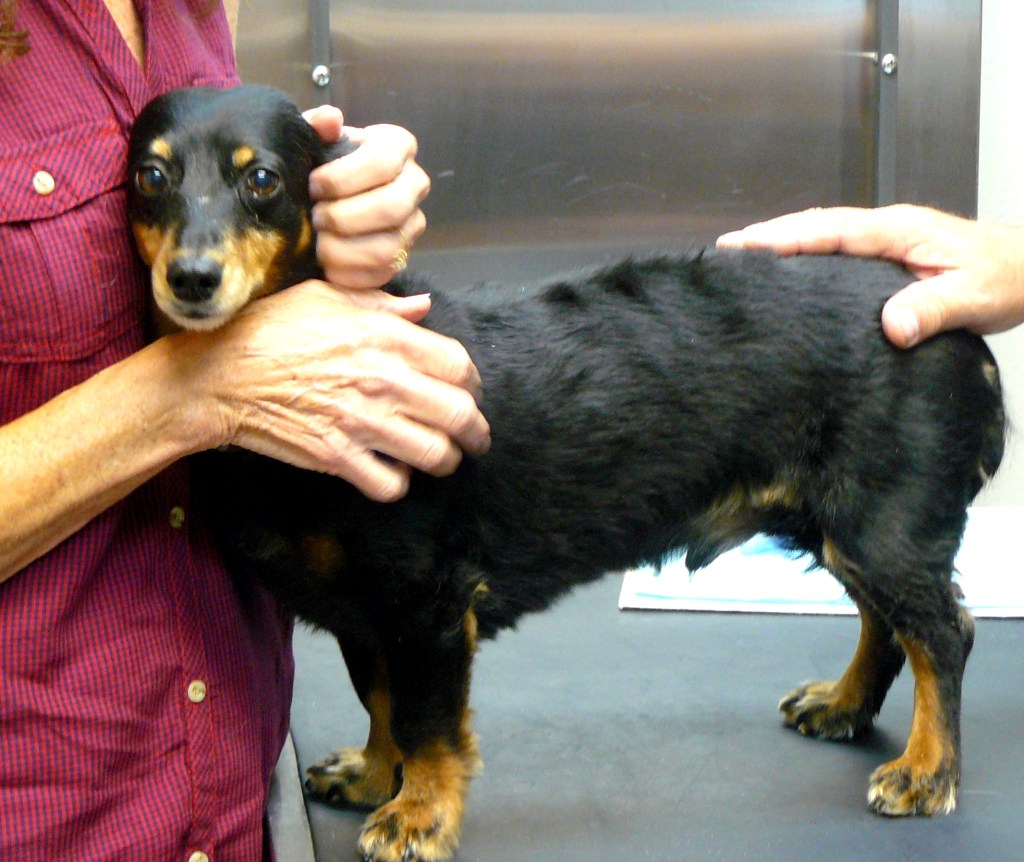
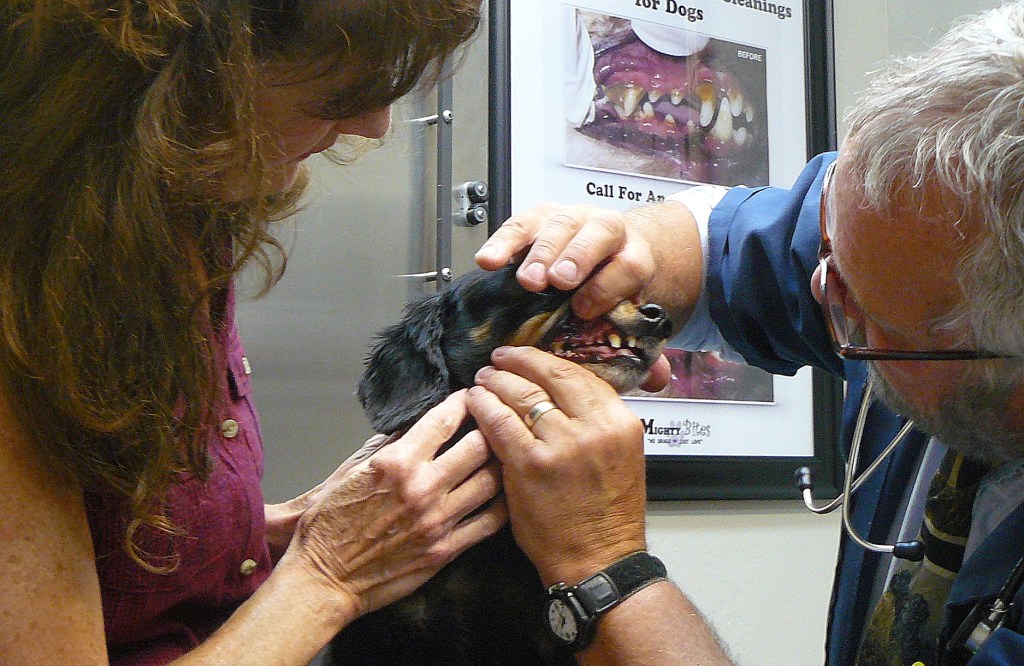
July 13th. 11:00 The second case that I sat in on was Linda bringing in Jefferson.

Jefferson is an eight-year-old long-haired male Dachshund. Linda had decided to bring her dog into Lincoln Road because recently Jefferson had started coughing but only when he was pulling on his leash.

Linda added that Jefferson seemed to be chewing on a number of pine cones just now.

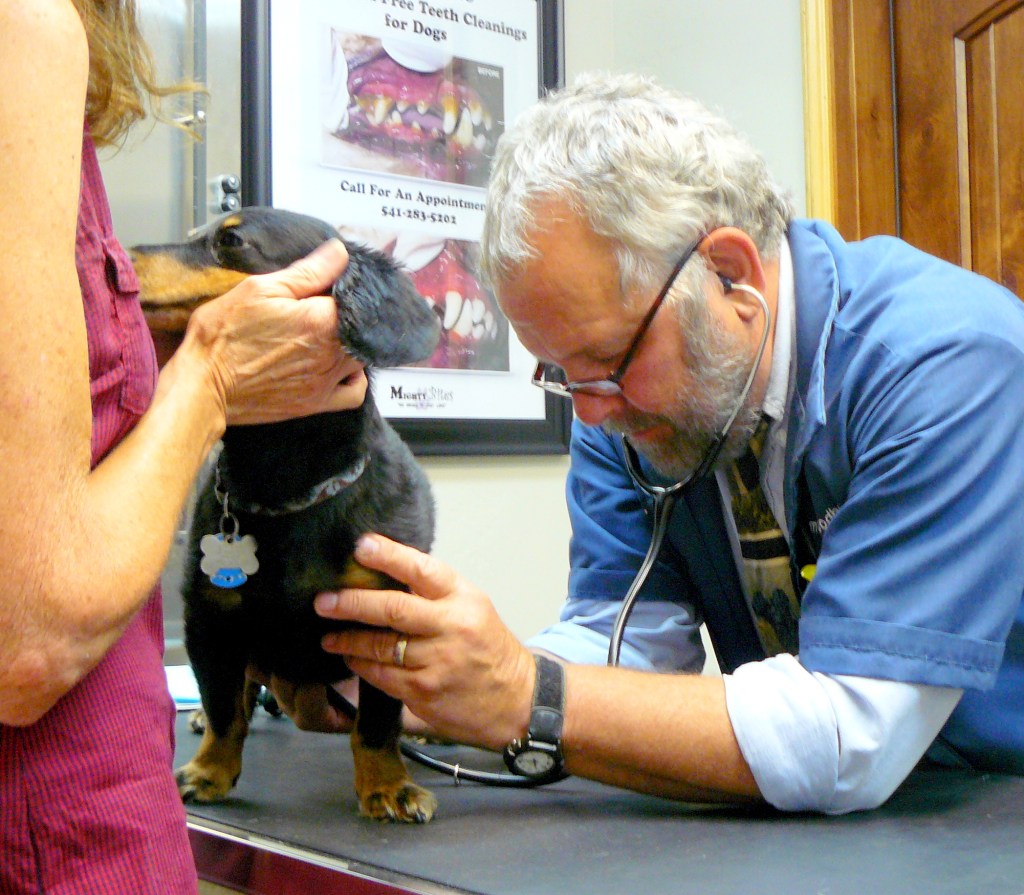
Jim examined Jefferson. First examining the dog’s lymph node and then listening to either side of the dog’s chest.

While everything sounded fine on Jefferson’s right side, Jim detected a very small heart murmur when listening to Jefferson’s left side.

Jim also noted that the lymph node was prominent but not enlarged. Dogs can get lymphoma.

Nothing arose to give cause for concern but in view of the chewing of pine cones, Jim thought that giving Jefferson an injection of ‘Lepto’ would be no bad thing.

11:20 All done!

I subsequently did a web search on ‘Lepto’ and came across this on the Vetstreet website: (in part)

It’s scary to think that a fun stroll through the woods or swim in a favorite watering hole can lead to a terrible illness, but it can –– for you as well as your dog. Leptospirosis is caused by a bacteria spread through soil, water, and the urine of infected animals, and if not caught early it can be deadly. There is a vaccine available for the most common subtypes of the bacteria that infect dogs, but it’s not always a recommended part of the routine vaccination protocol. Ask your veterinarian if the leptospirosis vaccine is right for your dog.

Overview

Leptospirosis is a potentially serious disease caused by the bacterium Leptospira interrogans. It affects dogs but can also infect a wide variety of domestic and wild animals as well as humans.

The organism is usually spread through infected urine, but contaminated water or soil, reproductive secretions, and even consumption of infected tissues can also transmit the infection. Introduction of the organism through skin wounds can also occur. Common carriers of the organism include raccoons, opossums, rodents, skunks, and dogs.

To be continued:

(Please note: These observations are mine alone and because of the busy environment it must be assumed that my interpretation of what was taking place might not be totally accurate. Nothing in this blog post should be used by a reader to make any medical judgment about an animal. If you have any concern about an animal do make an appointment to see a properly qualified veterinarian doctor.)

Help Stop the use of dogs for medical testing!

Sometimes I wonder about the human race!

Sorry for the outburst above but in the last ten minutes I read this over on Lady Freethinker’s blog: Sign: Pass Bill to Ban Cruel VA Medical Testing on Dogs It made me very angry!

It has to be shared with all you good people.

ooOOoo

Sign: Pass Bill to Ban Cruel VA Medical Testing on Dogs

Saving dogs big time

This is really what matters!

Well it does in the worlds of Jean and me and many of you who frequent this place.

Whatever is going wrong in the world around us, all we need is examples of people putting animals in front of them.

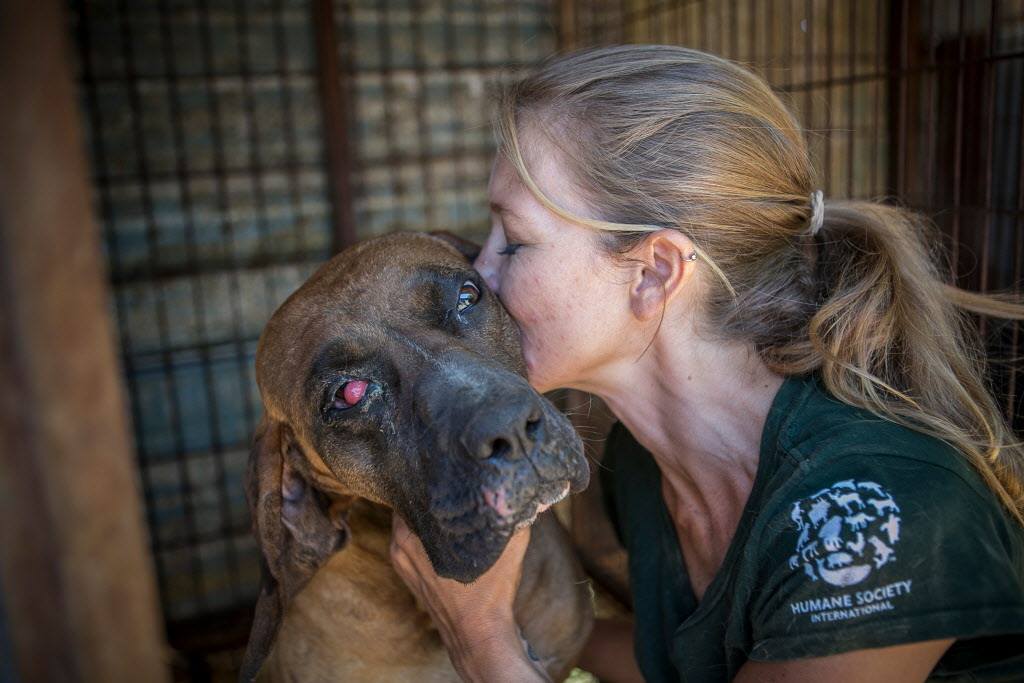
No better illustrated than by a recent news item released by Humane Society International. Albeit, I am using the story as it was presented on the Care2 site.

ooOOoo

Nearly 150 Dogs Saved From the Dog Meat Trade in South Korea

Get ready for some happy news: 149 dogs who were destined to be turned into food have been successfully rescued and will now be starting their new lives in peace.

These dogs, who were rescued by a team from Humane Society International (HSI), are among millions who are raised and killed for their meat in South Korea. According to HSI, more than one million dogs are killed and eaten during Bok Nal days – the three hottest days of the summer – mainly as a soup that’s mistakenly believed to improve stamina and virility.

Fortunately, their fate changed when the farmer who was raising them turned to HSI for help. The organization has been working in partnership with those in the industry who express interest in getting out to help them close their farms and transition into other lines of work.

This latest rescue marks the ninth dog meat farm that HSI has permanently closed since 2014, which has resulted in saving the lives of nearly 1,000 dogs who would have otherwise been brutally slaughtered.

The dogs from this farm will now be free from the cages and chains that confined them, and are headed to HSUS Emergency Placement Partner shelters in the U.S. located in Florida, Illinois, Indiana, New Jersey, New York, Pennsylvania and Wisconsin, where they’ll be prepared to be adopted into homes where they’ll become members of a family.

The first few have already arrived, and the rest will be on their way in the coming weeks. A group of 15 puppies who were too young to fly are being fostered with their moms until they’re ready to make the trip.

“With every dog meat farm we close, we are not only saving the lives of these poor, terrified dogs caught up in this cruel trade, but we are also presenting a successful blueprint for change that we hope the government will follow. Eating dog is a dying practice in Korea, especially among young people. However, the Bok Nal days of summer still lead many to eat dog meat soup in the mistaken belief that it will invigorate the blood in the sluggish heat. Our campaign shows them the disgusting conditions in which the dogs are forced in live in their own feces, and their pitiful suffering, and it is changing hearts and minds,” said Nara Kim, HSI’s South Korea dog meat campaigner.

While millions of dogs are still at risk, attitudes among the public are changing for the better, particularly among younger generations who are eschewing dog meat.

“Some people say that dog eating is Korean culture, but you won’t find many young people who feel it’s a cultural habit we want to hold on to. It’s intellectually lazy to use culture as an excuse for cruelty because all cultures evolve over time and we often shed practices of the past. We are hopeful that things will change, and that the new Korean president will advance a new culture of compassion to animals. I am so happy that for these dogs the dog meat trade is over, but we have to fight on for the millions who are still suffering,” added Kim.

HSI is continuing to urge the government to act to end the trade ahead of the 2018 Winter Olympics, which will be hosted in South Korea, and will be heavily campaigning this summer to raise more awareness about the issue locally.

For more info on how to help, and updates on the dogs, check out Humane Society International.

Photo credit: Friends of Oregon Zoo Elephants/IDA

ooOOoo

The Care 2 version also included a number of very moving photographs but this one, in particular, seemed a great one to share with you. The rest will form the next Picture Parade.

Well done HSI!


Visiting the Vet – Hyperthyroidism

Lady Jessica isn’t feeling too well.

09:50 July 13th, 2017.

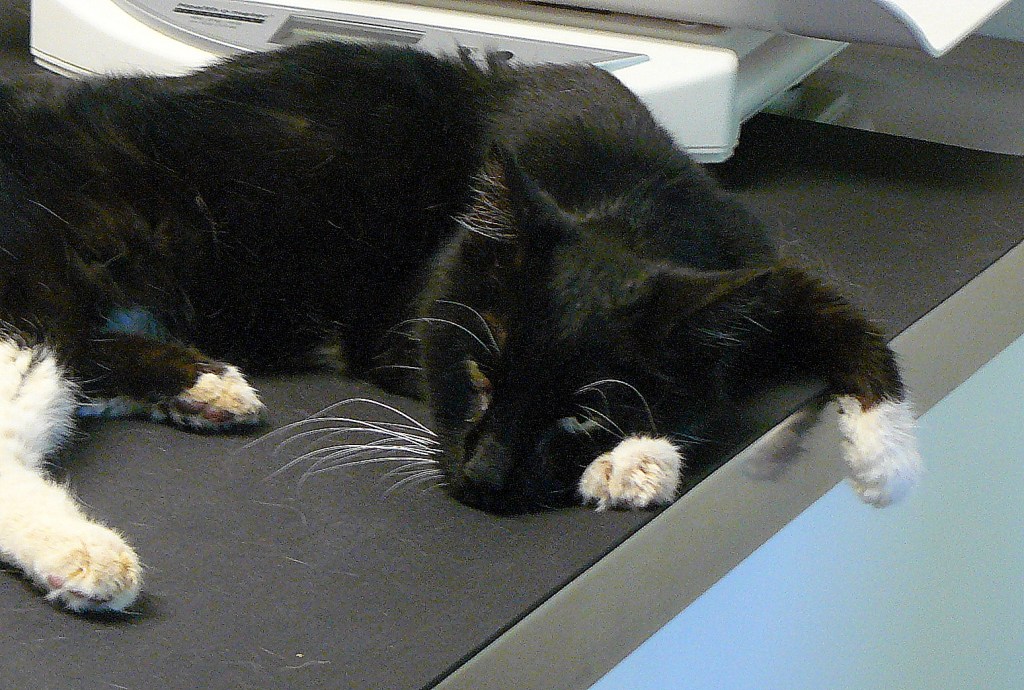
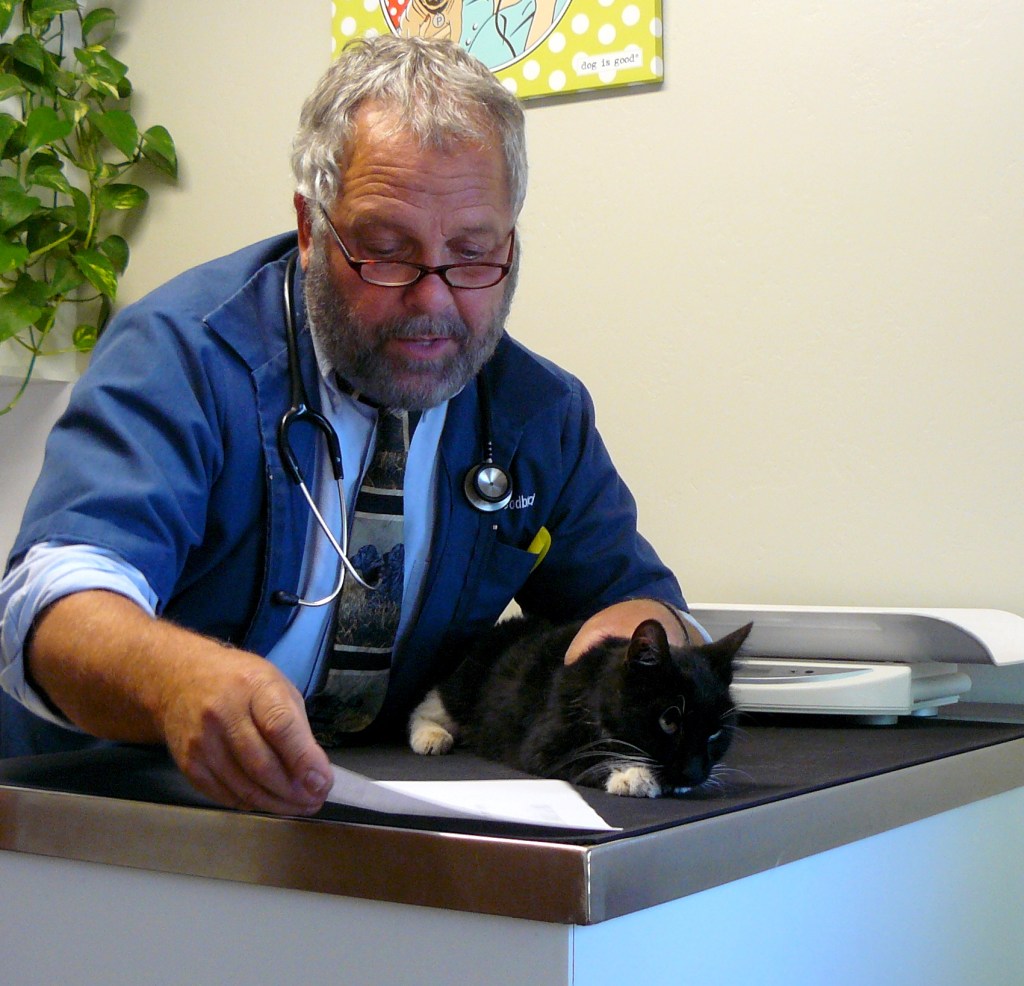
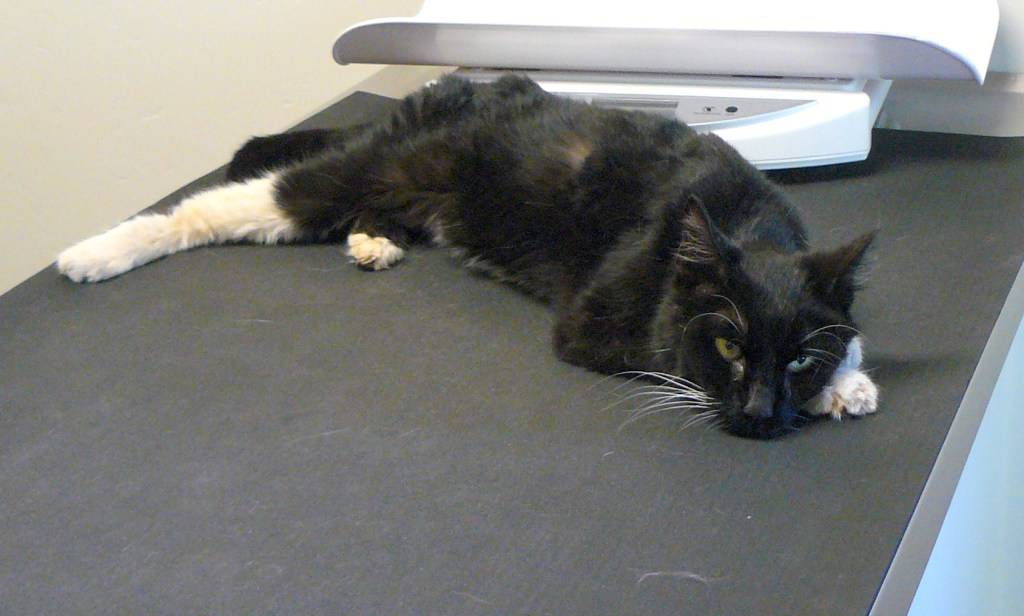
Jessica Louise is a 14-year-old cat that normally lives happily outside. But in recent times ‘Jessie’ has become very thin despite constantly eating and has now preferred to be inside the home even accounting for the fact of there being dogs in the house.

Jim’s pretty certain that he is looking at a cat with a hyperthyroid thyroid gland. No question that a blood test is needed and the blood sample is taken without delay.

The results are soon back and confirm that Jessie’s T4 readings of >8.00 mg/dL are very high, indeed beyond the upper limit of their testing equipment. Jim explains that the normal range for T4 is between 0.80 – 4.70 mg/dL.

The puzzled look on my face is seen by Jim and he takes a few minutes out to explain what a blood test accomplishes.

There are three parts to the blood test:

  1. The Complete Blood Count (CBC), that is the cellular part of the test.
  2. The chemistry of the blood, measuring the condition of the kidneys, liver, electrolytes, diabetic status as in blood glucose level, and more.
  3. The optional Part, a test for T4 Total Thyroxine level.

A very quick web search found this from which one reads:

Your dog or cat’s T4 (Total T4) is a useful screening test to detect an under-active thyroid gland (hypothyroidism) in dogs or an over-active one (hyperthyroidism) in cats. But total T4 levels are a considerably more accurate way to diagnose an overly active thyroid gland in your cat than an under-active thyroid gland in your dog.

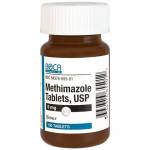
Jim prescribes Methimazole. Once again, back at my desk a quick web search for Methimazole For Cats finds:

What is Methimazole?

Methimazole is used to treat hyperthyroidism in cats. It has largely replaced propylthiouracil in this treatment process since it has a lower incidence of adverse side effects. Methimazole requires a prescription from your veterinarian, and is sold per tablet.

(This is only one of many products found online!)

Jim weighs Jessie and finds that she is 4lbs 12 oz. Her weight should be in excess of 8 lbs.

The clinic protocol is that Jessie should not be seen until at least 45 days has elapsed. But Dr. Jim underlines that Jessie should be brought back in to the clinic before then if there is no weight gain soon or, especially, if Jessie continues to lose weight.

10:05 All done.

To be continued:

(Please note: These observations are mine alone and because of the busy environment it must be assumed that my interpretation of what was taking place might not be totally accurate. Nothing in this blog post should be used by a reader to make any medical judgment about an animal. If you have any concern about an animal do make an appointment to see a properly qualified veterinarian doctor.)

ooooo

Good people, may I ask for your assistance.

Best explained by sharing part of a recent email sent to Yvonne D. who has offered her help with my book project. In past times, Yvonne was a Veterinary Technician.

Dear Yvonne,

My Visiting the Vet theme on Learning from Dogs has awakened within me the interest and passion to write my second book. Or, to put it more accurately, to switch away from the present theme that I have been struggling to get stuck into for months.

I spoke with Russel Codd at the clinic and he is really keen to support me.

The overall idea that is forming in my mind is to write a book that alternates, chapter by chapter, between observing the medical and clinical goings-on at a number of vet clinics in town, including specialist processes, surgery, cardiac, etc., and chapters that look deeply into the many different relationships that individuals have with their pets; primarily with dogs and cats.

I want to get into the ‘mindset’ of people who have pets in their lives across the whole range of feelings of those said people. From those who love their pets practically without any limit, to the homeless people (almost 100% men) whom one sees with a dog or two in tow alongside the highway. But also exploring those who seem so hateful. E.g. our pet sitter knows a man who threw his elderly dog away in some local woods. What causes someone to be like this? I want to find out!!

The book will be called: Of Pets, and Of People.

With very kind wishes,

Paul

Copyright (c) 2017 Paul Handover

Any feedback at all would be fabulous! What would you like to see in such a book? What would you most definitely not want to read?

There’s big, and then there’s really big!

There’s something about big dogs!

I’m not saying that I have a preference for big dogs just that there’s a difference in my mind as to how larger dogs interact with one.

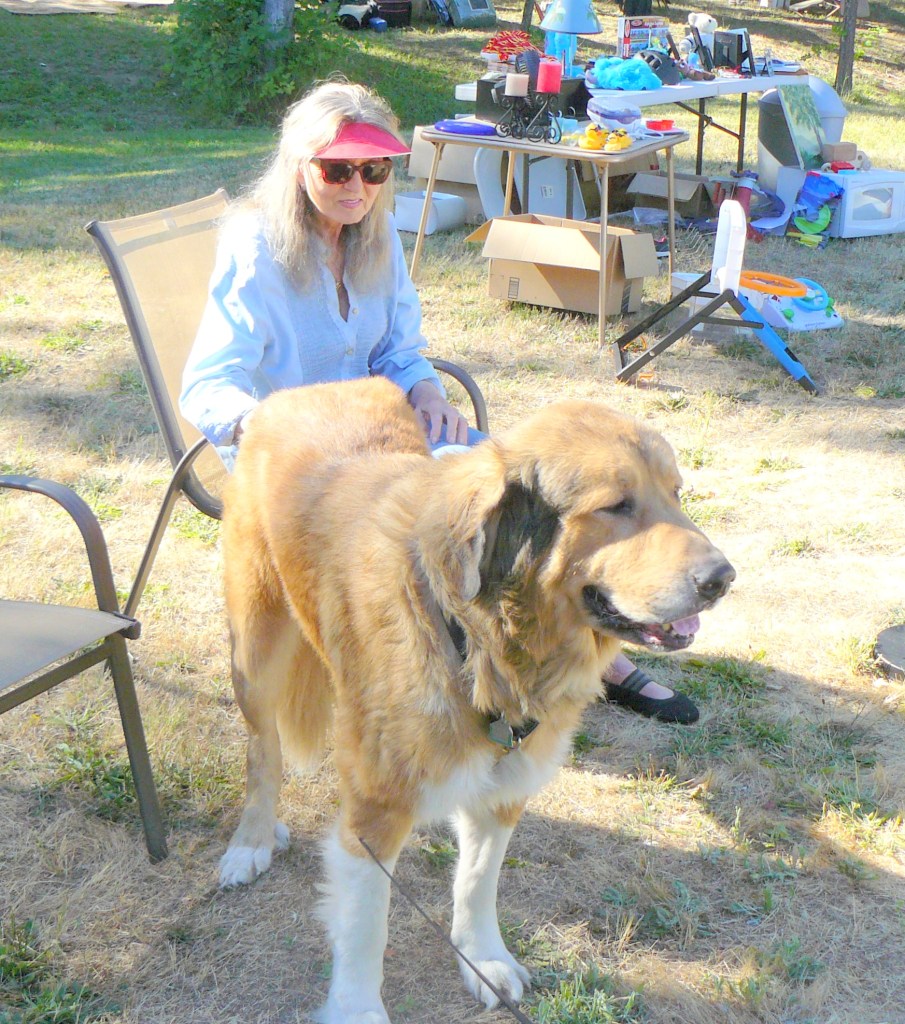
Jean and Brandy at our local yard sale last weekend. (June 29th, 2016)

All of which elegantly leads into an item that was presented on Mother Nature News the other day and is shared with you all today.

ooOOoo

Removed because of copyright infringement.

ooOOoo

Here’s another wonderful photograph to close off today’s post.

Aren’t our dogs such wonderful, special friends!

One very lucky dog!

Don’t try this yourself!

(NB: For much of the next three days I am going to have my attention diverted elsewhere. So, apologies in advance if I am not as attentive as I try to be.)

This was seen on the BBC News website last Sunday.

ooOOoo

Dog survives after chasing stone off 150ft cliff

A cocker spaniel has survived a 150ft (46m) fall from a cliff in Somerset.

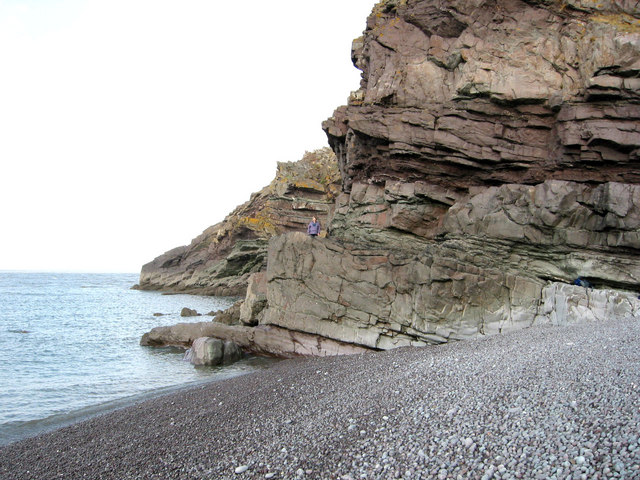
The dog, called Indy, plunged off Hurlstone Point, near Porlock, while chasing a stone during a walk with her owners.

Minehead’s lifeboat crew was scrambled to rescue her and found her among boulders at the foot of the cliff.

A spokesman said: “She had a few scratches and bumps and was very shaken up, but it could have been much worse.” (Ed: Understatement of the year!)

http://www.youtube.com/watch?v=Y7JGGsDnPv8

ooOOoo

A quick search brought up this item on Wikipedia:

Hurlstone point (grid referenceSS898492) is a promontory of land between Porlock Weir and Minehead in the Exmoor National Park on the coast of Somerset, England.

Hurlstone Point marks the boundary between Porlock Bay and Blue Anchor Bay in the Bristol Channel and is on the South West Coast Path.[1] There is a coastguard lookout shelter on the point.[2]

The rocks, including a large slab known as “coastguard wall” are popular with climbers.[3]

In 2007 a cyclist was rescued after falling 40 feet (12 m) down the cliff.[4]

References

  1. “Bossington to Selworthy”. Official Guide to the South West Coast Path. Natural England. Retrieved 24 March 2010.
  2. “Coastguard’s lookout at Hurlstone Point, Selworthy, Somerset”. Viewfinder National Monuments Record. English Heritage. Archived from the original on 6 June 2011. Retrieved 24 March 2010.
  3. “Hurlstone point”. UK Climbing.com. Retrieved 2008-08-09.
  4. “Cyclist rescued after cliff fall”. BBC News. BBC. 2007-05-03. Retrieved 2008-08-09.

Plus this photograph that only underlines how very lucky was Indy.

Visiting the Vet – Updates

How this theme is taking shape!

But first, let me offer an update and a correction.

In my first report, published on June 28th, the very first patient for Dr. Jim was Ginger.Here’s an extract from that report:

It was immediately clear to Jim when he listened to Ginger’s heart that it was racing; Jim thought at something like 200 beats per minute. Jim continued to check Ginger over although, as he told me later, he had an idea that Ginger’s medical problem was a cardiac issue. Jim arranged for Ginger to be given an X-ray as well as blood work.

A number of you wanted me to check on Ginger’s status. Jim said that in a follow-up call made by the clinic they were told that Ginger was doing well.

The second item is a correction. In the report that described Lynn bringing in a stray kitten that had terrible puss oozing from one eye, I wrote: “Moments later Jim has not only cleaned out all the puss but found and removed the cause of the infection that was behind the kitten’s eyeball.”

When I queried with Jim what was the cause of the infection, he said that there was nothing physical behind the eye but that the kitten had contracted a severe eye infection probably a viral infection. The kitten was also doing well.

So last Thursday, the 13th July, I returned to Lincoln Road, arriving at 09:45. My plan was to spend the morning with Jim and then the afternoon with Dr. Russel  Codd the owner of the clinic.

It was another wonderfully interesting day and I have sufficient material for the next two to three weeks.

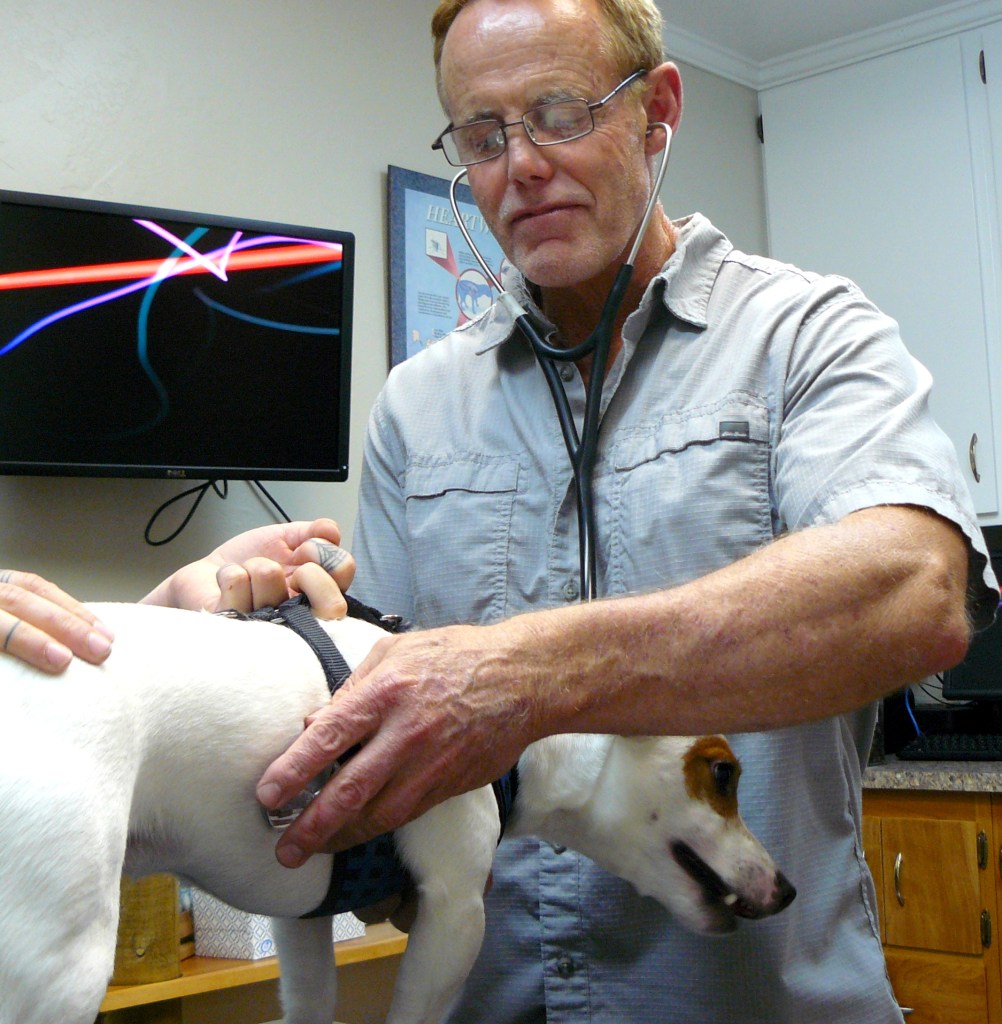
This is Cooper, a male Jack Russell, being checked out by Dr. Russ.

Dr. Russ started the afternoon at 14:30 so there was a bit of a wait after Jim had finished his morning at 12:05. That prompted me to see if future sessions watching Dr. Russ at work could be morning ones.

In other words, I would go across to Lincoln Road on two mornings a month; one to spend with Dr. Jim and one with Dr. Russ. I have yet to speak to Russ about that but can’t envisage an issue.

What Russel Codd did say to me that afternoon was that he really supported this theme and that he might arrange for me to ‘shadow’ one or two specialists who work locally in Grants Pass.  Plus, I did venture the idea that maybe there was book potential and Russ was very happy with that possible development as well.

So Sue, there’s the answer to you writing last week: “Lots of information here perhaps for a second book?” Great suggestion! (Indeed, good people, I am giving the idea of turning this series into a book very careful thought and will ask for feedback from you in a subsequent post once I am clearer about the purpose and objectives of such a book.)

So the first of my reports from my visit on the 13th will be published either later this week or early next week.

Thank you, everyone, for your interest, suggestions and support. You really are a great group of readers!

Visiting the Vet – Transformations.

This is why some choose to become veterinary doctors.

Today I write about the last animal that Dr. Jim attended to from my morning at Lincoln Road on June 22nd. I have been blown away by the interest in this theme from so many of you. Thank you!

Indeed, today I am back at the clinic spending both the morning and some of the afternoon watching and recording.

My plan from now on, subject to Dr. Codd supporting the idea, is to spend time at the clinic roughly one day a month. For in just the five or six hours of a day’s visit there is such a variety of events that it will provide more than enough material for me to present Visiting the Vet posts regularly each week during the following month.

OK! Now to the last patient that morning.

12:20

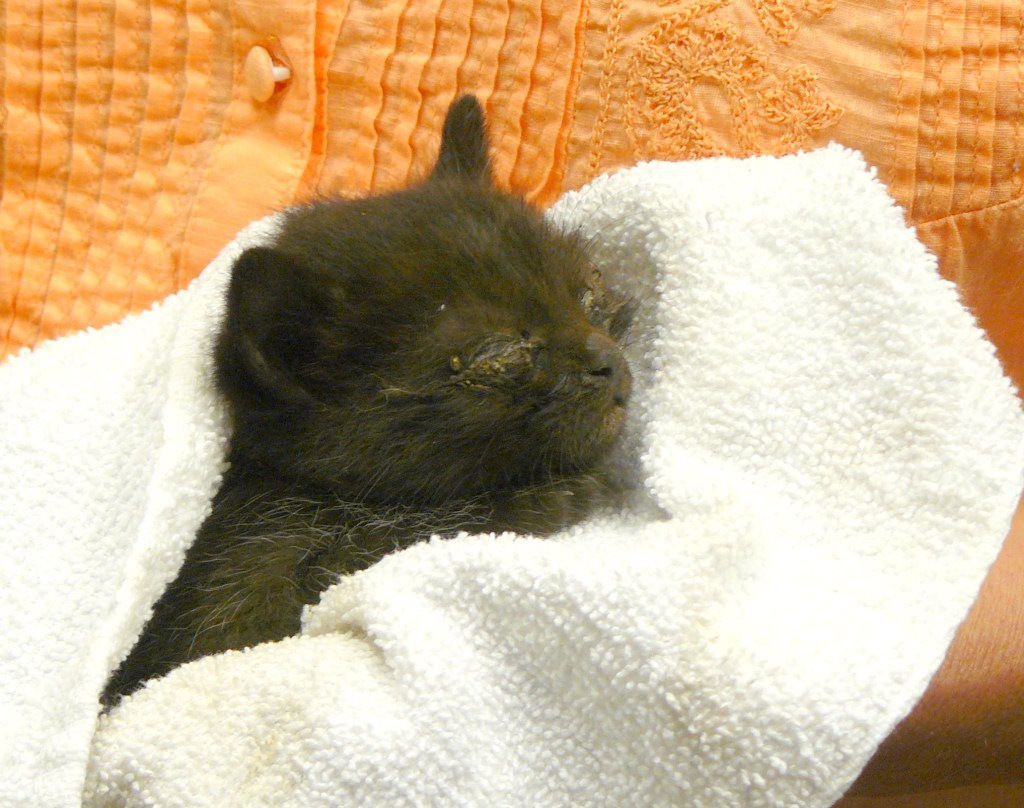
A woman carries in a stray kitten that had been found on the premises of a local scrap metal dealer.

The woman, Lynn, didn’t hesitate to bring the kitten to Lincoln Road because it had an infected right eye.

Jim takes some blood, in itself a bit of a challenge with such a young kitten, and looks more closely at the male kitten. He observes that the eye is most terribly infected with puss pouring out and Jim is of no doubt that the kitten had this eye infection since birth just a few weeks ago.

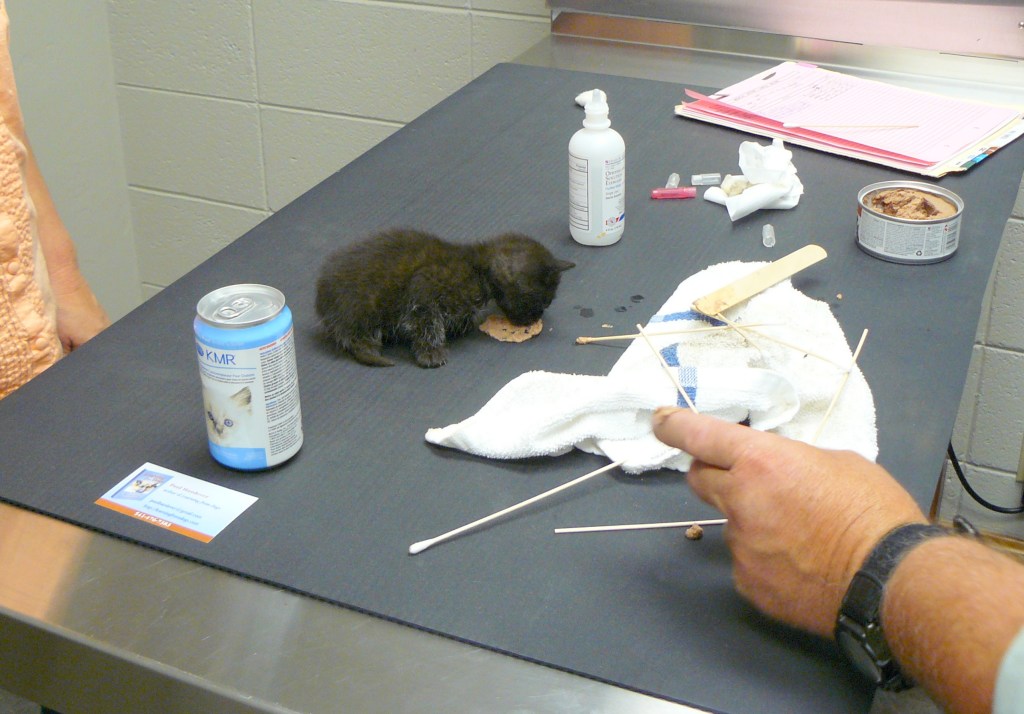
I come closer to take a photograph (the one above) and am in awe of the delicate way that Jim uses a tiny swab, Lynn holding the kitten for Jim, to clear the puss away from the eye. Moments later Jim has not only cleaned out all the puss but found and removed the cause of the infection that was behind the kitten’s eyeball.

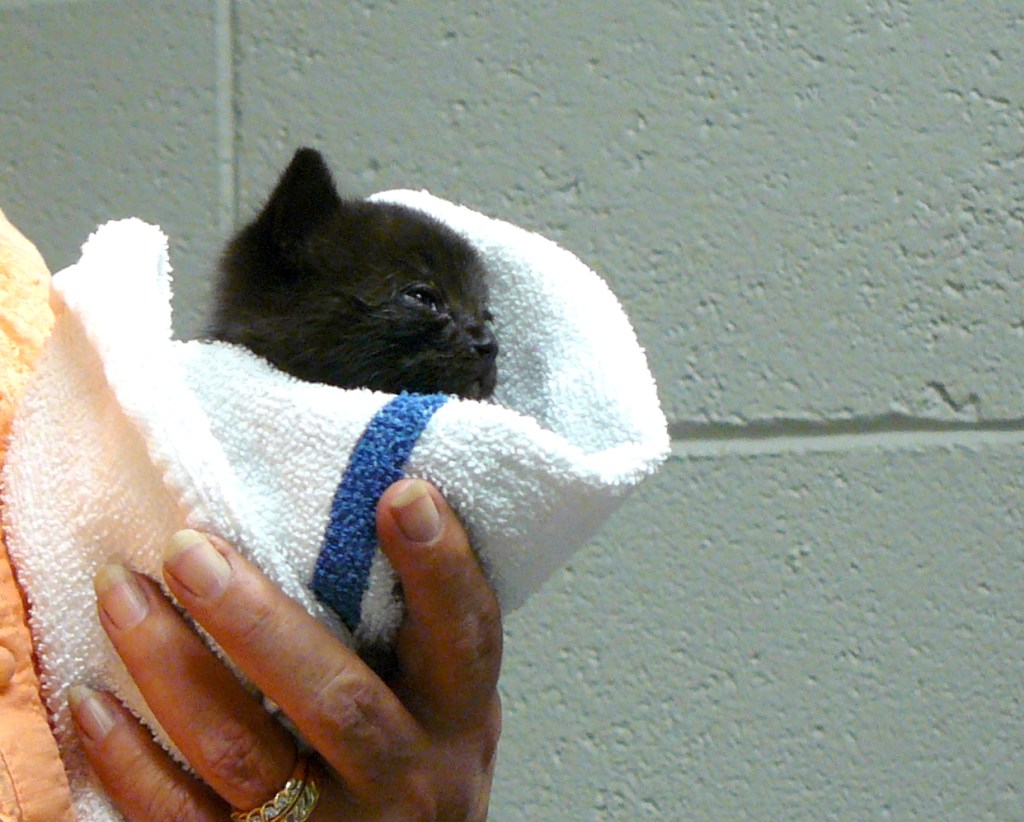
12:40 The kitten sees with both eyes. What a transformation in just twenty minutes.

Jim looks up at Lynn: “Lynn, you do know you have saved his life!”

Lynn replies: “I didn’t really want another cat!”

Jim then gets some food for the kitten and gives it time to settle down.

Lynn and I chat and I am flattered to learn that Lynn has previously purchased a copy of my book. It can be such a small world at times!

12:30 All done. Lynn wraps the kitten back into the same towel that was used to bring it in to the clinic such a short time ago.

Thus ended my first experience of being behind the scenes of a busy vet practice.

The experience has profoundly affected me.

For as well as the astounding level of medical skill that I have observed it was also clear, as Jim put it, that he has to play counselor, psychotherapist, and even bartender. Why bartender? Because Jim quietly offers the observation that quite a few persons come in with their pets when they are the worse for drink! The owner that is not the animal!

Seriously though, let me offer what I concluded after just this one visit to Lincoln Road. That Jim and, I’m sure, Dr. Russ and many thousands of DVMs across the world, have many more demands on them than just being a good doctor.

They must display attention to detail and have an inquiring mind. They must be genuinely empathetic for the animal owner’s circumstances. But also good record keepers! Also they will have to endure a great deal of kneeling. Then, again, those knees have to be topped with a head that is jam-packed full of knowledge and experience to avoid jumping to incorrect conclusions. More subjectively, their emotions have to be kept under control for they frequently will see animals that have not been best cared for and, again all too frequently, they will have to end the life of a dear pet as gently and painlessly as is possible.

To be continued!

Visiting the Vet – Buffy & Chloe

Still it comes, one pet after another!

It’s 11:05

This is Buffy, a nine-year-old Dachshund crossed with a Terrier, who is drinking and peeing too much according to the lady who brought Buffy in to the clinic this morning. Adding that Buffy seems to be always hungry and quieter than normal.

Jim runs a blood test and not long after says that nothing has jumped out at him as a potential issue from Part One of the test results. (Apparently, the blood test comprised two parts – I will learn more in a subsequent visit to Lincoln Road.)

Buffy’s heart sounds good. Buffy has not lost weight.

Then Part Two of the blood test results reveal, thankfully, that Buffy is not diabetic, is not indicating Cushing’s Syndrome, and that Buffy’s kidneys are fine.

In other words, Buffy has the look of a healthy dog.

Has this all been a waste of time and money? Not at all, says Dr. Jim. This is the first time the clinic has seen Buffy and all the test results can now be logged providing a baseline of data for future reference purposes.

11:50 In comes Chloe.

Chloe has been vomiting up her food and, consequently, has stopped eating. Jim is concerned that Chloe is overweight and that in the very hot weather of recent days (high 90s F./mid 30s C.) he has been seeing a number of dogs with excessive heat problems.

One thing that could be done to Chloe was to clip her excessively long toe nails.

Jim does that.

12:15 All done.

To be continued:

(Please note: These observations are mine alone and because of the busy environment it must be assumed that my interpretation of what was taking place might not be totally accurate. Nothing in this blog post should be used by a reader to make any medical judgment about an animal. If you have any concern about an animal do make an appointment to see a properly qualified veterinarian doctor.)