In lieu of being ‘off line’ until the 15th.

oooo

oooo

oooo

oooo
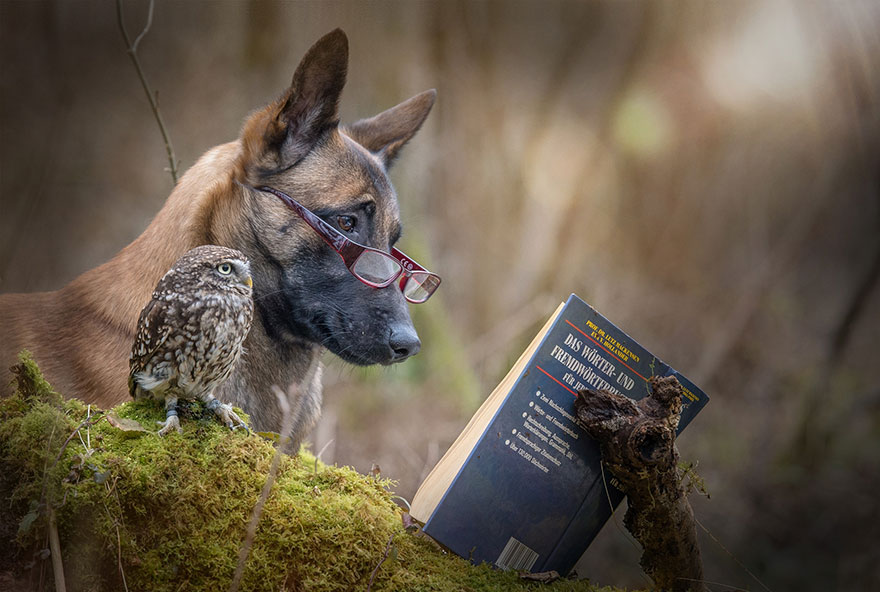
They continue to be stunning images.
Dogs are animals of integrity. We have much to learn from them.
Category: Animal rescue
In lieu of being ‘off line’ until the 15th.
oooo
oooo
oooo
oooo
They continue to be stunning images.
In lieu of being ‘off line’ until the 15th.

oooo
oooo

oooo

oooo
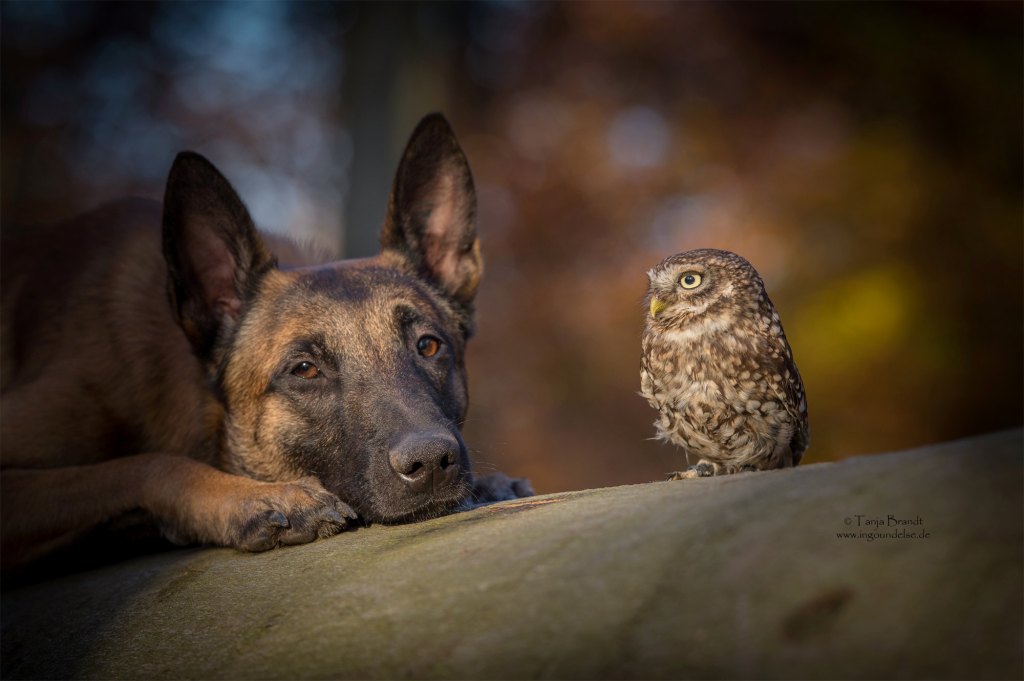
Aren’t these photographs gorgeous!
The critical value of predators.
Not so long ago there was some discussion about how important it was for the natural way of things to include predators. I mentioned how this had been the topic of a post published some time ago in this place.
It was back in February, 2014 and I have republished it today.
oooo
February 24th, 2014
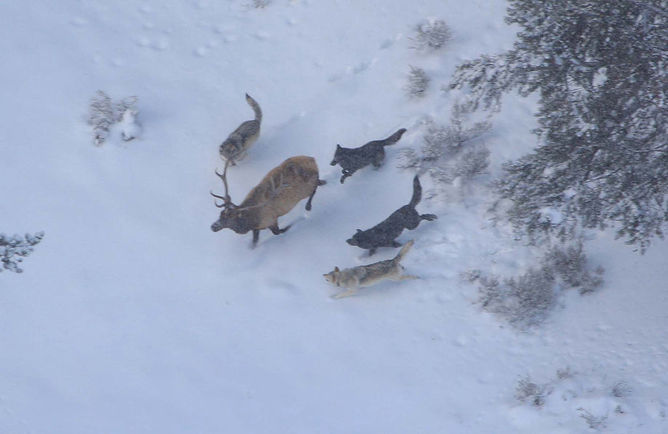
The consequences of the reintroduction of wolves to Yellowstone National Park.
I have two people to offer my thanks to for today’s post: Suzann and Ginger. Both of them within hours of each other sent me an email recommending the following video. So, without further ado, here is that video. (Oh, would you believe this. The video was released on February 13th, 2014 and, at the time of me writing this post, has been viewed 1,453,345 times! Wow!)
Published on Feb 13, 2014
Visit http://sustainableman.org/ to explore the world of sustainability.
For more from George Monbiot, visit http://www.monbiot.com/ and for more on “rewilding” visit http://bit.ly/1hKGemK and/or check out George Monbiot’s book Feral: rewilding the land, the sea and human life: http://amzn.to/1dgdLi9
“When we try to pick out anything by itself, we find it hitched to everything else in the Universe.” – John Muir
When wolves were reintroduced to Yellowstone National Park in the United States after being absent nearly 70 years, the most remarkable “trophic cascade” occurred. What is a trophic cascade and how exactly do wolves change rivers? George Monbiot explains in this movie remix.
Narration from TED: “For more wonder, rewild the world” by George Monbiot. Watch the full talk, here: http://bit.ly/N3m62h
B-Roll Credits:
“Greater Yellowstone Coalition – Wolves” (http://bit.ly/1lK4LaT)
“Wolf Mountain” (http://bit.ly/1hgi6JE)
“Primodial – Yellowstone” (https://vimeo.com/77097538)
“Timelapse: Yellowstone National Park” (http://bit.ly/1kF5axc)
“Yellowstone” (http://bit.ly/1bPI6DM)
“Howling Wolves – Heulende Wölfe” (http://bit.ly/1c2Oidv)
“Fooled by Nature: Beaver Dams” (http://bit.ly/NGgQSU)Music Credits:
“Unfoldment, Revealment, Evolution, Exposition, Integration, Arson” by Chris Zabriskie (http://bit.ly/1c2uckW)FAIR USE NOTICE: This video may contain copyrighted material. Such material is made available for educational purposes only. This constitutes a ‘fair use’ of any such copyrighted material as provided for in Title 17 U.S.C. section 106A-117 of the US Copyright Law.
For any concerns or questions, you may contact us athttp://sustainableman.org/contact/
If you want to read more on a general level, then my post on the 11th January, 2014, An echo in the hills! may be worthwhile. It included this from William Ripple, of Oregon State University:
ooOOoo
Many of these large carnivore species are endangered and some are at risk of extinction, either in specific regions or entirely. Ironically, they are vanishing just as we are learning about their important ecological effects, which is what led us to write a new paper in the journal Science to document their role.
From a review of published reports, we singled out seven species that have been studied for their important ecological role and widespread effects, known as trophic cascades. These are the African lion, leopard, Eurasian lynx, cougar, gray wolf, sea otter and dingo.
Based on field research, my Oregon State University co-author Robert Beschta and I documented the impact of cougars and wolves on the regeneration of forest tree stands and riverside vegetation in Yellowstone and other national parks in western North America. Fewer predators, we found, lead to an increase in browsing animals such as deer and elk. More browsing disrupts vegetation, reduces birds and some mammals and changes other parts of the ecosystem. From the actions of the top predator, widespread impacts cascade down the food chain.
Similar effects were found in studies of Eurasian lynx, dingoes, lions and sea otters. For example in Europe, absence of lynx has been closely tied to the abundance of roe deer, red fox and hare. In Australia, the construction of a 3,400-mile dingo-proof fence has enabled scientists to study ecosystems with and without dingoes which are closely related to gray wolves. They found that dingoes control populations of herbivores and exotic red foxes. The suppression of these species by dingoes reduces predation pressure, benefiting plants and smaller native prey.
In some parts of Africa, the decrease of lions and leopards has coincided with a dramatic increase in olive baboons, which threaten crops and livestock. In the waters off southeast Alaska, a decline in sea otters through killer whale predation has led to a rise in sea urchins and loss of kelp beds.
We are now obtaining a deeper appreciation of the impact of large carnivores on ecosystems, a view that can be traced back to the work of landmark ecologist Aldo Leopold. The perception that predators are harmful and deplete fish and wildlife is outdated. Many scientists and wildlife managers now recognise the growing evidence of carnivores’ complex role in ecosystems, and their social and economic benefits. Leopold recognised these relationships, but his observations were ignored for decades after his death in 1948.
Human tolerance of these species is the major issue. Most would agree these animals have an intrinsic right to exist, but additionally they provide economic and ecological services that people value. Among the services documented in other studies are carbon sequestration, restoration of riverside ecosystems, biodiversity and disease control. For example, wolves may limit large herbivore populations, thus decreasing browsing on young trees that sequester carbon when they escape browsing and grow taller. Where large carnivore populations have been restored – such as wolves in Yellowstone or Eurasian lynx in Finland – ecosystems appear to be bouncing back.
I am impressed with how resilient the Yellowstone ecosystem is, and while ecosystem restoration isn’t happening quickly everywhere in this park, it has started. In some cases where vegetation loss has led to soil erosion, for example, full restoration may not be possible in the near term. What is certain is that ecosystems and the elements of them are highly interconnected. The work at Yellowstone and other places shows how species affect each another through different pathways. It’s humbling as a scientist to witness this interconnectedness of nature.
My co-authors and I have called for an international initiative to conserve large carnivores in co-existence with people. This effort could be modelled after a couple of other successful efforts including the Large Carnivore Initiative for Europe, a non-profit scientific group affiliated with the International Union for the Conservation of Nature, and the Global Tiger Initiative which involves all 13 of the tiger-range countries. With more tolerance by humans, we might be able to avoid extinctions. The world would be a scary place without these predators.
William Ripple does not work for, consult to, own shares in or receive funding from any company or organisation that would benefit from this article, and has no relevant affiliations.
ooOOoo
 Man! We are a strange species at times!
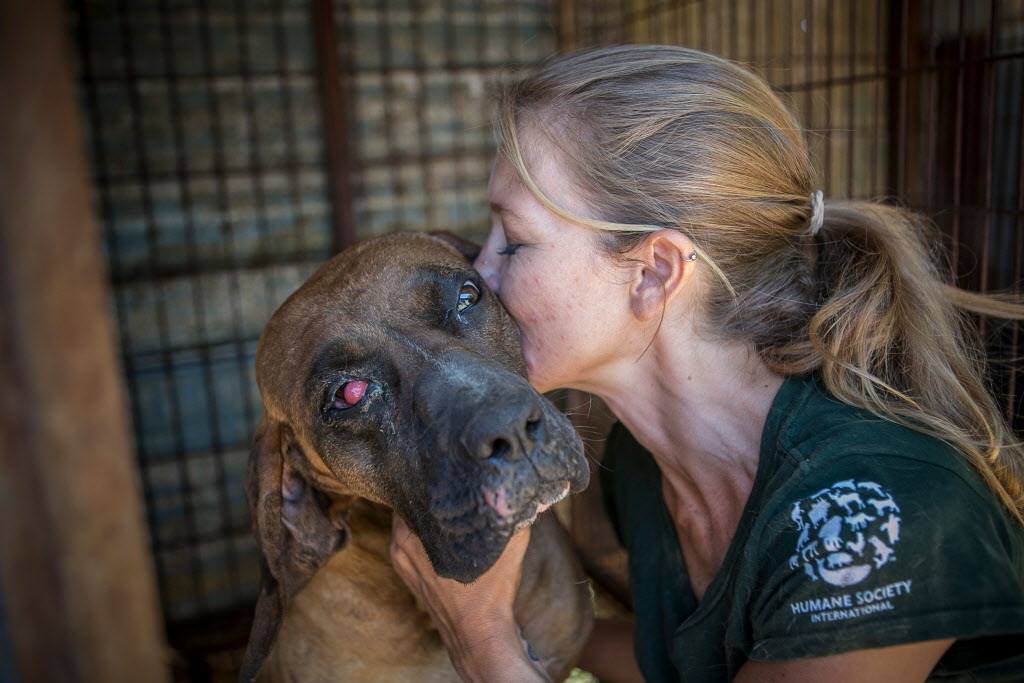
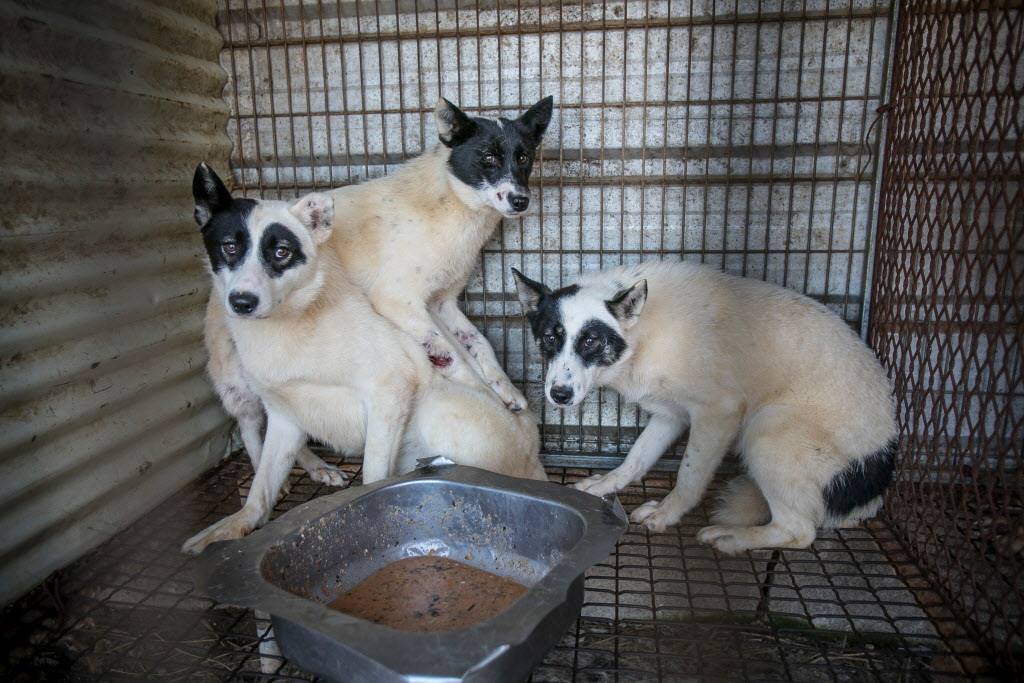
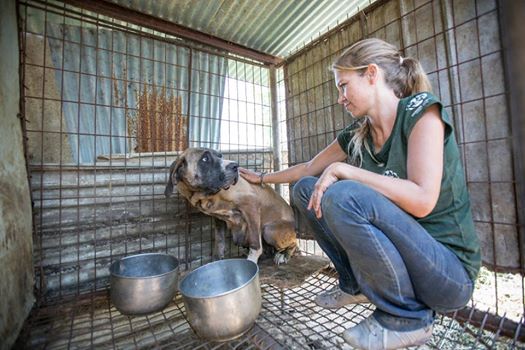
Those precious dogs saved from the meat trade.
On the 26th July I posted an item about the work of The Humane Society in saving dogs. I included a very moving photograph and promised to include the rest of the photographs in a Picture Parade. Well, here they are including the one I republished.
oooo

oooo

oooo

oooo
oooo

oooo
Wonderful!
Picking up on Annie
Remember Kristin’s guest post just two days ago? Annie’s Second Chance?
I’m sure you do.
Well the reason I am using that connection is because I want to share with you an email that was received yesterday.
Paul
The Mexican gray wolf (also called lobo) is the rarest subspecies of gray wolf in the world. With just 113 individuals in the wild, this federally endangered species needs your voice now.
Despite recommendations by the US Fish and Wildlife Service’s own scientists, they have released a highly politicized Draft Mexican Wolf Recovery Plan, which we fear will lead these severally endangered wolves to extinction.
The draft recovery plan ignores science, gives special interests controlling power over recovery, and outlines criteria which will prematurely remove Endangered Species Act protections from the wolf.
Already plagued by mismanagement, poaching, and declining genetic diversity, the Mexican wolf needs your help more than ever. We only have until the close of the comment period on August 29th to generate opposition to this flawed plan. Please submit your comment today to ask the US Fish and Wildlife Service to draft a recovery plan that’s based on science, not politics!
Thank you for your commitment to wildlife and wild places.
Sincerely,
Hailey Hawkins
Southern Rockies Representative
Endangered Species Coalition
www.endangered.orgPS. Links not working? Take action for wolves at this URL: https://actionnetwork.org/letters/comment-on-the-draft-mexican-wolf-recovery-plan-sciencenotpolitics
Of course I wrote in support of the Lobo! And was delighted to notice that Action Network had set a goal of 3,200 letters and, as of yesterday morning, only a further 275 letters were needed to make that goal.
Please, dear reader, add your name. Thank you!
Have a wonderful weekend!
The joys of installing new flooring!
In a number of the rooms here at home we still have down on the floor the carpeting that was in the house when we moved in 5 years ago. As you might imagine that carpet, being slept on daily by cats and dogs, is also home to a range of uninvited ‘guests’. That song title comes to mind: “The hills are alive ….”.
A while ago we replaced the carpet in our main living-room with oak flooring and now we are replacing just about all the rest of the carpet in our house with laminate boarding that is a very good match with the oak flooring.
One of the rooms that is affected is my office and although the installers will only be working for the three days of the 16th to the 18th August, the rooms will need to be emptied out of all furniture a few days before the 16th.
Ergo, I expect to be ‘off air’ for about a week. Probably from Sunday, 13th August through to Sunday, 20th August.
During those days I won’t be able to respond to your replies to posts. But I will put up posts for each of those days well ahead of the 13th.
What I will post is something that Suzann emailed Jean the other day. It’s the wonderful story of a Belgian Shepherd dog befriending an owl. This is what was included in Suzann’s email:
ooOOoo
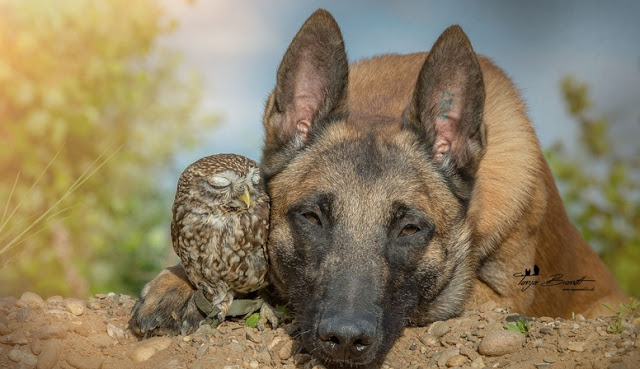
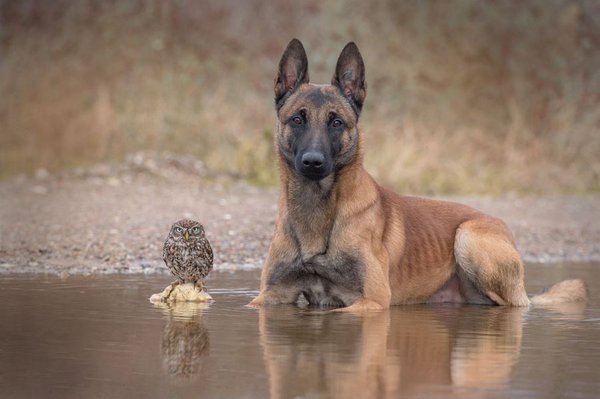
For years, photographer Tanja Brandt has made it her mission to capture magnificent photos of animals and wildlife. Recently, the German artist found a new challenge when she photographed the unique bond between two unlikely friends: Ingo, a Belgian shepherd, and Poldi (Napoleon), a one-year-old owlet.
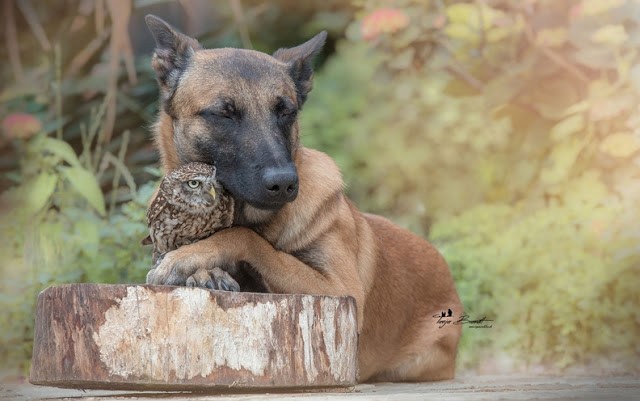 The owlet and canine have a special “protector-protected” relationship and that their affection towards each other couldn’t be any more evident. Ingo lovingly guards Poldi, who apparently “doesn’t know how to live free.”
The owlet, hatched two days after his six brothers and sisters, therefore, has always been very vulnerable due to his small size. Comparatively, Ingo was raised by a family of strong, and oftentimes ruthless, police dogs.
“They respect each other and they can read each other,” says the photographer.
ooOOoo
There are many photographs of Ingo and Poldi and they will make up the posts for you all for that week of the 14th August.
Welcome to August!
July 13th. 11:00 The second case that I sat in on was Linda bringing in Jefferson.
Jefferson is an eight-year-old long-haired male Dachshund. Linda had decided to bring her dog into Lincoln Road because recently Jefferson had started coughing but only when he was pulling on his leash.
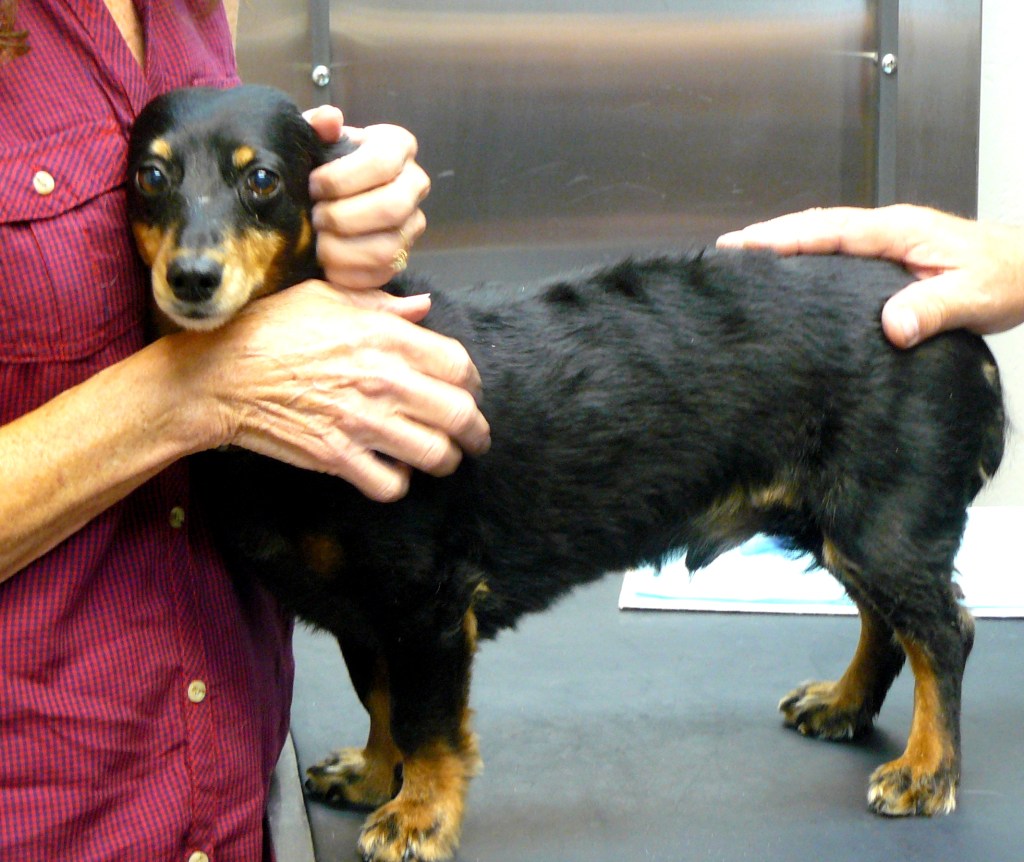
Linda added that Jefferson seemed to be chewing on a number of pine cones just now.
Jim examined Jefferson. First examining the dog’s lymph node and then listening to either side of the dog’s chest.
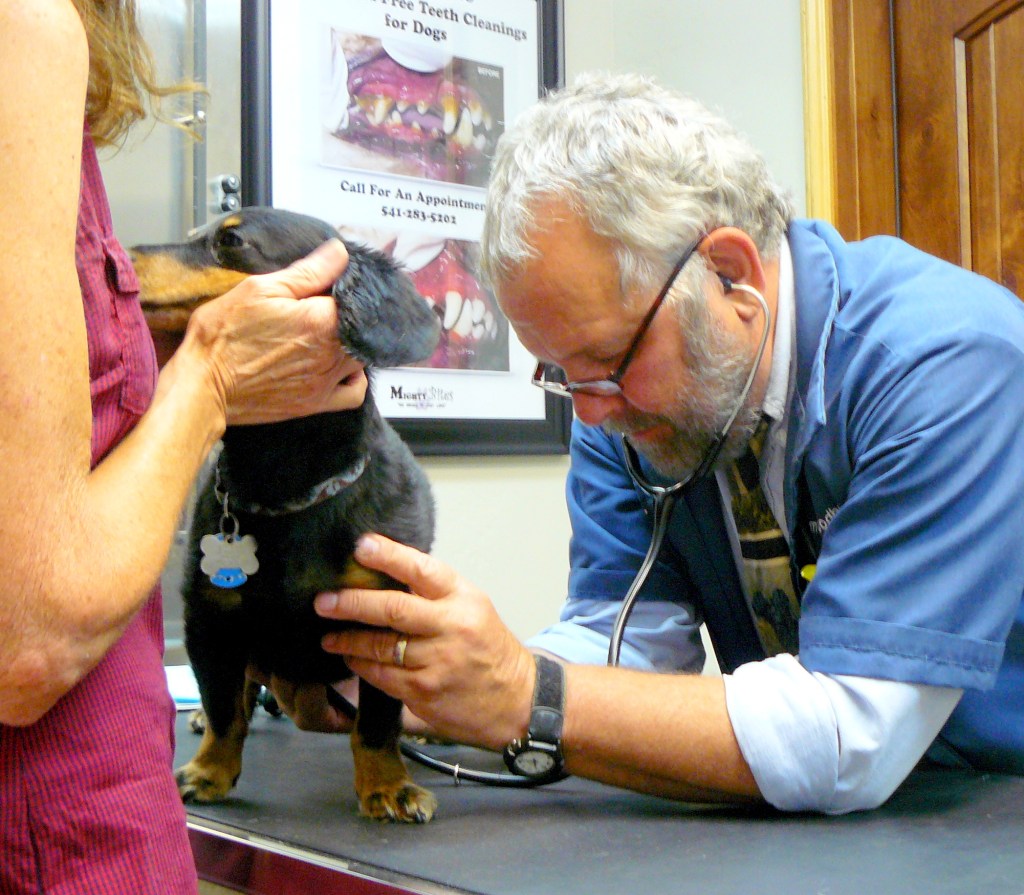
While everything sounded fine on Jefferson’s right side, Jim detected a very small heart murmur when listening to Jefferson’s left side.
Jim also noted that the lymph node was prominent but not enlarged. Dogs can get lymphoma.
Nothing arose to give cause for concern but in view of the chewing of pine cones, Jim thought that giving Jefferson an injection of ‘Lepto’ would be no bad thing.
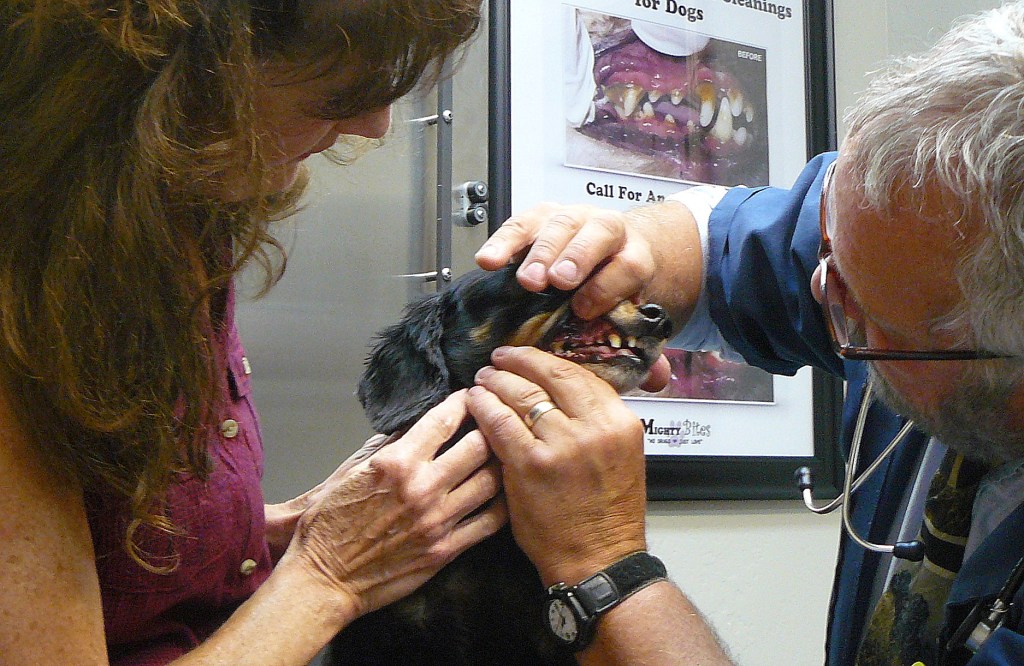
11:20 All done!
I subsequently did a web search on ‘Lepto’ and came across this on the Vetstreet website: (in part)
It’s scary to think that a fun stroll through the woods or swim in a favorite watering hole can lead to a terrible illness, but it can –– for you as well as your dog. Leptospirosis is caused by a bacteria spread through soil, water, and the urine of infected animals, and if not caught early it can be deadly. There is a vaccine available for the most common subtypes of the bacteria that infect dogs, but it’s not always a recommended part of the routine vaccination protocol. Ask your veterinarian if the leptospirosis vaccine is right for your dog.
Overview
Leptospirosis is a potentially serious disease caused by the bacterium Leptospira interrogans. It affects dogs but can also infect a wide variety of domestic and wild animals as well as humans.
The organism is usually spread through infected urine, but contaminated water or soil, reproductive secretions, and even consumption of infected tissues can also transmit the infection. Introduction of the organism through skin wounds can also occur. Common carriers of the organism include raccoons, opossums, rodents, skunks, and dogs.
To be continued:
(Please note: These observations are mine alone and because of the busy environment it must be assumed that my interpretation of what was taking place might not be totally accurate. Nothing in this blog post should be used by a reader to make any medical judgment about an animal. If you have any concern about an animal do make an appointment to see a properly qualified veterinarian doctor.)
Sometimes I wonder about the human race!
Sorry for the outburst above but in the last ten minutes I read this over on Lady Freethinker’s blog: Sign: Pass Bill to Ban Cruel VA Medical Testing on Dogs It made me very angry!
It has to be shared with all you good people.
ooOOoo
Posted by Nina Jackel | July 27, 2017

Every year in the U.S., tens of thousands of dogs are tortured and killed in gruesome medical experiments. They may be sliced, burned, mutilated, electrocuted or force-fed poisonous chemicals. Many of these experiments are carried out by the Department of Veteran’s Affairs (VA). But there is new hope for dogs brutalized in VA testing.
Congress has recently introduced the Preventing Unkind and Painful Procedures and Experiments on Respected Species Act (PUPPERS act) to ban cruel experiments on dogs by the VA. For the dogs’ sake, it is crucial that this legislation pass.
The bill follows haunting exposés by the White Coat Waste Project, which reveal VA labs committing atrocities such as inducing heart attacks in puppies, and giving dogs methamphetamine before killing them so their brains could be dissected.
Since the shocking abuse was exposed, progress has already been made. On July 26, the House passed an amendment to defund experiments like this for the next fiscal year. The amendment now awaits approval by the Senate. Defunding is an excellent step — but the next step is to ban the cruelty permanently.
Sign the petition to urge congress to pass the PUPPERS act to end VA torture of dogs for good, and then take action to ban ALL cruel experiments on animals.
ooOOoo
Please go here to sign the petition.
Jean and I have signed.
Please, please, please add your name to this petition.
Thank you!
This is really what matters!
Well it does in the worlds of Jean and me and many of you who frequent this place.
Whatever is going wrong in the world around us, all we need is examples of people putting animals in front of them.
No better illustrated than by a recent news item released by Humane Society International. Albeit, I am using the story as it was presented on the Care2 site.
ooOOoo
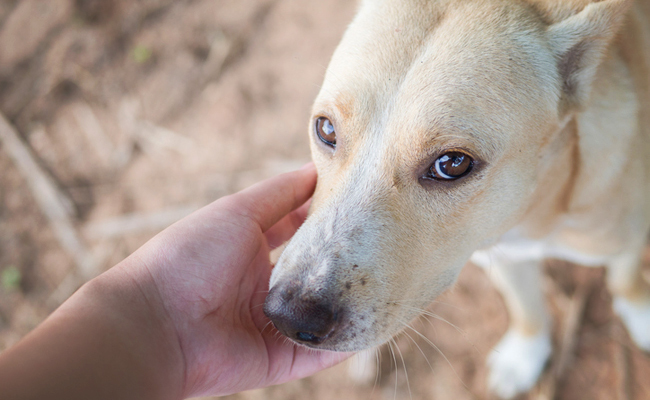
Get ready for some happy news: 149 dogs who were destined to be turned into food have been successfully rescued and will now be starting their new lives in peace.
These dogs, who were rescued by a team from Humane Society International (HSI), are among millions who are raised and killed for their meat in South Korea. According to HSI, more than one million dogs are killed and eaten during Bok Nal days – the three hottest days of the summer – mainly as a soup that’s mistakenly believed to improve stamina and virility.
Fortunately, their fate changed when the farmer who was raising them turned to HSI for help. The organization has been working in partnership with those in the industry who express interest in getting out to help them close their farms and transition into other lines of work.
This latest rescue marks the ninth dog meat farm that HSI has permanently closed since 2014, which has resulted in saving the lives of nearly 1,000 dogs who would have otherwise been brutally slaughtered.
The dogs from this farm will now be free from the cages and chains that confined them, and are headed to HSUS Emergency Placement Partner shelters in the U.S. located in Florida, Illinois, Indiana, New Jersey, New York, Pennsylvania and Wisconsin, where they’ll be prepared to be adopted into homes where they’ll become members of a family.
The first few have already arrived, and the rest will be on their way in the coming weeks. A group of 15 puppies who were too young to fly are being fostered with their moms until they’re ready to make the trip.
“With every dog meat farm we close, we are not only saving the lives of these poor, terrified dogs caught up in this cruel trade, but we are also presenting a successful blueprint for change that we hope the government will follow. Eating dog is a dying practice in Korea, especially among young people. However, the Bok Nal days of summer still lead many to eat dog meat soup in the mistaken belief that it will invigorate the blood in the sluggish heat. Our campaign shows them the disgusting conditions in which the dogs are forced in live in their own feces, and their pitiful suffering, and it is changing hearts and minds,” said Nara Kim, HSI’s South Korea dog meat campaigner.
While millions of dogs are still at risk, attitudes among the public are changing for the better, particularly among younger generations who are eschewing dog meat.
“Some people say that dog eating is Korean culture, but you won’t find many young people who feel it’s a cultural habit we want to hold on to. It’s intellectually lazy to use culture as an excuse for cruelty because all cultures evolve over time and we often shed practices of the past. We are hopeful that things will change, and that the new Korean president will advance a new culture of compassion to animals. I am so happy that for these dogs the dog meat trade is over, but we have to fight on for the millions who are still suffering,” added Kim.
HSI is continuing to urge the government to act to end the trade ahead of the 2018 Winter Olympics, which will be hosted in South Korea, and will be heavily campaigning this summer to raise more awareness about the issue locally.
For more info on how to help, and updates on the dogs, check out Humane Society International.
Photo credit: Friends of Oregon Zoo Elephants/IDA
ooOOoo
The Care 2 version also included a number of very moving photographs but this one, in particular, seemed a great one to share with you. The rest will form the next Picture Parade.
Well done HSI!
Lady Jessica isn’t feeling too well.
09:50 July 13th, 2017.
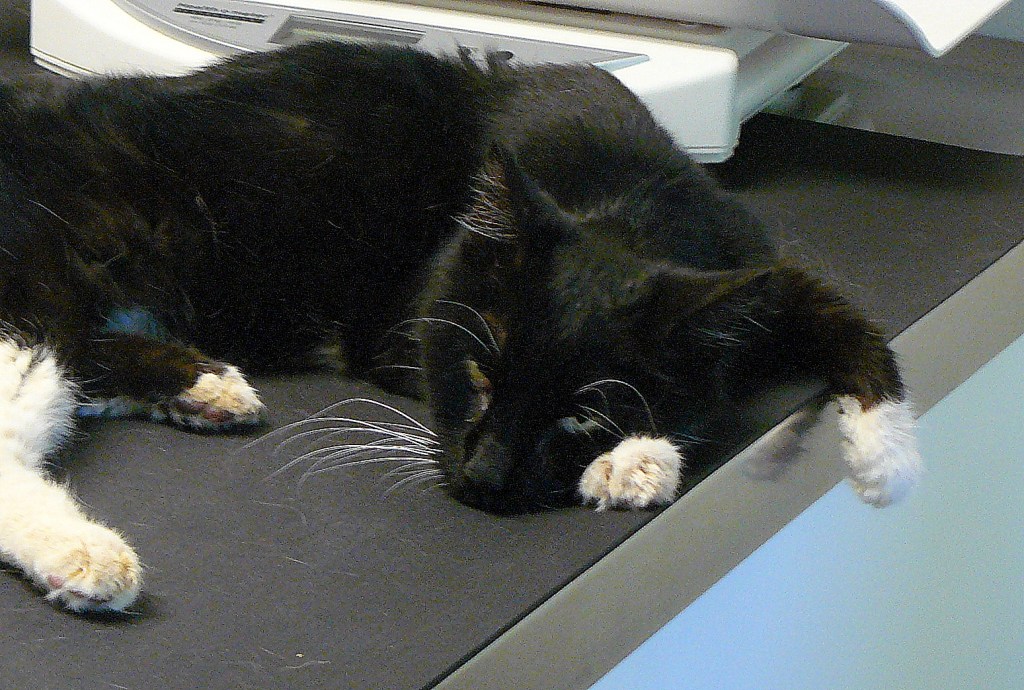
Jessica Louise is a 14-year-old cat that normally lives happily outside. But in recent times ‘Jessie’ has become very thin despite constantly eating and has now preferred to be inside the home even accounting for the fact of there being dogs in the house.
Jim’s pretty certain that he is looking at a cat with a hyperthyroid thyroid gland. No question that a blood test is needed and the blood sample is taken without delay.
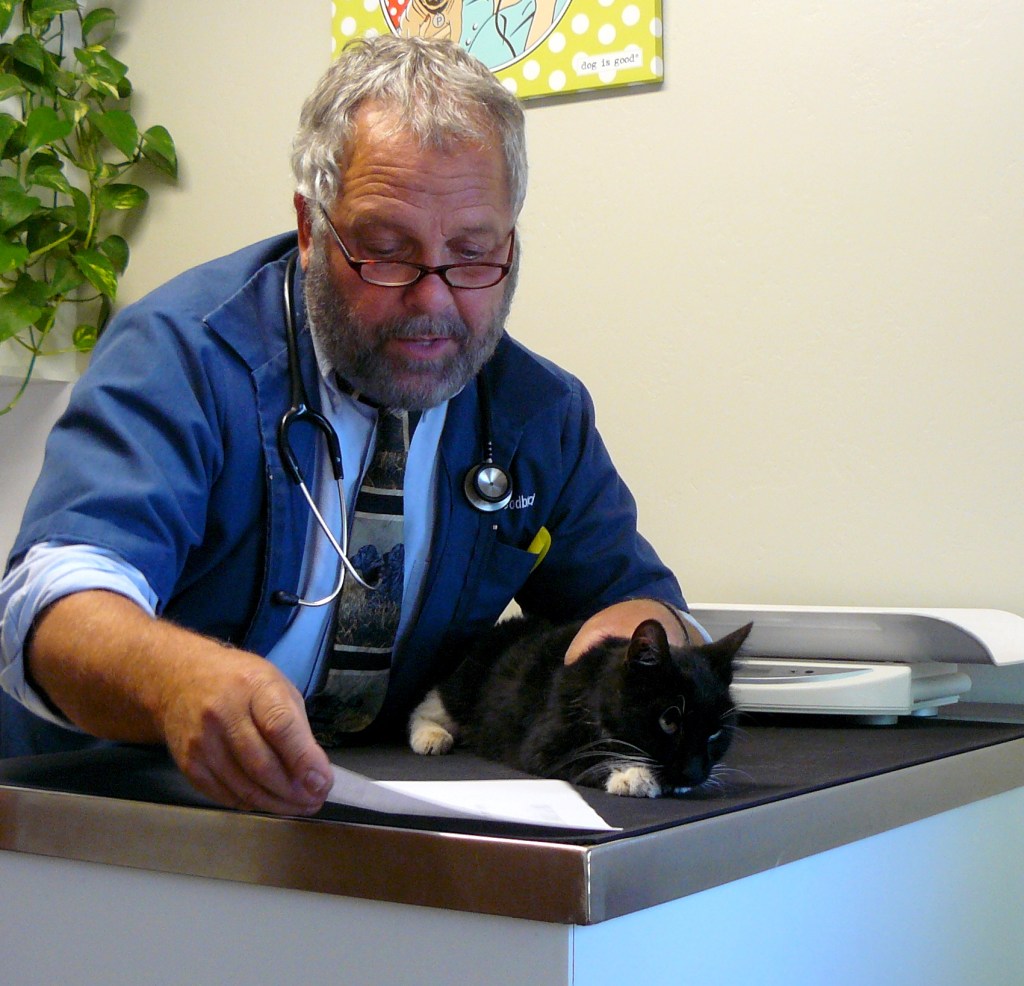
The results are soon back and confirm that Jessie’s T4 readings of >8.00 mg/dL are very high, indeed beyond the upper limit of their testing equipment. Jim explains that the normal range for T4 is between 0.80 – 4.70 mg/dL.
The puzzled look on my face is seen by Jim and he takes a few minutes out to explain what a blood test accomplishes.
There are three parts to the blood test:
A very quick web search found this from which one reads:
Your dog or cat’s T4 (Total T4) is a useful screening test to detect an under-active thyroid gland (hypothyroidism) in dogs or an over-active one (hyperthyroidism) in cats. But total T4 levels are a considerably more accurate way to diagnose an overly active thyroid gland in your cat than an under-active thyroid gland in your dog.
Jim prescribes Methimazole. Once again, back at my desk a quick web search for Methimazole For Cats finds:
What is Methimazole?
Methimazole is used to treat hyperthyroidism in cats. It has largely replaced propylthiouracil in this treatment process since it has a lower incidence of adverse side effects. Methimazole requires a prescription from your veterinarian, and is sold per tablet.
(This is only one of many products found online!)
Jim weighs Jessie and finds that she is 4lbs 12 oz. Her weight should be in excess of 8 lbs.
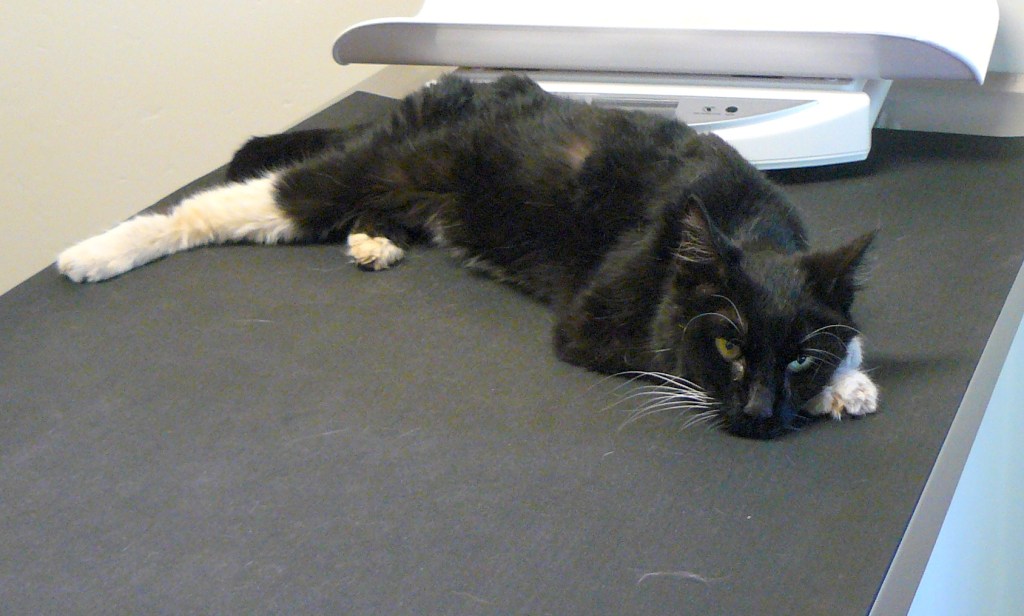
The clinic protocol is that Jessie should not be seen until at least 45 days has elapsed. But Dr. Jim underlines that Jessie should be brought back in to the clinic before then if there is no weight gain soon or, especially, if Jessie continues to lose weight.
10:05 All done.
To be continued:
(Please note: These observations are mine alone and because of the busy environment it must be assumed that my interpretation of what was taking place might not be totally accurate. Nothing in this blog post should be used by a reader to make any medical judgment about an animal. If you have any concern about an animal do make an appointment to see a properly qualified veterinarian doctor.)
ooooo
Good people, may I ask for your assistance.
Best explained by sharing part of a recent email sent to Yvonne D. who has offered her help with my book project. In past times, Yvonne was a Veterinary Technician.
Dear Yvonne,
My Visiting the Vet theme on Learning from Dogs has awakened within me the interest and passion to write my second book. Or, to put it more accurately, to switch away from the present theme that I have been struggling to get stuck into for months.
I spoke with Russel Codd at the clinic and he is really keen to support me.
The overall idea that is forming in my mind is to write a book that alternates, chapter by chapter, between observing the medical and clinical goings-on at a number of vet clinics in town, including specialist processes, surgery, cardiac, etc., and chapters that look deeply into the many different relationships that individuals have with their pets; primarily with dogs and cats.
I want to get into the ‘mindset’ of people who have pets in their lives across the whole range of feelings of those said people. From those who love their pets practically without any limit, to the homeless people (almost 100% men) whom one sees with a dog or two in tow alongside the highway. But also exploring those who seem so hateful. E.g. our pet sitter knows a man who threw his elderly dog away in some local woods. What causes someone to be like this? I want to find out!!
The book will be called: Of Pets, and Of People.
With very kind wishes,
Paul
Copyright (c) 2017 Paul Handover
Any feedback at all would be fabulous! What would you like to see in such a book? What would you most definitely not want to read?