Tag: Penny Martin

Guiding your pup through New Homes and New Faces.

… and New Routines.

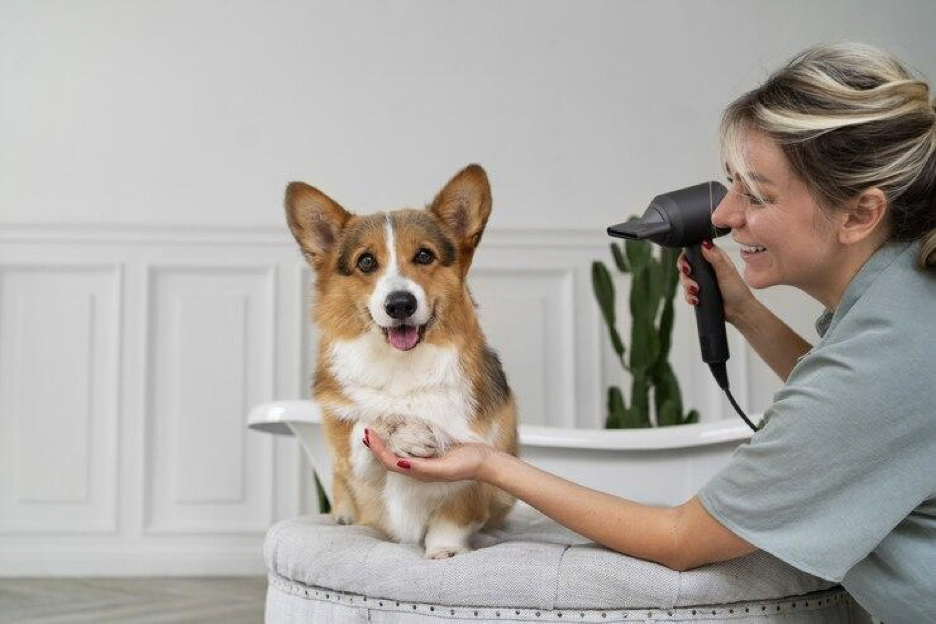
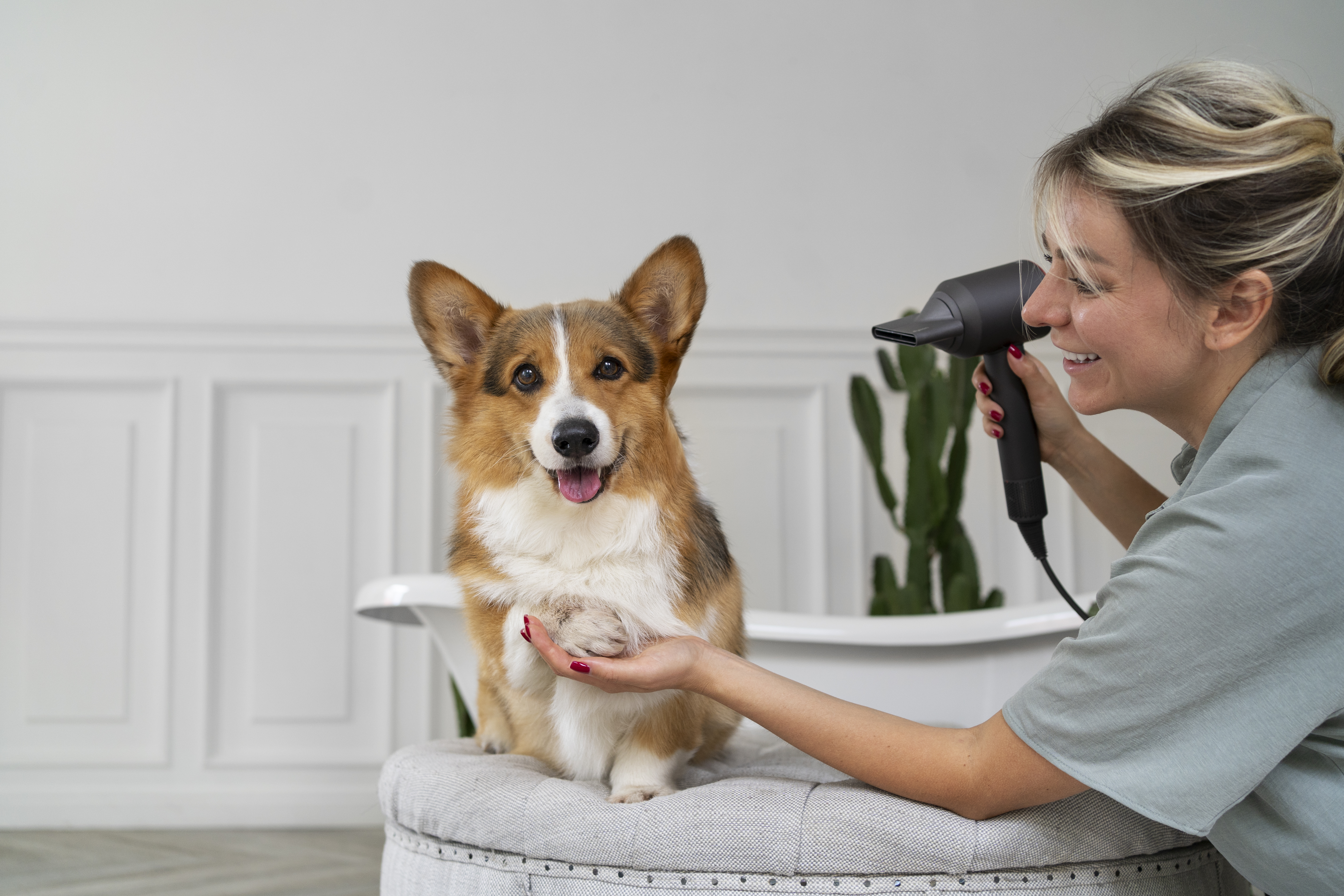
Busy dog owners juggling moves, new jobs, breakups, new babies, or a new roommate often notice something unsettling: a dog who once seemed “fine” starts acting differently. These life changes affecting pets can quietly reshape household dynamics, disrupting routines that help dogs feel safe and understood. When a familiar schedule shifts, pet emotional well-being can wobble, and routine disruption may show up as clinginess, restlessness, accidents, barking, withdrawal, or other behavioral changes in pets. Knowing that these reactions are often signals, not “bad behavior”, gives dog owners a clearer, kinder way to respond.

Why Routine Keeps Dogs Feeling Secure

Dogs build comfort from repeated patterns like meal times, walks, and who comes and goes. When those patterns change, many dogs feel unsure, and their bodies switch into “alert mode.” That stress can look like pacing, panting, whining, hiding, barking, extra licking, stomach upset, or sudden accidents.

This matters because a disrupted routine can shake a dog’s emotional stability, even if nothing “bad” is happening. When you read these shifts as stress signals, you can respond with support instead of frustration. That protects trust and often prevents small issues from becoming long-term habits.

Think of a dog’s day like a familiar map. If the map suddenly changes, your dog may try different behaviors to find safety again, including sticking close or acting jumpy. With this lens, simple strategies can restore calm during moves, new family members, or schedule changes.

Use These 8 Transition Tactics to Keep Your Dog Calm

Big changes can make even a confident dog feel wobbly, because the predictable patterns they rely on suddenly shift. These tactics keep the message consistent: “You’re safe, and I’ve got you,” even when everything else looks different.

  1. Protect the “nonnegotiables” schedule: Pick 2–3 anchors that stay steady no matter what, usually breakfast, one walk, and bedtime. Cornell’s Riney Canine Health Center recommends you schedule your dog’s meals and other daily needs so your dog can predict what’s coming. If your life is chaotic during a move or a new baby, keep those anchors consistent and let the “flex” stuff (like extra play) vary.
  2. Pack and unpack in “scent-safe” zones: During moving week, choose one room as your dog’s calm base camp. Set up a bed, water, and a worn T‐shirt that smells like you, and keep that room off-limits to loud packing whenever possible. On arrival, unpack your dog’s things first so the new space immediately includes familiar smells and routines.
  3. Teach a comfort cue before you need it: Pick one simple cue such as “mat” or “settle,” then practice for 1–2 minutes a few times a day when things are calm. Reward your dog for lying on a blanket or bed while you sit nearby, then gradually add tiny distractions (standing up, opening a drawer). When life changes, you’ll have a practiced “go relax here” skill instead of trying to invent calm in the moment.
  4. Introduce new people with sideways bodies and short wins: For visitors, roommates, or a new partner, ask the person to ignore your dog at first, no reaching, no hovering, no face-to-face staring. Have them toss treats past your dog so your dog can approach and retreat without pressure. Keep the first few meetings to 5–10 minutes, then take a break before your dog gets overwhelmed.
  5. Run “baby practice” or “new family member” rehearsals: If a baby or new pet is coming, rehearse the sounds and movements now. Play baby noises softly during meals, walk around holding a doll or bundled blanket, and reward calm behavior. This kind of prep matters because how much they must learn during major transitions is easy for humans to underestimate.
  6. Buffer work-schedule changes with a mini routine: If you’re leaving earlier or coming home later, shift by 10–15 minutes every couple of days rather than all at once when you can. Add a predictable “departure ritual” (quick potty, 2 minutes of gentle play, food puzzle) and a predictable “reunion ritual” (calm greeting, then outside). This prevents your comings and goings from feeling random, one of the biggest routine disruptors.
  7. Use environmental enrichment to drain stress, not hype it up: Stress often looks like restlessness, pacing, or clinginess, so give your dog a job that uses their brain and nose. Try scatter-feeding in a snuffle spot, a simple cardboard “find it” game, or a frozen food toy during the loudest parts of the day. Choose calming enrichment over high-arousal games when your dog is already on edge.
  8. Aim for “slightly easier than your dog can handle today”: When your dog is anxious, progress is tiny and steady: one step closer to the new stroller, one extra minute in the new yard, one calmer greeting. If your dog freezes, hides, or won’t take treats, the challenge is too big, back up and make it simpler. That gentle pacing helps your dog rebuild trust in their environment, which makes it much easier to keep a steady week of routines going.
  9. Habits That Build Security During Big Life Shifts
  10. When change is unavoidable, consistency becomes communication. These practices help you read your dog’s behavior with more empathy, reinforce trust through predictable patterns, and build emotional resilience a little at a time.
  11. Three-Pillar Daily Check
  12. ● What it is: Do a 60-second scan of physical wellness, cognitive wellness, and nervous system wellness.
  13. ●  How often: Daily
  14. ●  Why it helps: You catch stress early and meet needs before behavior escalates.Predictable Decompression Walk
  15. ●  What it is: Take a low-key sniff walk with no training goals and lots of choice.
  16. ●  How often: Daily
  17. ●  Why it helps: Sniffing releases tension and helps your dog feel oriented.Two-Minute Connection Rep
  18. ●  What it is: Do two minutes of gentle play, grooming, or hand-feeding with full attention.
  19. ●  How often: Daily
  20. ●  Why it helps: Micro-bonding reduces clinginess and builds confidence in you.One New Thing, Then Easy
  21. ●  What it is: Add one small novelty, then follow with a familiar, simple activity.
  22. ●  How often: 3 times weekly
  23. ●  Why it helps: Your dog learns change predicts safety, not overwhelm.Adjustment Notes Log
  24. ●  What it is: Track sleep, appetite, and triggers during the adjustment period.
  25. ●  How often: Weekly
  26. ●  Why it helps: Patterns guide smarter tweaks to your routine and environment.Common Questions About Dogs and Big Life ChangesQ: How can moving to a new home affect my dog’s emotional well-being and daily routine?
    A: 
    A move can unsettle your dog’s sense of safety, so you may see whining, pacing, or accidents while they learn the new map of home. Many dogs may adjust within a few weeks, especially with familiar feeding, potty, and walk times. Next steps: track what seems to trigger stress and tighten the routine around those moments.Q: What are effective strategies to help my dog adjust when our household dynamics change, such as welcoming a new baby?
    A: 
    Your dog may become clingy or reactive because attention, sounds, and scents suddenly change. Keep key rituals steady, add a calm “safe zone,” and reward relaxed behavior near baby related items at a distance your dog can handle. Track triggers like crying or visitors, then adjust the daily plan in tiny, repeatable steps.Q: In what ways do changes in my work schedule impact my dog’s stress levels and behavior?
  27. A: Shifts in your hours can raise uncertainty, which often shows up as barking, restlessness, or door watching. Set predictable alone time practice, use a consistent pre departure cue, and increase enrichment that does not rely on you being home. If problems cluster at certain times, log them and reorganize exercise, potty breaks, and quiet time around that pattern.
  28. Q: What signs indicate that my dog is struggling with transitions, and how can I support them?
  29. A: Look for appetite changes, sleep disruption, increased startle, hiding, sudden accidents, or new shadowing behavior. Support starts with ruling out pain or illness, then simplifying the environment and rewarding calm choices. Your best two moves are to track triggers for a week and revise the routine plan based on what your notes reveal.
  30. Q: If I feel overwhelmed balancing pet care with pursuing a new healthcare career path, what resources can help me manage both effectively?
  31. A: Feeling stretched is common, especially when you are building a new identity and schedule. Create a short, written care checklist for mornings and evenings, then ask a trusted friend, family member, or qualified pet professional to cover specific tasks during peak stress weeks. For your own transition, consider flexible, structured learning options like this resource and time blocking so your dog’s essentials stay steady while you grow.
  32. Make One Gentle Routine Shift to Help Your Dog Adjust
  33. Big life changes can leave dogs confused, clingy, or out of sorts, even when everything looks “fine” on the surface. The steadier path is empathetic pet care: notice what your dog is communicating, keep support predictable, and focus on proactive pet well-being rather than waiting for stress to spiral. Over time, supporting pets through change this way often means fewer meltdowns, faster settling, and a calmer home for everyone. When life shifts, your dog needs clarity and kindness more than perfection. Choose one strategy to start this week, and stick with it long enough to see your dog’s body and behavior soften. That steady care strengthens the human-animal bond and builds resilience for whatever comes next.

ooOOoo

This is a guest post from Penny Martin. It is very comprehensive, especially for dog owners who are very busy people
Your start in a vet business

Penny Martin regularly sends me content that I can publish as a post for you kind people.

And so it is with this one.

ooOOoo

Going Green with Fur and Grit: How to Launch an Eco-Friendly Pet Care Business That Actually Work

You’ve been sitting on the idea for a while now. Maybe it started with that pile of single-use plastic baggies after your dog’s walk, or the ingredient list on your cat’s kibble that read more like a chemistry project than actual food. Maybe you just got tired of feeling like you had to choose between loving your pet and loving the planet. Whatever the reason, you’re here now, staring down the reality of launching a business that’s not only built for animals—but built for good. You want to make something that matters. And you can. But you need to know exactly what you’re walking into.

Anchor Yourself in a Real Way
 
You can’t build this kind of business on good vibes and a cool logo. Before anything else—before the business plan, the branding, or the Instagram account—you’ve got to know exactly why you’re doing this. If your reason isn’t rooted in something deeply personal, something that makes your chest tighten when you think about it, you’ll burn out fast. Maybe it’s watching your senior dog react to over-processed treats, or maybe it’s the garbage island growing in the ocean—whatever it is, let that be your compass.

Streamline the Chaos with the Right Tools

When you’re building a mission-driven business from scratch, the backend can get messy fast. That’s where using an all-in-one business platform becomes a game-changer—it keeps your focus on your values instead of your paperwork. Whether you’re forming an LLC, managing compliance, creating a website, or handling finances, this type of platform can provide comprehensive services and expert support to ensure business success. Platforms like ZenBusiness are built for entrepreneurs like you, giving you the structure to stay organized while you pour your energy into the work that really matters.

Get Ruthlessly Local with Sourcing
 
If you’re serious about sustainability, you’ve got to look hard at where your products come from. Local sourcing doesn’t just reduce your carbon footprint—it tells your community that you care about it. Reach out to nearby farms, independent makers, and ethical manufacturers who align with your mission. Not only will this lower your shipping emissions, it’ll also create real relationships with partners who have skin in the game—and people can feel that authenticity the moment they walk through your door.

Know That Packaging Will Be a Battle
 
You’re going to lose sleep over packaging. You’ll try compostable options that fall apart in humid weather. You’ll learn that “recyclable” doesn’t mean the same thing in every city. And somewhere along the way, you’ll realize that the most sustainable solution might be the least convenient one. This is the part where you have to experiment, ask questions, and stay transparent with your customers. No one expects perfection—but they’ll appreciate your effort to figure it out.

Make the Community Your Co-Founders
 
You’re not building this business for yourself. You’re building it for every person who loves their animal and wants to do better by the planet. So bring them in early. Host small events, set up “ask me anything” nights, partner with local shelters, and turn your customer base into a real community. These people won’t just buy your products—they’ll give you feedback, advocate for your brand, and make you feel less alone when the grind gets real.

Ditch the Guilt, Offer Solutions
 
You’re not here to shame anyone. The pet parent buying big-box kibble isn’t your enemy—they’re someone who probably hasn’t been offered a better option yet. So don’t lecture. Instead, educate through action. Make eco-friendly choices feel fun, feel doable, and feel worth it. When you center your messaging on empowerment instead of guilt, people are way more likely to stick around—and tell their friends.

Teach Through Curiosity, Not Preaching
 
People want to learn, but they don’t want to be condescended to. Your job is to become the kind of brand that shares knowledge without turning it into a TED Talk. Drop bite-sized facts on your packaging, start conversations in-store, and use your social platforms to casually open people’s eyes. Think of it like planting seeds—not every customer will bloom overnight, but the ones who do will remember how you made them feel when they were just getting started.

Hire with Heart, Not Just Skill
 
You can train someone to trim nails or restock shelves, but you can’t teach them to care. The team you build needs to believe in the mission as much as you do. They’re the ones explaining the difference between corn-based and petroleum-based bags to a frazzled pet parent who’s late for pickup. If your staff is just collecting paychecks, your message won’t land. But if they’re aligned with your values? That’s when your business becomes a movement.

Don’t Let Perfect Be the Point
 
You will mess up. You’ll stock a “sustainable” product that turns out to be greenwashed. You’ll order packaging that gets held up in customs. You’ll have days where you wonder if any of this actually matters. That’s normal. Progress in this space is messy, nonlinear, and full of trade-offs. The key is to keep going, stay honest, and let your customers come along for the ride. They don’t need you to be flawless—they just need to believe you’re trying.

Starting an eco-conscious pet care business means doing things the hard way on purpose. It means waking up early to answer emails from suppliers and staying up late comparing compostable labels. It means showing up for your customers, your team, your animals—and the planet. But if your heart’s in the right place and your feet stay on the ground, you’ll build something that matters. And really, that’s the kind of work worth doing.

Discover the wisdom of our loyal companions and explore the journey of life with Learning from Dogs, where every post is a step towards understanding and fulfillment.

ooOOoo

As a very ex-entrepreneur, I can tell you that there is much in Penny’s article that applies to starting any business.

And as an ex-salesman, everything starts with the customer. The persons who are attracted to what you are selling. It is hard work but pleasing work. Before I started Dataview I worked for IBM UK in their office products division, as a salesman. I loved the job!

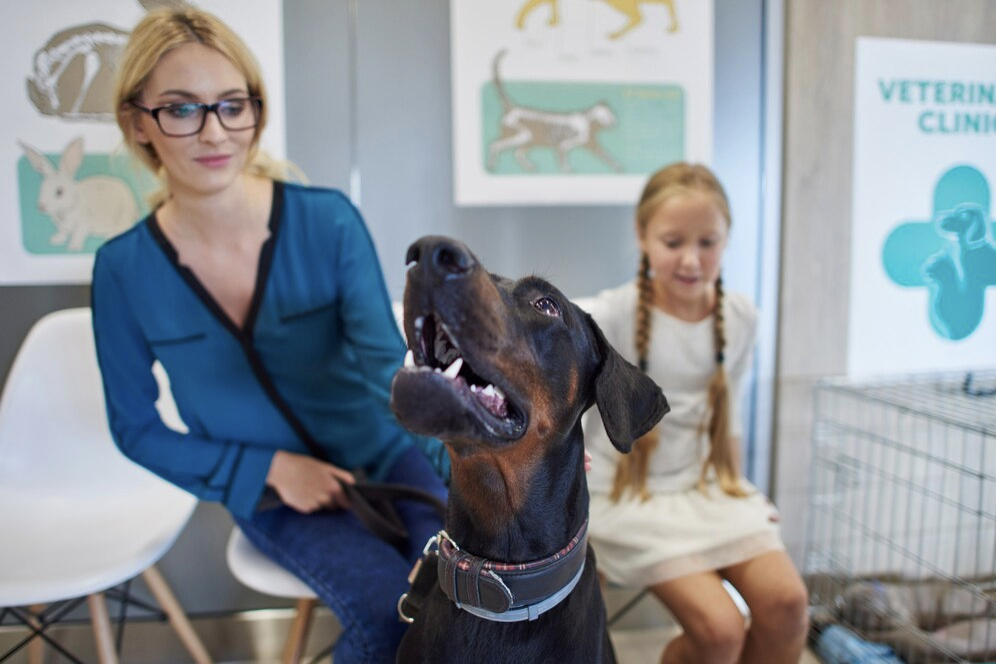
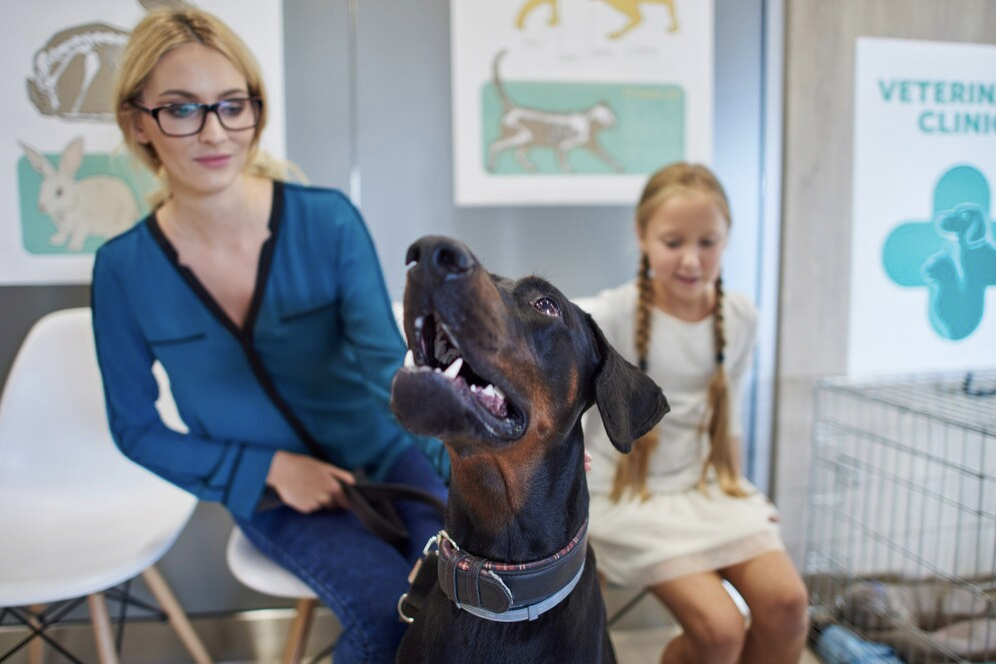
Making your vet clinic profitable

The second guest post from Penny Martin.

ooOOoo

Image: Freepik

Vision to Reality: Building a Profitable Vet Clinic

Launching a veterinary clinic is a significant endeavor that requires meticulous planning and strategic decision-making. This venture combines a passion for animal care with the intricacies of managing a successful business. Aspiring clinic owners must navigate several critical steps to lay a strong foundation and ensure operational excellence. Starting your own clinic promises not only to fulfill a dream of helping animals but also to establish a thriving enterprise in the community.

Build a Strong Foundation with an Effective Marketing Strategy

A robust marketing strategy is essential to attract potential clients in the digital era. Establishing a professional online presence through a user-friendly website that details your services, team, and location builds trust among pet owners. Engage actively on social media with regular updates and client testimonials to showcase your expertise and commitment to animal care. Forge partnerships with local pet-related businesses to increase visibility and drive traffic to your clinic, enhancing both your and your partners’ customer bases.

Craft a Clear and Detailed Business Plan

A well-constructed business plan acts as your clinic’s roadmap, detailing your mission, services offered, and the specific target market. Identify your niche early—whether it’s specializing in certain animals or treatments—to attract the appropriate clientele. Include comprehensive financial projections and a marketing budget in your plan to ensure financial preparedness and support your clinic’s promotional activities.

Enhance Your Business Knowledge by Pursuing an MBA

Running a veterinary clinic demands a blend of clinical and business expertise. Pursuing a master’s of business administration online can boost your proficiency in key business areas such as strategy, management, and finance. An MBA not only deepens your understanding of business operations but also enhances leadership skills and self-assessment capabilities. These competencies are essential for balancing the medical and business demands of your clinic, ensuring its long-term success.

Safeguard Your Business with Proper Insurance

Operating a veterinary clinic comes with inherent risks, making comprehensive insurance coverage essential. Essential policies include malpractice insurance to handle legal issues and general liability insurance for accidents on your premises. Property insurance is crucial to protect your clinic’s infrastructure and equipment against unexpected events. Consulting with an insurance expert can ensure that you have thorough coverage to protect against potential financial setbacks.

Invest in High-Quality Veterinary Equipment

Providing top-tier care necessitates investing in high-quality veterinary equipment. Essential tools like X-ray machines, surgical instruments, and lab equipment should be of the highest standard to ensure accurate diagnoses and treatments. Modern technologies, such as digital imaging systems, not only enhance patient care but also improve operational efficiency. While the initial cost may be higher, investing in quality equipment pays off in the long run by boosting efficiency and minimizing errors.

Secure the Necessary Funding for Your Clinic

Securing sufficient funding is critical when starting a veterinary clinic. Estimate your startup costs accurately to understand your financial needs, including equipment, premises, staffing, and marketing. Explore diverse financing options, such as bank loans, private investors, and specialty medical practice loans that might offer favorable terms. Adequate initial funding prevents cash flow problems and supports your clinic’s growth trajectory.

Choose the Right Location for Your Clinic

The location of your clinic is pivotal to its success, necessitating a spot with a high demand for veterinary services. Conduct thorough market research to choose a community rich in pet owners who need your services. Select a location that is accessible, visible, and has ample parking to ensure convenience for your clients. Proximity to complementary services like pet groomers or dog trainers can further enhance client traffic and provide expansion opportunities.

Opening a veterinary clinic is both challenging and rewarding, demanding a careful blend of dedication and strategic foresight. Success in this field not only enhances the well-being of pets but also contributes positively to the local community. It requires ongoing commitment to adapt and grow in a dynamic environment. Ultimately, the fulfillment of running a successful veterinary clinic comes from both the impact on animal health and the achievement of entrepreneurial goals.

Discover the timeless wisdom that dogs offer at Learning from Dogs, where integrity and living in the present are celebrated. Dive into our content and embrace the lessons from our four-legged friends.

ooOOoo

This is all very sound advice. Thank you, Penny.

Starting a Veterinary Clinic

A guest post.

This post, and the next one, are submitted by Penny Martin.

ooOOoo

Image: Freepik

Vision to Reality: Building a Profitable Vet Clinic

Launching a veterinary clinic is a significant endeavor that requires meticulous planning and strategic decision-making. This venture combines a passion for animal care with the intricacies of managing a successful business. Aspiring clinic owners must navigate several critical steps to lay a strong foundation and ensure operational excellence. Starting your own clinic promises not only to fulfill a dream of helping animals but also to establish a thriving enterprise in the community.

Build a Strong Foundation with an Effective Marketing Strategy

A robust marketing strategy is essential to attract potential clients in the digital era. Establishing a professional online presence through a user-friendly website that details your services, team, and location builds trust among pet owners. Engage actively on social media with regular updates and client testimonials to showcase your expertise and commitment to animal care. Forge partnerships with local pet-related businesses to increase visibility and drive traffic to your clinic, enhancing both your and your partners’ customer bases.

Craft a Clear and Detailed Business Plan

A well-constructed business plan acts as your clinic’s roadmap, detailing your mission, services offered, and the specific target market. Identify your niche early—whether it’s specializing in certain animals or treatments—to attract the appropriate clientele. Include comprehensive financial projections and a marketing budget in your plan to ensure financial preparedness and support your clinic’s promotional activities.

Enhance Your Business Knowledge by Pursuing an MBA

Running a veterinary clinic demands a blend of clinical and business expertise. Pursuing a master’s of business administration online can boost your proficiency in key business areas such as strategy, management, and finance. An MBA not only deepens your understanding of business operations but also enhances leadership skills and self-assessment capabilities. These competencies are essential for balancing the medical and business demands of your clinic, ensuring its long-term success.

Safeguard Your Business with Proper Insurance

Operating a veterinary clinic comes with inherent risks, making comprehensive insurance coverage essential. Essential policies include malpractice insurance to handle legal issues and general liability insurance for accidents on your premises. Property insurance is crucial to protect your clinic’s infrastructure and equipment against unexpected events. Consulting with an insurance expert can ensure that you have thorough coverage to protect against potential financial setbacks.

Invest in High-Quality Veterinary Equipment

Providing top-tier care necessitates investing in high-quality veterinary equipment. Essential tools like X-ray machines, surgical instruments, and lab equipment should be of the highest standard to ensure accurate diagnoses and treatments. Modern technologies, such as digital imaging systems, not only enhance patient care but also improve operational efficiency. While the initial cost may be higher, investing in quality equipment pays off in the long run by boosting efficiency and minimizing errors.

Secure the Necessary Funding for Your Clinic

Securing sufficient funding is critical when starting a veterinary clinic. Estimate your startup costs accurately to understand your financial needs, including equipment, premises, staffing, and marketing. Explore diverse financing options, such as bank loans, private investors, and specialty medical practice loans that might offer favorable terms. Adequate initial funding prevents cash flow problems and supports your clinic’s growth trajectory.

Choose the Right Location for Your Clinic

The location of your clinic is pivotal to its success, necessitating a spot with a high demand for veterinary services. Conduct thorough market research to choose a community rich in pet owners who need your services. Select a location that is accessible, visible, and has ample parking to ensure convenience for your clients. Proximity to complementary services like pet groomers or dog trainers can further enhance client traffic and provide expansion opportunities.

Opening a veterinary clinic is both challenging and rewarding, demanding a careful blend of dedication and strategic foresight. Success in this field not only enhances the well-being of pets but also contributes positively to the local community. It requires ongoing commitment to adapt and grow in a dynamic environment. Ultimately, the fulfillment of running a successful veterinary clinic comes from both the impact on animal health and the achievement of entrepreneurial goals.

Discover the timeless wisdom that dogs offer at Learning from Dogs, where integrity and living in the present are celebrated. Dive into our content and embrace the lessons from our four-legged friends.

ooOOoo

Opening a vet clinic is well beyond me even though many years ago I was an entrepreneur.

However, one hopes that somewhere a person or two find this very useful.

Starting a veterinary clinic

Like any new start-up of a business venture, this requires knowledge, skills and quite a bit of luck!

I am delighted to offer this guest post by Penny.

ooOOoo

Image: Freepik

Vision to Reality: Building a Profitable Vet Clinic

Launching a veterinary clinic is a significant endeavor that requires meticulous planning and strategic decision-making. This venture combines a passion for animal care with the intricacies of managing a successful business. Aspiring clinic owners must navigate several critical steps to lay a strong foundation and ensure operational excellence. Starting your own clinic promises not only to fulfill a dream of helping animals but also to establish a thriving enterprise in the community.

Build a Strong Foundation with an Effective Marketing Strategy

A robust marketing strategy is essential to attract potential clients in the digital era. Establishing a professional online presence through a user-friendly website that details your services, team, and location builds trust among pet owners. Engage actively on social media with regular updates and client testimonials to showcase your expertise and commitment to animal care. Forge partnerships with local pet-related businesses to increase visibility and drive traffic to your clinic, enhancing both your and your partners’ customer bases.

Craft a Clear and Detailed Business Plan

A well-constructed business plan acts as your clinic’s roadmap, detailing your mission, services offered, and the specific target market. Identify your niche early—whether it’s specializing in certain animals or treatments—to attract the appropriate clientele. Include comprehensive financial projections and a marketing budget in your plan to ensure financial preparedness and support your clinic’s promotional activities.

Enhance Your Business Knowledge by Pursuing an MBA

Running a veterinary clinic demands a blend of clinical and business expertise. Pursuing a master’s of business administration online can boost your proficiency in key business areas such as strategy, management, and finance. An MBA not only deepens your understanding of business operations but also enhances leadership skills and self-assessment capabilities. These competencies are essential for balancing the medical and business demands of your clinic, ensuring its long-term success.

Safeguard Your Business with Proper Insurance

Operating a veterinary clinic comes with inherent risks, making comprehensive insurance coverage essential. Essential policies include malpractice insurance to handle legal issues and general liability insurance for accidents on your premises. Property insurance is crucial to protect your clinic’s infrastructure and equipment against unexpected events. Consulting with an insurance expert can ensure that you have thorough coverage to protect against potential financial setbacks.

Invest in High-Quality Veterinary Equipment

Providing top-tier care necessitates investing in high-quality veterinary equipment. Essential tools like X-ray machines, surgical instruments, and lab equipment should be of the highest standard to ensure accurate diagnoses and treatments. Modern technologies, such as digital imaging systems, not only enhance patient care but also improve operational efficiency. While the initial cost may be higher, investing in quality equipment pays off in the long run by boosting efficiency and minimizing errors.

Secure the Necessary Funding for Your Clinic

Securing sufficient funding is critical when starting a veterinary clinic. Estimate your startup costs accurately to understand your financial needs, including equipment, premises, staffing, and marketing. Explore diverse financing options, such as bank loans, private investors, and specialty medical practice loans that might offer favorable terms. Adequate initial funding prevents cash flow problems and supports your clinic’s growth trajectory.

Choose the Right Location for Your Clinic

The location of your clinic is pivotal to its success, necessitating a spot with a high demand for veterinary services. Conduct thorough market research to choose a community rich in pet owners who need your services. Select a location that is accessible, visible, and has ample parking to ensure convenience for your clients. Proximity to complementary services like pet groomers or dog trainers can further enhance client traffic and provide expansion opportunities.

Opening a veterinary clinic is both challenging and rewarding, demanding a careful blend of dedication and strategic foresight. Success in this field not only enhances the well-being of pets but also contributes positively to the local community. It requires ongoing commitment to adapt and grow in a dynamic environment. Ultimately, the fulfillment of running a successful veterinary clinic comes from both the impact on animal health and the achievement of entrepreneurial goals.

Discover the timeless wisdom that dogs offer at Learning from Dogs, where integrity and living in the present are celebrated. Dive into our content and embrace the lessons from our four-legged friends.

ooOOoo

This is a skilled summary of the needs of opening a vet’s clinic. And thank you, Penny, for your last paragraph. It has been a pleasure!

Picture Parade Four Hundred and Twenty-Three

Continuing on the theme

With ongoing many thanks to Penny.

Nothing to add to this wisdom from the mouths of dogs!

Pleasing one’s dog!

Penny Martin delivers another great post!

At first sight, the above title goes without saying. But then one quickly realises that not everyone, by far, has the circumstances that are ideal for dogs.

Thus, it is an important guest post from Penny.

ooOOoo

Explore the world of Learning from Dogs, where the integrity and lessons from our canine friends are celebrated. 

Photograph courtesy of Freepik

Canine Contentment: Effortless Ways to Please Your Pooch

Enhancing your dog’s quality of life goes beyond just fulfilling their basic needs. It’s about creating a fulfilling environment that nurtures both their physical and mental well-being, ensuring they lead a happy and healthy life. By adopting a few straightforward strategies, you can make a significant impact on your furry companion’s daily life. In today’s post on the Learning From Dogs blog, we delve into practices that promise to elevate your dog’s overall happiness and strengthen the bond you share.

Diversify Playtime

Traditional fetch is a classic game, but expanding your play sessions to include interactive toys, agility courses, and the teaching of new tricks can significantly stimulate your dog’s mind and body. These activities are not just fun; they challenge your dog, keeping them mentally sharp and physically fit. An engaged dog is a happy dog, and by incorporating variety into your playtime, you ensure their days are filled with anticipation and excitement.

Upgrade Their Living Space

A nurturing environment for your dog goes beyond daily walks and playtime; it extends into the realm of maintaining a safe and secure home. Leveraging a home maintenance and repair app can be a game-changer for pet owners, offering an efficient way of covering repair and maintenance. These digital tools simplify the process of arranging service appointments. Furthermore, they connect homeowners with skilled professionals, ready to provide estimates for any necessary work, keeping the living space both comfortable and safe for your furry friend.

Plan for Daily Exercise

Tailoring daily exercise to match your dog’s breed and energy level is crucial for their overall well-being. Incorporating at least 30 minutes of brisk walking or running into their routine plays a pivotal role in maintaining physical fitness and mental alertness. This practice acts as a fundamental pillar of health, warding off boredom and potential behavioral problems, thereby securing a state of contentment and optimal health for your pet. Moreover, this commitment to regular physical activity reinforces your bond with your dog, highlighting the shared experiences that enrich your relationship.

Socialize Regularly

Socialization introduces your dog to new experiences and fellow canines, crucial for their emotional development. Visits to dog parks, pet-friendly stores, or arranging doggy playdates offer your dog a chance to develop social skills and enjoy a variety of experiences. Such outings enrich your dog’s life, offering new sights, sounds, and smells to explore, keeping their days interesting and fulfilling.

Consistent Training Sessions

Consistent training sessions are crucial for both teaching your dog new skills and enhancing the bond between you and your pet. By employing positive reinforcement methods, you not only make learning enjoyable for your dog but also significantly strengthen your relationship. Keeping the training sessions regular and brief ensures your dog’s mental stimulation is high and reaffirms their status as a cherished family member. The technique of positive reinforcement turns each training encounter into an anticipated and joyous occasion, underscoring the pleasure found in the learning process.

Mealtime Enrichment

Transforming mealtime into a game satisfies your dog’s natural foraging instincts. Puzzle feeders, snuffle mats, or hiding treats around the house can turn a routine meal into an exciting adventure. This not only enriches their daily routine but also provides mental stimulation, keeping their minds sharp and engaged.

Provide a Cozy Retreat

Ensuring your dog has a comfortable resting area is essential for their sense of security and well-being. Spending time each day on calm interactions, such as petting or grooming, reinforces their feeling of love and security. A dedicated space for rest and the assurance of your love helps them feel safe and cherished, fostering a deep sense of well-being.

Adopting these strategies not only improves your dog’s physical and mental health but also enhances the bond you share, making each moment together richer and more meaningful. Each practice, from diversifying playtime to ensuring a comfortable living space, plays a vital role in your dog’s overall happiness. By investing time and love into your dog’s well-being, you ensure they lead a fulfilling life, full of joy and love. Embrace these strategies and witness the transformation in your dog’s life, knowing you’re providing the best care and affection possible.

ooOOoo

I am very grateful to Penny for sending these posts to me.

Long may it continue!

Our interconnected world

Penny Martin offers another post, but first comment on the rain.

With this day being the 1st February I can tell you what we received in rainfall for January: it was 11.99 inches (30.45 cms). That is a record for the years that we have been living here.

Now over to Penny.

Penny Martin is now a regular contributor to these pages, and I am grateful for that. Simply because I have been blogging for a long time and having this resource is most welcome. Not that I consider Penny a ‘resource’ she is much more than that: Penny is a brilliant contributor.

Here is her latest offering, talking about the new world so many of us are now living in.

ooOOoo

Image: Freepik

Laptop and Leash: Succeeding as a Pet-Loving Digital Nomad

By Penny Martin.

In today’s interconnected world, the allure of becoming a digital nomad resonates with many. This lifestyle promises the freedom to explore the world while staying professionally active. However, for those who cherish the company of their pets, this dream presents unique challenges. This guide from Learning from Dogs is designed to navigate the complexities of adopting a digital nomad lifestyle with your pet, ensuring a seamless transition that caters to both your needs and those of your animal companion.

Establishing a Financial Foundation

Embarking on a journey with your pet as a digital nomad begins with the fundamental step of securing a reliable income. This financial stability is the cornerstone of your nomadic life, ensuring that both you and your pet’s needs are adequately met. Whether it’s through remote employment, freelance work, or managing an online business, a consistent income stream is essential. It provides peace of mind and the freedom to fully embrace the nomadic lifestyle with your furry friend.

Advancing Digital Skills

In today’s rapidly changing digital environment, the skills you possess are of paramount importance. It’s essential to devote time to bolstering your digital expertise. One way to do this is by pursuing further education, such as enrolling in online courses that offer specialized training. Notably, a cybersecurity degree can be earned online, providing an avenue to deepen your understanding of protecting data and computer networks. Additionally, acquiring skills in fields like digital marketing or web development can be immensely beneficial. These skills are invaluable not just for career growth and stability but also for ensuring you can work effectively from any corner of the globe. 

Finding Pet-Friendly Living Spaces

Transitioning to a nomadic lifestyle with a pet requires thoughtful planning, particularly when it comes to accommodations. It is essential to find living spaces that are not just comfortable for you but also welcoming to your pet. This means prioritizing pet-friendly hotels, apartments, and co-living spaces in your travel planning. Ensuring a comfortable and safe environment for your pet is key to a successful journey, allowing both of you to settle in and adapt to new surroundings with ease.

Navigating Legalities and Regulations

As you traverse different regions and countries, it’s important to stay informed about the varying legal requirements related to pet travel and ownership. This includes understanding entry regulations, quarantine rules, and local leash laws. Being well-versed in these legalities ensures that you avoid any complications or surprises during your travels. It also demonstrates a commitment to responsible pet ownership, reflecting a respect for the regulations of each place you visit.

Emphasizing Pet Health and Safety

The health and safety of your pet should always be a top priority. This includes ensuring that all vaccinations are up-to-date and that your pet has a microchip with current contact information. Additionally, researching veterinary services and emergency clinics in each new location provides peace of mind. Being proactive about your pet’s health needs and prepared for any emergencies are crucial aspects of traveling safely and responsibly with your pet.

Access to Veterinary Services

Before setting off on your nomadic adventure, investigate the availability of veterinary care in your planned destinations. Identifying reputable clinics and hospitals ensures that you have access to necessary health services for your pet. In addition, carrying a basic first-aid kit for pets can help manage minor health issues that may arise during your travels. Being prepared in this regard is a testament to your commitment to your pet’s well-being.

Efficient Management of Pet Documents

Organizing your pet’s documents is as important as managing your own. This includes keeping a digital record of your pet’s medical history, identification, and travel permits. Utilizing mobile applications for document scanning and storage offers a convenient solution to keep these vital records accessible at all times. Efficient document management streamlines the process of crossing borders and accessing services, ensuring a smoother travel experience for both you and your pet.

The journey of a digital nomad with a pet is a path filled with rewarding experiences and unique challenges. By laying a solid financial foundation, enhancing your digital capabilities, and meticulously planning for your pet’s needs, this lifestyle becomes not only feasible but deeply fulfilling. It’s a journey that goes beyond mere travel – it’s about building a life rich with experiences and memories, shared with your loyal companion every step of the way.

ooOOoo

These are key tips from Penny and ones that all people who are regular users of digital devices should employ; and that is a huge number these days.

Jean and I are still coming to terms with Monday’s loss of Brandy. We will never forget the incident for the rest of our lives. Hearing that Brandy’s body had been found would be very helpful but, personally, I think that is very unlikely.

Another guest post from Penny

Concerning addiction recovery.

Penny Martin is a regular contributor to these pages and I am delighted with that.

So without any more todo, here is Penny’s post.

ooOOoo

Fur-Ever Friends: The Therapeutic Bonds of Pets in Addiction Rehab

By Penny Martin

Image via Pexels

Recovery from addiction is a complex and emotionally taxing process that involves much more than simply abstaining from substance use. It necessitates a holistic approach to healing, which often includes medical treatment, psychotherapy, lifestyle changes, and, for many people, the support of loved ones. 

Another source of support that is increasingly recognized for its therapeutic benefits is the companionship of pets. Whether it’s a dog, a cat, or even a bird, pets offer emotional sustenance, non-judgmental companionship, and numerous practical advantages. In this article from Learning from Dogs, we delve into how the presence of a pet can be a transformative experience.

It’s All About a Good Routine

Establishing a stable routine is a cornerstone of addiction recovery. A routine not only provides structure to the day but also instills a sense of responsibility and purpose. Owning a pet naturally requires a routine for feeding, exercise, and care. 

This routine can help an individual in recovery stay focused and reduce the void or emptiness often cited as a relapse trigger. Technologies like automated pet feeders can further support this routine, ensuring that your responsibilities are met even when you’re dealing with emotional ups and downs.

Pets Just Make You Feel Better

PsychCentral notes that interacting with pets has been scientifically shown to improve emotional health. Simple actions such as petting a dog or cat trigger the release of “feel-good” hormones like oxytocin, reducing stress and elevating mood. 

These emotional benefits are invaluable, especially during the psychologically taxing phases of withdrawal and detoxification. Mental health tracking apps can provide real-time data on your emotional state, often reflecting an improvement correlated with increased time spent with your pet.

Pet-Friendliness and Rehab

Selecting the appropriate rehab facility is an essential step toward a successful recovery journey. An important criterion to consider is the availability of pet-friendly options or the incorporation of pet therapy in the facility’s treatment approach. 

Many centers, including local resources for treatment and recovery, are increasingly acknowledging the multifaceted therapeutic advantages that pets can offer and are thus integrating them into their treatment regimens. Specialized online platforms provide comprehensive data about such pet-amicable facilities, empowering individuals to make a well-informed decision.

Diverting from Destructive Urges

Engaging with pets can provide a crucial distraction from cravings and negative thoughts. Whether it’s going for a walk, playing fetch, or simply cuddling on the sofa, these activities require engagement that diverts attention away from destructive patterns. There are even interactive pet toys available now, controlled via smartphone apps, that can keep both the pet and the owner engaged, further reducing idle time that might otherwise lead to cravings.

Pets Make You Social

HABRI points out that owning a pet often encourages social interaction, which can be particularly beneficial during recovery. Whether it’s through meeting other dog owners during walks or engaging in community pet events, these interactions foster a sense of community and belonging. These newly formed social connections can be a significant supportive element in staying sober. Social platforms and apps for pet owners offer a virtual space to connect, share experiences, and seek advice, contributing to a broader support system.

Enhancing Self-Image

Successfully caring for a pet significantly boosts self-esteem and self-worth. Taking responsibility for the well-being of another life generates a sense of accomplishment and purpose, which are foundational in rebuilding one’s life after addiction. Virtual training modules and online courses offer valuable insights into pet care, further increasing competence and confidence in this area.

The journey through addiction recovery is seldom straightforward. It’s a path fraught with challenges, emotional turbulence, and setbacks. However, the simple act of caring for a pet offers an unmatched emotional and practical support system that aids significantly in the recovery process. From establishing routine and boosting emotional well-being to providing a sense of purpose, the benefits are multi-layered and profound. As you navigate through the trials of addiction recovery, the companionship of a pet can become one of your most significant sources of comfort, strength, and hope.

Learning from Dogs serves as a reminder of the values of life and the power of unconditional love – as so many, many dogs prove each and every day. Read more informative articles today!

ooOOoo

HABRI stands for The Human Animal Bond Research Institute and their website is available if you click on the title. I am going to see if I can republish some of HABRI’s articles.

Anyway, thanks to Penny for another great guest post.

It just goes to show the importance of loving an animal, especially a cat or a dog.

Selling your home

As a pet owner.

This is a guest post, from Penny Martin. Penny has written guest posts previously, and I welcome another one for your reading.

ooOOoo

How To Style Your Home for a Successful Sale As a Pet Owner

By Penny Martin

Photo via Pexels

Selling a home is a pivotal moment, and it’s often laden with challenges, especially for pet owners. Pets are integral to many families, yet their presence in a home can affect its market appeal. The key to success lies in presenting a home that is inviting to a broad range of buyers, creating a balance where your pet-friendly environment is subtly perceptible but not overtly dominant. This comprehensive guide, presented by Learning From Dogs, delves into effective strategies for preparing your home for sale, ensuring it is welcoming and appealing to potential buyers while accommodating your pets in an understated manner.

Refurbish Pet-Caused Damages

Initiate the home staging process by addressing any visible pet-related damage. This includes repairing scratched floors, restoring torn carpets, and replacing chewed baseboards or door frames. Undertaking these repairs is essential, as it enhances the aesthetic appeal of your home and demonstrates to potential buyers that the property has been meticulously cared for. This attention to detail not only increases the home’s visual appeal but also instills confidence in buyers about the overall maintenance of the property. It’s also a good idea to take proactive measures that will prevent your pet from exhibiting destructive behaviors in your new place.

Deep Cleaning for a Pristine Look

The importance of a thoroughly cleaned home cannot be overstated. This means going beyond the usual cleaning routine to focus on eradicating pet hair, dander, and any trace of pets. Consider the benefits of a professional cleaning service to ensure a comprehensive and meticulous result. A spotlessly clean home not only presents well but also communicates a sense of pride and care in property maintenance. It’s a visual reassurance to buyers that the home has been well-loved and looked after.

Market Research for Competitive Edge

Conducting thorough market research is a pivotal step in the home-selling process. Investigate how comparable homes in your locality are presented in the market. Pay close attention to their staging techniques, pricing strategies, and how they highlight their homes’ best features. This research will arm you with knowledge and insights, enabling you to position your home competitively in the market. Understanding the local real estate landscape helps in making informed decisions about how to best showcase your home to attract the right buyers.

Eliminating Pet Odors

Neutralizing pet odors is a critical aspect of home staging. Utilize air purifiers, scented candles, and specialized odor-neutralizing products to ensure your home smells inviting. Regularly airing out the house also plays a crucial role in maintaining a pleasant and fresh atmosphere. Remember, the olfactory experience can greatly influence a buyer’s first impression, so a fresh-smelling home is key to creating a positive and lasting impact.

Stowing Away Pet Supplies

During property viewings, it’s advisable to temporarily remove all visible pet supplies, including food bowls, toys, beds, and litter boxes. You can also do this with personal items such as family photos. This tactic helps potential buyers focus on the space itself without distractions. Creating an environment where buyers can easily envision their own life and belongings in the space is crucial for forming an emotional connection with the property.

Clearing Out Pet Furniture

Consider storing or temporarily replacing pet-specific furniture, such as cat trees, dog beds, and pet crates, as well as large pieces of your own furniture. This not only declutters the space but also allows potential buyers to appreciate the full potential and size of each room. Clearing these items creates an impression of more space and versatility, appealing to a wider range of buyer preferences.

Selecting Pet-Friendly Fabrics

Switch to fabrics that are less prone to trapping pet hair and odors. Opt for easy-to-clean furniture covers that complement your home’s decor. Neutral tones and textures can make a significant difference, as they help potential buyers envision their own furniture and style in the space. This subtle change can enhance the overall appeal of your home, making it more attractive to a diverse group of buyers.

Navigating the home-selling journey as a pet owner requires a strategic and thoughtful approach. By implementing these tailored strategies, you can ensure your home is showcased as a welcoming, pet-neutral space, appealing to a broad spectrum of buyers. A well-prepared, immaculately clean, and thoughtfully staged home increases the likelihood of attracting serious buyers and achieving a successful sale. Remember, the goal is to present a home that resonates with buyers’ aspirations, creating an environment where they can easily envision building their future.

Learning From Dogs offers a unique perspective on how to live life with honesty and integrity. Follow the blog today to learn more!

ooOOoo

Thank you, Penny.

Hopefully this will be on interest to our readers. I, certainly, found it so. Plus, I was more than grateful for the LfD references in the article. Once again, thank you, Penny.